3 Proven Ways Massage Prevents Runner Injuries

If you’re clocking steady weekly mileage, you know the cycle: one day it’s cranky hamstrings, the next it’s an IT-band that feels like a piano wire. Consistent training builds incredible fitness, but it also piles micro-stress onto muscles, tendons, and fascia. Left unchecked, that cumulative stress is a primary reason runners lose weeks to preventable overuse injuries.

The good news is that strategic, regular massage can dismantle this cycle of tightness and strain before it leads to a full-blown problem. Research indicates that massage therapy can reduce muscle tension, increase range of motion, and decrease delayed onset muscle soreness. It’s not just about relaxation; it’s a targeted tool for keeping your body resilient.

1. Increases Range of Motion to Prevent Strains

Repetitive running motion shortens key muscle groups, particularly the hamstrings, calves, and hip flexors. Over time, this reduced flexibility limits your stride and forces other muscles to compensate, creating imbalances that lead to strains. Massage directly addresses this by using techniques like deep-tissue stripping and myofascial release to lengthen muscle fibers.

By restoring proper muscle length, massage boosts joint mobility. With greater flexibility in your hips, knees, and ankles, your body can absorb impact more efficiently. This allows you to move through your natural gait pattern without restriction, significantly lowering the risk of muscle pulls and joint pain.

Key Insight: Restoring muscle length isn’t just about flexibility. It’s about enabling your body to absorb impact efficiently, which directly reduces the risk of muscle pulls and joint pain.

2. Breaks Down Scar Tissue to Restore Muscle Function

Every hard workout creates microscopic tears in your muscle fibers, and the healing process can lead to adhesions and scar tissue. These adhesions are tiny internal knots that prevent muscles from gliding smoothly, creating trigger points and painful restrictions. Techniques like cross-fiber friction are designed specifically to break down these knots.

This type of deep, focused work requires a stable surface for maximum effectiveness. A sturdy platform like a high-quality Earthlite massage table from Massage Tools ensures the force is applied directly to the muscle tissue, not lost to an unstable base. This allows the therapist to focus on effective treatment, making each session better at restoring normal muscle function.

Pro Tip: For deep-tissue work to be effective, stability is non-negotiable. A sturdy table ensures force is applied to breaking down adhesions, not lost to an unstable surface.

3. Improves Circulation to Accelerate Recovery

Intense training produces metabolic waste products that contribute to muscle soreness and fatigue. A study found that 80% of participants believed massage would benefit muscle recovery following a 10-km race. The long, gliding strokes of a massage (effleurage) physically push blood and lymphatic fluid through your system, flushing out waste and delivering fresh, oxygen-rich blood to depleted muscles.

This enhanced circulation dramatically speeds up the repair and recovery process. By clearing out metabolic byproducts and nourishing the muscles, massage reduces post-run soreness and helps your body adapt to training loads faster. It also helps down-regulate the nervous system, improving sleep quality, which is a non-negotiable component of effective recovery.

Key Insight: Think of massage as a circulatory reset. It actively flushes out metabolic waste, causing soreness while delivering the oxygen-rich blood your muscles need to repair faster.

Key Areas for Runners to Target

To get the most out of your sessions, ensure your therapist focuses on these common runner hot spots:

  • Hamstrings: Long miles shorten hamstrings, setting the stage for strains or posterior knee pain.
  • Calves: The gastrocnemius and soleus absorb immense ground force. Tightness here is directly linked to Achilles tendon stress and shin splints.
  • IT Bands & Hips: Lateral knee pain often stems from a restricted IT band and tight hip muscles. Focus on the glutes and TFL, not just the band itself.
  • Quads & Hip Flexors: High mileage combined with daily sitting creates tight hip flexors, which can alter pelvic tilt and overload the quads.
  • Glutes & Piriformis: Weak or tight glutes can destabilize the hips and lower back, leading to a host of downstream issues.

How Often Should Runners Get Massages?

Consistency is more important than intensity. While a single session offers temporary relief, a regular schedule provides cumulative, preventative benefits. Use this as a guide:

  • Base-Building Phase: Once every 3-4 weeks to address minor issues before they escalate.
  • Peak Training Phase: Weekly or bi-weekly for 30-60 minutes to manage heavy fatigue and accelerate recovery.
  • Taper/Pre-Race: A light flush massage 3-5 days before a race can help freshen up the legs. Avoid deep-tissue work in the final week.
  • Off-Season: Once every 4-6 weeks for general maintenance and to work on any chronic restrictions.
Warning/Important: Avoid deep-tissue work in the final 5-7 days before a race. Intense massage can cause inflammation and soreness that will negatively impact your performance on race day.

The Bottom Line

Regular sports massage is not a luxury; it’s a vital component of a smart training plan. By keeping muscles supple, boosting mobility, and speeding recovery, you build a more resilient body. This allows you to handle higher training loads with a lower risk of injury, rewarding you with thousands of pain-free miles down the road.

Author Profile: Massage Tools is the leading online retailer of professional-grade massage, spa, and medical equipment for practitioners across the wellness industry.


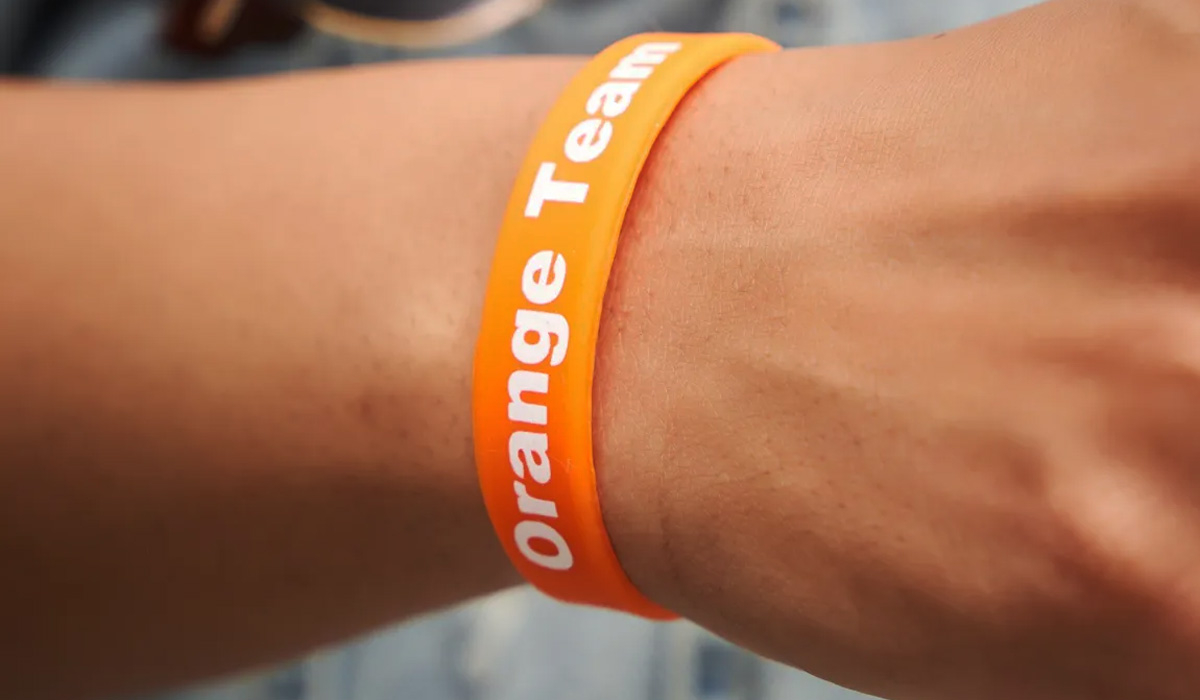
Proven Silicone Wristband Ideas to Boost Charity Run Engagement

Charity runs bring communities together and turn every mile into meaningful support. Silicone wristbands add color and unity to the cause while boosting donations and awareness through a simple keepsake that participants are proud to wear.

In this post, you will discover three proven ideas that make your event memorable and effective with practical steps you can use right away. You will learn how to choose impactful messages and colors, how to pair wristbands with registration and fundraising goals, and how to inspire teams, sponsors, and supporters to amplify your reach.

Why Silicone Wristbands Are Perfect for Running Events

Low-Cost, High-Profit Potential

Manufacturers typically charge between $0.20 and $0.50 per standard wristband, depending on quantity and decoration style. Events routinely resell those same bands for $2–$5 apiece, an easy markup that funnels straight into your fundraising total.

Built for Endurance

Unlike paper or Tyvek® bands that shred in the first rain shower, silicone is durable against sweat, sun, and washing machines. Runners can keep wearing their message through every training run and race-recap brunch for months to come.

Customizable Identity

The level of personalization is nearly limitless, as you can pick any color, add debossed text, or emboss logos. When working with providers of high-quality custom silicone wristbands from Swagprint.com and other reputable specialists, you can even number each band to match race bibs. This makes them instantly visible and completely personal.

Wide Appeal

From kids’ fun runs to ultramarathon clubs, one-size-fits-most wristbands are suitable for any age or body type. Participants who hesitate to buy a $30 tech shirt rarely blink at a $3 band supporting a good cause.

Key Insight: With markups of 300–500%, silicone wristbands offer one of the highest ROI fundraising opportunities for any race event. They are a low-cost item that generates significant profit directly for your cause.

Fundraising Strategies That Work

Wristbands as Entry Tokens

Offer three donation tiers. Donors who give $10 receive a white band, donors who give $25 receive a blue band, and donors who give $50 or more receive a gold band. On race morning, the color instantly signals fundraising leadership and sparks friendly competition.

Retail Table or Online Pre-Sale

Set up a pop-up “gear kiosk” at packet pick-up or list bands in your registration portal. Sweeten the pot with bundles like a “Family Four-Pack: 4 bands for $10” or combine bands with raffles.

Thank-You Gifts for Donors & Volunteers

Send bands in post-donation mailers or stuff them in volunteer swag bags. Public gratitude combined with a wearable reminder increases the odds they’ll be back to support you next year.

Bonus: Pace Bands With a Dual Purpose

Print common goal splits inside the wristband, such as for a 5K in 25 minutes. Runners gain a practical timing tool, and your event gains long-term visibility each time they wear it for training.

Pro Tip: Print goal pace splits inside your bands. This adds practical value for runners, ensuring your event’s wristband is worn for training runs long after race day, boosting visibility.

Designing the Perfect Fundraiser Bracelet

Color Psychology Cheat Sheet

Certain colors are universally recognized for specific causes, creating an instant connection. This is especially powerful for causes where a color is iconic, like pink for breast cancer awareness, as organizations like the National Breast Cancer Foundation report that the majority of funding directly supports patients.

  • Pink = Breast Cancer Awareness
  • Blue = Autism Acceptance
  • Red = Heart Health
  • Purple = Domestic Violence Prevention

Text & Logo Tips

Keep text to 32 characters or less for readability at arm’s length. High-contrast color combinations, like white on navy or black on neon, show up best in race photos. Simple, block fonts remain legible even when sweat or sunscreen smudges hit.

Choosing a Style

Debossed (engraved) styles are the longest-lasting and most sweat-proof, while embossed, or raised letters, offer a great tactile feel. Screen-printed options are ideal for smaller runs, but the ink may fade over time. For something eye-catching, consider segmented or swirl styles that combine multiple colors in one band.

Warning/Important: Keep text under 32 characters and always use high-contrast colors. An unreadable message defeats the purpose of the wristband, no matter how great the design.

Implementing Wristbands on Race Day

Wave Starts & Pace Groups

Issue different colors for sub-20-minute, 20–25, and 25–30 minute 5K runners. This visual separation speeds up corral placement and helps reduce mid-race bottlenecks.

Sponsor Visibility

Offer presenting sponsors a co-branded spot on the reverse side of the band. It costs mere pennies yet offers weeks of post-event impressions whenever athletes wear the band to the gym.

Volunteer & Medical IDs

Equip medical staff with bright red bands and course marshals with safety-orange ones. When seconds matter, identifying help becomes instant and effortless.

Keeping the Momentum After the Finish Line

Everyday Wear Equals Walking Billboards

A comfortable silicone band often lives on a runner’s wrist for months. It serves as a subtle yet constant marketing tool that you didn’t have to pay for twice.

Post-Event Photo Contest

Ask participants to post selfies of their bands in unique locations, tag your event, and use a custom hashtag. Offer a free entry to next year’s race for the most creative shot.

Your Next Steps

Silicone wristbands are tiny, but they punch well above their weight in uniting runners, funding missions, and broadcasting stories. By defining your cause, choosing a design that resonates, and integrating bands into your logistics, you can turn every mile into momentum. See you in the course.

Author Profile: Swagprint.com is the leading online supplier of custom promotional products for businesses and organizations nationwide.


The Psychology of Pacing – Master the Mind, Master the Race

Let’s be real — pacing isn’t just about fitness. It’s about what’s happening between your ears. You can have the legs of a gazelle and still crash and burn if your brain’s running wild. I’ve seen it in others. I’ve done it myself.

Understanding the mental traps of pacing — and having a plan to deal with them — can make or break your race. Here’s the truth, runner to runner:


1. The Start Line Buzz: Ego, Adrenaline & the “I Feel Amazing!” Lie

You know that feeling. You’re bouncing on your toes at the start, music’s blaring, someone next to you is talking PRs. The gun goes off — BOOM — and suddenly everyone’s sprinting like they stole something.

You feel strong. Light. Fast.

And just like that, you throw your plan out the window and go all in.

That’s the ego trap. Been there. Got the T-shirt.

Your body says, “Let’s go!”
Your brain says, “You trained for this pace.”
Your ego says, “Yeah, but I’m special today.”

And 40 minutes later, you’re wondering why the wheels are falling off.

I once ran the first two miles of a 10K way faster than I should have, just because some guys near me looked fast and I didn’t want to get dropped. Guess what? They were fast — and I blew up before mile five. Classic rookie move — and I knew better.

How to Fix It:

  • Pre-race mantra: I use “smooth is strong” or “stick to the plan.” Repeat it like it’s gospel.
  • Visualize the chaos ahead of time: See yourself in that adrenaline zone and decide how you’ll stay cool.
  • Accept being passed: Smart pacing takes guts. Let those over-eager runners go — you’ll catch some of them later. I call it “playing the long game.”
  • Reframe early miles: Think of mile 1 as your warm-up lap. Get cozy. Get steady. The race starts later.

👉 Say it out loud if you need to: “Any fool can run fast. The smart ones know when to wait.”


2. The Mid-Race Freakout – “I’m Falling Off! Push Now or Else!”

You hit the halfway point. You’re a little off pace. Or maybe you’re right on pace, and that freaks you out too — because it still feels a bit easy.

Your brain starts yelling:
“I have to speed up now or I’ll never make it!”
“It shouldn’t feel this smooth — am I slacking?”

Sound familiar?

This is mid-race panic — and it’s sneaky. You either doubt yourself and hit the gas early, or you misread the calm before the storm and burn matches you’ll desperately need later.

Real Talk:

That urge to “bank time” early? Yeah, it usually backfires.

Trust me, I’ve surged too early in races I should’ve paced patiently. Thought I was being smart. Thought I was tough. Nah — I was scared. And the price was a brutal final stretch.

How to Fix It:

  • Stick to the script: Your pacing plan exists for a reason. Trust your training.
  • Zoom in: Don’t think about the whole rest of the race. Just get through the next mile. Then the next.
  • Mantras help here too: I use “trust the engine” or “stay in the pocket.”
  • Training reminders: Think back to your long runs. You held back early and finished strong, right? This is just another long run with a finish line party.

👉 Mental cue: “If it feels easy now, I’m doing it right.” You’ll be glad for that fuel later.


3. When Even Splits Feel “Too Easy” — And You Sabotage Yourself

Here’s the mental trap no one talks about enough: starting at the right pace can feel… wrong.

I’ve had runners tell me, “It felt too easy the first few miles, so I sped up.” Classic mistake. I’ve done it too. Felt like I was sandbagging. Like maybe my watch was broken or I was in super shape. Spoiler: I wasn’t.

The truth is: even pacing feels easy early on — and that’s exactly how it should feel.

We’re wired to think “racing = suffering,” so when we’re not suffering yet, we assume something’s off.

Nope. That’s just your brain being dramatic.

The Fix:

  • Train your brain, not just your legs: On your long pace runs, notice how easy the first third feels. That’s normal.
  • Budget your energy: Think of your effort like money. Every extra second spent early = debt you’ll pay later. Smart runners spend slow and close strong.
  • Prove it to yourself: Run a low-stakes race with a purposely slow start and aim for a negative split. Once you taste how good that strong finish feels, you’ll never want to burn out early again.
  • Distract yourself: Focus on your form, grab fluids, smile at the crowd. Get out of your own head during the “easy” early stretch.

👉 Reminder: Feeling fresh early isn’t a green light to go wild — it’s a sign you’re pacing like a pro.


Pacing Ain’t Just Legs—It’s Mental Warfare

You wanna know the real secret to pacing? It’s not about watches, splits, or perfect training blocks.

It’s about emotional control.

Seriously—pacing is the art of not losing your mind when your body starts screaming. It’s learning how to manage excitement, fear, frustration, and all the little voices that show up once the gun goes off or the lactic acid sets in.

Let’s break it down.


Emotional Regulation Under Pressure (When the Race Gets Loud)

Here’s what pacing really looks like mid-race: your legs hurt, your chest is thumping, and your brain is telling you, “Speed up! No, wait—slow down! Actually, just walk!” This is where the good pacers shine. Not because they’re physically stronger—but because they don’t overreact.

Matt Fitzgerald nails it when he calls pacing the “art of finding your limit.” And that art requires emotional maturity. If you’re getting too hyped early? You rein it in. Hit a rough patch? You don’t throw in the towel—you calm the storm.

What helps:

  • Mantras. Short, sharp phrases like “Stay relaxed. Stay smooth.” These can cut through the chaos when panic starts bubbling.
  • Visualization. Picture the part of the race where you usually fall apart—then imagine staying cool, adjusting calmly, and fighting through.
  • Breath control. Feel yourself getting tight? Tense shoulders, shallow breathing? That’s a red flag. A couple of deep belly breaths can calm your system fast.

And here’s a pro move: start noticing how you think in training. Do you panic at certain paces? Doubt yourself when the watch beeps slower than expected? Catch those thoughts and reframe ‘em. “I’m a little behind” becomes “I can close the gap—I’ve done it in training.” Mindset flips matter.


Banking Time & Giving Up Too Soon: Two Classic Head Traps

Let’s talk about two mental traps that ruin more races than bad weather or missed water stops:

1. The “I’ll Bank Time Early” Mistake

You feel fresh in the first mile and think, “I’ll run a little faster now to give myself a cushion.” Sound familiar? That little cushion turns into a full-on pace detonation by the second half. You pay back that “bank” with interest.

Why do we do it? Anxiety. Impatience. FOMO when the pack surges. But almost every seasoned runner and coach will tell you—early overpacing is a trap.

Fix it with discipline:

  • Recite “Even effort, even effort” like it’s gospel.
  • Physically hold yourself back—even if it feels absurdly easy.
  • Remind yourself that most paces that are too hard don’t feel hard at first. That’s the trick.

2. The Late-Race Mental Quit

Then there’s the other end: mile 10 of a half, or 22 of a marathon. You hit the wall, and the voice says, “You blew it. Game over.”

That voice is a liar.

You’ve still got more in you. The body will keep moving—but if the mind quits, you’re done. The fix? Break the run into micro-goals:

  • “Just make it to that lamppost.”
  • “Stay with this group for 1 more minute.”
  • Pull up a memory from training—a hard workout you gutted out—and let that proof fuel you.

And sometimes, you get that second wind. I’ve seen runners bounce back from the dead at mile 24 because they stayed mentally engaged. Don’t listen to the panic. Trust your training. Focus on your form. One step, one breath at a time.


David’s Pacing Turnaround (Been There, Blew That)

Alright, let me tell you a quick story—my own mess-up turned breakthrough.

First 10K I ever raced? I was flying at the start. I felt like a superhero by 1K, running almost a full minute per mile faster than planned. Spoiler alert: by the halfway mark, I was toast. The last two clicks felt like dragging a backpack full of rocks. Missed my goal time by two minutes. Crushed.

Next up, a half marathon. I told myself I’d run smarter. I didn’t. Got hyped again. Cruised through the 5K and 10K splits ahead of plan, thinking I was “banking time.” Mile 10 hit me like a sledgehammer. Survival shuffle all the way home.

After that, I knew something had to change. I trained differently for my next h

Pacing Mistakes You’ve Probably Made (and How to Fix ’Em)

We’ve all been there. Blew up at mile 3. Fell apart in the heat. Crushed by a hill you didn’t plan for.

Here’s the top pacing blunders—plus how to fix them before they ruin your race:


Mistake #1: Going Out Too Fast

The OG pacing sin. You’re hyped, everyone takes off like it’s the Olympics, and you decide today’s the day to break your PR in the first mile.

Bad move.

You feel great… until you don’t. By halfway, your legs are wrecked, splits balloon, and suddenly you’re crawling.

Fix it:

  • Do progression runs in training—teach yourself to start easy and finish fast.
  • Use a mantra at the start: “Easy. Easy. Easy.”
  • Glance at your watch that first mile—if it’s too hot, back off.
  • Let people pass you early. You’ll see ‘em again later. Promise.

Pro tip: Do a quick 100m sprint before a tempo run in practice—feel the adrenaline spike, then settle into pace. That’s race day in a nutshell.


Mistake #2: One-Size-Fits-All Pacing

Running 7:45 pace no matter what? Even when there’s a massive hill at mile 22? Or it’s 85°F and humid?

Yeah, that plan’s gonna fail.

Fix it:

  • Scout the course. Know where the climbs are.
  • Train on terrain that mimics your race. Got hills? Train on hills.
  • Set “if-then” rules: “If it’s hot, slow by 10 sec/mile.” “If it’s windy, draft and forget the splits.”
  • Run by effort, not watch, when conditions are tough.

Smart pacing = adapting. Stubborn pacing = suffering.


⚠️ Mistake #3: Hammering the Easy Runs Like You’re Proving Something

Let’s be honest—this is one of the most common screw-ups out there. You go out for a “recovery run” and end up pushing the pace like you’re low-key racing your Strava followers. I’ve seen it a hundred times. Hell, I’ve done it myself early on.

And what happens? You’re always tired. Your legs never feel fresh. You plateau—or worse, you get injured. Why? Because you’re living in the “gray zone” (Zone 3), that awkward not-hard-but-not-easy pace that’s basically junk mileage.

The Fix:
Slow. Down. For real.

Easy runs should feel easy. Like, “I could talk your ear off right now” easy. Use the talk test: if you can’t chat in full sentences, you’re going too fast. Or slap on a heart rate monitor and stay in that 60–75% of max zone.

Need help keeping your ego in check? Run with someone slower. Or hit up a soft trail or technical surface where speed naturally drops. And here’s a tip from the trenches—if you can’t trust yourself not to chase pace, cover your watch. Set it to time or heart rate only. Out of sight, out of mind.

I tell my runners: “Easy days aren’t for showing off. They’re for building the engine.” You don’t get faster from the easy pace itself—you get faster because recovery days let you crush the hard workouts.

Want a reality check?
Compare your easy pace to your race pace. If your easy pace is less than 1.5–2 minutes per mile slower than marathon pace—or less than 3+ minutes slower than 5K pace—you’re probably pushing it. Everyone’s different, but that’s a decent ballpark.

Challenge for the week:
Pick two runs and force yourself to run so easy it feels “too slow.” I guarantee you’ll feel fresher after—and your next speed day will thank you.


⚠️ Mistake #4: Running Someone Else’s Race

You ever latch onto someone else’s pace plan because it “sounds about right”? Maybe your friend’s aiming for 3:30 in the marathon, so you try to keep up—even though your training screams 3:45. Or you join a fast group on track night, get dropped halfway, and wonder why you’re wrecked for days after.

Been there. It’s tempting to draft off others or chase the vibe. But running isn’t copy-paste. It’s personal.

The Fix:
Know your pace. Own your numbers.

Use recent race times, training runs, and feel to set your goals—not someone else’s ambition. If you’re running with others, it’s okay to let them go. That doesn’t make you weak—it makes you smart. Don’t get sucked into someone else’s blow-up.

Pro Tip:
On race day, if you know your buddy always starts hot, don’t line up next to them. Seed yourself where you need to be. Write your pace plan down before the race and commit to it. I’ve seen runners get pulled into “I’ll just hang with so-and-so,” only to blow up halfway. No plan survives contact with a friend who goes out like a rocket.

Try This:
Make a “Pacing Self-Audit” before your next goal race. Ask:

  • Is this pace based on my training or someone else’s?
  • Have I done a workout or time trial to back it up?
  • Am I running in control, or just holding on for dear life?

Be honest. If the answers don’t line up—adjust. And do some workouts solo once in a while. If you only ever run fast with a group, you’re not building internal pacing skills. Trust your own rhythm.


⚠️ Mistake #5: Not Training at Race Pace (Then Wondering Why Race Day Hurts)

This one’s a classic. You log miles, maybe even a few workouts, but you never actually run at your goal race pace. Then race day hits, and suddenly, that pace feels like a slap in the face.

Here’s the deal: if you haven’t practiced running at your race pace, how the heck is your body supposed to know what it feels like?

The Fix:
Add race-pace work into your training. And not just once. Do it regularly.

For short races like the 5K or 10K, that might mean intervals or tempo runs right at target pace. For a half or full marathon, plug goal pace into long runs or do specific race-pace segments.

Let’s say you’re gunning for 8:00/mile in the marathon. You should be doing stuff like:

  • 2×4 miles at 8:00 pace during a mid-long run
  • Finishing your long run with 3–5 miles at goal pace
  • Standalone workouts like 5 miles steady at 8:00 pace

This isn’t just physical—it’s mental. You’re teaching your brain what “on pace” feels like, so come race day, you don’t second-guess. Jack Daniels and other top coaches preach pace-specific training for a reason: it works.

Bonus:
Practice race-day conditions. Wear the same shoes. Use the same fuel. Try the same terrain. This helps your body lock in so race day feels familiar, not foreign.

If you skip this stuff, race pace might feel:

  • Too hard → You overshot your goal
  • Too awkward → You never practiced the rhythm

So fix it. Put race-pace runs on the calendar every 1–2 weeks, minimum. Make it a regular feature, not a surprise cameo.


Mistake #6: Mid-Race Surging — Your Ego Just Wrecked Your Splits

Let’s talk about a classic trap: the mid-race ego surge.

You’re cruising, feeling good, maybe even a little cocky. You see someone ahead and suddenly think, “Let’s go get ‘em.” Boom—you surge. Maybe to pass a few runners or make up for an earlier mile that felt slow. Feels awesome for about 3 minutes… then you hit the red zone. And stay there. The crash comes later, but it comes.

This isn’t the same as going out too fast—this is blowing chunks of energy mid-race chasing splits, chasing people, or chasing pride.

Fix it like this: Stick to your plan. If you feel strong, that’s great—but instead of hammering the throttle, ease into a pickup. Gradual is the game here. Don’t be that runner who flies past a pack, only to be walking by mile 10.

Also, try this: when you catch up to a runner, hang with them for a bit. Get your breathing back under control. Use them to pace for a minute. Tuck in and reset before making your next move.

If you’re the type that surges every time the crowd gets loud or someone sprints past, build the discipline in training. Practice staying on pace even when your buddy hits the gas. That’s how you train your brain to resist the FOMO speed traps.

🟢 Next run assignment: Pick a pace and stick to it for the whole workout—even if others go faster. Get comfy running your race.


Mistake #7: Ignoring Your Watch Like It’s Not Telling You The Truth

Now, on the flip side… some runners don’t surge—they just drift. They never check their watch or pace, and end up way off track. By the time they realize, it’s too late to fix.

Or they get stuck in autopilot mode. Doesn’t matter if it’s a hill, heat wave, or headwind—they just run the same pace without adjusting, and boom—body shuts down.

The fix? Use your tools, but use ‘em smart. Glance at your splits every mile or so—not obsessively, just enough to stay in check. If you see you’ve gone out hot, don’t shrug and say “Oh well.” Adjust right then. Pull back to goal pace and breathe.

If you’re behind pace but feeling strong, don’t panic-surge—just chip away at it. Gradual adjustments keep you out of the red zone.

Pro move? Use your “lap pace” feature on your GPS watch instead of real-time pace. Instant pace jumps all over the place—lap pace gives you a smoother reading for each mile.

🟢 Pacing homework: After your next race, do a self-audit. Look at your splits and answer: Where did I blow it? What can I tweak next time?


The Long Game – Why Pacing Smarter Pays Off Big

Pacing isn’t just about shaving 30 seconds off your PR. It’s about staying healthy, staying motivated, and staying in the game.

1. Fewer Injuries = More Progress

You know what messes runners up?

Not hills. Not miles. Not even speedwork.

It’s going too hard, too often, in the wrong workouts.

When you push tempo on every easy run, or turn every long run into a race, you build up wear-and-tear fast. Your body doesn’t recover. Your form breaks down late in workouts. That’s when injuries happen — IT band, hamstrings, lower back — all because your form falls apart under fatigue.

Run smarter — pace right — and your body holds up better.

Even splits = stronger form
Negative splits = less pounding in the final miles
Easy days easy = actually recover

👉 Long-term win: The healthiest runners are the ones who can train consistently, not just go hard once in a while.


2. Burnout-Proof Your Mind

You know what kills motivation faster than anything? Feeling like you’re grinding all the time and not getting better.

That’s what happens when you never pace right.

Every run feels like a sufferfest. Your easy runs aren’t easy. Your hard runs are inconsistent. You’re constantly chasing numbers instead of building momentum.

But when you learn to pace…

  • Easy days feel relaxed again
  • Hard workouts feel challenging but doable
  • Races feel smoother, not like war
  • You start trusting the process — and that builds confidence

And most importantly: you start to enjoy running again.

👉 Reminder: You’re not just training to be fast. You’re training to love running long-term. Pacing right is how you protect that joy.


Why Smart Pacing Pays Off Long-Term (Like, Big Time)

Let’s be clear—pacing isn’t just a race-day trick. It’s a skill that, when dialed in, will flat-out change your running life. I’m not exaggerating. We’re talking better results, stronger mindset, fewer injuries, more fun… the works.

Let’s dig in.


1. Smart Pacing = Better Race Results (Over and Over Again)

Here’s the obvious truth that still gets ignored: smart pacing gets you to the finish line faster.

Every time.

Even/negative splits aren’t just a coach’s fantasy—they work. Study after study, plus basically every experienced runner you talk to, will tell you the same thing: run smart, finish strong, PR more often.

Think of it like free speed. You’re not suddenly fitter—you’re just using what you’ve got more efficiently. Like putting premium fuel into a car that’s been chugging on the cheap stuff.

And this adds up. Imagine two runners:

  • One paces smart, nails race after race, steadily hits goals.
  • The other keeps flying and dying—blowing up halfway through, walking the end, discouraged.

Who’s gonna qualify for Boston? Who’s racking up PRs and age-group podiums? Who’s loving the sport a decade later?

Exactly.

Pacing well compounds—like interest in the bank. Each smart race builds the next. You gain confidence, get more opportunities, and avoid the “I’m done with this sport” phase.


2. It Builds Confidence You Can’t Fake

There’s a huge difference between hoping you don’t crash and knowing you can hold steady and finish strong.

When you’ve paced well before, you carry that proof into every start line. Instead of worrying “Will I survive mile 20?”, you think, “I’ve done this—I know how it feels, I know what to do.”

That kind of confidence? It’s gold. It quiets the nerves. Turns fear into focus.

And here’s something cool: the self-control you build pacing a race carries over to life. I’ve had runners tell me that learning to pace made them more patient, more disciplined, and even helped them chill out in stressful work stuff.

Plus, let’s not forget the mental edge of finishing strong. That feeling when you’re still moving while others fade? When you know your race isn’t falling apart at the seams? That sticks with you. It builds mental toughness. And the next time things get hard—whether in a race or just a crappy week—you’ve got that grit in your back pocket.


3. Pacing Helps You Run Longer—And Stay In the Game

Running isn’t a sprint. It’s a lifetime sport. If you want to keep doing this into your 40s, 50s, 60s (and beyond), pacing is how you get there in one piece.

Blowing up over and over wears you down—physically and emotionally. It’s the fast track to burnout and injury layoffs. But smart pacing is what keeps you progressing without breaking.

I’ve talked to master’s runners who’ve been in the game 30+ years. You know what they all say? “I started getting better when I started running smarter.”

And here’s the kicker: even if you eventually hit a physical limit, you’ll still be squeezing out 99% of your potential because you’re executing well. That’s deeply satisfying.


4. More Wins. More Joy. More Running.

Look, most of us aren’t pros. We run because we love it. And yeah, we love chasing goals—but if it starts sucking the joy out of the sport, what’s the point?

There’s a big difference between the satisfying pain of a well-paced effort… and the misery of blowing up and death-marching to the line.

When you pace smart, you stack the odds in favor of that satisfying kind of suffering—the kind that makes you say “Hell yeah, I did that” instead of “Why the hell do I do this to myself?”

And bonus? When you get good at pacing, you can pay it forward. I’ve paced friends in races, and it’s a blast. You become the steady hand that helps others thrive. That’s a cool way to give back and enjoy the community.


Final Words: The Best Runners Don’t Just Run Hard — They Pace Smart

Here’s the truth most runners don’t want to hear: it’s not enough to just run hard. You’ve got to run smart, too. And pacing? That’s the game-changer.

You can train like a beast, eat the perfect carb-loaded breakfast, and wear the slickest shoes on race day — but if you pace like a maniac, it all goes down the drain. Fast start, ugly fade. Been there. Seen it. Done it. Regretted it.

But when you pace right? Damn, it feels like you’re holding a cheat code. You unlock fitness you didn’t even know you had. You pass people in the second half like you’re the one with something extra in the tank — because you are.

Pacing is a Skill — Not a Gift

Let’s be clear: pacing isn’t some magical talent. It’s not reserved for the running gods. It’s a skill — and just like you train your legs and lungs, you train your brain to pace.

If you’ve blown up in races before (who hasn’t?), you’re not broken. You’re just untrained — in this one area. But you can fix it.

You get better by practicing control during workouts, learning from your screw-ups, and paying attention to your body instead of just chasing your watch. I’ve coached runners like David and Sara who couldn’t pace a mile to save their lives — and now they’re hitting their goal splits within seconds. That’s not luck. That’s reps.

 When Running Starts to Hurt Your Mental Health

Let’s get uncomfortable for a sec. Because yes, running is awesome. But no, it’s not immune to becoming a problem.

It’s easy to believe the lie that “more is always better,” or “running fixes everything.” But like anything powerful—it can cut both ways.

If your relationship with running is starting to feel compulsive, all-consuming, or more like stress than stress relief? That’s your cue to step back and reassess.

Here are the biggest red flags to watch for:


🚨 Red Flag 1: You Have to Run

Do you feel anxious, angry, or guilty if you skip a run—even when you’re sick, injured, or exhausted?

That’s not discipline. That’s dependence.

When your schedule bends around running—when you turn down every invite, or run through injury because “missing a day will kill me”—you’re not in charge anymore.

That’s exercise addiction, and it’s more common than you think.

💡 Coach Tip: Ask yourself—if I took a week off, would I feel okay? If the answer is “hell no,” it might be time for a mental reset.


🧠 Red Flag 2: Strava Anxiety & Comparison Traps

Strava, Garmin, social running feeds—they can be great. But they can also mess with your head.

Are you…

  • Obsessively checking other runners’ splits?
  • Feeling inferior every time someone posts a faster pace?
  • Panicking when your GPS dies mid-run because “it won’t count”?

If you’re chasing “kudos” more than chasing peace, the app’s running you—not the other way around.

💡 Coach Tip: Try hiding the leaderboard. Take a week off from run-posting. Run without a watch. Reconnect with why you started this.


💔 Red Flag 3: You Get Injured—and Feel Worthless

Injuries suck. No one likes being sidelined. But if being injured tanks your self-worth or identity? That’s a deeper issue.

You are not your pace. Not your mileage. Not your weekly total. If not running makes you feel lost or useless—it’s time to diversify your coping toolkit.

Who else are you besides a runner?

  • A parent?
  • A partner?
  • A friend?
  • A creative, a volunteer, a coach?

Those matter just as much. Build those muscles too.

💡 Coach Tip: Use recovery time as self-care. Cross-train. Write. Sleep more. Strengthen the rest of you—not just the legs.


🔄 Red Flag 4: Overtraining = Mood Tanking

This one sneaks up fast. You start stacking mileage. Throw in back-to-back hard workouts. Skip the rest days.

Then it hits:

  • You’re always tired.
  • You feel flat, irritable, maybe even a little depressed.
  • The runs stop being fun—they start to feel like chores.

That’s overtraining, and it wrecks more runners than we like to admit. Your body’s screaming for recovery—and your brain’s along for the ride. Stress hormones (like cortisol) go sky-high, and boom—your mood nosedives.

💡 Coach Tip: Cut back. For real. Take a full week with zero speedwork. Focus on sleep and fuel. You’re not falling behind—you’re rebuilding. It’s better to undertrain than to fry your mental health for a few extra miles.


🧭 Final Word: Run for the Right Reasons

Running should lift you up—not run you into the ground.

So celebrate the wins that matter:

  • Showing up on a hard day.
  • Running through anxiety, not from it.
  • Choosing running as care, not punishment.

And if things start feeling off—too heavy, too obsessive—listen to that. Step back. Ask for help. Shift gears.

Because running isn’t just about chasing PRs. It’s about chasing peace, strength, and clarity.

🎤 Your Turn:
What’s the biggest mental win you’ve had through running lately? Drop a comment—I want to hear it. Your story might help someone else realize they’re not alone.

When Your Mind Fights Back: Beating Mental Fatigue

We talk a ton about tired legs. But what about tired brains?

Mental fatigue is real — and it can hit hard. You’ll know it when runs feel like chores, your motivation’s in the gutter, and your brain fogs up halfway through mile 2. Sometimes it’s burnout. Sometimes it’s boredom. Knowing the difference is huge.


💤 Bored or Burned Out? Here’s How to Tell

Boredom = the “meh” phase. Runs feel stale, not painful. You can still run, but you’re not pumped. Usually a sign your routine needs a shakeup:

  • Try a new route.
  • Run with a buddy.
  • Add music or trails.
  • Throw in a fartlek just for fun.

It’s surface-level, and it’s fixable fast.

Burnout, though? That’s deeper. It’s when running feels like a weight you can’t lift. You start dreading workouts. You’re tired all the time. You feel resentful of your plan, your goals, your shoes — heck, even your Strava feed.

You might be:

  • Skipping runs way more often
  • Moody or anxious around running
  • Wondering, “Why am I even doing this?”

That’s not just being lazy. That’s your brain screaming, “I need a break.”

👉 Know which one you’re dealing with.
Bored? Switch it up.
Burned out? Step back, reset.


Mental Recovery: Rest Your Brain Like You Rest Your Legs

Ever heard of a “mental taper”? You should.

You need rest upstairs just as much as you do in your quads. Especially before big races or after a monster training block.

Here’s how to mentally recharge like a pro:


🧘‍♂️ 1. Chill Before the Big Day

Don’t cram life stress right before your race. If you can, clear out the chaos — tough work projects, social drama, high-stakes stuff.

Studies even show that mentally draining tasks (like exams or hard thinking) can trash your race performance. It’s real.

So in race week:

  • Watch a light movie.
  • Read something fun.
  • Avoid doomscrolling or intense news.
  • Keep your brain in cruise mode.

🌿 2. Let Boredom Work For You

Yup — sometimes boredom is the fix.

Try a tech-free walk. A solo jog without pace or plan. Just move, breathe, listen to birds or street noise. Get out of your own head.

Or take a zero-run day and don’t guilt yourself for it. Let desire rebuild.


🛠 3. Tools for the Tough Headspace

Feeling mentally fried? Here’s your toolkit:

  • Nature jogs / Mindful walks: Zero data, just movement. Trust me, they’re magic.
  • Journaling: Dump your brain on paper. You’ll find clarity.
  • Digital detox: A no-social day can reset your fried brain more than any supplement.
  • Affirmations: Sounds cheesy, but try this:

“I run because I get to. I run because it makes me better.”
Reframe the grind into gratitude.

  • Talk it out: Vent to a training partner or coach. Sharing stress cuts it in half.
  • Watch a running doc or read something like Born to Run. Nothing like a shot of inspiration when you’re dragging.
  • Plan something fun: Sign up for a scenic race, a goofy relay, or a trail adventure. Shift the vibe from “performance” to “experience.”

😌 4. After a Big Goal? Take the Pressure Off

Hit a huge milestone? PR your marathon? Finished your first race?

You might feel a weird low after. That’s normal.

The best runners in the world plan a mental break after big races — some take a whole month to just run for fun or not at all.

You don’t need to earn rest. You need it to stay hungry.


Warning Signs & When to Hit the Mental Brakes

Here’s the truth: running burnout isn’t just “I had a bad run.” It’s deeper than that. And sometimes, it’s more than burnout — it’s your mind waving the white flag.

If you’ve been feeling down, anxious, mentally fried, or you’ve lost interest in things that used to light you up (not just running, but everything), that’s not just a tough week — that could be something more.

You might notice:

  • Sleep’s off
  • Appetite’s off
  • You’re constantly picking yourself apart
  • Runs feel pointless — even when they used to feel like church

If that’s sticking around for more than a couple weeks, talk to someone. Seriously. A coach can’t fix this. You need a mental health pro in your corner. No shame in that — pros get help too. This sport doesn’t make you immune to depression or anxiety. Sometimes, it just hides it.


Overtraining Isn’t Just Physical

Heads up — if you’re also feeling:

  • Worn down all the time
  • Resting heart rate is weirdly high
  • No zip in your legs
  • Motivation = zero

You might be overcooked. Overtraining syndrome can show up in your brain before your body completely breaks down. You’ll feel edgy, flat, or just numb.

Solution? Rest.

Not “cut back a little” — I’m talking stop. Full-on break. Reset your system. That might mean a week off. Two. Maybe more. I know that feels terrifying — “what if I lose all my fitness?” — but trust me, the price of powering through is way worse. I’ve seen runners grind themselves into the ground. They didn’t come back for months. Sometimes years.


The Big Red Flag: Apathy

If you used to love running and now you couldn’t care less? That’s not laziness — that’s a massive red flag. You’ve crossed the burnout line.

You don’t need more miles — you need a break. Do anything else. Hike. Bike. Nap. Walk your dog. Reset your love for the run.

And 9 times out of 10? You’ll come back hungrier and sharper — with that fire lit again.

👉 Reminder: Fitness fades slower than you think. But burnout? That can steal your joy for good if you ignore it.


Micro Recovery for the Mind

You don’t need to wait for a meltdown to care for your brain. Build in little mental resets every day. Here’s how:

  • Celebrate, then detach.
    Crushed a tough workout? Write down what went well. Share it. Then move on. Don’t spend the next 6 hours reliving splits or stressing about what’s next.
  • Transition smart.
    Before your run, especially after a stressful workday, take 5 minutes to reset. Stretch. Breathe. Music. Whatever. Don’t drag baggage from your day into your miles — it adds up.
  • Catch the red flags early.
    Skipping multiple runs for no reason? Constant negative self-talk? That’s your sign. Don’t “power through.” Step back. Check in. Adjust.

👉 The best athletes aren’t the ones who never need breaks. They’re the ones who know when to take them.


Your Mind Is a Training Partner — Not a Machine

You’re not weak for needing mental space. You’re human. Even pros have off-seasons and time off — because the brain needs recovery, just like your legs.

Think of your mental game like a training partner. Some days it’s locked in, dragging you through the fire. Other days? It’s the one needing the pep talk.

When running feels like dragging a moody roommate out the door, ask what it needs. Maybe a new route. Maybe a laugh. Maybe a damn nap. That’s not giving up — that’s training smart.

Because at the end of the day? You’re not just trying to run faster.

You’re trying to run happier. And that starts in your head.


The Five Mental Stages of Every Run (Know Them, Beat Them)

Let’s be real—every run has its mental ups and downs. Even the good ones.

Doesn’t matter if it’s a 5K or a 20-miler. Your brain goes through phases. Knowing what zone you’re in helps you handle it smarter—not get hijacked by the voice that says “quit.”

Here’s the usual mental map:


1. The Start: Jitters, Excuses, and Way Too Much Thinking

You’re laced up. Heart’s pounding. You feel both ready and not ready. Legs feel stiff, maybe heavy. First mile feels awkward. You doubt your pace. You wonder if you’re cut out for this. Sound familiar?

🎯 What to do:

  • Breathe.
  • Relax into your pace.
  • Remind yourself the first mile always feels off.
  • Stick to your plan—don’t get dragged out by fast starters.

Tell yourself: “Ease in. Don’t waste adrenaline.” The first 5K of any race should feel boring. That’s how the pros do it.


2. Settling In: Cruise Control Meets Wandering Mind

You’re a few miles in. The nerves are gone, but now your brain starts throwing curveballs:
“Still 10 miles to go?”
“Why did I sign up for this?”
“Maybe I should slow down…”

This is when form slips, focus fades, and pace drifts.

🎯 What to do:

  • Do a mental body scan—shoulders relaxed? Posture tall?
  • Break the race into chunks (get to mile 5, then mile 6).
  • Use mantras like “strong and steady” or “cruise control.”

Don’t try to beat your thoughts—just steer them. Keep your effort steady and efficient. This is where a lot of runners waste energy.

Absolutely. Here’s that full section rewritten in a gritty, real-runner, David Dack-style voice — coach-like, motivating, personal, with all the original insights, science, and emotion baked in:


🧱 The Wall: Discomfort, Despair & the Decision Point

Let’s not sugarcoat it — if you run long enough, the wall’s coming. Maybe it hits at mile 20 of a marathon, maybe in the final lap of a brutal 5K. But sooner or later, that voice creeps in: “You can’t keep this up. This is too much. Why are you doing this to yourself?”

That’s not just fatigue. That’s the fight.

Physically, it’s glycogen running dry, your muscles screaming from microtears, lactic acid setting up shop. But the real hit is mental. It’s that moment of despair where everything in you wants to stop. A veteran marathoner once told me, “I hit the wall — but it turned out there were many walls. The first one was all in my head.” Nailed it.

What to Do When the Wall Hits

  • Call on your mantras. This is where all that mental prep pays off. Say it out loud if you need to: “Stay with it.” “One more mile.” “You’ve trained for this.”
  • Chunk it down. Don’t run the next 6 miles. Run to the next lamppost. Then the next. Keep shrinking the goal.
  • Talk back to the pain. Sports psychologists call this “labeling without emotion.” Your legs hurt? Say so. “Quads are heavy. Breathing’s sharp.” Okay. Those are facts. Don’t attach panic to them.
  • Negotiate with yourself. Want to quit? Fine. But not yet. Say, “Let’s reassess in 60 seconds.” Often, the crisis passes. You push through. And suddenly you’re still standing.
  • Fuel if you haven’t. Sometimes the wall is just your brain saying “I’m low.” A sip of water, a gel, and 5 minutes later you’re alive again.
  • Focus forward. Pick a runner to chase. Soak up the crowd’s energy if you’re in a race. Anything to move your attention outward and keep going.

This is the moment that defines you. If you break through this mental wall, something changes in you — not just as a runner, but as a person. You learn you’re tougher than you thought.

A friend once told me mid-race, “Stop looking at your damn watch. Enjoy the run. Slow down if you need to, but don’t give up.”

That’s the wall. And that’s the truth.


🚀 The Final Push: Where Heart Takes Over

You’ve made it past the wall. You’re running on fumes. And then — boom — something flips. You feel a little spark, a second wind. That’s your brain giving you permission to empty the tank. That’s the “finishing kick.”

There’s science behind it — the central governor theory says the brain holds back just in case you’re gonna die. But once it senses you’re close, it releases the brakes. Suddenly, you’ve got more to give.

How to Max Out the Final Stretch

  • Shift into attack mode. Stop calculating splits. Start saying, “Let’s GO.”
  • Count it down. “800 meters — two laps.” “400 to go — it’s one gut-check.” Break it into known distances.
  • Use emotion. Picture someone you love at the finish. Picture a rival trying to pass you. Let that fire build.
  • Cue yourself hard. Keep your self-talk snappy: “Drive the arms.” “Knees up.” “Finish strong.”
  • Keep your form clean. Relax the jaw, drop the shoulders, pump the arms. Tightness slows you down. Smooth is fast.
  • Choose your power anthem. Whether it’s blasting in your earbuds or just in your head, lean into it. That one song that gives you goosebumps? Use it now.

In that final mile, you’re not running with your legs anymore. You’re running with your heart.


The Afterglow: Relief, Pride & the Runner’s High

You cross the line. You stop the watch. You gasp for air.

And then… peace.

That wave of calm and pride? That’s real. Your brain floods with endorphins, dopamine, even endocannabinoids (yes, your body’s own version of “runner’s weed”). That moment when the pain fades and your chest swells with pride? That’s the afterglow.

You earned it.

This is where the magic lands. Where the stress you carried going in just… fades. Where you start to think differently about who you are.

“I didn’t quit.”

“I did something hard.”

“I’m stronger than I thought.”

What to Do in the Afterglow

  • Soak it up. Drink the water. Eat the banana. Hug your running buddy. Own the win.
  • Reflect. Think about the battles you fought: “I nearly quit at mile 4 but didn’t. That’s a W.”
  • Write it down. Logging the mental victories in a journal? Huge. You’re building a toolkit for next time.
  • Reframe the misses. Didn’t hit your goal? Okay. What did you learn? What did you prove to yourself anyway?
  • Let it change you. Every finish line rewires something. You leave a different person than the one who laced up.

Even the races that break you down? They build you up in the long run.


🧠 The Mental Map of a Run

Running long isn’t just a physical journey — it’s a psychological arc. Each phase hits different:

  • Start: Calm the nerves.
  • Middle miles: Settle into the zone.
  • The wall: Fight the fear.
  • Final push: Dig deep.
  • Afterglow: Soak it in.

Master these zones, and you’ll stop running just with your legs — you’ll run with purpose, with grit, with heart.

The next wall you hit? Smile at it. Then run through it.

Running Pain vs Injury: Know the Difference, Stay in the Game

Every runner’s been there: something hurts. Now what?

Do you push through? Do you shut it down? Do you foam roll it and hope for the best?

Here’s the truth: pain is part of running. Injury isn’t supposed to be. The key is learning to read the difference — because if you misread it, you’ll either end up sidelined or stall your progress by backing off every time something feels off.

Let’s break it down, runner-to-runner.


🔍 Pain That Fades = Okay. Pain That Builds = Stop.

This is rule #1.

  • If pain warms up and fades within 5–10 minutes of easy running? Probably just stiffness or soreness — often from a prior hard session.

Example: Your calves are tight for the first mile, but loosen up by mile 3. ✅ That’s fine.

  • If pain gets sharper or worse as you run? That’s a red flag.

Example: Your knee twinges early, then starts hurting more each mile — and by mile 4 you’re limping. ❌ Shut it down.

Think of it like this:

  • Fading pain = adaptation
  • Rising pain = potential injury

Use the 10-minute rule: if the discomfort doesn’t ease off or gets worse in the first 10–20 minutes of easy running, call it.


🔁 Soreness Is Usually Symmetrical. Injuries Are One-Sided.

DOMS (delayed onset muscle soreness) is:

  • Dull
  • Bilateral (both sides — like both quads sore after hills)
  • Goes away in 2–3 days

Injury pain is:

  • Sharp, stabbing, or pinpointed
  • Usually one-sided
  • Gets worse with continued loading

If only one hamstring is barking — especially in a specific spot — that’s more than just general soreness. Pay attention.


☀️ Morning Stiffness vs Limping

Morning soreness or stiffness? Common for runners.

  • Achilles tight when you first stand up? Plantar fascia sore until you walk a bit? Normal-ish.
  • If it goes away within 10 minutes, it’s usually okay — just monitor it.
  • If you’re hobbling around the kitchen for an hour or can’t bear weight? 🚨 That’s not normal.

And if a run causes you to alter your gait — limping, shuffling, leaning weird? That’s an injury. Period. Stop running. Running through a limp doesn’t make you tough — it just delays your recovery and messes up your mechanics.


🧠 The “Pain Scale” Rule

Use a scale of 0 to 10:

  • 1–2: Mild ache or awareness. You can run. Just be cautious.
  • 3–4: Getting uncomfortable. Consider cutting the run short or switching to a low-impact day.
  • 5+: You’re limping or gritting your teeth. ❌ Stop.

If pain spikes after the run (e.g., it was a 2 while running but jumps to a 6 later)? That run was too much.


🚴‍♂️ When to Rest vs When to Cross-Train

If it’s a true injury, total rest might be needed — especially if pain is present during daily activities.

But often, you can still train — you just need to modify:

  • Switch to cycling, swimming, pool running, elliptical
  • Stick to low resistance and pain-free ranges
  • Don’t train through sharp or worsening pain — but light motion can aid healing (blood flow = good)

Example: your knee hurts to run, but not on the bike? Spin away. Just be smart about load.


🛑 Clear Signs It’s More Than Soreness

Time to pause (and possibly see a physio or sports doc) if:

  • Pain causes a limp or alters your stride
  • Pain is sharp, specific, and gets worse each run
  • There’s visible swelling, redness, or heat
  • You feel instability (e.g., knee buckles or hip gives way)
  • Pain at rest, especially at night (classic stress fracture sign)
  • Numbness, tingling, or radiating pain (could indicate nerve involvement)

If you check any of these boxes, don’t tough it out. Get it checked.


When It’s Probably Just a Niggle

You’re probably in the clear if:

  • Both legs feel equally sore
  • The discomfort improves as you warm up
  • Mild tendon or muscle tightness that doesn’t worsen during/after the run
  • Pain feels better after moving, not worse

Plenty of runners are always managing some “background noise” in their bodies — the trick is learning when that noise is harmless and when it’s turning into a siren.


When to Rest vs. Cross-Train: How to Not Make an Injury Worse

Here’s the reality: most running injuries don’t show up overnight — they whisper first. The smartest runners? They listen early, adjust fast, and keep training in the long run. The stubborn ones push through “just a little soreness” until they’re benched for six weeks.

Let’s help you be the smart one.


🚦 Practical Rule of Thumb:

If it’s sore, modify. If it’s pain, stop.

Not all discomfort is bad — running makes you sore, especially if you’re training hard or trying something new. But if it crosses into pain, especially one-sided or sharp pain, that’s a warning light you don’t ignore.


When You Can Keep Running (or Modify Lightly):

  • Muscle soreness on both sides (quads sore after hills? Totally normal)
  • General fatigue or stiffness that gets better as you warm up
  • Mild ache that doesn’t worsen during the run and is gone the next day

In these cases, you can usually:

  • Run shorter or easier than planned
  • Do a light cross-training session (easy bike, elliptical, swim)
  • Add mobility or rehab work after to help flush things out

👉 A little soreness? Keep moving gently.
👉 Moderate soreness that’s sticking? Take a day off or swap in cross-training.


When You Should Stop and Reassess:

  • Sharp, stabbing pain (like a knife in the ankle or hip)
  • Pain that makes you limp or adjust your form
  • One-sided pain that sticks around after the run or hurts the next day
  • Pain that gets worse as you run
  • You’re unconsciously shortening your stride or landing differently to avoid the pain

This is the kind of pain that leads to serious injuries: tendinopathy, stress fractures, full-blown overuse breakdown.

🚫 Don’t run on it. Don’t try to “push through.” That’s how minor strains turn into months on the sidelines.


🧠 Use a Pain Log – Seriously

Keep it simple:

  • Rate pain 0–10 each day
  • Note when it happens (start, mid-run, after)
  • Track if it’s getting better, staying the same, or creeping worse

Three runs in a row with the same pain? Time to pull back and start rehab. That’s your “three strikes” rule.


⚖️ Cross-Training: Your Injury Safety Net

Can’t run pain-free? Stay sane and fit with cross-training.

  • Deep water running: Closest thing to real running without impact
  • Elliptical: Mimics stride and cardio, low stress on joints
  • Cycling: Great for aerobic work — though it uses more quads than hamstrings
  • Swimming: Full-body cardio without pounding

But be smart. If your injury is muscle-related (like a groin pull), even cycling might aggravate it. If it’s impact-related (shin or foot pain), stick to non-impact options like swimming or water running.

🎯 The goal: Keep your engine running without pounding your chassis.


Know the Difference: Good Pain vs. Bad Pain

Good Pain Bad Pain
Burning quads on hills Sudden stab in one joint
Fatigue in both legs One-sided pain that lingers
Breathless during tempo Sharp pain that alters stride
DOMS (sore 24–48 hrs later, gets better) Pain during run or at rest, doesn’t ease up

“Good pain” is your body getting stronger.
“Bad pain” is your body waving a red flag.


🚨 The Most Common Mistake?

Running through early warning signs.

A lot of runners fear rest. But here’s the truth: 2–3 days off now beats 6 weeks off later. You won’t lose fitness in a few days. In fact, your body will likely thank you.

As one coach put it:

“Better to rest a week early than a month too late.”


🧠 Get Wiser Every Time

Every injury teaches you something — if you pay attention.

Next time you feel a twinge, ask yourself:

  • Did I ramp up too fast?
  • Did I ignore tightness for too long?
  • Did I skip strength or mobility?
  • Was I really listening to my body?

Reflect. Adjust. Learn. That’s how you become an experienced (and healthier) runner.


Keto for Runners: Does a Low-Carb Diet Help or Hurt Performance?

Keto comes up in running circles more than almost any other diet.

Someone finishes an ultra and swears it changed their life. Someone else tries it for three weeks and can’t hit a single workout without feeling like they’re dragging a truck behind them.

Both stories are real.

And that’s where runners get confused.

I’ve watched friends go keto and feel rock-solid during long, slow efforts. I’ve also seen strong runners lose their pop, their speed, and their joy because every run turned into a slog. Same diet. Very different outcomes.

That’s because keto isn’t “good” or “bad” — it’s specific.

It changes how you fuel, how you train, and what kind of effort your body is good at producing. And if you don’t line that up with your actual running goals, it can quietly work against you.

This isn’t a hype piece. And it’s not a scare piece either.

It’s a reality check for runners who care about performance — especially if you’re doing more than just easy miles. We’ll talk about what keto actually is, where it can make sense, and why so many runners struggle the moment the pace picks up.

Because fueling isn’t about ideology.
It’s about matching the fuel to the work.

And for most runners who want to train hard, race well, and still enjoy their runs… strict keto isn’t the magic shortcut it’s often sold as.

Let’s break it down honestly — no dogma, no drama, just how this stuff really plays out on the road and trail.

What Is Keto, Anyway?

A true ketogenic diet = <50 grams of carbs per day, with 75–80% of your calories from fat. That’s not “low carb.” That’s nearly no carb.

This diet puts you in ketosis, where your body starts running on fat and ketone bodies instead of carbs. That switch takes a couple of tough weeks of adaptation — and the first days are usually rough (“keto flu,” anyone?).

Your body learns to burn fat more efficiently — even at higher intensities. And that’s part of the appeal: fat stores are massive (even lean runners have tens of thousands of calories of fat on board), while glycogen is limited (roughly 2,000 kcal max).

If you don’t have to rely on carb refueling, you might avoid bonking, avoid GI distress, and stay steady through long events.

In theory, anyway.

Where Keto Might Help

Let’s give it some credit. Keto can offer real advantages for:

  • Ultra-distance events at moderate effort
  • Athletes with diabetes or certain health conditions
  • Runners with chronic GI issues from carb-heavy fueling
  • Fat-loss goals, if managed right

Some ultra runners (Zach Bitter, Jeff Browning) do well on low-carb or hybrid keto plans, especially in 100-milers or multi-day efforts where pace stays low and steady.

And sure, many people drop weight on keto — often quickly at first, thanks to glycogen and water loss — which might improve running economy if done smart (read: without torching muscle).

But Here’s the Big Catch: You Sacrifice Speed and Power

The moment your run gets intense — 5K race, tempo effort, hill surge in a marathon — you need carbs. Period.

Keto just doesn’t support high-intensity work well. Why? Because fat is a slow fuel. It can’t deliver ATP (your body’s fuel currency) fast enough when the pace heats up.

Studies back this up:

  • Keto athletes burn more fat, yes.
  • But they become less efficient at moderate-to-high intensity.
  • Their oxygen cost increases — meaning it takes more effort to run the same pace.
  • VO₂max might not drop, but speed at VO₂max does.

Translation? You might be able to jog forever on keto. But try to race, and you’ll feel like you’re towing a parachute.


Training Without Carbs? Be Ready for the Slog

Many keto runners say they feel sluggish, especially during speedwork or anything above easy zone 2. Some never fully regain their pre-keto pace. The transition can take weeks (or months), and the performance trade-offs are real.

Also: you lose glycolytic power. That’s the ability to burn carbs when you need to kick, surge, or climb. It’s part of why keto athletes often have lower lactate thresholds — not because they’re more efficient, but because they can’t hit that gear.


What About Mental Clarity or Less Inflammation?

Some runners report better focus or reduced soreness on keto. That might be due to fewer sugar swings or the anti-inflammatory effect of ketones. But these benefits don’t always outweigh the loss in performance — especially if you care about racing hard.


GI Issues? Keto Isn’t the Only Fix

Yes, fewer carbs can = fewer gels = fewer bathroom emergencies. But many gut problems can be solved by:

  • Gradually training the gut
  • Low-FODMAP fueling
  • Timing nutrition smarter
  • Not overloading fiber close to a run

Keto can also cause its own GI issues early on — like bloating, diarrhea, or low fiber intake if not carefully planned.


So Who Can Benefit from Keto?

  • Ultrarunners at low intensities (zone 2–3)
  • Athletes with medical needs
  • Those experimenting with fat-adaptation
  • People prioritizing weight loss or energy stability over max performance

Some athletes go cyclical or targeted keto — they fat-adapt in training but still take carbs during races or key workouts. This hybrid model gives flexibility: fat for the long haul, carbs for the kick.

Think: 75g+ carbs on hard days or races, fat-adapted base otherwise. That’s not “keto” in the strictest sense — but it’s more realistic for athletes who want balance.

Bottom Line

If your goal is pure endurance at a steady pace, keto might work.

If you want to race fast, crush intervals, or push your lactate threshold? You need carbs.

Fueling matters. Don’t go chasing fat-adapted hype without knowing your training needs. And don’t let diet dogma override performance.