Whether you are a runner, a biker, a Crossfitter, or just a fitness enthusiast, the quality of the foods you consume has a huge impact on your fitness gains and results.
And as you might already know, there are mainly two categories of foods: natural foods and processed foods.
So what’s the difference between these two?
Which one is better for you?
Why?
Which one (s) should you avoid?
These are some of the questions I will give a clear and jargon-free answer to.
In today’s post, I will dive a little deeper into what makes (and defines) natural foods versus processed foods as there some to still be many misunderstandings regarding this topic.
So are you excited?
Then here we go…
Natural Foods
For most people, hearing the words “natural foods” conjures up pictures of health stores and strict vegan lifestyle choices.
But, in essence, the term refers to any food that has undergone minimal processing, whose ingredients come from natural sources, and contains little or no artificial additive or preservatives before consumption.
And by far, consuming a natural food rich diet is the healthiest and best nutrition decision you can ever make.
Why Natural Foods are Better?
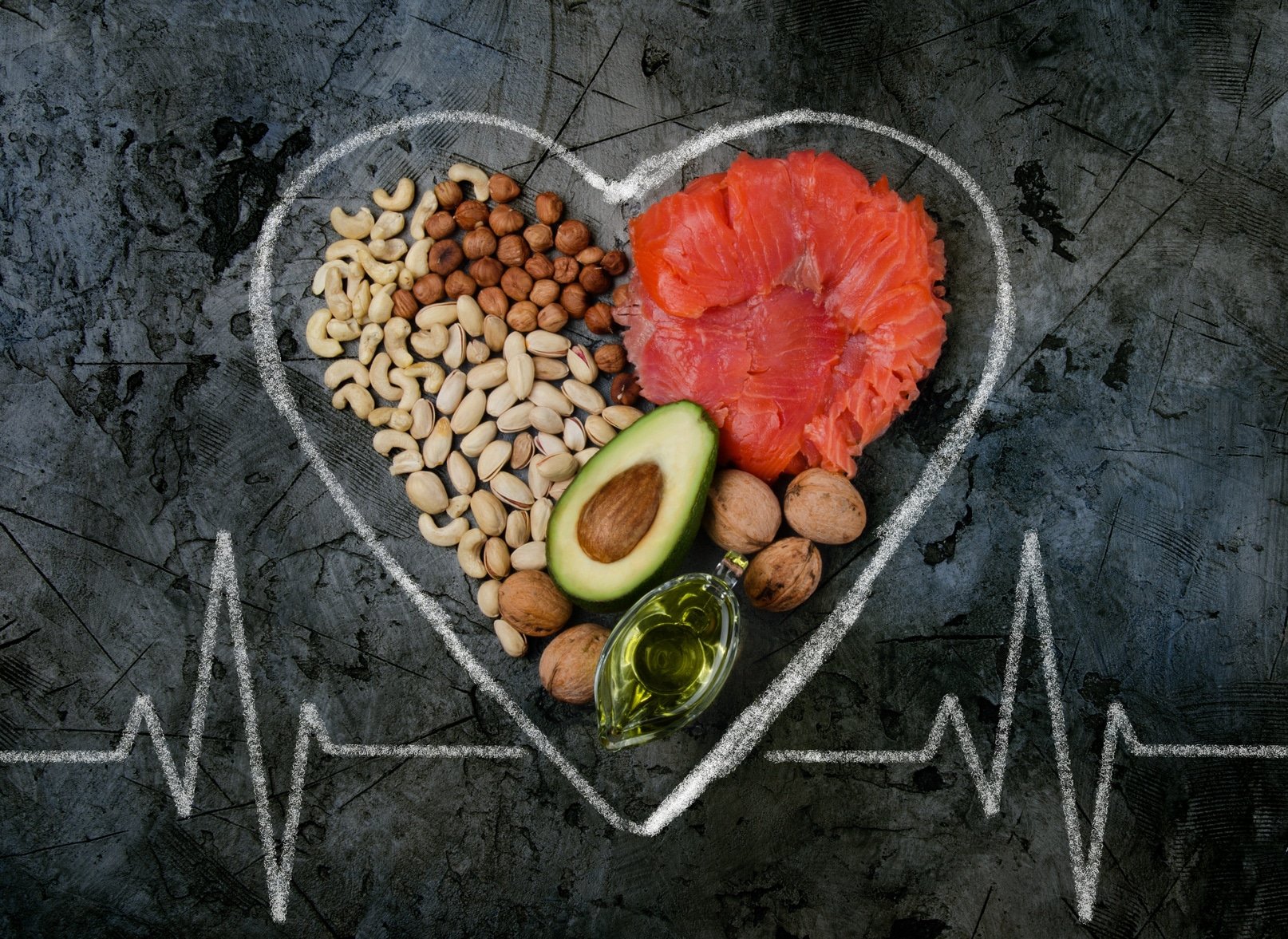
Consuming whole and unprocessed foods, such as vegetables, fruits, meats, whole grains, and non-homogenized dairy products, has immense health benefits as they’re rich in nutrients and contain fewer additives than heavily processed foods.
For instance, whole-wheat based bread is healthier than bread made from white flour, potatoes are more nutritious than potato chips, and oranges cannot be held on the same pedestal as orange juices sold in convenience stores.
Natural foods score high in vitamins, minerals, amino acids, (the good) carbohydrates, water, fiber, fatty acids, and much more.
These are all essential to optimal human nutrition.
Natural foods can help regulate blood sugar levels, reduce cholesterol, cut the risks of cardiovascular disease, prevent diabetes, speed up weight loss, and help you get into the best physical and mental shape of your life.
The full list benefits go beyond this article’s scope, but I think you are getting the big picture.
The Foods to Eat
Here are some of the natural food components you need to consume for more bang for your buck.
Fresh vegetables and fruits, such as kale, asparagus, cabbage, broccoli, spinach, Brussels sprouts, cherries, pears, berries, apples, and plums.
Lean sources of meat, free-range chicken, wild fish, and grass fed beef, fresh fish/shellfish, eggs, etc.
Beans and legumes, especially lentils, and chickpeas.
Nuts, such as walnuts, almonds, macadamia nuts, pistachios, and pecans.
Seeds, such as flax, Chia, sunflower and pumpkin
Processed Foods
Processed food stands for any food that has been purposefully altered in a “food lab” in some way or the other before consumption.
This is done for four main purposes: (1) to postpone spoilage, (2) to make our lifestyle easier, (3) to increase food lifespan, and most importantly, (4) to make more money for the food manufacturer—which is the driving force in most cases.
As a rule of thumb, processed foods have more than one ingredient.
Food companies usually rely on artificial sugars, dyes, preservatives, bad fats such trans and saturated fats, and other harmful dietary chemicals in the everyday production of processed foods.
Processed foods might include food that has been canned, cooked, packaged, soaked, frozen, or changed in nutritional structure, whether it’s through preserving, fortifying, fermenting or preparing in different ways.
So, any time you bake, cook or prepare food, the term processed can be applied.
Examples of processed foods include processed meats, snack chips, cake mixes, candy, bread, sodas, savory snacks, such as crisps, frozen dinners, convenience foods, such ready meals or microwaved meals.
Other foods include a muffin, soda, Boca burgers, donuts, pizza, almost every at McDonald, Burger King, and the rest of fast food in restaurants, etc.
So, they are not just microwaved meals and boxed macaroni, and drive-thru snacks.
They are, typically, high-calorie items that provide many calories with little to no nutritional value to your body.
Therefore, a proceeded food diet—one that’s high in preservatives, artificial ingredients and awash with added sugars and fats is NOT the best thing to fuel your body with.
I hate to break it to you, but if you consume nothing but (heavily) processed foods, then you are CHEMICALLY and STRUCTURALLY harming your body.
Eat nothing but processed foods, and you’ll find yourself faced with a host of weight and health issues.
Not convinced yet?
Well, just take a look at the soaring rates of the so-called Diseases of Civilization we are facing today.
Research has shown that processed food consumption is a major culprit in our nation’s obesity epidemic, the rise of Type 2 diabetes, high blood pressure, cardiovascular diseases, some cancers, and other health issues that were almost non-existent before processed foods—typically sugar and flour—entered the food supply.
Are Processed Foods Always a Bad Choice?
Here is a thing.
Eating processed foods is not always a bad choice.
In fact, there a few instances when you can consume processed foods and remain healthy.
Not only that, some types of processed foods are actually good for you. Consuming some of them in limited portions will not throw your whole healthy nutrition plan out of whack.
For some of you out there this might sound sacrilegious but just bear with me for a moment.
The fact is, processing does not inherently and innately turn food into a wretched thing.
For instance, milk and some juices can be fortified with vitamin D and calcium.
Dried herbs, such as cilantro, chili, ginger, basil, parsley, and oregano, are rich in antioxidants, and other health promoting nutrients.
Canned fruit is a great alternative when fresh fruit not obtainable.
All you have to do is draw a CLEAR and BIG line between foods that have been lightly processed and heavy heavily processed items.
Said otherwise, avoid foods with heavier processing or added artificial ingredients.
This is typically what I have in mind whenever I hear someone talk about processed foods.
The Good
Good examples of lightly processed foods include (but not limited to) hard boiled eggs, pre-cut apple slices, frozen vegetables.
The Bad
Here is a list heavily processed ingredients and foods to avoid
High-fructose corn syrup.
Artificial sweeteners
Artificial dyes
Trans fats
Fruit or vegetable juices,
Fruit canned in heavy syrup
Food in a package, can, or box.
Food additives such as sodium nitrate, propyl, monosodium glutamate, and bromate.
Potato chips
Processed meats, especially chicken fingers, bacon, sausage, hot dogs, fish sticks, potted meats, deli meats, and Spam—the brand ofcanned cooked meat.
Salted and/or seasoned nuts.
Sweetened yogurts.
Ice cream bars
To Conclude
As a rule of thumb, the ideal human diet should revolve around whole and natural food, not food that was manufactured in a lab.
Eating junk food can only do more harm than good—especially if you are trying to lose weight or improve your athletic performance.
Instead, eat primarily real and natural foods for the best nutrition.
One of favorite healthy eating mottos is, “If your great-grandmother wouldn’t recognize it as food, then it’s not food.”
If you’re serious about reaching your full running potential, then you’re in the right place.
In today’s post, I’m sharing more than 100 running tips designed to help make your workout routine a complete success.
Follow these practical, simple, and proven strategies, and you’ll reach your full running potential in no time.
Let’s get this ball rolling…
Without further ado, here’s a list of the best running tips ever.
Get the Right Shoes
Shoes are the most important running equipment.
Period.
A proper shoe not only makes running feel more comfortable, but also help improve your performance and ward off all sorts of injuries, including shin splints, plantar fasciitis, knee pain, and foot pain.
How do you pick the right shoes?
The golden rule is to go for a shoe that feels comfortable.
That’s the conclusion of a study published in the British Journal of Sports Medicine.
The right shoes have to match your natural foot shape and biomechanics.
As a rule of thumb, leave at least a thumbnail’s distance (roughly 1 cm, or ½ an inch) from the end of your longest toes (while flat on the floor) to the end of the shoe.
In other words, you should be able to freely wiggle all of your toes, with plenty of room to spare.
For the full guide on how to choose the right running shoes, see my post here.
Visit a Specialty Running Store
Don’t know what it takes to pick a proper pair?
Head to a specialty running store dedicated specifically to running-related gear, accessories, and gadgets.
Once you’re there, have your foot type and gait analyzed by the professional staff.
That’s how you’ll find out things you might not know on your own – you might be a severe overpronator or underpronator who needs trainers with a bit of more support than the typical (mostly neutral) runner.
They’ll know and explain what you need.
When you go shoe shopping, treat their staff the way you would a physician.
Be willing to answer all sorts of questions regarding your training goals and personal preferences.
It’s worth the extra cost you’ll pay there to get a true “shoe fitting” service.
Wear the Right Clothing
Once you have the right running shoes, add on some basic running clothing and apparel.
You’ll need shirts for different seasons, preferably made of moisture-wicking technical fabrics that can help pull the sweat away from your skin and keep you dry and comfortable in the process.
Some of the best fabrics include Coolmax and Dri-fit.
Special apparel costs a little bit more than casual clothing, but you’ll find that it’s worth every penny — especially if you’re serious about staying comfortable for the long haul.
You’ll need a couple of pairs of bottoms: shorts, tights, pants, or even a skirt if you find that more comfortable.
And female runners need a good sports bra that both provides support and reduces the risk of chafing.
Other items to consider include (but are not limited to) running sunglasses, hats, hydration belts, sports watches, heart monitors, and more.
Here’s the full guide to cold weather running.
Opt for Smart Socks
The golden rule on running is that you should not run in cotton socks. Cotton absorbs and retains moisture, and since your feet will sweat, running in cotton will leave your feet soggy and moist.
This leads to the two side effects of moisture and friction —calluses and blisters.
These wick moisture away from your feet, keeping them comfortable and relatively dry.
Smart socks are made from either a blend of natural fibers such as wool, or from synthetic fibers such as nylon, acrylic, or Coolmax.
You can also try compression socks.
Have More than One Pair
According to research published in the British Journal of Sports Medicine, runners who rotate their shoes among various models during a 6-month period had a 40 percent lower risk of incurring a running injury than those who ran in the same pair through the same period.
If you’re serious about reducing your risk of injury, train in more than one pair.
Clean Your Shoes
If you take care of your running shoes, they’ll return the favor and take good care of your feet.
They’ll also last longer.
Failure to do so will mean that your shoes will lose their cushioning properties sooner than they need to: neglect wears them out prematurely.
Here are a few shoe-cleaning rules:
Do not toss your running shoes in the washer. Wash them manually instead.
Use an old toothbrush or nail brush and mild soap — preferably an anti-grease soap. A bit of water added in will wash away stains, dirt, and mud.
Do not toss your shoes in the dryer. Dry them in the open air under direct sunlight.
Replace Your Running Shoes
Sooner or later, your trainers will wear out and lose their shock-absorption properties.
That’s when you need to ditch them and get a new pair.
Here’s the bad news.
As far as I know, there’s no proven formula that tells you exactly when to replace your running shoes.
That’s because there are many factors that impact running shoe lifespan, including:
Running surfaces
Runner weight
Weekly mileage
Training intensity
Running biomechanics
The climate you run in
As a rough guide, a running shoe should last you between 500 and 600 miles. Once your shoes go beyond this range you’re risking discomfort and pain, as well as injury.
My best advice is to use an app like MapMyRun to keep tabs on the mileage of a specific pair, or you can do it the old-fashioned way, using pen and paper or an Excel spreadsheet.
Tying their shoes is something that well-accomplished 5-year-olds can do with ease. But there are many different ways to lace trainers, and different techniques can not only make them more comfortable, but also help avoid all sorts of discomfort.
According to a study conducted at the University of Duisberg-Essen in Germany, shoe-lacing technique has a huge influence on impact force, pronation, and foot biomechanics.
In this infographic, you’ll find a lineup of top knots to learn.
Bonus tip: You can also invest in a pair of Lock Laces.
Dress For 10 Degrees Warmer Than What the Thermometer Says
Running during the winter has its challenges, but if you overdress, you’ll get in trouble.
For winter running, you need to aim for warmth, but without making yourself sweat so much that you get a chill.
That’s why I highly recommend that you dress as if it’s 10 to 15 degrees warmer than it is outside. You should feel slightly cold when you take your first few steps outside. Once you get moving you’ll warm up quite a bit, so don’t worry about feeling cold at first.
Try YakTrax
As a winter runner, you need good traction to prevent sliding and slipping — especially when road conditions are freezing and/or snowy.
One thing you can do to make sure that you stay on your feet is to try YakTrax. It’s a traction device that meets the needs of runners during wintertime. They improve control and stability when there’s snow, sleet, and ice underfoot.
Buy Running Garments On Sale
Are you a runner on a tight budget?
Buy your athletic garments at the end of the season.
As with any other store, running specialty stores put sale items on clearance as the weather changes to make room for the new models and styles that are coming in.
I’ve purchased some of my favorite summer running clothes in late autumn or winter when it was too cold to run in them, and my favorite cold-weather running gear when the temperature outside was hot
There’s nothing wrong with last season’s styles. They’re generally made from the same materials, and running clothes are performance tools, not fashion statements.
For the best running shoe deals on the web, check ShoeKicker.com. It’s a great website that scours the internet looking for the best deals.
Use GPS Tracking Apps
Being able to measure your day-to-day performance is a great way to reach the next athletic level. After all, if you can’t measure, you can’t improve it.
Fortunately, advances in mobile apps mean that you can challenge yourself each time you head out the door. Running apps are perfect for beginning runners who need a little bit of a push and a way to monitor their progress, as well as for elite runners trying to stay in peak shape throughout the racing season.
That’s why, whether you’re training for your first 5K or your 11th marathon, your smartphone (or any other “smart” device) can be an excellent coach.
Here are a few of some of the best apps out there:
Runtastic
RunKeeper
Strava
MapMyRun
Edmundo
MyFitnessPal
Use a Heart Rate Monitor
Using a heart monitor is like having a coach along for every run. When used right, it can show you, down to the stride, how hard or easy you are working. It can help you find your running sweet spot and prevent overtraining or undertraining in the process.
Here are the four main heart rate training zones you need to be aware of. Plan your workouts within each zone for a well-rounded training program
Zone 1—The recovery or energy efficient zone, it’s roughly 60 to 70 percent of maximum heart rate, or MHR.
Zone 2—The aerobic heart rate zone, it’s roughly 70 to 80 percent of MHR.
Zone 3—The anaerobic zone, it’s about 80 to 90 percent of MHR.
Zone 4—The VO2Max or Red Zone, it’s approximately 90 to 99.99 percent of MHR
If you do a lot of running in the rain with a non-waterproof phone or GPS watch, then you need to protect your electronic devices from water damage.
Here’s how:
Store your device(s) in a lightweight zip-lock bag. The bag should to be securely sealed to prevent water from leaking in.
You can also cloak your device in plastic wrap, leaving no “skin” exposed. When wrapping, make sure that the charger port is well covered.
What I love about using plastic wrap is that it’s dense enough to protect against moisture but thin enough that you’ll still be able to use the touchscreen through the plastic.
If all the jingling and jangling of running with keys in your pocket drives you nuts, you’re not alone. Here’s my favorite solution:
Take the key off of its keychain, unlace your shoe a notch, then slide one of your shoelaces through the key and put it on the string. Tuck the key under the other lace before retying your shoe.
To keep the key from bouncing around, tie your shoe using a double knot and secure the other end of the key under the crisscrossed laces.
This technique will give you peace of mind and allow you to enjoy your run.
If you don’t want to do this, you can put a rubber band around your keys before tossing them in your pocket, or try putting them on a shoelace and wearing them like a necklace.
Long Walks First
If you’ve been exercising regularly for the last 3 to 6 months and you’re already in good shape, you may choose to skip this step, but if you’re a real beginner, this is the most important step for building the right foundation.
Before you start running, do plenty of walks to prep your body. Start out with 30 minutes of brisk walking, then build it up to a full hour, three times a week for a full month.
By week four you should be walking for at least 60 minutes at a brisk pace three times per week. Now you’re ready to move onto a walk/run schedule.
Walk/Run
The walk/run method is ideal for helping new trainees get fit without getting hurt. The key here is to gradually stretch your comfort zone without overextending it.
Here’s how to do it
Start with a proper warm-up of 10 minutes of walking at a brisk pace. This will get your heart rate up and the blood flowing to your muscles.
Next, jog slowly for 20 to 30 seconds. Slow it down and walk for 30 seconds to a full minute, then jog again for another 20 seconds.
Keep repeating the cycle for 15 to 20 minutes, then end your session with a 10-minute cooldown.
If everything is going well, increase your running time by 5 to 10 seconds from one session to the next. Do these increases gradually, staying within your fitness level the entire time.
Give C25K a Try
Newcomers to running or those returning to it after a long layoff should give the C25k app a try.
This handy app offers a nine-week training plan that can help you train for a 5K race (roughly 3.1 miles) in a gradual and safe manner. You only need to commit 20 to 30 minutes, three times a week.
The treadmill is the perfect tool for building endurance without putting too much stress on the body. It gives you full control over your speed and incline, and allows you to adjust your speed and intensity to match your fitness level.
You really can’t overtrain on the treadmill unless you’re doing so on purpose, ignoring your body’s signals of pain and discomfort.
Here’s the workout routine you need:
Warm up for 10 minutes. Start with a 10-minute walk at 1.5 to 2 mph, then jog for three minutes at a pace of 2.5 to 3 mph for next three minutes. Make sure to practice good running form.
Increase the speed to 3.5 to 4 mph and stick to this relatively fast pace for one full minute before slowing back down to a walk for another 4 minutes.
Increase your speed to 3 mph and jog for three minutes, then run for one minute, picking up your pace to 4 to 5 mph (or even faster if your fitness allows it). Back off if your body hurts or your form starts to suffer.
Finish off with a 10-minute cooldown walk.
The Talk Test
As a beginning runner, make sure that you’re running at what is known as a conversational pace. This means you should be able to speak in full sentences on-the-go without gasping for air. Want to test yourself?
If you can recite the Pledge of Allegiance without too much difficulty, you’re not running too hard.
By sticking to this rule, you’ll build your aerobic endurance based on the right foundation, and this will set you up for success later on.
The only exception to this rule is when doing any sort of speed work training. Speedwork includes sprints, fartleks, hill reps, or racing. These are not moves you should concern yourself within the early stages of your training.
Run For More
After three to four weeks of using the run/walk method, start lengthening your running segments until you can run at a comfortable pace for 30 minutes straight.
Depending on your fitness level and training consistency, this may take you a while. But if you stick with it long enough, you’ll get there.
Once you can run for 30 minutes straight without much trouble, feel free to take your running to the next level. That’s when you’re going to start seeing some amazing results.
Once you’ve increased your running time to an hour or more, you will be in good enough shape that you’ll be able to sign up for 5k races, do interval or hill training, and much more.
Avoid The Rueful Toos
Runners who do too much too soon without giving their body enough time to adapt to their new training load will eventually run into trouble. It’s one of the most common mistakes beginners make.
Don’t fall into the trap of “too much, too soon, too often, too fast, with too little rest.” Instead, build a solid base of easy, short, aerobic distances before you up the ante with speed, distance or hill training.
Even if you feel like you can do more during the first few months of training, rein that temptation in. The temporary sense of accomplishment you might get is not worth the risk of a painful injury or a burnout.
Dynamic Warm-up
A good warm-up is the backbone of effective training, especially when doing hard, intense runs such as interval sessions or hill runs.
Warming up the right way can improve your performance as well as reduce the risk of injury.
Here’s a simple routine you can try.
Do at least ten reps of each exercise below for two to three rounds.
High kicks
Lunge with a twist
Inchworms
Hip stretch with a twist
Butt kicks
Or check my full routine here.
Cool Down Right
The cooldown is just as vital to your performance and fitness as the warm-up.
A proper cool down can help transition blood from the working muscles to the normal resting flow, but when you stop on the spot, blood can start to pool in the legs and feet, leading to dizziness, vertigo, and discomfort in some people.
Here’s how to cool down properly. Jog or walk for at least 5 to 10 minutes (depending on your training intensity). Then do some post-run strength, mobility, and stretching exercises.
Stretch After Your Runs
The benefits of stretching are a hotly debated topic in both the scientific and running world, but I still recommend stretching as a way of preventing injury and improving performance.
Here a few benefits of stretching:
Improves muscular coordination
Reduces lower back pain
Enhances posture
Alleviates post-run soreness
Increases range of motion
Whatever you do, don’t stretch before a run like we used to do in high school gym class. Studies show that static stretching before a workout can compromise performance and may lead to injury (think muscle tears).
Aim to stretch for at least 10 to 20 minutes after a workout, focusing on the main running muscle groups including the hips, the glutes, the hamstrings, the quads, and the calves.
Hold each stretch for 20 to 30 seconds, and breathe deeply into your stretch to release any tension or discomfort.
Learn Lexicology
As you get more into running, sooner or later you’re going to run into some technical jargon. As is true in most sports, running has its own verbiage that you need to get good at if you’re going to be serious about calling yourself a runner.
In other words, you have to talk the talk.
Here is my full list of running jargon, where you’ll find more than 160 definitions of most common running terms.
Have a Plan
“If you fail to plan, then you’re planning to fail.”
That quote might sound like a cliche, but that does not make it any less true, especially when it comes to running. Following a training plan will help you remove the guesswork from your workout routine.
Pick a training plan. You can find an array of intricate plans online, with something for everyone. All in all, the best plan is a well-rounded plan, whether you’re a recreational runner doing it for health and fitness or an elite marathoner hoping to optimize your performance.
Include the following five elements in your training program:
Interval workouts
Tempo runs
Hills runs
Long runs (or LSDs)
Easy run (for recovery).
Add a Long Run
Longs runs are vital for training. They increase stamina, build proper form, burn mad calories and will get you in tip-top running shape for any race or distance. And adding long runs into a running plan is not that complicated.
After at least six months of regular training, increase your longest running session—typically, your weekend workout—by up to 10 percent from one week to the next. Keep doing this until you’re running for two and a half to three hours.
Do your long runs at approximately 60 to 70 percent of your 5K pace—that should be a comfortable pace. To make sure you’re doing LSD runs right, do a quick talk test whenever you feel you might be working too hard.
Speed Work
Whether you’re looking to outpace your running buddy or aiming to beat your current PB at a given distance, speedwork is the way to go. It can also increase your range of motion, improve your conditioning, burn mad calories and build muscle mass, all of which can make you a stronger and fitter runner.
Here are the main speedwork sessions you need to add to your training schedule:
Classic 200m sprints
Tabata sprints
400m laps around a track
Short and medium hill sprints
Fartlek sprints
As a rule, aim for quality over quantity. Speedwork should account for no more than 20 percent of your weekly total mileage.
Sprint
Long sessions have their benefits, but to take your running to the next level, sprinting is of the utmost importance.
A form of high-intensity interval training (HIIT), sprinting can help you burn three times more calories than steady-state running. According to studies, it also boosts your metabolism and helps develop killer lower body strength and speed.
What I really like about sprinting is that it takes just half an hour to complete an entire session. What’s not to love?
Here’s how to proceed:
Start with a proper warm-up. Do five minutes of slow jogging followed by dynamic movements such as knee circles, inchworms, lateral lunges and walking lunges.
Then go for your first sprint, running at 70 percent of your top speed for 30 seconds. Take a minute to recover and then do it again, running your next sprint at 80 percent of your max effort.
Shoot for eight to ten sprints, then finish off the workout with a decent cooldown. Jog slowly for five minutes, then stretch your whole lower body.
Tempo Run
Also known as lactate threshold, LT, or threshold runs, tempo workouts are faster-paced runs that are vital for boosting metabolic fitness.
The primary purpose for tempo runs is to increase your lactate threshold level, the point at which the body fatigues at a certain pace.
As a general rule, your tempo workouts should feel comfortably hard. A good example is a comfortably hard and sustained 3- to 4-mile run.
Here’s how to proceed:
For a five-mile tempo workout, start by warming up with a 5-minute slow jog, then run a mile at 20 seconds slower than your half-marathon pace.
For the remainder of the workout, pick up the pace every mile by five to 10 seconds until you’re running the final mile 20 seconds faster than your half marathon pace.
Tackle the Hills
Hills build leg strength, boost lung capacity, improve running form and reduce the rate of injury. For these reasons and more, do not avoid hill workouts, but make sure you train using proper form. Your uphill running should mimic your sprinting form.
Here’s how:
Run tall, with your core engaged and your back flat. Do not lean forward.
Engage your hamstrings, quads, and glutes on the way up. Make sure to push from the hip while engaging your entire lower body to get up the hill.
Feel free to walk on the steepest sections of any given hill.
Train Negative
If you want to improve your running speed/time, practice negative splitting. This means running the second half of your session a bit faster than the first.
In the ideal negative split run, once you reach the midpoint of the workout each mile gets increasingly faster than the last. As long as you finish the last mile faster than the first, you’re in a good place.
Here’s an example of a 4-mile session:
After a thorough warm-up, run your first two miles at an easy and controlled pace—shoot for 15 to 30 seconds slower than your average pace for that distance. Once you’ve reached the midpoint, pick up your speed to a 10K or 5K pace, then switch to maximum speed for the last 100 to 200 feet of your run.
Try Fartleks
Fartlek is a Swedish term that means speed play. It’s a non-structured form of interval training developed in the early 1930s.
The primary purpose of a fartlek workout is to increase your speed and endurance in the most unpredictable and playful way possible.
Here’s how to proceed:
Start your workout with a 10-minute warm-up jog, then sight an object in the distance: it can be a tree, a parked car, or a building. Run towards it fast. Once you reach it, slow down and recover. Sight the next object and repeat.
Whatever you do, make it random. Make it fun.
Try Tabata Protocol Runs
Made famous by a 1996 study by Dr. Izumi Tabata and his colleagues, the Tabata protocol is a very specific method of interval training proven to shed body fat and increase performance.
A session consists of twenty seconds of maximum burst (max effort/max reps) followed by ten seconds of recovery.
To do Tabata, sprint for 20 seconds at full speed, then rest for 10 seconds.
You can also up the ante by adding in some bodyweight exercises to make the workout more challenging.
Here’s a simple Tabata protocol to try.
Set 1: Sprint at a moderate pace for 20 seconds. Rest for 10 seconds.
Set 2: Do as many push-ups as possible in 20 seconds. Rest for 10 seconds.
Set 3: Sprint for another 20 seconds at max speed. Rest for 10 seconds.
Set 4: Do as many squats as possible in 20 seconds. Rest for 10 seconds.
Set 5: Sprint as fast as you can for 20 seconds. Rest for 10 seconds.
Rest for two minutes and repeat the whole circuit twice.
Cross Train
Cross training is vital for runners because it can help prevent overuse injuries such as runner’s knee, ITBS, shin splints, and stress fractures, as well as lower back issues, hip, joint and knee pain.
Cross training can also boost your speed, increase your stride length, improve your running form and boost your overall fitness and health level.
Here are eight super-effective training methods to try:
Yoga
Cycling
Weight training
CrossFit
Swimming
Jumping rope
Rowing
Get Explosive
Plyometric training, also known as explosive or jump training, is another excellent cross-training method that research shows can increase running speed and power.
This type of training requires a fast and forceful recruitment of muscles fibers through high velocity, dynamic moves. These are key for building explosive power both on and off the running field.
Here’s a list of some of the best explosive exercises for runners:
The core is made up of the muscles that connect the upper and lower body. It includes the glutes, lower back, hip, and abdominal muscles.
Your core muscles work in tandem to hold your torso upright and provide stability for your entire kinetic chain while running. That’s why you MUST do a core strengthening routine two to three times a week.
One of the best exercises for runners is the good old planks. I cannot recommend these enough. In addition to building up your core, they’ll also help develop endurance and strength in the shoulders, arms, and back.
Check the following tutorial to help you build and keep good plank form.
Test Yourself
To improve your running, you MUST measure it — otherwise, you’ll have no idea whether you’re progressing.
The best way to measure your fitness progress is to test it.
Here are the main tests you should be taking on a monthly basis:
The 400m sprint
The one-mile run
The Cooper 12-minute test
A 5K distance run
A 10K distance run
Build the Habit
There’s are few things that feel worse than falling off the fitness wagon after investing so much time into building the right foundation.
That’s why even once you’ve reached your fitness goals, you have to keep your training program going strong. Quit or slack off, and you risk undoing all your hard work—and you don’t want that.
To stay consistent with your new running routine, make sure you turn it into a habit.
Here’s how:
Use a calendar and book your running sessions the same way you schedule an important family event or work meeting. If you create a sense of urgency and importance around your run, you’re more likely to carry through.
Start running with a friend or training partner. This will boost your motivation and add a sense of accountability to your program. This is vital for consistency.
Resolve to run at least three to four times a week for the upcoming 8 to 12 weeks. Do what you have to do never to miss a session.
For my guide on habit formation, check this post.
Set Goals
When it comes to running, it’s vital to have something to work towards regardless of your training aspirations.
Whether your goal is weight loss, improved performance, stress relief, or anything else, having a set of goals creates a benchmark of progress as well as a sense of accomplishment once you start achieving them. I cannot overemphasize the importance of goal setting—even if it’s something you’ve never consider doing before.
Setting goals is what helped me go from being a complete couch potato to becoming a consistent runner, so please start setting fitness goals.
Here’s the golden rule of good goal setting:
Make your goals S.M.A.R.T., And that’s an acronym that stands for Specific; Measurable; Achievable; Realistic; and Time-related.
For my in-depth article on this topic, check my post here.
Run With a Partner
Running is, by definition, a solitary sport and a solo journey, but it doesn’t have to be that way.
Research shows that pairing up with a training buddy can lead to better consistency, help you become more accountable, and may even make you exercise a bit harder than you would when you run alone. All of these can do wonders for your running routine.
I’d go so far as to claim that training partners might be the most valuable tools you can have as a runner.
Ask a friend, a family member, a gym partner, or neighbor to run with you.
If you can’t find a suitable partner among people you know, join a local running group or hunt for one online.
Chart Your Progress
As I’ve already stated, if you can’t measure it you can’t improve it.
That’s why I keep stressing the importance of monitoring your progress (or lack thereof, for that matter).
Keep a written log of your running routine. You don’t need anything fancy – a standard training journal, a spiral notebook or a plain notepad will suffice.
Here are some of the things and factors you need to keep track of:
Your running times
Your running distances
Your heart rate (and its fluctuations)
Calories burned
Running routes
Aches, pains, and injuries
Cross training workouts and reps
Body weight
Body measurements
Use Excel spreadsheets to create simple charts for tracking your progress.
You can also keep tabs on your progress online using sites like MapMyRun, DailyMile.com, or RunKeeper.
Run To And/Or From Work
Finding balance between everyday life obligations, work chores, and a running routine is no easy feat. This is especially the case if you’re already burning the candle at both ends.
Instead of running to catch up with the train or a bus, try running to or from work. Put your commute time to good use. But whatever you do, make sure you do the following two things:
First, plan your run-commute thoroughly. Have everything ready the night before, from clothes to shoes, hydration and more.
Second, invest in the right backpack. You might need to think this one through before you make a buying decision. Your pack should be runner-friendly and must not bounce with every step.
Reward Yourself for Your Successes
Rewards are positive reinforcement, and can be a powerful motivator.
When you reach a certain benchmark or achieve a given goal, treat yourself for the hard work you’ve put in and what you’ve accomplished.
Here are some ideas:
Buy a new running shirt or a pair of shorts
Have a meal at a nice restaurant
Watch your favorite Netflix show
Go on a special trip
Go to the movies
Take a long nap
Try Zombies, Run!
For runners looking to turn their everyday workouts into an immersive adventure through a zombie-infested wasteland, look no further than this fantastic gaming app — especially if you’re running out of enthusiasm and need to add a bit of adventure and fun.
Zombies, Run! is an amazing audio adventure for thriller-seeking runners. Thanks to this game you’ll be the hero of your very own zombie adventure story. You’ll run through various missions while being chased by zombies, while also collecting the items you need to progress through the game.
Studies have linked listening to music to improved athletic performance, better training experience, and superior training consistency.
It’s not rocket science. All you need is the right playlist for the job.
Here’s the golden rule: when picking songs for your running playlist, stick with songs that have a BPM (Beat Per Minute) in the range of 120 to 140.
Here’s how:
You can do it manually, but it’s a real hassle. I don’t recommend this method unless you have a lot of time to spare.
Instead, check out websites that have already compiled thousands of songs and playlists tailored to all sorts of runs and events.
RunHundred.com and RunningPlaylist.Com are two of the best of these.
Get Ready the Night Before
To set yourself up for running success, lay out your running gear the night before your workout. Doing so will help eliminate any barriers between you and your workout, save you a lot of time, and keep your mornings stress-free and smooth.
It should take you no more than 5 to 10 minutes to get these things together:
Your running clothes, including pants, socks, t-shirt, underwear, etc. (or sleep in them if you want to)
Your waterbottle
Your music playlist
Your pre-run snack
Your running route
Your workout
Join Online Fitness Groups and Forums
Online health communities, whether they’re fitness groups, forums, social media website or some other type of group, are all great venues for expanding your social circle and connecting with like-minded fitness folks.
Joining up will help you increase your motivation and give you the push you need to exercise a little bit harder and stay consistent over the long haul.
Some of the best fitness-oriented online resources include:
Men’s Health
Runners World Forum
My FitnessPal
Fitbit
Cool Running
Jefit
BodySpace
Nerd Fitness
Transformative Fitness
Race
Choose one of the many running-related events in your area, whether it’s a fun local 5K race, an obstacle race course, or a serious half-marathon or marathon distance challenge, and pay your registration fees in advance to keep yourself accountable.
Just make sure that the race fits your fitness level and schedule. If you’ve never done any sort of running before, spend a few months preparing for the race and make it a shorter distance such as a 5K or 10K run.
Change The Direction of Your Runs
If you run the same route day in day out, sooner or later you’re going to get bored, and that’s when you’re most likely to slack off. It’s bad for your consistency and overall training experience, so switch up your running route regularly.
The simplest way to do this is to run your typical route backward every other week.
Don’t like this idea?
For another option, use crowd-sourcing apps like MapMyRun or a web resource like WalkJogRun to find and discover new routes close to where you live.
Run in The Morning
Becoming a morning runner was a true godsend for me. It helped me stay consistent and become the runner I’m today.
As a bonus, research shows that those who exercise first thing in the morning are more consistent and efficient than the folks who work out later in the day.
Morning runs can improve your mood, boost productivity, shed more calories, and increase your focus and energy for the rest of the day, so if it’s all possible, run first thing in the morning.
Here are the golden rules:
Prepare the night before by laying your workout gear out
Aim for seven to eight hours of quality sleep
Place your alarm clock far away from your bed to force yourself to get up and out
Drink plenty of water and have a light pre-run snack before you head out the door
Work on your Running Form
Proper training form is king, whether you’re lifting weights in the gym or circling the running track. The right technique can help reduce your risk of injury and make your workouts more efficient.
Run with bad form, and you’re risking all sorts of strains, aches, pains, and injuries.
Here’s how to build good form:
Run tall.
Prevents neck strains by keeping your head straight and your eyes straight ahead. Don’t look down at your feet.
Keep your shoulders relaxed, back, and down. Don’t let them tense up toward your ears.
Lean Forward
This is something I learned from the Chi Running method, and I’ve found it to be very helpful.
Instead of running with a upright posture, run with a slight forward lean of about 8 to 10 degrees. By doing so, your body falls forward with every step, which in theory helps propel you forward and increases your stride turnover.
Mastering the forward lean is more easily said than done. One major mistake I see many runners make is leaning from the waist. Running this way can put a lot of undue pressure on the lower back and slows you down.
Instead, lean from the ankles while engaging your core muscles and keeping your spine straight, allowing for no bending in the waist.
Keep Your Body Relaxed
As a runner, tension is enemy number one. It wastes energy, triggers bad form and can compromise the quality of your workout, leading to premature fatigue and increasing the risk of injuries.
Check your form throughout your run, allowing no chance for tension to creep into your workout.
Here are the few hacks that can help:
Shake your arms and hands every couple of miles and try rolling your neck forward, backward, and to the sides.
Imagine you’re holding an egg in each hand, gently cupping your palm with your thumb resting on your fingers instead of clenching your fist.
Breathe deeply and consciously, letting go of tension and discomfort. You have to get good at catching yourself in the act, and that requires practice.
Pump Your Arms
As a runner, you’re, mainly relying on your legs to propel you forward, but that’s not the whole story. Your arms can help too.
Research shows that opting for a strong arm swing has a drastic impact on the smoothness of your running gait, resulting in a reduced workload on your legs and an increase in your economy of motion.
To boost your endurance and speed, drive your arms in a fluid motion, forward and backward, aiming for a 90- to 100-degree bend at the elbows. Do not pump your arms across the midline of your body—doing so wastes energy and tires your muscles. It might also hinder the forward motion of your body.
Your elbows should swing anywhere between the waistline and chest.
Kill the Bounce
Research shows that vertical oscillation (running with a bounce) has an enormous negative impact on running economy and speed.
When your body is moving up and down too much, you’re wasting a lot of energy and putting undue pressure on your lower body, especially your quads. This leads to premature fatigue and soreness.
Here’s how to keep it under control:
Imagine you’re running under a low roof hovering a few inches above your head. Do not hit your head on the ceiling.
Land with your foot almost directly below your knees. Do not let your foot land in a spot ahead of your knee.
Focus on a faster leg turnover by running lightly and landing softly on your foot. Think quick steps. Focus on keeping your feet under your knees.
Shorten Your Stride
When you overstride your foot lands on the ground well ahead of your hips. This runs the risk of increasing the stress load on your lower body. It also creates a braking effect that can hinder performance.
So, what’s the solution?
It’s simple: shorten your stride. Doing so helps reduce the braking effect and encourages a smoother, more natural running gait.
Here’s how:
To cover more ground, focus on springing off rather than trying to lengthen your stride.
Think short, light foot strikes and keep shortening your normal stride until you reach the perfect running cadence.
Keep your knee positioned above your foot and keep your shin vertical as your foot strikes the ground below you.
To boost speed, increase your leg turnover, driving your leg back from the hips instead of reaching forward with your foot.
All of this may sound a little complicated, but with a little of practice you’ll be able to wrap your head around it in no time.
Increase your Cadence
In running lexicology, running cadence stands for the number of steps you take per minute while running.
When it comes to improving speed, cadence is a vital factor. Opting for the proper cadence reduces the impact of stress on your feet, knees, and ankles, and improves running economy.
According to Jack Daniels (the legendary running guru), the optimal cadence for running is roughly 170 to 180 steps per minute.
Your cadence doesn’t have to be exactly 180 throughout your training — in fact, your racing cadence and easy training cadence shouldn’t be the same.
Breathe Rhythmically
Rhythmic breathing is a form of synchronized breathing that consists of timing your breaths to your foot strikes. The right breathing ratio depends mostly on your current fitness level and training intensity.
So how do you pick the right ratio?
If you’re a complete beginner, start with a 3:3 ratio. This means that you breathe in on three steps—RIGHT foot, LEFT foot, RIGHT foot, then breathe out on the next three steps—LEFT foot, RIGHT foot, LEFT foot.
Using this pattern, you will be taking in roughly 25 to 30 breaths per minute.
This ratio is also ideal for easy (and recovery) runs.
If you feel like this is too slow for you, opt for a 3:2 ratio: inhale on the RIGHT, LEFT, RIGHT foot strikes, then exhale on the LEFT, RIGHT foot strikes.
A 2:2 ratio is ideal for when you’re running a tempo pace, or whenever you need more of a push. For the most part, this means cruising at roughly your 10K race pace, or maybe a bit slower. For quality workouts, opt for a 2:1 or even 1:1 ratio.
Here’s my full guide to proper rhythmic breathing while running.
Breathe Deeply
To improve performance and stamina, cultivate the habit of diaphragmatic breathing.
Most runners are chest breathers. That’s neither the most efficient nor the healthiest way to breathe while running. Chest breathing increases the risks of hyperventilation and reduces your intake of oxygen while running.
The good news is that by switching to deep breathing you get more oxygen into your bloodstream. This can boost lung power as well while reducing the risk of side stitches.
Downhill Running
As the saying goes, what goes up must come down. That’s why you should never forget the importance of downhill running.
On the descent, proper form can improve your performance and reduce post-workout soreness—especially in the quads.
Here’s the right way to run downhill:
Stay upright, keeping your posture perpendicular to the ground beneath you. Do not lean back or overstride, as doing so creates a braking action. The only exception is on the steepest grades.
Brace your core to keep control over your body and the hill. Don’t let the hill control you on the way down.
Do not look straight down. Look ahead while focusing on the line you wish to follow for balance.
Increase your cadence, aiming for quick, light steps and fast leg turnover.
Let Go of the Handles on the Treadmill
When you’re running on a treadmill, holding onto the handles may help when fatigue starts to set in, but doing so will compromise your overall workout. Positioning your hands on the handles aligns your body in an abnormal way, leading to discomfort and even injury, especially in the hips, lower back, knees, and shoulders.
Instead of touching the equipment, swing your arms backward and forward while engaging your core. This will not only help you keep good form, but will also engage your core, give you a full body workout, and burn more calories.
Have a Pre-run Meal (or Snack)
The main goal behind a pre-run meal is to give you a boost of energy without giving you a troubled stomach on the road.
For a proper pre-run meal, focus on high-quality carbs and low-fiber, low-fat foods.
Make sure you time your pre-run meals correctly. Timing is the most critical variable in the pre-run meal equation.
As a general guideline, if you have an hour or more before a run, you can eat at least 250 to 300 calories worth of food. If you’ve no more than half an hour before a run then eat no more than 140 calories worth. This is frequently the case if you’re running early in the morning but don’t want to go out the door on an empty stomach.
Post-Run Eating
The foods you consume immediately following a run are crucial for optimizing recovery and energy renewal.
Your post-run meal should score high on protein to help repair muscles and speed up recovery. You should also take in good carbohydrates to replenish your glycogen stores and get your body ready for your next run.
Here are three of my favorite post-workout meals:
Chocolate milk. The mix of carbohydrates (chocolate) and protein (milk) is just right for refueling your weary body. In fact, according to a study in the Journal of Clinical Nutrition, consuming chocolate milk after a workout can increase muscle protein synthesis.
Fruit salad. Fruit will not only help you replenish your energy stores with needed energy, but it will also help break down nutrients. Plus, the mix of fruits delivers a healthy punch of enzymes—anti-inflammatory properties that speed up recovery.
Egg whites deliver a healthy punch of proteins and key amino acids, which can help you rebuild damaged tissues after strenuous exercise.
Hydrate Properly
Dehydration can lead to all sorts of serious issues such as headaches, premature fatigue, muscle cramping, decreased coordination, heat exhaustion, and more.
To keep it at bay, drink plenty of water, regardless of whether the weather is cold or warm. As a general rule, you need at least 12 to 16 glasses of water a day.
Please take note that the previous rule isn’t written in stone. The exact amount of water you need depends on many variables, including your age, body weight, gender, fitness level, training distance/intensity, sweat rate, physiology, and outdoor temperature.
One way or another, I highly recommend that you stay well hydrated throughout the day.
Look At Your Pee
I hate to sound like a broken record, but research shows that dehydration can lead to decreased performance, premature fatigue, seizures, blood clots, and even death.
To check for signs of dehydration, look at your pee. You should be drinking enough water throughout the day for your urine to be a light straw color, or mostly clear with a tinge of yellow.
If your urine looks like chardonnay, or is yellow or orange, then you’re dehydrated and need to be drinking a lot more.
Iron is a vital component of the body’s red blood cells. Blood cells contain hemoglobin, and are crucial for transporting oxygen to your body’s various muscles and tissues. Iron deficiency leads to a reduction in hemoglobin level, which in turn hinders proper oxygen delivery.
Some of the best food sources for iron include egg yolks, lean meat, dark green leafy vegetables, lean meats, dried fruits, legumes, and whole grains. You can also go for iron-enriched or fortified cereals and bread.
To improve absorption, consume iron-rich foods with vitamin C like orange juice.
Have a Sports Drinks
Sports drinks are runner-friendly beverages that score high on both carbohydrates and electrolytes. These two nutrients are vital for staying well fueled and hydrated during intense aerobic activity.
Aim for taking in at least 30 to 50 grams of carbs for each hour spent running, but keep in mind that 8 ounces of a typical sports drink might contain roughly 16 grams of carb. During a long run, aim for taking in 4 to 6 ounces of fluid for every 20 to 30 minutes spent running.
Some of the best brands include Gatorade, HEED, PowerBar Perform, and GU Roctane.
If money is an issue, then the next tip will come in handy
Make your Own Sports Drink
I make my own sports drinks using whole foods and natural ingredients, and I love it. By doing so, I’m saving a lot of money while choosing a healthier path by going for more natural, whole ingredients.
Ready to supercharge your performance and take your running game to the next level? Well, guess what? It all starts with what you put on your plate! Yep, you heard me right. The food you eat before, during, and after each run can make a world of difference, not just in your running performance, but also in your overall health and well-being
Here’s the deal: neglecting your nutritional needs is like trying to run a marathon with shoes that are two sizes too small. It’s a recipe for mediocrity, injury, and burnout. But fear not, my friend, because I’m about to let you in on a little secret that will revolutionize your diet.
In today’s article, I’m sharing with you a list of the most incredible, nutrient-dense foods in the world!
These powerhouses of nutrition are packed to the brim with everything your body craves. We’re talking top-notch quality carbohydrates to fuel your runs, proteins to repair and build those hardworking muscles, and fats that give you the sustained energy you need.
Ready? Let’s get started.
Food For Runners – 1: Beans
Let me tell you a little story about my relationship with beans. Back in the day, I used to turn my nose up at those humble legumes. They just weren’t on my culinary radar. But oh, how things have changed! In my mid-20s, I took a leap of faith and gave beans a chance—and boy, am I glad I did!
You see, beans are like hidden treasures of the food world. Not only are they incredibly delicious once you develop a taste for them, but they also come with a whole host of benefits for us runners. Picture this: one cup of beans serves up a whopping 15 grams of fiber. That’s like getting a fiber-packed superhero cape that swoops in and provides you with 60 percent of your recommended daily minimum! And let’s not forget about the 20 grams of protein they bring to the table. This protein power duo not only tames those hunger pangs but also helps keep those notorious overeating tendencies at bay. It’s like having a personal bodyguard against mindless snacking.
But wait, there’s more! Beans are not just fiber and protein powerhouses. They’re also bursting with vitamins, antioxidants, slow-burning carbs, and a wide range of minerals. It’s like a nutrient extravaganza, with each bean bringing its unique set of goodies to the party. And here’s the kicker—they’ll leave you feeling satisfied, energized, and ready to conquer the world without weighing you down like a lead balloon. I
Oh, and here’s some exciting news for those with type 2 diabetes. A study published in the Archive of Interval Medicine found that incorporating beans, along with their legume buddies like lentils and chickpeas, into your diet can actually improve blood sugar control and reduce the risks of heart diseases. That’s like getting a double win for your health, all thanks to these humble legumes.
Food For Runners – 2: Lentils
Let me introduce you to the true superhero of the legume world—lentils! These tiny powerhouses are like metabolic dynamos, packed with an arsenal of nutrients that can give your body the boost it craves.
First up, let’s talk about iron. Lentils are an iron-rich treasure trove. And trust me, iron is a nutrient you don’t want to mess with. It’s like the secret fuel that powers your body’s engine. When you’re low on iron, it’s like running on an empty tank. You’ll find yourself getting tired at the drop of a hat, and even a simple jog can leave you feeling dizzy and drained.
Not to mention, iron deficiency can show up on your skin, giving you that pale appearance, and weaken your immune system, making you more susceptible to illness. But fear not, my friend, lentils have got your back. They’re here to replenish your iron stores and supercharge your energy levels.
But that’s not all—lentils have an entire arsenal of nutrients to offer. Think of them as a compact package of essential vitamins and minerals. They’re like a treasure chest of Vitamin B, potassium, and other valuable goodies that your body craves. These nutrients work together like a symphony, supporting your overall health, boosting your metabolism, and keeping your body functioning at its best.
And here’s the best part—lentils are not only a nutritional powerhouse, but they’re also incredibly convenient. They’re like the MVPs of meal prep. With lentils, you don’t have to spend hours slaving away in the kitchen. They’re like the culinary wizards that can go from bag to plate in less than half an hour.
Food For Runners – 3: Avocados
First things first, avocados are rich in monounsaturated fats. Don’t let the word “fat” scare you away because these are the good guys that your heart loves. It’s like having a heart-friendly ally by your side.
Research studies have shown that avocados can work their magic by helping to lower levels of LDL, which is the notorious artery-clogging bad cholesterol. But that’s not all—avocados also have the superpower to boost your levels of HDL, the good cholesterol.
But the wonders of avocados don’t stop there. They’re like a treasure trove of over 20 vital nutrients, all wrapped up in a creamy green package. Inside, you’ll find choline, Vitamin E, and Vitamin B, just to name a few.
These nutrients play a unique role in supporting your overall health and well-being.
Now, let’s talk about potassium, another runner-friendly nutrient that avocados have in abundance. Think of potassium as the conductor of your body’s orchestra. It’s like the maestro that regulates heart and muscle contractions, keeping everything in harmony.
However, it’s important to remember that while avocados are delicious and nutritious, they do come with a caloric punch. Think of it as a worthy indulgence. One avocado packs roughly 220 calories and 20 grams of those beneficial monounsaturated fats.
Food For Runners – 4: Eggs
Let’s talk about one of my all-time favorite protein sources—the incredible egg. I absolutely adore eggs, and I’m here to tell you that you shouldn’t shy away from them either.
If you’ve been avoiding eggs because you’ve heard they’re bad for your cholesterol, it’s time to rethink that notion. Recent research has shown that eggs don’t have a negative impact on blood cholesterol levels and are not the culprits behind heart attacks. So go ahead and crack those eggs with confidence!
But wait, there’s more! Eggs are not only delicious but also one of the best foods you can consume if you’re looking to shed those extra pounds.
They are a powerhouse when it comes to nutrition. Packed with protein and healthy fats, eggs have the incredible ability to keep you feeling full and satisfied for longer, all while being low in calories. It’s like having a satiety superhero on your plate.
What makes eggs even more extraordinary is their abundance of essential amino acids—the building blocks of protein that your body needs for a wide range of functions, from creating brain chemicals to building strong muscles.
Protein is like the construction crew that builds and repairs your body, and eggs provide an excellent source of these essential nutrients.
When you consume protein-rich foods like eggs, they work their magic by keeping you satiated for longer periods, helping you eat less throughout the day. But that’s not all. The protein found in eggs, especially in the yolks, stimulates the release of a hormone called glucagon. Think of glucagon as as the hormone that promotes fat burning, helping you on your weight loss journey.
In fact, research conducted by the Pennington Biomedical Research Center found that having eggs for breakfast can make a significant difference in your hunger levels throughout the day compared to a breakfast consisting of complex carbs, like a bagel. So, starting your day with an egg is like setting yourself up for success and keeping those hunger pangs at bay.
Eggs truly are an “eggcellent” option for your morning meal. I personally enjoy having two or three eggs, scrambled to perfection, with a generous serving of greens and a drizzle of olive oil. It’s a delightful combination that fuels my day and keeps me energized.
Food For Runners – 5: Sweet Potato
One of the standout qualities of sweet potatoes is their impressive content of beta-carotene, an antioxidant that can work wonders for our bodies.
Think of beta-carotene as a shield against the oxidative stress that comes with intense workouts.
It helps protect our cells from damage and aids in post-exercise recovery. Sweet potatoes are like little orange powerhouses, supplying us with this essential nutrient to support our athletic endeavors.
But that’s not all the goodness sweet potatoes have to offer. They’re also abundant in Vitamin A, a nutrient that plays a crucial role in maintaining healthy eyes, preventing sun damage (a must for all outdoor runners), and boosting our immune system. Think of Vitamin A as your superhero sidekick, keeping your eyes sharp and your immune system in tip-top shape.
And let’s not forget about the mighty Vitamin C found in sweet potatoes. As runners, we put our bodies through rigorous workouts, and that can lead to the production of free radicals—those pesky molecules that can cause oxidative stress.
But fear not, for sweet potatoes come to the rescue once again! Packed with Vitamin C, they provide us with a natural defense against those running-induced free radicals. It’s like having a shield to protect our cells and keep our bodies performing at their best.
Now, let’s talk about convenience. As athletes, we’re always on the lookout for quick and nourishing pre-run meals. Well, look no further than sweet potatoes! These versatile tubers can be easily incorporated into your pre-run routine. A cup of mashed sweet potato serves up approximately 55 grams of carbohydrates, giving you a fantastic energy boost for a solid hour of running. It’s like fueling up with nature’s own energy source.
Food For Runners – 6: Blueberries
Picture this: as you conquer those miles, your body is hard at work, churning out free radicals through its metabolic processes. These pesky molecules can wreak havoc on your cells and hinder your performance. But fear not, for blueberries are here to save the day!
In a groundbreaking study conducted at Cornell University, researchers found that blueberries reign supreme when it comes to antioxidant capabilities among a whopping 25 fruits and berries. They’re like the superheroes of the antioxidant world, ready to fight off those free radicals and keep your body in top shape. So, when it comes to antioxidant power, blueberries take the crown.
But that’s not all blueberries have to offer. These little gems are also packed with an abundance of manganese, a mineral that plays a crucial role in converting carbohydrates, protein, and fats into energy. Think of manganese as the fuel pump for your running machine. It helps your body efficiently transform the nutrients you consume into the energy you need to power through your runs. With blueberries by your side, you’ll have that extra boost to crush your goals and keep your energy levels soaring.
Whether you prefer sprinkling them on your morning oatmeal, blending them into a refreshing smoothie, or simply popping them as a post-run snack, blueberries are a versatile and delicious way to fuel your runs and support your overall well-being.
Food For Runners – 7: Kale
Let’s talk about Vitamin K, a key player in bone development. As runners, our bones endure a lot of stress and impact. But fear not, because kale is here to fortify your skeletal system. Packed with Vitamin K, this leafy green superhero ensures your bones stay strong and resilient, even in the face of high-intensity running. In fact, just one serving of kale delivers a whopping 700% of your daily recommended intake of Vitamin K.
Now that’s a bone-boosting dose you don’t want to miss!
But wait, there’s more! Kale has another trick up its sleeve: Vitamin C. We all know that keeping our immune system in top shape is crucial for runners. The last thing we need is to be sidelined by infections, viruses, or pesky colds. Luckily, kale comes to the rescue with its sky-high Vitamin C content. A single serving of this vibrant green goodness provides a staggering 200% of your daily recommended dosage of Vitamin C. With each bite of kale, you’re giving your immune system the support it needs to fend off those unwelcome invaders.
What’s more?
Besides being a Vitamin K and Vitamin C powerhouse, kale also boasts impressive amounts of vitamins A and B6, iron, and calcium. It’s like an all-in-one nutrient package tailor-made for runners.
Food For Runners – 8: Spinach
Picture this: Popeye, the iconic cartoon character, with his bulging biceps and unrivaled strength, has a secret weapon tucked away in his back pocket—spinach. But here’s the fascinating part: Popeye’s creator wasn’t just spinning a tale. He tapped into the real science behind spinach, harnessing its incredible ability to provide both strength and power.
This leafy green superhero is armed with a special ingredient called nitrates, and they hold the key to unlocking your running potential. Research has revealed that spinach is packed with these nitrates, which act as mighty boosters for your performance on the road. How, you ask? Well, nitrates have the remarkable ability to supercharge your circulatory system and muscles by maximizing the delivery of oxygen and essential nutrients. It’s like having a turbocharger for your running engine, propelling you forward with enhanced endurance and efficiency.
But that’s not all—spinach has more tricks up its sleeve. Let’s talk about Vitamin K, a nutrient that plays a vital role in maintaining healthy bones. If you want your running adventures to be supported by a strong skeletal system, spinach is your go-to teammate. This leafy green powerhouse is loaded with Vitamin K, ensuring that your bones stay robust and resilient, ready to tackle any challenge that comes your way.
Now, let’s address another health aspect: blood pressure. We all know that maintaining a healthy blood pressure is crucial for our overall well-being, especially as runners. And guess what? Spinach comes to the rescue yet again. Hidden within its vibrant leaves are peptides, little wonders that work their magic by lowering blood pressure. It’s like spinach has its own team of superheroes, swooping in to keep your blood pressure in check and allowing you to run with confidence and ease.
But the goodness of spinach doesn’t stop there. This leafy green powerhouse is a treasure trove of essential nutrients that your body craves. Think of it as a nutritional goldmine, boasting generous amounts of Vitamin C, calcium, magnesium, and iron. These nutrients play crucial roles in supporting your overall health, from bolstering your immune system to maintaining strong muscles and optimizing energy production. Spinach truly is a one-stop shop for all your nutritional needs.
Food For Runners – 9: Wild Salmon
Imagine diving into a culinary adventure fit for a king—a journey where taste, nutrition, and performance converge.
A succulent four-ounce serving of wild salmon gracing your plate, brimming with a mighty 30 grams of protein. It’s no wonder that wild salmon has earned its royal title as the king of fish. With each flavorful bite, you’re fueling your body with a protein powerhouse that supports muscle growth, repair, and overall strength. It’s like granting your body a regal feast fit for a champion.
But wait, there’s more to this majestic fish than just its protein prowess. Wild salmon holds a secret weapon in the form of selenium—an antioxidant that works tirelessly to promote cardiovascular health. It’s like having a loyal knight protecting your heart from the perils of oxidative stress, ensuring that it beats strong and steady throughout your running adventures.
Now let’s delve into the magical world of Omega-3 fatty acids. These precious nutrients, abundantly found in wild salmon, hold the key to reducing post-workout inflammation. Imagine this: as you push your limits on the road, your muscles may experience some battle scars in the form of inflammation. But fear not, for the Omega-3s in wild salmon come to your rescue, soothing those inflamed muscles and speeding up your recovery process. It’s like having a healing potion specially brewed for runners, granting you a faster rebound and keeping you ready for your next run.
But here’s where things get truly enchanting. Wild salmon’s benefits extend far beyond health—they have a direct impact on your athletic performance. Prepare to be amazed by the findings of a study published in the prestigious European Journal of Applied Physiology. This research uncovered a captivating link between fish oil supplementation (rich in Omega-3s) and enhanced cardiovascular performance.
Imagine your heart as the valiant hero of your body, pumping life-giving blood with every beat. This study revealed that fish oil supplementation can boost your heart’s stroke volume—the amount of blood it pumps with each contraction. It’s like unlocking a hidden power within your heart, enabling it to pump more blood, deliver more oxygen and nutrients to your hard-working muscles, and propel your performance to new heights.
But that’s not all—the magic doesn’t stop there. Fish oil supplementation also sparks an increase in cardiac output—the grand total of blood that your heart pumps out. It’s like giving your heart an extra burst of energy, allowing it to unleash its full potential and propel you forward with renewed vigor.
Food For Runners – 10: Watercress
Imagine a vegetable so dense with nutrients that it effortlessly claims the top spot on the Center for Disease Control and Prevention’s list. Yes, you heard that right—watercress reigns supreme as the ultimate nutrient powerhouse. It’s like a shining gem among ordinary foods, elevating your plate to a whole new level of nutrition.
Let’s unravel the magic of watercress and uncover why it’s a true superhero among greens. First, its antioxidant power is nothing short of extraordinary. Picture a battalion of antioxidants armed and ready to combat the free radicals that can wreak havoc on your body. Watercress leads the charge, delivering a formidable army of these protective agents that shield your cells from damage and contribute to your overall well-being.
But that’s not all—watercress has a secret weapon called Vitamin K. This essential nutrient plays a crucial role in bone health, ensuring that your skeletal fortress remains strong and resilient, especially during high-impact activities like running. It’s like fortifying your body’s architectural structure, equipping it with the strength to endure any challenge that comes your way.
And let’s not forget about the hidden treasures that lie within watercress. It’s a treasure trove of other valuable nutrients, waiting to be discovered. From Vitamin A, which supports healthy vision and boosts your immune system, to Vitamin C, which bolsters your body’s defenses against the oxidative stress of running, watercress delivers a wealth of benefits.
But what makes watercress even more remarkable is its ability to offer all these nutritional wonders while being exceptionally low in calories. It’s like indulging in a guilt-free feast, where every bite fuels your body with nourishment without tipping the scales.
Food For Runners – 11: Walnuts
Picture this: you’re on the move, conquering the world one stride at a time, and suddenly hunger strikes. You reach into your pocket and retrieve the ultimate energizing snack—the mighty walnut. These bite-sized powerhouses are not only convenient but also brimming with benefits that will keep you running strong.
Let’s crack open the walnut’s secrets and discover why it’s a go-to snack for on-the-go runners. First, let’s talk about the Omega-3 fatty acid ALA. Studies have shown that ALA can effectively reduce the type of inflammation that poses a threat to your cardiovascular health. It’s like providing a protective shield for your precious arteries, ensuring smooth blood flow as you conquer each mile.
But the wonders of walnuts don’t stop there. These remarkable nuts also play a role in bone health, keeping your skeletal system strong and resilient. The ALA found in walnuts has been linked to a reduced breakdown of bones, providing a solid foundation for your running adventures. It’s like giving your bones the support they need to endure the impact of each footstrike, preventing any cracks or fractures along the way.
Now, let’s delve into the heart-healthy properties of walnuts. These little gems are rich in mono- and polyunsaturated fats, which have been shown to have a positive impact on cholesterol levels. Say goodbye to the dreaded LDL cholesterol, also known as the “bad” cholesterol, as walnuts have been found to effectively lower its levels.
But the benefits of walnuts extend beyond the heart. These plant-based powerhouses are a treasure trove of essential nutrients. Just think of the fiber, Vitamin B, and antioxidants they contain. Fiber keeps your digestion in tip-top shape, promoting a healthy gut and preventing any hiccups along your running journey.
Vitamin B provides an extra boost to your energy levels, keeping you fueled and ready to conquer any distance. And let’s not forget about the antioxidants, such as Vitamin E, which act as your body’s defenders, warding off the harmful effects of oxidative stress and supporting your overall well-being.
Food For Runners – 12: Salmon
Picture a 3-ounce serving of salmon, delivering a modest 150 calories, while generously providing you with 20 grams of protein and 7 grams of fat. It’s like a well-balanced symphony of nutrients, carefully orchestrated to fuel your body and support your overall well-being.
One of the crowning glories of salmon lies in its abundance of omega-3 fatty acids. These remarkable compounds have been extensively studied and hailed for their incredible health benefits. Research has shown that consuming omega-3s can help lower blood pressure, reduce the risk of heart diseases, and even ward off a myriad of health troubles.
But the wonders of omega-3s don’t stop there. These fatty acids are also champions in the battle against inflammation. Whether you’re recovering from an intense workout or striving to build stronger muscles, the anti-inflammatory properties of omega-3s can be your trusted allies. They help your body bounce back faster, promoting faster recovery and supporting long-term muscle growth. It’s like having a team of skilled healers working behind the scenes, ensuring you’re always at your peak performance.
Let’s not forget about another key nutrient found abundantly in salmon: iodine. This mineral plays a vital role in proper thyroid functioning, which is crucial for maintaining an optimally running metabolism. It’s like a conductor orchestrating your body’s internal symphony, ensuring every process runs smoothly and efficiently. By including salmon in your diet, you’re giving your body the fuel it needs to keep your metabolism humming along.
When preparing salmon, let your creativity shine. Broiling is a fantastic cooking method that brings out the fish’s natural flavors, while keeping the calorie count in check. Enhance the experience with a delightful blend of spices, a splash of lemon juice, a sprinkling of herbs, or a touch of garlic. These additions will infuse your dish with tantalizing flavors, all without adding extra calories. It’s like painting a masterpiece on your plate, transforming a simple fish into a culinary masterpiece.
And remember, salmon isn’t the only fish that offers these remarkable benefits. Cast your net wider and explore the seas of flavor with sardines, mackerel, trout, herring, and other types of oily fish. These are equally rich in omega-3s and can be delightful additions to your seafood repertoire.
Food For Runners – 13: Broccoli
Broccoli, the green superhero of the vegetable kingdom, may not have been love at first sight for me, but once I discovered its incredible benefits, I couldn’t help but fall head over heels for it. This versatile veggie is not just a pretty face; it’s a nutritional powerhouse that can support your weight loss journey in more ways than one.
Let’s delve into the magic of broccoli and unlock its secrets to shedding those unwanted pounds. This cruciferous delight is brimming with dietary fiber, minerals, and vitamins, making it a superstar in the realm of healthy eating. But the real star quality lies in its low-calorie and low-fat profile. It’s like finding a treasure trove of nutrition without the guilt of excess calories or unwanted fats.
So, how exactly can this mighty green veggie help you on your weight loss quest? Well, its high fiber content plays a pivotal role. Fiber is like a trusty sidekick that swoops in to keep you feeling full and satisfied, all while helping you control those pesky hunger pangs. By adding broccoli to your meals, you’re giving your body a fighting chance against the temptations of overeating. It’s like having a loyal ally in your battle against the munchies.
But wait, there’s more! Broccoli is not just filling; it’s also incredibly low in calories. Just imagine, a generous cup of cooked broccoli weighing in at a mere 6 ounces and boasting only around 50 calories. It’s like nature’s gift to calorie-conscious individuals. And here’s another interesting tidbit: cooked broccoli is roughly 90 percent water by weight. So, not only does it satiate your appetite, but it also keeps you hydrated, contributing to your overall well-being.
Let’s not forget about the dazzling array of nutrients that broccoli offers. It’s like a nutritional treasure trove, packed with calcium, and a bounty of vitamins, including the mighty trio: A, C, and K. These vitamins are like a dynamic trio of protectors, standing guard against various health ailments. From fighting cancer to keeping blood pressure in check, and even combating heart diseases, they play a crucial role in maintaining your well-being. In fact, a single cup of cooked broccoli surpasses the daily requirements for both Vitamin K and C.
To make the most of broccoli’s benefits, let your culinary creativity soar. Toss it into your salads to add a vibrant crunch, or serve it as a delightful side dish to complement your main meal. And guess what? You can even enjoy it for breakfast! Starting your day with a filling and nutritious meal sets the tone for the rest of the day.
Food For Runners – 14: Apples
Apples, the portable powerhouses of the fruit kingdom, have won my heart for their convenience and undeniable snacking appeal. But let me tell you, their benefits go far beyond their portability. These vibrant fruits are a true treasure trove of fiber and an array of valuable nutrients, making them a smart choice for those aiming to shed some extra pounds.
Now, let’s address the burning question: Can an apple a day truly helps keep those pesky pounds away? The answer is a resounding yes! A fascinating study published in the esteemed journal Nutrition revealed that overweight women who indulged in three apples (or pears) each day for a three-month period actually shed more weight compared to those who opted for a similar diet but replaced the fruits with oat cookies. Women should also take plenty of multivitamins for an effective weight loss plan. Learn more about it here.
So, what makes apples so incredible for weight loss?
Well, let’s start with the fact that a large apple boasts approximately five grams of fiber. Fiber is like the hero of your digestive system, keeping things running smoothly and promoting a feeling of fullness. And here’s another fun fact: apples are comprised of roughly 85 percent water. It’s like nature’s way of ensuring that you stay hydrated and satisfied.
But that’s not all! Apples have a few more tricks up their sleeve. They contain a compound called quercetin, which acts as a powerful ally in the fight against cancer, promotes healthy lung function, and even helps reduce the risk of cholesterol damage. And let’s not forget about pectin, a soluble fiber found in apples that contributes to that delightful feeling of satiety. It’s like a natural appetite suppressant that keeps you feeling satisfied for longer, preventing those pesky cravings from derailing your progress.
And the nutritional goodness doesn’t stop there. Apples also offer a dose of potassium, vitamin C, and a host of other valuable nutrients that support your overall well-being. It’s like a nutritional treasure packed into a single fruit, ready to nourish your body from the inside out.
Food For Runners – 15: Chicken Breast
A 3-ounce portion of boneless, skinless chicken breast (or half a chicken breast) is a mere 140 calories, making it a smart choice for those watching their waistlines. But wait, there’s more! This poultry delight packs a whopping 25 grams of high-quality protein.
But here’s the real magic: indulging in grilled, skinless chicken breast helps you consume fewer calories while keeping hunger at bay. By opting for the lean and mean version without the skin or breading, you’re not only reducing calorie intake but also maximizing satiety.
Now, a word of caution: steer clear of the seductive temptations of fried chicken, chicken strips, and chicken nuggets. These little troublemakers are notorious for their calorie-loaded nature and unhealthy fats that can sabotage your hard-earned progress. Let’s keep our focus on the grilled goodness that keeps our bodies nourished and our taste buds satisfied.
While we’re on the topic, let’s talk about the importance of choosing free-roaming, organic chicken. These feathered friends live their lives in more humane conditions, allowing them to roam and enjoy a more natural diet. Not only does this benefit the chickens themselves, but it also ensures that we’re consuming a higher quality product that aligns with our commitment to healthier living. Plus, let’s be honest, the taste of organic chicken is truly something to behold. It’s like nature’s way of rewarding us for making mindful choices.
But hey, I get it—personal preferences play a big role here. Whether you go for organic or not, the most important thing is to savor the flavors and embrace the nourishing power of this versatile protein source.
Food For Runners – 16: Tuna
Imagine cracking open a can of this fishy delight, and within that mere 100 grams of tuna lies a powerhouse of Vitamin D, ready to shower you with its goodness. We’re talking about a dose that covers half of your recommended intake, packing a serious punch to keep your bones strong, your immune system in top shape, and your overall well-being soaring.
But wait, there’s more! We’re about to unveil the tantalizing connection between tuna and your love life. It turns out that Vitamin D, in all its glory, has a remarkable effect on your libido.
According to a study conducted by the esteemed Medical University of Graz, this marvelous vitamin actually works its magic by regulating a sneaky chemical called sex hormone-binding globulin (SHBG). You see, SHBG has a knack for suppressing libido, but Vitamin D comes to the rescue, limiting the levels of this libido-squelching villain and allowing your desire to soar.
But let’s not forget that tuna has a lot more to offer than just its bedroom-boosting powers. It’s a nutritional powerhouse, teeming with protein, omega-3 fatty acids, and a host of other essential nutrients that your body craves..
Just remember, moderation is key. While tuna is a treasure trove of health benefits, it’s important to be mindful of your consumption. Opt for sustainable sources, such as pole-and-line caught or troll-caught tuna, to ensure you’re making a responsible choice for both your health and the environment.
Food For Runners – 17: Chocolate
Chocolate often gets a bad rap, with whispers of guilt and indulgence floating in the air. But fear not because when enjoyed in moderation, the dark variety can be a game-changer for your health and overall well-being. Yes, you heard that right – chocolate can actually be good for you!
But hey, don’t just take my word for it. A study conducted by experts in the field has revealed that dark chocolate, with a cacao content of at least 70 percent, can work wonders for your precious blood vessels. How, you ask? Well, it’s all about that remarkable increase in elasticity.
You see, indulging in the velvety smoothness of dark chocolate can give your blood vessels a boost, enhancing their flexibility and promoting better circulation throughout your body. This means improved blood flow, reduced risks of stroke, and a heart that’s singing with gratitude.
But hold on, there’s more to this chocolatey tale. Dark chocolate, with its rich and complex flavors, isn’t just a treat for your taste buds. It’s a powerhouse of stimulatory compounds that can rev up your energy levels and boost your performance.
What’s responsible for this delightful burst of energy, you may wonder? Well, it’s the dynamic duo of caffeine and theobromine that dance within each bite of dark chocolate. These compounds have been known to awaken your senses, sharpen your focus, and give you that extra kick to conquer your day.
Food For Runners – 18: Raw Milk
Raw milk boasts a bounty of muscle-healing proteins that can work wonders for your post-workout recovery. It’s like giving your muscles a superhero’s embrace, providing them with the building blocks they need to bounce back stronger and faster. With every glass, you’re nurturing your body from within, setting the stage for accelerated rejuvenation.
But that’s not all, my friends. Raw milk is a hydration hero, offering a refreshing dose of pure, thirst-quenching water with every sip. It’s like a cool, revitalizing waterfall cascading down your throat, replenishing your body’s fluid levels and keeping you well-hydrated. This natural hydration boost is a key ingredient in keeping you fueled and ready to conquer your day.
Let’s not forget about the essential nutrient that raw milk brings to the table: calcium. This mighty mineral is a champion when it comes to bone health, providing the foundation for strong and resilient skeletal structures. With each glass of raw milk, you’re giving your bones a loving embrace, ensuring they stay robust and ready for whatever challenges come your way. It’s like fortifying your body’s fortress, equipping yourself with the tools for long-lasting strength.
Now, here’s an intriguing twist. Did you know that enjoying a glass of raw milk around bedtime can work its magic while you sleep? Yes, you heard it right! Raw milk possesses a secret weapon in the form of slow-digesting casein proteins. These proteins ensure a gradual release of nutrients, creating a sense of sustained nourishment throughout the night. But that’s not all—raw milk has the power to enhance the release of sleep-promoting melatonin and serotonin, ushering you into a deeper and more restful slumber..
So, how much raw milk should you savor? Well, that depends on your personal preferences and needs. But let me offer a gentle suggestion: make it a daily ritual to indulge in at least one cup of this liquid gold. Give yourself the gift of nourishment and wellness, knowing that with each sip, you’re embracing the remarkable benefits that raw milk has to offer.
Food For Runners – 19: Spice
Studies have shown that capsaicin, the star of the chili pepper show, has the remarkable ability to curb your appetite and rev up your fat-burning furnace. It’s like having a personal trainer for your metabolism, pushing it to new heights and helping you shed those unwanted pounds. This magical substance has even found its way into weight loss supplements, solidifying its reputation as a secret weapon in the battle against excess fat.
But that’s not all. Let’s turn our attention to another spice that deserves a moment in the spotlight—black pepper. Beyond its role as a flavor enhancer, black pepper harbors a secret ingredient called piperine, a potent thermogenic compound that works wonders for your body.
Recent studies have revealed that piperine, with its remarkable thermogenic properties, can do more than just add a kick to your favorite dishes. It has the power to reduce inflammation and thwart the formation of new fat cells, a process known as adipogenesis. It’s like putting a roadblock in the way of excess fat, preventing it from taking up residence in your body. The result? A reduction in body fat, cholesterol levels, and waist size—truly a triumphant victory in your quest for a leaner, healthier you.
So, it’s time to embrace the spicy allure of red chili pepper and the remarkable benefits it brings to the table. Sprinkle it on your favorite meals, infuse it into your sauces, and let its fiery essence awaken your taste buds and supercharge your fat loss journey. Don’t be afraid to embrace the heat—it’s a small price to pay for the potential rewards that await.
Bonus Food: Whole Psyllium Husks
Whole psyllium husk may not be the most famous runner in the superfood race, but it certainly deserves a place at the starting line. If we consider its high fiber content, whole psyllium husk becomes an essential player for runners looking to maintain digestive health.
This unassuming supplement works tirelessly to aid in regular bowel movements and can also help manage cholesterol levels. Additionally, the gel-forming fibers in whole psyllium husk are great at keeping hunger pangs at bay, providing a feeling of fullness that can assist with weight.
Not only that, but whole psyllium husks are known to prevent colon cancer. That’s because a high-fiber diet protects against colon cancer in general, meaning whole psyllium husks can be a great ally in the fight. And if that wasn’t enough, whole psyllium husks can also reduce your risk of heart disease, hemorrhoids, high blood pressure, high blood pressure, high cholesterol, inflammatory bowel disease, irritable bowel syndrome, obesity, and so much more.
So next time you’re stocking up on pantry essentials, remember to reach for whole psyllium husk—the underdog that supports both your digestive well-being and your running performance
Looking for the best running tips on the web? Then you have come to the right place.
Whether you’re a beginner runner, a weekend warrior, or a seasoned athlete, the following running guidelines can help you improve your performance, prevent injury, and reach your fitness goals.
What’s not to like!
Let’s dive in.
Dive in
To become a runner, you need to start running.
It’s that simple, period. Accept the challenge and do your best—even if it scares the hell out of.
If you are a beginner runner, then you need to think in minutes, not miles.
Shoot for a 30-minute run while opting for the walk/run method.
Once you can run for up to 30-minute with ease and without taking breaks, then aim to up the ante.
To make sure that you are running at a comfortable pace, take the ‘run-talk’ test.
If you can keep a conversation going with your buddy while running without much trouble, then you are opting for the right beginner running pace.
Yes, you can walk in your running shoes, but you just can’t run in your walking shoes, period.
So do yourself a solid and get the right pair.
Spend at least $50 on a good pair.
It should last you at least 500 miles.
When purchasing a running shoe, make sure that they are wider and longer than your bigger foot—your dominant side.
Also, steer clear of pointed shoes and always seek the advice of a specialist when in doubt.
Breaking into a fast running pace is the recipe for premature fatigue, even injury.
As a result, start your runs right and do a warm-up.
I usually start my runs with a 5-minute jog.
If I feel any tightness or soreness in my muscles, then I gently stretch it away.
Rushing back to the real world with too much gusto after a run is a big mistake.
Instead, invest time in a proper cool-down by taking at least 10 minutes to stretch, relax your body and contemplate on what you have just completed.
Keep a keen ear on how your body felt both during and after a run.
Doing so can help you avert trouble and can set you in the right direction toward achieving your running goals.
Try My Beginner Guide
If you’re looking for a simple guide on how to start running, lose weight, and stay injury free, then make sure to check out my Runners Blueprint System!
My system was specially designed for beginners who either want to start running or take their training to the next level, but have little clue on how to do it.
And don’t worry, my ebook is written in a conversational, jargon-free, style.
All you need to do is download it, follow the simple instructions, then start seeing results ASAP.
Here’s what it includes :
How to quickly and easily get started running (it’s indeed is easier than you’d think!)
How fast (or slow) should you go on your first sessions
The exact 13 questions you need to answer before you a buy a running shoe
The seven most common running injuries….how to deal with them before they progress into major ones!
The quick standing stretching routine that keeps you flexible even if you’re busy as hell
The 10-minute warm-up you must do before any session to get the most of your training
And much, much more.
Click HERE to get started with The Runners Blueprint System today!
“keep it simple, stupid” should be your motto when it comes to training—whether you are prepping for your first 5K or about to compete in an ultra marathon adventure.
The right foundation can take you a long way.
After building it, then you can move on to adding hill reps, pace work, speedwork, and eventually race strategy.
Just be sure to have the right foundation first.
Building up mileage is not an upward straight arrow.
In fact, every third or fourth week of training, you should cut back on mileage to recover.
Injecting recovery week into your training program can help you dodge overtraining—with all its vows—and stay on track for the long haul.
Work on increasing your total body strength—especially the core. Work also on your mobility, flexibility and balance.
Think in wholesome terms and your fitness and health will be forever in your debt.
Reaching a weekly mileage of about 10 miles per week can significantly boost your aerobic capacity- and help you ward off heart trouble.
10 miles is the benchmark—you can always add more once you’ve built the lung power.
Junk miles are not just junk.
Those slow miles done during warm-ups or recovery days play a vital role as well.
Junk miles can shed some serious calories and grant you the mind focus you need to work on improving your running form, plus other fitness and health benefits.
Just because you can run a 10-miler without breaking a sweat does not mean that you go can through a 8 X 400m on the track at a fast pace—unscathed.
That’s why you need to always keep a beginner mind when approaching a new running training method. Stay humble, and you’ll surely achieve progress.
Doing all of your workouts in the comfort zone is comfortable, but it’ll not help you improve much.
That’s why you would need to step out of your comfort zone and embrace quality training.
You just need to find the sweet spot—challenging but healthy.
If you run, let’s say 20 miles per week, then be sure to log at least 4 to 6 miles of quality miles.
These miles will boost your aerobic capacity and help you run faster, further with less fatigue.
Hills are runners’ worst nightmare, but they are exactly what the doctor ordered.
Hill work is the best form of resistance training that there is, and can also help you run faster and improve your running mechanics and form.
All this while lessening the risks of injury.
Fartlek training is a less structured form of interval training that was developed in the 1930s.
It’s simple, start with a warm-up jog, run flat out, jog for recovery, then sprint again without following a strict distance recipe.
Sprint and jog on feel, not on benchmarks. Image
Start a training log and keep track of your quantifiable gains (and losses).
This is the best way to shed light on darker aspects of your training so you can judge what needs to stay and/or to go.
The best way to find what works the best for you can only happen through embracing the trial and error process.
Our mistakes show us the road to success, period.
Ignoring the feedback you get from your training is the biggest mistake you can ever make, so learn from it and make the right adjustments and you’ll improve.
Success varies from one person to the next, and once you find what works the best for you, you need to keep it up by building a ritual around it.
Repeat it as habitually as possible until it’s a part of your training program.
You don’t need to reinvent the wheel.
To improve your running, you ought to measure it.
And the best way to do so is via regularly testing yourself.
Compete in races as part of a plan to test your fitness level, progression and race pace.
Do regular test runs to see if you are improving or slacking.
Keep your body fully relaxed throughout the running session.
Breathe deeply, keep your shoulders relaxed and let your jaw hang loose.
Don’t clench your fists in a tight grip.
Instead, be sure that your fists are loose, thumbs gently resting on the fingers as if you were holding on a delicate butterfly in each palm.
Clenching builds unnecessary tension that leads to discomfort and energy waste.
From the looks of it, running is solely a lower body activity. But to get efficient with your running, your upper body can also be of help.
That’s why you ought to move your arms more—especially when trying to gain speed.
Just take a look at sprinters, and you’ll get the idea.
Improving your running style on your own has its limits. In fact, you would need to seek the advice of a specialist—such as a podiatrist or a coach—to help you nail down your running mechanics.
If you can’t afford a specialist, then rub shoulders with elite runners and learn the skill by osmosis.
According to study, those who exercise first thing in the morning tend to stay more consistent with their training programs than those who do it later on.
So, score high points in the consistency game and become an early morning runner.
Believe me; it’s like an addiction.
Once you taste the joys of the morning run, you’ll never be the same.
If you are not a morning runner, then schedule your runs during your lunchtime breaks.
Noontime running is the perfect break from the workday, and can also ramp up your dose of Vitamin D—the daylight. Plus, it can also help you avoid eating a heavy lunch.
If 20 minutes is all you have, then go for it.
A short run is better than none.
This also helps you ingrain the habit of exercising no matter how crazy and chaotic life can be.
Running against traffic can help you stay alerted and have your eyes opened on any danger you may face.
We all hear about the traffic statistics, so don’t let yourself be just another statistic.
Better safe than sorry.
Sticking to the same running route is the recipe for boredom.
Instead, be sure to add variety to your training by changing up your running routes regularly.
This will not only help you outrun boredom, but it’s also good for injury prevention and developing proper running mechanics.
Running on hard and uneven surfaces is a major cause of running injury.
So do your body (and knees) a solid and stick to softer surfaces whenever possible.
This can be hard living in urban areas where pavement surfaces are the norm, but your best to run on proper surfaces.
Top athletes in all fields have a little trick they use to stay top of the game.
Hint: it’s in their heads.
Visualization techniques have the been the staple of mental training for decades, and you should be putting them to good use as well. .
Goals provide clarity and direction.
Plus, they do your motivation wonders.
So set them right and update them regularly.
Better yet, sign up for a challenging race and set your training goals around it.
Jotting down your goals on a piece of paper is a must, just don’t write them on stone.
Goals can vary according to your body’s response to training and your aspirations.
So make sure to rewrite and upgrade your goals whenever it’s necessary.
Plus, just the mere act of rewriting a goal can enforce it.
Goals are key to success, but when you set unrealistic ones, you are setting the stage for disappointment, and failure and all the enthusiasm can turn into resentment.
That’s why you need to run your goals through a reality check.
Shoot for a reasonable goal and build on it.
Remember, you’ll never know what’s unrealistic until you try it.
Ask any person why they are not running—or not working out in general—and they’ll surely spit out a list of excuses.
I don’t have the time, I’m too old, I don’t know why and so on.
Iif you want to stay on the training track, you have to fight that allegedly logical voice that “manufactures” all that crap.
Why are you running? Come up with at least five reasons and keep them close to heart.
I owe my training consistency to a long list of running partners. Heck, I was dragged to running by my steadfast cousin.
You should be doing it too.
Instead of venturing down the running path on your own, try to schedule your runs with a training buddy, even a running group.
Do that, and consistency and motivation will come in handy.
Peer pressure can do your motivation and consistency wonders.
This instinctive force is so powerful that you just can’t resist it, but you have to take the first step by joining a club or a running group.
It can bring out the best in you.
There are plenty of clubs out there, just pick the ones that feel right for you and are a match to your training goals and schedules.
I love running because I can make it fun.
It’s like play for me.
Yes, of course, it can get serious when I’m prepping for a race or trying to break a personal record, but if it’s not fun, I wouldn’t be doing for long.
Fun is the road; fitness is merely the result.
A training buddy can help you push the pace and stay consistent with your goals, but sometimes going solo is exactly what the doctor ordered.
Going solo is important especially if you are trying to recover from a hard run and don’t want to push the pace.
Going solo is also a great way to be alone with your thoughts on the road, just you and your legs pounding the pavement with no other worries.
Get out of a training running rut by injecting at least four 30-second pace pickups (not all-out-sprints) on your next 30-minute run.
This will not only help you dodge boredom, but also get your heart rate up and boost your performance.
Well, not literally, unless you want to spend the night in jail.
Technology based performance tools—think heart monitors, chronometers, GPS tracking and the like—can surely help you improve your performance, but relying heavily on such tools can be counterproductive.
Sometime you ought to run with your imagination.
Run with yourself.
Run with no worry about performance and numbers.
Run naked.
When doing easy runs, take the time to enjoy the scenery.
Smell the roses, breathe deeply, look over the horizon, ap
preciate the beauty that surrounds you, and remember to have fun.
Don’t get trapped in the training-is-everything mindset; otherwise, you’ll definitely get drained out.
I just couldn’t go for a run without my music on.
In fact, one of my major reasons to running is listening to music.
Running has become the activity I do just to listen to music.
So use music to get your mental state up to the challenge.
To keep running for the long haul, think in terms of the current moment.
Thinking about your past will make you feel guilty, and thinking about the future will invite worry.
The only moment is the now, and all change can only happen in the now.
Runners of all creeds should follow a well-balanced diet.
Aim to eat about 70 percent carbs, 20 percent protein, and 10 percent fat.
Base your diet around carbohydrates such as rice, pasta, and potatoes since glycogen—a product of carbs—is a vital source of energy on the run.
You would also need the protein for rebuilding damaged muscle tissue and recovery.
Make sure that you are getting the most bangs out of your diet choices by expanding your nutritional gamut and testing (and tasting) new food each week.
The more varied the colors, the better.
Just keep it healthy.
If you are serious about making the most out of your runs, then hydrate.
Drink plenty of water throughout the day, and if you are planning for a long run, then take a bottle of water with you—this is especially true during summer time.
Make pre-run meals a priority.
About one to two hours before a run, have a small meal to fill up your energy tanks.
Pick what you like; a sports drink, fruit smooth
ie, or even a small sandwich.
Choose low-fat bars (less than 5 grams) and packing no more than 250 calories.
Gorging on energy bars will only make you fat, even compromise your running.
So be moderate. It’s energy on the go, not a holiday meal.
Eating during the recovery window—the hour following a run—is crucial for recovery and energy replenishment.
Choose a mix of carbs and protein to get the most results.
Something like a banana-milk-shake is ideal because it scores high on carbs—essential for replenishing the empty tanks—and protein—the recovery process.
Everyone needs a healthy dose of the multivitamins in their lives, but runners need even more thanks to the stresses of exercising.
The high impact nature of running can produce damaging free radicals and may even cause some harm to the red blood cells your feet—that why you would need the multivitamins to take care of the collateral damage.
Iron deficiency can lead to fatigue and other serious health trouble.
The bad news is that runners are more prone to suffer from iron deficiency than the average person.
That’s why you ought to eat plenty of fish, dark meats, liver, eggs, beans, and nuts.
Overtraining can wreak havoc on performance and health.
But you can ward it off by keeping tabs on your normal heart rate.
If your morning pulse rate is higher than normal— 10 beats or more— then you haven’t recovered from the previous run.
Take time off or back off until it comes down to its regular rate.
Going too fast too soon increase your risk of injury and overtraining.
To ward off the trouble, adopt a progressive mindset.
Do as little as possible and build on that.
Think baby steps.
Walk before you run if you have to.
The old motto of ‘no pain, no gain’ may sound tempting to follow, but it’s not always the safe approach when it comes to injury-free running.
Most of the time, pain is just pain and can be counter-productive.
Any one can train himself or herself into the ground.
You should always strive to “get fit without getting hurt”—That’s the motto.
Building up mileage is not a straight upward arrow.
In fact, every third or fourth week of training, you should cut back on mileage to recover.
Injecting recovery week into your training program can help you dodge overtraining—with all its vows—and stay on track for the long haul.
Bad days, bad workouts, injuries, emotional sand pits and the likes are a part of the training life.
Expect them, and when they happen, be sure to get over them as soon as possible.
Allow yourself some time to stew over them, then just let go.
Wallowing in sorrow and self-pity will not get you where you want to go.
To train for the marathon, you won’t necessary need endless hours of training.
By running for about 45-minute two times a week, and by incrementally boosting the length of your the long run, you would be able to pull off the 26.2-miler beast.
Marathon training can get you into the best cardio shape of your life, but you should learn when to stop.
That’s why you should never run for more than 3 hours straight in training.
Quality always defeats quantity, and marathon training is a fine example.
During marathon training, pains and aches are bound to arise.
Overtraining and most marathon-related injuries can be prevented by just keeping a keen ear on your body and readjusting your training accordingly.
To get the most bangs out of your marathon race, don’t keep your eyes on just one goal—pulling it off in less than three hours for instance—but you should develop a range of goals so that can bolster your odds of success.
A great taper period is what will make the difference between a great race and a disaster—especially if you have been putting the sweat in training.
As a result, gradually decrease your training volume in the three weeks before the big day.
Don’t let race jitters highjack your running pace during the first miles—that can be hard to resist thanks to the race-day adrenaline rush.
Pick up your pace slowly and consciously hold yourself back during the early miles.
Once you finish a marathon race, take some time to take note of what went right and what was right down awful, then move on.
Just let it go and forget about your last marathon before you sign up for another.