So, you’re thinking about ditching carbs and going full keto… and you’re a runner? Bold move.
It’s a question I hear a lot: Can I still run well if I give up bread, pasta, and pre-run bananas?
Let’s be honest — most running advice for decades has screamed: Carbs = performance. But the keto crowd flips that on its head.
So what’s the deal? Can runners really thrive on high fat and low carbs? Or are you setting yourself up for a sluggish, miserable grind?
Let’s unpack it — real stories, real science, and what it actually feels like when you hit the road fueled by fat instead of gels.
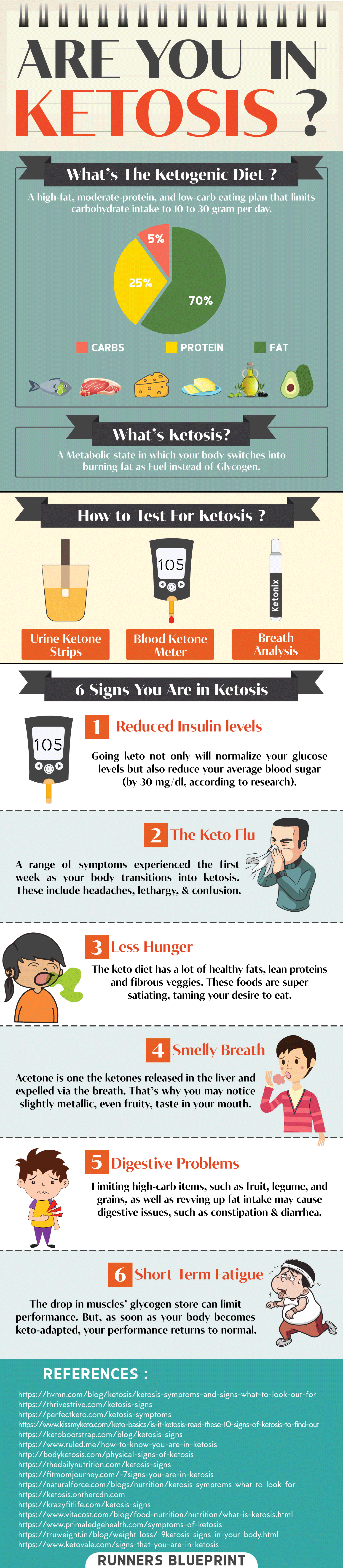
What Is the Keto Diet (Runner’s Edition)
Quick breakdown: keto means your macros look something like this:
- 70–80% fat
- 5–10% carbs (under 50g/day, often 20–30g net)
- Moderate protein
Instead of running on glycogen (stored carbs), you train your body to run on ketones, which come from fat. That’s ketosis.
Let me explain more…
It’s the Anti-Spaghetti Diet
If the traditional runner’s diet is all about carb-loading — bagels, bananas, sports drinks, spaghetti — keto is the complete opposite.
You’re swapping:
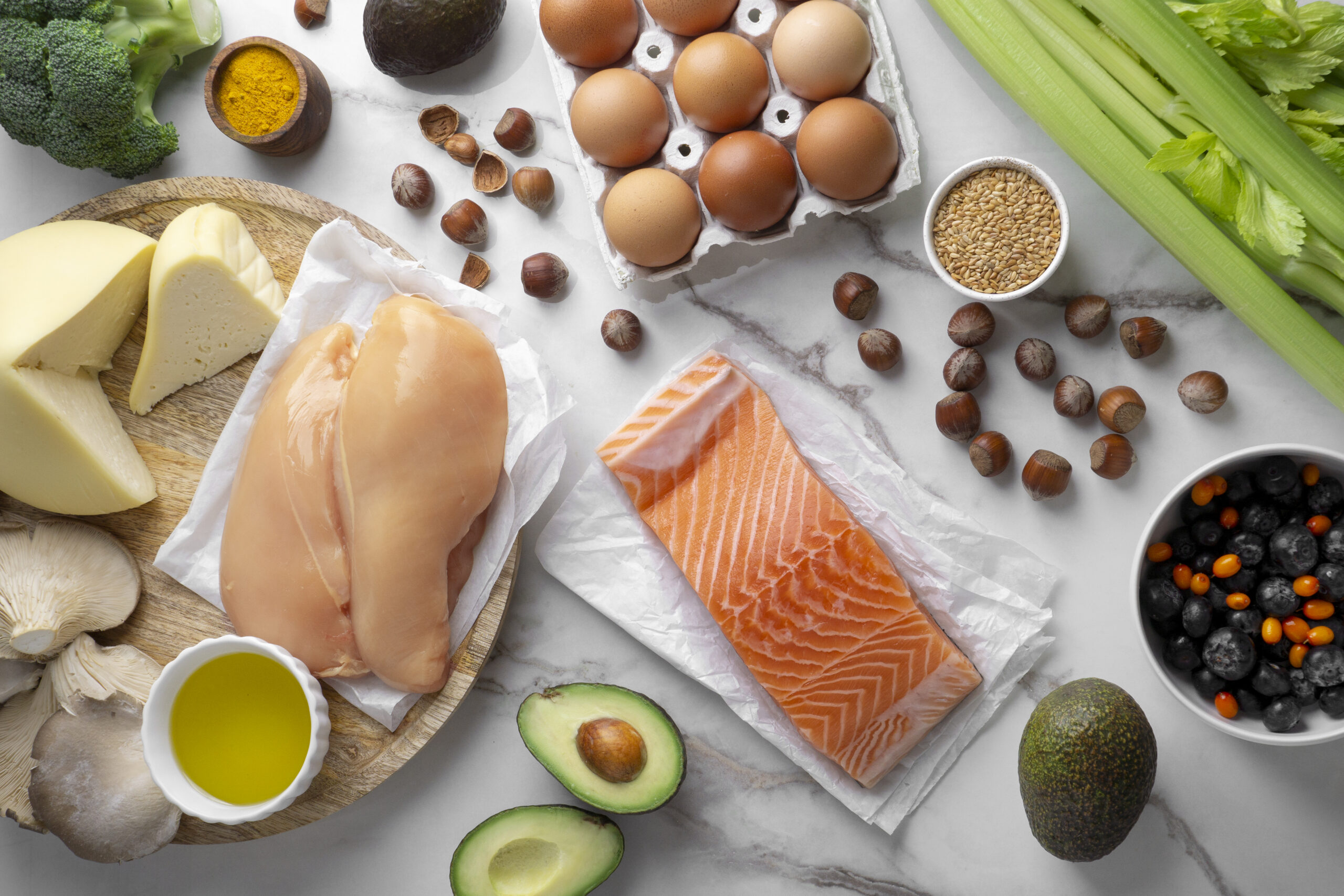
- Pasta → Avocados
- Toast → Bacon
- Bananas → Nope (27g of carbs can blow your daily limit)
This flips the food pyramid upside down. Fat becomes your fuel.
And yes, even lean runners carry thousands of calories of stored fat — enough to fuel hours of steady running if your body knows how to access it.
But here’s the catch…
New Fuel, New Feel: What Running on Keto Feels Like
Think of carbs as race fuel — high-octane gas. Quick ignition. Fast burn.
Fat? That’s more like diesel — slow to light, but steady once it gets going.
That first mile on keto? Might feel like dragging bricks behind you.
That’s because burning fat takes longer to ramp up. You won’t have that quick pop in your step. Your sprint gear? Gone — at least at first.
But once your body adapts, it gets more efficient at tapping into fat stores. This can actually help during longer, lower-intensity runs, where steady energy beats sugar spikes.
Still — don’t expect it to feel like magic out of the gate.
Can You Run on Keto?
So you’re thinking about going keto and still keeping up your running? Cool.
But let’s be honest up front — it’s not going to feel great at first.
In fact, the early runs might feel downright awful. But that’s part of the process.
It’s called the fat-adaptation phase, and it’s where most runners either tough it out… or throw in the towel.
Let’s break down what you’re really in for.
It Takes Time (More Than You Think)
Most folks say it takes 3 to 4 weeks to start feeling semi-normal on keto.
In my case? Closer to 6 or even 8 before my legs didn’t feel like concrete.
And if you’re training regularly, research says full fat adaptation can take anywhere from 6 to 12 weeks. Yeah — months, not days.
And whatever you do, please don’t start keto the month of your race. That’s a recipe for misery.
If you’re going to do it, commit to the long haul, knowing the first few weeks are gonna test you.
Early Runs Will Suck (It’s Not Just You)
No sugar-coating this: the first couple weeks of running on keto are rough. You’ll feel slow, heavy, gassed out.
That 5-miler you used to cruise? Suddenly feels like a death march.
Why? Because your body’s basically confused — it’s low on carbs (your usual fuel), but hasn’t figured out how to burn fat fast enough. So you’re running on fumes. Empty tank, broken GPS.
Expect to feel off until week 3 or 4, maybe longer. This isn’t just you — it’s literally your metabolism re-learning how to fuel endurance.
Be patient. This is where runners either quit or dig in.
Signs You’re Getting Fat-Adapted
So how do you know you’re turning the corner?
- You’re not bonking at the end of long runs anymore
- You can do a fasted morning jog and feel okay
- You’re not constantly hangry or craving sugar
- Your pace starts climbing back toward “normal”
- That foggy brain? Starts to clear
- You wake up ready to go — even without that pre-run banana
That’s what fat adaptation feels like: steady energy, fewer crashes.
Early Weeks = Lower the Bar
This isn’t the time to chase PRs.
During the first few weeks of keto, cut your miles, slow your pace, walk if you need to.
Check the ego. You’re not losing fitness — you’re just reprogramming your engine.
In this window:
- Load up on fats — that’s your new fuel
- Keep protein moderate
- Hydrate like a boss and get those electrolytes in (hello, keto flu)
- Sleep, recover, repeat
Think of it like altitude training — you don’t expect to hit sea-level splits when you’re climbing high. Same thing here.
Some Get Lucky (Most Don’t)
Sure, there are a few unicorns out there who say, “Keto was easy. I felt great after two days.”
Cool for them.
For the rest of us? It’s work.
But if you stay consistent, give your body time, and train smart, you might just come out the other side with steady energy, better fat burn, and a whole new level of endurance.
But before we get into how keto affects different types of running (because yes, it matters), here’s the takeaway:
If you can suffer through a few brutal weeks, you just might find that running on fat isn’t just possible — it might even work better for some styles of running than you ever expected.
Low to Moderate Intensity Runs: Where Keto Shines
We’re talking slow and steady here. Easy miles. Long runs. That classic conversational pace where your breath and stride fall into rhythm.
These are your aerobic runs, sitting around 60–70% of your max heart rate. And this is where keto can be an absolute beast.
Why? Fat Becomes Your Best Friend.
Even if you’re not keto, your body burns a mix of carbs and fat at lower intensities.
But once you’re keto-adapted? You tap into fat more efficiently than ever before.
Here’s the math that blows people’s minds:
- The average human stores about 2,000 calories of glycogen (carbs).
- Even a lean runner with 10% body fat has 50,000+ calories in stored fat.
That’s not a typo. That’s enough fuel to run multiple marathons — without ever needing a gel or a banana.
Runners often talk about “bonking” at mile 18–20 in a marathon. That’s the glycogen wall. But when you’re keto-adapted, your body learns to skip that wall.
It pulls energy from your fat stores instead of waiting for your carb tank to dry up.
Real Talk from the Long-Haulers
Ultramarathoners in ketosis have logged 50, even 100-mile races fueled mostly by their own body fat and a bit of salt water.
They don’t mess with sugary gels every 30 minutes. And guess what? Fewer stomach issues too.
A well-known study found keto-adapted runners had extremely high rates of fat oxidation, meaning their muscles were straight-up thriving on fat.
For long-distance, even-pace efforts? Keto can make you bonk-proof.
You might feel like you’ve unlocked a cheat code.
But… It Ain’t Magic
Here’s what people get wrong:
- You can’t just switch to keto and expect instant performance.
- You need weeks of adaptation to get the real benefits.
- You’d better stay on top of hydration and electrolytes — because keto depletes them fast.
But once you’re through the adaptation wall? For slow and steady runs, keto can be rock solid.
High-Intensity Running: When Keto Falls Flat
Now let’s talk speedwork.
Intervals. Hill repeats. Fast tempo sessions. That hard push to the finish line. This is where your body shifts from aerobic to anaerobic. And here’s the bad news:
You need carbs for that. Period.
At 85%+ of your max heart rate, your body can’t burn fat fast enough to keep up. It needs that quick-draw energy source — glycogen — to fire your muscles at full throttle. But if you’re deep in ketosis? Your glycogen tank is already running low.
So What Happens?
- Your power drops.
- Your legs feel heavy.
- You lose that “pop.”
One study from Saint Louis University nailed it:
After just 4 days on keto, athletes’ performance on anaerobic sprint tasks dropped by up to 15%.
That’s not small. That’s the difference between holding pace and blowing up.
So What’s the Move?
If you’re a casual runner who loves slow runs, marathons, or trail miles, keto might be your jam — after you fully adapt.
But if your training includes:
- Hard intervals
- Speed sessions
- Sprint races
- CrossFit-style WODs
…then strict keto may blunt your top gear.
You can try a Targeted Ketogenic Diet (TKD) — basically, taking 15–30g of carbs before a hard workout to give you a short burst of glycogen without fully exiting ketosis.
But here’s the catch:
- Too many carbs? You knock yourself out of keto.
- Too few? You still gas out.
It’s a tightrope walk. But it works for some.
Final Take: Know the Storm Before the Calm
Yes, keto can work for some runners — especially those doing long, steady aerobic work.
But the adaptation phase is no joke, and if you ignore the signs or push too hard, you’ll crash before you convert.
The secret? Patience. Smart transitions. Electrolyte strategy.
Don’t expect to PR your 10K during week one. Expect to feel kind of awful. Then gradually, if you fuel right and stay the course, you’ll start to feel amazing.
The Real Talk on Muscle Loss with Keto
Look, I’m not here to trash keto — it’s a legit fat-loss tool, and I’ve seen it work. But let’s not ignore the elephant in the room: what happens to your muscle?
For runners — especially those of us who also lift or do strength work — this isn’t just about the number on the scale. It’s about keeping the power in your legs, the stability in your core, and the strength that keeps you upright when fatigue hits mile 10.
And yes, keto can put your muscle mass at risk if you don’t do it right.
Here’s the Problem
When you first jump into keto, your body dumps water and burns off stored glycogen. That’s expected.
But when glycogen’s gone, and you’re still low on fuel? Your body starts shopping for glucose elsewhere — and guess where it looks? Your muscle tissue.
Through a process called gluconeogenesis, your body breaks down amino acids (aka the building blocks of muscle) to make glucose. Not ideal, especially if your protein intake is low and you’re doing lots of endurance training.
“But I’m losing weight!” Sure. But is it fat… or muscle… or both?
What the Science Says
- Studies show fast weight loss on keto — but not all of it is fat.
- Some of it is lean mass, and some is just muscle glycogen and water shrinkage, which makes your muscles look flat.
- BUT — other research shows that with solid protein intake + strength training, you can hang onto your muscle, even in ketosis.
Bottom line: It’s not keto that kills your muscle — it’s how you do keto.
Why Runners Should Care
You need muscle. Full stop.
- It powers your stride.
- It keeps your joints stable.
- It burns calories even when you’re bingeing Netflix.
Lose muscle? Your metabolism tanks. You might drop pounds now, but regain fat later — and faster.
You’ve heard the story: someone drops 20 pounds on keto, quits the diet, and gains it all back — but now with more fat and less muscle. That’s a metabolic trap.
As one sports nutritionist told me:
“Lost muscle doesn’t just come back when you eat carbs again. You’ve got to earn it all over.”
How to Keep Your Muscle on Keto
Want the fat loss without the muscle melt? Here’s what works:
1. Eat Enough Protein (Seriously)
Keto isn’t low-protein — it’s moderate protein, and for athletes, that means more than you think. Shoot for 0.6 to 0.8 grams per pound of bodyweight.
If you’re 160 lbs, you want at least 100–130g per day.
Don’t fall into the trap of “chasing ketones” by dropping protein too low. You can stay in ketosis while still feeding your muscles.
2. Keep Lifting
No excuses here. Strength training sends a clear message: “Hey body, we still need this muscle — don’t burn it.”
Even if your gym performance dips a little (it might), the stimulus alone helps preserve lean mass.
3. Time Your Carbs Around Workouts (Strategically)
You don’t have to go zero-carb 24/7.
A little targeted carb intake around hard workouts — maybe 20–30g before or after — can help with muscle recovery and limit breakdown.
It’s not cheating. It’s smart fueling.
4. Don’t Slash Calories Too Hard
Keto already suppresses your appetite. That’s great for fat loss, but don’t starve yourself.
Combine severe calorie cuts with endurance workouts and low protein, and you’re basically inviting your body to eat itself.
Aim for a moderate deficit, not a crash diet.
Keto and High-Intensity Training: The Catch
We’ve got to talk about this. Keto might be fine for slow-and-steady endurance work.
But when it comes to sprints, hills, surges, or high gear? It gets rough.
Carbs are your rocket fuel. Without them, you’re running on diesel. That means:
- Sprints feel slower
- VO₂ max may drop
- Explosive workouts fall flat
One study found a 15% performance drop in high-intensity cycling after just a few days on keto. Other research echoes it — fat-burning isn’t fast-burning.
If you’re trying to crush intervals or chase someone down in a race? That top-end gear might not be there.
A runner I coached tried racing a 5K during strict keto. Here’s what he said:
“I was a minute slower than usual and had zero finishing kick. Legs just wouldn’t turn over.”
A minute off your 5K? That’s not a small tradeoff.
So What’s the Play?
Keto can still work if you’re chasing fat loss and don’t need to sprint like a maniac.
It’s great for steady-state runners, trail plodders, or anyone building a base.
But if you need gear shifts, if you’re racing hard, or trying to PR? Keto might hold you back — unless you adjust.
You could:
- Add carb refeeds once a week
- Use targeted carbs around races or speed sessions
- Shift back to moderate carbs during peak race season
It’s all about what phase you’re in and what your goals are.
So… Can You Run a Marathon on Keto?
Short answer? Yes.
Long answer? Only if you’re smart about it.
Adapt First. Race Later.
Don’t try keto two weeks before your marathon. That’s a terrible idea.
You need 8–12 weeks minimum to become fat-adapted. That means:
- Your body runs clean on fat and ketones
- You can do 2+ hour runs without bonking
- You’ve trained with your race-day plan (fuel, hydration, pace)
Treat it like a long-term build. Off-season is the perfect time to switch and adapt.
If you do it right, race day will feel like just another long run.
Marathon Training on Keto
Mileage, tempo runs, long runs — it all stays the same. But your fueling plan? Totally different.
- No carb gels every 30 mins
- No sugary sports drinks
- Likely just electrolytes, water, or a little MCT/nut butter
By week 4–6, a lot of keto runners can handle 18–20 milers this way.
If you’re still bonking? That’s a red flag — either you’re not adapted enough, or you need to tweak your plan.
Test everything.
If you’re going to eat a nut butter packet at mile 16 on race day? Try it on your long runs. Don’t gamble with your gut mid-race.
Fueling a Marathon on Keto: What Actually Works?
Let’s cut straight to it: yes, you can run a marathon on keto.
But no, it’s not for the unprepared or the blindly optimistic.
You need a plan, you need miles under your belt in a fat-adapted state, and most of all — you need to know your body.
The Purist Approach: Fasted & Fueled by Fat
Some hardcore keto runners go full beast mode and run the whole thing fasted — maybe some electrolytes, maybe some caffeine, but zero carbs.
If you’re deeply fat-adapted and running at a steady aerobic pace, this can work. You’ll feel steady, calm, and unshakable… until you’re not.
The danger? If your pace creeps up or you hit a hill and need an energy surge, you might not have one in the tank.
The “Train Low, Race High” Strategy
Here’s the hybrid approach more seasoned keto runners use:
“Train low (carbs), race high (just enough carbs).”
That means:
- Do all your training keto
- Get fat-adapted
- But on race day? Bring in a little sugar for performance
One runner did this: Stayed strict keto all season, then did a small carb load the week before race day — basically filling his tank without kicking himself out of fat-burning mode.
On race day, he took carbs at aid stations and reported feeling unreal. The fat adaptation kept him from bonking, and the carbs gave him the extra edge.
But caution: If your gut isn’t used to carbs, that gel at mile 20 might backfire. If you want to try this? Practice it in training. Don’t make your stomach a test site on race day.
Keto-Compatible Race Fuel Options
Not into carbs? Here are a few options runners have used on race day:
- UCAN Superstarch – slow-release carb that doesn’t spike insulin; kind of keto-light.
- Nut butter packets – almond, macadamia, etc. Slow fuel, takes the edge off.
- Coconut-oil based bars – good for ultras or slower marathons.
- MCT oil – provides fast-converting fat, but careful: too much = bathroom breaks.
One guy tried macadamia nuts, salt tabs, and water only.
He bonked after 30K and couldn’t recover. He slammed an energy drink too late, and it didn’t help.
Lesson: Just because you can survive long runs on fat doesn’t mean your marathon pace won’t need more. Know your limit.
Timing Matters
Another runner? Strict keto for 7 months. Felt great in training.
On race day, hit the wall at mile 13. Tried to fix it with an energy drink at 18. Too little, too late.
Key takeaway:
If you’re going to use carbs, take them before you’re in the hole — not when you’re already crawling.
Try a small carb bump around mile 10–13, before things unravel. Even 20–30g/hr later in the race can help without blowing up your ketosis (especially if you’re burning it off immediately).
Mental & Physical Effects of a Keto Marathon
One big perk of keto? Stable energy.
- You don’t crash.
- You don’t panic if you forgot your gel.
- You just grind.
It’s not a turbo-boost kind of run — it’s more like cruise control with no stress.
That said, you won’t get that sugar surge either. If you like blasting through the last 10K like a caffeinated cheetah, this diet might not give you that edge.
Instead, keto runners often report a calm, steady rhythm — and passing a bunch of fading carb-burners at mile 20.
Set the Right Expectations
If it’s your first keto marathon, focus on finishing strong, not chasing a PR (unless your training shows you’re truly faster on keto — rare but not impossible).
You might:
- Run a touch slower up front
- Hold strong in the back half
- Finish feeling in control, not wrecked
That’s a win in my book.
Keto plays to endurance, not sprint finishes. So pace accordingly.
What About Post-Race Recovery?
Here’s where runners split.
Some say:
“I earned some carbs.”
…and refuel with potatoes, rice, or even pancakes post-race.
Others stick to their protein and fat routine, riding the fat-adapted wave right through recovery.
If you do eat carbs post-race:
- Do it within 24 hours, when your body is insulin-sensitive
- Start slow if your gut hasn’t seen carbs in a while
Either way, hydrate, salt up, and recover smart.
Final Word: Can You Run a Marathon on Keto?
Yes — you absolutely can.
But should you? That depends on your goals:
🟢 Want to finish strong, feel stable, and avoid carb crashes? Keto could work.
🔴 Chasing a PR or trying to win your age group? You might benefit from strategic carbs — even just a few.
Some runners go keto all season, then cycle back to moderate carbs for peak performance.
Others stay strict keto long-term, accepting a little slower pace for big-picture health and mental clarity.
There’s no one-size-fits-all here.
Thinking of Trying Keto? Time It Right
Here’s your blueprint:
- Don’t test keto right before a race — you’ll crash.
- Try it in the off-season, when you can afford to dial back volume and intensity.
- Give it at least 6–8 weeks to see what happens — one or two weeks isn’t enough to judge.
- Track how you feel — not just how you look.
And if you decide keto’s not for you? Cool.
You might come out of it with better metabolic flexibility — your body becomes more efficient at using both fat and carbs. That’s a win.
Know Your “Why”
Don’t jump into keto just because you saw a ripped ultrarunner on Instagram talking about it.
Be clear:
- Want to lose weight? Keto might help.
- Got blood sugar swings or insulin resistance? Keto might help.
- Trying to break your 10K PR? Probably not the right fuel for that job.
Use the right tool for the job — and understand why you’re picking up that tool in the first place.
Don’t Get Married to Dogma
One of the biggest traps? Getting locked into a diet identity.
You don’t have to be 100% keto or nothing. There’s middle ground:
- Low-carb, not no-carb
- Keto for base building, carbs for racing
- Cyclical keto or targeted carbs around workouts
These hybrid approaches let you bend the rules and still get results. Flexibility is strength, not weakness.
Measure What Matters
If you go keto, keep an eye on the right performance markers:
- Are your easy runs easier?
- Can you run longer without fuel?
- Is your pace steady at a lower heart rate?
But also ask:
- Is your top-end speed dropping?
- Are you struggling to hit splits that used to feel automatic?
If you’re losing your edge, don’t ignore that. As I often say:
“Keto might lean you out — but it might also steal your sharpness.”
You’ve got to decide what matters more right now: body comp, base endurance, or raw performance.
Don’t Forget the Enjoyment Factor
Running is joy. Food should be too.
If going keto makes every meal feel like a punishment or sucks the fun out of your favorite pre-run rituals, that will wear you down over time.
Sure, some folks love the high-fat lifestyle. They thrive on avocados, eggs, steak, and black coffee.
But others? They miss their bananas, bread, and Friday night pizza.
And guess what? That’s okay.
You’ll only stick with a diet long-term if you actually like it.
No shame in trying keto and saying: “Yeah… I want my oatmeal back.”
Try something less rigid — maybe moderate carbs, or carb cycling. You’ve got options.
Final Call: Should You Run on Keto?
That’s your decision. There’s no universal answer.
Just one question: Does it support your running goals and quality of life?
- If yes, run with it.
- If no, pivot.
Simple. Either way, remember this:
Consistency beats trends.
Fuel matters, but so does fun.
Your finish line doesn’t care if you burned fat or carbs — only that you got there strong, healthy, and still loving the run.