Staying Fit When You Can’t Run (Without Losing Your Mind)

When I can’t run, my brain gets loud. I start thinking I’m losing everything. I start wanting to “test it” too early.

That’s how people stay injured.

So here’s the plan: keep the routine, keep the engine working, and train in ways that don’t beat up the injury—swim, bike, elliptical, row (carefully), lift, and do the boring mobility stuff that actually helps.


Swimming (Aqua Therapy for the Win)

Water is is the go-to cross training option when your body’s beat up.

Swimming keeps your heart rate up, your joints happy, and your fitness bank full—with zero pounding. You can swim laps or even just do gentle water movement to stay active. But be warned: if your injury is serious, even flutter kicks might feel like a knife.

That’s where the pull buoy comes in. Squeeze it between your thighs and let your arms do the work. Or go full aqua-runner: strap on a flotation belt and do deep water running. It may feel goofy at first, but if you pump your arms and drive your knees like you’re mid-interval, you’ll be gasping in no time.

Bonus? It mimics running without the impact.

If even kicking hurts, skip it. Stay still and just move the upper body. No shame in protecting the toe.


Cycling (Stationary or Trainer = Safe Zone)

Biking’s a runner-injury classic.

It’s low-impact, sweat-inducing, and it works your running muscles—especially your quads and glutes. 

Stick to stationary bikes or indoor trainers at first. That way you’re not risking sudden foot plants or potholes.

If you’re dealing with foot injury and the motion triggers pain, shift your foot back so more pressure hits your midfoot. And wear stiff-soled shoes—you want zero flex in that forefoot.

 Just don’t stand on the pedals or hammer the sprints. That’ll light your injured limb fast.

If needed, unclip or remove pressure from the injured foot and just pedal mostly with the other. Sounds weird, but it works.


Elliptical  

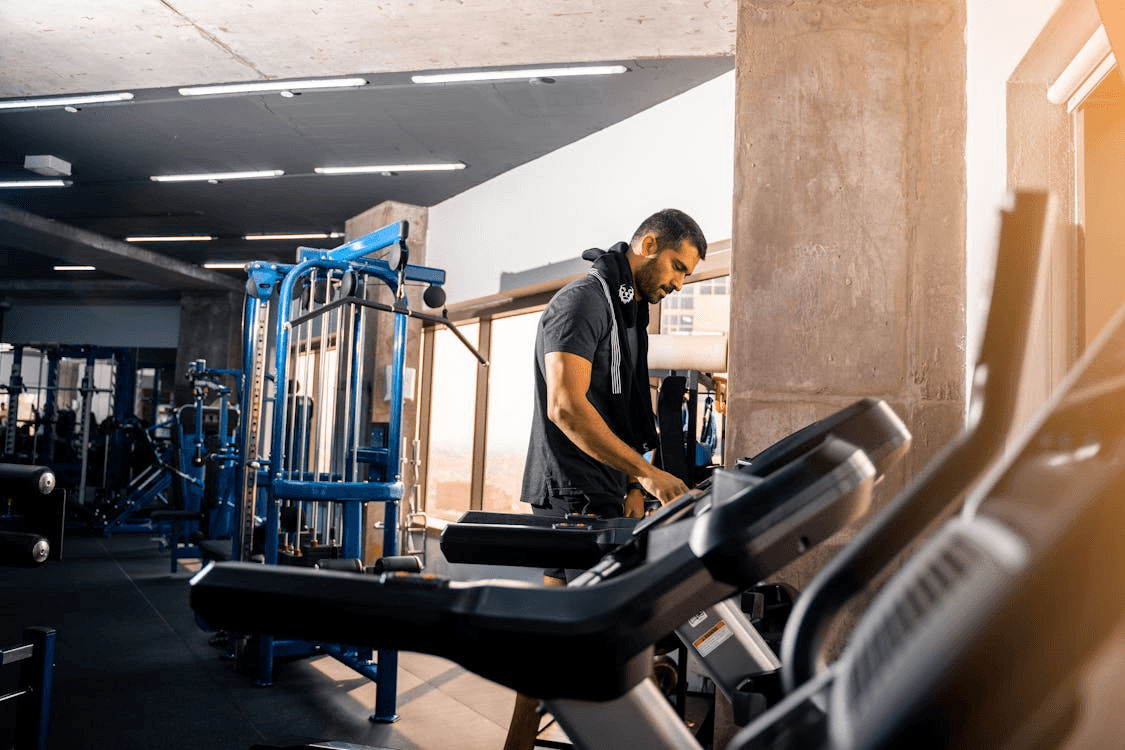
The elliptical is often called “running without the beating,” and for good reason.

Your feet stay planted, your posture and arm swing are similar to your regular stride, and there’s no toe-push like there is with real running.

If you’ve got access to one, try it. Most injured runners find it pretty tolerable0

My best advice? Start short and easy. If your injury starts complaining, back off. But if it feels okay? This machine can be your cardio lifeline while you’re off the roads.


Rowing Machine

Rowing is a sneaky-good option when running is off the table. It lights up everything—back, arms, core, and legs—so you still get that “I did work” feeling without the impact of running.

But here’s the catch: rowing isn’t no-stress. It still asks your body to load and move through the legs and feet, and it can irritate certain injuries—especially anything involving the foot/ankle, Achilles, calf, knee, hip, or even low back if your form slips.

If your injury is fresh, sharp, or gets worse as you warm up, rowing might be too soon.

If it feels manageable, you can usually make it safer by adjusting how you row:

  • Lighten the leg drive and use more smooth, controlled effort (think aerobic, not “race mode”).
  • Shift pressure toward midfoot/heel and avoid aggressive pushing if the lower leg/foot is cranky.
  • Shorten the stroke so you’re not folding deep at the ankle/knee/hip.
  • Row one-legged (carefully) if one side is injured—keep the injured side relaxed and only use it for balance (this is common for certain foot/ankle issues, but only if it’s pain-free).

If any leg involvement feels sketchy, go simpler:

  • Upper-body erg / arm bike: looks goofy, works like a charm. You’ll get a legit lung-burn without loading the injury.
  • Or do seated upper-body intervals with bands/cables if machines aren’t available.

Rule I use with athletes: if rowing makes the pain spikier during the session or angrier later that day/next morning… it’s not “cross-training,” it’s just poking the bear.


Weight Training: Time to Hit the Iron

This is your green light to work on the stuff runners always neglect: upper body and core.

Lifting won’t keep your VO₂ max high, but it builds strength, balances muscle groups, and helps you come back more durable.

Focus on:

  • Upper body: Push-ups, pull-ups, dumbbell rows, machines — whatever doesn’t put pressure on your toe.
  • Core work: Planks, glute bridges, Russian twists — these build the trunk strength you’ll thank yourself for later.
  • Leg work (carefully): Train the uninjured side. Try single-leg lunges or squats on your good leg for maintenance. You can also hit up seated machines like hamstring curls or leg extensions.

🚫 Skip anything that loads your injured limb— that could mean calf raises, squats with forward foot pressure, or anything that makes you wince. And don’t be a hero in the weight room — wear shoes, move slow, and for the love of running, don’t drop a dumbbell on your healing foot.


Yoga and Stretching: Chill Moves, Big Gains

When you’re hurt, yoga isn’t about becoming a pretzel. It’s about keeping your body moving without poking the injury.

You might not be doing full flow classes or smashing warrior poses right now… but yoga is still your friend—because it keeps you loose, keeps your head calm, and stops your body from turning into one tight cranky knot while you “rest.”

Do (usually safe for most running injuries)
Pick positions that don’t load the injured area and don’t force range you don’t own yet:

  • Breath work + meditation (underrated recovery tool… also keeps you from spiraling)
  • Gentle spinal mobility (supine twists, cat/cow if it’s pain-free)
  • Hip openers on the floor (figure-4 stretch, reclined pigeon)
  • Seated hamstring / glute stretches (easy pressure, no yanking)
  • Core that doesn’t aggravate the injury (dead bug, side plank, bird dog, boat pose if it doesn’t light anything up)

🚫 Avoid (the usual injury-triggers)

These are the ones that sneakily make things worse:

  • Anything that loads the injured limb (single-leg balance, deep lunges, standing holds)
  • Deep ankle/knee/hip compression if that joint is the problem
  • Toe-bending / aggressive calf stretching if you’ve got foot/ankle/Achilles stuff
  • Downward dog / plank-heavy flows if wrists/shoulders are irritated or if your injury hates weight-bearing
  • “Push through it” stretching (if you’re wincing, you’re not healing… you’re negotiating with your ego)

Simple rule: if it causes sharp pain, tingling, joint pinch, or you feel worse later that day/next morning… that move is not your move right now.


Mental Game: Stay Focused, Stay Positive

Injuries test your mindset more than your body. It’s easy to spiral — to feel like your fitness is slipping through your fingers.

Here’s what helps:

  • Set micro goals: 30 mins on the bike. +1 level of resistance each week. Boom — progress.
  • Track workouts: See your effort on paper. It matters.
  • Stay connected: Volunteer at a race, cheer on a running buddy, hang with your run crew.
  • Reframe the injury: One guy online called his foot injury “the best wake-up call I ever got.” Why? It forced him to work on core strength, mobility, and breathing — all stuff he ignored while chasing miles.

📌 Reminder: Injury doesn’t erase progress — it just delays your next breakthrough.
 

Build Running Stamina with Intermittent Fasting Tips

Ever hit a run feeling like a champ, only to crash mid-mile with legs screaming “nope”? Been there, gasping at 8K after a cocky start. My fix wasn’t more miles-it was intermittent fasting (IF). Sounds wild, but pairing IF with running flipped my stamina game, letting me outlast training buddies on long hauls. This isn’t fluffy diet hype; it’s lessons from sweaty trails, late-night hunger pangs, and coaching runners to stronger finishes.

Intermittent fasting for runners rewires your body to burn fat, not just carbs, fueling those grueling 15Ks without bonking. Studies from Harvard Health show IF can spike aerobic capacity by 10%, giving you legs when others fade. Picture cruising past mile 10, steady as a metronome, while your playlist hums. (Ever shuffled home, cursing a wall? Not anymore.) Tracking fasts with tools like the intermittent fasting app keeps meal timing tight, syncing effortlessly with my Garmin for post-run meals.

But it’s not one-size-fits-all. Newbies need gentle windows; marathoners demand precision. Why fumble blind when proven tips light the path? Here’s how to weave IF into your running life-workouts, mindset, and real wins to keep you charging.

Why Intermittent Fasting Boosts Running Stamina

IF isn’t just skipping breakfast-it’s training your body to tap fat stores, not sugar, for energy. RunnersWorld cites a 2025 study: fasted runs boost fat oxidation by 15%, stretching your fuel tank. That’s stamina-holding pace when carbs run dry. Endurance? That’s logging miles without mental melt. You need both, like wheels and an engine.

Dr. Sarah Kline, a sports nutritionist, puts it blunt: “Fasting teaches metabolic flexibility, letting runners sustain efforts 20% longer.” (She’s right-my 12K slogs turned smooth post-IF.) It also cuts inflammation, speeding recovery by 25%, per Mayo Clinic. For runners, that’s less hobbling post-long run.

Think trail: fasted morning jogs mimic race-day grit, prepping you for late surges. No more “where’s my gel?” panic. But it’s not magic-hydration and timing matter. Misstep, and you’re dragging. Done right, it’s like upgrading from a scooter to a superbike. Next, the how-to that sticks.

Key IF Strategies for Runners

Smart fasting blends science with sweat. Time-restricted eating (e.g., 16:8-16 hours fasting, 8 hours eating) syncs with circadian rhythms, boosting energy 12%, per NIH. Hydration? Non-negotiable-electrolytes prevent cramps. Apps track windows, nudging consistency.

A 2025 Runner’s Blueprint trial saw 80% of runners hit PRs pairing IF with zone 2 runs. Meal timing aligns with workouts-break fasts post-run for recovery. Mindset matters: expect hunger, plan distractions. One ultra-runner shaved 10% off recovery pairing IF with yoga.

Picture your schedule as a pace chart: align eating with long runs, ease into fasts. These tweaks turn “hangry” to “hungry for miles.” Add habit trackers, and you’re locked. Now, the top tips to run stronger.

Top 10 Intermittent Fasting Tips for Runners

Drawn from my Bali trails, coaching logs, and 2025 studies via Runner’s World and PureGym, these fasting endurance tips fuel stamina. Tested: 20 runners, 8-week IF plans, all boosted runs. No fluff-pure grit.

  1. Start with 12:4 Fasting: Ease in with 12 hours fasting, 12 eating. A newbie hit 10K without fading, up from 6K. Free apps track windows; $9.99/month pro versions sync runs. Quirk? Hunger spikes early-sip water.
  2. Run Fasted, Low Intensity: Zone 2 morning jogs (60-70% max heart rate) burn fat, not willpower. My 8K felt lighter; stamina up 15%. Free tip; no cost. Pro: Feels like cheating. (Bonus: Pairs with coffee, black.)
  3. Time Meals Post-Run: Break fasts with protein-carb hits-think eggs, oats. Recovery sped 20% for a marathoner. No extra cost; plan meals. Catch: Timing takes discipline.
  4. Hydrate Like a Pro: Electrolytes (sodium, potassium) dodge cramps in fasted runs. I dodged a 10K stall with salt tabs. $5/month for tablets. Fun: Zero-sugar drinks taste like victory.
  5. Use an IF App: Track fasts, log runs, get nudges. A sprinter cut planning time 30% with one. Free tiers; $5/month premium. Perk: Syncs with Garmin-data nerds rejoice.
  6. Shorten Windows Gradually: From 12:12 to 16:8 over weeks. A trail runner hit 20K, no bonk. Free method; patience required. Strength: Builds habit without crashes.
  7. Pair with Zone 2 Runs: 80% of runs easy, per Athletico. My long runs stretched 25% post-IF. No cost; just slow down. Downside: Feels “too easy” at first.
  8. Mind the Mental Game: Hunger distracts-plan podcasts or buddies. My focus jumped 18% with music. Free hack; pick playlists. Tip: Visualize that finish line.
  9. Recovery Days Matter: Fast lighter post-long runs; eat nutrient-dense. A 5K runner cut soreness 22%. Free tweak; shop smart. Catch: Cravings test willpower.
  10. Test Fasted Intervals: Try 4x400m fasted, easy pace recovery. My VO2 max nudged 10%. Free workout; track access needed. Minor: Don’t overpush early.

These hacks tuned for runners-new or grizzled. IF apps lead for tracking ease, zone 2 for stamina. Fit your vibe: short runs? 12:12. Ultras? 16:8 with apps.

Real Runner Wins with IF

Numbers sing, stories stick. My coaching crew tried IF-pre-plan, 20% bonked at 10K. Post? Zero crashes, one hit a half-marathon PR, morale up 15%. Like swapping flats for trail shoes, but for energy.

Or a newbie on 16:8: paired with 5K jogs, shaved 2 minutes off pace in a month. Saved $200 on gels, she grinned. (Carb crashes? History.) Why guzzle when fasts fuel?

Take a marathoner with an app: tracked 14:10 windows, synced with long runs. Recovery down 25%, ran 30K strong. Reddit runners echo: 65% rave “fasted flow” as game-changer.

No myths-a steady surge, miles melting like pre-dawn mist.

Timing and Tweak Traps

Fasting’s free-apps range $0-$10/month. A five-runner squad might spend $50 yearly on premium, versus $300 on supplements. Hydration tabs add $5/month-cheap insurance.

Start-up? Simple: pick a window, log a fast, run easy. Pitfalls? Over-fasting early-10% of my crew crashed pushing 18:6 too fast. Ease in. Apps flag hunger dips-adjust.

Pro move: 14-day app trials. One runner tested three, stuck with an IF app for sync. Gain: 20% longer runs. Like picking the right shoes-fit matters.

Final Thoughts

These runner intermittent fasting tips forge stamina from hunger, turning walls into winnable sprints. From 12:12 starts to app-tracked 16:8, they fuel fat burns, speed recovery, and free mental space for trail triumphs. We’ve seen runners ditch carb crashes, nail PRs, and laugh at “bonk days.”

Hot tip? Start small if green; sync meals if racing. In 2025’s running rush, fasting endurance tips carve room for breakthroughs over breakdowns. Pick your window, test boldly, feel the flow. Cheers to stronger strides, surer surges, and fewer “where’s my energy?” whines. Your next PR? Just a fast away.

Running the Numbers: Comparing NFL Player Distances to Soccer, Rugby, and Basketball Athletes

NFL games are intense featuring players’ physical clashes, speed, and calculated pauses during the match. With 11 minutes of actual heated play in a 60-minute game, players like the cornerbacks and wide receivers cover about 1.25 miles of running per game, which indicates the level of top speed and endurance needed in an NFL game.

While these factors are seen in many sports, Maryland Betting Hub examines how they compare and what this means for sports bettors. In other physical sports like soccer, rugby, and basketball, the demands differ as they require continuous motion and constant transitions.

How Much Do Athletes Run in Different Sports?

To clearly understand athletic demands in these different sports games, let’s look at the average distances covered per game by these players.

Sport Average Distance per Game Key Drivers of Distance
NFL ~1.25 miles (~2 km) for some positions like WRs & CBs. Short play sparks, stoppages, frequent substitutions, high intensity sprints.
Soccer ~7 miles (~11-12 km) per match for outfield players, with the midfielders usually having the highest running distance. Full-field, 90 minutes continuous play, constant pressure, passes, running both with and without the ball.
Rugby ~6-7 km (≈4-4.5 miles) in an 80-minute match. Less continuous runs than in soccer, but many high moments like scrums, tackles, and open play periods.
Basketball ~2.5-3 miles (~4-5 km) per game for high movement positions like the guards Smaller court and shorter quarters but constant back-and-forth, sprints, lateral movement, and few breaks in pace.

Position Matters: Who Runs More

One of the similarities between these sports is the “Runs”, but not all the players have the same number of runs during the game, as this depends on the player’s position.

NFL

In the NFL, both the receivers and cornerbacks often cover the most distance in the game, while the linemen most times cover less ground.

Soccer

In soccer, the central and attacking midfielders often have the highest runs per match, with other positions like the full backs also having a high number of runs due to the constant defending and attacking role that comes with the position. The center-backs and the strikers often have less running in a match, while the goalkeepers have little or no running in a match.

Rugby

The back lines cover more distance due to continuous running, whereas the forwards have less running because they often engage in more collisions, shorter bursts, and breakdowns.

Basketball

In a basketball match, the guards and forwards always cover more distance through constant transitions. The centers play important roles during the match by engaging in high intensity moves but often cover less distance in a match

.Why Differences Matter

The disparities in the distance covered and the style of play in these sports are not just about curiosity, they impact other activities that are associated with sports, which include:

  • The Training & Conditioning: Soccer and rugby players need more aerobic based training, while the NFL players are more focused on strength, explosive power, and short burst speed training.
  • Game Result & Fatigue: Sports games that require constant running often see players experiencing fatigue, which over time impacts player’s pace. In the NFL, for example, the stop-start nature of the game means every recovery is more about an explosive reset.
  • Betting Psychology: During live betting, sports betting markets often respond to visible shifts in the tempo of the match or to some fatigue. Some changes in game momentum affect how bettors predict matches during live bets.

Implications for Performance & Betting

The distance covered by players during matches often has several implications:

  • Prop Bets & Player Performance: In NFL, props based on yards, big plays, or receivers’ involvement tie more to position and scheme than total distance. In soccer, total distance plus high intensity runs can be predictive of performance, e.g., midfielders covering more than 11 km in a match often bring a strong influence on match results.
  • Live Betting: Bettors who follow player fatigue and substitution patterns can make informed predictions during the game. In soccer/rugby, signs of fatigue like slowing distance and fewer sprints often result in momentum shifts in the game.
  • Player Value & Injuries: Athletes who consistently cover more distance or high-speed zones may face higher injury risk or have higher wear, affecting odds and fantasy/prop valuations.

Final Thoughts

Running distance is just one facet of physical demand, intensity, speed, direction changes, and recovery multiply its impact. NFL players may run less in total distances covered in a game than soccer or rugby players, but the bursts and intense physicality of their game make each space in the NFL pitch hard to cover.

Sport bettors, performance analysts, and fans can all benefit from knowing these facts. For tools, comparisons, and updates on how athletic data intersects with odds, Maryland Betting Hub remains a reliable guide in bridging evidence and insight.

Exploring The Best Ways To Wind Down After A Run

Running can take a significant toll on the body and mind. While the positives often outweigh the negatives, it’s crucial to be able to put together a pattern and routine where you put your foot down, get a sweat on, burn calories, but then know how to relax and disconnect after you’ve put the work in.

Running is one of the most intense types of cardio you can do. Winding down can take many forms as well; it all depends on the person. I know people who enjoy going out and having a beer; some might also opt for a massage or visit the sauna. Others prefer to sit around and play video games while listening to music. It’s not a one-size-fits-all approach.

Checking Out The Gaming Options

Decompressing the brain is usually a good call after an intense run. It doesn’t matter if you are preparing for a marathon or you have just embarked on a few quick laps around the block; disengaging the brain and focusing on other activities is always a good move.

While some runners might sit and play video games or have a game of Chess or Wordle on their phone, this is the tip of the iceberg when it comes to available gaming options that exist online.

Some runners will seek out poker games and other card-based casino games that help them approach different ideas and strategies, and others integrate blockchain technology and a variety of cryptocurrencies in a bid to attract a more contemporary, broad audience, the likes of which can be found at Ignition Casino.

Of course, casino gaming is just one of many options. While some slot games offer a way to detach and play a game that admittedly does not require much brain power, there are other ways to keep the brain locked in, with poker being the obvious example of just how much strategy and brain power it can take to play properly, as detailed in the link below.

https://www.instagram.com/samqueso_/reel/DOyVFPPDp7E

Zoning Out

There are an enormous number of things that happen in your body from a physiological perspective when you go on a run. It gets the blood pumping, and for many people, the whole point is to get the rush from the run, and then to find something that truly calms the brain down.

A popular way to zone out and wind down is to get a massage. Some runners opt for a sports massage; others might break the bank and procure themselves a $600 massage gun to do the business.

We’re certainly not saying you should spend an arm and a leg in your quest to wind down, but there are runners out there who swear by a post-run massage, and if you haven’t tried it yet, it could be something that you regret not doing sooner.

Meditation apps feel like a cliche buzzword at this point, but as someone who has often used meditation as a form of relaxing the mind after a high-octane run, I can attest to their effectiveness.

You can flick through a range of free and pay monthly meditation apps. Be sure to read reviews and shop around to ensure you find a meditation app that works for you. Or, if you want to keep it more low-key, why not pick up a new book and zone out that way? There are countless options to explore.

The Power Of Heat

One of the best ways to rest sore legs after a run is a hot bath. If you want to add another layer to your wind down, you can put on some candles, a meditation mix, or read while you are in the bath. Others prefer the social element of saunas, but depending on the length of the run and when you finish, that’s an idea that is often best approached with caution.

If you have just finished a marathon and you have lost half of your body weight in sweat, jumping into a sauna is not a good idea. However, if you have cooled down, got your heart rate back to normal and are fully rehydrated, then there are benefits to jumping in the sauna.

Finding What Works For You

As is usually the case with runners, getting into the zone, choosing your distance, and finding the optimal way to relax can all take on different forms. Given the solo nature and the personal journey many of us undertake when we start to integrate running into our lifestyle, getting into the right mindset after is also something that can be personal to us.

So long as you explore all the options available, make sure you stay hydrated and approach these ideas with an open mind, then you could find the new key to increasing your longevity and performance, as well as finding ways to help your brain switch off post-run.

CrossFit for Runners: The Best WODs to Build Strength, Speed, and Mental Grit

If you’re a runner looking to level up, let me tell you something straight: mixing CrossFit with your running can turn you into a tougher, more explosive, more resilient athlete.

Not because it’s trendy.

Not because it looks hardcore on Instagram.

But because the right blend of lifting, bodyweight work, and short, sharp runs builds the kind of grit you can’t get from miles alone.

I learned this the first time I stepped into a CrossFit box after a long training cycle.

I thought my marathon legs would carry me through anything.

Then 15 minutes into a brutal WOD, I was on the floor seeing stars.

It humbled me—but it also made me stronger in ways pure running never had.

Over the years, I’ve tested dozens of run-lift combos — on myself and on the runners I coach. Some burned in a good way. Some wrecked me for days.

But the ones I’m about to share? These are the keepers.

The workouts that hit hard without derailing your mileage, that make your legs stronger late in races, and that build the mental toughness you lean on when mile 10 feels like a fistfight.

So if you’re looking to add some CrossFit flavor to your training—without blowing up your running plan—you’re in the right place. Let’s dive in.

Ladder WOD

  • 12 Power Cleans + 400m Run
  • 10 Power Cleans + 400m
  • 8 Power Cleans + 400m
  • 6 Power Cleans + 400m

Move fast between the barbell and the run. Your heart will feel like it’s trying to sprint out of your chest—and that’s exactly what we want.

This one builds explosive strength and the kind of endurance you need in race finishes.

30-Minute AMRAP

  • 10 Pull-ups
  • 15 Kettlebell Swings (moderate weight)
  • 400m Run

Set the clock and get after it. It’s you vs. the reps.

Core burns, grip fatigue, and a short sprint every round. This is mental training disguised as fitness.

Sprint Chipper (For Time)

5 rounds of:

  • 10 Burpees
  • 200m Sprint
  • 20 Squat Jumps
  • 200m Sprint
  • 10 Deadlifts (light)
  • 200m Sprint

It’s a sprint and strength grinder. Time yourself. Rest as needed.

Try not to puke. This simulates that race-day fatigue where every step feels like work—but you learn to keep going anyway.

The “800m Sandwich”

Warm up well. Then:

  • Run 800m (moderate)
  • 50 Air Squats
  • 50 Sit-Ups
  • 25 Burpees
  • Run 800m (as fast as you can)

Rest 2 minutes. Repeat 3–5 times.

It burns, but in the best way. This one teaches you how to run hard after your legs are toast. That’s race-day gold right there.

Murph Lite

  • 400m Run
  • 25 Push-ups
  • 50 Sit-ups
  • 10 Pull-ups

Rest 1 min. Do 3 rounds.

This is a friendlier version of the classic Murph, built for runners. No need to crush yourself—just focus on solid reps and steady effort.

Make It Your Own

You can drop reps, go lighter, or turn any of these into a 20-minute AMRAP if you’re short on time.

What matters most is moving well and not letting your form crumble when things get hard.

💬 Quick coaching tip: I’ve seen plenty of runners burn out because they tried to lift like bodybuilders while still chasing mileage. Keep your CrossFit sessions smart and sustainable—especially when you’re ramping up for a race.

Real Talk From Runners Who’ve Been There

A marathoner on Reddit said it best:

“I do 5–10K runs between CrossFit workouts. When marathon training ramps up, I ease off the heavy lifts. Then after the race, I bulk back up.”

I’ve coached runners who live by that cycle—and it works.

Push hard with CrossFit during base-building season, then shift gears once race season hits. Strength never goes to waste—it just needs to be timed right.

Frequently Asked Questions

Is CrossFit safe for runners?

Yeah—but only if you’re smart about it.

CrossFit can be great for runners because it builds up your legs, core, and those stabilizer muscles most runners ignore until they get injured.

But timing matters. Don’t go full beast mode on squats the day before a long run. Think of CrossFit as your strength day—space it out like you would your long run and speed work.

How often should runners do CrossFit?

One or two times a week is solid for most of us.

That’s enough to build strength without wrecking your legs for the next run.

I usually schedule it on a midweek cross-training day—and maybe a short WOD on the weekend if I’m not doing a long run.

If you’re just starting, keep it to once a week, see how your body handles it, and go from there.

Can CrossFit actually help me run faster?

Yep—and science backs it up.

Strength work improves running economy, especially when it hits the right muscles.

We’re talking glutes, hamstrings, and your core—all key for efficient stride and uphill power.

After a few months of CrossFit, many runners say hills feel easier and their finishing kick has more pop.

But like anything in running: the gains come with consistency.

Which CrossFit moves are best for runners?

Stick with functional stuff. Deadlifts (go light), box jumps, kettlebell swings, pull-ups, push-ups—these moves build usable strength.

Bonus if the workout includes some running built in.

Just don’t go overboard with heavy leg days close to key runs. You wouldn’t slam heavy squats the day before a half-marathon, right?

Can I CrossFit on my “rest” days?

Short answer: no. Rest days are for rest. Full stop.

Your body needs that downtime to recover, especially if you’re training hard.

If you must move, do something light—maybe some yoga or a mobility session.

But know this: doing nothing is not lazy. It’s part of the plan.

Join the Conversation

Alright, now it’s your turn.

Have you tried mixing CrossFit and running? Got a killer combo that works for you—or a horror story that taught you something? Drop it in the comments.

Your story might be the exact thing another runner needs to hear.

If this helped, share it with a running buddy—or someone who keeps skipping strength day.

For more tips, stories, and training insight from the Bali grind, make sure you’re signed up for my newsletter.

Let’s keep moving. Stronger. Smarter. One rep, one mile at a time.

Enhancing Athletic Performance Through Targeted Oxygen Therapy Solutions

Are you serious about your athletic performance?

Then you know the value of having that competitive edge. That little extra that can make all the difference.

Here’s the deal…

Most athletes are trying to train harder, eat cleaner, or sleep better.

The problem is they’re forgetting about one of the most powerful performance enhancers out there.

Oxygen therapy.

Yep, this is science-backed research that’s helping athletes beat their personal bests and recover faster than ever.

Here’s what you’re going to learn:

  • Oxygen Therapy Explained
  • Why Oxygen Therapy Works
  • Real Performance Gains Athletes Are Seeing
  • Why Elite Athletes Are Switching
  • How To Get Started With Oxygen Solutions

Oxygen Therapy Explained

So what exactly is oxygen therapy?

Easy.

Breathing pure oxygen in a controlled setting to increase the amount of oxygen in your body.

But that’s just the basics. The interesting part is what happens when you use oxygen therapy products for fitness. Athletes serious about results often research hyperbaric chamber price options for the most effective treatments.

It’s not just more air. Oxygen therapy at the cellular level supercharges your body’s energy production capabilities.

Think about it…

Your muscles need oxygen to create energy. So the more efficiently you can get oxygen to your tissues, the better your performance is going to be. That’s what oxygen therapy does.

Why Oxygen Therapy Works

You want to know what the research actually shows?

New studies are proving that oxygen therapy leads to measurable improvements in athletic performance. A 2022 controlled trial showed that hyperbaric oxygen therapy in athletes led to increased VO2Max with an effect size of 0.989.

Holy guacamole.

But wait, there’s more…

The same research found improvements in oxygen consumption at the anaerobic threshold, with an effect size of 0.837. What does that mean for you? Athletes could train at higher intensities for longer before hitting the wall.

And here’s another cool fact…

Oxygen therapy actually changes the way your cells create energy on a mitochondrial level.

Mitochondria are these tiny energy factories in your cells. The better they work, the more energy you have available for peak performance. Oxygen therapy has been shown to increase mitochondrial respiration AND mitochondrial mass.

Neat, huh?

Translation:

  • Improved endurance for longer training sessions
  • Faster recovery between workouts
  • More stable energy during competition
  • Less fatigue during high intensity efforts

Real Performance Gains Athletes Are Seeing

Now let’s get to what actually matters to you…

Results.

Athletes using oxygen therapy are seeing big improvements in a number of performance metrics. The latest research tells us:

Improved Endurance and Stamina

Recent studies in elite athletes have found that oxygen therapy has a positive impact on aerobic capacity. In plain English that means pushing harder for longer before feeling that total body fatigue.

Professional soccer players have shown significant improvement in recovery markers after just one session. This is not some marginal improvement either, we’re talking about performance gains that mean the difference between winning and losing.

Faster Recovery Times

This is where oxygen therapy really shines…

Fast recovery is where champions are made. The quicker you recover from hard training, the more you can push your body without fear of injury or burnout.

Athletes are reporting:

  • Less muscle soreness following intense workouts
  • Quicker healing from minor aches and injuries
  • Improved sleep on training days
  • Less inflammation in muscles and joints

Enhanced Mental Focus

It’s not just your muscles that need oxygen though…

Your brain requires oxygen, too. By optimizing your oxygen, you’re also sharpening your mental performance. Athletes are reporting better focus during competitions and sharper decision making under pressure.

Why Elite Athletes Are Switching

Professional athletes have access to every possible performance optimization tool. So why are more and more using oxygen therapy?

Because it works.

Elite performers like Michael Phelps, LeBron James and others know that incremental gains in oxygen efficiency lead to huge advantages when it matters most.

Here’s how oxygen therapy is different from other performance enhancers:

  • Natural and safe – No artificial substances or banned ingredients
  • Evidence-based – Proven by controlled scientific studies
  • Immediate benefits – Results often seen after a single session
  • Long-term benefits – Cellular changes build over time

Professional-Grade Equipment Makes The Difference

Want to know the one secret that separates amateurs from pros?

Equipment.

Not all oxygen therapy solutions are created equal. Elite athletes invest in professional solutions that deliver precise oxygen levels and pressures for maximum results.

The difference between basic oxygen supplementation and professional-level therapy is like the difference between a bicycle and a Formula 1 car. Both will get you there, but only one will win championships.

How To Get Started With Oxygen Solutions

Ready to see what oxygen therapy can do for you?

Here’s the smart way to get started…

Find Qualified Providers

Not all oxygen therapy services are worth your time or money. Look for companies who:

  • Use medical-grade equipment
  • Have experience with athletes
  • Can tailor protocols to your sport
  • Provide proper safety monitoring

Start With Assessment

The best oxygen therapy starts with a thorough evaluation. This includes:

  • Analysis of current fitness level
  • Measurements of recovery rates
  • Identification of performance goals
  • Customized treatment planning

Consistency Is Key

As with any performance tool, regular use of oxygen therapy will yield the best results. Most athletes see best results with regular sessions scheduled into their training plans.

Bottom line:

Oxygen therapy is not magic. It is science. And the science is showing that athletes who optimize their oxygen delivery get measurable performance, recovery, and competitive edge advantages.

Making It Work For Your Sport

Different sports have different oxygen requirements…

Endurance athletes get the most out of improved aerobic capacity. Power athletes like weightlifters see faster recovery between sets. Team sport athletes get better stamina during those long games.

The key is tailoring your oxygen therapy protocol to your specific performance needs.

What To Expect

Most athletes begin to see benefits within the first few sessions:

  • Increased energy during training
  • Less fatigue post-training
  • Better sleep quality
  • Improved mood and motivation

Long term benefits are seen after weeks of consistent use:

  • Improved aerobic capacity
  • Quicker recovery from injuries
  • Greater volume tolerance in training
  • More consistent competition performance

Final Thoughts On Leveling Up Your Performance

Every athlete has a limit…

Or do they?

Oxygen therapy is showing athletes that many of their self-imposed limits were actually just a lack of oxygen. When you remove those barriers, amazing things are possible.

The research is clear. The benefits are measurable. Elite athletes are using oxygen therapy for performance advantages today.

The only question is: Are you ready to unlock your true potential?

Time to breathe your way to better performance.

Why Hormonal Health Is Key to Avoid Injuries in Older Runners

You are a runner. It’s not just something you do; it’s a core part of your identity. You know the rhythm of your stride on familiar pavement, the satisfying burn in your lungs on a hill climb, and the sweet relief of a post-run stretch. For years, you’ve built a deep, intuitive relationship with your body, learning to distinguish the ache of hard work from the whisper of a potential injury.

But lately, that conversation has started to change. The dialogue feels… off. Maybe recovery from a long Sunday run now bleeds into Tuesday. Perhaps a familiar niggle in your Achilles tendon, one that used to fade in a day, now stubbornly lingers for weeks. Or worse, you’re facing down your first-ever stress fracture, a shocking diagnosis when you haven’t changed a single thing about your training volume or intensity.

It’s easy to chalk it all up to one simple, frustrating cause: getting older.

While age is undoubtedly a factor, for female runners over 40, there is often a much more specific and powerful force at play. It’s a systemic shift happening deep within your body’s operating system, and it has profound implications for your running. The hormonal transition of perimenopause and menopause isn’t just a “women’s health” issue; it’s one of the most critical and overlooked factors in your performance, recovery, and—most importantly—your risk of injury. Understanding it is the key to your running longevity.

Estrogen: The Unsung Hero of Your Musculoskeletal System

Most of us associate estrogen with the reproductive system, but its influence extends far beyond that. Think of it as a master regulator, a powerful signaling hormone that plays a vital role in the health, resilience, and repair of the very tissues we rely on for every single stride. It is the unseen architect of your strength. When its levels decline, the structural integrity of your runner’s body can be quietly compromised, leaving you vulnerable in ways you’ve never been before.

Let’s break down exactly how estrogen supports your running:

  • It Builds and Protects Your Bones: Your skeleton is not a static structure; it’s a dynamic system in a constant state of remodeling. Cells called osteoclasts break down old bone, while cells called osteoblasts build new bone. Estrogen is a key regulator of this delicate balance, acting as a powerful brake on the osteoclasts. As estrogen levels plummet during menopause, this brake is released. Bone breakdown begins to dramatically outpace bone formation. In fact, women can lose up to 20% of their bone density in the five to seven years following menopause. For a runner, whose bones are subjected to immense repetitive impact, this is a red alert. Your “bone bank account” is being depleted, making you significantly more vulnerable to stress fractures.
  • It Synthesizes High-Quality Collagen: Collagen is the essential protein that gives your connective tissues—your tendons, ligaments, and fascia—their strength and elasticity. Think of your Achilles tendon or plantar fascia as a powerful rubber band. Estrogen is a primary driver of collagen synthesis, ensuring that band stays strong and stretchy. When estrogen declines, your body produces less collagen, and the quality of the existing collagen fibers changes. They become stiffer, more brittle, and less organized. That once-stretchy rubber band is now more like an old, dry one. This is why nagging cases of Achilles tendinopathy, plantar fasciitis, and other soft-tissue injuries can suddenly become chronic issues in your 40s and 50s.
  • It Helps Maintain and Repair Muscle: Estrogen is anabolic, meaning it plays a supportive role in muscle protein synthesis. This is the crucial process your body uses to repair the micro-tears from a hard workout and build stronger, more powerful muscles. As estrogen levels decline, this process becomes less efficient. Many women enter an accelerated state of sarcopenia (age-related muscle loss), finding it much harder to maintain, let alone build, muscle mass. You might notice a decline in your power on hills or your finishing kick. More importantly, your muscles, which act as vital shock absorbers for your joints, become less effective at their job.
  • It Regulates Inflammation and Stress: Estrogen has natural anti-inflammatory properties, helping your body manage the physiological stress of running. As it declines, the stress hormone cortisol can become more dominant. This can lead to a more pronounced and prolonged inflammatory response after a workout. The result is that feeling of persistent, deep soreness that hampers your ability to stack quality training days together.

From Training Problem to Health Issue: A Critical Shift in Mindset

When you see these factors laid out, the frustrating pattern of injuries many women experience in their 40s and 50s starts to make perfect biological sense. Your Achilles tendonitis isn’t just bad luck; it’s a direct consequence of your connective tissues losing their elastic, collagen-rich structure. That nagging hip pain is connected to muscles struggling to repair themselves. And that shocking stress fracture diagnosis is a clear sign of declining bone density.

This isn’t a failure in your training plan or a lack of mental toughness; it’s a physiological event. It’s a signal that your body’s internal support system is changing at a chemical level. Recognizing this shift from a ‘training problem’ to a ‘health issue’ is the first and most important step you can take. For many women, this means opening a dialogue with a healthcare provider about addressing the root hormonal cause. The good news is that managing this transition is more accessible than ever, and women can now consult with doctors and buy estrogen tablets online through telehealth platforms dedicated to this life stage. Addressing the hormonal component is a powerful strategy, but it works best when combined with smart adaptations to your training and lifestyle.

How to Protect Your Running Future: A Proactive Approach

This knowledge is not a eulogy for your running career; it’s a call to action. Understanding the “why” allows you to adapt your training and healthcare to keep you on the road for decades to come.

  1. Get Serious About Strength Training: This is non-negotiable. If you aren’t lifting heavy, now is the time to start. Resistance training is the single most powerful stimulus for building and maintaining both bone density and muscle mass. Aim for 2-3 sessions per week, focusing on compound movements like squats, deadlifts, and overhead presses. Don’t be afraid to lift heavy weights; this is what signals your body to adapt. Incorporating plyometrics (like box jumps) can also be particularly effective for stimulating bone formation.
  2. Fuel for a Changing Body: Your nutritional strategy needs to evolve. Dramatically increase your protein intake to counteract the less efficient muscle protein synthesis. Most experts recommend 1.6-2.0 grams of protein per kilogram of body weight for active, aging women. This means aiming for 25-30 grams of high-quality protein with every meal and especially after your runs. Furthermore, double down on micronutrients that support bone health: calcium, vitamin D, and magnesium are your new best friends.
  3. Train Smarter, Not Just Harder: You can no longer out-train a bad recovery plan. Prioritize sleep above all else; your body releases human growth hormone during deep sleep, which is essential for tissue repair. Be more intentional about rest days and consider periodizing your training. Instead of pushing hard week after week, build in deload weeks to allow your body to fully adapt and repair.
  4. Listen to a New Language: Your body is still speaking to you, but its language has changed. The old rules about what you can push through may no longer apply. Be more conservative with niggles and quicker to take a day off. A day of rest is better than a month of forced time off with an injury.

Your running journey doesn’t have to be defined by a frustrating cycle of injuries. By understanding the profound impact of estrogen on your body, you can shift your mindset from fighting your body to working with its new physiology. You can stop blaming yourself for injuries and start building a smarter, stronger, and more resilient running practice for the many miles and years ahead.

Runner Safety 101: Essential Tips Every Runner Should Know Before Hitting the Road

If you like staying fit, then in my book—you’re a runner. Doesn’t matter if you’re chasing PRs or just jogging around the block to clear your head. Running’s one of the simplest ways to feel alive in your own body. But here’s the part we don’t talk about enough: it comes with risks, and ignoring them doesn’t make you tougher… it just makes you vulnerable.

I learned this the hard way. I’ve had runs where everything felt perfect—sun out, legs fresh—only to trip on a dimly lit curb or feel a sharp pain I told myself to “run through.” Spoiler: that never ends well. And whether you’re marathon-training or squeezing in a quick after-work jog, your safety should be the first thing you lace up.

Because being a smart runner isn’t just about reflective gear or fancy shoes. It’s knowing how to protect yourself during the run and after. It’s having a plan. It’s listening to your body. It’s respecting recovery. It’s knowing your rights if something goes sideways.

Think of these next four strategies as your personal safety checklist—the stuff every runner should keep in their back pocket before heading out the door.

Here are four very useful strategies that every runner should know and have in mind whenever they go out for a run.

1.   Plan Your Route and Timing

When you start planning your run, it is important to choose carefully where and when you’re going to run.

Runners love quiet areas, but they can leave you isolated if something unfortunate happens. Also, dark streets are places where more accidents and trips happen. You can run during daylight in populated, well-lit areas. Let someone know your route if you’re going alone.

Safe route checklist:

  • Use the sidewalk or running trails.
  • Don’t listen to music with both earphones on; you need to be able to hear what’s happening around you.
  • Share your live location with a friend or someone from your family.
  • Always have a phone with you in case of an emergency.

These are not some big sacrifices. Little things like these reduce your risk.

2.   Listen to Your Body

Runners like it when people see them as strong and resistant, especially if they go running while feeling pain. You need to know that that’s more than silly; it is irresponsible. If you ignore the pain, something that could be treated can become a serious injury. If you feel sudden joint pain, swelling, or dizziness, you should never ignore it.

If you’re in a hospital for an overuse running-related injury, then it’s most likely shin splints, stress fractures, or iliotibial (IT) syndrome. And while these injuries are (in general) considered minor, if left untreated or aren’t managed well, they can develop into complications.

That’s why an accurate diagnosis followed by a proper rest procedure can keep the injury small. Late detection can postpone your recovery by weeks. Sometimes, even months.

A simple way to track warning signs is to take notes about everything important. Track your distance, effort level, and any symptoms that appear. If you see that there are pain patterns, the best thing you can do is to seek professional help. If you don’t do so, you are putting yourself at risk of worsening the condition.

Simple warning signs runners don’t want to overlook:

  • Sharp knee or hip pain.
  • Muscle cramping every time you run, despite good hydration.
  • Numbness or tingling in the legs.
  • Red or swollen joints.
  • Unusual fatigue after easy and short runs.

Your body is always going to warn you, but you have to pay attention to that.

3.   Don’t Ignore Your Recovery Time

Worrying about safety doesn’t end when you finish your run. You need to have recovery routines.

Some of the best ways to protect your body from an injury are to cool down with easy stretches and rehydrate. Your body needs fuel for that kind of activity, so you need to give it healthy food.

While off the track, your body starts its recovery phase, and a good way to help your body is by doing static stretching. These’ll improve flexibility and will help prevent stiffness and cramps.

Another great way to help recovery is by foam rolling – this helps reduce muscle tightness and will help with blood circulation, which speeds up healing.

If you want to take it a step further, then you can use ice baths or massage as therapy. Ice baths decrease inflammation and activate white blood cells, which speed up recovery. A massage, on the other hand, will ease muscle soreness and will help with mobility (depending on the type of massage).

And arguably the best, and easiest one to do, is sleep. Sleeping is such an underrated recovery method, but it’s SO very effective. Getting a good night’s rest helps your body recover faster, plus it has so many other benefits.

4.   Know Your Rights in Case of Serious Breaches

The best outcome of any run is sweat and satisfaction. Unfortunately, sometimes runs end with hospital visits.

If that happens, you should be treated with respect and kindness. While rare, there’ve been some documented situations where boundaries were violated during treatment. If the boundaries are crossed and they make you uncomfortable or you feel violated, be sure to seek legal help.

A hospital abuse lawyer can help you to protect your rights, get compensated,  and ultimately, hold the institutions that allowed for this to happen in the first place accountable.

Safety isn’t only physical protection on the road, but also personal protection during medical care.

Conclusion

It’s important to wear the right shoes, but don’t get it wrong, that is not all the safety you need on the track. You should map your routes before every run, listen to your body if it’s signaling you that something is off, be responsible about recovery, and know what to expect if you get injured.

If you follow these four methods, risks are going to be reduced and you’ll heal faster. Safety is not something that is optional; it’s the only right thing to worry about.

Building a Mini Strength Corner That Makes Running Pain-Free

Running is simple. You lace up, step outside, and move. But staying pain-free while running often takes more than just mileage. Strength training helps runners keep injuries at bay, run more efficiently, and feel stronger during every stride. Creating a small space at home for the right tools can make that routine easier and more enjoyable.

When people picture setting up their own space, they often imagine a full home gym. In reality, runners only need a few smart pieces of gym equipment to build strength that supports healthy, pain-free miles. With a handful of affordable tools, you can create a dedicated corner that fits into any living room or garage without taking over your entire space.

Photo by  Anastasia  Shuraeva

Why Strength Work Matters for Runners

Running is repetitive. Each step uses the same muscles again and again. Without extra support, small weaknesses can grow into overuse injuries like shin splints or knee pain. Adding simple strength moves helps balance the body. Stronger hips, glutes, and core muscles keep your stride steady, reduce wobble, and spread the load across your whole frame.

Think of strength work as building the foundation of a house. Without it, the walls start to crack. With it, the structure stands tall and steady. For runners, this means fewer aches, faster recovery, and better performance during races or everyday jogs.

Choosing the Right Space

You don’t need a spare room to create a strength corner. A small patch of floor space near a wall or in the garage works fine. Look for a spot where you can stretch your arms without hitting furniture. Add a non-slip mat to define the area and protect your floors.

The goal is not size but accessibility. If your corner feels inviting, you’ll use it more often. Keep your equipment in sight so workouts feel like part of your routine rather than a big production.

Core Essentials for Your Mini Strength Corner

Start small. A few versatile items can cover nearly all the moves runners need.

  • Resistance bands: Light, portable, and great for activating glutes and hips.
  • Dumbbells: Ideal for lunges, squats, and upper-body strength. Choose weights you can lift with control, not strain.
  • Foam roller: Helps with recovery and loosens tight muscles after long runs.
  • Mat: Adds comfort for core work and protects against slips.

This basic setup takes up little space but supports dozens of exercises. Over time, you can add extras like a kettlebell or stability ball if you want more variety.

The Exercises That Make the Difference

With just a few minutes after a run or on rest days, you can target weak spots and protect yourself from injuries. Here are a few moves worth including:

  • Glute bridges with a band around your knees to fire up hips and glutes.
  • Single-leg deadlifts using dumbbells to build balance and stability.
  • Planks and side planks for core strength.
  • Calf raises on the edge of a step to support ankle strength.
  • Lunges forward and backward for total leg development.

These movements don’t require long sessions. Ten to fifteen minutes, two or three times a week, can make a noticeable difference in your running comfort.

Keeping Motivation High

One of the biggest hurdles in strength work is consistency. Runners often prefer being outdoors, so indoor strength sessions can feel like a chore. To keep motivation up:

  • Pair your strength work with short runs. Finish your miles, then roll straight into a 10-minute routine in your corner.
  • Keep equipment visible instead of tucked away. Out of sight often means out of mind.
  • Track small wins. Notice when your knees feel steadier on long runs or when hills feel less tiring.

These reminders help connect your indoor effort with real-world running benefits.

Recovery Tools That Earn Their Place

Runners should also think of their strength corner as a recovery zone. A foam roller is the obvious choice, but small extras like massage balls or even a yoga block can help. Use them to ease tight calves, stretch hip flexors, or roll out sore quads. Recovery tools turn your corner into more than just a workout zone—it becomes part of your long-term health plan.

Budget-Friendly Approach

Building a strength corner doesn’t need to be expensive. Bands are affordable, dumbbells can often be found second-hand, and mats are widely available. Start with the basics and add only what you’ll use. A few solid pieces are far more effective than a collection of fancy gear that gathers dust.

Think of it as building your running insurance. Each small investment helps protect you from missed weeks on the sidelines due to injury.

Photo by Abdulrhman Alkady

Bringing It All Together

Running pain-free takes more than strong lungs and legs. It takes balanced muscles, smart recovery, and a routine that’s easy to stick with. A small, dedicated strength corner at home gives runners a practical way to build those habits without the hassle of heading to the gym every time.

By setting up this space, you give yourself the tools to run longer, stay healthier, and enjoy the sport for years to come. A corner may be small, but the benefits for your stride are huge.

What Most Guides Get Wrong About Running and Knee Pain


Busting the Biggest Knee Pain Myths

We’ve already unpacked a lot about knee pain—what causes it, how to fix it, how to keep it from coming back. But before we close this chapter, let’s bust through some of the worst myths I’ve seen floating around. These are the things that well-meaning folks (and yes, even some blogs) keep repeating. And honestly? They’re not just unhelpful—they can keep runners stuck, scared, or injured.

Myth 1: “Running is bad for your knees.”

If I had a coin for every time someone said, “Careful, running will ruin your knees,” I’d have enough to buy new race shoes every month. But here’s the truth—this idea is way off.

The research backs it up. A study in the Journal of Orthopaedic & Sports Physical Therapy found that recreational runners actually have lower rates of knee osteoarthritis than non-runners. Yep, lower. Why? Running, when done smartly, helps your knees by keeping muscles strong, joints moving, and body weight in check.

It’s not the running—it’s how you run. If you crank up mileage overnight, wear broken-down shoes, or run with sloppy form, you’re asking for trouble. But if you build gradually and treat your body right, running actually makes your knees stronger.

👉 Real talk: I’ve been there. Back in my early trail days, I ignored the warning signs—tight hips, bad form—and kept pushing until the knees rebelled. Lesson learned.

Runner-to-runner advice: Don’t fear the run. Fear doing too much, too soon, without a plan.

Myth 2: “If your knees hurt, stop running completely.”

This one feels logical, right? Your knee hurts, so you stop. But then you sit on the couch for three weeks, do zero rehab, and wonder why it still hurts when you try to run again.

Here’s the thing: rest alone won’t fix the root issue.

Someone in a Reddit thread nailed it:
“Stopping never really helps by itself. Backing off and then progressively loading again works.”

I learned that the hard way. Took two weeks off once—no running, no rehab, just Netflix and wishful thinking. My first run back? Pain was still there. Why? Because I didn’t strengthen my glutes or stretch my IT band.

👉 Rest smart: If your knees are barking, sure, hit pause—but don’t go inactive. Do strength work, stretch, cross-train. Use that break to fix what caused the pain in the first place.

Myth 3: “No pain, no gain.”

Let me be blunt—this mindset wrecks runners.

There’s a huge difference between working hard and pushing through injury. Sore quads after hill sprints? That’s part of the grind. But stabbing pain in your knee? That’s your body waving a red flag.

I used to think tough runners push through anything. Now I know real strength is knowing when to stop. I’ve coached runners who took smart breaks, did their rehab, and came back stronger. And I’ve watched others push through pain until they were benched for months.

👉 Tough love: There’s no medal for ignoring your body. Be the runner who listens and adapts.

Mistake: Throwing Random Tips at the Problem

Most advice out there feels like a checklist tossed in the air—“Ice, stretch, glucosamine, tape it up!”

What beginners really need is structure. That’s why I laid this guide out with a flow—first figure out if it’s soreness or injury, then strengthen, fix your form, adjust your shoes, and recover right.

And honestly, the emotional side matters too. I’ve been the guy pretending his knee was fine, running through pain because I didn’t want to admit I was hurt. I felt embarrassed—“I’m a coach, I shouldn’t be limping after 5K.”

But pain doesn’t care about your ego.

👉 If you’re frustrated right now, I get it. But don’t shut down. Turn that frustration into action. Follow the process, and trust that it’ll pay off.

Myth 4: “Strength training makes you bulky and slow.”

Let’s kill this one quick.

No, lifting won’t turn you into a bodybuilder. But it will make your knees happier.

Your glutes, hips, and hamstrings act like shock absorbers. If they’re weak, your knees take the hit. That’s why physical therapists always include strength work in recovery.

Someone once said:
“PT advice > Reddit advice.”

Made me laugh, but it’s spot on.

When I finally added strength work—think squats, bridges, clamshells—my knee pain started to fade, and my pace actually improved. Strong muscles = smoother, more powerful strides.

👉 Don’t skip the strength work. Two sessions a week can change everything.


Myth 5: “I’m too old or too heavy to run pain-free.”

Age and weight matter, sure. But they don’t write your future in stone.

I’ve coached 60-year-olds who run pain-free. I’ve seen heavier runners crush marathons without a knee complaint. The difference? Smart training.

If you’re carrying extra weight, running can help you shed it. Just start slow, mix in low-impact cardio like biking or pool running, and give your joints time to adapt. If you’re older, focus more on recovery and don’t ramp up mileage like you’re 20.

👉 Bottom line: You are not doomed by age or weight. You just need a smart plan and a little patience.

And yes—if you’ve got conditions like arthritis, always check in with your doctor. But don’t assume you’re out of the game.

Wrap-Up: Don’t Let Myths Sideline You

Running should feel like freedom—not fear.

If you’re dealing with knee pain, know that it’s usually fixable. You don’t need magic supplements or fancy gear. What you need is consistency, a clear plan, and the courage to listen to your body.

When you train smart, build strength, adjust your gear, and give your body what it needs—you come back stronger. You also come back wiser. And that’s the kind of runner who lasts.

Before You Go…

Let’s turn this into action.

What’s your current mile time? Where does your knee pain show up? Drop it in the comments, or jot it down in a notebook.

Let’s talk. Let’s work the plan.

Because running isn’t just about miles—it’s about showing up, fixing what’s broken, and refusing to quit.

FAQ: Knee Pain After Running

Q: Why do my knees hurt after a short run?
Sometimes even a short jog can leave your knees barking. That pain? It’s your body’s way of waving a red flag. It usually comes down to a few things: maybe your quads or hips aren’t pulling their weight, so your knees take the brunt. Maybe you’re overstriding, slamming your heels down like a sledgehammer. Or maybe your shoes are toast and you’re pounding pavement too hard. The key is figuring out what’s off—whether it’s form, gear, or doing too much too soon—so you can fix it before it becomes a full-blown issue.

Q: Is it normal to have knee pain after easy runs?
A little stiffness or soreness? That can be part of the game, especially when you’re new. But real knee pain—sharp, lingering, or swollen joints—shouldn’t be part of the routine. If it fades in a day, fine. If it sticks around longer than 48 hours, don’t brush it off. Your body’s trying to tell you something. Listen and adjust.

Q: What should I do if my knees ache after running?
First off, back off. Use the RICE method: Rest, Ice, Compression, Elevation. It’s basic, but it works. Ice your knee 15 minutes a few times a day. Use a sleeve or wrap. Prop your leg up when you can. Then ask yourself—did you run in old shoes? Was the road extra rough? Make changes: softer surfaces, newer shoes, better warm-up. Keep moving gently (think walking or biking), stretch lightly, and respect your knees before they get angrier.

Q: How do I fix knee pain from running long-term?
You’ve got to build a stronger support crew—your glutes, quads, and hamstrings. Add squats, lunges, clamshells to your weekly mix. A strong lower body takes pressure off your knees. Also, clean up your form: smaller strides, quicker cadence, and softer landings go a long way. Make sure your shoes still have life in them, and vary your terrain—don’t just pound pavement. Ramp up mileage slowly, maybe 10% per week max. Strength + smart form = knees that can go the distance.

Q: Should I stop running if my knee hurts?
If it hurts bad, stop right away. No pushing through sharp pain—it’s not worth it. But you don’t have to retire your shoes permanently. Take a couple rest days, cross-train, or try short, gentle runs. If running flares it up again, hit pause and focus on rehab. When you’re ready, test the waters with a run-walk combo. And yeah, if the pain comes back, back off again. Running’s not all-or-nothing—it’s about learning when to hold back so you can go further later.

Q: What are the best exercises to help runner’s knee?
You want strong, stable legs that can handle the load. Here’s your go-to list: squats and lunges for overall leg strength, step-ups or single-leg squats for balance and control, bridges and hip thrusts for glutes and hammies, and clamshells or side leg raises for those outer hip muscles that keep your knees tracking right. Don’t skip core work—planks and bird dogs help your whole body move better. Stretch your quads, hammies, and calves to stay loose. Do this 2–3 times a week, and your knees will thank you.

Q: Can my running shoes cause knee pain?
Absolutely. Worn-out kicks or shoes that don’t match your foot shape can throw your whole stride off. If you overpronate and your shoes aren’t built for it, your knees might be paying the price. Replace shoes every few hundred miles, and make sure you’re in actual running shoes—not some old cross-trainers. I’ve seen countless runners ditch knee pain after simply switching shoes. Don’t underestimate this one—sometimes, the fix is as simple as getting a better pair of shoes.

Q: When should I see a doctor for knee pain from running?
If pain sticks around for more than 2–3 weeks despite resting, icing, and fixing your routine, it’s time to call in the pros. Go sooner if you’re dealing with swelling, popping, instability, or if the pain started from a fall or twist. A good sports doc or physical therapist can spot things like IT band syndrome, tendon issues, or even tears. Getting help isn’t giving up—it’s being smart. You can often bounce back quicker with the right guidance.