
The Runner’s Body: Complete Guide to Anatomy, Common Injuries & Recovery Science

Running isn’t just about putting one foot in front of the other.

It’s about showing up day after day, stringing together healthy miles, and staying in the game long enough to see the fitness — and freedom — you’ve been chasing.

Here’s the thing: the road rewards consistency, but it punishes neglect.

Ignore your body’s warning signs, and you’ll end up sidelined by the same overuse injuries that take out 8 out of 10 runners. That’s not bad luck — that’s bad mechanics, bad habits, and bad timing.

This guide is your running insurance policy. It’s part anatomy lesson, part coach’s pep talk, and part injury survival kit — built to help you recognize trouble before it blows up, fix the weak links holding you back, and train smarter so you’re running stronger in a year than you are today.

If you’ve ever limped off a run, cursed your knees, or wondered whether that ache is “just soreness” or the start of something worse — this is for you.


Table of Contents

  1. Why You Need to Understand Your Running Body
  2. The Biomechanics of Running: How Your Body Handles Impact
  3. Runner’s Knee: Causes, Fixes, and a 7-Day Recovery Plan
  4. Hip Pain in Runners: Glutes vs. Hip Flexors
  5. Foot & Ankle Injuries: From Plantar Fasciitis to Instability
  6. Tendons: The Load-Bearing Truth Every Runner Should Know
  7. Fascia & Tissue Health: Your Internal Spring System
  8. Form Fixes That Actually Work (Without Overhauling Everything)
  9. Common Running Injuries by Area — and How to Fix Them
  10. Pain vs. Injury: Knowing When to Push and When to Pause
  11. Strength & Mobility Routines for Long-Term Injury Prevention
  12. Gear, Shoes, and Surfaces: Optimizing for Your Body
  13. Return-to-Run Protocol After Injury

Why You Need to Understand Your Running Body

Running seems simple — one foot in front of the other, repeat until tired.

But underneath that simplicity is a brutal truth: it’s repetitive impact, thousands of times per run. And if your mechanics are off even a little, that repetition can pile up into pain — and then injury.

And this is what I’m leading to:  Over 80% of running injuries are overuse injuries. That means they’re not freak accidents — they’re slow burns from doing the same thing, wrong, over and over again.

Here’s where it hits hardest:

  • Knees (by far the #1 hot spot)
  • Shins
  • Ankles and feet

That’s not random — those are the load-bearing joints, the places that catch every step’s impact.

If your form or strength is off, those areas take the beating. And they will speak up eventually.

I hate to the bearer of bad news but injuries are a part and parcel of the runner’s lifestyle. There’s no way around that.


Pain = Check Engine Light

Pain isn’t just an annoyance. It’s your body’s “check engine” light. When you feel a new twinge in your knee or your foot feels sore in a weird way, that’s not something to “tough out.” It’s a message.

Catch it early — and you fix it fast. Ignore it — and it’ll scream louder, cost you training time, and set you back weeks.

That’s why I strongly urge you to train smarter by learning to recognize the difference between:

  • Normal soreness (like tired quads after a hill run)
  • And potential injury warning signs (like a stabbing pain that changes your gait)

Don’t worry, I’ll give you the full picture later but know this: catching the whisper is way better than treating the scream.


Prevent Now, So You Don’t Rehab Later

Running rewards consistency — and nothing kills consistency like an injury. The more healthy weeks you string together, the fitter you get. That’s the game.

The secret? Don’t wait for something to break to learn how it works.

Most runners only find out what an IT band or tibialis posterior is after they injure it. You’re smarter than that. You’re here before the wheels fall off.

The better you understand your running body — how your joints and muscles should move, what common injuries look like, and how to fix weak links — the better you can stay on the road.

Think like a mechanic. Learn the system before it breaks.


The Biomechanics of Running 

Running looks smooth, but under the hood, it’s a high-impact sequence that repeats over and over again — and there’s zero room for sloppiness.

Every stride has two major parts:

  • Stance phase: Foot on the ground (~40%)
  • Swing phase: Foot in the air (~60%)

Unlike walking, there’s no double-support. Instead, you’ve got two float phases. That means you’re airborne twice during every stride.

So yeah, technically, you fly during each stride. Cool, right? But here’s the flip side:

Every time you land, you’re slamming into the ground with 2.5x your body weight. That’s called ground reaction force (GRF) — and it’s no joke.


How Your Body Absorbs the Impact (If It’s Working Right)

Your body has a built-in shock system:

  • Feet: Arches flex to absorb force
  • Ankles & knees: Bend slightly (eccentric loading) to soften the blow
  • Hips & core: Keep you stable and aligned

If any link in that chain is weak or misfiring? That force gets dumped into one place — usually the knees or feet — and something breaks down.

This is why always emphasize the importance of running form and strength. It’s not about running pretty. It’s about distributing load so no one part of your body takes the full hit every time.

Running Form Isn’t Just About Your Feet  

Here’s something most of the runners I coach don’t realize until they get injured: your body is basically a system of springs and levers. And when you run well — with solid form — everything snaps into place and helps you move smoother, faster, and with less effort.

But when you run poorly — sloppy posture, overstriding, or just zoning out — those springs misfire, and your joints take the heat.

Let’s break it down.


Running Is a Full-Body Chain Reaction

From the moment your foot hits the ground, your whole body kicks into action. And when it’s working right? It’s like a beautiful chain of controlled chaos:

  1. You land midfoot (or lightly on the heel/mid combo), under your body — not way out in front.
  2. Your arch and Achilles stretch, storing energy like a loaded spring.
  3. Your knee bends, maybe 40–45°, absorbing shock.
  4. Your glutes and quads take over to stabilize and control the descent.
  5. Your core fires just enough to keep your pelvis and spine from wobbling.
  6. Then — boom — the Achilles recoils, your foot stiffens, and you push off the ground using your big toe, calf, and glute. That stored energy? It launches you into the next step.

When that system works? It’s efficient as hell. When it doesn’t? You’re leaking energy, stressing joints, and opening the door to injury.


Elastic Energy: Your Built-In Shock Absorbers

Your tendons and fascia (like the Achilles and plantar fascia) are spring-loaded systems. They stretch under load and snap back during push-off. That bounce-back (called elastic recoil) gives you free energy every step — like a rubber band launching you forward.

In fact, up to 35% of your stride energy can come from that recoil — not muscle effort.

What’ I’m trying to say here in plain English: if your form’s dialed in, you get faster without trying harder.

But if you’re heel-slamming way out in front with a stiff leg? You’re killing that recoil. You’re braking. You’re wasting energy and pounding your joints.


Posture: Your Stride Starts Up Top

Here’s the truth: your footstrike starts with your posture. You can’t fix your form by just thinking about your feet.

It begins with how you hold yourself.

Here’s how to make the most out of it:

  • Run tall, not hunched.
  • Lean slightly forward from the ankles — not bent at the waist.
  • Keep your gaze forward, not down.
  • Engage your core lightly, like someone’s about to poke you.
  • Breathe deep — from the belly, not the chest.

Slouching collapses your chest, shortens your breath, and throws off your alignment. That tension ripples down: tighter hips, sloppy foot placement, heavier landings.

Cue: “Tall spine, relaxed face, quick steps.”


Your Brain Runs the Show

Good running is conscious — not robotic, but aware.

Before your foot hits the pavement, ask:

  • “Where’s my posture?”
  • “Am I relaxed?”
  • “Are my arms swinging clean?”
  • “Am I staying light?”

Form cues like “elbows back”, “engage core”, or “quiet feet” keep you connected and smooth.

The more you cue yourself, the more second nature it becomes.


What Happens When Form Breaks Down?

Let’s talk worst-case — poor form and what it does to your body:

  • Overstriding: Foot lands way out front. You slam your heel. It’s like tapping the brakes every step. Forces shoot up your shins and knees. Your Achilles? Doesn’t even get to help.
  • Slouching: Collapsed chest = shallow breathing. Head forward = tight neck. Hips misalign = weaker push-off. Now your body’s a jigsaw puzzle that doesn’t fit together.
  • Weak glutes or core? Your knee might cave in mid-stance (valgus). Your pelvis drops. Suddenly your knee and foot are doing jobs they weren’t designed to handle. That’s how injuries sneak in.

The body compensates — until it can’t.


Deep Dive: The Gait Cycle Done Right

  1. Initial Contact: You land midfoot or lightly heel-strike under your body.
    → Knee is bent, hip is flexed — ready to absorb.
  2. Mid-Stance: Whole leg takes load (force = 2–3x your bodyweight for a split second).
    → Pronation spreads force. Quads and glutes control the descent.
  3. Toe-Off: Your Achilles recoils. Foot stiffens. Calf and glute fire. You launch.
    → If your timing is on, you move effortlessly. If not, you start grinding.

You Don’t Need Perfect Form — Just Better Form

Don’t obsess. You’re not trying to look like an Olympic marathoner. You’re trying to run efficiently and stay healthy.

Here’s how to start:

  • Pick one cue per run. “Relax shoulders.” “Quick steps.” “Drive elbows back.”
  • Film yourself. Even a quick smartphone clip can show you what your feet or arms are doing.
  • Add a little strength work (glutes, core, calves). A strong runner is a smoother runner.
  • Run consistently. The more you run, the more your body self-organizes.

Runner’s Knee: What It Is and How to Beat It

If you’ve been running for a while, there’s a good chance you’ve heard of—or felt—runner’s knee. It’s that nagging ache around or behind your kneecap that shows up when you go downstairs, squat, or sit too long.

The official name? Patellofemoral Pain Syndrome (PFPS). The simple translation? Your kneecap’s not tracking right, and it’s letting you know.

Let’s break it down and talk about what causes it—and more importantly, how to fix it.


What’s Actually Going On?

Unlike a torn ligament or a busted meniscus, PFPS doesn’t usually show up on an MRI.

It’s more of a “wear and tear + poor mechanics” situation. You won’t see a giant injury—but you’ll definitely feel that ache.

The pain tends to:

  • Sit around or under the kneecap
  • Flare up going down stairs or hills
  • Kick in after long periods with your knees bent (the classic “movie theater” sign)
  • Sometimes bring a bit of swelling or crunchiness when you bend

What Triggers It?

A combo of too much, too soon + less-than-ideal form.

The common culprits include:

  • Ramping up mileage or intensity too fast
  • Too much downhill or stair running
  • Weak quads or glutes
  • Poor running form (overstriding, bouncing, or collapsing knees)
  • Tight or imbalanced leg muscles
  • Overpronation (feet rolling in too much)

One of the most common patterns I see? Weak glutes and outer hips.

That lets the thigh rotate inward, which makes the knee cave in slightly every step.

Now your kneecap is grinding on the wrong part of its track—hello, pain.

Also, overstriding is a big one. If your foot lands way out front with a straight knee, you’re slamming the kneecap harder into the joint. Multiply that by 1,500 steps a run? You do the math.


How to Fix It (and Keep It From Coming Back)

This one’s all about rebuilding the support system around the knee and cleaning up your stride.

Let me show you what works:

Step 1: Strengthen the right muscles

You want to fire up your:

  • Quads (especially that inner part—the VMO)
  • Glutes and hips (especially the glute medius)

Go-to exercises:

  • Wall sits
  • Clamshells with a band
  • Side leg lifts
  • Glute bridges
  • Eccentric step-downs (killer rehab move)
  • Mini-squats
  • Monster walks (lateral band walks)

Start slow. Focus on control and form. This is about retraining movement, not chasing PRs in the gym.

Here’s your full guide to strength training for runners knee.


Step 2: Fix Your Stride

Most runners with PFPS can reduce knee stress by simply:

  • Increasing cadence (aim for 170+ steps/min)
  • Shortening stride slightly
  • Landing with the foot under you, not out front

Try a metronome app or run to a beat playlist. A small 5–10% bump in cadence can take serious pressure off your knees and improve shock absorption. Think “quick and quiet steps.”


Step 3: Use the Tools (Smartly)

  • Knee sleeves or patellar straps can offer mild support and proprioception
  • Kinesio tape or McConnell taping may help with alignment and pain relief
  • Orthotics or supportive shoes if you overpronate—get assessed first
  • Soft surfaces (grass, trails, treadmill) are easier on irritated knees than concrete
  • Avoid long downhills while healing—they stress the joint more

Check your shoes, too. Worn-out shoes can shift your mechanics and make things worse. If you’re past 400–500 miles or feel the cushion is dead? Time to swap them out.


Recovery Timeline & Expectations

Runner’s knee doesn’t always vanish overnight—but the good news? It’s highly fixable with the right approach.

You don’t usually need to stop running completely—but you do need to scale back intensity and stay consistent with strength work.

Give it a few weeks of smart rehab and stride work, and most runners start feeling better. And once it’s gone? Keep doing the strength work. Make it part of your weekly routine.

7-Day Runner’s Knee Recovery Plan (Smart, Not Stagnant)

If your knees have been barking after runs — especially that dull, nagging ache around or behind the kneecap — chances are you’re dealing with patellofemoral pain syndrome (a.k.a. runner’s knee).

The good news? You can stay active while fixing it, if you train smart.

Here’s a practical, day-by-day sketch of how to rehab without losing your fitness — and maybe come back stronger.


Days 1–3: Reduce Load, Rebuild Foundation

  • Cut your running volume drastically, or switch to no-impact cardio (cycling, swimming, elliptical).
  • Start isometric strength work: wall sits (start with 20–30 seconds), glute bridge holds (3×30 sec), side planks. Build activation without aggravating.
  • Ice your knee post-activity for 10–15 minutes if it’s sore.
  • Consider taping or a knee strap during daily activities to reduce irritation.

Pain should be your guide — mild discomfort = okay, sharp pain = back off.


Days 4–5: Controlled Movement Returns

  • Reintroduce short, easy runs (walk/run is fine) only if pain is improving. Limit distance, avoid downhills.
  • Focus on cadence: aim for +5–10% more steps per minute than usual. This reduces knee load by minimizing overstriding.
  • Add dynamic strength:
    • Step-ups
    • Mini single-leg squats (pain-free range only)
    • Monster walks with resistance bands
  • Stretch key areas: gentle hip flexor, quad, and calf stretches (tightness pulls on the knee).

Days 6–7: Build Durability, Assess Readiness

  • Slightly increase run time — still low and easy.
  • Add glute-focused moves:
    • Clamshells
    • Side-lying leg lifts
    • Lateral band walks (3 sets, slow and controlled)
  • Try pool running or elliptical to boost cardio without impact.
  • Evaluate your shoes: old, unsupportive footwear might be making things worse.

Keep listening to your body — some aches are part of rehab, but stabbing pain means hit pause.

Here’s how to return to running after runners knee.


Key Mindset Shift: You Can Run Through Some Pain

Old-school advice said, “Stop running until it’s 100% gone.” New-school says: modify, don’t retreat.

If the pain is manageable and improving, you can keep training — as long as:

  • You’re adjusting mileage
  • You’re not running through sharp pain
  • You’re doing the rehab work

Easy running can promote healing via blood flow. Just skip sprinting, speedwork, and big downhills for now.

Pain is info, not a red flag by default. Use it to guide stride tweaks, effort levels, and your daily choices.


Why Runner’s Knee Happens (and How You Actually Fix It)

Patellofemoral pain is often caused by too much pressure between your kneecap and thigh bone. Common culprits:

  • Overstriding (landing far in front of you)
  • Downhill running (increased flexion = more stress)
  • Weak glutes and quads (especially hip abductors like the glute med)
  • Inward knee collapse (valgus) due to poor hip control

A well-known study showed that increasing cadence by just 10% cuts joint stress by ~14%. That’s a big win from a small change.

Rehab works best when you:

  • Strengthen the glutes, hips, and quads
  • Improve form and cadence
  • Reduce high-impact loading for a bit
  • Gradually reintroduce movement

If it’s not improving? See a sports PT. Sometimes runner’s knee masks other issues like meniscus irritation or a plica.

Hip Flexor vs. Glute Pain in Runners 

Hip pain can be sneaky. It doesn’t always scream at you — sometimes it nags, sometimes it shows up as a “tightness” you brush off… until it doesn’t go away.

Two of the biggest culprits for runners? Hip flexor strain and gluteal tendinopathy. And while they show up differently, they often have the same root problem: weak glutes, tight hips, and too much sitting.

Let’s break it down so you know what you’re dealing with — and how to fix it.


Hip Flexor Strain: Front-of-Hip Pain That Won’t Quit

If the front of your hip or deep groin area feels tight or painful — especially when you lift your knee or do a lunge stretch — that’s likely your hip flexors talking back. Most commonly, we’re talking about the iliopsoas muscle group.

Pain here often feels like:

  • A pulling or pinching deep in the front of the hip
  • Sharp pain during sprints or knee lifts
  • Tightness that warms up mid-run but returns after

Sometimes the injury is sudden — like you feel a pull sprinting uphill or doing drills. But in runners, it’s often more of a slow-burn overuse strain from all those repetitive leg swings — especially if you’ve been sitting at a desk all day.

Big issue: tight hip flexors + underactive glutes = recipe for pain. Your hip flexors are already short from sitting, and then you go run and ask them to work overtime? Yeah, they’re going to get grumpy.


Gluteal Tendinopathy: Outer-Hip Pain That Just Won’t Chill

Different location, different vibe. If the side of your hip feels sore — especially when you press it or sleep on that side — it’s likely your glute medius tendon acting up.

Signs of gluteal tendinopathy:

  • Tenderness on the outer hip bone
  • Pain when you stand on one leg
  • Worse after rest (like getting up from sitting)
  • Pain during side-to-side motion or climbing stairs

This one’s more of a chronic slow burn. It builds up from small imbalances and overuse, especially if your glutes are weak and can’t stabilize your pelvis.


The Common Thread: Sitting + Weak Glutes

Let’s be real: most of us sit a ton — desk job, commute, Netflix — and it’s messing with our mechanics.

What happens:

  • Glutes go “offline” from too much sitting
  • Hip flexors get short and overactive
  • When you run, your glutes don’t fire right, and your hip flexors try to do all the work
  • Add hills or speed and it’s game over — overuse injury incoming

And it’s not just about muscles — poor glute strength leads to hip drop, internal rotation, and even strain on the IT band and hip joint itself. In bad cases, you’re looking at things like labral tears or stress fractures. So yeah, fixing those glutes is a big deal.


How to Tell the Difference

Symptom Gluteal Tendinopathy Hip Flexor Strain
Pain Location Outer hip, over bony ridge Front hip/groin
Pain with Standing on one leg, stairs, lying on side Lifting knee, lunges, sprinting
Pain Type Dull, aching, often after rest Tight, pulling or sharp with motion
Worse When Sitting with legs crossed, sleeping on side Driving uphill with knees or after sitting long

If your pain is sharp, causes limping, or deep inside the hip, stop running and get checked out. Could be a labral issue or stress fracture, and those don’t mess around.


How to Fix It

For Gluteal Tendinopathy:

Start with relative rest — skip hills, speed, or anything that flares it.

Then work on glute activation and strength:

  1. Isometrics:
    • Side-lying leg raise (just hold it)
    • Stand on one leg for 30 seconds
  2. Progress to strength:
    • Banded lateral walks
    • Single-leg glute bridges
    • Step-ups and single-leg squats
  3. Eventually:
    • Hops, drills, lateral work — when you’re pain-free

For Hip Flexor Strain or Tightness:

Step one: Don’t just stretch it and call it a day. You need both mobility AND strength.

  1. Stretch (gently):
    • Runner’s lunge — but tuck your tailbone to feel the front hip stretch
    • Do this dynamically before your run, statically after
  2. Strengthen the hip flexors:
    • Standing knee lifts (band or ankle weight)
    • Seated or hanging leg lifts (Pilates-style)
  3. Fix the balance:
    • Work on glutes and hamstrings too
    • Build a strong posterior chain so your hip flexors stop doing all the work

Bonus tip: Core work matters here. A weak core = hip flexors working overtime to stabilize. Strengthen the whole system.


When to Get Checked Out

If you feel:

  • Deep groin pain that doesn’t go away
  • Locking, clicking, or catching in the hip
  • Pain that wakes you up or gets worse at rest

That’s beyond a strain. Might be labrum or bone. Get imaging to rule out serious stuff.


Glute Pain vs. Hip Flexor Pain: How to Tell

Here’s a quick way to figure out what’s barking at you:

Gluteal Tendinopathy (Outer Hip Pain)
  • Hurts when standing on one leg.
  • Pain on side of hip, worse when lying on it in bed.
  • Improves with glute activation and slow strength work.
Hip Flexor Strain (Front Groin/Thigh)
  • Hurts with resisted leg lift.
  • Pain when stretching hip flexor (e.g. lunging).
  • Improves with gentle stretching, core work, and hip flexor control drills.

Rehab Game Plan (What Actually Works)

For Glute Pain:
  1. Stage 1: Isometrics – hold bridges, side-lying leg raises to reduce pain.
  2. Stage 2: Strength & Control – hip hikes, side steps, single-leg squats.
  3. Stage 3: Plyo & Return to Run – hops, skips, agility drills.

Timeline: 6–8 weeks of consistent work = solid results for most runners.

For Hip Flexor Strain:
  • Isometric leg lifts
  • Gradual core strengthening (planks, dead bugs)
  • Slow eccentric leg lowers
  • Gentle stretching, not forcing it

Timeline: Usually 4–8 weeks depending on severity and training volume.


Serious Stuff: Labral Tears & Stress Fractures
  • Labral Tear: If minor, strength work often helps you manage it. For major tears, imaging (MRI) and sometimes surgery is the route—but many runners avoid surgery with good rehab and movement tweaks.
  • Femoral Neck Stress Fracture: Serious. Needs full rest (no running for 6–8 weeks) and medical care. Catch it early—it can be dangerous if ignored.

Bottom line: If you’re limping or can’t hop on one leg without pain—get seen. Don’t gamble.


Foot & Ankle Injuries: The Foundation You Can’t Ignore

Let’s face it — your feet and ankles take a beating.

Step after step, mile after mile, they’re your shock absorbers and propellers. And when something goes wrong down there, everything up the chain can suffer too.

The three most common troublemakers?

Plantar fasciitis, Achilles tendinitis, and ankle sprains/instability. They’ve sidelined more runners than we can count — and they all trace back to one thing: how well your lower leg is handling the load.


Plantar Fasciitis: The Classic Heel-from-Hell

This one’s the foot injury everyone dreads. If you’ve ever hobbled out of bed with a sharp stab in your heel — congrats, you’ve likely met plantar fasciitis.

It’s inflammation or tiny tears in the plantar fascia, that thick band of tissue running from your heel to your toes. And it tightens up overnight, which is why those first steps in the morning feel like stepping on a dagger.

Common signs:

  • Sharp heel pain (usually inside bottom of heel)
  • Morning pain or after sitting a long time
  • Feels tight, bruised, or sore after a run

What causes it?

  • Ramp-up too fast (more miles, hills, speed)
  • Old or unsupportive shoes
  • Foot mechanics: flat feet (overpronation) or high arches (too rigid)
  • Tight calves — this is huge. If your calves don’t let your ankle bend properly, your foot compensates — and the fascia pays the price

Achilles Tendinitis: That Nagging Back-of-Ankle Pain

Your Achilles tendon connects your calf to your heel. It’s a beast of a tendon, but even it can snap if you push too hard without giving it love.

Symptoms:

  • Back-of-ankle pain, especially first thing in the morning
  • Stiffness or soreness during/after runs
  • Possible bump or thickening on the tendon
  • Feels worse with hills or speed work

This is classic overuse + under-prep.

What triggers it?

  • Increasing volume too fast
  • Adding hills or speed before you’re ready
  • Tight calves again (yep, recurring theme)
  • Weak calves — if they’re not doing their job, your Achilles has to take on more of the load
  • Poor foot alignment or overpronation (twisting the tendon slightly with every step)

It can hit the middle of the tendon or down low at the heel. Middle portion is more common for runners.


Ankle Sprains & Chronic Instability

We’ve all rolled an ankle at some point — sidewalk crack, trail rock, misstep. But the real issue? What happens after.

If you didn’t rehab that sprain? Or if you’ve rolled the same ankle a few times?

You might be dealing with chronic instability.

How it shows up:

  • Wobbly feeling when you run
  • Ankle “wants to give out” on uneven ground
  • Ongoing pain, weakness, or hesitation
  • Poor balance when standing on one foot

Instability often means your proprioception (balance sense) and stabilizer muscles — like the peroneals — are asleep at the wheel. And once your ankle gets lazy, the rest of your stride changes too. Hello knee pain, shin splints, or hip compensation.


Fix It: Best Tools & Exercises

The good news? You can fix or manage these issues with smart, simple tools. But you have to be consistent — this stuff isn’t flashy, but it works.

For Plantar Fasciitis:

  • Towel scrunches (use your toes to grip a towel)
  • Roll your arch on a frozen water bottle or lacrosse ball
  • Calf stretches — both with straight knee (gastroc) and bent knee (soleus)
  • Eccentric heel drops: Stand on a step, rise up on both feet, lower slowly on one — this strengthens the Achilles and takes pressure off the fascia
  • Night splints: They keep your foot flexed overnight to reduce that brutal morning pain (awkward to wear, but effective)
  • Check your shoes: Support matters — replace worn-out shoes and consider arch-support inserts if needed

For Achilles Tendinitis:

  • Eccentric heel drops again — they’re gold for Achilles too
  • Gentle calf massage/stretching
  • Reduce hills and speed until symptoms calm
  • Ankle mobility drills — get that ankle moving freely
  • Strengthen calves and feet — stronger muscle = less tendon stress

Key mindset shift: tight calves = trouble. Fix that, and you’ll fix half the problem.

For Ankle Instability:

  • Single-leg balance drills — start barefoot, progress to unstable surfaces
  • Resistance band ankle work — move foot in all directions with band tension
  • Heel-to-toe walking or balance pads
  • Strengthen peroneals — outer calf muscles that stabilize the ankle
  • Jumping/hopping drills (once you’re stable enough) to re-train responsiveness

Achilles Tendinopathy – Eccentric Is King

If your Achilles is screaming at you, the gold standard still stands: eccentric calf raises.

  • Stand on a step.
  • Rise up with both feet.
  • Lift the healthy foot.
  • Slowly lower the injured side below the step.

That’s one rep. Do 15 of those, 2–3 sets, twice a day. It’s called the Alfredson protocol, and it works because it loads the tendon to stimulate repair—not because it’s fancy, but because tendons need tension to heal right.

If the tendon’s super cranky? Try isometric holds—just hang at the mid-point of a calf raise for 30–45 seconds. This can calm the pain and build tolerance.

Don’t baby the tendon. Rest alone doesn’t fix tendons. Load does.


Ankle Instability – Train Balance Like a Skill

Rolling your ankle too often? Feeling wobbly on trails?

You need to train proprioception—your ankle’s ability to sense position and react.

Start here:

  • Single-leg balance (barefoot): 30 seconds. Then eyes closed. Then on a pillow.
  • Wobble board / BOSU: Circles, tilts—this forces your ankle to engage and stabilize.
  • Resisted eversion: Use a band to push your foot outward—strengthens your peroneals (those little guys on the side of your calf that keep your ankle from rolling).

Also: don’t skip calf strength. Weak calves = weak ankles. And yes, your hips probably need work too.

Tape or brace temporarily on trail runs if you’re coming back from an injury. But don’t rely on them forever—build your stability from the ground up.


Shoes & Foot Type – Match the Tool to the Job

Your foot structure matters. Not because of some rigid rule—but because the right shoe can take stress off an already pissed-off tendon or fascia.

  • Flat feet? Try stability or motion-control shoes with a medial post. They help limit overpronation and keep the Achilles tracking clean.
  • High arches? You probably need more cushioning and flexibility. High arch = rigid = poor shock absorption. A cushioned neutral shoe is your friend.

Don’t know your arch type? Wet footprint test or a gait analysis at a good running store will tell you more than guesswork ever will.

And remember: orthotics are tools, not crutches.
They support you while you rebuild strength—but if you lean on them forever without fixing weak feet, you’ll just be delaying the problem.


Surfaces Matter – Mix It Up

Not all ground is created equal. Here’s how it breaks down:

  • Concrete: Hardest on the body. Avoid when injured.
  • Grass/trails: Softer, good for impact—but riskier for unstable ankles.
  • Track/treadmill: Forgiving but repetitive. Vary direction on the track; mix treadmill runs if you need low impact.

Best strategy? Rotate surfaces throughout the week. Your joints will thank you.


Barefoot Drills – Weightlifting for Your Feet

This one’s counterintuitive but powerful: try going barefoot a little bit.

  • 5×100m strides on soft grass.
  • 10 minutes of barefoot balance or walk drills.
  • Toe walks. Heel walks. Barefoot lunges.

It activates foot muscles your shoes have been babysitting for years. Think of it as strength training for your feet.

Start slow. If you do too much too soon, your feet will let you know. But sprinkled in? It’s a game-changer for ankle stability and foot strength.


Plantar Fasciitis & Achilles – The Calf-Foot Chain

The Achilles and plantar fascia are neighbors—and their rehab overlaps a lot. One solid move for stubborn heel pain?

Towel under your toes during calf raises.

That pre-stretches the fascia and loads it directly. It’s like a deeper version of your regular calf raise and can seriously reduce heel pain over time.

Other key tools:

  • HSR (Heavy Slow Resistance): Same calf raises, but with weight and slower reps (3–5 seconds up/down). Great for people who can’t tolerate daily eccentrics.
  • Shockwave therapy (for plantar): Some evidence it helps chronic cases.
  • PRP (for Achilles): Mixed reviews. Some swear by it. Others not so much. Most runners just need smart strength and time.

💬 Bottom line: Don’t stop running completely—just adjust and train around the issue while you build back the tissue.

Tendons: What Every Runner Needs to Know

Runners love to talk about muscles and bones. But if you want to stay running strong and injury-free, it’s time to give your tendons the respect they deserve.

Think of your muscles as the engine. Your bones are the frame. Tendons? They’re the transmission. They transfer all that force into forward motion. And when they’re not happy, you’ll feel it — hello, Achilles pain, patellar tendinopathy, or glute tendon flare-ups.


Tendon Basics 101

Tendons are made of collagen and don’t behave like muscles. They don’t contract. They’re more like tough, elastic springs — built to handle load and store/release energy.

But here’s the kicker: Tendons adapt slower than muscles. You might get stronger and faster from training, but your tendons are still playing catch-up. And if you ramp things up too fast, they’ll let you know.


The Big Myth: “Just Rest It”

This is the trap most runners fall into.

Your Achilles flares up? Your knee starts barking? So you take a break. And yeah, the pain fades. But the second you get back out there? Boom — pain’s back.

Why? Because rest ≠ rehab for tendons.

Rest doesn’t fix the root issue: your tendon can’t handle the load you’re putting on it. You didn’t build it back stronger — you just hit pause.


What Works? Progressive Loading

Controlled, targeted exercise — that’s how you fix a cranky tendon.
Not foam rolling, not ice, not just taking time off.

You need to load the tendon in a way that signals it to rebuild — stronger, more aligned, and more pain-tolerant.

That’s where two methods shine:


1. Eccentric Training

This means you’re working the muscle as it lengthens — the “lowering” phase. Think: slow heel drops off a step for Achilles.

  • Triggers tendon remodeling
  • Reduces pain
  • Helps collagen fibers line up and get tougher

Example: The Alfredson protocol

  • 3×15 slow heel drops (straight and bent knee), twice a day
  • Add weight (like a backpack) as it gets easier

Studies show 80%+ of people improve with this method over 12 weeks. It’s legit.


2. Isometric Holds

This is static contraction — pushing without moving. Super helpful for pain relief and early-stage rehab.

  • Hold at ~70% max effort for 30–45 seconds
  • 5 sets, 1–2x per day
  • Helps reduce pain immediately (sometimes for 30 minutes+)
  • Maintains tendon and muscle engagement

Great for in-season runners — you can calm the pain before a workout without flaring it up.


Rehab Playbook: Real Examples

Let’s make this real. Here’s how to tackle common tendon trouble:


Achilles Tendon Pain

Start with isometrics:

  • Press your toes down against the floor or machine (calf raise position, but don’t move)
  • 5 x 30-45 sec holds

Then move to eccentrics:

  • Slow heel drops off a step
  • Straight and bent knee
  • 2 x 15 each, twice a day
  • Add weight when ready

Bonus: This protocol also improves ankle stiffness and reduces neovessels (aka pain monsters inside the tendon).


Patellar Tendon (Runner’s Knee / Jumper’s Knee)

Phase 1: Isometrics
  • Wall sits, 45–60 seconds x 5 sets
  • Great before runs to lower pain
Phase 2: Eccentric / Slow Resistance
  • Decline board squats (slow and controlled)
  • Slow leg press or step-downs
  • Progress to heavier strength work over time

Consistency is key here — tendon strength takes reps, not rest.


Gluteal Tendinopathy (Outer Hip Pain)

Start with isometric loading:

  • Stand on one leg (affected side)
  • Push your leg into a wall (abduction hold)
  • Avoid stretches or deep hip compression — that can make it worse

Then progress to eccentrics:

  • Slow step-downs off a box
  • Side-band walks
  • Heavier resistance leg press or cable abductions once pain allows

💡 Tip: Avoid leg crossing or aggressive stretching — this area hates compression.


Key Rehab Principles for Tendons
  • Pain ≠ panic – up to 3–4/10 pain during rehab is OK if it settles afterward
  • Progress from isometric → eccentric → plyometric
  • Don’t jump straight to box jumps if you can’t tolerate slow single-leg work yet
  • Monitor and adjust — tendon rehab isn’t linear, and flare-ups happen

Tendons: Load Them or Lose Them

Let’s settle this upfront: you don’t fix a tendon by resting it into oblivion. You fix it by loading it—gradually and smartly.

That doesn’t mean you ignore pain and run through fire. It means you adjust—dial down the intensity, reduce the miles if needed—but you keep the tendon working. Total rest? That’s usually the slow road to nowhere.

Why Load Matters for Tendons

Tendons need tension to stay strong. Every time you run, jump, or land, they store and release energy like a spring. But when they get cranky? You need to change the type of loading, not stop completely.

Enter: eccentrics.

Why do they work?

  • They kick off collagen rebuilding (what tendons are made of).
  • They may reduce those weird pain-causing new blood vessels and nerves (yep, they grow in when tendons get beat up).
  • They allow you to handle heavier loads, which tells the tendon, “Hey, time to toughen up.”

And they’re not the only path—Heavy Slow Resistance (HSR) works too. Think squats, calf raises, leg press—but slow and heavy.

The key isn’t the exact method. It’s progressive, controlled loading over time.


The Rehab Trifecta: What to Do When a Tendon Starts Complaining

  1. Start with isometrics: Hold tension (like pushing against a wall or holding a calf raise) for pain relief and muscle activation.
  2. Add eccentric or HSR loading: Get stronger and rebuild the tendon structure.
  3. Finish with plyometrics: Bounding, jump rope, short sprints—these bring back the snap and spring.

You’re retraining your tendon to absorb and release force efficiently. That’s what makes you run smoothly and injury-free.


Know What You’re Dealing With

Not all tendon pain is the same:

  • Tendinitis = acute inflammation (maybe just flared up after hill sprints).
  • Tendinosis = chronic degeneration (the classic dull, achy stuff that lingers).
  • Paratenonitis = inflammation of the sheath, more surface-level irritation.

Acute case? Ease up for a few days. Maybe heat pre-run, short-term NSAIDs if needed, relative rest, and gentle movement.

Chronic case? That sucker needs loading—not ice and Netflix.


Don’t Forget the Other Fixes:

Nutrition:
  • You need protein—especially collagen-rich protein—for tendon healing.
  • Want bonus points? Try collagen or gelatin + vitamin C about an hour before loading exercises. Some studies show it may help tendon tissue adapt better.
Heat Before, Cool If Needed:
  • Warm tendons = pliable tendons. Heat or dynamic warm-up before running.
  • Ice? Skip it unless the pain’s bad. Chronic tendon issues need adaptation, not constant cold. Let your body’s natural inflammation do its job unless it’s raging.

The Most Common Mistake? Resting Too Long

Tendon pain whispers before it screams. If you stop running entirely and do nothing? That’s when you lose stiffness, strength, and power.

Inactivity is tendon kryptonite. Controlled loading is tendon therapy.

And here’s the cool part: prehab works. If you jump rope, add some basic calf raises, do light plyos and sprints on fresh legs, your tendons become stiffer—in the good way. That spring helps you run faster and more efficiently.

Fascia & Tissue Health: Your Internal Spring System

You ever feel stiff getting out of a chair, like your body’s one big rubber band that forgot how to stretch? That’s not just muscle—it’s fascia talking.

Fascia is that webby, connective tissue that wraps around your muscles, bones, and organs. It’s your internal bodysuit—and as a runner, it can either work with you or against you.


What Is Fascia (and Why Should You Care)?

Fascia is like the support scaffolding for your whole body.

It connects everything—foot to hamstring to back.

Tight calves? That could be pulling on your plantar fascia.

Stiff low back? Could trace back to stuck hamstrings and tight glutes along the fascial line.

When it’s healthy, fascia acts like a spring-loaded support system:

  • Land = fascia stretches
  • Toe-off = energy gets released
    That bounce you feel when your legs are working right? That’s elastic recoil, and good fascia helps you get it.

Some researchers say up to 17% of your running efficiency comes from fascia doing its job right. That’s free speed—if you take care of it.


What Makes Fascia Tight or “Stuck”?

  • Lack of movement: Sit too long and your fascia starts sticking to itself (think cobwebs gumming up the works).
  • Dehydration: Fascia is ~70% water. When you’re dry, it loses glide. Think sponge left in the sun.
  • Inflammation or injury: Triggers more collagen buildup—aka scar tissue, which makes fascia stiff and less elastic.
  • Repetitive motion without variety: Running only in one direction (forward) and ignoring mobility = fascia adapts to that narrow pattern = more prone to injury when you move outside that lane.

If you’ve ever felt like your body doesn’t “bounce” the way it used to, it’s probably fascia being grumpy.


How to Keep Fascia Happy

1. Move in More Directions

Fascia loves variety. Forward running alone isn’t enough. Mix in:

  • Lateral lunges
  • Twisting drills
  • Yoga or mobility work
  • Trail running or terrain changes

Think of it as cross-training for your fascia—you’re rewiring your web to handle life better.


2. Hydrate Like You Mean It

No, one bottle after your long run won’t cut it.

  • Sip water throughout the day
  • Add electrolytes if you’re sweating a lot
  • Eat water-rich foods (fruit, veggies)
  •  
  • Hydrated fascia = smooth movement. Dehydrated fascia = stiff, sticky movement.

3. Foam Rolling vs. Mobility Work

These two tools aren’t interchangeable—they do different jobs, and ideally you use both.

Foam Rolling = Maintenance
  • Like ironing out your muscles
  • Breaks up adhesions (aka knots)
  • Improves blood flow
  • Calms down tight tissue via pressure + breath

Best used before or after a run to improve range of motion or reduce soreness.

How to do it right: Find a tight spot. Stay on it. Breathe. After ~30 seconds, the tissue often softens. That’s your nervous system saying “we good.”

Mobility Drills = Training

  • Dynamic stretches (leg swings, hip circles, walking lunges)
  • Actively move your joints through range
  • Builds flexibility and control
  • Warms you up and grooves better movement patterns

Mobility drills help your body own those ranges of motion—not just passively stretch into them.

Foam rolling is like loosening the knot. Mobility is like teaching the rope how to move freely again.


4. Don’t Just Grind—Recover, Too

Fascia, like muscle, needs rest to repair and adapt. If you hammer every day with no recovery? You might wind up with overworked fascia—hello IT band syndrome or plantar fasciitis.

Good food. Good sleep. Some chill time. That’s part of fascia care, too.


Real-World Fascia Care for Runners:
  • Hydrate all day. Not just during runs.
  • Get up and move every hour if you sit for work. Walk, stretch, ankle circles—these are “movement snacks.”
  • Foam roll key tight spots (quads, calves, glutes, lats) 5–10 minutes.
  • Follow with dynamic mobility drills. Wake up the body before you run.
  • Add yoga or mobility flow once or twice a week. It pays off.
  • Rest and eat enough. Low energy and dehydration? Fascia hates it.

Fascia: It’s Not Just About Strength—It’s About Movement

Let’s break a myth wide open:

“Your fascia isn’t tight because you’re weak—it’s tight because you don’t move it right.”

That’s the real deal. You can be strong as hell and still feel stiff and locked up. Why? Because fascia—the connective tissue matrix that wraps around your muscles—needs movement, not just muscle.

Take a bodybuilder with massive quads. If all they do is squat and never move laterally, their fascia tightens up around that single pattern. Same goes for runners: if you only ever run straight ahead and never move in other planes, your fascia starts to stiffen like duct tape wrapped in one direction. No wonder you feel bound up.


Move Differently = Feel Looser

Here’s the fix: stop moving like a robot. Mix it up. Feed your fascia variety.

Try:

  • Lateral lunges
  • Trail runs with uneven terrain
  • Agility drills or running form drills
  • Dynamic warm-ups (leg swings, high knees, arm circles)

Even simple posture work helps. Sit slumped all day? Your chest fascia shortens, your upper back weakens, and your arm swing on runs gets stiff.

That matters. Every piece of the kinetic chain affects your run eventually.


Fascia 101 (Without the Jargon)

Fascia’s weird. It’s not just tissue—it’s alive. It’s got nerves, it responds to stress, and it even changes texture depending on temperature and movement.

Cold and sedentary? It gels up—think Jell-O straight from the fridge.

Warmed up and moving? It turns more fluid—your movement gets smoother.

This thixotropy (science word, real thing) is why warming up matters—especially for older runners. Don’t skip the warm-up if you want your fascia (and joints) to move well.

Bonus: fascia has tons of nerve endings. Some chronic pain or tightness isn’t muscle—it’s fascia freaking out. Gentle rolling or movement calms that nervous system noise.


How to “Release” Fascia (aka Keep It Happy)

Forget just hammering your legs with a foam roller until you cry. Fascia likes variety, not violence.

Smart tools for runners:

  • Foam rolling (light, slow—not a torture session)
  • Stretching (dynamic before, static after)
  • Instrument-assisted tools (like Graston or massage sticks)
  • Therapist-guided myofascial release

Quick tip: tight calves can pull on your plantar fascia, and vice versa. Roll your feet and your calves might feel better. It’s all connected.

And yeah—foam roll first, then stretch. You’ll get more out of both.


Fascia Training Isn’t Just Rolling

Want better recoil and bounce? Don’t just stretch—train fascia with rebound work.

Think:

  • Jump rope
  • Plyo hops
  • Bounding drills
  • Elastic band moves

Want longer-term flexibility and tissue remodeling? Try Yin-style stretching (long holds, deep breathing). It helps reorganize the fascia slowly over time.

Bottom line: You need pliability and springiness. Rolling and stretching loosens things up. Plyo builds back the elastic snap. You want both.

Form Breakdown: Bad Movement = Repeated Injury

Now let’s talk form—because running isn’t just cardio. It’s a repeated movement pattern. If that pattern’s off, you’re logging thousands of reps that increase your injury risk.

Overstriding: The Silent Stride Killer

The classic form mistake: you’re reaching too far with your foot, landing heel-first, knee almost locked out.

Translation? You’re slamming the brakes with every step. That force travels up your leg like a shockwave—straight into your shins and knees. You’ll burn more energy, get more impact, and likely end up with runner’s knee or shin splints if it keeps up.

The Fix:

  • Increase cadence (aim for ~170–180 steps per minute)
  • Shorten your stride just slightly
  • Land with your foot under you, not out in front
  • Lean forward gently from the ankles

This isn’t about changing to a forefoot strike. You can still midfoot or heel strike—just do it under your center, not way out in front.

Use a cue like “quick feet” or “feet under hips” to re-pattern your stride. Some runners train with a metronome or music set to their target cadence to rewire that rhythm.

The Posture Problem

Let’s start with the elephant in the room: bad posture while running messes everything up — your breathing, your stride, your efficiency, and even your injury risk.

Runners who hunch over, round their shoulders, and collapse through the core aren’t just looking tired… they’re running themselves into trouble.

Here’s what happens when you slouch:

  • Your ribcage compresses, so you breathe less efficiently = fatigue sooner.
  • Your center of gravity shifts back, so your stride gets sloppy — you might overstride or heel strike harder to “catch” yourself.
  • Your hips stop extending fully, because your pelvis tucks under = underactive glutes.
  • Your head juts forward, which strains your neck, traps, and even lower back.

This isn’t about looking pretty. It’s about avoiding the snowball effect that ends in knee, hamstring, or back pain.


How to Fix It (Without Running Like a Robot)

Running tall doesn’t mean stiff — it means strong and aligned.

Use these posture cues mid-run:

  • String from your head: Picture a string pulling you up from the crown of your skull.
  • Shoulders: Shrug, then drop them. Boom — reset.
  • Gaze: Look 10–15 feet ahead. Not at your feet.
  • Core: Lightly brace like someone’s gonna poke your belly — not sucking in, just engaged.
  • Arm drive: Swing your elbows back, not across your body. That opens your chest and sets the rhythm for your legs.

Pro tip: When your arms swing right, your legs follow. Compact, relaxed arm swing = smoother stride.


Foot Strike: Stop Obsessing, Start Running Smarter

Now let’s tackle the infamous debate: heel strike vs midfoot vs forefoot.

For years, heel striking was the villain, and forefoot running was the superhero. But the truth?

There’s no one-size-fits-all foot strike. It depends on your pace, anatomy, and injury history.

The Real Breakdown:
  • Heel striking: More impact at the knee/hip. Can cause trouble if you’re overstriding.
  • Forefoot striking: Loads the calf and Achilles more. Great for speed, but risky if overdone.
  • Midfoot: Middle ground. Distributes force more evenly. A good default, especially for distance runners.

🟢 If your knees always ache? Try a softer midfoot landing.
🟢 If your calves or Achilles are always tight? Don’t force a forefoot landing.

And no matter what — avoid severe overstriding. That’s the real problem. Where your foot lands matters more than how it lands. Land under your center of mass, not out front like you’re trying to brake.

Quiet is good. If you hear loud slaps? You’re probably overstriding or heel planting too hard. Fix it by increasing your cadence (strides per minute). Even a 5–10% increase can clean up your gait without thinking about your foot strike at all.


Thinking of Changing Your Foot Strike? Pump the Brakes

Don’t overhaul your form overnight. If you’re a lifelong heel striker without injury, you don’t have to change. But if you’re nursing a nagging injury and think your gait’s part of the issue, gradual tweaks make sense.

Start with:

  • Cadence bump
  • Slight forward lean from the ankles
  • Barefoot strides on grass (great for feel, but not all miles!)

Let the body adapt — your calves will thank you.


Arms, Rotation, and Symmetry

Most runners ignore arm swing — and that’s a mistake.

Too much across-the-body motion causes excess torso rotation, which can feed into spine, SI joint, or IT band issues. It also wastes energy.

Keep your arms:

  • Bent at ~90°
  • Moving forward and back (hip to chest)
  • Relaxed but purposeful — no clenched fists, no chicken wings

Some studies even show efficient arm swing helps reduce the load on your lower limbs slightly by stabilizing the trunk. More rhythm up top = smoother ride down low.


Fixing Your Form: One Cue at a Time, Not an Overhaul

Let’s be real: trying to fix your entire running form in one shot? Overwhelming. And totally unnecessary.

The smarter play? Tweak it like a coach would — one small cue at a time. That’s how runners actually improve without overthinking themselves into injury.


Week-by-Week Form Fixes That Work

Instead of flipping every switch at once, go one focus at a time. Try this rotation:

  • Week 1 – Cadence: Use a metronome or a 175 bpm playlist on a few runs. Don’t force it — just feel the rhythm. Shorter, quicker steps = smoother landings and less pounding.
  • Week 2 – Posture Check: Mid-run, do a mental scan every mile: “Head up. Shoulders back. Core on.” That’s your tall, efficient posture.
  • Week 3 – Arm Swing: Are your fists clenched like you’re in a bar fight? Relax. Are your arms crossing your body? Keep ‘em moving straight, like pistons.

These little fixes, repeated over time, become habits. That’s how form changes stick — not through obsession, but repetition.


Pre-Run Form Tune-Up (5 Minutes Max)

You don’t need a big warm-up routine, but a quick primer helps a ton.

Here’s a simple drill sequence that gets your brain and body synced before your feet even hit the pavement:

  • March with high knees + arm drive — gets your core and posture firing
  • Butt kicks — remind your legs to stay quick and light
  • A-skips — practice landing under your center with a bent knee
  • Carioca drill (grapevine) — opens hips, encourages lateral mobility

I’d also recommend tossing in in a few strides — 20-30 seconds at faster pace. Most runners naturally clean up their form when they move faster. Use that feeling to carry into your run.


Don’t Chase Perfect Form — Fix What’s Broken

Here’s the contrarian truth: there’s no single “perfect” form.

Some elites toe out. Some have asymmetries. You probably do too — and that’s fine. We’re not chasing textbook form. We’re fixing what’s costing you.

Here are some of the red flags that I think you should be paying attention to:

  • Overstriding (foot landing way out front)
  • Slouching posture
  • Clenched fists and tight shoulders
  • Bouncing too much (excess vertical movement)
  • Tightrope foot placement (feet landing too narrow)
  • Form breakdown under fatigue (everything collapses by mile 10)

You don’t need to look pretty. You need to run light, tall, and smooth. That’s the goal.


Train Form When You’re Tired

Want to really bulletproof your running? Practice form when you’re gassed.

  • Do strides or posture drills at the end of your run
  • Use form cues on tired runs: “Quick steps. Core on. Drive elbows.”
  • Film your late-run stride. That’s when issues show up.

Why? Because fatigue is when injuries happen. A solid stride at mile 5 doesn’t mean squat if your form falls apart at mile 20.

Common Running Injuries by Area (And How to Actually Fix Them)

Let’s be real—if you run long enough, something’s gonna bark. Knees, shins, feet, hips… they all take a pounding.

The key is knowing what’s hurting, why it’s happening, and what to do about it.

Here’s a head-to-toe breakdown of the usual suspects. Use it as your personal cheat sheet to spot red flags early and get back on track faster.


The Injury Map: Head to Toe

Body Part Injury (Nickname) Primary Cause Key Fix/Prevention
Knees Patellofemoral Pain (Runner’s Knee) Overstriding, weak hips/quads Shorten stride, increase cadence, strengthen glutes & quads (wall sits, clamshells)
Shins Shin Splints (MTSS) Sudden mileage jump, hard surfaces Build up slowly, stretch calves, wear cushioned shoes or run on softer ground
Ankles Chronic Sprains Weak ankle stabilizers, old injuries Balance work (one-leg stands), calf & peroneal strength, tape or brace early on
Feet (Heel/Arch) Plantar Fasciitis Tight calves, high mileage, bad shoes Calf stretches, foot drills (towel scrunch), supportive insoles/taping if needed
Hips (Outer) IT Band Syndrome Weak hips/glutes, downhill overuse Side leg raises, band walks, avoid cambered roads, up your cadence
Hips (Outer) Gluteal Tendinopathy Weak glutes, too much sitting Eccentric hip abductor work, no crossing legs, fix gait (no crossover steps)
Hip/Groin Hip Flexor Strain Speed + hills + tight flexors Dynamic warm-ups, glute activation, stretch hip flexors post-run
Lower Back Lumbar Strain or SI Joint Weak core, bad posture, tight hips Core work (planks, bird-dogs), run tall, get hips moving better
Achilles Achilles Tendinitis Too much hill work or tight calves Eccentric heel drops, calf stretching, build hills gradually, stable shoes if needed
Feet (Forefoot) Metatarsal Stress Fracture Overuse, forefoot overload Rest, gradual mileage build, strong bones (vitamin D, calcium), ease into new shoes/strike

What These Injuries All Have in Common

Here’s what you’ll notice: most of these issues happen below the knee—and almost all of them trace back to overuse and weak links up the chain.

  • Your knee hurts? It’s probably your hips or glutes slacking off.
  • Foot pain? Might be weak calves, worn-out shoes, or too much volume too fast.
  • Shin splints? Could be your calves, foot mechanics, or crappy recovery.

The fix almost always involves a two-part strategy:

  1. Treat the symptom (ice, modify training, rest if needed)
  2. Fix the root cause (strengthen, stretch, adjust your stride)

Pro Moves That Prevent Most of This Stuff

There are a few universal fixes that knock out half these problems before they start:

  • Strength training—especially hips, glutes, calves, and core
  • Cadence work—shorter, quicker steps reduce impact and overstriding
  • Gradual mileage buildup—10% rule or slower
  • Proper shoes—track your mileage and don’t wait until they’re toast
  • Mobility & recovery—tight hips and calves can wreck your whole stride

A major review found that just adding neuromuscular strength training cut overuse injuries by up to 50%. That lines up exactly with my own experience as well as that of my running friends and clients.

Recovery Science for Runners: Train Hard, Recover Harder

Here’s the truth: training doesn’t make you stronger — recovering from training does.

This is the core of what exercise physiologists call supercompensation:

  1. You train → your body takes a hit
  2. You recover → your body builds back stronger
  3. You skip recovery → you dig a hole

Stack too many hard days without enough rest and you fall into exhaustion — or worse, overtraining. So don’t just train like an athlete — recover like one.


Sleep: Your Best Recovery Tool (and It’s Free)

During sleep, your body:

  • Releases growth hormone for muscle repair
  • Restores immune function
  • Resets mentally and physically

Elite athletes? Many aim for 9–10 hours a night. You don’t have to go full pro, but 7–9 hours should be your baseline.

Here are the red flags of poor sleep:

  • Craving junk food
  • High resting heart rate
  • Plateauing performance
  • Moodiness and constant fatigue

Pro tip: One extra hour of sleep = more gains than one extra mile.


Nutrition: Protein, Carbs & Enough Calories

After a hard run, your muscles are crying out for two things:

  • Glycogen (carbs) to refill the tank
  • Protein to repair muscle damage

There’s a window—30 to 60 minutes post-run—where your body is like a sponge. That’s the time to get a snack in.

Ideal post-run fuel? Something with a 3:1 or 4:1 carb-to-protein ratio. Examples:

  • Chocolate milk
  • Smoothie with banana + yogurt or protein powder
  • PB&J + protein shake
  • Rice bowl + tofu/chicken if it’s mealtime

Don’t wait till you’re starving. Get something in your system, then follow up with a real meal.

Daily Protein Targets

Endurance athletes need 1.2 to 1.6g of protein per kg of bodyweight per day. That’s around 85–110g/day for a 70 kg runner.

And no, most runners aren’t hitting that. A lot of you are still stuck in carb-only land. Protein helps with:

  • Muscle repair
  • Recovery speed
  • Even red blood cell and enzyme production

Underfueling = Trouble

Run a lot but eat too little? That’s a one-way ticket to burnout—or RED-S (Relative Energy Deficiency in Sport). Think:

  • Sluggish recovery
  • Hormone problems
  • Higher injury risk

Lesson: Fuel like training matters. Because it does.


Hydration for Recovery

You already know hydration matters during runs—but it’s just as important after.

  • Aim to replace 125–150% of the fluid you lost in sweat (roughly 1.25–1.5L per kg lost).
  • Add electrolytes if you were drenched (sodium is key).
  • Sip throughout the day—don’t chug all at once.
  • Urine check: pale yellow = good. Dark = drink more. Clear = ease up, maybe add salt.

Even your joints and fascia are mostly water—hydration helps them stay pliable. Recovery slows down when you’re running dry.

Here’s the full guide how much water to drink while running.


Active Recovery: Low and Slow

Some soreness is normal. But sitting around like a statue doesn’t help.

On the day after a hard run or race, try:

  • A zone 1 jog (super easy, you could sing a song)
  • A 30-min light spin on the bike
  • A walk or swim

Keep the effort low. This isn’t training—it’s movement to flush out junk and bring fresh blood to tired muscles.


Movement Snacks: Little Things Add Up

You hammered a workout, then sat in a chair all day? No wonder you’re stiff.

Try this:

  • 10-minute yoga or mobility in the evening
  • Hourly stretch breaks at work (hamstring reach, quad stretch, shoulder rolls)
  • Evening walk to unwind and loosen up

Movement = circulation = faster healing.


Recovery Tools: What Works, What’s Hype

Let’s get into the popular stuff. You’ve seen it all—foam rollers, massage guns, Normatec boots, ice baths. Here’s what’s worth your time.

Foam Rolling

Cheap, simple, and effective when done right.

  • Use after runs to loosen tight spots (quads, calves, glutes).
  • Helps with range of motion and circulation.
  • Just don’t expect miracles—you’re not “breaking up fascia,” but you are stimulating recovery.

💡 Best for: post-run wind-down or evening recovery routine.

Massage Guns

Theragun, Hypervolt—whatever your flavor.

  • Works like deep massage but you control the pressure.
  • Great for targeting a knot in your calf, hamstring, or IT band.
  • Can reduce soreness and tension—many find it helps them feel fresher next day.

Use lightly. If you’re bruising yourself, you’re doing it wrong.

Compression Gear & Boots

  • Socks and sleeves: can reduce swelling post-run.
  • Compression boots (Normatec, etc.): mimic massage by pushing blood back up the legs.

Science is mixed—but the subjective feel is often positive. If it makes you feel better and keeps you running? Worth it.

Good for: big mileage weeks, back-to-back long runs, or just relaxing with your feet up.

Ice Baths & Contrast Showers

  • Ice baths (10–15°C for 10 min): reduce swelling and pain after brutal workouts or races.
  • Don’t overuse—some inflammation is good for adaptation. Use these sparingly.
  • Contrast therapy: alternating hot/cold might help flush waste and boost blood flow.

Best after races or multiple hard efforts close together. Not necessary after every Tuesday tempo.

Breathwork & Parasympathetic Recovery

Stress keeps cortisol high. That delays recovery. So downshift your nervous system:

  • Deep breathing (box breathing, 4-7-8, etc.)
  • 5–10 minutes of quiet stretching, eyes closed
  • Meditation or guided relaxation

Less stress = better sleep = better recovery.


Periodize Your Recovery (Not Just Your Workouts)

Recovery isn’t just a daily thing — it’s part of the training cycle.

Every 3–4 weeks, build in a cutback or “down” week. Lower the mileage. Dial back the intensity. Maybe do some extra sleep, mobility, or rehab work.

Why? Because your body supercompensates — meaning it rebuilds stronger after rest.

Two steps forward, one step back — but now you’re standing on higher ground.

Skip those deloads, and you risk burnout, nagging injuries, or just feeling flat for weeks on end.


Tissue Recovery: Not All Parts Heal at the Same Speed

Your body doesn’t recover evenly. Here’s how it breaks down:

  • Muscles: 1–3 days (depending on soreness level)
  • Tendons & ligaments: Slower — less blood flow means more healing time
  • Bones: Very slow to adapt — bone remodeling can take weeks

This is why mileage build-up needs to be gradual. Your lungs might feel ready, but your bones might not be — that’s where stress fractures sneak in.

Post-marathon? You might feel okay in 3 days, but your bones and connective tissue are still in the hurt zone. That’s why smart training plans ease you back in slowly after big races.


Post-Run Immunity Dip & Muscle Damage (EIMD)

After a big effort, your body enters a vulnerable zone — immune suppression and Exercise-Induced Muscle Damage (EIMD) both spike.

  • DOMS (delayed-onset muscle soreness) often peaks 24–48 hours after
  • Immune defenses drop — making you more likely to catch a cold or bug
  • This is when fueling and sleep matter most

Fix it fast:

  • Eat carbs + protein within 30 minutes post-run
  • Hydrate — water plus electrolytes if you sweated a lot
  • Get quality sleep — that’s when the real repair happens

Sleep isn’t just “rest” — it’s when your immune system resets and your muscle fibers rebuild. Cut sleep short and you’re cutting gains short.


Supercompensation Windows: The Real Reason You Need Rest Between Workouts

Every hard run creates a performance dip. Your legs are toast. Your form’s sloppy. You need time.

But give it a day or two — and boom: you hit a supercompensation window. That’s when your body rebounds stronger than before.

This is why I often space my hard workouts with at least a couple of days in between — so I hit the next big effort at my peak, not still dragging from the last one.

Cut recovery short = run tired, train sloppy, get injured. Recover fully = train sharp, get faster.


Best Recovery Practices for High-Volume Runners

Let’s get tactical.

  • Truly easy days: Don’t just run slower — run easy. “Conversation pace” isn’t slow enough for recovery if you’re still pushing.
  • Quarter effort runs: Legendary coach Arthur Lydiard had runners jog super easy in the morning — just enough to promote blood flow. Think: shakeout pace.
  • Fuel smart: Carbs + protein after long or hard efforts. Don’t wait. Eat soon. Even better if it’s real food.
  • Don’t skimp on carbs: Low-carb diets and endurance don’t mix. Glycogen is your fuel. No glycogen = no power, slow recovery, more soreness.
  • Watch metrics: Elevated resting heart rate? Poor HRV? Feeling drained? That’s your body asking for rest.
  • Rotate surfaces and shoes: Save your legs. Trails, treadmills, softer surfaces can reduce repetitive pounding.
  • Sleep like it’s part of training: Because it is. 7–9 hours minimum, and more after long runs or race days.

Strength Training: The Real Secret to Running Injury-Free

Let’s cut to the chase—if there’s one thing that consistently keeps runners from getting injured, it’s not stretching.

It’s not foam rolling.

It’s not the latest shoe gimmick.

It’s strength training.

Time after time, the runners who stay healthy and consistent are the ones who lift.

Not bodybuilder-style—but smart, targeted strength work 2–3 times per week.

Let’s break down why this matters so much for you.


Strong Muscles = Better Shock Absorbers

Running isn’t soft. Every step hits your body with 2–3× your bodyweight in impact. Now imagine absorbing that load mile after mile.

Who’s taking that hit?

  • Strong muscles? They soak it up like a cushion.
  • Weak muscles? Your joints and bones get the brunt of it—and that’s when stuff breaks.

Think of your quads as brakes—especially on downhills.

If they’re strong, they protect your knees. If they’re weak, your form crumbles and your knees take the hit. Same goes for your calves and Achilles—if they’re strong, you absorb and return energy with each stride.

If not? You feel it in your feet, shins, or worse.


Strength = Better Form, Even When Tired

It’s not just about the first few miles.

When muscles fatigue, form breaks down.

You start leaning, shuffling, slamming the ground harder—and that’s when injuries creep in.

Strength training builds fatigue resistance, so you hold form longer. You finish strong instead of hobbling through the final stretch.


Strength Boosts Efficiency and Speed

This one’s a bonus: stronger runners are more efficient.

You generate more power with each step. That means you can run faster at the same effort. That’s not just theory—this shows up in running economy tests and finish lines alike.


Strength Training Builds Coordination & Control

The real magic? It’s not just the muscle—it’s the control.

When you do single-leg exercises (like step-ups or lunges), your body learns how to stabilize your joints, fire muscles in the right sequence, and keep your hips, knees, and ankles aligned.

Here’s the breakdown:

  • Glutes keep your femur tracking right—avoiding that inward knee collapse that wrecks IT bands and knees.
  • Core keeps your pelvis from wobbling like a loose hinge.
  • Hamstrings support and decelerate your stride, keeping the knee stable.

That’s why I call this the “injury shield” training. You’re armoring your body so every part does its job—even deep into a race or a long run.


The Research: Strength Cuts Injuries in Half

A massive meta-analysis found that strength training reduced overuse injuries by 50%. That’s not a typo.

Nothing else came close. Stretching alone? Didn’t do much.

 If you only add one thing to your training routine—make it strength work.

And here’s the bonus: stronger tendons and muscles can handle more training load, which means you can build volume or intensity without breaking down.


Isometrics for Tendon Pain

If you’ve got cranky tendons (Achilles, patellar, etc.), add isometric holds:

  • Wall sits for quads
  • Static heel raises for calves
  • Planks and side planks for core and hip stabilizers

These give strength at specific joint angles and can even reduce tendon pain. Think of it as injury-prevention plus pain-management all in one.


What to Include in a Runner’s Strength Plan

You don’t need fancy equipment or a gym membership. A bodyweight routine with progressive loading is a great place to start.

Focus on these areas:

  • Legs: quads, hamstrings, glutes, calves
  • Core: abs, obliques, lower back
  • Upper body: just enough for posture and arm swing

Here are your staple moves:


🏋️ Must-Have Exercises for Runners:

  • Squats or Step-ups – Build strength for push-off and stabilize the knee. Step-ups mimic running mechanics.
  • Lunges or Split Squats – Work each leg individually. Also great for balance and hip flexor mobility.
  • Romanian Deadlifts (RDLs) – Gold standard for hamstrings and glutes. Helps prevent pulls and builds that powerful backside.
  • Calf Raises – Straight leg and bent knee versions. Strong calves = less Achilles stress and better stride economy.
  • Glute Bridges / Hip Thrusts – Fire up the glutes and support your hip extension.
  • Planks / Side Planks – Core stability is what keeps your hips from sinking when you’re tired.
  • Clamshells / Monster Walks – Hit the side glutes (glute medius) to help with knee alignment and pelvic control.
  • Single-leg Squats / Pistol Progressions – Balance, strength, and stability in one. Even partial reps build control.


But Won’t Lifting Make Me Bulky or Slow?

Nope. Not when done right.

Most runners think lifting equals bodybuilder mode. But distance running actually blunts hypertrophy, and when you lift smart — heavy weights, low reps or bodyweight with control — you build neural strength, not bulk.

Elite runners lift. They stay lean. And they move like rockets.

Here’s the truth: strength training doesn’t make you big. It makes you stronger, faster, and harder to break.


How Often Should You Lift?

Three times a week. That’s the sweet spot. Not once every few weeks. Not “when I feel like it.”

Three days. Locked in.

You don’t need hours in the gym. Just 30 to 45 minutes of focused work — compound moves, no fluff. Even bodyweight stuff done consistently works wonders.

If you’re racing or in a peak training phase? Maintain with one short session per week. But don’t ditch it completely.


What Kind of Strength Work?

  • Beginner? Start with bodyweight or light dumbbells.
  • Experienced? Go heavier. Low reps, good form.
  • Goal? Progressive overload. Gradually increase challenge. That’s how you grow stronger.

Focus on:

  • Lower body power and joint stability
  • Core strength and posture
  • Fixing left-right imbalances
  • Tendon and connective tissue resilience

Strength Training = Injury Insurance

Remember that Lauersen 2014 meta-analysis? It showed strength training cut injury risk in HALF.

No supplement, stretch, or fancy gadget comes close.

If this were a pill, every runner would take it. Strength training is that pill — and it’s free if you’re willing to work.

And it’s not just about muscles — it’s about:

  • Tendon stiffness = more efficient force transfer
  • Joint alignment = less wear and tear
  • Symmetry = fewer compensations that lead to injury


Caution: Don’t Dive In Without Respect

If you’re new to lifting, start slow.

  • Light weights or bodyweight
  • Perfect form
  • Easy volume (15–20 minutes twice a week is gold to start)

DOMS (soreness) is real, and if you’re too wrecked to run, you overdid it. Ease in so strength supports your running — not steals from it.


Shoes, Insoles, and Surfaces: Get What Works for Your Feet

If there’s one piece of gear runners overthink—and often still get wrong—it’s shoes.

And fair enough.

The wrong shoe can jack up your knees, arches, hips, or shins. The right one? It disappears on your feet and lets you do what you love—run pain-free.

Let’s break it down: types of shoes, when to consider insoles or orthotics, and how the surface you run on plays into all this.


What Happens When You Wear the Wrong Shoe?

Let’s say you’ve got flat feet and you overpronate (your arches collapse and your feet roll inward). You throw on a soft, cushy neutral shoe because it looks cool or feels “squishy comfy” at the store.

Bad move.

Every step, your arch collapses more than it should. That strains your plantar fascia, your posterior tib tendon, and twists your knees in.

Hello, shin splints.

Hello, arch pain.

Hello, runner’s knee.

Now flip it.

You’ve got high, rigid arches and your foot doesn’t roll in much (you underpronate).

If you wear a motion control shoe built for someone with flat feet, you don’t get the shock absorption you do need. That stiffness will beat your legs up, mile after mile. Result? Impact injuries, lateral shin pain, maybe even stress fractures.

Neutral vs Stability vs Motion Control: What’s the Difference?

Here’s the spectrum:

Neutral Shoes:

  • No real support built in
  • Best for: runners with a normal arch or high arch, neutral gait, or mild underpronation
  • Tend to have more cushioning since they’re not correcting your gait

Stability Shoes:

  • Have medial posting or firmer foam on the inside of the foot to slow overpronation
  • Best for: mild to moderate overpronators
  • Goal: improve ankle/knee alignment during stance

Motion Control Shoes:

  • Max support. Think dense midsoles, wide bases, and beefy structure
  • Best for: runners with severe overpronation or heavier runners needing max stability
  • Heavier and less common these days, but still have a place

💬 If you wear a shoe that’s not built for your mechanics, your muscles might be able to compensate for a while—but odds are, something will give. Usually a tendon.


Orthotics: Crutch or Fix?

Let’s get real: orthotics are like glasses. Some folks wear them full time. Others only need them for a season. Some don’t need them at all.

When they help:

  • You’re dealing with posterior tibial tendon pain, plantar fasciitis, or chronic shin issues
  • You’ve got a leg length difference or really rigid or really flat feet
  • You’re in injury rehab and need to offload certain tissues

In those cases? Orthotics buy your body time to heal. They change how forces travel through your foot. And they can absolutely be worth the money short-term.

But here’s the warning:

If you slap an orthotic under your foot and call it a day, your foot muscles stop doing their job. The orthotic does all the work, and over time, your feet get weaker.

That’s why good PTs often pair orthotics with foot strengthening. Think: toe curls, arch doming, single-leg balance, barefoot drills. Build your support system—not just your insert.

Also, custom orthotics can run you $300–$500. Sometimes a better shoe does the job for way less.


Modern Shoes = Built-In Support

The line between shoes and orthotics is getting blurry.

  • Some shoes now have “guide rails” (like in Brooks models) that mimic orthotic support
  • Others have subtle medial posts or dual-density foams without feeling like bricks
  • For many runners, a well-fitted shoe in the right category eliminates the need for inserts altogether

Your goal: Find a shoe that supports your foot enough that it feels natural—not forced. If your shoes and muscles work together, that’s the sweet spot. Read more about running shoe anatomy here.


Road, Trail, Track, Treadmill: What Surface Should You Run On?

The surface under your feet matters—more than most runners think.

It affects impact, injury risk, and how your body absorbs stress.

Let’s break down the pros, cons, and real-world considerations of each.


Road (Asphalt)

The runner’s default. Firm, flat, and easy to pace.

✅ Pros:

  • Predictable footing = lower ankle roll risk
  • Softer than concrete
  • Good for tempo runs, long runs, and city routes

⚠️ Cons:

  • Still a high-impact surface
  • Camber (curved road edges) can mess with your mechanics—run on both sides if you can
  • Can aggravate issues like shin splints or IT band tightness over time

Bottom line: Great for steady training, but listen to your joints. Don’t ignore little pains.


Sidewalk (Concrete)

Spoiler: concrete is hard as hell. About 10% harder than asphalt.

✅ Pros:

  • Even surface
  • Safer from cars
  • Convenient in urban areas

⚠️ Cons:

  • Very high impact
  • Tough on shins, knees, and hips
  • Try to run on nearby grass or asphalt where possible

Bottom line: Okay in short bursts, but not your best friend for daily miles.


Track

Rubbery and forgiving. Great for speed, but watch the repetition.

✅ Pros:

  • Lower impact than road
  • Ideal for intervals or form work
  • Springy = less stress at fast paces

⚠️ Cons:

  • Same-turn fatigue: always turning left = uneven loading
  • Can lead to overuse if you only train one direction

Fix: Change directions regularly. Most tracks allow it on easy days.

Bottom line: Excellent for speed workouts. Use smart rotation to avoid imbalances.


Trail (Dirt, Grass, Woodchips)

Your body loves trails. Your ankles? Not always.

✅ Pros:

  • Soft surface = lower impact
  • Engages stabilizer muscles = stronger ankles, hips
  • Beautiful, peaceful, and great for mental recovery

⚠️ Cons:

  • Uneven terrain = higher sprain risk
  • Watch for rocks, roots, and sudden elevation changes
  • Not ideal when you’re nursing an ankle injury

Bottom line: Great for building foot and joint strength—but ease in if you’re new.


Treadmill

Indoor running gets a bad rap, but it’s easier on your body than many think.

✅ Pros:

  • Slightly lower impact (belt has give)
  • Climate-controlled = no icy sidewalks or brutal heat
  • Great for pacing, controlled intervals, or recovery

⚠️ Cons:

  • Can alter your gait (some people bounce or shorten stride)
  • Mentally boring for some
  • Harder to mimic outdoor terrain

Bottom line: A solid, lower-impact option. Use it smart, not as a crutch.


Sand

Brutally soft. Calf-day, every day.

✅ Pros:

  • Very low impact
  • Builds ankle and foot strength like crazy

⚠️ Cons:

  • Extremely uneven
  • Can overload Achilles and calves fast

Bottom line: Great for short runs or strides—don’t jump into 5 miles barefoot on the beach.


Synthetic Surfaces (Turf, Soft Track, etc.)

✅ Pros:

  • Cushy and consistent
  • Gentle on joints

⚠️ Cons:

  • Some turf is too grippy—can stress joints
  • Not ideal for sharp turns in field sports (more of an ACL issue than distance running)

Bottom line: Nice when available. Just check the grip and don’t overdo cuts or pivots.


Choose Your Running Surfaces Wisely

You can have the best shoes and strongest legs in the world, but if you’re pounding the wrong surface every day—or ignoring how it hits your body—you’re setting yourself up for trouble.

Here’s the truth: what’s under your feet matters. Different surfaces stress your body in different ways, and depending on your history (injury, strength, balance), the right surface can be your best training partner—or your worst enemy.

If You’ve Got Bone or Joint Injuries (Stress Fracture, Arthritis)

Stick to soft surfaces like dirt trails, crushed gravel, cinder tracks, or even the treadmill. These reduce impact compared to concrete sidewalks or asphalt roads—by about 5–10%. Doesn’t sound huge? Multiply that over 5,000 steps per run. Your bones and joints will notice.

History of Ankle Sprains?

Start on flat ground—treadmills, tracks, roads. Once stable, slowly introduce trails to help rebuild strength and proprioception. Add in ankle strength and mobility drills weekly. Trails are great, but don’t rush it—one misstep and you’re back to square one.

IT Band or Hip Issues?

If you always run the same side of a cambered road, you might be stressing one leg more than the other. That slight slant adds up. Solution? Switch directions on loop routes. Balance out the load. It’s a small change that can fix a nagging issue.

Mix It Up

Running the same route on the same surface every day? That’s how overuse injuries creep in. Try grass one day, roads the next, then maybe hit the track or trails. Each surface challenges your muscles and fascia in a different way—which helps prevent wear and tear in one direction.

But heads-up: too much variation all at once? Hello soreness. Ease into it. If you’re new to trails, one trail run a week is a smart place to start.


Running Smarter as You Age

There’s a saying:

“We don’t stop running because we get old—we get old because we stop running.”

But let’s be honest: running at 50 or 60 isn’t the same as running at 20. Your body still kicks ass—but the rules change. The key is knowing how to adapt, not give up.

Slower Recovery Is Real

Your engine still revs, but the recovery crew shows up late. Workouts that used to take 48 hours to bounce back from now take 72+. That’s not weakness—it’s biology: lower growth hormone, slower muscle repair, less tendon elasticity.

So what do you do?

  • Space out your hard days more.
  • Dial in sleep and recovery.
  • Listen to your body—not your ego.

Your Tendons Stiffen (But That’s Not All Bad)

As you age, your tendons get stiffer. Collagen changes. This actually helps force transmission—meaning your stride can stay efficient. But stiff tissues are also less forgiving—more prone to injury if you yank or overload them too fast.

Solution? Longer warm-ups. More mobility. Gentle loading.

That means:

  • 2+ miles of easy running before speed work
  • Dynamic warm-ups: leg swings, ankle rolls, walking lunges
  • Light drills before strides

Morning stiffness in the Achilles or plantar fascia? Totally normal. Just don’t blast out of the house without warming up. Ease in. You’re not slow—you’re smart.


Strength Training Becomes Non-Negotiable

As we age, we lose muscle (sarcopenia) and bone density. Running helps—but it mostly trains your slow-twitch fibers.

Want to maintain power, speed, and injury resistance? You’ve got to lift.

  • 2x/week of simple strength training goes a long way
  • Focus on: squats, lunges, deadlifts, calf raises, core work
  • Keep tendons strong with plyo (carefully): short hill sprints, jump rope, bounding

And here’s the kicker—don’t drop all speed work.
Some older runners stop running fast entirely… until they need to catch a train or dodge a pothole—and boom, pulled calf.

Keep some intensity in the mix: strides, tempo work, short intervals. Just adjust volume and recovery to match your current engine.

Running After 40: Pain Isn’t Failure — It’s Feedback

Let’s get one thing straight: if you’re over 40 and feeling more aches than you used to, you’re not broken — you’re getting smarter.

Pain after 40 doesn’t mean you’ve failed. It doesn’t mean you’re too old to run. It means your body’s just talking a little louder — giving you clearer signals that it needs more care, more recovery, and smarter training. It’s feedback, not a death sentence.

Maybe you used to run six days a week in your 30s. Now your knee twinges unless you take two rest days? That’s not weakness. That’s wisdom. Adjust. It’s not about what you used to do — it’s about what you can do well now.


How to Train Smarter (Not Harder) in Your 40s and Beyond

Performance Will Decline — But You Can Slow the Slide

Yes, VO₂ max dips, recovery takes longer, and muscle mass shrinks with age. But smart training can hold the line. Runners well into their 50s, 60s, even 70s still crush races because they play the long game: more strength work, better recovery, smarter pacing.

Adjust the Rhythm
  • You might go from hard-easy-hard to hard-easy-easy
  • Speedwork? Maybe it’s once every 10 days, not once a week
  • Cross-train to replace junk miles: bike, hike, swim, elliptical — cardio without the pounding
Adapt the Focus
  • Base-building: Older runners thrive with longer, slower buildup blocks
  • Mobility: Ankles, hips, and thoracic spine tighten with age — open them up
  • Strength training: Crucial. You lose muscle faster after 50 unless you lift. Use it or lose it.
  • Balance & plyometrics: Light jumping, single-leg drills — just a little to keep that “spring” alive

Daily Tune-Ups: Prehab Over Rehab

You’re not 22 anymore. Rolling out of bed and sprinting isn’t the move.

Try a quick morning mobility routine:

  • Ankle circles
  • Cat-cow or bird-dogs
  • Light calf stretch
  • Hip openers
  • 5 minutes max. Huge return.

Loosen stiff tissues (especially fascia) before loading them. It’ll make your run smoother and lower injury risk.


Cadence & Form: Shorter, Quicker, Cleaner

As we age, stride mechanics naturally shift. Many runners shorten their stride and increase cadence slightly — that’s a good thing.

A long, bounding stride puts more stress on your joints. A quick, compact rhythm helps reduce impact and keeps everything aligned.

  • Aim for 180-ish steps per minute, but don’t obsess
  • Cue: “Run light and quiet.” If your footfall sounds like a slap, adjust

Your Best Years Might Still Be Ahead

You’re not chasing your 25-year-old PRs. You’re chasing longevity. Consistency. Health. Maybe even podiums in your age group.

Some of the best masters runners didn’t peak until their 40s or 50s. Why? Because they trained smart, respected the process, and let experience guide them.

🟢 You can still run fast. You can still race hard. You just need to train with more intention.


Prevention Beats Repair (Every. Single. Time.)

We’ve talked injuries, rehab, fixes… but let’s be clear: the smartest runners don’t spend time rehabbing—because they’re too busy preventing.

Rehab is slow. It’s expensive. It sucks to miss races. Prehab is a habit. Build the right habits now and most injuries won’t even get a chance.


The Daily Habits That Keep You Running

We’re not talking hour-long strength sessions here. We’re talking about little things done often—daily mobility, smart warm-ups, short cooldowns, movement breaks. These are your armor.

Daily Prep: 5–10 Minutes of Mobility

This isn’t a workout. It’s like brushing your teeth—but for your knees, hips, and calves.

Try:

  • Ankle circles and calf stretches in the morning
  • Leg swings, hip openers, or a short yoga flow mid-day
  • T-spine rotations or glute activators after work

Do it consistently, and you’ll move better, hurt less, and bounce back quicker.


Warm-Up = Injury Insurance

Skip warm-ups at your own risk. Especially on speed days.

  • 5–10 minutes easy jogging
  • Then dynamic drills: high knees, butt kicks, leg swings, carioca
  • Finish with a few strides if you’re doing fast work

This gets blood flowing, muscles firing, and your range of motion ready. Run hot, not cold—and you’re less likely to pop something on rep one.


Cooldowns & Movement Snacks

After a run, don’t just collapse on the couch. That’s how you wake up stiff and wondering why your back hurts.

Instead:

  • Jog or walk 5–10 minutes
  • Stretch calves, quads, and hamstrings (20–30s each)
  • Throughout the day? Get up every hour and move for 2–3 minutes

Do some squats, walk around, do a shoulder roll or two. These “movement snacks” keep the tissues supple and the blood flowing.


Load Wisely = Run Longer

Most running injuries happen not from that one hard run—but from doing too much, too soon, for too long.

Here’s how to train smarter:

  • Follow the 10% rule-ish: Don’t spike mileage overnight
  • Build in recovery weeks every 3–4 weeks
  • Don’t add multiple new stressors at once (like hills + speed + long run in one week)
  • Respect fatigue: Can’t sleep? Feel cranky and sore? Back off
  • Don’t be a hero: One moderate week won’t derail your fitness. One injury might.

🧠 Rule of thumb: “No more than 2 hard days in a row.
Better yet? Alternate hard/easy days. Let adaptation happen.

Bonus tip: Cross-train smart. Got the itch to do more? Bike. Swim. Walk. You get the cardio without the pounding.


Prehab is a Habit (That’ll Save Your Running Career)

If you’ve ever been sidelined by an injury, you know how frustrating it is. And if you haven’t yet? Trust me — it’s not a matter of if, it’s a matter of when… unless you’re doing the boring stuff that keeps you in the game.

That “boring stuff” is called prehab — mobility work, strength, warm-ups, and recovery habits that help you avoid injuries before they happen.


Mindset Shift: Prehab Is Training

A lot of newer runners blow off warm-ups, skip strength, or foam roll once a month (if that). And they often get away with it — until they don’t.

Meanwhile, experienced runners — especially masters — tend to build daily habits around prevention. Not because they’re more disciplined, but because they’ve learned the hard way that a 10-minute prehab routine beats 6 weeks in rehab every single time.

Here’s what they do:

  • A short dynamic warm-up before runs
  • Core and glute work twice a week
  • Foam rolling or stretching during Netflix
  • Listening to pain signals and adjusting early

It’s not glamorous. But it works.

Prehab Is Like Brushing Your Teeth

Think of it like this:

  • Warm-ups, strength, mobility = brushing and flossing
  • Injury = root canal

You don’t brush your teeth because it’s fun — you do it because it’s way better than getting drilled later.

Same with your knees, hips, feet, or shins. Maintenance is easier than repair.


Prehab Is Cheaper Than Rehab

Let’s be real: injuries cost time, money, and motivation.

  • Missed races
  • PT bills
  • Lost fitness
  • Frustration and burnout

Compare that to a $15 foam roller or 15 minutes of band work. It’s a no-brainer. Prehab gives ridiculously good ROI.


Make It a Habit, Not a Chore

Prehab sticks when it becomes routine. Try:

  • 5–10 minutes of mobility before your run
  • A weekly yoga class or post-run stretch while watching TV
  • Core or strength work every Tuesday and Friday
  • Tracking pain trends so you catch issues early

Some runners even treat it like brushing teeth — just automatic, part of the day, no debate.

Bonus: it builds discipline that spills over into every part of your training.


The Contrarian Take: “Just Train and You’ll Be Fine” Doesn’t Hold Up

Some people claim prehab is overkill. “I just run — never needed all that extra stuff.”

Here’s the thing: that might work for a while. But elite runners — who have access to the best info and staff — spend as much time on strength, mobility, recovery, and rehab as they do actually running.

If they do it with perfect form, youth, and ideal mechanics… maybe the rest of us should too?

Also: everyone “finds time” to deal with injury. So why not use that time before you get hurt?


Your Prehab Blueprint

Want to run for years without being on a first-name basis with your PT?

Try this:

  • Before runs (daily): 5–10 minutes of dynamic mobility
  • After runs (as often as possible): light stretching or foam rolling
  • 2× per week: short strength sessions (glutes, core, single-leg stability)
  • Ongoing: monitor for early signs of pain, adjust load quickly

It’s not complicated. It’s just what healthy runners do.

Final Words – Treat Your Body Like a High-Performance Running Machine

And you now have the owner’s manual.

You know how to warm up, recover, cross-train, rehab, and eat for performance. You’ve learned how to recognize the warning signs of injury before they derail your progress. You’ve built the mindset of someone who doesn’t just chase miles — but builds a strong, resilient, and fast body to carry them.

So take the long view. Protect the machine. Push it, yes — but also maintain it like it matters.

Because it does.
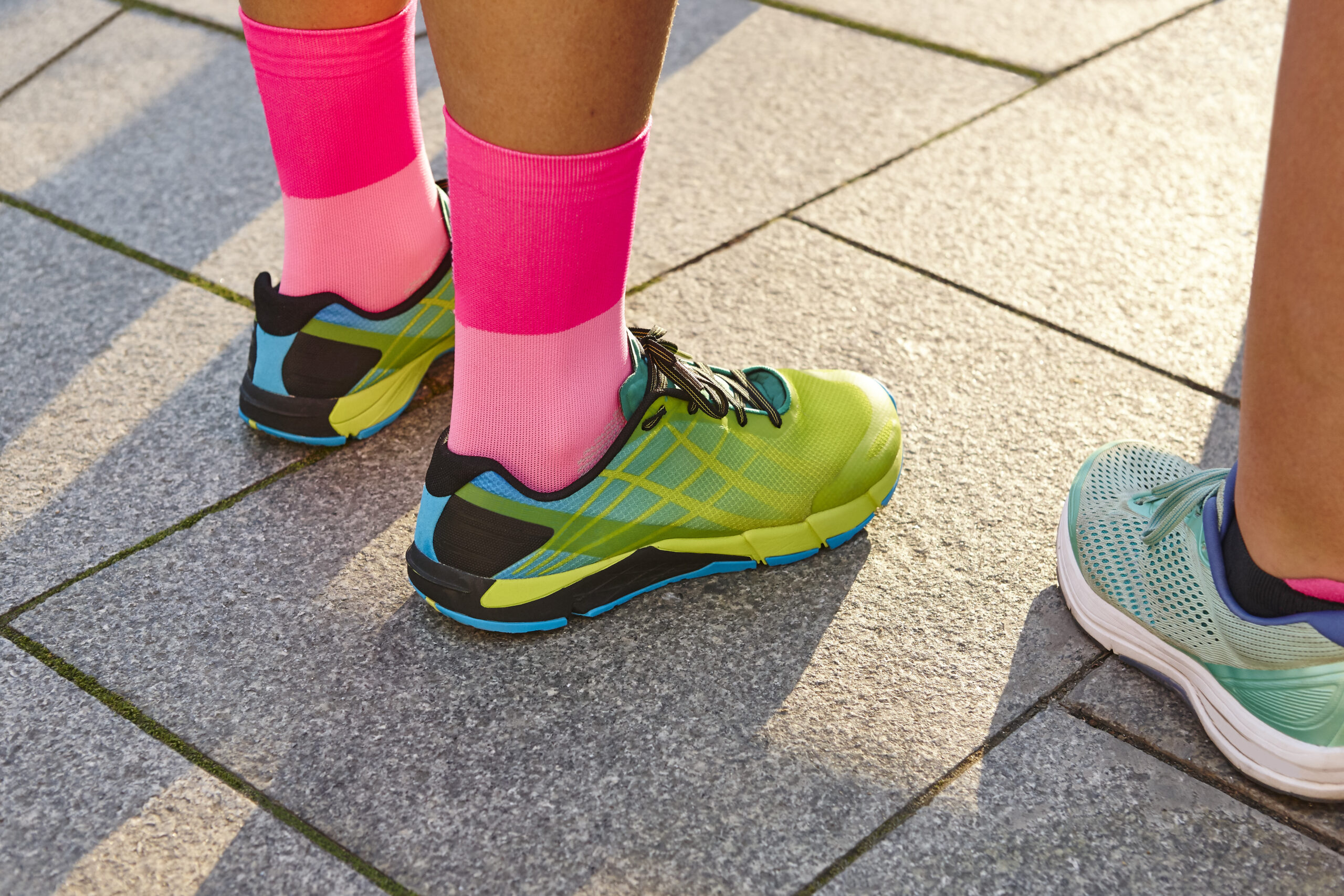
How to Run in the Cold Without Getting Sick

I’ll never forget my first winter run—it was like I stepped into the Arctic with zero clue what I was doing. I’d stacked on cotton layers (bad move), skipped gloves (worse move), and two miles in I was soaked with sweat and freezing my butt off. I legit thought I’d turned into a human icicle. And yeah, I got the sniffles a few days later and blamed the weather. But here’s the truth: the cold didn’t make me sick—my mistakes did.

Science backs this up. One classic study from the New England Journal of Medicine (1968) found that getting cold doesn’t actually lower your defenses against viruses like the rhinovirus—the thing behind most common colds. And the CDC agrees: colds come from viruses, not the weather.

What can get you sick? Skipping your warm-up, not drying off after a run, under-fueling, or just pushing too hard in winter when your immune system’s already under pressure. I’ve made all those mistakes. These days, I’ve learned to run smarter—and I coach my runners the same way.

Why Cold Air Doesn’t Deserve the Blame

People love to say, “You’ll catch a cold running in that weather.” But that’s not how viruses work. It’s not about the chill in the air—it’s about what you do after your run.

One runner I coached blamed her flu on a frosty morning jog. But she’d skipped her warm-up, got back drenched in sweat, then sat around in damp gear. That’s what got her, not the temperature. The cold didn’t cause the bug—her post-run habits did.

Truth is, the cold’s just a setting, not a sickness trigger. There’s a Reddit runner who posted, “My mood is better in the winter… I’ll take all the vitamin D I can get in these bleak days!” No mention of being sick—just how winter running actually lifted her spirits.

Plus, moderate running can boost your immune system. According to TrainingPeaks, exercise increases the number of immune cells in your blood, especially when you’re not overdoing it. So don’t fear the cold. Fear staying cold. Change out of wet clothes, eat well, sleep enough, and winter running becomes your secret weapon—not your downfall.

Question for you: Do you usually feel stronger or weaker after a cold run? Ever noticed a difference in your recovery?

Why Winter Running Is Actually a Secret Weapon

People talk a lot about frozen fingers and icy sidewalks—but no one tells you about the hidden perks of winter runs. Let’s change that:

  1. You Burn More Calories.
    Your body works overtime to stay warm, which means more energy burned. Research on brown fat—the kind that produces heat—shows it can burn up to 15% more calories during cold exposure. So yes, running in the cold can give your metabolism a little boost.
  2. You Build Mental Toughness.
    Winter running sharpens your mind. One Reddit runner who trained through –20°C weather said it was “brutal,” but also said it made her mentally stronger than ever. It’s true—when you can face the wind and the dark, regular runs feel like nothing.
  3. You Feel Better Emotionally.
    Even short winter runs can lift your mood. You’re soaking up whatever sunlight you can, getting fresh air, and releasing all the feel-good hormones—dopamine, serotonin, and others. One runner told me she loves seeing wildlife on snowy trails. It makes her feel alive again.
  4. Sometimes It’s Easier to Breathe.
    The crisp air? It can feel refreshing—unless you’ve got asthma (more on that in the next section). But many runners say their lungs feel clearer in the cold.

Winter running strips everything down. It’s you, the cold, and the road. No crowds. No noise. Just grit and growth.

Ask yourself: What’s stopping you from getting out there in the cold? Is it the weather—or your mindset?

How to Dress for Cold Runs (Without Roasting Yourself)

Getting dressed for cold runs is a bit like Goldilocks: too cold and you’re miserable, too warm and you’re drenched in sweat. The sweet spot? Dressing like it’s 10 to 20°F warmer than it actually is.

Here’s the layering system I teach—and live by:

  1. Base Layer:
    No cotton. Ever. Cotton traps sweat and turns you into a walking sponge. You want a moisture-wicking top—synthetic or merino wool—right against your skin. In freezing temps, I’ll sometimes double up: a tight compression layer under a thermal long sleeve.
  2. Mid Layer:
    This is your heat trap. A fleece pullover, a light running vest—something warm but breathable. On milder days, a single tech long-sleeve might be enough. When it drops into the danger zone, add another layer or zip-up fleece.
  3. Outer Shell:
    This one’s your shield. You want something windproof and water-resistant—not a sauna suit. Look for a jacket that blocks wind but lets your sweat escape. In snow or heavy wind, go full hooded shell.
  4. Legs:
    Thermal tights are your best friend. I sometimes layer shorts over them, and if it’s really cold, I’ll add liner shorts underneath. I once wore paper-thin tights in –20°C and my knees turned purple. Never again.
  5. Hands, Head, Feet:
    Gloves or mittens (big ones). A warm hat or fleece buff. Thick wool socks—or a two-layer combo with a thin liner underneath. One time I forgot gloves on a long run and came back with hands so frozen I couldn’t turn the key in my front door. Rookie mistake.
  6. Visibility Gear:
    Winter runs = darkness. Don’t get hit. Wear reflective strips or a vest, and a headlamp if you’re out early or late.

Gear Checklist:

  • Wicking base layer
  • Fleece or vest
  • Windproof jacket
  • Thermal tights
  • Gloves or mittens
  • Hat or buff
  • Wool socks (maybe double)
  • Reflective vest/headlamp

Run a gear check before heading out. If you’re shivering before the run, you’re probably dressed right. If you’re cozy while standing still, you’re likely overdressed.

Final Tip: Warm up inside. Jog in place, do dynamic drills, get your blood moving before stepping into the cold.

Breathing Tricks That Won’t Torch Your Lungs

If you’ve ever stepped out on a cold morning and felt like your lungs were on fire, you’re not alone. That icy burn in your throat? It’s real. Cold, dry air sucks the moisture from your airways and can cause them to tighten up — even in otherwise healthy runners.

So, what do you do when every inhale feels like a punch to the chest?

Here’s what’s worked for me (and runners I’ve coached):

  • Wrap your face: Buffs, gaiters, or even a running mask can make a big difference. Covering your mouth traps warm, humid air, so your lungs aren’t getting hit with freezing gusts right away. I know a runner who swears by a simple cloth mask — said their asthma symptoms vanished when they used it. Another one used a tube scarf and peeled it off after 15 minutes once their lungs got used to the cold. It doesn’t need to be fancy. Just something to warm the air a bit.
  • Nose-breathe when you can: I know it’s not always easy, especially when you’re pushing the pace, but breathing through your nose helps warm and filter the air before it hits your lungs. Try this combo: gentle inhale through your nose, slow exhale through your mouth. I used to think it was woo-woo until I actually tried it. It works — especially for easing that cold-induced cough that sneaks in mid-run.
  • Ease into your run: Don’t hammer from the first step. Your lungs need time to adjust. I always start slow — maybe even walking for a minute or two. Once your core temp rises, breathing gets easier. Cold weather running isn’t a sprint out the gate — it’s a build.

👉 If you’ve got asthma, talk to your doctor. A pre-run inhaler plus a face covering and slow start can keep flare-ups away. And keep your rescue inhaler on hand — no hero points for wheezing halfway through your run.

Cold-Weather Hydration & Fueling

Here’s the trap: it’s cold, you’re not drenched in sweat, so you forget to drink. But guess what? Your body’s still losing fluids — maybe even faster than usual because that dry air pulls moisture from your skin and breath without you realizing it.

According to USA Triathlon, athletes can lose nearly 24 ounces of sweat per hour in cold, dry weather. And Runner’s World doesn’t sugarcoat it: you’re still sweating even when it’s freezing out.

Here’s what I do (and what I tell my clients):

  • Drink regularly. If it’s a run over 30 minutes, bring something. I’ll often sip on warm tea with electrolytes — way more appealing than freezing water sloshing around in a bottle. I’ve also learned to drink even if I’m not thirsty. That “I’ll hydrate after” mindset has left me lightheaded more than once.
  • Refuel smart: Cold weather burns more calories — not just from running, but from keeping your body warm. So if it’s a long run or a hard session, bring carbs. A clinic I follow suggests around 32 oz of carb-based fluid spread out before, during, and after a long run to help with hormone regulation and inflammation.

In real-life terms? That might be a gel at the halfway mark or sipping on sports drink before you head out and again when you’re back. Post-run, I go for oatmeal with protein or just a big mug of hot chocolate milk. It hits the spot and helps with recovery.

My rule? Sip, don’t skip. Hydration in winter isn’t optional. It’s just quieter.

How I Warm Up Before Cold Runs (So I Don’t Pull Something Dumb)

Years ago, I used to step out into the cold and launch straight into a run. No warm-up. Just vibes. And it didn’t go well — tight calves, aching hamstrings, even a minor strain that sidelined me for two weeks.

Turns out, that stiffness wasn’t just in my head. Cold temps literally make your muscles tighter. ACSM spells it out: cold muscles lose heat and flexibility — which ups your injury risk.

Now I treat warm-ups like part of the workout:

  • Start indoors: 5 to 10 minutes of dynamic moves — leg swings, lunges, high knees, or jump rope. Just enough to break a light sweat. You don’t need to turn your living room into a gym, but you do need to get the blood moving.
  • Jog before you run: Once I’m outside, I still ease in. Easy jog, brisk walk, whatever it takes. My mantra is: “the first 5 minutes don’t count for pace — they count for survival.”
  • Hold off on hard efforts: That first hill or interval? Take it slower than you normally would. There’s no glory in blowing out your lungs at minute three and coughing the rest of the day.

💡 I used to bolt out the door in a hoodie and feel my lungs go into shock. Now, I’ll jog a lazy quarter-mile around the block first, even in shorts. By the time I start the real run, the cold isn’t nearly as brutal.

How Cold Is Too Cold?

This part gets personal — and a bit philosophical.

There’s no magic number where running becomes unsafe, but there is a tipping point. The National Weather Service warns that frostbite can kick in within 15 minutes at wind chills of –25°F (–31°C)【weather.gov】. And hypothermia? That can happen in temps as high as 40°F if you’re soaked or exposed.

My personal cutoff? Below 10°F (–12°C) with wind — that’s treadmill territory. I’ve run in colder, but I don’t make a habit of it. One runner online said she only runs outside above –12°C because she uses heated socks. I respect that. Another said bluntly: “I don’t run on ice.” Same.

Bottom line: don’t just look at the number — check the wind chill. If it’s “feels like” zero and the air slices your face, maybe reconsider. Some days, it’s just not worth the risk.

Red flags to watch out for:

  • Shivering that won’t stop
  • Numb fingers or toes
  • Slurred speech or foggy thinking

If you feel any of those, stop. Get indoors, warm up, and skip the Strava upload. Nobody cares how badass your frozen eyelashes looked if you end up in urgent care.

✔️ Keep it safe:

  • Run loops close to home
  • Bring your phone
  • Tell someone your route

And if you’re unsure, hop on the treadmill. A “boring” run is still better than a dangerous one.

Post-Run Recovery That Actually Keeps You Healthy (Especially in Winter)

How you end your run matters just as much as how you start it. I’ve learned that the hard way—cold gear + standing around = a one-way ticket to a runny nose, or worse. Wet clothes and a cooling core? That’s prime territory for hypothermia and an immune system crash.

The National Weather Service doesn’t sugarcoat it: “Stay dry. Wear mittens or gloves, and wear a hat. At least half of your body heat is lost if your head is not covered”. And it gets worse—temps in the 30s to 50s °F can still mess you up if you’re wet. That shocked me when I first read it. You think it’s “mild,” but if you’re sweaty and the wind hits? Boom—shivers and sniffles incoming.

My Post-Run Winter Routine (Steal What Works)

  1. Dry clothes right away. No exceptions. Even if I’m changing in the front seat of my car, I’ll throw on a dry hoodie and sweatpants the second I finish. I even keep a trash bag in the trunk so I don’t ruin the seats while stripping off soaked stuff.
  2. Warm liquids + carbs. I usually sip hot tea or a warm electrolyte drink on the ride home. A quick bowl of oatmeal or some soup helps warm me from the inside. Plus, carbs bring back glycogen and kickstart recovery thanks to the insulin response.
  3. Hot shower or bath. Once I’m back, I make a beeline for the steamy shower. Nothing fancy—just heat, water, and time. It warms me up fast and helps loosen tight muscles.
  4. Immune helpers. Some runners swear by zinc, vitamin C, or herbal stuff like Echinacea. I’m not a supplement junkie, but I do like having turmeric tea or chicken soup around. Not magic, but it comforts me. What really works? Staying dry, staying warm, and sleeping well.
  5. Seriously. Don’t mess around with rest. Around 8 hours per night seems to be the sweet spot for immune strength, according to the study. If you just ran in 40°F drizzle, your body needs real recovery—not just calories, but shut-eye too.

I used to skip the warmup routine afterward and wonder why I’d get sick. Now, it’s a non-negotiable. I towel off, throw on dry layers, and hit the hot water ASAP. Otherwise, it’s like handing germs a VIP pass to your body.

How to Run Smart in Ice, Wind, and Snow

Winter running has its own rulebook. I don’t care how tough you are—ice will humble you. But with the right moves and gear, you don’t have to hibernate.

Here’s what’s kept me upright and injury-free through more icy mornings than I care to count:

  • Shorten your stride. Think quick steps, not big ones. This helps you react if you hit a slick patch. Keep your feet under you and your knees slightly higher. It’s not about speed—it’s about balance.
  • Traction tools. I use Yaktrax or Kahtoola spikes when things get gnarly. The steel teeth dig into packed snow and ice, so I feel solid with every step.
  • The right shoes. If you’re not using spikes, go with deep-lug trail shoes or winter shoes with waterproofing. I keep a pair just for the wettest, coldest days. Dry feet = happy runner.
  • Be seen. Don’t blend into the snow. Throw on bright colors, reflective strips, and a headlamp if it’s dark. Drivers aren’t looking for you—they’re fighting their own visibility.
  • Smart routes. Run where you know it’s plowed or salted. And if you see black ice? Slow down, walk it, or reroute. It’s not worth eating pavement.
  • Wind strategy. Try to run into the wind first, so the tailwind brings you home. I also hug trees and buildings when it’s howling. A windproof jacket saves your core from freezing.
  • If you fall… fall smart. Aim for soft snow if you can, and don’t brace with your hands. But honestly? Sometimes the best winter move is to not One Redditor nailed it: “I’m not running in ice. Everything else is fair game.” I respect that.

I know runners who would rather circle a 340-meter indoor track 60 times than face black ice. That’s not cowardice—it’s wisdom. Your knees and elbows will thank you.

How Runners Can Stay Healthy All Winter

Training in the cold builds grit—but it also walks a tightrope between strong and sick. There’s a concept called the “J-curve” that nails it: light to moderate training = stronger immunity. But go too hard, too often? Your sickness risk climbs—higher than if you were doing nothing.

Here’s how I keep my immune system strong through the darker months:

  • Don’t overdo it. If you’re building mileage for a spring race, ramp up slow. If your energy tanks, pull back. According to TrainingPeaks, pushing too far when you’re already tired can raise your chance of getting sick more than just sitting on the couch.
  • Get real sleep. Shoot for 7 to 9 hours, especially after hard sessions. Prevea says 8 hours is the sweet spot for immunity, and I agree—my worst colds always hit during sleep-deprived weeks.
  • Eat like you train. Fuel with real food. Lots of veggies, lean proteins, good carbs. If you don’t get much sun (and in winter, most of us don’t), you might want to check your vitamin D. Garlic, elderberry, and other “immunity foods” are fine, but they won’t fix a junky diet.
  • Fuel + hydrate before/after runs. Carbs before and during long runs help control stress hormones like cortisol. After runs, get in carbs + protein fast. And don’t forget fluids—even in cold weather, dehydration weakens your defenses.
  • Wash your hands. Simple, boring, but effective. Keep sanitizer in your car or gym bag. Germs don’t care if you ran 10 miles—they’ll still jump on.
  • Flu shot? If you’ve got a big winter race or don’t want to lose weeks to sickness, the shot might be worth it. I’ve done it in high-volume years—it’s one more layer of defense.

All in all, my best winter advice? Get warm fast, eat well, sleep even better, and train smart—not just hard. For me, the combo that’s kept me healthiest: a hot shower within 10 minutes post-run + at least 8 hours of sleep.

Cold-Weather Running Motivation Hacks

Let’s be real—when it’s cold out, the hardest part is just opening the damn door. The couch is warm, the wind bites, and suddenly laundry sounds more appealing than lacing up. But here are some no-BS tricks that actually help:

  • Lay it all out the night before. I’m talking shoes, socks, gloves—right by the bed or hanging from the door like a silent dare. If your gear is staring you in the face, you’ve got one less excuse.
  • Accountability works. Winter is not the season for solo missions. Join a local winter run group or make a pact with a running buddy. Even just texting someone “I’m heading out at 6AM—hold me to it” can work wonders. I once had a friend who’d send me a skull emoji every morning until I replied with a run selfie. Weirdly effective.
  • Bribe yourself. No shame in it. If a steaming hot latte or a long soak in a bath gets your feet moving, use it. I personally don’t hit my local café until after I earn it—and trust me, that latte tastes 10x better when your eyelashes are still frozen.
  • Mix it up. Sick of the same loop? Try a snowy trail or chase a winter sunrise. New routes—even icy ones—break the mental monotony. I once ran a loop around a frozen lake just to feel like Rocky.
  • Adopt a mindset of grit. Some of my runners go full Navy SEAL with this—“embrace the suck” and all that. One client training for a spring half kept repeating, “These cold miles are what separate me from the couch crowd.” That mental shift? Game changer.
  • Break it down. Don’t think, “I have to run 5 miles.” Just say, “Put on the shoes. Step outside.” That’s it. I’ve used this trick a dozen times. And 9 out of 10 times, once you’re out there, your body wakes up and finds its rhythm. And afterward? That post-run high hits harder than any pre-run dread.

Reddit’s full of gold nuggets too. One runner swore she’d head out as long as the temps stayed above –12°C. Below that, treadmill. Her motto? “Winter consistency = spring speed.” Another one said running in the cold made hitting dry pavement feel euphoric—like flying. Find your motivation. Maybe it’s your playlist, your Garmin beeping at you, or the promise of coffee. Whatever it is, hold onto it. Bundle up, take that first step, and go.

Question for you: What’s your biggest winter running hurdle—and how do you push past it?

Real Talk: When Not to Run

There’s bravado, and then there’s stupidity. Knowing when to rest isn’t weakness—it’s smart training. One rule I use with my athletes is the “neck check.”

  • If your symptoms are above the neck—stuffed nose, slight sore throat—you’re usually safe for a short, easy run. Moving might even help open your sinuses a bit. Just don’t go all-out.
  • But if your symptoms dip below the neck—tight chest, rattling cough, full-body aches, chills—don’t push it. That’s your body waving the red flag. According to Prevea Health, running with a fever (even a slight one) can jack up your heart rate and make you feel even worse. Sweating it out? Total myth.

Here’s the quick breakdown:

  • Run if: you’ve got a runny nose, light sore throat, or mild sniffles. Keep it easy.
  • Skip it if: you’ve got chest congestion, fever, body aches, or flu-like symptoms. Get under a blanket, not a barbell.

I once tried to “tough it out” through what I thought was a mild cold. Ended up bedridden for over a week. That run cost me 10 days of fitness. Lesson learned: sometimes skipping one run saves a dozen.

Also, don’t ignore chronic fatigue. If you’ve been dragging for more than a few runs, not just one bad morning, it might be time for a down week. You’re not lazy—you’re listening. And that’s what keeps you in the game long-term.

How to Track Your Nutrition for Better Running Performance


I’ll never forget the time I ran 8 miles powered only by ego and coffee. No food. No plan. Just vibes. The result? I bonked hard and limped home the last two miles like a zombie dragging bricks.

That run taught me something no podcast ever could—fueling isn’t optional. It’s survival.

I tell every runner I coach the same thing: “You can’t outrun a bad diet.” Period. What you eat (or don’t eat) shows up in your energy, your recovery, your pace, and eventually—your injury list.

This isn’t just personal opinion. Research on Boston Marathon runners found that athletes who were under-fueled were nearly 3x more likely to need medical attention. And they ran slower across the board than those who ate right.

Skimping on nutrition doesn’t make you leaner or faster—it just breaks you down.

Whether you’re new to running or chasing a PR, tracking what you eat can feel like overkill. But here’s the truth: it’s not about obsessing. It’s about learning.

Back when I was flying blind with my meals, I couldn’t figure out why I felt so wrecked after “easy” runs. Logging my food finally revealed what my body had been screaming: I wasn’t eating enough.

That’s why I put this guide together—to show you how to track your food in a simple, low-stress way that actually helps you feel and run better. No gimmicks. Just what works.

Why Nutrition Tracking Can Make or Break Your Running

You can log all the miles you want, but if you’re running on fumes, progress will stall. Your body’s a machine—and if the tank’s empty, don’t expect to run smooth.

Under-fueling creeps up quietly: you feel tired all the time, recovery drags, your mood’s all over the place, and those little aches? They linger longer than they should.

Even a small energy shortfall can mess with your performance. As one coach bluntly put it, “Even mild under-fueling tanks your training”.

Research shows that runners who hit the wall mid-race due to low energy are 2–3x more likely to drop out or need help.

I’ve lived that lesson. There was this 10-miler where I didn’t eat breakfast, skipped the gels, and paid the price. I felt like I had cement blocks strapped to my legs.

That run didn’t just humble me—it rewired how I see food. Ever since, I never leave fuel to chance.

Want to avoid that zombie shuffle? Track what you’re eating. Even just writing things down will show you where the holes are—like skipping carbs before a long run or eating too little after workouts.

When Polar says that eating less than you need makes you “slower, weaker, and sluggish,” they’re not kidding [polar.com].

Here’s how you know you’re under-fueled:

  • You bonk mid-run.
  • Your easy miles feel hard.
  • You’re moody, tired, sore for days.
  • You’re dealing with injuries that won’t quit.

These are warning signs. Nutrition tracking helps you catch them early and fix them fast.

Find Your Runner Nutrition Baseline (Without Obsessing)

Let’s talk numbers—but keep it simple.

How much do you need to eat? That depends on your weight and how much you run. A basic rule: about 100 calories per mile.

So if you run 5 miles, you’ve burned about 500 calories—on top of what your body already needs just to stay alive.

Want to be more exact? Polar recommends:

  • 19–21 cal/lb for 60–90 min runs
  • 22–24 cal/lb for 90–120 min
  • 25–30 cal/lb for long efforts over 2–3 hours

So if you weigh 150 pounds and run for 2 hours, that’s about 3,300–3,600 total calories you need to stay fueled.

And when it comes to macros (carbs/protein/fat), serious runners need carbs—period. A good ballpark for endurance folks is:

  • 40–60% carbs
  • 20–25% protein
  • 20–30% fat

But if you’re logging big weekly mileage, bump the carbs. According to sports dietitians, casual runners might stick to 50% carbs, but those doing serious work should aim for 55–60%.

Here’s my usual game plan: on heavy days, I aim for 60% carbs, 20% protein, 20% fat. On rest days, I scale back the carbs a bit and bump up protein and fat for recovery.

Macro Snapshot

Runner Type Carbs Protein Fat
New/Casual Runner ~50% ≥20% ≥20%
High-Mileage Runner 55–60% ~20% ≥20%
Run + Strength Days ≥50% 25–30% ~20%

So yeah, a 3,000-calorie day at 60% carbs means 450g of carbs. That’s a lot—but if you’re training hard, you’ll burn through it.

Track for trends, not perfection. These numbers aren’t meant to stress you out—they’re here to help you dial it in.

A Simple Nutrition Tracking System That Actually Works

Step 1: Pick a Tracking Style

Apps like MyFitnessPal or Cronometer are solid and easy to use. MyFitnessPal’s food database is massive, and it even syncs with running platforms. If you’re old-school like me, a notebook or Google Sheet works too. Heck, I’ve coached folks who used sticky notes on the fridge.

Pick whatever’s simple enough that you’ll stick with it. You’re aiming for awareness, not burnout.

Step 2: Track Around Your Runs

This is key. Pay attention to what you’re eating before and after your runs. Did you fuel up before that tempo run? Did you get some protein after that long one?

I like logging meals by timing: “pre-run breakfast,” “mid-run gel,” “post-run snack,” and so on. I also use a basic template to log meals/snacks and then glance over it at night to catch patterns—like skipping dinner or missing carbs before a hard run.

Look at your week and ask:

  • Am I eating enough before workouts?
  • Am I recovering properly after?
  • Am I skipping key meals?

Patterns will pop out.

Step 3: Know When to Stop

Tracking’s not forever. Once you find your groove—like always having oats + banana before long runs, and your energy’s dialed in—you can loosen up.

These days, I don’t log every bite. I just ask myself, “Was that enough to support today’s run?” That mental check-in came from weeks of tracking. Now I trust it.

Quick Coaching Reminders

  • Forget Perfection: This isn’t about weighing spinach leaves. You’re not a machine. Use tracking to find gaps, not to chase fake numbers.
  • Use It as a Tool: Feeling flat in workouts? Struggling to recover? Pull out the food log. It’s one of the best diagnostics you’ve got.

The Pre-Run, Mid-Run & Post-Run Fueling Blueprint

Fueling right isn’t just science—it’s a lot of trial, error, and gut checks. I’ve messed this up plenty, but after years of long runs, races, and a few GI emergencies, here’s what actually works.

Pre-Run Fuel That Gives You a Boost (Not Bathroom Breaks)

Before a run, I keep it simple: high-carb, low-fat, easy-on-the-gut. My go-to? A slice of toast with peanut butter and a banana. It’s quick, sits well, and fuels me steady. I landed on this combo after testing everything from oats to spicy noodles—trust me, the experiments weren’t always pretty.

Here’s the general rule I give my athletes:

  • 3+ hours before a long run: You’ve got time, so eat a full, balanced meal—think oatmeal with fruit, rice and grilled chicken, or pasta with a basic red sauce. Include a little fat and protein, but nothing crazy.
  • 1–2 hours before: Go lighter. Try a bagel with jam, banana and yogurt, or rice cakes with some turkey.
  • 30–60 minutes before: Keep it barebones. Half an energy bar, some pretzels, or a small sports drink does the job.

As one sports RD put it, “The shorter the window before the run, the simpler the carb”. That means toast > beans. Fruit > nuts. And no matter what—don’t try anything new on race day. Use training days to figure out what your stomach actually handles.

Mid-Run Fueling: Gels, Guts & Mistakes I Learned the Hard Way

If the run’s under 45 minutes, I skip fuel—maybe a few sips of water and that’s it. But once I hit the hour mark, it’s time to start topping up.

General rule: 30–60 grams of carbs per hour after that first hour [centr.com]. That could mean a gel every 45 minutes, a banana mid-run, or sipping sports drink along the way.

On a 15-mile long run, for example, I’ll usually take:

  • 1 gel every 45 minutes
  • A few salted pretzels (if I’m craving something real)
  • Water with each fuel stop

Here’s the mistake I see all the time (and I’ve made it too): runners slam a gel without water. That stuff needs to be diluted, or it’ll sit like glue in your gut and trigger cramps.

Pro tip: practice your fueling routine during training runs. Don’t be the person trying a new gel flavor at mile 6 of race day. Learn what your stomach actually tolerates, and stick with it.

Optional fuel window: If your run’s in that 45–75 minute range, fuel is optional. But once you’re going 90+ minutes, plan on 30–60g of carbs per hour.


The Post-Run Recovery Formula (So Your Legs Don’t Hate You Tomorrow)

Recovery starts the moment you stop your watch. I always tell my runners: you’ve got a 30- to 60-minute window to give your body what it needs to rebuild.

The common target? Roughly a 3:1 ratio of carbs to protein—about 60–90g of carbs and 20–30g of protein. Bigger athletes might lean closer to 3:1, while smaller frames can get by with 2:1.

Here’s what that looks like in real life:

  • Chocolate milk + a sandwich
  • A smoothie with fruit + protein powder
  • A protein bar + banana or toast

Chocolate milk’s a favorite because it’s cheap and hits the right numbers. But any combo works if you’re getting enough fuel to restock those glycogen shelves and kick off muscle repair.

Me? I prep recovery snacks before I leave the house—something like a yogurt and banana, or a quesadilla with chicken and cheese if I’m close to home. Then I follow it up with a full dinner later. That consistency is what helps me bounce back by the next day.

Hydration & Electrolytes: The Stuff Most Runners Half-Ass

Hydration’s not flashy. It’s not Instagram-worthy. But it’s one of the most underrated performance tools.

Here’s how I break it down:

  • Daily hydration: Try to drink at least ½ ounce of water per pound of body weight. That means if you weigh 150 lbs, shoot for around 75 ounces a day—even on your off days.
  • Before your run: I sip 16–20 oz of water around 2–3 hours pre-run, then about 6–8 oz 15 minutes before. That way I’m not bloated, but I’m also not bone-dry.
  • During short runs (<60 min): Water is usually enough—unless it’s blazing hot.
  • During long/hot runs: Now it’s a different story. If I’m running over 60 minutes, especially in Bali heat, I always bring electrolytes—through sports drink, electrolyte tabs, or even coconut water.

Look out for signs you need more salt:

  • Salt crust on your clothes
  • Muscle cramps or twitching
  • That “sloshy” feeling from plain water with no electrolytes

After your run: Weigh yourself before and after—naked, if you’re home. For every pound lost, drink about 16–24 oz of water to rehydrate.

Example: If you started at 150 lbs and finished at 148, you’re down 2 pounds—so aim for 32–48 oz of fluids over the next few hours, ideally with sodium to help absorb it.

As the Illinois Marathon team puts it: “Even mild dehydration can slow you down, cause cramps, and crush your run.” And they’re right.

Managing Hunger, Cravings & Energy Swings Like a Pro

After a big run, it’s normal to feel ravenous. I’ve definitely eyed leftover pizza like it owed me money. But instead of letting hunger call the shots, I follow a plan:

  • Refuel fast: Eat something in the first 30 minutes post-run. That 3:1 carb/protein snack will stop your hunger from spiraling.
  • Snack with a rhythm: I don’t wait till I’m starving. I eat every 3–4 hours, even if it’s something small. Keeps my blood sugar steady and prevents nighttime overeating.

Good snack options? Trail mix, yogurt with berries, hummus and carrots. Keep it easy.

  • Smart treats: If I’m craving pizza or something sweet, I’ll have it—but I portion it. I never eat straight from the bag or box. Put chips in a bowl, close the cabinet. Small habit, big payoff.
  • Delay the craving: Sometimes cravings are just boredom or thirst. I’ve learned to wait 10–15 minutes. Take a walk, brush your teeth (mint kills sweet cravings), or call a friend. Often the craving fades on its own.

Bottom line: Plan your fuel, don’t wing it. Track what you’re eating around your runs, build a recovery routine, and stay consistent. Fueling isn’t just for the elites—it’s for anyone who wants to feel stronger, last longer, and actually enjoy running again.


Micronutrient & Supplement Checklist for Runners

Calories and macros are your foundation—but don’t overlook the small stuff. Micronutrients might not get the spotlight, but when they’re off, your energy tanks, your recovery drags, and your workouts start to feel like punishment.

Here’s the shortlist I focus on with my own training and with the runners I coach:

Iron & B12: The Oxygen Crew

If you’re constantly dragging—even after rest days—check your iron. It plays a major role in getting oxygen to your muscles. Low iron (especially ferritin) is super common in runners, and even more so in women. According to the guideline, fatigue is the #1 symptom of iron deficiency.

If you’re vegetarian or vegan, add B12 to your radar too. B12 helps your nerves and red blood cells do their job. A deficiency can make you feel like you’ve been steamrolled: tired, foggy, out of breath, and just off.

What I do: I get a ferritin test at least once a year—especially if I feel sluggish for no good reason. I eat red meat now and then, and when I was plant-based, I took a B12 supplement. Huge difference.

Vitamin D: For Bones, Immunity & Mood

Even though I live in sunny Bali, I still supplement with vitamin D during the rainy season. Vitamin D helps keep bones strong and your immune system humming. If you’re training indoors, wearing lots of sunscreen, or live far from the equator, you might be running low.

Early signs? Aches, stress fractures, or random low moods. A 25(OH)D blood test will tell you where you stand. Most docs want runners to stay around 50 ng/mL—mid-normal range.

Magnesium: The Muscle Relaxer

I used to get nighttime leg cramps after long runs. Turns out I was low on magnesium. This mineral helps with muscle function, sleep, and nerve health—and you lose a lot of it when you sweat.

Now, I make sure to get leafy greens, nuts, and whole grains. And on hard training blocks, I’ll pop a small magnesium supplement before bed. It chills me out and helps me sleep better. Start low—this one can mess with your gut if you overdo it.

Omega-3s: The Inflammation Fighters

I treat omega-3s like insurance. They’re not magic pills, but they help with inflammation, heart health, and brain function. On heavy weeks, I take fish oil or algae-based capsules—especially if I haven’t had much fish.

Note: You probably won’t feel low omega-3s, but if your recovery is dragging or your joints feel angry, it might be worth adding.

Other Ones to Watch

If you eat clean most of the time, you’re likely getting enough vitamin C and zinc, but if you’re constantly sick or feeling rundown, those might be worth checking. A basic multivitamin can help cover gaps, but focus on real food first: leafy greens, fruits, beans, eggs, nuts, and dairy (or good alternatives).

Micronutrient Snapshot

Nutrient Why It Matters Red Flags Food Sources / Notes
Iron Helps deliver oxygen to muscles Fatigue, breathlessness Red meat, poultry, lentils, spinach. Vegans and women—especially if menstruating—are more at risk.
Vitamin B12 Nerve & blood support Energy crash, dizziness Meat, fish, eggs, dairy, fortified cereals. Vegans should supplement.
Vitamin D Bone strength, immune health Aches, stress fractures, low mood Sunlight, salmon, fortified milk. Most runners need 1000–2000 IU during low-sun months.
Magnesium Muscle repair, sleep, nerve function Cramps, fatigue, insomnia Nuts, seeds, whole grains, greens. I take a small supplement at night if I’m training hard.
Omega-3s Inflammation control, brain/heart Slower recovery, stiffness Fatty fish, chia/flax, or fish oil pills. Most people are low unless eating fish a few times a week.

⚠️ Pro tip: If you’re dealing with weird fatigue, irritability, or just not recovering well—log how you feel in your food journal. If it keeps happening, get a blood panel. Sometimes you don’t need more training—you just need more spinach.

Match Nutrition to the Run

You don’t need the same fuel for every type of workout. Here’s how I tweak my food based on the day’s intensity:

Easy/Recovery Days

Short jog? Low heart rate? I keep meals balanced but lighter on carbs. I might swap pancakes for toast and eggs. Dinner is usually lean meat, veggies, and a small sweet potato. I still eat enough to recover—but I don’t overdo it.


Moderate or Speed Days (Tempo, Intervals)

On these days, carbs go up. I need energy in the tank beforehand and refuel fast after.

Pre-run: Big bowl of oats, maybe a banana
Post-run: Something with protein and carbs—like a sandwich and a fruit smoothie

I usually add 200–300 extra calories, mostly from carbs, to handle the stress.

Long Run or High-Mileage Days

These are my biggest fuel days. I wake up early, eat a full breakfast, and keep snacking throughout.

Breakfast: Oatmeal with honey, fruit, sometimes a granola bar
Snacks: Bananas, rice cakes, dried fruit
Dinner: A mountain of pasta or rice with chicken or fish

The next day, I’ll often dial carbs back slightly to let the body reset—but I never starve myself. Slight taper, not restriction.

Rest Days

On full rest days, I eat about 10–20% fewer calories. That might mean skipping a snack or just eating smaller portions.

I still prioritize protein and vegetables. Instead of oatmeal and eggs for breakfast, I might just do eggs and fruit. I usually keep fat a little higher (hello peanut butter and avocado) to stay full.

💡 Some coaches recommend carb cycling—higher carbs on run days, more fats on rest days. It works well for appetite and balance without being extreme.

Sample 2-Day Cycle (150-lb Runner)

Day Type Calories Carbs (g) Protein (g) Fat (g) What It Might Look Like
Hard Day ~3,000 ~450 ~150 ~67 Oatmeal + banana, chicken sandwich + sports drink, pasta dinner
Easy/Rest Day ~2,400 ~300 ~150 ~67 Eggs + toast, chicken + rice + veggies, fish + salad

These aren’t rules—just ballpark numbers. Your body will tell you what’s right. I track how I feel: if I’m sluggish, I eat more. If I feel bloated, I trim slightly. Simple.

Common Questions on Tracking & Nutrition

How many calories do I need as a runner?
Depends on your weight and how much you’re running. A general ballpark: 20–25 calories per pound on running days.

For example, a 140-lb runner doing a 90-minute run might need around 3,000 calories that day.

Another quick formula is ~100 calories per mile [racesmart.com].

Start here, then adjust based on how you feel.

Do I need to track every meal?
Not forever. Use tracking like a coach uses video replay—to spot mistakes and adjust. Track for a week or during a big training block. Once you know what works, eat based on habit and feel.

I still track key workouts occasionally—just to double-check I’m eating enough on those days.

What’s the best app for nutrition tracking?
A lot of runners use MyFitnessPal or Cronometer.

  • MFP has a massive database and syncs with some running watches.
  • Cronometer is great for seeing your micronutrients.

But honestly? The best tracker is the one you’ll use. Some folks just write it down. Some snap a pic of their meals. Make it easy and you’ll stick with it.

Should I eat more on long run or hard days?
Yes. Match fuel to effort. If you eat like it’s a rest day but you’re grinding out 10 miles, your body’s gonna fight back.

Polar puts it plainly: eating too little while training more = slower, weaker, more sluggish.

I always add an extra snack or carb-heavy dinner on tough days. Sometimes it’s just another scoop of rice. Sometimes it’s dessert. But I make sure I’m refueling.

Can I build endurance without carbs?
Technically, yes. But you won’t race well. Carbs are still your best source of fuel for speed and long efforts.

Remember the study: runners who started with low carb stores didn’t perform as well.

You want to be lean? Great. But don’t try to get there by under-fueling your training. Fueling is faster than being hungry.

One Final Thought…

Still not sure where to start? Keep it simple. Add one banana or slice of toast to your breakfast tomorrow. See how it changes your next run. That’s how progress begins—one smart bite at a time.

Want to take it further? Grab my free Runner’s Nutrition Tracker and join the 7-Day Fueling Audit. You’ll track one habit or meal each day and dial things in. Or try the Recovery Meal Builder to create your perfect post-run snack.

How to Run Through Pain Safely Without Causing Injury


How to Run Through Pain Without Digging Yourself Into a Bigger Hole

It’s 6 a.m. in Bali. You’re lacing up, the road is quiet, the air still heavy with dew—and your calf’s got that familiar tightness. Or maybe it’s your knee sending you a little jab. What now? Push through, or call it off?

Trust me, I’ve been there more times than I can count. Some days, you just feel stiff, especially in the first couple of kilometers. For me, it’s usually my calves—like I’m dragging two bricks at the end of my legs. But that’s just warm-up stuff. What matters is learning the difference between “normal runner soreness” and real pain trying to warn you.

Here’s the short version: soreness that fades is usually fine. Pain that sticks or gets worse? That’s trouble.

According to University Hospitals, injury pain often feels sharp, hangs around even after you stop running, and might get worse the longer you go. Soreness from something like DOMS—delayed-onset muscle soreness—is more like a dull ache, and it actually eases up with some easy movement. That matches what I’ve felt on those tough mornings: tightness in the beginning, but once I’m moving, it fades into the background.

Noise vs. Signal – You Gotta Know Which One You’re Hearing

I like to break it down this way: pain is either background noise or a clear signal. Noise is that low-level discomfort you feel when you’re stiff or tired—it fades once your engine’s running. A signal is your body waving a red flag, telling you something’s off.

That nagging calf ache I always feel? That’s noise. I can ignore it because it settles after a kilometer or two. But a stabbing knee pain that doesn’t back off? That’s a signal. And when I get one of those, I pull the plug immediately.

Need a quick cheat sheet?

  • Pain that gets worse with every step or sticks around when you’re resting? That’s a signal—treat it like injury.
  • Muscles feel tight but loosen up as you move? That’s probably noise—you’re good to go.

Again, the folks at University Hospitals back this up. Injury pain tends to intensify with effort and won’t let up with rest, while typical soreness fades once you get moving. That’s the line in the sand.

I once ignored that difference during a mountain trail race. My knee gave me a sharp jab halfway up a climb—not the usual post-run soreness. I slowed down, didn’t finish the race how I wanted, but I saved myself weeks of recovery. That one call probably saved my whole season.

The Awareness Test: Learn to Read Your Body’s Early Warnings

You’ve got to be honest with yourself. One time during a warm-up, I felt a weird little ache in my hip. Figured it was tightness and kept running. By kilometer three, it was radiating all the way down my leg. That turned out to be a minor strain—and a hard-earned reminder to pay attention to those early signals.

The Traffic Light Test (Yes, It Works)

I use what I call the “traffic light test,” and I coach runners to do the same. Think of your pain on a 0–10 scale:

Green (0–3/10)

Mild, nagging stuff. It’s there, but it doesn’t change how you move or feel. You can run through this, and it won’t get worse. This is your body saying “I’m waking up.”

Experts call this safe loading, and you’re not doing any damage at this level (Matthew Boyd Physio, Apollo Performance Therapy).

Yellow (4–5/10)

You’re uncomfortable, but you can keep going with caution. It’s not stabbing or getting worse, but it’s not going away either. This is when I tell runners to slow down, maybe switch to walk-run intervals, and keep a close eye on it. Don’t pile more training on until it chills out.

Red (6+/10)

Pain’s getting loud. It’s sharp, it’s messing with your stride, or forcing you to stop. That’s your body saying, “Get off the road right now.” Running through this level of pain can turn a small problem into a long-term layoff. Don’t mess around here.

Want a real example? A few months back I was running in Ubud, and my Achilles started with a dull 3/10 pull. Nothing crazy. But by kilometer five, it had shot up to a solid 6—and I shut it down. That quick decision saved me weeks of rehab.

Compare that to my friend Alex. He had shin pain creeping in at a 4. Decided to keep training through it. A week later? Full-blown stress fracture. That “yellow” turned red fast.

📍 Coach’s Tip: Keep a simple pain log. Green means keep going. Yellow? Modify or reduce intensity. Red? Rest, assess, maybe see a pro. Better to skip one day than the next two months.

My Self-Check Routine Before Every Run

Before every run, I go through a quick body check—especially on days when I feel “off.” Here’s my go-to checklist:

  • Walk or easy jog (10–15 mins): If I can get moving without any weird new pains showing up, I keep going.
  • Bodyweight moves: A few squats, calf raises, or single-leg hops. No sharp pain? That’s another green light.
  • Form check: I balance on one foot, do a couple strides slowly, and feel my body out. If I’m favoring one side or my form feels twisted, I hit pause.
  • Mini jog test: I jog in place or do an easy 1-minute shuffle. Pain? Stop. No pain? Lace up and go.

If everything checks out with just the usual stiffness, I run. If anything feels off, I pivot—rest day, cross-train, whatever I need.

5 Green Flags to Run With Confidence

  • You can walk briskly for 10–15 minutes with no new pain.
  • You can squat, hop, or balance without sharp twinges.
  • Tight muscles start loosening up once you move.
  • You’re not limping or shifting your weight weirdly.
  • Your mind feels ready to run—you’re not anxious about pain.

If you check all those boxes, go for it. If even one’s missing, consider dialing it back. One skipped run is nothing. A busted knee or torn calf? That’s months of frustration.

Pain You Can Run Through — If You’re Smart About It

Here’s the truth: not every ache means you have to call it quits. Some pain is part of the process. If it’s in the green or yellow zone, you can usually keep moving—as long as you’re listening closely.

Take DOMS, for example. That classic post-leg-day quad burn is normal. I get it all the time, especially the day after squats or a tempo run. And research backs this up: light activity actually helps it fade faster. If I start a run stiff, most of the time, my legs loosen up after a kilometer or two. Stopping completely? That’s when things tighten and stay sore.

Then there’s the nagging stuff—like early tendon irritation or a whiny IT band. That’s yellow-zone territory. Personally, I’ve learned that slowing down, warming up longer, and easing into the run can often turn “ouch” into “okay.” One physio explained it well: “If the pain improves as you run, it’s probably safe to continue.” I’ve had days where my Achilles creaked for the first five minutes, then quieted down and let me cruise. But if it sticks or worsens? That’s a hard stop.

What’s worked for me:

  • Run-Walk It: Break up pounding with intervals.
  • Switch Surfaces: Trails or track > hard pavement.
  • Drop the Pace: Trade speed for sustainability.
  • Support Tools: Tape, sleeves, or compression gear for extra confidence.
  • Pre-Run Prep: Foam rolling, leg swings, and longer warm-ups.

Quick story: I used to get a dull ache outside my knee—classic IT band stuff. Instead of panicking, I started foam rolling my quads and taping my knee. That ache dropped from a 4/10 to a 2/10. Manageable. That’s the key: if pain is trending down, you’re probably safe. If not? Shut it down.

Pain You Should Never Run Through (Seriously, Don’t Be a Hero)

Now let’s talk red flags—the kind of pain you don’t push through, no matter how stubborn or goal-obsessed you feel:

  • Pain That Follows You to Bed: If it hurts while resting or wakes you up, that’s not soreness—it’s a problem.
  • Sharp or Increasing Pain: If it ramps up during the run, stop immediately.
  • Limping or Changed Gait: If your stride changes to protect something, that’s a shutdown signal.
  • Swelling or Heat: Puffy joint, redness, or heat = inflammation. Rest it.
  • Numbness or Tingling: Burning or pins-and-needles = nerve-related. Hard stop.

I’ve actually printed a red-flag checklist and stuck it on my fridge. Sounds silly, but it’s saved me from myself during heavy training blocks.

Here’s the personal side: once, I brushed off a nagging hip ache. Ran through it for a week. Then—bam—couldn’t walk straight. Sharp pain, full shutdown, season over. One small warning turned into months of recovery. Lesson learned: respect the signals.


How to Stay Fit Without Digging the Injury Deeper

Backing off doesn’t mean you’re losing your edge. It means you’re being smart—playing the long game. Here’s how I train around pain without losing momentum:

  • Adjust the Plan: I break up big runs. Instead of 10 straight miles, maybe I do two 5-milers across two days, or turn it into 6 miles of run/walk. Lighter load, same commitment.
  • Cross-Train Like You Mean It: If I can’t run, I’m on a bike, in the pool, or on the elliptical. According to research, aqua jogging can preserve your running fitness for up to 6 weeks. And ellipticals? If you go hard, the aerobic benefits are nearly identical to treadmill work—just way less impact.
  • Fix the Weak Link: Injuries love weak glutes and lazy cores. So I double down on strength and mobility—bridges, planks, hip drills. Every time I’ve had an injury, I’ve come back stronger by fixing the root cause.
  • Base Before Speed: When I return to running, it’s all about easy miles first. I might run 30 minutes easy for weeks before touching speedwork. No need to rush. You’ll get the speed back once you’re solid.

Look, the name of the game is staying in motion—but on your terms. If a run feels risky, swap it. I once ditched a planned hill session for a long pool workout when my knee acted up. Didn’t miss a beat in training. The key is staying adaptable. Keep the engine running while the wheels recover.

Recovery Rules After Running Through Pain

Look, if you’ve pushed through pain on a run—first of all, respect. But second, recovery isn’t optional now. It’s part of the deal. You don’t just grind hard and hope for the best. You’ve gotta treat the recovery like it’s another workout—because it is.

Here’s what I do after a tough or painful run:

  • Sleep (Non-Negotiable): I shoot for 8+ hours—no compromises. Why? A study showed that athletes who sleep less than 8 hours are 1.7 times more likely to get injured. That stat alone keeps me off my phone at night and in bed early. I treat sleep like a pit stop for my body—no sleep, no performance. Period.
  • Post-Run Fuel: After a hard run, I get food in—fast. Something like a banana and a protein shake or a proper post-run meal. I aim for about a 3:1 ratio of carbs to protein. The International Society of Sports Nutrition recommends somewhere between 0.8 to 1.2 grams of carbs per kilo of body weight, plus 0.2 to 0.4 grams of protein, all in the first hour or two. Basically: fuel up so your muscles can repair, and your tank gets refilled.
  • Ice or Heat (Know When to Use What): If something feels sharp or swollen, I go straight for the ice—15 minutes on, 15 off. But if it’s that dull post-run ache, I hit a warm bath or sometimes throw on compression gear. Don’t overthink it: Ice is for new pain or inflammation. Heat is for tight muscles that need to relax.
  • Foam Rolling & Stretching: Foam rollers aren’t just for Instagram posts. I roll out the major spots—quads, calves, hips, glutes—one to two minutes each. Science backs this too: studies show it can reduce next-day soreness. I follow up with some gentle stretching—especially my hamstrings and hips. That combo helps reset everything.
  • Active Recovery or Rest: Some days, I do nothing. Others, I do a little pool jogging, light cycling, or even just a long walk. The goal is to keep blood moving without adding stress. If you’re limping or can’t squat, take the day off. You’re not being lazy—you’re being smart.

And here’s something I always do: I keep notes. I write down what shoes I wore, what kind of surface I ran on, how it felt, what went wrong. That log has saved me more than once. One time, I kept noticing my knee flaring up on certain runs. Turned out it was always when I wore this beat-up pair of asphalt shoes. Swapped them out, problem solved.

Mental Tricks When Your Body’s Off

Let’s be real—running with pain isn’t just physical. The mental game kicks in hard. You start asking, “Am I making it worse?” or “Should I stop?” I’ve been there. Here’s how I keep my mind in check when my body feels off:

  • Positive Self-Talk That Doesn’t Sound Like BS: My go-to mantra? “This hurts, but I can handle it.” Pain isn’t always danger. Sometimes it’s just your body sending a signal. So I stay calm, breathe slow, and check in: “Can I do one more minute safely?” That one-minute mindset keeps me from spiraling.
  • Give Yourself Permission to Suck: You don’t have to be a superhero every run. Uta Pippig—running legend—once said to take a break calmly and find inner peace while injured. That hit home. I started telling myself, “It’s okay to ease off. That’s not quitting—it’s training smarter.” The tension leaves my body, and boom—I actually run better.
  • Visualize the Pain as a Signal, Not a Monster: When pain shows up mid-run, I picture it as a red or orange light in my mind. Red means I shut it down. Orange means slow down, breathe, and don’t let it get worse. That simple visual trick helps me stay in control instead of going full panic mode.
  • Stay Humble, Stay Smart: Getting sidelined doesn’t mean you’re weak. It means your body’s talking, and you’re finally listening. I’ll literally say, “Alright, body, I hear you. Let’s rebuild smarter.” That mindset flip—from fear to feedback—is the real difference between staying in the game or burning out.

Bottom line: Don’t let pain freak you out. Let it guide you. If you can stay cool upstairs, you’ll make better calls mid-run and long term.

What about you? How do you mentally handle pain during a run? Let me know.

When It’s Time to Call the Pros

If your pain is messing with your stride, your sleep, or your daily life—it’s time to bring in the big guns. I’ve worked with sports physios, running coaches, and sports medicine docs. Trust me—guesswork is not a training plan.

Here’s what to ask when you see a specialist:

  • Can I Keep Running or Not? Ask, “Do I have to stop completely, or can we adjust the plan?” A good PT won’t just bench you—they’ll show you how to tweak things so you can stay moving. That changed everything for me. One PT told a buddy of mine, “Don’t stop unless you have to.” That one sentence rewired how I approached injuries.
  • What’s Causing This? Don’t just treat the pain—understand it. Ask them to explain what’s really going on. I once learned my hip issue came from weak glutes. No fancy scans—just a sharp coach with a trained eye. That fix saved me months of frustration.
  • What Can I Do While I Heal? Before you leave, make sure you get a plan. Can you jog lightly? Do you need to switch to the pool? What exercises help speed up recovery? One doctor told me to shift 80% of my load to cross-training—game changer.
  • When Do I Check Back In? If pain flares up again, you want to know when and how to reassess. Some pros even hand out step-by-step rehab plans with milestones to hit along the way. Don’t leave without clear next steps.

Most of all—trust the pro. If they say rest, do it. If they say run easy, do that. At least you’ll know you’re not winging it anymore. You’re training with a plan—even if that plan is temporary rest.

Runners Rally in Columbus: Ohio’s Premier Fall Marathon Returns in 2025

Columbus is set for its biggest running weekend of the year as the Nationwide Children’s Hospital Columbus Marathon & 1/2 Marathon returns on Sunday, October 19, 2025, capping a two-day festival that also includes the Jesse Owens 5K, 1-Mile, and Kids Run on Saturday, October 18. Race operations list North Bank Park (311 W. Long St.) as the hub for Sunday’s start and finish, with corrals opening at 6:00 a.m., the wheelchair division at 7:25 a.m., and the marathon and half marathon starting at 7:30 a.m.

The city’s fall sports calendar helps explain the crowd energy that greets runners from the starting horn to the final stretch. With the Browns, Blue Jackets, Buckeyes, and Crew all in season, the weekend feels like a civic pep rally routed through downtown neighborhoods—and for fans who track the Ohio sportsbooks, the marathon’s date slots alongside football Saturdays and MLS matches as a focal point for community viewing, volunteering, and post-race celebrations across the Arena District.


Course & Traditions: A Fast Tour of Columbus with “Mile Champions” on Every Mile

Flat, fast, and downtown-centric

 The course is engineered for pace, with minimal elevation change and a route that reads like a postcard of Columbus: Ohio Statehouse, Nationwide Children’s Hospital, historic German Village, Bexley, Upper Arlington, Grandview Heights, and The Ohio State University, among other landmarks. The layout’s reputation as a PR-friendly loop is well established; independent evaluators give Columbus a PR Score near 99 and note its competitive Boston-qualifier profile relative to peer marathons.

Mile Champions program

What distinguishes Columbus culturally is the partnership with Nationwide Children’s Hospital. Since 2012, the race has highlighted 24 Marathon Mile Champions—current pediatric patients who line each mile—along with two special miles: the Remembrance (Angel) Mile, honoring children who have died, and the Encore Mile, celebrating past Champions. The hospital confirms the program’s ongoing role in 2025, while race communications point to the 14th year of the partnership and more than $14 million raised cumulatively. For runners and spectators, those mile-by-mile stations are the emotional core of the event. Nationwide Children’s HospitalRaceRavesColumbusmarathon

Crowds measured in six figures

 Race weekend is a citywide gathering: organizers cite ~100,000 spectators on race day, a Health & Fitness Expo that draws ~60,000 attendees, and a volunteer and planning effort that extends through the year. Those numbers translate directly to course atmosphere—steady cheering in German Village, dense lines through the Arena District, and packed family zones near the finish.


Weekend Program & Field Size: How the Two Days Break Down

Saturday (Oct. 18): The Jesse Owens 5K, 1-Mile, and Kids Run set the tone before the main races.

Saturday functions as family day and shakeout day: a chance to collect bibs at the expo, preview the start/finish logistics around North Bank Park, and let traveling runners adjust before race-pace efforts on Sunday. The official registration hub lists all divisions across the two days with times and locations. RunSignup

Sunday (Oct. 19): The marathon and half marathon start in quick succession at 7:30 a.m., following the wheelchair start five minutes prior.

The compressed start times create a steady outbound flow that keeps neighborhood cheering sections active from first light through late morning. The event’s tracking tools publish live split data at start, 4.3, 13.1, 16, 20, and finish, enabling friends and family to move between cheering points with real-time pace estimates.

Entrants and historical context

Columbus is a consistent five-figure field. In 2023, organizers reported a sold-out field of 12,000 across the full and half; historically, the event has hosted 18,000 on sell-out years and is recognized as one of the country’s prominent fall marathons. Those figures help explain why hotels near downtown and the airport fill early and why the expo floor remains busy from open to close.


Runner’s Guide: Qualifying Potential, Logistics, and Spectator Strategy

PR and BQ potential.

 Columbus has long marketed its course as “fast and flat,” and course data back that up. Independent race-profiling sites rate Columbus among the more favorable U.S. options, citing a PR Score ≈ 98.89 and competitive Boston-qualifier percentages in recent editions. The practical takeaways: avoid going out too hot amid the adrenaline of a big-city start; bank seconds on the long, gentle grades; and leverage the wide finishing lanes for a clean kick.

Start/finish operations

North Bank Park simplifies wayfinding: corrals open 6:00 a.m. with sectored staging, and the finish chute flows directly into the Race Village and official merchandise. Runners should budget time for bag check, warm-ups, and bathroom queues before the 7:25–7:30 a.m. starts. With family in tow, designate a post-finish meet-up point outside the densest viewing pens.

Spectator planning

Because the course loops through multiple neighborhoods, the Live Tracker is indispensable. Plan a two-stop pattern—early miles near German Village and late miles near The Ohio State University or the Arena District—to catch your runner twice without racing the clock. Note that official estimates place spectators at ~100,000, so add buffer time for transit and foot traffic.

Expo and community events

Organizers estimate ~60,000 visitors cycle through the Health & Fitness Expo—a mix of apparel launches, local clubs, medical partners, and charity booths. It’s also where late equipment issues (gels, socks, throwaway layers) get solved. If you’re pacing a qualifier attempt, consider a short expo window Saturday morning and an early lights-out; Saturday afternoon is best for families targeting Kids Run or 1-Mile divisions.

Elite and invited fields

Past champions receive complimentary entry, and a formal elite application outlines 2025 standards and start-line privileges. Even if you’re not in the front corral, the upstream pacing infrastructure—30-member pace team, clear mile markers, and wide finish lanes—supports consistent pacing for ambitious goals. Columbusmarathon


Travel, Arena District Basics & What the Race Means to Columbus

Where everything connects

The I-670/I-71 corridor and Cleveland Hopkins International Airport put Columbus within easy reach for regional flyers and drive-in runners, but the race footprint itself is refreshingly compact. The Arena District concentrates hotels, restaurants, and post-race spots within walking distance of North Bank Park, reducing shuttle complexity and keeping spectators close to finish-line energy. (Parking and directions are published on the venue and race sites and typically update closer to race weekend.)

A civic tradition with measurable impact

Beyond medals and PRs, the marathon weekend is the city at street level: neighborhoods turning out at dawn, families lining “Mile Champion” stations, and volunteers staffing aid zones across 26.2 miles. The hospital notes 2025 marks the 14th year of its title partnership with the race and documents more than $14 million raised to date—money that funds pediatric care and research in Columbus. That philanthropic spine, combined with the event’s big-race efficiency, is what keeps runners coming back.

Why the crowds feel like a major-event Sunday

Race communications and local coverage consistently reference six-figure spectator counts and an expo that draws tens of thousands, numbers that rival game days at downtown arenas. For residents not running, the weekend still offers multiple touchpoints: volunteering at water stops, cheering in German Village, or welcoming out-of-state visitors into local coffee, brunch, and brewery scenes. You don’t need a bib to be part of the experience.


At-a-Glance: Key Facts for 2025

Main races:

Marathon & Half Marathon — Sun., Oct. 19, 2025; Jesse Owens 5K, 1-Mile & Kids Run — Sat., Oct. 18. starts 7:25 a.m. (wheelchairs), 7:30 a.m. (marathon & half). Corrals open 6:00 a.m. at North Bank Park.

Route highlights:

 Ohio Statehouse, Nationwide Children’s Hospital, German Village, Bexley, Upper Arlington, Grandview Heights, The Ohio State University. Minimal elevation change.

Signature program:

24 Marathon Mile Champions + Remembrance Mile + Encore Mile; 14-year hospital partnership; $14M+ raised.

Crowds & expo:

~100,000 spectators; ~60,000 expo visitors; live splits at six checkpoints via tracker/app.

Performance context:

Independent profiling cites PR Score ≈ 98.89 and a strong BQ profile versus peer marathons.


Columbus delivers a race-day experience that’s both efficient and deeply local: a PR-ready course, traditions that honor kids and families, a compact start-finish at North Bank Park, and crowds that rival a home game. With live tracking, a two-day schedule that welcomes families, and a Sunday route built for speed, the 2025 edition gives first-timers and veterans alike a clear shot at personal bests—and a reason to celebrate at the finish.

Hamstring Tightness in Runners: When to Stop DIY Fixes and See a Physical Therapist

If you’ve been around running long enough, you’ve had that one hamstring that always feels just a little “off.”

Tight. Grumpy. Stubborn. Most of us jump straight into the usual fixes—stretch it, roll it, strengthen it, repeat.

And sometimes? That’s all you need.

But every now and then, that so-called “tight hamstring” doesn’t budge.

It keeps nagging you on runs, flares up when you sit too long, or throws a tantrum halfway through speedwork.

And that’s when it’s time to get honest: are you dealing with normal runner tightness… or is your body telling you something bigger is going on?

So in this guide, I want to break down exactly when you can keep DIY’ing… and when it’s time to stop playing internet physio and go see someone who knows the anatomy better than Reddit.

Let’s get into it.

1. Sharp Pain or Sudden Snap? That’s a Red Flag

If your hamstring suddenly pops, or you feel sharp, stabbing pain — especially if it hits hard and lingers — get it looked at.

Don’t be the hero who tries to run through a tear.

If you can’t walk without limping or you notice bruising or swelling fast, that’s not just tightness.

That’s damage.

A sports PT can tell if it’s a strain — and what grade it is.

Grade 1 might just need some rest and rehab.

Grade 2 or 3? That’s a whole different animal.

I’ve seen runners try to “walk it off,” only to miss six months of running because they didn’t deal with it early.

2. You’ve Tried Everything… and It’s Still Tight

Let’s say you’ve stretched, strengthened, foam rolled, added mobility drills — and you’ve stuck with it for weeks.

Still no change? That’s your cue to bring in a pro.

Sometimes the hamstring isn’t the actual issue. Maybe it’s your pelvis, your spine, or how your feet hit the ground.

Physios are great at spotting patterns — maybe one hip is tighter, your glutes aren’t firing, or your gait’s all over the place.

If you’ve had that tightness for months, or even years, don’t just keep throwing the same tools at it.

Get a second set of trained eyes.

3. Numbness, Tingling, or Weird Radiating Pain? Nerves Might Be Involved

If you’ve got hamstring tightness plus tingling, numbness, or pain shooting down your leg — especially below the knee — stop stretching and start investigating. That’s likely nerve-related.

I’m talking sciatic nerve stuff here. And that’s a different beast.

As Medical News Today points out, tightness caused by nerve issues — like sciatica — needs to be checked. A PT can run specific tests like the slump test or straight leg raise to confirm it’s nerve tension, not just muscle tightness.

From there, they’ll guide you on flossing, positioning, or even refer you for imaging if something deeper is going on.

4. Only One Side Hurts, and It’s in the Same Spot Every Time

If it’s always your right hamstring — and the tightness is always way up high near your glute or way low near the back of your knee — don’t ignore that.

That’s not random soreness. That’s a pattern.

And it usually means something like high hamstring tendinopathy or lingering scar tissue.

Those cases need more than basic stretches. I’ve seen good results with eccentric loading (like slow Romanian deadlifts), targeted glute work, or manual therapy. A good physio can even use things like shockwave therapy for chronic stuff.

5. Your Hamstrings Feel Tight… But So Does Your Lower Back

Tight hammies plus back pain? That might be a posterior chain issue, and it’s usually more than a muscle problem.

In some runners, hamstring tightness is really the result of lumbar spine stiffness or even SI joint dysfunction. That means you can stretch until the cows come home, but the root problem is elsewhere.

A PT can spot this. They might do some mobilizations, get your core engaged right, or free up your lumbar spine — and suddenly your hamstrings start behaving.

6. You’ve Given It a Month and Still Feel Stuck

Here’s my rule of thumb for runners I coach: if you’ve done consistent rehab — daily mobility, glute work, proper form, all of it — for 4 to 6 weeks and there’s zero progress, go see someone.

Not because what you did was wrong — but because something’s missing.

A PT might watch your running form and spot an overstride or weak adductors. Maybe your feet are collapsing, or your cadence is low. They’ll look at the full picture and give you a smarter path forward.

They might add in dry needling, ultrasound, or just tweak your exercises to better match your issue.

7. A Word About Ignoring Serious Pain

This needs saying: we runners can get too comfortable with discomfort.

But sharp pain that doesn’t go away? That’s not something you push through. That’s something you listen to.

One guy on Reddit shared how he lived with “tight hamstrings” for months — then finally saw a physio who diagnosed a low-grade chronic tendinopathy. With the right eccentric rehab and a bit of rest, he finally made progress.

Important: If you ever see bruising or feel major weakness, that might be a Grade 2 or even Grade 3 tear. Those need real treatment — and sometimes surgical consult. Rare, but not impossible.

What a PT Will Actually Do

A good PT won’t just give you some generic stretches and send you on your way.

They’ll check your flexibility, strength, and alignment. They might watch you run or walk. They’ll test your nerve tension and figure out if what you’re feeling is muscle-related, nerve-related, or structural.

Once they zero in on the root, they’ll build you a real plan: maybe RDLs, maybe isolated glute med work, maybe some hands-on tissue work.

And here’s something underrated — they’ll reassure you. Just having a name for what’s wrong helps you mentally re-engage with training.

I’ve had runners feel instant relief after hearing, “Your hamstring feels tight because your SI joint is off — let’s fix that.”

That clarity? Gold.

Final Thoughts

Let me be straight: going to see a physio isn’t admitting defeat. It’s leveling up.

If something’s off, or if you’ve been working hard with no results — go get help.

Even a few sessions can fast-track your recovery and save you weeks or months of frustration.

And the work you’ve already done? It’s not wasted. It’s built the base. A PT will build on top of that and fill in the gaps.

Runner to Runner: Don’t tough it out just to say you did. Train smart. Stay curious. Get help when you need it.

Maximize Your Camping Experience with These Gear Essentials

Ready to upgrade your camping game?

Outdoor recreation is the trend of the decade. A staggering 175 million Americans enjoyed the outdoors in 2023. That’s over 50% of our population discovering the great outdoors and loving it.

But there’s a problem…

The typical camper arrives with the wrong gear for the job. Too much, too little, in all the wrong places. Weekend warriors carry overloaded packs and fumble with ill-fitting equipment while cursing themselves for not doing their homework before arriving.

The key to great camping is to GET THE RIGHT EQUIPMENT

The good news is that smart shoppers know how to buy sporting goods online and find the best deals on sporting goods. The right outdoor gear doesn’t have to be a big financial investment to get the job done when it counts.

This guide will share exactly what you need to get your camping equipment right the first time. From sleeping systems to shelter, water filtration to waste disposal. If you know where to look, high-performance gear that you actually need can be found at a fraction of the retail price.

Ready to step up your camping game?

Then let’s get going!

What you’ll discover:

  • Why Most Campers Get Camping Gear Wrong
  • The Four-Season Camping Gear System
  • Shopping Strategies for the Best Outdoor Equipment
  • Pro Tips to Get the Most Out of Camping Gear

Why Most Campers Get Camping Gear Wrong

Let’s get real for a second…

The U.S. camping and hiking equipment market was valued at $89.81 billion in 2024. Despite this abundance of outdoor gear, many camping trips still end in failure.

How is that possible? Because most people shop for outdoor gear the wrong way.

They ask “Where can I buy camping gear?” instead of “What gear do I actually need?” Wrong question!

Successful camping trips come down to four systems:

  • Shelter
  • Sleep
  • Cooking
  • Safety

Get these systems right and everything else is bonus gear.

The problem is that most people shop by individual item instead of by system.

Buy a tent and don’t think about the sleeping pad it should go with.

Grab a fancy stove but don’t consider fuel storage. This is backwards thinking that leads to gaps in your camping gear and camping disasters.

The Four-Season Camping Gear System

Here’s the secret to having the right gear for all four seasons…

Layered systems

Layered clothing systems adapt to weather conditions, and the same is true for camping gear.

The idea is to have the pieces that adapt to different camping conditions instead of one big ol’ bulky piece that may not work well.

Here’s what each system should include…

Shelter System Essentials

Your camping shelter system is more than a tent. It’s a strategy for weather protection.

The foundation:

  • Quality tent
  • Footprint/tarp
  • Guy lines and stakes
  • Repair kit

Pro tip: Don’t buy the biggest tent you can afford. Buy the lightest tent that comfortably fits your party. A tent that’s a pain to carry is a tent you won’t use.

Sleep System Mastery

Most campers make a big mistake here…

They assume a sleeping bag is enough. It’s not. The sleep system has three key components.

The sleep triangle:

  1. Sleeping pad
  2. Sleeping bag
  3. Pillow

The three work together to keep you warm and comfortable all night. Skip one and you’ll suffer all night long.

The game-changer: The R-value of your sleeping pad is more important than the temp rating of your sleeping bag. R-value 4+ covers three seasons. R-value 5+ is required for winter camping.

Cooking System Fundamentals

Cooking in the great outdoors doesn’t have to be elaborate.

Simple ingredients and one-pot cooking make for happy camp cooks.

Keep it simple:

  • Single burner stove
  • One pot
  • Spork & knife
  • Compact cookset

Here’s the secret…

Plan your meals around one-pot cooking. Pasta, rice bowls, soup. Delicious and easy. Save the gourmet cooking for your backyard grill.

Safety and Navigation Gear

No compromises here.

Non-negotiable items:

  • Headlamp & backup
  • First aid kit
  • Navigation tools
  • Emergency whistle
  • Emergency shelter

Remember this: The camping gear that saves your life in an emergency is the gear you hope you never need but should always have.

Smart Shopping Strategies for Outdoor Equipment

Save serious money on outdoor gear.

Smart campers know how and when to buy gear at the lowest prices.

The secret is to shop during shoulder seasons.

Spring and fall are the best times to score great deals on all types of camping equipment.

Timing strategy:

  • Feb-March: winter gear clearance
  • Aug-Sept: summer markdowns
  • Nov: Black Friday
  • Jan: holiday post-sales

But wait, there’s more…

Mass-priced camping gear represents 72.5% of the market. Premium prices aren’t required for quality performance.

Budget vs. Premium: When to Splurge

Camping gear isn’t all created equal.

Know where to spend big, and where to save.

Splurge here: Sleeping bag & pad, backpack, boots, rain gear, safety equipment

Save money on: Water bottles, cookware, camp chairs, tables, accessories

The rule: Spend more on gear that touches your body or keeps you alive. Budget on all the rest.

Multi-Use Gear Philosophy

Less gear is better. The best camping gear has more than one use.

Smart examples:

  • Trekking poles as tent poles
  • Bandana as first aid, cleaning, signaling
  • Paracord for repairs, clothesline, emergencies
  • Duct tape wrapped on trekking poles as a repair kit

Less to pack and less to forget at home. Win-win.

Pro Tips for Maximizing Your Gear Investment

Here’s a secret the gear companies don’t want you to know…

The proper care of camping equipment doubles the lifespan.

Poor maintenance is the number one reason camping gear fails. Not normal wear and tear.

Air out and clean everything after every trip. Repair immediately. Store in a cool, dry place.

The big mistake is stuffing wet gear into storage. This leads to mold, mildew, material breakdown, and the destruction of expensive gear.

Testing New Gear

Never take untested gear on important trips.

The backyard test rule:

Set up and use new gear in your backyard first. Know how it works when you’re at home and not far from civilization.

This reduces camping disasters and boosts confidence.

Building Your Kit Over Time

Don’t buy everything at once.

Focus on shelter and sleep systems first. Upgrade cooking gear next, then add comfort items last.

This allows you to spread out expenses and determine what you really need and what just looks cool at the store.

Getting It Right

The best gear in the world won’t fix a camping trip that you’re not prepared to do properly.

The most expensive tent doesn’t matter if you don’t know how to pitch it correctly. The fastest backpacking stove is useless if you can’t find fuel or start a fire.

The smart approach is to buy the right stuff and know how it works before you need it. Systems over individual pieces. Shop sales strategically.

Test everything in your backyard before taking it on an important trip.

Time to Hit the Trail

The camping and hiking equipment market will continue to grow as more and more people discover the incredible benefits of spending time outdoors.

175 million Americans camped in 2023. And the trend is only increasing.

With the right gear you can transform any camping trip into a magical experience. With the wrong gear, camping quickly turns into a nightmare.

But it doesn’t have to be that way.

Shop the sales and know how to find the best deals on sporting goods. Learn how to care for equipment properly to double gear life.

Above all, use your gear and get outside. The best camping equipment is the gear that gets you in the outdoors most often.

It’s time to go make some memories.

The Surprising Benefits of Sauna Use for Runners

Running demands a great deal from your body. The pounding, the sweat, the muscle fatigue, it’s all part of the journey toward better fitness. But what if we told you there’s a gentle, time-tested practice that could enhance your running performance while helping your body recover more effectively?

Sauna bathing offers runners a unique combination of physical and mental benefits that go far beyond simple relaxation. This ancient wellness practice creates the perfect environment for your body to heal, adapt, and grow stronger between training sessions.

Many runners focus exclusively on their training miles and nutrition, often overlooking recovery practices that could dramatically improve their performance. Saunas provide a safe and nurturing space where your body can undergo profound physiological changes that support your running goals.

How Sauna Heat Benefits Your Running Body

When you step into a sauna, your body temperature rises gradually, triggering a cascade of beneficial responses. Your heart rate increases to between 120 and 150 beats per minute, similar to moderate exercise, while your blood vessels dilate to improve circulation throughout your entire body.

This enhanced blood flow delivers oxygen and nutrients more efficiently to your hardworking muscles while helping remove metabolic waste. Think of it as giving your cardiovascular system a gentle workout while you rest.

The heat also stimulates the production of heat shock proteins, which help protect your cells from stress and support muscle repair. This means your body becomes better equipped to handle the physical demands of running while recovering more quickly between sessions.

Enhanced Recovery Through Heat Therapy

Recovery is where the magic happens in running training. During this crucial period, your body adapts to the stress you’ve placed on it, becoming stronger and more resilient. Sauna use can significantly enhance this natural process.

The increased circulation helps reduce muscle soreness by facilitating the removal of inflammatory compounds. Many runners report feeling less stiff and more mobile after incorporating regular sauna sessions into their routine.

Heat therapy also promotes the release of endorphins, your body’s natural feel-good chemicals. This can help alleviate the mental fatigue that often accompanies intensive training periods, leaving you feeling refreshed and motivated for your next run.

The deep relaxation that occurs in a sauna environment allows your nervous system to shift into recovery mode, supporting better sleep quality and overall restoration.

Building Heat Tolerance for Performance

Regular sauna exposure helps your body adapt to heat stress in remarkable ways. Your sweat rate improves, becoming more efficient at cooling your body. Your blood plasma volume increases, enhancing your cardiovascular capacity during exercise.

These adaptations directly translate to improved running performance, particularly in warm weather conditions. Runners who regularly use saunas often find they can maintain their pace longer in hot, humid environments that might otherwise slow them down.

The mental resilience developed through comfortable heat exposure can also benefit your running. Learning to stay calm and focused in the sauna’s warmth helps develop the mental fortitude needed during challenging races or training sessions.

Injury Prevention Through Better Circulation

Improved circulation supports injury prevention by ensuring your muscles, tendons, and ligaments receive adequate blood supply. Better circulation means better nutrient delivery and waste removal, creating an optimal environment for tissue health.

The gentle heat helps maintain tissue flexibility and joint mobility, reducing the risk of muscle tightness and stiffness that can lead to overuse injuries. Many runners find that regular sauna use helps them maintain a better range of motion throughout their training cycles.

The relaxation response triggered by sauna bathing also helps reduce overall stress levels, which can contribute to an increased risk of injury when chronically elevated.

Creating Your Sauna Recovery Routine

Start with shorter sessions of 10-15 minutes at moderate temperatures around 160-180°F. This allows your body to adapt gradually to the heat while you learn to listen to its signals.

Post-run sauna sessions can be particularly beneficial, ideally 30-60 minutes after your workout once your heart rate has returned to normal. This timing helps maximize the recovery benefits while your body is already in a state of repair.

Stay well-hydrated before, during, and after your sauna sessions. Running and heat exposure both increase fluid needs, making proper hydration even more crucial when combining these activities.

Making Sauna Accessible in Your Backyard

Having access to a sauna at home removes the barriers that prevent you from maintaining a consistent practice. Select saunas offer a range of backyard saunas that can fit various spaces and budgets, making this beneficial practice more accessible to serious runners.

Outdoor barrel saunas are particularly popular among runners because they provide an authentic sauna experience while connecting you with nature during your recovery time. The convenience of stepping out your back door into your personal wellness sanctuary can’t be overstated.

Finding the best barrel sauna for your needs involves considering factors such as size, heating options, and placement within your outdoor space. Remember to prioritize quality materials and construction for long-lasting enjoyment and maximum benefits.

Integrating Sauna Use with Your Training

Consider your sauna sessions as an active part of your training program rather than just a luxury. Like any recovery tool, consistency brings the greatest benefits. Aim for 3-4 sessions per week, adjusting frequency based on your training intensity and schedule.

Pay attention to how your body responds to different timing. Some runners prefer morning sauna sessions for mental preparation, while others find post-workout sessions more beneficial for physical recovery.

Listen to your body’s signals during sauna use just as you would during running. If you feel lightheaded or uncomfortable, exit the sauna and cool down gradually. The goal is gentle stress that promotes adaptation, not overwhelming heat exposure.

Your Path to Enhanced Running Performance

Sauna bathing offers runners a gentle yet effective way to support their training goals while promoting overall wellbeing. The combination of improved circulation, enhanced recovery, better heat tolerance, and injury prevention creates a comprehensive approach to running wellness.

Starting a sauna practice doesn’t require dramatic changes to your routine. Begin with short, comfortable sessions and gradually build your tolerance and consistency over time. Focus on the immediate benefits of relaxation and recovery while trusting that the performance benefits will develop over time.

Remember to hydrate properly before and after your sauna sessions, and always listen to your body’s signals. If you experience any discomfort or adverse effects, it may be a sign to decrease the duration or temperature of your sauna practice.

Cross-Training for Runners: What to Do When You’re Not Running (Without Losing Fitness)

You know what most runners do on their non-running days?

Nothing. Or worse — they try to “make up” for missed runs by stacking more miles until something snaps.

Here’s the hard truth: up to 79% of runners get injured every year.

The number-one culprit? Overuse. Same motion. Same muscles. Same pounding, day after day.

Cross-training isn’t a luxury. It’s the difference between a body that breaks down every season and one that keeps getting faster, year after year.

When I coach athletes, the ones who stay injury-free and keep their fitness during downtime all have one thing in common — they cross-train with purpose. Not random spin classes.

Not “extra” workouts stacked on top of a maxed-out run schedule.

I’m talking targeted sessions that build endurance, strengthen weak spots, and let your legs recover while your lungs still work.

This guide will give you the playbook — the exact how, when, and why of cross-training for runners, so you can run stronger, recover faster, and avoid the injury spiral that takes so many runners out.


Table of Contents

  1. Why Cross-Training Is Non-Negotiable for Runners
  2. What Counts as Real Cross-Training (and What Doesn’t)
  3. Two Types of Cross-Training: Active Recovery vs Performance
  4. Cycling for Runners: Endurance Without the Impact
  5. Swimming & Pool Running: The Zero-Impact Game Changers
  6. Hiking & Walking: Low-Impact Endurance Builders
  7. The Elliptical: Closest Thing to Running Without Running
  8. Rowing: Total-Body Power and VO₂ Max Boost
  9. Yoga & Mobility: Flexibility, Posture, and Longevity
  10. Strength Training for Runners: The Ultimate Performance Upgrade
  11. Choosing the Right Cross-Training for Your Goal
  12. How to Fit Cross-Training Into Your Training Week
  13. Cross-Training for Injured Runners
  14. Comeback Blueprint: From Injury Back to Peak Running Form
  15. Final Word: Make Cross-Training Work for Your Running Life

Why Most Runners Skip Cross-Training (And Why It’s Costing Them)

Let’s be honest—most runners don’t cross-train. And yeah, I get it. We love the run. Nothing feels quite like it. But doing only running? That’s asking for trouble.

As I’ve already mentioned, the majority of runners come with an injury over the course of a year—mostly from the same thing over and over again.

Overuse. Same motion. Same impact. Day after day.

What’s worse? When runners do get injured, most just shut it down.

One study showed injured runners usually don’t replace lost mileage with anything else—they just stop training. That’s a huge missed opportunity.

And in my opinion – a pretty big mistake.

I’ve seen it personally—runners who stay active with pool running, cycling, or rowing bounce back faster, keep their fitness, and don’t lose their minds during time off.

Olympic runner Emily Infeld proved it after a stress fracture sidelined her. She hit the bike and the pool hard, didn’t lose a step, and made the Olympic team.

That’s not luck. That’s smart cross-training.

Let me dive deeper in the payoffs of cross training:

Fewer Injuries

Running’s a repetitive sport—it hits the same joints and muscles every single day.

Cross-training mixes things up. Swap a few miles for a bike or swim, and you give your legs a break while still building fitness. Knees, shins, hips—they’ll thank you. The result? Fewer breakdowns and more days doing what you love.

Keep Your Endurance During Downtime

Got a tweak? Need a recovery week? Don’t stress. You can hold onto most of your aerobic fitness for 4–6 weeks with the right kind of cardio—like pool running or the elliptical.

I’ve had athletes hop on the spin bike or rower and come back sharp after weeks off running. Your VO₂ max and lactate threshold don’t fall off a cliff when you keep moving. You’re just feeding the engine in a different way.

Build Strength Where You’re Weak

Running is quad- and calf-heavy. But what about your back? Shoulders? Glutes?

Cross-training hits those underused muscles.

Swimming fires up your upper body.

Rowing builds a strong core. These muscles don’t just help you avoid injury—they make your stride stronger and more efficient.

Research even shows using opposite muscles (like rowing works back while running uses chest/front) can improve power in your main movers. Crazy, right?

Avoid Burnout

Running every single day can wear you down—not just physically, but mentally.

A few laps in the pool or a mellow bike ride changes up the scenery. You come back to running feeling mentally recharged.

I’ve coached runners who were cooked on the run but came alive again once we added in some cross-training. One said it best: “My brain needed a new toy, but my body still needed the work.”

Build Long-Term Consistency

Want to know the real secret to progress? Consistency over years—not just one big training block.

Cross-training helps you rack up more total work without beating your body into the ground. That’s how you keep stacking gains year after year.

Coach David Roche says the best long-term runners often run less, but train smarter. The variety from cross-training keeps them fresh, injury-resistant, and more resilient overall.


What Cross-Training Is—And What It Definitely Isn’t

Let’s clear something up: cross-training isn’t just “anything that’s not running.”

That random basketball game or HIIT bootcamp? It might be fun, but it doesn’t necessarily help your 10K prep.

Real cross-training supports your running goals—it builds aerobic fitness, boosts strength, or helps you recover. And it fits into your plan without blowing it up.

Even Mayo Clinic agrees: cross-training should complement, not compete with, your main sport.


Two Types of Cross-Training  

Cross training isn’t born equal. Here are the two main categories:

1. Active Recovery Cross-Training

Think of this as “moving rest.” It’s super easy effort, 30–60% of your max heart rate. You should feel better after than you did before. Examples:

  • Easy cycling
  • Walking
  • Gentle swimming
  • Yin yoga or mobility work

This stuff helps your legs flush out soreness, keeps your joints happy, and improves circulation—all without slowing recovery.

If you’re sweating buckets or breathing hard, you’re doing it wrong. Save the intensity for real training days.

Use it between hard runs or as a low-impact option on recovery days.

2. Performance-Driven Cross-Training

This is the hard stuff. Done right, it mimics your running workouts:

  • Intervals on the bike
  • Rowing tempos
  • Hard elliptical sessions

You do these when you can’t run hard (maybe due to injury or high risk) or need an impact-free way to build the engine. They’re legit workouts—but they replace a run, not stack on top.

For example: Instead of Tuesday intervals on the track, you might do 6×3 min hard on the spin bike with equal rest. Boom—same aerobic hit, less joint stress.

And yes, you’ll need recovery after these sessions too. Just because it’s not running doesn’t mean it doesn’t drain you.

Cross-Training for Runners: It’s Gotta Serve a Purpose

Let’s clear one thing up right away: cross-training isn’t about variety for variety’s sake.

This isn’t a fitness buffet where you grab whatever looks fun.

If you’re gonna take the time to cross-train, it needs to serve your running. That means every session has a goal—recovery, aerobic endurance, strength—not just “I felt like hitting the spin bike.”

Before you hop on a bike, into a pool, or under a barbell, ask yourself:

“What do I want out of this session—and will it move me closer to my running goals?”

Match the Modality to the Mission

  • Foot sore, need to stay aerobic? Elliptical in Zone 2 is gold.
  • Want more leg strength or power? Go lift something heavy, or hike steep hills.
  • Got a long run tomorrow? Then maybe skip the 45-minute CrossFit death circuit.

Be deliberate. Every session should have a job. Random workouts = random results. As Healthline smartly points out, your cross-training should match your training phase, experience level, and the fitness attribute you’re trying to develop.

And yeah, it helps if you actually enjoy it—because consistency trumps novelty.


Active Recovery vs. Full Rest

This one trips up a lot of runners: “Should I rest, or just do something easy?”

Here’s the deal: both are valid—but it depends on your body’s signals.

Easy Movement = Active Recovery

Feeling a bit stiff or sore but not wrecked? Hop on a bike for 20 minutes, do some yoga, or go for a walk. Gentle movement helps:

  • Boost circulation
  • Deliver nutrients to sore muscles
  • Clear out junk (metabolic waste)
  • Keep your joints loose

A slow spin or stretch session often leaves you feeling better than just flopping on the couch.

Total Rest = Full Reset

But if you’re dragging, irritable, sick, or showing red flags of overtraining? Rest, full stop. Don’t fear rest days—they’re where the magic happens. It’s not laziness; it’s how you rebuild.

Think of it like this:

  • Full rest = a good night’s sleep
  • Active recovery = a power nap

Use both wisely. Even elite runners take full rest days on purpose.


Cross-Training Isn’t “Cheating” on Running

You’re not slacking. You’re getting smarter.

Done right, cross-training fills the gaps running leaves behind—without adding extra wear and tear.

The problem? Too many runners treat cross-training like bonus miles, turning an easy spin into a tempo session or turning strength work into bootcamp hell.

🚫 Don’t do that.

✅ Instead: assign a goal. “This is for recovery.” Or, “This is to build leg strength.” Or, “This replaces a run because I’m managing a sore spot.”

Complement your running. Don’t complicate it.


Best Bang-for-Your-Buck: Cycling

If I had to pick one cross-training move for runners that delivers massive ROI with minimal downside?

It’s cycling. Indoor, outdoor, road, spin class—it all works.

Here’s why cycling deserves a place in your plan:

1. Builds Big Endurance—Without Beating You Up

Cycling mimics the aerobic demands of running, but it’s way easier on the joints. You’re sitting down. Your weight is supported. That means longer efforts, more time in the zone, less pounding.

Studies (like one from Purdue) show that runners who added 3 bike sessions a week for 6 weeks improved their 5K times just as much as runners who ran more. No extra impact. Same gain.

That’s smart training.

2. Strengthens Your Running Muscles… Just Differently

Cycling hits your:

  • Quads (hello hills and climbs)
  • Glutes (power)
  • Hamstrings (especially if you focus on the upstroke)
  • Calves (pedal push = better push-off)
  • Hip stabilizers (balance in the saddle)

All these muscles fire differently than in running—which is good. It makes you a more durable, well-rounded athlete.

 A high cycling cadence (~90 RPM) mirrors a good run cadence (~180 steps/min). So yes, pedaling fast can actually help your leg turnover.

3. Perfect for Recovery Days

Want to flush your legs out after a long run or brutal workout? Easy cycling is your friend.

The motion increases blood flow and helps reduce soreness. You’ll move, breathe, and gently pump nutrients to your legs—all without impact. A recovery ride is like a massage you do yourself.

Mayo Clinic even calls it a solid recovery option that reduces impact while keeping you strong.

4. Injury Plan B

Can’t run? Then ride.

Cycling is often the go-to when runners are sidelined with foot, shin, or knee pain. It lets you maintain aerobic fitness without triggering the injured area.

Many coaches agree: if you’re hurt but can sit and pedal pain-free, bike instead of run. One study found high school runners maintained VO₂max and lactate threshold just by biking during a 5-week injury window.

How to Use Cycling (Without Burning Out Your Legs)

Let’s talk bikes. If you’re a runner looking to build endurance, recover smarter, or sneak in some speed work without pounding your joints—cycling’s your golden ticket.

Base Building With the Bike

When you’re in that base-building phase—just stacking aerobic fitness—toss in a long easy ride once a week.

Zone 1–2 effort, just cruising. No need to hammer. Think 60–90 minutes or more, steady spin.

It’ll build your aerobic engine without trashing your legs like a long run might. I’ve used these rides when my knees were grumbling but I still wanted to stay in the game.

Speed Work Without the Smash

Want to crank the heart rate but give your shins a break? Sub in a bike interval session.

Something like 5×3 minutes hard (Zone 4 effort), with 3-minute easy spins between. Boom—VO₂ max training with no impact.

Lots of runners hit spin class on cross-training days for this exact reason: it torches the lungs and legs, but you recover faster because there’s no pounding.

Recovery Rides: Like a Massage, But Cheaper

Sore after a race or tough session? Try a 20–30 minute super easy spin with almost zero resistance.

I’m talking “no harder than flipping through Netflix” effort. It gets the blood flowing and flushes out the junk. Just make sure you finish feeling better than you started.

If you’re dead tired or your legs feel wrecked? Skip it and rest. Always listen to the body.

As Dr. Robert Berghorn, a physical therapist who gets it, puts it:

“Cycling for runners is a wonderful way to cross-train… used as a way to flush out the legs and reduce soreness while still getting a good cardiovascular effect.”

Couldn’t have said it better myself.


Swimming & Pool Running: Zero Impact, Full Payoff

Swimming might seem like the opposite of running—horizontal, arms-driven, in water—but that’s exactly why it’s so good for us pavement-pounders. It trains different muscles, challenges your lungs, and gives your joints a vacation.

💧 Why Runners Should Swim

  • No Impact, All Heart: In the pool, you’re basically weightless. So your knees, hips, and feet get a break while your lungs still get a workout. Perfect if you’re injured, beat up, or just need a low-impact day. Sports docs love it for a reason—pool work keeps fitness high while letting injuries heal.
  • Strength + Cardio Combo: Water is 800x denser than air. Every stroke fights resistance. That means you’re not just getting cardio—you’re building upper body and core strength. And yes, some studies show swimming helps your breathing efficiency and running economy. Even if it didn’t? Stronger shoulders and abs are still a win.
  • Breath Control for the Win: Swimming forces you to breathe rhythmically, under control. I’ve had runners tell me their breath timing improved on land after spending time in the pool. Plus, high-intensity swim intervals have been shown to boost both swim and run performance—triathletes live by this.
  • Therapeutic & Meditative: Cool water soothes sore muscles. Warm water relaxes tight ones. And mentally, the pool is a reset button. No traffic, no watch beeping every quarter mile. Just rhythm, breath, and peace. Marathoner Tish Jones swims 3–5 times a week and swears by it for body recovery and mental recharge.
  • Injury Rehab Hero: Can’t run, can’t cycle, even elliptical hurts? Jump in the pool. Even if you’ve got a busted foot, you can slap on a pull buoy and work your arms. Busted shoulder? Grab a kickboard and train your legs. Swimming is that flexible. And studies show you can maintain VO₂max and running performance for weeks just by training in water.

🏊‍♀️ Pool Running (aka Aqua Jogging): Running Without the Impact

If you’ve never tried aqua jogging, you’re missing out on one of the best running backups out there. It’s exactly what it sounds like: running in deep water, wearing a buoyancy belt, staying upright, and mimicking your run form—arms pumping, knees driving.

It’s zero impact but high reward.

Mary Davies, a pro marathoner from New Zealand, used to hit six pool running sessions a week during injury and still clocked a 2:28 marathon PR after. She called it her “hidden mileage.”

It’s legit.

  • Why it works: It mirrors real running motion more than swimming. The resistance is real. Plus, your heart rate stays high and your legs stay conditioned. Studies show that athletes kept their 5K fitness fully intact after weeks of water-only training.
  • How to do it:
    • Deep water (feet shouldn’t touch).
    • Use a belt to keep your posture upright.
    • Try steady efforts (30–45 mins) or do intervals (like 10×2 minutes hard, 1 minute easy).
    • Heart rate will read ~10 bpm lower in water, so adjust expectations.

Pro tip: It feels awkward at first. And yeah, kinda boring. But if you stick with it and treat it like real training, it pays off big.


Swimming for Runners: Your Secret Weapon for Recovery and Backup Fitness

Let me be blunt—most runners ignore swimming because, well, it doesn’t feel like running. No pounding. No sweat dripping on the pavement. But if you’re training hard, dealing with a cranky body, or just need to mix it up, the pool can be a total game-changer.

Here’s how to use it right:

 Use It to Double Up Without Breaking Down

You can swim as a second session—run in the morning, swim in the evening. That’s how triathletes do it, and they’re no strangers to grinding. The beauty? Swimming is zero-impact. You’re moving, working, breathing hard—but your knees and feet? Getting a break.

If you’re in a big mileage phase, keep the swim easy to moderate. Don’t treat it like a triathlon qualifier. Think of it as cross-training that helps your running, not a medal-chasing effort.

Coach Jones (yeah, the one mentioned earlier) says swapping a swim for a recovery run is smart if you’re feeling cooked. I’ve done it plenty. After a weekend of long runs or back-to-back sessions, a gentle pool session on Monday hits the spot. You come out feeling refreshed, not wrecked.

Got an Injury? Live in the Pool

If you’re sidelined from running, swimming becomes your lifeline. Aqua jogging intervals, steady laps, kickboard sets—you can go almost daily as long as you’re mixing it up to avoid torching your shoulders. Vary the pace. Some hard intervals, some slow floaty stuff.

Just one thing: don’t fake your fitness by flailing. Swimming is technique-heavy. If you’re not confident, take it slow. Use fins or a pull buoy. Heck, even just walking or water running in the deep end helps.

And don’t buy the myth that swimming “doesn’t count.” It does. Big time. Becky Wade says it boosts recovery, core strength, form awareness—and she’s not wrong. I’ve seen my running bounce back stronger after a few weeks of consistent pool time.

Quick Reality Check

Swimming doesn’t load your bones like running. Long-term, if all you do is swim, your skeleton might start slacking. So don’t swap out all your mileage forever. But short-term? Swimming can save your fitness, keep your lungs sharp, and protect your joints.

Bottom line: If your body’s talking back or you’re just fried from the road—go jump in the pool. It’s not a cop-out. It’s training.


 Hiking: The Trail Runner’s Cheat Code

Think hiking’s just for weekend walkers in fleece vests? Think again. For runners—especially trail and ultra folks—hiking is low-key strength work and sneaky endurance gold.

Here’s why it slaps:

Aerobic Gains Without the Beating

Long hikes = time on your feet. And that’s the name of the game when building endurance.

Instead of another 90-minute slog on the pavement, you go out for a 3-hour hilly hike. Same energy systems, lower impact.

For marathoners or ultra folks trying to stay aerobic without frying their legs? It’s a beautiful thing.

Ultra coaches actually program long hikes on weekends to build aerobic volume without wrecking the body.

I’ve used hikes on back-to-back long weekends to simulate fatigue—but without the burnout that two long runs can bring.

Even road runners can sneak in hikes for base work. You’re still moving, breathing, burning fat—and your body’s staying fresher.

Build Real Strength—Without the Gym

Uphill hiking? That’s poor man’s strength training. Glutes, hamstrings, calves—they all light up.

Do it with purpose (lean in, push with your glutes), and it’s like high-rep resistance work with every step.

Elite marathoner Nell Rojas calls power-hiking a form of strength endurance.

And she’s right—it’s not just cardio, it’s muscle. Plus, balance muscles—hips, ankles, core—get worked harder on uneven terrain. That’s free injury prevention.

Downhill hiking builds quad strength and eccentric control. It can leave you sore the first few times, so don’t overdo it—but it’s great prep for technical races.

Less Impact, More Sustainability

One foot on the ground at all times.

That’s hiking.

Impact forces? Half of running. So if your shins are barking or your knees are moody, a hike might be the smarter option. It’s still weight-bearing, so it helps keep bones strong—unlike swimming or biking.

Some runners hike to safely raise volume without breaking down. Instead of running 6–7 days, they might run 4–5 and hike 1–2. Endurance gains stay high, and injury risk drops.

Trail and Ultra-Specific Skill

If you’re racing trails or ultras, hiking isn’t optional—it’s essential.

Even elites hike the steeps.

Power hiking is a legit skill. You can practice it on a treadmill at max incline or hit your local hill with intent. Push the pace. Use poles if your race allows.

Carry a pack.

Hike on tired legs after your long run.

That’s ultra prep without doubling your injury risk.

Backpack hikes, multi-hour treks, hike + run weekends—they all simulate race fatigue, test gear, and build mental grit.

Mental Recharge

Lastly—hiking gets you out in nature. No splits. No pressure. Just effort, sweat, and fresh air. That’s powerful when the daily grind starts to wear you down.

A 2-hour hike through the woods can bring your joy back. And that? That might be the most important kind of recovery.


Walking: The Most Underrated Training Tool in the Game

Let’s talk about walking. Yeah, walking. You might think it’s too easy, not worth your time—but that’s dead wrong.

Walking is low-impact gold. It helps you recover faster, build aerobic capacity, burn fat, and stay consistent—even when you’re not logging miles.

Here’s how walking fits in your running life:


Active Recovery Without the Soreness

Got trashed legs after a long run? Don’t just crash on the couch. Go for a 15–20 minute brisk walk. Keeps blood moving, flushes out junk from your muscles, and helps kickstart the rebuild process.

One coach I trust says:

“Walk 30–60 seconds for every mile you ran. So if you just ran 10, go walk for 10 minutes.”

Walking the day after a hard session can be the difference between showing up fresh or dragging your feet on your next run.


Build That Aerobic Engine (Low & Slow)

Don’t think walking works your cardio? Do it long enough and you’ll feel it.

Brisk walking keeps your heart rate in that perfect low-intensity zone (fat-burning, baby). It builds mitochondria, capillaries, and oxygen efficiency—aka endurance gold.

Science backs it up too: A study in Medicine & Science in Sports & Exercise showed that sitting all day—even if you run once—kills your fat-burning capacity.

But boosting daily steps to 8,000+ keeps your metabolism humming.

So if you’re running less than an hour a day, and sitting the other 23? Add in a few walks.

Scatter them throughout your day. It makes a big difference.


Works Muscles Running Doesn’t (Kind Of)

Walking’s not just cardio. It hits your hips, glutes, and core in a way running doesn’t—especially because you’re always in contact with the ground, rolling heel-to-toe.

“When you walk, you’re always pushing or pulling,” a coach once told me. “Your hips are always working.”

That means better pelvic stability, stronger posture, and bonus: walking helps keep bones and connective tissues healthy without the stress.

You also stay mobile. Walking helps maintain ankle and hip range of motion—areas most runners lose over time. Walking keeps you moving like a runner, even when you’re not running.


Extra Burn Without Extra Stress

Trying to manage weight or burn a few more calories without adding another run? Walk more.

It’s easy to sneak in:

  • Walk to the store
  • Walk the dog
  • Walk post-dinner
  • Walk during work calls

Burns fat, boosts your NEAT (non-exercise activity), and doesn’t wreck your legs.


Keep the Habit, Keep the Head Right

Even on days you’re not running, walking keeps the routine alive. You get outside, move your body, clear your head. It scratches the itch without breaking the recovery cycle.

Want to run 6 days a week? You might be better off running 4–5 and walking on the others. Consistency without burnout.

For beginners, walking is the bridge to running.

For advanced runners, it’s a reset button that helps them go farther.

And in ultras? Strategic walk breaks are sometimes the only reason runners make it to the finish.


How to Walk Like a Pro (Yes, That’s a Thing)

You can plug walking into your plan in so many ways. Here’s how I use it—and how I give it to athletes I coach:

  • Daily Steps: Aim for 8,000–10,000+ a day. That could be a focused 30–60 min walk, or just chasing your dog around the neighborhood.
  • Rest Day Movement: Use walking for active recovery. Take a chilled stroll or hit the trails for an easy hike. Nature’s not just pretty—it’s stress relief.
  • Run-Walk Intervals: Training for longer stuff? Or just need some structure? Try run 9 min / walk 1 min patterns. It keeps your heart rate steady and builds durability.
  • Post-Run Cooldown: End your runs with a 5–10 min walk. Flushes the junk out of your legs and kickstarts recovery.
  • Two-a-Days Lite: Did a tough run this morning? Throw in a walk at night to stay loose.
  • Long Run Recovery Trick: After a monster 20-miler, walk 10 mins. It’s like a cooldown massage—without the bill.
  • Incline Power Walks: On a treadmill, crank the incline and walk hard for 30 minutes. Your heart rate will pop into Zone 2 easy. Great for aerobic fitness, even better for quad strength. Just don’t turn recovery walks into another workout unless you plan to sub it in for a run.


The Elliptical: Your Injury-Proof Training Hack

Let’s talk about the machine runners love to hate—the elliptical. It gets a bad rap, but when used right? It’s a runner’s secret weapon.

I’ll be blunt: the elliptical might be the closest thing to running you can do without actually running.

It mimics your stride. It gets your heart rate up. And your knees? They get a break.

Lemme explain more…

Zero Impact, Real Work

You’re standing. You’re striding. Your arms are moving. But your feet never leave the pedals.

That means no pounding, but you’re still using your running muscles in a familiar pattern. Studies have shown that in untrained folks, heart rate and oxygen use are basically the same between elliptical and treadmill running at the same effort.

Translation? You can keep your cardio sharp—even build it—without beating up your body.

Versatile as Hell

Want recovery? Glide easy. Want a lung-burner? Crank the resistance or incline and get after it. You can simulate hill workouts or do leg turnover drills by adjusting cadence. Some machines have arm handles—use ’em for full-body work. Or don’t. Your call.

Injury Lifeline

This is where the elliptical shines. Can’t run from a stress reaction? IT band barking? Plantar fasciitis flaring up?

Hop on the elliptical. Keep your fitness up. One study even showed high school runners who swapped easy runs for elliptical sessions for four weeks saw no drop in performance. That’s wild.


Know the Tradeoffs

Nothing’s perfect. The elliptical works different muscles than running. You’ll hit your quads hard—great for hills, but maybe not so much for replicating that snap you need off the ground.

Studies have shown it doesn’t activate your hamstrings the same way as running, and you lose some of that tendon spring and stiffness that makes runners efficient.

So what I’m trying to say here? 

Well, if you’re coming off 4–5 weeks of elliptical-only training, don’t expect to PR right away.

You’ve maintained the engine, but the wheels might need a few runs to feel snappy again. That said, use the elliptical to replace easy runs or add extra aerobic volume—not as a full-time running substitute, unless you have to.

Still, if you’re doing intervals on that thing? Yeah, it can get close.

Beating the Boredom

Yeah, it gets monotonous. That’s the truth. But that’s also fixable:

  • Music or podcasts: Queue up your favorite playlist or podcast that makes you forget you’re working out.
  • Use interval modes: Most machines have pre-set programs that change resistance. Use them. It makes the time move faster than just steady plodding.
  • Form check: Stand tall, engage your core, and drive with your glutes. This isn’t a lazy stair-stepper bounce—treat it like running. Skip the handles and swing your arms like you’re mid-run. It helps.
  • Switch it up: Some ellipticals allow reverse pedaling. Do it. It hits different muscles and helps avoid overuse.

Got access to an ElliptiGO (those outdoor elliptical bikes)? Lucky you. They’re fantastic. Feel like running on wheels, and research shows they mimic running stride length surprisingly well. But most of us are sticking to the gym or home unit—and that’s totally fine.


How to Use the Elliptical in Your Training Plan

This isn’t just filler time. Use it strategically, like this:

  • Swap out 1–2 easy runs/week, especially if you’re in base phase or feeling beat up. Great way to stay aerobic without pounding your joints.
  • Match the effort, not the ego. If you’re replacing a 30-minute easy run, you might go 40 minutes on the elliptical. Why? It’s non-impact, so you can go a little longer for the same cardiovascular load.
  • Watch heart rate, not pace. If your HR is in the same range as your easy run? You’re good.


Elliptical Workouts that Don’t Suck

Yes, you can even do intervals. Try this one:

Pyramid:

1 minute hard, 1 easy
2 minutes hard, 1 easy
3 minutes hard, 1 easy
Then work your way back down.

Or go for a steady tempo. Adjust the resistance until your HR hits your tempo zone and hold it.

Try to hit a cadence around 160+ strides/min. Feels close to a real run. And if you’re feeling knee pain? Drop the resistance, bump the cadence. Make sure your knees are tracking forward—not collapsing in or flaring out. Pedal width matters too. Some machines have a wide stance that can mess with hips. If it feels off, switch machines.


When Injured? The Elliptical’s Your Lifeline

If you’re sidelined from running for a few weeks, the elliptical is your best friend. You can hit it nearly every day and maintain aerobic fitness like a champ. Just don’t get carried away—too much intensity, even on a low-impact machine, can still beat you up.

Research backs this up: elliptical training can sub in for easy miles during rehab or down weeks and keep you race-ready. But it’s a supplement—not a full replacement. To stay sharp, you still need running for those neuromuscular gears.


Rowing for Runners: Total-Body Engine Builder

Alright, let’s talk about the rowing machine—the erg.

If you haven’t given it a shot yet, you’re missing out.

This thing doesn’t just get your heart rate up—it turns your whole body into a strength-endurance machine.

Posterior Chain: The Stuff Most Runners Neglect

You know how most runners have quad-dominant legs and noodle arms? Rowing fixes that.

  • It lights up your glutes, hamstrings, calves, lower back—everything you forget to train when all you do is run.
  • Every stroke is a leg press + hip drive + upper-body pull. Boom. That’s power.
  • Strengthening that backside helps stabilize your hips and knees—aka injury prevention.

Rowing even helps with posture. You know how you slump at mile 8 of a 10K? Rowing builds back and shoulder strength that keeps you upright when you’re tired. That translates to stronger running form when it counts.

Think of it as cardio + strength, all in one sweaty package.


Massive VO₂ Max Hit Without the Pounding

Rowing doesn’t just work your legs—it works everything, so your oxygen demand skyrockets.

Studies show rowers often hit equal or higher VO₂ max values on the erg compared to running. Why? Because you’re using both upper and lower body to move.

For runners? That’s gold. You can use rowing for:

  • Hard intervals when you’re banged up
  • Cardio days where you want intensity but no impact
  • Lactate tolerance training—a 500m rowing sprint hurts in all the best ways

The rower builds your engine. Period. And if you’re finishing a race and need that extra kick? The anaerobic power you built on the rower can help you hang tough and close hard.

Crew rowers have some of the highest aerobic capacities on earth. A few sessions on the erg might just bring some of that magic into your own racing.


Why Rowing Works for Runners (Without Wrecking Your Legs)

Look, if you’re like most runners, your idea of cross-training probably starts with good intentions… and ends with “I’ll just run instead.” But hear me out—rowing is worth your time.

Short Sessions, Big Payoff

You don’t need an hour-long sweat fest to get results. Rowing hits hard and fast.

You’re using your legs, core, back, arms—basically your whole engine.

That means you burn calories fast and stress your heart like a tempo run, in half the time.

I’ve done 20-minute rowing workouts that left me more gassed than a 10K race pace session.

My favorite? Tabata rowing: 8×20 seconds all-out, 10 seconds rest.

Four minutes of hell. But it spikes your heart rate, hammers your lungs, and torches your legs in a good way.

Even a steady row—like 2K hard with warm-up and cool-down—takes 20–25 minutes total.

And here’s the best part: you don’t beat up your joints. Zero pounding. So you get the work without the wear.

The Full-Body Burn (That Won’t Crush You)

After a tough row, you’ll feel it everywhere—legs, core, back, arms.

But because it spreads the work out, it’s actually easier to recover from than a brutal hill workout. No single muscle group gets totally cooked (as long as your form’s dialed in).

So if you’re short on time or your legs are feeling flat? Rowing can bring the heat and give you a break from the pavement.

Core Strength + Posture Gains

Every rowing stroke is a core workout in disguise.

You drive with the legs, brace your trunk, finish with the arms—it’s all connected.

That kind of coordinated force transfer trains the same core muscles that keep you upright when your form starts falling apart in mile 9 of your 10K.

Bonus: rowing teaches posture. A proper stroke keeps your back tall and your shoulders stable.

If you’re a chronic “race huncher,” this could help you stay more upright and efficient deep into the run.

Low-Impact, But Not Lazy

Yeah, you’re seated—but rowing’s not a lazy-day activity. You’re still pushing against resistance (the fan and footplate), so your muscles and bones get some real work.

Think of it as the middle ground between running (high-impact) and cycling (non-weight bearing). That makes it perfect for runners who need a break from the pounding—but still want that “worked” feeling.

But please keep one thing in mind.

Rowing is leg heavy. If you go hard before a big run, your quads might hate you.

A 2K row can feel like 100 leg presses.

Ease into it. And don’t do it right before a key workout. Respect the soreness. Your future self will thank you.

How to Use Rowing in Your Training Plan

Got a rower (Concept2 or similar)? Great. Here’s how to work it in:

1–2x per week is plenty.

Treat it as a substitute for an easy run or a second session on a cross-training day. Some examples:

  • 500m repeats: 5×500m hard, 1-min rest. Think of it like track intervals for your lungs.
  • 3×5 minutes at strong effort, 2-min rest. Classic aerobic grinder.
  • Steady state: Row 5,000m at a controlled, tempo-like effort (~20+ min). Great for base building.
  • Tabata blast: 8×20sec all-out, 10sec rest. Four minutes. Done.

Track stroke rate and split times—it’s like pace on a GPS watch. Lowering your 2K or 5K row time becomes addicting.

For Recovery?

Keep it light. 10–15 minutes. Easy strokes. Form-focused. But honestly, rowing always feels hard—even when it’s not. If you’re totally smoked, walk or cycle instead.

Bad Weather Backup

Too icy to run? Hate the treadmill? Sub in a rowing workout. You’ll get the aerobic hit, plus some bonus upper-body strength work.


Who Benefits Most?

  • 10K/5K runners: Add rowing sprints to build explosive power and VO₂ max without adding run stress.
  • Half/full marathoners: Use it on cross-training days to boost aerobic volume without risking injury. Some folks row in the PM after a medium run in the AM—it’s like a double, but easier on the body.

Rowing isn’t running. But it’s damn close in training effect, and a whole lot better than burnout or overuse injuries.

Yoga & Mobility: Recovery, Resilience, and Bulletproofing Your Body

Let’s be real — most runners don’t stretch enough. We treat flexibility like it’s optional, then wonder why our hips are jacked up and our hamstrings feel like steel cables.

Enter yoga and mobility work — the often-overlooked fix for everything from tight calves to sloppy form.

Flexibility & Range of Motion

Running tightens you up. Calves, hamstrings, hip flexors — all of it gets bound over time. That tightness shortens your stride and raises your injury risk.

Yoga works on the opposite — lengthening those muscles, opening the hips, improving joint mobility.

A study in the International Journal of Yoga showed that runners who practiced yoga twice a week for 10 weeks saw huge improvements in flexibility and balance.

Better hip mobility = stronger hip extension = longer stride. Better ankle range = cleaner footstrike.

And stretching your fascia (that connective tissue that wraps around everything) might even save you from common overuse injuries like IT band syndrome or plantar fasciitis.

Balance & Stability

Yoga forces you to balance — literally. Poses like Tree or Warrior III fire up the tiny stabilizer muscles most of us ignore.

You know what else is balancing on one leg at a time? Running.

The more stable you are with each step, the more efficient you run.

Less wobble.

Less wasted energy.

Fewer rolled ankles.

Stronger glutes and core. It’s no coincidence many of the most durable runners out there have a yoga habit.

Core Strength & Posture

You don’t need 100 crunches. You need to hold a solid plank or a Warrior II for 60 seconds without collapsing.

Yoga hammers your core — not with reps, but with control.

You’re constantly bracing and aligning your spine through every movement. That transfers straight into better running form: upright posture, less slouching late in races, smoother force transfer.

And posture = better breathing. When you’re hunched at mile 9, your lungs aren’t working efficiently. Good posture keeps your chest open, your breathing steady, and your stride powerful.

Joint Health & Longevity

This is the “prehab” most runners don’t start until it’s too late.

Mobility drills (like leg swings, hip circles, ankle rolls) and yoga stretches promote synovial fluid production — basically joint lube. That means less stiffness, better movement, and fewer nagging aches.

Yoga also works the fascia — that sticky webbing between muscles.

When it gets tight? You feel it as knots, tight IT bands, stiff feet.

Holding deep poses like Pigeon or Down Dog can loosen up that tissue, preventing those classic runner hotspots from locking up.

Injury Prevention = Consistent Training

Most runners wait for something to hurt before addressing it. But yoga lets you stay ahead of the curve.

Weak glutes? Yoga fixes that. Tight Achilles?

There’s a pose for that. Cranky hips? You already know the drill.

In other words, yoga helps make running more efficient.” That’s everything: more strength, more control, fewer injuries.

And if you’re sick of training setbacks, then yeah — you should be hitting the mat a couple times a week.

Mental Game & Recovery

Yoga isn’t just physical. It’s a reset button for your nervous system.

The breathing work and mindfulness lower stress hormones, speed up recovery, and even improve sleep. A short, easy yoga session after a hard workout can flush out soreness and help you unwind — mentally and physically.

And let’s not overlook this: yoga builds focus. Holding a tough pose with shaky legs? That’s exactly the kind of focus you need when the hurt kicks in late in a race.


How to Make Yoga & Mobility Actually Happen

Here’s the game plan — simple, consistent, doable:

  • Before runs (5–10 min): Dynamic mobility — think leg swings, ankle circles, hip openers, shoulder rolls.
  • Post-run (2–3x/week): 20-minute runner-focused yoga flow. Stretch the calves, open the hips, roll out the back.
  • Rest day: Optional full yoga session — Vinyasa for movement, Yin if you’re sore and tight.
  • Evenings (daily): 5-minute bedtime routine — foam roll, breathe deep, loosen up. It adds up.

Some runners even use yoga on hard days — a short, gentle session after speedwork to help stretch out the damage and wind down.

Listen to your body. Don’t force poses. If you’re sore or banged up, go easy — use yoga to recover, not wreck yourself.

Start small. Stay consistent. Let the mat do its work.

Strength Training for Runners: The Game-Changer You’re Probably Ignoring

Let’s be real: most runners love to run. But lift weights? Meh. “Isn’t that for sprinters? Or gym bros?” Nope.

If you run—especially if you want to run faster, smoother, and without falling apart halfway through your training cycle—you need strength training.

I’m not talking about pumping iron for mirror muscles.

I’m talking about becoming a more powerful, injury-proof, efficient runner.

The kind of runner who can charge up hills, hold form through mile 5 of a 10K, and walk the next day without their knees screaming.

Here’s why strength training isn’t just some “nice-to-have.” It’s race-day rocket fuel and injury insurance rolled into one.


Running Economy: Free Speed from the Weight Room

Strength training—especially heavy lifts and plyometrics—makes your muscles work smarter, not just harder.

That means less energy wasted, more power per step.

Some studies show up to a 4–5% gain in running economy after a strength phase.

That’s like knocking 90 seconds off a 10K without running an extra mile.

And plyos? Think of jump squats, bounding, box jumps. These teach your tendons to store and release energy better—like tuning your legs into springs instead of soggy noodles.

Bottom line: Stronger legs = more bounce, more speed, less effort.


Injury Prevention: Strong Muscles = Bulletproof Joints

Here’s a stat you should tattoo on your brain: strength training can cut sports injuries by nearly two-thirds. That’s not theory—that’s a meta-analysis talking.

Running is repetitive. The same impact, over and over.

If your muscles can’t handle the load, your joints, tendons, and bones take the hit.

That’s when stuff breaks down—knees, hips, Achilles, shins. You’ve probably been there.

But build up those glutes, calves, hamstrings, and core?

You’ve suddenly got armor. Muscles soak up shock. Joints stay happy. And you spend less time icing your knees and more time chasing PRs.


Speed & Power: Stronger Legs, Stronger Finish

Want a nasty finishing kick? Want to stop dreading hills?

You need power.

Squats, deadlifts, step-ups—these moves build the raw horsepower your legs need. Add in a strong core and upper body, and you’ve got the total package: stability, stride power, and arm drive.

Don’t believe me? Watch elite runners finish a race. They’re not just gliding—they’re driving. That power starts in the gym.

And no, you won’t get bulky. Not while running real mileage. Lifting with purpose builds strength and function—not biceps that can’t fit your sleeves.


Posture & Efficiency: No More Collapse at Mile 9

Late in a race, form falls apart. Shoulders slump. Hips sink. Your stride looks like a question mark.

That’s not just fatigue—that’s weakness.

Strengthen your posterior chain (glutes, back, hamstrings) and core, and your body holds itself together longer.

Planks, deadlifts, bridges—they teach your body to stay aligned even when your legs are cooked. That means smoother running, less wasted motion, and faster splits.


Bone Density & Long-Term Durability

If you’re in this for the long haul, lifting isn’t optional—it’s essential.

Running helps bones. Lifting supercharges them. Heavy strength work and jump training load your skeleton in ways running can’t. That’s especially key if you’re over 40 or prone to stress fractures.

Strong bones = long career. Simple as that.


What to Actually Do (Without Wasting Time)

You don’t need a fancy gym. You need the right moves, done consistently.

Here’s your go-to list:

  • Squats / Lunges
  • Deadlifts / Hip Thrusts
  • Step-ups / Calf Raises
  • Planks / Bridges / Bird-Dogs
  • Push-ups / Rows
  • Jump rope / Bounding / Plyos (if ready)

Start with bodyweight. Add resistance as you go—dumbbells, a backpack, water jugs. Twice a week is the sweet spot (e.g., Tuesday + Friday). Even once a week is way better than nothing.

During base season, lift heavier or do more explosive stuff. In peak race season? Back off. Maintain strength with lighter work—just enough to stay sharp without frying your legs.

And please—don’t skip it because you “don’t want to be sore.”

Done right, strength training supports your running—it doesn’t sabotage it. DOMS is a sign you did too much too soon.

Ease in, build smart, and soreness becomes manageable.


The Research Is Loud and Clear

Strength training makes runners:

  • Faster (up to 2–4% race time gains)
  • More efficient (less energy wasted)
  • More durable (fewer injuries, longer careers)

Runners who lift perform better.

Period.

One study even showed runners who added strength without changing their run volume still improved race times. That’s wild—but it proves the point.


Scheduling: Don’t Trash Your Legs Before Long Runs

You know that classic rookie mistake? Heavy squats the night before a 15-miler. Been there. Don’t be that runner.

Structure it like this:

  • Monday: Easy run + 30 minutes of strength
  • Thursday: Medium run + 20 minutes focused on hips/core
  • Saturday: Long run
  • Rest days in between to absorb it all

Another trick: stack your hard days. Do your speed workout in the morning, lift in the evening. That way, your next day is full recovery — no leg burnout when you’re supposed to be recovering.

Yes, you’ll be a little sore at first. That’s normal. It fades. Just don’t chase soreness — chase consistency.

Matching Your Cross-Training to Your Goal

There’s no one-size-fits-all here. Your cross-training should depend on what you actually need. Don’t just hop on a bike because it’s there—match the tool to the job.

Here’s a quick table that sums it up:

🥅 Goal 🔄 Best Cross-Training 🧠 Why It Works
Recovery Yoga, Walking, Easy Biking Light movement keeps blood flowing, flushes soreness, and helps recovery without extra strain.
Injury Rehab Swimming, Aqua Jogging, Elliptical No pounding. You stay fit while letting the hurt spot heal.
Aerobic Base Cycling, Hiking, Rowing Long, steady, and low impact—great for building endurance and fat-burning capacity without beating up your joints.
Strength/Stability Weight Training, Hill Hiking Builds muscle, especially glutes, core, and legs. That’s your injury prevention and power right there.
Flexibility/Posture Yoga, Mobility Drills Opens up tight muscles, improves range of motion, and straightens your posture. Key to better form and fewer injuries.

What If You’ve Got Multiple Goals?

Welcome to real life. Most of us are working on more than one thing. That’s cool. Just don’t try to fix everything at once. Prioritize.

Let’s say:

  • You’re in the off-season and want to build endurance and get more mobile → Do some long rides for aerobic base and add a couple yoga sessions per week.
  • You’re coming back from IT band issues → Aqua jog or elliptical for cardio, plus hip-strength and mobility work to get stable again.

Pick your primary goal. Then support it without spreading yourself too thin.


Do What You’ll Actually Stick With

Real talk—if you hate swimming, don’t make it your main recovery tool.

There’s no gold star for doing something you loathe. If you’d rather lift in the gym, use the elliptical, or stretch on the living room floor while watching Netflix—cool. What matters most is doing it consistently.

I’ve coached runners who swore yoga saved their running life.

Others hated every minute of it and got better results just doing simple mobility circuits or bodyweight strength at home. The “best” cross-training is the one that gets done.


Phase Matters: Base vs Peak

What works best also depends on where you are in your training cycle.

  • Base Phase: Time to build that aerobic engine and strength. Load up on cycling, rowing, gym work. Mobility and flexibility work should stay regular too.
  • Race Phase (Peak): Now you’re sharpening. That means less extra load. Recovery becomes the cross-training focus: yoga, light biking, maybe swimming to stay loose and fresh without overdoing it. Strength work? Keep it light and maintain, don’t build.

Big Picture: Use Cross-Training With a Purpose

Cross-training shouldn’t be some random side quest. It’s a tool. Match it to the gap you’re trying to fill.

  • Want to fix stiffness? Yoga.
  • Need to stay fit while injured? Aqua jogging.
  • Want more strength on hills? Weight room or trail hikes.

Every cross-training move should support your running—not steal energy from it.

And hey, if all this sounds like a lot, start small. Add one mobility session per week. Swap one easy run for a bike ride. Build from there.

You’ll feel the difference. And your stride will thank you.

How to Actually Fit Cross-Training Into Your Week

So you’ve bought into the idea of cross-training.

Great.

It means I’m doing a great job – even though I do feel like I’m all over the place while researching and writing this freaking long guide.

Now the real question: how the heck do you fit it in without blowing up your legs, ruining your runs, or feeling like you live in a gym?

Here’s the deal—balancing running and cross-training isn’t about squeezing more into your already-packed week.

It’s about being smart. Plugging in the right type of work, in the right phase of your training cycle, to get stronger without wrecking your key workouts.

Let’s break it down by training phase.


BASE BUILDING PHASE: Load It Up

Base phase is where the magic happens—it’s when you build the engine.

Easy runs, steady mileage, low-intensity aerobic work. This is prime time for cross-training.

You’ve got room to experiment and stack in strength and variety without cooking yourself.

Sample Week (5 Days Running):

  • Monday: Easy run + strength training
  • Tuesday: Medium run (steady pace)
  • Wednesday: 60-min Zone 2 bike + yoga
  • Thursday: Medium run + core work
  • Friday: Rest or easy swim/spin
  • Saturday: Long run (maybe add short recovery swim after)
  • Sunday: Hike, easy bike, or total rest

You can easily do 1–2 strength sessions and 1–2 aerobic cross-training sessions in base. Keep it consistent, not overwhelming. Some athletes even lean into cross-training more if recovering from a niggle—or just need a mental reset.


PEAK PHASE: Protect Your Workouts

Now we’re in the thick of it—race-specific prep, with workouts that matter.

Intervals, tempos, long runs. These sessions need your full focus and your freshest legs.

This is where you dial cross-training down, not up.

If base was about building the house, peak is about tuning the race car. Everything you do should support your key runs.

What This Looks Like:

Drop any intense cross-training (no hard bike intervals or HIIT).

Keep 1–2 short sessions, recovery-based or maintenance strength only.

Focus on mobility and gentle movement (yoga, walking, light spin).

You still can cross-train—but don’t be dumb about it. No point in doing a gnarly spin workout on Friday if you’ve got 16 km with tempo miles Saturday.

And strength work? Drop the heavy barbell lifts—keep it light, short, and focused.

Think: foam rolling, yoga, short core circuits, a 20-min recovery ride. That’s the vibe.


TAPER PHASE: Chill the Hell Out

You’ve done the work. Don’t ruin it in the final stretch. Taper is all about sharpening, resting, and not doing anything dumb.

This is where you cut cross-training to the bone. Some runners ditch it altogether. Others keep a little low-key movement just to stay sane (and loose).

Taper Week Tips:

No strength work within 10–14 days of your race.

Gentle mobility and walking is fine.

Easy spin? Sure—but keep it short and chill.

Feeling tight? Gentle yoga or a light swim is great—just don’t overdo it.

Your body is absorbing weeks of training. Let it. The only goal during taper is to show up on race day fresh and ready—not sore from that surprise Wednesday kettlebell circuit.


OFF-SEASON: Do What You Want (Just Don’t Be Dumb)

You just finished your big race. You earned the right to take it easy.

The off-season is your chance to shake things up.

Cross-train, try new things, sleep in—just stay active enough to not feel like a potato.

Here’s where you can load up variety. No structure needed.

Want to hike? Go for it. Hit the gym? Cool.

Try that boxing class? Knock yourself out. Just ease into it.

Don’t go from 60 km/week to pick-up basketball every day. That’s how you trade runner’s knee for a sprained ankle.

Off-Season Advice:

Run less, or not at all for a couple weeks.

Focus on full-body strength and flexibility.

Do stuff that fills your mental tank—fun workouts, not just productive ones.

Use the downtime to patch weak spots (tight hips, poor mobility, etc.).

Some elites go dark for 2 weeks post-race—no running, barely training.

Then they spend 2 weeks easing back in with cross-training and light jogging. That’s how they avoid burnout and come back hungry.


Weekly Cross-Training: Match It to Your Running Frequency

🟢 3-Day Runners (Newbies, Returning Runners, or Injury-Prone)

You’re smart: limiting running days keeps injury risk low while still building a base. But that doesn’t mean your other days are wasted.

The plan here is “Bike + Lift.” That’s your foundation. The other days? Fill with light movement (walks, yoga) or rest.

Sample Week:

Mon: Run (quality day—maybe intervals or a fartlek)

Tue: Bike (steady Zone 2—easy aerobic work)

Wed: Run (easy)

Thu: Strength training (or full rest)

Fri: Run (long or moderate)

Sat: Optional cross-train (swim, elliptical, or hike)

Sun: Rest or yoga/walk

🧠 Coach’s Notes:

One rest day minimum. More if life’s kicking your butt.

Make sure the cross-training doesn’t drain you. Bike should help you feel better, not more tired.

Strength: 1x/week full-body is plenty. Squats, lunges, core, done in 30 min.


🟡 5-Day Runners (Intermediate, Building Fitness)

You’ve got some experience, and your legs can handle a bit more. Here, your cross-training is about sharpening the edges and keeping you durable.

The guide here is “Yoga + Row.” One day for mobility and mental reset, one day for aerobic or muscular endurance (bike, row, elliptical).

Sample Week:

Mon: Run (key workout)

Tue: Run (steady)

Wed: Cross-train (row or spin—could be intervals or steady, depending on effort on Tues)

Thu: Run (moderate or hill session)

Fri: Run (easy or strides)

Sat: Long run

Sun: Yoga or complete rest

Coach’s Notes:

Strength work? Slide it in on a run day. Example: Run AM, lift PM Monday.

Don’t overlap hard days unless you’re deliberately stacking load and building in recovery after.

Avoid a killer Wednesday cross-train if Thursday’s run matters. Keep that balance.


7-Day Runners (Advanced, High Mileage, Race-Focused)

If you’re running 6–7 days a week, cross-training is no longer “extra.” It’s supplemental—used like a pressure valve to keep you loose, mobile, and mentally sane.

The cue here is “Walk or Yoga.” That’s it. These are micro-loads to help you maintain rhythm and recover better—not add training stress.

Sample Week:

Mon: Hard run (e.g., intervals)

Tue: Easy/moderate run

Wed: Easy run or medium-long

Thu: Harder session (tempo, progression)

Fri: Easy run + mobility (foam roll, dynamic stretch)

Sat: Long run

Sun: Very short shakeout or long walk

Coach’s Notes:

One “active recovery” run (20–30 min super easy) could be swapped with cycling or pool running every few weeks. Keeps the streak alive without the pounding.

Throw in 10 minutes of mobility every day. Seriously. That’s your injury insurance.

Optional extras: evening walks, 15-minute recovery spin, light core work after runs. Think maintenance, not mileage.


Align Intensity Across the Week

Here’s the golden rule:

Hard day = hard. Easy day = EASY.

That goes for cross-training, too. If you crush intervals on Tuesday, Wednesday is not the time to hammer a spin class or rower sprint circuit.

When to place cross-training:

If it’s hard (like intervals on the bike), put it the same day as a hard run (AM/PM split), then follow with a recovery day.

If it’s easy (like a yoga session or light spin), place it on a recovery or rest day.

Strength can go after short runs or on your easiest run day. Never before a long run or key workout.

Injured? Don’t Sit—Adapt. Stay in the Game.

Look, injuries suck. But the worst thing you can do—aside from running through sharp pain—is doing nothing. Too many runners either ignore the pain and dig the hole deeper, or they shut everything down and let all their fitness drain away.

Smart runners find the middle ground: stop the pounding, but keep moving. That’s how you heal and stay strong.

Common Injuries & What You Can Still Do

Here’s the gritty breakdown of what cross-training works best for different injuries:


Stress Fracture / Stress Reaction (Leg or Foot)

Goal: Zero impact.

Go-to:

Swimming

Aqua jogging

Indoor cycling (only if cleared and it doesn’t ache)

Avoid: Elliptical (still loads bones), running, hopping, anything with pounding.


Tendonitis (Achilles, Patellar, etc.)

Go-to:

Gentle cycling (flat routes, moderate cadence)

Swimming

Elliptical if it doesn’t irritate

Avoid: Plyometrics, jumping, HIIT circuits, or anything explosive. Let tendons heal, don’t yank on them.


Plantar Fasciitis

Go-to:

Swimming

Pool running

Cycling (flat, smooth ride)

Caution: Elliptical is okay if you’ve got supportive footwear. No barefoot work. No jumping.


IT Band Syndrome

Go-to:

Elliptical (smooth and lateral-stress-free)

Swimming with pull buoy (take kicking out of the mix)

Steep uphill walking on treadmill (no running)

Caution: Cycling can flare this up if your bike seat is off—watch that knee angle.


Runner’s Knee (PFPS)

Go-to:

Swimming (no brainer)

Aqua jogging

Elliptical if it feels smooth

Cycling (only if your saddle’s high enough to avoid knee crunching)

Pro tip: Knee should barely bend at the bottom of your pedal stroke. Too much flex = more pain.


Muscle Strains (Calf, Hamstring)

Go-to:

Swimming

Easy cycling (no max sprints)

Aqua jogging with minimal push-off (use belt!)

Avoid: Hard kicks, explosive drills, deep stretching. This is repair time—you’re after blood flow, not muscle stress.


The Injured Runner’s Mantra: Train What You Can

Let’s keep it real: being sidelined sucks. But this doesn’t have to be dead time.

Can’t run? Cross-train.

Can’t bike? Swim.

Can’t move? Strengthen your core, work on mobility.

Can’t train at all? Sleep more, eat better, visualize success.

Every bit counts. One day, you’ll be back on that start line, hungry and ready. And this “detour”? It’ll be the reason you’re tougher.


Cross-Training for Performance: Not Just for Injuries

Let’s flip it.

Even when you’re healthy, cross-training can level up your running.

Used right, it’s not a backup—it’s a secret weapon.


The Real Power of Cross-Training: Build the Athlete, Not Just the Runner

If you’re still treating cross-training like a throwaway, it’s time for a mindset shift. It’s not just “extra credit”—it’s how smart runners get stronger, faster, and less injury-prone without adding more pounding. Let’s break down what really matters, and how to use it like a weapon.


🔋 Posterior Chain Power: Train Your Backside Like You Mean It

Let’s get honest—most runners have soft glutes and weak hamstrings. We’re quad-dominant by default. But the power for a strong stride? That lives in the posterior chain—your glutes, hammies, and back.

Strengthening these muscles = more hip drive, better form, and less breakdown late in a race.

How to build it:

Weightlifting: Squats, deadlifts, kettlebell swings, glute bridges. Twice a week, 20-minute circuits. You’ll feel it on hills and sprints.

Rowing: Every stroke is basically a mini deadlift. It hits glutes and back hard. Great for building power without the impact.

Incline work: Hill hiking, treadmill incline walks, stairmaster. Great for quad-glute strength. You’ll feel like you’ve got an engine upgrade the next time you run flats.

Ever seen trail runners with monster glutes? It’s all that vertical climbing. Even roadies can benefit from mixing in that kind of work.

After 6–8 weeks? You’ll push off the ground harder, recover faster on hills, and run with more “pop.” This is real stuff. Not theory.


Mobility = Efficiency = Free Speed

You want to run smoother? Fix your tight hips. Open your ankles. Stop wasting energy fighting your own stiffness.

This is where stuff like yoga, dynamic mobility drills, and focused stretching come in. They’re not just for chill days—they actually make you faster by improving your form without trying harder.

More ankle dorsiflexion? Better toe-off.

More hip extension? Longer stride.

Looser shoulders and spine? Smoother arm swing and breathing.

And here’s the science: runners who did yoga improved balance and flexibility—and those changes helped foot strike and stride mechanics. Over 6 miles? That adds up.

Also, lateral movements (like side lunges, skater hops, or band walks) tighten up your form. They hit stabilizers you don’t use while pounding pavement. You’ll get a cleaner foot plant, better push-off, and less wasted motion. Your energy goes forward—not side to side.

Pro tip: Address your leaks. Tight hips, weak core, lazy glutes—fixing those = cleaner form and better running economy.


Lateral & Agility Work: Become an Athlete, Not a Metronome

Running is mostly straight ahead. But the world isn’t. Especially if you hit trails or uneven ground.

Adding lateral strength makes you more stable, coordinated, and athletic—which helps prevent injury and makes you sharper on your feet.

Add these:

  • Lateral lunges
  • Skater jumps
  • Agility ladder drills
  • Short side hops or box drills
  • Off-season sports: soccer, basketball, or even dancing—yeah, seriously

Trail runners need this agility to react quickly. But road runners benefit too. Step in a pothole or have to swerve in a crowded race? Lateral strength keeps you upright.

Roger Bannister didn’t just run laps. He played other sports. He circuit-trained. He built coordination.

That’s what made him a complete athlete, not just a fast miler.


Fueling Practice & Heart Rate Zones—Without the Pounding

Want to nail your fueling? Don’t wait for long runs. Practice during long cross-training sessions—rides, rows, hikes.

You get to simulate long-duration workouts without wrecking your legs.

For example: 3-hour bike ride with gels every 45 minutes = same gut training as a 20-miler, but your knees won’t hate you after.

Also, heart rate zones—you can hit them precisely on a bike, rower, or AirDyne without the mechanical stress of running.

Zone 2 base work = long hikes or steady cycling

Zone 4 threshold = big gear grinding on the bike

Zone 5 intervals = all-out AirDyne or SkiErg sprints

Want better fat metabolism? Do more Zone 2 cross-work. Want VO₂ max gains?

Slam intervals on a machine. Want to be bulletproof for marathon day? Fuel during that two-hour trail hike and get your stomach on board.

Some elite runners even use ski mountaineering in the off-season to hammer aerobic volume without extra injury risk.

If they can do it, you can too.

Hack: Identify your weakness (like low aerobic base or poor lactate clearance) and target it with cross-training. It’s focused, safe, and incredibly effective.

Cross-Training for Real Gains: Build Your Engine Without Breaking Down

Look, cross-training isn’t just a “nice to have.” Done right, it’s a damn powerful performance tool. I’ve seen runners hit PRs off lower mileage simply because they trained smart—not just with more miles, but with the right mix of miles and cross-discipline work.

Let’s stop thinking of cross-training as a side dish and start treating it like what it can be—a serious part of your main course.


Performance Wins from Cross-Training

So what exactly can you gain through cross-training?

VO₂ Max: Cycling, rowing, swimming—done hard—can hit those max aerobic zones.

Posterior Chain Strength: Glutes and hamstrings get way more love on the bike or rower than in typical running.

Mental Refresh: Ever get mentally fried from all running, all the time? Yeah, me too. Mixing it up can keep the stoke alive.

Fatigue Resistance: More aerobic load without more pounding = stronger, longer.

Plenty of runners I’ve coached have come back from strength or cycling blocks faster. Hills feel easier. Pacing feels smoother. That’s not magic—it’s proper training.


Periodize It Like a Pro

Don’t just sprinkle in random cross-training and hope it sticks. Use it strategically:

Off-season/Base phase: Add a 4–8 week block focused on VO₂ or strength. More biking or rowing, heavier lifts. Keep runs easy.

Pre-season: Start pulling back cross-training volume and push more race-specific running.

Peak season: Use cross-training mostly for recovery or as an injury workaround—not the main course.

It’s all about timing. Use the gains, then sharpen them with run-specific work.


How to Track Progress When You’re Doing All the Things

Let’s be real—when you’re mixing running, biking, rowing, etc., it gets messy.

How do you know you’re actually improving?

Lemme share with you a few golden nuggets:

 1. Heart Rate Zones: The Universal Translator

Your heart doesn’t care what you’re doing—150 bpm is 150 bpm, whether you’re jogging, spinning, or rowing.

Track time in zone across all activities:

Zone 2 = aerobic base

Zone 4 = tempo/threshold

If you’re logging consistent time in those zones across the week, you’re building capacity. And if your tolerance to high zones improves over time? That’s proof you’re getting fitter.

Many platforms (Garmin, Strava, TrainingPeaks) can do this automatically—just calibrate your HR zones correctly for each activity (cycling/swimming HR max is usually a bit lower than running).

Watch for red flags:

HR spiking too high on easy days? Might be cooked.

Can’t raise HR even in a hard session? You’re probably under-recovered.

2. RPE & Session Load: Old-School, Still Gold

No fancy tech? No problem.

Use RPE (Rate of Perceived Exertion) after every session. Rate your effort 1–10.

Then use the Session RPE method:

Duration (min) x RPE = Load score

Example: 60-min spin @ RPE 6 = 360 training load

Add those scores up weekly to see trends.

Week 1 = 1500 units

Week 2 = 2200 units? That’s a big jump. Maybe too much.

It also helps track qualitative progress:

A workout that felt like 8/10 last month now feels like 6/10? That’s fitness talking.

Embrace the Tech (But Use It Smart)

Garmin, Strava, TrainingPeaks—whatever you’re using, start logging your cross-training data the same way you track runs.

Rowing? Track 500m splits, stroke rate, watts.

Bike? Monitor average power, HR, cadence.

Swimming? Log total meters, lap pace, strokes per length.

Hiking, elliptical, spin classes—it all adds up. Capture time, effort, and how it felt.

Apps like Garmin Connect or Strava show trends—like training load or fitness graphs. Maybe one week is heavy on the bike, another on running—but your total “load points” are steady. That’s balance.

Example: Garmin might show 700 load points/week. Some weeks that’s run mileage, others it’s more cycling or rowing. That kind of data helps you train smart without burning out.

And VO₂ max estimates? If your cycling VO₂ max creeps up, chances are your aerobic fitness overall is on the rise. Same engine, different gears.


Keep a Multi-Sport Log (Because Memory Is Trash)

Don’t rely on your brain to remember how that swim helped your long run feel smoother.

Write it down.

Old-school notebook, spreadsheet, or an app like TrainingPeaks, FinalSurge, or even color-coded Google Sheets—whatever works. Track it all:

  • Distance or time
  • Intensity level
  • How you felt
  • What the day before looked like

Example notes:

“Felt surprisingly fresh on Thursday’s tempo—probably because I swam Wednesday instead of running.”

Or:

“Spin class Tuesday made legs dead for Wednesday intervals. Dial it back next time.”

These little breadcrumbs help you build patterns. Over time, you’ll figure out what type of cross-training boosts your running—and what just beats you down.


Use Power, Speed & Real Numbers (Not Just Vibes)

If your machine or device gives you numbers, track them.

Rowing: 500m split, watts, HR. If your watts are going up for the same HR, you’re getting more efficient.

Cycling: Use a power meter or indoor trainer. Test FTP monthly. If you’re producing more watts at threshold, that fitness will bleed into your running too.

Elliptical, Arc Trainer, Stair Stepper: Log floors per minute, METs, or resistance level over time.

Swimming: Total time, lap splits, distance per session.

Every 4–6 weeks, do a mini-test:

2K row time

20-min cycling FTP test

Continuous swim time trial

Even HR-to-pace comparisons on a steady row or ride

You want to see that sweet spot: same heart rate, more speed or power = fitness gains.


Track How You Feel, Not Just How You Perform

Sometimes the biggest win isn’t watts or pace—it’s how fresh you feel heading into a hard run.

Example:

“Usually fried by Friday, but after rowing Wednesday instead of running, legs felt great for Saturday’s long run.”

That’s a win.

Also, if you’re using HRV (Heart Rate Variability) or checking resting HR, pay attention.

If HRV stays stable—or goes up—after adding cross-training, it’s a good sign. If it crashes, back off. Your nervous system doesn’t lie.

Even sleep counts. You might notice:

“Sleep better on swim days. Mental stress lower. Feel calmer on run day.”

Track that stuff. It matters.


Races & Time Trials: Proof in Performance

At the end of the day, if you’re using cross-training to get faster at running, test it.

Run a loop. Do a time trial. Show up to a local 5K.

If your 10K time drops after a month of row-bike hybrid training? That’s validation.

If it doesn’t? Time to adjust. Maybe too much intensity. Maybe not enough run-specific work.

Real-world example:

You start rowing once a week.

Week 1: 5-minute row test = 1200m

Week 6: Same test = 1300m
→ That’s progress.

At the same time, your 1-mile time drops from 6:20 to 6:05. Coincidence? Probably not.

👉 Don’t guess. Use the numbers to build your story.

How to Keep Cross-Training Interesting (a.k.a. Not Soul-Crushing)

Let’s be real—running is hard, but it’s rarely boring.

Cross-training? That can be a different story.

Sitting on a stationary bike staring at a wall? Laps in a pool with no music? Yeah, that’ll test your willpower.

But here’s the deal: cross-training doesn’t have to feel like punishment. Done right, it can be focused, fun—even something you look forward to.

Here’s how I keep things interesting:

 1. Structure Your Workouts

Wandering aimlessly through a 45-minute spin? No wonder it feels like eternity. Give it structure.

Try something like:

  • 5 min easy
  • 5 rounds of (4 min hard, 2 min easy)
  • 5 min cool-down

Boom—45 minutes just flew by. Swim sets work the same: 10×100m with 15s rest = mission accomplished.

Intervals, ladders, tempo sets—these break up the monotony and give you a goal each session.

2. Entertain Yourself

Music, podcasts, TV—use them.

Make a playlist that pumps you up for hard sessions.

Or save your favorite podcast just for cross-training days so you look forward to it. Some folks crush indoor rides while binge-watching a series. It works.

3. Train With People

Take a spin class. Join a master’s swim group. Hike with a buddy.

The group energy, a coach barking intervals, or even just some banter on the trail can replace that buzz you get from group runs. And if you’re competitive? You’ll push harder with people around.

4. Get Outside

This is a big one. If you can, take your cross-training outside:

Road or trail bike ride

Open water swim (with safety)

A solid uphill hike

Fresh air makes a world of difference. You’re not just training—you’re exploring.

5. Give It a Goal

Training without purpose? That’s a grind. So give your cross-training meaning:

Sign up for a charity ride

Challenge yourself to swim a mile non-stop

See if you can row 5K faster each week

Having a goal—even if it’s small—gives each session a reason to matter.

6. Mix It Up

Bored stiff on the spin bike? Try the rower. Done with laps? Hit the elliptical or go for a hike. Keep rotating. Different muscles, different scenery, same aerobic benefit.

7. Make It Social (Even If It’s After Running)

If your run crew meets Saturday morning, maybe you join for the pre-run stretch and then hit the pool while they run. Meet after for coffee. Make it part of the culture. Some runners even pool-run together after track workouts—it becomes a team cooldown.

8. Embrace the Purpose

When motivation dips, zoom out: remind yourself why you’re doing it.

This isn’t filler. It’s fitness. That spin session is keeping your legs strong for hills. That pool time is helping you recover so you can hit your tempo run harder next week. You’re not just “not running”—you’re building your engine differently.

Track your metrics: higher RPM, faster swim splits, lower heart rate for same output. These numbers don’t lie—they show progress.

9. Gamify It

Use apps like Zwift to turn workouts into virtual races. Or challenge yourself each week:

“Can I row farther in 30 min than last time?”

“Can I hold a higher wattage for the entire spin set?”

Make it a game. Games are addictive. Boredom is not.


Final Words: If You Can’t Run, You Can Still Train

Let’s end with a little tough love.

If you’re injured, burnt out, or just can’t run for a stretch—it’s not the end of your running life. Far from it.

Cross-training isn’t some backup plan. Done right, it can be your edge. Your secret weapon. The thing that gets you to the start line feeling tougher, more resilient, and sharper than ever.

Cross-Training Makes You More of an Athlete

You’re not just legs. You’re a system—lungs, heart, muscles, brain. Cross-training hits the areas running misses:

  • Core strength from swimming
  • Posterior chain activation from cycling
  • Joint mobility from yoga or walking
  • Mental refresh from a long hike in the woods

All of it loops back to better running.

It’s Not “Less Than” Running

Your body doesn’t know whether it’s burning oxygen on foot or in the pool.

Aerobic work is aerobic work. Your heart doesn’t care if it’s pounding from hill repeats or spin sprints.

And guess what? You will come back stronger. There’s research showing injured runners who stay active return to fitness faster than those who do nothing. That’s not opinion—it’s science.

It Builds Grit, Too

Cross-training builds a different kind of toughness. You fight boredom.

You show up anyway. You stay in the game when most would check out. That builds mental armor—and that’s exactly what you need for the tough miles in your next race.

And It Might Just Reignite Your Fire

Sometimes, stepping away from running makes you miss it more.

A few weeks of cross-training can stoke that hunger again. You remember why you love this sport. You come back fresher. Hungrier. Better.

Mobile Apps That Motivate Running Through Gamification

Running requires not just physical strength but mental stamina as well. It’s about finding the motivation so that you wear the shoes and hit the ground every day. But the challenge is to maintain consistency. That’s why you need running apps, as they make the journey more enjoyable and turn your workouts into games.

Most online platforms these days have made access easier by getting rid of steps that aren’t needed. For instance, some apps come with payment methods that allow players to simply dive into the core activities without wasting much time on lengthy sign-up processes. One good example is the Pay N Play list, which shows how they now let players deposit and withdraw instantly without creating an account. So, the process becomes easier for players, and they are more likely to stick to it.

Running applications work on the same fundamentals. These apps use rewards, leaderboards, points, etc., to boost engagement levels. Some apps also come with exciting challenges to keep you aligned with your fitness goals. These small bursts of motivation turn into habits, which in turn lead to long-term change.

What Is Gamification?

Gamification is the process of adding engaging gaming elements to activities that are not traditionally games, but are added to build engagement. It does not simply track tasks, but with gamification, it lets you add:

  • Points and scores to measure progress easily
  • Levels and challenges to set SMART goals
  • Badges and rewards to grant recognition to those who achieve their milestones
  • Leaderboards that create a friendly and healthy competition with others
  • Mission and storylines that turn everyday actions into part of a bigger journey

Around 59% of users report higher motivation due to gamification elements. The logic is simple to make regular tasks feel less boring and more fun. 

For example, instead of saying – “run 5 km,” an app might say “complete a mission to escape zombies,”. This makes the same activity more interesting.

Why Gamification Works for Runners

Gamification has turned running into a fun experience, which otherwise was considered a sweaty chore and not a walk in the park. Rather than simply counting miles, these apps tap into human psychology by uniting motivation, enjoyment, and tracking progress. Here’s why gamification hits the jackpot for runners:

  • Helps set clear goals and rewards: The best thing about gamification is that it lets you use points and badges to add a sense of motivation that keeps the runners going on a day-to-day basis.
  • Sets healthy competition among friends: With running apps, you can compete with your friends or other runners in a healthy way. This helps boost motivation and lets you stay accountable.
  • Tracking progress: Levels and milestones stand as tangible symbols of growth and serve to motivate one to further advancement.
  • Storytelling and adventure: The way some of these apps tell stories (like outrunning zombies) makes every run seem like a step toward a larger objective.
  • Habit formation: A series of small wins can help build a habit. With this, a casual jogger can turn into a full-fledged runner in this way.

Top Mobile Apps That Use Gamification to Motivate Running

Running can sometimes feel boring, but when you have the right apps with you, it’s simply rewarding. Below are the top 4 popular mobile apps that use gamification to keep runners engaged.

(source: Freepik)

Zombies, Run!

Zombies, Run! is a UK-based fitness app that turns jogging into an exciting adventure. It has over 10 million players and makes workouts feel like a part of a mission. You can tune in to your favourite music while you run or jog, and sometimes, you may be chased by zombies, and that’s exactly when you need to speed up.

Along the way, you collect supplies that help you unlock buildings, trophies, and deeper storylines. The app comes with 500+ epic missions, weekly new workouts, and customisable modes, based on all fitness levels.

Strava

Strava is not just your average run logger; with over 100 million active users, it is a worldwide fitness community. The app offers cutting-edge performance and analysis tools coupled with social features that serve to motivate runners. Each run is tracked and mapped, with stats like pace, distance, elevation, etc., all of which present a concrete progress view over time.

Gamified through challenges, leaderboards, and achievements, Strava doubles as a mechanism prompting runners to challenge their comfort zones. The app offers more than 300,000 running clubs worldwide, which users can join to share results and receive appreciation from their peers.

Nike Run Club

Nike Run Club is a free running app and acts like your training buddy. The app is guided by audio runs led by world-class athletes and coaches, such as Eliud Kipchoge and Shalane Flanagan.

The training plans are highly structured and start from a 4-week beginner program to a 14-week half-marathon plan. This ensures runners can progress easily and consistently. The app comes with gamified features as well, such as weekly and monthly challenges, community features, etc.

Run An Empire

Run An Empire takes gamification to a new level by combining fitness with strategy gaming. You can claim virtual territories on the map as you walk or jog in the real world. This way, you can expand your empire. You can conquer more land as you move, which will further help you explore new routes. In fact, runners can also guide through different eras – be it the Stone Age or the Space Age.

Here’s a comparison table that will further help you understand each of the apps:

App NameUnique Gamification FeatureCommunity & CompetitionExtra Perks
Zombies, Run!Story-based missions with zombie chasesGlobal player base500+ missions, supply collection
StravaChallenges, leaderboards, social kudosNearly 1 million clubs worldwideRoute planner, device sync
Nike Run ClubAudio-guided runs with elite coachesWeekly & monthly challengesTracks shoe mileage, syncs with wearables
Run An EmpireTerritory conquest through runningCompete for castles & landProgress through historical ages

User Stories: Real Motivation From Gamification

Nike Run Club faced the common mobile app challenge of user churn. To address this issue, NRC added gamified mechanics such as timed challenges, progress celebrations, community engagement, and personalized coaching. The results they got were amazing too. They have reported 21% higher user retention and sustained engagement.

Considerations When Choosing a Running App

When you choose running apps, there are a few key pointers you need to keep in mind because not every app suits every runner.

  • Check out your personal goals. What are you looking for? Is it training plans, storytelling, or data analysis? Choose an app based on your needs.
  • Always check device compatibility. Make sure the app you choose syncs with the wearables you own.
  • If working out with peers and healthy challenges are your thing, look for apps that provide leaderboards and group challenges. Some may also appreciate quiet motivation.
  • Another factor to consider is the budget. Some apps are free, but some may have premium versions for extra functionalities.

The Broader Impact

Gamification does not just benefit the joggers or runners. Overall, they contribute to public health. In fact, when exercise feels like a game, people are more likely to stick to it. Based on a systematic review, it has been found that gamified interventions can boost empowerment and physical activity. This ripple effect does wonders for reducing healthcare pressures and building healthier communities.

Conclusion

Running apps that come with exciting gamification proves that motivation is more psychological than it is about fitness. With gamified mechanics at every stage, running becomes a rewarding experience and not a solo grind. Whether you like a supportive community or a playful adventure, the right app can help fulfil your goals, both on the road and in your personal journey toward wellness.