The Night Before the Race: What You Should Do (And What You Should Definitely Avoid)

Preparing for a race is a mix of excitement and nerves. While most runners focus on their training during the weeks and months leading up to race day, the night before can make all the difference in ensuring you feel confident and ready to perform. What you do — or don’t do — on this final evening can either help set you up for success or leave you feeling sluggish and unprepared.

Top Five Things to Do

1.      Hydrate, But Don’t Overdo It

[1] Aim for steady hydration throughout the day, but try not to consume too much water right before bed. Too much liquid can lead to waking up multiple times during the night to use the bathroom, which will leave you less rested. Instead, drink small amounts of water steadily until the evening and focus on maintaining a good hydration balance.

2.     Eat a Balanced Pre-Race Meal

The night before your race, it’s crucial to fuel your body with the right foods. A well-balanced meal will provide your muscles with energy and will ensure that you feel light and comfortable. Here’s what you should include:

Food Group What to Eat Why It Helps
Carbohydrates Pasta, rice, potatoes, or quinoa Provides long-lasting energy for race day.
Lean proteins Chicken, turkey, tofu, or beans Helps with muscle recovery and endurance.
Healthy fats Avocado, olive oil, nuts, or seeds Supports energy levels and keeps you feeling full.

It’s important to eat a meal that you know works for your body. Avoid anything too greasy, spicy, or unfamiliar. Heavy foods can leave you feeling bloated and uncomfortable, which may affect your performance.

3.     Get a Good Night’s Sleep

Aim for seven to nine hours of sleep to allow your body to recover from the training and prepare for the big day. In the days leading up to race day, it’s normal to feel a bit anxious, but the night before, try to relax and unwind. If you do find yourself struggling to sleep because of nerves, try some relaxation techniques:

  • Breathing
  • Stretching
  • Taking a warm bath.

Remember that stressing about your sleep will only make it harder to fall asleep. Try to keep things low-key, and you are guaranteed a good night’s sleep.

4.     Don’t Overtrain or Do a Hard Workout

While the last few weeks of training may have included some intensity, the evening before your race should be focused on relaxation and rest. If you absolutely need to do something, consider a light jog or stretching to loosen up your muscles, but keep it gentle.

5.     Avoid Caffeine and Alcohol

While you may be tempted to enjoy a cup of coffee or a glass of wine the night before, both caffeine and alcohol should be avoided. Caffeine, while great for energy during the race, can disrupt your sleep and leave you feeling jittery. Similarly, alcohol dehydrates your body and can affect your quality of sleep, which will leave you groggy and sluggish the next day.

What to Avoid

[2] 

  1. Experiments with new gear — Don’t try out new shoes, clothes, or accessories the night before. Stick to what’s tried and tested.
  2. Changes in your nutrition — Avoid unfamiliar foods or supplements. Stick to your usual pre-race meal to avoid any digestive issues.
  3. Worries about the competition — Focus on your own race and don’t get caught up in comparing yourself to other runners.
  4. Time-related stresses — Don’t worry about hitting a specific time. Trust in your training, and let the race unfold naturally.

Additionally, avoid getting caught up in overthinking the race. Focus on your plan, and trust that you’ve done everything you need to prepare.

In Conclusion

The night before a race is an essential time for setting yourself up for success. From eating the right foods to getting enough sleep, your actions can make a world of difference in how you perform.

And as you gear up for your race, remember the importance of relaxation and distractions. If you want to find a balanced way to take your mind off the race, check out the Clash of Slots team-verified Slots Stats that will help you pick the best slot game to play to take the edge off.

Balancing preparation, rest, and concentration is crucial for running and excelling in any challenge you face. The night before a race should be about setting yourself up for a smooth and successful experience, and this approach applies to many aspects of life. Whether you’re gearing up for a quick 5K run, making a career decision, or trying your hand at a hobby, the key is to focus on what you can control and trust in your preparation.


Running on a Track: Master the Oval From First Lap to Final Sprint

I’ll be honest—my first experience with a “track” was a joke.

Back in high school, we didn’t have a real one. Just a dusty, uneven loop that made every lap feel like punishment.

I hated it.

It wasn’t until I got serious about training—years later—that I stepped onto a proper 400m track.

That was a game-changer.

Suddenly, those loops weren’t just mindless laps—they had purpose.

I could hit precise splits, push myself without traffic getting in the way, and really dial in my effort.

If the track feels intimidating, I get it.

Been there.

It can seem like it’s reserved for elites or sprinters in crop tops.

But here’s the truth: the track is one of the best training tools any runner—yes, even us recreational folks—can use.

You don’t need to be fast to use it. You just need to show up.

Let me get to it.

Consistent, predictable surface:

According to RunnersWorld, tracks give you a safe, measured space—no potholes, no red lights, no cars trying to kill you. Each lap is exactly 400 meters. That kind of predictability is gold when you’re chasing pace goals.

Perfect for speedwork:

Once I ditched the roads for intervals and moved to training on track, my confidence—and pace—skyrocketed. No more guessing. No more hills wrecking my splits. Just me, my watch, and the oval.

Mental toughness booster:

Hitting lap splits teaches you discipline. Most tracks are marked every 100 meters, so you can check in constantly. Are you on pace? Too fast? Too slow? It forces you to be honest.

No more excuses:

There’s no hiding on a track. No blaming the terrain. No getting “lost” in a route. Just raw effort. That’s scary… but also freeing. Every step counts. That’s why I love it now.

Track Layout 101: What All the Lines Actually Mean

Let’s make sense of the oval.

Most outdoor tracks are built to exact specs:

  • Two 84.39-meter straights
  • Two curved ends with ~36.5-meter radii
  • Lanes that are each 1.22 meters wide

The inside lane (lane 1) is 400 meters. Each outer lane gets longer:

  • Lane 2: ~407.7m
  • Lane 4: ~415m
  • Lane 8: ~453.7m

So yeah, lane choice matters.

Breakdown of Common Markings:

  • 100m start: Usually a solid white line near the main finish
  • 200m start: Staggered on the back straight—outer lanes start further up
  • 400m start/finish: Same line you cross each lap
  • Waterfall start: Curved line for 800m+ races. Runners cut in after the first bend
  • Relay zones: Colored triangles show where baton handoffs happen

Lap Math: How Many Laps = 1 Mile?

Here’s the quick answer:

4 laps = 1600m ≈ just short of a full mile

(1 mile = 1609m)

So technically, it’s 4 laps plus 9 meters.

Here’s your cheat sheet:

  • 800m = 2 laps (0.5 mile)
  • 1200m = 3 laps (0.75 mile)
  • 1600m = 4 laps (~1 mile)
  • 3200m = 8 laps (~2 miles)

But don’t forget: if you’re running in lane 8, each lap is ~453m, not 400m.

That means a mile is only about 3.55 laps out there.

👉 Stick to lane 1 or 2 for cleaner math unless you’re deliberately training at longer distances.

Gear Up Right: What to Wear on the Track

Your shoe game matters here.

I started with regular road trainers. Fine for warm-ups and cooldowns. But once I got into serious speedwork, I moved to track spikes and flats.

  • Track spikes are super light and have metal pins for grip. Perfect for traction and turnover.
  • They “hug your feet” and help reduce fatigue during hard reps. Not marketing fluff—it actually helps.

But don’t jump straight into spikes if you’re new.

Treat spikes like a Ferrari. Fun, but you don’t take them out for every drive. Warm up in your trainers. Do a few strides. Only put on spikes for the last rep or two. One coach I respect says you should use spikes for only 10% of your total speed volume at first.

Also: Don’t walk around the track in them. Spikes can tear up the surface, and some tracks only allow pins up to 6mm. Respect the rules.

Track Etiquette 

The track is shared ground. Like a gym with no mirrors—just effort, sweat, and a silent agreement not to ruin each other’s workouts.

If you’re hitting the oval, these are the basics to avoid dirty looks (or accidental shoulder bumps):

Stick to the Right Lane – Literally

Lane 1? That’s where the business happens. The fast folks. If you’re gunning for splits or doing speedwork, that’s your spot.

But if you’re just jogging or recovering, move out—take lane 3 or beyond. Some tracks even have signs that say “keep lane 1 clear.”

Trust me, nothing kills flow like weaving around walkers in the fast lane.

When I’m locked into intervals and someone’s strolling in lane 1? It’s a rhythm killer. Let’s keep it smooth for everyone.

Passing Etiquette: Call It Out

Running counterclockwise? If you’re passing someone, go wide left. Always. No surprises.

I usually say “on your left!” as I approach—not to be dramatic, just to avoid a mid-turn collision.

Coaches teach this stuff because it works. You’re not just protecting yourself—you’re helping the whole track run smoother.

Don’t Park in Lane 1

Need to stop, tie a shoe, or catch your breath? Get out of the way.

Step to the outer lanes or the infield. Don’t plop down in the middle of the action like it’s a picnic spot.

I once watched a guy sit in lane 2 mid-set—group workout came flying around the curve, and he nearly got flattened.

Lesson learned (for all of us): always check before stepping in.

Respect the Pack

Group workouts can be chaos if not managed right.

Stay in your designated lane or pace group. Don’t clog two lanes side-by-side, especially on curves.

If your group is wide and slow, be the one who pulls back or spreads out. The track isn’t just yours.

I’ve seen crews turn a track into a wall of bodies—no one can pass, and it turns into an ego clash.

Be smart. Run aware.

Track Workouts That Actually Build Speed

The track isn’t just for flexing speed—it’s a great place to learn how to pace, push, and stay consistent. Smooth surface, clear distance markers—it’s a runner’s playground.

Here’s how I use it:

Beginner? Start with Simple Repeats

Try 4x400m with equal jogging rest. One lap hard, one lap light. You’ll learn what effort feels like over time. I glance at the 100m and 200m lines to stay on pace—tiny check-ins help me stay honest.

Want a Tougher Day?

Hit 10–12x400m at goal 5K pace with 60 seconds rest. Or go for a ladder: 400m, 800m, 1200m, then back down. These teach you how to suffer smart and finish strong.

Here’s how I coach it:

  • Beginner: 4–6x400m at a comfortably hard effort. Match the rest to your rep time.
  • Advanced: Goal-5K pace 400s with short rests. If you’re pushing, you’ll feel it by rep 7.
  • Recovery day: Skip the track unless you’re just spinning your legs. Easy means easy. No “accidental tempo runs.”

Mental Trick That Helps Me

If I’ve got 8 reps, I mentally split it:

“First 3 – get in the zone. Middle 2 – survive. Last 3 – empty the tank.”

It’s like giving your brain checkpoints so you don’t drown in numbers.

Don’t Skip the Warm-Up

Before any serious session, I warm up with a light jog, some strides, and a few dynamic drills.
You’ve got to prep the engine before flooring it.

Skipping this step is how people tweak hamstrings mid-400.

Cool down too. You want to finish the session still feeling your stride—not just staring at your watch.

Lap Counting Without Going Crazy

Ever hit lap 6 and wonder… “Wait, was that 6 or 7?”

Yeah, same here. When lungs are burning, numbers melt.

Here’s what helps me stay on track:

  • Count with Your Body. I use my fingers—tuck a thumb, fold a knuckle, whatever. One guy I know even moves coins from one pocket to another each lap. I once tried binary counting on my fingers… don’t recommend it unless you’re into math headaches mid-interval.
  • Let the Watch Help. Basic watches like the Timex Ironman or any GPS model with a lap button can keep you honest. I just tap at the finish line. Later, I check the data to laugh (or cry) about the splits.
  • Use Rituals. Take a sip on odd laps. Snap fingers at the finish line. Or breathe deep only every other round. These anchor you so you don’t lose the rhythm.
  • Rule of Thumb? Add a Lap. If you lose count, always run one extra. It’s better to do more than to leave work on the table. Nobody got slower from an extra easy lap.
  • Mental Set Breakdown. For big sets—like 10×400—I split it into chunks. 3 reps, then 4, then 3. That way, I’m not staring down all 10 at once. I celebrate lap 3, lap 7, etc. Small wins keep the fire alive.

Got a weird trick for counting laps?. Share it—I’m always down to steal a good idea.

Not All Tracks Are Created Equal

Don’t assume your track is a standard 400 meters. Some are shorter, longer, or plain weird.

440-yard Tracks

Old-school U.S. tracks are 440 yards—about 402m. Four laps on those is a mile on the dot (1609m), not 1600. That 9-meter difference can sneak up on your splits if you’re being precise.

Indoor Tracks

Most indoor tracks are just 200m. So 8 laps for a mile. Tight turns, different feel. Adjust your pacing expectations.

Community Tracks

Some places (like school yards or dirt ovals) might be 350m, 500m, or whatever fits the space. Always check for signs—or use GPS the first time around. 

FAQs – Quick Answers to the Most Common Track Questions

How many laps is a mile on the track?

On a standard 400m track, it’s just over 4 laps. To hit a full mile (1609 meters), you’ll need 4 laps plus about 9 extra meters.
So yeah—don’t stop right at the finish line if you’re going for the full mile. Push a bit more.

How long is one lap in miles?

One lap is 400 meters, which is just under a quarter mile—around 0.2485 miles. Close enough that most runners round it to 0.25, but if you’re chasing exact splits, that tiny difference adds up.

How far is lane 2 compared to lane 1?

Each lane adds distance. Lane 2 is roughly 407.5 meters per lap—about 7.5 extra meters each time around. By lane 8, you’re running nearly 454 meters per lap. If you’re doing reps in outer lanes, factor that in. Or better yet, do the math once, write it down, and keep it handy.

Is it bad to run in outer lanes?

Not at all—it just means you’re covering more ground. I usually save lanes 5–8 for warming up, cooldowns, or easy runs.

If you’re doing a timed workout, try to stick to lanes 2–4 for consistent pacing. And if you do your reps in lane 3, remember to trim the final one a little to match lane 1 distance.

Can I use lane 1 if others are training?

That depends.

Lane 1 is typically for the fastest runners or those running timed reps. Some tracks have signs asking people to leave it clear for workouts.

If you’re not doing speedwork—or if faster runners are coming up behind you—slide over and let them through. It’s not about ego; it’s about respecting the flow.

How do I handle broken reps, like 300m or 600m?

Learn the markings.

  • For 300m, start at the 100m line and finish at the regular finish.
  • For 600m, start at the 200m mark and run 1.5 laps.

Map it out before you run. I’ve messed this up more than once—starting in the wrong spot and ending up short. A little prep saves the frustration.

Final Lap: What the Track Taught Me

The track doesn’t lie. Every meter is measured. Every rep counts. And that’s what I love about it.

When I started spending more time on the oval, it sharpened everything else in my training. It taught me discipline—breaking big goals into small chunks.

It forced me to stay focused—you can’t fake your way through intervals when the splits are staring back at you. And honestly, it made me tougher. Lap by lap, I learned how to handle discomfort and keep pushing.

Those lessons followed me into road races… and into real life too. So if the track feels intimidating—good.
That means it’s worth your time.

Start small: Walk a lap. Jog with a friend. Try one rep and see how it feels. If you’re worried you’ll look slow, remember this:

Every runner started as the slowest one out there. And the only way to get faster is to show up. Lost count? Run an extra lap.
Messed up your pace? Shake it off. One imperfect workout still beats skipping it altogether. 

What’s the track taught you? For me, it’s been about pacing, patience, and learning to keep moving even when my brain says stop.
Drop a comment with your first track story—or tag a friend who needs to face their own oval. Let’s run smart, stay humble, and keep building—one honest lap at a time.

Final Take

The track isn’t some elite runner’s playground. It’s for all of us. Yeah, it can feel awkward at first. But trust me—once you get into the rhythm, it becomes your training ground for real, measurable progress.

How to Build the Ultimate Running Playlist (Science + Soul)

I’m David Dack, a running coach, and I’ve had my fair share of ups and downs with running playlists.

I used to be that guy slogging it out on a treadmill, drenched in sweat, bored out of my mind—until Eminem’s Lose Yourself dropped. Instantly, I went from dragging my feet to charging like I was training for the final round of a Rocky movie.

That moment hit me hard: music changes everything.

Funny thing—I once wrote a post claiming “real runners” should ditch headphones. Bold take, yeah. But truth is, I’ve seen firsthand how the right song at the right moment can turn a run around.

It’s not just hype either. Research shows music you enjoy can lift your mood by up to 20% and push back fatigue by as much as 15%. That means more miles, less mental suffering.

Studies back it up. Music lowers your perceived effort, boosts your endurance, and helps you zone out when things get gritty. I’ve seen it on the roads, on trails, and in my own training.

It’s like rhythm therapy—your own personal fuel injection when the tank runs low.

Why Music Hits So Hard on the Run

Humans are wired to respond to sound. According to sports psychologist Dr. Costas Karageorghis, music lights up the part of your brain that gets you moving and feeling good.

Ever felt a second wind the moment your favorite track hits? That’s not coincidence. That’s dopamine doing its thing.

In one study, runners listening to upbeat tracks saw their effort drop by around 12%, and they lasted up to 15% longer.

Another trial? Runners covered 10% more distance and clocked faster paces when using their own playlists. Even blood lactate—a marker of fatigue—dropped 9%.

That’s not just feel-good fluff. That’s real physiological change.

And get this—cyclists who matched their cadence to the beat used about 7% less oxygen. That’s like finding extra gas in the tank halfway through your tempo run.

I’ve seen it firsthand too. I’ve watched clients dragging through mile 7 suddenly perk up when AC/DC or Kendrick Lamar comes on. Their stride loosens. Their posture pops back up.

The music pulls them out of the pit.

A great playlist doesn’t just hype you up. It keeps you moving.

It turns “I want to quit” into “I’ll finish this damn mile.”

And that’s a win in my book.

The BPM Trick – Turn Your Music Into a Running Coach

Let’s talk BPM—beats per minute. This isn’t some fancy DJ trick.

It’s your secret weapon.

Every song has a tempo. And when that tempo matches your running cadence, it’s like flipping a switch.

Dr. Karageorghis (yep, same guy) found that syncing your movement to music makes you more energy-efficient.

Cyclists who pedaled in time with the beat used 7% less oxygen. Runners benefit too—better rhythm, smoother strides, less effort.

Here’s how to dial it in:

  • Easy runs or warm-ups: Shoot for 120–125 BPM.
  • Tempo efforts: Try 140–145 BPM.
  • High-cadence turnover or sprints: Go 150–180 BPM.

Think of it like gears on a bike.

Different BPMs match different run efforts.

Want to go fast? Crank the tempo.

Want to chill? Drop it down.

Spotify and Apple Music have curated playlists with BPM listed. Spotify even hits the 180 BPM mark for elite leg turnover.

Tools like SongBPM.com or Tunebat let you check song tempos too.

If you’re not sure what your natural cadence is, try this: on your next run count how many times your right foot hits the ground in 60 seconds, double it. That’s your steps per minute. Now match that with your music.

But don’t jump your cadence too fast. Janet Hamilton, a seasoned running coach and researcher, warns that increasing your steps-per-minute too quickly—more than 5%—can backfire and spike injury risk.

Make It Personal – Build a Playlist That Matches You

This part’s key. Don’t just grab a “Top 40 Workout Songs” playlist and call it a day. That’s like wearing someone else’s running shoes—it might get the job done, but it won’t feel right.

I tell my runners this: your playlist should be as personal as your training plan.

Think about what you need during a run. Do you want to focus? Escape? Rage it out?

Some of us are “associators”—we tune into our pace, breathing, form. Others are “dissociators”—we run to zone out and forget everything.

A study featured in Women’s Running dives into this. If you’re the focused type, you’ll want music that supports your rhythm and pacing. If you’re in it for the flow, pick tunes that transport you somewhere else.

I’ve got playlists for every mood:

  • Angry Run: Slipknot. Rage Against the Machine. Let it out.
  • Chill Recovery: Lo-fi beats, maybe some mellow indie.
  • Long Run Hypetrain: EDM and party tracks. Just ride the wave.
  • Nostalgia Flow: Old-school hits that remind me why I run.

Heck, I even throw in pop bangers like “Call Me Maybe” for cadence work. Judge me, but it works. That beat hits just right.

Keep notes. Pay attention. “This track gave me goosebumps at mile 3.” “This one snapped me out of the pain cave.” Over time, your playlist becomes more than music—it’s mental armor.

The Song That Flipped the Switch

Let me tell you about a moment I’ll never forget.

I was two weeks deep into marathon training, dead in the middle of a long, boring run. One of those grind-it-out sessions where your brain wants to tap out way before your legs do.

Then suddenly—boom—“Lose Yourself” hits my ears. And I swear, something shifted. I locked into the beat like I was chasing a version of me I’d only seen in a dream—strong, sharp, unbreakable.

My pace dropped by 30 seconds per mile, no joke, and I held it for five straight miles like I had a jetpack strapped to my back.

That one song didn’t just save the run. It changed the whole block of training. It reminded me of who I wanted to be out there.

Music isn’t just background noise. When it hits right, it becomes part of your run’s story. It turns into a coach in your ear, whispering, “You’ve got more.” I’ve had whole runs turn around because of one song. I’ve turned rough weeks into momentum simply because the right track dropped when I needed it most.

For me, my “last-mile anthem” is still Eye of the Tiger. Yeah, I know—it’s played out. But every time that riff starts, my legs remember how to fight. It’s my go-to when I’ve got nothing left but pride.

So I’m flipping it back to you—what’s your anthem?

That one track that never fails to lift you when you’re dragging? The one you save for race day or that last climb?

Drop it in the comments. Or post it with the tag #SoundtrackMyRun. Your power song might be the push someone else needs on their next brutal tempo run.

Let’s build each other’s playlists.

Keep chasing the rhythm. And keep running strong.

How Half Marathon and Marathon Training Really Differ

People think marathon training is just “double” a half marathon. I used to think that too—until I actually trained for one.

Truth is, it’s way more than twice the work. Most seasoned coaches agree a full marathon hits about 3 to 4 times harder than a half marathon.

Why? Because it’s not just a distance game. Your body has to shift into survival mode.

When you’re out there for 3, 4, maybe 5 hours, you’re not just relying on quick carbs anymore—you’ve gotta teach your system to burn fat efficiently over the long haul.

That means fueling isn’t optional anymore. It’s your lifeline.

I’ve seen runners who crushed their half with ease absolutely fall apart at the 30K mark of their first marathon.

Legs turned to bricks. Brain fog. Shufflin’ like zombies.

I’ve been there too—on my first one, I bonked so hard at mile 25 I questioned my life choices.

That’s when it clicked: this isn’t just about running farther. This is a full-body negotiation with pain, pacing, and patience.

The Truth Behind “It’s Just Double the Distance”

Here’s the brutal truth: a marathon isn’t just 13.1 x 2—it’s a completely different beast.

In fact, I’d dare claim that it actually feels 3.5x harder because of the way fatigue and fueling stress multiply.

Your muscles have to adapt to running on fumes once glycogen tanks dip.

Pacing becomes a chess match—you screw up early, and it haunts you for hours.

Mentally? You’ve got to stay sharp while everything in your body is begging to quit.

Fueling: Don’t Mess This Up

With half marathons, you can usually get by on water and stubbornness.

But once you start creeping toward 26.2 miles, that no-fuel habit will chew you up and spit you out.

I once ran 28K on a fasted stomach—no gels, no electrolytes, just vibes.

At mile 25, I was toast. Full-body shutdown. I shuffled the last stretch in survival mode.

After that, I treated every long run like a dress rehearsal for race day.

Experts suggest aiming for 30–60 grams of carbs per hour during long runs nearing marathon length.

That could be gels, bananas, chews, or drinks—whatever your gut can handle.

The point is, you’ve gotta train your stomach just like you train your legs.

Now, my long runs are fuel labs.

I take a gel every 30 minutes, plus sports drinks or water every few kilometers. It took trial and error, but eventually my gut got on board.

Skip fueling, and even your best run turns into a recovery nightmare.

It’s not optional—it’s your oxygen.

Long Runs: Where the Real Shift Happens

Half marathon plans usually top out around 12–14 miles. Manageable, right?

But marathon prep? That’s a different story.

Once I made the jump, my weekends revolved around 18, 20, even 22-mile grinds. Long runs stopped being “training” and became mini-events.

I’d plan hydration stops, stash gels in bushes, and make sure I had zero plans after—except maybe sleeping in compression socks.

Coaches call long runs the “cornerstone” of marathon training —and they’re right. They’re where the physical and mental walls show up.

My partner even started calling Sundays “David’s Long Run Day.” No gardening, no brunch, no distractions.

Just hours on the road, learning to eat while moving, problem-solving on sore legs, and getting comfy being uncomfortable.

The Weekly Mileage Jump Is Real

For a half, most runners average around 30–50 km (20–30 miles) per week at peak.

But once you go full marathon? You’re jumping into the 60–90 km (40–55 mi) range, depending on experience level.

I remember the first time my coach bumped me from 5 to 6 days a week.

Suddenly, what used to be a rest day became a 10K tempo. That’s when the calendar stopped being a schedule and became a survival map.

More miles = more wear and tear.

You start rotating shoes. Eating more. Sleeping earlier. Even your social life shifts—no late nights, fewer weekend beers.

And always… more snacks.

I became that guy with a banana in one hand and an energy chew in the other.

The extra volume pays off. You get stronger. But it’s not free—you feel every damn step.

Mentally, It’s a Whole New Game

Let’s be real. Training for a marathon isn’t just physically demanding—it messes with your head.

When you’re prepping for a half, a bad run just feels annoying.

In a marathon cycle, it feels like your whole identity as a runner is on trial.

One skipped run and suddenly you’re questioning whether you’re cut out for this.

You wake up exhausted. You doubt your pace goals at 3 a.m. You find yourself negotiating with your alarm like it owes you money.

According to sports psychologists, marathon training pushes mental stamina to its limit. They call it “a workout for your brain” because you spend hours navigating discomfort, boredom, and second-guessing your life choices.

I’ve had days where 5K felt harder than a tempo. I’ve also had moments where I locked into a groove and felt unstoppable.

It’s a rollercoaster—and that’s normal.

On my worst days, I broke the run into tiny checkpoints.

“Just get to the streetlight… now the tree… now the next turn.”

Those little wins kept me moving.

Here’s the thing: marathon training chips away at the part of you that wants to quit.

That’s the real race.

It’s not just what happens on race day—it’s the 16 weeks before when nobody’s watching.

That’s where the growth happens.

Speed Work Shifts Gears from Half to Full

Let me tell you, the speed workouts I did for half marathon training made me feel like I had wheels.

We’re talking 400s, 800s, hill sprints—stuff that lights a fire in your legs.

But once you make the leap to marathon training, the whole game changes.

You’re no longer chasing raw speed—you’re building staying power.

You don’t ditch intervals completely, but you stretch them out.

Think 1K repeats, mile reps, and longer progressions instead of short sprints.

You’ll also see a lot more marathon-pace efforts baked into long runs.

It’s not about flying—it’s about cruising strong on tired legs.

I used to love the feeling of ripping 200s, but when I started training for 26.2, I had to dial it back.

I pulled away from the heavy weightroom lifts, too.

My body needed less grind and more grit.

Long tempos, race-pace blocks, and workouts that taught me to hold steady—those became my bread and butter.

Once a week, I’d still hit some faster stuff (like 6x1K), just enough to keep those fast-twitch muscles alive.

But the focus was endurance, not explosion.

Most smart marathon plans agree—during peak weeks, high-intensity work gets scaled down to avoid trashing your legs.

Instead of a brutal track day, you might swap in a steady tempo or even just add a few easy miles.

The goal is to build muscle and heart strength without tipping into burnout.

In marathon prep, speed becomes the dessert, not the main course.

Strength & Cross-Training 

During half marathon prep, I’d still hit the gym hard—deadlifts, weighted lunges, big lifts.

Gave me a strong final kick and made hills less painful.

But for the marathon? Different ballgame.

As mileage climbs, your legs take a beating.

Trying to stack squats on top of 20-milers? That’s asking for trouble.

So I shifted.

During marathon peak weeks, I swapped heavy weights for bodyweight moves—lunges, planks, resistance bands.

Just enough to keep the engine firing without wrecking recovery.

And cross-training? That went from “optional extra” to “essential survival.”

I carved out one day a week for the spin bike.

Legs still moving, heart still pumping, but way less pounding.

I’d hop on that bike the morning after a long run and feel surprisingly good. No pain, just sweat.

It’s not just me saying this—coaches everywhere recommend adding 5–10% extra aerobic volume through non-running cardio.

Most marathon plans include 5–6 days of training compared to the 3–5 days you might get away with for a half.

That means strength, mobility, and low-impact cardio become part of the weekly rhythm.

Marathon Recovery: Respect the Damage or Regret It

Here’s a truth I learned the hard way—recovery during marathon prep isn’t a nice-to-have. It’s mandatory.

After a half marathon, you might be sore for a day.

After a 30K long run? You feel like you’ve aged ten years overnight.

When I was deep in my first marathon build, sleep became non-negotiable.

I had to start getting to bed by 9 PM—me, the guy who used to binge Netflix until midnight.

And Sundays? Not for chores anymore.

They became nap-and-foam-roll day.

Massage, yoga, foam rolling—they weren’t luxuries. They were part of training.

One coach nailed it when he said, Rest days are truly for rest” . And he’s right.

I blocked Wednesdays and Saturdays as sacred R&R days—no running, just recovery.

Research backs it up too.

RunnersWorld says after a marathon, you should take one full day off per mile raced (yep, 26 days)—but that includes active recovery.

I’ve tested that myself. Whenever I gave my body extra time, I came back fresher, faster, stronger.

The Wall is Real—and It Doesn’t Show Up in a Half

Let’s talk about the wall.

You won’t find it in a half marathon. At 13.1 miles, most runners still have enough glycogen in the tank to power through without fueling mid-run.

But once you’re running past 20 miles? That’s where the wall lives.

It’s brutal.

It’s humbling.

And it’s totally avoidable—if you train and fuel right.

According to research, your body holds enough stored carbs for around 20 miles.

After that, it needs to switch to burning fat—something your body doesn’t do efficiently unless it’s been trained for it.

That’s why we run long and slow—to build that fat-burning engine.

I practiced fueling every 30 minutes on long runs with a gel drink or sports drink.

Not sexy, but it works. It’s kept me from bonking in every marathon since.

And trust me: when the wall hits, it doesn’t care how fast you are. It only cares if you’ve got fuel in the tank.

Race Day Mindset 

Half marathon pacing? You can push a little. Feel good at 10K? Go ahead and drop the hammer.

But the marathon? Discipline or bust.

You mess up pacing early, and your body will collect the bill.

I’ve seen it a dozen times—runners flying through the first half thinking, “I’m smashing this!” And then boom—bonk city.

Been there myself.

In my first marathon, I ran the first 10K like it was a half. By mile 30, I was toast.

Now I do the opposite—I hold back at the start.

Jeff Gaudette recommends running the first 3–4 miles about 10–15 seconds slower than goal pace. It’s smart pacing, and it works.

I usually open 20 seconds slow per mile, then build. Feels weird at first, but it sets up a stronger finish.

Bottom line: ego burns out early. Patience wins marathons.

Emotional Rollercoaster? Buckle Up.

Training for a marathon isn’t just about mileage—it’s an emotional grind.

One week, you finish a 28K long run and feel like a damn superhero.

The next? You’re lying in bed staring at your shoes, wondering if you even like running anymore.

This back-and-forth is normal. It’s not a sign you’re failing—it’s a sign you’re in deep.

I’ve had weeks during peak mileage—80K and up—where I seriously asked myself, “Why did I sign up for this?”

But then, just when I thought I’d hit my breaking point, I’d have a run that felt effortless. A breakthrough. Suddenly I believed again.

Talk to any marathoner and they’ll nod. The mental swings are part of the deal.

Imposter syndrome creeps in, burnout lurks, and then—boom—confidence rebounds.

That’s why it helps to talk about it. Whether it’s texting your running buddy after a crap run or jotting it down in a journal, getting it out of your head matters.

Personally, I lean on small wins to stay grounded.

Nailing a tempo run, hitting my nutrition on a long run, or shaving a few seconds off a 10K in training? That’s fuel.

Celebrate those. They’re proof you’re getting stronger—even if your brain hasn’t caught up yet.

Are You Really Ready to Go Full 26.2?

Jumping from a half marathon to the full thing? That’s no small leap.

Think of it like going from hiking a hill to scaling Everest. You’ll need more than just courage—you need a solid foundation.

Here’s what I tell my athletes (and what I used myself before my first full):

  • You’ve got race reps. If you’ve already run a couple of half marathons, you’ve got a decent base.
  • You can cruise for 15 miles. If you can run 22–24 km and not feel like you’re falling apart, that’s a green light.
  • You’re consistently hitting 30–50 km per week. That weekly mileage tells me you’re not just dipping your toe in—you’re already building real endurance.
  • Your mindset is locked in. You’re not just chasing a medal. You’re in it for the journey.

For me, the moment I knew I was ready came after a 15-mile training run that felt oddly… fun.

Not easy, but steady. I’d finished two half marathons and had enough runs in the tank to prove my body could hold up.

That calm confidence—not hype, not nerves—was my sign.

Training Plans: Half vs. Full—Here’s the Real Difference

Feature Half Marathon Full Marathon
Duration 10–16 weeks 16–20+ weeks
Peak Weekly Mileage 30–50 km 50–80+ km
Longest Run 18–22 km 30–32 km
Fueling Optional for shorter runs Non-negotiable—practice fueling every long run
Speed Work Intervals, 5K/10K pace Long tempos, marathon pace
Mental Load Manageable Brutal—mental battles hit hard
Recovery Time 1–2 days Several days to a full week depending on load

So what does this tell us? Simple: marathon training is half marathon training… but leveled up. More time. More distance. More mental work. And definitely more snacks.

FAQ Time – Let’s Clear a Few Things Up

Is a marathon really just double the half?
Nope. I estimate a full marathon is about 3.5x harder, according to The Running Week. It’s not just extra kilometers—it’s a full-blown endurance war.

Can I train for a marathon after one half?
Yes, technically. But ideally, get a couple under your belt and build up a stable base first . You want to go in feeling ready, not gambling.

Should I race a half during marathon prep?
Smart move. Racing a half around week 8 or 10 can help break up training and give you a solid progress marker (The Running Week). It also lets you test your fueling and pacing under pressure.

Do I need to fuel during a half marathon?
Usually not. Most runners can cruise through 13.1 on stored glycogen unless it’s blazing hot or you’re walking a lot (The Running Week). Just eat well beforehand and hydrate smart.

How long should I rest after a marathon?
The old-school rule? One day of rest for every mile raced—so about 26 days (Runner’s World). But everyone’s different. Some bounce back in two weeks, others take a month or more.

I always recommend at least 3–7 days off, then gradually reintroduce easy runs (Runner’s World).

Final Word 

There’s a big difference between running a half and conquering the full.

The miles, the fueling, the recovery—they all hit harder.

But the biggest change? Who you become in the process.

A marathon teaches you how to stay calm when things hurt, how to show up when motivation’s gone, and how to believe in yourself on the days you feel like quitting.

Train smart. Respect the grind. Show up prepared.

Pillow Fort Interior Design with AI: Cozy Castles for Grown-Ups

Remember when a pile of blankets, a few sofa cushions, and a flashlight could transform your living room into a fortress of dreams? Well, you’re never too old to reclaim that magic. Pillow forts aren’t just for kids — they’re sanctuaries for tired adults, hideaways for rainy days, and pop-up castles for the moments when you crave a break from adulting.

With Dreamina by your side, you can turn your cozy escape into a true interior design masterpiece. Use the AI photo generator to plan your fort’s aesthetic, get wild with a custom banner using the AI logo generator, and top it off with accents you dream up with a free AI art generator. This is your grown-up cozy castle — and it deserves a royal touch.

How to dream up the coziest grown-up blanket fort

A pillow fort is a vibe. It’s not just about draping sheets over chairs — it’s about creating a snug little world that says, “Leave your stress at the door.” So, before you pull out the spare linens, decide on your dream fort style.

  • A retreat straight out of a fairy tale: Imagine fluffy carpets, fairy lights, and translucent curtains.
  • Movie night bunker: Fill it with bean bags, hang a projector sheet, and string up LED strips.
  • Rainy day reading nook: Add stacks of books, a thermos of tea, and extra fuzzy socks.

Whatever your style, make sure your fort is big enough to stretch out but small enough to feel like a cocoon. Don’t forget a snack corner stocked with popcorn, chocolate, and your favorite comfort food.

Essentials for an epic pillow fort

After deciding on a theme, collect your supplies. A well-stocked fort kit might include:

  • Bed sheets or lightweight blankets for walls and ceilings.
  • Pillows of all shapes and sizes for the floor, walls, and lounging throne.
  • Heavy books or clips to secure the corners of sheets.
  • String lights or battery-operated lanterns for soft, magical lighting.
  • Snacks and drinks within arm’s reach — nobody wants to crawl out mid-movie for cookies!

Pro tip: Layer rugs, yoga mats, or comforters on the floor for extra cushioning. The cozier the base, the longer you’ll want to stay inside your fortress.

Dreamina’s 3 steps for the ultimate pillow fort vibe

Before you even start stacking cushions, give your imagination a boost with Dreamina’s tools. Visualize your pillow fort in full cozy glory and let your design ideas come alive.

Step 1: Write a descriptive prompt

Open Dreamina’s interface and write a text prompt that captures your fort fantasy. This helps you map out the vibe you’re aiming for. For example: A magical indoor pillow fort with twinkle lights, plush blankets, soft pillows, a tray of cookies and cocoa, and an open book with starry night projections on the ceiling.

Step 2: Adjust parameters and generate

Set your parameters: pick the model that best suits your style (realistic, dreamy, cartoonish), adjust the aspect ratio (square for social posts, portrait for inspiration boards), choose your size, and select a crisp resolution (1k or 2k). Click Dreamina’s icon and watch your cozy castle appear.

Step 3: Customize and save

Refine your vision with Dreamina’s AI customization tools. Use inpaint to fix any odd details, expand your image to show more corners of your fort, remove anything that doesn’t fit your vibe, and retouch to polish the final scene. Once you’re happy, click the “Download” icon to save and use your design as your pillow fort blueprint.

Add your personal fortress crest

What’s a castle without a royal crest? That’s where Dreamina’s AI logo generator comes in. Design a mini fort emblem just for you and your co-fort-dwellers. Maybe it’s two crossed pillows, a steaming mug, or a crown snuggled in a blanket.

Ways to use your pillow fort crest:

  • Print it as a mini flag to hang on the fort entrance.
  • Add it to your snack cups for a custom touch.
  • Make a matching sticker for your laptop — the world should know you’re Fort Royalty!

Little art touches to make your fort legendary

If you want to level up your grown-up fort game, Dreamina’s free AI art generator can help you craft dreamy extras:

  • Tiny illustrated signs: “Quiet Zone,” “No Adults Allowed (Unless You’re Fun)
  • Cozy scene posters to pin inside the fort walls.
  • Hand-drawn art of your dream castle — for when you eventually upgrade from blankets to bricks.

Your pillow fort doesn’t have to be ordinary. It can be your personal gallery, snack bar, and napping lounge rolled into one.

Pillow fort rules for maximum coziness

Every kingdom needs rules. Make yours simple but sacred:

  • No phones unless you’re taking cozy selfies.
  • Socks on. Crumbs contained.
  • Fort hours: indefinite — leave only when absolutely necessary.
  • Blanket-sharing is encouraged. Blanket-hogging is not.
  • Entry is by invite only — make your guests pledge to respect the vibe.

Your castle, your cocoon

Grown-ups need pillow forts more than ever. They’re the soft, silly escape that says, “Hey, it’s okay to be cozy and do nothing for a while.” And when you have Dreamina’s creative toolkit at your fingertips — from the AI photo generator to the AI logo generator and the free AI art generator — there’s no limit to how magical your blanket castle can be.

So stack those pillows high, drape the blankets low, and hang your custom fort crest with pride. When life gets too real, you know exactly where to retreat: under your twinkle lights, cocoa mug in hand, with a tiny kingdom built just for you.

Happy fort-building, royalty!

How Traveling Nurses Keep a Training Plan Alive on 12-Hour Shifts

Rotating wards, last-minute calls, and a badge that opens doors in any state — life as a mobile RN is a sprint of its own. Yet, many nurses rack up steady weekly mileage while juggling vital signs and night rounds. If you’re eyeing travel nursing jobs in Vermont, tuck the run-savvy tactics below into your scrubs pocket; they work from Burlington’s bike path to the quietest rural post.

Why running keeps shift workers balanced

When rosters flip from sunrise to graveyard, running offers a reset that coffee can’t match. Ten minutes into an easy trot, breathing evens out, cortisol eases, and ward chatter fades to white noise. Fresh blood moves through calves after hours on polished floors, melting that heavy-boot ache compression socks never quite chase away. 

A planned route also anchors the week: Tuesday strides or Saturday trail loops add friendly landmarks when bedtimes slide around the rota. Local run clubs double as instant community — swap stories about late discharges while cruising a river path, and miles disappear before fatigue notices, leaving mood and mileage firmly in the win column.

Audit your real week: finding hidden workout windows

Start with an honest calendar check. Print the next seven days, grab three markers, and shade the blocks as follows: blue for day shifts, orange for nights, and green for commute or hand-off overlap. The white gaps that remain are your gold. Find two individual 30-minute patches that will strike different positions of the clock, one at 1 a.m., one at 1 p.m., so orchestrating switches between rosters will eliminate neither of them during the same time.

Book an asterisk over any gap that falls sequentially after a meal break: the stomach is stocked up, scrubs are already ready, tand here is no additional uniform to carry around. If a gap is shorter than ideal, remember stairwell climbs or resistance-band drills fill ten minutes nicely and still bank fitness until a longer window opens.

Flexible plan: quality sessions over sheer mileage

Forget chasing weekly mileage totals that suit nine-to-five runners. Build each cycle around two missions: a quality burst and a stamina builder. The quality burst might be eight fast one-minute reps on a treadmill or a hilly 5K loop done at steady discomfort, done early in the week while legs are fresh. The stamina builder lands on your widest gap: think forty minutes at conversational pace or back-to-back easy twenty-minute jogs if shifts slice the day. 

Everything else is optional filler, fifteen-minute recovery shuffles, corridor lunges, or yoga flows before bed, to keep muscles loose without draining sleep reserves. With this mix, the plan bends to any rota yet still nudges speed and endurance forward week after week.

Fueling when lunch breaks move

Running on shifts is half shoes, half snacks, and the snack part can crumble fast if meals keep sliding. Here’s how to stay fueled:

  • Overnight oats in a disposable cup. Prep the night before for a grab-and-go breakfast.
  • Banana halves wrapped in foil. No mess, quick energy boost.
  • Pretzel bites in your pocket. Compact and crumb-free for on-the-go use.
  • Single-serve chocolate milk or yogurt. Easy recovery post-shift.
  • Pre-mixed Greek yogurt with honey. No shaker balls needed.
  • A hidden spare meal. For when late discharges ruin plans.

Sleep-first recovery tricks

A run is only half-finished until the lights go out. Treat sleep like another workout by scheduling it on your roster. Blackout curtains made from double-thick fabric drop the bedroom temperature a few degrees and shut daytime glare away after a night shift. In the circumstances when it is not possible to complete a full cycle, use a twenty-minute timer: research has demonstrated that a span can and does rejuvenate a person without leaving the same sleepy feeling behind that can be had after a longer rest.

Your feet will take you through many miles and down your halls. Provide them with a foot soak after work: warm water and a spoonful of Epsom salt with a pinch of peppermint soap. Ten minutes of silence can reduce bloating, help the nervous system relax, and prepare the body for a jauntiness rather than a lumbering gait.

Pack-light gear list for roaming nurses

Suitcase space is precious, so every item must pull double duty. A foldable foam roller, the size of a travel mug, smooths tight calves, yet props up a laptop in bed for chart review. Mini resistance bands loop easily around ankles for glute work between laundry loads. Featherweight trail spikes slide flat against the interior wall of your bag and open up icy Vermont paths without weighing on airline fees. 

A hydration vest is made from soft-shell material; it collapses down smaller than a hoodie. Any carry-on has a side pocket, so as soon as you land, you can decide to run. All these items form a complete mobile gym without missing the basics, such as scrubs or a stethoscope.

Chart It, Chase It

Set one week aside and log each run, snack, and sleep block beside your shifts. The template above transforms white schedule gaps into colorful proof that training coexists harmoniously alongside bedside care. At week’s end, compare energy, mood, and mile totals with your previous “wing-it” approach. Share the chart with a colleague or run club: accountability sparks fresh ideas, and their tweaks may unlock an extra session you hadn’t spotted. Once you see progress on paper, lacing up after a twelve-hour round feels less like a chore and more like clocking another win on your record sheet. Many nurses working travel nursing jobs in Vermont have used this approach to stay consistent, even through winter rotations and night shifts.

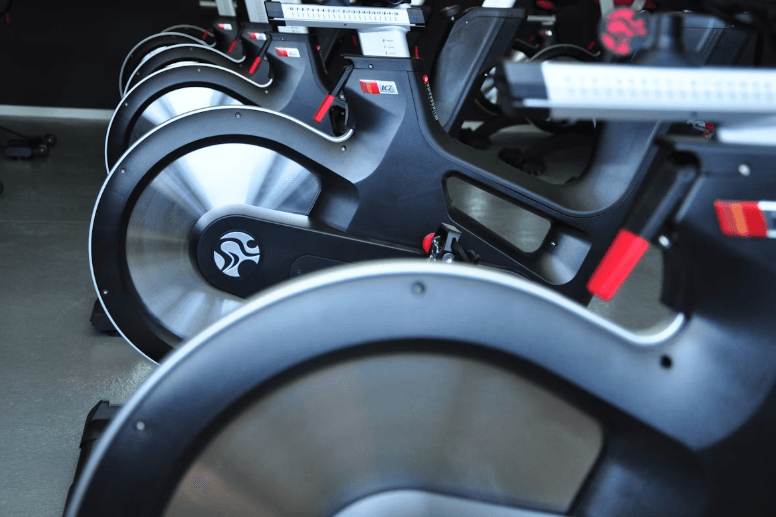
Maximize Your Fitness Routine with Exercise Bicycle Workouts

Want to rank for more competitive, high-value fitness keywords?

Every fitness enthusiast wants to maximize their workout routine with the most effective equipment available. After all, quality exercise equipment leads to:

  • Better fitness results
  • More efficient workouts

Here’s the problem:

Ranking for those competitive fitness terms is hard work. To get serious results with cardio equipment, you need to be investing in exercise bicycle workouts.

Without the right equipment, you just won’t get results.

The North American exercise bike market is valued at $341.5 million in 2024 and is projected to hit $516.1 million by 2033. That’s a massive 4.51% growth rate year over year.

What you’ll discover:

  • Why Exercise Bicycles Are Taking Over Home Fitness
  • The Science Behind Exercise Bicycle Calorie Burning
  • Different Types of Exercise Bicycles and Their Benefits
  • How to Maximize Your Exercise Bicycle Workouts
  • Setting Up Your Perfect Exercise Bicycle Routine

Why Exercise Bicycles Are Taking Over Home Fitness

If you go to Google right now and search for your target fitness keyword… You’ll get on the first results page…

The top 5x ranking home fitness equipment that all have one important thing in common:

Exercise bicycles.

The numbers don’t lie. About 6.23 million people participated in stationary cycling (group) in the United States in 2023. But here’s what’s really interesting…

That number doesn’t even include people working out at home on their own exercise bicycles.

Here’s why exercise bicycles are dominating:

They’re incredibly convenient. No weather excuses, no gym hours, no commute time. Just hop on and start pedaling. Plus, if you’re ready to invest in an exercise bicycle, you’re looking at equipment that can last for years and provide consistent results.

Exercise bicycles also offer something that most other cardio equipment can’t match – they’re gentle on your joints while still delivering serious calorie burn.

It really is that simple.

Why waste time and money figuring out what works? There’s already a proven fitness blueprint out there waiting for you.

The Science Behind Exercise Bicycle Calorie Burning

Before we do anything else we need to understand the calorie-burning potential of exercise bicycles.

The average person burns about 260 calories when riding a stationary bike for just 30 minutes. That’s more than double what you’d burn taking a casual walk for the same amount of time.

But here’s where it gets even better…

The calorie burn depends on several factors:

  • Body weight – Heavier people burn more calories
  • Exercise intensity – Higher resistance equals more calories burned
  • Duration – Longer sessions mean more total calories burned
  • Type of exercise bicycle – Different bikes offer different calorie-burning potential

A 155-pound person cycling vigorously for 30 minutes can burn approximately 391 calories, according to Harvard Health Publishing. That’s serious fat-burning potential.

Different Types of Exercise Bicycles and Their Benefits

Not all exercise bicycles are created equal. There are three main types, and each one offers unique advantages.

Let’s take a closer look…

Upright Exercise Bicycles

These are the classic exercise bicycles that most people think of. They mimic the feel of riding a traditional outdoor bike.

Upright bikes are perfect for:

  • Building leg strength
  • Improving cardiovascular fitness
  • Burning calories efficiently
  • Taking up minimal space in your home

Recumbent Exercise Bicycles

Recumbent bikes feature a larger, more comfortable seat with back support. The pedals are positioned in front rather than below.

They’re ideal for:

  • People with back problems
  • Older adults or those recovering from injuries
  • Longer, more comfortable workout sessions
  • Reduced strain on joints

Spin Bikes (Indoor Cycling Bikes)

Spin bikes are designed to replicate the exact feel of road cycling. They typically offer:

  • Higher intensity workouts
  • More calories burned per session
  • Better simulation of outdoor cycling
  • Compatibility with virtual cycling classes

But don’t do anything just yet! First let’s show you exactly how to use these bikes to get maximum results…

How to Maximize Your Exercise Bicycle Workouts

Using the information above, you can put together a near-perfect workout strategy for your exercise bicycle.

Here’s what you need to do:

Interval Training

This is where the real calorie-burning magic happens. Alternate between high-intensity bursts and recovery periods.

Here’s how you should do it:

  • 2 minutes high resistance/fast pace
  • 1 minute low resistance/moderate pace
  • Repeat for 20-30 minutes

Steady-State Cardio

Perfect for building endurance and burning fat. Maintain a consistent, moderate pace for 30-45 minutes.

This approach is excellent for:

  • Building cardiovascular base fitness
  • Improving fat-burning efficiency
  • Longer, more sustainable workouts

Hill Climbing Simulation

Increase the resistance to simulate riding uphill. This method:

  • Builds serious leg strength
  • Burns more calories per minute
  • Improves power output
  • Keeps workouts challenging

Take a look at each workout type and figure out which one works best for your fitness goals.

Setting Up Your Perfect Exercise Bicycle Routine

You have all of the actionable data you need to get started. What you’re looking for in your exercise bicycle routine is:

How do you structure your weekly workouts?

Here’s how to structure your weekly routine:

Beginner Routine (Weeks 1-4)

  • 3 days per week
  • 20-25 minutes per session
  • Low to moderate intensity
  • Focus on building consistency

Intermediate Routine (Weeks 5-8)

  • 4 days per week
  • 30-35 minutes per session
  • Mix of moderate and high intensity
  • Add interval training twice per week

Advanced Routine (Weeks 9+)

  • 5-6 days per week
  • 35-45 minutes per session
  • High intensity with varied workouts
  • Include hill climbs, intervals, and endurance rides

Just work through your routine and build up your fitness level – it really is that easy!

The Mental Health Benefits You Didn’t Know About

Exercise bicycles don’t just transform your body – they transform your mind too.

Regular cycling releases endorphins, dopamine, and serotonin. These are the chemicals responsible for:

  • Reduced stress and anxiety
  • Improved mood and self-esteem
  • Better sleep quality
  • Enhanced mental clarity and focus

Studies show that just 30 minutes of cycling can significantly reduce symptoms of depression and anxiety.

Technology Integration Makes It Even Better

Modern exercise bicycles come packed with features that make workouts more engaging:

  • Virtual reality experiences – Cycle through scenic routes around the world
  • Interactive classes – Join live or on-demand classes with professional instructors
  • Heart rate monitoring – Track your intensity and stay in optimal fat-burning zones
  • Performance tracking – Monitor your progress with detailed workout data

The global indoor cycling market is valued at $1.625 billion in 2024 and is expected to grow at a compound annual growth rate of 10.20% through 2031.

Breaking It Down

Exercise bicycles offer one of the most efficient, convenient, and effective ways to transform your fitness routine. Whether you’re looking to lose weight, build cardiovascular endurance, or maintain a healthy lifestyle, an exercise bicycle can help you achieve your goals.

The statistics speak for themselves – millions of people are already discovering the benefits of exercise bicycle workouts. The convenience, calorie-burning potential, and low-impact nature make them perfect for people of all fitness levels.

To quickly recap:

  • Find the exercise bicycle type that matches your fitness goals
  • Set up your weekly routine using the proven workout methods
  • Use technology features to stay motivated
  • Track your progress over time

This is the only cardio equipment strategy that has stood the test of time.

The Psychology of Streaks: What Runners Can Learn from Game Players

Streaks aren’t just a feature in gamified apps—they’re a psychological tool that taps into our deep desire for progress and consistency. For runners trying to build better habits, understanding how streaks work in gaming can offer a fresh perspective on staying motivated.

Whether you’re tracking your runs on an app or gearing up for your first 10K, there’s a lot to learn from how digital games keep players engaged day after day.

Why Streaks Work: The Motivation Behind Progress

In both running and gaming, streaks provide instant visual feedback. Each time you complete a task—like a daily run or a game login—you continue the streak. The longer it gets, the harder it is to break. This behavior is rooted in the psychology of consistency and habit formation.

In the world of casual digital games, platforms like High Roller use streak mechanics to keep players returning daily. Users are rewarded with in-game progress, leveling systems, and interactive milestones that mirror how runners respond to visible progress markers in fitness apps.

Small Wins Build Long-Term Habits

Every completed run—or even a walk—triggers a small feeling of success. That “win” feeling isn’t accidental. It’s a dopamine response that fuels your desire to repeat the action. Games are built around this loop, and runners can use the same principle to stay consistent.

Rather than focusing on major performance goals right away, the key is to break your fitness journey into micro-habits. According to Harvard Business Review, small, easy-to-repeat actions are more likely to create lasting change. These could include putting on your running shoes at the same time every day or committing to 5 minutes of stretching after each session.

Milestones Matter More Than You Think

In gaming, players don’t just aim for the final level. They get feedback at every stage—unlocking bonuses, reaching new tiers, or collecting achievements. Runners can benefit from structuring their training the same way.

Instead of looking only at the finish line, break your goals into smaller, trackable milestones:

  • Completing your weekly mileage
  • Running three times per week
  • Improving your pace by 10 seconds over a set route

Each milestone gives you a “mini win” to celebrate, reinforcing your progress and keeping motivation high.

Recovery Days and Mental Engagement

One of the most overlooked aspects of a running streak is the rest day. Just like games offer ways to stay engaged during non-active periods—such as login rewards or streak-protection features—runners can maintain a sense of routine even on recovery days.

Use these moments to log a short walk, stretch, or visualize your next training day. The goal is to stay mentally connected to your running streak, even when your body needs rest.

Accountability Through Tracking

Many social and casual games track every stat imaginable—levels, coins earned, time spent playing. Runners should do the same. Whether you use a fitness tracker, mobile app, or notebook, visualizing your streak reinforces your identity as someone who follows through.

Seeing your progress in black and white creates a psychological anchor. It’s no longer about whether or not you feel like running—it becomes a part of your routine identity.

Build Your Own Streak System

Streaks work because they’re simple and satisfying. When used intentionally, they can help runners build consistency, focus on small wins, and celebrate steady progress—just like in the best-designed digital games.

Whether you’re a seasoned runner or just getting started, building your own streak system can keep your training fun, focused, and engaging for the long haul.

How Carbon Dioxide Tolerance Training Can Improve Your Running

“I can’t breathe… I have to stop.”

I still remember that humid Bali morning. I was hunched over, gasping for air, while the rest of my running group pulled ahead like it was no big deal. I honestly thought being out of breath was just part of the deal — something I’d always have to live with.

Fast forward a few years, and now I’m that guy cruising up steep jungle trails, barely winded. What changed? I started training my breath — specifically, my carbon dioxide (CO₂) tolerance. Fancy name, but trust me, the idea is simple. And powerful.

This isn’t hype. This is real science mixed with experience — both mine and the runners I coach. We’ll get into what CO₂ tolerance really means, why it matters more than you think, and how it can change your running for good. Plus, I’ll walk you through how to start training your breath today with some simple, real-life tips.

So take a deep breath (through your nose if you can!), and let’s get into it.

I Couldn’t Breathe… Until I Learned to Breathe Right

Back when I started running, I couldn’t make it one block without wheezing. Picture this: a sweaty twenty-something guy in Denpasar, Bali, trying to jog in the morning heat, heart pounding like a drum solo, and lungs screaming for air.

One memory stands out — I was running up Campuhan Ridge, one of the prettiest routes in Ubud. But I was too busy sucking wind to enjoy any of it. I remember thinking, “Maybe I’m just not built for this.”

Turns out, I wasn’t short on oxygen — I just didn’t know how to use it properly. I was mouth-breathing like crazy, flushing out CO₂ too fast, which left me more breathless. It was a frustrating loop: the more I gasped, the worse it got.

My wake-up moment? An ultra runner from our group passed me with his mouth shut, breathing calmly through his nose. Afterward, over post-run coconuts (yes, very Bali), he explained something that floored me:

“You’re not running out of oxygen — you’re just not handling carbon dioxide well.”

Wait, what?

Apparently, it’s not low oxygen that makes you feel breathless. It’s the rise in CO₂. And the crazy part? You actually need a bit of that CO₂ to get oxygen where it needs to go. That lit a fire in me. I started researching, experimenting, and slowly learning to breathe better. It completely changed the way I run.

What is Carbon Dioxide Tolerance (and Why Should You Care)?

CO₂ tolerance is your body’s ability to stay cool when carbon dioxide builds up — especially during hard efforts.

Here’s how it works:

When you move, your muscles create CO₂ as they burn fuel. This gas builds up in the blood. Your brain doesn’t panic because oxygen is low — it panics when CO₂ gets too high.

Most people freak out when that happens. They breathe faster to get rid of it. But here’s the catch:

CO₂ is actually what helps oxygen get delivered to your muscles.

Thanks to something called the Bohr effect, higher CO₂ levels make hemoglobin release oxygen more easily. So if you hyperventilate and blow off all your CO₂, your body holds onto oxygen — and your muscles get less of it.

Let that sink in…

The very thing that feels like the right move — breathing faster — can backfire and leave your muscles starved for oxygen.

That explained a lot about my old struggles.

The Real Benefits of Training Your CO₂ Tolerance

Building CO₂ tolerance isn’t about being a breath-holding wizard. It’s about improving how your body handles stress, effort, and fatigue.

Here’s what happens when your body learns to tolerate more CO₂:

🫁 More Oxygen Where You Need It

Higher CO₂ = better oxygen delivery (Bohr effect again). That means your legs get what they need during those tough miles — especially on hills or long runs.

❤️ Better Blood Flow

CO₂ helps your blood vessels relax and open up. That means more blood to your muscles, more nutrients delivered, and more waste carried away.

🧘 Lower Heart Rate, Slower Breathing

Once you stop panicking about the breath, you naturally breathe slower and deeper. That leads to a lower heart rate at the same pace. I now talk through runs that used to leave me gasping.

💪 More Endurance, Faster Recovery

When you use less energy on every breath, you’ve got more gas in the tank for your legs. Plus, your body bounces back faster post-run — breathing calms down, heart rate drops, and you’re ready for round two sooner.

🧠 Mental Toughness

Breath training teaches you to stay calm when your body says, “Panic!” That skill? It’s gold during mile 20 of a marathon or the final rep of a brutal workout. It also spills over into life — a lot of runners report feeling less anxious day-to-day.

Reality Check: It’s Not Magic, But It’s a Game-Changer

Let’s be real: training your CO₂ tolerance won’t turn you into Kipchoge overnight. It’s one piece of the puzzle. But it’s a powerful one most runners ignore.

We obsess over VO₂ max and oxygen intake — but forget the oxygen has to be delivered to matter. CO₂ is the delivery key.

By learning to sit with that breathless feeling — not panic, not over-breathe — you teach your body to run smarter, not just harder.

For me, it was like upgrading my engine’s software. Same legs. Same lungs. But a totally different level of control and calm under pressure.

How CO2 Tolerance Training Can Boost Your Running Without Fancy Gear

So, how does all this breath-holding stuff actually help when you’re out grinding miles? Let’s break it down runner-to-runner:

1. You’ll Breathe Easier at the Same Pace

After just a few weeks of CO2 tolerance drills, I noticed something weird (in a good way): I wasn’t gasping for air as much. Those routes that used to leave me huffing? Suddenly manageable. Not because my legs magically got stronger—but because my breathing got more efficient.

That’s the point. Better CO2 tolerance = more oxygen delivered to your muscles without hitting the panic button too soon. It’s like lifting the roof off your endurance—you’ve got more airspace to work with.

📚 According to one study, CO2 training boosts oxygen availability by improving your body’s ability to use what’s already there.

Try this: Next time you’re on an easy run, pay attention. Are you gasping at mile two, or staying steady? That change says more than your watch ever could.

2. Lower Heart Rate, Better Endurance

You know that panicky, “oh crap I’m dying” feeling when your breathing spikes and heart rate jumps through the roof? Been there.

Once I started slowing down my breathing and focusing on nasal inhales, my heart rate dropped—same pace, less effort. It made long runs feel smoother, even during marathon prep. I wasn’t burning out early because my body wasn’t yelling at me to breathe.

📚 Again, study backs this: Training yourself to tolerate CO2 shifts your ventilatory threshold—you can run faster or longer before that heavy breathing kicks in.

Coach’s Note: This is clutch in longer races. The calmer your breathing, the longer you can stay in the zone.

3. You’ll Recover Faster Between Reps or Hills

We’ve all topped a steep hill or hammered through a rep feeling like we just swallowed fire. But here’s the thing—after working on CO2 tolerance, I could actually catch my breath faster. No more gasping like a fish.

This happens because your chemoreceptors (the little sensors in your brain that scream when CO2 builds up) stop overreacting. You train your body to chill—even when things get spicy.

📚 Cyclists talk about this a lot too—more CO2 tolerance = slower, deeper breathing = faster bounce-back.

Runner Reality: When you crest that climb, you’re back in the game quicker. That’s a real edge on race day.

4. More Efficient Oxygen Use = Better Running Economy

Running economy isn’t just strong legs—it’s how little oxygen you burn for the same pace. I switched to mostly nasal breathing on my easy runs and felt like I traded in my old clunker for a hybrid.

📚 Some studies even suggest nasal breathing can help runners maintain VO₂ max while reducing how much air they need.

The crazy part? I could breathe through my nose at tempo pace. That used to sound impossible. Now it’s just training.

5. Stronger Mind, Sharper Focus

This might be my favorite part: mental toughness.

Those breath-hold drills where your brain is screaming “BREATHE NOW”—yeah, they’re uncomfortable. But that’s the whole point. You learn to stay calm when everything says “panic.”

In races, when your body’s freaking out, you fall back on that breath control. I’ve seen runners shave minutes off their times just by not panicking mid-race.

I tell my crew all the time: “When it gets hard, lock in on your breathing. Anchor yourself.”

📚 Breath control has legit mental benefits too. It trains your nervous system to stay in control under pressure.

⚠️ But Don’t Throw Out Your Mileage Just Yet…

Let’s not get carried away. Some scientists are skeptical. If you’re already in great shape, your oxygen saturation during workouts is likely around 98–100%—so boosting CO2 might not drastically change that.

📚 One study showed nasal breathing didn’t improve VO₂ max in trained runners. Another found that better BOLT scores didn’t always lead to faster race times over a few weeks.

That said, don’t ditch your long runs or intervals. Breath training isn’t a magic bullet—it’s more like adding polish to the engine. It’s about feeling smoother, not suddenly gaining superpowers.

In My Experience: What changes most is comfort, control, and your ability to stay composed. And that often does lead to faster times because you’re not tapping out early.

🧪 Testing Your CO2 Baseline: The BOLT Score

Want to know where your breathing stands? Try the BOLT test. It’s super simple and surprisingly telling.

I call it the “control pause.” It’s basically a snapshot of how chill your breathing system is.

Here’s how to test it:

  1. Sit and relax. Ideally first thing in the morning or after 10 minutes of rest.
  2. Take a normal inhale, then exhale normally through your nose.
  3. Pinch your nose and hold. Start timing.
  4. Stop when you feel the first strong urge to breathe. Don’t go full hero mode—no gasping allowed.
  5. Check your time. That’s your BOLT score. Resume nasal breathing calmly.

📚 Most folks score around 20 seconds.

If you’re under 10 seconds, your system’s stressed—maybe poor sleep, fatigue, or just shallow breathing. Around 20? Not bad, but room to grow. Hit 30+ and you’re breathing like a pro. Over 40? That’s elite territory.

Patrick McKeown—the guy behind The Oxygen Advantage—says 40 seconds is the gold standard.

Final Thoughts: Is It Worth It?

If you’re serious about running—not just surviving runs but feeling good out there—CO2 training is worth a shot. No gear. No subscriptions. Just your breath, your body, and a bit of discomfort.

I’ve used it. I coach it. And it works—not in flashy PRs out of nowhere, but in the quiet moments where you realize, “Hey, I’m not dying at mile five anymore.”

👟 Your Turn:

What’s your BOLT score?

Have you tried nasal breathing or breath-hold drills?

Drop a comment and let’s talk about how it’s helped—or frustrated—you. This stuff is simple, free, and can make a difference.

Let’s breathe smarter, not just harder.

CO2 Tolerance Training for Runners: A Real-World Breathing Upgrade

Let me be honest with you—my first BOLT score was 16 seconds, and I felt like I was suffocating.

That tight, panicky feeling? It was my body freaking out over CO2. But like any muscle, your tolerance can be trained. These days, I hover around 40 seconds, and I swear—my running feels like I unlocked a secret level. Easier breathing, smoother pace, and way less gasping. Keep your BOLT score handy—we’ll check in again after some training and you’ll see the change for yourself.

Coach tip: Treat the BOLT test like checking your battery. A big drop one morning? That could be your body telling you it’s stressed out, under-recovered, or riding the edge of burnout. CO2 tolerance tends to dip when you’re anxious or fatigued. On those days, back off a bit or focus on recovery instead.

Call to Action: Try This Mini Experiment

Tomorrow morning, measure your BOLT score. Write it down. Then commit to two weeks of simple breath work:

  • Nasal breathing during runs
  • Breath holds or box breathing before bed

After 14 days, test your BOLT again. Even a few seconds of improvement is proof that something’s shifting. But more importantly—check in with how your runs feel. Are you less winded on those easy miles? Recovering faster after speed work? That’s the real win.

Embrace the Discomfort: Turning Breath Training into Running Gains

Ultimately, improving your breathing is about improving your running experience. Running will feel less like a fight for air and more like a flow. You’ll likely run faster or farther before fatigue sets in, and even if you don’t become Mo Farah overnight, you’ll enjoy running a heck of a lot more when you’re not constantly gasping.

For me, that meant the difference between quitting running out of frustration and becoming a lifelong runner and coach. That’s the power of learning to breathe better.

So, take a deep (nasal) breath, and take the plunge into CO2 tolerance training. Your lungs, legs, and even mind will thank you. The next time you find yourself in that tough part of a run where your chest is burning, you’ll smile knowing you’ve trained for this very moment. And as you exhale, you’ll push onward, stronger and calmer than before.

Happy breathing and happy running!

How to Build Marathon Mileage Without Burning Out or Breaking Down


Ever wonder if someone like you—maybe a brand-new runner—can actually go from zero to marathon-ready?

I’ve been there. I’m David Dack, a running coach living in the sweaty chaos of Bali, and I used to ask myself that same question. My marathon journey didn’t start with talent or some perfect training plan. It started with struggle—real struggle.

I remember dragging myself through humid 5 a.m. runs, feeling like every step was a mistake. My lungs burned after 15 minutes. I’d hear that nagging voice in my head whisper, “You’re not built for this.” But I kept coming back. I’d tell myself, “Just one more lap. Just five more minutes.” That mindset—matched with smart, slow mileage building—is how I made it from gasping beginner to running over 70 km a week. Injury-free.

This guide is my blueprint. It’s what helped me finish marathons without burning out or ending up sidelined. And if I can pull it off in Bali’s brutal heat, dodging motorbikes and potholes, trust me—you can too.

Why Mileage Matters in Marathon Training

Before you think about pace, tempo runs, or hill repeats, you’ve got to stack your miles. Easy miles. These quiet, steady efforts are what build your foundation.

Here’s what’s really going on under the hood when you pile on smart mileage:

You build an aerobic engine

That’s your long-haul system. Each easy run helps your body adapt—more mitochondria, more capillaries feeding your muscles. You burn fat better and stay strong longer.

Your heart levels up

Literally. It gets stronger and pumps more blood per beat, which means more oxygen goes to your muscles with less effort. That’s why your resting heart rate drops the more consistent you get.

You move better and waste less energy

Mileage helps stiffen your tendons and shift your muscles to more efficient slow-twitch fibers. The result? You start gliding more, struggling less.

Even running just 20–30 km a week has been shown to seriously boost cardiovascular health and endurance, according to research on recreational runners.

Sure, elite marathoners can hit 160 km weekly, but that’s after years of layering smart volume. You don’t need that to start—you just need to build. Gradually.

Mental Toughness: The Real Key to Upping Your Mileage

Let’s be honest—building mileage isn’t just about legs or lungs. It’s a mental fight too. Some days you’ll love the grind. Other days, even lacing up feels like a chore. I’ve been there.

I still remember dragging myself through a 25K run in Bali, the sun melting me, while my brain screamed, “What the hell are you doing this for?” But over time, I picked up a few tricks to stay in the game.

Break it Down

Thinking “25 km left” is a surefire way to freak yourself out. Instead, I tell myself, “Just make it to that warung” or “One more song.” That’s called chunking.

According to research on noneotorun.com, breaking down long distances makes the whole thing feel easier—and we naturally move quicker. When I’m out there, I treat the run like checkpoints: 5K here, another 3K there. Suddenly, I’m not overwhelmed by the whole mountain—I’m just climbing one step at a time.

Talk to Yourself (Nicely)

Don’t wait for a pep talk. Give it to yourself.

Studies have shown that runners who repeat mantras like “Stay on” or “You’re doing great” actually perform better than those who don’t practice any self-talk. For me? I use, “I am strong” or “One more push.”

And on the worst days? I speak in third person—“You got this, David.” It sounds ridiculous, but it works. It shifts your mindset when the pain creeps in.

Distract the Mind

Music, podcasts, or a chatty running buddy can be game changers. Research backs it—pleasant distractions help reduce the feeling of effort during long runs.

Personally, there’s nothing like watching the sunrise peek over Bali’s volcanoes while my feet are pounding the pavement. It keeps my brain engaged and far from complaining.

Make Friends with Discomfort

I used to hate the pain. Now, I see it as growth. Every run that sucks is building something.

When I grind through a hill repeat or a sweaty long run, I remind myself: “That hurt, and I didn’t quit. That means I’m getting tougher.” You’re not just training your body—you’re training your grit.

And let’s get this straight—you’re going to have garbage runs. Days where your legs feel like bricks, or your stomach rebels. Instead of sulking, ask: “What did this teach me?”

Bad fueling? Too little sleep? Learn and move on.

And when things click? Celebrate it. I still remember my first 20K run like it was a festival. Sat down, smashed three plates of nasi campur, and thought, “Holy crap, I might actually be a runner.”


Mileage Progressions That Actually Work

Here’s a simple 12-week blueprint—nothing fancy, just numbers that work. Adjust based on your fitness and life.

Beginner: Build from 40K to 60K Per Week

Week Total KM Long Run
1 40 12
2 44 14
3 48 16
4 36 (cutback) 10
5 42 18
6 47 20
7 52 22
8 45 (cutback) 16
9 50 24
10 55 26
11 60 28
12 50 (taper) 20

Advanced: Build from 60K to 80K+

Week Total KM Long Run
1 60 22
2 66 24
3 72 26
4 58 (cutback) 18
5 64 28
6 70 30
7 76 32
8 62 (cutback) 22
9 68 34
10 74 36
11 80 38
12 70 (taper) 28

Every 4th week, ease up to let your body recover. And don’t just stack long runs—mix in easy days, tempo work, and some cross-training.

Nothing here is written in stone. If your legs are fried, back off. If you’re cruising, hold that peak a little longer. Just don’t let your ego push you into the injury zone.

👉 Want to plan it all out? Grab my 12-Week Marathon Mileage Planner to build your own schedule that fits your life.

My Real Story: From 10-Minute Gasps to Marathon Legs

When I started, I could barely run for 10 minutes without gasping like a fish on land. A 10K felt like Mount Everest. The marathon? That was laughable. But I had this stubborn voice that whispered: “What if you just try?”

So I did.

My early runs were short and brutal. I broke them into chunks. 2K, then 3K, then maybe 5. Some days I ran through scooter traffic and mosquito clouds. Other days the Bali heat made 5K feel like survival training.

I learned to adapt: early morning runs, shady routes, treadmill during monsoons—whatever it took to stay moving.

I didn’t follow some flashy plan. I just increased mileage slowly—around 10–15% a week. Some days I felt great and ran a little more. Other times, my legs begged for mercy.

I ignored early shin splints and paid for it—two weeks off and a hard lesson in respecting recovery.

Walk breaks? Hell yes. Especially in the heat. I’d go 5 min run, 1 min walk, and finish strong instead of crawling. That’s not weakness—that’s smart.

Nutrition? Learned the hard way. Dizzy, bonking, sitting on a curb thinking, “Maybe I should’ve eaten something.” Now I fuel up before, during, and after. Banana. Coffee. Gels. I know my window and how to dodge “the wall.”

Strength training was the game-changer. I used to think more miles = better. Wrong. At 40K a week, my body was yelling. I added squats, lunges, deadbugs—and like magic, my knees stopped barking.

No coach. Just online buddies, my runner girlfriend, and the odd Reddit thread. That accountability kept me honest.

My biggest fear? “What if I train for months and still crash on race day?” But I flipped it—if training sucks now, good. I’m learning to fight.

The week I hit 70K was surreal. My body ached, but my heart rate dropped. I was stronger than I thought.

If I could talk to my old self? I’d say: “Forget the finish line. Just show up tomorrow. Run. Rest. Repeat. You’re not chasing 42K—you’re building the kind of person who can handle it.”

And if you’re reading this, you’re already on that path.

Common Questions Runners Ask Me About Mileage

🏃 Is running every day safe when you’re training for a marathon?

For most people—especially beginners—the answer is no. Running 7 days a week without rest is asking for trouble.

Your muscles need time to bounce back, and those rest days are where the real growth happens.

I always recommend 1–2 rest days or low-impact days (like yoga, cycling, or swimming). You’re still moving, but you’re giving your legs a break from the pounding.

Think of recovery as part of the training cycle, not something you earn after a race. Research backs this too—proper rest can actually improve performance and cut down injury risk.

🧠 My rule: If your legs feel trashed when you wake up, you probably needed that rest day yesterday.

⚖️ Should I build more mileage or add speed first?

Mileage. Always mileage.

Here’s why: speed work breaks you down. Mileage builds you up.

If your aerobic base isn’t ready, piling on intervals is like adding nitro to a weak engine—it might feel fast for a while, but eventually, something blows.

So before you throw in hill repeats or tempo runs, lock in your base. Get consistent at your weekly distance. Only after you’re running steady for a few weeks should you test the gas pedal.

Build the engine first. Then you can start tuning it.

🔁 I took a break—how fast can I bounce back?

That depends on your base.

If you’ve run 60K weeks before, you’ll likely bounce back fast—maybe in three weeks (like 30 → 45 → 60K). Muscle memory is a gift like that.

But if you’re starting from scratch or returning from injury, don’t rush it. You’re not behind—you’re just rebuilding.

Listen to your body more than your ego.

I’ve come back from breaks thinking I was still in shape… and paid the price. Respect the process.

💪 How do I add strength and cross-training without overdoing it?

Easy—just be smart about placement.

I like to lift twice a week (20–30 min max), usually on easy run days or right after an easy jog. That way I’m not piling stress on speed days.

You can also swap a short run for an easy swim or spin on the bike. Ten minutes of something light still counts.

The key? Keep it consistent and short.

I learned the hard way that strength work actually makes running feel easier—not harder. Two sessions a week? Total game changer.

Final Mileage Advice from the Trenches

📈 Progress is about consistency—not crushing big numbers.

One more run each week. One more easy kilometer. That’s the real win.

Not every week will be record-breaking, and that’s okay. The grind builds grit. The people who get faster are the ones who show up when it’s boring, not just when it’s fun.

🛌 Rest isn’t weakness. It’s strategy.

You don’t start losing fitness until you’ve skipped training for two full weeks. So stop panicking over a missed run. One good rest day can make the next five days better.

Some of my best training weeks happened right after a guilt-free day off.

Be patient—real fitness takes time.

Running a marathon isn’t something you cram for. It’s months of buildup, setbacks, and steady growth. Don’t judge progress by one week’s numbers.

Look at the bigger picture. Trust your blocks. Your body will catch up if you give it time.

It took me months to break 50K per week without breaking myself. But when it clicked, I felt like I’d leveled up as a runner.

🏅 The race is just one day. The real win is the lifestyle.

Marathon day is awesome, sure. But the real joy? It’s in the habits—the daily grind, the solo runs, the small PRs, the post-run nasi goreng.

If you fall in love with the process, race day becomes a celebration, not a test.

What flipped the switch for me?

One mindset: “Slow progress is still progress.”

I stopped chasing big leaps. I learned to trust the boring days. And I started sharing my story—every struggle, every tiny win. That kept me honest and gave others the courage to keep going too.

You don’t need to be elite. You just need to keep moving forward.

If you’ve read this far, you’re serious. You’re learning. You’re probably hungry to do this right.

And that’s exactly what it takes to become a marathoner—curiosity, patience, and grit.

👣 Every single marathoner started with a first run. You’re already on your way.