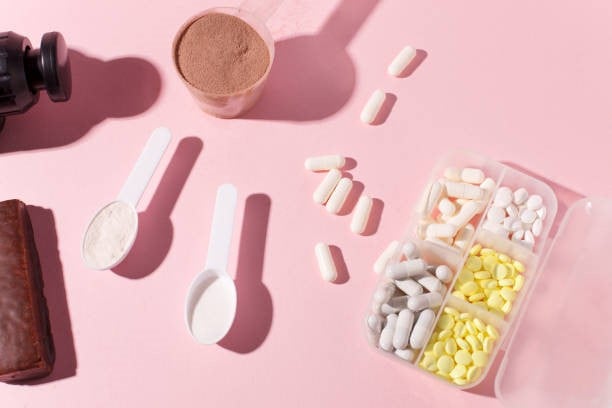
How Many Calories Should a Runner Eat? Let’s Break It Down (For Real)

intermittent fasting and running

You’re lacing up consistently, putting in the miles — but what about fuel?

If you’ve ever found yourself wondering, “Am I eating enough?” or “Am I overdoing it?” — you’re not alone.

Nutrition for runners is tricky. Eat too little? You’ll crash and burn.
Eat too much of the wrong stuff? You’ll feel heavy and slow.

So let’s cut through the noise and talk real-world fueling for real runners — whether you’re running 3 miles a day, marathon training, or trying to lose weight without tanking your performance.

Why Calories Matter More Than You Think

Here’s the simple truth:
Calories are energy. Every mile you run is like a mini road trip. You’re the engine — and food is the fuel.

You can’t expect to run strong on an empty tank. Skimp on calories and you’ll feel it:

  • Fatigue
  • Poor recovery
  • Constant soreness
  • Plateaued pace
  • Higher injury risk

As I always say:
“Running is the stress. Food is the recovery.”

Carbs and fats give you energy. Protein helps repair and rebuild.
If you underfuel? Your body doesn’t care that you’re a runner — it’ll prioritize survival, not performance.

One Runner’s Wake-Up Call

A 27-year-old runner I heard from was trying to stay lean — eating at a calorie deficit all week while still training.

Result? He was stuck around a 26-minute 5K and felt like garbage every time he ran.

Finally, he upped his calories and protein. Within a week:

  • Less soreness
  • Better recovery
  • Surprise PR of 24:39 without pushing harder

His words?
“It hit me how important properly fueling is… It’s cool to stay slim, but you’ve got to feed the machine.”

Take notes. Fuel = performance.

Calorie Guidelines for Runners (Simple & Scalable)

There’s no one perfect number — but here’s a solid starting point.
Nutrition experts use calories per pound of body weight as a guideline:

Goal / Training Level Calories per Pound (per day)
Maintain weight (moderate training) 20–22
Lose weight (with running) 15–18
High mileage (marathon training, etc.) 23–30+

These aren’t magic numbers. Just ballpark estimates — but they get you close.

Example: 150-lb Runner

  • Maintenance: 150 × 20 = 3,000 calories/day for moderate training (like 5–6 hours/week)
  • Weight Loss: 150 × 16 = 2,400 calories/day for fat loss without killing your energy
  • Heavy Training: 150 × 25 = 3,750 calories/day — not unusual during marathon prep

(Elite runners may hit 4,500+ on long-run days.)

Running 60–90 min/day? You’re probably burning 800–1,200+ extra calories. You’ve got to replace that if you want to stay strong.

Your Body = The Real Feedback Loop

Don’t just plug numbers into a calculator and call it good.

Pay attention:

  • Losing weight without trying? Eat more.
  • Constantly tired, sore, or cranky? Eat more.
  • Gaining unwanted weight? Tweak your intake — not starve yourself.

Your energy, mood, recovery, and weight trend will tell you everything you need to know.

How Many Calories Should You Eat If You Run X Miles Per Day?

Let’s talk about food — the kind that keeps your legs moving, your brain sharp, and your mood steady when the miles add up.

Too many runners ask me, “I run every day — how much should I eat?” And my answer? It depends… but probably more than you think.

Running burns calories. Period. And if you’re not eating enough to replace what you burn, you’re going to feel it — hard. Your runs will start dragging, recovery will slow, and you’ll wonder why you’re always tired or stuck at the same pace.

Let’s break this down in plain terms — no calorie spreadsheets, just common-sense math.

If You Run 3 Miles a Day

Running 3 miles burns roughly 300 calories for the average person. Not huge — but over a week, that’s 2,100 calories, or close to an entire day’s worth of fuel.

If you’re moderately active outside of running, you probably need somewhere between 1,800–2,200 calories per day just to maintain your weight and not feel like a zombie.

Add 300 burned from running, and boom — you’re looking at 2,100–2,500 calories/day just to break even.

Example – Weight Maintenance

Let’s say your base need is 2,000 calories/day. Add the 3-mile run (300 cal), and you should be eating around 2,300/day to feel good and stay strong.

That might look like:

  • 500-calorie breakfast
  • 600-calorie lunch
  • 800-calorie dinner
  • Two 200-calorie snacks in between

It adds up fast — and yes, your 3-mile run does count. Fuel accordingly.

Weight Loss Tweak

Trying to lean out while running 3 miles a day? Cool. Just aim for a small deficit. Try 1,800–2,000 calories/day instead of drastically cutting.

That’s enough to lose fat without wrecking your energy or blowing up your runs.

⚠️ Don’t starve yourself. If you’re too wiped to train or recovering like molasses, you’ve cut too deep.

Real Talk Example

One Reddit runner realized he was running on fumes — eating ~2,000 calories while burning ~2,500/day.

He felt constantly exhausted.

He bumped his intake to ~2,400, added more protein… and ran a faster 5K than ever before.

Fuel = performance. Even on “just” 3 miles a day.

If You Run 10 Miles a Day

Now we’re in serious training territory.
10 miles = ~1,000 calories burned.

Add that to your base needs, and most runners will need 3,000–3,500+ calories/day just to keep up.

Maintenance Mode

For the average active adult, base metabolism + light activity = ~2,200–2,500/day.
Add 1,000 for the run, and now you’re pushing 3,200–3,500+ calories/day minimum.

That’s not a “cheat day.” That’s required fuel to stay upright and strong.

Heavy Training? Eat Like It

Marathoners and high-mileage runners (think 70+ miles/week) might need 4,000–4,500+ calories/day.

And no, that’s not gluttony — that’s survival.

Example:
A 143-lb (65 kg) runner logging 60+ km per week needs ~3,900 calories/day just to maintain.

Skip the calories, and you’ll tank hard:

  • Fatigue
  • Injuries
  • Slow recovery
  • Unintended weight loss

Long-Run Days = Eat More

Running long on Sunday? You can’t eat like it’s Tuesday.

If you usually eat 3,000/day and crank out a 20-miler (burning ~2,000 cal), you’d better add another 600–1,000+ calories that day.

Think:

  • Second dinner
  • Bigger meals
  • Extra shake or recovery smoothie
  • That entire pizza? Maybe not such a bad idea today

Runner Rule: The More You Run, The More You Eat

High-mileage runners basically turn into walking metabolism machines. You’ll:

  • Get hungry every 3 hours
  • Wake up starving
  • Crave carbs like a maniac
  • Dream about nut butter

And that’s normal.

Just make sure you’re eating quality calories:

  • Protein for muscle repair
  • Carbs for fuel
  • Fats for hormones and recovery
  • Hydration and electrolytes to keep your system running

How Do You Know You’re Eating Enough?

Check these signals:

  • Weight stable
  • Energy good
  • Recovery solid
  • No nagging hunger after meals

If you’re dropping pounds unintentionally, eat more.
If you’re gaining and don’t want to, tighten things up or adjust timing.
And if your energy is garbage, that’s your first clue your tank is low.

You’re not just training your legs — you’re training your fuel system. Learn to listen to it.

What to Eat to Support Running (Real Food, Real Results)

You don’t need magic powders or some rigid plan cooked up in a lab. You just need to fuel your runs with real food — stuff that gives you energy, helps you recover, and doesn’t wreck your stomach halfway through a tempo workout.

Here’s what works, when to eat it, and how to build a daily diet that actually supports your running.

Pre-Run: What to Eat Before You Hit the Road

Fueling before a run = better energy, better performance. Especially if you’re going longer than 30–45 minutes, don’t wing it on an empty tank.

What to aim for:

  • Carbs first, a bit of protein
  • Low fat and low fiber right before running (those slow digestion and can mess with your gut mid-run)

Go-to pre-run snacks:

  • Banana + a spoonful of peanut butter
  • Slice of toast or half a bagel with jam
  • Small bowl of oatmeal with honey
  • A few pretzels
  • Half an energy bar

If you’re a morning runner, you might do fine fasted for easy runs — but not everyone does. If you feel sluggish or cranky on your run, try adding something light.

Evening runners? Eat a solid meal 3–4 hours before, then maybe a small carb snack (like a granola bar or piece of fruit) 30–60 minutes before go-time.

Start hydrated — drink water beforehand, maybe a little sports drink or coffee if it’s a hard effort. But don’t slam a liter of water right before. No one wants a stomach full of slosh.

Post-Run: How to Refuel & Recover Like a Pro

The 30–60 minutes after your run? That’s your prime recovery window. Your muscles are hungry for nutrients — give them what they need.

What to get in:

  • Carbs to refill glycogen
  • Protein to start repairing muscle damage
  • Fluids + electrolytes if you sweated a lot

Real food recovery options:

  • Chocolate milk (yep, it works — 3:1 carb-to-protein ratio)
  • Smoothie with fruit + Greek yogurt or protein powder
  • Yogurt + granola + berries
  • Turkey sandwich
  • Protein bar + a banana
  • Your next balanced meal if it’s soon

And don’t forget to hydrate after the run, especially if it was long or hot. Water is fine for most runs. If you went long, sweaty, or hard? Add electrolytes. (Water + pinch of salt + fruit like a banana is a simple fix.)

Refueling right = less soreness, faster recovery, better energy for your next run. Skip it, and you’ll feel it the next day.

Daily Nutrition: What Runners Should Eat Day-To-Day

Running burns a lot — but that’s not a license to eat garbage. The goal isn’t just calories — it’s quality.

Key foods to build your base:

  • Carbs: Oats, brown rice, sweet potatoes, quinoa, fruits, veggies, whole grain breads
  • Proteins: Chicken, eggs, fish, lean beef, beans, Greek yogurt, cottage cheese
  • Fats: Avocado, olive oil, nuts, seeds, nut butters

Micros matter too. Iron, magnesium, B-vitamins, potassium, calcium — you get those from eating real, colorful food. Don’t ignore veggies and fruit just because you’re “eating a lot.”

Sample Daily Rhythm:

  • Breakfast: Oatmeal with berries and nuts, or eggs + toast
  • Snack: Banana + handful of almonds, or Greek yogurt
  • Lunch: Grain bowl with protein and veg, or a sandwich + fruit
  • Snack: Trail mix or a protein bar
  • Dinner: Protein + carb + veggie combo — salmon, rice, roasted broccoli
  • Hydration: Steady water intake all day (not just pre-run)

Spacing your meals/snacks every few hours keeps your energy up and your blood sugar stable — no bonks, no mood crashes, no “I ate the entire kitchen” nights.

Pro Tip: Listen to Your Body, Not the Scale

After a hard interval day or a long run, you might be ravenous. That’s normal. Your body’s asking for fuel. Eat. Don’t ignore hunger just because you’re afraid of gaining weight.

Other days, like rest days? You might not feel as hungry. That’s fine — eat a little less, no need to force it. But don’t fall into the trap of underfueling just because it’s a rest day. Recovery needs fuel too.

One of the biggest mistakes runners make: underfueling and calling it discipline. Reality? A well-fed runner is a faster runner.

Are You Eating Enough?

Here’s how to tell if your tank’s running on fumes.

One of the sneakiest ways runners sabotage their progress? Not eating enough — especially when the miles go up or the scale becomes an obsession.

It’s easy to under-fuel when:

  • You’re busy
  • You’re chasing weight loss
  • You assume one banana = “plenty of calories”

But here’s the thing: you can’t train like a beast and eat like a bird. Your body will let you know when you’re short-changing it — and trust me, it won’t be subtle.

Signs You’re Under-Fueling (Whether You Know It or Not)

Red Flag What It Really Means
Constant fatigue Your body’s running on empty. If every run feels like a slog or you feel wiped out 24/7, it’s probably not “overtraining” — it’s undereating.
Stalled performance Can’t get faster? Plateaued? You might be so under-fueled your body’s in survival mode, trying to hold on — not level up.
Frequent illness or injuries A beat-up immune system and slow healing are big warning signs. If you’re catching every bug or nursing nagging pains that won’t go away, your nutrition could be the missing link.
Cravings that won’t quit You’re not just “weak.” Your body’s asking for fuel. Constant hunger — especially for carbs — means your tank’s low. Eat more. Period.

“Trying to train hard on too few calories is like road-tripping cross-country with a half tank of gas and no snacks. Sooner or later, you stall out.”

The Real Danger: RED-S & Breakdown Mode

Chronically under-fueling = real damage.
We’re talking:

  • Hormonal chaos
  • Low bone density
  • Metabolic slowdown
  • Loss of menstrual cycle (for women)
  • Increased injury risk for everyone

That condition? It’s called RED-S (Relative Energy Deficiency in Sport).

It used to be known as the “female athlete triad,” but it affects male runners too.

You may still look fit. You may still be running. But under the hood? Things are falling apart.

Common Calorie Mistakes Runners Make (And How to Stop Shooting Yourself in the Foot)

1. Skipping Post-Run Fuel After “Easy” Days

“Oh, it was just 3 miles — I don’t need to eat.”

Wrong. Every run burns glycogen and breaks down muscle. If you don’t refuel, you’re not recovering — and you’re setting yourself up for fatigue later in the week.

Fix:
Even after short runs, grab a snack:

  • Chocolate milk
  • Greek yogurt
  • Fruit and nut butter
  • Trail mix

Doesn’t have to be a feast. Just something. Every time.

2. Believing the Calorie Number on Your Watch

Your Garmin says you burned 300 calories — so you eat 300 calories and think you’re golden?

Not quite.

  • Fitness trackers are often way off
  • They don’t count post-exercise burn (EPOC)
  • They don’t factor in daily movement, muscle mass, or stress load

Fix:
Use the old-school rule: roughly 100 calories per mile — more if you’re heavier or going hard.

And when in doubt? Slightly over-fuel.

Trust me — a little extra won’t kill your goals. But consistent under-fueling will kill your training.

3. Dieting While Training Hard

Trying to cut hard AND train hard?
Welcome to the fast track to burnout.

You’ll be tired.
Your workouts will suffer.
You might not lose the weight anyway (hello, metabolic stall).

One runner told me he tried slashing calories during marathon training — said every run felt like he was dragging cement blocks and his hunger was out of control. Not worth it.

Fix:
Pick your focus: train or cut. Not both full throttle.

If you’re gonna trim calories, do it smart:

  • Fuel around workouts normally
  • Create a slight deficit elsewhere
  • Save real dieting for the off-season

Don’t race on empty. That’s not how PRs are made.

4. Replacing Real Food with Runner “Snacks”

Look, I love a good recovery shake as much as the next runner. But if your lunch is a protein bar and your dinner is a sports drink?

You’re missing the mark.

Gels, drinks, and bars are fuel tools, not full-on meals. They don’t give you:

  • Fiber
  • Micronutrients
  • Real satisfaction

Fix:

  • Use runner fuel during or right after workouts
  • Outside that window? Eat real food — veggies, fruits, whole grains, quality protein

Fuel your training with strategy. Fuel your life with balance.

Calories & Running: The Most Common Nutrition Questions Runners Ask (And What I Really Tell People)

You’ve probably asked yourself at least one of these before:

  • “Should I eat more on long-run days?”
  • “Do I have to carb-load?”
  • “How do I lose weight and train hard?”
  • “Macros or calories – what matters more?”

Let’s break these down with real answers, not influencer fluff. These are the things I tell the runners I coach every week.

Q: Should I eat more on long-run days?

Absolutely. Long runs are where your training stress peaks — and that means recovery needs go up too.

If you burn an extra 800 calories pounding pavement for 2 hours, your body needs that energy back to rebuild. Don’t skip the recovery fuel just to “earn” a deficit. You’re not here to diet. You’re here to get stronger.

What this looks like:

  • An extra meal or two extra snacks
  • Bigger portions of carbs (rice, bread, fruit, pasta)
  • Protein after the run
  • Plenty of fluids and salt

Bottom line: Fuel the effort. Recover fully. Train harder tomorrow.

Q: Do I need to carb-load for every run?

Nope. Carb-loading is for race day or monster workouts, not your weekday 5-miler.

Save the full-on carb party (like 70% carbs for 2–3 days) for:

  • Marathons
  • Half-marathons
  • Long runs >90 minutes at real effort

For regular training:

  • Eat balanced meals
  • Have carbs the night before longer runs
  • Include carbs before/after harder sessions

Don’t waste energy stuffing yourself for a casual run. Just eat smart and stay fueled.

Q: Can I lose weight and run well?

Yes — but walk the line carefully.

You can run while in a small calorie deficit, but too much restriction will tank your energy, hurt your recovery, and eventually burn you out.

Smart deficit = ~300–500 calories/day

That’s roughly:

  • ½ lb fat loss/week
  • Enough to keep training strong
  • No crash dieting required

Fuel your runs like normal.
Create the deficit later in the day with lighter meals, not by under-eating around workouts.

“If the choice is between fueling a run or sticking to a diet — fuel the run. Adjust the rest.”

Ignore this, and you’ll feel it: tired legs, slow splits, grumpy mood, and stalled progress.

Q: What’s more important – total calories or macros?

Both matter, but start with total calories.

Think of it like this:

  • Calories = the bricks
  • Macros = how you arrange the rooms

If you’re not eating enough overall, it doesn’t matter how perfect your protein/carb/fat split is — you’ll feel like garbage anyway.

Once you’re eating enough, dial in your macros:

  • Carbs: Your main fuel tank
  • Protein: For muscle repair and staying lean
  • Fats: For hormone health and staying satisfied

Some runners love tracking grams or percentages. Others just eat whole foods and listen to their body. Either way works — as long as you’re eating enough and eating well.

Final Word: Eat to Run Strong — Not Just to “Stay Lean”

Let’s be clear: you’re not just eating for fun or to hit some number on the scale.
You’re fueling the miles. You’re fueling adaptation. You’re fueling life.

Running is the stress.
Nutrition is the recovery.

If you’re constantly under-eating?
You’re not “disciplined” — you’re digging yourself into a hole.

And ironically, it’ll make you slower, not leaner.

“A well-fueled runner gets more from their training — and often ends up leaner than someone who’s always restricting.”

That’s not wishful thinking. That’s reality.
Eat to perform. Recover better. Get stronger.
That’s how the game is played.

Your Turn 

How many miles do you run per week?
Got a daily calorie target or strategy that’s worked for you?

Drop it in the comments — I’d love to hear how you fuel your runs.

Whether your goal is fat loss, performance, or just feeling like a machine out there, let’s fine-tune it together.

Next Read 

Want to go deeper? Check out:

  • [Running & Intermittent Fasting – Is It Worth It for Runners?]
  • [Running for Fat Loss vs. Performance – How to Balance the Two]

Train hard. Eat smart. Stay strong.

Fuel like you mean it. Because that next PR isn’t built on empty.

What to Eat After a Run (Especially at Night): Best Meals, Snacks & Tips

intermittent fasting and running

Let’s be honest: after a tough run—especially one that ends after dark—you’re either not hungry at all… or you’re standing in the kitchen ready to inhale everything in sight. Been there.

But here’s the deal: refueling after a run is non-negotiable if you want to bounce back stronger, sleep better, and show up ready for your next workout.

You don’t need a four-course dinner, but skipping your post-run fuel entirely? That’s a fast track to soreness, fatigue, and a body that starts breaking down instead of building up.

Let me break it down for you…

Why You Need to Eat After a Run

Whether it’s early morning or late night, your body just burned through a bunch of fuel.

If you don’t put something back in the tank, it’s going to pay you back—with soreness, hunger pangs, and zero energy tomorrow.

Here’s what’s going on under the hood:

You’ve Burned Through Glycogen

Running taps deep into your muscle’s glycogen stores—aka your carb reserves.

Wait too long to eat, and your muscles store 50% less glycogen, according to sports dietitians. That means next day’s run? Good luck powering through.

If you eat carbs shortly after, your body shuttles them straight to the muscle tank.

Wait too long? Those carbs go elsewhere (like fat storage) and you stay drained.

Your Muscles Need Repair

Running—especially long or hard sessions—creates tiny tears in muscle fibers. That’s normal.

But recovery? That’s where the gains happen.

To rebuild stronger, you need protein + carbs post-run.

Bonus: that combo actually helps you store more glycogen than carbs alone (up to 30% more, in fact).

Skip this step, and you’ll feel it—extra sore, slow to recover, maybe even injured down the line.

Your Hormones & Sleep Are on the Line

Running spikes cortisol, your body’s stress hormone.

That’s fine short-term.

But leave cortisol unchecked and you’ll feel wired, anxious, and unable to sleep—especially if you run late.

Eating something with carbs and protein helps bring cortisol back down, making it easier to relax and fall asleep.

Ever scarfed oatmeal with protein powder after a night run? Not glamorous, but effective.

Plus, your immune system dips post-run, especially after hard sessions. Fueling up helps your body rebound and keep illness at bay.

What to Eat After a Run (Especially at Night)

If it’s late and you’re not up for cooking, that’s fine.

You don’t need a massive meal—just get a solid combo of carbs + protein to hit all the recovery bases.

Best Post-Run Snacks or Light Meals

  • Greek yogurt + granola + berries (quick carbs + protein + antioxidants)
  • Protein smoothie with banana & oats
  • Oatmeal with protein powder and almond butter
  • Toast with peanut butter + honey or banana slices
  • Cottage cheese + pineapple or berries
  • Turkey wrap with hummus
  • Chocolate milk (yep—it’s got the right carb-to-protein ratio)

What to Avoid

  • Heavy fried foods (they’ll sit like a rock in your gut)
  • High-fiber meals (save the beans and raw broccoli for lunch)
  • Skipping it entirely (no fuel = no gains)

If you’re going to bed within an hour, keep it light, but don’t go empty. You’ll sleep better and wake up feeling far less wrecked.

When to Eat After a Run — Especially If You’re Out Late

Here’s the truth: your post-run meal matters. A lot. Especially if you’re running at night.

Whether you’re out pounding pavement at 7 PM or wrapping up a hard effort at 10, you’ve got a short window to refuel—ideally within 30 to 45 minutes of finishing.

That’s when your body is primed to grab carbs and protein, refill the tank, and start fixing the damage you just did to your muscles.

Skip that window—or delay too long—and you slow down recovery. You’ll feel it the next day: soreness that lingers, low energy, and legs that don’t want to show up.

Late Night Runner? Don’t Skip Refueling

I know how it goes. You finish your run, it’s late, you’re not hungry, and honestly… food sounds gross.

Totally normal.

Running suppresses appetite. Especially after a hard session. Your hunger hormones go quiet, and your stomach’s still catching up from being on pause while your blood was busy fueling your legs.

But here’s the catch—your body still needs fuel. Whether your appetite shows up or not.

Don’t wait until you’re ravenous at midnight or wake up at 3 AM ready to eat your pillow. I’ve seen this happen with tons of runners. You skip the snack, then overeat crap later—or worse, you crash in your next run because your recovery got shortchanged.

What to Do If You’re Not Hungry After a Night Run

Easy: start small.

  • A banana with peanut butter
  • A scoop of protein powder in milk
  • Greek yogurt with a drizzle of honey
  • Even a glass of chocolate milk can do the trick

Liquid calories are your friend here.

Easier on the gut, quick to digest, and enough to start the recovery process while your appetite catches up.

“But What If I Already Ate Dinner?”

Good question.

If you ran at 8 PM and had a full dinner at 6? You might not need much.

But if you ran on an empty stomach or it’s been hours since your last meal, you need to refuel.

Here’s how to tell: Do you wake up starving or feel flat the next morning? That’s your body telling you last night’s meal didn’t cut it.

Try adding a light snack after those night runs—a protein-carb combo—and see how you feel the next day.

If your sleep improves and your morning runs feel stronger, that snack’s a keeper.

Coach’s Go-To Night-Friendly Post-Run Meals

You don’t need some fancy chef-prepped recovery plate. You just need something simple, balanced, and not heavy enough to wreck your sleep.

Light Dinners That Hit the Sweet Spot

  • Grilled chicken + brown rice + veggies: Classic. Protein, carbs, and fiber. Keep it light on oil and seasoning if it’s close to bedtime.
  • Sweet potato + tofu (or salmon) + spinach: One of my faves. Sweet potatoes fuel you back up. Salmon gives you protein and omega-3s. Spinach adds iron and magnesium. Boom—recovery on a plate.
  • Veggie omelet + whole-grain toast: Yep, eggs at night. High-quality protein + tryptophan = muscle repair and better sleep. Bonus: eggs cook fast when you’re beat.
  • Lean beef stir-fry + quinoa: Keep the portion small, and go heavy on veggies. This is great if your run was intense and you need a little more fuel before bed.

Quick Recovery Snacks (when real meals feel like too much)

  • Chocolate milk
  • Greek yogurt with berries
  • Protein shake or smoothie
  • Cottage cheese + fruit
  • Hard-boiled eggs + crackers
  • Peanut butter toast

The goal? Get a mix of carbs and protein—ideally a 3:1 or 4:1 ratio. That’s what research shows works best for restoring glycogen and kicking off muscle repair.

Best Post-Run Snacks (Quick Recovery You Can Actually Stick With)

Let’s be real—what you eat after a run can either speed up recovery or leave you feeling wiped and ravenous later.

You don’t need a five-star meal, just smart fuel: some carbs, some protein, and maybe a little fat to keep it all working behind the scenes.

Here are some easy, no-BS snack combos I’ve seen work again and again—for me, for the runners I coach, and for folks just trying to avoid that midnight fridge raid.

Greek Yogurt + Granola + Berries

It’s a classic for a reason.

  • One cup of Greek yogurt: ~15–20g of protein
  • Toss in some granola or muesli for carbs
  • Add berries for antioxidants and extra fuel

Boom—you’ve got the perfect carb-protein balance in under 2 minutes.

Bonus: the calcium helps your bones, and the probiotics help your gut. Plus, it tastes good. Even if you’re beat after a run, you can throw this together without thinking.

Banana + Nut Butter (Peanut or Almond)

Fast, portable, and doesn’t even need a plate.

  • Banana = easy carbs + potassium
  • Nut butter = healthy fats + a bit of protein

I’ve had runners call this their “ride-or-die” snack.

Protein Smoothie (aka Recovery in a Cup)

If chewing feels like too much after a run, drink your recovery.

  • Scoop of whey or plant-based protein
  • Frozen berries or banana
  • A handful of spinach (you won’t taste it)
  • Almond milk or regular milk

You’ll get fast-digesting protein, some quick carbs, and a solid hit of vitamins—all in one gulp.

Add some oats or honey if you need extra fuel. It’s clean, efficient, and perfect for post-run when your body’s screaming for nutrients.

Avocado Toast + Egg

Trendy? Sure. But also super effective.

  • Whole grain toast = complex carbs
  • Avocado = healthy fat + potassium
  • Egg = ~6g protein + B vitamins

Want to level it up? Add a second egg or a sprinkle of seeds. Just don’t overload if it’s close to bedtime—one slice is enough to refuel without feeling stuffed.

Cottage Cheese + Pineapple

Sleepy and sore? This one hits both.

  • Cottage cheese: slow-digesting casein protein
  • Pineapple: simple carbs + a bit of sweetness

Also, fun fact: cottage cheese has tryptophan, which might help you doze off easier. It’s light, effective, and doesn’t sit heavy.

What NOT to Eat After Running (Especially at Night)

Alright, here comes some tough love.

You just ran.

You crushed it.

But that doesn’t mean it’s time to eat like you’re at an all-you-can-eat tailgate.

That’s a classic diet mistake.

If you’re training at night, some foods will totally wreck your recovery—or your sleep.

Here’s what to skip after those late sessions.

Sugar Bombs & Refined Carbs

Donuts. Ice cream. Soda. Cookies.

Sure, you deserve something tasty, but these give you a quick blood sugar spike, then crash hard.

Not great for recovery.

Not great for sleep.

They also offer zero protein. Which means zero help rebuilding your muscles.

If you need something sweet, go fruit or a recovery shake—not pure sugar.

Even white bread or regular pasta can spike your blood sugar more than you want post-run.

Stick to complex carbs (whole grains, sweet potatoes, fruit) if you’re eating close to bedtime.

Greasy or Fried Foods

Burger and fries after a 6-mile run at 9 p.m.? Hard pass.

Fried food sits in your gut like a rock.

It slows digestion and can make you feel bloated, heavy, or just plain gross.

Plus, it does nothing to refill your glycogen stores or repair muscles.

Save the cheat meals for weekends—or at least earlier in the day.

Giant Portions of Red Meat or Cheese

Yes, protein is key. But fat-heavy protein like a big steak or three slices of pizza before bed?

That’s a digestive nightmare.

Red meat is slow to break down, and big portions at night can mess with your sleep cycle.

Stick to leaner proteins like chicken, turkey, eggs, or yogurt when the sun’s down.

Spicy Foods

Love spice? Same. But right after a night run? Maybe not the best call.

  • Can cause acid reflux
  • Might raise your body temp
  • Can disrupt sleep

If you’re spice-tolerant, fine—use caution. But if you’ve ever had post-run indigestion, this might be the culprit.

Let’s Talk Recovery Killers

Look, I get it—there’s nothing like the idea of a cold beer after a long run.

It feels like you earned it.

But here’s the deal: alcohol is one of the worst recovery choices you can make right after a workout. Full stop.

Why?

  • It dehydrates you when you’re already low on fluids.
  • It slows down muscle repair and blocks glycogen from getting back into your muscles.
  • And it wrecks your sleep—sure, it might knock you out at first, but then you’re up at 3 a.m., tossing and turning.

Studies back this up: drinking right after endurance training slows glycogen resynthesis and messes with muscle protein recovery. You’re basically throwing a wrench in the whole rebuild process.

So if you’re set on having that post-run celebratory drink, wait a few hours.

Rehydrate first.

Eat something solid.

Then enjoy your drink—in moderation.

If you can skip it altogether? Even better.

Too Much Caffeine = Trash Sleep

Now for the other sneaky recovery saboteur: late-night caffeine.

I love a good coffee. But pounding a strong brew or energy drink after your evening run? Not smart if you want decent sleep.

Caffeine hangs around in your system for hours, even when you think you’re fine.

And poor sleep = poor recovery. Period.

Watch out for hidden caffeine too—some chocolate recovery drinks, gels, and bars sneak it in.

If you’re sensitive, check your labels, especially at night.

Post-Run Fueling: How to Find What Works for YOU

Here’s the deal: there’s no one-size-fits-all when it comes to post-run nutrition.

What works for me might not work for you. Different runners, different macros.

Heck, what worked for me last year doesn’t always work now.

Bodies change. Training changes. And your recovery plan has to roll with it.

But the fun part? You get to experiment.

Dial in what feels good, what fuels you right, and what keeps your next run from sucking. Here’s how to figure it out:

Track What You Eat (and How You Feel)

Don’t overthink it—just jot down the basics. What did you eat after your run? How’d you sleep? Were your legs trashed the next morning or feeling fresh?

Even a quick note on your phone works:

“7/10 – 6-mile tempo, had protein shake + banana. Felt strong next day.”

Over time, patterns show up. Maybe yogurt works better than bars. Maybe crackers leave you drained. Writing it down turns guesswork into progress.

Test Different Combos

Don’t marry one snack forever. Play the field a bit.

One week, go carb-heavy: try a bagel with PB. Another week, lean protein: maybe a chicken wrap or shake with some fruit. See what gives you more energy the next day.

Some runners swear by chocolate milk. Others, oatmeal and eggs. I’ve had clients who recover best with a PB&J at night. Don’t knock it till you try it.

The goal? Find your fuel sweet spot—the thing that leaves you recharged, not wrecked.

Match Your Fuel to the Run

A light jog? You might not need more than a banana or your regular dinner.

But a long run or hard intervals? That’s a different beast. You’ll need more carbs, more protein, more total calories.

If you wake up starving at 2 a.m. after a long run day, that’s your body yelling, “Feed me better next time!”

So don’t treat every run the same. Fuel to match the grind.

Listen to Your Body (Seriously)

Your body’s smarter than your training app.

If you’re not hungry? That’s okay—but get something in, even if it’s just a few sips of a shake.

And if you are hungry? EAT. Don’t fight it in the name of discipline.

That hunger is earned—and if you don’t honor it, you’re setting yourself up for a crash (or a snack-cabinet binge later).

Craving salt? You might need sodium. Feeling blah the next morning? You might’ve under-fueled or skimped on protein.

It’s all feedback—pay attention.

Build a Go-To Routine (But Don’t Get Bored)

It helps to have a few trusty post-run meals you can grab on autopilot—your “I’m too tired to think” staples.

Mine? Greek yogurt + berries. Or a smoothie with oats, banana, and protein.

But every so often, throw something new in the mix to keep it fresh.

Try a different nut butter. Switch up your smoothie game. You’ll get more nutrients and stay excited about eating.

Post-run food doesn’t have to be a chore—it can be something you look forward to.

Factor in Your Bigger Goals

Trying to lose weight? Build muscle? Maintain?

Post-run nutrition still matters. In fact, skipping it to “save calories” can backfire hard—you’ll end up hungrier later and under-recovered.

One runner I worked with was cutting calories but kept bonking midweek. We added a solid post-run meal and adjusted the rest of her day slightly—and she finally started feeling strong and losing fat.

Lesson? Fuel your recovery. Don’t rob your body when it needs to rebuild.

Strength Work? Fuel That Too

If you’re lifting or cross-training along with running, your recovery needs just doubled.

Same rules apply: carbs for energy, protein for muscle repair.

Just adjust based on effort and duration.

(Check out our strength training for runners guide for deeper recovery tips if you’re mixing both.)

FAQ – What to Eat After a Run (Especially at Night)

Because Recovery Doesn’t Clock Out When the Sun Goes Down

You crushed your evening run, you’re sweaty, tired, maybe not even that hungry—but now what? Do you eat? Skip it? Grab a beer and call it a night? (Spoiler: please don’t just grab the beer.)

Here’s how to handle post-run fueling when your workout ends closer to bedtime than lunchtime.

Q: Do I need to eat after a short run at night?

If it was just a quick 20–30-minute jog, you’re not going to fall apart without a full meal. Especially if it was easy and you already ate dinner. In that case, rehydrating and maybe grabbing a light bite—like a glass of milk or a handful of nuts—might be enough.

But—and here’s the big but—if that short run had some punch (intervals, hills, tempo stuff), or you’re deep in a training block, you should still get a small carb + protein snack in.

You don’t need to go full feast mode, but something simple—half a yogurt, fruit with string cheese, or even a protein bar—can jumpstart recovery and keep your body from breaking down overnight.

Also, think about what you ate before your run.

  • No dinner? You’ll need that snack.
  • Ran after a full meal? You might be topped off.

Use common sense, but when in doubt—feed the machine.

Q: What’s the best post-run snack before bed?

You want light, satisfying, and recovery-friendly. The combo to shoot for: carbs + protein. Here are some late-night refuel winners I’ve used or seen work well:

  • Greek yogurt + berries – Protein from the yogurt, carbs and antioxidants from the berries.
  • Banana with peanut butter – Easy, quick, and hits the sweet tooth without trashing your nutrition.
  • Cottage cheese with a drizzle of honey – High in casein protein (great for overnight muscle repair). Add a sprinkle of cinnamon if you’re feeling fancy.
  • Chocolate milk – Seriously. It’s got the perfect 4:1 carb-to-protein ratio, and it goes down easy even if you’re not super hungry.
  • Protein shake + fruit – Blend it, sip it, call it done. You get protein and the carbs/vitamins from fruit in one go.

Keep it around 150–300 calories. It’s not dinner—it’s fuel.

Bonus: these choices won’t wreck your sleep or leave you bloated. They’ll actually help your body repair while you snooze.

Q: Can I still lose weight if I eat after a night run?

Yes. 100%.

Eating after a night run won’t derail your weight loss—as long as you’re not eating like it’s Thanksgiving every night.

The truth is, your body is primed to use fuel after a run, not store it. Right after training, your insulin sensitivity is high, which means your muscles soak up those carbs and proteins for recovery—not fat storage.

A lot of runners skip post-run food to “save calories,” only to wake up starving or end up inhaling junk later. That’s what wrecks progress—not the actual post-run snack.

If fat loss is the goal, keep your snack clean and portioned—maybe a protein shake, some lean chicken with veg, or a hard-boiled egg with a slice of toast. It’s about smart choices, not starvation.

And here’s the kicker: proper recovery lets you train harder, more consistently, which burns more calories overall. One runner I knew dropped 5 pounds over two months while running 70+ miles a week—all while having a post-run snack every night.

You don’t need to suffer to make progress. Fuel smart. Burn strong.

Q: What if I’m not hungry after running at night?

Totally normal. Running blunts appetite, especially in the evening. Your body just worked hard, and your stomach’s like, “Gimme a minute.”

But skipping fuel entirely? That’s a no-go..

Try these moves:

  • Drink it: Chocolate milk, a smoothie, or a protein shake are easy wins. No chewing, no effort.
  • Snack light: Half a banana, a few crackers, or a little toast with nut butter. Once you start nibbling, you might find your appetite wakes up.
  • Cool down first: Shower, stretch, decompress. Then see how you feel.
  • Check what you ate earlier: If you ran right after dinner, you might be fine. But if you skipped meals all afternoon? Your body needs help, hungry or not.

Even a small snack is better than nothing. Don’t wake up groggy, sore, or starving at 2 a.m. Get something in so your body can repair while you sleep.

If this happens often and you’re really struggling, talk to a nutritionist. But for most runners, it’s temporary—and can be solved with a little planning.

Final Word: Refuel, Recover, Repeat

Here’s the truth: what you eat after a run is the start of your next run.

If you want to wake up feeling strong instead of wrecked, you’ve gotta give your body the raw materials it needs. That means a little protein, some quality carbs, and hydration—especially after night runs.

Even if you’re not hungry. Even if you’re tired. Even if it’s late.

And it doesn’t have to be complicated. Keep your go-to snacks simple, light, and satisfying. Once you find what works, build it into your routine so you’re not scrambling at 10 p.m. looking for something edible.

Train hard. Recover smart. Repeat.

What About You?

Got a favorite late-night refueling snack?
Ever made a recovery mistake you learned the hard way?

Drop it in the comments. Your go-to could help another runner sleep better, recover faster, and show up strong tomorrow.

We’re all out here trying to keep the miles rolling—and staying well-fed while we do it.

Stay strong. Stay smart. Stay fueled.

6 Effective Strategies to Cut 500 Calories Daily for Weight Loss

Dreaming of shedding those extra pounds and flaunting that summer-ready body? Well, spoiler alert: the race to lasting weight loss isn’t a sprint; it’s a marathon. You might be thinking, “Ugh, another weight loss cliche,” but trust me on this one. If you’re in it for the long haul, the slow and steady pace wins every time—no matter where you’re starting from.

Now, let’s dive into the nitty-gritty. Weight loss isn’t some mystical equation; it’s essentially about the balance between the calories you consume and the ones you burn off. Think of it as Weight Loss Basics 101.

But the burning question (pun intended) is: how many of those pesky calories should you let go of to truly see some magic happen? Let’s find out!

The Math of Losing A Pound

Ever heard of that magical number we often hear in the world of fitness – 3,500 calories? Well, consider it the marathon finish line for bidding farewell to one whole pound of body weight.

Now, let’s dive into the nitty-gritty of this weight loss journey. Just as in running, where every step counts, weight loss is all about the calories you take in versus the calories you burn off. These are the ABCs of weight loss, my friend.

But here’s the million-dollar question: How do we reach that 3,500-calorie finish line? Let’s unravel this calorie game together.

The Art of Shedding Pounds

Here’s the truth. Cutting 500 calories daily from your diet isn’t that hard. It’s actually about pacing yourself, making small adjustments that allow you to stay on course without hitting the dreaded wall.

And here’s the exciting part: trimming those 500 calories isn’t as daunting as it may sound. It doesn’t mean waving goodbye to all your favorite foods or subjecting yourself to an extreme diet that feels like a punishing uphill climb.

It’s about adopting gradual changes, just like improving your running form over time. These changes won’t leave you feeling deprived or craving empty calories.

Note – Here’s how many calories running burns.

Staying in the Race

Consistency is key, whether in running or weight loss. Just like sticking to a training plan week after week, the results will start to show if you keep at it for a few months. It’s like training for a race and finding yourself eight pounds lighter on the big day, a rewarding outcome for your hard work and dedication.

6 Simple Ways to Cut 500 Calories a Day

Here are seven easy, calorie-reducing strategies that will help slash 500 calories from your daily eating menu in ways that you’ll barely notice.

1. Practice Undistracted Eating

In our fast-paced lives, we often eat while distracted by emails or TV. This habit can lead to overeating. It’s like trying to run a race with untied shoelaces. Studies show that people who eat while watching TV can consume up to 288 extra calories. Using phones during meals can add around 200 extra calories per day, research shows.

The solution is simple yet effective. During meals, focus solely on eating. Put away digital devices, turn off the TV, and find a quiet space. It’s like finding a peaceful running path where you can concentrate on your steps and surroundings. Sit at the table enjoy the flavors, textures, and the food itself.

2. Put The Fork Down

Here’s a simple trick that can help you cut down on calories during meals: put your utensils down between bites. Research from the Journal of the American Dietetic Association suggests that this practice can save you 200 to 250 calories per meal. Over the course of a day, that’s over 500 calories saved.

So how does it work? It’s straightforward. Slowing down your eating pace helps you feel more satisfied. Plus, it takes about 15 to 20 minutes for your brain to register fullness. This practice also makes you more mindful of your food intake, as opposed to mindlessly shoveling food into your mouth.

3. Eat Smart Snacks

Let’s explore the world of intelligent snacking, where every bite becomes an opportunity to support your weight loss journey. Instead of focusing on eating less, the key is to snack wisely.

The snack aisle doesn’t have to be off-limits; it’s all about finding equilibrium. Think of snacks as your dependable companions rather than adversaries. Smart snacking combines art and science, where you choose snacks that satisfy your cravings while keeping your calorie intake in check.

Remember the golden rule: aim for snacks under 150 calories. However, it’s not just about calorie counting; it’s about selecting nutrient-rich options that make those calories count. It’s not about eating less; it’s about eating smarter.

So, the next time you feel hungry between meals, embrace it. Reach for a piece of fruit, a handful of nuts, or a yogurt. These intelligent snacks act as stepping stones, guiding you toward your weight loss goals, one delicious bite at a time.

Top Smart Snack Ideas

nstead of giving in to high-calorie temptations like tortilla chips (400 calories per serving), cookies (300 calories), or pretzels (380 calories per 100g!), consider these healthier alternatives:

  1. Cheese & Grapes Combo: Pair a low-fat cheese stick with a cup of grapes for a delightful blend of creamy and fruity goodness, totaling just 180 calories.
  2. Almond-Apple Crunch: Enjoy the satisfying crunch of almonds along with the natural sweetness of apple slices for a delightful duo that adds up to a mere 140 calories.
  3. Crunchy Carrot Sticks: Savor a cup of crunchy baby carrots, guilt-free munching at its finest with just 40 calories.
  4. Banana-Raspberry Delight: Mix a banana with fresh raspberries for a burst of fruity flavor that’s only 150 calories.
  5. Zesty Kiwi Bites: Two kiwis provide a zesty zing to your snack time while adding only 84 calories to your day.
  6. Classic Apple Snack: A medium apple is not only a timeless choice but also a wise one at 90 calories.
  7. Sweet Peach Treat: A medium peach is like a sweet, low-calorie whisper at just 60 calories, perfect for a light snack.
  8. Popcorn Pleasure: A bowl of air-popped popcorn is like a party in your mouth for only 30 calories. It’s the ultimate guilt-free munch.

The variety of smart snacks is endless. The key is to explore and discover your favorites that fit within your calorie limit and satisfy your taste buds.

4. Drink Plenty of Water Instead of Liquid Calories

Our bodies consist largely of water, around 60 to 70 percent to be exact. It’s a crucial element for our health. Staying properly hydrated isn’t just important; it’s essential for our overall well-being.

Drinking a 16-ounce glass of water about 30 minutes before a meal can be a valuable strategy in managing your weight, as demonstrated in a study published in Obesity. Those who adopted this practice lost more weight than those who didn’t.

Think of your metabolism as a fire. Consuming 30 to 60 ounces of water daily is like adding fuel to that fire, making it burn more calories.

Liquid calories, such as those found in a 12-ounce soda with roughly 160 calories or a 16-ounce flavored latte with over 250 calories, can sneakily contribute to excess calorie intake. They are like unwanted extra calories in your daily diet.

By replacing just one sugary drink with water, you can eliminate more than 1800 unnecessary calories each week. It’s a simple way to reduce your calorie intake.

Swap out high-calorie beverages like soda, fruit juices, sweetened tea, alcoholic drinks, and even milk with water. It’s a healthier choice for staying hydrated.

5. Eat in A Smaller Plate

Our eyes can sometimes deceive us, especially when it comes to food. Eating from a smaller plate creates the illusion of a fuller plate, tricking your brain into feeling satisfied with less.

In our world of ever-expanding plate sizes, it’s time to take a step back. Modern plates have grown to be a whopping 40% larger than their 1980s counterparts. It’s not just about appearances; it’s a fundamental aspect of portion control.

Larger plates often lead to larger portions, and larger portions can contribute to weight gain. It’s a cycle where more plate space often means more food, and more food means more calories consumed.

Imagine two groups: one dining from large plates and the other enjoying meals from smaller ones. The group with the larger plates ends up consuming a whopping 45% more food. Having ample room on your plate can lead to overindulgence.

Swap your 12-inch plate for a modest 10-inch one, and you’ll be amazed by the results. Research suggests you’ll eat 20 to 25% less, and the best part is that you won’t feel deprived. It’s like having your cake and savoring every bite, even if it’s a smaller slice!

This simple switch can translate to about 500 fewer calories in your daily intake, equivalent to skipping a dessert-sized portion of calories each day.

6. Try Intermittent Fasting

Intermittent Fasting (IF) shifts the focus from what you eat to when you eat. By restricting your daily calorie intake to specific time periods and abstaining during others, you give your body a metabolic break.

Choosing nutritious foods and avoiding overindulgence during your eating windows can naturally lead to reduced calorie consumption. It’s not just about fasting; it’s about making smart eating choices.

Consider integrating the Mushroom Diet into your eating windows to enhance the benefits of IF. Mushrooms are nutrient-dense, low in calories, and rich in fiber, making them a perfect choice for maintaining satiety and nutritional balance. They provide essential vitamins, minerals, and antioxidants while supporting digestive health and reducing calorie intake.

Interested in the scientific basis of IF? Explore this resource to gain scientific insights into how intermittent fasting can support your weight loss journey. Knowledge is empowering, especially when it comes to your health.

The 16/8 Method: Fast for a continuous 16 hours, then enjoy an 8-hour eating window. Think of it as skipping breakfast and indulging in meals from 1 pm to 9 pm. It’s like giving your digestive system a daily mini-vacation.

The 24-Hour Reset: Take on the challenge of a complete 24-hour fast twice a week. Consider it as resetting your eating patterns, allowing your body to focus on processes beyond digestion.

The Warrior Approach: Embrace your inner warrior with 20 hours of fasting (or light snacking on raw fruits and veggies) followed by a 4-hour evening feast. It’s about conquering the day and celebrating your victories at night.

Don’t forget to run too. Here’s your guide for running for defined abs.

Lose Weight Deliciously: 7 Foods That Melt Those Pounds Away

Are those last few stubborn pounds giving you a tough time, despite your best efforts at the gym and in the kitchen? Well, you’re not alone.

It turns out that what you put on your plate daily can play a significant role in your quest to lose fat and achieve that flat belly you’ve been dreaming of.

So, if you’re ready to bid farewell to the bulge once and for all, stay with us. We’ve got a mouthwatering lineup of seven delicious foods that you’ll want to add to your daily menu.

These aren’t just any foods; they’re the secret weapons to help you on your fat loss journey. Let’s dive in and discover the culinary delights that can make a real difference!

Nuts

Let’s discuss nuts – they may be calorie-dense, but they’re also rich in those wonderful monounsaturated fats that your body craves. Additionally, they provide a generous dose of protein, which can be your ally on the path to weight loss and optimal health.

I used to avoid nuts because of their high calorie content, but once I discovered their benefits, they became a staple in my diet. I love making my own trail mix with almonds, walnuts, and dried fruits. It’s the perfect snack to curb hunger without feeling guilty

But here’s the real scoop: a study published in Diabetes Care revealed some exciting findings. Individuals who adopted a high-protein, high-monounsaturated fat diet managed to bid farewell to their belly fat. That’s right! They shed those stubborn inches more effectively than those who adhered to a low-protein, low-monounsaturated fat diet. So, nuts aren’t just a tasty treat; they’re your belly’s best friend.

The How:

Trail Mix: Create your own trail mix with a variety of nuts, seeds, and dried fruits for a satisfying snack.

Nut Butter: Spread almond or peanut butter on whole-grain toast or use it as a dip for apple slices.

Fit.

Eggs

Imagine this: you sipping your morning coffee, and savoring some scrambled eggs. Here’s the kicker – those eggs aren’t just delectable; they’re your weight loss ally.

Wondering why? Well, they’re brimming with protein and essential amino acids, which are the very building blocks your body craves. This powerhouse combination helps keep those annoying hunger pangs in check, especially when you kickstart your day with them. Say goodbye to mid-morning snack cravings!

But here’s the real secret – eggs also deliver a hefty dose of B12, a superhero nutrient that aids your body in breaking down stubborn fat. So, the next time you whip up some eggs, know that you’re not just preparing a tasty breakfast; you’re giving your metabolism a gentle push in the right direction.

Eggs have transformed my breakfasts. They keep me full until lunch, reducing my urge to snack. Sometimes, I make a vegetable frittata on Sundays, and it lasts me through the week. It’s a delicious way to get my protein and veggies in one go!”

The How:

  • Scrambled Eggs: Add veggies like spinach and tomatoes for a nutrient-packed breakfast.
  • Frittata: Whip up a vegetable frittata with eggs, spinach, broccoli, and feta cheese.

Spinach

Now, let’s shine the spotlight on the often-overlooked hero of your weight loss journey: spinach. This leafy green might not sport a cape, but it certainly packs a nutritional punch.

First and foremost, spinach is a low-calorie champion. You can fill up your plate without piling on the calories, making it a green light for your diet.

But that’s not all. Spinach is the secret weapon in your arsenal to unlock your body’s full potential. It’s not just about shedding those extra pounds; it’s about thriving. Spinach is brimming with vitamins and minerals, providing your body with the essential nutrients it needs to function optimally.

Here’s the real game-changer – regular consumption of spinach acts as a shield against formidable adversaries such as cancer, stroke, heart disease, and even osteoporosis.

The How

  • Salad: Create a nutrient-rich salad with fresh spinach, cherry tomatoes, avocados, and a balsamic vinaigrette.
  • Smoothie: Blend spinach into your morning smoothie for an extra boost of greens.

Broccoli

Now, let’s shine a well-deserved spotlight on broccoli, the unsung hero of the vegetable world. You might have pushed it around on your plate as a kid, but it’s time to give broccoli the credit it deserves in your weight loss journey.

First and foremost, broccoli is your best ally when it comes to feeling satiated without adding extra pounds. Packed with fiber, it’s the key to curbing your appetite and assisting your body in flushing out stubborn fat. So, you can munch on it guilt-free!

But hold on, there’s more to the story! Broccoli is a true vitamin powerhouse. A single cup of this green gem covers your daily requirements for both vitamin C and vitamin K, making it a convenient one-stop shop for essential nutrients.

Here’s the real game-changer – broccoli doesn’t just support your efforts to shed those extra pounds; it’s also a warrior in the battle against high blood pressure, heart disease, and even colon cancer. Think of it as a versatile soldier guarding your health on multiple fronts.

The How

Roasted: Toss broccoli florets with olive oil, garlic, and a pinch of red pepper flakes, then roast until tender.

Stir-Fry: Add broccoli to your favorite stir-fry recipe with lean protein and a savory sauce.

Salmon

Salmon isn’t just a delectable dish; it’s a fat-burning powerhouse.

To kick things off, salmon is brimming with protein, making it a remarkable ally in your battle against stubborn fat. Protein plays a pivotal role in keeping you satiated for extended periods, reducing those irritating hunger pangs. Consequently, adhering to your fat loss regimen becomes substantially more manageable when you’re not constantly wrestling with cravings.

However, the goodness of salmon doesn’t stop there – it brings omega-3 fatty acids to the table. These healthy fats function as the covert agents of fat loss. They don’t solely advocate for a leaner you; they also provide your metabolism with a much-needed boost.

The How:

Grilled: Grill salmon with a honey mustard glaze for a delicious and healthy dinner.

Salmon Salad: Flake leftover salmon into a salad with mixed greens, cucumber, and a lemon-dill dressing.

Tomatoes

Tomatoes are exceptionally low in calories, making them a guilt-free indulgence. Additionally, they boast a high water content, which not only helps maintain your hydration but also contributes to satiety – an effective strategy for appetite control.

However, what truly distinguishes tomatoes are their abundance of antioxidants. These antioxidants encompass beta-carotene, alpha-carotene, various carotenoids, and the standout performer, lycopene. These antioxidants serve as your body’s defense team against fat accumulation.

In fact, a study featured in the Journal of Nutrition unveiled that individuals who incorporate a wealth of these antioxidants into their dietary habits typically exhibit slimmer waistlines and reduced subcutaneous and visceral fat. It’s akin to possessing a concealed weapon against those persistent fat deposits.

The How:

Caprese Salad: Layer sliced tomatoes, fresh mozzarella, and basil leaves, drizzle with balsamic glaze, and sprinkle with salt and pepper.

Salsa: Make a homemade tomato salsa to enjoy with whole-grain tortilla chips or as a topping for grilled chicken.

Apples

You’re likely familiar with the saying, “An apple a day keeps the doctor away,” but did you realize it might also assist in warding off those extra pounds? A study featured in the Journal of Nutrition suggests that consuming three apples daily for three months could be a game-changer in your weight loss journey.

So, what’s the secret behind the impressive power of this unassuming fruit?

To start, apples are brimming with fiber and water content. This dynamic combination becomes your ally in taming those persistent cravings. When you partake in foods rich in fiber and water, such as apples, you’ll experience prolonged satisfaction, making it simpler to resist those tempting between-meal snacks.

Yet, that’s not the end of the story. Apples are a veritable treasure trove of nutrients. They harbor quercetin, a potent antioxidant renowned for its capacity to lower cholesterol levels and combat cancer. Moreover, it contributes to overall well-being and peak health.

The How

Apple Oatmeal: Add sliced apples and a dash of cinnamon to your morning oatmeal.

Apple Snack: Spread almond butter on apple slices for a satisfying and crunchy snack.

Want more? Here’s what to eat at night after a run.

The Pros & Cons Of Caffeine For Runners

Are you a runner who loves coffee? Many of us in the running community share a fondness for caffeine, found in our morning brew, tea, and even chocolate. But have you ever wondered what coffee really does for your running?

In this article, we’ll dive into how coffee and caffeine impact runners. We’ll cover the benefits and potential drawbacks, helping you understand how your go-to drink affects your running.

Whether coffee is your morning wake-up call or your pre-run energizer, knowing its effects is crucial. So, with your favorite coffee in hand, let’s delve into what it means for your running performance.

Ready to discover more? Let’s begin.

What is Caffeine

Caffeine is a familiar name globally, often associated with our morning coffee’s energizing aroma and promise. But what exactly is in your cup of coffee?

Caffeine is a natural substance found in coffee, tea, chocolate, some sodas, and energy drinks, famed for its energy-boosting properties. It helps keep us alert and wards off tiredness.

Interestingly, caffeine is more than just a key ingredient in our favorite beverages; it’s also classified as a drug, impacting our bodies and minds significantly.

In the United States, caffeine is a daily staple for about 90% of the population. It’s our morning kickstarter and keeps us energized throughout the day.

An FDA survey reveals that the average American adult consumes about 300 milligrams of caffeine daily, which is roughly equivalent to two 8-ounce cups of coffee. This underscores just how much America loves its caffeine!

The Timing of Caffeine Consumption: Finding Your Perfect Window

Finding the perfect timing for caffeine consumption can be a game-changer for runners. It’s like the art of tying your running shoes just right – it can significantly enhance your performance. The question is, when is the ideal time to have that energizing coffee before a run?

Based on my experience and research, the sweet spot is about 30 to 60 minutes before running. This timing allows your body to absorb the caffeine and gives you that energy surge as you start your run.

However, caffeine sensitivity varies from person to person. Some may feel energized almost immediately after a shot of espresso, while others might need more time. It’s a personal journey, similar to finding your perfect running pace.

Performance Enhancement: Unleashing Your Inner Athlete

As a runner, finding that extra performance edge is crucial, and caffeine can be that secret weapon. Science has revealed caffeine’s remarkable ability to boost running performance, and the results are exciting.

Think of caffeine as a turbo button in your running kit, ready to provide a burst of energy when you start to feel tired mid-run. A cup of coffee is more than just a warm drink; it’s a source of untapped energy.

Research has shown that caffeine not only enhances performance but acts as a powerful ergogenic aid. It stimulates the nervous system, boosting energy and transforming an average run into an extraordinary one. For example, a study in the “Sports Medicine” journal highlights caffeine’s role in enhancing athletic abilities, demonstrating how it can elevate your running game.

The Research

Exploring the research on caffeine’s impact on exercise is fascinating for runners seeking to enhance performance. Scientists have uncovered several benefits of this popular stimulant.

Starting with a study from the “Sports Medicine” journal: caffeine is identified as a potent ergogenic aid. It energizes us, reduces fatigue, eases pain, and aids recovery, acting like an additional gear during challenging runs.

Another exciting find comes from the “British Journal of Sports Science.” Runners who consumed coffee before a 1,500-meter treadmill run were, on average, 4.2 seconds faster than their non-caffeinated counterparts. Coffee here emerges not just as a morning ritual but as a performance booster.

Japanese research contributes further, showing that coffee consumption before exercise improves circulation by 30%. Enhanced circulation means more oxygen-rich blood to the muscles, leading to longer, more enduring runs.

Moreover, a comprehensive meta-analysis reveals that caffeine can make workouts feel over 5% easier. For runners, this is akin to having a secret ally that makes running more manageable and helps maintain high performance with less perceived effort.

Additionally, individuals who drank two cups of coffee before a 30-minute workout reported significantly less muscle pain than those who didn’t consume caffeine.

The Secret Sauce

The secret behind caffeine’s effectiveness lies in its interaction with adenosine, a compound that can induce feelings of tiredness. Caffeine blocks adenosine, acting like a barrier against fatigue and pain, enabling us to power through challenging workouts with more resilience and less discomfort.

Pain Management: Caffeine’s Soothing Touch

We’re all familiar with muscle burn during a tough run or the soreness that follows. Pain is a constant companion for runners, but there’s a way to alleviate it: caffeine, a surprisingly effective weapon against discomfort.

When you’re deep in a workout and your muscles are protesting with every step, caffeine can provide relief. Its pain-relieving qualities aren’t just anecdotal; they’re backed by science.

Delayed onset muscle soreness (DOMS) can be a major challenge, but caffeine has shown to be a valuable ally in this fight. It works by blocking adenosine, a byproduct of energy breakdown in our bodies, known for causing fatigue and muscle pain. Caffeine effectively dulls this pain, helping you endure tough workouts and recover with greater ease.

Caffeine’s role doesn’t end with the workout. Consider the post-run scenario where your muscles are sore and fatigued. Caffeine steps in here as well, acting like a gentle massage for your tired muscles.

Research indicates that caffeine can lessen muscle soreness and facilitate recovery. For instance, individuals who drank two cups of coffee before a 30-minute workout experienced significantly less muscle pain than those who didn’t. This built-in recovery mechanism allows you to recover quicker and return to running with more energy.

Lose Weight

Looking to turn up the heat on your fat-burning workouts? Caffeine might just be the partner you need. It’s like having a secret weapon in your fitness arsenal. Research points out that caffeine can increase the number of fatty acids in your bloodstream. What does this mean for your runs? It’s like turning up the dial on your body’s fat-burning furnace, helping you use fat as fuel more efficiently.

Improved Heat Tolerance

Studies have shown that a caffeinated drink before working out in high temperatures can give you a much-needed boost. It’s akin to a refreshing, cool breeze on a hot summer day, giving you the extra push to keep going. Imagine running through the heat with that added edge, making your summer workouts feel a bit more bearable.

The Downsides Of Drinking Coffee

Exploring the potential downsides of consuming caffeinated beverages before running is crucial, even for the most devoted coffee lovers.

The Dehydrating Factor:

First, let’s clear up a misconception: moderate caffeine intake doesn’t significantly impact overall hydration. Research indicates that even up to five cups of coffee a day doesn’t drastically affect your hydration levels. So, your daily coffee isn’t likely to dehydrate you.

However, balance is essential. While caffeine alone might not dehydrate you, combining it with intense exercise could tip the balance slightly. It’s akin to adding a bit of extra weight to an already heavy load.

Increased Urge to Poop:

Yes, coffee can sometimes prompt more frequent bathroom breaks. It’s not dehydrating per se, but it can make your runs more…interrupted. Imagine a little gremlin urging you toward the nearest restroom at inconvenient times – not exactly ideal for running.

Digestive Issues:

For some, coffee can cause digestive unrest, particularly when combined with exercise. It’s like a turbulent party in your stomach, and not in a good way. Adding milk, sweeteners, or other ingredients might exacerbate this discomfort.

Additionally, caffeine can have a laxative effect for some people, potentially leading to urgent stops during your run.

Stomach Sensitivities

Experiencing a surge of energy after a pre-run coffee? That’s caffeine sensitivity at play, and it varies greatly from person to person.

For many runners, a pre-run coffee is essential for energy, but reactions to caffeine can differ. Some may feel energized, while others could become jittery. If you’re sensitive to caffeine, it’s worth exploring other ways to boost your run. Watch out for these common symptoms of caffeine sensitivity:

  • Heart Palpitations: Caffeine can sometimes cause an irregular heartbeat, which can be unsettling.
  • Increased Heart Rate: A spike in heart rate, leaving you feeling anxious, is another possible side effect.
  • Headaches: Too much or too little caffeine can trigger headaches, which are far from ideal for running.
  • Nervousness or Jitters: Overconsumption of caffeine might leave you restless, which is counterproductive for a focused run.

Alternatives for Caffeine-Sensitive Runners: If caffeine makes you more jittery than energized, there are plenty of alternatives:

  1. Decaffeinated Coffee: Enjoy the taste of coffee without the caffeine kick.
  2. Herbal Tea: Options like chamomile or peppermint are caffeine-free and soothing.
  3. Green Tea: A milder source of caffeine, it’s less intense than coffee.
  4. Water: Simple and essential for hydration.
  5. Nutrition-Focused Snacks: Opt for a banana or whole-grain toast with almond butter for sustained energy.
  6. Coconut Water: A natural choice rich in electrolytes, offering a gentle energy boost.

Remember, everyone’s body reacts differently to caffeine. If it’s not working for you, these alternatives can be just as effective for an enjoyable, energized run. Find what suits you best and embrace it.

The Impact of The Keto Diet On Runners – Guide to Pros & Cons

Are you a runner who’s curious about the keto diet but concerned it might affect your performance? You’re not alone.

Many wonder if transitioning from a carbohydrate-based diet to a ketogenic one will impact their running abilities. After all, carbohydrates are often regarded as a runner’s primary fuel source. Let’s delve into this topic.

Think of your body as a car. Until now, you’ve fueled it with premium gasoline (carbs). But what happens when you switch to diesel (fats)?

This is where the keto diet comes in. Initially, there might be a dip in performance as your body adjusts to the new fuel source. However, once you enter ketosis and primarily use fat for energy, things tend to stabilize.

Most experts suggest it takes about three to four weeks for your body to adapt to this new diet. In my experience, it took closer to six weeks before I could run comfortably on keto. The key is consistency and patience. Consider it a long-term strategy.

Today, we’ll explore how the keto diet affects your running—both the positive and negative aspects.

By the end of this article, you’ll have a better understanding of how to integrate a high-fat, low-carb diet with your running routine.

Ready to embark on this journey together? Let’s put on our running shoes and start!

Understanding the Ketogenic Diet: A Runner’s Guide

Before we dive headfirst into the ketogenic diet and explore how it impacts our running performance, let’s start with a basic understanding of the diet itself. Think of this as the warm-up before a marathon, where you familiarize yourself with the course before taking off.

Usually, a typical runner’s diet is rich in carbohydrates, akin to jogging on a well-known and comfortable path. Now, let’s introduce the ketogenic diet, or ‘keto’, as it’s often referred to in runner’s circles. Shifting to a keto diet is like switching from a familiar jogging path to a trail run. In this dietary switch, your body’s primary fuel source changes from the usual carbohydrates to fats. It’s comparable to training your body to adapt to a different kind of terrain in running.

How Keto Differs from Common Runner Diets

So How does the ketogenic stack up against our usual carb-loaded runner’s diet? Grab your water bottle, and let’s jog through this together.

  1. The Carb Feast vs. Fat Fuel: Usually, we’re all about those carb-loading parties, right? Spaghetti dinners before a big race, anyone? In the typical runner’s diet, carbs are the main fuel for our sprints and marathons. But in keto, it’s like inviting a new group to the party – fats. Instead of reaching for pasta, we’re looking at avocados and nuts. It’s a whole different energy vibe!
  2. Flipping the Food Pyramid on its Head: We’re used to the idea that a runner’s plate is mostly carbs – think 60% or more. But keto is like doing a handstand with that plate. Suddenly, fats are hogging the spotlight, making up about 70-80% of what we eat. It’s like training in reverse – a little strange at first, but exciting!
  3. Nutritional Ketosis – The Unfamiliar Finish Line: As runners, we might not be too familiar with ketosis. It’s a state where our bodies, instead of using carbs for energy, start burning fat. Think of it like switching from road running to trail running – a different kind of challenge. Achieving this state requires precise eating, a bit like following a race map to reach that finish line.
  4. The Warm-Up Phase: Unlike our usual high-carb diet, where we can just sprint off the starting line, keto has a warm-up phase. Our bodies need to adjust from being carb-dependent to being fat-adapted. During this period, you might feel like you’re running uphill – a bit tougher than usual. But, just like with any new training routine, it gets easier with time.

One key factor to consider is the intensity of your runs:

let’s talk strategy, specifically about matching your run intensity with your fuel source when you’re on a keto diet. It’s like fine-tuning your race strategy for different terrains.

Low to Moderate Intensity Runs: The Long Haul Fueling:

Imagine you’re out for a long, leisurely run – it’s more about endurance than speed. On keto, these are the runs where you might feel like you’ve hit the jackpot. Your body shifts to using fat for energy, which is like having a larger, more sustainable fuel tank.

It’s perfect for those longer, steadier runs where you’re not sprinting, but cruising. This is the zone where keto-adapted runners can really shine, tapping into their fat stores like a well-oiled machine, keeping the engine running smoothly without the need for frequent carb pit stops.

High Intensity Runs: The Sprinter’s Dilemma:

Now, switch to those high-intensity runs – the sprints, the hill repeats, or those last miles of a race where you’re giving it all.

Typically, our bodies pull from glycogen stores for these quick bursts of energy. It’s like having a nitro boost in a race car.

However, this is where keto runners might face a bit of a challenge. Without those glycogen stores fully stocked, it’s like trying to hit your nitro boost and finding the tank empty. You might feel like you’re running into a wall a bit earlier than usual.

The Benefits of Keto And Running

Here are some of the acclaimed benefits of the keto diet.

Note – Please keep in mind that research on the keto diet’s effectiveness for runners is still inconclusive. Most of the evidence is anecdotal, so take it with a grain of salt.

The Wall and Fat Store

Hitting the wall is like you’ve run into an invisible barrier, and your energy just plummets. This happens because our bodies usually store only about 500 grams of glycogen, roughly 2000 calories – great for a sprint, but not quite enough for a marathon.

But what if we could avoid ‘hitting the wall’? Picture your body like a fuel-efficient car. Normally, we’re running on a small, quick-to-deplete gas tank (glycogen). Now, enter keto. It’s like discovering your car also has a massive reserve fuel tank (body fat) that you never used before. Even if you’re lean, this tank is about 20 times larger than your glycogen stash.

By adapting to a keto diet, where fat becomes your main energy source, it’s like switching to that larger fuel tank. The theory goes that you could potentially skip ‘the wall’ altogether, continuing your marathon as if the wall was just a mirage.

The Potential Magic of Keto: Imagine running a marathon and feeling like you have a secret energy source that others don’t. That’s the dream keto offers. It’s like having a hidden turbo boost in a race. But remember, this is a ‘potential’ scenario. Everyone’s body reacts differently, and keto-adaptation is a personal journey, much like training for a race.

Improved Endurance and Reduced Bonking

We’ve all been there – deep into a run, and suddenly, bam! You hit the dreaded wall, or in runner’s lingo, you ‘bonk’. It’s like your body’s fuel gauge suddenly hits empty. This happens when our glycogen stores, our usual go-to energy source, run out.

But here’s where keto could change the game. When you’re adapted to a keto diet, your body becomes like a hybrid car that can switch fuel sources seamlessly. Instead of relying solely on glycogen, your body starts using fat as a steady, more enduring energy source. Imagine running and having a backup generator that kicks in just when you need it. For long, low to moderate-intensity runs, this could mean you can keep going without the fear of bonking. It’s like having an energy shield that keeps ‘the wall’ at bay.

Finding Your Fat-Burning Sweet Spot

On keto, your body becomes a fat-burning machine. When you’re running at a pace that feels comfortable – not sprinting, not crawling – you’re primarily burning fat for energy. It’s like finding the perfect cruising speed where your body efficiently uses fat as fuel.

For runners who’ve switched to keto, this could mean turning your body into a more effective fat burner, even when you’re not lacing up. Think of it as upgrading your

Additional Resource – Here’s how to create a running program

Improved Body Composition

Let me tell you something about myself.

I’m just like any other runner, hitting the pavement, trying to stay fit. Then, I decide to give keto a whirl. In just the first month, it felt like I was shedding weight as if I was zipping off heavy training gear mid-run. I lost over 20 pounds and saw my body fat percentage drop by over four points. It was like watching my body transform while I trained for a marathon.

Science Backs It Up: But hey, it’s not just my story. Science, our trustworthy coach in the realm of health and fitness, has some insights too. Studies have shown that when you pair the keto diet with moderate-intensity training, it’s like having the perfect running partner. Together, they work wonders in helping you sculpt and tone your physique.

Here are some studies you might want to check out for a deeper dive:

A Notable Study: For instance, a study published in the Journal of Endocrinology revealed something pretty cool. It showed that the ketogenic diet boosts the production of the hepatic growth hormone, a key player in maintaining youthfulness and strength. It’s like finding a natural way to keep your body’s engine running at its best.

Other benefits of the keto diet include:

  • Running on High Octane Energy: Many keto enthusiasts report feeling like they have more energy throughout the day. It’s like your body has switched to a cleaner, more efficient fuel, keeping your energy levels more consistent, without those pesky sugar crashes.
  • Dreamy Sleep: Picture this: you finish a great run, have a satisfying keto meal, and then you drift off into the most peaceful sleep. Many people on keto report better sleep quality – it’s like giving your body the perfect cool-down routine for a restful night.
  • Sharpened Focus: Imagine your mind feeling as sharp as your legs feel on a good run. Keto folks often talk about having enhanced cognition and focus – it’s like your brain is running its own marathon, but with improved efficiency.
  • Weight Loss Wins: We’ve already talked about this, but it’s worth repeating. Keto can be a powerful tool for weight loss, like adding a new, effective workout to your training plan.
  • Sculpting the Runner’s Body: Along with weight loss, keto can help improve body composition – it’s like fine-tuning your body to become a lean, efficient running machine.
  • A Happy, Healthy Heart: There’s evidence to suggest keto can improve heart health – think of it as doing heart-healthy endurance training.
  • Seizure Reduction: For those with epilepsy, keto has been a game-changer in reducing seizures. It’s like finding a secret pathway to better health.
  • Clearer Skin: Who knew that what you eat could make you look as good as a post-run glow? Keto has been linked to improved acne – it’s like giving your skin a health spa treatment.
  • Brain Protection: Your brain loves ketones! Keto may help protect your brain function, making it a great long-term investment for your mental health, like strength training for your brain.
  • PCOS Symptom Relief: For women with PCOS, keto can be a helpful ally, improving symptoms and providing a sense of control, much like nailing a tough workout.
  • And More! The benefits of keto seem to be as varied as different running routes – there’s something new and beneficial at every turn.

Additional resource – Best supplements for runners

The Downsides of Keto While Running

Now, here’s where things get a bit controversial, especially in the world of running.

You see, the keto diet has its fair share of skeptics and naysayers within running circles. And I totally get it – runners have an enduring love affair with carbs. After all, those carbohydrates are like rocket fuel for our runs, propelling us forward with boundless energy.

So, what happens when you start tampering with this vital macronutrient, the lifeblood of many runners? Well, my friends, it’s not all sunshine and rainbows.

I don’t mean to be repetitive, but restricting your carb intake can potentially lead to a host of challenges, particularly when it comes to sustaining the energy levels needed for those long, grueling runs.

Let’s dive into these potential drawbacks so you can make an informed decision about whether the keto path is right for you.

Additional resource – Keto recipes list 

Running Will Feel Like a Drag

Running on keto will suck for the first few weeks. In fact, it can feel like a nightmare. Your body, so used to carbs, now feels exhausted without them. And oh, those carb cravings – they can be like a relentless headwind, pushing against you every step of the way.

But here’s the truth.

This initial phase is a critical part of the process. It’s a sacrifice, like training in bad weather, but necessary if you’re committed to this new path. Remember, it’s okay to let your ego take a backseat. Don’t push yourself to keep up your usual running pace or mileage. It’s like easing into a new training program – start slow, reduce your mileage, and yes, walking is absolutely fine.

Think of it as adjusting your training plan for a new race. You wouldn’t jump into a marathon without proper training, right? The same goes for keto. Take it slow, reduce your runs, and listen to your body. It’s like being in a long race where the conditions have changed, and you need to adapt your strategy.

During this transition, focus on upping your intake of dietary fats – these are your new fuel. Keep your protein moderate, and don’t forget to hydrate well. Think of water and electrolytes as your on-the-run hydration pack, essential for keeping you going.

Like any tough training phase, if you stick with it, you’ll come out stronger on the other side. It’s about perseverance, patience, and adapting to a new way of fueling your body. It might take a while, but just like training for a big race, the rewards can be worth the effort.

The Keto Flu

During early days of the keto journey, you might experience something called the “keto flu.”

Think of it as the initial rough patch of a long-distance race where your body’s still figuring out the pace.

So, what’s this keto flu all about? No, it’s not a flu virus wearing a keto-branded tracksuit. It’s more like your body waving a protest sign because you’ve suddenly cut carbs. It’s adjusting to this new fuel source, and it’s not shy about showing its discomfort.

Here’s a rundown of what you might experience in this initial phase. Brace yourselves – it’s a bit of a bumpy start.

  • Brain Fog: It’s like trying to think clearly while running through a thick mist. Yep, brain fog can be a real hurdle.
  • Irritability: You might find yourself a tad more temperamental, like a runner who’s just missed their morning coffee.
  • Headache: This unwanted guest can be as nagging as a side stitch during a run.
  • Fatigue: Imagine feeling like you’re at mile 20 of a marathon, but you’ve just started your day.
  • Nausea: That queasy feeling might join you, like an unwelcome companion on a morning run.
  • Sleep Troubles: Catching Z’s could be as elusive as trying to nail that perfect race pace.
  • Cramps: Muscle cramps might make an appearance, just like they sometimes do on long runs.
  • Sore Muscles: Your muscles might protest like they’re on a tough training day.
  • Constipation: A bit awkward to discuss, but it’s like when your regular running routine gets disrupted.
  • Dizziness: The world might spin like you’ve just finished a series of speedy intervals.
  • Smelly Breath: Be warned, your breath might pack a punch strong enough to rival your running stamina.

How Long Does the Keto Flu Last?

Just like our running times and experiences differ, so does the duration of the keto flu. For some, it’s a quick sprint – maybe just a few days of feeling off. But for others, it can feel more like an endurance run, lasting a couple of weeks. It’s not a one-size-fits-all situation.

Well, several factors come into play, kind of like how different elements affect our running performance. Your body’s metabolism is one – it’s like your personal pace setter. Then there’s your diet history – think of it as your training log; it influences how your body reacts. And finally, how strictly you stick to the keto guidelines – it’s like following a training plan to the letter. The more precise you are, the more likely you are to see specific results.

Additional resource – Salt tablets for runners

Muscle Loss

While the keto diet is fantastic for helping shed those extra pounds, some of that weight loss might be muscle, not just fat. Why is this a big deal? Well, muscle is like your body’s calorie-burning powerhouse, working even when you’re chilling post-run. Losing muscle is akin to your body downshifting from a high-powered, calorie-burning machine to a less efficient one. It’s like going from a sports car to a slower vehicle in terms of metabolism.

Now, here’s the kicker:

When people wave goodbye to their keto journey, the weight that comes back isn’t always the good kind. Imagine you’ve been training for a race, and then you stop – your body changes, right?

Similarly, when you return to your pre-keto ways, it’s often fat that comes back to the party, not the muscle you lost. It’s like you’ve been training for speed, but then you switch back to leisurely jogs, and your speed gains aren’t what they used to be.

Reduced Performance

Now, let’s talk about something crucial for all you performance-oriented runners out there – the impact of the keto diet on your athletic prowess.

First and foremost, if you’re expecting to switch to the keto diet and immediately start smashing personal records, you might want to rein in those expectations. It’s not a magic bullet for instant performance gains. In fact, quite the opposite can occur.

Carbs, my friends, are like rocket fuel for your body during exercise, especially high-intensity activities like sprinting or intense workouts. They are your body’s go-to source of energy, and when you drastically reduce your carb intake on keto, it’s like asking your car to run on fumes.

Now, here’s the kicker – the research on whether the keto diet can significantly boost your running performance is still in its infancy. We’re talking the equivalent of a toddler stumbling around the woods – a lot of uncertainty.

That said, it’s not all doom and gloom for keto-loving runners. There’s a glimmer of hope, especially for those of you who rack up the miles at a steady, moderate pace. Think marathon runners or those who prefer long, endurance-based activities.

Here’s why:

When you’re logging those miles at a lower intensity, your body can tap into its fat stores for energy. Remember, fat contains a boatload more calories than glycogen (carbs’ stored form).

So, theoretically, you might avoid hitting the wall during longer, slower efforts.

However, and this is a big “however,” when it comes to high-intensity exercise that demands quick bursts of energy, like sprinting or short, intense races, the lack of glycogen can seriously cramp your style. You might find yourself unable to perform at your usual peak, which can be frustrating.

But at the end of the day, it’s your call to make. And hopefully you make the right call.

Additional Resource – Why is my running not improving

When Not To Keto

Runners, let’s hit pause and consider when the keto diet might not be the best fit for our training goals. It’s like choosing the right kind of workout for the race you’re preparing for – not every strategy suits every type of race.

Keto and Explosive Power Sports: Picture this: sports like sprinting or powerlifting are all about short, intense bursts of power – like a quick, all-out sprint to the finish line. In these scenarios, ketosis might not be your ally. Why? Because these explosive movements often rely heavily on glycogen (stored carbs) for that immediate energy surge. It’s like needing a quick burst of speed, but your glycogen ‘fuel tank’ is running low.

Keto for Distance Runners: Now, let’s talk about you, the distance runner, gearing up for a big race or logging those high-mileage weeks. In this case, you can actually tweak your keto diet to better suit your needs. Think of it as fine-tuning your fuel strategy for a long race.

Strategic Carb Consumption: Here’s a tip – you can still stick to keto but make a small concession for your high-intensity training needs. How? By consuming about 20 to 30 grams of fast-digesting carbs, like fruit, about 30 to 60 minutes before your workout. This is like giving your muscles a quick fuel top-up right before they need to perform. It ensures they have enough glycogen to power through your training, especially during those intense parts of your workout.

The Balancing Act: This approach is all about balance – maintaining a state of ketosis most of the time, while also giving your body the carb boost it needs for specific high-intensity workouts. It’s like being a hybrid athlete, using both fat and carbs strategically to optimize your performance.

So, as you lace up your shoes and plan your nutrition strategy, remember that keto can be flexible. It’s about finding the right mix that keeps your engine running smoothly, no matter the distance or intensity of your runs.

30 Low-Carb, High-Fat Keto Recipes to Fuel Your Running

ketogenic recipes

Hey – I’m David Dack, a running coach based in Bali. And I’ll be honest: a few years back, I thought pasta was the holy grail of endurance fueling.

Pre-race? Pile it on. Long run? Gimme more.

That was before I tried cutting carbs and loading up on fat instead.

Not gonna lie – I was skeptical at first. But after a few weeks of experimenting with high-fat, low-carb meals, things started to shift.

My energy? Smoother. Recovery? Faster. And the weight? Slowly dropped without the hunger swings.

Now, I’m not some keto preacher. I still crush a plate of nasi goreng (fried rice) now and then.

But I’ve seen how a low-carb phase can help runners kickstart fat-burning, stay energized on long days, and even trim down when needed.

In this post, I’ll walk you through some of my go-to keto-friendly meals – all real food, real simple, and real runner-tested.

No fluff. No guru talk. Just meals that actually helped me stay strong and light on my feet.

High-Fat Keto Recipes That Actually Work for Runners

Here’s my personal list – low-carb, high-fat dishes that kept me fueled and satisfied without crashing mid-run. Some I use as go-to meals. Others are my secret weapons on hectic days when I need something fast, filling, and runner-approved.

Tip: Click the recipe names to see the full instructions, nutrition, and breakdowns.

Quick Stat Check

Each of these recipes lands somewhere between 5 to 10 grams of carbs per serving. That’s way below your typical runner’s breakfast.

Stick with under 25g of carbs per day, and your body starts flipping the switch – burning fat for fuel instead of sugar.

Don’t know what to eat on keto? Here’s your list.

It’s wild how the body adapts. Let’s dig in.

Breakfast & Brunch: Start Fast (Not Furious)

If breakfast is where your day begins, this is where your fat-fueled journey starts. These meals are easy on the stomach, great before a morning jog, or perfect to recover afterward without reaching for sugary cereal.

Keto Egg Muffins

Basically a frittata in cupcake form. Eggs, cheese, bacon, spinach – whatever you’ve got. Make a batch, toss them in the fridge, and you’re set for a few days.

I usually grab one before a 6 a.m. run (no bloat, still enough fuel), then another post-run to hit my protein. These are life-savers on busy mornings.

Zero prep once made, and they’re packed with protein and fat – barely any carbs.

Garlic Keto Bread (with Eggs & Avocado)

Miss toast? I did too. This almond flour-based bread has a chewy texture that hits the spot. I’ll toast a slice, smash avocado on it, drop a fried egg on top – boom, breakfast.

Sometimes I’ll eat this as a late lunch too. It’s like garlic bread you don’t have to feel guilty about. Just a few grams of carbs per slice, and the fat keeps you full for hours.

Cinnamon “Keto” Bread

Sweet tooth in the morning? This one’s your jam. A mix of almond and coconut flour with cinnamon, butter, and eggs. Toss it in the microwave or oven and you get a moist, slightly sweet loaf – ~4g net carbs per serving.

I actually made this as a dessert first, but now it pairs perfectly with my morning coffee. Sometimes I drizzle a quick cream cheese glaze on top. It’s like having a cinnamon roll… minus the crash.

Avocado Deviled Eggs

These are sneaky good. Take classic deviled eggs, mix in mashed avocado and a little Dijon, and boom – you’ve got a fat-packed snack that tastes amazing.

They’re creamy, rich, and oddly filling. I’ll eat 3 or 4 halves before a long run – that’s 10g of protein, a solid dose of fat, and pretty much no carbs. And if I’m hosting friends? These disappear fast – no one suspects they’re “keto.”

Cottage Cheese-Filled Avocado

This one is peak lazy-runner meal… and I mean that in a good way. Just grab a ripe avocado, scoop out the pit, and spoon in some full-fat cottage cheese.

Salt, pepper, maybe some chili flakes or everything bagel seasoning – done. The combo of creamy and tangy is just solid.

I’ve even used this as a quick lunch with a handful of almonds. Super satisfying, and again – fat-fueled without spiking blood sugar.

Bonus: Bulletproof Coffee

Not a meal, but it deserves a mention. I used to drink bulletproof coffee before track sessions – black coffee blended with butter or ghee and MCT oil.

Sounds weird, right? But it gives you that creamy latte vibe and a big shot of clean fat energy. It kept me focused and surprisingly full until lunch.

Just a heads-up: it’s calorie-heavy (easily 200+), so it’s not “light” – but it is effective. If you’re fasting, this technically breaks the fast, but it doesn’t mess with blood sugar much. Worth trying if you’re a coffee person.

Lunch & Dinner: High-Fat Feasts That Actually Satisfy

Forget those sad sandwiches and forgettable carb-heavy dinners. These meals pack a punch—loaded with fats, protein, and real flavor.

They’re perfect when need fuel after a long run or just need to get your calories in.

I’ve used these meals in my own training cycles—especially during keto phases—and they kept me full, energized, and ready for the next session.

Zucchini Noodle Salad with Cheese & Tomatoes

Zoodles. Yep, I used to roll my eyes too. But this dish (recipe #3) converted me.

You spiral fresh zucchini into long strands, toss it with cherry tomatoes, chunks of cheese (I’m a fan of feta, but mozzarella works great), olive oil, and fresh basil.

A dash of balsamic vinegar?

Sure—just a teaspoon won’t break your carb bank. It’s around 6g net carbs, mostly from the tomatoes.

This one’s fresh, light, but surprisingly filling. I used to crash after pasta lunches—zoodles don’t do that. And hey, if you’ve got grilled chicken or shrimp lying around, toss it in. Boom: a post-run recovery lunch that won’t slow you down.

Keto Salad Niçoise

The classic French version has potatoes and green beans—not exactly keto-friendly.

So I make my own version (recipe #6): lettuce, tuna or salmon, hard-boiled eggs, olives, and if I’m feeling it, some blanched cauliflower for texture.

The dressing? Dijon mustard, vinegar, and lots of olive oil. Salt and pepper. That’s it.

I love this because it’s fancy without being fussy. Less than 10g net carbs, mostly veggie-based.

Great fats from egg yolks and olives. I’ve crushed this salad mid-week and felt zero food coma—just steady, clean energy.

Runner prompt: What’s your favorite protein-packed salad?

Low-Carb Taco Salad

Taco cravings? I feel you. I’m a sucker for Mexican food.

This salad (recipe #19) nails all the flavors—without the tortillas. Start with crisp romaine or iceberg, load up seasoned ground beef or turkey, avocado chunks, shredded cheddar, olives, tomatoes, and a dollop of sour cream.

Feeling fancy? Add pork rinds or cheese chips on top for crunch. The seasoning—cumin, paprika, oregano—brings that taco punch.

Keto Eggplant Burgers

Burger night? Oh, it’s still happening. This recipe (#4) is genius—thick slices of grilled Japanese eggplant act as the bun.

Stack it with a juicy pork or beef patty, cheese, lettuce, mustard, whatever toppings you love. Yeah, it’s messy. You’ll probably need a fork. But it hits the spot.

Each “burger” clocks in around 6g net carbs, mostly from the eggplant. I love this one because it sneaks in veggies without tasting like a salad. Pair it with a keto coleslaw and you’re golden.

Creamy Keto Meatballs

This is my go-to weeknight dinner. Think: rich Swedish-style meatballs—beef, turkey, or pork—simmered in heavy cream, beef broth, garlic, and herbs. I usually serve mine over cauliflower mash or zucchini noodles.

I swear, this one feels like cheating. But it’s not. It’s high in fat and protein, and the carbs?

Just about 5g net, thanks to the onions and spices. I often double the batch and freeze half—it saves me on those nights I don’t feel like cooking.

Salmon & Avocado Nori Rolls (Keto Sushi)

Miss sushi? Me too.

These rolls ditch the rice and use seasoned cauliflower rice or cream cheese instead. Fill them with smoked salmon and avocado, wrap in nori, and you’ve got low-carb sushi that actually satisfies.

Each roll is about 2–3g net carbs, depending on what you stuff it with. Omega-3s from the salmon, creamy avocado, salty seaweed—it hits all the notes. Great as a light lunch or to impress friends who think keto means “boring.”

Dip it in coconut aminos or tamari if you’re gluten-free.

Keto Hot Dogs with 2g Carb Buns

Yes, hot dogs are back. This recipe uses almond flour buns that only have ~2g net carbs each. I bake them in batches and keep them ready in the fridge. The texture isn’t exactly bakery-soft, but it holds up well.

I load mine with sugar-free mustard, sauerkraut, shredded cheese—you name it. It’s more about nostalgia and fun than macros, but hey, even runners need BBQ nights.

Spicy Shrimp & Avocado Salad

I make this when it’s hot and I want something that feels clean. Pan-seared shrimp with spices, creamy avocado, a handful of greens, and a kicky lemon-lime dressing.

This one comes in under 8g net carbs, mostly from the veggies and citrus. It’s light but packs in minerals, healthy fats, and lean protein. I throw in whatever’s in my fridge—cucumbers, bell peppers, whatever’s fresh.

Keto Greek Salad (Horiatiki)

This one’s pure Mediterranean magic. No lettuce—just chopped tomatoes, cucumbers, feta, olives, olive oil, oregano, and vinegar.

A big plate runs around 6–7g net carbs—and you can turn it into a full meal by adding grilled chicken or lamb. Salty, tangy, refreshing—and loaded with electrolytes runners actually need.

Keto Fish Sticks

These (recipe #18) are grown-up versions of the freezer fish sticks we all ate as kids. Alaskan cod strips breaded in crushed pork rinds, almond flour, and parmesan, then baked or pan-fried.

Crunchy outside, flaky inside. Around 3g net carbs per serving. Dip in sugar-free tartar or spicy mayo. I serve these with roasted broccoli or cauliflower mash.

Even non-keto folks ask for seconds. And they deliver solid protein and omega-3s.

Snacks & Sides: Low-Carb Fuel to Keep You in the Game

Look, hunger strikes at the weirdest times—right after your afternoon run, or smack in the middle of a Zoom call. That’s where these snacks come in.

Fast, high-fat, no B.S. fuel. Some double as sides for meals. Others are party crashers that won’t blow your carb count.

Cheese Crisps & Chips

Some days, you just need that crunch. My go-to? Homemade cheese crisps. Dead simple: toss some shredded mozzarella or cheddar in little piles on a baking sheet, hit ’em with oregano and garlic powder, then bake till they crisp up like golden wafers.

Zero-carb, all-fat flavor bombs. And yes, they slap.

Discovered Halloumi fries last year—total game-changer. Slice that salty, grillable cheese into sticks, toss in a hot pan, and boom: crispy edges, gooey center. Dip in sugar-free marinara and thank me later.

When I’m in a rush, I grab those store-bought parmesan crisps (one ingredient: cheese). I stash them in my car. Just don’t go ham on them—been there, ate an entire bag, no regrets but… lesson learned.

Low-Carb Tortilla Chips

If you’re willing to put in a little kitchen time and you miss real chips, this recipe is where it’s at.

Mix up almond flour, flaxseed meal, and cheese into a dough, roll it thin, bake. What you get tastes shockingly close to corn chips, but with way less guilt.

I make these for Netflix nights or when friends come over. No one notices they’re “keto.”

Season with salt, chili, or cumin—get creative. They aren’t quite as sturdy as store chips, but they’ll hold your guac.

Bonus: flaxseed = fiber and omega-3s. That’s a win.

Jalapeño Poppers

Spicy. Cheesy. Wrapped in bacon. Do I need to go on?

These keto jalapeño poppers are party gold and one of my favorite post-run indulgences. Just halve some peppers, stuff ’em with cream cheese and cheddar, then wrap in bacon and bake.

They’ve got barely any carbs and a solid hit of fat and protein. Plus, the spice gives you that little mood-lifting kick—especially nice when you’re dragging.

Zucchini Grilled Cheese Bites

If you’re bored with the usual stuff, try this twist. This recipe takes shredded zucchini, egg, and cheese and fries it into little “bread” patties. Then you throw cheese in the middle and make a grilled cheese sandwich—keto style. Cut them up into squares, and boom, snack bites.

I like dunking them in low-carb tomato soup (just use tomatoes, broth, a splash of cream, and basil—ditch the sugar). Zucchini disappears flavor-wise; all you taste is cheesy goodness. A sneaky way to get in veggies. Works on kids too.

Meat & Cheese Roll-Ups

Quick and dirty. Grab deli meat—turkey, ham, roast beef—stack with cheese, maybe a smear of mustard or cream cheese, add a pickle or cucumber strip, roll it up. Done.

Now, the upgraded version? Fry a slice of cheese until it starts to crisp, then roll it into a tube while it’s still warm.

Let it cool and harden. Fill it or eat it plain. Crunchy, greasy, perfect. I keep both versions in my road trip cooler.

Zero-Prep Grab-and-Go

You don’t always have time to cook. That’s when the classic stuff comes in:

  • A handful of almonds or walnuts
  • A hard-boiled egg (or two)
  • String cheese
  • Celery with cream cheese or peanut butter
  • Beef jerky (watch the sugar content)
  • Pork rinds (weird at first, but solid chip substitute)

This is literally a rapid-fire snack list with stuff like: cheese and olives, strawberries with cream, avocado with salt, kale chips, jerky, radishes with butter (yeah, I was skeptical too, but it’s weirdly good). French people snack that way—guess they’re onto something.

I portion my nuts into baggies so I don’t crush a whole jar mindlessly. And there are always boiled eggs in my fridge—they’re like nature’s protein bar, already wrapped and everything.

 Runner Notes

On high-mileage days, especially double sessions, these snacks kept me sane. I’d throw back a fat bomb or a few almonds before my second run. Gave me steady energy, no crash, and didn’t knock me out of ketosis.

Post-run, if dinner was still hours away? Cottage cheese or a shake with almond milk and MCT oil did the trick.

Wondering if you can keep running on the keto diet? Check out this guide.

Let’s Wrap This Up

So what’s next?

Try one recipe. Just one. See how your body reacts. Or commit to a 2-week trial. Log how you feel, especially on your runs. Don’t overthink it—just treat it like a training block.

It’s not forever. It’s an experiment.

And I’m here cheering for you, no matter which road you take. Keto might be your missing link, or it might be one tool in a bigger toolbox. That’s cool.

Either way, I hope you leave this guide feeling more in control, more informed, and more confident than when you clicked in.

The Best Sources Of Electrolytes For Runners

best sources of electrolytes for runners

Affiliate Disclosure: Runner’s Blueprint is reader-supported. If you buy through links on this page, I may earn a small commission at no extra cost to you.

Electrolytes might not be the most exciting part of running, but they can make a huge difference once your training starts getting serious.

Most runners focus on hydration by drinking water.

And that’s important.

But when runs get longer, hotter, or more intense, water alone often isn’t enough. That’s where electrolytes come in.

Electrolytes like sodium, potassium, magnesium, and calcium help regulate fluid balance, muscle contractions, and nerve signals. In simple terms, they help your body keep working when sweat starts pouring.

During long runs or races, runners can lose 700–1000 mg of sodium per liter of sweat, sometimes even more in hot weather.

That’s why many endurance runners use electrolyte supplements during long training sessions.

Below are some of the most popular electrolyte options runners use today.

Best Electrolyte Options for Runners

If you don’t want to dive into the science, these are the electrolyte products most runners rely on during long runs and races.

SaltStick Electrolyte Capsules – Balanced electrolyte mix designed for endurance athletes.

Works well during long runs, races, and hot-weather training.

👉 Check current prices on Amazon

Nuun Sport Electrolyte Tablets – Drop a tablet into your water bottle and you’ve got a light electrolyte drink with minimal sugar.

A popular option for everyday training runs.

👉 Compare prices

LMNT Electrolyte Drink Mix – Designed for runners who sweat heavily or train in hot climates.

Provides significantly more sodium than most sports drinks.

👉 View current deals

Gatorade Endurance Powder – A classic sports drink mix that provides both electrolytes and carbohydrates.

Often used during marathon training and races.

👉 See available options


What Are Electrolytes?

Electrolytes are minerals that carry an electrical charge when dissolved in fluids.

They play a crucial role in many processes that runners rely on, including:

  • muscle contractions
  • nerve signaling
  • fluid balance
  • heart function

The main electrolytes runners lose through sweat include:

  • Sodium (Na⁺)
  • Potassium (K⁺)
  • Chloride (Cl⁻)
  • Calcium (Ca²⁺)
  • Magnesium (Mg²⁺)

When these minerals fall too low during long exercise, runners may start experiencing fatigue, muscle issues, or hydration problems.

That’s why replacing electrolytes becomes more important during long runs or hot-weather training.


How Many Electrolytes Do Runners Need?

For short runs or easy workouts, most runners don’t need electrolyte supplements.

Your normal diet typically provides enough minerals.

But once runs get longer or conditions get hotter, electrolyte losses can increase quickly.

Research shows that one liter of sweat can contain roughly:

  • Sodium: ~900 mg
  • Potassium: ~200 mg
  • Calcium: ~15 mg
  • Magnesium: ~13 mg

For runners logging long miles or training in heat and humidity, those losses can add up quickly.

That’s when electrolyte supplements or drinks can help maintain hydration and performance.

Pros and Cons of Electrolyte Supplements

Electrolyte supplements can be helpful—but they’re not always necessary.

Pros

✔ replace sodium lost through sweat
✔ prevent cramping during long runs
✔ help maintain hydration balance

Cons

✖ unnecessary for short runs
✖ some sports drinks contain excess sugar
✖ too much sodium can cause stomach issues

The key is using electrolytes when they actually help.

Quick Comparison – Electrolyte Sources

Here’s a simple overview of the most common electrolyte options runners use.

Electrolyte Source Best For Pros
Electrolyte tablets long runs easy to carry
Drink mixes marathon training balanced hydration
Sports drinks quick energy widely available
Whole foods everyday nutrition natural minerals

👉 Compare electrolyte supplement prices

Many runners use a mix of real food and electrolyte supplements depending on their training.

Your body will thank you!

The Best Sources Of Electrolytes For Runners

When runners talk about hydration, most people immediately think about water.

But water alone doesn’t always cut it.

Once runs get longer, hotter, or harder, your body starts losing electrolytes through sweat — especially sodium.

And if you don’t replace those minerals, performance can start to drop pretty quickly.

Think of electrolytes as the electrical wiring behind your muscles and nerves. They help regulate fluid balance, muscle contraction, and nerve signals.

For runners, four electrolytes matter the most:

  • Sodium
  • Potassium
  • Magnesium
  • Calcium

Let’s break down what each one does and how runners typically get enough of them.


Sodium (The Most Important Electrolyte for Runners)

If there’s one electrolyte runners should pay attention to, it’s sodium.

Sodium is the mineral you lose the most of when you sweat. During long runs, especially in heat or humidity, those losses can add up quickly.

Sodium helps:

  • regulate fluid balance
  • prevent dehydration
  • support muscle contractions
  • maintain nerve function

Research shows runners can lose 700–1000 mg of sodium per liter of sweat, sometimes even more for heavy sweaters.

That’s why many endurance runners replace sodium during long runs or races.

Common Sodium Sources

You don’t always need supplements. Many foods naturally contain sodium.

Examples include:

  • Table salt: ~2300 mg per tablespoon
  • Pickles: ~1800 mg per cup
  • Broth or soup: often 700–1000 mg per serving

For everyday runners, diet usually covers sodium needs. But during runs longer than 90 minutes, supplements often help replace sweat losses.


Potassium (Muscle Function and Fluid Balance)

Potassium works alongside sodium to regulate fluid balance and muscle contractions.

It’s also important for:

  • nerve signaling
  • heart function
  • glycogen storage

The good news?

Most runners get plenty of potassium from normal foods.

Unlike sodium, potassium losses through sweat are relatively small, and the body stores a large reserve inside cells.

Common Potassium Sources

Some of the best natural sources include:

  • Apricots: ~1500 mg per cup
  • Sweet potatoes: ~700 mg per baked potato
  • White beans: ~1100 mg per cup
  • Bananas: ~400 mg each
  • Tomatoes: ~300 mg each

For most runners, potassium intake is rarely a problem as long as the diet includes fruits and vegetables.


Magnesium (Muscle Recovery and Energy)

Magnesium is involved in hundreds of biological processes in the body.

For runners, it plays an important role in:

  • muscle function
  • energy production
  • nerve signaling
  • blood sugar regulation

Magnesium deficiencies are uncommon, but when they happen they can cause symptoms like:

  • muscle weakness
  • fatigue
  • cramps

Common Magnesium Sources

Good dietary sources include:

  • Spinach: ~160 mg per cup
  • Almonds: ~80 mg per ounce
  • Cashews: ~74 mg per ounce
  • Black beans: ~120 mg per cup
  • Swiss chard: ~150 mg per cup

Most runners meet magnesium needs through food alone.


Calcium (More Than Just Bone Health)

Calcium is the most abundant mineral in the body.

Most runners associate it with bone health, but it also helps with:

  • muscle contractions
  • nerve transmission
  • blood clotting
  • heart function

The typical recommended intake for adults is 1000–1300 mg per day.

Common Calcium Sources

You can get calcium from many foods, including:

  • Milk: ~300 mg per cup
  • Yogurt: ~450 mg per cup
  • Cottage cheese: ~600 mg per cup
  • Spinach: ~245 mg per cooked cup
  • Almonds: ~385 mg per serving

For most runners, dairy products and leafy greens cover calcium needs without supplementation.


Electrolyte Tablets for Runners

Electrolyte tablets and capsules are one of the easiest ways to replace sodium during long runs.

They’re small, portable, and easy to take mid-run.

One of the most commonly used options among endurance runners is SaltStick Electrolyte Capsules.

SaltStick Electrolyte Capsules

Best for: long runs and endurance races

These capsules contain a balanced mix of key electrolytes including:

  • sodium
  • potassium
  • magnesium
  • calcium

Many runners take one capsule every 30–45 minutes during long training runs, especially in hot weather.

Pros

  • easy to carry during runs
  • balanced electrolyte mix
  • widely used in endurance sports

Cons

  • some runners prefer drink mixes instead

👉 Check current price

Sports Drinks for Runners

Sports drinks are probably the most recognizable way runners replace electrolytes.

Brands like Gatorade and Powerade have been around forever, and you’ll see them at many races and aid stations.

They provide two things runners lose during long runs:

  • fluids
  • electrolytes (especially sodium)

But there’s a trade-off.

Many traditional sports drinks also contain a lot of sugar, which isn’t always necessary—especially during shorter runs.

Some runners tolerate them well.

Others find sugary drinks cause stomach discomfort or energy crashes.

That’s why many runners now prefer electrolyte tablets or drink mixes instead. They provide the minerals without as much sugar.

👉 Compare popular electrolyte drink options


Homemade Electrolyte Drinks

Another option is making your own electrolyte drink.

This lets you control the ingredients and avoid excess sugar or artificial additives.

Many runners like this approach because it’s simple and inexpensive.

Here are a few common homemade electrolyte ideas.

Simple Lemon Electrolyte Drink

Mix together:

  • 500 ml water
  • juice of half a lemon
  • pinch of sea salt
  • small amount of honey

This provides sodium, hydration, and a little carbohydrate for energy.


Citrus Electrolyte Mix

  • 500 ml water
  • orange juice splash
  • pinch of salt
  • teaspoon maple syrup

A light drink that replaces sodium while providing natural sugars.


Coconut Electrolyte Drink

  • coconut water
  • pinch of salt
  • squeeze of lime

Coconut water provides potassium, while salt replaces sodium lost through sweat.


Minimalist Salt Drink

For runners who sweat heavily:

  • water
  • small pinch of salt
  • squeeze of lemon

Sometimes the simplest mix works best.


When Runners Should Take Electrolytes

One of the biggest misconceptions in running is that you need electrolytes for every workout.

Most of the time, you don’t.

For runs under an hour, water alone is usually enough.

Electrolytes become more useful when runs get:

  • longer than 60–90 minutes
  • very hot or humid
  • high sweat loss

In those situations, replacing sodium during the run can help maintain hydration and performance.

A simple strategy many runners follow

Before the run

Drink water and consider electrolytes if:

  • the weather is hot
  • the run will be long
  • you sweat heavily
During the run

For long runs or races:

  • sip electrolyte drink
  • or take electrolyte capsules
After the run

Focus on:

  • fluids
  • normal meals
  • sodium replacement if sweat loss was high

Important Hydration Warning

Electrolyte balance matters.

Drinking too little fluid can cause dehydration.

But drinking too much water without sodium can lead to a dangerous condition called hyponatremia.

This happens when sodium levels become diluted.

Warning signs may include:

  • headache
  • confusion
  • swelling in hands or feet
  • nausea or vomiting

If severe symptoms appear, medical attention is necessary.

Fortunately, most runners avoid this simply by drinking according to thirst and replacing electrolytes during long efforts.


Questions Worth Asking Your Doctor

If you’re unsure about your hydration needs, a quick conversation with a healthcare professional can help.

Questions worth asking include:

  • How much water should I drink daily?
  • How much fluid do I need during long runs?
  • Are electrolyte supplements appropriate for me?
  • Do I have conditions that affect hydration balance?

These answers can help tailor a hydration strategy that works for your training.

Final Coaching Advice

Here’s the truth about electrolytes.

You don’t need them for every run.

But when runs get longer, hotter, and harder, they can make a big difference.

The goal isn’t to drink electrolyte products constantly.

The goal is to replace what your body loses when training gets demanding.

Use them when you need them.

Skip them when you don’t.

Running is simple.

Hydration should be too.

Salt Tablets For Runners – How Much Sodium You Really Need?

How Long Is A Half Marathon?

Affiliate Disclosure: Runner’s Blueprint is reader-supported. If you buy through links on this page, I may earn a small commission at no extra cost to you.

Let’s cut through the noise for a second.

Most runners don’t need salt tablets.

If your runs are under an hour and the weather isn’t brutal, water and normal food usually cover your sodium needs.

But salt tablets can make sense if:

  • you’re running longer than 90 minutes
  • you’re training in hot or humid weather
  •  you sweat heavily and notice salt stains on your clothes
  • you’ve experienced cramping or dizziness during long runs

When those things show up, sodium replacement becomes important.

That’s where electrolyte supplements and salt tablets come in.

Quick Picks — Best Salt Tablets for Runners

If you don’t want to read the entire guide, here’s the short version.

Salt tablets aren’t something most runners need every day. But if you’re running long distances, sweating heavily, or training in hot weather, they can help replace the sodium your body is losing.

These are some of the electrolyte options runners most commonly use.


SaltStick Caps – Best Overall Salt Capsule

Balanced electrolyte blend and easy-to-swallow capsules that work well during long runs.

👉 Check price on Amazon
👉 Compare electrolyte capsules


Nuun Sport – Best Electrolyte Drink Tablet

Simple electrolyte tablets you drop in water. Popular for everyday training and long runs.

👉 Check Nuun Sport prices on Amazon
👉 Compare electrolyte tablets


Precision Hydration – Best for Heavy Sweaters

Higher sodium concentration designed for runners who lose a lot of salt during long efforts.

👉 View Precision Hydration options on Amazon
👉 Compare electrolyte mixes


LMNT Electrolyte Mix – Best for Ultra Distance

Very high sodium content and simple ingredients, often used by marathoners and ultra runners.

My best advice?

If you’re unsure whether you actually need salt tablets, start simple.

For most runners:

Nuun or SaltStick covers everyday long-run needs
Precision Hydration or LMNT makes more sense if you’re a heavy sweater or running ultras

The goal isn’t to load up on sodium.

It’s just to replace what you’re losing so your body keeps working the way it should.

Now let’s dive a little deeper into why salt and sodium are so important for us runners.

What is Salt

Before diving into how much salt and sodium runners need, I need to explain the difference between the two.

It’s a common thing to use the words sodium and salt interchangeably. But understanding the difference between the two could impact how your manage nutrient intake and overall diet.

In essence, salt is the crystal-like chemical compound sodium chloride, whereas sodium refers to the nutritional mineral sodium, which is a part of sodium chloride.

Here’s a clear way to tell them apart, as we commonly know it.

Salt is what you add to your food when you use the salt shaker, while sodium is found in food, either naturally or artificially added into processed foods containing preservatives.

So what else makes table salt? Technically salt is a mix of the mineral elements sodium and chloride. More specifically, sodium makes up about 40 percent of table salt. And this is what’s detrimental to your overall health and well-being.

Salt Tablets For Runners

Salt tablets are high-concentrated sodium in capsules or tablets.

And the salt content can vary. So, make sure to, again, check the ingredients to know how much sodium and other electrolytes you’re taking in. Leave nothing for chance.

Regardless of preference, the main goal of consuming these salt tablets is still the same—to boost your sodium intake before and during training.

Most standard salt tables weigh around 1 gram and pack in 200 to 700 mg of sodium.

You can dissolve it in about four ounces of liquid (120ml) or simply follow the instructions on the package.

What’s more?

If you’re already drinking a sports drink, check whether they pack in sodium.

What’s more?

Remember that salt tablets are not needed during normal, easy, and short runs.

And, of course, you can have too much of a good thing. Overdoing won’t improve your running performance.

Risks of Low Sodium Levels

Having insufficient sodium levels can take a toll on your body.

For starters, lack of sodium can cause swollen fingers and toes, which might seem like a minor nuisance but are warning of fluid imbalance.

What’s more?

Just drinking water and not replacing the lost sodium lost can lead to hyponatremia, or what’s known as water intoxication. The condition is the result of prolonged periods of sweating as well as excessing fluid intake.

The most common symptoms include:

  • Headache
  • Loss of energy
  • Fatigue
  • Confusion
  • Nausea and vomiting (here’s how to prevent throwing up while running)
  • Restlessness and irritability
  • Dizziness
  • Muscle weakness, spasms, or cramps
  • Seizures
  • Loss of consciousness
  • Coma

To learn more about the impact of sodium of athletic performance, check the following studies:

Pros and Cons of Salt Tablets

Salt tablets can be useful tools, but they aren’t necessary for every runner.

Pros

✔ easy sodium replacement during long runs
✔ convenient for races and ultras
✔ prevent dilution of electrolytes when drinking lots of water

Cons

✖ unnecessary for short runs
✖ can cause stomach issues if overused
✖ dosage varies between products

For most runners, salt tablets are situational tools, not daily supplements

How Much?

Now let’s get to the good stuff; how much salt—or sodium—do you actually need for optimal function?

Since you’re losing a lot of sodium in sweat while exercising, it’s key to consume enough around your runs.

As a general rule, for runners under 45-60 minutes, you can hydrate with water. But during long runs (anything over 60 minutes), it’s time to add some sodium. This is especially the case if you train in the heat.

So how much salt do runners need?

Since sweat rate—and other variables already discussed—vary drastically from runner to runner, it’s not easy to determine the exact number that should be consumed.

For example, this research on football and tennis players reported sodium losses of around 800 to 8,500 mg over two hours of practice.

For this reason, and some more, only a lab test can tell you the exact sweat rate while training, but most runners don’t have access to this.

The minimum recommendation is around 500 to 600 mg of sodium per hour, but it might shoot up to over 2000 mg if you’re unfit, wear a heavy sweater, run in the heat, or work out for several hours at a time.

Quick Comparison — Electrolyte Supplements

Here’s a simple comparison to help you understand how these options differ.

Product Sodium Per Serving Type Best For
SaltStick Caps ~215 mg capsule long runs
Nuun Sport ~300 mg drink tablet hydration
Precision Hydration ~500–1000 mg drink mix heavy sweaters
LMNT ~1000 mg drink packet ultra distances

👉 Compare electrolyte supplement prices

The goal isn’t to consume the most sodium possible.

It’s to replace what you lose.

SaltStick Caps

Best for: Long runs, marathons, and endurance training
Sodium per serving: ~215 mg per capsule
Type: Electrolyte capsule
Use: During long runs or races

👉 Check price on Amazon

Pros

✔ Balanced electrolyte mix (sodium, potassium, magnesium)
✔ Easy to take while running
✔ Trusted by many endurance athletes
✔ Simple dosage during long runs

Cons

✖ Capsules can be inconvenient without water
✖ Lower sodium per capsule than some competitors
✖ Not necessary for shorter runs

Coach’s Take

SaltStick is one of those products that quietly shows up in a lot of race kits. It’s simple, reliable, and easy to use when runs start pushing past the two-hour mark.

Nuun Sport

Best for: Hydration during training and moderate long runs
Sodium per serving: ~300 mg
Type: Dissolvable drink tablet
Use: Mix with water during runs

👉 Check price on Amazon

Pros

✔ Easy to mix into water bottles
✔ Mild flavor compared with sports drinks
✔ Convenient for daily training hydration
✔ Widely available

Cons

✖ Lower sodium content than some endurance formulas
✖ Tablets can crumble in humid conditions
✖ Some runners dislike flavored drinks

Coach’s Take

Nuun is a good “everyday” electrolyte option. It’s simple, portable, and works well for runners who want a little extra sodium during long runs without overcomplicating things.

Precision Hydration

Best for: Runners who lose a lot of sodium in sweat
Sodium per serving: ~500–1000 mg depending on formula
Type: Electrolyte drink mix
Use: Long runs and hot-weather training

👉 Check price on Amazon

Pros

✔ Higher sodium concentration for endurance athletes
✔ Multiple strength options depending on sweat rate
✔ Popular with marathon and ultra runners
✔ Simple ingredient profile

Cons

✖ Strong taste for some runners
✖ More expensive than basic electrolyte tablets
✖ Overkill for shorter runs

Coach’s Take

If you’re someone who finishes a run with white salt streaks on your shirt or hat, this type of electrolyte mix can make a noticeable difference during long efforts.

LMNT Electrolyte Mix

Best for: Ultra-distance runners and very long runs
Sodium per serving: ~1000 mg
Type: Electrolyte drink packet
Use: Long runs, ultras, hot climates

👉 Check price on Amazon

Pros

✔ Very high sodium content for endurance events
✔ Simple formula without sugar
✔ Convenient single-serve packets
✔ Popular among ultra runners

Cons

✖ High sodium may be unnecessary for many runners
✖ Flavor can be strong for some people
✖ More expensive than standard electrolyte tablets

Coach’s Take

LMNT is built for situations where sodium loss is real—ultra races, brutal heat, or runners who sweat heavily. For everyday runs it’s probably more than you need, but in the right scenario it works well.

Where to Buy Salt Tablets and Electrolyte Supplements

Electrolyte supplements are widely available online and at running stores.

👉 Check salt tablet prices

👉 Compare electrolyte supplements

One tip I always give runners:

Test electrolyte products during training runs before using them in races.

Your stomach will tell you quickly if something doesn’t agree with you.

Real Food Options

To make sure you’re consuming enough salt, go for real food options that pack in a dose of salt as well as other nutrients.

Some of the best options include

  • Cheese
  • Deli turkey
  • Black olives
  • Salted almonds
  • Coconut water

What’s more?

You can also simply sprinkle salt on your potatoes, pasta, soup, or any pre-run snack or meal.

Love a smoothie for breakfast before a long run? Then add in a pinch of salt.

Sports Drinks

Sports drinks are specifically designed to help you replenish the electrolytes you lose while sweating.

How much sodium each product pack can vary, so always check the ingredient labels for nutritional information.

As a general rule, go for products that offer around 100 mg of sodium per serving.

Have a sensitive stomach? Test out different products and see which ones work the best for you: different runners, different strokes, etc.

Frequently Asked Questions About Salt Tablets for Runners

Do runners actually need salt tablets?

Most runners don’t.

If your runs are under an hour and the weather isn’t extreme, you can usually get enough sodium from your normal diet and regular hydration.

Salt tablets become more useful when:

• runs last longer than 90 minutes
• you’re training in hot weather
• you sweat heavily
• you’ve experienced cramping or dizziness during long runs

For those situations, replacing sodium can help maintain hydration and performance.


How much sodium do runners lose during a run?

It varies a lot from person to person.

Some runners lose around 300–500 mg of sodium per hour, while heavy sweaters can lose 1,000 mg or more per hour.

That’s why two runners doing the same workout might have completely different electrolyte needs.

The goal isn’t to consume as much sodium as possible—it’s simply to replace what your body is losing through sweat.


Can salt tablets prevent muscle cramps?

Sometimes, but not always.

Muscle cramps can be caused by several factors:

• dehydration
• electrolyte imbalance
• muscle fatigue
• pacing errors

If cramps are related to heavy sweating and sodium loss, salt tablets may help. But they aren’t a guaranteed fix for every type of cramp.


Are salt tablets better than sports drinks?

It depends on how you prefer to fuel.

Salt tablets:

• deliver sodium quickly
• don’t require drinking large volumes of fluid

Sports drinks:

• provide sodium plus carbohydrates
• help with hydration and energy

Many runners use a combination of both during longer races.


When should runners take salt tablets?

Most runners take them during long runs or races, especially in hot conditions.

A common approach is taking a salt capsule every 45–60 minutes, but the exact timing depends on your sweat rate and sodium needs.

Testing your strategy during training runs is always better than experimenting on race day.


Can you take too much sodium?

Yes.

Excess sodium can cause:

• stomach discomfort
• bloating
• nausea

That’s why it’s best to start with moderate amounts and adjust based on your sweat rate and how you feel during long runs.


Do marathon runners use salt tablets?

Some do, especially in hot races.

Marathon runners who sweat heavily often use electrolyte supplements or salt capsules to help maintain fluid balance during the race.

Others rely on sports drinks provided at aid stations.

Both approaches can work depending on the runner.


What’s the easiest way to know if I need salt tablets?

Look at your sweat patterns.

You might benefit from sodium supplementation if you notice:

• white salt stains on your clothes
• frequent cramping in hot weather
• dizziness or fatigue during long runs

If those symptoms show up consistently, salt tablets may be worth experimenting with during training.

Helpful Guides for Runners

If you’re working on hydration and fueling strategies, these guides might help.

Best Electrolytes for Runners
How Much Water Runners Should Drink
Best Supplements for Runners
Pre and Post Run Nutrition Guide

The more you understand your hydration needs, the easier long runs become.

Final Coaching Advice

Here’s the honest truth about salt tablets.

They’re helpful for some runners.

Completely unnecessary for others.

The trick isn’t copying what someone else does.

It’s figuring out how much you sweat, how long you run, and what your body actually needs.

Start simple.

Drink water.

Add sodium if your runs get longer or hotter.

Test during training.

And never try something new on race day.

The 9 Best Supplements For Runners

supplements for runners

Affiliate Disclosure:  If you buy through links on this page, I may earn a small commission at no extra cost to you. I only recommend supplements that have solid research behind them or that runners I coach have used successfully.

Supplements are one of those things runners argue about almost as much as shoes.

Some people swear by them. Others think they’re a complete waste of money. And if you spend ten minutes scrolling through running forums, you’ll probably see both sides fighting it out.

Personally, I’ve gone through phases with supplements.

There were times early in my running where I thought every new powder or capsule might be the missing piece that would magically improve my training. I’ve also had seasons where I ignored supplements completely and just focused on eating well and running consistently.

Over time I realized something simple.

Most runners don’t need a cabinet full of supplements. But a few of them can actually make sense in the right situations.

Things like electrolytes during hot runs, protein after long workouts, or iron if your blood work shows you’re low.

That’s really what this guide is about.

Not hype. Not miracle products.

Just a straightforward look at the supplements runners actually use, when they might help, and when they’re probably unnecessary.

Because the truth is, supplements should support your training—not replace the basics.

Sleep well. Eat well. Run consistently.

Then, if there are gaps, a few smart supplements can help fill them.

Quick Picks — Best Supplements for Runners

If you don’t want to read the entire guide, here’s the short version.

These are the supplements that consistently show up in research and runner routines.

Best Supplements for Runners

Best for Muscle Recovery
Whey Protein
Helps repair muscle tissue after training.
👉 Check current protein options

Best for Hydration
Electrolyte Tablets
Essential for hot-weather running and long runs.
👉 Compare electrolyte supplements

Best for Muscle Function
Magnesium
Supports nerve function and reduces muscle cramps.
👉 View magnesium supplements

Best for Energy & Red Blood Cells
Vitamin B12
Especially important for vegetarian runners.
👉 See B12 supplement options

Best for Iron Deficiency
Iron Supplements
Important for oxygen transport and endurance.
👉 Check iron supplement options

Best for Inflammation & Recovery
Omega-3 Fish Oil
Helps reduce inflammation and soreness.
👉 Compare omega-3 supplements

Best for Bone Health
Vitamin D
Important for runners training indoors or in low sun exposure.
👉 View vitamin D supplements

If you only focus on a few supplements, most runners benefit most from electrolytes, protein, and omega-3s.

What Is a Supplement?

When runners hear the word supplement, it can sound like something complicated. Powders, capsules, electrolyte mixes, mystery ingredients with names that sound like chemistry homework.

But most of the time, supplements are just nutrients you’re not getting enough of from food.

Think of them less like performance boosters and more like backup fuel.

Some runners use protein powder after hard workouts. Others take electrolytes during long runs in hot weather. A few might supplement things like iron or vitamin D if their blood work says they’re low.

That’s really the idea.

Supplements aren’t magic. They’re just tools.

And like any tool, they only help if you’re using them for the right reason.

Most of the supplements runners use fall into a few simple categories:

Protein – helps repair muscle after training
Electrolytes – replaces sodium and minerals lost in sweat
Vitamins and minerals – fills in gaps when diet falls short
Omega-3s or anti-inflammatory nutrients – helps recovery
Gut or digestion support – helpful for runners with GI issues

The key thing to remember is this:

Supplements are there to support your training, not replace the basics.


Do Runners Actually Need Supplements?

Short answer?

Most runners don’t need many supplements at all.

A good diet does most of the heavy lifting.

If you’re eating a balanced mix of carbs, protein, healthy fats, fruits, vegetables, and enough calories to support your training, you’re already covering most of what your body needs.

Where supplements sometimes make sense is when something is missing.

For example:

  • runners who sweat heavily may benefit from electrolytes
  • vegetarian runners sometimes need vitamin B12 or iron
  • runners who train indoors a lot may have low vitamin D
  • high mileage runners sometimes struggle to get enough protein

Even then, supplements usually help most when they fix a specific problem.

They’re not shortcuts.

They’re more like small adjustments that help keep the system running smoothly.


A Quick Word of Caution

This is the part that doesn’t get talked about enough.

Supplements aren’t harmless just because they come in a capsule.

Some can interact with medications. Some can cause problems if you take too much. And some simply don’t do anything useful at all.

That’s why it’s always smart to look at a few things before adding supplements to your routine:

  • your training volume – higher mileage runners may have different needs
  • your diet quality – supplements help most when they fill real gaps
  • your medical history – certain nutrients should only be taken with guidance
  • blood test results – especially for things like iron or vitamin D

I usually tell runners this:

If you’re unsure whether you need something like iron, magnesium, or vitamin D, a quick blood test will tell you a lot more than guessing.

Once you know where you stand, then supplements can make sense.

Now that we’ve covered the basics, let’s take a look at the supplements runners actually use—and when they might be worth considering.

Why You Can Trust This Guide

I’ve spent years running and coaching athletes who train across a wide range of distances.

During that time I’ve seen runners experiment with just about every supplement imaginable.

Some help.

Many don’t.

The supplements in this guide are included because they have:

  • scientific research behind them
    • real-world usefulness for runners
    • relatively low risk when used responsibly

My goal here isn’t to push pills.

It’s to help runners understand what might actually help — and what probably isn’t worth the money.

The 9 Best Supplements For Runners

In today’s market, there are many innovative supplement options available to cater to the specific needs of athletes and runners.

Let’s dive into some of the most recommended supplements for runners and how to make the most of them.

Quick Comparison — Runner Supplements

Here’s a quick overview of what each supplement actually helps with.

Supplement Main Benefit Best For
Protein muscle repair post-run recovery
Electrolytes hydration balance long or hot runs
Magnesium muscle function cramps and recovery
Vitamin B12 red blood cell production fatigue prevention
Iron oxygen transport endurance performance
Calcium bone strength injury prevention
Vitamin D immune & bone health low sun exposure
Probiotics gut health runners with GI issues
Omega-3 anti-inflammatory recovery and joint health
  1. Protein – Best Supplement for Muscle Recovery

Best for: Post-run muscle repair and recovery
Typical use: After workouts or long runs
Key benefit: Helps rebuild muscle tissue after training stress

👉 Check price on Amazon
👉 Compare whey protein options

Pros

✔ Supports muscle repair after training
✔ Convenient way to increase daily protein intake
✔ Easy to digest for most runners
✔ Helps reduce muscle soreness after long runs

Cons

✖ Unnecessary if your diet already includes enough protein
✖ Some people experience digestive discomfort
✖ Quality varies between brands

Typical intake for runners:

20–30 grams after training

Many runners get this through a protein shake or a high-protein meal within an hour after a run.

If your diet already includes enough protein from food, supplementation may not be necessary

Coach’s Take

After a tough run your muscles are basically tiny construction sites. Protein gives your body the building blocks it needs to repair that damage and come back stronger. For most runners, a simple whey shake after long runs or workouts does the job just fine.

Electrolyte Tablets

Best Supplement for Hydration

Best for: Long runs, hot weather training, heavy sweating
Typical use: During or after runs
Key benefit: Replaces sodium and other electrolytes lost through sweat

👉 Check price on Amazon
👉 Compare electrolyte tablets
👉 View hydration supplement options

Pros

✔ Helps maintain hydration during long runs
✔ Replaces sodium lost through sweat
✔ Convenient for hot weather training
✔ Often easier on the stomach than sports drinks

Cons

✖ Not necessary for shorter runs
✖ Some products contain artificial sweeteners

Typical use:

During long runs, races, or hot weather training

Many runners take electrolyte tablets in water every 45–60 minutes during longer runs, especially when temperatures are high.

For shorter runs, water is usually enough.

Calcium – Best Supplement for Bone Strength and Stress Fracture Prevention

Best for: Runners concerned about bone health or at risk of stress fractures
Typical use: Daily supplementation when dietary calcium intake is low
Key benefit: Supports bone density, muscle contraction, and nerve function

👉 Check calcium supplement options

Pros

✔ Supports bone strength and helps reduce stress fracture risk
✔ Important for muscle contraction and nerve signaling
✔ Especially useful for runners with low dietary calcium intake


Cons

✖ Often unnecessary if diet already includes enough calcium
✖ Excess supplementation can cause digestive discomfort
✖ Calcium absorption varies depending on dosage and timing


Typical Intake

Most adult runners need around 1,000–1,300 mg of calcium per day, depending on age and diet.

Many runners get this through foods like:

• dairy products
• leafy greens
• fortified plant milks

Supplementation is usually helpful only when dietary intake falls short.

Magnesium – Best Supplement for Muscle Function

Best for: Muscle relaxation and recovery
Typical use: Evening or daily supplementation
Key benefit: Supports nerve and muscle function

👉 Compare magnesium supplements on Amazon

Pros

✔ Supports normal muscle function
✔ May help reduce cramps and muscle tightness
✔ Plays a role in hundreds of biological processes
✔ Often helpful for runners with magnesium deficiencies

Cons

✖ Benefits vary depending on individual deficiency
✖ High doses can cause digestive upset
✖ Not all forms of magnesium absorb equally well

Typical intake: 200–400 mg per day. Many runners take magnesium in the evening because it may help with relaxation and muscle recovery.

Vitamin B12 – Best Supplement for Energy and Red Blood Cells

Best for: Runners with fatigue or plant-based diets
Typical use: Daily supplement
Key benefit: Supports red blood cell production and energy metabolism

👉 Compare B12 supplements on Amazon

Pros

✔ Supports energy metabolism
✔ Helps produce healthy red blood cells
✔ Important for runners following plant-based diets
✔ May reduce fatigue in deficient athletes

Cons

✖ Most runners with balanced diets already get enough
✖ Excess supplementation provides little additional benefit
✖ Needs consistent intake for effect

Typical intake: 2.4 mcg per day for adults. Supplementation is most common among vegetarian or vegan runners, since B12 is primarily found in animal products.

Iron – Best Supplement for Endurance and Oxygen Transport

Best for: Runners with diagnosed iron deficiency
Typical use: Only when recommended by a doctor
Key benefit: Supports oxygen transport and endurance performance

Pros

✔ Essential for oxygen transport in endurance exercise
✔ Important for preventing fatigue caused by iron deficiency
✔ Commonly beneficial for female endurance athletes

Cons

✖ Should only be taken if deficiency is confirmed
✖ Excess iron can cause serious health problems
✖ May cause digestive discomfort for some runners

👉 Check Iron prices on Amazon

Important note:

Iron supplements should usually only be taken after blood testing confirms deficiency. Too much iron can cause serious health problems, so it’s best to work with a healthcare professional when supplementing.


Omega-3 Fish Oil – Best Supplement for Inflammation and Recovery

Best for: Recovery and joint health
Typical use: Daily supplement with meals
Key benefit: Helps reduce inflammation after training

👉 Compare omega-3 supplements on Amazon

Pros

✔ Helps reduce inflammation after training
✔ Supports joint health and recovery
✔ May improve cardiovascular health

Cons

✖ Benefits accumulate slowly over time
✖ Can cause fishy aftertaste for some people
✖ Quality and purity vary widely between brands

Typical intake: 1,000–3,000 mg of combined EPA + DHA daily. Many runners take omega-3 supplements with meals to improve absorption.

Vitamin D – Best Supplement for Bone Health

Best for: Runners with limited sun exposure
Typical use: Daily supplement
Key benefit: Supports bone strength and immune health

👉 Compare vitamin D supplements on Amazon

Pros

✔ Supports bone health and calcium absorption
✔ Important for immune function
✔ Many runners are deficient, especially in winter months

Cons

✖ Excess intake can cause toxicity
✖ Benefits depend on baseline vitamin D levels
✖ Blood testing is often needed to determine deficiency

Typical intake: 600–2,000 IU per day depending on individual needs. Runners who train indoors or live in low-sun regions are more likely to need supplementatio

Probiotics – Best Supplement for Gut Health

Best for: Runners dealing with stomach issues during runs
Typical use: Daily supplement
Key benefit: Supports digestive health and gut balance

👉 Check prices on Amazon

Pros

✔ Supports gut health and digestion
✔ May help reduce gastrointestinal distress during running
✔ Useful for runners with sensitive stomachs

Cons

✖ Effects vary widely between individuals
✖ Different probiotic strains have different benefits
✖ Quality varies significantly between brands

Typical intake: 1–10 billion CFUs per day depending on the strain. Runners who experience stomach issues during training or races may benefit the most from probiotics.

How to Decide if You Actually Need Supplements

A lot of runners assume supplements are required.

They’re not.

Most runners can get everything they need from a solid diet.

Supplements usually make sense when one of these things is true.

High Training Volume

If you’re running:

  • high mileage
  • long races
  • double workouts

your body’s nutrient needs increase.

That’s when supplements sometimes help.

Dietary Restrictions

Vegetarians and vegans often need:

  • B12
  • iron
  • omega-3 alternatives

These nutrients are harder to get from plant-based diets alone.

Confirmed Deficiencies

The smartest approach is simple.

Get blood work done.

If your doctor sees a deficiency, supplementation becomes much more useful.

Guessing rarely works.

Pros and Cons of Running Supplements

Supplements can help — but they aren’t magic.

Pros

✔ convenient nutrient intake
✔ can address deficiencies
✔ may improve recovery and endurance

Cons

✖ often unnecessary with a good diet
✖ supplement quality varies widely
✖ some products contain questionable ingredients

The key is to treat supplements like tools, not shortcuts.

Alternatives to Supplements (Food First)

Before buying supplements, look at your diet.

Many nutrients runners need are available in normal foods.

Examples:

Protein
Eggs, fish, yogurt, beans

Omega-3
Salmon, sardines, flaxseed

Magnesium
Nuts, seeds, leafy greens

Electrolytes
Bananas, potatoes, coconut water

If your diet already covers these nutrients, supplementation might not be necessary.

Where and how To buy Running Supplements

You can purchase running supplements from various sources, including health food stores, pharmacies, grocery stores, and online retailers. However, it’s crucial to ensure that you’re buying high-quality supplements that meet your specific needs.

Here are some tips to help you make informed choices

  • Choose Reputable Retailers: Always buy supplements from reputable and trusted retailers. Look for stores or websites with a good track record for selling genuine products.
  • Check Ingredient Lists: Select supplements with the fewest extra ingredients and no added fillers. This ensures that you’re getting the active ingredients you need without unnecessary additives.
  • Third-Party Testing: Look for supplements that have been independently tested for quality and purity. Organizations like Consumer Labs provide reviews and evaluations of various products, helping you assess their quality.
  • Beware of Extremely Low Prices: While cost is a consideration, extremely cheap supplements may raise concerns about their quality and authenticity. If a product is significantly cheaper than similar options, it’s essential to scrutinize it thoroughly.
  • Price Doesn’t Always Equal Quality: Conversely, the most expensive product on the market doesn’t necessarily make it the best for your needs. Evaluate the ingredients, dosage, and intended purpose of the supplement to determine its suitability for your goals.

FAQ — Supplements for Runners

Do runners actually need supplements?

Not always.

Most runners can get the nutrients they need from a well-balanced diet. Whole foods should always be the foundation.

Supplements become useful when:

• your training volume is very high
• your diet has gaps (vegetarian or restrictive diets)
• blood tests show nutrient deficiencies
• you’re struggling with recovery or hydration

Think of supplements as support tools, not the main engine of performance.


What supplements help runners recover faster?

The supplements most commonly used for recovery include:

protein for muscle repair
electrolytes for hydration
omega-3 fatty acids to support recovery and reduce inflammation

Sleep, nutrition, and smart training still matter more than any supplement.


Are electrolyte supplements necessary for runners?

For short runs, usually not.

Water is enough for most runs under an hour.

Electrolytes become helpful when:

• running longer than 60–90 minutes
• training in hot weather
• sweating heavily during workouts

They help replace sodium and other minerals lost through sweat.


Should runners take iron supplements?

Only if a deficiency has been confirmed.

Iron plays a major role in oxygen transport, which is critical for endurance athletes. However, taking iron unnecessarily can cause health problems.

If you’re feeling unusually fatigued during training, it’s worth getting blood work done before supplementing.


Do protein supplements help runners?

They can.

Protein helps repair muscle tissue after training. Many runners use protein shakes after long runs or workouts because they’re convenient.

That said, you can also meet your protein needs through regular foods like:

• eggs
• yogurt
• beans
• fish
• lean meat


Are omega-3 supplements useful for runners?

Omega-3 fatty acids may help support recovery by reducing inflammation and supporting joint health.

They’re especially useful for runners logging higher mileage or those who don’t eat much fish in their diet.


Can supplements improve endurance performance?

Some can help indirectly.

For example:

iron supports oxygen transport if you’re deficient
electrolytes help maintain hydration
protein supports recovery between workouts

But supplements alone won’t replace good training, sleep, and nutrition.


What should beginner runners focus on first?

If you’re just getting started, keep it simple.

Most runners benefit most from focusing on:

• hydration (electrolytes for long runs)
• adequate protein intake
• omega-3s if recovery is a struggle

Beyond that, diet quality usually matters more than supplements.

The Conclusion

There you have it! Today’s article should get started on getting to know the most important supplements for runners.

Remember that when your body is running low on essential nutrients, you might be causing more harm than good.