Strategies to Support Employee Wellbeing in the Workplace

Promoting employee wellbeing at work is central to a healthy, productive, and engaged working population. Workplaces can integrate strategies promoting employee wellbeing to develop an environment within which staff members can feel valued, cared about, and motivated. By attending to wellness, organizations gain benefits like improved morale, reduced absenteeism, and improved performance. From mental health initiatives through flexible working, strategies can be tailored based on employee needs. In this article, we will examine key strategies organizations can use to promote wellbeing, raise employee engagement, and develop a healthy workplace culture. Understanding and investing in employee wellbeing has benefits for both the individual and organization. Leaders and professionals with an emphasis on HR can use this advice as a practical reference point for building a caring and healthy workplace.

Importance of Workplace Wellness

Many employees experience feelings of overload with heavy work demands, firm deadlines, and constant pressure, leading to stress and burnout. This emotional toll can make it difficult to remain motivated, focused, or engaged at work. Without adequate support, employees can become isolated or unvalued, which hurts morale and productivity. Without adequate workplace wellness strategies, many struggle with their mental and physical health and job demands. This exacerbates a cycle of cumulative stress, energy drain, and general job discontent. Comprehension about workplace wellness is central to breaking this cycle. When organizations prioritize employee health and wellbeing, they foster an environment of support allowing for resilience, motivation, and a sense of belonging. Wellness strategies and caring approaches help employees deal with stress and improve their quality of job life. Investment in workplace wellness has payback for employees and organizations as it produces stronger, more productive teams.

Mental Health Support Strategies

Addressing mental health is a key strategy to support employee wellbeing in the workplace. Companies can create a healthier work environment by offering mental health resources such as counseling services, stress management workshops, and employee assistance programs. Providing access to professional help encourages employees to seek support when needed, reducing stigma and fostering a culture of openness.

For employees facing serious challenges, connecting them with specialized care is essential. Facilities like rehabs in North Jersey offer comprehensive treatment programs that support recovery and long-term wellness. Encouraging employees to utilize such services shows a company’s commitment to holistic health and recovery.

Additionally, integrating mental health days and promoting work-life balance can significantly reduce burnout. Regular check-ins between managers and staff help identify early signs of stress, allowing timely intervention. Creating quiet spaces or mindfulness rooms in the office gives employees areas to recharge and manage anxiety.

By prioritizing mental health through these strategies, businesses support emotional resilience and improve overall productivity. When employees feel cared for and supported in their mental wellness, they are more engaged and motivated. Mental health support is not just a benefit—it’s a foundation for a thriving, successful workplace that values the whole person.

Physical Health Initiatives

Promoting physical health is an essential part of supporting employee wellbeing in the workplace. Here are some simple tips to encourage healthy habits and improve overall wellness:

  • Provide opportunities for regular movement, such as walking meetings or stretch breaks
  • Offer access to on-site or subsidized fitness facilities
  • Encourage healthy eating by providing nutritious snacks and meal options
  • Promote ergonomic workstations to reduce physical strain
  • Organize wellness challenges to motivate physical activity
  • Share educational resources about the benefits of exercise and nutrition

Implementing these physical health initiatives helps employees feel energized, reduces the risk of illness, and boosts morale. Small changes like these create a healthier workplace environment where employees can thrive. Focusing on physical wellness supports better concentration and productivity, making it a win-win for both staff and the organization.

Creating a Positive Work Culture

One company that invested in creating a positive work culture saw significant improvements in employee wellbeing and business performance. They introduced initiatives focused on recognition, open communication, and inclusivity. Employees felt more appreciated and connected, which boosted morale and collaboration.

A recent employee survey revealed that 82 percent of staff reported higher job satisfaction after the company emphasized a supportive culture. This increase in satisfaction translated into lower turnover rates and improved productivity.

Leadership played a vital role by modeling empathy and encouraging transparency. Managers received training to foster trust and address workplace conflicts constructively. The company also implemented regular team-building activities to strengthen relationships and promote a sense of belonging.

Experts agree that a positive work culture reduces stress and creates a more engaged workforce. When employees feel valued and supported, they bring their best efforts to the job, improving overall company success.

This case study shows that building a positive work culture is not just about perks—it’s about creating an environment where people feel safe, respected, and motivated. Businesses that focus on culture build stronger teams and are better equipped to face challenges. Investing in a healthy work environment leads to lasting benefits for both employees and the organization.

Common Questions About Employee Wellbeing

What are effective strategies to support employee wellbeing?
Effective strategies include providing mental health resources, encouraging physical activity, offering flexible work arrangements, and fostering a positive work culture. These approaches help reduce stress and improve overall employee satisfaction and productivity.

How can companies create a positive work environment?
Companies can create a positive work environment by promoting open communication, recognizing employee contributions, offering opportunities for growth, and ensuring inclusivity. Leadership plays a key role in modeling supportive behavior and addressing concerns promptly.

Why is employee wellbeing important for business success?
Employee wellbeing is crucial because healthy, engaged employees perform better, take fewer sick days, and contribute to a more collaborative and innovative workplace. Prioritizing wellbeing leads to higher retention rates and overall business growth.

These answers provide clear guidance on how organizations can enhance employee wellbeing and build a healthier, more productive workplace. Understanding these basics helps businesses implement effective programs that support their teams.

Prioritize Employee Wellbeing Today

Workplace strategies supporting employee wellbeing enable healthy, high-performing teams. Investment in mental health services, physical health, flexible working schedules, and a healthy culture enables organizations to build workplaces from which their employees can flourish. Attending to wellbeing produces high employee engagement, enhanced productivity, and sustainable business success. Start now to implement these strategies and watch your organization flourish as a healthier, happier, and productive force develops. Put employee wellbeing at one of your core values and unlock the full potential of your company.

22 Advanced Jump Rope Exercises to Level Up Your Training

One of the things I love most about jump rope?

It never gets boring.

There’s always a new trick to mess around with—something fresh to challenge your coordination, your rhythm, or just your patience.

Below is a list of 22 advanced jump rope moves I’ve played with over the years.

Some of them I’ve nailed. Others? Still working on ’em—and I’ve got the shin bruises to prove it.

You don’t need to master all of them. Just pick a few to mix into your workouts. They’ll push different muscles, fire up your brain, and keep you sharp.

This make jump rope one of the ideal cross training options for runners.

Let’s break them down. But quick warning: You’re gonna mess up. That’s part of the deal. Stick with it, and the payoff’s worth it.

1. Boxer Skip

This one’s non-negotiable if you want to build endurance.

Instead of hopping with both feet, you shift side to side—lightly tapping one foot while the other carries the weight. Think of it like jogging in place, just smoother.

Why I like it: When I’m fatigued mid-session, I slip into this without thinking. It gives my calves a breather without breaking the rhythm. It also looks sharp when it flows.

Try it when: You’re aiming to rope for 5+ minutes straight without dying.

2. High Knees

You’ve probably done these without a rope. Now toss a rope into the mix and it turns into chaos—in the best way. You’re basically running in place, knees up to hip level, while the rope whips underneath.

Why it’s a killer: The pace forces you to turn the rope fast and stay tight. It skyrockets your heart rate and hits your hip flexors hard.

When I use it: As a brutal finisher. Just 30 seconds and I’m huffing. High knees can be a lone workout too.

Tip: Don’t try this cold. You’ll hate yourself.

3. Double Unders

Old-school pain meets modern bragging rights. The rope passes under twice in one jump. Sounds simple. Isn’t. You’ve gotta jump a bit higher, whip the rope faster, and stay smooth on the landing.

I remember when I first strung 10 in a row. Felt like I unlocked a cheat code.

Why they’re gold: They jack up your intensity fast and demand coordination. Your calves and shoulders will feel every second.

What to expect: A lot of rope smacks before you get the rhythm down.

4. Criss-Cross

Right as the rope swings over your head, cross your arms, jump through, then uncross next time. It’s all timing.

Pro tip: Practice the cross without jumping first. Just learn where your hands go.

Why it rocks: It looks cool, opens up your shoulders, and trains your reflexes. I still mess this up now and then—and laugh every time.

Bonus: You’ll feel like you’re dancing with the rope when it clicks.

5. Side Swing (Side Swipe)

Here’s a break move that doesn’t stop the rope. Swing it to the right of your body, then to the left, then jump back in. Hands work together in a sideways figure-8.

Why do it: Active recovery. You’re still moving the rope, but your legs get a break. Also builds wrist control. Boxers love this one.

How I use it: Mid-set to catch my breath without totally stopping.

6. Side Swing Cross-Over

Take the side swing and level it up. After one side swing, bring the rope across your body for a criss-cross jump. Then side swing again. Repeat.

Why it matters: It’s coordination bootcamp. And it just feels good to flow into something that smooth.

Once mastered: You can combo this with footwork and look like a rope ninja.

7. Heel-Toe Step (Heel Taps)

Tap your heel in front of you as you jump. Alternate sides each time. One foot jumps, the other taps forward.

Why I dig it: Adds fun footwork and hits the front of your shins (your tibialis).

Variation: Tap one heel forward while the opposite toe taps back. That’s next level.

8. Jogger’s Shuffle

Make your alternate foot jump look more like a run. Drive your knees slightly forward and move around if you’ve got space.

Why it’s solid: It mimics real running, working each leg separately. Great for endurance.

I use this on longer rope sessions where I want to build volume without frying my calves.

9. Skier Jumps

Keep your feet together and hop side to side like you’re skiing through moguls. Move 6–8 inches each jump.

Why do it: It’s fantastic for lateral strength and calf power.

Want to get spicy? Add a double-under while moving. (Yeah, I know, I’m cruel.)

10. Bell Jumps

Same idea as skier jumps, but you’re moving forward and back instead of side to side. Small hops—like a bell swinging.

Why it matters: Works different parts of your lower legs and builds agility for terrain changes—great if you run trails.

11. Mike Tyson Squat Jumps

The legend did these. You should too. Jump rope, but drop into a deep squat every few skips—while the rope keeps turning.

Pattern: 3 normal jumps, 1 squat jump. Or go full beast and squat every turn.

Why it hurts (in a good way): Quads, glutes, and lungs get torched. Builds explosive leg strength.

Truth: I only do these when I’m feeling brave.

12. Jump Rope Jacks

You know jumping jacks? Now do that with a rope. Jump with feet apart, next jump bring them together.

Why it’s good: Targets the inner and outer thighs and messes with your rhythm in a fun way.

Fun fact: Feels like grade-school gym class—but in a good way.

13. Mummy Kicks

This one’s as weird as it sounds—but it works. You kick one leg straight out in front while the other does the jumping, then switch legs on the next jump.

Almost like you’re doing a stiff-legged scissor motion. The name comes from that mummy-style posture: arms can cross out in front if you want to add flair.

Why I like it: Great for coordination and torches your hip flexors and quads. It’s sneaky tough. Plus, once you get it flowing, it actually looks kind of badass.

Heads up: The first few tries, you’ll feel clumsy. Stick with it.

14. Criss-Cross Double Unders

Alright, now we’re entering show-off territory. This one’s exactly what it sounds like: a double under, but on the second rotation, you cross your arms mid-air.

Why try it: Honestly? Because it’s just cool. You don’t need this for cardio—but nailing it feels elite.

Bragging rights: If you can do these clean, you’re in rare company.

15. Backward Jumping

Everything you’ve been doing? Reverse it. Start spinning the rope backwards—over your head from the back, under your feet front to back.

Why it matters: Trains your brain differently, improves coordination, and hits your shoulders in a whole new way.

Pro tip: Don’t rush. Start with simple backward bounces before trying anything fancy.

16. Side Swing 360 (Turning Jump)

This one’s fun and dizzying all at once. You rotate your body slowly in a full 360° spin while jumping.

Start with a few side swings to build momentum, then begin turning your body 90 degrees at a time, keeping the rope spinning.

Why I love it: It builds rope control and awareness. You’ll feel like a ninja—especially when you land facing the same direction you started.

Good for: Breaking up the routine and reminding yourself that jump rope can be straight-up fun.

17. The “EB” or Elevation Crossover

This is a fancy one. You cross one arm behind your back while the other crosses in front as the rope swings under.

Why even try? Well, it’s part of competitive freestyle routines. Not necessary for runners, but if you’re jumping for fun or want to explore that performance-style rope work, this is one to chase.

18. Push-Up Burpee Rope Combo

Now we’re talking full-body pain.

You jump rope for a few skips, drop into a burpee, do a push-up, pop back up, and go right back into jumping.

Some maniacs even swing the rope under them as they drop—next level stuff.

Why it’s brutal (and awesome): Full-body shredder. If I’ve got 5 minutes to blow up my lungs and legs, this is what I do.

Tip: Start with 2–3 reps and work your way up. You’ll be cooked in no time.

19. Mic Release (Freestyle Toss)

Here’s where we just have fun.

You toss one handle of the rope in the air mid-jump and catch it, then keep going. Usually done from a side swing or a high jump.

Why it’s wild: It’s just for show. Adds style points. Doesn’t help your 5K time, but it will get you noticed.

My take: Not for the training plan, but perfect for those “I still got it” moments. Rope tricks can feel like play—and that’s a good thing.

20. Agility Footwork Mix (Scissors, Twists, Hops)

Want to level up your footwork?

Mix in lateral hops, scissor switches (front/back foot jumps), or even twisting your hips left and right with each jump.

These mimic agility ladder drills. I use them for trail training or just sharpening my coordination.

Why it works: Great for foot speed, directional awareness, and staying light on your feet.

Coach tip: Don’t overthink it. Just move your feet, keep the rope turning, and have fun with the patterns.

21. The “A-Skip” or Running Man Step

This one’s a skip-hop combo.

One knee lifts up (like a high-knee drill), while the opposite leg does a low hop. It’s kind of like slow-motion sprint mechanics with a rope spinning underneath.

Why I love it: It mimics real running drills. You’ll feel that hip flexor engagement and timing work together.

I use it: In warm-ups before running days when I want to fire up my neuromuscular system.

22. Freestyle Combos (The Real Endgame)

Here’s where everything comes together.

You chain moves—run in place for 10 jumps, side swing into double unders, hit a criss-cross, swing out, back into boxer skip, throw a spin in there.

The goal? Keep the rope moving while switching styles on the fly.

Why it’s next-level: You’re building rhythm, control, strength, and mental focus all at once. Plus—it’s fun.

Sometimes I lose myself in these freestyle bursts. It feels like dancing.

Want a challenge? Set a timer for 2 minutes and see how many tricks you can blend without stopping.

Quick Callout for You:

What’s your favorite jump rope move right now?

Which one on this list are you excited (or terrified) to try next?

Let me know—I wanna hear how it’s going for you.

And if you’re just starting to explore rope work, remember: the goal isn’t to impress anyone. It’s to stay sharp, get sweaty, and enjoy the process.

Final Thoughts: You Don’t Need to Master Them All

Whew. That’s a long list. Don’t freak out.

You don’t need to master all of these tricks. Honestly, I haven’t either.

My approach? Pick one or two new moves at a time—just like building mileage. No need to force-feed your brain 22 new footwork patterns overnight.

Try working a new move into your warm-up or cooldown. Or just carve out 5–10 minutes for skill practice. That’s what I do.

One session I’ll drill criss-crosses. Next time, maybe I’ll mess around with backward skipping or heel taps.

Improvement sneaks up on you when you’re not obsessing.


Jump Rope Technique 101: Form, Rhythm, and Common Mistakes

Jumping rope might seem simple—until your shins ache and the rope keeps smacking your toes.

I used to think I had it down too. “Just hop and spin, right?” Wrong.

Sloppy form cost me time, energy, and patience. I tripped so often, I nearly gave up.

But once I dialed in my technique, things clicked—and I’m here to help you skip all that trial and error.

Let’s break it down.

Here’s how to jump rope properly—and what mistakes to avoid if you don’t want to feel like you’re stuck in a tangle of plastic rope and frustration.

1. Stand Tall (Posture is Everything)

Don’t slouch. I see it all the time—folks hunched forward, staring at their feet like they’re waiting for the rope to hit. Don’t do that.

Stand tall like someone’s pulling a string from the top of your head. Eyes forward, chest open, shoulders relaxed and rolled back. That upright posture gives you better balance and helps you jump with less effort.

Doing rope exercises with bad posture is just asking for trouble.

I always tell runners to lock eyes with a fixed point straight ahead. That one tip fixes more posture problems than you’d believe.

2. Fix Your Arm & Hand Setup

Hold the rope handles close to your hips, slightly in front of your body. Elbows bent at about 90 degrees and tucked in. Not out like airplane wings—that’s a shortcut to tripping.

I used to flail my arms like I was fighting bees.

So what to do instead? Simple. Imagine you’re holding eggs in your armpits. Don’t drop them.

Most of the movement comes from your wrists, not your shoulders. Keep it tight and smooth.

3. The Wrist Snap (Not a Full Arm Swing)

This is where most beginners blow it—they try to muscle the rope around with their whole arm.

Bad idea.

Your wrists are the engine here. Rotate them in tight, steady circles. That’s what controls speed and rhythm.

Back when I started, I was swinging from the shoulders. Not only did I gas out in minutes, but the rope whipped all over the place.

Once I shifted to wrist flicks, everything changed—faster cadence, more control, less exhaustion.

If the rope keeps catching your feet, your wrist rhythm might be off. Focus on keeping the rotation smooth and even.

4. Jump Height & Footstrike 

Here’s the truth: you only need to jump about 1–2 inches off the ground.

That’s it.

I used to leap like I was clearing hurdles—burned energy and wrecked my joints. These days, I bounce just enough to let the rope pass under.

Land softly on the balls of your feet. Never slam down flat-footed or on your heels unless you want your knees and shins to hate you.

Knees should stay slightly bent—think athletic, not stiff.

I like to cue my athletes with this: “Jump quiet.” If you can float over the floor without waking a baby upstairs, you’re golden.

5. Keep It Compact – No Fancy Business (Yet)

No high knees. No heel kicks. You don’t need tricks yet.

Keep your jumps straight up and down with just a slight forward lean. Think quick, tight hops. When I was starting, I wasted energy kicking my heels or tucking my knees. Timing got messy fast.

One trick I use? I imagine I’m hopping over a crack in the pavement—just a tiny lift to get over it clean. That image keeps my form sharp and minimal.

6. Breathe & Find Your Flow

Don’t hold your breath—it’s easier said than done when you’re focusing on rhythm and coordination.

I’ve found a simple breathing pattern helps: inhale for two jumps, exhale for two. Keeps things steady.

And speaking of rhythm—treat your rope like a metronome. I like tracks around 120–150 BPM when I’m in flow mode.

If music isn’t your thing, say the words in your head: “jump-bounce, jump-bounce.” You’ll find a groove.

Once your body gets it, it’ll start running on autopilot—and that’s where the real fun begins.

Quick Fixes for Common Mistakes:

  • Tripping a lot? Check your wrist speed and arm position.
  • Getting winded too fast? You might be jumping too high.
  • Rope keeps smacking the back of your legs? Relax those shoulders and tuck in your elbows.

Common Jump Rope Mistakes 

Let’s be real: jump rope looks simple—until your rhythm falls apart, your calves scream, and the rope feels like it has a vendetta against your shins.

I’ve been there. And I’ve coached plenty of folks through these rookie slip-ups.

Here’s what to watch out for, and how to clean up your form like a pro.

The Double Hop – That Extra Bounce You Don’t Need

You know the one. Jump… bounce… jump… bounce. That sneaky little second hop that creeps in when you’re trying to find your rhythm. Totally normal for beginners—it’s like a safety net while you figure things out.

But over time, that extra bounce becomes dead weight. It kills your flow and slows you down.

The fix? Try speeding the rope up just a touch so your body doesn’t have time to squeeze in that extra hop. Focus on one clean jump per rotation.

I still catch myself doing it now and then when I’m tired—just shake it off and get back into a smooth rhythm.

Arms Flying Out Like Chicken Wings

This one always gets worse as you fatigue. Your elbows drift out wide, and suddenly the rope’s clipping your toes and you’re wondering why.

Spoiler: you just tightened the arc of the rope by making your arms go rogue.

Reset by bringing your elbows back in—hug them to your ribs like you’re protecting a secret. Sometimes I literally stop, shake out my arms, and start fresh.

Don’t be afraid to reset. Better to do it right than to keep whipping yourself like you’re fighting off a ghost.

Jumping Too High or Doing Weird Leg Stuff

Listen—this isn’t a high-jump contest. If your legs are flailing or kicking back like a donkey, you’re burning energy for nothing.

I once filmed myself in slow motion and was shocked—I looked like I was trying to hurdle over furniture.

What helped? Practicing low, chill jumps. Keep it compact. Once you trust the rope, the urge to over-jump fades.

Think “hop over a crack in the sidewalk,” not “clear the moon.” Smooth, quick, and controlled—that’s the goal.

Going Full Speed Before You’ve Earned It

We all want to feel fast, but speed without rhythm is just chaos.

I see beginners going turbo right out of the gate, only to trip every few seconds and get frustrated.

Start slower. Build rhythm. One trick I love is shadow jumping—just mimic the bounce motion without the rope, or swing it beside you while you jump.

Feel the bounce. Then, when it clicks, bring the rope in. Even pros like boxers build their speed on rhythm—not brute force.

Ignoring Pain Like It’s a Badge of Honor

I used to push through everything. Shin pain? “Whatever, I’ll tough it out.” Bad idea.

Jump rope hits your calves and shins hard, especially early on. Some soreness is fine—it means you’re working—but sharp pain? Red flag.

If your shins are screaming or your Achilles starts barking, stop. Take a breath. It might be your form (landing too hard, jumping too much, or not recovering enough).

Back off the volume, ice it, and stretch your calves and shins. I’ve skipped rest days before and paid the price—weeks off with nagging pain.

Be smart, not stubborn.

Listen to the Sound

This one’s underrated. Your ears can be better coaches than your eyes.

A solid session sounds like: tap, tap, tap from the rope, and a light pat-pat from your feet.

If you hear loud thuds or the rope smacking unevenly, it means your rhythm’s off—or you’re landing too hard.

Adjust. Reset your cadence. Soften your landings. Get back to that flow.

Jumping rope should feel snappy but light—like you’re floating just long enough to clear the rope, not trying to break the floorboards.

How to Spot the Best Essay Writers Without Losing Your Stride

Staying on top of your academic workload can feel a lot like training for a marathon. It takes discipline, time, and plenty of mental endurance. And just like with long-distance running, sometimes you need a coach in your corner — especially when it comes to writing essays. Whether you’re grinding through late-night study sessions or juggling multiple classes and side jobs, asking for writing help isn’t a shortcut. It’s a smart strategy. 

But in a market flooded with options, how do you separate the pros from the pretenders? How can you be sure which is the best essay writing service and is worth trying? Let’s break it down, step by step.

https://www.pexels.com/ru-ru/photo/5319375

Why More Students Are Turning to Essay Help

College life is high-intensity. Expectations are up, free time is down, and every paper feels like a sprint against the clock. Professors want polished, original work, but rarely walk you through what that actually looks like.

That’s why more students are seeking out essay writing support. It’s not about cheating the system. It’s about learning from solid examples, boosting clarity, and staying in the race when life throws curveballs.

A reliable essay writing service can act like your pacing partner, keeping you on track and helping you reach the finish line with confidence. But just like you wouldn’t let anyone coach your next 10K, you shouldn’t trust just any writer with your GPA.

What Makes a Great Essay Writer?

The best essay writers are like elite trainers. They know the terrain, adapt to your pace, and guide you toward your best performance. Here’s what to look for:

1. Academic Strength

Top writers hold real credentials. They’ve studied the subjects, understand academic tone, and know how to handle formats like MLA, APA, or Chicago. Ask about their background before committing.

2. Versatility

Like a runner who can handle trails, sprints, and marathons, a solid writer adjusts to different assignments. Whether it’s a science report or a philosophy paper, they adapt their voice and structure to fit the goal.

3. Clear Communication

A good coach doesn’t ghost you halfway through training. The same goes for essay writers. They should respond quickly, ask clarifying questions, and be open to revisions.

4. Originality

Copying someone’s workout plan won’t win races. The best essay writers create original content using verified sources and critical thinking. Look for platforms that back this up with plagiarism reports and authenticity guarantees. KingEssays is a great option.

Red Flags to Watch Out For

Not all help is helpful. Some services look impressive but fall apart under real pressure. Watch for these warning signs:

  • Unclear pricing: Hidden fees often show up after you’ve committed. A clear cost upfront is a sign of professionalism.
  • No revision policy: Writers should be open to feedback. If they aren’t, it’s a dealbreaker.
  • Automated content: If it reads like a bot wrote it, it probably was. Tools can assist, but they can’t replace a human brain.
  • Impossible deadlines: A legit expert can work quickly, but quality takes time. Beware of unrealistic promises.

Reviews Matter More Than You Think

Every runner knows the value of a good product review before buying gear. The same goes for essay services. Independent review platforms like NoCramming let you see behind the marketing – real feedback from students who’ve used the service.

Check forums and comparison sites to hear about turnaround times, customer support, and refund policies. These reviews can help you avoid disappointment and find your ideal match.

https://www.pexels.com/ru-ru/photo/18512803/

When Cheap Becomes Costly

Budget matters, but going too cheap can hurt your performance. Low-cost services often rely on underpaid freelancers or AI tools that spit out generic content. That leads to sloppy arguments, weak citations, or grammar mistakes that tank your grade.

Instead, look for value. The best essay writers offer tiered pricing or first-time discounts. You don’t have to empty your wallet to get quality help; you just need to choose wisely.

Think of it like buying running shoes. Sure, you can grab a cheap pair, but if they don’t support your stride or fall apart mid-run, you’ll pay the price later in discomfort, injuries, or setbacks. The same goes for essay help. 

A slightly higher investment in a reputable service can save you stress, revisions, and missed opportunities. Choose writers who care about your progress, not just your payment, and you’ll get results that actually support your long-term success.

How to Build a Productive Writer Relationship

Think of a good essay writer like a personal trainer. They’re there to support your goals, not just hand over results. To make the most of their help:

  • Give clear instructions: Include your professor’s rubric, any class notes, and examples of your past work so they can match your voice.
  • Ask why, not just what: A good writer will explain their structure, sources, and choices if you ask. That’s where the learning happens.
  • Study the drafts: Learn how the arguments are built. See how transitions work. Pay attention to citations. This feedback loop sharpens your writing.

And just like with a fitness plan, consistency is key. Don’t treat the experience as a one-time fix and use each paper as a training session to build stamina, clarity, and confidence in your academic voice. 

Over time, this process not only helps you meet deadlines but also strengthens the critical thinking and communication skills that will carry you far beyond the classroom.

Final Takeaway: Train Smart, Write Smarter

Using an essay writing service isn’t a sign of weakness. It’s a smart move when used correctly, just like using a fitness coach or a running plan. It’s about building your strength, sharpening your form, and staying mentally fresh.

Seek out services with transparent pricing, strong reviews, and real writers who take pride in their craft. Whether you’re in your first semester or wrapping up your final thesis, the right support can help you stay steady and cross the finish line strong.

And never forget, writing is a skill, just like running. With guidance, practice, and the right pace, you’ll only get better over time.

How Running Became a Pillar of American Wellness

Running has become more than merely a type of exercise. From coast to coast throughout the United States, it is a cultural icon of commitment, discipline, and individual wellness. Running now ranks as a central part of how Americans conceptualize wellness. It’s accessible, flexible, and firmly embedded in daily life.

For a weekend jogger or a seasoned athlete, running offers both physical and psychological benefits. It was no surprise when millions of Americans made it part of their weekly routine. But how did it become such an integral piece of the American health lifestyle?

A Fitness Trend That Took Off in the ’70s

Running enjoyed an explosive increase in popularity during the 1970s. Motivated by Olympic champions and health crusaders, individuals began taking up running for reasons beyond competition. Running has become a mainstream activity for maintaining health, losing weight, and managing stress.

Numerous books on the subject have made it accessible to the general public. This has enabled them to grasp the physiological and psychological benefits. Before long, cities and suburbs across the nation began to install trails, tracks, and running events to meet the increasing demand.

Accessibility for Every Lifestyle

One of the reasons running has been so popular is that it’s so accessible. You don’t have to join a gym or spend a lot of money on equipment to get started. A decent pair of shoes and a good route can be enough. From busy working professionals to stay-at-home moms, everyone from all walks of life can make running work in their lifestyle. It’s something that can be enjoyed alone or socially, early in the a.m. or late at night.

Physical and Mental Health Benefits

Running is equally renowned for its support of cardiovascular health. It increases heart efficiency, circulation, and healthy weight maintenance. Constant runners tend to experience improved energy levels and sleep quality. Mentally, it’s equally strong. Many runners take the time to get their minds clear, work through problems, or work through emotions. Running rhythm has a meditative quality, commonly warding off symptoms of anxiety or depression.

Community and Competition

The popularity of organized running events has bestowed a social component on the sport. Events such as 5Ks, half-marathons, and full marathons unite individuals from various walks of life. Most runners prepare in neighborhood clubs or run charity events for a higher cause. Such events foster community spirit while simultaneously encouraging well-being. Running clubs and running apps keep individuals supported and engaged even when they are training elsewhere across the country.

The Increasing Wellness Tourism

Running in recent years has been a significant aspect of wellness tourism in the United States. Tourists look for places with scenic routes, running communities, and events. Boulder, San Diego, and Portland are popular cities attracting runners who want to mix vacation and exercise.

Certain resorts have even developed running-specific programs with coaches, nutritionists, and recovery treatments. Travelers are able to monitor their progress and maintain contact with family and friends using digital means such as an america esim, which provides easy access to mobile data when abroad. Running on holiday has become a means of achieving equilibrium while exploring destinations on foot.

Incorporation Into Daily Wellness Habits

For a large number of Americans, running is not an isolated thing; it’s an integral part of their life. Morning running gives a head start to the day with energy and concentration. Evening jogs are a means to unwind after work.

Running is used as the main mode of short-distance transportation by some. Others incorporate it in family time or resort to stroller jogging as a means of exercising with children. The convenience of running makes it fit into everyday routines automatically.

Tech and Innovation in Running

Technology has also contributed to the popularity of running. Strava and MapMyRun apps make logging miles simple, tracking pace, and connecting with others who run easily. Fitness watches monitor heart rate, distance, and calories burned and provide instant feedback. Running shoes have evolved with companies providing custom cushioning, arch support, and even smart soles. Accessories such as wireless earbuds and breathable cloth improve comfort and performance to make running longer and safer.

Support for All Levels and Ages

Children have fun runs, youth run cross-country, and older adults stroll-jog programs at their own pace. Numerous programs invite novices to begin with walking and increase progressively. There is a niche for everyone in the running community, regardless of ability or age. This inclusivity has made it a long-term wellness plan for a whole lot of Americans.

Running’s path from a specialty sport to a wellness foundation mirrors America’s changing perceptions of health and fitness. It’s easy, rewarding, and flexible enough for nearly any way of life. Its contribution to wellness tourism and tech development demonstrates how ingrained it’s become in contemporary living. With an america esim, runners can maintain contact and map new routes even when abroad. No matter where you run, the impact on your well-being is clear. In the U.S., running isn’t just exercise; it’s a way of life.

Your Everyday Tech Toolkit for Staying Active

A lot of movement can happen in small ways during the day, and tech can actually make that part feel pretty smooth. Whether you’re walking to a nearby café, doing a few stretches in your room, or just setting a reminder to get up every so often, there are simple tools out there that can help you stay in motion without much thought.

Most people already carry the basics, like a phone, a smartwatch, maybe a pair of wireless earbuds. No pressure, no detailed tracking. Just a little help from tech so you’re not stuck at your desk all day or forgetting to move between tasks.

Track with a Digital Log

It can be interesting to see how much you actually move in a week. Not from a performance angle, just out of curiosity. Digital logs are a simple way to do that. You can use your phone, smartwatch, or a basic app to track your steps, bike rides, walks, or even things like time spent standing. Most phones already do some of this in the background without you needing to start anything.

Some apps let you tag your mood or energy level next to your activity, which can be helpful. You might notice that the days you took a short walk were also the ones where your focus felt better.

Move Through Transportation

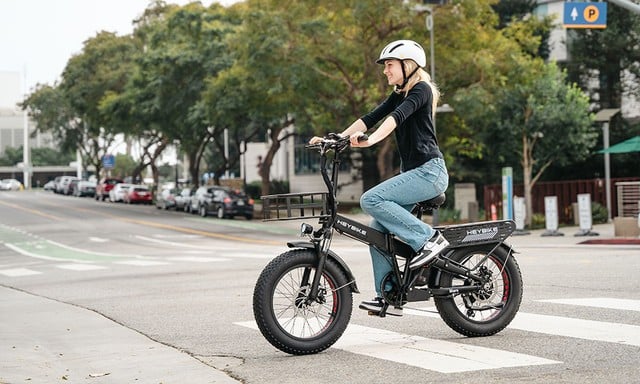
Some of the best movement happens when you’re not really thinking about it. Running errands, meeting a friend, or heading out for lunch, everything counts. One thing that’s gotten more popular lately is using an electric bicycle as part of your regular getting-around routine. It’s a good middle ground when you want to stay active but don’t want to show up somewhere sweaty or tired.

A lot of people bring their e-bikes along when traveling or commuting. Some fold down to fit in a trunk, and most are lightweight enough to manage in city spaces. You still get to pedal, but the motor gives you a boost when you need it, like on hills or long roads.

Match Music to Movement

Music changes everything. Whether you’re going on a quick walk or doing stuff around the house, the right playlist makes it way more fun. Apps like Spotify, Apple Music, and even YouTube now offer built-in workout mixes or walking tracks that adjust the vibe depending on what you’re doing. Some even let you pick playlists based on tempo or steps per minute.

You don’t need to overthink it. Just hit play on something that makes you want to move. Maybe it’s a podcast during a bike ride, or a throwback playlist while folding laundry. Music fills in the silence and helps you stick with movement just a little longer.

Support Better Posture

If you sit a lot during the day, your body starts to notice it. Shoulders roll forward, neck gets tight, and your back might feel off. There are a bunch of posture apps now that give you quick nudges to sit straighter, stand up for a few minutes, or just adjust how you’re holding your phone. Some work with your phone camera, others just send reminders every hour or so.

It’s a low-effort way to be a little more aware of how you’re holding yourself throughout the day. You don’t need to do anything dramatic; just shift now and then.

Choose Tracking-Friendly Gear

These days, a lot of gear has smart features built in. Shoes that count your steps, workout shirts that track your heart rate, and even water bottles that remind you to drink.

For people who like numbers, it’s fun to look back at how your gear picked up movement throughout the day. For everyone else, it’s just another small way to check in without doing anything extra. Wear it, forget about it, and let it collect the basics while you go about your day.

Start Workouts with Voice Commands

Sometimes the hardest part of moving is just starting. When everything else is already on your plate, it’s easy to put it off. If you’ve got a voice assistant like Alexa, Google Assistant, or Siri, you can start small workouts just by saying a few words. “Start five-minute stretch” or “play a beginner yoga video” gets the ball rolling without needing to scroll through menus.

You can even ask it to set a timer for a walk or play music while you stretch. It cuts down on the setup and gives you one less excuse to skip movement.

Join Fitness Challenges

A lot of fitness apps now offer challenges you can join solo or with friends. These aren’t intense competitions but more like daily movement goals or streaks that you try to keep going. You can track steps, time spent active, or even fun stuff like “move for 20 minutes while listening to music.”

If you’ve got a few friends who are into this kind of thing, it’s fun to check in with each other and share progress.

Set Movement Reminders

If you’re someone who gets locked into long work sessions or errands, having a quick nudge to move can be helpful. You can set up phone reminders or use a smartwatch to give you a heads-up every hour or so.

The reminder is really just about breaking up long blocks of sitting. Over time, your body kind of gets used to the rhythm.

Use Smart Scale Feedback

Smart scales give a bit more information than just weight. They can show trends like muscle mass or hydration levels, and some link to your phone so you can keep a quiet log of how things shift over time. You don’t have to check it every day; once in a while is fine.

What’s nice is that it takes the pressure off doing everything manually. The app handles it, and you just take a quick look now and then.

Follow Calmer Metrics

Some apps focus less on calories or weight and more on time spent active, steps taken, or general movement. These calmer metrics don’t come with judgment. They just show you how much you’ve been up and about, which makes them a good fit for everyday use.

For people who don’t want numbers tied to pressure or comparison, this approach works well. You still get the benefit of tracking, but it feels lighter and more relaxed.

Staying active doesn’t have to look a certain way. With the right tech, it becomes something you do without thinking too much about it. The tools are already there. You just have to let them work in the background while you live your life.

FAQs: Running for Weight Loss

If you’re taking up running to lose weight – just like I did a few years ago – then I’m pretty sure you got plenty of questions.

Worry no more.

In this post, I’m gonna do my best to address some of the most weight loss running questions in simple and easy-to-understand way.

Sounds like a good idea?

Let’s get to it.

How long should I run to lose weight?

You don’t need to crank out marathon sessions to see results. W

hen I first started shedding weight, I stuck to 20–30 minutes per run, about three times a week.

That’s it. Nothing fancy—just showing up and putting in work.

And guess what? It worked.

As your body adapts, you can stretch those runs to 40 minutes or even an hour if you’re feeling strong.

But there’s no need to rush it. According to health experts, around 150 minutes of moderate cardio a week is great for general health.

If weight loss is the goal, bump that to 250–300 minutes per week.

That might sound like a lot, but it breaks down pretty clean: five days a week, 30-minute runs—and boom, you’re in the sweet spot. Want faster results? Add a sixth day or toss in a longer session on the weekend.

Here’s what I always tell clients: you don’t need a magic number of minutes.

What you need is a calorie deficit—and running helps you build one consistently. A 30-minute run at a good clip burns around 300 calories. Stack that with decent eating, and you’re well on your way.

Short on time? No problem. Even a 15-minute interval run can do serious work if you push the effort. Don’t overthink it—just move.

Q: How much should I run per week to lose weight?

Let’s cut to it: a solid weekly target for weight loss is around 15–20 miles, spread across multiple runs.

That range has worked for a ton of runners I’ve coached—and it’s what helped me drop fat while building endurance.

Now if you’re just getting started, don’t panic. You might only hit 5–8 miles a week at first—and that’s totally okay.

Everyone starts somewhere.

What matters is adding to that number bit by bit. Mileage should grow with your confidence, not crush your joints.

And here’s a coaching truth: quality > quantity. Ten focused miles with clean nutrition will always beat twenty sloppy miles that leave you broken.

Walking, biking, strength training—they all count too. Get in that 150–250 minute weekly activity range, however you can. If you’re running a little and walking a lot, that still burns fat.

Q: Can I lose weight just by running—no diet changes?

You can… but it’s like running uphill with a weight vest. You’ll get somewhere, but it’s way harder than it needs to be.

When I first started clocking miles, I saw a few pounds come off without changing what I ate.

But it didn’t last. My hunger went up, my body got more efficient, and eventually, I hit a plateau.

Running can torch calories—sure—but if you’re refueling with double cheeseburgers and soda every time, you’re fighting yourself.

Let’s keep it real: running 30 minutes might burn 300 calories. One oversized muffin? Same calories, wiped out in three bites.

If you ignore diet, it’s way too easy to undo your hard work.

But pair running with smart food choices? That’s where the magic happens. You’re creating a deficit from both ends—burning more and eating less. That’s when the fat starts to drop consistently.

Q: I run really slow. Can I still lose weight?

Hell yes.

Your pace does not define your progress. A mile is a mile—whether it takes you 7 minutes or 17. You still burn about 100 calories per mile, give or take.

When I first got serious about running, I was slogging 11–12 minute miles, sometimes slower. And I still lost weight. The trick? I stayed consistent and didn’t let pace mess with my head.

Running slower can even be a secret weapon. You might be able to go longer and rack up more total calories burned. One step at a time adds up.

And I love this quote from Reddit: “5K in 25 minutes is a solid ‘I jog often’ pace. But if you’re running 5K in 40 minutes as a beginner, that’s fine too—you’re lapping everyone on the couch.”

Truth bomb, right there.

If you want to burn more while staying at a slow pace, just stretch the run a bit—maybe do 25–30 minutes instead of 15–20. Or add another run to your week.

Either way, you’re winning.

Q: Is running or walking better for weight loss?

Running burns more calories in less time—no question. But that doesn’t mean walking isn’t a powerful tool.

A 30-minute run usually burns more than a 30-minute walk. But walking’s easier on the joints, less intimidating, and still works if you do enough of it.

I’ve had clients drop pounds just by hitting 10,000 steps a day and cleaning up their diet. No running involved.

Here’s my honest take: running works faster if your body can handle it.

But walking works too—especially if you walk more often or for longer durations. Combine the two and you’ve got the perfect setup.

Personally, I use walking on my rest days. It keeps me active, burns extra calories, and helps my body recover.

Don’t feel like you have to choose one or the other. Mix and match based on how you feel.

Q: What should I eat before and after a run to support weight loss?

Let’s keep this simple: fuel just enough to power your run, but don’t overdo it.

If you haven’t eaten in a while, a small pre-run snack—maybe 100 to 200 calories—can make a huge difference. My go-to’s? A banana, a rice cake with peanut butter, or half a granola bar.

If you run early in the morning, you might not need anything. Some folks do fine fasted for short runs. Others don’t. Try it both ways and listen to your body.

After the run, you’ll want something with protein and a little carb to help recover—but don’t use it as an excuse to eat junk “because you earned it.”

I usually plan my runs right before a normal meal. That way, I’m not adding extra snacks—I’m just shifting meal timing so I eat when my body needs fuel.

Think: Greek yogurt with fruit, a veggie omelet, a chicken wrap. Nothing fancy. Just real food, smart timing.

And water—don’t skip that. If I’ve been sweating like crazy, I’ll add a pinch of salt or a squeeze of lemon to help replenish.

Try this: Next time you run, plan your meal afterward instead of before. It’s a simple shift that keeps calories in check.

Pushing the Pace: How to Walk a Mile Faster (If You Want To)

Let me kick things off by stating something super important: it’s totally fine to move at your own pace—and I mean it.

If walking helps you stay sane, feel good, and stay active, that’s a win.

You don’t need to chase numbers if you’re already getting what you want out of your walks.

But if you’re the kind of person who hears “20-minute mile” and starts thinking, “What if I could hit 15… or even 13?”—then keep reading.

I’ve got you.

Maybe you’re training for a charity event. Maybe you want to keep up with your dog.

Or maybe you’re just curious how far you can go with a little extra push.

Whatever the reason, picking a pace goal gives you something solid to chase—and chasing goals is how progress happens.

Let me tell more on how to shave time off your mile without burning out or wrecking your knees.

1. Start With a Baseline

First things first—know where you’re at.

If you haven’t already, time your current mile.

Don’t guess. Use a phone app (Strava, MapMyWalk, even Google Fit or Apple Health will do the trick) or go old-school with a stopwatch. This number is your starting line.

Now set a goal. If you’re walking a 19-minute mile right now, don’t try to jump to 12 next week.

That’s how injuries happen.

Aim for something like: “15-minute mile by the end of the season,” or “drop 2 minutes by my next birthday.”

Having a clear goal makes your training real—not just wishful thinking.

Keep logging your walks. Whether it’s pen and paper or an app, write it down.

Seeing your pace drop from 19:30 to 18:45 to 17:10 over a few weeks?

That’s fuel for the fire.

And please, test under the same conditions. If your baseline was on a flat sidewalk, don’t compare it to a mile on a hilly trail or treadmill at 5% incline.

I’ve had clients panic about slower splits only to realize they’d switched to walking uphill or on softer terrain.

2. Fix Your Form to Walk Faster (Without Feeling Wrecked)

Walking might seem basic, but there’s technique to it—especially if you’re trying to get quicker without overworking your body.

  • Posture: Chest up, shoulders relaxed, chin off your chest. Imagine a string pulling your head toward the sky. When your spine is stacked right, you breathe better, move smoother, and feel stronger. Slouching slows you down—I’ve seen it in real time during gait reviews.
  • Arm Swing: Bend your elbows around 90 degrees and swing your arms forward and back—not across your body like you’re doing the cha-cha. Pump them like you mean it. The faster your arms go, the faster your legs follow. Don’t flail—tight, strong movements. Bonus: your arms get a mini workout too.
  • Stride & Cadence: Most people think longer steps = faster pace. Nope. Overstriding can actually slow you down and jack up your joints. What works better? More steps per minute—aka cadence. Shorter, quicker steps are your friend. Aim for around 120–135 steps per minute to start. Push off strong with your toes and roll through the whole foot like you’re gliding. Think wheels, not anchors.
  • Core Engagement: You might not think of abs during a walk, but a stable core keeps you aligned and smooth. Gently brace like someone’s about to poke your stomach—not sucking in, just solid. When I started focusing on my core during power walks, my pace got better and I felt less beat-up after.
  • Hips & Glutes: Ever seen Olympic walkers do that funky hip motion? That’s not for show—they’re generating speed from their hips. You don’t need to wiggle like them, but do push off through your glutes. Think about driving your leg behind you, not reaching out front.
  • Shoes: Ditch the flip-flops, dress shoes, or anything that feels like a brick. You don’t need a fancy “walking-specific” shoe—any comfy, cushioned running shoe will do. In Bali, I’ll sometimes wear sandals for easy strolls, but when I’m walking with purpose, it’s running shoes all the way.

3. Train with Intervals 

If you really want to bump up your pace, it’s time to mix in some intervals.

That means flipping between fast and easy efforts during the same walk.

It’s not just a boredom-buster—it trains your body to handle more speed, builds endurance, and pushes your limits safely.

Here’s how to make intervals work:

  • Speed Intervals: Warm up for 5–10 minutes. Then do 1–2 minutes of fast walking—almost a power jog—followed by 2–3 minutes of easy walking. Repeat that cycle a few times. Over time, increase the number or length of your fast segments. You can also use landmarks: “Walk fast to the lamppost, then recover to the corner.”
  • Incline Intervals: Got hills nearby? Use them. Or crank up the incline on a treadmill. Walk up with short, punchy steps, arms pumping. Then recover on the way down or at flat. Hills build strength and get your heart pounding fast.
  • Stair or Terrain Work: Throw in stairs, grass, trails, sand—whatever forces your body to work differently. Even short stair bursts can fire up your lungs. I sometimes walk temple stairs during my route in Bali—it’s humbling, but it works.

Intervals are like controlled chaos. You push just outside your comfort zone for a bit, then reel it back in. That’s how you stretch your limits.

Just don’t overdo it—2 to 3 interval sessions a week are plenty. Always warm up first, cool down after, and listen to your body.

4. Build Your Engine: Go Long to Get Fast

I get it—when you’re chasing a faster mile, the last thing that sounds helpful is walking longer.

But here’s the thing: if you build endurance, that one-mile effort starts to feel like a warm-up instead of a workout.

And that’s where the real speed gains come in.

Think of it like this—runners trying to PR in a 5K often train with longer runs, like 8–10Ks. Why?

Because making the race distance feel short lets them hold a faster pace without falling apart.

Same principle here. If your current max is one mile, try extending just one walk per week. No need to go fast—just stretch it out.

  • Start with two miles.
  • Then build to three.
  • Maybe four if you’re feeling spicy.

You’ll be training your legs, lungs, and brain to stay steady for longer.

5. Learn to Feel the Effort

Let’s talk intensity. If you want to get faster, you’ll need to push the pace sometimes. But not every day—and not blindly.

The easiest way to check your effort is the talk test. At a chill pace, you should be able to chat in full sentences.

Push it a bit, and maybe you’re down to a few words between breaths.

That’s your “getting serious” zone. That’s where the magic starts.

If you’re a data geek (like me sometimes), you can also track heart rate. For most folks, moderate effort hits around 50–70% of max heart rate.

Push into 70–85% and now you’re flirting with the redline—that’s your fast-walk zone.

For someone in their 20s, that’s maybe 120–130 bpm. If you’re older, adjust down a bit.

The goal? Mix it up. Most of your walks should feel sustainable—but sprinkle in harder efforts. Over time, your “easy” pace will speed up naturally. That’s progress.

But don’t be a hero. Trying to jump from couch mode to 12-minute miles in one week is a one-way ticket to sore shins and frustration.

Pace your improvements.

Here’s a Sample 6-Week Build That Works

  • Week 1: Get your baseline mile time. Walk 3–4 days at an easy/moderate pace, 20–30 min each.
  • Week 2: Add one fast interval session (like 5 x 1-min brisk pace) to your week.
  • Week 3: Make one walk longer (1.5–2 miles). Keep one interval session. Rest easy on other days.
  • Week 4: Retest your timed mile. Feel the difference.
  • Week 5–6: Keep two “push” days (interval or tempo) per week. Add distance on the weekends. Stay consistent.

(Note: “Tempo” means a solid pace that feels tough but doable—like walking a whole mile at 16:00 if your best is 17:30. That “comfortably hard” zone.)

If something hurts—not just sore, but hurts—back off. Listen to your body. I’ve seen too many walkers push too hard too soon.

It’s okay to rest. It’s okay to slow down. What matters is that you come back ready to fight another day.

6. Get Stronger, Walk Faster

Want to boost your walking speed without walking more? Train the muscles that power your stride.

Glutes. Quads. Hamstrings. Calves. Core. These are your engines.

And the good news? You don’t need a fancy gym membership to fire them up.

I’m talking bodyweight basics—squats, lunges, calf raises, planks.

When I started adding strength training—especially hip bridges and bodyweight squats—I noticed my pace got smoother, stronger, more automatic.

My glutes finally started pulling their weight (pun intended).

Flexibility matters too. Tight calves? You’ll feel it in every step. Choppy strides and sore feet are usually a sign you need some stretching.

After your walks, try a few simple stretches:

  • Calf stretch (against the wall)
  • Hamstring reach (gently!)
  • Quad stretch (heel to butt)

Foam rolling helps too if you’re tight like me. Or go full zen with a weekly yoga or Pilates session.

7. Keep It Fun—Or You Won’t Keep Going

Let’s be honest—progress gets old fast if it feels like punishment.

So here’s my coaching advice: make this journey enjoyable. Keep it spicy. Make it personal.

Walk new routes. Blast your favorite playlist. Find a podcast that makes you laugh or think. I’ve got a “get moving” mix I throw on when I want to subconsciously walk faster. Works every time.

Even better? Walk with someone just a little faster than you. You’ll rise to their pace without even realizing it. Or use a walking app—some of them turn your route into a virtual race, or a zombie escape game (seriously).

Feeling brave? Sign up for a local 5K walk. Having something on the calendar adds fire. One of my clients swore she could never break 16:00/mile… then walked a community 5K at a 14:30 pace just because the energy was so contagious.

Don’t forget to celebrate the wins. New PR? Treat yourself to something—new socks, your favorite snack, a quiet moment to smile about it.

Hit a goal? Brag to your friends. You earned it.

And here’s the kicker: once you start improving, it’s easy to get obsessed. Faster, faster, faster. That’s great—but also take time to slow down and just walk. No pressure. No goals. Just you, the road, and some fresh air.

So—what’s your next goal? And how will you make it fun?

Featured FAQ: Common Questions About 10,000 Steps a Day

Targeting 10,000 steps by day? Kudos to you.

In my opinion, making it a goal to walk 10K steps per day is the right move for making healthier life choices.

But if you’re chasing this goal, then you must have more than a few lingering questions in your mind.

Worry no more.

In this short post, I’ll do my best to address some of these common questions so you can go on way ASAP.

Sounds like a great idea?

Let’s get to it.

Q: How far is 10,000 steps in miles and kilometers?

Let’s break it down.

For most folks, 10,000 steps adds up to roughly 5 miles (around 8 kilometers).

If you’ve got long legs, you’ll probably go a little farther.

Shorter stride? You might hit more like 4 to 4.5 miles.

But as a general rule of thumb, 5 miles is the sweet spot for the average person.

Personally, when I was getting back into shape after an injury, I tracked every step just to rebuild consistency.

On days I wasn’t running, hitting 10k steps still made me feel like I was moving forward—literally and mentally.

Q: How long does it take to walk 10,000 steps?

Most people will need about 1.5 to 2 hours to clock in 10k steps.

If you’re moving at a moderate pace—say, 3 miles per hour—you’re looking at ~100 minutes.

Faster walkers can wrap it up in 80 minutes, and slower ones might take closer to 2 hours.

But here’s the deal: you don’t have to do it all at once. I’ve broken mine into three walks—20 minutes in the morning, 20 after lunch, and the rest in the evening. It still counts. Movement adds up.

Q: Do I really need 10,000 steps a day?

Nope. Not everyone needs to obsess over that number.

The 10k benchmark is popular because it encourages people to move more—but you’ll still see solid benefits at 7,000 to 8,000 steps, especially if you’re just starting out.

One study found that people walking just 7,000 steps per day had lower mortality rates compared to those walking less. That’s a win.

So don’t beat yourself up if you’re not there yet. Build gradually.

Q: Is “two hours outdoors” the new 10,000 steps?

You’ve probably heard this line floating around. It’s catchy—but it’s talking about mental health, not replacing physical activity.

Some studies, like the one featured in Scientific Reports, found that spending around 120 minutes a week in nature (that’s two hours total per week, not per day) improves mood, reduces stress, and may even give your immune system a little boost.

So here’s the mindset I go by: Get your steps in. But if you can get them outdoors in a green space—even better.

I’ve had some of my best thinking moments during solo park walks. It’s like therapy with sweat.

Even 20 minutes of outdoor walking can lift your mood. Don’t overthink it. Just get out there.

Q: How many calories do you burn walking 10,000 steps?

Let’s talk burn. On average, walking 10,000 steps torches between 300 and 500 calories.

If you weigh less, expect to burn on the lower end. Heavier? You’ll burn more.

For example:

  • A 125-lb person might burn about 300 calories.
  • A 185-lb person might hit closer to 500.

Walking uphill, carrying a backpack, or moving faster? Even more burn.

Back when I was cutting weight for my first serious half marathon, I used walking as my secret weapon. No joint stress, no recovery hangover—just consistent fat burn. It’s not flashy, but it works.

Q: Is walking 10,000 steps better than doing a workout?

It’s not about better—it’s about different tools for different jobs.

Walking is your daily baseline—it gets your body moving, burns calories, and improves cardiovascular health without wrecking your knees. It’s what I call “movement insurance.”

Workouts like lifting, interval running, or HIIT? They’ll push your fitness further, build strength, and burn calories faster—but you can’t (and shouldn’t) do them every day.

The sweet spot? Walk daily, and work out a few times a week. That combo will build a strong, durable body.

I’ve coached folks who dropped serious weight just walking. Then we layered on strength work and they got lean, powerful, and injury-free.

Q: How can I stay motivated to walk every day?

You don’t need a fancy smartwatch to get this right—but tracking helps.

When I was rebuilding after an injury, I made it a goal to never let a day go by without at least 8,000 steps.

Even on rest days.

Here’s what helped me—and what I tell clients:

  • Track your steps. Seeing the numbers build is addicting in a good way.
  • Change your scenery. New route = new mood.
  • Walk with someone. Or a podcast. Or your thoughts.
  • Join a step challenge. Accountability works.
  • Remember your “why.” Whether it’s staying healthy, dropping weight, or keeping your mind in check.

And on lazy days, try this: just put on your shoes and tell yourself you’ll walk for 5 minutes. No pressure. Just five.

More times than not, you’ll go longer.

How Many Steps per Day Should You Aim For?

I get this question all the time:

“David, do I really have to hit 10,000 steps a day? What if I’ve only got time for 6,000?”

Great question—and the real answer? It depends.

See, everyone’s life setup is different.

If you’re a delivery guy walking routes all day, 10k is nothing.

But if you’re glued to a desk and commute by car, even 4,000 might feel like a stretch. That’s okay.

The good news? There’s solid research to help you find a step goal that works for you—and it doesn’t have to be all or nothing.

Step 1: Know Your Starting Line

Before you set some magic number, figure out your baseline.

Track your steps for a week using your phone, a cheap pedometer, or one of those wrist gadgets.

Let’s say you average 4,000 a day—that’s your starting point.

Now, don’t try to jump straight to 10k from there.

That’s like trying to deadlift double your bodyweight without ever touching a barbell. Instead, bump it by 1,000 to 2,000 steps a day. Hit that new number consistently for a week or two, then bump again.

That kind of gradual climb? It sticks. And it builds confidence.

What the Science Says

A big study published in the International Journal of Behavioral Nutrition and Physical Activity shows daily step needs range from 4,000 to 18,000 depending on the person. That’s a massive spread.

So where does the popular 10k target come from?

Right in the middle.

It’s a solid, round goal that’s achievable for many healthy adults.

Not too easy.

Not unrealistic.

Just enough to get your heart rate up, your joints moving, and your mood boosted. That’s why I like it.

But if you’re older, injured, or just getting started, guess what? 6,000–8,000 is still awesome.

Minutes vs. Steps

If you’re wondering how steps stack up to “official” exercise guidelines—like the CDC’s recommendation of 150 minutes of moderate activity per week—it actually shakes out to about 3,000 steps a day minimum. Surprised?

That’s because regular life (grocery shopping, stairs, chasing your dog) already racks up steps. So if 10k sounds scary, don’t panic. You don’t need to hit it every day to be healthy.

But if you’re able and want more from your fitness—more stamina, better sleep, mental clarity, that “I’m getting stronger” feeling—shoot for 8k to 10k as your sweet spot. That’s where most people start to feel big changes.

Think About Your Life

Here’s the deal: your walking goal should fit your life, not stress you out.

If you’ve got three kids and a full-time job, maybe 6,000 a day plus a weekend hike makes more sense.

Or maybe you aim for 10k on non-gym days. That’s the beauty of step goals—they’re flexible.

Your job, schedule, mood, and even the weather affect your steps. That’s normal. Don’t treat your fitness tracker like a judge.

It’s just a tool.

So… What’s a Good Goal?

Here’s what I recommend to clients—and what I follow myself:

  1. Find your average.
  2. Add 1,000–2,000 steps.
  3. Hold that line for a couple of weeks.
  4. Bump it up again.

Repeat that process. You’ll be amazed at how doable 10,000 becomes when you build to it gradually.

What used to feel impossible becomes your new normal. That’s a powerful shift.

And always—always—listen to your body. If your feet hurt or you’re dead tired, it’s okay to dial back. Long-term progress beats daily perfection.

Let’s take a look at where do you stack up when it comes daily steps:

  • Less Active: Under 5,000/day. You’re not alone here. I used to hover around this zone when I was overtraining and working from my laptop nonstop. It’s a starting line—not a life sentence.
  • Somewhat Active: 5,000–7,500/day. This means you’re getting some decent movement—maybe walking the dog or doing household chores—but still not enough to call it “active.” You’re in the “building phase.”
  • Active: 8,000–10,000/day. Now we’re talking. This is where movement becomes part of your day. Maybe you walk to work, or squeeze in a few 15-minute walks. I like this zone for most runners on easy/recovery days.
  • Highly Active: 10,000+/day. You’re probably training regularly or have a very mobile job. Nurses, delivery folks, runners—we live here. Just remember, more isn’t always better. Mix in strength and rest, too.

Final Word

Don’t let some number on your watch boss you around. Step goals are there to help you, not haunt you.

Use them to track progress, spot trends, and celebrate milestones—but don’t obsess. Pay more attention to how you feel.

Are you sleeping better? Less winded walking uphill? Less stiff after sitting?

That’s the good stuff.

Your Turn

So… what’s your daily step count look like lately? Where do you want it to be in a month?

Let me know. Let’s walk this one out—together.