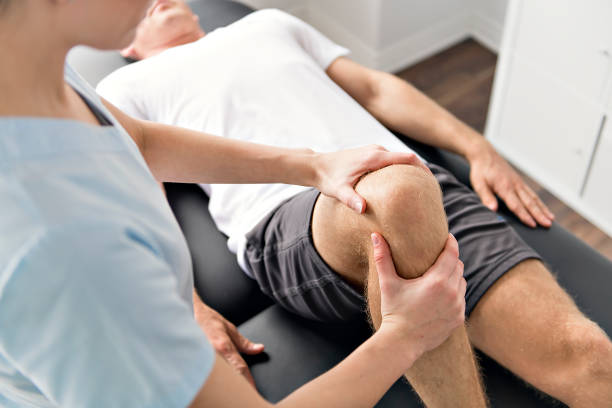
6 Straightforward Steps to Begin Your Personal Trainer Career

If people constantly ask you to help them get fit, you may want to consider becoming a personal trainer. While personal trainers aren’t new, the online space is booming with opportunities. It’s time to take your knowledge, talent, and expertise and help others achieve their goals.

There are tons of advantages to becoming a personal trainer, including that you work when you want. Imagine being able to set your own hours so you can have flexibility in your day. Sounds good, right? Now, the term personal trainer is broad. Finding your niche is the key to being successful. There are personal trainers who only work with bodybuilders, weight-loss groups, professional athletes, and the list goes on.

Once you figure out where your skills are best suited, you’ll be ready to move to the next step. Once you’re ready to commit, there are a few things you need to do to get started.

Steps to Becoming a Personal Trainer

  1. Get certified

It’s important to get certified because that demonstrates you have taken the time to not only invest in yourself and become recognized for your skills, but you care about training your clients the right way.

If you’re going to work in a gym, they usually require some type of certification for their trainers. Trainers must have a diploma or GED before they can get fully certified. Depending on the type of certification you seek, you may have to go through a specialized program. These programs are nationally known for personal training. In most cases, you should have first aid/CPR/AED training.

  • American Council on Exercise
    This class is about six months and has an exam voucher. You’ll have six months to take the exam. There are three programs to choose from to get you prepared.
  • International Sports Science Association (ISSA)
    There are three different accredited programs to choose from. Each one is 12 months.
  • National Academy of Sports Medicine
    You can pay for the exam or choose to purchase a study materials bundle. You must recertify every two years.
  • National Strength and Conditioning Association
    They have a membership that you can join. Once you register for the exam, you must take it within 120 days. The fees for the exam vary based on whether you are a member or not.
  1. Develop training strategies
    Once you become certified, developing training strategies that become your signature is key. Your proprietary methods that get results help you stand out in the marketplace. Working with a sports doctor can enhance your offerings, and listening to your existing clients can also assist. Doing this will help in offering your classes in-person and online. Developing an online portion of your class will help you with exposure in the marketplace.

If you’ve decided to offer an online portion of your program, you want to make sure your clients can reach you with questions. Developing an app is a good solution where they can look at the exercises, see how to do them the right way, ask questions in the app, and get the information they need in one place. A website is also a good idea that has a members-only section. This way, your clients will get consistent updates and will be able to contact you at a moment’s notice.

It’s important to figure out the delivery of your classes. Will they be live and available online at certain times? Will they be pre-recorded? Are you going to add meal plans to this? All of these are considerations for online and live classes. Finally, you must think about their progress. How will it be monitored? Do they need to wear a heart rate monitor? How will they weigh in?

  1. Register your business
    Once you are ready to put yourself out there as a professionally certified personal trainer, it’s time to make it legitimate. While you don’t need a business license to work as a personal trainer, it makes you look more professional and gives you credibility. You want your clients, gyms where you train, and any vendors you work with to trust your brand.

You may expand your offerings and have a desire to open your own gym. As an established business, you can quickly move on this and people will already know and trust your name.

  1. Get business insurance
    People get injured all the time when exercising. As a personal trainer, you want to protect yourself and your clients from any risk. It’s easy to think that everything will be okay, but there’s always that one client that may want to go a step further and file a lawsuit against you. Business insurance can help.

Personal trainer business insurance can protect you against allegations of negligence, copyright infringement, and more. If you opt for general liability insurance, this will cover any bodily injury, property damage, and more. Speaking with a business insurance agent will point you in the right direction to make sure you are fully covered every step of the way.

Make sure you review the quotes on the policy and get different ones to compare pricing and coverage. You should also take the time to speak to other personal trainers to find out what types of insurance they currently use. Depending on your niche, you may have more risk than others. It’s always important to consider this when moving forward.

  1. Keep learning
    One of the best things you can do for yourself is to stay up to date on the latest techniques and strategies on the market. Trends change and advances in the industry or from sports doctors should always be welcomed into your systems and processes. When you take the time to invest in yourself and make a concerted effort to make sure your clients are always getting the best, it will show in everything you do, including their results.If you’re using tech in any way, you should stay up on the latest tips and techniques. If there are videos on your website, they should be updated and refreshed. The graphics you use for social media should follow a pattern. How will you record and edit your videos? What software will you use, or will you have someone working with you?

Your learning doesn’t stop there. It’s a good idea to learn how to effectively use social media and watch your analytics to see when people engage most. Once you have really become established, considering merchandise and how to use a platform to sell that merchandise comes into the mix.

The best way to enhance your learning is to do it. No one can do what you do like you do it, so make sure you know and understand every element of your business.

  1. Creating marketing visual assets
    This directly ties into the learning portion of building a career as a personal trainer. Although you may have a website and use social media, you need other types of branding to stand out from the competition. You should have a logo that’s distinctive and memorable to use on all your business touchpoints.

Your business cards and other items should also be standardized to match your logo for consistency. When developing your logo, you should consider some existing personal trainer logo ideas to imagine what you could develop.

Your graphics should also be crisp, clear, and authentic. Your clients should be able to relate to every part of your brand.

Marketing visual assets are crucial in the development of a lasting brand. Make sure you create assets that capture and engage your current and prospective audiences every time they interact with your brand.


Fighting Athlete’s Foot With Essential Oil Aromatherapy: 5 Recipes for Success

With summertime comes “warmer” weather, and with that, an increase in cases of Athlete’s Foot. This fungal infection is not only itchy and unsightly, but can also be quite contagious.

Thankfully, there are a number of fungicidal essential oils that can help to clear up the infection quickly. In this article, we’ll explore five different recipes for using aromatherapy to treat Athlete’s Foot.

So read on to learn more!

What is Athlete’s Foot?

Athlete’s Foot, or tinea pedis, is a fungal infection of the skin on the feet. It is caused by a type of fungus known as a dermatophyte, and often manifests as an itchy rash between the toes. Other common symptoms of Athlete’s Foot include dry, scaly skin on the soles of the feet, and blisters.

The fungus that causes Athlete’s Foot thrives in warm, damp environments, such as locker rooms and showers. Wearing shoes that are not breathable can also contribute to the growth of fungus.

How can aromas fight a fungus?

Aromatherapy is the use of essential oils to treat a variety of health problems. Essential oils are concentrated plant extracts that contain the ‘essence’ of the plant’s fragrance. They are generally extracted through a process of steam distillation or cold pressing.

Each essential oil has its own unique smell, and also contains different medicinal properties. The oil’s smell and its medicinal properties are a result of a combination of aromatic compounds known as terpenes.

There are over 20,000 terpenes in the natural world, and they interact with each other to create the plant’s unique smell. Each essential oil contains a different combination of terpenes, which is what gives it its particular medicinal properties.

For example, the terpene limonene is found in many citrus oils and is known for its antifungal properties. The smell of any one essential oil, therefore, has a direct connection to the (potentially) therapeutic compounds in that oil.

running shoes

Treat Athlete’s Foot with these five oils

Now that we know a little bit more about Athlete’s Foot and how essential oils can be used to treat it, let’s take a look at five fungicidal essential oils that can help to clear up the infection quickly.

  1. Tea tree oil: Tea tree oil is extracted from the leaves of the Melaleuca alternifolia tree, which is native to Australia. It has a fresh, camphoraceous smell and contains the fungicidal properties of terpinen-4-ol and 1,8-cineole. Tea tree oil is one of the most commonly suggested fungicidal oils, and for good reason.
  • To treat Athlete’s Foot with tea tree oil, add 10 drops of oil to 2 cups of warm water in a foot basin. Soak your feet in the mixture for 20 minutes, then dry thoroughly. You can also make a tincture by adding 10 drops of tea tree oil to 1 ounce of carrier oil such as olive oil or almond oil. Mix thoroughly and apply the tincture to the affected areas 2-3 times per day.
  1. Oregano oil: Oregano oil is extracted from the leaves of the Origanum vulgare plant, which is native to Europe. It has a warm, spicy smell and contains the fungicidal compounds carvacrol and thymol. Oregano oil is a potent oil, so it should be used sparingly.
  • To treat Athlete’s Foot with oregano oil, add 2-3 drops of oil to 1 teaspoon of carrier oil such as olive oil or almond oil. Mix thoroughly and apply the mixture to the affected areas 2-3 times per day. You can also add 2-3 drops of oregano oil to a foot basin filled with warm water. Soak your feet in the mixture for 20 minutes, then dry thoroughly.
  1. Cinnamon oil: Cinnamon oil is extracted from the bark of the Cinnamomum verum tree, which is native to Sri Lanka. It has a warm, spicy smell and contains the fungicidal compound cinnamaldehyde. Cinnamon oil is another potent oil that should be used sparingly.
  • Use cinnamon oil in similar proportions and methods as oregano oil.
  1. Lemon oil: Lemon oil is extracted from the peel of the Citrus limon fruit, which is native to Italy. It has a fresh, citrusy smell and contains the fungicidal compound limonene. Lemon oil is also an antibacterial and immunostimulant.
  • To treat Athlete’s Foot with lemon oil, add 10 drops of oil to 2 cups of warm water in a foot basin. Soak your feet in the mixture for 20-30 minutes, then dry thoroughly.
  1. Thyme oil: Thyme oil is extracted from the leaves of the Thymus vulgaris plant, which is native to Europe. It has a fresh, herbaceous smell and contains the fungicidal compounds thymol and carvacrol.
  • Use thyme oil in similar proportions as oregano oil.

Other healthy foot practices

Athlete’s Foot can be treated with fungicidal essential oils, but these oils can also be combined with other natural products to create an even more potent treatment.

Each has its own unique set of benefits that work synergistically to help clear up the infection quickly. Let’s take a quick look at each one.

Salt: Salt has antiseptic and anti-inflammatory properties that can help to soothe the itchiness and redness associated with Athlete’s Foot.

Vinegar: Vinegar is acidic and can help to kill the fungus that causes Athlete’s Foot. It also has astringent properties that can help to dry out the rash.

Terpenes: Even more elemental than an essential oil, terpenes are the building blocks of many plants’ medicinal properties. Legal terpenes can easily be found online and in stores.

Mustard seed: The mustard seed is a natural fungicide that can help to kill the fungus causing Athlete’s Foot.

Garlic: Garlic has both antifungal and antibacterial properties. It can also help to boost the immune system, which is important in fighting off infections.

Additional resource  – Here’s your guide to pain on top of the foot while running.

Soaking safely

There you have it! Five fungicidal essential oils that can help to treat Athlete’s Foot quickly and effectively. When using essential oils, always be sure to use a carrier oil to dilute the oil before applying it to your skin.

Improperly used, essential oils can easily cause skin irritation that can make your healing process take even longer. And never ingest essential oils without first consulting with a medical professional.

Featured Image Source

Marathon Pace Chart – How To Determine Marathon Race Pace

Marathon Pace Chart

Curious about how to find the right marathon pace? Then using a marathon pace chart is one step in the right direction.

Here’s the truth.

Running a marathon is an incredible feat, regardless of how prepared you may be. The distance of 26.2 miles is so long that estimating your finish times is often trickier than expected.

What’s more?

Keeping a consistent marathon pace is harder than anything you might experience during training.

Fortunately, by using a pace chart, just like the one provided below, you’ll be able to break down each mile—and kilometer-spilt during the race—this can be incredibly helpful for beginner and veteran runners alike.

So how do you navigate all of this when planning for a marathon? How do you choose a time goal? What pace should I try to keep? And so much more.

Keep on reading to check out the pace chart.

What Should My Marathon Target Time Be?

This is an important question for newbie and advanced runners alike and tricky to answer.

Figuring out your ideal marathon pace depends on a host of factors. The two most important ones are your current running ability—as in what pace you sustain and for how long—and your goal marathon time.

Additional resource – How to nail your sub 4 hour marathon pace. And here’s the full guide to how long is a marathon.

Want more challenge? Check this 50K training plan.

Estimating your Marathon Finish Time

There are many ways to estimate your finish marathon time. One way is to take your recent half marathon times, doubling it then adding eight to ten minutes.

But all in all, I’d recommend being conservative with your goal. If this is your first marathon, your main goal should be to make it to the finish line instead of worrying about a specific target time.

During the first 13 miles, stick to a pace you’re comfortable with, then speed it up the second half of the race and see what time you can do. Just remember to stay patient and to keep everything under control.

Have been running for a while, but is this your first event? Choose a marathon pace based on your current running pace.

Additional Resource – Your Guide to fun runs

The Most Common Marathon Mistake

A common mistake made by beginner marathoners is starting out too fast. The truth is, logging the first few miles at a faster pace than you’re capable of keeping throughout the race can do more harm than good.

The best way to avoid this mistake is to understand, train, then follow your marathon pace strategy per mile—or kilometer—without letting anything else interfere with your plan.

Additional Resource – Guide to running pace charts

What Your Marathon Pace Depends ON?

Many variables play a role when it comes to the marathon goal pace.

The main ones include your;

  • Your running experience
  • Your running history
  • Your weekly mileage
  • Your genetics
  • Your age
  • Bodyweight
  • Nutrition plan
  • The course rouse
  • Race conditions, especially the weather temperature

Additional resource – Guide to pacing strategies for different races

How to Find What Your Marathon Pace Should Be

There are many ways to help you determine your next marathon pace.

What Should your Pace Be For A Marathon?

The most common formula runners use to estimate their marathon time is to take a recent half-marathon time, double, and then add around 15 to 20 minutes.

You can also base it on your best performance in the mile. Or what’s known as the Magic Mile in the running world.  You can also take your recent race (5K, 10K, or half marathon), then compare it to the following chart to find what your estimated marathon time might be.

CHART HERE

Already run a marathon? Aim to take off roughly five to ten percent from your finishing times as your new marathon time target.

Just keep in mind that these methods only predict how fast you could POTENTIALLY run a marathon, so take with a grain of salt. Different elements can drastically impact your marathon time, such as temperature, course, recovery rate—so nothing is for sure.

Additional Resource – Here’s your guide to beginner running pace

The Marathon Pace Chart You Need

The charts offer practical guides as you dive into marathon training and prepare for the big day. They show you the average pace needed to run to achieve your marathon finishing time.

Best Mile Performance to Marathon Finishing Time Goal Prediction Chart:

Additional resources:

Top 4 Running Pace Charts For Runners

Whether you’re gearing up for your debut 5K or have your sights set on shattering your marathon record, we’ve got a game-changer for you: Running Pace Charts!

What’s the Buzz About Pace Charts?

  • Run Smart, Finish Strong: Pacing is the name of the game, and these charts are your treasure map to the perfect race.
  • Goals Galore: Dreaming of specific finish times for your 5K, 10K, half-marathon, or marathon? These charts hold the keys to the kingdom!
  • Miles or Kilometers? No Problem!: No matter your preferred units, we’ve got pace info for miles and kilometers, from lightning-fast 5:00 per mile to a chill 13:00 per mile.
  • Start Slow, Race Fast: Forget perfection. Embrace the “negative split” – a strategy that often turns good races into legendary ones.

I’m here to guide you through these charts, where mile splits and finish times await, tailored to your running pace. Precision isn’t the goal; it’s all about running smarter, not harder.

So, are you ready to set a new personal best? Let’s hit the ground running.

The Reasons To Use Running Pace Charts

Using running pace charts can be a game-changer for runners looking to achieve specific goals or track their progress. Here’s why incorporating pace charts into your training can be so valuable:

Calculate Pace Easily:

Pace charts simplify the process of calculating your pace per mile or kilometer. Whether you’re analyzing a recent training run or race, you can quickly determine your pace using these charts.

Goal Setting and Planning:

Pace charts are a vital tool for goal setting. They allow you to set specific pace targets for your races. For example, if you’re aiming to run a half marathon under 90 minutes, the chart tells you that you need to maintain a pace of 6 minutes and 50 seconds per mile or faster throughout the 13.1 miles. This is key for planning your race pace strategy.

Training Alignment:

Once you decide on your target pace, you can structure your training plan accordingly. Knowing the pace you need to maintain for a specific race distance craft the exact running routine that helps you achieve your racing goals.

Progress Tracking:

Regularly using pace charts enables you to track your progress over time. By comparing your actual race or training paces to your target paces, you can assess your improvement and make adjustments as needed.

Improve Confidence

Knowing that you have a clear plan and understanding of your target pace can boost your confidence on race day. It reduces anxiety and uncertainty, allowing you to focus on your performance.

Customization:

Pace charts accommodate different goals and distances, making them adaptable to various training and racing scenarios. Whether you’re training for a 5K, half-marathon, or marathon, you can find the appropriate chart.

Making the Most out of Your Race Pace

Pacing is a critical element of successful running, and pace charts can be your secret weapon for achieving your race goals. In fact, pace charts are more than just tables of numbers; they are dynamic guides to help you achieve your running aspirations. Let’s explore how you can maximize their use:

  1. The Art of Negative Splitting

Instead of aiming for a perfectly even pace throughout your race, consider the strategy of “negative splitting.” This means running the second half of your race faster than the first. It’s a technique that often turns good races into legendary ones.

Why Negative Split? Starting conservatively and gradually increasing your pace can prevent early fatigue and set you up for a strong finish. Use your pace chart to identify target splits for the first half and second half of your race.

  1. Progressive Overload in Training

When using pace charts for your training runs, employ the concept of “progressive overload.” Gradually increase the intensity of your workouts over time. Start with a comfortable pace and progressively push your limits to build speed and endurance.

Instead of sticking to one race distance in your training, mix it up. Use your 5K pace chart for shorter, speed-focused sessions and your half marathon or marathon chart for longer runs. This variation keeps your training fresh and challenging.

  1. Visualization Techniques

Visualization can be a powerful tool in your arsenal. Before a race, study your pace chart and visualize yourself hitting those target splits. This mental rehearsal can boost your confidence and calm pre-race nerves.

During a race, focus on staying relaxed and maintaining your planned pace. Visualize a smooth and efficient stride as you check your progress against your chart.

  1. Customized Pacing Strategies

Pace charts aren’t one-size-fits-all. Customize your pacing strategy based on your strengths and weaknesses. If you’re a strong finisher, consider slightly faster early splits. If you tend to start too fast, be conservative in the beginning.

Experiment with different pacing strategies during training runs. Use your pace chart as a guide, but be open to adjusting your approach based on how your body responds.

Here’s what makes a good running pace.

  1. Race-Day Adaptability

On race day, weather and course conditions can vary. Be prepared to adapt your pacing strategy accordingly. Your pace chart is a tool, not a strict rule.

If you find yourself falling slightly behind your target splits, don’t panic. Focus on maintaining a consistent effort, and remember that unexpected surges or terrain changes can affect your pace.

Without further ado, let’s get to the actual running charts you need for optimal training and racing.

5K Running Pace Chart

The 5K running pace chart is your trusty companion for conquering the 5-kilometer distance efficiently.

(Learn more about how long is a 5K in miles here)

10K Running Pace Chart

The 10K running pace chart is your strategic ally in conquering the 10-kilometer distance efficiently.

Here’s how you can leverage this valuable tool to enhance your training and race-day performance:

Half Marathon Pace Chart

The Half Marathon Pace Chart is an invaluable resource for anyone tackling the 13.1-mile distance.

Marathon Pace Chart

The Marathon Pace Chart is your indispensable companion for conquering the 26.2-mile distance. Here’s how you can harness the full potential of this chart to elevate your training and race-day performance.

Sports and Studying at the University – How to Combine?

woman running in the summer

There’s no better way to improve your physical and mental health than combining sports and education and maintaining the right balance. You need to focus on exercising regularly to keep your intelligence and concentration levels high.

Most college students avoid exercising. They also consume lots of sugary drinks and unhealthy food. Doing this not only harms their body but also their mind. Sports is important in college because it maintains the harmony of the brain, nerves, and the entire body. If you are a professional sportsperson, this article is ideal for you because you’ll learn how to combine sports and study. Here are some of the best tips that you can use to combine sport and studying.

1. Create a schedule

Having a schedule is one of the best things that you can do for yourself in college. You’ll get to maintain a balance between your hobbies and academic activities. A schedule will help you manage your time effectively and stay on top of things. Students who don’t use schedules tend to suffer from stress and anxiety because they forget to attend classes, complete their assignments on time and participate in sports. You can easily avoid this by taking a few minutes to create a schedule.

2. Participate in sports during breaks

College life is not a joke. You’ll always have more than one thing that needs to be completed at any time. If you are too busy to find time to participate in sports, you should consider playing during your break. Instead of going to the canteen to buy sugary drinks and unhealthy food, you should consider participating in your favorite sport. If you have a part-time job, finding time for sports can be challenging. However, reading Just Mercy essay and seeking help online will allow you to work with experts, get good results and save time. You don’t have to struggle when it comes to writing a movie essay because you can easily find an example online.

3. Go to the gym

Visiting the college gym is one of the best ways to improve your physical and mental health especially if you live in a college dorm. A thirty-minute workout session will help you stay fit and improve your communication skills. You’ll have an amazing experience if you exercise with your friends.

If you want to lose weight and build muscle, you’ll need to engage in various intense exercises. The gym instructor will help you achieve your goals. If you cannot access the gym due to time constraints, think of some of the best time management techniques that you should use to squeeze time. Keep in mind that you cannot put off physical exercise for months.

4. Prioritize important activities

Getting organized comes down to identifying important things and doing away with the less important ones. While it’s a practical tip, it’s not easy to do. Why? The most important activities tend to demand a lot of time and energy. Therefore, most students end up focusing on the less-important tasks. You should always prioritize your health and academic studies. Without good health, there’s nothing much you can do in the academic area. You have to balance both worlds to get the best out of both.

5. Rest

After exercising, you need to rest. Did you know that you are working to get good grades and stay healthy when you are resting? Your body and mind have to rest for you to recover your lost energies and perform well. Don’t form the habit of pulling all-nighters. Otherwise, you’ll lose a lot of energy and start suffering from burnout.

6. Avoid training too much

Moderation is key in everything. Running for hours every day is not good for your body. You should consider participating in sports three or four days a week. Having a schedule and sticking to it will help you improve your health and stay on top of everything. Remember, your priority should be studying. If you need to participate in sports every day, consider delegating some academic tasks to a professional team. Even if you love sports, it shouldn’t dominate your routine.

Conclusion

College life is not easy. However, organizing your life is the best way to boost your productivity and performance in school. You need to prioritize both studying and your health. To do this, you have to manage your time effectively. If you can balance sports and study effectively, you’ll be prepared to deal with lots of challenges once you get hired. Remember, you cannot do much without good health. And to enjoy good health, you don’t have to indulge in sports every day. Balance is key in everything.

Author’s Bio:

Alina Boskar is an exceptional writer and proofreader. She is passionate about helping college students improve their mental health. She enjoys writing essays and traveling during her leisure time.

Top 10 Careers in Running for You

woman running

The world of sports is a competitive and ever-changing industry. Many specialists work in various roles to support athletes and people in that field. For anyone interested in a career in sports that are both challenging and healthy, we teamed up with experts from job aggregator Jooble to look at some of the available jobs. From coaching to race organization to becoming an online personal trainer, there are plenty of career opportunities available in this growing industry. Here are ten positions in the field of running that you should consider.

  1. Athletic Trainer

Main duties: Athletic trainers work with athletes to help prevent and treat muscle and bone sports-related injuries and disorders. They conduct workshops for coaches and organize sports medicine educational programs. Many athletic trainers work in academic environments such as schools and colleges. Some are also involved in research to improve treatment methods and injury prevention.

Skills needed:

  • Good communication skills;
  • A knowledge of their specialist sport;
  • A degree from an accredited athletic training education program.
  1. Track & field coach

Main duties: The job of the track and field coach is to train athletes for competition in track events. They also develop training programs, provide athletes feedback, and oversee track meets. Besides that, traveling with their teams to away events is like an added bonus for a coach.

How to become a track and field coach

  • The best way to develop your coaching knowledge is to participate in the sport;
  • Study the sport and gain as much knowledge about it as possible;
  • Show that you can add value;
  • Start as a volunteer coach to gain experience and build your reputation.
  1. Sports physical therapist

Main duties: Sports physical therapists help athletes recover from sports-related injuries that limit their ability to perform at their peak.  They develop personalized treatment plans and provide support to help athletes return to fitness as quickly as possible. Some physical therapists also work closely with teams to develop injury prevention programs, improve workout routines, and avoid sports-related injuries.

Skills needed:

  • Good interpersonal skills;
  • Physical fitness;
  • Good communication style;
  • A master’s degree in physical therapy;
  • A physical therapy certification.
  1. Exercise Physiologist

Main duties: Exercise physiologists provide scientific support to athletes. They work with athletes and teams to help improve their physical performance and conditioning by monitoring how their bodies respond to physical exertion and improving the athlete’s performance by using scientific methods. They also manage chronic sports injuries.

Skills needed:

  • Good communication skills;
  • People skills;
  • Empathy;
  • A bachelor’s degree in physical education;
  • A master’s degree or doctorate in exercise physiology;
  • Certification from the American College of Sports Medicine (ACSM).
  1. Personal trainer

Main duties: Personal trainers design fitness programs to help both professional and amateur athletes reach their fitness goals in general fitness training. They also motivate and encourage their clients to stay on track and achieve their goals. Personal trainers help their clients to exercise correctly by designing customized workout routines. They also devise nutrition programs.

Skills needed:

  1. Sports Psychologist

Main duties: Sports psychologists help professional and amateur athletes improve their performance by teaching them mental techniques, for example, how to remain calm under pressure, how to attain their goals, and how to handle disappointment. They also work with coaches to help them create winning strategies and game plans.

Skills needed:

  • Strong interpersonal skills;
  • Observational skills;
  • Analytical skills;
  • Empathy;
  • Emotional Intelligence;
  • A degree in psychology;
  • You will also need to complete a professional internship and pass a professional certification exam.
  1. Sports Dietitian

Main duties: Sports dietitians develop eating strategies for athletes to promote optimum fitness and health to reach their peak performance. Sports dietitians also provide a dietary plan to help athletes recover after sports injuries and make healthy choices about their food.

Skills needed:

  • Self-motivated and the ability to work independently;
  • Organizational skills;
  • A degree in nutrition;
  • You will also need to complete a professional internship and pass a certification exam.
  1. Sports Agent

Main duties: A sports agent’s primary job is negotiating contracts for athletes and negotiating endorsement deals for their clients with corporate sponsors. They also provide guidance on financial planning and career development and manage marketing and promotion. Sports agents also actively scout and recruit new talent.

Skills needed:

  • Keen negotiating skills;
  • Expert knowledge of their clients’ sports;
  • Networking skills;
  • Sales ability;
  • A degree in business ;
  • The specialist knowledge of the sports industry.
  1. Sports Facility Manager

Main duties: Sports facility managers are responsible for the day-to-day operations, management, and supervision of sports facilities such as stadiums, arenas, or gyms, including the structures and grounds. They oversee the maintenance of the facility and ensure that it is up to code. They also plan sporting events and may also be involved in planning sports facilities, including the leasing of facilities or the refurbishment or construction of a facility.

Skills needed:

  • Management skills;
  • Attention to detail – ensuring the facility is clean, safe, and functional for public use;
  • A good understanding of budgets and financial forecasts.
  • A degree in business;
  • Experience working in the sporting industry.
  1. Sports Marketing Specialist

Main duties: Sports marketing specialists develop marketing and promotional plans for sporting events, teams, and products. They also oversee advertising and public relations campaigns for their clients. Marketing specialists promote sporting events and sports teams as well as products sold in retail stores or at sporting arenas. They also secure sponsorship for sporting events or their teams.

Skills needed:

  • Writing and Communication skills;
  • A degree in marketing or a related field;
  • Experience working in the sports industry.

Conclusion

Whether you’re interested in working with athletes to help them improve their performance or you’re more interested in the business side of things, as can be seen, there are a variety of jobs in the athletics industry. Each has its own set of duties and responsibilities, catering to the interests and ambitions of anyone who wants to make a successful career in the challenging world of sports.


Running with a Labral Tear: What You Need to Know for Safe Training

Running With Morton's Neuroma

If you’re seeking guidance on conquering the challenging terrain of running with a labral tear, you’ve stumbled upon the perfect resource.

Let’s face the truth head-on, shall we? Running is a beautiful endeavor that unleashes a world of physical and mental benefits. However, it’s not without its fair share of risks, especially when it comes to the well-being of our precious joints. The repetitive impact and strain of running can sometimes become a breeding ground for injuries, and one common culprit that can leave us hobbling is the notorious hip labral tear.

Now, don’t be alarmed—while it may not be as renowned as runners’ knee or shin splints, a labral tear is a prevalent concern among runners of all levels, from rookies to seasoned pros. This pesky injury often rears its head in runners with underlying hip anatomical issues like hip impingement or dysplasia. The result? Uncomfortable hip pain that can halt our running endeavors for weeks, and in some cases, even months.

But fear not, my friend! In this comprehensive article, I’m about to spill the beans on how to treat and prevent those labral tears from wreaking havoc on your running journey. From effective treatment strategies to preventive measures, I’ve got your back (or should I say hip?).

Are you ready? Excellent! Let’s lace up our shoes, take the first stride, and embark on this empowering journey towards running triumph.

Anatomy of The Labral

Let’s kick off with a crash course in Anatomy 101.

Picture your hip joint as a remarkable masterpiece, resembling a ball-and-socket mechanism where the acetabulum of your pelvis meets the head of your femur. This ingenious design allows your hip to possess an extraordinary combination of strength and flexibility, capable of enduring substantial loads while offering a wide range of motion.

Now, let’s zoom in on the star of our show—the labrum, which is a fibrocartilaginous ring encircling approximately 80 percent of the hip socket, also known as the acetabulum. Its crucial role is to provide stability and support to your entire lower body, acting as a reliable anchor for your thighbone. This incredible cartilage structure not only deepens the hip socket but also serves as a natural shock absorber, absorbing the impact of each stride and cushioning your movements.

Just like a rubber seal, the labrum forms a tight seal within the hip, ensuring fluidity and efficiency in your every motion. Its presence allows for seamless backward, forward, sideways, and rotational movements, making it a crucial component in the intricate dance of your hip joint.

Labral Tear Explained

Picture your hip as a complex orchestra, conducting a symphony of movements in various directions and planes. It’s a joint that allows your leg to glide, rotate, and pirouette with finesse. However, like any grand production, sometimes things can go awry, and the star of the show—the hip labrum—takes center stage.

When a hip labral tear steals the spotlight, it brings pain and instability to the performance. It’s like a disruptive note in an otherwise harmonious melody. But fear not for we have the power to unravel this mystery and find the path to recovery.

Why Did I Tear my Labral While Running?

So, why did that pesky tear occur in the first place? The most common culprit is none other than our old friend, overuse. In other words, running too much without giving our bodies time to adapt can lead to a labral tear.

But wait, there’s more to this narrative. Sometimes, labral tears can be triggered by erratic movements or even direct trauma to the joint. It’s like a plot twist in our running journey, catching you off guard. Additionally, structural issues within the bones can contribute to the development of labral tears over time, as if a foundation weakened by cracks eventually gives way.

But it’s not all doom and gloom. Research studies and anecdotal evidence paint a promising picture of recovery.

Techniques such as physical therapy, targeted exercises, and strengthening routines have shown positive results in repairing and protecting the labrum. Moreover, studies have highlighted the importance of a gradual return to running, allowing our bodies to adapt and build resilience. It’s like giving our hips a standing ovation after a well-deserved recovery.

How Do You Know if You Have A Labral Tear

If you find yourself grappling with a burning, persistent sensation in your hip, rather than the dramatic, sharp pain associated with more conventional tears, then you might be dealing with a case of labral tear.

Research has uncovered a fascinating fact: many individuals with labral tears in their hips don’t even realize it! They continue training without experiencing excessive breakdown or any noticeable pain. It’s like a hidden chapter in their running journey, silently unfolding beneath the surface.

But beware for ignorance is not bliss when it comes to a labral tear. If left untreated, this condition can lead to a treacherous instability in the hip—a plot twist we certainly want to avoid. So, remember, turning a blind eye to the injury is like a tragic choice that only exacerbates the situation, akin to adding fuel to the fire.

Now, let’s explore the signs that may reveal the presence of a labral tear. Pay close attention to these clues:

  • Feel a twinge in your groin when crossing your legs? That’s a telltale sign.
  • Experience a grating, pinching, or catching sensation in your hip? It’s like an unexpected hurdle on your running path.
  • Feel pain when internally rotating, flexing, and adducting your hip? These movements may unveil the truth.
  • Notice discomfort when raising your leg against resistance? Think of it as a battle between your muscles and the tear.
  • Sense weakness in the muscles surrounding your hip? It’s like a troupe of performers losing their strength.
  • Feel a bit unsteady on your feet? The instability in your hip might be to blame.
  • Discover soreness in your lower back, hips, core, and hamstrings? It’s as if a ripple effect spreads throughout your body.

However, it’s important to bear in mind that experiencing hip pain alone isn’t enough to definitively diagnose a labral tear. After all, the hip can be a complex stage, hosting a multitude of conditions that cause pain. To unravel the truth, a proper diagnosis requires a thorough examination, excluding other potential injuries and conditions.

This detective work often involves a mix of clinical assessments to gauge pain and mobility across the entire hip joint, coupled with the use of imaging techniques.

Additional resource – CBD oil for runners

Treating Labral Tears

When it comes to running with a labral tear, one must tread lightly, like a tightrope walker on a precarious wire. The first step on this journey is to stop running, and any other activities that provoke hip pain, until the pain subsides. Ignoring the warning signs and pushing through the discomfort is like playing with fire, only fanning the flames of further damage.

Now, let’s explore the arsenal of proven methods available to combat these cunning tears:

Enter physical therapy—where expert guidance and targeted exercises can work wonders in rehabilitating your hip. Think of it as a journey guided by a wise mentor, leading you towards strength and recovery.

Harness the power of anti-inflammatory drugs, the superheroes that battle the swelling and pain within. These allies can provide temporary relief, allowing your hip to breathe a sigh of relief.

Indulge in the soothing touch of massage therapy. Picture skilled hands easing tension, kneading away discomfort, and encouraging healing. It’s like a tranquil oasis amidst the stormy seas of your injury.

Explore the wonders of chiropractic treatment—a realm where skilled practitioners align your body’s intricate puzzle pieces, restoring balance and harmony to your hip.

Selective injections can offer targeted relief, aiming to calm the storm brewing within your hip. These injections, like precision strikes, combat the pain and inflammation, providing a respite from the battle.

And for those who seek a more potent solution, doctors may recommend a steroid injection directly into the joint. It’s like summoning a powerful warrior to wage war against the torment within, offering a chance for respite and recovery.

But wait, there’s more! Don’t underestimate the transformative power of improving mobility and function within your hip. Embrace exercises and stretches tailored to your condition, unlocking the potential for healing and renewed strength.

Yet, despite the array of conservative measures at our disposal, there are instances where these valiant efforts fall short. If your symptoms persist, stubbornly refusing to abate, it may be time to consider the surgical path. While going under the knife may sound daunting, it can be the knight in shining armor, rescuing you from the clutches of chronic pain and instability.

knee brace for knee pain

Surgery For a Labral Tear

While serious labral tears may require the intervention of surgical prowess, fear not, for there is a glimmer of light on the horizon. You may be able to manage and coexist with your labral tear without the need for the daunting operating table.

Ah, the hip arthroscopy—an outpatient adventure that unveils the mysteries of your hip joint with minimal invasion. Imagine a team of skilled surgeons, armed with tiny incisions, delving into the depths of your hip to assess the situation or perform delicate procedures. It’s like a secret expedition, exploring the hidden corners of your joint to bring about healing and restoration.

In the realm of labral tears, there are two paths that the surgeon may tread. The first is the route of debridement, where they meticulously clean the affected labrum, removing any damaged or problematic tissue. It’s like a skilled craftsman refining a precious sculpture, chiseling away imperfections to reveal its true beauty.

Alternatively, the surgeon may choose the path of reattachment, skillfully affixing the torn labrum back to its rightful place within the hip socket. It’s like a master seamstress skillfully stitching together the delicate threads of a garment, ensuring its strength and integrity.

Following this intricate procedure, you’ll emerge from the hospital armed with crutches, leaning on them for support in your healing journey. Like a nimble acrobat on a tightrope, you’ll learn to navigate your surroundings, gradually relinquishing the need for assistance.

Additional resource – Sore quads after running

How To Prevent Labral Tears While running

When you go for a run, it’s like embarking on a grand battle. Your muscles and tendons should be the valiant shields, absorbing the majority of the stresses and leaving your precious joint unscathed. It’s a delicate dance of harmony, where the muscles bear the brunt, sparing the vulnerable labrum from unnecessary harm.

To achieve this equilibrium, you must muster the strength within your core, glutes, hamstrings, and quadriceps. These mighty warriors must be honed and conditioned, ready to bear the weight of your running endeavors. When these lower body muscles lack strength and motor control, it’s as if your fortress is under siege, vulnerable to the ravages of injury.

But fear not, for there is a way to reinforce your defenses.

Enter the sacred chamber of strength training, where you embark on a pilgrimage to the realm of hip rotators, glutes, quads, hamstrings, and core muscles. Here, amidst the clanking of iron and the rhythm of exertion, you forge resilience and resilience that will permeate your entire being. The stronger these muscles become, the more steadfast support and balance they provide to your entire body.

Make no mistake, my friend, this is not a mere suggestion. Research and studies have illuminated the path, affirming the crucial role of strength training in injury prevention. They speak of the remarkable connection between strength and resilience, showing us that a well-fortified fortress can weather even the most formidable storms.

Top 7 Tips For Running During Your Lunch Break

lunch time run

Did you know that running during your workday can improve your workplace well-being, boost your productivity, and inspire more creativity?

Yes, that’s true. Although lunch break runs require moving some things around, the juice is worth the squeeze.

But how can you find the time to log in the miles when you’re busy juggling work tasks, handling meetings, and answering emails and phone calls?

By having the right system at hand, of course.

In today’s article, I’ll share with you the full guide to mastering the lunch break run.

The Benefits Of Running At lunchtime

I hate to state the obvious, but running and exercise, in general, has a lot to offer.

I’m not going to bore you with the details as I’ve already published an in-depth post on the benefits of running. You can check it out here.

As for the topic of today’s post, the runch, the term used to colloquially refer to the lunch run, can help you a lot.

Some of the benefits of running at lunch break include:

  • Relieving stress
  • Soothing pressure on your spine from endless sitting. This can also help with back pain
  • Serving as both a physical, emotional, and mental break from work
  • Improved productivity
  • Increased energy
  • Improved creativity

I can go on and on, but you get the picture. A lunch break runner is more focused, productive, and creative—traits of high-performing workers.

Top 7 Tips For Running During Your Lunch Break

If your job is demanding, you might find it hard to get alone time at lunch break, let alone go for a run.  But keep in mind that you need is one hour  – or maybe less depending on your readiness and run duration.

1. Planning And Scheduling Matter

The secret to running on your lunch break lies in planning ahead.

Before the week kicks off, check your schedule and plan which days you’re going to run at lunch.

If you want to devote a few of your lunch breaks to running a few times a week, plan these sessions out and schedule time out of your office for your run.

Make it a rule to prioritize your runs—otherwise, they won’t happen. That’s why, just like any other priority, schedule your lunchtime runs the same way you’d an important work meeting, then add it into your calendar.

Next, block out your calendar for your lunch run and pencil it down as an actual appointment on your calendar.

Think of it as a crucial meeting that you can’t afford to skip. The world will not break down into a million pieces if you leave your desk for an hour—promise.

At the very least, schedule around 30 to 45 minutes out of your day for a lunchtime run. This should be enough time to get changed clean up afterward.

Consider avoiding running on days when you have important meetings in the afternoon, especially if there are no shower rooms in your workplace.

Additional Resource – Running while constipated.

2. Have Your Running Bag

Before you step into the office, make sure your training gear is ready, so you can change quickly and head out. The less time you waste looking around for your running kit, the more time you’ll have to log the miles.

I’d recommend that you pack everything you need for your run the night before a lunch run. This also works well for those who are always short on time in the morning or prefer to run late in the morning.

These include:

  • Socks
  • Shirt
  • Shorts
  • Sports bra
  • Shoes
  • Washcloth
  • Towel
  • Deodorant
  • Body wash
  • Sunscreen
  • Face wash
  • Comb or brush
  • Dry shampoo
  • GPS watch
  • Post-run underwear
  • Running pants, leggings, or short
  • Baby wipes, if you need them
  • Flanner
  • Small towel
  • Makeup
  • Fleece or running jacket

3. Prepare The Smart Way

What you do going to your runch can help make the most out of the workouts.

For starters, roughly one hour before you head out, drink 12 to 16 ounces of water—have your caffeine fix if you like coffee, too.

But, avoid eating anything in the two to three hours pre-run. Running on a full stomach can do more harm than good.

What’s more?

You should also plan your running routine.  For example, if you can only spare 30 minutes for a run, make sure you know your running route.

Additional Resource – Here’s the full guide to feeling bloated after running

4. Warm-Up Properly

A good running warm-up can eat up a lot of time.  Yet that’s no reason to skip it, as doing so may cause discomfort, injury, and premature fatigue.

Research has shown that sitting for an extended period can shorten your lower body muscles, especially your hip flexors and hamstrings. This, in turn, may lead to pain in your lower back, knees, and ankle.

That’s not the whole story. Sitting for a long time can also make you feel stiff and uncomfortable as you take in your first few steps. The feeling may linger.

Here’s what to do.

Start warming up indoors by standing for 20 to 30  minutes before you run. Take your calls on the go or have a standing work desk, if possible.

You can also do foot circles, calf stretches, leg swings, and let your body limber up.

5. Master The Quick Change

Changing up, both before and after running, can eat away at many a precious minute.

So even if you have a “flexible” lunchtime break, you’re better off making the most out of it by devoting your time to running, cooling down, and lunch.

You don’t want to spend a long time changing from one outfit to the next.

So what’s the best way to do so?

Simple.

Pack your running bag in the order you will be putting your running kit on. This should help you save many a precious minute.

I’d also recommend that you wear your running outfit under your work clothes, then change up into clean underwear later.

Additional Resource – Here’s the full guide to running watches

6. Freshen Up

Serious about making lunchtime runs a regular thing? Learn how to clean up as fast as possible.

How fast you get cleaned up depends on the workplace.

If you have access to a shower, this part should be easy. You already know how to shower and all. You just jump in and out as fast as you can.

But what if your workplace doesn’t have one? Then A washcloth with some body wash can do the trick.

You can use a body wipe to remove sweat, dirt, and odor. Wiping the right way can also be cooling, especially you tend to sweat heavily. Just remember to bring your post-run supplies to stay clean and dry.

What’s more?

Consider using antiperspirant in prone areas, especially if you continue to sweat post-run—which is the case for most.

Use the stuff on your groin area, under your armpits and upper thighs, the backs of your knees, and your feet. Leave nothing for chance.

7. Refuel

Before you schedule your lunchtime run, plan your meals for afterward.

So once you’re out of your running clothes and freshened up, it’s time to get in a quick meal.

I’d recommend packing your lunch in the morning before heading to work. This should save you time and effort during your workday.

Ideal post runch ideas include

  • Pasta
  • Salad and ham sandwich
  • Wraps
  • Chicken and vegetables
  • Omelet and a banana

It’s really up to you. As long as you choose healthy items, you’re good to go, buddy.

What’s more?

You should also drink plenty of water following a run. This should keep you well hydrated, productive, and focused for the rest of the day.

Tips For Running During Your Lunch Break – The Conclusion

If you’re running a busy lifestyle, running during your lunch break is a fantastic way to help add more movement to your daily life.

Not only it’s a fantastic way to fit in a run during the day, but you’ll also get an endorphin rush, improving your productivity.

What’s not to like!

How Creatine Helps You Reach Your Fitness Goals

Creatine monohydrate is an organic compound found in muscle and brain cells where it boosts levels of adenosine triphosphate, or ATP. ATP is the primary source of energy in a cell and is essential to endurance muscle activity.

Creatine has long been used by both professional athletes and regular gym goers as a dietary supplement to improve athletic performance. In this article, we’ll give you the rundown on how creatine monophosphate can help you reach your fitness goals.

Why Do Athletes Use Creatine?

Amongst the best creatine effects are a marked increase in strength, performance, and muscle mass. By increasing the amount of work your muscle cells can do, creatine ensures that you are able to push yourself as hard as possible during your workouts.

For athletes this may be the difference between a good training session and smashing a new record. Research has shown that creatine is particularly helpful in high intensity exercise and generates an average 15% increase in exercise performance.

Consistent use of creatine has been associated with extended elevated ATP levels in cells, allowing them to work harder. Working your muscles harder means they will grow faster when paired with adequate recovery periods.

How Does Creatine Work?

Creatine increases the amount of energy your cells can produce. During exercise, your muscle cells burn through their supply of ATP and eventually tire. Creatine boosts the amount of ATP available to your cells, increasing how much work the cells can do and therefore increasing your muscle power. This translates into better sprint times, greater lifting strength and more reps, plus long-term muscle growth.

Muscle mass increases as muscle fibers go through tear-repair cycles. More available energy in your muscles lets you push beyond your normal level of effort, introducing more tears to the muscle fiber, and allowing more repair and growth during recovery. Having all this extra ATP in your muscle cells lets you work them harder, giving you results both in the moment and at a later point.

Does Creatine Help with Fitness?

Creatine has consistently been found to improve fitness. Athletes taking creatine supplements perform better in their sport, show greater muscle mass, and have improved endurance and short-burst activity ability.

No matter your fitness goals, if you are exercising consistently at the gym or out on the track, creatine is likely to give your fitness journey a boost and help you reach your goals faster.

If you’re looking to use it for fitness, we recommend going with a Creatine Monohydrate product. Our favorite product is Huge Creatine by Huge supplements, as their product is a monohydrate tablet form.

Creatine Weight Loss

Can creatine help you lose weight? No. Can it help you lose body fat? Yes! Many people who take creatine find that their weight may increase – but this isn’t the same as gaining body fat. Because creatine helps you improve your exercise performance and grow your muscle mass your weight can go up as you are adding more muscle to your frame.

But this doesn’t mean you’re piling on fat – in fact, it means the opposite. Muscle weighs more than fat, so you may notice an increase in body weight but a drastic change in your body composition.

What Is a Good Creatine Dosage?

But what about creatine dosage? The questions of how much creatine you should take, when you should take creatine, and whether to load creatine, are all important considerations in your supplement routine.

During creatine loading you take a larger dose of creatine over several days to maximize creatine stores in your cells, before tapering off to a consistent lower dose.

A common strategy is to take 20 grams over a week before reducing your dose to between 2 and 10 grams daily. This fills up your stores and keeps you topped up with extra cell energy for your workouts.

You don’t have to load creatine to still see results. You can opt for a steady dose approach where you consistently take around 5g of creatine every day. This will have less dramatic effects om your creatine stores but will still help you reach your fitness goals in the long term.

Additional Resource – Creatine For Runners

Is Creatine Safe?

Yes, creatine monohydrate is safe to use within normal limits and is not associated with loads of nasty side effects. This clever compound has been studied extensively in both athletes and normal gym goers and has consistently been found to be safe.

When you’re choosing your supplements, bear in mind the different forms of creatine on the market. Creatine monohydrate is the most common and the most researched but other forms available include creatine hydrochloride, creatine ethyl ester, creatine magnesium chelate, and buffered creatine.

These creatine variations don’t have as much information on safety and effectiveness, so do your research before straying from the well-established creatine monohydrate path.

Final Thoughts

Creatine monohydrate has been around for a long time and has the research to prove it. It is a safe and effective way to improve your athletic performance, strength, and endurance. If you are looking to boost your fitness routine – then try creatine to help you reach your fitness goals.

Author Bio – With over a decade of training experience, Steven has a passion for anything fitness and bodybuilding-related. He has educated himself on every aspect of the sport, including training, nutrition, and supplementation. Throughout the years, he found out exactly what works and what doesn’t.

How To Maintain Muscle Mass while Marathon Training

Training for a marathon while trying to keep muscle can feel like a balancing act—trust me, I’ve been there!

When I jumped on the marathon training wagon, I was terrified of losing the muscle mass I had worked so hard to build.

It felt like I was being pulled in two directions—wanting to improve my endurance without sacrificing strength.

But through trial and error, I developed strategies that helped me maintain muscle while hitting my running goals

In this guide, I’ll share my tips on how to maintain muscle mass while training for a marathon—without sacrificing your running performance.

Building Muscle vs. Maintaining Muscle

Let’s talk about the difference between building and keeping muscle, especially when you’re also training for a marathon.

Building muscle is all about pushing your body to its limits. You lift heavier weights, challenge your muscles, and aim for growth by breaking them down so they rebuild stronger.

But maintaining muscle? That’s different. The aim here is to keep the muscle you have, not to bulk up. Just enough work to keep things from slipping.

Honestly, when you’re marathon training, keeping muscle is more realistic than trying to add more.

Long-distance running is not ideal for muscle growth, but with a smart approach, you can prevent muscle loss while focusing on your running goals.

Why Maintaining Muscle During Marathon Training is Tough

There’s a common myth that running burns muscle, but it’s a bit more complicated than that. Yes, endurance exercise can put you in a catabolic state, where your body breaks down muscle for fuel, but it’s not as severe as it sounds.

The real issue arises when your body doesn’t have enough fuel—like glycogen from carbs or fat. If you don’t fuel up, your body can start using muscle for energy on those long runs, which is the last thing you want.

Studies show that marathon runners often face muscle damage, especially the longer they go—something I definitely noticed after my first big race. So, it’s true that running can use some muscle for energy, but it’s avoidable if you fuel your body right.

How to Maintain Muscle While Training for a Marathon

Here’s how you can maintain your muscle mass and strength as you train for your marathon:

Fuel Up Properly

In my first month of marathon training, I felt drained after my long runs, and my recovery was taking forever. That’s when I realized that I wasn’t eating enough. I had been so focused on “staying lean” that I wasn’t giving my body the needed fuel.

Marathon training burns many calories, especially on long-run days, so you need to keep your energy stored up.

Carbs are your best friend here. They provide your muscles with glycogen, the fuel to power through long runs. Ensure you eat plenty of complex carbs like whole grains, vegetables, sweet potatoes, and fruits.

Timing matters, too. I started paying attention to how much I was eating—especially carbs. Before a long run, I’d have a solid meal like oatmeal with bananas or a bagel with peanut butter. After the run, I’d focus on refueling with a mix of carbs and protein—like a big bowl of pasta with chicken or a smoothie with protein powder and fruit.

For long runs (over 90 minutes), I aim to take in about 50g of carbs per hour. This could be in gels, sports drinks, or easily digestible snacks.

Once I got my nutrition sorted, my energy bounced back, and I wasn’t dragging after every run. I was even able to keep my gym sessions going strong!

Prioritize Protein

While carbs fuel your runs, protein is essential for muscle repair and maintenance. Protein supplies your body with the amino acids to repair muscle damage and maintain mass.

Protein gives your body the building blocks it needs to repair and keep muscle.. Not only you can’t build muscle without it, you won’t even be able to maintain it.

Don’t just take my word for it—there’s solid research backing this up

A study out of the International Society of Sports Nutrition (ISSN) reported that boosting protein intake from the daily suggested 0.8 per kilogram of body weight a day to 1.2 to 2 grams while reducing calories to about 30 40 percent can maximize fat loss while preserving existing muscle.

So how much should you be having?

I’d recommend having around 1.2 to 2 grams of protein per kilogram of body weight daily to maintain muscle. For a 160-pound runner, that’s around 100-145 grams of protein daily.

Some great sources of protein include:

  • Eggs
  • Lean meat (like chicken or turkey)
  • Fish
  • Greek yogurt
  • Cottage cheese
  • Beans and lentils
  • Nuts and seeds

If you struggle to hit your protein goals through food alone, protein supplements like shakes or BCAAs (branched-chain amino acids) can be a helpful addition.

Strength Train Consistently

A mistake I made early in my marathon training was cutting back on my strength workouts because I felt like I “didn’t have time.” Big mistake.

My runs started feeling harder, and my muscles didn’t have the same power they used to.

I got back into a regular strength routine, doing a couple of days a week with squats, deadlifts, and pull-ups—just enough to keep my muscles active. I also added some core work to keep my body strong and stable during my runs.

I’d recommend lifting three to four times per week. Focus on compound movements that target large muscle groups, like squats, deadlifts, and bench presses. These exercises build strength and help maintain the muscle you’ve already built.

My routine looked something like this:

  • Monday: Chest and back + easy run
  • Wednesday: Legs and core + easy run
  • Friday: Shoulders and arms
  • Saturday: Long run

By keeping my strength sessions short but effective, I didn’t feel burnt out and could keep up with my running schedule.

Supplement Wisely

While your diet and training should be your primary focus, supplements can enhance muscle maintenance during marathon training.

BCAAs (branched-chain amino acids) are a great option. They provide your body with leucine, isoleucine, and valine—amino acids that help prevent muscle breakdown during long bouts of exercise. BCAAs turned out to be really helpful for recovery. I noticed less soreness after my long runs and faster recovery for my next gym session

I was skeptical about supplements at first. But after reading up on BCAAs (branched-chain amino acids) and their role in muscle recovery, I decided to give them a shot. I added a BCAA supplement to my water bottle during long runs and before my strength workouts.

I noticed that I wasn’t as sore after intense sessions, and I recovered quicker between runs and gym days. It wasn’t a magic pill, but it made a difference, especially when pushing myself harder as race day approached.

And there’s research to back it up! These three amino acids play a big role in recovery, especially for us endurance folks

Like any other source of protein, you can get BCCAs through your diet by eating quality protein foods. But supplements can help take your intake to the next level.

Don’t Forget to Rest and Recovery

Recovery is just as important as the training itself. Without enough rest, your body won’t have the time to repair muscle fibers and recover from the stress of marathon training.

Ensure you’re getting enough sleep each night—aim for 7-9 hours—and take at least one to two rest days per week. These days, focus on low-intensity activities like stretching, yoga, or swimming.

Listening to your body is key. If you feel overly tired, sore, or unmotivated, it might be time to dial back and allow for more recovery.

Balancing It All: Weekly Schedule Example

Here’s how a balanced week might look, combining running, strength, and cross-training:

  • Monday: Easy run + lower body strength
  • Tuesday: Rest or light cross-training (e.g., cycling)
  • Wednesday: Tempo run or speed work + core and stability training
  • Thursday: Easy recovery run
  • Friday: Rest day or light cross-training (e.g., swimming or yoga)
  • Saturday: Long run
  • Sunday: Full-body strength workout

Weekly Strength Training Routine for Marathon Runners

Strength training regularly helps build a strong foundation for endurance, stability, and injury prevention. Here’s a simple, effective plan with two weekly sessions designed to complement your running and avoid over-fatiguing your muscles. This routine focuses on compound movements that engage multiple muscle groups for efficient, full-body conditioning.

Weekly Strength Plan: Compound Movements for Runners

Session 1 (Monday or Tuesday): Lower Body and Core Stability
Focus: Building glute, leg, and core strength for stability on long runs.

  1. Squats – 3 sets of 10–12 reps
    Targets: Quads, glutes, hamstrings
    • Coach’s Tip: Keep your chest up and push through your heels to engage your glutes and core.
  1. Walking Lunges – 3 sets of 10 reps per leg
    Targets: Quads, glutes, balance
    • Coach’s Tip: Take a controlled step forward, keeping your knee aligned with your ankle, to build strength and stability.
  1. Glute Bridges – 3 sets of 15 reps
    Targets: Glutes, hamstrings
    • Coach’s Tip: Squeeze your glutes at the top of each rep and avoid arching your back to protect your lower spine.
  1. Plank Hold – 3 sets of 30–45 seconds
    Targets: Core stability, shoulders
    • Coach’s Tip: Engage your core and keep your body in a straight line. Planks are great for core stability, which helps maintain good form on long runs.

Session 2 (Thursday or Friday): Full-Body Strength and Power
Focus: Enhancing overall strength and power with movements that support strong, stable strides.

  1. Deadlifts – 3 sets of 8–10 reps (use dumbbells or a barbell)
    Targets: Hamstrings, glutes, lower back
    • Coach’s Tip: Keep your spine neutral and hinge at the hips. Deadlifts help build strong hamstrings and glutes, which are crucial for powering your stride.
  1. Step-Ups – 3 sets of 10 reps per leg (use a bench or box and hold dumbbells if comfortable)
    Targets: Quads, glutes, balance
    • Coach’s Tip: Step up with control and avoid pushing off with your back foot. This move mimics the “push-off” phase in running.
  1. Single-Leg Deadlifts – 3 sets of 8 reps per leg (use bodyweight or light dumbbells)
    Targets: Balance, glutes, hamstrings
    • Coach’s Tip: Move slowly and focus on balance. This exercise strengthens the muscles around the hips and knees, improving stability on uneven terrain.
  1. Russian Twists – 3 sets of 15 reps per side (hold a light weight or a medicine ball)
    Targets: Core rotation, obliques
    • Coach’s Tip: Twist from the waist, not just your arms, and keep your core engaged. Strong obliques support lateral stability, especially helpful during longer runs.

Join the Strength Training Conversation

Strength training can make a huge difference in marathon training, and every runner has their own approach! Whether you’re a fan of squats, core workouts, or a mix of everything, I’d love to hear about your experience.

How has strength training impacted your running?

Do you have go-to exercises that have helped you build endurance or stay injury-free?

Share your favorite workouts, tips, and any advice you’ve learned along the way. Your insights could be just what another runner needs to reach their goals!