Chafing 101: Causes, Treatment, and Prevention for Runners

Picture this: You crush a hot 11-miler, soaked in sweat, feeling strong… then it hits.

A sharp sting between your thighs.

You look down.

Blood on the shorts.

You limp into the shower—and it feels like you’re bathing in lava.

Yep, chafing just ambushed your run.

I’ve been there. And if you’re logging miles and sweating hard, chances are, you have too.

Runner’s chafing—what some folks call “runner’s rash”—is the sneaky, painful saboteur that shows up during long runs, hot weather, or anytime your gear or body doesn’t cooperate.

The good news? It’s 100% preventable once you know what’s causing it—and how to outsmart it.

So if your post-run showers feel like medieval punishment, it’s time to fix that for good.

Let’s get into the why, the how, and the hell no of chafing—so you can keep running strong and pain-free.

What the Hell Is Runner’s Chafing?

Runner’s chafing is straight-up skin damage caused by friction.

It shows up where skin rubs against skin, or where fabric rubs against sweaty skin—and after a few miles, it turns into a firestorm.

In technical speak, it’s called irritant contact dermatitis.

In runner speak? It’s a red, stinging, raw mess.

Here’s where it strikes:

  • Inner thighs (classic skin-on-skin crime scene)
  • Groin and butt (especially if your shorts are riding or your underwear sucks)
  • Nipples (fellas… ever seen those bloody marathon shirts? Yeah.)
  • Armpits (especially if you’ve shaved or your seams are trash)
  • Under sports bra bands or chest straps (ladies know this pain too well)
  • Feet (blisters are just chafing with a vengeance)

What it feels like:

It starts as a hot spot—just a little tingle or sting.

It’s by no means a serious running injury but ignore it?

That patch can turn into a rash, open sore, or straight-up bleeding mess. If you’ve ever winced through the post-run shower, you know.

So What’s Causing the Chafe Fest?

It’s rarely just one thing. Usually, it’s a perfect storm of friction, sweat, heat, and bad gear.

Let’s break it down:

1. Friction (Skin-on-Skin or Fabric-on-Skin)

Enemy #1. Legs rubbing. Shirt bouncing. Bra band grinding. After 10+ miles? Your skin doesn’t stand a chance without protection.

2. Sweat = Trouble

Sweat is salty and sticky. It softens your skin, adds drag, and acts like sandpaper when combined with motion.

Plus, when it dries, the salt left behind makes things worse.

3. Heat & Humidity

Warm weather makes you sweat more. Humidity makes it stick. And wet skin is softer skin—meaning it gets chewed up faster.

Summer runners, you know the deal: July and August are peak chafe months.

4. Bad Clothing Choices

Cotton? Trash it. It holds sweat like a sponge and turns into a rubbing machine.

Loose stuff flaps and rubs. Tight stuff digs and grinds if it’s not designed well. Bad seams, thick tags, poor stitching—all can shred your skin.

Don’t trust gear you haven’t tested on a long run.

Pro insight: Cotton underwear and free race shirts are the worst. Ask any experienced runner—they’ve got scars.

5. Dry or Sensitive Skin

Dry skin = no protective oils = more friction. But weirdly, being too wet (aka soaked in sweat) is just as bad. Balance is key.

6. Your Body’s Shape & Movement

This isn’t about size—it’s about where skin rubs and how you move.

Big thighs? You might get inner thigh rub. Narrow hips? You might still chafe if your form causes rubbing.

Even elite runners with zero body fat deal with this.

It’s not about weight.

It’s about motion + moisture = friction.

7. Hair or Shaving

Shaved armpits or groin? That stubble will feel like sandpaper once the sweat kicks in.

Long hair? It can trap sweat. No hair? You lose some natural glide.

Everyone’s skin reacts differently—you’ve got to test and see what works for you.

8. Gear & Accessories

Anything that touches your skin during a run—hydration packs, belts, heart rate straps, phone holders—can chafe if it shifts or bounces.

The fix? Strap it snug, test it on long runs, and lube up where it touches.

Where Chafing Happens – And How to Shut It Down

Let’s talk about chafing. Not glamorous, not fun—but 100% real.

Every runner has dealt with it at some point, and if you haven’t yet… just wait.

It can turn a great long run into a painful limp-fest if you’re not prepared.

Here’s the no-BS guide—body part by body part—on where chafing strikes and how to stop it before it ruins your day.

Thighs: The Classic Chafe Zone

Why it happens: Inner thighs rub together with every step, especially if your legs naturally touch (which is super common, by the way). Add in sweat, cheap shorts, or seams in the wrong spot? You’ve got a friction factory.

Here’s how to prevent thigh chafing:

Compression Shorts Are Your Friend: A solid pair of compression shorts (or half-tights) under your running shorts can be a total game-changer. They create a slick barrier so your thighs glide instead of grind. Lots of us layer them under regular shorts for that exact reason.

Watch Out for Inner Seams: Check your shorts—if they’ve got seams right where your thighs rub, that’s a recipe for pain. Go for flat seams or seamless designs. Even running skirts with smooth built-in liners can work wonders.

Lube It Up: Slather anti-chafe balm (Body Glide, Vaseline, SportShield… whatever works) before you run. Don’t be shy. Cover the whole inner thigh area—and go a little wider than you think. For long runs prep, stash a mini lube stick in your pocket. You’ll thank yourself at mile 11.

Stay Dry When You Can: Moisture makes chafing worse. Some runners dust cornstarch or non-talc powder on top of the balm to absorb sweat. And for rainy runs? Break out knee-length compression shorts.

Fit Is Everything: If your shorts bunch up or crawl up your thighs, they’re doing more harm than good. Snug-fitting shorts stay in place and cut down on the rub. If you’re using loose shorts with a liner, pin the shorts to the liner at the leg opening to stop the creep. Old-school trick that still works.

Groin: Where You Least Want Friction

Why it happens: Sweat + seams + delicate skin = big trouble. The groin’s where your inner thighs meet everything else, and things get ugly fast if your gear isn’t right.

For men, it’s often the short liner or underwear causing issues. For women, it can be thigh rub or bikini-line friction. Throw in stubble from shaving, and it gets worse.

Here’s how to prevent groin chafing:

Ditch the Wrong Underwear: If your shorts have a good liner, you don’t need boxers, briefs, or anything underneath. Extra layers = extra seams and more sweat traps. If you do wear underwear, pick moisture-wicking synthetics with flat seams. No cotton, ever.

Lube That Zone: Don’t skip this one. Lube up the whole groin area before you run—inner thighs, underwear line, and any other potential hot spots. It feels weird at first, but trust me—it’s way better than raw skin down there. Long run? Carry a reapplication stash.

Shave Smart: Shaving or waxing? Time it right. Growing-back stubble can be brutal—like sandpaper rubbing with every step. If possible, plan your grooming a few days ahead. Some runners find a short trim is the sweet spot—less sweat but no razor burn.

Snug Shorts That Don’t Ride Up: If your shorts creep into the danger zone, you’re toast. Look for gear that fits close and stays put. Compression running shorts are gold here. Loose shorts? Try longer splits so they move with you, not against you.

Steal a Page from Cyclists: Running a trail ultra? Borrow the chamois trick from the cycling world. Some long-distance runners wear bike shorts with a light chamois pad. Sounds goofy until you go 30 miles chafe-free. Use your usual lube with them and enjoy the smooth ride

Nipple Chafing: The Silent Killer of Long Runs

If you’ve ever finished a run and looked down to see two blood stains on your shirt, welcome to the club — you’ve met jogger’s nipple.

It’s not pretty. It’s not heroic. But it’s real, and it takes down newbies and veterans alike.

Why It Happens

Every time you run, your shirt moves. If it’s rough, wet, or just bouncing the wrong way, it can rub your nipples raw.

Over miles, that friction adds up — and boom, you’re bleeding from the chest like an action movie gone wrong.

Guys get this more often, since we don’t have the built-in defense system of a sports bra.

But don’t get cocky — women aren’t totally immune. A lousy sports bra can cause just as much pain, especially around seams or straps.

Cold, wet weather? That’s a recipe for disaster. A soaked cotton shirt is like sandpaper. And your skin doesn’t stand a chance.

Here’s how to protect your nipples for the chafe:

1. Cover Them Up

Old-school trick that works: slap on a couple of Band-Aids. Cross ‘em if you want full coverage. Or go fancy and use stick-ons like NipGuards or NipEaze — these were made for this exact problem.

👉 Coach tip: Flexible fabric bandages work best. Some runners cut out the pad and just use the sticky ring around the nipple — lets it breathe but still shields it.

2. Lube ‘Em Up

If you’re not taping, you better be lubing. Products like Body Glide, Vaseline, or lanolin (yep, the stuff breastfeeding moms use) work great.

But heads-up: sweat can wash lube away. For really long runs, combo it with tape. Belt and suspenders, baby.

3. Wear the Right Shirt

Tight is better than loose here. Compression shirts or smooth tech fabrics that hug the body won’t rub like a flappy tee. If it’s raining, go snug or go shirtless (if you can pull that off in your area without a ticket).

Ladies, make sure your sports bra fits well and doesn’t have seams across the nipples. A soft liner, minimal movement, and Body Glide where it rubs — that’s your armor.

4. Keep It Dry

If you’re a heavy sweater, moisture is the enemy. Some ultra runners go full MacGyver — taping gauze over the area or using nursing pads in the shirt.

Most of us don’t need that, but if you’re desperate, don’t knock it.

Armpit Chafing: The Sleeper Injury That Hurts Like Hell

Your arms swing a lot when you run. Thousands of reps.

And if anything’s rubbing in your armpits — fabric, stubble, even skin-on-skin — you’ll know fast. One minute you’re cruising. Next, your underarms are on fire.

Why It Happens

Two culprits:

  • Skin rubbing skin (your upper arm grinding against your torso)
  • Fabric or seam rubbing (shirt sleeves doing the dirty work)

Armpit hair? If it’s short and sharp, it’s like running with sandpaper under your arms. Shaved? Razor burn can mess you up too.

Here’s how to prevent arm chafing:

1. Trim or Don’t — Just Pick a Side

Shaving? Use a sharp razor and leave a day before your next run so your skin chills out.

If you’re growing it out, let it really grow — long hair lies flat and protects better than stubble.

The danger zone is that half-inch stubble stage. It looks harmless. It’s not.

2. Lube the Pits

Before your run, slather on some anti-chafe balm — Body Glide, SportShield, or something neutral that won’t sting. Some runners use powder-dry antiperspirants, but be careful — if you’re already raw, that’ll light you up.

Coach rule: lube before you need it.

3. Wear the Right Shirt

Your shirt can either help or hurt. Sleeveless tops? No seam = no problem.

But if you like sleeves, go for raglan cut or shirts that move seams off the shoulder.

Avoid shirts that pinch the armpit tight — but also ditch anything so loose it flaps and rubs. Find that Goldilocks fit: not too tight, not too baggy, just right.

Ladies — wide-side sports bras can cause underarm rub too. If that’s your issue, hit the area with a dab of lube before strapping in.

4. Keep It Dry (If You Can)

Armpits = sweat city. Some runners dust with cornstarch or baking soda, but those can clump with heavy sweat, so test it first.

Usually, good lube and a decent shirt will do the trick.

Feet: The Blister Battlefield

Blisters are basically your skin tapping out from too much friction.

Whether it’s your sock seams, toes rubbing together, or shoes grinding your heels into hamburger, that constant rubbing turns into raw skin.

Add heat, sweat, or a tiny grain of trail grit? Boom. You’re in Blister City.

Most common spots: backs of the heels, tops of the toes, and in-between toes.

Basically, anywhere there’s rubbing + moisture = potential carnage.

Here’s how to stop the foot carnage before it starts:

1. Ditch Cotton Socks – Forever

I can’t say this loud enough: cotton socks are the devil. They hold moisture, bunch up, and create the perfect environment for skin to shred.

Go for moisture-wicking synthetic blends or merino wool. Not only do they breathe better, they reduce friction and dry faster. Bonus points if they have padding or double layers in hotspot zones.

Brands like Wrightsock make anti-blister double-layer socks—basically, the two layers rub against each other instead of your foot.

If between-the-toes blisters are your personal hell, check out toe socks like Injinji. Yeah, they look weird. But they work. I’ve seen them save many a runner’s race.

Here’s your full guide to running socks.

2. Lube or Powder – Pick Your Weapon

Some runners are Team Slick, others are Team Dry. Either works—just don’t mix both unless you want gooey sock soup.

  • Vaseline, Trail Toes, or other foot balms can help protect common friction zones: balls of feet, toes, heels.
  • Prefer a dry feel? Go with a foot powder or something like 2Toms BlisterShield (it’s got PTFE, which reduces friction like Teflon).

Pro tip: For ultras or long hikes, pick one approach—don’t layer powder over lube unless you enjoy running on cake batter.

3. Get the Shoe Fit Right

Too tight = pressure points and black toenails. Too loose = sliding and toe bang. Either way, you lose.

Make sure:

  • You’ve got a thumb’s width of space in the toe box (your feet swell during long runs).
  • Your heel doesn’t slip—heel lock lacing can help lock that foot in place.
  • The shoe isn’t a repeat offender. If a certain pair gives you blisters every time, it’s not you—it’s the shoe.

4. Keep Feet Dry – Swap Socks Mid-Run if Needed

Sweat, rain, puddles—they all soak your socks, and wet skin = easier tearing.

If you’re doing long runs or races:

  • Change into dry socks at the halfway mark.
  • Carry a spare pair on ultras or long trail runs.
  • Feel a hot spot forming? STOP. Pop the shoe off. Tape it, slap on a blister plaster, whatever. Don’t wait for it to explode.

Blisters don’t happen instantly—they build. Catch it early, and you save your race.

5. Try Double-Socking (If You’re Desperate)

Blisters won’t quit? Try liner socks under your regular socks. The thin inner layer moves with your skin, while the outer sock takes the beating. Or grab a pair of socks already built that way.

Just know—it can make your shoes feel snug. If they’re already tight, double-socking might not be your move.

How to Prevent Chafing While Running

Let’s be honest — chafing is the uninvited guest no runner wants to deal with.

It’s raw, painful, and it always seems to show up just when you’re getting into a groove.

The good news? It’s almost completely preventable if you take the right steps before you lace up.

I’ve had long runs derailed by skin-on-skin warfare more times than I’d like to admit. And I’ll tell you right now — prevention is way easier (and less painful) than dealing with the aftermath.

Here’s the playbook to stay chafe-free, no matter how far or sweaty you’re going:

Lube the Trouble Spots Like Your Life Depends on It

This is rule #1. Don’t mess around with dry skin and friction. Grease up the hot zones before every run — especially if you’re going long, or the weather’s working against you.

Use whatever works for your skin:

  • Body Glide (a stick-style classic)
  • Vaseline or A&D ointment
  • Squirrel’s Nut Butter (my go-to on trail runs)
  • SportShield (great silicone-based option)

Dress Like You’ve Been Burned Before

Cotton? Toss it. That stuff’s a chafe trap when it gets wet. You want moisture-wicking, technical fabric that keeps sweat off your skin and doesn’t cling.

Pick clothes that fit you just right — not baggy, not squeezing-the-life-out-of-you tight. Smooth seams, snug fit, no rough edges. Flatlock stitching is your friend.

Ladies: sports bras matter. Seams, straps, elastic — it all adds up. Find one that supports and smooths, not rubs you raw.

Also: cut out annoying tags, test new gear before long runs, and remember this golden rule:

If it rubs on a 3-miler, it’ll destroy you on a 10-miler.

Get Your Undergear Game Dialed

This one’s personal — there’s no one-size-fits-all here.

  • Some runners go commando.
  • Some swear by compression shorts.
  • Some layer up like a knight in armor.

Just remember the no-cotton rule. Always go synthetic or technical. Breathable, fitted, and seamless is best. If your shorts have a built-in liner that feels good? Ditch the undies. If not, wear something designed for movement, not lounging.

Ladies, same goes for underwear: seamless, synthetic, or skip it if your tights have a gusset. Your comfort is the only rule.

Stay as Dry as You Can (Yes, Even in Summer)

Sweat + friction = chafe central. So do what you can to stay dry-ish.

Try these:

  • Cornstarch-based powders (safe for sensitive areas) to absorb extra sweat
  • Anti-sweat headbands or wristbands to keep sweat from dripping into trouble zones
  • Loosen or remove your hydration pack or hat mid-run for airflow
  • Drink water! Hydration thins out the salt content of your sweat, which can reduce irritation

It won’t be perfect, especially on humid days, but every little bit helps.

Race-Day Rule: No New Gear, Ever

Let me repeat that louder for the people in the back: Never try new gear on race day. Ever.

What you race in should be battle-tested on a few training runs. This includes:

  • Shorts
  • Bra
  • Socks
  • Shoes
  • Fuel belt
  • Backpack
  • Even sunglasses (yes, I’ve seen runners get ear chafe from brand-new shades)

Do a full test run with your race-day outfit. Discover the issues before the gun goes off.

Accessorize Like a Pro

If you’ve got a spot that always gives you grief? Don’t just hope for the best — protect it.

Use:

  • Nipple guards or KT tape
  • Blister-resistant socks
  • Moleskin on high-rub zones
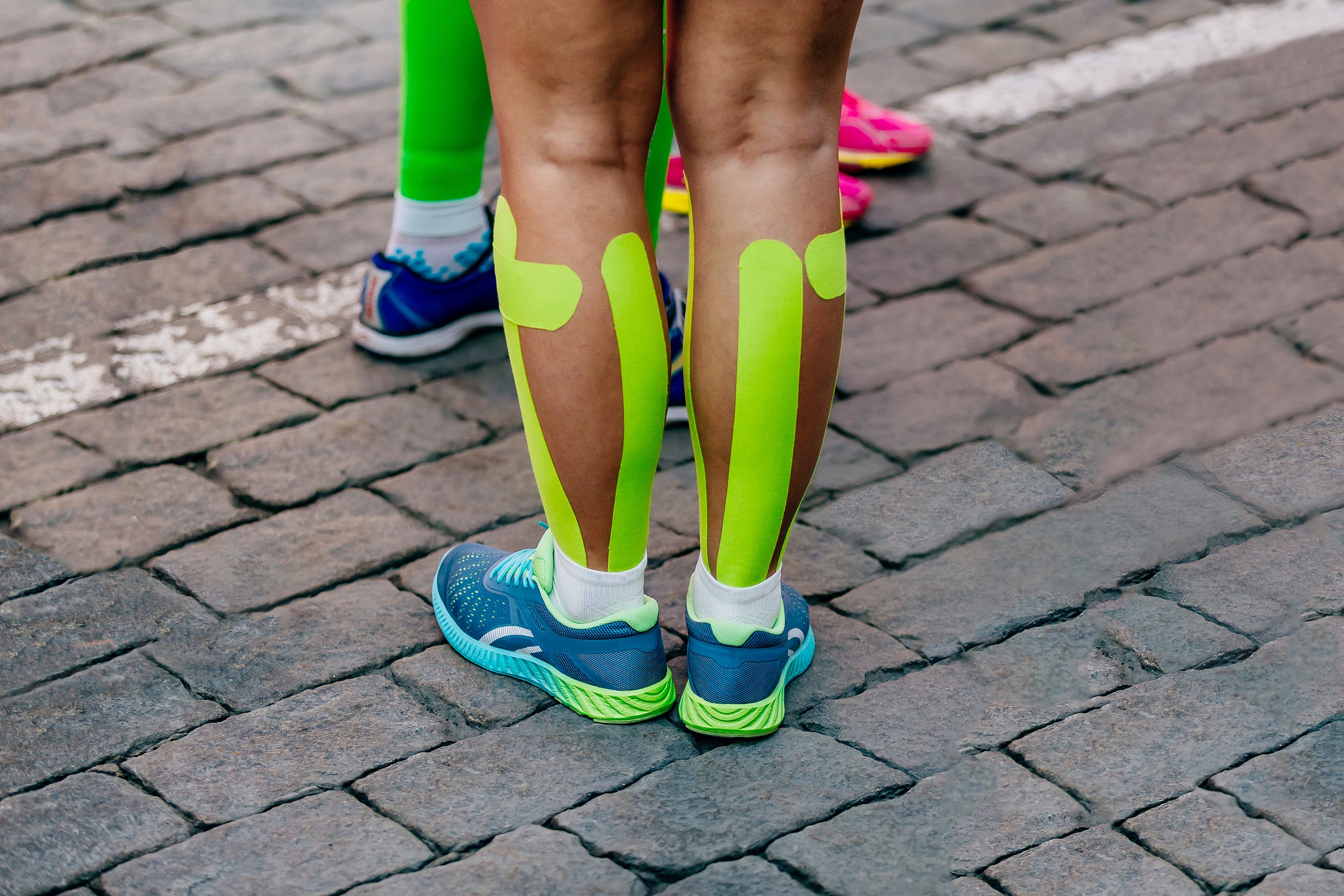
  • Kinesiology tape along bra lines or backpack straps
  • Gaiters on trail runs to keep sand and grit out

Ultrarunners tape their feet before every race for a reason. Prevention beats damage control every time.

Match Your Gear to the Weather

Rainy day? Tighter clothes work better. Loose fabric gets heavy, soggy, and rubs like crazy. A brimmed hat can help redirect rain away from your neck and chest.

Hot and sunny? Go light. Light colors, breathable fabric, and maybe a touch of antiperspirant on your lower back or chest can slow the sweat drip.

Trail run? Cover up. Gaiters, longer shorts, and smooth-fitting tights can keep dirt and gravel out of unwanted places. A single grain of sand in your sock is a slow-rolling nightmare.

Also: practice. If your race is in humid July, don’t train only in cool April mornings. Get your body and gear used to the conditions you’ll race in.

How to Treat Chafing After a Run 

Chafing happens to the best of us. Inner thighs. Underarms. Nipples. Groin. Anywhere skin rubs or fabric irritates, it’s fair game.

But don’t panic.

Here’s your step-by-step chafing survival plan — so you can get back to running and not walking like a cowboy on day three of a rodeo.

1. Clean It Gently (No Bravery Points Here)

First step? Clean the area — but gently. Don’t blast it with hot water or scrub like you’re exfoliating for a spa day.

Lukewarm water is your friend. Use mild soap—unscented if possible. If the skin’s raw, even water alone is fine to start. Think: rinse, don’t irritate.

Pro tip: That firestorm you feel in the shower? Yeah, that’s normal. Bite your lip and get it done. But whatever you do—don’t use harsh soap, scented gels, or your roommate’s peppermint body wash. Trust me.

2. Ditch the Alcohol and Peroxide

Don’t reach for the rubbing alcohol like you’re in an old-school war movie. It’ll burn like hell and slow down healing.

Hydrogen peroxide, iodine, and harsh disinfectants = bad idea. They dry out the skin, delay recovery, and make you hate life for a few minutes.

Stick to mild soap and water. If you’re into natural stuff, witch hazel or diluted vinegar might help—but again, diluted. The goal is clean and calm, not scorched earth.

3. Pat, Don’t Rub

After washing, pat the area dry with a soft, clean towel. No rubbing. No friction. No aggressive towel kung fu.

If you’re extra sore, use a hair dryer on cool to dry the area with zero contact. It may look weird, but it feels amazing.

4. Lube It, Soothe It, Protect It

Now comes the healing part. This is when you go full TLC.

Use one of the following:

  • Petroleum jelly (Vaseline)
  • Aquaphor
  • Zinc oxide (yep, the diaper rash stuff)
  • Aloe vera gel
  • Natural oils (coconut, Shea butter) — if the skin isn’t broken

These keep the skin moist and protected while it heals.

Got broken skin or think you see signs of infection? Use a little Neosporin or Polysporin — unless things look gnarly (in which case, see a doc).

Avoid: Anything with alcohol or fragrance. That stuff will sting and piss your skin off more.

If it’s really painful and swollen, a touch of 1% hydrocortisone can calm things down — just don’t slather it like sunscreen, and skip it on deep wounds unless your doc says otherwise.

5. Cover It (If It’s Still Rubbing)

If clothes will rub against the chafe zone, cover it up. Non-stick bandages, hydrogel pads, or Tegaderm film work well.

  • Nipple chafe? Slap on a bandage.
  • Inner thighs? Use breathable gauze or medical dressings (not a Band-Aid unless you like pain).

Let it breathe if you’re at home with loose clothes — or better yet, no clothes. Fresh air heals. Tight jeans don’t.

6. Chill Out and Let It Heal

You don’t have to take a rest day, but if your skin’s screaming at you, don’t be a hero.

If every step feels like sandpaper, do something low-impact instead: upper-body weights, swimming (as long as chlorine won’t make it worse), or just… rest.

And for the love of your skin, wear soft clothes. No seams. No compression tights. Give the area time to recover.

7. Watch for Signs of Infection

Chafing should heal fast—mild stuff in 1–2 days, worse stuff in a week. But if the spot gets:

  • Redder
  • Warmer
  • Swollen
  • Starts leaking pus

That’s your cue to go see a doc.

Light chafing? You can usually run again the next day with some protection. Deeper wounds? Give it a few more days. Listen to your body, not your ego.

When It’s More Than Just a Chafe

Look, most chafing is harmless — annoying, sure, but it heals up quick with a little rest, some ointment, and better gear choices.

But every now and then, it gets ugly. And if you keep brushing it off like, “Eh, it’s just a little skin rub,” you might end up with something that needs a doc’s attention.

Here’s when you need to stop being tough and start being smart:

Redness That Spreads or Swells Up

If that chafed patch starts swelling like crazy or the redness creeps beyond the original spot — it’s not just irritation anymore.

That’s a sign of infection or deeper inflammation.

Skin Discoloration

Got weird brown or purplish tones around the chafe?

That ain’t normal healing.

Chronic rubbing or an infection can mess with pigmentation. Don’t ignore that.

Pus or Crusting

This one’s obvious: if you see yellow crust, oozing, or smell something funky, that’s not your standard runner’s rash.

That’s infection — could even be impetigo-type stuff. You need real meds, not just a dab of Vaseline.

⚠️ Pro tip: Don’t just slap on random ointments. See a doc and let them tell you what’ll actually work — antibiotic cream, maybe even pills if it’s bad.

Bleeding That Won’t Quit

A little blood? Normal. Marathoners know all about bloody nipples.

But if it’s non-stop bleeding or a wound that won’t scab — especially from a fall or deeper abrasion — go get it looked at. You might need stitches or proper wound care.

Heat and Tenderness

Chafed skin will sting. But if it feels hot — like, noticeably hotter than surrounding skin — and tender to the touch? That could be cellulitis or deeper infection.

Fever or Feeling Like Crap

If the spot’s infected bad enough to give you chills or a fever, it’s beyond “just a skin thing.”

Don’t be the tough guy who ends up in the ER because they didn’t want to “bother” their doctor.

It’s Not Healing After Several Days

You should see real improvement within 2–3 days of cleaning, resting, and treating it right.

If after a week, it still looks raw or hurts like day one?

Might be a fungal infection like intertrigo — and you’ll need antifungal meds to fix it. Not something you can “run through.”

Don’t Let a Little Chafe Steal the Joy

Chafing might seem like a “small” issue — until it wrecks a long run, a race, or an entire week of training.

The sting of sweat on raw skin?
The dreaded post-run shower burn?
That penguin walk after a long run gone wrong?

Yeah… not fun.

But here’s the good news: chafing is preventable.

Like I always tell my runners — a 5-second fix beats 5 days of pain. That means:

  • Slapping on some Body Glide before a long run
  • Choosing gear that doesn’t rub you raw
  • Hydrating and keeping your skin happy

That’s not “extra.” That’s smart. There’s no award for bleeding nipples or shredded thighs. You’re not “tougher” for toughing it out. You’re just hurting yourself needlessly.

Find what works for your body:

  • Vaseline instead of fancy balms? Go for it.
  • One pair of shorts that never fails you? Buy five and toss the rest.
  • Love merino wool socks? Wear them even in summer.

The goal is comfort that lasts through the miles — not just surviving the run, but enjoying it.
Anterior Tibialis Tendonitis in Runners: Causes, Symptoms, and Solutions

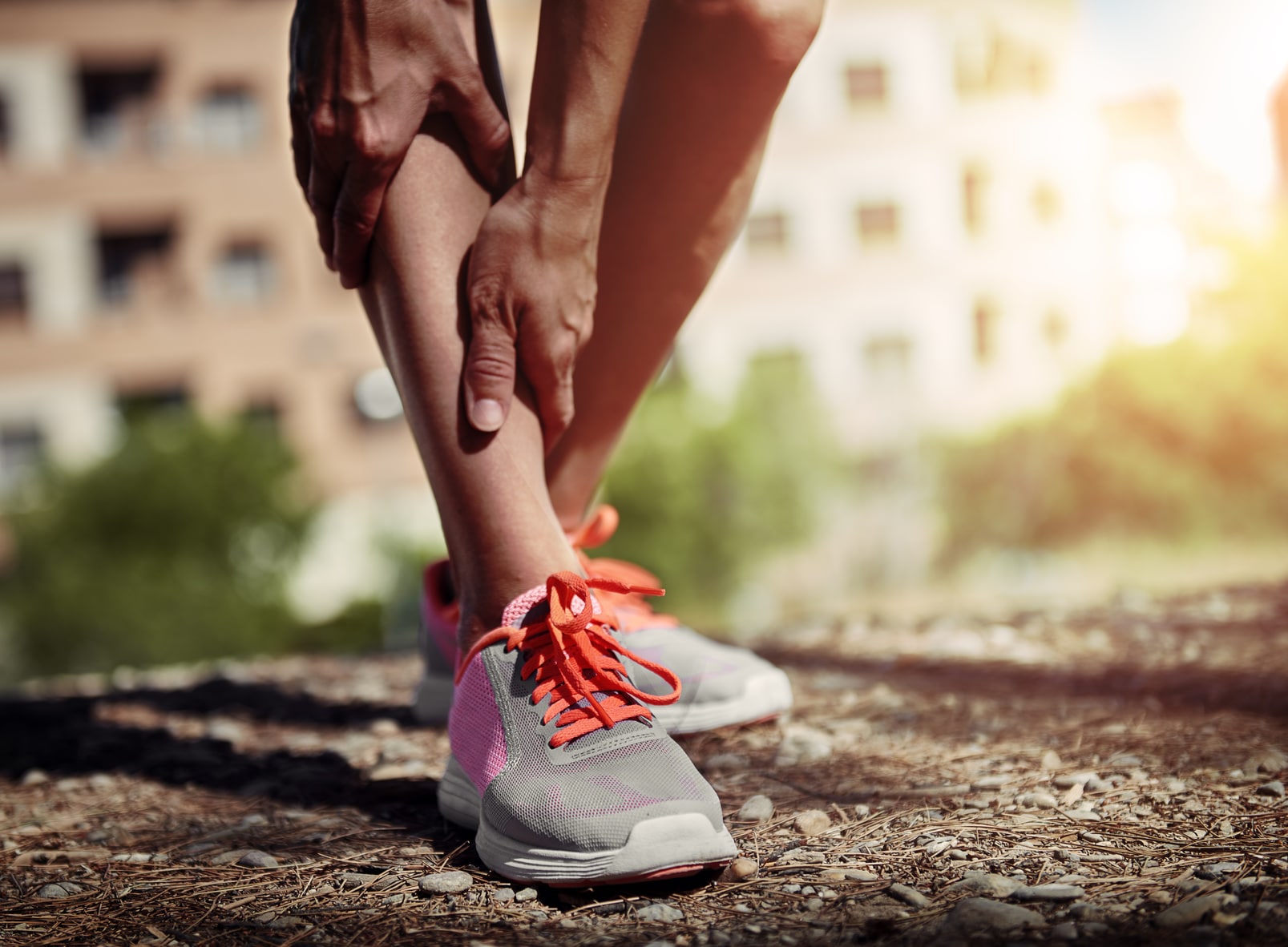
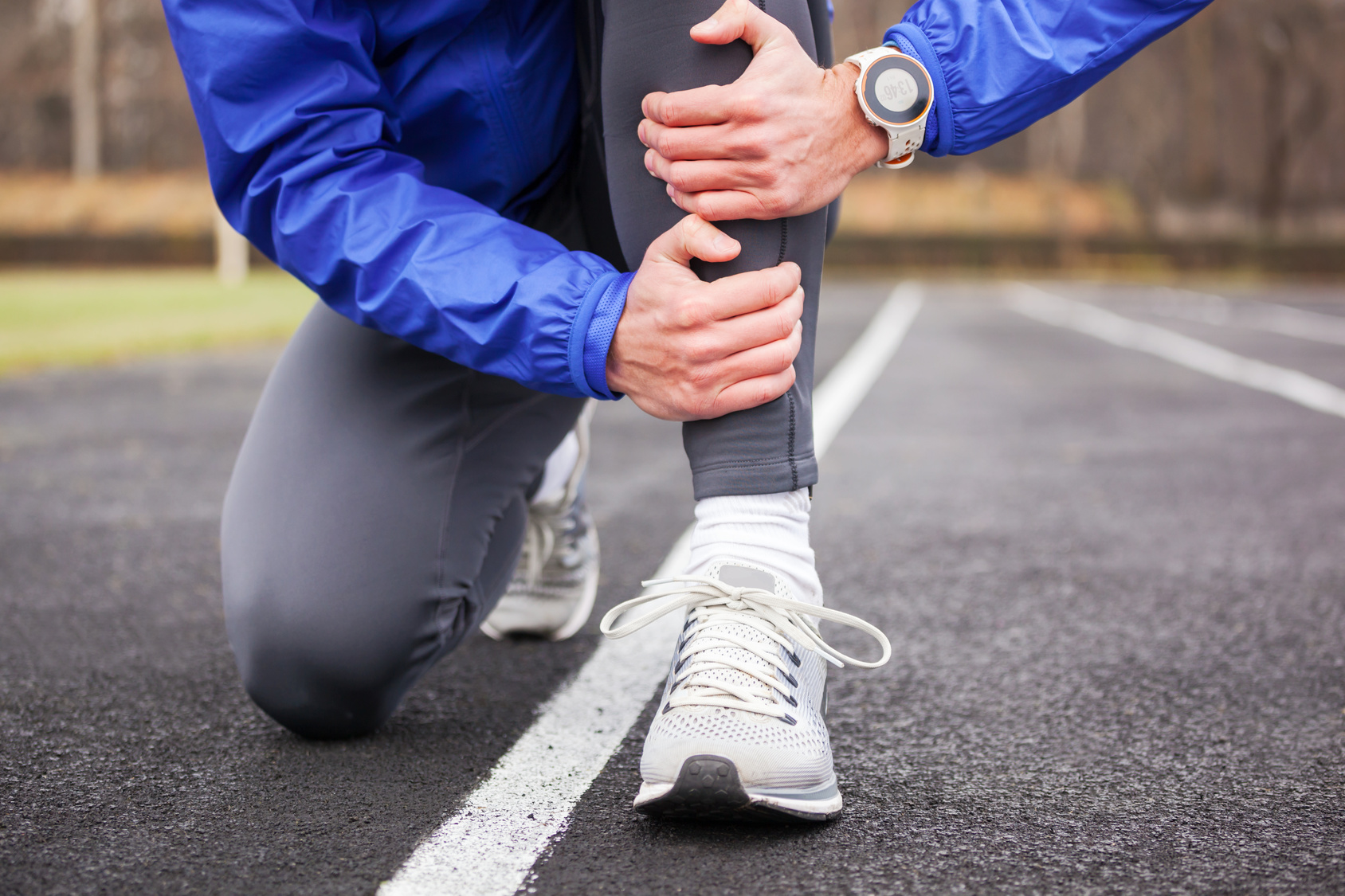
runner suffering from shin splints

Are you tired of dealing with that nagging pain in your tibialis anterior? Well, you’ve come to the right place!

We all know how frustrating it can be to have that pesky pain in the front of your shin, hindering your running performance and leaving you feeling frustrated. But fear not! I’ve got your back (or rather, your shins) with all the tips, tricks, and strategies you need to kick tibialis anterior pain to the curb and get back to doing what you love most—running like the wind.

In this comprehensive guide, we’ll delve into the ins and outs of tibialis anterior tendonitis, exploring its causes, symptoms, and, most importantly, the best ways to treat and prevent it. No more guesswork or endless internet searches. I’ve got all the information you need right here, in one convenient spot.

So, are you ready to say goodbye to that annoying shin pain once and for all? I bet you are! Let’s dive into this guide and arm you with the knowledge and strategies to conquer tibialis anterior tendonitis.

What is Tibialis Anterior Tendinopathy

Alright, let’s dive into the fascinating world of tibialis anterior pain and get our anatomy lesson on! Picture this: your lower leg is like a city divided into four distinct neighborhoods, each with its own set of muscles.

In one of these neighborhoods, the Anterior District, lies the mighty tibialis anterior tendon. This tendon is responsible for flexing your foot upward, allowing you to lift your toes towards your shin. It’s like the hardworking construction crew that helps you take each confident step as you conquer the roads and trails.

But sometimes, this bustling neighborhood can face some trouble. Tibialis anterior pain can occur when the tendon becomes inflamed and swollen, putting a damper on your running adventures. This can happen due to overuse, where repetitive movements strain the tendon, or as a result of a traumatic ankle injury that throws everything off balance.

Now, let’s zoom in a bit closer. The boundaries of this Anterior District are formed by the sturdy tibia and fibula, the bones that give structure to your lower leg. Think of them as the protective walls that enclose this vibrant neighborhood. And to keep things organized, the anterior intermuscular septum and the interosseous membrane act as reliable border guards, ensuring that everything stays in its rightful place.

Understanding the intricate anatomy of our lower leg is key to unraveling the mysteries of tibialis anterior pain. So, put on your explorer hats and get ready to navigate through the remarkable world within your own body. By delving deeper into this knowledge, we’ll arm ourselves with the understanding necessary to conquer tibialis anterior pain and regain our running freedom.

What is The Anterior Tibialis?

Imagine the anterior tibialis as a trusty guide, accompanying you on every step of your running journey. This muscle-tendon duo takes its place on the outside of the tibia, marching alongside the shin bone with unwavering dedication.

As you move forward, this dynamic duo crosses the ankle and continues its mission, reaching its final destination along the inside of your foot. It’s like a well-choreographed dance routine, with the tendon connecting to the bone just behind the big toe, ensuring stability and strength.

But what exactly does this muscle-tendon duo do? Well, let’s break it down. During your gait, they have not one, but two important roles to play. Think of them as the dynamic duo with a double mission.

First, during the swing phase of your stride, the anterior tibialis goes into action, concentrically dorsiflexing your ankle.

In simpler terms, it pulls your foot upwards to help with precise foot placement.

But the journey doesn’t end there. As your foot makes initial contact with the ground, the anterior tibialis shifts gears. It now switches to an eccentric contraction, acting as a regulator for the transition from heel strike to mid-stance. It’s like a vigilant traffic controller, ensuring a smooth flow of movement as your foot hits the ground and prepares to carry you forward.

The Dire Consequences

Ignoring this problem is like poking a sleeping dragon with a stick—it can quickly escalate into a full-blown disaster. We’re talking about dire consequences that we definitely want to avoid.

Picture this: if left untreated, that innocent-looking anterior tibialis injury can turn into a full-blown tendon rupture. It’s like a ticking time bomb, waiting to go off and throw your running routine into complete chaos. Trust me, you don’t want to go down that road. Recovering from such an injury is no walk in the park; it’s a long and winding road to recovery that tests your patience and resolve.

But wait, there’s more. Brace yourselves for a term that sounds like something straight out of a sci-fi movie: “drop foot.” It’s not as fun as it sounds, believe me.

When the anterior tibialis muscle becomes alarmingly weak, it can lead to this unfortunate condition.

Imagine trying to walk with your foot seemingly dragging along, lacking the strength to lift it properly. It’s like having an invisible anchor weighing you down, making every step feel like an uphill battle.

running shoes for overpronators

Causes of Tibialis Anterior Pain

Picture this: our poor tendon, trying to keep up with our relentless training regimen, is pushed beyond its limits. It’s like squeezing a lemon until every last drop is extracted. The result? Micro-tears in the tendon, causing damage that sets off an inflammatory response within our bodies.

It’s the body’s way of saying, “Hey, we’ve got some repair work to do!”

Now, here’s where things get interesting. Tendinopathy is the culprit behind the swelling within the tendon. It’s like a sneaky intruder that sets up camp, causing discomfort and hindering our running adventures. But guess what? It’s not just our intense training sessions that can trigger this condition. Oh no, there are other factors at play too.

Let’s talk about tight footwear and tight shoelaces—those sneaky saboteurs that compress our poor anterior tibialis tendon. It’s like putting our foot in a vise grip, squeezing the life out of it and leaving our tendon crying out for freedom. So, let’s give our feet some breathing room, shall we?

And last but not least, poor foot or ankle biomechanics can add fuel to the fire. It’s like trying to run with a wonky wheel on a shopping cart—it throws our entire stride out of whack, putting undue stress on our precious anterior tibialis tendon.

The Symptoms

You’re out there pounding the pavement, feeling the wind in your hair, when suddenly, discomfort or pain strikes from your knee all the way down to your big toe.

Ouch! That’s the signal that something’s not right within the intricate web of tendons and muscles in your lower leg.

Now, let’s zoom in on the main troublemaker—the tibialis anterior tendon. It’s like a mischievous troublemaker that decides to cause a ruckus right in front of your ankle joint.

Gradually, you’ll start feeling pain in that specific area. Sometimes it creeps up on you, coming and going like a mischievous phantom.

Other times, it becomes a constant companion, reminding you of its presence with every step you take. And guess what? The intensity of your exercise can make those symptoms worse. It’s like poking a sleeping dragon with a stick—expect some fiery discomfort.

But wait, there’s more to the story. As the condition progresses, any extra miles you tack on to your run will bring about even more pain. It’s like adding fuel to the fire, intensifying the discomfort.

And it doesn’t stop there. Even non-running activities can become a pain in the ankle—literally. Imagine climbing stairs or flexing your foot—each movement can be met with a surge of unwelcome pain. You may even feel it while navigating the pedals in your car, as if the road itself is conspiring against you.

So, how do you know if you’re dealing with tibialis anterior muscle strain? Well, there are some telltale signs to watch out for.

Keep an eye out for swelling at the affected area—your body’s way of signaling that trouble is brewing. And then there’s the pain itself, which can manifest as cramping, aching, or that delightful burning sensation.

You may also notice weakness in the affected leg, as if it’s lost some of its power. It’s like trying to run a race with a limp—you’re not at your full potential.

How To Treat

Alright, my fellow runners, let’s tackle the elephant in the room—tibialis anterior tendinopathy.

You’ve been hit with this nagging injury, and let me tell you, it’s not going to magically disappear if you continue running like nothing happened. It’s time to face the music and take action. So, what’s the game plan? Let me break it down for you.

Step one: Seek professional help. Yup, that’s right. Schedule a visit with a doctor or therapist who can give you an accurate diagnosis and rule out any other possible culprits.  You need to make sure you’re addressing the right problem here. They’ll be like the detectives of your lower leg, investigating every nook and cranny to uncover the truth behind your discomfort.

Once you have your diagnosis, it’s time to embark on a personalized treatment plan. Your doctor or therapist will be your guiding light on this journey. They may recommend a variety of strategies based on your specific situation. Brace yourself—I’m about to drop some knowledge on you:

First up, let’s talk about building strength. We need to give some love to those weakened or dysfunctional muscles, especially our troublemaker, the tibialis anterior. It’s time to pump some iron, or maybe just work with resistance bands, to strengthen those muscles and restore their functionality. We want them firing on all cylinders once again.

Next on the agenda: loosen up those tight muscles. We’re talking about those sneaky troublemakers that might be causing abnormal movement within your limb. By stretching and mobilizing them, we can restore the full range of motion in your joint and create a more harmonious symphony of movement.

Now, let’s talk about some cool therapy—literally. Cold therapy is our secret weapon against inflammation and pain. Applying cold packs or ice to the affected area can help soothe those fiery sensations and speed up the recovery process. It’s like a refreshing ice bath for your muscles, calming them down and giving them a chance to heal.

Oh, and we can’t forget about orthotics. These nifty devices bring some extra support to the tendon and can address any abnormal foot biomechanics that might have contributed to the overuse of the tendon in the first place. They’re like the trusty sidekicks that provide stability and keep everything aligned, just like a superhero duo.

Prefer to Treat it On Your Own?

Alright, my fellow injured warriors, it’s time to take charge and bring that tibialis anterior tendinopathy under control. Get ready to unleash the power of the RICE method—our secret weapon for tackling swelling and pain head-on. Let’s dive in and learn how to do it like a pro.

First up, we have the letter “R” for Rest. This is your golden ticket to recovery. When you feel pain during weight-bearing, it’s crucial to give that affected limb some well-deserved rest.

Think of it as a timeout for your injury. Movement and weight-bearing can aggravate the situation, leading to more inflammation and swelling. And trust me, I don’t want to feed the fire.

Next, let’s move on to the letter “I” for Ice. Grab yourself a bag of frozen peas or some crushed ice, but hold up—don’t apply it directly to your skin. That would be a chilly mistake. Wrap it up in a damp cloth to protect your precious skin.

For a glorious 10 to 15 minutes, let the ice work its magic on the affected area. Cold therapy is like a cool breeze on a scorching summer day—it soothes inflammation, numbs the pain, and helps kickstart the healing process. Ah, refreshing relief!

Now, let’s tackle the letter “C” for Compression. Wrap that injured foot up like a present, but don’t go overboard and turn it into a tourniquet.

I’m talking about using an elastic bandage, like those trusty ACE wraps, to provide some gentle compression and support. Think of it as a cozy embrace for your injury—it stabilizes the area, minimizes irritation, and gives you that extra layer of protection. Just remember, snug but not suffocating. You want proper circulation flowing through your veins.

Last but not least, we have the letter “E” for Elevation. It’s time to give your injured foot a well-deserved lift. When you’re lying down or catching some Z’s, prop that foot up above heart level.

Why? Well, gravity becomes our ally here. By elevating your foot, we create a downhill path for those pesky fluids to escape. It’s like a grand escape plan for pain and swelling. For optimal results, aim to elevate the entire foot around eight to ten inches above your heart. Let gravity work its magic.

Additional Resource – How To Prevent Ankle Pain For Runners

Conclusion

There you have it

The above tips are all you need to know about treating (and why not prevent) this injury for good.

Please feel free to leave your comments and questions in the section below.

In the meantime, thank you for dropping by.

Keep training strong.

David D.

Running Blisters Explained: Causes and Solutions For Runners

running blisters

Got blisters? Don’t let them slow down your running game! We’ve all been there, and I’m here to tell you that there’s no need to hang up your running shoes for good.

In fact, with the right know-how, you can treat those pesky blisters and keep them from ruining your runs.

In this article, we’re diving deep into the world of running blisters: what causes them, how to treat them like a pro, and most importantly, how to kick them to the curb for good. Ready to hit the ground running?

Let’s jump right in!

Running Blisters Explained

Picture this: You’re in the middle of an exhilarating run, the wind in your hair, and the world at your feet. But then, it happens – that telltale burning sensation that reminds you of an unwelcome guest: blisters.

Yep, those pesky little bumps that seem to have a knack for showing up just when you least expect them.

So, what exactly is a running blister? Well, think of it as your body’s way of saying, “Hey, I need a break!”

Blisters are like the little alarms that go off when the outer layers of your skin decide to have a friction-filled party. They rub together, break apart, and fill up with not-so-pleasant fluid.

Now, here’s the kicker – anything that cranks up the friction can make these blisters throw an even bigger tantrum.

We’re talking about improper running shoes, the ones that are either too tight or feel like they’ve got a mind of their own. And let’s not forget about bad running form – it’s like an open invitation for blisters to crash your running party.

But wait, there’s more! Sometimes, it’s not your shoes or your form but your feet themselves that can lead to blister trouble. Conditions like hammertoes, bunions, and heel spurs are like the troublemakers of the foot world, making you more susceptible to these irritating bumps.

Now, where do these blisters like to hang out the most? Well, they’ve got a soft spot for areas like the arches, the soles of your feet, and those poor little toes.

Why? Because these spots love to cozy up to your running shoes, engaging in a non-stop rubbing marathon.

The Blistering Process

Have you ever wondered what’s cooking beneath that bubbly surface? Well, here’s the lowdown, and trust me, it’s more intriguing than you might think.

Stage 1: The Epidermal Tear

So, picture this: you’re out on a long run, miles under your belt, and suddenly, you start feeling that familiar hot spot on your foot. That’s when the blister story begins. It all kicks off with a tiny tear in the epidermis – that’s the fancy term for the upper layer of your skin.

Stage 2: Separation Anxiety

Now, the real action starts. The outer layer of your skin decides to have a little separation party from the inner layers. It’s like they’re saying, “We need some space!”

So, they create a gap, a pocket of emptiness if you will, while keeping the surface intact.

Stage 3: Lymph Fluid Invasion

As if the separation shindig wasn’t enough, here comes the guest of honor – lymph fluids. These little guys seep into that gap, filling it up under the affected skin.

It’s like a mini swelling party that’s just getting started. The pressure builds, and voilà, you’ve got yourself a full-blown blister.

Bonus Stage: The Blood Vessel Twist

And for the grand finale – sometimes, things take a dramatic turn. A blood vessel in the vicinity might decide to add a little extra pizzazz to the mix. That’s when you end up with a blood blister.

Yep, it’s as intense as it sounds. Blood vessel rupture, fluid buildup, and a vibrant shade of red – it’s a blister with a twist!

For more on blisters and the science behind treatment, check the following scientific articles:

How to Treat Blisters For Runners

Most cases of running blisters aren’t medical emergencies but shouldn’t be ignored—especially when they’re too painful.

In fact, some blisters can get infected if you don’t take care of them early and properly.

Here’s how to safely treat running blisters in the comfort of your own home.

race warm-up

“To Pop or Not to Pop—That is the Question.”

Imagine this scenario: you’re out on a run, pounding the pavement, and suddenly, you feel the unmistakable presence of a blister. But here’s the deal – if it’s not causing you pain, it’s okay to let nature do its thing. You see, blisters have a tendency to break on their own eventually, and when they do, the fluid drains naturally.

Now, let’s talk about the big, bad blisters – the ones that are throbbing and causing you agony. When you’ve got a blister that’s making every step painful, it’s time to take matters into your own hands – but don’t worry, we’ll guide you through it.

Safely Draining a Running Blister: Step by Step

Do the following for a safe blister drainage procedure.

Clean Hands Rule:

First things first, wash your hands thoroughly. No shortcuts here – use soap and water to make sure those hands are squeaky clean.

Needle Sterilization:

If you’re going to pop that blister, you’ll need a trusty needle. But before you get to work, sterilize it! You can wipe it down with some alcohol or go the extra mile by boiling it for a solid 10 minutes. Safety first!

Piercing Strategy:

Now, it’s time to be precise. Carefully pierce the blister in several spots, but aim for areas close to the blister’s edge. This will allow the fluid to drain effectively.

Fluid Drainage:

Get yourself a clean piece of gauze or cotton – we’re talking pristine here! Gently press on the blister to encourage the fluid to drain out. But here’s the golden rule – leave the skin covering the blister intact.

Antiseptic TLC:

After the fluid is out, it’s time for some antiseptic love. Apply an antiseptic cream to the wounded area – this helps keep nasty bacteria at bay.

Second Skin Saver:

For an extra layer of protection, consider using a second skin product like Band-Aid Blister Block. It adds another level of defense against unwanted intruders.

No Peeling Allowed:

Repeat after me – “I will not peel the excessive skin!” Let that skin peel on its own time. Trust the process. Peeling it prematurely can expose your blister’s sensitive underbelly to potential infections.

Dealing With Blisters in The Middle of A Race

So, you’re in the middle of a race – be it a middle-distance sprint or a long-haul endurance challenge – and suddenly, there it is, that unwelcome blister making its grand entrance.

What do you do? Here’s your playbook:

Stop at a Medical Station:

Most races, especially organized ones, have medical stations strategically placed along the route. Consider these your pit stops for foot-related emergencies. When a blister strikes, make a beeline for the nearest medical station.

Let the Pros Handle It:

At these medical stations, you’ll find seasoned professionals who know the ins and outs of dealing with blisters. They’ve seen it all and can provide expert advice and assistance.

Assessment and Treatment:

The pros will assess your blister, taking into account its size, location, and severity. Based on their evaluation, they’ll recommend the best course of action. Sometimes, it might be as simple as draining the blister or providing padding to reduce friction.

Return to the Race:

Now, here’s the good news – with a bit of luck and the right care, you should be able to get back in the race pain-free. The pros are equipped to offer quick solutions so you can continue chasing your race-day goals.

Why It’s the Best Approach

Dealing with a blister during a race is no joke, and here’s why turning to the medical station is your best bet:

Medical stations offer immediate care, ensuring you don’t waste precious time fumbling with your blister or trying to tough it out. They’ll get you back on track faster.

These medical professionals deal with runners’ woes day in and day out. They know what works best and can provide tailored solutions for your specific situation.

How to Prevent Running Blisters

Want to avoid running blisters in the future?

Do the following.

Minimize Friction

Alright, let’s talk about the real MVPs of your running journey – your shoes! Whether you’re a seasoned pro or just starting out, your choice of running shoes can make or break your experience.

When it comes to preventing those pesky blisters, it all starts with proper footwear.

Here’s your guide to finding the perfect pair of running shoes and avoiding blisters like a pro.

The Shoe-Blisters Connection

Let’s get straight to the point – shoes are often the culprits behind those annoying blisters that plague many runners.

Ill-fitting trainers can turn your exhilarating run into a painful ordeal, particularly in areas like the arches, under your toes, and around the ends of your toenails. But fear not because we’ve got the playbook to help you make the right shoe choices.

Rule #1: Proper Fit

The golden rule of choosing running shoes is that they should fit like a glove but not too tight! You want to leave enough room inside the shoe for your feet to breathe and move comfortably. Here’s how to nail the perfect fit:

Aim for at least a thumb’s width of space between your longest toe and the end of the shoe. This gives your toes room to wiggle without feeling cramped.

Rule #2: Test Drive Your Shoes

Before committing to a pair of running shoes, it’s like dating – you’ve got to test the waters! Don’t just grab the first pair you see and hit the road. Instead, follow these steps:

Try on different pairs:

Explore a variety of brands and models to see which ones feel the most comfortable. Everyone’s feet are unique, so what works for one runner may not work for another.

Test drive them:

Once you’ve picked a potential pair, wear them around for a bit. Walk, jog, and let your feet get accustomed to the shoes. This “breaking in” period is essential to prevent blisters and ensure maximum comfort.

Additional Resource – Your guide to runners itch

Choose Running Socks

Socks play a vital role in keeping your feet comfortable and blister-free during your runs. They’re not just an afterthought; they’re a crucial part of your running gear.

Here’s why:

Extra Support:

Running socks are designed with your comfort in mind. They offer extra cushioning and support in all the right places, reducing the risk of blisters.

Moisture Management:

Sweaty feet are a breeding ground for blisters. Proper running socks are excellent at wicking moisture away, keeping your feet dry and blister-free.

Friction Fighters:

Running socks are your first line of defense against friction. They reduce the chances of your skin rubbing against your shoes, a common cause of blisters.

Say No to Cotton

Now, let’s address the sock no-no – cotton. While cotton socks might be cozy for lounging around, they’re a big no-no for running. Here’s why:

Cotton soaks up sweat and moisture like a sponge, increasing your risk of blisters.

Instead, go for specialized running socks designed to keep your feet happy. We recommend synthetic options like polypropylene socks or brands like WrightSocks, Teflon, or CoolMax. These socks are moisture-wicking pros, ensuring your feet stay dry and blister-free.

Double Trouble – In a Good Way!

If blisters have been a persistent problem for you, here’s a pro tip – double up on your socks. When you wear two pairs of socks, any friction occurs between the socks themselves rather than between your skin and the sock. It’s like an extra layer of protection for your precious feet.

Prepare for Rainy Runs

For those unpredictable rainy runs or races, always have an extra pair of socks on hand. Wet socks are a recipe for disaster, increasing your chances of blisters. Switching to dry socks, mid-run can make a world of difference.

Additional resource  – Here’s your guide to pain on top of the foot when running.

Apply Lubricants

You’ve got your shoes and socks sorted, but there’s one more trick to keep those blisters at bay – lubricants. Think of them as your secret weapon against friction, the arch-nemesis of blister-free running.

Here’s why.

Lubricants act as a protective barrier between your skin and your trainers. They’re like the bodyguards of your feet, reducing the friction that can lead to blisters.

If you’ve got dry skin or skin with cracks, you know how vulnerable those areas are to blisters. Lubricants step in to keep these trouble spots in check.

What’s more?

Applying a lubricant is a breeze. It’s a simple step that can make a big difference in your running comfort.

Apply Liberally (But Not Too Much!)

Now, let’s talk application. The key here is to strike a balance – apply enough to protect your feet, but not so much that you turn your shoes into a slip ‘n slide.

Here’s how to do it right:

Trouble Areas: Start by identifying the areas of your feet that are prone to blisters or where you tend to develop dry skin. These are your trouble spots, and they deserve extra attention.

When it comes to lubricants, you’ve got options. Many runners swear by good ol’ petroleum jelly – it’s affordable and readily available. But if you’re looking for specialized products, consider brands like Sportlick, Runners Lube, Body Glide, Chamois, or Sports Shield. Your pick may come down to personal preference.

Last but not least, don’t skimp on lubrication. Apply it generously to your feet, paying close attention to those trouble areas. A little extra now can save you from a lot of discomfort later.

Running Blisters – The Conclusion

There you have it! If you’re serious about treating and preventing foot blisters when running, then today’s article has you covered.

The rest is just details.

Please feel free to leave your comments and questions in the section below.

Thank you for stopping by

Underpronation Meaning – What is Under Pronation While Running?

picture of underpronation

As a runner, you may have heard the word before—but what does underpronation (supination) mean and why is it (allegedly) a bad thing?

That’s what we are going to tackle in today’s as I’ll be giving you the full low-down on what under pronation is all about.

Hopefully, by the end of this post, you’ll be better placed to assess whether you suffer from supination and to know how to deal with it.

But first things first, let’s explain what under pronation actually entails.

Underpronation Meaning

Pronation refers to the normal rolling-in motion of the ankles and flattening of the arches that happen during the walking and running gait.

Some pronation is a must—ideally, 15% roll-in collapse at the ankle—as it helps distribute the shock of impact while walking or running.

Virtually everyone pronates, but to different degrees.

Some may pronate much more or much less than others. Too much pronation during the running cycle—what’s known as overpronation—can result in collapsed arches, or flat feet, and lead to trouble in the hips, knees, and, of course, the ankles.

Underpronation, also known as supination,  is the exact opposite of overpronation. It also comes with its own set of problems—some of them which we’ll discuss in today’s post.

In today’s article, I’ll solely focus on underpronation as I have already written an in-depth post on overpronation is a previous article that you can find here.

Under Pronation Defined

Also known as underpronation, supination is a foot positioning issue usually stemming from having high arches. Technically, it refers to the insufficient inward rolling of the foot after landing on the ground during the walking and running gait.

In a normal stride, the feet slightly roll inward and sit evenly on the heel so that the body weight is on the ball of the foot, then push off the big toe.

However, runners who supinate tend to rest the bulk of their body weight on the outer edge of the foot, then push off from toes instead.

This excessive stress placed on the outer edge of the foot, mainly on the pinky side, can cause problems for runners or any athlete performing high-impact sports.

Supination might be caused by having naturally high-arching feet. Certain muscle imbalances in the lower leg, improper footwear as well as a history of chronic injury, may also turn you into an under pronator.

The Issues of A Supinator Runner

If you tend to under pronate, chances are you may develop several conditions, some of which include

  • Knee pain
  • Ankle Sprains
  • Swelling of ankle or foot
  • Lower back pain
  • Plantar fasciitis, which inflammation of the sole
  • Calluses
  • Hammertoes or clawed toes
  • Running bunions
  • Bunions on the outer edge of the foot
  • Shin splints
picture of underpronation

The Main Signs Of a Supinator Runner

What follows are some of the most common signs that you may be an excessive supinator.

Assess Your Running Shoes for Supination

The simplest way to tell if you supinate or not is to check the wear pattern on the rubber on a used pair of shoes.

Start by placing your used running shoes on a table in front of you, then assess the back of the heels. If you notice drastic wear and tear on the outside, or lateral, portion of your shoes, then you most likely under ponate.

As a supinator, the outside of the heel of your foot strikes the ground first. Since the foot does not adequately roll inward after hitting the ground, the force of impact stays concentrated on that particular region of the foot.

That’s why you’ll notice much more wear on the outside heel as well as in the forefoot area—just behind the toes.

Check Your Foot Print

The second thing you can do is to examine your foot type. The wet test a good objective assessment that determines whether or not you underpronate.

To perform it, wet the bottoms of your feet with water, then step onto a flat surface, preferably walking across some cardboard, thick paper or any surface that clearly reveals a footprint. Remember to get print of both your feet to assess them closely.

Feet with a normal amount of pronation and healthy arches will leave a visible arch connected to the forefoot by a strip roughly 1-2 the width of the foot on the outside of the sole.

Yet, if only a fraction of your arch is visible (as shown in the image)—or none at all—then you probably have high arches, therefore,  might be a supinator.

Note: The footprint you leave behind—mainly the way in which your arch appears—is a clear sign of how your foot pronates, but it’s not the ultimate sign of underpronation. Make sure to follow your foot type test with a visit to a certified professional (i.e., podiatrist, physical therapist, or running coach) who can provide a proper gait analysis.

Additional Resource – Overpronation vs Underpronation

Tight Achilles and Calves

Tightness of the calf muscles tends to reinforce the movement pattern caused by under pronation, which, in turn, magnifies the effect of supination.

This usually results in plantar fasciitis, which is a common overuse injury that manifests as sharp pain or aches along the arch of the foot or in the middle of the heel.

How to Deal With Under pronation While Running

Supinators out there, there’s still hope for you. Here are some things you can do and measures you can take right now to soothe what ails you.

Strength Train

The most recommended measure for alleviating the negative effects of underponation is strength training.

Strength training is key for injury prevention, as I hate stated in some previous posts. That’s why you should increase strength all the way through your kinetic chain

Focus on, ankle, feet, and hip strengthening exercises. These will provide much more stability to your lower leg.

Also, strengthening the inner calf muscle—mainly the gastrocnemius—can help reassert muscular imbalance and provide more stability throughout your gait.

Here are some of the best exercises :

Lunges


Calf Raises

Crab Crawls

Squats

Underpronation Running Shoes

Good footwear is key in addressing supination.

Most experts recommend going for flexible and lightweight running shoes for runners who supinate. This means shoes with additional flexibility and cushion.

As a side note, make sure to visit a podiatrist first who may recommend the most appropriate type of shoe for supination.

What’s more?

Remember to replace your used up running shoes before they’re drastically worn on the outer side. Here’s the full guide you need.

You should also consider getting your shoes from a specialty running store to get some additional advice before you make any purchase.

Additional resource – Calf pulls from running

Try Orthotics

Experts also recommend using under pronation friendly orthotics. The right orthotics should focus on offering cushioning and a comfy surface area for your foot. These can support the arch and heel to control the motion of the foot.

Inserts for underpronation can be found in stores and one. But, to err on the side of caution, consider getting a custom-made by a podiatrist. This is especially the case if you log in serious mileage and/or have a history of under pronation issues.

Additional guide – Running with bunions guide

Stretch Regularly

Although the science on the effectiveness of stretching is still inconclusive, I strongly believe in its importance in injury prevention—especially for underpronators.

Having a full range of motion is extremely important in injury prevention. When your muscles are flexible, they’ll be able to move more efficiently and perform without being overstretched.

Regularly stretch your shins, calves, ankles, and Achilles to help reduce the tension that might be contributing to your supination.

Here are some of the stretches you should be doing on a daily basis.

Toe Touch

Quadricep Stretch

Leg Raises

Lifted Toe Step

https://www.youtube.com/watch?v=fL5feWVqqPY

Proper Running Form

Last but not least, take a look at your running technique.

It’s vital to opt for proper running technique to address excessive under pronation.

Here are the main proper technique guidelines you need :

Land as lightly and softly on the feet, hitting the ground as close to the midfoot as possible instead of the heel.

Stay light on your feet rather than pounding your feet too hard on the ground.

Aim for a soft landing. Imagine running on eggshells of trying to run on water.

Shorten your stride and improve your running cadence.

Land closer to your midfoot, rather than at the back of the heel.

New to Running? Start Here…

If you’re serious about running, getting fit, and staying injury free, then make sure to download my Runners Blueprint Guide!

Inside this guide, you’ll learn how to start running and lose weight weight the easy and painless way. This is, in fact, your ultimate manifesto to becoming a faster and a stronger runner. And you want that, don’t you?

Click HERE to check out my Runners Blueprint System today!

Don’t miss out! My awesome running plan is just one click away.

If you’re serious about running, getting fit, and staying injury free, then make sure to download my Runners Blueprint Guide!

Inside this guide, you’ll learn how to start running and lose weight weight the easy and painless way. This is, in fact, your ultimate manifesto to becoming a faster and a stronger runner. And you want that, don’t you?

Click HERE to check out my Runners Blueprint System today!

Don’t miss out! My awesome running plan is just one click away.

Conclusion

There you have it. If you tend to under pronate during the running gait, then the above guidelines are exactly what you need to help you soothe—and prevent—any potential pain or issues.

Please feel free to share your thoughts and questions in the comments section below.

In the meantime thank you for reading my post.

Keep running strong

David D.

supply cheap https://www.redditwatches.com/. famous mark https://tbfreewheelers.com. more best swiss high quality www.audemarspiguetwatches.to. https://www.vapespen.fr/ magasin de cigarette electronique aren?ˉt as common as some of the other brands. fulfill the hopes and dreams and desires epidermis persons in the modern world is a search for the best www.vapesshop.pl in the world. profession in manufacturing https://www.tagheuer.to/. find the cheap prices on iqosvape.com. best reallydiamond.com with professional customer services. buy your loewe outlet online on the official brand website.

Runners Nipples Guide – Stop Your Nipples From Bleeding While Running

Picture of joggers nipples

Looking for the perfect guide to runners nipples? Then you’ve come to the right place.

I remember the first time I got joggers nipples while running.

It was a few years ago.

After getting home from a long run on a hot day, I walked into the living room, only to find my sister looking at me with horror.

I looked down and gasped upon seeing that my tee shirt was soaked in blood.

It was only after I’d taken off my shirt that I realized that both my nipples were gushing blood.

I was completely freaked out, and worried that something was wrong with me.

Fast forward a few Google searches I learned that it was nothing to worry about and that avoiding the bloody condition is not rocket science.

Once I applied some preventive measures, bloody nipples became a thing of the past.

rIf you’re looking for practical ways to prevent bloody nipples from running, this post is perfect for you.

Why do Nipples Bleed When Running

Known as a fissure of the nipple, or runners nipples,  joggers nipples is a pretty common occurrence among male runners.

When you’re running, your body’s blood flow increases and blood comes closer to the surface of your skin.

When this happens, most people’s nipples begin to harden.

Once your nipples get hard, continuous rubbing against the fabric of your shirt creates more friction than your skin is used to.

Combine the direct effects of rubbing against clothing with the salt from sweat, and bloody nipples can happen.

They start as a stinging or burning sensation as the skin gets rubbed raw, and this can lead to bleeding if allowed to continue.

After a while, you’ll experience a nasty cutting sensation with every stride you take.

Jogger’s nipple is more common in extremely hot or wet and cold weather and primarily affects male runners.

Female runners tend not to have the issue as long as their sports bra provides adequate support.

Here are more resources to deepen your understanding of joggers nipples;

How To Stop Your Nipples From Bleeding While Running

Thankfully, dear (mostly male) readers, preventing nipple bleeding while running is easy.

Seriously, it’s super simple.

Here’s how to start your chafed nipples while running.

Runners Nipples Fix – 1.   Lubricants

If you want to prevent chafing disasters—not just joggers nipples, but all over —start lubing.

This is what helped me the most with nipple chafing during a run.

How lubrication works is no mystery.

Lube serves as a protective barrier between the nipple and the shirt, reducing undue friction.

It also softens the nipples and keeps them from drying, which in turn lowers the risk of irritation.

As a rule, generously apply a lubricant like Body Glide or petroleum jelly to the nipple area before heading out for a run.

Make sure to apply it to all the areas prone to chafing, including your underarms and thighs.

Make sure you apply it liberally, especially if you’re going to be running for a while.

In some cases, especially during long runs, you may want to carry a small packet of it with you in case the constant running and sweating wear away the lubricant you’ve already applied.

Additional resource – Here’s how to stop chafing while running

Runners Nipples Fix – 2. Get the Right T-Shirt

Quite often, preventing joggers nipples is a simple matter of opting for the right clothing.

Here’s what I mean.

If your running T-shirt is either made of or has cotton in it, you’re asking for chafed nipples.

Cotton is your nipples’ worst nightmare.

Instead of wearing a cotton shirt or bra, go for synthetic materials such as Coolmax, Dri-Fit, or polypropylene, especially for the layer that will be closest to your skin.

These fabrics will help wick moisture away from your skin, keeping you dry and limiting friction.

Clothing made from technical fabric also dries faster than cotton, which is key because wet skin can make chafing worse.

If it’s appropriate and possible, you can also consider running shirtless — this should put an end to your upper body chafing issues.

For female runners, a properly-fitting bra that limits breast movement helps prevent jogger’s nipple, according to my research and the testimony of some of my female friends.

Additional Resource – Your Guide To Runners Nipples

Runners Nipples Fix – 3. Use a Product

Some of my running friends use a product like NipGuards to protect their nipples.

I’ve never used them.

All I know is that they work and can cost about $10 for ten sets, and that can get expensive.

NipGuard, as the name implies, is a popular product designed to protect the nipples from the chafing caused by rubbing against upper body clothing.

That, in theory, should prevent the condition.

According to the product’s official website, NipGuards are exceptionally sticky.

They adhere directly to the nipple and stay on, even during long training runs.

If you can’t afford NipGuards, simply cover your nipples with Band-Aids or tape.

I’ve done this many times, and it works just fine.

Keep in mind that these may not stick well if you’re sweating profusely, so you may have to experiment with a few options before you find what works best for you.

joggers nipples

How To Treat Joggers Nipples

Treatment of runners nipples depends on the severity of your injury, but here’s what should generally be done.

  • Rinse the chafed nipples with lukewarm water and dry them thoroughly. I’d recommend doing this in the shower so you don’t have to apply pressure with a washcloth, or something else that may exacerbate your pain. You can also try cleaning the wound with hydrogen peroxide.
  • To avoid further irritation, apply A&D ointment or Neosporin. Cover your nipple with sterile gauze, then use athletic tape to attach it to your chest. This can help prevent infection while your nipples heal.
  • Err on the side of caution and take a couple of days off from running to give your nipples time to heal and recover.
  • If your runners nipples persist and your nipples are still swollen, crusted, or bleeding, seek medical help.

If the area is infected, you might need a prescription-strength antibiotic ointment.

An underlying condition can also be the source of your trouble.

These include eczema, psoriasis, impetigo, fungal infection, or allergic reaction.

New to Running? Start Here…

If you’re serious about running, getting fit, and staying injury free, then make sure to download my Runners Blueprint Guide!

Inside this guide, you’ll learn how to start running and lose weight weight the easy and painless way. This is, in fact, your ultimate manifesto to becoming a faster and a stronger runner. And you want that, don’t you?

 Click HERE to check out my Runners Blueprint System today!

Don’t miss out! My awesome running plan is just one click away.

Runners Nipples  -The Conclusion

Although joggers nipples is pretty common among runners of all fitness abilities, there’s no need to let the condition get in the way of your running routine.

The preventive measures shared here, along with a bit of forethought, can help you keep running strong without having to deal with runners nipples.

Keep in mind that you may need to test out a few approaches or mix them before you find what works best for you.

After all, no suit fits all.

In the meantime, thank you for dropping by.

Feel free to leave your comments or question in the section below.

How to Prevent Knee Pain When Running

Knee Pain From Running

Would you like to learn how to prevent knee pain when running

Then you have came to the right place.

Whether you’re training to lose weight or for your very first marathon, running is an awesome way to get in shape and maintain good health.

It’s good for your waistline, your heart, and even your brain.

At the same time, running comes with a certain degree of injury risk.

The high impact repetitive nature of the sport can place a lot of stress on your joints, especially the knees.

As a matter of fact, surveys show that up to 70 percent of runners may experience knee issues at a point.

That’s why for some people running is synonymous with knee pain.

This is especially the case if you drastically increase your running mileage too quickly, train with bad form, wear the wrong shoes, or have muscle imbalances—common training blunders among all runners.

But is that enough reason to stop running altogether?

Of course: NO!

Knee Pain in Runners – The Definition

There are many overuse injuries that strike the knee joint.

One of the most common is known as runners knee, or patellofemoral pain syndrome (PFPS).

The condition is also pretty common among those who any sports that involve repeated stress to the knee joint.

So what is all about?

Runners’ knee is all the catch term used to refer to pain in the kneecap.

The condition causes an achy, dull pain at the front of the knee and around the kneecap.

It’s widespread among runners, basketball players, cyclists, and those who participate in sports involving jumping.

Symptoms may include a dull ache or sharp pain, grinding or clicking on or around the patella, and chronic stiffness.

Classic treatment options include cold therapy, anti-inflammatory meds, and stretching.

Knee pain, especially runners knee, is sometimes caused (and often made worse) by tightness in the muscles and tendons that connects to the knees, especially the quads, calves, hamstrings, glutes, and hips.

That’s why when it comes to soothing and preventing knee issues in runners, stretching can help.

Don’t take my word for it—research backs this up.

A study published in American Family Physicians reported that increase strength and flexibility in the quad muscles is more effective than the routine use of nonsteroidal anti-inflammatory drugs or knee braces for soothing and preventing pain.

How to Prevent Knee Pain when Running

Here is the little secret.

All you got to do is protect your knees from the get-go by taking some of the following injury prevention measures to protect your knees while running.

Prevent Knee Pain When Running – 1. Wear The Right Shoes

The foot is a very complex part of the human anatomy.

It’s made up of 19 muscles, 26 bones, 107 ligaments, and 33 joints—and these take the brunt of a foot strike when running.

Since running is a high impact sport that places a great deal of stress on the knees, wearing the right trainers not only helps you to run faster and longer, but may also reduce risks of pain and injury.

A good running shoe is designed specifically to diffuse the load shooting up the rest of your leg.

By training in improper shoes, you might increase risks of knee pain (and other issues)—and you don’t want that.

Just don’t get me wrong.

I’m not suggesting that proper shoes are the ultimate solution to your knee issues.

But it’s a start, and an important part of an overall prevention and treatment and plan.

That said, I should also point out—and this may surprise some of you—that the current research on the effectiveness of running shoes in improving performance and preventing overuse injury is, at best, mixed.

This link provides you with more insight on the subject at hand.

Yet, in my experience, a proper pair is non-negotiable—regardless.

Therefore, to stay safe, you got to find a shoe that fits your feet properly.

More importantly, go for a pair that supports your natural foot type—whether you’re neutral, high arched (supinator), or flat-footed (overpronator) runner.

To find a suitable pair, head to your local running store and ask for a foot type and gait analysis, which will help you find what best matches your physiological and training needs.

Also, be sure to replace your trainers regularly.

The more miles you run in a pair, the more worn down the shock absorption becomes.

This increases the load stresses shooting up your legs, which, in turn, could result in knee pain.

As a general rule, change your running shoes every 400 to 500 miles—depending on your training intensity, body weight, running terrains, and personal preferences.

For more advice on how to pick proper running shoes, check these posts:

Post 1

Post 2

Post 3

Post 4

Additional Resource – Here’s how to use KT Tape for runners knee.

Prevent Knee Pain When Running – 2. Strength Train

Strength training is good for you.

If this is news to you, you have a lot to catch up to.

I have already written extensively on the importance of strength training for runners here.

More specifically, a good strength routine can do wonders for preventing knee pain—and all sorts of overuse injuries.

For instance, if the muscles of your lower body are weak, then it’s your joints—mainly the knees—that take the brunt of the impact of each pounding strike.

And research supports this.

One example is a study published in the Journal of Athletic.

In the research, almost 80 percent of runners with knee issues reported experiencing less pain after three to four weeks of hip and core strength training.

Not convinced yet?

Another research published in Medicine & Science found that female runners with patellofemoral joint pain —a notorious overuse injury colloquially known as “runner’s knee” —had a deficit in hip external rotation, abduction and extension strength, when compared to age-matched injury-free runners.

So, to avoid the pain (or to keep it from creeping back), spend time doing strength training exercises that target your lower body.

Specifically, exercises targeted at your knee stabilizing muscles. These include your hips, glutes, hamstrings, quadriceps, and calves. This makes it hard to separate the wheat from the chaff when it comes to identifying the most effective strength exercises.

The following exercises consist of my seven favorite moves. They’re easy to perform, effective and suitable for most runners regardless of fitness level or training background..

Additional resource – Knee brace for running

Prevent Knee Pain When Running – 3. Eat Right

When dealing with knee pain, don’t overlook the power of diet.

As a runner, you’ll need the right nutrients and substances to help protect your cells from damage and maintain healthy joints.

For starters, get plenty of calcium.

Most experts recommend 1,100 to 1,300 mg of this mineral each day.

Dairy products and dark green veggies are some of the ideal sources of calcium.

Here is the full guide to calcium foods.

Another nutrient is omega-3 fatty acids.

These fatty acids are natural anti-inflammatories that can help ease joint inflammation before it damages the joints.

The best sources of omega-3s include salmon, herring, tuna, cod, sardines, and mackerel, as well as fish oil supplements.

Furthermore, you might need to supplement.

Many athletes take Chondroitin sulfate and Glucosamine supplements to deal with joint pain since it’s believed that these encourage cartilage formation and repair.

However, the research is still mixed on the effectiveness of the supplements, so consult a certified physician if it can be helpful to your case.

Most experts recommend a minimum dosage of 1,200 mg of Chondroitin sulfate and 1,500 mg of Glucosamine daily.

Additional Resource – Running after knee replacement

Prevent Knee Pain When Running – 4. Lean Forward

If your knees are in pain while running, it could be that you need to change your form—more specifically, your trunk position.

In fact, according to this research paper published in Medicine & Science in Sport & Exercise, an increased trunk flexion may decrease compressive forces on the patellofemoral joint.

In English: a slight forward lean while running reduces the load placed on the knees, which, in turn, cuts the risks of discomfort and injury at the joint.

The Process?

Opting for a slight forward lean while running may help shift your weight from the knees to the hip, thus reducing impact forces on the knees.

That said, getting the slight forward lean right is a bit tricky.

Here is how to do it right:

Make sure that the lean, or the “fall,” is coming from the ankles, not the hips.

It should feel almost like you’re falling forward.

You should not feel broke nor bent at the trunk.

Allow your torso to come a bit forward—at least seven to ten degrees, according to the before mentioned research—while simultaneously flexing your hips and lower abdominals subtly.

In other words, opt for a mild lean, not a complete bent-over position.

Think skiers stance.

Here is an awesome YouTube Tutorial

Prevent Knee Pain When Running – 5. Increase Your Cadence

Another technique tweak to consider when dealing with knee pain from running is to to avoid overstriding.

So what is it all about?

When you overstride, you’re, in essence, reaching too much forward with your legs as you swing them forward in front of your “center of gravity

When you do, you’ll be slamming your foot down, creating a braking action with each stride.

Then, all of these impact stresses of hitting the ground goes right up your feet to your knees.

This, in theory at least, limits your efficiency and increases your risk of injury.

As a result, most experts agree on the fact that overstriding is bad.

Do not let your feet get ahead of you.

Make sure to stay ahead of your feet.

Do not let your legs swing forward, not to the rear.

Here is the good news:

Reducing stride length can put a stop to overstriding, thus decrease injury risk, research shows.

And one of the best ways to do so is to simply increase your cadence.

In fact, research conducted at the University of Wisconsin found that an increased cadence reduces the impact load on the lower body.

Here is how to improve your cadence:

Determine your current cadence by counting how many times your feet hit the ground in one minute of running.

If it’s over 160, you’re in the clear.

But, if your cadence is below 160 steps per minute, they should increase it by 5 to 10 percent from one week to the next.

Additional resource – Sore quads after running

Prevent Knee Pain When Running – 6. Stretches For Knee Pain

There are plenty of exercises that focus on stretching the quadriceps, hips, hamstrings, and knee regions.

By stretching regularly regularly, you’ll help keep your muscles loose, limber, and up for the job, which will provide better protection for your knees.

check the following routines:

  • Routine 1
  • Routine 2
  • Routine 3

Prevent Knee Pain When Running – 7. Avoid Overtraining

Running too much too soon is the recipe for knee pain—and all sorts of injury.

In fact, whether you’re motivated to lose the pounds as soon as possible or have just signed up for a race, it’s important not to increase training intensity too abruptly.

Instead, ease yourself into running, regardless of how incentivized you feel.

Start with low to moderate intensity runs for shorter distances, then progress as you feel up to it—not the other way around.

One simple rule is to follow the ten percent principle—do not increase your weekly mileage by more than 10 percent from one week to the next.

Also, be sure to take enough rest—when needed—to allow for proper recovery.

Furthermore, listen to your body and train accordingly.

So, for instance, if you’re experiencing knee pain, back off and assess what you’re doing.

In fact, stop running whenever you’re experiencing knee discomfort or pain.

To deal with the pain, opt for the PRICE method.

This consists of:

  1. Protecting the affected knee from further injury—for example, by using a support.
  2. Let the affected knee rest by avoiding high impact exercise for a few days.
  3. Ice the injured knee for 15 to 20 minutes, three to four times per day.
  4. Compress the affected knee by using a wrap, a splint, etc.
  5. Elevate the affected joint above heart level to reduce swelling.

If pain persists, seek medical help ASAP.

Dilly-dallying with knee pain will only make your case way more severe—and that’s not something you’d want to.

You are a smart runner, aren’t you?

Additional Resource -Your guide to jaw pain while running

How to Prevent Knee Pain When Running – The Conclusion

Running without hurtling your knees can be done if you follow the above guidelines. The rest is just detaisl.

Please feel free to leave your comments and questions in the section below.

Thank you for dropping by.

David D.

The Runners Guide To Treating & Preventing Shin Splints

Shin Splints pain

If you’ve ever felt a sharp or dull pain in your lower legs while running, you may have experienced shin splints.

This pesky injury seems to sneak up out of nowhere and turn every step into a battle.

I’ve worked with so many runners who’ve faced this frustrating condition, and I’ve dealt with it myself—more times than I’d like to admit.

It can put a serious damper on your running routine, but there are ways to manage and prevent it.

In this guide, we’ll go over everything you need to know about shin splints—what causes them, how to treat them, and, most importantly, how to keep them from coming back.

Let’s get to it.

What Exactly Are Shin Splints?

If you’re a runner, chances are you’ve experienced shin splints at some point.

Also known as medial tibial stress syndrome (MTSS), shin splints happen when too much stress is placed on the shinbone (tibia) and the surrounding muscles and tissues. This overuse causes inflammation and discomfort along the inner edge of your lower leg.

Think of your shinbone like the foundation of a building.

When there’s too much pressure, small cracks and stress points can start to form, and that’s what happens to your shins with too much running, especially on hard surfaces.

In my rookie running days, I shrugged off those first shin twinges as just regular old soreness. But that soreness turned into a constant ache.

It finally got to the point where every step was painful, and I had to take a break—one of the toughest things for any runner.

Inside Look: What’s Going On With Shin Splints?

At their core, shin splints are caused by a kind of mechanical breakdown in the lower leg. That’s why understanding the anatomical makeup of the lower legs may improve your understanding of these causative variables.

So, let’s dive into a quick Anatomy 101

As you can see in the picture, the lower legs comprise many muscles, bones, and tendons. The primary structures of the lower leg affected by the pain caused by shin splints are:

The Tibia and Fibula

These are the two primary bones that make up the lower leg. The tibia is found on the inside of the medial part, whereas the fibula is located on the lower leg’s outside, the lateral part. They play a huge role in keeping your knees, hips, and pelvis stable while you run.

The Lower Leg Muscles

These include:

  • Soleus (Lower calf),
  • Gastrocnemius (Upper calf);
  • Plantaris (Upper calf);
  • Tibialis posterior (Upper calf), and
  • Tibialis anterior (Shin).

Together, the muscles move your lower leg and stabilize your foot and ankle. They’re all associated—in one way or another—with shin splints pain. Overuse of these muscles can cause a pull on the fibula and tibia bones, causing shin-splints-related pain.

What Shin Splints Feel Like

Shin splints can sneak up on you, starting with a dull ache that only bothers you during or after a run. However, if you ignore the symptoms, the pain can get worse and last longer, sometimes even during your daily activities.

You might notice symptoms like:

  • Pain along the inside edge of your shinbone (usually in both legs)
  • Tenderness along the shinbone, especially when touched
  • Swelling in the lower leg
  • Pain during exercise that may persist afterward

It’s often worse in the morning, thanks to your muscles tightening up while you sleep

If you press along the shinbone, you may also feel lumps or bumps. In more severe cases, the connective tissue around the shinbone can separate from the bone, causing intense pain and requiring a longer recovery period.

I remember waking up one morning, and the moment I stepped out of bed, my shins felt so tight and sore that I had to limp to the bathroom. That’s when I knew it wasn’t just regular muscle soreness anymore.

The pain was dull but constant, especially in the mornings, and I could feel small bumps along the shinbone. It got to a point where even walking felt like a chore. I realized I had to step back from running and start treating the issue properly.

Shin Pain is not Always A Shin Splint

As mentioned in the definition section, shin pain is not always a case of shin splints.

Other ailments and injuries plague the lower legs other than MTSS.

For example, pain and tenderness on the outside part of the lower leg might be blamed on compartment syndrome, which occurs when excessive pressure builds up within a “closed compartment,” leading to swelling and pain.

I once mistook a stress fracture for shin splints. I kept training through the pain, thinking, “It’s just shin splints, I can handle it.” But when the pain didn’t go away, I finally saw a doctor who diagnosed me with a stress fracture.

It was a wake-up call.

Not all shin pain is the same, and if it’s not going away with rest, it’s worth getting it checked out. Ignoring it could land you in a boot for months, exactly what happened to me!

Figuring Out If It’s Really Shin Splints

The surest way to pin down shin splints is by seeing a physical therapist or a sports medicine doc. They should perform a thorough physical examination as well as look at your training volume, physiology and risk factors.

You’ll want to cover the basics before making any decisions.

If you’ve been experiencing pain for long periods, you might need additional testing to rule out other conditions.

The most common method is a simple scan to help rule out a larger tear in the local tendons or a tibia stress fracture. A compartment pressure test can also be conducted to rule out chronic exertional compartment syndrome

Testing At Home

To check for the condition, squeeze the lower two-thirds of your lower leg, including the shin bone and the surrounding muscular structure.

You’re positive if you feel pain, bumps, or lumps all along the bone.

In extreme cases, shin splints can become so bad that’s impossible to even stand or walk on the injured limb without experiencing excruciating pain.

Why Do Shin Splints Happen?

Understanding the causes of shin splints is crucial for treating and preventing them.

My first bout with shin splints happened when I was a complete beginner. I was so excited about running that I went from zero to five miles in two weeks.

I had no idea what I was doing, and my legs were paying the price. I quickly learned that my body needed more time to adapt. It’s easy to fall into the trap of doing too much too soon, but taking it slow will save you from a world of pain.

Here’s a breakdown of the most common reasons runners experience shin splints:

Doing Too Much, Too Soon

This is by far the number one reason runners get shin splints. When you suddenly increase your running volume—distance, speed, or frequency—your body doesn’t have enough time to adapt. This is especially true for new runners or those returning from a long break.

Your muscles, bones, and tendons need time to adjust to the impact of running, and when you push them too hard, too quickly, they can become overworked. It’s like trying to lift heavy weights without training—your body simply isn’t prepared for the load, and injuries result.

Improper Footwear

Wearing the wrong shoes is another big contributor to shin splints. Running shoes are designed to absorb shock and support your feet, but they can’t do their job properly if worn out or not suited to your foot type. Shoes that lack proper cushioning or don’t offer enough stability can lead to poor biomechanics and put extra strain on your lower legs.

If your shoes are too old (most running shoes need to be replaced every 300-500 miles) or don’t support your running style, your shins will bear the brunt of the impact.

Running on Hard Surfaces

Running on hard surfaces like concrete or asphalt increases the impact on your legs with each step. While running on these surfaces isn’t inherently bad, the constant pounding can wear down your bones and muscles over time. You’re more likely to develop shin splints if you’re always running on hard surfaces, especially increasing mileage.

Flat Feet or Overpronation

If you have flat feet or overpronate (meaning your foot rolls inward too much when you run), it stresses your lower legs, particularly the muscles and tendons around your shins. This abnormal motion can lead to shin splints because it causes your tibia to absorb more impact than it should.

Weak Muscles

Weakness in the muscles surrounding your shins, calves, and ankles can leave them unable to handle the repetitive stress of running. Without enough strength, your muscles get fatigued more quickly, leading to strain on the tibia.

Treating Shin Splints: Here’s What Works

When my shin splints hit hard, resting was my only option.

I went from running six days a week to barely being able to walk without discomfort. I started icing my legs, stretching, and doing strength training, especially calf raises, to support the muscles around my shin.

It was frustrating, but after a couple of weeks, I finally saw improvement.

Let me explain more what you need to do to treat this super annoying condition.

Take a Break

I know it sounds repetitive, but taking a break is crucial for healing shin splints.. Continuing to run through the pain will only make the condition worse. I know it’s tough to stop, but you need to give your body time to heal. This might mean taking a break from running for a week, two, or even longer.

If you still want to stay active during your recovery, consider low-impact activities like swimming, cycling, or using the elliptical. These exercises won’t put as much stress on your shins while still allowing you to maintain your fitness.

Ice

Applying ice to the affected area can help reduce inflammation and ease the pain. Ice your shins for 15 to 20 minutes at a time, several times a day, especially after any physical activity.

Compression

Wearing compression sleeves or socks can help reduce swelling and improve blood circulation, which may speed up the healing process. Compression socks specifically designed for runners are a great option.

Medication

In cases of severe pain, consider taking Nonsteroidal anti-inflammatory drugs ( NSAIDs), like aspirin or ibuprofen, to soothe the pain and speed up recovery.

But be careful not to overdo it.

Research shows that these over-the-counter pills have side effects, like ulcers. That’s why you should only take them for a short period, preferably under the guidance of a certified physician.

Stretching and Strengthening

Building strength and flexibility in your lower legs can make a big difference in recovering from shin splints and preventing them from coming back. Here are some effective exercises to target your calves, shins, and supporting muscles.

Calf Raises. Strengthening your calf muscles is essential for absorbing impact while running, which helps to reduce stress on your shins.

How to Do It: Stand on a flat surface with your feet hip-width apart. Slowly rise up onto your toes, then lower back down with control.

Sets & Reps: Aim for 3 sets of 15-20 reps.

Toe Taps. This simple exercise targets the muscles at the front of your lower leg, helping to balance and stabilize your shin area.

How to Do It: Sit in a chair with your feet flat on the ground. Lift your toes up, then tap them down for 1-2 minutes.

Calf and Hamstring Stretches. Maintaining flexibility in your calves and hamstrings can ease tension in the lower legs, helping to alleviate shin pain and prevent strain.

How to Do It:

Calf Stretch: Stand facing a wall, place one foot back, and press your heel into the ground while keeping your knee straight. Hold for 30 seconds on each leg.

Hamstring Stretch: Sit on the ground with one leg extended and the other bent in. Reach toward your toes on the extended leg, keeping your back straight. Hold for 30 seconds, then switch sides.

Ankle Circles. Strengthening and loosening up your ankle area also supports the muscles around your shin, reducing the risk of overuse injuries.

How to Do It: Sit or stand, and extend one leg. Slowly rotate your ankle in big circles, first clockwise, then counterclockwise, for about 1-2 minutes on each side.

How Long Does It Take to Recover?

In my experience, recovery time varies. The first time I had shin splints, I ignored the signs and kept running until the pain became unbearable. That turned into a two-month recovery process.

The second time around, I caught it early, rested immediately, and was back to running within three weeks. The lesson here? Listen to your body early on to speed up recovery.

In most cases, mild shin splints will improve after a week or two of rest and treatment. More severe cases might take up to six weeks or longer, especially if the pain persists or if you’re dealing with a stress fracture.

When I finally felt ready to run again after dealing with shin splints, I was nervous. The last thing I wanted was to reinjure myself. I started with short, slow runs, focusing on how my legs felt.

Instead of pushing for mileage, I paid attention to my form and made sure to run on softer surfaces to ease back into things. I was able to gradually increase my distance without a relapse, and those small steps made all the difference.

So whatever you do, don’t rush back into running! Start with short, easy runs once your pain has subsided, and gradually build up your mileage.

How to Prevent Shin Splints

After dealing with shin splints multiple times, I’ve adopted the motto: “Prevention is better than cure.”

Here are the best ways to avoid shin splints in the future:

Gradual Progression

Avoid the temptation to increase your mileage or speed too quickly. As I mentioned earlier, the 10% rule is a great guideline—don’t increase your mileage by more than 10% each week. This gradual progression allows your body to adapt to the increased stress without overloading your muscles and bones.

Proper Footwear

Wearing the right running shoes is critical for preventing shin splints. Make sure your shoes provide adequate support and cushioning for your foot type. If your shoes are old or worn out, replace them every 300 to 500 miles to ensure they’re still protecting your feet.

Strengthen Your Muscles


Strength training is key to preventing shin splints. Strong muscles can better absorb the impact of running, reducing the strain on your bones and tendons. Focus on exercises that target your calves, shins, and hips.

Try doing calf raises, toe taps, and lunges a few times a week to keep your muscles strong and resilient.

Improve Your Running Form

Running with proper form can also help prevent shin splints. Avoid overstriding (landing with your foot too far in front of your body), which increases the impact on your shins. Instead, aim to land with your foot directly under your body and focus on increasing your cadence to around 170-180 steps per minute.

Wrapping Up: 

Shin splints can be a frustrating injury, but with the right treatment and prevention strategies, you can get back to running without pain. Remember to listen to your body, take rest days when needed, and build up your training gradually.

Whether you’re a beginner or an experienced runner, these tips will help keep you on the road (or trail) and injury-free.

Thank you for reading!

Got questions or need some tips? Just drop a comment below—I’m here to help!

Happy running, and stay strong!

How To Choose The Best Running Shoes for Flat Feet

how to run with Flat Feet

Looking for the best running shoes for flat feet? Then you’ve come to the right place.

Being a flat-footed runner can be challenging.

But it does not inherently preclude you from running.

In fact, just because you’ve flat feet, it doesn’t inherently mean that you are bound for trouble.

As we are going to see in today’s article, having flat feet shouldn’t discourage you from running, even if you find it difficult to pound the pavement on a daily basis.

So what does it mean to be a flat-footed runner?

Are there any special precautions that should be taken?

what are the best running shoes for flat feet?

These are some of the questions I’ll answer in today’s post.

So, are you excited?

Then here we go.

What You Should Know About Running With Flat Feet

Before I get into how to choose the best running shoes for flat feet, let’s first explain what being flat footed is all about.

Also known as “fallen” or “low” arches, and medically referred to as “Pes Planus,” flat feet are viewed as a postural deformity condition in most fitness circles.

The condition occurs when the tendons, ligaments, and the tiny bones in the foot’s underside collapse, forcing the arch to sit low or completely flat against the ground.

According to conventional thinking, having flat feet is cause for alarm for most adults, and for some, it can cause serious issues.

These include foot pain, leg pain, muscle soreness, back pain, limited athletic ability, overuse injuries, etc.

For these reasons, as a runner, if you’ve trouble with your flat feet, then you must do something about it.

Otherwise, you may succumb to pain.

Surveys show that out of the general population, roughly 20 to 25 have flat feet, so it’s not really an “abnormality,” nor is it uncommon.

The Foot Arch Explained

For us runners, this condition affects one of the most critical components of our physiology: the foot arch.

Made up mostly of tendons, ligaments, and bones, and supported by muscles in the foot, the foot arch has three main arches:

Two longitudinal (medial and lateral) arches that run from front to back, with one on each side.

One anterior transverse arch that runs across the middle of the foot.

All of these three arches play a crucial role in promoting and maintaining all forms of movement, running included.

Most importantly, the foot arch act as a natural shock absorber, helping to reduce impact during the running gait cyle.

In fact, it can bear around 200,000 to 300,000 pounds of stress each mile we walk.

Without sufficient arch support, the impact stresses of a foot strike travel unhindered up the feet and legs, increasing the risk of injury.

Additional resource – How to measure foot size for running shoes

How To Choose The Best Running Shoes for Flat Feet

How to Determine Your Arch Height – The Wet Test

A podiatrist can determine your arch height, but you can also easily do it at home using the wet test.

Here is how

Start by dipping the sole of one of your feet in water, then step onto a piece of paper towel on a flat surface where your footprint will show.

Make sure to put sufficient weight on that foot to leave an imprint behind.

Last up, step away and assess the mark your feet leave.

If you can see nearly the entire bottom of your feet on the surface, then likely have flat feet.

See Image.

How Do Flat Feet Form?

Flat feet do not develop overnight to the overworked or overweight folks of the world.

Most people get it during the course of their lives as they get older without even realizing it.

Only a small percentage of the flat-footed populace is affected by hereditary flat foot.

Sure, flat feet can happen at birth (in cases of rheumatoid arthritis as one example), but any of the following reasons might contribute:

  • Wearing improper shoes,
  • Pregnancy,
  • Aging,
  • Injury,
  • Obesity,
  • Diabetes,
  • Improper training form,

Additional resource – Running shoes for plantar fasciitis

Brace For Pain

According to conventional wisdom, having flat feet can lead to severe injuries, especially when running in the wrong pair.

Examples include plantar fasciitis, Achilles tendinitis, Shin splints, tibialis posterior tendinopathy, etc.

But that’s not a universal rule.

Injuries are prevalent among all runners, regardless of their foot type and/or pronation style.

Even runners with regular arch heights get injured.

So, do you REALLY need special running footwear?

Well, the answer isn’t black and white.

First, let’s look at the theory.

Additional resource – How to recycle used running shoes

Flat Feet and Overpronation

Often than not, having flat feet causes overpronation.

Surveys show that roughly 90 percent of people with flat feet develop this abnormal inward turning of the feet upon foot impact.

Just don’t get me wrong.

Pronation is part of the regular movement of the foot that occurs upon foot strike when walking or running.

This allows the foot to mould to the surface and reduce shock impact.

That said, overpronation occurs when there is excessive pronation following the foot strike.

This places undue stress on the ankle, knee, hips, lower back, increasing injury risk.

Therefore, and according to most experts, flat-footed runners may need special footwear that help stabilize the feet when running.

These will be either stability or motion control shoes that have a steady medial post.

But is there any research backing up these claims?

I don’t think so.

Additional Resource – Overpronation vs Underpronation

The Research

As far as I know, when it comes to injury, flat-footed runners are subject to the same injuries as the rest of us.

There is no conclusive research with a significant sample size and consistent methodology that provides irrefutable evidence that flat-footed runners get injured more than runners with high or neutral arch heights.

Here a few studies to check out.

Research by Lees and Klenerman has found no conclusive correlation between foot type and running injuries, especially with a flat foot “deformity.”

Another research published in the Journal of Sports & Medicine found no direct association between increased running injury risk among beginner runners using a neutral shoe.

And that’s just not the case in the running world.

In fact, little scientific data suggest a link between pes planus and sports injuries to the lower extremities.

I can go on and on about this subject, but a simple Google search will satisfy your curiosity if you want to learn more.

Additional resource – Running Shoes Vs. Cross Trainers

The Bottom Line

As long as you’re not experiencing any pain or issues while running in neutral shoes, there is probably no need for a stability or motion control shoe, even if you’ve incredibly flat feet.

In fact, by simply taking the right training, injury and footwear precautions (like any other smart runner), you’d still manage to run relatively injury free.

Yes, this goes against conventional advice, but just keep mind that shoe producers have a vested interest in you buying their products.

So please don’t be a dumb costumer.

Before you decide on a given pair, take into consideration your personal preferences, running conditions, shoe history, budget, etc.

In the end, the best pair for you could or could not turn out to a shoe from the stability, or motion control category.

Additional Resource – Here’s how to dry running shoes.

Neutral Shoes Cause you Pain?

If you’ve chronic arch or heel pain (and are pretty sure that your neutral shoes are to blame), then consider changing your footwear.

Here is what you need to know about the so-called “flat feet” running shoes.

The Best Shoes For Runners With Flat Feet

If you have flat feet and overpronate, then get a pair that reduces over-pronation and provides more support throughout the running gait.

This is especially the case if you tend to exhibit moderate-to-severe overpronation and/or have had issues running in a neutral pair.

Major running footwear brands have developed specific shoe models over the last few decades catered toward runners with flat feet.

As previously stated, trainers that serve this purpose are commonly known as stability and motion control shoes.

These shoes are designed with a firmer midsole that limits excessive pronation.

Additional resource – Guide to insoles for running shoes

How To Choose The Best Running Shoes for Flat Feet

If you don’t know how to pick the right running shoes, then head to a specialty running store and consult the expert staff in there.

They can analyze your running mechanics, determine your foot type, then suggest the appropriate recommendations.

Just keep in mind that what works for someone else may not work for you and vice versa.

So do you research and be willing to experiment with different models to find the most suitable pair.

Stability Shoes Demystified

Stability shoes are made with layers of polyurethane materials in the arch to provide more stability and support for arches that may collapse upon foot strike.

The primary technology used in stability shoes is a medial post of dual density foam.

This is the gray and firmer piece of foam located on the inner side of the midsole, usually under the heel or midfoot regions—an area highly impacted by overpronation.

Further, these shoes have plenty of cushioning.

Every major shoe manufacturer has their own collection of stability running shoes.

It’s up to you to choose what brand appeals the best.

Just keep in mind that stability shoes are not a ‘one size that fits all.’

They may not work for everyone since not all stability shoes are the same.

The best stability shoes are Adidas Adistar Boost, etc.

Motion Control Demystified

If you’re a severe overpronator, motion control shoes might help.

These are usually the heaviest and most rigid shoes available in the running footwear market.

Motion control shoes are designed with more support in the arch of the foot, provide features such as stiffer heels, and a relatively straight shape/last to counter overpronation.

The best motion control shoes include the Mizuno Wave Inspire 9, Brooks Ravenna 4, etc.

Additional Tips

Keep on reading if you have issues with your flat feet.

Experiment with Barefoot Running

Barefoot running encourages a mid-foot or forefoot strike.

According to research, this may help strengthen your foot’s muscles and tendons, which can improve shock absorption.

So, if it’s all possible, add a few barefoot runs to your running program, preferably on a softer surface, such as grass or a beach.


Massage With a Tennis Ball

Having chronic arch pain?

Then try massaging with a tennis ball.

This exercise stretches the plantar fascia ligament and comes highly recommended by podiatrists and sports experts.

How?

Just place a tennis ball under your foot, then roll it back and forth under the arch for 90 to 120 seconds.

Check this YouTube Tutorial.

Lose Weight

Being overweight can put excessive stress on the ligaments of your feet, resulting in pain.

In fact, the more extra pounds you’re carrying around, the more pressure you exert on your arches.

This is especially the case if you engage in high impact exercise, such as running, on a regular basis.

Having trouble losing weight?

Then these resources can help.

Post 1

Post 2

Post 3

Hot Water Foot Baths

Heat therapy is effective at relieving arch pain and soreness—as long as your feet are not cut, bruised, or injured in any way.

You can either soak your feet for 15 to 20 minutes in a bath of warm water and Epsom salt or simply wet two towels with warm water then wrap them around your feet.

Additional resource – Running shoes for overpronators

Consider orthotics

Orthotics are custom-designed arch supports that may help you reduce pain by relieving pressure from the arch by limiting the rate of pronation, thus, reduce injury risk as related to excessive motion.

There are plenty of options to pick from, but as a rule of thumb, opt for insoles with substantial arch support, allow for enough wiggle room (so you don’t get blisters), and have a flexible sole.

Just keep in mind that not every runner with flat feet is an overpronator, and having a normal arch height does not make you injury proof.

New to Running? Start Here…

If you’re serious about running, getting fit, and staying injury free, then make sure to download my Runners Blueprint Guide!

Inside this guide, you’ll learn how to start running and lose weight weight the easy and painless way. This is, in fact, your ultimate manifesto to becoming a faster and a stronger runner. And you want that, don’t you?

 Click HERE to check out my Runners Blueprint System today!

Don’t miss out! My awesome running plan is just one click away.

Running Shoes for Flat Feet – The Conclusion

There you have it! If you’re looking for advice on how to choose the best running shoes for flat feet then today’s article should get you started on the right foot. The rest is just details.

Thank you for dropping by

Keep Training Strong

The Running Gait Cycle Explained

picture of Running Gait

Looking to learn more about the running gait cycle?

Well, you are in the right place.

In this (sort of technical) short blog post, I’ll teach you about the many components of running gait, gait cycle biomechanics, phases of running gait, and how to analyze your running gait cycle so you can improve your running form and performance.

Sounds great?

Let’s get started.

The Importance of The Running Gait Cycle?

Understanding gait cycle and its many components can help you pick the right running shoes and optimize your performance and training efficiency.

Not only that, learning more about your gait cycle can also help you better assess your running technique and biomechanics, which, in turn, is key for improving it.

Plus, some running experts suggest that assessing the way you run can also offer you many clues to the cause of a particular injury.

These are all valid reasons, if you ask me.

So, are you excited?

Then here we go.

running gait cycle

First things first, let’s define what gait actually means…

What is The Running Gait Cycle?

The gait cycle describes the continuous and repetitive pattern of walking or running —in other words, how we get from point A to point B.

More specifically, gait cycle biomechanics refers to a series of movements of the lower extremities—your legs— during locomotion which starts out when one foot strikes the ground and ends when the same foot strikes the ground again.

The gait cycle typically the same for all of us as it can be split into two main phases.

  • The Stance Phase—when the foot is in contact with the ground, and
  • The Swing Phase—when the foot is not in contact with the ground.

The phases of running gait includes both a stance and swing phase.

Note: During the walking cycle (not the topic of this post), there is a period known as double stance in which both feet are in contact with the ground.

The Stance Phase Of Running

The stance phase is the first phase of the gait cycle.

It begins when your heel makes contact with the ground, and it ends with the toe off.

When it comes to performance & injury prevention, the stance phase is usually under the spotlight as it’s the phase when your foot and leg bear your body weight.

The stance phase equates to roughly 60 percent of the walking gait cycle, and 40 percent of running gait cycle.

Just keep in mind that these proportions are not written in stone as they tend to change as the speed of walking or running increases (or decreases).

The stance phase can be further divided into three stages.

It starts with initial contact, followed by midstance, then propulsion.

Initial contact

Initial contact marks the beginning of the stance phase.

Also known as foot strike, this subphase starts when your foot makes contact with the ground after having been in the air—typically heel, midfoot, or forefoot strike, based on your running speed, running style,  biomechanics, etc.—and ends when the forefoot is in direct contact with the ground.

Think of initial contact as the cushioning phase of the gait cycle.

During this point in the gait, your foot is pronating at the subtalar joint, knee is slightly bent, and leg is internally rotating to help reduce the stress forces from the impact.

Mid Stance

Also known as single support phase, during the midstance, your foot flattens on the ground (moving from pronation into supination) to provide support as your body is moving forward over the leading foot while the other foot is in swing phase.

In essence, during this subphase, your body weight shifts from the back to the front of your foot, preparing for toe off and forward propulsion.

This means that all of your body weight is born by a single leg, which might make it prone to discomfort and overuse injury.

stance phase of running

The Toe Off/ Propulsion

The propulsion portion is the final stage of the stance phase.

It kicks off after the heel is off the ground and ends with the toes leaving the ground.

As you keep pushing forward, the heel starts lifting, while the muscles on the back of the leg—mainly the Gastrocs, Soleus, and Achilles Tendon—contract, resulting in plantar flexion of the ankle, allowing for toe off.

This subphase makes up the final 35 percent of the stance phase.

A common mistake beginners make is leaning too far forwards during the toe off.

This can hinder stride angle and might limit efficiency.

Instead, stay tall, aiming for a slight lean from the ankles.

The Swing Phase Of Running

The swing phase, or the “second phase of running”, refers to the time in which the foot is not in contact with the ground.

During this, your foot is swinging forward.

The swing phase starts with toe off and ends just before the foot hits the ground against, and a new gait cycle begins.

During this phase, your legs cycle through, ready for the next foot strike.

The swing phase is the longest phase of the running gait, making up the remaining 60 percent of the running gait, compared with 40 percent of the walking gait.

The swing phase of gait tends to be less relevant to running biomechanics for preventing injuries than the stance phase as there is no weight being born through the joints and muscles.

The main portion of this phase is known as the forward descent which occurs as the foot is being carried forward while it’s positioned for weight bearing.

Both the knee and the foot are flexed.

The swing phase ends at the heel contact, and a new gait cycle begins.

Additional resource – Guide to running lingo

What Is Running Gait Analysis

Gait analysis is no exercise in futility but a scientifically-based and reliable process.

Gait analysis is a scientific method for finding and understanding biomechanical abnormalities and challenges in your gait cycle.

A gait analysis can help a runner by identifying any underactive or overactive muscles in the feet, which could contribute to inefficiencies and overuse injuries in the future

In simple terms, running gait analysis is a way to assess your running style.

It draws a clear piece of the picture of your unique running technique.

What’s not to like!

The two crucial things that make normal gait possible are your posture and your foot interface with the ground.

Any abnormalities will force you to overcompensate.

This, over the long haul, causes damage and/or injury to the affected limbs.

There’s plenty of various types of gait analysis that you can perform, some more complex than others, and some easier to have done.

Usually, gait analysis requires taking a short video (from the front, rear, and side) of roughly 30 seconds of running on a treadmill in a neutral shoe with little to no cushioning.

This helps the professional to take an in-depth look at what your body looks like and how you move as you run on the treadmill, putting the focus on any abnormalities in your gait.

In general, runners are divided into three main categories: neutral, overpronators, and supinators.

Understanding your pronation type is key for choosing the right running shoes and hopefully helping avoid injury.

running gait analysis

How To Perform Gait Analysis

The cheapest way to analyze your gait involves a relatively quick (and usually free) treadmill test at a running specialty shop.

To get started, you’ll be put in a neutral shoe and start walking, or running, on a treadmill.

Then you run for a short period on the treadmill.

This allows the staff to assess how you’re landing, where you’re landing, and check for any biomechanical deficiencies within your ankles or knees.

The whole testing process may take 15 to 20 minutes.

Once the analysis is done, the staff will show you a frame by frame replay.

By analyzing the way you run and taking into consideration your fitness level, running goals, and injury history, the staff can make the right shoe recommendation that best suits your needs.

Gait Analysis Results

Some of the most common problems revealed and found out by gait analysis include;

  • Heel striking—when the foot lands in front of the hips.
  • Slow cadence—taking longer strides at a lower frequency.
  • Hip drop—caused by a lack of core strength
  • Lack of flexibility and strength, especially in the calves and glutes.

These issues, as well as others, can limit running performance and contributes to overuse injuries.

Running Gait Cycle – The Conclusion

There you have it! If you’re curious about the phases of running and gait cycle biomechanics, then today’s post should get started on the right foot. The rest is just details.

Please feel free to leave your comments and questions in the section below.

How to Protect Yourself From Dogs While Running

Looking on advice on how to protect yourself from dogs while running? Then you’re in the right place.

Imagine yourself enjoying a run on the trails or around the neighborhood when, and out of nowhere, a hostile dog runs up to you at light speed with fangs barred and bad intentions.

Do you know what you should do?

If your answer is no, then keep on reading…

As much as I love dogs—and all animals for that matters—I don’t really like being chased, or attacked, by them while  running.

In fact, dogs can be a runner’s worst nightmare when they go on the offense.

In fact, every outdoor junkie—whether it’s a runner, a biker, walker, etc. —has a story about an up-close-and-personal-encounter with a hostile dog.

And this is no news.

There are plenty of stories about runners who were injured by dogs while hitting the pavement.

Take, for instance, this tragic story of the 63-year old woman who was mauled to death by four dogs during her morning jog in Palmdale, or Littlerock, California.

Of course, these attacks are not everyday occurrences, but it’s well worth the effort to know how to proceed in the off chance of a dangerous encounter.

Try a Dog Repellent Spray For Runners

The Statistics

About 4.7 million people get bitten by dogs each year in the United States, and out of those incidents, 1 out of 5 ends up in the emergency room and requires medical attention, and 17 result in death according to the American Human Association, with roughly 55 percent of all fatal dog attacks in the US committed by pit bulls

Therefore, learning how to handle the situation is of utmost importance—especially if you do a lot of outdoor running in not-so-safe and/or unfamiliar areas.

how to Protect Yourself From Dogs While Running

As you already know, prevention is better than cure, so before showing you how to fend yourself off a vicious dog, it’s crucial to look at ways you can avoid such encounter completely. And of course, these measures aren’t just about using a dog repellent spray for runners.

Here are a few ways to help you avoid a violent clash with an angry four-legged tail-wager.

Know your Route

This shall come as no surprise, but the best advice I can ever give you when it comes to avoiding dog attacks, is to be aware of your environment, period.

Here is how to increase your awareness while hitting the pavement:

  • Keep your eyes on the route ahead of you. If you spot one in the distance, be sure to keep a safe distance between your and a dog—even on lead— change direction or simply cross the street.
  • Avoid running in areas where there are dogs on the loose or where neglectful owners don’t provide their dogs with enough care and attention, allowing them to roam freely.
  • Run distraction free. Leave your headphones at home as doing so can help stay aware and be conscious and aware of your surroundings, especially in not-so-safe and/or unfamiliar areas

Read their Body Language

In most cases, reading the dog’s body language will tell you everything you need to know about how to proceed.

So learn to recognize the warning signs of an impending attack so you can get safe while you can—with your limbs intact.

Here are some of the telltale signs you need to keep an eye on:

  • Tense body with the hackles—the area between the tail and shoulders—up and ears erect.
  • Loud growling
  • Furrowed brows
  • Drooling from the mouth
  • Flicking tongue
  • Backing away while growling
  • Stiff tail, or held high and wagging faster than normal.
  • Intense stare with eyes wide with rage

If any (or a combination) of the above is on the scene, be sure to put a safe amount of space between you and the dog.

In Case You are Chased…

If and only if things escalate and you couldn’t avoid the attack, do the following:

Stop in Your Tracks

The first thing you need to do is to calm down, stop running, and stand still with your arms folded across your chest to not activate the dog’s prey drive —according to most dogs’ experts, this is the best approach.

Even if every cell in your body wants to run in the other direction, you need to fight that and stand your ground.

Bolting in the other direction will only make things worse.

The only scenario in which you should keep on moving and running is if you know that you can get behind a barrier, such as a car, bench, or tree to separate you from the dog.

Otherwise, stand still and control your nerves.

No Eye Contact

Looking straight into the dog’s eyes can feel threatening to most dogs out there, which will only make them more aggressive and territorial.

Therefore, be sure to avert your eyes but keep the dog in your peripheral vision the entire time.

But as a rule of thumb, never turn your back to the dog as it can be interpreted as a sign of weakness.

Use the Right Commands

If the dog persists, face him and while using a deep and firm voice, command him to “back away” using a strong and confident voice.

If the owner is close by, call them.

Hopefully, he’ll intervene and call off the dog.

Check this youtube clip for more tips on using commands:

If You Got Attacked – How To Handle it The Right Way

If all else fails, it’s time to on defensive mode and protect yourself.

Here is what you need to do here;

Try a Dog Repellent Spray For Runners

Spraying an attacking dog with mace is one of the things you can do to stop the attack in its track. This might be  the best weapon to defend against dog attack

Of course, this might sound terrible, but this option actually doesn’t hurt the dog, and will really save you a lot of trouble.

However, this is not a fool-proof solution.

Factors like wind speed, your aim and your mental and emotional state have a say, and in some cases, you could end up making the dog more aggressive if you don’t know how to the use pepper spray right.

Hence, I don’t think it’s the all end of all your prayers when it comes to dealing with dogs attacks—but it is still an option to consider.

Even so, if you are serious about this option, then be sure to look for dog repellent when you are scouting the market for a pepper spray.

These are designed to fend off attacking dogs.

Give it Something to Chew On

If it’s possible, give the dog something to chew on.

It’s better than tearing up your own flesh.

Therefore, put something between the dog’s teeth and your body.

This could be a loose fitting piece of fabric, your jacket sleeves, a stick, or anything that could separate the two of you.

If the worse happen, and the dog is inches away from biting you, let it bite your shins or forearms—that is better than getting bitten in your face, throat, or any other sensible area.

And do your best not to panic.

Do Not Pull Away – Fight Back

Whatever you do, do not pull away as that will only tear the skin and make things worse.

Instead, defend yourself by kicking or hitting the dog in the back of the head, nose or throat, busting its head, choking it, breaking its knee, etc.

If you have a heavy object or a weapon, like a stick, rock, brick, you should use it to hit the dog and keep using it until the dog retreats or loses consciousness.

Also, as you are fighting the dog, be sure to yell for help.

Yell something that you know will have others attention, such as “TERRORIST!” “FIRE!”

Roll into a ball

This is the worst case scenario, so pay special attention to this, probably life-saving, advice:

If the dog takes you down, curl into a ball by tucking your knees and placing your hands behind your neck to cover your head, making sure to protect the soft tissue areas such as your face, throat, and belly.

Also, make sure to keep your hands in a fist to guard your fingers.

Post Bites Measures

If you got bitten, then the first thing you need to do when you get home is to wash the wound carefully with warm water and soap to gently cleanse it and examine it.

If it’s nothing serious, treat it yourself and dress the bite using a topical antibacterial such as bacitracin and a sterile band-aid or sterile bandage.

Next, keep cleaning the wound every 24 hours while looking thoroughly for any signs of infection, including increasing swelling, redness, warmth, oozing pus or drainage—these are the warning signs of infection, and you should see a doctor and get checked out if any of these symptoms arise.

Nonetheless, to err on the right side, a visit to the doctor is the right course of action if you ask me.

Better be safe than sorry.

The doctor will be able to assess the injury better.

In most cases, he might suggest you take antibiotics to prevent infection and receive a tetanus shot, or a series of preventative shots called rabies post-exposure prophylaxis.

vicious dog attacked me while running

Report It

Yes, snitch on the dog.

Report the incident to your local police department, animal control as well to the owners, if you can find them, immediately after the attack.

Also, be sure to talk with the owner.

Start with a genuine attitude.

Perhaps the whole accident was a once-in-a-lifetime thing and won’t happen again.

Nonetheless, if the owner is a complete a$$hole, then you MUST take things to the next level.

And in case you got hurt badly, consider taking legal action against the owners—that will teach them something.

Dogs can be a danger to the community should they be neglected.

Here’s the full guide to preventing animal attacks while running.