Situational Awareness for Runners: Street Smarts That Keep You Alive on the Road

Let me be blunt — road running isn’t dangerous because you’re slow or weak.

It’s dangerous because people stop paying attention.

Cars don’t expect you.

Cyclists don’t always warn you.

Dogs don’t care about your pace.

And the moment you drift into autopilot? That’s when things go sideways.

I’ve had a few close calls. Sudden jumps.

That split second where your heart spikes because you almost trusted the wrong car or missed the wrong movement.

Gear helps, sure. Lights, vests, all that stuff matters.

But the real safety upgrade? Your brain.

Situational awareness is the street runner’s superpower.

It’s not paranoia — it’s practice. And once you build it, you stop reacting late and start seeing problems before they happen.

This is how you stay sharp out there. How you keep stacking miles without gambling every run.

Scan Like a Hawk

This is your first line of defense. Don’t just zone out and stare at the sidewalk—you need to be constantly scanning.

Look ahead, then flick your eyes down at the ground (trip hazards are sneaky). Check your sides. Peek behind you every so often.

I treat it like defensive driving—but on foot.

See a car backing out? Spot a rogue dog up the block? Catch a cyclist sneaking up behind you? The earlier you catch it, the better your odds. That’s how stay safe on the road.

Every runner’s had a “whoa!” moment. This habit turns “whoa!” into “yeah, I saw that coming.”

Read Cars Like a Mind Reader

This one’s huge: never trust a car until you’ve made eye contact with the driver.

If you can’t see them? Assume they can’t see you. Period.

I’ve had cars blow through stop signs like they’re in the Fast & Furious.

If a car’s creeping toward a turn—even with a blinker on—get ready to pause.

Sometimes drivers don’t even use signals, which is its own kind of chaos.

Use Your Ears Like a Bat

Even if you’re not listening to music (and honestly, I go without when I’m running traffic-heavy routes), your ears are your secret weapon.

Engines revving, tires crunching, someone yelling “Heads up!”—your hearing often picks up trouble before your eyes do.

Some folks even say they can feel when a car’s coming just by how the sound shifts. That’s not magic—it’s practice.

Also, don’t sleep on the sneakiness of electric cars. They’re silent killers. Be alert, especially in quiet areas.

Intersections: Your Danger Zone

This is where things get dicey. Before you even get to the crosswalk, start scanning everything.

Is that car on the side street inching forward? Is your light about to flip from green to yellow? Is someone turning behind you?

Adopt what I call the “eye-contact crossing” rule: don’t step out unless you’ve locked eyes with the driver. Windshield glare? Can’t see their face? Then don’t trust they’ve seen yours.

Move slow, move smart, and don’t assume anyone’s paying attention but you.

Right-on-Red = Runner’s Trap

This one’s sneaky dangerous. Drivers turning right on red are often watching only to the left, checking for traffic—which means they’ll roll right into you without a second thought.

Even if the walk signal is glowing like a green light from heaven—check over your shoulder.

Don’t end up on someone’s hood just because you had the “right of way.”

I treat every red-light corner like a potential trap. Saved my skin more than once.

Ninja Tip: Use Reflections

This one’s for the situational awareness black belts: start using reflections.

Running downtown? Check store windows to catch cars coming from side streets. Running near parked trucks? Chrome bumpers and side mirrors can show you someone creeping up behind.

Sounds nerdy, but it works. Plus, it keeps your mind locked in on your surroundings. Think of it like urban trail running—but with glass instead of trees.

Always Know Your Exit

This is the “what if?” mindset.

If a car swerves? Where do you jump?

If someone sketchy walks toward you? Where’s the closest open store or lit area?

Running across a narrow bridge with no shoulder? Already know where you’d bail out if needed?

Think of it like having a mental emergency plan every quarter-mile. You probably won’t need it. But if you do, you’ll already be a step ahead.

One time I had to leap into a ditch because a distracted driver drifted onto the shoulder. Not fun—but I saw it coming and already knew where I was going.

Quick Recap – Stay Sharp, Stay Alive:

  • Scan. Always. Like a hawk on espresso.
  • Read drivers. Don’t trust turn signals. Trust your gut.
  • Use your ears. No headphones = more safety.
  • Own intersections. Eye contact or no go.
  • Watch for right turns on red. Look behind you.
  • Use reflections. Store windows are your secret weapon.
  • Have an escape route. Plan ahead like it’s second nature.

Running on Pavement Without Destroying Your Legs (Smart Road Running Tips That Actually Work)

Let’s be real for a second — most of us aren’t out here running dreamy dirt trails every day.

We’ve got sidewalks. Asphalt. Concrete slabs that feel like they were poured by someone who hates knees.

And if you live in a city, pavement isn’t a choice… it’s the default.

That doesn’t mean you’re doomed to beat-up legs and chronic aches. But it does mean you can’t just mindlessly rack up miles and hope your body figures it out.

I’ve learned this the hard way.

Early on, I thought pain was just part of the deal. Run more, toughen up, ignore the warning signs.

Turns out pavement keeps receipts. It remembers every sloppy stride, every worn-out shoe, every skipped recovery day.

So if roads are your reality — and for most runners they are — you need a smarter approach. One that lets you train hard without slowly wrecking yourself.

This is how to run pavement like an adult. Protect your legs. Stay healthy. And keep showing up week after week without your body filing a formal complaint.

First Things First: Don’t Get Hit by a Car

I shouldn’t have to say this, but I will anyway: face traffic.

Wear something drivers can actually see—think neon, reflective, even one of those headlamps that makes you look like a running coal miner.

If it’s dark or foggy, light yourself up like a Christmas tree. I’ve had a few close calls, and trust me—you don’t want to play dodgeball with a speeding SUV.

Watch That Camber  

Here’s something sneaky most runners miss: road camber—that little slope on the edge of the road that keeps water from pooling.

Seems harmless, but if you run miles and miles with one leg always lower than the other? Hello, knee pain. Hello, hip tightness. Hello, IT band flare-up.

Here’s how to dodge that trap:
  • Switch Sides on Out-and-Backs: Run against traffic on the right side going out. On the way back, carefully cross over and run against traffic on the left. Boom—your legs get equal time on the high and low side of the road. Just make sure it’s safe to cross and stay visible.
  • Run the Flat Part: If you’re in a quiet neighborhood or park with no cars, hug the centerline (safely). That’s where the road is flattest. That’s why runners cut tangents during races—flat is fast, and flat is friendly to your joints.
  • Use Bike Lanes or Shoulders: They’re usually more level and give you a buffer from traffic. I run most of my weekday miles in the bike lane—it’s flat, open, and doesn’t try to tilt my pelvis sideways.
  • Mix Up Your Routes: Don’t be the runner who does the same loop in the same direction every. single. day. Flip it. Go backwards. Your hips will thank you.

One chiropractor I know (who treats tons of runners) says sloped roads are a common culprit for recurring pain. Don’t be that runner who blames shoes when it’s really the dang camber messing you up.

Cushioned Shoes Are Your Friend

Running on concrete in beat-up shoes is like boxing without gloves.

If your knees are screaming, try shoes with more cushion.

A lot of runners swear by HOKAs or other “max cushion” options for hard surfaces.

If you’ve got weird foot issues, try orthotic inserts or gel insoles—some folks swear by ‘em. And check your shoes: if you’ve got 400+ miles on them, the cushioning is toast, even if the upper still looks okay.

Compression Gear (Maybe)

Not a magic bullet, but some runners (myself included) like compression socks or sleeves on long road days.

They won’t stop impact, but they might reduce the muscle vibration that makes your calves feel like ground beef after a concrete tempo run.

I’ve worn knee sleeves on long runs when I felt a twinge coming on—and it helped. Worth trying if you’re feeling beat up.

Fix Your Form or Pay the Price

If you’re overstriding on concrete, every step is like hitting the brakes with your face.

Focus on short, quick steps—cadence around 170–180 bpm is a good place to start. Land with bent knees, not locked sticks.

Think soft, light, quick. When I coach runners on form, I tell them: “Run like you’re sneaking up on someone.”

That mental trick helps dial in a smooth, quiet stride that’s way easier on your joints.

And if you’re heel-striking like you’re putting out cigarettes, you might try shifting toward a midfoot strike—gradually. Don’t overhaul your stride overnight or your calves will riot.

Strength = Shock Absorption

The pavement isn’t going to soften up… so you have to get stronger.

Strong glutes, hamstrings, quads, calves—these are your shock absorbers. If your muscles are weak, your joints eat the impact. That’s a losing game.

Get serious about bodyweight strength—squats, lunges, calf raises, core work.

Eccentric calf work (like slow heel drops off a step) is money for protecting your Achilles and boosting durability.

When I upped my strength training, my post-run aches basically vanished. No joke. Strong legs = less whining from the knees.

Stay Loose or Stay Injured

Tight calves? Tight hamstrings? You’re asking for trouble.

Keep everything moving with dynamic warmups before you run—leg swings, lunges, ankle rolls.

Afterward, hit the foam roller. Especially after a hard pavement session, rolling your quads, IT band, and calves can make tomorrow’s run feel way less awful.

Think of it as maintenance. Like brushing your teeth. Skipping it feels fine at first—until it doesn’t.

Respect Your Recovery – Or It’ll Bite You Back

Look—I get it. You love pounding pavement. It’s convenient, it’s efficient, and for a lot of us, it’s the only surface we’ve got.

But if you’re running hard on concrete or asphalt day after day without respecting recovery, you’re flirting with injury.

Trust me. I’ve been there. One minute you’re cruising through a 10-miler on city streets, feeling unstoppable… the next, your shin’s lighting up and your knee’s making sounds it shouldn’t.

That’s not just wear and tear—that’s your body yelling, “Hey genius, back it off!”

Here’s how I—and every runner who wants to stay in the game—manage the fallout from all that hard-surface pounding.

Alternate Hard and Soft (or Rest) Days

If you go hard on the roads—say a long Sunday run on asphalt or a brutal interval session on concrete—don’t turn around and do the same thing the next day. You’re not made of rubber.

Instead, follow it with soft surface running, cross-training, or straight-up rest.

After a long road run, I’ll hop on the bike or do a mellow jog on dirt or grass. Heck, even a treadmill works—it’s way gentler on your joints than pavement.

Even elite road warriors throw in treadmill or off-road recovery runs to break up the pounding.

One coach recommends hitting soft terrain for at least a few runs each week if most of your training is on pavement. That kind of variety helps keep your legs—and your season—intact.

Listen to Your Body (Not Just Your Watch)

You know that dull shin or knee ache you keep trying to “run through”? Yeah—don’t.

Hard surfaces make little niggles grow teeth fast.

If that soreness keeps popping up every time you run concrete, take the hint. Back off. Swap your run for the bike. Try water running, trails, or dirt for a few days. Ice it. Stretch. Let it cool down.

It’s way smarter to take a few easy days now than get sidelined for six weeks with a stress fracture.

Concrete’s a sneaky beast—it feels fine… until it doesn’t. Stay one step ahead.

Use Recovery Tools Like You Mean It

Just finished a long road run? Good. Now recover like a pro.

  • Contrast baths
  • Ice your shins or calves
  • Toss on some compression socks
  • Prop your legs up and stretch
  • Use a massage gun or foam roller if you’ve got it

Hard surfaces do a number on your muscles—they create tiny micro-tears. That’s normal. But if you don’t help your body bounce back, they pile up into something worse.

And don’t sleep on nutrition either. Hydrate, eat some protein and carbs post-run, and give your muscles what they need to rebuild. You’re not just running—you’re training. So treat recovery like part of the workout.

Pavement Alternatives (When You Can Find ‘Em)

Even if you’re stuck in the city, it pays to chase other running surfaces once in a while. Not just to give your joints a break—but to build more well-rounded strength.

Trails & Dirt Paths

Got access to trails? Use ‘em. Especially on recovery days. Dirt and packed earth have some give, which helps reduce joint stress. You’ll still work, but your legs won’t take the same beating.

Plus, trails work your stabilizer muscles and balance—ankles, hips, and core—because of all the little adjustments you have to make. It’s strength training in disguise.

Just be smart. If you’re new to trails, avoid the rocky, root-filled nightmares. A mellow dirt path at your local park is perfect.

A lot of road runners are shocked at how good their legs feel after a trail run. Less soreness, even when the effort feels harder cardio-wise.

Grass Fields or Parks

Grass is even softer than trails. Perfect for those days when pace doesn’t matter, and you just want a gentle cruise.

Running on grass absorbs more impact—your legs press into the ground rather than bouncing off it like concrete. Great for recovery.

But grass isn’t perfect. It can be uneven or slippery, and in some cases, it might mess with your foot mechanics if you’ve got plantar fasciitis issues.

So start with smooth, well-maintained grass (think golf course edges or soccer fields) and see how it feels.

Barefoot (But Be Smart)

Barefoot running on concrete? Hard pass. But barefoot strides on grass? Game-changer.

Find a clean stretch of grass and run a few short strides—100 meters or so—light and quick. It teaches you to land softer and activates your foot muscles in a different way.

Some coaches add this once a week as a form drill. Bonus: it’s fun. In places like Bali, runners do this on the beach or grassy fields to build foot strength and feel grounded.

Totally optional—but if it works for you, it’s worth adding.

Synthetic Track

Tracks are made for this. Most are rubberized, bouncy, and way easier on your joints than roads.

Perfect for interval days, easy runs, or even cooldown laps. Just watch out for the monotony and always turning left—switch directions now and then to avoid overloading one side.

Pro tip: If you’ve just finished a tough road run, doing your cooldown jog on the track or infield grass is a nice way to flush the legs without more pounding.

Sand 

If you’re lucky enough to live near a beach, you’ve got access to one of the most brutal-yet-effective cross-training tools out there.

Running on sand is no joke.

Wet sand, right near the waterline, can actually feel pretty decent—firmer than you’d expect, and much easier to run on than the deep stuff. It’s kind of like a forgiving dirt trail.

Dry, soft sand, though? Whew. It’s like trying to sprint through mashed potatoes. Super low impact (your joints will thank you), but the instability? That’ll torch your calves and light up your Achilles like a Christmas tree if you’re not ready for it.

Use it sparingly. Think of sand runs more like a strength workout than a regular mileage day.

And if you’re new to it, consider keeping your shoes on—barefoot sand running is a different animal and needs a slow build-up.

Real talk: I’ve done short, easy sand runs just to shake things up—and I’m always surprised how sore I get in places I didn’t even know existed. It’s humbling. But it builds toughness.

Treadmill  

Treadmills get a bad rap from some runners, but they’ve got real value—especially if you’re battling hard concrete all week or stuck indoors during winter.

Modern treadmills have shock-absorbing decks that go easier on your knees than pavement. Running on one is kind of like running on a slightly soft track.

Controlled pace, no wind, no potholes, no ice. Just you and the machine.

Here’s something you might not know: the treadmill actually reduces eccentric loading on your legs a bit (because the belt assists your stride), which can mean less muscle damage and soreness.

Use it to your advantage. Even swapping one or two weekly runs to the treadmill can lower the wear and tear on your legs.

I’ve even split long runs—first half outside, second half inside—to cut down the pounding when training through cold months.

Just keep in mind: treadmill running isn’t a perfect match for outdoor road racing. You still need those outdoor miles for race prep. But for recovery, bad weather, or late-night grind sessions? The ‘mill can be a lifesaver.

Mix It Up for Long-Term Gains

The smartest runners I coach are the ones who don’t just chase miles—they chase smart miles.

Here’s what a solid surface rotation might look like in marathon training:

  • Tuesday: Track intervals (soft surface, max speed)
  • Thursday: Tempo run on asphalt (race-sim effort)
  • Friday: Easy jog on grass or treadmill (low impact)
  • Sunday: Long run that mixes road + trail (build strength + volume)

This kind of variety:

  • Prevents repetitive strain
  • Builds better coordination
  • Keeps things fresh (mentally and physically)

Coaches love this stuff for a reason: trails build strength, grass aids recovery, asphalt sharpens your edge. Blend it all, and you get a durable, well-rounded runner.

Final Thoughts 

When it comes to asphalt vs. concrete, asphalt wins—slightly softer, slightly kinder.

But let’s not sugarcoat it: they’re both still hard. And hard ground, over time, takes a toll.

So here’s your plan:

  • Favor asphalt over concrete whenever you’ve got the choice.
  • Shorten or slow down your runs on concrete.
  • Double up on recovery after rough-surface runs (think: foam rolling, mobility, shoes with fresh cushioning).
  • Rotate your terrain. Don’t beat up the same tissue day after day.
  • Invest in good shoes and switch them out regularly.

A wise coach once told me:

“Don’t just run miles. Run smart miles.”

And man, that stuck with me.

Because here’s the thing: a mile on pavement isn’t the same as a mile on dirt. And if you’re ramping up mileage or chasing a big goal, you’d better factor in the pounding—or the pounding will find you first.

Coach’s Challenge

What surface are you hitting this week? Are you feeling the difference after that weekend trail run vs. your weekday sidewalk loop?

Drop a comment below:
What’s your favorite surface? Got a go-to shoe for grass, concrete, or trails?

Let’s share some ground-tested tips.

In the meantime—run smart, listen to your legs, and keep showing up.

We’re not just logging miles. We’re building runners who last.

Is Running at Night Good or Bad? Benefits, Risks, and How to Do It Right

Night running isn’t a gimmick.

For a lot of people, it’s just the only time that actually works.

When mornings are chaos and days are packed, evenings are often the first quiet window you get.

Fewer people, cooler air, fewer interruptions.

The run fits where life leaves space.

But is nighttime running for everyone? That’s what I’m gonna delve into today.

This article walks through why night runs work for many runners, where they help, where they can backfire, and what to watch out for so they don’t turn into a problem. 

Sounds like a good idea? Let’s get to it.

1. Night Runs Work When Life Doesn’t

Look, if you’ve got a full plate — job, kids, errands, a dog that refuses to chill — then squeezing in a run before the sun comes up feels like chasing unicorns.

But once the chaos dies down? That’s your window.

I know a dad who gets the kids tucked in, throws on his gear during the bedtime story, and hits the pavement by 7:30pm. By 9, he’s back, cooled down, and still gets decent sleep. That’s the kind of hustle I respect.

And let’s be honest — running at night often means fewer people, fewer distractions, and more focus. You can crank out a few miles in peace without dodging strollers or waiting at crosswalks every 200 yards.

So if you’re tired of saying, “I just don’t have time to run,” this might be your fix.

2. Stress Sucks — But Running at Night Helps

Had one of those days? Brain fried? Boss annoying? Kids turned the living room into a war zone?

Yeah, I FEEL you.

Instead of rage-scrolling or inhaling a bag of chips, throw on your shoes and go for an easy run.

Seriously — it’s like therapy without the couch.

A lot of runners, myself included, swear by night runs to burn off the mental junk that piles up during the day.

You’re not just running — you’re releasing.

One runner I know calls it their “stress purge.” Another uses night runs to help with winter depression when the days feel way too short. The darkness becomes an escape — not something to fear, but something that clears the slate.

In other words: Don’t think of these runs as training. Think of them as healing.

Try this tonight: Take a slow jog instead of doom-scrolling. Notice how your mood shifts by mile 2.

3. Running at Night Can Help You Sleep (No Joke)

Here’s a myth that needs to die: “Exercising at night ruins your sleep.” Not always true.

The science actually says otherwise — if you keep the pace chill. Studies show that moderate evening exercise can help you fall asleep faster, stay asleep longer, and get deeper rest.

But there’s a catch — timing matters.

You need to finish your run at least 90 minutes before bed so your body has time to cool off and unwind.

My strategy?  I save the speed for morning and use my night runs for easy effort, relaxed pace, and just letting go.

So yeah, nighttime runs can help your sleep — just don’t go all-out and then expect to crash instantly.

Your Body’s Built for Evening Miles

Let’s get one thing straight—your body? It’s not just some machine that runs the same 24/7.

Nope.

According to science (yeah, real-deal lab coats), your body actually performs better later in the day.

 We’re talking late afternoon to early evening, around 4 p.m. to 8 p.m., when your core body temperature peaks.

What’s that mean for you? Warmer muscles, faster reaction time, better blood flow—basically, your body’s firing on all cylinders.

Less stiffness, more power.

I’ve felt it myself: runs that felt like a grind at 6 a.m. flow like butter at 6 p.m.

And I’m not just making this up.

The University of North Texas did a study on cyclists and found they could hold the same effort about 20% longer in the evening versus the morning.

That’s huge. Not only that, their peak oxygen uptake and anaerobic capacity—both key to endurance—were better later in the day.

What’s more?

Warmer muscles MEANS fewer injuries.

Ever rolled out of bed and tried to run right away? Yeah, that creaky-joint Frankenstein jog isn’t doing you any favors.

By evening, your joints are lubed up, muscles are warm, and coordination’s sharper—way less risk of pulling something or eating pavement.

Sure, still do your warm-up (don’t skip it), but you’ll start that warm-up already halfway loose. That’s a win in my book.

Quick gut check: Have you ever felt stronger running at night? What did your splits look like?

Peace, Quiet, and That “Under-the-Stars” High

Let’s talk about the vibe.

There’s something special about lacing up when the rest of the world is winding down.

Streets get quiet.

The air’s cooler.

The buzz of the day fades, and it’s just you, your breath, and the road.

One runner I know in NYC told me they hit the trails at 10 or 11 p.m., and it felt like the city was theirs.


Just a few dog walkers, maybe the hum of traffic way off in the distance.

“The emptiness helped me focus,” they said—and I get it. You can breathe out the stress, mentally reset, and just be.

Plus, night runs can break up the same-old routine. The world looks different lit up by streetlights or moonlight. Even that boring loop you’ve done 100 times? It hits different in the dark.

Oh, and if you’re a night owl (me too, friend), why force those brutal 5 a.m. wakeups? One Reddit runner nailed it: “I feel like I have way more energy at night… the only thing holding me back is knowing I have to get up early.” Preach.

So, if early mornings feel like torture, don’t fight your body. Work with it. Running at night might just be what keeps you consistent—and loving the grind.

So, Is Night Running Worth It?

For a lot of runners, the answer is a full-body hell yes.

You’ll likely run better. You may sleep better, feel less stressed, and recover faster.

Not to mention—if life’s been squeezing your schedule, a night run can be the only shot you get at training.

But here’s the kicker—none of that matters if you’re not running safe.

Before you grab your shoes and hit the dark streets, let’s talk real about the risks of night running—and how to dodge them like a pro.

The Dark Side: 3 Big Risks of Running at Night

Running at night isn’t just glow sticks and moonlight. It’s got its downsides.

But don’t worry—we’ll hit each one head-on and lay out how to deal.

1. Can’t Dodge What You Can’t See

Let’s start with the obvious: it’s dark. Duh, right? But really think about what that means for your run.

Your vision’s limited. Potholes, sidewalk cracks, tree roots—they all become stealth hazards.

Even that rogue trash bag could turn into a twisted ankle if you’re not paying attention.

And if you’re running on roads? It’s double trouble. Drivers can’t see you, and that’s a problem. A scary one.

Get this: In 2022, more than 7,500 pedestrians were killed in U.S. traffic crashes.

Nearly 80% of those deaths happened at night. That’s over 5,700 people lost after dark.

That’s not just numbers—that’s real risk.

Drunk drivers. Drowsy ones. Low visibility. It’s a cocktail you don’t want to sip.

Even with reflective gear (and yes, you need that), you can’t assume you’re visible. Make it your job to be lit up like a Christmas tree and stay sharp out there.

Night run rule #1: See and be seen. Always.

2. Sleep Might Suffer If You Go Too Hard

Now here’s a twist: while night runs can help you sleep, they can also mess it up—if you go all-out too close to bedtime.

Hard efforts jack up your heart rate, core temp, and adrenaline.

That’s great for smashing a workout—not so great when you’re trying to crash at midnight. I’ve made that mistake after late races: buzzing legs, restless brain, zero sleep.

One runner told me that anything more than 10K late at night left them jittery and wide-eyed. Makes sense. Everyone’s a little different, but if you’re sensitive, it’ll hit you harder.

Simple fix? As I’ve previously stated, I’d recommend cutting off hard runs a couple hours before bed. Do a legit cool-down—walk, stretch, breathe. Let your system settle before you hit the pillow.

You’re not weak if you skip the late-night speedwork. You’re smart.

Slow Down, Adjust Expectations, and Don’t Be a Hero

Alright, let’s get one thing straight: your first night run ain’t the time to chase a PR or hammer out some brutal interval session.

Save that for daylight. Running in the dark is a whole different beast.

You’re gonna feel a little off at first. Depth perception is whack, shadows mess with your footing, and everything just feels… weird. That’s totally normal.

My best advice? Give yourself permission to take it easy.

You’re not being lazy—you’re being smart.

Your heart rate might creep up more than usual, even at your normal pace.

That’s adrenaline doing its thing. You’re a little on edge, and your body knows it.

Don’t sweat the numbers on your watch. This isn’t about stats—it’s about getting used to the vibe.

Once you get a few night runs under your belt, things click. You’ll build confidence, and if you feel like picking up the pace later on, go for it. But early on? Run by feel. Run smart.

Also, be ready for the mental curveball. Some folks find running at night straight-up freeing—no sun, no crowds, just you and the rhythm. Others feel a little anxious. Both are valid.

Your job? Tune in to your gut. If something feels off—whether it’s your surroundings or your own energy—slow it down or call it early. There’s no shame in that. Your only goal right now is to finish feeling good and safe.

What about you? Ever tried a night run? How did it feel? Drop your story below—I wanna hear it.

Running Alone at Night: Why You Should Always Tell Someone Your Route

Running alone at night can be great.

Quiet streets.

Clear head.

No distractions.

But solo night runs come with one non-negotiable rule: someone needs to know where you are.

Not because you’re scared.

Not because something will happen. But because if it does, guessing your route after the fact is the worst possible position to be in.

This is about simple habits that take seconds and can make a big difference — letting someone know your plan, using the tech you already have, and closing the loop when you’re home.

Nothing complicated. Just smart running.

1. Tell Someone Where You’re Going

Doesn’t have to be complicated. Just shoot a quick message like:

  • “Hey, doing the 5-mile loop around the lake. Back by 9:15.”
  • “Two laps to the park and back, should be home in 40 minutes.”

You’re not sending coordinates to NASA—just enough so someone knows your general route and when to expect you back.

If plans change mid-run (because let’s be honest, sometimes the legs feel good), send a quick:

“Adding one more mile along Oak Street. Closer to 9:30.”

If you’ve got a roommate, spouse, or best friend who knows to check in if you’re 20 minutes late—perfect. They could literally be the reason someone finds you fast if anything goes sideways.

Stat check: A safety study found that nearly 90% of people feel safer with a companion, and 40% feel significantly safer. That’s not just good vibes. That’s real peace of mind.

2. Use Tech That’s Already in Your Pocket

You don’t need some fancy GPS tracker from a spy movie.

Got a phone? Use it.

  • Apps like Strava Beacon, Road ID’s eCrumb, or just plain old Find My iPhone can share your live location with someone.
  • Some apps even alert your emergency contact if you stop moving for too long—like if you tripped or got hurt.
  • Even WhatsApp lets you “share live location” for the length of your run. Simple. Free. Effective.

One runner I know? Her partner tracks her route every time she runs solo at night. That peace of mind goes both ways.

Prefer a no-tech method? Leave a sticky note on the fridge if someone’s home: “Gone for a 4-mile loop. Back by 9.” Old-school, but still smart.

3. Check In When You’re Done

Don’t ghost your safety buddy. When you’re home, text a quick:

“Made it. All good.”

If you’re running late but you’re okay, take 10 seconds to send an update. It stops worry before it starts.

Some apps like Strava automatically ping your contact when you finish the run.

Handy if you forget to send the message yourself.

4. Just In Case: Make It Easy for Someone to Help You

Let’s hope it never comes to this, but if something happens and you’re knocked out or can’t speak, having shared your route might save your life.

Your check-in person can tell rescue teams where you were headed, what time you left, even what you were wearing.

What’s more?

 Add emergency info on your phone lock screen (like ICE contacts), or wear an ID bracelet. I wear one every time I head out alone—it takes zero effort, and it could make a world of difference.

Think of it like this: pilots file a flight plan so if they go down, search and rescue knows where to start. You? You’re filing a run plan.

Leave Word or Risk Trouble

Look—I get it. Leaving word before a run sounds like a hassle.

You’re pumped, laced up, and the last thing on your mind is texting someone, “Hey, I’m headed out.” But here’s the hard truth: that tiny habit could save your butt.

I’ve seen it too many times—runners heading out solo, especially at night, without telling a soul.

Then bam—rolled ankle in a pitch-dark trail, phone’s dead, and now you’re stuck like a ghost in the woods. Nobody knows where you are, how long you’ve been out, or whether they should be worried.

I cannot emphasize this enough: your running safety is key.

Take it from a runner who almost sparked a 911 call.

One guy told me he went for an impromptu night run, took a longer loop, and forgot to tell his roommate.

He got home later than expected, and his roommate was this close to calling the cops. Panic city. Don’t be that guy.

Here’s the fix: pick one or two solid people to be your “accountability buddy.”

Text ’em before you leave, drop your route or how long you expect to be gone, and boom—you’re covered. If something goes sideways, help isn’t hours away. And yeah, return the favor if they ask. That’s runner code.

It’s simple. It’s smart. And it’s about watching each other’s backs.

I’ve also written an article for morning solo runners safety. Please check it out if you liked this one.

Quick Challenge: Who’s your go-to person for night runs? If you don’t have one yet, text a friend and make it a thing.

Best Self-Defense Options for Runners: What to Carry (and What Actually Helps)

Affiliate Disclosure: Some of the links in this guide are affiliate links. That means if you buy through them, Runner’s Blueprint may earn a small commission at no extra cost to you.

Running should be the easy part.

Shoes on, head clear, miles done.

But safety is still part of the equation — especially if you run alone, at night, or in places that don’t always feel predictable.

Ignoring that doesn’t make it go away. It just means you’re unprepared when something feels off.

This isn’t about fear or paranoia. It’s about awareness, options, and knowing what actually helps if a run turns uncomfortable — or worse.

Below is a straight look at self-defense tools runners actually carry, what they’re good at, what they’re not, and how to think about safety without letting it take over your running.

Quick Picks — Self-Defense Tools for Runners

If you just want the quick answer without reading the whole guide, here are the self-defense tools runners carry most often.

These are lightweight, practical, and easy to use while running.

Tool Best For Price
SABRE Pepper Gel Best overall protection ~$12–$18 on Amazon
SLFORCE Personal Alarm Non-weapon safety option ~$10–$15 on Amazon
Guard Dog Tactical Flashlight Night visibility + defense ~$25–$40 on Amazon
Birdie Personal Alarm Lightweight everyday carry ~$15–$20 on Amazon
Go Guarded Ring Hands-free defense tool ~$15–$20 on Amazon

Quick tip

Most runners I talk to either carry pepper gel or a personal alarm.

Pepper gel offers real defensive capability.
Alarms are lighter and completely non-violent.

Both can add a lot of peace of mind on solo runs.


Solo Runner Safety Checklist

Before you head out the door, run through this quick safety routine.

It takes about 30 seconds — and it can make a big difference.

Solo Runner Safety Checklist

✔ Share your route with someone
✔ Avoid isolated routes late at night
✔ Carry identification
✔ Bring your phone
✔ Carry a safety tool (alarm or pepper spray)
✔ Keep headphone volume low

None of these steps are complicated.

But together they dramatically improve your safety when running alone.

Self-Defense Decision Guide for Runners

Not every runner wants to carry the same type of tool.

Some prefer non-violent options. Others want something stronger for worst-case scenarios.

This quick guide makes the choice easier.

If you want… Choose
Strongest personal protection Pepper spray or pepper gel
A non-weapon safety tool Personal alarm
Night visibility + deterrent Tactical flashlight
Hands-free protection Go Guarded running ring
The lightest option Alarm or whistle

Coach’s tip

If you’re unsure where to start, most runners feel comfortable carrying either a personal alarm or pepper gel.

They’re small, easy to carry, and effective enough to provide real peace of mind.

Pepper Spray or Gel

This one’s a classic for a reason.

Pepper spray is the go-to tool for runners who want something light but serious.

And when I say serious, I mean it burns like hell. The active ingredient—oleoresin capsicum—is basically concentrated chili extract designed to shut someone down fast.

I’ve met plenty of runners, especially women in the groups I coach, who swear by pepper gel instead of the traditional spray.

And honestly, I get why.

Regular spray can blow back in the wind. If that happens, congratulations—you just maced yourself mid-run.

Pepper gel stays thicker, travels straighter, and usually has a 10–12 foot range, which means you can stop someone before they’re even close.

One of the most common options runners carry is the SABRE pepper gel with a hand strap. It loops around your hand so you’re not fumbling for it if something feels wrong.

And that detail matters.

Because the worst time to learn how your safety gear works… is when you actually need it.

Pro tip

Don’t just carry it—practice with it.

Most pepper sprays have safety locks. If you’ve never opened it before, your brain will turn to soup when adrenaline hits.

Test it outside (not in your living room… don’t ask).

Practice a quick low-to-high sweeping motion, like you’re painting a wall with spicy regret.

Also check your local laws. Most places allow pepper spray, but a few states restrict size or strength.


SABRE Pepper Gel (Runner Favorite)

Best for: runners who want strong protection without carrying something bulky

Key Specs

Weight: ~2 oz
Range: ~10–12 ft
Type: pepper gel (wind resistant)
Carry method: hand strap
Price: ~$12–$18

Why runners like it

The hand strap design makes it easy to carry while running. You don’t have to dig into a pocket if something happens quickly.

Pros

✔ wind-resistant gel formula
✔ lightweight for running
✔ strong stopping power
✔ hand strap makes it easy to deploy

Cons

✖ requires practice to use quickly
✖ must check legality in some regions

👉 Check current price
👉 Check official store

SLFORCE Personal Alarm

Best for: runners who want a non-weapon safety tool

Key Specs

Alarm volume: ~130 dB
Weight: ~1 oz
Activation: pull-pin alarm
Battery: replaceable
Price: ~$10–$15

Why runners like it

No training required. Pull the pin and it makes enough noise to wake half the neighborhood.

Pros

✔ extremely lightweight
✔ easy to use under stress
✔ legal everywhere
✔ inexpensive

Cons

✖ depends on people nearby hearing it
✖ no physical stopping power

👉 Check current price

Tactical Flashlights & Stun Gear

Okay, now we’re entering advanced runner territory.

Some runners like carrying a tactical flashlight.

And honestly, they’re underrated.

A high-lumen flashlight with a strobe can temporarily blind someone in low light, which gives you a few seconds to get away.

Some models also have beveled edges on the head that can double as a striking tool if things get really bad.

Then there are stun devices, which deliver an electric shock on contact.

But here’s the problem with those for runners:

• they’re heavier
• they require close contact
• laws around them can get complicated

Personally?

I’d rather keep distance and rely on pepper spray.

But if someone trains with a stun device and understands the laws where they live, that’s their call.


Guard Dog Tactical Flashlight

Best for: runners who want visibility plus defensive capability

Brightness: ~500–1000 lumens
Modes: high / low / strobe
Material: aluminum tactical body
Weight: ~4–6 oz
Price: ~$25–$40

Why runners like it

Bright enough to illuminate dark paths and disorient someone if needed.

Pros

✔ doubles as safety light and defense tool
✔ strong beam and strobe mode
✔ durable metal body

Cons

✖ heavier than other safety gear
✖ requires practice to use effectively

👉 Check current price
👉 Check official store

Runner Safety Gear Comparison

Tool Weight Range Best For
Pepper Gel ~2 oz 10–12 ft serious self-defense
Personal Alarm ~1 oz audible only deterrence + attracting attention
Tactical Flashlight ~3–5 oz light / strobe night running visibility
Go Guarded Ring ~1 oz contact defense hands-free carry

Quick takeaway

Most runners choose pepper gel or a personal alarm.

They’re lightweight, easy to carry, and effective enough to provide real peace of mind during solo runs.

Running Safety FAQ

Runners ask a lot of the same safety questions—especially if they train early in the morning or after dark.

Here are a few of the most common ones.


Is it legal to carry pepper spray while running?

In most U.S. states, yes.

Pepper spray and pepper gel are generally legal for personal self-defense. However, laws can vary depending on location, especially outside the U.S.

Always check local regulations before carrying any self-defense tool.


What’s the safest self-defense tool for runners?

For most runners, pepper gel is the most effective non-lethal option.

It allows you to defend yourself from a distance and is small enough to carry easily during a run.

Personal alarms are also popular because they’re simple, legal everywhere, and extremely lightweight.


Do runners actually carry self-defense gear?

Yes—many do.

Especially runners who train:

  • early in the morning
  • late at night
  • on isolated trails or paths

Even experienced runners often carry something small like pepper gel, a personal alarm, or a whistle for extra peace of mind.


Are personal alarms effective for runners?

They can be.

Personal alarms produce extremely loud noise (often 120–130 decibels), which can scare off someone approaching and attract attention from nearby people.

They’re particularly useful in populated areas where someone might hear the alarm.


What’s the best self-defense option for female runners?

The two tools female runners most commonly carry are:

Pepper gel – for distance protection
Personal alarms – for deterrence and attention

Both are lightweight, easy to carry, and widely available.


Should runners avoid wearing headphones for safety?

Not necessarily—but awareness matters.

Many runners lower the volume or use bone-conduction headphones so they can still hear traffic and their surroundings.

Being able to hear what’s happening around you is one of the simplest ways to stay safer while running.

Road Running Safety Gear & Awareness: How to Stay Alive Out There

Reflective Gear  

If you run when it’s dark (and yeah, many of us do), visibility is non-negotiable.

I’m talking high-viz vests, jackets, reflective wrist bands, ankle bands, even reflective stickers slapped on your shoes.

I wear a vest so bright you could land a plane with it—and I don’t care if it’s not stylish. When headlights hit me, I want to shine like a Vegas sign.

My best advice? Clip-on LED blinkers on your back or shoes? Game-changer. Cars can’t miss you.


Headlamp or Running Lights  

Night runs used to freak me out…until I got a solid headlamp.

One with adjustable brightness and a tilt feature means you can actually see where your foot’s going. Some even have a red light in the back—a “tail light” for runners.

Not into the headlamp forehead vibe? Go with a waist light or handheld. Just light your path. Night potholes are out for blood.

Black Diamond Sprint Headlamp

Best for: Night runs and early morning training
Brightness: Adjustable beam
Weight: Ultralight running headlamp
Battery: Rechargeable

👉 Check price on Amazon
👉 Check on official website

Pros

✔ Lights the path ahead clearly
✔ Lightweight and comfortable for running
✔ Adjustable brightness settings
✔ Helps both you and drivers see better

Cons

✖ Requires charging or battery replacement
✖ Some runners dislike wearing headlamps
✖ Lower brightness models struggle on trails

Coach’s Take

Night potholes are undefeated. A good headlamp means you actually see where you’re stepping instead of guessing.


Wearable ID

Stuff happens. I hate to say it, but if you get hurt out there, someone needs to know who you are.

I wear a Road ID on my wrist every time I head out.

It’s got my name, emergency contacts, and a note about my allergies. Lightweight. Easy. Done.

You can also just write your info on a card, laminate it, and stash it in your belt.

Whatever works. Just don’t run without ID.

Road ID Bracelet

Best for: Emergency identification
Type: Wristband with engraved medical info
Weight: Minimal
Best use: Road and trail running

👉 Check price on Amazon

Pros

✔ Provides emergency contact information
✔ Lightweight and comfortable
✔ Durable and waterproof
✔ Essential for solo runs

Cons

✖ Doesn’t replace carrying a phone
✖ Some runners forget to update information
✖ Engraving limits space for details

Coach’s Take

If something goes wrong on a run, the first thing responders want to know is who you are. A Road ID solves that problem instantly.

Phone or GPS Watch  

Always bring your phone. Not for selfies. For safety.

And if you’re running with a Garmin or Apple Watch?

Many of those have crash detection now.

If you fall or stop suddenly, they’ll check in on you—or ping your emergency contacts with your location.

Apps like Strava Beacon, Road ID, or Garmin LiveTrack can let someone follow your run in real time.

Perfect if you run alone. Just keep that battery charged and phone accessible (I learned that the hard way during a long run gone sideways).


Personal Alarm or Whistle  

I clip a mini alarm to my shorts. It’s like a grenade with a siren—pull it and it screams like crazy.

Whether it’s a creepy stranger, a dog off-leash, or you’re just in a sketchy area, that sound can scare off trouble or get someone’s attention fast.

Small, light, and worth every penny. Hope you never need it. But if you do, you’ll be glad it’s there.

She’s Birdie Personal Alarm

Best for: Personal safety during solo runs
Type: Keychain-style alarm device
Sound level: Extremely loud emergency siren
Best use: Urban or isolated running routes

👉 Check price on Amazon

Pros

✔ Loud alarm draws immediate attention
✔ Small and lightweight
✔ Easy to carry on belt or shorts
✔ Simple activation in emergencies

Cons

✖ Only useful in specific situations
✖ Can be triggered accidentally
✖ Some runners prefer quieter gear

Pepper Spray (Where Legal)  

Look, I don’t run scared—but I do run smart. I know a few women who always carry pepper spray on their long runs, and it gives them peace of mind.

Get the kind made for runners—it usually comes with a strap so you can carry it in your hand or on your wrist. Practice with it too. Don’t be fumbling with a safety lock in a real moment. And yeah, check the wind before you spray.

One runner told me her canister was her “best friend” when she ran early mornings through her rougher neighborhood. Not paranoia. Just smart prep.

Sabre Runner Pepper Spray

Best for: Self-defense during solo runs
Type: Runner-specific pepper spray with strap
Weight: Lightweight handheld device
Best use: Areas with aggressive dogs or safety concerns

👉 Check price on Amazon
👉 Check on official website

Pros

✔ Designed specifically for runners
✔ Easy to carry with hand strap
✔ Effective deterrent for aggressive threats
✔ Compact and lightweight

Cons

✖ Legal restrictions in some locations
✖ Requires practice to use safely
✖ Wind direction matters when deploying

Running Belt or Vest  

You’ve got all this gear—now how do you haul it? A slim belt or running vest does the trick.

I’ve tried a bunch, and the key is no bounce.

Your phone, keys, ID, maybe a gel or two—all tucked in tight.

Some of those high-vis vests double as carriers. Just don’t be that runner juggling phone, pepper spray, and a water bottle like it’s a circus act. Stay hands-free.

Nathan HyperNight Reflective Vest

Best for: Early morning or night running
Visibility: 360° reflective material
Weight: Lightweight mesh vest
Best use: Road running and low-light conditions

👉 Check price on Amazon
👉 Check on official website

Pros

✔ Extremely visible to drivers
✔ Lightweight and breathable
✔ Adjustable fit for layering
✔ Simple safety upgrade for night runs

Cons

✖ Not necessary for daylight runs
✖ Some runners dislike wearing extra gear
✖ Cheap reflective gear can fade over time


Shoes That Can Handle the Streets

Yeah, I know—we’ve already talked shoes. But from a safety perspective? Traction matters.

A grippy outsole can be the difference between a smooth dodge and a faceplant. If your soles are bald or your shoes are falling apart, you’re one slip away from road rash.

Bonus tip: some runners wear bright-colored shoes for extra visibility. I’ve got a neon orange pair that practically glows in the dark. Drivers notice that stuff.


Neon Hat or Gloves  

Drivers look at eye level—and sometimes, they miss you at foot height. That’s where a bright hat or beanie comes in. And gloves? Same deal. Wave those neon hands and drivers can’t help but spot you.

Reflective hits up top make a difference, especially when you’re crossing in front of headlights.


Gear for Strollers or Dogs 

Running with a stroller? Throw a blinker on it. Dog with you? Reflective leash, glowing collar, something.

You don’t want to be the only one lit up while your pup’s invisible in the dark. Safety’s a team sport.

Stay Sharp Even When It Feels Safe

You’re jogging through a quiet suburb. No traffic. No honking. No chaos. But that’s when runners get lazy.

Don’t.

Even on the chillest roads, stuff can go sideways fast—a cyclist buzzing past your elbow, a loose dog charging from nowhere, or a fellow runner who thinks “on your left” means “let me elbow past you on this one-lane trail.”

I once got body-checked by a guy on his phone while he was jogging the wrong way down a path. True story.

Bottom line? Train your brain like you train your body—stay alert. Always.

Keep the Distractions in Check

Yeah, I love tech as much as the next guy. But trust me—fiddling with your GPS watch while weaving through traffic is a great way to meet the pavement face-first.

If you need to check a split, tighten a shoe, or answer a text—pull over. Literally. Find a safe spot and stop.

Trying to do it mid-run while dodging cars is asking for trouble.

Also, waving to friends or reacting to a honk might seem harmless, but it’s all a split-second away from missing a pothole or misjudging a driver’s move.

Save the nods and waves for when your feet are planted or the path is wide.

Alternatives to Safety Gear

Not every safety strategy requires buying gear.

A few habits can make a huge difference.

Examples include:

  • running with a partner
  • sharing your route with someone
  • choosing well-lit routes
  • avoiding heavy traffic areas

Sometimes the smartest safety strategy is simply choosing where and when you run.

Frequently Asked Questions About Running Safety

Do runners really need reflective gear?

If you run in low light or near traffic, reflective gear dramatically increases visibility.

Is a headlamp necessary for night running?

If you run in dark areas, yes.

It helps you see obstacles and helps others see you.

Should runners carry identification?

Absolutely.

If something happens, emergency responders need to know who you are.

Is pepper spray safe for runners?

Many runners carry it for peace of mind.

Just make sure you understand local laws and know how to use it safely.

Can safety gear prevent accidents?

No gear eliminates risk completely.

But visibility and awareness reduce the chances of problems.

Helpful Guides for Runners

If you’re building a safer running routine, these guides may help.

Best Running Belts
Best Hydration Vests
How Much Water Runners Need

A smart runner plans their gear before they head out.

Final Coaching Advice

Here’s the truth most runners learn eventually.

Running safety isn’t about being fearless.

It’s about being prepared.

Reflective gear.

Lights.

ID.

Awareness.

None of it slows you down—but it can keep you out of serious trouble.

And the longer you run, the more you realize:

Staying safe is part of training.

How to Stay Safe While Running Alone at Night

There’s something addicting about running after dark.

The streets thin out, the noise dies down, and suddenly it feels like the whole city belongs to you.

In fact, I’d dare say that I really love  “the eerie-ness of the dark” because I feel like it makes me run faster.

But here’s the part we don’t like to talk about: the dark changes the rules.

Cars see you later—if at all. Stats don’t lie—77% of pedestrian deaths happen at night, according to U.S. crash data. That number’s not meant to scare you—it’s a wake-up call.

What’s more? Sidewalk cracks turn into landmines. Stray dogs, sketchy corners, people who make your skin crawl… they’re all harder to spot.

And if you’re a woman, the equation gets even more complicated. The risk might be statistically low, but the fear and harassment are very real.

So no, night running isn’t harmless. But that doesn’t mean we’re giving it up.

Instead, we treat it like what it is: higher risk that demands higher awareness. We light ourselves up, pick smarter routes, carry tools, share our location, and listen hard to that gut feeling that says “something’s off.”

This guide is about exactly that—how to keep the magic of night running without pretending it’s safe by default.

The Hidden Dangers of Night Running

Let’s be real—the draw of running at night is strong.

That hush.

That freedom.

Everything’s quiet.

Nobody’s honking.

The air actually feels breathable.

But all that calm comes with its own threats—twisted sidewalks, stray animals, and drivers who won’t see you until it’s too late.

Over here in Bali, cars don’t slow down just because it’s dark. In fact, they sometimes go faster.

And poor lighting? You might as well be invisible. There’s data to back it up: more than three-quarters of all pedestrian fatalities in t happened after sundown. That’s a tough pill to swallow.

And then there’s the human threat. Let’s not sugarcoat it—women face more risk out there.

A survey in The Guardian showed that 81% of women had experienced street harassment while running or walking.

Eighty-one percent.

That’s not some fringe stat—that’s nearly every woman you know.

The odds of a random violent attack might be low—about 1 in 35,000 for women—but the fear is real, and the headlines don’t help.

So, no—night running isn’t “perfectly safe,” especially if you’re alone.

But that’s exactly why we take it seriously. We plan our routes, trust our gut, wear gear that lights us up like a Christmas tree, and we don’t take stupid chances.

Still, we run at night. Because it’s ours. It fits our schedules, clears our heads, and sometimes it’s the only time we’ve got. So we respect the risks without letting them own us. With the right prep, you can keep the thrill and cut the danger.

Gear That Could Save Your Life (Visibility Essentials)

Look, staying safe at night is half about being seen.

I know I look ridiculous sometimes—vest lit up like a traffic cone, reflectors bouncing off my arms and ankles—but I’d rather look goofy than get hit.

I’ve said it before and I’ll keep saying it: if you think you’ve got too much reflective gear on, you probably need one more piece.

Here’s what to wear so you don’t disappear:

  • Bright Colors: Neon greens, hot pinks, bright oranges—wear whatever screams “look at me.” And stack a reflective vest or tape on top of that. A vest with strips across your shoulders, back, and chest isn’t just flashy—it’s a lifesaver.
  • Motion Reflectors: Ankles and wrists are the magic zones. Reflective bands or clip-on lights there create constant movement—something drivers naturally spot. Studies show ankle and knee reflectors are some of the most effective at catching headlights early.
  • High-Driver Zones: Think about what drivers actually see—your torso. That means a reflective vest or gear that wraps front and back is key. Don’t forget the arms either—swinging arms create flashes of light that say “human in motion”.
  • Extras: Reflective tape on your shoes. A headlamp with reflective trim. Even a flashy cap band. I say go overboard.

Lights & Tech That Keep You Seen (and Seeing)

Lights serve two jobs: help you see, and make sure others see you. Both matter. Big time.

Here are the two kinds:

Headlamps (So You Can See)

A solid headlamp (300 lumens or more) keeps your eyes on potholes, glass, and curbs.

It points wherever you look, so you stay in control. The downside? That steady beam doesn’t help drivers spot you from the side. It’s focused light—not much “look at me” effect from a distance.

Blinking Lights (So Others See You)

These clip to your vest, waistband, shoes, or hat.

Flashing lights equals more attention equals more safety.

A blinking red on your back, a white one on your chest, even shoulder strobes. You’re no longer a blur—you’re a signal.

Here’s a quick breakdown:

Light Type What It’s Good For The Downside
Headlamp (steady) Lighting your path (300–500 lumens) Beam is narrow—drivers might miss it
LED Clips Attach anywhere; draws attention blinking Not strong enough to light your way
Ankle/Arm Lights Cheap and effective for motion visibility Tiny LEDs—don’t help with footing
Vest with LEDs All-around glow, easy to switch on/off A little bulky, but worth the battery weight

If I had to pick one light mode: flashing. Hands down. A strobe grabs attention way more than a steady beam. I remember one night run where I switched to blinking mode mid-run. Within minutes, cars started slowing down way earlier. Coincidence? I doubt it.

ID & Emergency Tools

Flashing lights and reflectors are great, but they won’t do much if something truly goes wrong.

That’s why I always head out with a few non-negotiables. I call them my “just-in-case kit” for running safe.

ID & Emergency Info

I wear a RoadID bracelet with my name, blood type, and emergency contacts.

It’s also on my phone lock screen.

If I ever go down mid-run and can’t speak, at least someone knows who I am and who to call. I hope it never gets used—but it’s there.

Phone

Always on me. Usually tucked into an armband or back pocket. It’s not just for music or tracking—it’s my lifeline.

The Road Runners Club of America says it best: “Carry your cell phone: the best safety tool you own.”

I always text someone when I head out and make sure the battery isn’t sitting at 5%. Silent mode, vibrate on—that’s the rule.

Whistle or Alarm

I’ve got a small panic alarm clipped to my keychain and a whistle that could wake up the whole neighborhood.

I’m not counting on it to stop someone—but it will get people looking. I once watched a video where a whistle scared off a guy who was tailing a runner. Loud, simple, and enough to buy time.

Pepper Spray or Gel

Yes, I carry one—gel form, clipped to my belt. I prefer the gel over spray because it’s less likely to blow back into your own eyes, especially if the wind kicks up.

Gel has a reach of around 15 to 18 feet.

That’s solid if things go sideways. I’ve actually used paintball targets at home to see how mine bursts. Sounds extreme—but now I know how to aim under pressure.

Key Ring Tools

I also carry a tiny tactical tool (like a Kubotan) and an LED keylight. Toss in my whistle and pepper gel, and yeah—I’m not invincible, but I’m not helpless either.

Let me be clear: these tools don’t make me bulletproof. But they give me options. And if I ever feel sketched out during a run, I don’t hesitate—I’ll hit the alarm or reach for the spray.

Just carrying them changes my mindset.

But here’s the catch: you’ve got to practice. A whistle you’ve never blown or a gel you’ve never tested is no good in a panic.

Train for it the way you’d train for a hill sprint—because it matters just as much.

Route Like a Strategist (Planning Safe, Familiar Loops)

My go-to night run is a 5K loop right here in Bali (around the Administrative area in Renon, so plenty of police around).

It’s familiar turf—flat, decently lit, and I know every bump and shadow.

I could run it with my eyes closed (but I won’t). I’ve memorized the trouble spots, where to expect traffic, and where that one old dog barks behind the gate like it’s his job. Dogs in Bali are more bark than bite anyway.

Before every night run, I treat it like a small recon mission:

  • Scout the Lights: I pull up Google Maps and check for streetlamps and sidewalks. In Bali, you learn quickly that some roads light up beautifully around market hours—and others are pitch-black death traps. If I see dashed sidewalks or dark alleys on Street View, that’s a “nope.” One coach nailed it: “Scope out new routes ahead of time.” I’ve even biked or driven a loop in daylight just to spot dead zones or sketchy corners.
  • Make a Loop, Not a Line: I love loops. If I get injured, feel off, or sense trouble, I’m never more than halfway home. An out-and-back leaves you stranded if the second half goes wrong. Loops also keep your escape options open.
  • Stick to Familiar Ground: I’m all for adventure—during daylight. At night, I stick to roads I’ve run before. That scenic side road with a perfect view? That’s a daytime treat. At night, I pick streets where I’ve seen people out walking, biking, or just being around. Safety in numbers. If I do decide to explore a new stretch, I run it first with a friend or do a daylight solo test.
  • Mix It Up (Just a Bit): Being consistent doesn’t mean being predictable. I rotate between a few standard loops. I don’t want someone memorizing my routine. Even Runner’s World says, “Switch up your route to avoid being too predictable.” Smart and simple.

Stay Present, Stay Alive (Audio Awareness & Focus)

Running at night isn’t the time to disappear into your playlist. I want to hear the world around me. That means keeping music low—or better, not playing it at all. That’s why I often make the case for no-headphones-on-the-run.

Some folks use one earbud. Others go for bone-conduction headphones like AfterShokz. Those are a solid middle ground—they let ambient noise through, so you can still hear honks, footsteps, and what’s happening around you.

Personally? No earbuds for me after dark.

I want to hear everything—the crunch of gravel, distant footsteps, a scooter revving up behind me.

One time in Bali, I swore I heard someone following me. Heart pounding. I turned—just a stray cat and my own echo off a wall.

But that jolt? It kept me sharp the rest of the way.

And awareness isn’t just about your ears. I scan constantly.

Ahead, to the side, behind me.

If I pass parked cars or dark alleys, I glance left and right. If lights catch in a rear-view mirror, I shoulder check.

I don’t wait for things to go wrong.

My parents taught me early: if someone’s staring or a situation feels off—stop. Turn around. Trust your gut.

Also, I try not to get lost in thought. It’s easy to zone out at night, especially when everything’s quiet and cool.

But I check in with myself regularly: “What’s up ahead?” “Was that a bark or something else?” That kind of mental discipline has saved me more than once.

One night, a scooter (driven by a drunk tourist) drifted too close. I paused for half a second—and avoided what could’ve been a real problem.

The Tech That’s Got Your Back (Apps, GPS, and Panic Tools)

Your phone and watch aren’t just toys. They’re part of your safety kit.

For solo runs, especially at night or in unfamiliar areas, tech is your invisible running buddy.

Live-Tracking: My Digital Lifeline

I don’t head out without turning on Strava or Garmin.

Strava’s Beacon is free now, and it lets me pick who gets a real-time link of my location. My wife gets a text every time I hit “Start.” She knows that if I’m out longer than expected and haven’t messaged her, something might be up.

Garmin has its own version called LiveTrack. One runner on Reddit shared how they use Garmin’s emergency tools to add multiple backup contacts—because in a real emergency, redundancy saves lives.

There’s also Life360, which some families use to keep track of each other without needing to manually ping anyone. A few runners I know have it running in the background, just in case.

Low-Tech Tricks That Still Work

Don’t sleep on simple tools. You can share your location using Google Maps or even drop a live pin through WhatsApp or Telegram. I sometimes send a quick Google Maps link to my wife before a solo run. She refreshes it a few times during my route—especially if it’s dark out or if I’m pushing my distance.

Watches That Watch Out for You

Newer smartwatches like the Apple Watch and Garmin Forerunners come with features like fall detection or emergency alerts. I tested mine by holding the power button—bam, it sent a “Help me!” text with my location. Worth knowing how your watch works before you need it.

Emergency-Specific Apps

Apps like bSafe or Noonlight let you press one button to send alerts, sound alarms, or even call 911. Personally, I haven’t added one beyond my Garmin and phone setup, but I know women runners who swear by them. If something gives you peace of mind, it’s worth looking into.

My go-to setup? Phone in an armband, Garmin on my wrist, and Strava running in the background. Every run starts with a quick check—emergency contact saved? Link sent? That system lets me push on solo, knowing someone’s watching my digital breadcrumbs.

Self-Defense Isn’t Just Gear—It’s a Mindset

Carrying tools is smart. But having a plan? That’s what separates feeling prepared from just hoping nothing goes wrong.

A Couple Moves I Practice

I’m not Bruce Lee, but I’ve picked up a few simple self-defense tricks over the years. If someone grabs you or jumps out from the shadows, aim for soft spots: the nose, groin, eyes, throat.

Two moves I drill: the palm strike (heel of your hand up into the nose or chin) and the knee to the groin. Fast, brutal, effective. A solid knee strike gives you enough time to run like hell. If you’re already in tight, a sharp elbow to the jaw or hammer-fist to the collarbone can open space to escape.

I’ve never had to use them—thankfully—but practicing them makes me feel less helpless.

Use Your Voice Like a Weapon

One of my favorite takeaways from a local self-defense class: your voice is a weapon too. Yell. Loud. “BACK OFF!” or “HELP!”—it doesn’t need to be polite. One phrase I repeat to myself: Be weird. Be rude. Stay alive.

If someone starts following you or makes you uncomfortable, go full volume. Draw attention. Make them regret picking you.

Carrying Spray? Learn to Use It

I clip a pepper spray gel on my belt during night runs. Haven’t needed it, but I still practice. I teach myself to never spray upward or into the wind. Gel formulas are great because they shoot like a stream—not a mist—so they’re less likely to blow back into your own face.

That said, remember: anything you carry can be taken and used against you. That’s why I emphasize mindset over gadgets.

Other Tools I’ve Tried

Some runners swear by personal alarms (those loud screeching things), others keep a stun device or even wear a GoGuarded ring—a sneaky little tool that turns your punch into a jab. I tried one based on a friend’s tip. Doesn’t get in the way, and it’s nice to know I’ve got a backup plan on my hand.

Whatever tool you choose, the rule is the same: don’t carry it unless you’re willing to use it.

Listen to Your Gut

One Reddit runner put it best: “You don’t owe anyone anything. If it feels off, that’s enough reason to act.”

I agree. You don’t need “proof” that something’s wrong to change your route, yell, or bolt. I’d rather look silly than get hurt. Run toward a safe spot or crowd if you feel sketched out. You can always explain later—or not at all.

Share the Plan (Don’t Skip This!)

Every night run I do starts the same way—with a quick text. I tell my girlfriend: “Going out for 5K loop via Renon, should be back by 7:45. If not, call me.”

It takes 10 seconds. But it matters. It means someone knows where I am and when I should be done. That tiny action can make all the difference.

The Road Runners Club of America backs this up: “Carry your cell phone. Text a friend or family member so they know you are out on your run”.

Better yet, use tech to auto-update. If I’m using Strava or Garmin, it sends a live link of my run. On Android, I’ll even use Google Maps’ “Share Location” feature. Once it’s active, my girlfriend can watch me move like a GPS dot in real-time.

Old-school? Set a timer to text “Still good” halfway through. Or use an app like RoadID, which can alert someone if you stop moving. One Reddit user said the app “sends a text to up to 5 people with your GPS link. And it pings them if you don’t move for 5 minutes.” Sounds pretty solid to me.

And if you’re in a new city, or just feel uneasy? Run with a buddy. Join a group. I’ve done charity night runs here in Bali with others, and the team vibe always makes me feel safer.

If Something Feels Off, Pay Attention (That Gut Instinct is Real)

Let me tell you straight — if your gut’s telling you something feels off, listen to it. That instinct has kept me out of trouble more than once.

Here’s what I do when those internal alarms go off:

  • Switch it up: If I spot a parked car on an empty stretch or someone just standing around, I don’t overthink it — I change course. I’ll head to a busy street or cut through a well-lit area, no shame in that.
  • Fake a call: A car trailing me for too long? I pull out my phone, pretend I’m calling for help, and I make it obvious. I’ve had cars instantly change direction once they see me do that.
  • Call a ride: I always keep Grab or Uber apps ready. If my gut says nope — even if it’s just bad weather or a cramped hamstring — I call a ride. No workout is worth risking it.
  • Look like you belong: I walk tall, head up, scanning my surroundings. Not aggressive, but alert. You don’t want to look like an easy target. Confidence keeps trouble at bay.

Truth is, night running used to make me jittery. But over time, with good habits and a few close calls, I’ve learned to trust that low hum of awareness. Feeling nervous doesn’t make you weak — it means your brain’s working. Every safe run you finish strengthens that muscle. You get sharper. You learn.

Smarter Alternatives to Night Running

If all of this still leaves you uneasy — no shame in that. Here are a few backup plans that keep you moving without the stress.

  • Treadmill: Not everyone’s favorite, I get it. But treadmills give you full control and eliminate most safety risks. According to GoodRx, if you’re worried about running solo outside, “the treadmill is also your best bet.” You can still crush intervals, practice hill work, and hit your goal pace without stepping out the door.
  • Indoor Tracks or Gyms: Some schools, rec centers, and even malls open their spaces to runners after hours. Parking garages too. I’ve done laps in an empty garage more times than I can count — not glamorous, but way better than skipping a session.
  • Public Loops with Lights: In Bali, we’ve got a few beachfront lanes that stay lit into the night. They’re not perfect, but they’re flat, visible, and have enough people around to make it feel safe. Look for loops near stadiums or malls in your area.
  • Join a Crew: Some of my coaching clients in Bali meet for night runs in pairs or small groups. The difference is night and day — no pun intended. One buddy, even a neighbor, can change the vibe completely.
  • Dog or Friend: If you’ve got a dog that can keep up or a buddy nearby, take them. Doesn’t matter if they’re runners or not. Numbers matter.

Bottom line? Don’t force night runs if they make you anxious. You’re better off swapping in a home strength session or hitting the gym, then rescheduling your outdoor run for daylight. The goal is consistency, not danger.

Night Run Checklist (Stick It to Your Door)

Before I head out for any run after dark, I run through this checklist. I suggest you do the same — tape it to your door, save it in your phone, whatever works:

💡 Be Seen: Reflective vest. Bright gear. Headlamp or clip-on lights. Avoid dark clothes unless you want to blend into the night (not ideal).
📱 Be Connected: Fully charged phone. Emergency contacts on lock screen. I also keep a flashlight app ready just in case.
🗺️ Know Your Route: Plan it out. Stick to familiar, well-lit streets. Text someone your plan and when you’ll be back.
👂 Keep One Ear Open: Use bone-conduction headphones like Shokz or just skip the music. Hearing what’s around you matters.
🛡️ Stay Ready: Carry pepper spray, a whistle, or a personal alarm. Know how to grab it fast. Don’t carry it if you’ve never practiced using it.
🧠 Check Yourself: Quick mental scan — how do you feel? If you’re hesitant or uneasy, that’s your cue to pause and rethink.

I tell all my runners: confidence doesn’t come from good luck — it comes from being prepared. Take 10 minutes. It’s a small price for peace of mind.

FAQs

Q: Is night running safe for women?

A: It can be, but women often deal with extra crap: catcalls, unwanted stares, sometimes worse. While serious attacks are rare (about 1 in 35,000, according to The Guardian), discomfort and harassment are way more common. My advice? Stick to busy, familiar routes. Run in groups. Carry a safety tool if that gives you peace of mind. But never feel pressured — if it feels wrong, trust that and skip the run. There’s always tomorrow.

Q: What gear keeps me visible at night?

A: Think “Christmas tree.” Bright shoes, reflective vests, ankle LEDs, headlamps. The more you flash, the better. Drivers spot movement — lights on your feet work wonders (Brooks Running even recommends them). White light in front, red blinkers in back. Reflective armbands are underrated.

Q: Any apps that track me during runs?

A: Yes. Strava Beacon, Garmin LiveTrack, Life360, Apple’s Find My. Even Google Maps lets you share your location live. I send my wife a link every time I go for a night run — makes her feel better, and I like knowing someone can “see” me out there.

Q: How do I stop being scared of running at night?

A: Start small. Run a loop near your home or jog a lit park before full dark. Go with a buddy. Use good gear. After a few uneventful runs, your fear starts to fade. Remember: nerves mean your instincts are alive, not that you’re weak. That little voice in your head is trying to help. Prepare, listen to it, and build confidence run by run.

Last Words — Be Bold, Be Smart

Night running isn’t about proving anything — it’s about making the most of your time and still taking care of yourself. Don’t glamorize danger. Don’t dismiss your nerves. If you run at night, do it smart. Gear up. Share your plan. Stay alert. And always — always — trust your gut.

If you made it this far, I know you care about your safety. So here’s my challenge to you: the next time you go for a night run, use this checklist. And when you’re done, come back and drop a comment — what worked, what didn’t, what tips you swear by. The more we talk about this, the stronger we all get.

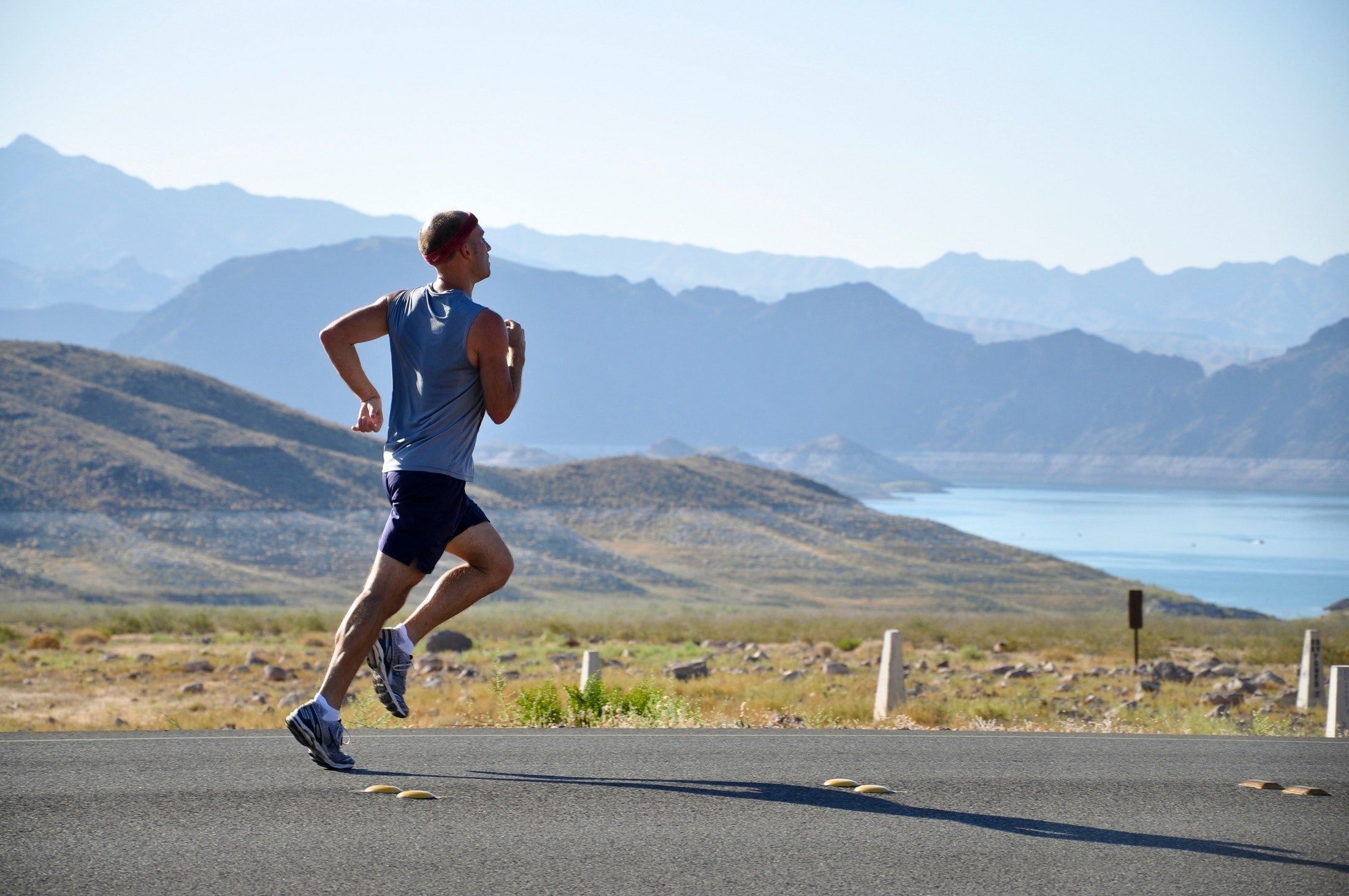
The Ultimate Morning Running Safety Guide for Solo Runners

Running before the sun shows its face? That’s a whole different kind of therapy.

The streets are dead quiet, your thoughts finally have room to breathe, and that first light slicing through the sky feels like your own private win.

I wasn’t always a morning guy, but now?

I crave that early calm.

Science agrees — morning runs can sharpen your focus and improve mood for hours afterward.

You beat the heat, dodge the crowds, and start your day with something no one can take away: a win.

But here’s the truth — freedom comes with responsibility. If you’re running before sunrise, safety isn’t optional. It’s part of the plan. You’ve got to prep so your brain can relax into the run instead of scanning every shadow.

I’ve learned that the hard way over years of solo miles in Bali.

These aren’t just tips — they’re habits I stick to every single morning to stay safe and run free.

Non-Negotiable Safety Habits for Solo Runners

Before your feet hit the road, lock these in. No compromises.

1. Tell Someone Where You’re Going

Simple but life-saving. Every morning, I shoot a text: “Out for 45, back by 6:30.”

You can use Strava Beacon, Garmin LiveTrack, or even Life360. One message gives people a reason to check in if you don’t show up.

2. Carry Safety Tools Like You Carry Keys

I never leave without my phone, ID, some cash, and even a pepper spray.

I’ve never needed it, but that’s the point. It’s peace of mind.

Many people carry tools like alarms, spray, or run in groups just to feel safe. Pack what gives you confidence.

A whistle or alarm could pull eyes in your direction fast if it ever came down to it.

3. Stick to Populated, Lit Areas

If it’s dark, you don’t go rogue. I plan routes like a coach builds a training block: smart and low-risk.

I loop around areas with 24/7 spots — minimarts, gas stations, even open cafes.

Ditch the alleys and unlit trails. Run where you could get help in under 60 seconds if needed.

Never take chances on safety.

4. Be a Beacon, Not a Shadow

You want to be visible from blocks away. I wear a headlamp on every pre-dawn run, plus a blinking red LED on my vest and the brightest shirt I can find.

It’s not about fashion — it’s about survival.

A great reminder from the pros: “Make yourself impossible to miss… don’t go out wearing dark clothes”.

If it’s pitch black, dress like a traffic cone. No shame in being lit up like a Christmas tree if it keeps you alive.

Run With an Exit Plan

Before you run, scan for 24-hour minimarts, gas stations, or lit bus stops.

That’s your Plan B.

During the run, I’m always noting: “If things go sideways right now, where do I go?”

Even 30 seconds on Google Maps before heading out can help.

Hydration Game Plan for Tropical Morning Runs

Running in the tropics?
Hydration is survival. Here’s how I handle the heat — and help my runners do the same.

Pre-Run

I down 500 ml (16–20 oz) of water about an hour before I head out. If I oversleep, I’ll at least chug 8 oz 30–45 minutes before.

I often mix in a pinch of salt or electrolytes — that extra sodium helps me hang onto the fluid longer.

During the Run

If I’m out for less than 25 minutes, I usually skip water.  But once I’m past 30 minutes — especially if it’s over 80°F (27°C) —
I sip every 15–20 minutes: around 4–6 oz per sip session.

See salt stains on your hat or shirt? You’re a heavy sweater — load up on electrolytes.

Post-Run

I don’t stop hydrating when I stop my watch. I keep sipping water or a recovery drink until my pee turns that pale lemonade yellow.

I’ll eat a banana or salted nuts. Some mornings I finish with chocolate milk — yep, science backs it as a solid recovery drink.

How to Handle Heat Without Overcooking Yourself

Living near the equator means heat isn’t a summer thing —it’s a year-round grind. But you can train your body to handle it without burning out.

Let me tell you how:

Start Easy

Heat training isn’t about crushing pace. It’s about building tolerance. I tell runners to dial pace back 15–20% at first.

I run by feel or heart rate, not speed. On sticky mornings, I walk the last 10–20% of the run just to stay sane. Don’t race the heat — earn your shade.

Watch the Heat Index

Don’t just look at temperature — factor in humidity. 80°F with 70% humidity can feel like 86°F, and that matters.

Once the heat index climbs, hydration and pacing become even more important. Dew point matters too. Use a weather app and plan accordingly.

Your body will adapt: You’ll start sweating earlier, your heart rate won’t spike as high, and recovery gets easier.

But don’t force it. Heat has no mercy. Be patient, smart, and slow on purpose.

Gear That Keeps You Safe, Seen, and Cool

Let’s be honest — when you’re running solo in the dark or blazing heat, your gear isn’t just about comfort. It’s your lifeline.

Be Seen or Risk It: Visibility Gear for Night & Dawn

Even if the sun’s about to peek over the horizon, I never assume drivers can see me.

  • I throw on a headlamp so I can see potholes.
  • A flashing red LED on my back or waistband ensures I’m not invisible.
  • And yeah, a reflective vest or neon shirt may not look cool, but it beats getting clipped by a half-asleep scooter guy.

Dress for the Heat, Not the Instagram Pic

If it’s hot, your clothes can either help or wreck your run.

I stay away from cotton and dark colors — they trap heat and sweat. Instead, I go for light, moisture-wicking shirts and ventilated shorts.

And on those sweat-drenched Bali mornings? I’ll soak my shirt or bandana before heading out. Feels weird at first, but it works like a portable AC system.

Light & Fast: Carry What You Need—Nothing More

I’m not hauling a backpack like I’m going camping. I use a slim waistbelt or sometimes a handheld bottle.

That’s it.
Just the essentials:

  • Phone
  • ID
  • Tiny snack
  • Pepper spray (yeah, seriously)
  • A few bucks tucked in a zip pocket

If the humidity’s brutal, I toss in a small electrolyte powder packet to drop into my water mid-run.

Lightweight = freedom. You want to be able to sprint or dodge without a bunch of junk weighing you down.

One Earbud Max—Or None

I get it—music helps keep your legs moving when your brain says stop.  But it should never drown out your instincts.

If I use music, it’s one earbud only—or bone-conduction headphones. And volume stays low.

There’s a reason safety guides say to skip music in the dark: You need your ears to pick up on what your eyes miss.

Stay Mentally Locked In

Even if I’m running silent, my brain’s scanning.

I read house numbers.

I notice garage doors that are open.

I glance at people walking dogs or sipping coffee on porches.

If someone’s tailing me—on foot or in a car—I don’t wait to find out their plan.

I’ll cross the street, stop and turn around, or even turn off my headlamp and walk casually for a minute.

Wearables With Emergency Features

Your Garmin or Apple Watch may look fancy, but it can also save your skin.

A lot of them have crash detection or SOS alerts built in. If you stop moving suddenly or fall, they can ping your emergency contacts automatically.

Personally, I use the live location feature when doing long runs.
My girlfriend can pull up my route and see I’m still moving.

It’s not clingy—it’s smart.

Here’s my guide running gear for staying safe.

When Things Go Sideways: What I Do When It All Goes Wrong

Let’s be honest—none of us lace up thinking, “Today’s the day I sprain something or get stalked.”

But if you run enough, something will eventually go off script.

That’s why I always have a mental checklist of what to do when the run takes a turn for the worse.

Got Injured?

If I roll an ankle or cramp up mid-run, the first thing I do is stop pretending I’m a superhero.

I check if I can walk it off slowly without making things worse.

If I’m close to home, I’ll hobble back.

If not, I call a ride—usually a Grab or taxi.

That’s why I always run with my phone and a debit card.

Got Lost?

If I realize I’ve missed a turn or wandered too far, I backtrack.
I look for a landmark I recognize.

Still lost? I pull up Google Maps on my phone.

Even in places I don’t know well, I’ve never had trouble finding someone to help—another runner, a shopkeeper, or just ducking into a café for Wi-Fi.

Here’s how to make sure to never get lost again.

Someone Following You?

Creepiest scenario, hands down. It’s rare, but it happens.

If I get the feeling someone’s trailing me, I slow down and let them pass. If they don’t, I’ll make a sudden turn or cross the street to check if they follow.

If they do, I head straight to a crowded area and call someone, talking loud enough for the follower to hear.

I’ve even said something like: “Hey, I’m near the bakery on Sunset. Can you meet me there?”
To let both the stalker and my friend know what’s going on.

My 2-Minute Pre-Run Safety Scan

Here’s the little ritual I go through before heading out.

It takes two minutes and gives me peace of mind for miles.

  • Hydration – Throat dry? Water bottle filled?
  • Gear – Phone charged and on me? Got my ID and med info? Carrying pepper spray or a whistle?
  • Visibility – Headlamp working? Reflective gear on?
  • Route Plan – Know where I’m going? Did I tell someone when I’ll be back?
  • Check-In – Quick “Heading out now, back in 45” text or turn on live tracking.

If I check these off, I feel ready—mentally and physically.

How I Stay Mentally Safe Out There

Here’s the shift:

Safety isn’t paranoia—it’s freedom.

When I’ve done my safety prep, I run better. I’m not scanning shadows. I’m locked into my stride, zoned in, enjoying the morning air.

This stuff doesn’t add stress—it removes it.

Now, all those steps I take before I run? They’re automatic. Phone’s charged, shoes feel solid, route’s locked in.

I don’t even think twice. I just get to run.

So no, I don’t see safety steps as a chore. I see them as the price of peace.
And I’ll pay that price any day to keep logging joyful, injury-free miles.

Feeling Nervous About Running Alone?

You’re not the only one.
I coach runners every week who are just starting out—or coming back after something scary.

Here’s what I always say:

Start Small

Pick easy loops. Run mid-morning. Stick to busy paths. No shame in easing in.

Heck, bring a friend or run laps near your house at first. Carry pepper spray. That’s not fear—it’s wisdom.

Make Safety a Ritual

When safety steps are part of your routine, they stop feeling like chores. They become like tying your shoes.

Text your route. Check your gear. It’s simple stuff—but it adds up to confidence.

Confidence Grows With Reps

Every good solo run builds you up.

You go from nervous to confident, one outing at a time.

And no, you’re not a target just because you’re being smart.

You’re building a habit that keeps you strong and running for the long haul.

Final Takeaways: Be Smart, Stay Strong

Here’s what I remind myself—and every runner I coach:

Safety = Strength

Taking care of yourself doesn’t make you weak.

It means you’re a runner with a long-term mindset.

Preparation = Freedom

The more you prepare, the freer you run.

Simple as that.

Morning Miles Should Feel Like Home

Not a battlefield. Not something to fear.

Just you and the road, and the sunrise ahead.

So go chase those early miles.

But do it smart.

Running in the Sun: Risks, Rewards & Real Advice from a Coach Who Learned the Hard Way

running in the sun

Let me paint a picture.

Bali. 10 a.m. Sky like a blowtorch. I lace up for a long run, feeling strong. Fit. Confident. Maybe a little cocky.

10 miles later, I’m weaving across the road like a drunk, seeing spots, skin pale as milk.

A scooter driver pulled over — not to offer a ride, but because I looked like I was seconds from collapsing.

That day didn’t end in a medal. It ended with a heat scare that left me shaky, humbled, and smarter.

Next, I took a Gojek (Bali Uber) home, and collapsed the whole day.

Here’s what I learned: the sun doesn’t care how fit you are.

Your PRs, your VO₂max, your mileage logs — none of that matters if you overheat.

The sun is an unrelenting training partner, and if you don’t respect it, it’ll bury you.

Let me share with you my full guide to running in the sun…

Is Running in the Sun “Good” or “Bad”? Yes.

The sun isn’t your enemy — but it’s no casual buddy, either. Think of it like altitude or hills: powerful if used right, dangerous if you’re careless.

Let’s break it down.

The Rewards: Sunlight Can Be Your Ally

  • Vitamin D Boost: Just 10–30 minutes of sunlight helps your body produce vitamin D — crucial for mood, bones, immunity, and even sleep regulation. (Low D = low energy.)
  • Mental Lift: Sunlight triggers serotonin — the “feel-good” hormone. That’s why a sunny run often feels more energizing than a gray-day slog.
  • Circadian Sync: Morning sun exposure helps suppress melatonin and reset your body clock, improving sleep quality.
  • Possible Endurance Perk: Some studies suggest that UVA rays can stimulate nitric oxide release — dilating blood vessels and slightly improving blood flow and endurance. Think of it as a micro “boost.”
  • Grit Training: Running in the heat builds mental toughness. If you can push through a sun-scorched tempo, you can handle just about anything race day throws at you.

So yeah — sunshine isn’t all bad. Done right, it can actually help you become a stronger, tougher, more resilient runner.

The Risks: The Sun Hits Harder Than You Think

But here’s the reality check: running under that giant UV lamp in the sky comes with serious downsides, especially if you wing it.

1. Dehydration & Heat Illness

Your body heats up faster in direct sun.

Add in humidity, and your internal cooling system struggles to keep up. That’s when heat exhaustion (or worse, heat stroke) starts knocking.

  • Dizzy at mile 8?
  • Nausea after a short run?
  • Stumbling, seeing spots?

You’re not “just tired.” You’re overheating — and the margin between “fine” and “medical tent” is razor-thin on hot days.

2. UV Exposure = Skin Damage

This one sneaks up on you. You don’t “feel” UV damage right away, but it builds over time — and runners are uniquely exposed.

I used to skip sunscreen on runs. “It’s only an hour.” “It’s cloudy.” “I don’t want it to sting my eyes.” Sound familiar?

I stopped making excuses after watching a teammate get a biopsy on his cheek — and it wasn’t a sunburn that caused it.

3. Performance Suffers in Heat

Even before danger sets in, heat drags your pace down. Your heart works harder. Your perceived effort spikes. You might be doing “easy pace” but your body thinks it’s threshold.

And here’s the kicker: it’s not weakness. It’s physiology.

Heat increases core temperature → blood shifts toward skin to cool you → less oxygen-rich blood goes to your muscles → pace drops, fatigue rises.

It’s not mental. It’s science.

Why the Sun Slows You Down  

Ever feel like your easy pace turns into a slog under the hot sun? That’s not mental weakness — it’s biology doing its best to keep you from overheating.

Heat = Internal Traffic Jam

When your core temp rises, your body sends blood to the skin to dump heat (this is why you flush red).

That’s great for cooling — but bad news for your muscles, because now less oxygen-rich blood is going to your legs.

You’re suddenly underpowered at the same pace that felt easy in cooler temps.

  • Heart rate spikes
  • Breathing gets heavier
  • Perceived effort climbs

You’re not suddenly out of shape — you’re just fighting biology.

The Numbers Don’t Lie

  • Every 10°F over 55°F slows marathon times by 1.5–3%
  • Just 2% dehydration = 4–6% drop in performance
  • Each 1°C (1.8°F) rise in internal temp = ~10 bpm increase in heart rate

That’s why your effort level feels way higher even if you’re running slower than usual.

Dehydration = Thicker Blood + Less Power

You sweat to cool off. But sweating means fluid loss. That means less blood volume, which forces your heart to work harder to pump what’s left.

Add in electrolyte loss and you’ve got a recipe for cramps, dizziness, and decline.

And in humid weather? It gets worse. Sweat can’t evaporate, so you overheat even faster. Your body pours out more sweat, and dehydration snowballs.

Vicious Cycle in the Sun

  • Body tries to cool itself → sends blood to skin
  • Muscles get less oxygen → pace feels harder
  • You sweat more → lose fluids and electrolytes
  • Blood thickens → heart pumps harder
  • Heart rate soars → effort spikes
  • You slow down or bonk

Sound familiar? That’s the sun beating you down.

Everything I Wish I Knew Sooner

Running under the sun doesn’t have to fry your skin or wreck your training.

I learned most of this the hard way (sunburns, overheating, brutal post-run headaches).

Save yourself the pain and follow this proven, step-by-step checklist for safe and smart sun running.

1. Use Sunscreen Like a Pro (Not an Afterthought)

If you ignore everything else, don’t skip sunscreen. It’s simple, fast, and could literally save your skin (and your life).

Here’s what I drill into all my runners:

  • Use SPF 30 or higher – Go for broad-spectrum, which blocks both UVA and UVB. I use SPF 50 on bright days.
  • Sports/water-resistant formula – Regular face lotion with SPF 15 won’t cut it for a long, sweaty run.
  • Apply 20–30 minutes BEFORE heading out – Not as you’re stepping out the door. Give it time to bind.
  • Don’t skimp – Use at least 1 oz (a shot glass) for full body.

Commonly missed spots:

  • Ears
  • Back of neck
  • Tops of shoulders
  • Hairline/scalp
  • Tops of feet (if wearing sandals or open shoes)
  • Reapply on long runs – After 90–120 minutes, it’s breaking down.
    • Carry a mini stick
    • Plan your route to loop by your car/house

Check expiration dates, and don’t store sunscreen in a hot car—it degrades faster.

Quick stat: Regular SPF 15+ use can lower your melanoma risk by 50%. If you remember to charge your GPS watch, you can remember sunscreen.

2. Cover Up with UPF Gear (Yes, Even in Heat)

I used to think running shirtless or in a tank was “cooler.” That worked—until the sun toasted my shoulders and I peeled like an onion for a week.

Now I swear by UPF clothing.

UPF = Ultraviolet Protection Factor. It’s like SPF for fabric.

A UPF 50 shirt blocks 98% of UV rays—no reapplying needed.

Here’s what works:

  • Lightweight long-sleeve UPF shirts
    • Moisture-wicking, loose fit, reflective
    • I run in Columbia and Patagonia UPF 50 shirts—cooler than a tank in blazing sun.
  • Sun sleeves
    • Like arm warmers but UV-blocking. Great for races that start cool but heat up.
  • Hats are non-negotiable
    • Pick one with a dark underbill to reduce glare
    • Desert-style caps with neck drapes? Dorky but effective.
  • Neck gaiters or Buffs
    • Protects neck, can be soaked with cold water too
  • Visors (if you hate full hats)
    • At least shade your face—but sunscreen your scalp.

Fabric tips:

  • Look for UPF, “UV protection,” or brand tags like “Omni-Shade”
  • Synthetic > cotton, tight weave = better sun block
  • Light colors reflect heat (my go-to is a loose white long sleeve)

Remember: UPF clothing is your first armor layer. Sunscreen covers what your clothes don’t. Don’t skip either.

3. Shield Your Eyes – Polarized Sunglasses Are Non-Negotiable

Running in the sun without sunglasses? Rookie move. Your eyes take a beating out there—UV exposure isn’t just annoying, it’s damaging long-term.

We’re talking cataracts, macular issues, and that relentless squinting that turns every run into a headache.

Here’s what you need in real running sunglasses:

  • 100% UV Protection: This is the bare minimum. Lenses must block 100% of UVA and UVB rays. If they don’t, you’re making things worse—dark lenses without UV protection dilate your pupils and invite more UV in. Always check for certified UV protection.
  • Polarized Lenses: Cuts glare from pavement, cars, water—any horizontal light that makes you squint and lose focus. On the roads, they’re a game-changer. (Note: can distort watch screens and terrain slightly.)
  • Wrap or Full Coverage Frames: Light leaks kill comfort. Wide lenses or wraparound frames block from sides and top, while also keeping dust, wind, and bugs out.
  • Non-Slip Fit: Lightweight, sweat-proof, rubber nose pads and arms. No bounce, no constant adjusting.

I wear goodr shades—cheap, polarized, stay in place. No bounce, no fuss.

4. Hydration & Electrolytes

Hot day? Sunny run? You better have a hydration plan. This isn’t optional—it’s survival.

In the heat, you’re bleeding fluids and salts. Ignore that and you’ll crash hard: fatigue, cramps, heat exhaustion.

Here’s how I handle hydration when the sun’s blazing:

I sip water steadily for hours before any run in the heat.

  • Not gallons—just steady intake.
  • Afternoon run? Drink all morning.
  • Morning run? Full glass right when I wake up.

No pounding water. Just topping off.

Running dry is like showing up to the track meet in flip-flops. Don’t be that runner.

When to Drink: Don’t Wait for Thirst

If you’re waiting until you’re parched, you’re already late.

  • Small sip every 15–20 minutes on hot runs
  • Nothing crazy, just consistent

Pro Tip: Pair fluids with electrolytes if you’re out for more than an hour or sweating buckets. Look for sodium, potassium, and magnesium—not just sugar water. I use tabs or mix-ins like Nuun or LMNT.

5. Don’t Just Drink – Replenish Electrolytes Too

If you’re sweating buckets on a long or hot run, you’re not just losing water—you’re leaking out crucial electrolytes like sodium, potassium, and magnesium.

Ever finish a summer run with white streaks on your shirt or face? That’s salt, not just sweat.

Ignoring this can leave your muscles cramping and your brain foggy.

In extreme cases, you risk hyponatremia—dangerously low sodium levels, especially if you’re only drinking water.

My rule? For any run over an hour in heat, I add electrolytes to the mix:

  • Drop a tablet (Nuun, GU Hydration, LMNT, etc.) into your bottle
  • Use a low-sugar sports drink
  • On really long or hot efforts? Keep salt capsules handy and pop one if cramping kicks in

Bonus: Electrolyte drinks often taste better than plain water—which helps you drink more. Just watch the sugar content if your stomach gets touchy during intense efforts.

And don’t stop hydrating after your run. That’s when real recovery happens.

Simple trick: Weigh yourself pre- and post-run. For every pound lost, drink 16–20 oz of fluid. Lost 2 lbs? That’s about a quart of water to sip over the next hour or two—ideally with some sodium included.

Post-run hydration = fewer headaches, faster recovery, and no “heat hangover” later.

6. Run Early or Late – Never at High Noon

This one’s simple but powerful: avoid the sun’s peak hours whenever possible. Between 10 a.m. and 4 p.m., the UV index and temps are at their worst.

If you can’t avoid it, be smart—but ideally, just shift your run.

Morning = Best

Most summer days, I’m out the door before 6:00 a.m.

  • Temps are cooler
  • Air is cleaner
  • The world’s quieter
  • You finish before the sun scorches the pavement
  • Plus, you get a small mental win before the day even starts

Evening = Second Best

If mornings aren’t an option, aim for after 6 p.m. when the sun is lower.

  • Still warm, but less direct UV
  • Shaded routes or breezy spots make it tolerable

Midday = High Risk

Sometimes work or travel forces a midday run. If that’s you:

  • Pick shaded paths or trails (tree canopy = nature’s air conditioner)
  • Stay hydrated
  • Consider splitting your session: 5 miles now, 5 later

It’s not ideal for training stimulus, but it keeps you from frying.

7. Mid-Run Adjustments – Stay Ahead of the Heat

When the sun’s up and the temps climb, you’ve got to stay sharp mid-run.

No sweating? Chills? Nausea? Red flags. If they hit, I stop immediately, find shade, and reassess.

Thankfully, since tightening up my prep game, it hasn’t come to that.

That said, I don’t wait for problems. On hot days, I’ll make quick pit stops at water fountains or sprinklers to splash cold water on my face or neck.

  • Dunking my hat under a faucet or in a river = instant cooling for head and neck.
  • Soaking a hat or gaiter with cold water works like DIY air conditioning.

Mindset: You Won’t “Beat” the Sun – But You Can Handle It

The mental game matters just as much as sunscreen and hydration.

Hot runs won’t feel comfortable—stop expecting them to. Instead, train your brain to expect discomfort… and to handle it.

I tell my runners: “Don’t aim for easy—aim to manage the hard stuff better.”

I no longer obsess over pace on hot days. My goal is effort and stamina, not speed.

Over time, I’ve started to take pride in running strong through brutal conditions.

It’s like forging steel in fire—ugly, but effective. Sure, I still curse the sun mid-run sometimes. But I know I’m out there facing what most avoid.

And when race day rolls around on a cool, crisp morning?

You’ll be grateful for every sweaty mile you gutted out in the heat. You’ll be prepared. You’ll be heat-trained.

Coach’s Corner: My Go-To Sunny Run System (Steal This Playbook)

Running in the sun isn’t just a sweat-fest—it’s a battle against dehydration, sunburn, and total energy drain.

After years of trial, error, and the occasional hose-chugging desperation, I’ve landed on a system that works. It’s not fancy, but it keeps me cool, protected, and running strong.

Here’s exactly how I handle sunny runs. Take what works. Leave what doesn’t. Just don’t wing it when it’s 85°F and rising.

1. Gear Up (Cover More, Burn Less)

Forget going shirtless to stay cool. That’s how you get cooked. I wear:

  • White UPF 50 long-sleeve (Columbia or similar): Reflects sun, weighs nothing, and keeps me cooler than bare skin.
  • Sun sleeves if I go with a t-shirt—slide them on once the sun’s high.
  • Hat: Brooks cap for short runs, wide-brim Sunday Afternoons hat for long hauls. I look like I’m hiking the Sahara, but I’d rather look goofy than fried.
  • Polarized goodr sunglasses: No glare, no slipping, no headaches.
  • Optional gaiters: Covers the sock-shoe gap. No sunburnt ankles or weird tan lines. Bonus: keeps trail dust out.

Bottom line: Cover more, sweat smarter. Sun protection is performance gear.

2. Sunscreen Protocol (Apply, Wait, Win)

Sunscreen isn’t optional. It’s gear.

  • I use SPF 50 across the board.
  • Body: Neutrogena Ultra Sheer.
  • Face: EltaMD UV Sport – doesn’t sting when I sweat.
  • Lips: SPF balm. Don’t skip this unless you like cracked, bleeding lips.

Routine:

  • Apply 30 minutes before go-time.
  • Hit all the key spots: ears, neck, behind knees, shoulders, even armpits if they’re exposed.
  • Let it soak in while I prep fluids or do my dynamic warm-up.
  • For long runs: carry a mini sunscreen stick for touch-ups.

Missed spots = regrets. Trust me, I’ve been the crispy guy once. Never again.

3. Hydration Plan (Don’t Be a Hero)

I plan hydration based on duration + heat:

  • <60 mins & mild: I might go dry, but I always drink a full glass before heading out.
  • 60–90 mins: I carry a 500 ml handheld, cold water + salt or electrolyte tab.
  • 2+ hours / high heat: I wear my hydration vest (1.5L bladder), no shame.

Pro move: Freeze half the bottle/bladder overnight, then top it off. I stash a couple electrolyte caps in case cramps creep up.

4. Timing & Route: Outsmart the Sun

  • Morning runs win: I aim to start within 30 minutes of sunrise. Cooler, quieter, less UV intensity.
  • Evening runs: If it’s evening, I wait until 6–7 p.m. when the sun starts to drop.
  • Mid-day (if forced):
    • Shaded loops—parks, tree-lined paths
    • Or drive to a higher trailhead where it’s cooler

If you’re running in direct sun, you’re running uphill in every way. Choose routes that work for you, not against you.

Final Words

Running in the sun is no joke. It can either lift you up or burn you down — sometimes both in the same run.

You get the mood boost, the vitamin D, the mental edge from pushing through heat. But if you’re not careful, you’re flirting with dehydration, sunburn, and heat exhaustion that can sideline your training or worse.

So yeah, soak in the sunshine — just don’t let it cook you alive.

Keep Training strong

David D.

What Causes Foot Hotspots on a Long Run?

hotspots while running

You don’t just “get” a hotspot out of nowhere.

They’re a warning shot—your foot’s way of saying, “Hey, something’s rubbing wrong and if you don’t fix it, I’m turning into a blister.” And on a long run? That little warning can turn into a full-blown foot fire.

So what’s behind these painful trouble spots? Let’s break down the usual suspects.

1. Wrong Shoe Fit – Too Tight, Too Loose, or Just… Wrong

This is the #1 cause. If your shoes are too tight, they’ll dig in and press on the same area over and over—usually causing a burning sting before the blister shows up. Too loose? Now your foot’s sliding with every step, creating friction in all the wrong places.

Don’t forget shape matters too:

  • Narrow toe box = crushed toes, hotspots on the sides
  • Heel that doesn’t lock = heel lift and rubbing
  • Midsole mismatch = arch hotspots

A perfect shoe for someone else can be a foot disaster for you. Fit is personal.

2. Poor Lacing – Yes, How You Tie Your Shoes Can Wreck Your Run

Lace too tight? You’ll create pressure points—especially across the top of your foot or around the ankle. Too loose? Your foot will shift around inside the shoe, and you’ll feel the heat build up with every sloppy step.

  • Bad heel lock = heel rubbing
  • Overly tight forefoot = numb toes and forefoot hotspots

The fix? Learn how to lace for your foot shape. Lock the heel, keep the midfoot secure, and give your toes room to breathe.

3. Sweaty Feet and Sock Mistakes

Moisture is the enemy. Wet skin = soft skin = blister bait.

Your feet swell and sweat during long runs—especially in heat or rain. If you’re wearing cotton socks, they’re just soaking up that sweat and keeping your skin soggy. That’s how you end up with raw, burning spots by mile 8.

Cotton is rotten. Go synthetic or merino wool. And if it’s a long, hot run? Bring a spare pair of socks.

Even great shoes will wreck your feet if your socks turn into wet rags halfway through.

4. Bad Form – When Your Gait Works Against You

If your stride is off, your shoes and socks can’t save you. Examples:

  • Overstriding jams your toes into the front of the shoe = forefoot blisters
  • Heel pounding causes rubbing in the heel
  • Overpronation/supination = excessive movement = hotspots where your foot rolls in or out

If you’re getting hotspots in the same place every run, and your gear’s solid? Time for a gait analysis. Your form might be the real issue.

5. Foot Shape: High Arches or Flat Feet Can Both Cause Problems

Your foot structure affects where pressure builds up:

  • Flat feet = overpronation = arch or ball-of-foot rubbing
  • High arches = pressure concentrated on the heel and forefoot

If your arch doesn’t match your shoe, or if your foot doesn’t sit flush, you’ll get movement—and movement = friction = hotspot.

Some folks with flexible high arches also deal with “foot stretch” mid-stride, which pulls the skin and causes burning under the arch. Fix the structure mismatch and a lot of that irritation disappears.

How to Stop Hot Spots Before They Start

You know what’s worse than hitting the wall in a race? A blister at mile 6 of your 20-miler.

That hot, burning spot shows up out of nowhere, and before you know it, it’s a full-blown mess — bloody sock, shredded skin, and every step screaming at you. Been there, limped that.

But here’s the truth: most hotspots and blisters are preventable. You just need to dial in your shoe fit and sock game like a pro.

Let’s break it down.

A. Lock In the Right Shoe Fit — Or Pay the Price Later

Your shoes are your first line of defense. If they don’t fit, no sock, lube, or tape is going to save you.

Get Professionally Fitted

Don’t guess your size. Go to a legit running store. Have them look at your feet and watch you run — treadmill gait analysis is gold. You want a shoe that matches your foot shape and your stride. High arches, flat feet, wide forefoot — they all matter.

Pro tip: Try on shoes in the evening or after a run. Feet swell during the day, just like they do mid-race. That’s the fit you want to account for.

Length & Width Matter

Leave about a thumb’s width in front of your longest toe. Toes should move freely — no squeezing, no rubbing. Heel and midfoot should feel secure — no sliding or sloshing.

If your toes are getting crushed or your foot’s sliding sideways? You need a better fit or a wider width. I’ve had runners say their foot blisters vanished the minute they went up half a size or switched to a wide model.

Heel Lock = No Rub

If your heel’s popping up or your midfoot’s sliding, you’re asking for blisters on your Achilles or arch. Use a lace-lock technique or try a different insole. Flat feet? Go with supportive orthotics. High arches? Try something cushioned to fill the gap.

Dr. Miguel Cunha says orthotics can fix the sloppy fit that causes friction. I agree — sometimes one tweak in arch support is all it takes to eliminate hotspots.

Break In New Shoes Slowly

Even the right shoe can cause problems if you jump into a 15-miler straight out of the box. Break them in over 2–3 short runs. Feel any rubbing or pressure? Adjust. Persisting hotspot after 2–3 runs? That’s not “break-in pain” — that’s your body saying the shoe’s wrong.

One marathoner I coached dropped his blisters just by going up half a size and switching to a shoe built for his foot shape. He hasn’t had a single issue since.

B. Get Your Sock Game Tight

Socks are the unsung hero of blister prevention. Screw this part up, and even the best shoes won’t save you.

Rule #1: Ditch Cotton Forever

Cotton holds sweat like a sponge — wet socks = soft skin = friction = blisters. Don’t do it.

You want moisture-wicking socks made from technical fabrics: polyester, nylon, acrylic blends, or merino wool. They keep your feet dry and friction low.

Merino? It’s magic. Regulates temp, resists odor, and reduces blisters.

I use thin merino socks even in hot weather. Once I made the switch, I stopped getting toe blisters on long trail runs.

Fit Matters: No Bunching, No Wrinkles

Every wrinkle in your sock is a slow burn waiting to happen. Smooth those suckers out.

  • Too big? They bunch.
  • Too small? They slide.

Either way, you’re getting a blister.

Get socks that actually match your foot size (quality running socks come sized for a reason). Take a second before your run to smooth them out properly. Your feet will thank you.

One runner told me his arch blisters disappeared the day he stopped wearing old gym socks and upgraded to snug-fit moisture-wicking ones. True story.

Sock Thickness & Lacing: The Blister Fix You’re Probably Ignoring

Blisters aren’t just bad luck. They’re usually your gear telling you something’s off — too much friction, pressure, or moisture.

And guess what? A lot of it comes down to your socks and your lacing. Fix those, and you’re already winning the battle before your feet even get sweaty.

Let’s start with socks.

1. Sock Thickness: Dial It In

Sock thickness is more than a preference — it’s a fit strategy.

  • Thick socks can add cushion and reduce friction if your shoes have a bit of extra space.
  • But cram thick socks into a snug shoe? Boom — pressure points, hot spots, and black toenails.
  • Thin socks are great for tight shoes or hot weather but might slip around if there’s too much room.

Pro move: Keep a rotation.

  • Thinner socks for summer runs or snug shoes.
  • Thicker ones for cold weather, roomy shoes, or days when your feet swell.

Bonus tip: If your shoe feels loose? Try thicker socks or even doubling up — instant snug fit without needing a new shoe.

2. Try the Double-Sock Trick (If You’re Blister-Prone)

If you’re the kind of runner who gets blisters just from looking at shoes, listen up.

The two-sock system might save your feet — especially on long runs or ultras.

  • Layer a thin liner sock under a thicker outer sock.
  • Or get a built-in double-layer sock like Wrightsock, which has two layers that rub against each other instead of your skin.

The goal? Let the friction happen between socks, not between sock and skin. It’s simple physics — and it works.

One trail runner on Reddit said it best:
“Two socks saved my feet. Blisters used to wreck me. Now? Zero.”

Just make sure your shoe can handle the extra bulk. Loosen the laces if needed — more on that next.

Other Sock Hacks

  • Toe socks (like Injinji) can stop blisters between toes. Great for weird rubbing or if you always wreck your pinky toe.
  • Higher-tab socks or dual heel layers = no more heel slippage or the sock disappearing into your shoe mid-run.
  • Compression or arch-band socks stay in place better. No wrinkling, no bunching.
  • Retire old socks. If they’re thin, pilled, or rough? They’re blister factories waiting to happen.

Ultrarunner tip: Carry an extra pair on long races. Swapping into dry socks mid-run can save your skin.

3. Master Your Lacing: The Game-Changer Most Runners Ignore

Socks are part of the equation — lacing is the rest. How you tie your shoes can make or break your run.

Don’t Lace Too Tight (Or Too Loose)

You want your shoe to feel snug, not strangled. Like a firm handshake — not a tourniquet.

  • Too tight? You’ll kill circulation. Cue numb toes, burning arches, and hot spots on top of your foot.
  • Too loose? Your foot slides around. That’s how you get toe blisters, heel rub, and arch irritation.

Quick test:
You should be able to slip one finger under the top lace.

  • Too hard = too tight.
  • Too easy = too loose.

Your feet swell during long runs. Don’t be afraid to adjust mid-run if things start feeling off.

Use a Heel Lock (Runner’s Loop) to Lock It Down

Got heel slippage or back-of-heel blisters? Heel lock lacing is your fix.

Use that top eyelet on your shoe. Make a loop on each side, cross the laces through the opposite loop, and pull down before tying.

This pulls your heel into the shoe without crushing the top of your foot.

This is the go-to for runners with heel issues. One guy said after trying everything — socks, creams, new shoes — it was the heel lock that finally stopped his arch blisters. Sometimes, it’s that simple.

Customize Lacing for Hot Spots

You don’t have to use the same old criss-cross lacing pattern. Modify it to work around problem areas:

  • Skip-lace over the instep if you get pressure on the top of your foot.
  • Diagonal lacing for toe pain or bunions — relieves pressure on that side.
  • Straight bar lacing for high insteps — reduces lace pressure on the top of your foot.

⚙️ Your laces are tools. Use them to relieve pressure, create space, or secure your fit.

Adjust Mid-Run — Don’t Tough It Out

If your foot feels weird at mile 8, stop and fix it. It’s better to spend 30 seconds now than 3 days hobbling later.

  • Heel slipping? Stop and tighten.
  • Forefoot burning? Loosen the toe box.
  • Numb arch? Adjust the laces or re-tie with a skip-lace.

Pro move: Many marathoners do a lace check at halfway — because foot swelling is real.

And always double-knot for long runs. Nothing kills momentum like stopping to tie your shoe again because you rushed it at the start.

D. Lubricate High-Risk Areas — Because Friction Never Takes a Rest Day

Let’s be honest: even with the perfect shoes and socks, friction happens. And if you don’t deal with it, it’s gonna deal with you — in the form of hot spots, blisters, and that painful hobble home you weren’t planning on.

Here’s how to keep your feet slick, safe, and ready to go the distance.

1. Lube Up Before You Lace Up

Before you even think about hitting the road or trail, hit the usual trouble spots with anti-chafe balm or petroleum jelly.

Products that work:

  • Body Glide / Foot Glide
  • Vaseline
  • A&D ointment
  • Squirrel’s Nut Butter (weird name, solid stuff)

Where to apply:

  • Balls of your feet
  • Heels
  • Around/Between toes
  • Instep (especially if you’ve got high arches)

Think of it like putting your skin into “slick mode.” If it glides, it doesn’t rip.

Pro tip: Feel a hotspot mid-run? Stop and fix it. Many runners carry a mini stick of Body Glide or a tiny Vaseline tub. A 30-second fix can save you from a multi-day limp.

2. Tape It Before You Break It

Got a spot that always gives you trouble? Tape it before it becomes a problem.

Your go-to options:

  • Zinc Oxide Tape (Leukotape)
    • Strong hold
    • Super protective
    • Great for long runs or rough terrain
    • Cut to size, slap it on heels, toes, or wherever your shoes rub
  • Kinesiology Tape (KT Tape)
    • Stretchier
    • Breathable
    • Conforms well to toes and odd foot angles
  • Moleskin / Blister Pads
    • Soft, padded
    • Great for heel rub or under the ball of your foot
    • Adds cushion and protection
    • Use before or after a blister forms
  • Hydrocolloid Patches (Compeed, Band-Aid Blister Pads)
    • Gel-style pads
    • Help treat AND prevent
    • Especially helpful once a blister is already brewing
  • ENGO Patches
    • Stick inside your shoe, not on your foot
    • Smooth out heel counters or insole edges
    • Great if your shoe is the problem, not your foot

As one ultra guy put it: “Do something, and you might stay blister-free. Do nothing, and you’re playing with fire.”

3. Dry Feet = Happy Feet

Moisture = friction’s best friend. So if your feet sweat like they’re getting paid for it, take extra precautions.

  • Use foot powders (Zeasorb, Gold Bond, or plain ol’ cornstarch) to wick moisture
  • Try antiperspirant spray on your feet before a run
  • Let your shoes and insoles dry completely between runs

Heads-up: Some people get skin irritation from antiperspirants. Test it on a short run first. If your skin hates it, stick with powder and breathable socks.

Check Your Form — Your Feet Might Be Fighting Your Stride

Here’s something most runners miss when dealing with hot spots, blisters, or weird pressure points: it might not be your gear — it might be your form.

You can spend all day swapping socks, trying new shoes, lacing them ten different ways… but if your stride’s off, your feet will keep taking the punishment.

Here are the usual suspects:

Overstriding

If your foot’s landing way out in front of your body — straight knee, long stride — you’re likely overstriding. That creates a braking force with every step, especially if you’re landing hard on your heel.

What happens then?

  • Your foot slams forward in the shoe
  • Your toes jam or arch rubs
  • You get friction under the heel as it skids on impact

Fix it: Increase your cadence (steps per minute). Aim for shorter, quicker strides and land with your foot more underneath your body. That small adjustment can massively reduce shear force and help your foot stay put.

Heel Slapping (a.k.a. Hard Heel Striking)

If you sound like a tap dancer when you run, chances are you’re heel slapping — landing hard with each step and creating unnecessary impact.

Why does it matter?

  • The heel hits, but your foot keeps sliding inside the shoe
  • That micro-movement causes rubbing = blisters
  • Especially bad if your heel isn’t locked down properly

Fix it: Try shifting slightly toward a midfoot landing, or at least a gentler heel-first stride with a soft bend in the knee. And make sure your shoes are snug in the heel — no loose-fitting slippers here.

Uneven Posture, Weight Shift, or Gait Quirks

Got one foot that toes out? One hip that drops? Slouching late in your runs?

All of that affects how your feet hit the ground — and that can show up as blisters or hot spots on one side or in a specific part of your foot.

Common signs:

  • Inner-foot rubbing? You may be overpronating or splaying your toes outward.
  • Outer-edge hotspots? Could be supination or tight ankles limiting roll.
  • Uneven blisters? Could be a hip imbalance or form breakdown from fatigue.

Fix it: Strengthen your core. Work on glute activation. And take a look at your posture — even tense arms or collapsed shoulders can mess with your stride. Little things add up over miles.

The Real Fix: Get Your Gait Checked

If you’ve ruled out shoes and still have issues? It’s time to call in the pros.

A running clinic or physical therapist can film your stride, break it down frame by frame, and spot stuff you’ll never see yourself.

Maybe your right foot rolls in more. Maybe your calves are so tight they’re yanking your heel up early. Maybe your ankle mobility is throwing off everything upstream.

Whatever it is — a trained eye can spot it, explain it, and help you fix it with strength work, drills, or inserts.

Example:

  • Arch pain = weak foot muscles → add towel scrunches + doming drills
  • Outer-foot blister = supination → possibly need more neutral cushioning
  • Heel rub = tight calves or poor ankle mobility → foam roll, stretch, rework form

Don’t Get Intimidated — You Can Fix This

You don’t need to overhaul your entire stride overnight. Sometimes, one cue like “increase cadence” or “stay tall with your hips level” is all it takes.

If you’re stuck or guessing? Go see a podiatrist, sports PT, or running coach. It’s not a sign of weakness — it’s a tune-up.

Hot spots are signals. Your feet are trying to tell you something. Listen, and you’ll run stronger, longer, and without having to tape up every toe.

Got Flat Feet or High Arches? Here’s How to Run Without Blisters

Your foot shape matters more than you think when it comes to blisters.

If you’re rocking super flat feet or sky-high arches, you’re automatically playing the game on hard mode. Both extremes create hotspot zones where friction and pressure can tear your skin up if you don’t plan ahead.

Here’s how to fight back and keep your feet happy mile after mile.

Flat Feet (Low Arches)

Flat feet usually = overpronation.

Translation: your foot rolls inward too much with every step.

The result?

  • The inner arch and big toe take a beating
  • The arch skin (normally protected) can rub and blister
  • Your foot lengthens under load, so your toes might jam the front of your shoe

Fix It:

  • Structured, Supportive Shoes
    Look for stability or motion-control running shoes with firmer inner foam. These keep your arch from collapsing like a hammock and reduce shearing under the arch.
  • Orthotics or Insoles
    Even an over-the-counter arch support can make your blisters vanish. Custom orthotics? Even better — they stabilize your foot, stop the slide, and save your skin.
  • Lacing Tricks for a Snug Midfoot
    If your shoes feel loose over a flat arch, use midfoot loops or runner’s lock lacing. Goal: keep the foot from swimming inside the shoe.
  • Arch-Strengthening Drills
    Build some intrinsic foot strength to support that collapsing arch:

    • Towel scrunches
    • Marble pickups
    • Short foot exercise (lift your arch without curling toes)

Stronger feet = less sliding, fewer blisters.

High Arches (Pes Cavus)

High-arched runners are the opposite problem: stiff and supinated.

Pressure is all on the heel and forefoot, while your arch barely helps absorb impact.

Typical pain points:

  • Ball of the foot burns on long runs
  • Heel hotspots from bone rubbing
  • Top-of-foot pressure if the shoe upper presses on a high instep

Fix It:

  • Cushioned, Neutral Shoes
    Go soft and forgiving. High arches need shock absorption — stiff shoes are your enemy. Bonus: choose a model with a higher-volume upper to avoid top-of-foot irritation.
  • Supportive Insoles (Yes, for High Arches Too)
    Arch support here isn’t to “correct” you — it spreads pressure out. Look for insoles with:

    • Heel cup
    • Gentle arch bridge
    • Metatarsal pad to offload the forefoot
  • Wider Base for Stability
    If your foot wobbles and rubs along the outer edge, try a shoe with a wider platform or mild stability.
  • Mobility + Strength Work
    High arches are often rigid and tight:

    • Roll a ball under your arch
    • Stretch your calves and plantar fascia
    • Do the same towel and marble drills to wake up those small foot muscles

Dack’s rule: “A strong, supple foot blisters less — no matter your arch shape.”

Mid-Run Hotspot? Don’t Be a Hero. Stop and Fix It.

You’re cruising along, feeling good, and then… there it is. That little warm tingle on your foot.

You know what’s coming next if you ignore it: a full-blown blister that’ll make stairs your enemy tomorrow.

Here’s the deal — and every seasoned runner will back me up:

The moment you feel a hotspot, stop.

Yes, it’s annoying to break your flow.
Yes, your running buddy might roll their eyes.

But five minutes now saves five days of hobbling later.

Pull Over and Check

  • Find a safe spot and take your shoe off.
  • Let your foot cool and breathe for a sec.
  • Check for wrinkles, grit, or a tiny pebble.
  • Feel for that red, warm patch that’s screaming “future blister!”

This pause alone often prevents things from getting worse.

Fix the Easy Stuff

Nine times out of ten, the fix is simple:

  • Sock bunched? Smooth it out.
  • Foot sliding? Adjust or tighten your laces.
  • Shoe too tight from swelling? Loosen a bit.
  • Grit or pebble inside? Evict it like a bad roommate.

Little tweaks make a big difference mid-run.

Dry It and Protect It

If your foot’s sweaty or damp, give it a mini spa moment:

  • Air it out for a minute
  • Swipe on anti-blister balm if you carry it
  • Or throw on a piece of tape or a blister patch to cut the friction

Trail and ultra runners swear by this. They carry tiny tape squares for exactly this reason.

Decide How Bad It Is

Here’s how I think about it:

  • Just warm & red? You caught it in time — cover it and go.
  • Small blister forming? Pad it. Keep the skin intact if you can.
  • Big & nasty or in a race? If you must pop it, do it clean (side poke, leave the skin, cover it).

If it’s a normal training run and it still hurts? Call it. Live to run tomorrow.

Test and Adjust

  • Lace back up, start slow, and see how it feels.
  • If pain is gone, awesome — you’re back in business.
  • If it keeps nagging, consider switching to a walk or heading home.

There’s no prize for grinding your skin off.

I always tell my athletes:

“A 3-minute hotspot stop can save 3 weeks of downtime.”

I’ve seen ultrarunners blow past aid stations with hotspots and end up hiking the last 20 miles in misery.
Meanwhile, the cautious ones? They fix it, cruise on, and finish strong.

Build Your Hotspot & Blister Prevention Kit

Whether you’re logging a back-to-back long weekend or lining up for a trail ultra, a blister kit is one of the smartest things you can carry (or at least keep in your car or drop bag).

It doesn’t need to be bulky, just functional.

Here’s what to pack:

Item Why It Matters
Body Glide / Vaseline Your first line of defense against friction. Swipe on feet pre-run. For ultras, bring a tiny stick or travel tub to reapply. Lubrication = less rubbing = fewer hotspots.
Zinc Oxide Tape / KT Tape Acts as instant armor. Tape over your usual trouble spots (heels, arches, toes). Stays on even when wet. Pre-tape or patch mid-run if a hot spot appears.
Dry Socks Sweat + wet socks = blisters. Swap to a dry pair mid-run, after a stream crossing, or when your shoes feel swampy.
Blister Bandages (Moleskin, Compeed, ENGO) Moleskin cushions, Compeed seals and heals, ENGO patches stick inside your shoe to cover a rough spot. Bring a small assortment and you can MacGyver almost any fix.
Toe Separators Gel or foam spacers prevent toe-on-toe friction — a lifesaver if your big toe rubs your second toe or if you get inter-toe blisters.

Optional but clutch in a pinch:

  • Alcohol wipes (clean skin or sterilize a needle)
  • Small safety pin (for draining blisters)
  • Antibiotic ointment & band-aids

Pro Tip: Don’t just carry the kit — practice using it. Know how to tape your heel or cut a donut of moleskin before race day. Fumbling with sweaty hands at mile 40 is no time for a DIY lesson.

When a Hotspot Becomes a Blister

Even with the best prep, sometimes friction wins. Here’s how to handle it:

Standard Blister

  • Small & tolerable? Cover and protect. Moleskin donut or Compeed.
  • Big & painful? Sterilize a needle, drain at the edge (never remove skin), dab antibiotic, cover.

Popped Blister

  • Rinse with clean water (or wipe, yes it stings)
  • Apply antibiotic ointment
  • Cover with hydrocolloid (Compeed) or a clean bandage
  • Keep it clean and covered until scabbed over

Blood Blister

  • Best left intact. Blood = higher infection risk.
  • Only drain if absolutely necessary, and do it sterile.

Hotspot… or Something Else?

Not all “burning” under your feet is a blister.

  • Persistent pain with no visible blister? Could be metatarsal stress, plantar plate irritation, or Morton’s neuroma.
  • Recurring blisters in the same spot despite fixes? Time to see a sports podiatrist or PT for gait analysis or orthotic evaluation.

Your feet are giving you data. If the same spot keeps firing up, listen. Addressing the root cause now prevents bigger problems later.


Hotspots & Blisters: Listen Before They Scream

Blisters are the runner’s tax. Ignore them, and they collect with interest. Treat them early, and they’re nothing but a minor speed bump.

Here’s how to keep your feet happy, heal faster, and get back to training without limping around like you just ran 100 miles.

1. Infection: The Only Real Danger

Most blisters are harmless, but an infected blister is a hard stop.

Red flags:

  • Pain that keeps getting worse
  • Spreading redness or swelling
  • Warmth or pus (yellow/green)
  • Fever or red streaks up your foot/leg (rare but serious)

Bottom line: If you see these, stop self-managing. Get a doctor to drain, clean, and, if needed, prescribe antibiotics.

Dirty trail water + popped blister = recipe for cellulitis. Don’t gamble.

2. Run or Rest?

Here’s the blunt truth:

  • Minor blister: Drain it, protect it, tape it, and you can usually run (expect discomfort).
  • Big or deep blister: Take a day or two off, cross-train, or switch to low-impact (bike, swim, elliptical). Running on it just tears it open and drags out healing.

Stage race or can’t miss a session?
Layer up with blister plaster + tape + double socks. You can run — but you’re trading short-term gain for longer recovery.

3. Prevention Mode: Smart Runners Don’t Get Surprised

Once you get a blister, that spot is now “blister famous.”

Next run? Preemptive strike:

  • Tape it or lube it before you leave the house
  • Rotate socks/shoes to reduce repeat friction
  • Keep your feet dry and gear adjusted mid-run

“Don’t tough it out – tape it up.”
Two minutes of prevention beats two weeks of hobbling.

Quick Recap: Blister-Safe Running Blueprint

  • Gear Up Smart – Shoes that fit, socks that wick. Retire shoes and socks before they die.
  • Be Proactive – Known trouble spot? Tape or lube it before the run.
  • Mind Your Mechanics – Stronger, smoother form means less weird rubbing.
  • Stay Dry – Swap socks if soaked, loosen or re-lace if you feel friction.
  • Act Early – Hotspot whispers = stop and fix. Don’t wait for the scream.

Coach’s Note

Almost every runner earns their blister stripes — even elites. The difference is that smart runners treat hot spots like an early warning system, not a badge of toughness.

“Address the little problems early, and the big problems never show up.”

Your feet will thank you, your training will stay on track, and the only burn you’ll feel will be in your lungs and legs — not on your toes.

Your Turn

What’s your worst blister or hotspot story, and what saved your run? Drop it in the comments — your trick might be the one that keeps another runner on the road.