The Ultimate Guide to Boosting Your Immune System During Marathon Training

If there’s one thing marathon training has taught me, it’s this: you can nail every workout on the calendar, but if your immune system crashes, your whole season can go off the rails overnight.

I’ve had training blocks derailed by one poorly timed cold, usually right after a week where I thought I was being “tough” by skipping sleep or pushing through fatigue.

Spoiler: that never ends well.

The good news? Staying healthy isn’t about doing anything extreme.

It’s about stacking simple habits that keep your body strong enough to handle the mileage, the weather, the stress, and everything life throws at you between workouts.

Below are the exact strategies I use—and the ones I give my athletes—to stay illness-free more often than not.

None of these are magic bullets, but together they’re the closest thing you’ll find to an immunity training plan.

1. Get Your Sleep Game Right

Sleep isn’t optional — it’s the behind-the-scenes magic.

That’s when your body churns out immune cells and repairs what you broke during your runs.

Cut your sleep short, and you’re asking for colds to sneak in.

I’ve pulled late-nighters and paid the price: sore throat, low energy, missed training.

Aim for 7 to 9 hours a night. No excuses. I treat that extra hour like part of my training plan.

What helped me:

  • A wind-down routine (stretch, read, lights low).
  • Zero screens an hour before bed.
  • Treating rest like mileage. Because it is.

2. Eat Like You Mean It (Fuel & Hydrate)

Food is more than fuel — it’s defense. Running burns calories, yes, but it also increases your need for micronutrients.

That means real food, not just gels and bars.

  • Go for color: fruits, veggies, whole grains, lean protein, and good fats.
  • Eat enough: I’ve seen runners get sick constantly just because they’re under-eating. One guy I coached kept getting colds until he stopped dieting and started fueling. Changed everything.
  • Drink water: Being dehydrated weakens your first line of immune defense — your mucous membranes. That dry post-run mouth? That’s a warning sign. Rehydrate, especially after sweaty workouts. Electrolytes matter too.

What about supplements?

If you’re low on something (like vitamin D), sure, take one. I take a basic multivitamin—just in case. But mega-dosing C or zinc won’t make you Wolverine. Save your money. Get bloodwork if you think something’s off.

Keep in mind that supplements are complements – not the real deal. Focus on the real thing – the food.

Try this: Eat a rainbow, hydrate often, don’t skip meals after hard runs.

3. Stress is a Sneaky Killer — Manage It

We talk about physical stress all the time: workouts, mileage, intensity.

But mental stress? That’s the silent killer. High cortisol wrecks your immunity over time.

Yes, running helps — it clears the mind like nothing else.

But it’s not the only tool.

I added yoga on rest days. It felt weird at first, but now it’s a staple.

Other things that help me:

  • Deep breathing before bed
  • Journaling when life’s chaotic
  • Disconnecting from drama (especially online drama)
  • Laughing with people I like

Don’t underestimate connection either. Hanging out, chatting, laughing — all that boosts immune markers too.

If your life’s high-stress, maybe skip that interval day and opt for rest. Sometimes healing means pulling back, not pushing harder.

4. Train Smart — Don’t Burn the Engine Out

Here’s the habit too many runners skip: rest. You can train hard, but if you never back off, your immune system tanks.

  • Follow hard days with easy ones.
  • Use the 80/20 rule: 80% easy effort, 20% hard.
  • Avoid big mileage jumps — that 10% rule? Still holds.
  • Wake up exhausted? Throat tickle? That’s your body asking for mercy, not another tempo.

One runner shared he got sick five times in four months from overdoing it. Since slowing down and fueling better? Zero illnesses.

What works for me:

  • Foam rolling after long runs
  • 20g protein within 30 mins post-run
  • Full rest day every week (yes, full)
  • Listening to HR and fatigue before intensity

Recovery doesn’t “boost” immunity directly, but it clears the runway so your body can stay strong.

5. Don’t Forget the Basics: Hygiene & Health

We runners like to think we’re tough. But we still need to wash our hands.

During cold season (or when something nasty’s going around), keep it simple:

  • Wash hands often
  • Don’t touch your face after public runs or gym sessions
  • Wipe down gear when needed
  • Be cautious post-run when your immune system’s in the recovery dip

After long trail runs, I started carrying hand sanitizer in my belt—especially after porta-potties or public fountains. Sounds silly? It’s saved me more than once.

Vaccines matter too.

Think of them like your immune system’s training plan.

Flu shot? Helps.

COVID vaccine? Worth it.

Being fit might even help them work better, according to research from Mount Sinai.

Strong runners aren’t invincible — we’re just a bit more prepared.

Final Thoughts: Your Immune System is Like Your Mileage Base

Run consistently. Sleep deeply. Eat smart. Chill out. Clean up.

When I’ve got all of those lined up, I feel bulletproof. No sniffles. No missed workouts. Just steady progress.

Your immune system loves consistency.

So build habits like you build miles — one at a time, stacked week after week.

Can You Train for a Marathon Without Long Runs? Expert Coach Answers Every Question

If you’ve ever trained for a marathon, you know the questions start piling up faster than the miles.

Do I really need a 20-miler? What if I’m short on time? Am I going to destroy my knees? Will I hit the wall?

Trust me—I’ve asked all of these myself, and I’ve coached runners who’ve asked them twice as loudly.

Here’s the truth: marathon training isn’t a one-size-fits-all blueprint.

It’s more like a toolbox—use what helps, ditch what doesn’t, and build something that works for your life, your body, and your goals.

Over the years, I’ve seen runners crush marathons off unconventional plans, cross-training-heavy plans, low-mileage plans, and yes, even plans where the longest run barely cracked 13 miles.

So in this article, I want to break down the real answers—no fear-mongering, no one-size-fits-everybody rules.

If you’ve got doubts, you’re in the right place. Let’s tackle them one by one and get you ready for that start line.

Q: Can I run a marathon without doing long runs (like 20-milers)?

Absolutely.

If your goal is simply to finish, not crush a personal best, you can pull it off without ever running the classic 18- to 20-miler.

I’ve coached runners who did it — one of them only hit 13 miles in training and still crossed the finish line.

But let’s be real: skipping long runs comes with trade-offs.

You’ll need to double down on consistency — rack up weekly mileage, stack back-to-back medium runs, and simulate race fatigue through other methods like tempo workouts and cross-training.

Long runs teach your body how to handle hours on your feet, so if you’re skipping them, you better make those alternatives count.

At the very least, aim to get in a few runs around 13–16 miles to build confidence and durability.

Q: What’s the shortest long run I can get away with?

Honestly? The bare minimum most coaches (myself included) are cool with is around 13–16 miles.

Research shows benefits kick in around that 13-mile mark — especially for building endurance.

Programs like Hansons cap long runs at 16 miles, and plenty of runners have nailed their marathons off that. But here’s the thing: if you’re slower and 13 miles takes over 3 hours, it’s smarter to think in terms of time, not distance.

A 2.5 to 3-hour run is generally enough. Anything longer? You’re more likely to get injured than gain fitness.

So if you’re asking what you can “get away with,” the answer is: enough to train your body — without breaking it.

Q: How can I train for a marathon when I don’t have much time?

Simple — train smart.

When time is tight, go for frequency over distance. Running four to five days a week, even if the runs are shorter, can build a solid base.

Mix in tempo runs or intervals to squeeze out more gains from less time. And use weekends wisely — a 10-mile Saturday and 6-mile Sunday adds up!

Don’t forget cross-training. A bike ride or swim can add cardio without pounding your legs. And always leave room for recovery — rest is training too.

A study showed that even runners doing only 3 runs a week, averaging 25 miles total, made solid progress, as long as they were consistent.

Busy runners, how many days a week can you realistically train? Let’s build from there.

Q: How do I avoid injury while training for a marathon?

Stay on top of the basics:

  • Don’t make the long run your monster run. Keep it under 30% of your total weekly mileage.
  • Add mileage gradually. Follow the 10% rule and build in easy weeks.
  • Strength train. Build glutes, core, and quads — strong muscles absorb stress.
  • One full day off per week. Sleep. Eat well. Hydrate.
  • Listen to pain. Persistent discomfort = back off. Better to skip a run than lose a month.

And here’s a tip from someone who learned the hard way: Just because the plan says “20 miles” doesn’t mean you have to do 20. You’re the boss of your body.

Q: Will I “hit the wall” if I skip long runs?

You might. That mile-20 crash — the infamous “wall” — often shows up when glycogen runs out and your body panics.

Long runs train your system to manage fuel better and handle the grind.

But even without traditional long runs, you can prepare for it. Practice fueling on runs longer than 90 minutes.

On race day, eat early and often. Pace wisely. Start too fast and you’ll hit the wall no matter how many long runs you did.

The wall isn’t just about energy — it’s about unfamiliar territory.

If your longest run was 14 miles, mile 15 and beyond will feel like Mars. Prepare for that. Mentally rehearse it. Break the race into chunks. Be ready to fight for every step.

Q: Do elite runners skip long runs?

Not really. Elites typically run 18–22 miles regularly because it’s only a couple of hours for them.

Their bodies are used to the workload, and recovery is part of their job. But here’s the key: even elites don’t let those long runs become more than 25% of their total weekly volume.

And they don’t just slog through long runs — they make them count with tempo efforts, surges, or back-to-back hard sessions. So don’t feel bad if a 20-miler takes you four hours and wipes you out for three days. That’s not the point.

If you’re not elite, don’t train like one. Borrow the principles, not the mileage.

Cross-Training While Marathon Training: Building Endurance Without Beating Yourself Up

If you’ve been following me for any amount of time, you know I’m a big believer in running smart—not just running more.

And here’s the honest truth most runners eventually learn the hard way: your legs can only take so much pounding before they start talking back.

Loudly.

That’s where cross-training saved my marathon seasons more times than I care to admit.

Cycling, swimming, rowing, even a gritty elliptical session—these aren’t “cop-outs.”

They’re secret weapons.

They let you pile on aerobic conditioning without grinding your joints into dust.

I’ve used them when I was coming back from injury, when life got messy, and when my brain was just tired of staring at the same stretches of asphalt.

Let me break down how to make it work for you.

Why It Works

Marathons aren’t just about muscles—they’re an aerobic war of attrition. And your heart, lungs, and energy systems don’t care if you’re getting your training from a bike or your sneakers—they just want time under tension.

Long cardio sessions on a bike, for instance, can train your energy systems to go the distance.

Plus, activities like swimming or cycling work different muscle groups, which helps balance things out.

That can mean better form, fewer overuse injuries, and honestly—less mental burnout.

You don’t need to run every day to build endurance. You just need to stay active and keep challenging your aerobic engine.

Real-Runner Bonus: Mental Refresh

Ever get sick of running? I do. Sometimes swapping a tempo day for a tough spin class can be the difference between burnout and bouncing back.

Plus, if you’re busy, it’s nice to know you can still build fitness with a gym bike or pool when your schedule or body won’t let you run.

Some marathoners actually increase their total training load this way—fitting in more hours of cardio than their legs alone could handle.

But… Specificity Still Matters

Here’s the catch: no matter how fit you get on a bike or in the water, running a marathon is its own beast.

Running is high-impact. Your legs, joints, tendons—they need to feel that load.

I’ve seen athletes with insane cardio from cross-training totally gas out on race day—not because they weren’t fit, but because their legs weren’t hardened to the task.

So cross-training is great, but it’s not a full substitute. It should support your running—not replace all of it.

Also, keep in mind the logistics: bikes, pools, gear… it can be a hassle. And if you’re new to something like swimming, it might wear you out faster than it helps.

Substituting Long Runs with Cross-Training: What Actually Works

I’ve seen this done, and not just on paper.

One of my coaching friends trained for a marathon almost entirely on the elliptical after she got sidelined by a stress fracture injury.

On her long-run days, she hit the elliptical for 90 minutes straight—high resistance, dripping sweat—to mimic the time-on-feet.

She still managed two short runs a week to stay sharp. Race day came, and she finished. Slower than she’d hoped, sure, but strong and pain-free.

She told me afterward, “The hardest part was my feet — they were dying by mile 20.”

And that tracks. No machine can fully toughen up your feet like pavement does. But her heart and lungs? Rock solid.

Coach’s Tip

If you’re swapping long runs with cross-training, try a combo move: run half the long-run distance, then jump on the bike or hit the pool to finish.

Example: 10 miles on foot, followed by 60–90 minutes of steady cycling.

Boom — you get that marathon-style fatigue without as much impact trauma.

I’ve also had injured runners thrive with aqua jogging. It’s mind-numbing, yes, but it mimics running better than most alternatives.

And whatever you do, don’t drop running entirely.

Even if mileage is low, you’ve gotta keep your muscles and tendons used to the movement.

Use your rest days or backup days for cross-training, and still apply that same “build-it-up” mentality—gradually increase the intensity and time, just like you would mileage.

Building a Mini Strength Corner That Makes Running Pain-Free

Running is simple. You lace up, step outside, and move. But staying pain-free while running often takes more than just mileage. Strength training helps runners keep injuries at bay, run more efficiently, and feel stronger during every stride. Creating a small space at home for the right tools can make that routine easier and more enjoyable.

When people picture setting up their own space, they often imagine a full home gym. In reality, runners only need a few smart pieces of gym equipment to build strength that supports healthy, pain-free miles. With a handful of affordable tools, you can create a dedicated corner that fits into any living room or garage without taking over your entire space.

Photo by  Anastasia  Shuraeva

Why Strength Work Matters for Runners

Running is repetitive. Each step uses the same muscles again and again. Without extra support, small weaknesses can grow into overuse injuries like shin splints or knee pain. Adding simple strength moves helps balance the body. Stronger hips, glutes, and core muscles keep your stride steady, reduce wobble, and spread the load across your whole frame.

Think of strength work as building the foundation of a house. Without it, the walls start to crack. With it, the structure stands tall and steady. For runners, this means fewer aches, faster recovery, and better performance during races or everyday jogs.

Choosing the Right Space

You don’t need a spare room to create a strength corner. A small patch of floor space near a wall or in the garage works fine. Look for a spot where you can stretch your arms without hitting furniture. Add a non-slip mat to define the area and protect your floors.

The goal is not size but accessibility. If your corner feels inviting, you’ll use it more often. Keep your equipment in sight so workouts feel like part of your routine rather than a big production.

Core Essentials for Your Mini Strength Corner

Start small. A few versatile items can cover nearly all the moves runners need.

  • Resistance bands: Light, portable, and great for activating glutes and hips.
  • Dumbbells: Ideal for lunges, squats, and upper-body strength. Choose weights you can lift with control, not strain.
  • Foam roller: Helps with recovery and loosens tight muscles after long runs.
  • Mat: Adds comfort for core work and protects against slips.

This basic setup takes up little space but supports dozens of exercises. Over time, you can add extras like a kettlebell or stability ball if you want more variety.

The Exercises That Make the Difference

With just a few minutes after a run or on rest days, you can target weak spots and protect yourself from injuries. Here are a few moves worth including:

  • Glute bridges with a band around your knees to fire up hips and glutes.
  • Single-leg deadlifts using dumbbells to build balance and stability.
  • Planks and side planks for core strength.
  • Calf raises on the edge of a step to support ankle strength.
  • Lunges forward and backward for total leg development.

These movements don’t require long sessions. Ten to fifteen minutes, two or three times a week, can make a noticeable difference in your running comfort.

Keeping Motivation High

One of the biggest hurdles in strength work is consistency. Runners often prefer being outdoors, so indoor strength sessions can feel like a chore. To keep motivation up:

  • Pair your strength work with short runs. Finish your miles, then roll straight into a 10-minute routine in your corner.
  • Keep equipment visible instead of tucked away. Out of sight often means out of mind.
  • Track small wins. Notice when your knees feel steadier on long runs or when hills feel less tiring.

These reminders help connect your indoor effort with real-world running benefits.

Recovery Tools That Earn Their Place

Runners should also think of their strength corner as a recovery zone. A foam roller is the obvious choice, but small extras like massage balls or even a yoga block can help. Use them to ease tight calves, stretch hip flexors, or roll out sore quads. Recovery tools turn your corner into more than just a workout zone—it becomes part of your long-term health plan.

Budget-Friendly Approach

Building a strength corner doesn’t need to be expensive. Bands are affordable, dumbbells can often be found second-hand, and mats are widely available. Start with the basics and add only what you’ll use. A few solid pieces are far more effective than a collection of fancy gear that gathers dust.

Think of it as building your running insurance. Each small investment helps protect you from missed weeks on the sidelines due to injury.

Photo by Abdulrhman Alkady

Bringing It All Together

Running pain-free takes more than strong lungs and legs. It takes balanced muscles, smart recovery, and a routine that’s easy to stick with. A small, dedicated strength corner at home gives runners a practical way to build those habits without the hassle of heading to the gym every time.

By setting up this space, you give yourself the tools to run longer, stay healthier, and enjoy the sport for years to come. A corner may be small, but the benefits for your stride are huge.

Add Dynamic Motion Graphics Using Video Background Remover

The digital storytelling is now influenced by motion graphics. They provide power to social clips, brand videos and learning content. The images should have a clean base in order to create the appropriate impact. Distractors to animation are unwanted clutter. A background remover cleans up your clips and gets them prepared to hit. CapCut Web offers this option, and you have the opportunity to turn ordinary video into animated images. Keep reading to uncover the unknown facts right in this article down below!

The reason Motion Graphics rely on Clean Backgrounds

Motion graphics are most effective when they are not obstructed by anything. Even good animations are weakened by a crowded background. Clean cutouts make animations contrasting, and easily discernible. This equilibrium will allow your message to be heard without any distractions. Where the background does not interfere with text or overlays, images are professional. This kind of clarity is essential to effective communication in digital content.

Enhancing Creativity with Background-Free Clips

Elimination of backgrounds creates room to be creative. You can add overlay animation without distortion. Sharp edges make subjects sharp, and motion is smooth. Background free clips allow you to combine text, graphics or visual effects with moving footage. This integration is natural rather than imposed. Animations are a great way to add interest to storytelling, and real movement adds an extra layer. Your videos are more professional and personal.

Steps to Add Dynamic Motion Graphics Using Video Background Remover

Step 1: Launch your project for motion graphics Log in CapCut and then select “Video” from the main menu. Next click on “New video”. Upload your footage from your local device, drag and drop, Google Drive, or Dropbox. Or select from elements if you need.

Step 2: Clear the background for graphics With the video added, click on it and select “Smart tools” from the right vertical menu bar. Then choose the “Remove background” tool. Either use auto removal or adjust with Chroma key. CapCut removes video background in one click. Add your motion graphics or animated backgrounds for a dynamic look.

Step 3: Finalize and export When the graphics blend smoothly, click on the “Export” tab in the top right. In the download tab, set your custom name, resolution, quality, frame rate, and format. Press “Export” to save the animated output.

Including Motion Graphics across Platforms

Various media require different styles. On Tik Tok or Instagram, content that is short and fast is more effective with bold animation. Brand explainer videos are based on simple graphics that emphasize the characteristics or services. Structured graphics are helpful in learning to educational content. To meet these requirements, CapCut Web transforms itself to be a video editor, as well as a creative design tool. With the backgrounds removed, you ready your footage to be enhanced on platforms. Every video is customized without distractions.

Making Combos: Backgrounds + Animations

Dynamic narration usually demands an amalgamation of images. On a clean background, it is possible to combine moving backgrounds with moving text. When used with cutout subjects kinetic typography provides rhythm. The combination of 2D icons and 3D rendered shapes form individual layers within one frame. These imaginative decisions are based on videos that are ready to be made. CapCut Web allows you to experiment without quality reduction. Things become even more possible when your clips begin on a clean stage.

Editing Strategies in Practice

Balance is needed in motion design. Keep graphics moving with subject movement to create a natural movement. This eliminates the appearance of overlays as out of place. Make transfers between graphics and live action. Do not put effects everywhere. Congestion dilutes meaning and makes the message weak. Editing that is controlled has greater effect. Having a clean background means that whatever elements are added to the scene can only add value to the scene and not overpower it.

More Sophisticated Tools with more flexibility

CapCut Web offers AI-powered tools that enhance efficiency. Its AI background generator allows you to use your own designs or images to replace cleared footage. You have an opportunity to adjust the atmosphere of your video to appropriate visual setting. Rather than being confined to a single background, you are free to experiment with the tones until the scene looks just right. The feature will increase creative control and conserve time on editing.

Conclusion

Motion graphics are built on solid ground. Text, overlays, and effects are distinguished by clean backgrounds. CapCut Web provides such clarity through its background removal. Your videos have more impact with a combination of accurate editing and animated effects. Regardless of whether you produce social media clips, branded explainers, or educational content, it all starts with the crisp editing decisions. Motion design begins with accuracy and CapCut Web helps you have that accuracy.

The London Marathon: Racing for Joy, Running with Heart

If you’ve been hanging around RunnersBlueprint for a while, you know I’m a sucker for races with personality—and few do “personality” better than the London Marathon.

I’ve grown up following its news, watched friends fall in love with it, and even caught myself daydreaming about what it’d feel like to charge across Tower Bridge with a million strangers yelling their lungs out.

London isn’t just a marathon; it’s a moving street party wrapped in history, heart, and a bit of British mischief.

So today, I want to take you behind the scenes—past the royal roots, the wild costumes, the grit, and yes, even the wine-tasting mile markers—and show you why this race has become one of the most iconic 26.2s on the planet.

Whether you’re chasing a PR or chasing joy, London has a way of reminding you why you fell in love with running in the first place.

Let’s get to it shall we?

From Royals to Road Runners

Fun fact: London helped lock in that 26.2-mile marathon distance way back in 1908 during the Olympic Games.

That royal add-on to Windsor Castle made history, and the modern London Marathon leans into that legacy hard.

The real modern spark came in 1979 when Olympic gold medalist Chris Brasher ran the New York City Marathon.

The crowd, the energy, the camaraderie—he was hooked.

Brasher and fellow athlete John Disley brought that same spirit to London, and by 1981, the first London Marathon took off with around 7,000 runners (compare that to today’s 50,000+ runners storming across Tower Bridge—talk about growth!).

Running the London course is like touring a movie set: Tower Bridge, The Eye, Big Ben, and the finish right in front of Buckingham Palace.

That royal flair is no joke.

In 2023, King Charles III even marked the exact starting point of that historic 1908 race with a plaque at Windsor Castle.

The 26.2 tradition has some proper royal roots now.

Costumes, Charity & Chaos—in the Best Way

If Boston is all about qualifying and tradition, London is about pure fun and heart.

It’s the biggest one-day fundraising event in the world.

Since 1981, runners have raised over £1 billion for charities. That kind of generosity sets the tone.

You’ll see runners dressed as superheroes, rhinos, wedding cakes, and yes—Big Ben.

And it gets better.

There’s a Guinness World Record contest every year—fastest marathon in a beer costume, diving suit, or even while juggling.

One hero, Lloyd Scott, took on the 2002 race in a 130-pound deep-sea diving suit. It took him five days, and he slept in that thing at night. That’s next-level commitment.

Then there’s the runner who did wine tastings at every mile—25 different samples in 26.2 miles. Only in London. (Or maybe Bordeaux, but that’s another story.)

Cheeky Crowds & That Finish Line Energy

If there’s one thing that makes the London Marathon unforgettable, it’s the crowd.

Over a million people line the streets, cheering like their lives depend on it.

You run past signs like “You run better than the government” or “Worst parade ever”—classic London humor.

Running over Tower Bridge halfway through? It’s electric. The noise bounces off the stone and surges into your legs. I

And that finish down The Mall? You’re staring straight at Buckingham Palace, red pavement under your feet, Union Jacks flying high. Some runners bow, others wave to the Queen’s balcony.

In 2018, Queen Elizabeth II herself started the race from Windsor Castle via video. Only London, man.

Coaching Take: Run with Purpose, Not Just Pace

Here’s what I love about London—it reminds you that marathons aren’t just about hitting a time. They’re about why you’re running.

When your legs are screaming at mile 22, it’s not always about pace charts or splits.

It’s about that deeper reason. A name. A promise. A cause.

And also… remember not to take yourself too seriously.

If a guy in a giant Big Ben costume can get stuck under the finish and still laugh about it, so can we.

London shows that running hard and having fun aren’t opposites. They work together.

That old saying—“Run the first 10 miles with your head, the next 10 with your legs, and the last 6.2 with your heart”—London nails that last part better than any race I’ve ever run.

A Race for Everyone

London proved something important: you don’t have to choose between serious running and joyful running.

You can chase a PR and still wave at kids in the crowd or high-five a stranger.

Even the elites love London for fast times. But just behind them?

You’ve got someone breaking the record for “fastest marathon dressed as a dairy cow.” And both get a celebration.

It’s that spirit that’s rubbed off on marathons around the world. Charity teams are now everywhere.

Even Boston has thousands of non-qualifier charity runners these days. London led the way.

Final Thoughts: Why I Recommend London to Every Runner

Whether you’re aiming for a sub-3:00 or running your first marathon in a silly costume, London will give you a race day to remember.

You’ll laugh. You’ll struggle. You might drink wine mid-race. And you’ll finish feeling like you were part of something much bigger than a run.

If Boston is a badge of honor, London is a hug. It’s where you go to feel the joy of running again.

Runner to runner—if you ever get the chance to race London, take it.

Not just for the Buckingham Palace photo op, but for the reminder that running can be meaningful, hilarious, painful, and beautiful all at once.

The Boston Marathon: America’s Oldest Race and the Hills That Break You

If marathoning was born in Greece, it grew up in Boston.

First run in 1897—just a year after the Athens Olympics—the Boston Marathon is the OG of annual marathons.

So, what makes Boston so damn iconic?

Let me share with you what I found out about this must-do event—from quirky distance history to the infamous hills that chew runners up and spit them out.

Why Patriots’ Day? A Revolution of Endurance

Boston’s race day lands on Patriots’ Day, originally April 19, now the third Monday in April.

That’s not random.

This is a city that honors the revolution—and the marathon fits right in. On Marathon Monday, the whole city turns electric. Some run. Some cheer. And everyone’s tracking splits somewhere.

Back in 1897, the first Boston Marathon had 15 starters and just 10 finishers—on a 24.5-mile course from Ashland to Boston.

Yep, not the 26.2 miles we know today.

That’s because the marathon distance hadn’t been standardized yet. It wasn’t until 1908, after London’s Olympics, that the 26.2-mile length stuck.

By 1924, Boston moved the start to Hopkinton so the course could stretch to the full 26.2.

The Hills That Break You – And the Name That Stuck

Let’s talk Heartbreak Hill.

Actually, let’s talk hills—plural. Boston’s got a sneaky set around miles 17 to 21, famously known as the Newton Hills.

The name has history.

In the 1936 Boston Marathon, Johnny Kelley—already a running legend—caught up to Ellison “Tarzan” Brown on the last Newton hill.

Kelley gave him a friendly pat on the back.

That move lit a fire in Brown, who surged ahead and won. A reporter wrote that Brown had “broken Kelley’s heart” on that climb.

And just like that, the name stuck.

Here’s the kicker: most runners new to Boston think they’re on Heartbreak Hill long before they actually are.

Each rise feels worse than the last. But when you hit the real one… you know. It hits deep. But so does the pride of cresting it.

The Loudest Mile in Running: The Wellesley Scream Tunnel

Around mile 12, something magical happens. The Wellesley College girls show up. And I mean show up.

It’s called the Scream Tunnel, and you hear it way before you see it. It’s like a tidal wave of cheers—high-pitched, relentless, and impossible to ignore.

They hold signs like “Kiss me, I’m a biochem major!” and yeah, some runners oblige.

It’s goofy, it’s joyful, and honestly? It’s the kind of lift you didn’t know you needed halfway through a race.

Boston’s full of that energy. Kids handing out orange slices. Spectators banging cowbells like their lives depend on it.

And the final turn onto Boylston Street?  That wall of noise carries you to the finish like a wave.

And the tradition? Red Sox fans roll out of Fenway (they play early on Marathon Monday) just in time to cheer runners home.

That’s Boston: the whole city becomes one big, sweaty, beautiful support crew.

The Women Who Crashed the Party – and Changed Everything

Boston wasn’t always this inclusive.

In 1966, women weren’t allowed to enter. But Bobbi Gibb didn’t ask for permission.

She hid in the bushes near the start, jumped in, and ran the whole thing—finishing in around 3:21.

No bib, no recognition. But she made history.

In 1967, Kathrine Switzer registered under the name “K.V. Switzer” and got a real bib.

During the race, a race official tried to literally shove her off the course.

(If you’ve seen that black-and-white photo of a guy in a suit grabbing a runner mid-stride, that’s her.)

But her running mates blocked him, and she finished strong.

By 1972, women could finally register officially. Eight did.

Nina Kuscsik won it—and every woman who’s ever run a marathon owes her and the others a nod.

Now?

Women make up almost half the field.

That’s one of my favorite things to tell new runners—especially women who still hear “Can you really do that?” Bobbi and Kathrine proved it. You train, you belong. Period.

Boston Strong, Always

Boston has seen it all. The highs. The heartbreaks. And yes, tragedy.

The 2013 bombing was the darkest day in its history. But what followed? Boston Strong.

The whole city—and the running world—came together. The next year, finishers crossed that line not just for themselves, but for everyone affected.

To me, that’s the core of marathoning: resilience. You get knocked down, you come back stronger.

Coaching Takeaway: Boston Will Expose You

Boston isn’t just about fast times. It’s a course that demands respect.

The early miles are downhill, which tempts you to go out hot. But if you don’t rein it in, those Newton Hills will chew you up.

I’ve coached dozens of Boston runners—and I always say the same thing: Boston doesn’t care how fit you are.

If you’re not smart, it’ll break you. Pace wisely, fuel smart, and respect the course. That’s how you earn that final stretch on Boylston.

That moment? Turning the corner toward the finish, with the crowd roaring?

It stays with you forever. Every step, every long run, every early morning—it all leads to that.

The Magic of Boston

Boston’s got unicorn medals (yep, the B.A.A. logo is a unicorn), kiss stations, heartbreak hills, and historic grit.

It’s the oldest annual marathon in the world. It’s got stories you’ll tell forever. Whether you’re chasing a BQ or just watching from the sidelines, Boston reminds you why we run.

If you ever get the shot—run it. If not, watch it. Either way, you’ll feel it in your bones.

Your Turn:

What’s your marathon goal? Have you run Boston, or is it on your bucket list?

Drop your thoughts—I’d love to hear your story.

Stability Shoes or Orthotics? How to Choose the Right Fix for Flat Feet & Overpronation

Look, I know how confusing this stuff gets.

One person tells you to buy stability shoes.

Another swears by custom orthotics.

Someone on Facebook group says minimalist shoes cured their knee pain.

And meanwhile, you’re just trying to run without your feet, shins, or knees screaming back at you.

Here’s the truth: there’s no magic shoe, no perfect insole, no one-size-fits-all fix.

There’s just the right tool for your body, paired with smart training.

That’s why I put together this no-fluff, straight-shooting plan.

No jargon. No shoe-store sales pitch.

Just what actually works in the real world—for the runners I coach, and for the runners who are tired of guessing.

Let’s get into what you should actually do—step by step—to fix overpronation, deal with flat feet, reduce pain, and finally feel good on the run.

1. Understand Your Feet

Start by figuring out how your feet behave. Ideally, get a professional gait analysis at a running store or sports clinic.

That will tell you if you truly overpronate and how much.

Don’t assume just because you have flat feet that you need support—some flat-footed runners move perfectly fine without it. Others with normal-looking arches might roll in way too much.

If you can’t get a gait test, try checking your shoe wear patterns or record yourself running on a treadmill from behind.

Add in your injury history too.

Pain inside the shin? Achy arches? Knees that act up? All that tells a story.

2. Try Stability Shoes First

If you’re dealing with mild to moderate overpronation, I usually suggest trying stability shoes before jumping into orthotics.

Shoes are the easy fix—less expensive, low risk, and you need them anyway.

Go to a good running store, explain what’s going on, and test a few models. Jog around.

See what feels solid but natural. If you put them on and your knees stop hurting after a few runs, you’re probably on the right track. Many runners solve their issues right here.

3. Strength and Form Matter Too

Shoes aren’t the whole answer. Whether you go with neutral or stability, your form and strength work matter just as much.

Simple tweaks—like increasing cadence or avoiding overstriding—can reduce a lot of stress.

I coach runners with flat feet to do foot strength work (arch domes, calf raises, balance drills) and hip work (glute bridges, clamshells, side leg lifts).

Strong feet and hips = less collapsing, less pain.

4. Give It Time, Then Reevaluate

Give your new shoes a couple weeks. Keep doing the strength work.

Then step back and ask: Am I running better? Less pain?

If yes, stick with it. If not, keep reading.

5. Consider Orthotics If Pain Persists

Still hurting even after trying good shoes and bodywork? Time to bring in a pro.

A sports podiatrist or physical therapist can evaluate everything from alignment to gait.

They might recommend orthotics if there’s a legit issue like collapsed arches or tendon irritation.

If so, follow their guidance: ease into them, get adjustments if needed, and keep up the strength work.

And remember to wear them in the right shoes—usually neutral ones.

6. Re-Test Over Time

Your body changes.

If you’ve been using orthotics for a year and feel stronger, try a short jog without them.

Or if you’re in stability shoes, test a neutral shoe on an easy run.

I once coached a runner who used orthotics for two years post-plantar fasciitis.

After building up strength, he forgot his inserts for a track run — and felt fine.

Eventually, he ditched them for running altogether (but still uses them for work shoes). Not everyone can do that, but some can.

7. Comfort Is a Clue

There’s research showing that comfort matters when it comes to injury prevention. If a shoe or insole feels good and you’re running pain-free, that’s a strong sign it’s working for you.

If something feels off or hurts, don’t force it.

8. Don’t Be Afraid to Get a Second Opinion

If a shoe store guy says one thing and your PT says another, ask more questions. It’s your body. You’re allowed to double-check before dropping $500 on custom orthotics.

Sometimes a cheaper insole or another shoe model does the trick.

Coaching Perspective: It’s Not One-Size-Fits-All

Every runner is different.

I’ve coached people who swear by orthotics—haven’t had an injury since.

Others? They ditched theirs and never looked back. My job isn’t to preach one fix. It’s to help runners figure out what works for them.

One of my key coaching mantras: Listen to your feet.

If your arches ache, ankles cave in, or you’re getting the same injuries again and again… that’s your body waving a red flag. Try more support.

But if your feet feel trapped, weak, or uncomfortable in stiff setups? Maybe it’s time to dial back and build strength.

Don’t let ego or internet arguments get in your way.

Minimalist purists will tell you orthotics are a crutch.

Others might say you’re reckless for skipping them. Forget the noise.

There’s no badge of honor for going without insoles. There’s no shame in using them either. Do what keeps you running pain-free.

The Goal: Stay Healthy, Keep Running

Stability shoes. Orthotics. They’re just tools in the toolbox. One isn’t “better” than the other. The best one is the one that keeps you lacing up and smiling at mile six.

Still not sure where to start? Here’s my recommendation:

Step 1: Book a proper gait analysis and shoe fitting. Not just trying shoes on—real. Local running stores usually offer this, and it’s worth every minute.

Step 2: If you’re still having trouble or need a second opinion, see a sports podiatrist. You’re not committing to orthotics—just getting a professional take.

Step 3: You can try both setups. Run in a stability shoe for a week or two. Then try a neutral shoe with an insole. Compare. See what your body tells you.

Try This:

  • Get a gait analysis.
  • Try on shoes from brands like Brooks, Asics, and Saucony—known for their stability models.
  • Book a chat with a sports podiatrist.
  • Test both setups and feel it out over a couple weeks.

Pay attention to your body—not just in one run, but across a couple weeks. Energy, pain, comfort. That’s your feedback loop.

And above all: don’t stop working on strength and running form. Support is just one leg of the injury-prevention stool. Training smart, recovering well, and staying strong are the others.

Let’s Flip the Script

Because not everyone in the running world is waving the arch-support flag. There’s a school of thought out there that says too much support might actually weaken your feet over time. And honestly? That view isn’t totally off the mark.

What Happens When You Baby Your Feet Too Much?

Your feet have their own built-in support system—tiny muscles that help hold up your arch. Think of them as your foot’s core. Now, just like any muscle, if it doesn’t get used, it gets lazy.

Stick your feet in max-support shoes or rely on orthotics 24/7, and guess what? Those muscles start clocking out.

It’s kind of like wearing a back brace all the time. Yeah, it holds you up—but it also takes over the job your abs are supposed to do.

One coach I respect put it bluntly: “Most runners need to strengthen the arch and surrounding muscles… putting an insert under the arch stops it from doing its job” (RunRepeat.com). Couldn’t have said it better myself.

What the Barefoot Crowd Gets Right

The minimalist and barefoot running folks get a lot of things wrong—but one thing they nail is this: letting your feet move naturally can make them stronger.

Studies (and tons of Reddit threads from barefoot converts) show that going barefoot—or using thin-soled shoes—can reduce overpronation. Why? When you’re barefoot, you tend to land midfoot or forefoot, not slamming down on your heels. Your arch actually gets involved in the shock absorption game. It firms up, braces, and does its job instead of collapsing into a cushioned shoe.

Some studies even show the least amount of pronation happens when people run barefoot compared to max-cushioned shoes. So yeah, your fancy $180 stability trainers might actually be encouraging the very thing they’re trying to fix.

Am I saying toss your shoes in the trash? Nope. But there’s real value in training your feet, not just propping them up.

Too Much Support Shifts the Problem

Here’s another twist: over-supporting your feet might just shift the load elsewhere. If your foot can’t move naturally, your knee or hip might start taking the hit.

One study in the Journal of Sports Sciences found that orthotics slightly reduced running economy in some athletes—meaning they actually made them a little less efficient.

That might not matter for beginners, but for someone chasing a new PR? Every bit of energy counts.

So What’s the Game Plan?

Here’s my coaching take: Use support when you need it—but don’t let it become a crutch.

If you’re recovering from an injury or your feet are rolling in like pancakes, by all means, wear a supportive shoe or insert to stay healthy.

But also do the work.

Strengthen your arches with toe curls and towel scrunches.

Balance on one foot. Fire up your hips and glutes with clamshells and bridges.

Run with good form. Over time, you might not need as much shoe under you.

Some of my athletes even play around with barefoot drills or minimalist shoes—on grass or turf, and always slowly.

Just keep mind this stuff takes patience. Don’t go from zero to barefoot marathons overnight. That’s how you get hurt.

And for the record, yes—humans ran barefoot for thousands of years.

But we didn’t grow up that way.

We’ve been raised in sneakers and tile floors. So don’t go full caveman unless your body’s ready for it.

Wrap-Up: What Works for YOU

In the end, there’s no universal answer to the “orthotics vs stability shoe” question.

What matters is finding your balance.

I’ve been the injured guy grasping for a fix. I’ve also been the coach helping others get through that same tunnel.

And let me say this clearly: if you’re struggling with flat feet, knee pain, or just figuring out your best setup—you’re not alone. So many runners have been in your shoes (pun intended).

  • For some, a solid stability shoe is all they ever needed.
  • For others, orthotics were the missing piece.
  • And for a few, it’s a mix—a neutral shoe + wedge insert, or alternating setups depending on the day.

Running for Weight Loss: Treadmill vs. Outdoors — What Really Burns More Fat?

Let’s be real—running can help you lose weight, but it’s not some magic fat-melting button.

If you want real results (not two-week hype that fades fast), you need the right combo of effort, consistency, and smart habits.

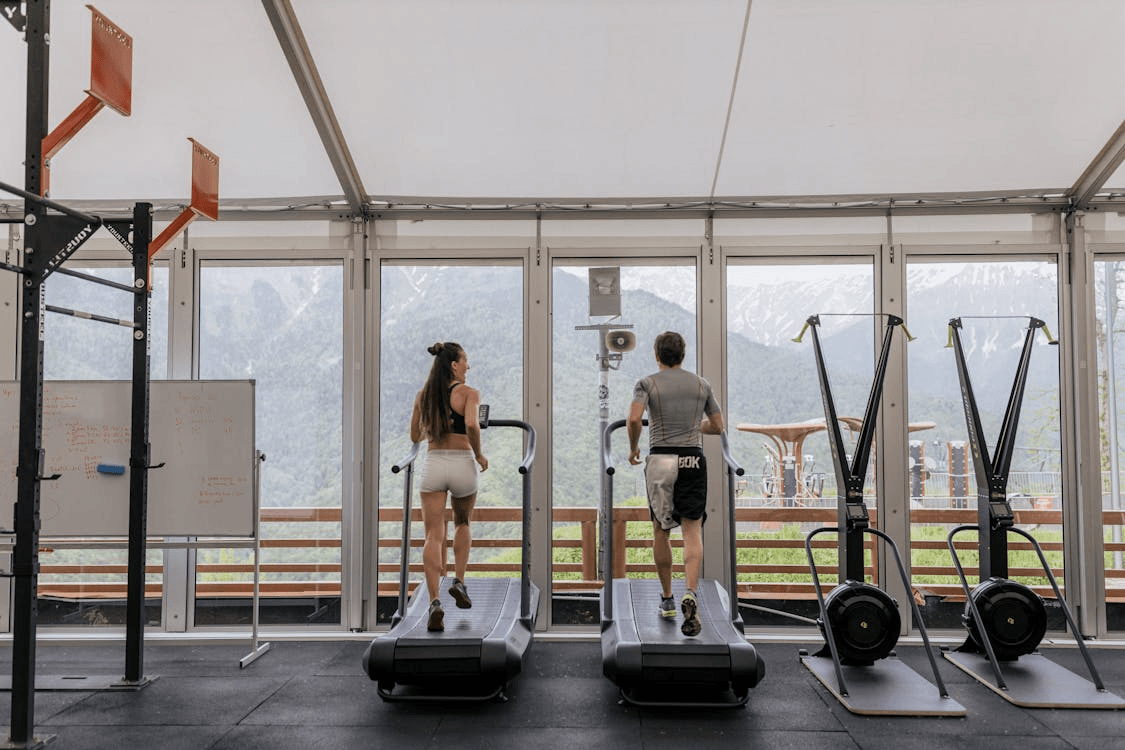
Whether you’re pounding pavement or sweating on the treadmill, both can burn fat and build fitness.

The trick isn’t choosing the “better” one—it’s knowing how to use each.

This guide breaks everything down without the fluff:

✔️ how running actually helps you lose weight
✔️ whether treadmill or outdoor running burns more
✔️ how to mix intensities without dying
✔️ beginner-friendly pacing tips
✔️ mistakes that kill progress
✔️ and the real key to staying consistent long enough to see your body change

If you’re tired of overthinking it and just want the straight truth—you’re in the right place.

Let’s get into it.

1. You Can’t Outrun a Bad Diet

Yeah, I’ve said it a hundred times, and I’ll say it again: what you eat matters more than how far you run.

Running is a great calorie burner and builds solid cardio fitness, but if you’re eating like garbage, you’re just spinning your wheels.

Use running as your boost, your weapon, your daily grind—but pair it with better eating habits if you’re serious about fat loss.

Some people also explore tools like Weight Loss Peptides to support their goals, but these only work when paired with consistent training and healthy habits.

Quick check-in: Are you fueling like someone trying to get lean? Or justifying every dessert with, “Well, I ran today”?

2. Mix Up the Intensity

Whether you’re pounding pavement or stuck on the treadmill, mix it up.

Steady runs and interval training both work for weight loss. According to research shared on Healthline, intervals can burn more calories in less time—but that doesn’t mean they’re better for everyone.

Personally, I like to keep it practical:

  • On treadmills? Try 30-second sprints, 30-second walks. Rinse and repeat.
  • Outside? Sprint to the next lamp post. Walk to the one after.

It doesn’t have to be fancy. Just hard enough to make you breathe and sweat.

But if intervals feel too brutal, slower, longer runs still burn fat. Pick what you can stick with—not what sounds impressive.

Question for you: Have you tried intervals before? What’s your go-to method for pushing your pace?

3. Use Inclines to Burn More Without Dying

Treadmills have a cheat code: incline.

Crank it up and suddenly walking feels like hiking Everest.

This is especially good if you’ve got knee issues or you’re just starting out.

When I train beginners, I often have them alternate between:

  • Easy jogging
  • Brisk incline walking

It works. Builds stamina, burns calories, and feels more doable than trying to run nonstop when you’re not there yet.

Try 3% incline or more, walk at a pace that gets your heart rate up, and watch the sweat pour.

4. If the Numbers Motivate You, Use Them

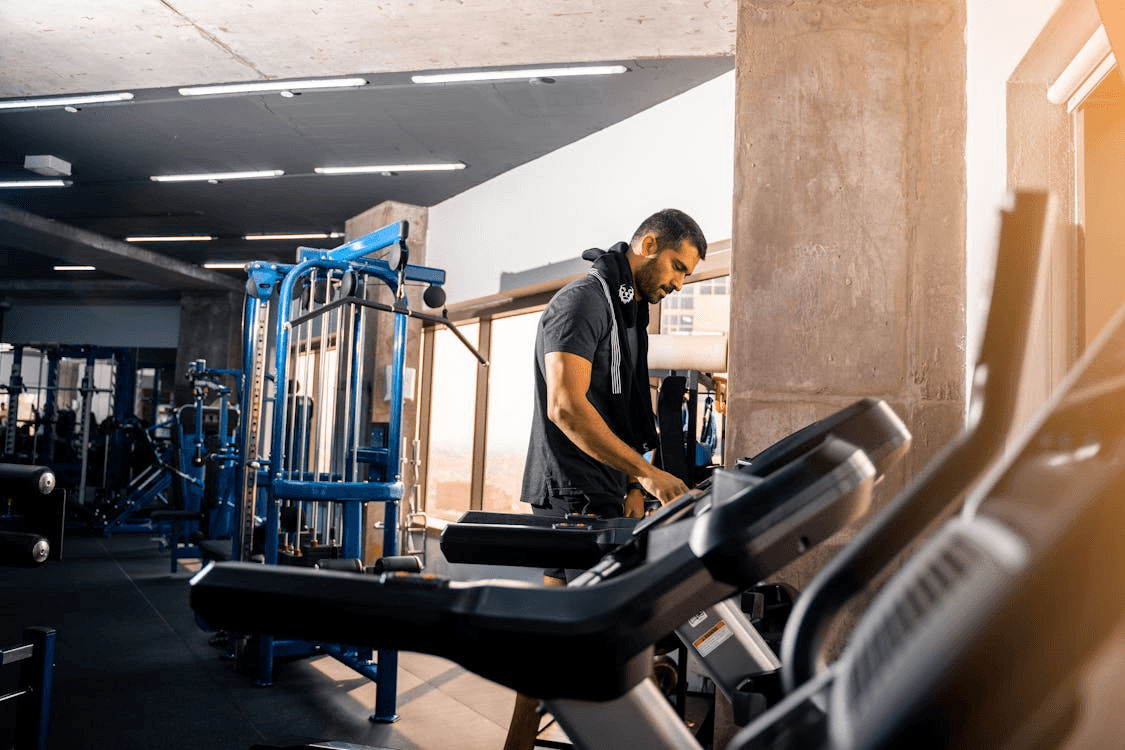
One thing treadmills do well? Feedback. Distance. Calories. Time.

It’s all right there.

And yes, the calorie count isn’t gospel (they often overestimate), but it can still push you.

I’ve coached folks who love chasing those numbers:

“I’m not getting off until I burn 300 calories.”

If that fires you up, go for it. But don’t get obsessed. Use that screen as a guide—not a judgment.

Outside runs can be tracked too (apps like Strava, Nike Run Club, GPS watches), but it’s not as in-your-face.

Find what gets you moving. Whether that’s chasing numbers or chasing sunsets.

5. Enjoyment Matters

This one’s simple: You won’t lose weight from a workout you hate and never do.

If you dread the treadmill, get outside.

If you’re freaked out by running in public, start on the treadmill.

Love both? Mix them up and get the best of both worlds.

I’ve had clients burn more calories from consistent outdoor jogs than people doing “intense” but infrequent treadmill sessions.

From a coach’s seat: I usually suggest a blend.

Easy outdoor runs for stress relief and fresh air, treadmill sessions for focused effort and interval control.

Oh—and don’t forget strength training. Even two short sessions a week will help you burn more calories at rest.

Your body becomes a better fat-burning machine.

So, Which Is Better for Weight Loss—Treadmill or Outdoor Running?

Here’s the honest answer: Both work. Neither is magic.

They’ll both help you burn calories, shed fat, and get fitter—as long as you keep doing them. What matters most? Consistency.

According to Healthline, the environment doesn’t matter as much as your effort and frequency. That said, mixing the two adds variety, keeps your body guessing, and fights boredom (the #1 killer of fitness routines).

Your mission: Pick the option that keeps you moving—and keep at it.

If You’re New to Running, Be Patient (And Kind to Yourself)

I’ve coached tons of beginners. Let me be real: Starting is the hardest part.

But hey, if you’re the type who gets bored on a treadmill, don’t force it.

You can absolutely start your running journey outside.

Just go slow. Slower than you think you need to. I mean it.

Coach’s Tip for First-Timers

  • Don’t chase speed.
  • Measure by time, not distance early on.
  • Try 20 minutes with 1-minute jog, 1-minute walk.
  • Celebrate time on your feet—not miles.

And remember: that awkward run-walk stuff? That’s not weakness. That’s the process. That’s you getting stronger.

Final Words

Losing weight through running isn’t about finding the “perfect method.” It’s about finding your method—the one that keeps you showing up.

Whether it’s to the gym or to the beach, to the hills or the sidewalk…

Just lace up, move your body, and keep showing up. The weight will come off when your habits stack up.

Your turn:

What’s your favorite way to run? Outside, treadmill, or a combo?

What’s been your biggest struggle with staying consistent?

Drop your thoughts. Let’s build that momentum together.

Frequently Asked Questions (FAQ)

Q: Is running outdoors harder than running on a treadmill?

Yeah, it usually is—at least at first. Outside, you’ve got wind, hills, uneven sidewalks, and no moving belt helping push you along. You’re doing all the work. That extra effort adds up, especially when you’re not used to it.

On the treadmill, things feel smoother. Climate’s controlled, belt’s moving—it’s like running on easy mode. But don’t sweat it if your outdoor pace drops. That’s normal. With time and repetition, your body catches up.

I’ve coached plenty of runners who felt wrecked by their first outdoor 5K after weeks on the treadmill—but a month later, they were stronger than ever. Real-world running builds toughness.

🟩 What about you? When was your first outdoor run? Did it feel harder than expected?

Q: Which is better for weight loss—treadmill or outdoor running?

Whichever one you’ll actually do. Both can help you lose weight as long as you’re in a calorie deficit. Sure, outdoor running might burn a few more calories thanks to wind or terrain, but that difference is minor.

What matters is consistency. If heading outside gets you fired up and keeps you out longer, that’s your win. If hopping on the treadmill helps you avoid skipping workouts, stick with it. Personally, I use both—speed work indoors, long chill runs outdoors.

🔥 Coach tip: Don’t chase the “perfect” weight loss workout. Just aim for 30 minutes, 4–5 times a week. And don’t ghost your nutrition either. It’s a full-team effort.

🟩 What kind of run keeps you coming back? Let me know where you feel strongest—outside or inside.

Q: Should I run outside or on a treadmill as a beginner?

Run wherever gets you started. Some folks feel anxious outdoors—too many eyes, unpredictable traffic, surprise hills. If that’s you, no shame in starting on the treadmill. It’s a safe, quiet way to build confidence. A lot of my Couch-to-5K athletes start there.

But if staring at a wall indoors makes you dread your workout, lace up and hit the road (or trail). Start with run/walk intervals and take it easy. You can even mix it up: treadmill during the week, short outside runs on weekends.

📣 Remember: There’s no rulebook here. Just move your body. Over time, you’ll figure out what feels best. And what used to feel intimidating will become routine.

🟩 Have you tried both yet? What’s stopping you from trying the other option?

Q: Do I burn more calories outside?

Maybe a little more—but not enough to stress about. Outside running makes your body work slightly harder thanks to wind, uneven terrain, and no belt assist. Some studies suggest you burn a few extra calories per mile. But again, it’s small.

If you crank the incline on your treadmill or up your pace, you can match (or even beat) outdoor burn. Calorie burn mostly depends on your weight, pace, time, and effort—not the location.

🤔 Pro tip: Don’t blindly trust those treadmill calorie counters. I wear a heart rate monitor for better data, but even then, I focus more on how I feel than the number.

🟩 Curious: Do you track your calorie burn or just go by effort?

Q: Is treadmill running easier on the knees?

Generally, yes. Treadmills usually have a cushioned belt that’s gentler than pounding concrete or asphalt. If you’re injury-prone or coming back from something nagging, it’s a smart tool. I often move recovery runs indoors after tough trail weeks.

But don’t ignore form. Crappy posture or bad shoes can mess you up anywhere. And outdoor runs, with all their variety, actually help you build stronger, more balanced legs over time.

I mix it up—treadmill, trail, grass, whatever’s available. That variety keeps my joints happier than pounding the same sidewalk daily.

🟩 How do your knees feel after a few weeks on one surface? Ever tried switching it up?

Q: How do I make treadmill runs feel more like outdoor runs?

Here’s the game plan:

  1. Set the incline to 1%. It helps mimic the effort of flat outdoor running. Want hills? Bump that incline higher for a few minutes at a time.
  2. Don’t grab the rails. You wouldn’t do that outside, right? It messes with your form.
  3. Run tall and strong. Focus on your stride. Push the belt behind you, don’t just let it pull you along.
  4. Switch it up. Every 5 minutes, change pace or incline. Outdoors isn’t constant—neither should your treadmill run be.
  5. Simulate fatigue. If you’re training for a race, try longer treadmill runs with incline shifts to work different muscles.
  6. Use your brain. Outdoors, your eyes and brain stay busy. On the treadmill, break your run into segments, throw on a podcast, or visualize your race course.

📲 Some treadmills even come with virtual route apps. I’ve used them during rainy-season prep for half marathons—worked great.

🟩 What tricks do you use to make treadmill miles fly by? Got a go-to playlist or mental game?

Q: Why do runners call it the “dreadmill”?

Because it messes with your head. Let’s be real: staring at a wall while running in place can feel like time just… stops. You miss the breeze, the movement, the scenery.

Even die-hard treadmill fans joke about it. I’ve had days where I stared at the clock every 30 seconds. But it’s not the machine’s fault. You’ve got to outsmart the boredom—music, intervals, goals, visualization.

💡 Once you finish a hard treadmill workout and realize you didn’t quit halfway, the dread starts fading. And sometimes, that “dreadmill” becomes your best weapon for staying on track.

🟩 Be honest—what’s your longest treadmill run before you tapped out?

Q: Can I split runs between treadmill and outside? Will it still “count”?

Heck yes, it counts. Your legs and lungs don’t care where the miles come from. If life gets messy and you need to split a run—3 miles outside, 2 on the treadmill later—go for it.

I’ve coached runners who started outside, came home to pee or refuel, then finished the rest indoors. Your body still gets the benefit as long as you don’t wait too long between.

Just don’t overdo it. Stick to your weekly mileage plan. And if you’re training for an outdoor race, make sure you still get enough outside to prep your body for terrain and weather.

🎯 I always say: “Miles are miles.” They all add up.

Tokyo Marathon Guide: History, Culture, Race Day Magic, and What Every Runner Should Know

If you’re building a bucket list of marathons—the kind you dream about on long runs when your mind starts wandering—Tokyo belongs at the top.

This race isn’t just a 42.195 km slog through a city.

It’s a cultural deep-dive.

A sensory overload.

A masterclass in precision, passion, and pure running spirit.

Japan has been obsessed with distance running for generations, long before Tokyo became one of the World Marathon Majors.

And when you land in that city—neon lights buzzing, volunteers bowing, runners in costumes sprinting past shrines—you feel it instantly.

Running means something there. It’s respected, almost sacred.

Tokyo feels like Berlin’s efficiency fused with Boston’s tradition, wrapped in anime energy and delivered with the quiet, relentless grit Japan is famous for.

It’s a young Major with old-school soul—and once you experience it, it sticks with you.

Alright, let’s dig into what makes Tokyo one of the most unforgettable marathons on Earth.

A Young Major with Old-School Roots

Here’s the cool part: the current Tokyo Marathon kicked off in 2007. Compared to Boston or London, that’s pretty fresh.

But Japan? They’ve been marathon fanatics for decades.

The Hakone Ekiden—basically a college relay race—gets Super Bowl-style ratings.

People treat it like a national treasure.

Before 2007, Tokyo actually had two separate elite races: one for men (Tokyo International Marathon) and one for women (Tokyo Ladies Marathon).

When they merged into one giant event, it wasn’t just a logistical move—it sent a message: this is for everyone now.

And runners came in droves. It jumped to over 36,000 finishers in no time.

By 2013, Tokyo was crowned a World Major. These days, entering is like hitting the jackpot—hundreds of thousands apply in the lottery every year.

Japan-Style Efficiency on Race Day

If you think Berlin is well-run, Tokyo takes it up a notch.

I’ve had athletes come back raving about how smooth everything is—from bib pickup to post-race snacks.

Corrals are calm, aid stations are flawless, and volunteers? Let’s just say I’ve never heard anyone complain about a Tokyo volunteer. They’re that good.

One runner told me a volunteer jogged alongside him just to make sure he got his drink safely.


That kind of attention to detail? It’s peak Japan.

Oh—and don’t even think about showing up in a giant inflatable costume.

There are strict guidelines to keep everyone safe. No Big Ben tower guy here—but you will see runners in samurai gear or anime outfits that somehow still allow for a decent 4:30 finish.

Cheering, the Tokyo Way

Now, don’t expect the screaming chaos of New York.

Tokyo’s crowd is a bit more… composed.

Think polite clapping, rhythmic chants, and yes—signs that say “Ganbatte!” (“Do your best!”).

But don’t confuse quiet for lack of passion. The support runs deep. Running in Japan is almost sacred.

Just look at Yuki Kawauchi—the “Citizen Runner” who held a full-time desk job and still won the 2018 Boston Marathon.

When he races in Tokyo, the crowds lose it. He’s proof that guts, grit, and grind still matter more than sponsorships.

And if you’re struggling at kilometer 35?

Expect a stranger to hand you a snack or whisper words of encouragement like you’re on a noble mission. Because to them, you are.

Sights, Scenery & Sakura (If You’re Lucky)

The course? Pure Tokyo.

You start near the Tokyo Metropolitan Government Building and pass the Imperial Palace, Senso-ji Temple, Tokyo Tower, and finish near Tokyo Station.

If you hit a warm spring, you might even catch cherry blossoms in bloom mid-race. I mean… come on.

Running under pink petals with skyscrapers in the background? That’s next-level marathon magic.

The Clock Is Ticking

Now here’s the kicker—Tokyo doesn’t mess around with cut-off times. Most runners get 7 hours, and if you fall behind the pace bus, that’s it. They’ll politely ask you to step off the course.

It’s strict but respectful.

But cross that finish line, and you’re rewarded like royalty.

I’ve heard they hand out high-quality towels or traditional-style wraps instead of those metallic blankets. It’s such a classy, very-Japanese touch.

Why This Race Hits You in the Feels

What really makes Tokyo stand out isn’t just the streets or the snacks or the signage. It’s how seriously the country takes the marathon.

They air it live on TV. Everyone watches. People bow to you afterward if you’re wearing your finisher medal around town.

One friend told me, “I’ve never felt so respected for just running 42 kilometers kind of slowly.”

That stuck with me.

Because running Tokyo isn’t just about time. It’s about being part of something bigger. You’re stepping into a culture that gets the grind. A place that doesn’t care how fast you ran—just that you ran with heart.

Training for the Tokyo Marathon

If there’s one race where discipline meets spirit, it’s Tokyo.

And as a coach, Tokyo’s the perfect place to talk about how different cultures approach marathon training.

Japanese Grit Meets Global Strategy

There’s a well-known saying in Japan: “Marathon is 30% training, 70% guts.”

And honestly? I’ve seen that mindset in full force at Tokyo.

Even recreational runners push hard. You rarely see folks walking early on.

They just dig in and keep going—with that quiet, determined fire.

And while I respect the hell out of that toughness, let’s keep it real: you need more than guts to make it through 26.2 in one piece.

Some of the traditional Japanese training methods go extreme—like 20 miles a day.

Not kidding. That kind of volume works for some, but for most of us, it’s a fast track to burnout.

My coaching philosophy? Take that grit, but balance it with smart pacing, recovery, and knowing when to back off. If you’re training for Tokyo, don’t get pulled into the hype and go full gas from the gun. That race day adrenaline? It’s a trap. Stick to your plan, especially early on.

Fueling the Right Way

Let’s talk food. Because your stomach doesn’t care if you’re in Japan or Jersey—if it’s not used to the fuel, it might fight back.

Tokyo’s aid stations? They’re not your average banana-and-Gatorade pit stops.

You might run into sweet azuki bean soup, hard candies, or even little rice balls.

In some ultras, they serve miso soup mid-run. Cool in theory… brutal if your gut isn’t prepared.

My advice? Test everything in training. Bring your own fuel if needed. The last thing you want at mile 18 is a stomach revolt because you grabbed something unfamiliar out of desperation.

I always tell my runners: “Nothing new on race day—including that tempting mystery snack at the aid table.”

Story That Hit Me in the Feels

Back in 2018, something happened at Tokyo that still gives me chills.

Masazumi Soejima, a decorated Japanese wheelchair racer, had the lead—but he slowed down at the finish line.

Why? To let fellow racer Hiroyuki Yamamoto, who’d never won Tokyo before, take the victory.

Let that sink in.

He’d won before. Yamamoto hadn’t. So he passed the torch.

Moments like that? They’re why I love this sport. It’s not always about beating others—it’s about lifting each other up. That story says more about the spirit of running than any finisher’s medal.

The Fun Side of Tokyo: Costumes & Culture

Even with all its precision and tradition, Tokyo knows how to have fun. Every year, runners show up in costume—Pikachu, Mario, sushi rolls—you name it.

That’s the thing about Tokyo: it’s strict, yet playful. Reserved, but full of character.

You’ll run past volunteers bowing as they hand you water, then sprint through the neon buzz of Ginza under skyscrapers straight out of a sci-fi movie.

The Six-Star Quest: Chasing the Grand Slam

If you’re chasing the Abbott Six Star Finisher medal, Tokyo is often the last piece of the puzzle. Boston, New York, Chicago, London, Berlin—and finally, Tokyo. It’s tough to get into, and even tougher to plan for. But that sixth star? It’s a whole different level of satisfaction.

I’ve stood at the Tokyo finish and heard them announce six-star runners as they crossed: “John Smith from Australia – SIX STAR FINISHER!”

Goosebumps.

Some of these runners spend a decade chasing that dream. They don’t just finish with a medal—they leave with stories, new friendships, and a sense of global runnerhood that’s hard to explain unless you’ve felt it.

So… What About You?

  • Have you ever thought about taking on Tokyo?
  • What’s your dream marathon destination?
  • Ever been to a race where the crowd changed everything for you?
  • And if you’ve run Tokyo already—what was your favorite moment?

Let me know. And wherever you’re running next, bring that same energy.

Keep grinding.

– David