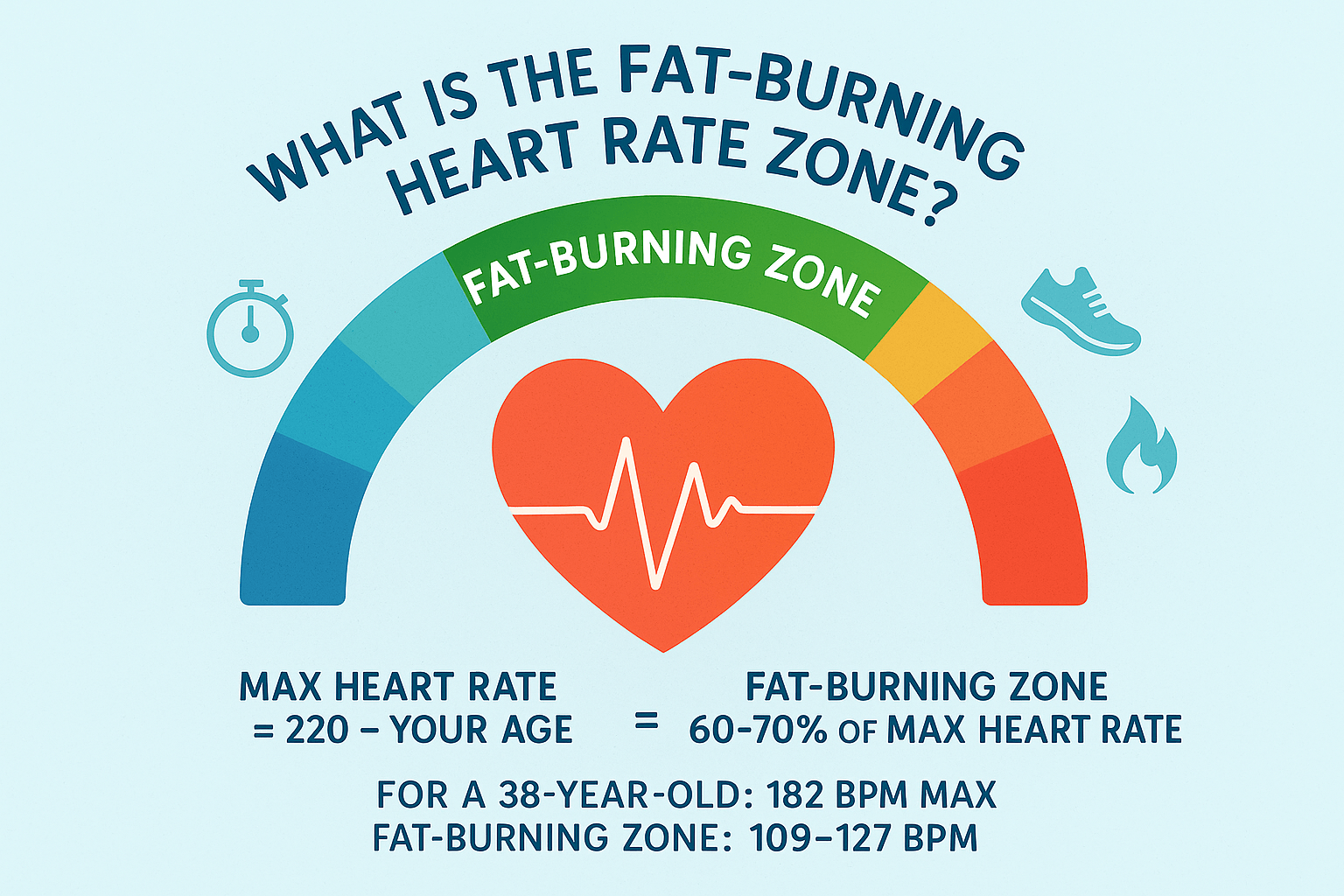
What Causes Foot Hotspots on a Long Run?

hotspots while running

You don’t just “get” a hotspot out of nowhere.

They’re a warning shot—your foot’s way of saying, “Hey, something’s rubbing wrong and if you don’t fix it, I’m turning into a blister.” And on a long run? That little warning can turn into a full-blown foot fire.

So what’s behind these painful trouble spots? Let’s break down the usual suspects.

1. Wrong Shoe Fit – Too Tight, Too Loose, or Just… Wrong

This is the #1 cause. If your shoes are too tight, they’ll dig in and press on the same area over and over—usually causing a burning sting before the blister shows up. Too loose? Now your foot’s sliding with every step, creating friction in all the wrong places.

Don’t forget shape matters too:

  • Narrow toe box = crushed toes, hotspots on the sides
  • Heel that doesn’t lock = heel lift and rubbing
  • Midsole mismatch = arch hotspots

A perfect shoe for someone else can be a foot disaster for you. Fit is personal.

2. Poor Lacing – Yes, How You Tie Your Shoes Can Wreck Your Run

Lace too tight? You’ll create pressure points—especially across the top of your foot or around the ankle. Too loose? Your foot will shift around inside the shoe, and you’ll feel the heat build up with every sloppy step.

  • Bad heel lock = heel rubbing
  • Overly tight forefoot = numb toes and forefoot hotspots

The fix? Learn how to lace for your foot shape. Lock the heel, keep the midfoot secure, and give your toes room to breathe.

3. Sweaty Feet and Sock Mistakes

Moisture is the enemy. Wet skin = soft skin = blister bait.

Your feet swell and sweat during long runs—especially in heat or rain. If you’re wearing cotton socks, they’re just soaking up that sweat and keeping your skin soggy. That’s how you end up with raw, burning spots by mile 8.

Cotton is rotten. Go synthetic or merino wool. And if it’s a long, hot run? Bring a spare pair of socks.

Even great shoes will wreck your feet if your socks turn into wet rags halfway through.

4. Bad Form – When Your Gait Works Against You

If your stride is off, your shoes and socks can’t save you. Examples:

  • Overstriding jams your toes into the front of the shoe = forefoot blisters
  • Heel pounding causes rubbing in the heel
  • Overpronation/supination = excessive movement = hotspots where your foot rolls in or out

If you’re getting hotspots in the same place every run, and your gear’s solid? Time for a gait analysis. Your form might be the real issue.

5. Foot Shape: High Arches or Flat Feet Can Both Cause Problems

Your foot structure affects where pressure builds up:

  • Flat feet = overpronation = arch or ball-of-foot rubbing
  • High arches = pressure concentrated on the heel and forefoot

If your arch doesn’t match your shoe, or if your foot doesn’t sit flush, you’ll get movement—and movement = friction = hotspot.

Some folks with flexible high arches also deal with “foot stretch” mid-stride, which pulls the skin and causes burning under the arch. Fix the structure mismatch and a lot of that irritation disappears.

How to Stop Hot Spots Before They Start

You know what’s worse than hitting the wall in a race? A blister at mile 6 of your 20-miler.

That hot, burning spot shows up out of nowhere, and before you know it, it’s a full-blown mess — bloody sock, shredded skin, and every step screaming at you. Been there, limped that.

But here’s the truth: most hotspots and blisters are preventable. You just need to dial in your shoe fit and sock game like a pro.

Let’s break it down.

A. Lock In the Right Shoe Fit — Or Pay the Price Later

Your shoes are your first line of defense. If they don’t fit, no sock, lube, or tape is going to save you.

Get Professionally Fitted

Don’t guess your size. Go to a legit running store. Have them look at your feet and watch you run — treadmill gait analysis is gold. You want a shoe that matches your foot shape and your stride. High arches, flat feet, wide forefoot — they all matter.

Pro tip: Try on shoes in the evening or after a run. Feet swell during the day, just like they do mid-race. That’s the fit you want to account for.

Length & Width Matter

Leave about a thumb’s width in front of your longest toe. Toes should move freely — no squeezing, no rubbing. Heel and midfoot should feel secure — no sliding or sloshing.

If your toes are getting crushed or your foot’s sliding sideways? You need a better fit or a wider width. I’ve had runners say their foot blisters vanished the minute they went up half a size or switched to a wide model.

Heel Lock = No Rub

If your heel’s popping up or your midfoot’s sliding, you’re asking for blisters on your Achilles or arch. Use a lace-lock technique or try a different insole. Flat feet? Go with supportive orthotics. High arches? Try something cushioned to fill the gap.

Dr. Miguel Cunha says orthotics can fix the sloppy fit that causes friction. I agree — sometimes one tweak in arch support is all it takes to eliminate hotspots.

Break In New Shoes Slowly

Even the right shoe can cause problems if you jump into a 15-miler straight out of the box. Break them in over 2–3 short runs. Feel any rubbing or pressure? Adjust. Persisting hotspot after 2–3 runs? That’s not “break-in pain” — that’s your body saying the shoe’s wrong.

One marathoner I coached dropped his blisters just by going up half a size and switching to a shoe built for his foot shape. He hasn’t had a single issue since.

B. Get Your Sock Game Tight

Socks are the unsung hero of blister prevention. Screw this part up, and even the best shoes won’t save you.

Rule #1: Ditch Cotton Forever

Cotton holds sweat like a sponge — wet socks = soft skin = friction = blisters. Don’t do it.

You want moisture-wicking socks made from technical fabrics: polyester, nylon, acrylic blends, or merino wool. They keep your feet dry and friction low.

Merino? It’s magic. Regulates temp, resists odor, and reduces blisters.

I use thin merino socks even in hot weather. Once I made the switch, I stopped getting toe blisters on long trail runs.

Fit Matters: No Bunching, No Wrinkles

Every wrinkle in your sock is a slow burn waiting to happen. Smooth those suckers out.

  • Too big? They bunch.
  • Too small? They slide.

Either way, you’re getting a blister.

Get socks that actually match your foot size (quality running socks come sized for a reason). Take a second before your run to smooth them out properly. Your feet will thank you.

One runner told me his arch blisters disappeared the day he stopped wearing old gym socks and upgraded to snug-fit moisture-wicking ones. True story.

Sock Thickness & Lacing: The Blister Fix You’re Probably Ignoring

Blisters aren’t just bad luck. They’re usually your gear telling you something’s off — too much friction, pressure, or moisture.

And guess what? A lot of it comes down to your socks and your lacing. Fix those, and you’re already winning the battle before your feet even get sweaty.

Let’s start with socks.

1. Sock Thickness: Dial It In

Sock thickness is more than a preference — it’s a fit strategy.

  • Thick socks can add cushion and reduce friction if your shoes have a bit of extra space.
  • But cram thick socks into a snug shoe? Boom — pressure points, hot spots, and black toenails.
  • Thin socks are great for tight shoes or hot weather but might slip around if there’s too much room.

Pro move: Keep a rotation.

  • Thinner socks for summer runs or snug shoes.
  • Thicker ones for cold weather, roomy shoes, or days when your feet swell.

Bonus tip: If your shoe feels loose? Try thicker socks or even doubling up — instant snug fit without needing a new shoe.

2. Try the Double-Sock Trick (If You’re Blister-Prone)

If you’re the kind of runner who gets blisters just from looking at shoes, listen up.

The two-sock system might save your feet — especially on long runs or ultras.

  • Layer a thin liner sock under a thicker outer sock.
  • Or get a built-in double-layer sock like Wrightsock, which has two layers that rub against each other instead of your skin.

The goal? Let the friction happen between socks, not between sock and skin. It’s simple physics — and it works.

One trail runner on Reddit said it best:
“Two socks saved my feet. Blisters used to wreck me. Now? Zero.”

Just make sure your shoe can handle the extra bulk. Loosen the laces if needed — more on that next.

Other Sock Hacks

  • Toe socks (like Injinji) can stop blisters between toes. Great for weird rubbing or if you always wreck your pinky toe.
  • Higher-tab socks or dual heel layers = no more heel slippage or the sock disappearing into your shoe mid-run.
  • Compression or arch-band socks stay in place better. No wrinkling, no bunching.
  • Retire old socks. If they’re thin, pilled, or rough? They’re blister factories waiting to happen.

Ultrarunner tip: Carry an extra pair on long races. Swapping into dry socks mid-run can save your skin.

3. Master Your Lacing: The Game-Changer Most Runners Ignore

Socks are part of the equation — lacing is the rest. How you tie your shoes can make or break your run.

Don’t Lace Too Tight (Or Too Loose)

You want your shoe to feel snug, not strangled. Like a firm handshake — not a tourniquet.

  • Too tight? You’ll kill circulation. Cue numb toes, burning arches, and hot spots on top of your foot.
  • Too loose? Your foot slides around. That’s how you get toe blisters, heel rub, and arch irritation.

Quick test:
You should be able to slip one finger under the top lace.

  • Too hard = too tight.
  • Too easy = too loose.

Your feet swell during long runs. Don’t be afraid to adjust mid-run if things start feeling off.

Use a Heel Lock (Runner’s Loop) to Lock It Down

Got heel slippage or back-of-heel blisters? Heel lock lacing is your fix.

Use that top eyelet on your shoe. Make a loop on each side, cross the laces through the opposite loop, and pull down before tying.

This pulls your heel into the shoe without crushing the top of your foot.

This is the go-to for runners with heel issues. One guy said after trying everything — socks, creams, new shoes — it was the heel lock that finally stopped his arch blisters. Sometimes, it’s that simple.

Customize Lacing for Hot Spots

You don’t have to use the same old criss-cross lacing pattern. Modify it to work around problem areas:

  • Skip-lace over the instep if you get pressure on the top of your foot.
  • Diagonal lacing for toe pain or bunions — relieves pressure on that side.
  • Straight bar lacing for high insteps — reduces lace pressure on the top of your foot.

⚙️ Your laces are tools. Use them to relieve pressure, create space, or secure your fit.

Adjust Mid-Run — Don’t Tough It Out

If your foot feels weird at mile 8, stop and fix it. It’s better to spend 30 seconds now than 3 days hobbling later.

  • Heel slipping? Stop and tighten.
  • Forefoot burning? Loosen the toe box.
  • Numb arch? Adjust the laces or re-tie with a skip-lace.

Pro move: Many marathoners do a lace check at halfway — because foot swelling is real.

And always double-knot for long runs. Nothing kills momentum like stopping to tie your shoe again because you rushed it at the start.

D. Lubricate High-Risk Areas — Because Friction Never Takes a Rest Day

Let’s be honest: even with the perfect shoes and socks, friction happens. And if you don’t deal with it, it’s gonna deal with you — in the form of hot spots, blisters, and that painful hobble home you weren’t planning on.

Here’s how to keep your feet slick, safe, and ready to go the distance.

1. Lube Up Before You Lace Up

Before you even think about hitting the road or trail, hit the usual trouble spots with anti-chafe balm or petroleum jelly.

Products that work:

  • Body Glide / Foot Glide
  • Vaseline
  • A&D ointment
  • Squirrel’s Nut Butter (weird name, solid stuff)

Where to apply:

  • Balls of your feet
  • Heels
  • Around/Between toes
  • Instep (especially if you’ve got high arches)

Think of it like putting your skin into “slick mode.” If it glides, it doesn’t rip.

Pro tip: Feel a hotspot mid-run? Stop and fix it. Many runners carry a mini stick of Body Glide or a tiny Vaseline tub. A 30-second fix can save you from a multi-day limp.

2. Tape It Before You Break It

Got a spot that always gives you trouble? Tape it before it becomes a problem.

Your go-to options:

  • Zinc Oxide Tape (Leukotape)
    • Strong hold
    • Super protective
    • Great for long runs or rough terrain
    • Cut to size, slap it on heels, toes, or wherever your shoes rub
  • Kinesiology Tape (KT Tape)
    • Stretchier
    • Breathable
    • Conforms well to toes and odd foot angles
  • Moleskin / Blister Pads
    • Soft, padded
    • Great for heel rub or under the ball of your foot
    • Adds cushion and protection
    • Use before or after a blister forms
  • Hydrocolloid Patches (Compeed, Band-Aid Blister Pads)
    • Gel-style pads
    • Help treat AND prevent
    • Especially helpful once a blister is already brewing
  • ENGO Patches
    • Stick inside your shoe, not on your foot
    • Smooth out heel counters or insole edges
    • Great if your shoe is the problem, not your foot

As one ultra guy put it: “Do something, and you might stay blister-free. Do nothing, and you’re playing with fire.”

3. Dry Feet = Happy Feet

Moisture = friction’s best friend. So if your feet sweat like they’re getting paid for it, take extra precautions.

  • Use foot powders (Zeasorb, Gold Bond, or plain ol’ cornstarch) to wick moisture
  • Try antiperspirant spray on your feet before a run
  • Let your shoes and insoles dry completely between runs

Heads-up: Some people get skin irritation from antiperspirants. Test it on a short run first. If your skin hates it, stick with powder and breathable socks.

Check Your Form — Your Feet Might Be Fighting Your Stride

Here’s something most runners miss when dealing with hot spots, blisters, or weird pressure points: it might not be your gear — it might be your form.

You can spend all day swapping socks, trying new shoes, lacing them ten different ways… but if your stride’s off, your feet will keep taking the punishment.

Here are the usual suspects:

Overstriding

If your foot’s landing way out in front of your body — straight knee, long stride — you’re likely overstriding. That creates a braking force with every step, especially if you’re landing hard on your heel.

What happens then?

  • Your foot slams forward in the shoe
  • Your toes jam or arch rubs
  • You get friction under the heel as it skids on impact

Fix it: Increase your cadence (steps per minute). Aim for shorter, quicker strides and land with your foot more underneath your body. That small adjustment can massively reduce shear force and help your foot stay put.

Heel Slapping (a.k.a. Hard Heel Striking)

If you sound like a tap dancer when you run, chances are you’re heel slapping — landing hard with each step and creating unnecessary impact.

Why does it matter?

  • The heel hits, but your foot keeps sliding inside the shoe
  • That micro-movement causes rubbing = blisters
  • Especially bad if your heel isn’t locked down properly

Fix it: Try shifting slightly toward a midfoot landing, or at least a gentler heel-first stride with a soft bend in the knee. And make sure your shoes are snug in the heel — no loose-fitting slippers here.

Uneven Posture, Weight Shift, or Gait Quirks

Got one foot that toes out? One hip that drops? Slouching late in your runs?

All of that affects how your feet hit the ground — and that can show up as blisters or hot spots on one side or in a specific part of your foot.

Common signs:

  • Inner-foot rubbing? You may be overpronating or splaying your toes outward.
  • Outer-edge hotspots? Could be supination or tight ankles limiting roll.
  • Uneven blisters? Could be a hip imbalance or form breakdown from fatigue.

Fix it: Strengthen your core. Work on glute activation. And take a look at your posture — even tense arms or collapsed shoulders can mess with your stride. Little things add up over miles.

The Real Fix: Get Your Gait Checked

If you’ve ruled out shoes and still have issues? It’s time to call in the pros.

A running clinic or physical therapist can film your stride, break it down frame by frame, and spot stuff you’ll never see yourself.

Maybe your right foot rolls in more. Maybe your calves are so tight they’re yanking your heel up early. Maybe your ankle mobility is throwing off everything upstream.

Whatever it is — a trained eye can spot it, explain it, and help you fix it with strength work, drills, or inserts.

Example:

  • Arch pain = weak foot muscles → add towel scrunches + doming drills
  • Outer-foot blister = supination → possibly need more neutral cushioning
  • Heel rub = tight calves or poor ankle mobility → foam roll, stretch, rework form

Don’t Get Intimidated — You Can Fix This

You don’t need to overhaul your entire stride overnight. Sometimes, one cue like “increase cadence” or “stay tall with your hips level” is all it takes.

If you’re stuck or guessing? Go see a podiatrist, sports PT, or running coach. It’s not a sign of weakness — it’s a tune-up.

Hot spots are signals. Your feet are trying to tell you something. Listen, and you’ll run stronger, longer, and without having to tape up every toe.

Got Flat Feet or High Arches? Here’s How to Run Without Blisters

Your foot shape matters more than you think when it comes to blisters.

If you’re rocking super flat feet or sky-high arches, you’re automatically playing the game on hard mode. Both extremes create hotspot zones where friction and pressure can tear your skin up if you don’t plan ahead.

Here’s how to fight back and keep your feet happy mile after mile.

Flat Feet (Low Arches)

Flat feet usually = overpronation.

Translation: your foot rolls inward too much with every step.

The result?

  • The inner arch and big toe take a beating
  • The arch skin (normally protected) can rub and blister
  • Your foot lengthens under load, so your toes might jam the front of your shoe

Fix It:

  • Structured, Supportive Shoes
    Look for stability or motion-control running shoes with firmer inner foam. These keep your arch from collapsing like a hammock and reduce shearing under the arch.
  • Orthotics or Insoles
    Even an over-the-counter arch support can make your blisters vanish. Custom orthotics? Even better — they stabilize your foot, stop the slide, and save your skin.
  • Lacing Tricks for a Snug Midfoot
    If your shoes feel loose over a flat arch, use midfoot loops or runner’s lock lacing. Goal: keep the foot from swimming inside the shoe.
  • Arch-Strengthening Drills
    Build some intrinsic foot strength to support that collapsing arch:

    • Towel scrunches
    • Marble pickups
    • Short foot exercise (lift your arch without curling toes)

Stronger feet = less sliding, fewer blisters.

High Arches (Pes Cavus)

High-arched runners are the opposite problem: stiff and supinated.

Pressure is all on the heel and forefoot, while your arch barely helps absorb impact.

Typical pain points:

  • Ball of the foot burns on long runs
  • Heel hotspots from bone rubbing
  • Top-of-foot pressure if the shoe upper presses on a high instep

Fix It:

  • Cushioned, Neutral Shoes
    Go soft and forgiving. High arches need shock absorption — stiff shoes are your enemy. Bonus: choose a model with a higher-volume upper to avoid top-of-foot irritation.
  • Supportive Insoles (Yes, for High Arches Too)
    Arch support here isn’t to “correct” you — it spreads pressure out. Look for insoles with:

    • Heel cup
    • Gentle arch bridge
    • Metatarsal pad to offload the forefoot
  • Wider Base for Stability
    If your foot wobbles and rubs along the outer edge, try a shoe with a wider platform or mild stability.
  • Mobility + Strength Work
    High arches are often rigid and tight:

    • Roll a ball under your arch
    • Stretch your calves and plantar fascia
    • Do the same towel and marble drills to wake up those small foot muscles

Dack’s rule: “A strong, supple foot blisters less — no matter your arch shape.”

Mid-Run Hotspot? Don’t Be a Hero. Stop and Fix It.

You’re cruising along, feeling good, and then… there it is. That little warm tingle on your foot.

You know what’s coming next if you ignore it: a full-blown blister that’ll make stairs your enemy tomorrow.

Here’s the deal — and every seasoned runner will back me up:

The moment you feel a hotspot, stop.

Yes, it’s annoying to break your flow.
Yes, your running buddy might roll their eyes.

But five minutes now saves five days of hobbling later.

Pull Over and Check

  • Find a safe spot and take your shoe off.
  • Let your foot cool and breathe for a sec.
  • Check for wrinkles, grit, or a tiny pebble.
  • Feel for that red, warm patch that’s screaming “future blister!”

This pause alone often prevents things from getting worse.

Fix the Easy Stuff

Nine times out of ten, the fix is simple:

  • Sock bunched? Smooth it out.
  • Foot sliding? Adjust or tighten your laces.
  • Shoe too tight from swelling? Loosen a bit.
  • Grit or pebble inside? Evict it like a bad roommate.

Little tweaks make a big difference mid-run.

Dry It and Protect It

If your foot’s sweaty or damp, give it a mini spa moment:

  • Air it out for a minute
  • Swipe on anti-blister balm if you carry it
  • Or throw on a piece of tape or a blister patch to cut the friction

Trail and ultra runners swear by this. They carry tiny tape squares for exactly this reason.

Decide How Bad It Is

Here’s how I think about it:

  • Just warm & red? You caught it in time — cover it and go.
  • Small blister forming? Pad it. Keep the skin intact if you can.
  • Big & nasty or in a race? If you must pop it, do it clean (side poke, leave the skin, cover it).

If it’s a normal training run and it still hurts? Call it. Live to run tomorrow.

Test and Adjust

  • Lace back up, start slow, and see how it feels.
  • If pain is gone, awesome — you’re back in business.
  • If it keeps nagging, consider switching to a walk or heading home.

There’s no prize for grinding your skin off.

I always tell my athletes:

“A 3-minute hotspot stop can save 3 weeks of downtime.”

I’ve seen ultrarunners blow past aid stations with hotspots and end up hiking the last 20 miles in misery.
Meanwhile, the cautious ones? They fix it, cruise on, and finish strong.

Build Your Hotspot & Blister Prevention Kit

Whether you’re logging a back-to-back long weekend or lining up for a trail ultra, a blister kit is one of the smartest things you can carry (or at least keep in your car or drop bag).

It doesn’t need to be bulky, just functional.

Here’s what to pack:

Item Why It Matters
Body Glide / Vaseline Your first line of defense against friction. Swipe on feet pre-run. For ultras, bring a tiny stick or travel tub to reapply. Lubrication = less rubbing = fewer hotspots.
Zinc Oxide Tape / KT Tape Acts as instant armor. Tape over your usual trouble spots (heels, arches, toes). Stays on even when wet. Pre-tape or patch mid-run if a hot spot appears.
Dry Socks Sweat + wet socks = blisters. Swap to a dry pair mid-run, after a stream crossing, or when your shoes feel swampy.
Blister Bandages (Moleskin, Compeed, ENGO) Moleskin cushions, Compeed seals and heals, ENGO patches stick inside your shoe to cover a rough spot. Bring a small assortment and you can MacGyver almost any fix.
Toe Separators Gel or foam spacers prevent toe-on-toe friction — a lifesaver if your big toe rubs your second toe or if you get inter-toe blisters.

Optional but clutch in a pinch:

  • Alcohol wipes (clean skin or sterilize a needle)
  • Small safety pin (for draining blisters)
  • Antibiotic ointment & band-aids

Pro Tip: Don’t just carry the kit — practice using it. Know how to tape your heel or cut a donut of moleskin before race day. Fumbling with sweaty hands at mile 40 is no time for a DIY lesson.

When a Hotspot Becomes a Blister

Even with the best prep, sometimes friction wins. Here’s how to handle it:

Standard Blister

  • Small & tolerable? Cover and protect. Moleskin donut or Compeed.
  • Big & painful? Sterilize a needle, drain at the edge (never remove skin), dab antibiotic, cover.

Popped Blister

  • Rinse with clean water (or wipe, yes it stings)
  • Apply antibiotic ointment
  • Cover with hydrocolloid (Compeed) or a clean bandage
  • Keep it clean and covered until scabbed over

Blood Blister

  • Best left intact. Blood = higher infection risk.
  • Only drain if absolutely necessary, and do it sterile.

Hotspot… or Something Else?

Not all “burning” under your feet is a blister.

  • Persistent pain with no visible blister? Could be metatarsal stress, plantar plate irritation, or Morton’s neuroma.
  • Recurring blisters in the same spot despite fixes? Time to see a sports podiatrist or PT for gait analysis or orthotic evaluation.

Your feet are giving you data. If the same spot keeps firing up, listen. Addressing the root cause now prevents bigger problems later.


Hotspots & Blisters: Listen Before They Scream

Blisters are the runner’s tax. Ignore them, and they collect with interest. Treat them early, and they’re nothing but a minor speed bump.

Here’s how to keep your feet happy, heal faster, and get back to training without limping around like you just ran 100 miles.

1. Infection: The Only Real Danger

Most blisters are harmless, but an infected blister is a hard stop.

Red flags:

  • Pain that keeps getting worse
  • Spreading redness or swelling
  • Warmth or pus (yellow/green)
  • Fever or red streaks up your foot/leg (rare but serious)

Bottom line: If you see these, stop self-managing. Get a doctor to drain, clean, and, if needed, prescribe antibiotics.

Dirty trail water + popped blister = recipe for cellulitis. Don’t gamble.

2. Run or Rest?

Here’s the blunt truth:

  • Minor blister: Drain it, protect it, tape it, and you can usually run (expect discomfort).
  • Big or deep blister: Take a day or two off, cross-train, or switch to low-impact (bike, swim, elliptical). Running on it just tears it open and drags out healing.

Stage race or can’t miss a session?
Layer up with blister plaster + tape + double socks. You can run — but you’re trading short-term gain for longer recovery.

3. Prevention Mode: Smart Runners Don’t Get Surprised

Once you get a blister, that spot is now “blister famous.”

Next run? Preemptive strike:

  • Tape it or lube it before you leave the house
  • Rotate socks/shoes to reduce repeat friction
  • Keep your feet dry and gear adjusted mid-run

“Don’t tough it out – tape it up.”
Two minutes of prevention beats two weeks of hobbling.

Quick Recap: Blister-Safe Running Blueprint

  • Gear Up Smart – Shoes that fit, socks that wick. Retire shoes and socks before they die.
  • Be Proactive – Known trouble spot? Tape or lube it before the run.
  • Mind Your Mechanics – Stronger, smoother form means less weird rubbing.
  • Stay Dry – Swap socks if soaked, loosen or re-lace if you feel friction.
  • Act Early – Hotspot whispers = stop and fix. Don’t wait for the scream.

Coach’s Note

Almost every runner earns their blister stripes — even elites. The difference is that smart runners treat hot spots like an early warning system, not a badge of toughness.

“Address the little problems early, and the big problems never show up.”

Your feet will thank you, your training will stay on track, and the only burn you’ll feel will be in your lungs and legs — not on your toes.

Your Turn

What’s your worst blister or hotspot story, and what saved your run? Drop it in the comments — your trick might be the one that keeps another runner on the road.

23 Best Core Exercises for Runners to Run Stronger (2025 Guide)

I’ll never forget that day grinding up a brutal Bali trail—sweat pouring, legs burning—and suddenly, my lower back just gave out.

It was mile 10, and I thought I was in solid shape.

But turns out, I’d been skipping the one thing holding my whole stride together: core strength.

That day was a slap in the face.

A painful one. But it forced me to finally respect my core and what it actually does for us runners.


Hey, I’m David Dack.

I coach runners here in Bali—and if there’s one thing I’ve drilled into my own training and passed on to every runner I coach, it’s this: your core matters more than you think.

Sure, running more is the key to getting better at running. No argument there.

But ignore your core, and you’ll eventually pay for it—in sloppy form, slow times, or a trip to the physio.

Once I committed to real core work, things changed. My back pain vanished, my form tightened up, and I even shaved a few minutes off my half-marathon time.

These weren’t just minor gains—this was a shift in how my body handled mileage, especially when it mattered most: the late miles.

The truth?

Most runners skip core work. I get it.

For years, if I had 15 extra minutes, I’d run an extra two miles instead of dropping into a plank.

But now I know: those 15 minutes of core work can unlock more running gains than you’d think. That’s why I put together this guide.

Inside, you’ll find the 23 best core exercises I swear by—ones I’ve tested on myself and my athletes.

I’ll also share coaching tips, mini confessions (like how a move called the “dead bug” embarrassed me in the gym), and the no-BS reasons why this stuff works.


The 23 Best Core Exercises for Runners 

Let’s Talk Core

Want to run smoother, stronger, and with fewer injuries?

Then stop skipping your core work.

A solid core holds your posture together when the miles stack up.

Below are 25 core exercises that I’ve used in my own training—and with athletes I coach—to build a midsection that actually holds up under pressure.

These aren’t just sit-ups for show.

This is about real, runner-specific strength.

Think planks, glute bridges, twisting drills, and dynamic movements that hit every angle. I’ve laid them out from basics to tougher ones, so start where you are and build up.

1. Plank

If I could force you to only do one core move, it’d be this.

The plank hits your abs, back, shoulders, glutes—pretty much your whole trunk. It’s simple but brutal.

I used to shake after 30 seconds. Now I can go longer, but it’s still not easy—it just gets more intense the stronger you get.

How to do it:

  • Start face-down, elbows under shoulders, forearms flat.
  • Lift into a straight line from head to heels.
  • Squeeze your glutes, tighten your abs, breathe steady.
  • Hold 30–45 seconds. Work your way up.

Coaching tip:

If you sag or pike, stop and reset. Short, clean holds beat long, sloppy ones.

Want to level up? Elevate your feet or lift a leg. Trust me—this pays off when your form stays tight at mile 20.

2. Side Plank

This move checks your side-to-side strength.

It hits your obliques and hip stabilizers—crucial for trails, turns, and keeping your knees aligned.

Most runners can’t hold this long at first (I couldn’t either).

How to do it:

  • Lie on one side, elbow under shoulder.
  • Stack feet or stagger for balance.
  • Lift your hips into a straight diagonal line.
  • Hold 20–30 seconds per side.

Coaching tip:

Struggling?

Try bending your bottom knee for a shorter lever. Don’t let your chest rotate or hips wobble.

To make it harder, do dips or lift the top leg (star plank). Side planks torch your obliques in the best way.

3. Balance Plank (Arm/Leg Extensions)

Add limb movement to your plank and you’ve got a full-body challenge. This teaches your core to stay stable when your limbs are doing different things—just like in running.

How to do it:

  • Start in a push-up plank.
  • Lift one arm out in front, hold 2 seconds.
  • Return, then lift the other arm. Repeat with legs.
  • Alternate arms and legs for 30–45 seconds.

Coaching tip:

Move slowly. Don’t rush. Control is everything.

If that’s too hard, drop to all fours (bird dog).

Want a real challenge? Lift opposite arm and leg together. That’s when your core really kicks in.

4. Russian Twists

Time to add some rotation.

Russian twists hit your obliques and challenge your balance. They mimic the torso rotation that happens subtly with every stride.

How to do it:

  • Sit on the ground, lean back to 45 degrees.
  • Feet up (or heels down to modify), hands clasped.
  • Twist side to side, tapping the ground beside your hips.

Coaching tip:

Start light—don’t go heavy out the gate. I bruised my ego once going too hard with a medicine ball.

Focus on twisting your torso, not just flailing your arms. This move helped me feel more stable on uneven trails.

5. Superman

A strong core isn’t just abs—you need a strong back, too. This move targets the muscles along your spine, plus your glutes and shoulders.

How to do it:

  • Lie face-down, arms extended overhead.
  • Lift opposite arm and leg, hold 2–3 seconds.
  • Lower and switch. Repeat for 10–12 reps per side.

Coaching tip:

Don’t go too high—control matters more than range.

If you’re feeling it in your low back, good. That’s where you need strength to stay tall in a race instead of folding forward.

6. Single-Leg Glute Bridge

Your glutes power your stride. This move builds strength and balance one leg at a time.

How to do it:

  • Lie on your back, knees bent.
  • Extend one leg up, drive through the opposite heel.
  • Lift hips until your body forms a straight line.
  • Lower and repeat 10–12 times, then switch sides.

Coaching tip:

Start with both feet down if needed. Push from your heel, not your back.

This move helped fix my IT band pain years ago—strong glutes changed the game.

7. Windshield Wipers

These build rotational strength and challenge your control. Go slow—this isn’t a race.

How to do it:

  • Lie on your back, arms out in a T.
  • Lift legs to tabletop (or straight for harder).
  • Rotate slowly side to side, stopping before your shoulder lifts.

Coaching tip:

Control the motion. No swinging. Your core should pull your legs back to center.

Want more?

Straighten the legs or add a med ball between your feet. Your abs will light up.

8. Scorpion Plank

A more advanced move—this one adds a knee drive twist to a decline plank. It builds strength, mobility, and serious coordination.

How to do it:

  • Feet elevated on a bench, hands on the ground.
  • From a plank, drive one knee toward the opposite elbow.
  • Return to plank, switch sides.

Coaching tip:

Keep hips low and tight. Don’t swing the leg—move with purpose.

I love these when I need to sweat fast and build rotational control. They’ll humble you quick, but the payoff is real.

9. Boat Pose (V-Sit)

Boat pose is basically a gut-check in disguise. You’re sitting on your tailbone, legs up, chest up, trying to stay balanced while everything in your core screams.

Runners often skip it, but they’re missing out.

This move hits the front and deep core hard—think rectus abdominis and transverse abdominis—and helps you lock in posture when you’re tired late in a run. I call it the seated cousin of the plank, but meaner.

I first tried it in a yoga class and barely lasted 15 seconds. My legs were shaking like I’d just run a downhill mile at race pace.

But the more I practiced it, the more I felt my upper and lower body working as a unit. That mind-muscle link carried straight into my runs.

How to Do It:

  • Sit on the ground with knees bent, feet flat.
  • Shift so you’re on your sit bones, chest lifted, back straight. Think “tall spine.”
  • Arms reach forward at shoulder height—or keep hands on the floor for balance if you’re new.
  • Lean back a bit while lifting feet off the floor. Shins parallel is a good starting point.
  • Want more heat? Straighten your legs into a full “V” shape.
  • Squeeze your core to hold. Start with 10 seconds, build to 30+.

Coach’s Tips:

If you feel your lower back take over, reset. Chest up. Draw your belly button in.

And if your legs shake? Good. That means you’re working.

For a boost, try light pulses or boat pose with a twist. Runners—do this 20–30 seconds at a time, a couple rounds.

It’s one of those sneaky moves that’ll make your uphill runs smoother.

10. Dead Bug

Don’t let the name fool you—dead bugs are sneaky strong.

This move teaches your core to brace while your limbs move, which is exactly what your body does while running. It’s a top pick for runners with low back pain or who struggle to activate their lower abs.

I made the rookie mistake of rushing through it when my PT gave it to me.

Thought it was too easy… until I slowed down, pressed my back into the floor, and felt the fire light up in my belly. Humbling, but effective.

How to Do It:

  • Lie on your back, arms straight up, knees bent to 90 degrees.
  • Flatten your lower back into the floor.
  • Slowly lower your left arm and right leg, keeping your back glued to the ground.
  • Return to center, then switch sides.
  • Do 8–10 reps per side, moving slow and breathing with control.

Coach’s Tips:

No arching. No rushing. If you feel your back lift, you’ve gone too far—shorten the range.

Want a challenge?

Add ankle weights or a light dumbbell. But even bodyweight hits hard when done right.

I’ve had athletes knock out their low back pain with just five minutes of dead bugs a day. Start there.

11. Bird-Dog (Kneeling Extension)

Bird-dogs are like the ground version of running: opposite limbs moving while the core holds everything together. They’re easy to underestimate but crucial for fixing wobbly running form.

I add them to almost every warm-up, especially before trail runs. They switch on your balance and coordination without taxing your joints.

How to Do It:

  • On hands and knees, keep back neutral.
  • Extend left arm and right leg. Pause.
  • Keep hips level—no wobbling.
  • Return, switch sides. 5–8 reps per side.

Coach’s Tips:

Imagine a cup of coffee on your lower back. Don’t spill it.

Brace your abs, avoid arching, and stay slow.

Add a little twist by touching elbow to knee under your body for more challenge. I’ve seen these clean up hip dips and improve posture in just a couple weeks.

12. Bicycle Crunches

These are old-school, but they still bring the heat. Way better than regular crunches, because they hit your obliques, hip flexors, and rectus abdominis—all while getting your heart rate up.

In college, our coach had us do 100 of these after track sessions. I still hear him yelling, “twist, don’t flap!”

How to Do It:

  • Lie on your back, hands lightly behind your head.
  • Knees at 90 degrees.
  • Twist to bring right elbow toward left knee while extending right leg.
  • Switch sides. That’s one rep.
  • Go for 15–20 per side.

Coach’s Tips:

Don’t yank your neck. Lead with the shoulder. Extend legs low only if your back stays flat. If your form slips, rest.

I use these to fire up my core before runs and sometimes finish a session with them.

Done right, you’ll feel the burn the next day.

13. Scissor Kicks

These will light up your lower abs and hip flexors—perfect for runners who want more power in their stride. Just don’t fake your way through them. They get tough fast.

I used to hate these in track practice, but now I love them. They target the part of the core that helps drive your knees forward with each stride.

How to Do It:

  • Lie on your back, hands by your sides or under your hips.
  • Legs hover 6 inches off the floor.
  • Raise one leg up to 45 degrees, then switch.
  • Keep alternating. Aim for 15–20 per leg.

Coach’s Tips:

Back flat. Don’t let it arch. Start with small kicks if needed.

For variation, try cross-body scissors.

I use these as a finisher. The burn is real, but the payoff on hills and sprints is worth it.

14. Donkey Kicks (Glute Kickback)

These aren’t just booty builders—they’re performance boosters. Your glutes are your power plant. Weak glutes = sloppy form and injury risk. Donkey kicks get them firing without stressing your knees.

When I started doing these consistently, I felt my stride tighten up and my knees stopped aching.

How to Do It:

  • On all fours, core tight.
  • Keep right knee bent and kick heel toward ceiling.
  • Squeeze your glute at the top.
  • Lower with control. Do 12–15 per leg.

Coach’s Tips:

Don’t twist your hips.

Don’t arch your back.

Imagine stamping the ceiling. Add a band or dumbbell behind the knee if you want more load. Strong glutes = happy knees and stronger finishes.

15. Glute Bridge

Simple, effective, and underrated. Glute bridges hit the backside while opening up your tight hip flexors. Runners who sit a lot? You need this.

This was one of the first drills I did to fix my underactive glutes—and it worked.

How to Do It:

  • Lie on your back, knees bent, feet flat.
  • Press through your heels and lift hips.
  • Squeeze your glutes at the top.
  • Lower slowly. 15–20 reps.

Coach’s Tips:

Don’t over-arch. Keep knees aligned. If hamstrings cramp, bring feet closer.

For more glute work, lift your toes. Add a band or weight on hips to progress.

I hold the last rep for 10 seconds for extra burn. Total game changer for posture and hill power.

16. Mountain Climbers

These are like sprinting in plank position. Great for core, cardio, and coordination. I love throwing them in as a finisher to simulate that end-of-race grind.

How to Do It:

  • Start in high plank.
  • Drive one knee in, then quickly switch.
  • Keep back flat, hips steady.
  • Go for 20–30 seconds.

Coach’s Tips:

Form first. No butt in the air, no hips sagging.

Start slow, build speed. Quiet feet = controlled movement. Cross-body versions hit obliques harder.

Want a challenge? Try these after your long run—feel that burn.

17. Swiss Ball Roll-Out

This one builds a steel-trap core. If you’ve ever done ab wheel roll-outs, this is the friendlier version. Perfect for runners who want better form control, especially on downhills.

I started with this after face-planting on an ab wheel. It taught me how to brace hard and move slow—skills that paid off big on trails.

How to Do It:

  • Kneel with forearms on a Swiss ball.
  • Brace core and roll ball forward.
  • Keep hips from sagging.
  • Roll back to start. Repeat 10–15 times.

Coach’s Tips:

Less is more—don’t overreach.

Neck neutral, back flat. You’ll feel the shake. That’s your deep core waking up.

Do this slowly, with control. You’ll start to notice your form staying tight when you’re tired on a run. That’s the goal.

18. Cross-Body Mountain Climber (Feet on Ball)

This move is like a plank-mountain climber combo on steroids. You’ve got your feet on a Swiss ball, doing cross-body knee drives.

Sounds simple. It’s not.

Your core gets smoked trying to keep you from rolling all over the place. And when you cross that knee to the opposite elbow? Boom—your obliques are lit.

Runners, this one is gold. It trains your core to brace while your limbs move wildly. Exactly what happens when you’re sprinting up hills or maneuvering tricky trails.

I didn’t touch this move until I had mastered standard ball planks and roll-outs. First time I tried it? Rolled off the ball like a clown. Took me weeks to stop face-planting. Worth it.

How to do it:

  1. Start in plank with your shins on a Swiss ball.
  2. Bring your right knee toward your left elbow (under your body). Place it back.
  3. Do the same with your left knee toward your right elbow.
  4. Alternate sides for 5–8 reps per leg. Control matters more than speed.

Coach Tips:

  • Can’t control the wobble? Start with regular ball planks.
  • Tuck your pelvis and squeeze your core. It protects your back.
  • Spread your feet a little for more stability.
  • A softer ball sometimes helps—it molds better.

19. Medicine Ball V-Up

This one brings the heat. A V-up is already spicy—but add a medicine ball and your abs are in for a rude awakening.

Think folding your body in half while holding a weighted ball. Total-body coordination, with a deep hit to your abs and hip flexors.

I love using these as a finisher. Just like pushing through the last 400m of a race.

How to do it:

  1. Lie on your back, med ball in hands overhead.
  2. Lift your torso and legs at the same time. Try to touch the ball to your shins.
  3. Lower slowly without letting your back arch.
  4. Do 8–12 reps.

Coach Tips:

  • Use a light ball (4–6 lbs). Heavier isn’t always better.
  • Exhale on the way up. Engage your core like you’re bracing for a punch.
  • Bend your knees a bit if your hamstrings are tight.

20. Spider-Man Plank Crunch

Channel your inner superhero. This one has you in a plank, bringing your knee to the same-side elbow. It’s sneaky tough—your obliques and hips will feel it fast.

I like this one as a warm-up too. Opens up the hips, fires up the sides. Bonus: makes you feel cool.

How to do it:

  1. Get in a forearm or high plank.
  2. Bring your right knee out to your right elbow. Pause.
  3. Return and switch sides.
  4. Alternate 10 reps per side.

Coach Tips:

  • Don’t rush. Slower is harder—and better.
  • Keep your hips level. Don’t twist too much.
  • Think of trying to touch your elbow—even if you can’t

21. Double Mountain Climber

Take your regular mountain climber and double the chaos. You jump both feet in toward your chest, then jump them back out. Kinda like a burpee’s cousin.

It’s intense. Core, quads, shoulders—all fired up. Great for runners needing quick power bursts.

How to do it:

  1. Start in high plank.
  2. Jump both feet forward under your chest.
  3. Jump them back to plank.
  4. Do 10–12 reps.

Coach Tips:

  • Land softly. Don’t let your hips sag.
  • Use your core to drive the knees in.
  • Break it into sets if you’re gassed.

22. Jump Squats (with Core Focus)

Sure, these torch your legs. But your core? It’s what keeps you upright and safe on the landing.

Runners benefit big here. You get power, explosiveness, and better form under fatigue.

How to do it:

  1. Squat down.
  2. Explode up into a jump.
  3. Land softly into the next squat.
  4. Do 10–15 reps.

Coach Tips:

  • Keep your chest up. Core tight.
  • Don’t land like a tree falling—bend those knees.
  • Too intense? Start with regular squats or add a small hop.

23. Plank with Alternating Arm and Leg Raise

Plank meets bird-dog. You lift opposite arm and leg at the same time and try not to tip over.

This is a true core stability test. And a humbling one. My first time, I fell over immediately. Took practice, but now it’s one of my go-to balance drills.

How to do it:

  1. Get into a push-up plank.
  2. Lift left arm and right leg. Hold 2–3 seconds.
  3. Lower, then switch sides.
  4. Do 6–8 reps per side.

Coach Tips:

  • Wider feet make it easier.
  • Don’t lift too high—aim for shoulder/hip level.
  • Think “reach forward and back,” not “lift up.”


Final Thoughts:

You don’t need to do all of these at once.

Pick 4–5 and rotate them into your weekly routine. Focus on form, not how many reps you can hammer out.

A few years ago, I coached a group that added 15 minutes of core twice a week.

After two months, one runner knocked five minutes off her half marathon PR. Not because she ran more—but because she ran stronger.

Consistency wins. Quality matters. Your strong core is the glue that holds your running form together—especially when you’re tired.

So… start now. Pick a few. Try them. Stick with it.

And hey—why not hit a plank right now?

Defeating Calf Pain for Runners: Conquer Sore Calves and Run Stronger

picture of Calf Pain

If you’re dealing with calf pain after running, I’ve been in your shoes.

Back in my early running days, I used to brush it off.

Tight calves? Just part of the grind—or so I thought.

Then one early morning, just past sunrise, a cramp hit me so hard I had to sit on the curb. I was rubbing a knot the size of a golf ball and thinking, “Am I done running for good?”

That moment forced me to wake up and start listening to what my body was screaming.

What I learned from that scare didn’t just help me get rid of the pain. It helped me run stronger, smarter, and with way more awareness of how my body works.

Let’s get to it.

Calf Pain Is the Sneaky Villain Most Runners Ignore

Here’s the truth: calf pain is super common, but it doesn’t get talked about enough.

According to data, around 80–85% of runners report calf soreness after a run.

That’s nearly all of us.

Most runners obsess over their knees or ankles. But your calves?

They quietly take the hit on every single stride. Each time your foot hits the ground, your calf has to absorb the impact and help push you forward.

If your calves are tired, weak, or too tight to do their job?

Something else—like your knees or Achilles—ends up picking up the slack. That’s how overuse injuries sneak in.

Why So Many Runners Brush It Off

It’s easy to overlook calf pain. It doesn’t usually scream for attention.

It starts as a tight, post-run ache. You think, “No big deal.”

And because runners are tough (sometimes to a fault), we power through. But that dull ache can hide some real issues—strained muscles, overused Achilles, or worse.

Here’s a wild stat: 80–85% of runners regularly deal with sore calves.

The bottom line?

Calf pain is your body’s way of waving a red flag. Ignore it, and it’ll bite you later. Address it now, and you’ll not only feel better—you’ll run better.

Know Your Calves: The Muscles That Keep You Moving

Let’s break it down real simple.

Your calf isn’t one muscle—it’s a tag team: the gastrocnemius and the soleus.

  • Gastrocnemius (aka “gastroc”): This is the bulging muscle you see when you stand on your toes. It crosses both your knee and ankle, and it’s built for power. Think sprints, jumps, and fast bursts.
  • Soleus: This guy sits underneath the gastroc. It’s flatter, deeper, and doesn’t get much credit—but it’s a beast. The soleus helps you push through long runs and supports you when you’re standing for long periods. According to research, it can produce massive force—and it’s often undertrained. A big mistake I see in rehab routines all the time.

Together, these muscles join at the Achilles tendon, that thick cable running from your calf down to your heel. Every time you toe off the ground, your calf-Achilles combo powers that move.

If your calves are strong and loose, your stride becomes springy and smooth. But if they’re tight or weak? That spring turns into a rusty hinge.

Takeaway tip: Don’t skip calf work. Both strength and flexibility matter.

Why Do My Calves Hurt? Common Causes of Calf Pain in Runners

Let’s talk about it—calf pain sucks. It can hit hard or creep in slow, and whether it’s a sharp zing mid-run or that post-run tightness that won’t quit, it messes with your flow.

I’ve had my fair share of runs cut short by angry calves, and most of the time, the cause is one of these usual suspects:

1. Doing Too Much, Too Soon (Overuse and Strains)

This is the big one. I see it all the time—runners ramping up mileage or attacking hills before they’ve built the base.

The calf, especially that big gastroc muscle, doesn’t love surprises.

Push it too far too fast, and boom—you’ve got a strain.

Sometimes it feels like a sharp snap mid-run, or just soreness and stiffness creeping in later. Even without a full tear, micro-tears add up fast.

2. Cold Calves = Angry Calves (Inadequate Warm-Up)

Rolling out of bed and straight into a run? That’s a recipe for tight calves.

Muscles need blood flow and prep. Skip the warm-up, and you’re shocking your legs into motion. It’s like flooring a cold engine—things go wrong fast.

Those cramps in mile one? Often from going 0 to 100 with tight muscles. A 5-minute dynamic warm-up can save you weeks of pain.

3. Poor Running Form & Gait

How you move matters. If you run on your toes or strike too far forward (forefoot striking), your calves eat up all the impact.

Add in uphill climbs or overstriding, and you’re giving your lower legs a beating.

Even small quirks like toeing out or favoring one side can mess with you over time.

I’ve worked with runners who fixed chronic calf pain by simply adjusting stride length or aiming for a midfoot strike. Sometimes the solution isn’t more stretching—it’s better mechanics.

4. Muscle Imbalances or Weakness

Here’s the kicker—tight calves aren’t always strong calves. Sometimes they’re weak and overworked.

Maybe the gastroc is doing all the lifting while your soleus is snoozing. Or maybe your shins and hammies are too lazy to carry their share.

That’s when the calves step in and get mad. I tell my athletes: don’t just stretch, strengthen. Build balance. It pays off.

5. Dehydration & Electrolyte Issues

If you’ve ever woken up to a calf cramp that felt like a lightning bolt, you know what I’m talking about.

Lack of fluids and key minerals—like magnesium, sodium, potassium—can trigger those brutal spasms.

Training in heat makes it worse. One guy I coached was cramping constantly until we added a magnesium supplement. Magic.

Don’t underestimate the power of water and electrolytes—they’re your cramp insurance.

6. Footwear Fails & Foot Mechanics

Your shoes matter.

Worn out, unsupportive, or just wrong-for-you shoes can stir up calf pain fast.

Minimalist shoes can stretch your calves more—sometimes too much. Shoes with high heel drops might shorten the calves over time.

Rapid switches between the two? Bad idea.

Also, foot shape matters. Flat feet can lead to overpronation stress, high arches to poor shock absorption.

7. Old Injuries or Hidden Causes

Not all calf pain is straightforward. Sometimes it’s nerve-related, like sciatic issues sending pain signals to your calves. Old Achilles injuries, nerve tension, even circulation problems can be the culprit.

I’ve seen runners deal with calf pain for months only to find out it was a hidden nerve entrapment. If your pain lingers, feels odd, or swells up, get it checked. Don’t guess.

Bottom line?

Calf pain usually isn’t from just one thing. It’s a mix—bad shoes, skipped warm-ups, heat, form flaws, and more.

The fix? Take an honest look at your training, your gear, and your habits. The causes are fixable if you pay attention.

And trust me—as someone who’s had to limp home more times than I’d like to admit, fixing it is worth it.

Next up, we’ll dive into how to treat calf pain and keep it from derailing your training.

Can I Keep Running with Sore Calves?

I get this question a lot from runners I coach—and honestly, I’ve asked it myself plenty of times:
“Is it okay to run with sore calves, or am I just setting myself up for injury?”

Well, it depends. And I’ll break it down for you the way I would with any runner after a tough week of training.

1. Mild Soreness? You’re Probably Good to Go (But Don’t Be Stupid)

If your calves feel tight after a hard run, new shoes, hills, or speedwork—and we’re talking low-level soreness here, maybe a 2 or 3 out of 10—you’re likely dealing with Delayed Onset Muscle Soreness (DOMS).

This kind of soreness is normal. In fact, it often means you’re getting stronger. If movement helps it ease up, you’re okay to keep going—lightly. No all-out hill repeats the next day.

What I tell my runners: use the 24-hour rule. If the soreness eases up within a day and you’re not limping or changing your stride, then an easy run or some cross-training should be fine.

I’ve had plenty of runs where my calves were stiff at the start but loosened up as I got going. The key is to listen, not power blindly through. You’re not trying to prove toughness—you’re trying to stay consistent.

2. Sharp Pain or No Improvement? Time to Chill

Now, if that calf pain is sharp, locked-in, or just won’t go away—even with rest—stop running. I mean it.

Here’s where runners mess up: they feel something “off,” ignore it, and end up on the sidelines for six weeks instead of one.
I’ve seen it happen. Hell, I’ve done it.

Red flags you should never ignore:

  • Pain that messes with your stride
  • Swelling or bruising
  • Pain that’s still there even when you’re just walking around

One runner told me he heard a pop mid-run, pushed through it like a hero, and then couldn’t walk the next day. That “pop”? Classic calf tear.

One of the physiotherapy clinic site calls this a serious strain, and yeah—they’re right. Keep running on that, and you’re looking at weeks (or months) out. If anything feels off, get it checked.

And let’s talk about chronic tightness—if your calves never feel loose, even after warming up or stretching for weeks, then something’s up.

Could be a buildup of training mistakes, or something deeper like Achilles tendinopathy creeping in.

3. Not Sure? Rest Anyway. It’s Not Weakness—it’s Wisdom

If your calves are barking at you and you’re torn between pushing through or resting—just rest. One or two skipped runs won’t wreck your training.

But ignoring warning signs? That’s how you spiral into injury.

I’ve told runners this a hundred times:

“You won’t lose all your progress by taking 48 hours off. You might lose everything if you don’t.”

Take a short break, stretch, foam roll, hydrate, and reassess.

I read a story on Reddit where a guy tried to “run through” a calf strain and ended up DNF’ing a race. After finally taking 10 days off and rehabbing properly, he came back and crushed a personal best.

That’s the power of patience. Your body heals—if you let it.

Ever Heard of the “Calf Heart Attack”?

Old-school runners sometimes joke about this thing called a “calf heart attack.”

It’s not a real heart attack, obviously—it’s that sudden tearing pain in the calf, often in the medial gastrocnemius, that hits during speedwork. Feels like someone shot your leg.

It’s brutal. It happens more in runners over 40. And trust me—you don’t run through it.

You stop. Right there. Ice it. Rest it. Start a slow recovery plan.

As study explains, as we age, our calf muscles lose elasticity. That’s why warming up properly, especially before speed workouts, becomes non-negotiable.

You’re not fragile—you just need to train smarter.

Got Tight Calves Right Now? Here’s What Actually Helps

Let’s get to the good stuff—what to do when your calves are tight but not torn.

1. Can You Walk Without Pain?

Before you run, check if you can:

  • Walk pain-free
  • Do a few calf raises with no discomfort

If you can’t do those? You’re not ready to run. Back up and heal first.

2. Gentle Stretching (But Don’t Yank on It)

Stretching can help—but only when it’s done smart.

Here are my go-tos:

  • Straight-leg Calf Stretch (Gastroc): Hands on the wall, one foot back, heel pressed down, leg straight. Feel that stretch high up in the calf? Hold it for about 30 seconds. No bouncing.
  • Bent-Knee Calf Stretch (Soleus): Same setup, but this time bend the back knee slightly. This gets deeper into the soleus. Again, hold for 30–45 seconds.
  • Downward Dog Pose: Push your hips up, heels toward the ground, hands planted. You’ll feel it from your calves to your hamstrings. You can pedal your heels too—works each side individually.

Just a reminder: stretching shouldn’t be torture. You’re coaxing the muscle to relax, not punishing it.

A bit of tension is fine. Sharp pain? Back off.

Also—don’t stretch aggressively in the first 24–48 hours after a strain. Stick to light massage, ankle circles, and gentle mobility work first.

3. Make Stretching a Daily Habit

I tell my athletes to stretch calves every day, especially after a run while the muscles are still warm.

Before bed is a great time too—helps cut down that brutal morning stiffness.

One runner on Reddit said, “I stretch constantly and they’re still tight!”
And I get it. That’s because stretching is only part of the fix. The other key? Strength work. (We’ll get to that in the next section.)

4. Self-Massage and Foam Rolling (Calf Release Techniques)

You ever hit a tight spot in your calf with a foam roller and feel that “hurts-so-good” kind of pain? That’s your muscle saying, “Finally, some help.”

Self-massage is one of the simplest, most effective ways to loosen up tight calves and get the blood moving again.

Here’s what’s worked for me and the runners I coach:

● Foam Rolling

Grab a firm foam roller, drop to the floor, and get to work. Sit with one calf on the roller and support yourself with your hands behind you.

Roll slowly from your ankle to just below the knee.

Find a knot? Pause there. Breathe into it for 20–30 seconds and let the muscle release.

If you want more pressure, stack your other leg on top. Yeah, it’ll feel uncomfortable—but in a good way. That deep pressure can help flush things out.

One technique that’s gotten a lot of love is the “foam roller sit”—basically sitting on a long roller with it under your calves and rocking side to side.

I saw it on PogoPhysio, and it’s been a game changer when my calves are cranky. No fancy moves—just gravity doing the work.

Check out the technique below:

● Massage Stick (“The Stick”)

Looks like a rolling pin, and honestly, a kitchen rolling pin can do the trick in a pinch (I’ve done it). Just grab the handles and roll it up and down your calf like you’re kneading out pizza dough.

If you’ve been getting deep knots post-run, this one’s easier to control than a foam roller. And it takes about two minutes to get those calves feeling human again.

● Lacrosse or Massage Ball

For those spots that foam rollers can’t touch—usually around the outer calf or near the Achilles—a firm ball is your best friend.

Sit down, place it under your calf, and apply pressure. You can move in circles or just sit on that spot until the tension fades.

Just be careful near your Achilles—don’t go too hard there. Focus on the meaty upper part of your calf.

● Manual Massage

Got a massage therapist? Great.

If not, your own thumbs will do. Use your knuckles or thumbs to work up and down the calf, always pushing toward the heart.

I’ll do this at night while watching Netflix—thumbs digging into the tight spots while I zone out. A little lotion or oil helps smooth things out too.

You don’t need an hour. Just a few minutes a day keeps tightness from piling up. I keep a foam roller in my living room and a massage ball in my backpack. Recovery on the go.

Bonus tip: Heat helps before a massage or rolling session. A hot shower or a heating pad for 10 minutes gets the muscle loosened up—kind of like warming up clay before you shape it.

5. Compression & Elevation (Recovery Boosters)

Compression socks aren’t just for show. When I’m wearing them during long runs or hard workouts, my calves thank me later. Less soreness. Less wobble. More support.

While research is mixed on performance benefits, plenty of us runners—myself included—feel better after wearing them. Especially on days when I’ve got errands or work right after a long run.

Post-run, they help by improving blood flow and clearing out the junk that builds up after tough workouts. No fancy gear needed—just slide on the sleeves and let them do their thing.

Got tired legs? Elevate ‘em. Throw your feet up on a wall or pillow for 15–20 minutes post-run. I like to do the “legs up the wall” yoga pose—easy, calming, and it helps reset your calves. It’s a zero-effort win.

6. Topical Stuff: Balms, Rubs, and Gels

Magnesium spray. Arnica gel. Menthol rubs. I’ve tried them all. Do they fix the root cause? No. But they do offer short-term relief.

That warm, tingly feeling can distract from the soreness, and sometimes just massaging the stuff in is half the therapy. But a word of warning: don’t use heat rubs under compression sleeves unless you enjoy the feeling of lava on your legs. Trust me.

7. Active Recovery: Keep the Blood Flowing

This one’s big. Rest has its place, but movement heals.

If my calves are cooked the day after a big run, I don’t just crash on the couch. I go for a bike ride, take a brisk walk, or hit the pool. Nothing crazy—just enough to get the blood moving. That circulation helps clear out soreness and repair the muscle.

It’s not about being a hero. It’s about being smart. Gentle movement beats total rest for tightness 9 times out of 10.

Calf Pain Can Be the Fuel for Your Comeback

Here’s what I tell my runners: setbacks build grit. Calf pain isn’t just a nuisance—it’s your shot to level up. I’ve coached athletes who went from limping through easy runs to smashing PRs, simply because they stuck with the rehab process and kept showing up.

That can be you.

So if your calves have been a weak link, this is your moment to flip the script. Let those frustrating miles fuel your next breakthrough.

Every little step counts. That stretch today? That extra water bottle? That strength set you almost skipped? They all lead to one thing: crossing the line strong and pain-free.

Your Quick-Action Checklist: Beat Calf Pain for Good

  • Warm up like you mean it. Don’t skip the basics.
  • Strengthen with focused calf moves—raise, hold, repeat.
  • Stretch and roll after hard runs. Make it part of your cool-down.
  • Hydrate and fuel right. Your calves are muscles—they need it.
  • Rest when needed. One day off beats six weeks on the sideline.
  • Don’t ignore early signs. Catch it while it’s small.
  • Ask for help if it lingers. A good PT can save your season.

Now it’s on you. Lace up with purpose, take these tips seriously, and get to work. Stronger, pain-free runs are waiting. And trust me—there’s nothing better than feeling your legs fire without fear.

Go out there and own it.

Keep running strong,

David D.

What’s the Best Temperature for Running?

Introduction: Chasing the Perfect Running Weather

Every runner dreams of that perfect running weather – the day when the air feels just right and every stride is effortless.

But what is the ideal running temperature?

As a running coach based in Bali, I’ve grappled with this question personally.

I’ve literally felt the extremes: from sweltering tropical mornings that left me drenched by sunrise, to crisp mountain air in my earlier years that made my lungs burn and my spirit soar.

Each experience taught me something profound about how temperature impacts our runs.

Let me take you on a journey through those lessons – from a terrifying heatstroke at the Solo Half Marathon to nostalgic winter training runs – combining personal stories, scientific research, and hard-earned coaching wisdom.

By the end, you’ll not only know the optimal running temperature for peak performance, but also how to thrive in any weather, hot or cold.

What’s the Best Running Temperature?

Most runners and studies agree the perfect running temperature is around 50°F (10°C) for long-distance runs Marathon performances peak in the cool 44–59°F (7–15°C) range allowing your body to dissipate heat efficiently.

Sprinters, however, prefer warmer weather near 70–73°F (21–23°C)  to keep their muscles loose and explosive.

Ultimately, the best temperature for running varies with the individual – it’s that sweet spot where you feel comfortable, strong, and fast without overheating.

Finding That Sweet Spot Between Sweat and Shivers

Let’s be honest—every runner dreams about that perfect weather run.

You know the one: where your legs feel light, the air feels clean, and every step just clicks. No dripping heat, no icy sting. Just you and the road, dialed in.

I’ve chased that feeling across some wild weather—steaming-hot Bali mornings that cooked me before sunrise… and bone-chilling winter days back when I trained somewhere a little less tropical.

And let me tell you, temperature matters.

A lot more than you might think.

So here’s what I’ve learned—from real-world screwups, close calls, and a good chunk of science-backed training—about how weather impacts your run.

Quick Hit: Best Running Temp?

According to research—and just about every seasoned runner I’ve coached—the ideal temp for long-distance running hovers around 50°F (10°C).

That’s the sweet spot where your body doesn’t overheat and can focus on moving efficiently.

In fact, elite marathoners tend to crush their times in conditions between 44–59°F (7–15°C). Your muscles stay warm, but not boiling, and your heart doesn’t have to go into overdrive just to cool you off.

Sprinters?

They love it warmer—around 70–73°F (21–23°C)—because warmer muscles mean more explosiveness. But for most of us logging miles on the road or trail, that cooler range is gold.

The Heat Slap: My Solo Half Marathon Wake-Up Call

Let’s talk about heat—and why it’ll chew you up if you don’t respect it.

I’ve had a few run-ins with it.

One time, I headed out in Bali at midday (yeah, genius move, I know). The sun was brutal—over 90°F (32°C)—and by mile three I was wobbly and lightheaded. Heart thumping like a bass drum. I had to bail and walk it in, drenched and wrecked.

But that wasn’t the worst of it.

The real gut punch came at the 2023 Solo Half Marathon.

Race morning was already hot and thick with humidity. I felt it in my bones at the starting line, but like an idiot, I thought my training would bulldoze through it.

By mile 11, the heat won.

Everything went sideways—legs locked up, vision blurred—and I blacked out. Next thing I remember, I was in a hospital bed. I’d collapsed from heatstroke. Didn’t finish. Didn’t even remember the final kilometers.

That moment taught me something brutal: toughness means listening to your body, not ignoring it.

What’s Actually Happening in the Heat?

Here’s what’s going on inside your body when it’s scorching out:

  • Your body shifts blood from your muscles to your skin to help you sweat and cool down.
  • That means less oxygen and fuel to your legs.
  • Your heart rate spikes because it’s working double-duty.
  • And your core temp climbs dangerously fast.

Running in the heat feels like you’re driving a car with the handbrake on. You’re trying to move, but everything’s fighting against you.

And yeah, the science backs it up.

A 2021 piece in Marathon Handbook confirmed that heat is the biggest factor that screws with performance and even finish rates. Every degree above that sweet spot can slow you down—and I’ve felt it in my bones.

Flip Side: Why Cold Runs Can Make You Fly

Now let’s talk cold—because when it’s done right, cool weather can feel like rocket fuel.

Some of my best runs happened on cold mornings. Not freezing, but that crisp 45°F (7°C) type of air that stings at first and then lifts you.

I remember one snowy run years ago—quiet, fresh flakes crunching underfoot—and I was gliding. No extra effort. Just flow.

Cool temps help your body regulate heat more easily. Instead of wasting energy trying to stay cool, you can focus on the run itself.

That’s why you’ll see so many PRs and records set in fall races.

Your heart rate stays steady. Breathing feels cleaner. It’s like your body has more room to perform.

Even Reddit runners talk about how they feel like they can “run forever” in the 40s. I get it. I’ve had that run-too-far-on-purpose kind of vibe on a 50°F day more times than I can count.

But Let’s Not Pretend Freezing Temps Are Easy

There’s a point where cold stops helping and starts hurting. Below freezing, things get tricky:

  • Muscles take longer to warm up.
  • Breathing cold, dry air can make your throat and lungs ache.
  • Slippery roads mess with your form.
  • And god help you if you forget gloves.

I once ran in January without gloves—rookie mistake—and my hands were so frozen I couldn’t even turn the doorknob afterward. Took 15 minutes with my armpits to thaw out enough to open the house.

That pain? Never again.

Also, don’t forget: you can still dehydrate in cold weather. You’re losing moisture through your breath and sweat—even if you don’t feel it.

What Science (and Experience) Says About the Best Running Temperature

Let’s talk weather — and not just to complain about it.

I’m talking about the sweet spot where your body runs fast, your engine runs cool, and you feel like you could go forever.

Because yes, temperature matters way more than most runners realize.

So… What’s the Magic Number?

Over the years, scientists have pored over marathon race data and lab tests to figure this out.

And guess what? The best running temps are cold — colder than most of us would consider “comfortable” for hanging out.

According to research published in Marathon Handbook, air temperature is one of the biggest factors affecting marathon finish times — and even dropout rates.

For every 1°C (1.8°F) increase above the sweet spot, times slowed down and DNFs (Did Not Finish) went up. That hurts.

The golden range?

Most studies point to 44°F to 59°F (7–15°C) as the prime zone for marathons. A long-term study on the Boston Marathon — a race that draws runners of all speeds and ages — found 46–59°F (8–15°C) to be ideal for both elites and everyday runners.

Personally, I’ve always found around 50°F (10°C) to be that Goldilocks zone — not too cold, not too warm. That’s when the engine purrs and you can hold pace without overheating.

And you’re not alone if you think 45°F feels freezing when you first step out. But trust me, once you’re moving, it’s perfect.

What About the Fastest of the Fast?

Turns out elites like it even colder. A study in PLOS ONE found that male elite marathoners peaked at around 39°F (3.8°C), while elite women ran their best at about 50°F (10°C).

Makes sense — when you’re burning fuel that fast, cooler air keeps you from overheating. I’ve seen this play out firsthand — the pros often shiver at the start line while us mid-packers are layered up like it’s winter camping.

And for the rest of us?

We’re usually best somewhere around the mid-40s°F. That lines up with how I’ve felt on race mornings — my best performances almost always came on chilly mornings when I could see my breath during warm-up.

But Wait — What About Humidity?

Temperature’s only part of the story. Humidity is the silent killer.

You’ve heard of the “real feel” or “heat index”? That’s where heat + humidity gang up on you.

Let’s say it’s 88°F (31°C). In dry conditions, sure, that’s hot — but manageable. Add 70% humidity, and suddenly it feels like over 100°F (38°C). That’s brutal.

Why?

Because sweat doesn’t evaporate well when the air’s already full of moisture, so your body can’t cool down.

Living and training in Bali, I know this struggle. I’ve run 10Ks in 80°F with 90% humidity and felt like I was drowning in my own sweat by kilometer three. It’s not just uncomfortable — it’s performance-crushing.

On the flip side, cold wind or rain can make a seemingly perfect 40°F run feel miserable. Ever been hit with icy gusts on a long run? Yeah, that’ll humble you quick.

What This Means for You

The takeaway? Cool and dry = fast. Hot and humid = sufferfest. It’s that simple — and the science backs it.

That said, we all have our own “perfect” range. Some folks run hot and prefer 40°F, others are fine at 60°F, especially for short runs. Your body size, how much you sweat, and what weather you’re used to all play a role.

But if you’re chasing that next PR? You’re praying for a start line at 50°F, overcast skies, and a dry breeze.

Warm Muscles, Fast Sprints: Why Sprinters Like It Hot

Now let’s flip the script.

All that “cool weather” stuff? That’s for endurance junkies. If you’re a sprinter, it’s a different game.

Sprinting isn’t about pacing — it’s about power. In events like the 100m or 200m, you’re done in seconds. You’re not worried about overheating; you’re focused on explosiveness. And for that, your muscles need to be warm, loose, and ready to fire.

That’s why many sprinters train or compete in warmer weather — or overdress during warm-ups to stay hot. I’ve coached short-distance runners who hated the cold. If the temp dipped below 65°F, they’d say they felt tight and slow.

There’s solid research behind it too: according to Runners Blueprint, sprinters tend to perform best around 72–73°F (22–23°C). That’s warm enough to keep muscles firing but not so hot that you’re melting.

Heck, the women’s 100m world record? Set on a warm summer day in Rome. Not a coincidence.

So while a marathoner might be praying for clouds and cool air, a sprinter is thrilled when the sun’s out.

What About Middle-Distance Runners?

Good question.

Runners doing events like the 800m or mile fall somewhere in between. They need both speed and endurance. Most prefer moderate temps — around 60°F. Not cold enough to seize up, not hot enough to slow them down.

The Real Point: Context Matters

There’s no one-size-fits-all temperature for “perfect running weather.” A sprinter’s ideal is a marathoner’s nightmare. A trail runner training in Bali has different needs than someone prepping for Boston.

But one rule still holds: if you’re going long, cooler is better. If you’re going short and fast? A little heat might be your secret weapon.

Adapting to the Heat (and Cold): What Running in Bali Taught Me About Acclimation

Let’s be real—everyone loves the idea of running in 50°F weather. It’s cool, comfortable, and your body doesn’t feel like it’s melting.

But here’s the catch: most of us don’t live in “ideal” conditions. I live in Bali. It’s hot, humid, and sticky year-round. When I first moved here, even an easy run at sunrise felt like a death march.

I’d be drenched by mile one, gasping for air, and my heart rate was through the roof—at jogging pace. One run in 78°F and 90% humidity felt worse than a 15-miler back in Europe. I actually wondered if my running days were numbered.

But here’s the thing—your body adjusts. Slowly, stubbornly, but it does.

After a couple months of steady running (and plenty of sweating), I started noticing the shift. I wasn’t overheating as fast. I could finish a 5K before sunrise without turning into a puddle.

Six months in, a 10K in the morning heat became “just another run.” I learned how to hydrate better, slow down early, and pick shady loops or routes that passed shops for a cold drink.

That’s heat acclimation in action—your body starts sweating earlier, your blood volume goes up, and everything just runs a little smoother. Studies back this up. Your system actually learns how to manage heat more efficiently. It’s wild.

I even met a local runner who thought 75°F was “cool.” Meanwhile, a guy from Florida once told me he races better in swampy heat—said 50°F felt cold to him.

It blew my mind, but it made sense. You race how you train, and your comfort zone is built by exposure.

Same goes for the cold. I’ve got a Canadian buddy who runs in freezing temps all winter. To him, 32°F is “perfect.” He layers up, protects his skin, and goes out like it’s nothing.

But when snow or ice hit, he admits things slow way down—not because of cold, but because you can’t sprint on ice without eating pavement. Fair.

What I’ve learned is this: while science tells us that ~50°F is objectively better for performance, what really matters is what you’re used to.

Acclimation isn’t about running your fastest in 90°F—because you won’t. It’s about surviving and thriving in less-than-perfect conditions.

I even throw in hot midday jogs here in Bali just to keep that heat tolerance sharp. If I ever sign up for a cool-weather race, I’ll run with the AC cranked or travel to cooler spots just to get used to it again.

Training in tough conditions builds mental strength too. If you only run when it’s “nice out,” race day surprises will wreck you.

Bottom line? You can adapt. Whether it’s heat or cold, it’s not about chasing perfect weather—it’s about learning to run smart in the weather you’ve got.

FAQs: Weather, Performance & Real-World Running

Q: What’s “too hot” to run in?

Once the heat index hits around 90°F (32°C), you’re entering danger zone. Anything above 85°F (29°C), especially with humidity, will slow you down and spike your risk of overheating. At 100°F heat index or more? I usually tell my runners to cut it short, run easy, or hit the treadmill.

If you start feeling dizzy, your heart’s racing, or you stop sweating—that’s a red flag. Walk it in, cool down, and live to run another day.

Q: What temp is “too cold”?

Cold’s not the enemy—it’s frostbite and slipping on ice. Most runners can go down to 0°F (-18°C) with layers and protection.

But when the windchill drops below -20°F (-29°C), you’re risking skin damage fast. If it’s icy or your lungs hurt from the air, it’s time to reconsider. Treadmills exist for a reason, and using one doesn’t make you soft—it means you’re smart.

Q: Is cold better than heat for racing?

Yep. According to multiple studies (like from youraustinmarathon.com and runnersblueprint.com), marathon times drop as temps rise. Most people run best between 40°F and 60°F (4–15°C).

Why?

Your body doesn’t waste energy cooling down, so your pace holds longer. You might be a minute slower per mile at 85°F than at 55°F. Even a 10°F shift can affect performance by a few percent. Cold’s better—until it’s too cold and your legs freeze up.

Q: Do I burn more calories running in the cold?

A little.

Your body does work harder to stay warm, especially if you’re underdressed and shivering. But don’t expect a major fat-loss boost just from cold air.

In fact, running in heat feels harder but doesn’t burn more—it just feels like it does because of water loss. Want to burn calories? Focus on effort, distance, and consistency, not the weather.

Q: What should I wear when it’s ~50°F out?

Ah, the sweet spot. In 50°F (10°C), I usually go with shorts and a long-sleeve or just a tech tee with sleeves I can push up. Maybe gloves for the first few miles, a buff if it’s breezy. You don’t need a jacket unless it’s windy.

Trick is to feel a bit cool at the start—by mile 2, you’ll be golden. I ran a race once at 52°F in shorts and a short-sleeve with gloves. I froze for five minutes, then felt perfect the rest of the way.

Big Toe Pain from Running? Here’s What It Means and How to Fix It

running shoe brands

Running’s awesome—we all know that.

Builds fitness, burns calories, clears your head.

But man, all it takes is one tiny issue in the wrong spot to bring your whole training plan crashing down.

And nothing proves that more than a jacked-up big toe.

Yeah, the big toe.

That little thing you barely think about until suddenly it’s screaming every time your foot hits the ground.

Trust me, when that toe’s pissed off, it doesn’t matter how strong your legs are—you’re not running anywhere.

I’ve seen runners limp home from a 5-miler like they just finished an ultramarathon. Why? That dang toe.

So let’s break down why that toe matters so much, what causes it to hurt after running, and what you can do to get back on the road without flinching every step.

Why the Big Toe Packs a Punch 

Here’s what most runners don’t realize: your big toe—specifically the joint at its base—is a major player in every single stride.

It’s not just there for balance. That joint, called the metatarsophalangeal (MTP) joint, does some heavy lifting.

During the push-off part of your stride, that joint takes on 40–50% of your body weight when walking.

Now crank that up when you’re running—you’re talking 2 to 3 times your body weight smashing down on that little joint every step.

That’s a lot of load. And when something goes wrong there—stiffness, pain, swelling—it messes with your whole running form.

Your big toe works like a lever during toe-off.

It flexes, helps you launch forward, and keeps your arch stable.

It even helps control pronation—so if it’s not doing its job, the rest of your body starts overcompensating.

And guess what? That’s how you end up with ankle tweaks, knee issues, or that familiar runner’s nightmare: plantar fasciitis.

Try to “run through it”? You’re asking for trouble.

I’ve coached plenty of folks who ignored a nagging toe pain only to end up with a full-blown gait change—and then boom: knee pain, hip pain, the works.

It’s more common than you’d think. Studies estimate around 5% of running injuries hit that big toe joint.

Doesn’t sound like much, but when it hits you? It’s gonna stop you in your tracks.

Climbing stairs hurts, walking barefoot hurts… everything hurts.

Why the Big Toe Gets Wrecked in the First Place

Let’s talk shop: anatomy.

Your big toe (also known as the hallux) has two joints.

The little one near the tip and the main player—the first MTP joint at the base.

That MTP joint connects your toe to the first long metatarsal in your forefoot.

It’s small, but it’s the hinge that lets you roll through and explode off the ground.

You need about 65 degrees of upward bend (called dorsiflexion) in that joint to run smoothly.

Less than that? And your stride starts to fall apart. You’ll feel stiff, awkward, maybe even pain when you push off.

And running? It hammers that joint. Every stride loads it over and over again.

Your weight rolls from the outside of your foot inward, right through the ball, then up and out through the big toe as you toe-off.

That motion is constant.

And it puts your big toe under serious pressure.

If the MTP joint is inflamed, swollen, or just plain stiff, you’ll know.

It’s that sharp sting during push-off or the dull throb after your run. That’s your body saying: “Yo, something’s not right here.”

And once that pain kicks in, everything shifts. You start favoring the outside of your foot.

That messes with your balance and can cause stress elsewhere—ankles, shins, even up to your hips and back.

And this isn’t just opinion. Studies show that when athletes’ forefoot and toe joints were immobilized, their jump distance and power dropped fast—especially in horizontal jumps.

Translation: when your big toe doesn’t work, you lose power. You lose speed. Your performance tanks.

Big Toe Pain While Running? Here’s What Might Be Going On

I can think of a bunch of reasons your big toe might be screaming at you—some are wear-and-tear over time, others come out of nowhere.

Let’s break down the top culprits I’ve seen in my own training and from coaching hundreds of runners.

1. Hallux Rigidus: The “Stiff Big Toe” That Sneaks Up On You

Ever feel like your big toe’s rusted shut? That might be hallux rigidus.

It’s basically arthritis of the big toe joint (specifically, the MTP joint if you’re into names).

Over time, the cartilage wears down, bone starts grinding, and suddenly your toe doesn’t want to bend when you toe-off. That’s bad news for runners.

This thing’s super common—second only to bunions in the toe-pain game, especially as we get older.

You’ll feel it during the push-off in your stride.

It’s that stiff, jamming pain right at the base of the toe, sometimes with a bony bump popping up like an unwelcome house guest.

I’ve coached runners who developed this from high mileage, old trauma (like cracking their toe on furniture), or just years of biomechanical stress.

Early on, it’s called hallux limitus—you’ve still got some movement. But left unchecked, it can lock up like a rusty hinge.

Here are the symptoms to watch for:

  • Pain and stiffness in the big toe when running or walking
  • Trouble bending the toe upward
  • Swelling or a visible bump at the joint
  • Pain after long runs or hilly terrain
  • A grinding or “crunchy” feeling in the joint

What to do about it:

First off, you can’t ignore this. If you catch it early, you can manage it and stay running.

Start with the basics—ice after runs, some NSAIDs for pain, and toe mobility drills to loosen up the joint.

Gear is your friend here. Go for stiff-soled shoes with a wide toe box (cramped shoes will make it worse).

Some runners swear by carbon-fiber plates or orthotics that support the toe and reduce bend during push-off.

I knew of runners who completed marathons with hallux rigidus just by adjusting their footwear—seriously.

Cortisone shots can help knock down inflammation if it’s flaring. But if the pain keeps growing and your range of motion disappears, get it checked.

Doctors might suggest shaving bone spurs (cheilectomy), fusing the joint, or even putting in an implant.

Yes, fusion sounds scary, but people do still run with it—just with a different feel.

2. Ingrown Toenails: Small Nail, Big Pain

Now let’s talk about a less dramatic but seriously annoying toe issue—ingrown toenails.

Not the most hardcore-sounding overuse injury, but if you’ve had one, you know how nasty it gets fast.

Basically, when your nail starts growing into the skin around it (usually the edge of your big toe), it creates a mini war zone—pain, swelling, maybe even pus if it gets infected.

And guess what? Runners are prime targets. Why? Two words: tight shoes.

Here are the symptoms to watch out for:

  • Pain and pressure on the side of the nail
  • Redness, swelling, and tenderness
  • Yellowish drainage or pus if it’s infected
  • Sharp, stabbing pain when your shoe hits just right

What to do:

Early-stage ingrown? Soak it in warm water with Epsom salts.

Keep it clean, dry, and let your toe breathe—open-toed shoes are great for a day or two.

If you’re gentle, you can try to lift the nail edge a bit, but don’t go full bathroom surgeon. I’ve seen more damage than fixes from DIY toe ops.

Topical antibiotic cream helps, and roomy shoes are a must until it calms down.

If it doesn’t improve in a few days or you see signs of infection spreading, see a doc. They can numb it, snip the bad part, and boom—relief.

Recurring issue? There’s a quick fix where they zap part of the nail matrix so that corner doesn’t grow back.

Quick and clean, especially if you’re prone to these mid-training cycle.

How to Prevent

Let me tell you—there’s nothing glamorous about limping off a long run because your toenail decided to go rogue.

Preventing this stuff? It’s basic, but essential.

  • Trim your toenails straight across. Don’t go too short, and don’t round the edges like you’re prepping for a spa day.
  • Make sure your shoes give you enough space—at least a thumb’s width in the toe box.
  • If your nails are tapping the end of the shoe every step, you’re one long run away from bruises, blood, or worse—an ingrown nail.
  • If a shoe has a seam pressing into your nail bed? Ditch it. That thing’s a saboteur.

Some runners even file down their nails before a race.

I’ve done it—just a light smoothing to kill off any rough edge that might start slicing skin at mile 18.

And don’t forget: dry feet are happy feet.

Moisture-wicking socks are a game-changer here. Keep the swamp out of your shoes, and you’ll reduce soft skin that nails love to burrow into.

3. Blisters: The Tiny Monsters That Can Wreck Your Stride

Blisters don’t get the respect they deserve—until you’ve had one pop mid-race and ended up limping for 10 miles.

These little fluid-filled demons usually show up on your toes: tops, tips, between them.

And while they’re not deep injuries, they sure can feel like it when you’re out there grinding.

Let me tell more about them.

Blisters are all about friction plus moisture.

Your skin rubs, gets irritated, then heat and sweat do their thing, and boom—your toe looks like it’s growing a second knuckle.

Shoes too tight? Expect pressure blisters.

Too loose? Your foot’s sliding all over, and friction goes wild.

Add in seams from socks or bunching fabric, and it’s a perfect storm.

Long runs are blister factories—your feet swell, everything gets damp, and the miles just keep coming.

How to Handle It

If you feel a hotspot while running, stop and handle it. Slap on a blister bandage, a bit of tape, or rub some lube on it.

Don’t wait.

Got a full blister already? Don’t pop it unless it’s killing your stride—especially if it’s not in a spot that’s taking weight.

The fluid inside protects the skin. But if you do drain it, use a sterile needle, keep the skin intact, and cover it with something padded (moleskin donuts work wonders).

And keep it clean. A blister’s bad. An infected one is worse.

Stop Blisters Before They Start

Look, you can’t always prevent every blister. But you can stack the odds in your favor.

Here’s what I’d recommend you to do:

  • Shoes that fit right: Not too tight. Not too loose. You want toe room but no foot sloshing around. Wide toe box shoes can be game-changers if your toes always get beat up.
  • Moisture-wicking socks: Say goodbye to cotton. Grab synthetic or wool blends that pull sweat away. Some folks love toe socks (like Injinji) because they cut down skin-on-skin friction. The right gear matters.
  • Lube up: A little petroleum jelly or BodyGlide between the toes before a long run can save your skin.
  • Powder works too: Prefer dry over slick? Toss in some foot powder before the run.
  • Lace ‘em smart: Lacing can create or relieve pressure. Try different techniques—like skipping an eyelet or heel locking—to dial in your fit and stop sliding.
  • Ease into new shoes: Never take brand-new kicks on a 20-miler. Your skin needs time to toughen up. Break ‘em in easy.

Even with all the prep, blisters still happen sometimes. But don’t be a hero. If your foot’s talking, listen. A blister kit in your vest or pocket can save a race. One minute of care now is better than a week off nursing a nasty wound later.

4. Plantar Fasciitis: When Heel Pain Sneaks Into Your Toe

Let me guess—you’ve got pain near your heel or maybe under your arch, and somehow your big toe’s getting in on the misery too.

Weird, right? That’s plantar fasciitis for you. It’s known for heel pain, but it can sneak up and mess with your toes too—especially the big guy.

Why It’s Not Just a Heel Problem

The plantar fascia is this tough band of tissue that runs from your heel to the base of your toes.

So yeah, it starts in the heel, but it ends in the forefoot.

When it gets tight or pissed off, it can pull on everything it’s connected to—including the base of your big toe.

I’ve had runners tell me their heel feels like it’s getting stabbed first thing in the morning… and then later their big toe feels stiff or sore during push-off.

Totally checks out.

When that fascia’s inflamed, it limits the flex in your foot.

And guess what? Your big toe is supposed to bend up when you push off—part of this cool thing called the windlass mechanism.

When that system’s outta whack, toe pain’s not far behind.

How It Shows Up in Runners

Plantar fasciitis is classic overuse.

Usually hits runners who’ve ramped up miles too fast, or who have either flat feet or high arches—basically anyone with funky foot mechanics.

Here are the symptoms:

  • Sharp, stabbing pain in the heel or arch when you first get out of bed
  • Pain when standing up after sitting for a while
  • Hurts like hell, then loosens up… only to flare again after your run

And here’s the kicker: you’ll probably start changing your stride to avoid the pain—maybe skipping full toe-off or landing weird.

That ends up dumping more pressure on your big toe and the forefoot. Vicious cycle.

How to Deal With It

You need to be patient. Like… frustratingly patient.

  • Rest: No running while it’s flared up. Sorry, no workaround here. Running through it only rips up those tiny fascia fibers more.
  • Ice: Hit it after activity or first thing in the morning. A frozen water bottle rolled under the arch = simple and effective.
  • Stretch like a boss: Calf stretches, Achilles mobility, and plantar fascia stretches. Pull those toes back with a towel or band.
  • Support your feet: Shoes with good arch support, orthotics if needed. Taping or compression sleeves can help.
  • Night splints: Goofy-looking, but they stop the fascia from tightening overnight.
  • Toe mobility: If your big toe feels stiff, gently move it back and forth to keep it from locking.

Cross-train with cycling, swimming, or elliptical—low-impact stuff that doesn’t tear up your fascia.

5. Stress Fractures: The Sneaky Break That Can Ruin Your Season

This one’s a silent killer, especially for mileage junkies.

A stress fracture isn’t your typical snapped bone—it’s a slow-burn crack that builds up from too much pounding, too fast, with too little rest.

What Causes It?

Simple: too much, too soon. You spike mileage or intensity, and your bones can’t keep up.

Add low bone density, bad shoes, or constant pavement pounding, and you’re rolling the dice.

Most stress fractures hit the metatarsals, but the big toe can get cracked too—especially if you’ve got something like hallux rigidus that forces the joint to take more heat.

The Pain is Real

How you know it’s trouble:

  • Sharp, pinpoint pain in your forefoot or toe (not dull or achy)
  • Worse the longer you run—not better
  • Might throb at night or ache while walking
  • Swelling or bruising
  • Press the spot and it lights up like a warning sign

The Only Cure: Rest

You can’t grind through this one. Bones need time.

  • Stop running the second you suspect a stress fracture
  • See a doc: X-rays might miss early cracks, but MRIs catch them
  • 6–8 weeks off is typical (boot or crutches if bad)
  • RICE protocol: Rest, Ice, Compression, Elevation
  • Pain meds: Acetaminophen is safer than NSAIDs for healing bones

Light cross-training may be allowed later—if your doc clears it. Don’t get fooled if it “feels better” early. Stress fractures fake you out around week 4.

When You Come Back: Don’t Be Dumb

Ease in slowly.

  • Get fresh shoes with more cushion
  • Check for overpronation and consider orthotics
  • Audit your training: mileage spikes, intensity, or surfaces that caused it

When It’s Not Just “Runner Problems”: Less Common but Serious Big Toe Pain Culprits

Most toe pain in runners comes from the ones I mentioned before—blisters, bunions, stiff joints, tendon issues.

But sometimes it’s deeper and more stubborn. If your big toe keeps acting up despite rest, one of these culprits might be in play.

1. Turf Toe: Not Just a Football Thing

Turf toe is a ligament sprain at the MTP joint from the toe cranking upwards too hard. S

printing uphill, aggressive push-off, awkward landing—it happens.

How you know:

  • Swelling fast
  • Stiffness
  • Pain bending the toe

Treatment: Rest, ice, stiff-soled shoes. Severe cases? You’re benched for weeks.

2. Sesamoiditis: The Deep Ache Under the Toe

Under the big toe joint sit two tiny sesamoid bones. They act like pulleys for tendons. Overload them (especially with forefoot running), and they get inflamed.

How it feels:

  • Deep ache under the ball of the foot
  • Barefoot walking = brutal
  • Easily confused with a stress fracture

Fix: Rest it, pad with doughnut cushions, stiff shoes, or even a boot if bad. Ignore it? You risk a sesamoid fracture.

3. Gout: The Big Toe on Fire

If your big toe wakes up swollen, red-hot, and untouchably painful—it might be gout.

Not caused by running, but it’ll stop you in your tracks.

What it is: Arthritis triggered by uric acid crystals in the joint (classic spot = big toe).

Triggers: Dehydration, red meat, alcohol, certain meds.

Fix: See a doc. Meds plus hydration usually calm it down. Once it settles, you can ease back into running.

4. Morton’s Neuroma: That Fireball Feeling in the Forefoot

Okay, this one’s a curveball—it’s not in the big toe, technically, but it can send pain shooting across your forefoot like wildfire.

Morton’s neuroma is a pinched nerve between the metatarsals—most often between the 3rd and 4th toes.

Pain feels sharp, electric, sometimes like there’s a rock in your shoe. Tight shoes make it worse (classic).

If your toe pain feels more like burning or tingling across the forefoot, this might be it.

Fix? Go wide with your shoes, use metatarsal pads to give the nerve room, and in stubborn cases, you may need injections or surgery. Don’t ignore that “fire in the foot” feeling.

5. Capsulitis: The Joint Capsule Gone Rogue

If your toe joint feels sore on top or underneath, and it’s a little swollen or wobbly, capsulitis might be behind it.

It’s inflammation of the joint capsule—basically, the tissue sleeve that holds things together.

Usually from overuse or trauma (stubbing your toe mid-run, anyone?).

It often tags along with turf toe or limited big toe motion (hallux limitus).

Best fix? Rest, ice, maybe some tape to stabilize it. Pushing through the pain just drags out recovery.

6. Bunions: The Side Bump Saga

You know this one—the classic bony bump on the inside of your foot where the big toe drifts toward its neighbor.

Bunions aren’t caused by running, but they sure hate a tight shoe and high mileage.

They limit toe mobility, lead to that nasty hallux limitus/rigidus stuff, and straight-up hurt when jammed into snug shoes.

Relief tools: Toe spacers, bunion pads, and wide toe boxes help a ton. Severe cases? Surgery’s the fix—but lots of runners manage them fine with a smart setup.

7. Rheumatoid Arthritis (RA): Bigger Than Just Your Toe

RA’s a different beast. It’s an autoimmune deal that attacks your joints across the board.

If both big toes hurt, and your fingers or knees ache too, this might be what you’re dealing with.

It’s not just a foot thing—it’s full-body. You’ll need a rheumatologist to help you manage meds, and your running plan will have to flex with how your joints feel.

But yeah, you can still run—with guidance.

8. Raynaud’s: The Cold Foot Mystery

Ever run in cold weather and your toes go ghostly white, numb, then turn bright red and feel like they’re on fire?

That’s Raynaud’s.

It’s a blood flow issue, not an injury, but it hurts like hell in winter runs.

Here’s what helps:

  • Thick socks
  • Windproof layers
  • Slow warm-ups

Some folks even need meds to deal with it if it’s chronic.

Respect the Small Stuff

The simple stuff works: Clip your toenails, pick shoes that let your toes spread out, and do those weird little toe lifts and towel scrunches.

They matter. Take 5 minutes a day to take care of the feet that carry you through every mile.

Toe pain isn’t something to be tough about. It’s something to fix. Be the runner who trains hard, but also listens when their body whispers instead of waiting for it to scream.

Your big toe may be tiny, but it’s a beast when it comes to pushing you forward. Give it the credit it deserves. Treat it right and it’ll keep you charging down trails, crushing PRs, and toeing the start line (pun intended) for years to come.

So Here’s Your Challenge

👉 Feel something off in your toe? Don’t ignore it.
👉 Been putting off foot exercises? Start today.
👉 Still running in tight shoes? Time for an upgrade.

One little toe. One big difference.

Run smart. Run tough. But above all — run pain-free.

And give those hard-working toes a little thank-you tap after every run. They’ve earned it.

Got toe pain stories or fixes that helped you? Drop ’em in the comments — let’s keep each other running strong, one step at a time.

How to Choose the Right Running Surface for Beginners

When I first started running, I never thought much about the ground beneath my feet.

I just grabbed my shoes and hit the pavement.

But over time, I learned that where you run matters just as much as how far or how fast.

Running on the wrong surface can slow you down, wear you out, or worse—cause injuries that keep you sidelined.

Whether you’re just starting out or training for your next race, picking the right surface can make a huge difference.

In this guide, I’ll walk you through the pros and cons of different running surfaces and share tips to help you run smarter, feel better, and stay injury-free.

Sounds like a great idea?

Let’s get to it.


Pavement (Concrete & Asphalt)

Pavement? Yeah, it’s tough on your body, we all know that. It’s reliable, but it feels like running on a concrete block that’s not doing your knees any favors.

Pros:

  • Convenience: Pavement’s everywhere. You can always find a route through the city, and no worrying about running out of track. It’s quick, easy, and ready when you are.
  • Asphalt’s softer: Asphalt’s got a little give to it, so it’s easier on your joints than concrete. Concrete? Not so much.

Cons:

  • Joints: Yeah, poor knees! You’ll feel it after a while.
  • Shins, calves, and ankles: Pavement’s tough on your legs. You’ll feel it in all the wrong places.
  • Potholes: Watch out for those potholes—they’re everywhere, and they’ll throw off your stride.

My best advice?

Watch out for cambered roads. Try running on them one way for a week, then switch it up. It’ll help balance your muscles and keep that knee strain in check. Pavement isn’t friendly, but sometimes, you gotta deal with it. Mix it up and be smart about it.


Grass & Dirt Trails

Grass and dirt trails are ideal in my opinion. The soft ground means less pounding, and it gets those stabilizing muscles working harder.

Feels good, right?

Pros:

  • Easy on your joints: If your knees are feeling the pavement, grass and dirt trails are like a vacation for your legs.
  • Feels like a break: Running through a well-maintained park or field feels like you’re floating. Seriously, it’s like a spa day for your legs.

Cons:

  • Uneven terrain: Can be tricky. If your ankles aren’t stable or you’re not careful, you might twist something.
  • Wet grass: Forget it. Unless you’re into slipping around like it’s an ice rink, stay away from wet grass.

My best tip?

If you’re new to trail running, focus on stabilizing those ankles and getting your form solid. When it’s wet, stick to dirt if you can. It’ll save you a lot of hassle and make the run way smoother.


Sand

Running on sand? It’s a killer for your legs and core, but in a good way. It absorbs the shock, so it’s a little easier on your knees than pavement. But be careful—the ground’s uneven, so one wrong step, and you could twist an ankle.

Pros:

  • Strength training: Running on sand is like a workout for your legs and core. You’ll feel it in your calves, quads, and abs with every step. It’s awesome for building strength.
  • Gentler on your joints: Sand absorbs the impact, making it easier on your knees compared to pavement.
  • Push yourself: If you’ve got the energy, running on sand feels like you’re conquering a challenge.

Cons:

  • It’s tough: Running in deep sand is way harder than you think. Your legs will feel heavy and tire you out faster than you expect.
  • Uneven ground: The ground’s soft, so stay focused. A wrong step and your ankle will remind you it’s there.
  • Slower pace: Sand’s a bit slower, so don’t expect to set any speed records. It’ll feel like you’re running through mud.

My best advice?

Run near the waterline where the sand’s firmer. It’ll make a huge difference in how fast you can go without burning out too quickly. Use the soft sand for a challenge, but keep it smart for when you’re really ready to push yourself.


Treadmill

Let’s be real—the treadmill isn’t fun, but it’s got its place. It’s perfect for when the weather’s bad, but yeah, it can get pretty boring. You control everything—speed, incline, no worrying about traffic.

Pros:

  • Predictable: You control the speed, incline, and there’s no potholes or traffic to deal with. Simple.
  • Injury recovery: If you’re coming back from an injury, the treadmill is soft and safe while you get back into it.
  • Work on your form: Plus, it’s easier to focus on your form without worrying about bumps or hills.

Cons:

  • Boring: Staring at the same spot for miles isn’t the most exciting thing.
  • No scenery: You’re not seeing much. The lack of change in environment messes with your head a bit.
  • No real-world adjustments: No hills, no wind, no turns—it can throw off your natural stride and form.

My best advice?

Throw a 1% incline on that treadmill. Trust me, it’ll mimic outdoor running better and keep your workout from feeling like you’re walking on a conveyor belt to nowhere. You’ll feel more like you’re actually out there running. Here’s how to get started on the treadmill.


Trails (Woodland, Mountain, etc.)

Want to feel like a pro? Hit the trails. They’re awesome for strength and adventure, but yeah, you gotta be careful. Trails are amazing, but they can be rough on your ankles if you’re not paying attention.

Pros:

  • Adventure time: Trails take you to cool spots, and the bumpy ground is great for building strength.
  • Easier on your body: Trails are easier on your joints than pavement, and the less impact is a win in the long run.
  • The real deal: The fresh air, the quiet—this is the kind of run that’ll leave you feeling alive.

Cons:

  • Roots, rocks, and mud: One wrong step, and you’re twisting an ankle. It’s beautiful, but don’t expect a fast pace if you’re dodging rocks and roots all the time.
  • Focus on footing: You’ll need to pay more attention to where you step than how fast you’re running.

My best advice?

Keep an eye on the ground. Most hazards can be avoided if you just watch your step. Start slow on the easy trails before jumping into the gnarly stuff. That way, you’ll build confidence and strength while keeping those ankles in check.


Track

Track time—this is where you go to push your speed! The track’s flat and smooth, perfect for crushing lap times—just don’t let it get boring.

Pros:

  • Speed work: If you love speed work, the track’s your best friend. The surface is smooth, no bumps, and you can easily track your distance.
  • Body-friendly: The synthetic surface is easier on your body than concrete, so you can really push yourself without worrying about wrecking your joints.

Cons:

  • Boring: Lap after lap, it can get old.
  • Tight turns: Those tight turns can mess with your knees and hips, especially if you’re always running in the same direction.
  • Monotonous: Don’t make the track your go-to every day, or it can get repetitive.

My best advice?

Mix it up and change directions every few laps (but make sure to abide by local etiquette). Your body will thank you, and it’ll make your workout way more interesting.

Conclusion Checklist for Beginner Runners: 

As you start running, choosing the right surface can seriously help you crush your goals and avoid injuries.

Here’s a quick checklist to guide you:

  1. Pavement (Concrete & Asphalt):
    • Best for: Easy access, quick city routes, and speed work.
    • Pros: Convenient, smooth, predictable. Asphalt is easier on your joints than concrete.
    • Cons: Hard on your body over time—especially your knees and shins. Watch out for potholes.
    • My Advice: Mix it up! Alternate your direction to prevent muscle imbalances.
  2. Grass & Dirt Trails:
    • Best for: Giving your joints a break and adding some variety.
    • Pros: Soft on your body, helps build strength, feels like you’re adventuring.
    • Cons: Uneven terrain, easy to twist your ankle, and slippery when wet.
    • My Advice: Start slow on easier trails, and make sure your form’s solid before hitting the tougher stuff.
  3. Sand:
    • Best for: Building strength, especially for your legs and core.
    • Pros: Great workout, low impact on joints.
    • Cons: Tough, tires you out quickly, and tricky to run in deep sand.
    • My Advice: Stick to firmer sand near the waterline to avoid burning out too fast.
  4. Treadmill:
    • Best for: Bad weather, controlled environment, and injury recovery.
    • Pros: Predictable, customizable speed/incline, low-impact surface.
    • Cons: Boring, can mess with your form, no real-world adjustments.
    • My Advice: Add a 1% incline to mimic outdoor running and keep things interesting.
  5. Trails (Woodland, Mountain, etc.):
    • Best for: Adventure and building strength.
    • Pros: Beautiful scenery, easier on joints, and a real challenge.
    • Cons: Roots, rocks, and uneven surfaces that can lead to injury.
    • My Advice: Look at the ground, focus on your steps, and start with easier trails.


Final Thoughts:

No one surface is perfect, and each has its place. As a beginner, it’s key to mix it up. Run on pavement for speed, hit the trails for a change of scenery and strength, and add sand or the treadmill for variety.

Listen to your body, and switch things up to keep your muscles guessing and prevent overuse injuries.

Your body’s tougher than you think, but it needs the right kind of variety. B

e adaptable, creative, and always keep your runs interesting! Keep building that foundation and enjoy the ride.

FAQ Section (Optimized for Featured Snippets)

What is a Cambered Road?

A cambered road is slightly tilted to one side to help with water drainage.
The downside? One leg works harder than the other, throwing off your stride and putting extra stress on your joints.


How Does a Cambered Road Affect My Running?

Running on a cambered road messes with your alignment, making your body fight against gravity. It’s like running uphill on one side and downhill on the other—not exactly easy on your body.


What’s the Difference Between Asphalt and Concrete for Running?

Asphalt is softer and has a bit of give, making it easier on your joints. Concrete, on the other hand, is much harder, which can lead to more wear and tear on your body over time. If you have to choose, asphalt is the better option for long runs.


How Does Trail Running Affect My Body Compared to Pavement?

Trail running offers a softer surface, so it’s easier on your joints. But the uneven ground forces your muscles to work harder to stabilize your body. It’s a great way to build strength, but also be careful of rocks, roots, and other obstacles that could cause injury.


What’s the Best Surface for a Long Run?

If you’re aiming for a long run, asphalt or well-maintained dirt trails are your best bets. They’re softer on your body than concrete, but still provide enough stability to keep you moving without too much strain. Avoid running on rough trails or concrete for long distances unless you’re really trying to push your limits.


Why Does Running on Grass Feel Easier on My Body?

Grass provides a natural cushion that absorbs a lot of the shock, making it easier on your joints compared to harder surfaces like pavement. However, it can be a little tricky to run on because of uneven ground, so make sure you’re watching your step. Running on grass can feel like a break for your body but still gives you a solid workout.


Can Running on Sand Help Build Strength?

Yes! Running on sand is like a strength workout for your calves, quads, and core. It’s tough, but it’s great for building muscle.
The only downside is it’s much harder to maintain speed, so if you’re looking to race, stick to more solid surfaces. But for strength and endurance, sand’s a killer option

What Are the Long-Term Effects of Running on Your Joints?

A lot of runners worry about how running impacts their knees and joints. I’ve been there myself—put in tons of miles and felt those joint aches.

But honestly? Running has been one of the best things I’ve done for my body in the long run.

And hey, science has my back on this one too.

Let’s talk about how running affects your joints, what can go wrong, and how to keep them happy in the long run.

Spoiler alert: it’s not running that messes up your joints, it’s how you run and how you take care of your body between runs.

Let me get to it.


Running: The Good, The Bad, and The Myths

First off—running’s not automatically bad for your joints.

You won’t automatically end up with arthritis just from running. Studies show runners often have healthier knees than people who sit around all day.

But don’t get too excited just yet—let’s talk about where things can go wrong. Running’s great, but you’ve got to be smart about it to keep your body in check.


Myth #1: “Running Causes Arthritis”

The myth that running causes arthritis? It’s outdated and debunked. In fact, a study showed that sedentary people have nearly three times the risk of developing osteoarthritis compared to recreational runners.

But here’s the kicker: It’s all about how you run. And yep, form is everything.


The Real Risk: Overuse and Poor Form

Look, if you’re running every day without paying attention to your form and recovery, you’re asking for trouble.

Overuse injuries like patellar tendonitis or IT band issues? They’re no joke, trust me. And if you’re new to running, doing too much too soon will make your joints throw a tantrum.

Staying injury-free? It’s all about consistency and being smart with your effort.


So, What Actually Happens to Your Joints When You Run?

Believe it or not, running actually helps strengthen your knees. Studies show that regular running can help ‘condition’ your knee cartilage. Basically, it makes your knee cartilage stronger over time.

So, not only can your knees handle the stress, they actually adapt and get stronger.

But don’t overdo it—take it slow and steady. Too much of anything is still too much. If you’re running like you’re preparing for an ultra every day and skipping recovery, you’re setting yourself up for trouble.

Long-distance or high-volume training without proper rest? That increases your risk of joint issues big time.


The Power of Strengthening

Weak muscles? Yeah, they can cause joint issues. Think of your muscles like bodyguards for your knees. If your muscles aren’t strong enough, guess who gets the hit? Your knees.

That’s where cross-training comes in—things like strength training, biking, or swimming. Building up your quads, hamstrings, and calves gives your knees the backup they need.


Form Matters More Than You Think

Bad form? It’s like a fast track to injuries. If you’re landing on your heels or your foot is too far ahead of you, you’re asking for trouble. Focus on landing mid-foot and keeping your posture tall.

Small tweaks like this can save you from a lot of pain later on. Not sure about your form? Get someone to check it out. It’ll be worth it, and it could make a big difference in keeping you injury-free. You can also check my guide here.


What Can You Do to Protect Your Joints?

Here are few of my best tips to help protect your joints while performing high impact exercises.

Choose the Right Surface

I get it—concrete’s easy, and it’s everywhere. But it’s tough on your joints. So, why not mix it up?

Try switching it up with softer surfaces, like grass or dirt trails. It won’t get rid of the impact entirely, but it’ll definitely take the edge off.

I made the switch years ago, and my knees are much happier now.


Proper Footwear is Non-Negotiable

Look, I’ve been there—running in shoes that were on their last leg because they “still felt okay.” Don’t make that mistake.

Your shoes are your first line of defense for your knees. If your shoes are worn out, your knees will feel it.

Get fitted for shoes that match your foot type and running style. Don’t just grab any pair off the shelf. It’s worth the time and effort to find what works for you.


Build Those Muscles

Want to keep your knees in top shape? Add strength training to your routine.

Lunges, squats, and leg extensions—they’re your friends. These exercises help build the muscle stability your knees need so you’re not relying solely on the joint for support.

A bit of strength work goes a long way to keeping your knees strong and injury-free.


Don’t Forget to Rest

Rest is your secret weapon for recovery. I get it—rest might seem like slacking off, but trust me, your body needs it. It’s when your muscles and joints repair and get stronger.

After a tough run or training week, don’t skip the rest. Overtraining is the quickest way to turn healthy knees into sore ones. Your body will thank you for giving it the rest it needs.


Conclusion: The Takeaway

Running doesn’t have to hurt your knees—as long as you’re doing it the right way. Pay attention to your form, make time for recovery, and don’t skip your strength training. Your knees will thank you, and you’ll be running strong for years!


Quick Tips for Healthy Knees:

  • Run with proper form to protect your knees
  • Choose softer surfaces like grass or dirt to reduce impact
  • Strengthen muscles around the knees for better support
  • Get fitted for the right running shoes to protect your joints
  • Allow for proper recovery between runs to prevent injury

FAQ

Can running cause knee arthritis? No, running itself doesn’t cause arthritis. In fact, studies show runners often have healthier knees than sedentary people. The key is to run with proper form and allow for recovery.

What’s the best surface for avoiding joint injuries? Softer surfaces like grass or dirt trails are easier on your joints compared to hard concrete or asphalt. Mix it up and avoid always running on hard surfaces.

How can I strengthen my knees for running? Strength training exercises like lunges, squats, and leg extensions help build muscle around your knees, providing better support and reducing the risk of injury.

Can You Train For a Marathon on a Three-Run Per Week Plan

Many marathon training plans have you running five or six days a week. That can sound overwhelming.

You might have a busy life or worry that running too much could get you hurt.

This might make you wonder: Can I train for a marathon by running only three days per week?

As a running coach, I’ll be honest – I’m a bit skeptical of such a low-mileage approach.

I usually recommend training about five days a week with plenty of easy running. (We call those easy efforts Zone 2 training, which means running at a comfortable pace.)

However, I also understand that not everyone has the time or ability to run that often. Some runners have tight schedules or past injuries.

For those runners, three runs a week might be all they can manage.

Still want my answer? 

Then I gotta say yes – you can finish a marathon with only 3 runs per week (the keyword here is finishing a marathon, not running a fast one).

But you have to be smart about it.

Each run becomes very important when you only have three.

You’ll also likely need to do some other exercise on the non-running days to build your endurance.

Let’s talk about how such a plan works and how to make the most of it.


How to Train for a Marathon on 3 Runs per Week

I’ll level with you.

When runners ask me for a 3-day-a-week marathon plan, I often start by handing them a 5-day beginner plan!

Then I tell them to drop a couple of the weekday runs and replace it with cross-training (like cycling or swimming).

This way, they’re still staying active five days a week.

But only three of those days involve running.

That leaves us with three key runs in the week. These three runs are the essentials that every good marathon training plan needs.

If you nail these three, race day won’t feel like a struggle.

Instead, you’ll feel in a good spot despite not fully committing to training. 

Let me break down the plan even further.


The Three Important Runs:

  • The Long Run: the distance-building run for endurance.
  • A Faster Run (Tempo or Intervals): a run to work on speed and strength.
  • An Easy Run: a short, relaxed run to aid recovery and add some mileage.

Long Runs – Building Endurance

The long run is the most important workout of your week.

This is where you practice running far, gradually building your distance over time.

If you’re on the slower side, I might cap your long run based on time instead of distance.

For example, you might stop after 3 to 3.5 hours, even if you haven’t hit 18-20 miles. This keeps you from burning out and gives your body a better chance to recover.

When you do your long run, the goal is to run at an easy, conversational pace

You should be able to talk in full sentences without gasping for air. This pace is called your aerobic zone (or Zone 2). I’d also recommend you take some breaks during these extended efforts.

It’s a level where you’re working but still comfortable, and it’s key for building endurance without pushing too hard or risking overuse injury.


Pacing for the Long Run

The goal? Take it slow—find a pace that builds your endurance, not one that leaves you gasping for air halfway through.

  • Beginners: Aim for about 90 seconds slower per mile than your marathon pace. The focus here is on being out there for the time, not worrying about speed.
  • Intermediate Runners: You’re looking at 60-75 seconds slower. You’ve got the distance down, now it’s about building that stamina.
  • Advanced Runners: You may only need to slow down by 60 seconds per mile. Your goal is endurance, not speed.

Tempo Run

A tempo run is all about running at a “comfortably hard” pace for an extended period.

You’re not sprinting, but you’re not cruising either.

A typical tempo run lasts 20-40 minutes at this steady, hard pace. That doesn’t include your warm-up and cool-down, by the way.

Tempo runs train your body to maintain a faster pace for longer, which helps improve your overall speed.

Here’s a good example: jog easy for 10 minutes to warm up, then run 20 minutes at a strong, steady pace, then cool down with a 10-minute jog.


Interval Workout

Intervals are all about short bursts of fast running with quick recovery periods in between.

For example, you might run hard for 2 minutes, then jog or walk for 2 minutes to catch your breath.

You repeat that cycle several times.

Interval workouts (sometimes called “repeats” when done on a track) are great for building speed and power.

They’re tough, but they can also be a lot of fun. You get to push yourself hard, then take a break and do it again.

Here’s an example: 6 × 400-meter repeats at a 5K pace, with a 2-minute rest between each.

These intervals help train your legs to run fast and teach your body to recover quickly, which is key for improving speed.

In a 3-day training plan, you might do intervals one week and a tempo run the next. It really depends on what your plan calls for.

Both interval workouts and tempo runs will help make your marathon pace feel easier over time.


The Key to Success: Cross-Training

I know what you’re thinking: “Doesn’t cross-training just add more work to my already busy schedule?”

Let me explain why it’s worth it.

Cross-training can help build strength and endurance while keeping you injury-free. And it’s all about doing other forms of exercise besides running.

This can include many activities, such as:

  • Cycling (riding a bike)
  • Swimming
  • Brisk walking or hiking
  • Using an elliptical machine (a low-impact exercise machine that simulates running)
  • Rowing or cross-country skiing
  • Strength training

Here are some great ways to cross-train:

  • Cycling: Hop on your bike for 45 minutes and keep your cardio strong, without the pounding that running puts on your joints.
  • Swimming: Swimming gives you a killer full-body workout, boosting your cardio while giving your legs a break.
  • Elliptical: Got access to an elliptical? It’s a great way to mimic the running motion without the impact.

These activities keep your fitness up while giving your legs a break.

Let’s say your 3-day running schedule looks like this:

  • Monday: Long run (10-15 miles)
  • Wednesday: Tempo run (5-7 miles)
  • Friday: Speed work (intervals or hill sprints)

For the days in between, cross-train to work your heart and keep your muscles strong:

  • Tuesday: Swim for 30-45 minutes, focusing on endurance with a steady pace.
  • Thursday: Do a 45-minute cycling session at a moderate intensity to keep your legs active without overloading them.
  • Saturday: Take it easy with the elliptical for 45 minutes, focusing on maintaining a good rhythm and heart rate.

Cross-training isn’t just for fitness—it helps keep you injury-free and gives you the break your legs need.


Rest

Of course, rest is important too.

Make sure to take at least one full day off each week to let your body fully recover. On a 3-run schedule, you might run on Monday, Wednesday, and Saturday. Then you could do cross-training on two or three of the other days. That leaves at least one or two true rest days.

Find a routine that fits your life. With a 5-day training week, you get two days of full rest. This should be more than enough.

Strength Training for Runners

I’m a big fan of strength training.

It helps build your muscles, improve bone density – I can go on and on.
And you don’t need a lot of it, to be honest.

Just 20-30 minutes twice a week is all it takes to keep your body strong and ready for race day.

Key exercises every runner should include:

  • Squats: Target your quads, hamstrings, and glutes.
  • Lunges: Improve knee stability and balance.
  • Core Workouts: Strengthen your core and improve posture.
  • Deadlifts: Strengthen your hamstrings, glutes, and lower back.

Sample 3 Runs A Week Marathon Plan

Here’s an example of a week in action—so you can see how it all fits together:

  • Monday: Rest
  • Tuesday: Speed workout (e.g., 6x800m intervals)
  • Wednesday: Cross-train (cycling, swimming)
  • Thursday: Tempo run (e.g., 3×10-minute intervals)
  • Friday: Rest
  • Saturday: Long run (starting at 10 miles, building up to 20)
  • Sunday: Cross-train or rest

The Conclusion

This plan is all about making running work for you—not just running for the sake of it, but fitting it into your busy life.

If you’ve been injured before, this plan helps reduce the risk of overuse injuries while still getting you ready for race day.

Not in your 20s anymore? No problem!

This plan is kinder to your joints, making it perfect for older runners.

Thank you for dropping by.

Keep training strong.

When to Replace Your Running Shoes, Clothes, and Gear for Maximum Performance and Injury Prevention

If you’re like me, you’ve probably kept running shoes and gear way past their prime.

But here’s the truth: holding onto old gear can actually hurt your performance—and lead to injury.

Let’s chat about how long your gear should last before it’s time to say goodbye. I’ll help you figure out when it’s time to let go and keep your runs as strong as possible.


How Often Should You Replace Your Running Shoes?

Your shoes? They’re the foundation of every great run. But even the best shoes wear out eventually.

You’ve probably heard the rule: change your shoes every 300-500 miles. That’s a good starting point, but there’s more to it than just miles.

I’ve done it too—kept running in shoes even when they were done, just to save a few bucks. Trust me, that’s when injuries pop up out of nowhere.

So, how do you know when to finally let them go?

1. The Surface You Run On

Where you run makes a big difference too.

Running on pavement? Your shoes won’t last as long.

Trails are kinder to your shoes.

But if you take road shoes onto rocky trails, they’ll wear out faster.

2. Your Running Style

Are you a heel striker or do you land on your forefoot? The way you land affects how your shoes wear down.

If you’ve got a heavy heel strike, you’re burning through that cushioning much faster.

Next time you’re at the store, check out the wear pattern on your shoes—it’ll give you a good idea of your running form.

Best tip? If you run a lot, get two pairs of shoes and switch between them. This way, each pair gets a rest, and they’ll last longer.


Signs Your Running Gear Needs Replacing

  • Thin spots
  • Visible holes
  • Loss of elasticity around toes/cuffs

Don’t wait until it hurts—replace those shoes before they mess up your form and cause injuries.


How Often Should You Replace Your Running Sports Bras for Comfort and Support?

Sports bras are meant to give you support, and once they start losing that, it’s time to replace them. If the elastic bands start to stretch out or the straps lose their shape, it’s a clear sign they’re done.

On average, you should replace your sports bras every 6-12 months, depending on how often you use them.


How Often Should You Replace Your Running Tops and Bottoms?

Moisture-wicking fabrics are a game changer—when they’re fresh. But once they lose their elasticity or start thinning out, they’re not doing their job anymore.

If you notice stubborn smells that won’t come out or the fabric starts feeling “sticky,” it’s time to let go.

I used to hold onto my favorite running shorts way too long, even though they were getting a little too see-through. Finally, I had to retire them after a very awkward moment during a group run. Trust me, you don’t want to wait that long.


When to Replace Your Running Hat

I’ll be honest: I used to hang on to my hats way longer than I should have. That favorite cap of mine? It had seen better days—faded color, sweat stains, and the brim was drooping like it had been through a hurricane.

But we runners get sentimental about our gear, right?

Here’s the deal with hats: they’re meant to shield you from the sun and keep the sweat out of your eyes. But once the shape starts to go, or the fabric becomes too worn out, it’s time to replace them.

And, let’s be real, if you notice that sweatband starting to stretch out or smell funky no matter how many times you wash it, that’s your signal to let it go.


When to Replace Your Running Sunglasses

Those sunnies are supposed to protect your eyes from the sun, but if they’ve seen too many miles, they might be doing more harm than good.

If your sunglasses’ lenses are scratched, you’re not just dealing with a cosmetic issue—you’re compromising your vision.

A good pair of running sunglasses should give you clear, distortion-free vision to see your path ahead. Once they start to get foggy, or the frames are too loose, you might as well be running blind.

My advice? If they’re slipping down your nose during your runs, it’s definitely time for an upgrade. Don’t wait for them to fall off mid-stride.


When to Replace Your Running Gloves

Gloves aren’t just for keeping your hands warm during those chilly runs—they’re a crucial part of your running kit when it comes to comfort.

But here’s the thing: running gloves have a shelf life. They’re taking on sweat, dirt, and the elements all winter long, so over time, they start to lose their insulation or get holes where you don’t want them.

Once they’ve been through a few seasons, and you notice that the fabric isn’t as warm or snug as it used to be, it’s time for a new pair.

Don’t wait for your gloves to develop holes and leave your hands exposed to the cold. Trust me, it’s not fun running with frozen fingers.


When to Replace Your Running Watch or GPS Device

We all rely on that trusty GPS watch to track our runs, monitor our heart rate, and help us stay on pace. But like everything, even your tech needs replacing every now and then.

Battery Life:

If your GPS watch is struggling to hold a charge, or it takes forever to charge up, that’s a red flag. A battery that dies quickly is a sign the watch is on its last legs. Don’t wait for it to give out in the middle of a run.

Accuracy:

Running is all about tracking progress, and if your watch starts giving you inaccurate readings—whether it’s distance, heart rate, or pace—you’re better off investing in a new device.

A GPS watch is meant to be your training partner, and if it’s no longer reliable, you’re just running blind.


When to Replace Your Running Socks

Running socks are one of those things you don’t think about until it’s too late. You’re out on your run, and suddenly, there’s a blister forming. Well, guess what? Those socks you’ve been holding on to probably have something to do with it.

Signs They Need Replacing:

  • Thin spots
  • Visible holes
  • Loss of elasticity around toes/cuffs

When to Replace:

If you’re running consistently, replace them at least every 6 months. It’s a small investment that’ll save you from discomfort, and possibly injury.


How to Store Your Running Gear

Proper storage can seriously extend the life of your gear. You might think tossing everything into the laundry basket or leaving your shoes by the door is fine, but trust me, how you store your gear makes a big difference.

Shoes:

Don’t leave them in a damp, humid environment—like the garage or the trunk of your car. The moisture can cause the material to break down faster. Instead, let them air out after a run and store them in a cool, dry place.

Clothing:

Running clothes, especially moisture-wicking fabrics, need to be stored in a way that keeps them from losing their elasticity. Avoid tossing them in a laundry hamper where they might get moldy. Hang them to dry if possible, and store them in a cool, dry area to preserve the fabric.

Proper storage means your gear stays in better shape for longer, saving you money and preventing unnecessary wear and tear.


Frequently Asked Questions About Running Gear Lifespan

1. How do I know if my running shoes are still providing the right support?

As your shoes wear down, the cushioning and support degrade. To check if your shoes are still offering the support you need, press the midsole (the cushy part) with your thumb. If it feels stiff or hard, it’s time to replace them. Also, if you notice pain in your knees, hips, or back after a run, your shoes may not be supporting you correctly anymore.

2. Can I extend the lifespan of my running shoes?

Yes! Rotating between two pairs of shoes can help extend their lifespan. By alternating between them, each pair gets a break, allowing the cushioning to recover. Also, always let your shoes dry out fully after each run and store them in a cool, dry place to avoid moisture breaking them down faster.

3. How can I tell if my running gear is too tight or too loose?

If your gear starts to feel tight or restrict your movement during a run, it’s time for a new piece of equipment. Tight clothing can lead to chafing and discomfort, while loose clothing can get in the way of your performance. Pay attention to any signs of discomfort, like rubbing or shifting, during your runs.

4. How often should I replace my running socks if I have blisters?

If you’re getting blisters regularly, even though you’ve tried new shoes or different socks, it could be time to replace your socks. Over time, running socks lose their elasticity and cushioning, which may no longer provide the protection your feet need. You should aim to replace them every 6 months or sooner, depending on how much you run.

5. How long do running sunglasses typically last?

Running sunglasses can last anywhere from one to three years, depending on how often you use them and how well you care for them. If the lenses get scratched, it’s time to replace them to ensure proper protection for your eyes.

How to Find Your Ideal Fat-Burning Heart Rate for Maximum Fat Loss

You’ve probably heard of the “fat-burning heart rate” zone, but what does it really mean?

Is running slow the secret to losing fat, or is there more to it?

Here’s the deal: your heart rate tells you how hard you’re working, but it’s not some magic number.

The fat-burning zone is where your body burns fat most efficiently—usually around 60-70% of your max heart rate.

But things are not that simple.

In this article, I’ll break down how to find your fat-burning zone, why mixing up your workouts matters, and how to use your heart rate to run smarter and burn more fat.

Ready to stop guessing and start training smarter?

Let’s get to it.


What’s the Fat-Burning Heart Rate Zone?

Alright, here’s what you need to know. You’ve probably heard the term “fat-burning heart rate” tossed around, but what does it actually mean?

When I first heard about it—I thought there was some magic formula to lose fat without effort!

Here’s the real deal: the ‘fat-burning heart rate’ is just the point where your body starts burning fat more efficiently during exercise.

It’s not about just jogging at a snail’s pace—it’s a sweet spot where you’re working, but still able to keep going.

For most folks, this zone is somewhere around 60-70% of your max heart rate. Now, you might be wondering, “How do I find that out?”

Don’t stress, it’s really simple.

Here’s how you do it: 220 minus your age = your max heart rate.

For example, I’m 38, and my max heart rate is 182. To find my fat-burning zone, I aim for 60-70% of that, which puts me between 109-127 beats per minute.

I remember when I figured this out for the first time. I was out on a run, and honestly, I had no clue if I was in the “fat-burning zone” or not. But once I figured out the numbers, it gave me a target to aim for.

I know I know. This formula might be an oversimplification and might not work for everyone. But overall, it’s a good reference point.

Fat-Burning vs. Cardio: What’s the Difference?

You know about the fat-burning zone, but let’s talk about what happens when you push harder into the cardio zone.

In the fat-burning zone, you’re burning a higher percentage of fat while exercising at lower intensities.

But when you hit the cardio zone, you’re working harder and burning more calories. It sounds a little backwards, doesn’t it?

When you hit the cardio zone, you’re working harder, burning more total calories—and even though you burn a smaller percentage of fat, you end up burning WAY more fat overall.

Here’s the kicker: high-intensity workouts burn through your body’s quick energy stores (glycogen).

And once that runs out? You guessed it—your body switches to burning fat for fuel.

Here’s my best tip for you: Don’t get too hung up on the exact numbers.

Your body is burning fat all the time, whether you’re in the fat-burning zone or pushing hard in the cardio zone.

You just have to challenge it properly. Switch things up! Try some faster runs or intervals now and then. That’s how you get your body to really adapt.


How to Find Your Sweet Spot: Fat-Burning Heart Rate Training

Now that you’ve got the math down, let’s talk strategy.

If fat loss is your goal, aim to spend at least 30 minutes in that fat-burning heart rate zone.

Not sure if you’re there? Use the talk test.

If you can hold a conversation without gasping for air, you’re probably in the sweet spot.

If you’re gasping for breath and can’t string more than a word or two together—you’re definitely in the cardio zone. And that’s fine too! It’s great for overall fitness.

Don’t stress if you’re not always in the fat-burning zone. Mix in some higher-intensity work (like intervals) to burn fat in different ways. Your body loves variety, and it’ll keep adapting.


What’s Better: Fat-Burning or Cardio?

Fat burning is important, but cardio has its place, too. When I first started running, I was obsessed with staying in the fat-burning zone.

I thought the only way to shed fat was through those slow, long runs.

But then I started adding in some sprint intervals.

And guess what? My legs got leaner, my stamina shot up, and I felt faster.

That’s when I realized: you don’t have to live in the fat-burning zone to see results.

Over time, I realized I was holding myself back. High-intensity workouts, like sprints or hill repeats, burn more calories overall—and help you get leaner faster—even if you’re not in the fat-burning zone the whole time.

So, mix it up. Use both fat-burning and high-intensity cardio for the best results.


How to Track Your Heart Rate While Running

You don’t need some fancy monitor to track your heart rate, but it sure helps. The simplest way? Grab your phone, pause mid-run, and use an app to check your pulse.

Easy, right? But if you want something a bit more accurate, I’d recommend investing in a heart rate monitor. There are wristband monitors out there that track your heart rate, steps, calories burned, and more.

Here’s my best tip for you: If you’re serious about consistency,  use a chest strap monitor. It gives  you the most reliable readings and lets you keep pushing without constantly stopping to check your phone.


Conclusion

Bottom line? Consistency and variety. Find your fat-burning zone, but don’t be afraid to step out of it every now and then.

You’re not just training your body to burn fat—you’re getting stronger, faster, and more efficient.

Stick to your training, mix in some intervals, and remember: progress isn’t just about your heart rate.

“Every run, every sweat session, you’re building the runner you want to become.

Keep showing up—and trust me, those results? They’ll come.”


Summary / Key Takeaways

  • Running alone isn’t a magic fix for weight loss.
  • Strength training helps build muscle and burns more fat.
  • Consistency is the key to seeing real results.

FAQ:

How do I calculate my fat-burning heart rate? Subtract your age from 220 to get your max heart rate. Then aim for 60-70% of that number to hit the fat-burning zone.

How many calories do I burn per mile running? On average, you burn about 100-150 calories per mile, depending on your speed and body type.

Can I still burn fat if I’m not in the fat-burning zone? Yes, you can! High-intensity workouts burn more calories overall, even if you’re not in the fat-burning zone.

How long should I stay in the fat-burning zone? Aim for at least 30 minutes in the fat-burning zone for optimal fat loss.

Is it better to run at a slow pace for longer or run faster for shorter times? Both have their benefits! Slow runs burn fat efficiently, while fast runs burn more calories overall.