
The Ultimate Guide to Preventing Plantar Fasciitis for Runners

Looking for practical guidelines to help you prevent plantar fasciitis for good? Then you’ve come to the right place.

Plantar fasciitis, a common overuse injury among runners, can significantly disrupt your running routine. This condition, characterized by inflammation of the tissue along the bottom of your foot, can be incredibly painful and frustratingly persistent, potentially sidelining you for weeks or even months.

Given that running is a high-impact activity, each step you take can stress your feet, making plantar fasciitis a frequent issue for runners. Therefore, prevention is absolutely crucial.

But there’s no need to worry. In this article, I’m going to share scientifically-backed guidelines to help you avoid this all-too-common injury. We’ll delve into effective prevention strategies, from selecting the right footwear to adding foot-specific exercises to your training regimen.

Interested in this offer?

Let’s dive in.

Understanding Plantar Fasciitis

So, what’s the deal with plantar fasciitis? Well, it’s like the grumpy neighbor of your foot – the inflammation of the plantar fascia, a fancy band of tissue doing a marathon along the bottom of your foot, connecting the heel to the toes.

Now, if you’re a runner, you might have already had a not-so-pleasant rendezvous with this condition. It’s that heel pain giving you the side-eye, thanks to all the stress and pounding your feet endure during those runs.

Here’s the kicker: Plantar fasciitis isn’t just a pain in the heel; it’s also a serious training buzzkill. The pain can be a real party pooper, especially when it hits you with its A-game in the morning or after a Netflix marathon on the couch.

Now, onto the good stuff. Ready? Let’s roll.
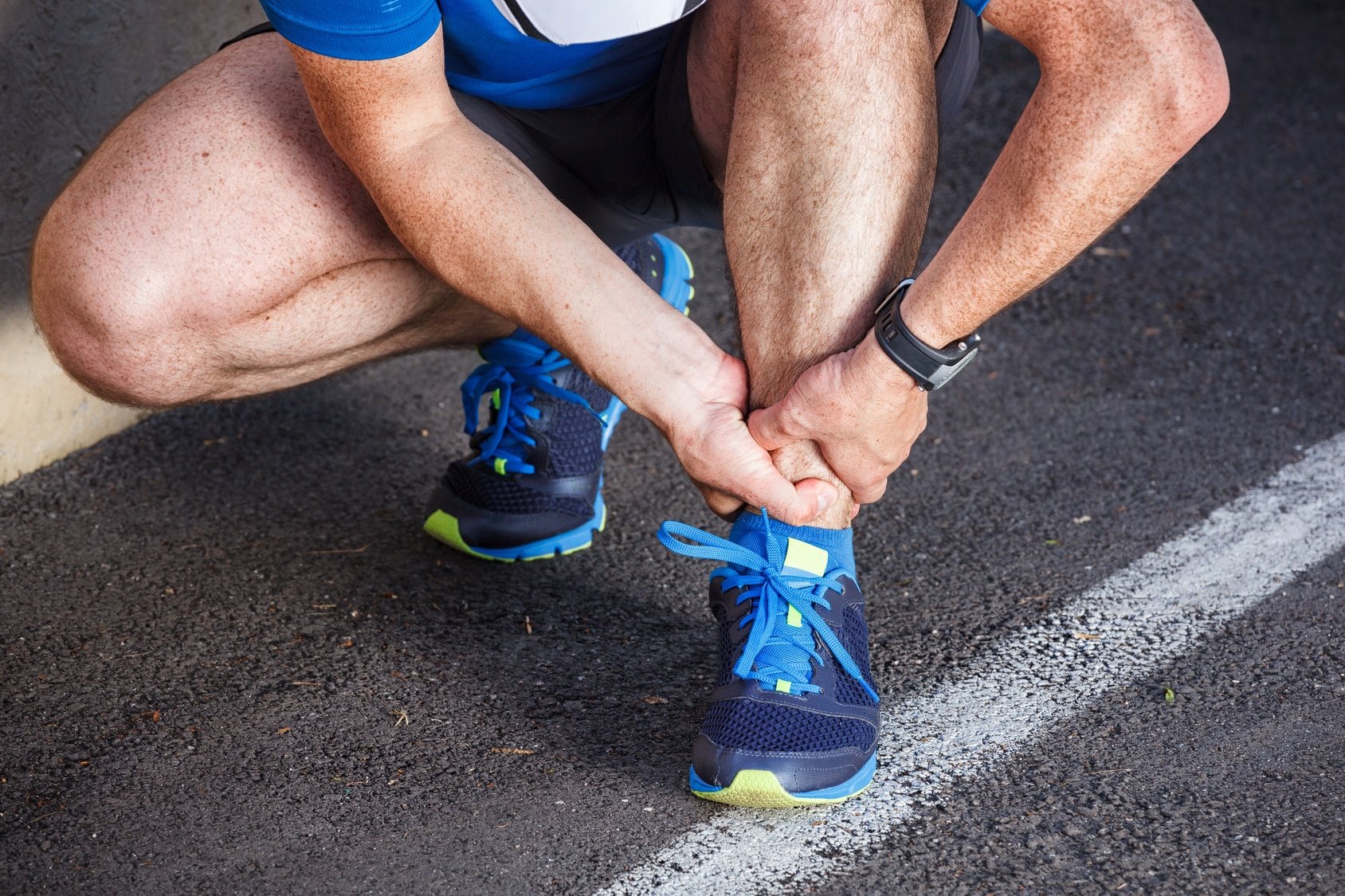
How To Prevent Plantar Fasciitis When Running

Treatment may take up to a months-long combination of rest, ice, rehab, and even medication. That’s why you’re better off not getting injured in the first place.

When it comes to dealing with plantar fasciitis, the adage “An ounce of prevention is worth a pound of cure” couldn’t be more true.

Keep on reading to learn more about protecting your plantar fascia and preventing any future pain.

Wear the Right Shoes

For runners, selecting the right footwear is not just a matter of comfort; it’s a critical decision for injury prevention, particularly when it comes to conditions like plantar fasciitis.

Go for running shoes that provide ample support for your entire foot. These shoes should have a thick sole to cushion your heel and prevent it from shifting excessively. It’s crucial to replace your running shoes every 400 to 500 miles because the structural integrity of the shoe diminishes over time.

Additionally, consider your choice of casual shoes. Avoid footwear with heels that can strain your arch during everyday activities, as this can contribute to plantar fasciitis. Choose comfortable, supportive shoes for daily wear to protect your feet.

Additional resource – Running shoes for plantar fasciitis

Stretch Your Plantar Fascia

Calf tightness can contribute to the development of plantar fasciitis. When both your Achilles and plantar fascia are tight, they can exert tension on the plantar fascia, leading to irritation and weakening of its attachment to the bone.

Research from the University of Rochester suggests that performing stretching exercises tailored to the plantar fascia can effectively alleviate pain and support long-term recovery.

Incorporate these stretches into your daily routine, particularly in the morning and after a run. A recommended regimen includes three to five sets of 20 to 30 seconds for each stretch.

Here are some of the stretches you should consider:

Towel Stretch

Sit with your legs extended. Place a towel around the ball of your foot and gently pull the towel towards you while keeping your knee straight.

Foot Writing

Although not artistic, writing the alphabet with your foot can be beneficial. It’s a simple exercise for your plantar fascia.

Calf Stretches

These stretches are practical for your calves. Include them to maintain muscle flexibility.

Heel Drops

Elevate your heels on a step, allowing them to hang and stretch. It’s a useful exercise for your foot’s well-being.

Additional resource – How to prevent calf pulls from running

Strength Train

Building strength through targeted exercises is like giving your feet a reliable bodyguard against injuries like plantar fasciitis. You want your foot squad to be strong and ready for action, right?

And don’t my word for it.

Studies from the American Journal of Sports Medicine highlight that incorporating strength training into your routine can significantly decrease the risk of injuries like plantar fasciitis.

Here are some exercises that will have your foot muscles flexing their strength muscles:

Calf Raises

Stand tall, rise up onto your tiptoes, and feel the burn in your calf muscles.

Toe Curls

Give your toes a workout by curling them inwards, working those muscles in the midfoot.

Doming

Elevate the arches of your feet by doming – it’s like a mini dance for your foot muscles.

Toe Spread & Squeeze

Spread those toes out and then squeeze them back together. It’s a toe party for foot stability.

https://www.youtube.com/watch?v=_izMb3PPamI

Roll Your Plantar Fascia

Rolling your foot over a cold water bottle is an excellent way to alleviate fascia pain and reduce the risk of injury. After a run, grab a frozen water bottle and roll it under your foot for 5 to 10 minutes, with a focus on your arch.

After a run, treat your feet to a cool and soothing session with a frozen water bottle. It’s like a mini ice bath for your feet, minus the icy plunge. Here’s how to roll with it and keep your fascia feeling fantastic:

Get a frozen water bottle and do the following:

  1. Rolling Time: Grab your frozen water bottle and roll it under your foot. Focus on the arch area – it’s like giving your foot a refreshing massage.
  2. Pressure Points: Apply some firm pressure to key areas—start with the middle, then shift to the inner and outer edges. Hold each spot for about 20 to 30 seconds.
  3. Keep it Moving: Don’t park your bottle in one spot for too long. Keep the roll going to hit all the important areas.

Check out the cool technique here

This chilly trick isn’t just about feeling the freeze. It’s a strategic move to manage inflammation, keep your foot flexible, and say goodbye to fascia pain.

Try Athletic Tape

If you’re dealing with plantar fasciitis, consider the benefits of using athletic tape. This technique, known as Kinesio taping, has proven effective in managing symptoms. By using plantar fasciitis tape to provide arch support and reduce tension on the fascia, this technique helps relieve pain and improve comfort throughout the day.

Here a are few reasons:

  • Enhances Blood Flow: Improves blood circulation to the foot.
  • Provides Support: Offers structural support to the foot.
  • Addresses Inflammation: Aids in reducing inflammation and swelling.
  • Gentle Compression: Applies gentle compression to the affected area.
  • Limits Movement: Restricts movements that may worsen symptoms.

Research validates its effectiveness. A review of eight studies indicates that taping can bring short-term relief to individuals with plantar fasciitis

Keep in mind that various types of Kinesio tape are available, so choose the one that suits your needs best.

The following Youtube tutorial should get you started on the right foot:

Use A Night Splint

Consider night splints as a practical aid in managing plantar fasciitis. These devices play a helpful role by stretching the calf and plantar fascia while you sleep.

Here’s how night splints work:

  • Stretching Effect: They create a gentle stretching effect on the calf and plantar fascia.
  • Prevent Tightening: By keeping the plantar fascia stretched, they prevent it from tightening or cramping.
  • Chronic Cases: Particularly useful for chronic cases of plantar fasciitis.
  • Pain Relief: Aid in stretching the plantar fascia, contributing to pain relief.
  • Maintain Foot Position: Help maintain the correct foot and ankle position during sleep.

If you frequently experience plantar fasciitis, incorporating night splints into your routine can be beneficial. They provide continuous stretching, addressing the condition even while you rest.

However, it’s crucial to consult with your doctor or podiatrist before choosing a night splint. They can offer guidance on the most suitable option based on your specific needs. Night splints can be a valuable addition to your plantar fasciitis management plan, contributing to relief and improved foot health.

Run On Soft Surfaces

To safeguard yourself against injuries like plantar fasciitis, consider adjusting your running surface. The type of terrain you run on can significantly impact the stress your feet endure, influencing the health of your plantar fascia.

Here are three reasons why shoft surface matter:

  • Varying Stress Levels: Different surfaces exert different stress levels on your feet.
  • Impact Reduction: Softer surfaces reduce the impact on your feet, minimizing the strain on your plantar fascia.
  • Hard Surfaces Warning: Hard and uneven surfaces can increase stress, potentially leading to inflammation and plantar fascia stress.

Here’s how to choose wisely;

  • Opt for Soft Surfaces: Whenever possible, choose softer running surfaces to mitigate stress.
  • Even Terrain Advantages: Running on even terrain decreases the risk of landing incorrectly, reducing strain on tendons and ligaments.
  • Park Paths: Well-groomed paths in parks or other soft surfaces are preferable to concrete sidewalks or rough terrain.

What’s more?

You should also incoporate a variety of running surfaces into your training routine to balance stress on your feet.

Improve your Running Form

Ensuring proper running form is pivotal to minimizing the likelihood of plantar fasciitis. The way you run profoundly influences the stress on your feet, particularly the plantar fascia.

For example, excessive inward rolling of your foot upon landing can stress the plantar fascia, heightening the risk of injury. Plus, a severe heel strike can also increase stress on the plantar fascia.

Here’s how to improve your form. Start by paying close attention to your foot pronation during your running stride. Instead of a heavy heel strike, aim to land more evenly on the middle of your foot. Landing evenly distributes impact, easing stress on your heel and maintaining plantar tendon flexibility.

Maintain a Healthy Weight

Maintaining a healthy body weight and embracing sound nutrition are pivotal factors that contribute to overall foot health, playing a vital role in injury prevention—plantar fasciitis is no exception.

Let me explain. Excess body weight places substantial strain on your heels, the plantar fascia ligament, and the arch and ball of your foot. When running, your feet can handle up to two and a half times your body weight during shock absorption. Running at a faster pace intensifies this strain.

In simple terms, every ten pounds of body weight translates to a significant 25-pound impact on your feet.

That’s why losing excess weight significantly alleviates the load on your plantar fascia ligament and other supporting foot structures. It serves as a proactive measure, diminishing the likelihood of developing or worsening plantar fasciitis.

Know Your Limits

Listening to your body and respecting your limits is crucial in preventing overuse injuries like plantar fasciitis. . Pay close attention to your body’s signals, including signs of fatigue and soreness, and tailor your training regimen accordingly.

Striking a balance between pursuing your running goals and allowing your body sufficient time to adapt and recover is key. Avoid pushing beyond your limits to ensure a sustainable and injury-free running journey.

When your body signals fatigue or discomfort, heed the call. Recognizing these signs early on is crucial in preventing injuries.

Looking to increase your weekly mileage? Then do so gradually. Abrupt changes can subject your feet to excessive stress, paving the way for injuries like plantar fasciitis.

Prevent Quad Soreness: Tips and Techniques for Ache-Free Running

Looking for practical ways to help prevent quad soreness while running? Then you have come to the right place.

Experiencing quad soreness as a runner is almost inevitable. That familiar tightness and heavy leg feeling post-run can be a nuisance, potentially disrupting your training routine. But there’s good news: you can take steps to prevent this discomfort.

In this article, I’m going to share effective tips and strategies to help you avoid quadricep soreness. By implementing these techniques, you can continue your training more comfortably and without pain.

Ready to learn how? Let’s dive in.

Why Quad Soreness Matters

Quad soreness is a common reality for runners, especially after long or intense runs. It’s more than just a discomfort; it’s a sign from your body indicating the need for care. Your quadriceps are essential in driving your running motion, and when they’re sore, it affects your entire run. This soreness can make your legs feel heavy and tired, impacting your efficiency, pace, and overall enjoyment of running.

More than just an annoyance, persistent quad soreness can lead to serious issues like overuse injuries or changes in your running form. However, it’s not an insurmountable problem. There are several effective steps you can take to minimize the risk of experiencing this kind of soreness after your runs.

Let’s explore some of these strategies.

Warm-up

A thorough warm-up is essential in preparing your muscles for a run and preventing quad soreness. Start with your usual routine to get your muscles ready and heart rate up. However, if your quads still feel tight, include some gentle stretches to help them relax.

Why is this so crucial? A proper warm-up prevents your muscles from becoming overly tight and reduces the risk of injury. It’s like building a safeguard against those potential muscle strains that can occur during a run.

An ideal warm-up involves dynamic exercises that not only enhance flexibility but also activate your muscles, particularly important if you’ve been inactive for a while. Dynamic movements like lunges, leg swings, and high knees are excellent for waking up your muscles and transitioning them into running mode.

To add an extra boost to your warm-up, consider doing a few strides. These are short, fast bursts of about 100 meters at near-maximum effort, excellent for priming your quads for the workout ahead.

Investing 10-15 minutes in such a comprehensive warm-up routine significantly reduces the chances of experiencing quad soreness during and after your run, setting you up for a more enjoyable and pain-free running experience.

Proper Running Form

Proper technique in running isn’t just for elite athletes; it’s essential for an enjoyable and injury-free experience. Maintaining good form ensures your quads work efficiently, reducing the risk of soreness and injuries. Poor form, on the other hand, can lead to discomfort and potential harm.

Good form also promotes teamwork among your muscles. When your quads and other leg muscles work in harmony, it distributes the effort evenly, preventing fatigue during your run.

Let’s dive into some practical tips for refining your running form:

  1. Posture: Stand tall and straight, like there’s a string pulling you up from your head. Avoid leaning forward or backward.
  2. Focus: Keep your eyes fixed about 20-30 feet ahead, not on your feet, to maintain balance and direction.
  3. Arm Movement: Relax your arms at a 90-degree angle, swinging them naturally without crossing over your body.
  4. Stride Length: Aim for a comfortable stride. Overstriding can strain your body, so focus on quick and light steps.
  5. Footstrike: Try to land on your midfoot or forefoot rather than heavily on your heels, as this is gentler on your quads.
  6. Breathing: Coordinate your breathing with your steps, establishing a consistent rhythm that matches your pace.

Remember, mastering perfect form is a gradual process. Focus on one aspect at a time, and with practice, these elements will become second nature to your running routine.

Change Your Cadence

Cadence in running, the number of steps you take per minute, plays a crucial role in improving your running efficiency. A proper cadence helps prevent overstriding, which can strain your ankles, knees, and hips, and lead to injuries.

The recommended cadence is around 180 steps per minute. Achieving this cadence can elevate your running form, reducing the risk of quad soreness and other overuse injuries.

To find your ideal cadence, first determine your current step rate. Then, gradually increase it in small increments, aiming for a 3 to 5 step increase. With consistent practice over a few weeks, you can reach your target cadence. Stay mindful of your body and the rhythm of your steps to make this adjustment more intuitive and effective.

Strengthen Your Quads

Strength training is key to preventing quad soreness after running. By strengthening your quads, you’re equipping them to better withstand the demands of your running routine.

Stronger quads can handle increased training intensity and mileage with less risk of pain or injury. This simple addition to your routine can have a significant impact on your overall running health and performance.

And please don’t take my word for it. A study in the Journal of Strength and Conditioning Research found a positive correlation between quad strength and running performance.

Now, let’s get practical with some exercises your quads will appreciate:

  1. Squats:

  • Stand with feet shoulder-width apart.
  • Lower your body by bending knees and hips, keeping a straight back.
  • Thighs parallel to the ground is the goal.
  • Push through your heels to stand back up.
  1. Lunges:

  • Start with feet together.
  • Step forward with one foot while keeping your back straight.
  • Lower your body until both knees form a 90-degree angle.
  • Front knee stays above the ankle.
  • Push off the front foot to return to the starting position.
  • Alternate legs for each round.
  1. Leg Presses (Machine):

  • Sit on the leg press machine with feet shoulder-width apart on the platform.
  • Push the weight by extending your legs until they’re straight.
  • Slowly lower the weight back to the starting position by bending your knees.
  • Keep your back against the seat throughout.

Cool Down with Grace

After finishing your run, a proper cool-down is essential. Start with a gentle jog or walk to gradually bring your heart rate down.

Enjoy the satisfaction of your achievement and let the adrenaline fade. Adding cross-training activities like yoga, strength training, swimming, or cycling can offer a low-impact alternative, aiding in quad recovery and preparing you for future runs.

Remember, if you experience persistent soreness, listen to your body and opt for pain-free activities.

Eat Well

Nutrition significantly affects how you feel and perform after a run. The period following a run is critical for muscle recovery, as this is when they are most receptive to nutrient replenishment. It’s important to refuel promptly post-run to maximize this recovery phase.

A balanced meal is key, focusing on carbohydrates to replenish energy, protein for muscle repair, and healthy fats for overall health. The recommended ratio for post-run nutrition is 3 grams of carbohydrates to 1 gram of protein. This balance is crucial for both refueling and rebuilding.

For convenient and nutritious options, consider:

  • A protein shake.
  • A bagel with creamy peanut butter.
  • Yogurt mixed with a ripe banana.

If solid foods are less appealing after a strenuous run, chocolate milk is a great alternative. It offers a tasty, refreshing way to get a balanced mix of carbohydrates, protein, and essential nutrients, helping kickstart your recovery process.

Take Plenty of Recovery

Resist the temptation to engage in another challenging run or intense workout immediately after a demanding run. Overdoing it can exacerbate soreness and delay recovery. Instead, prioritize rest and allow your body the necessary time to heal.

Embrace this downtime to slow down and relax. Rest periods are crucial for your body to address muscle soreness and pain. Think of this time as a healing sanctuary, where your muscles can recuperate and rebuild strength. This way, when you return to running, you’ll be rejuvenated and energized.

Patience during recovery can be challenging for avid runners, but it’s essential. Opting for rest and recovery is not a sign of defeat; it’s a strategic move for sustained health and longevity in your running journey.

Stretch After You Run

After a strenuous run, your body, especially your muscles, deserves a period of recovery. An essential part of this recovery process is post-run stretching. It’s a crucial step not to be overlooked as you celebrate your running achievements.

Think of your muscles as the heroes of your run. They’ve absorbed impact, powered your strides, and now, they need some care. This is where the role of static stretching becomes vital. Unlike the dynamic stretches pre-run, post-run is the time for static stretching to soothe and rejuvenate your muscles. Focus on key areas like hips, hamstrings, calves, and particularly the quads.

Your quads, having been integral to your run, need special attention. Stretching them out helps release built-up tension and allows them to relax. Additionally, be mindful of any tight spots that have developed during your run. Addressing these areas can provide immense relief and aid in recovery.

The benefits of post-run stretching are well-supported by research. It helps improve flexibility, speeds up recovery, and reduces muscle soreness, making it an indispensable part of your running routine.

Try some Ice Therapy

Ice therapy is an excellent tool for recovery after a challenging run. It’s a simple and effective method, particularly beneficial following intense training sessions.

Taking a cold bath or a brief dip in cold water can expedite recovery. The cold constricts blood vessels, aiding in the removal of lactic acid from your muscles, especially the quads. This process helps alleviate fatigue and accelerates recovery.

To take an ice bath, fill a bathtub with cold water and, if you’re up for it, add ice cubes for an extra cooling effect. Gradually immerse yourself, adjusting to the temperature. If a full ice bath seems daunting, you can apply ice packs directly to sore areas for a more localized approach. Limit ice pack application to about 10 to 15 minutes to avoid discomfort.

Research supports the effectiveness of ice therapy in reducing muscle soreness and promoting recovery, making it a valuable addition to your post-run regimen.

Try Some Massage Therapy

Massage has been hailed as a game-changer when it comes to reducing those pesky aches and pains. It’s like a focused session for your muscles, providing some useful perks that can improve your recovery process.

One of the key benefits is how massage enhances blood flow to targeted muscles. As hands move across your body, they stimulate circulation, allowing oxygen and nutrients to reach your muscles faster. This influx aids the healing process, helping your muscles recover more efficiently.

Massage also tackles muscle tension and stress. It works by easing knots that build up over time, promoting flexibility and reducing stiffness. By targeting specific areas of soreness, self-massage tools like a massage stick or a foam roller offer a DIY alternative for those who can’t afford regular professional massages. A few minutes of self-massage can make a notable difference in your muscle recovery journey.

Research supports the effectiveness of massage in reducing muscle soreness and aiding recovery.

Check the following YouTube Tutorial on how to do it:

https://www.youtube.com/watch?v=v2-PpQntJ9k

Coming Back Strong: How to Safely Resume Running After a Stress Fracture

Getting back into running after dealing with a stress fracture can feel like an uphill battle, and I’ve been there. Let me share my journey and some tips to help you make a strong and safe comeback.

Stress fractures hit hard, disrupting our running routine for weeks, sometimes even months. These tiny cracks in our bones result from the repetitive stress we put them through while pounding the pavement. It’s a setback that’s all too familiar to us runners.

Now, I won’t sugarcoat it – the road to recovery is no sprint. The duration depends on factors like the location and severity of the injury, your time away from running, and your overall health. On average, expect a three-month healing period.

In this article, I want to give you a step-by-step plan based on my own experience. These guidelines helped me get back on track without risking reinjury, and I believe they can work for you too.

Stress Fractures Explained

So, what exactly is a stress fracture? Well, it’s like a tiny crack or a bruise within a bone, usually caused by going a bit too hard on the running or jumping front. It’s an overuse injury that can bring your running groove to a screeching halt, leaving you itching to get back out on the track.

You know the drill – signs include pain that’s all gung-ho during activity but chills out with some rest, plus some swelling and tenderness at the injury site. That pain? It’s like a nagging neighbor that just won’t leave.

But here’s the deal – proper recovery is the name of the game for the long-term health and performance of our running adventures.

Now, let’s talk about the next big challenge – getting back on the road after a stress fracture. It’s not just about the physical recovery; it’s also a mental game. We’re talking about facing the fear of re-injury, finding that sweet spot for your return pace, and rebuilding both strength and confidence.

The Recovery Process

Recovering from a stress fracture is like embarking on a mindful marathon – it demands patience, a strategic approach, and a sprinkle of determination. Let’s dive into the stages of recovery, unraveling the secrets to a safe and triumphant return to the running realm.

Here are the three main stages.

  • Acute Phase (Rest and Immobilization): Right after the diagnosis, the game plan is simple – give that injured area a break. It’s all about rest, no weight-bearing activities, and maybe a bit of Netflix and chill for good measure.
  • Rehabilitation Phase: As the bone starts its healing shimmy, it’s time to dip your toes back into the exercise pool. Your doctor might give you the green light for gentle, non-impact workouts like swimming or cycling. It’s the slow dance of reintroducing strength and flexibility, one careful move at a time.
  • Return to Running: The grand finale! This is where the magic happens. You’re ready to lace up those running shoes again. Start with a light jog or mix it up with walk/run intervals. Let me break down this even further.

Returning to Running After A Stress Fracture

Ready to hit the pavement again after dealing with a stress fracture? Here’s your game plan to make a triumphant comeback.

Phase One – The Injury Period

So, you’ve got the stress fracture diagnosis, and now you’re in the “rest and recover” phase, lasting anywhere from four to 12 weeks, depending on the nature and severity of the injury. This is the time to prepare for some downtime.

During this phase, it’s a strict no-go for any exercise. Yep, rest is the name of the game. Keep it below your pain threshold, and if you can, minimize those walking miles too. Sometimes, you might need a little extra support, like a boot or crutches, to give that injured limb some extra support.

Now, here’s a silver lining—low-impact exercises like yoga can still be your workout buddies during this period. They’ll keep things moving without putting too much strain on that healing bone. Anticipate spending two to four weeks (or even longer for serious cases) in this initial phase.

And here’s your golden rule: if you feel pain, you’re pushing it too hard. It’s your body’s way of saying, “Whoa, slow down there, champ.” Listen up and take it easy.

Stage Two – Return To Running

Feeling the itch to lace up those running shoes again without wincing in pain? It’s time for the second act – the Return To Running stage.

But here’s the golden rule before you hit the track: have another chat with your doctor. Seriously, even if you’re feeling “fine”, get that professional nod of approval. This visit is your checkpoint to ensure that stress fracture is fully in the rearview mirror.

Once you get that green light, it’s time to ease back into training. No need to break any speed records just yet. Start slow, like really slow, and focus on increasing your distance rather than channeling your inner speed demon. Your mantra: patience is the name of the game.

Kick things off with super short sessions, keeping a close eye on how your body reacts. Now, here’s a nifty guideline – the 10 percent rule. Don’t up your weekly mileage by more than 10 percent from the previous week. It’s like a gentle nudge, not a sprint.

And here’s a reality check: if you feel even a whisper of pain making a comeback, hit pause, take a breather, and dial it back to the last pain-free level. Don’t let your ego stand in the way of your own success.

Oh, and let’s talk about your running style. Analyze that gait of yours, give your running shoes a once-over, and toss in some cushion, padding, or an elastic bandage inside those sneakers for good measure.

Monitoring and Managing Pain

Returning to running post-stress fracture? Let’s talk about the crucial art of pain navigation. It’s like deciphering a secret language your body speaks. Here’s your guide to understanding, managing, and when to call in the pros.

Understanding Normal Discomfort vs. Re-Injury:

Normal Discomfort: Picture this as the post-run victory lap. Some general muscle soreness, especially if you’ve been on a running hiatus, is pretty standard. It’s the kind that high-fives you after a run and usually bows out with a bit of stretching, rest, or some active recovery.

Now, here’s the red alert. Sharp or pinpoint pain at the original stress fracture site, especially if it’s playing tag with your runs, is a no-no. Persistent pain that refuses to budge even after a rest day is a signal to hit the brakes.

Pain Management Strategies:

In pain? Take the following measures to help ease it.

  • RICE Method: For the general discomfort squad, RICE is your MVP (Rest, Ice, Compression, Elevation). Give those muscles some love with this winning combo.
  • Active Recovery: It’s the cool-down party! Gentle activities like walking, swimming, or cycling can be your post-run remedy, soothing any lingering stiffness.
  • Gradual Progression: Slow and steady wins the race. Don’t go from 0 to 100 too quickly. Gradual progression is your pain-free pass to leveling up.
Alternative Pain Management Strategies
Managing pain from a stress fracture requires a combination of rest and effective pain relief methods. In addition to the more traditional treatments that have been listed above, alternative strategies can help reduce discomfort and promote healing.
Techniques such as acupuncture, physical therapy, and mindfulness meditation can alleviate pain while improving overall recovery. Another method that is being explored for its potential anti-inflammatory properties is the THCa Hemp Flower which has been known to offer pain relief without the psychoactive effects of THC, so this could be an option worth looking into.
Other options like massage therapy, yoga, and a nutrient-rich diet can further support the healing process and help manage stress fracture pain naturally.

When to Seek Medical Advice:

If the pain becomes your running companion instead of your cheerleader, it’s time for professional advice. This is especially the case if you’re coming down with new symptoms such as swelling, redness, or any dramatic changes in the injured area are like SOS signals. Call in the experts.

Running After A Stress Fracture – Phantom Pains

You’re back on the track, feeling the wind in your hair, and suddenly, you’re hyper-aware of every little twinge, twitch, or sensation in your body. Cue the worry train – “Is this a new injury? Am I pushing too hard? What’s happening?”

Take a deep breath. Here’s the truth – you might still feel some lingering discomfort around the once-injured area, even if your doctor gave you the green light. Enter the world of phantom pains.

Now, these sneaky sensations are like the ghosts of stress fractures past. They might be caused by calcium build-up or just your mind playing tricks on you, fueled by the fear of a relapse. It’s often as minor spasms or discomfort in the stress fracture’s old haunting ground, not a full-blown “call 911” type of pain.

When these phantom pains come knocking, remember this: irregularity is their middle name. They’ll show up, shift around, and vary in intensity. Odds are, if they’re playing this unpredictable game, you’re probably in the clear.

So, what’s the move when the phantom pains make a cameo? Focus on your breathing, take it one step at a time, and resist the urge to overanalyze every little sensation. Don’t let paranoia be your running partner.

Here’s the bottom line – don’t confuse phantom pains with chronic pain. Chronic pain is the party crasher that never leaves, a continuous dull ache with the same intensity. If it doesn’t fit that bill, you’re likely dealing with the phantom variety.

Analyzing Your Running Mechanics

Bouncing back from a stress fracture isn’t just about healing bones; it’s a golden opportunity to fine-tune your running mechanics.

Here’s the truth. Your running form is like a fingerprint, unique to you. But sometimes, those quirks can lead to trouble, like stress fractures. By identifying biomechanical imbalances or wonky running form, you’re one step closer to the root of the issue.

This isn’t just about patching things up; it’s about future-proofing your runs. Correcting these biomechanical hiccups not only aids your current recovery but sets the stage for smoother, injury-free runs down the road.

So what should you do?

In my opinion it’s simple. Consult a professional. This is especially the case if you’re intending to return to serious training soon. I’d recommend starting with a gait analysis, usually led by a sports physiotherapist or a specialized running coach.

This analysis involves strutting your stuff on a treadmill, often under the watchful eye of video analysis. It’s like a running reality show, but for your biomechanics.

The outcome? Based on this analysis, you get the inside scoop on your running mechanics. Need to tweak your stride? Adjust your foot placement? Or perhaps a posture upgrade? Consider it your personalized playbook for a smoother, more efficient run.

Recover and Run: A Step-by-Step Guide to Returning to Running After Achilles Tendonitis

Looking for practical tips to help you get back to running after Achilles tendonitis? You’ve come to the right place.

Achilles tendonitis is a common condition among runners, characterized by pain and inflammation in the Achilles tendon—the band of tissue that connects the calf muscles at the back of the lower leg to your heel bone. This overuse injury often results from the repetitive strain and stress that running places on the Achilles tendon, making it a frequent issue among runners.

But here’s the deal: recovering from Achilles tendonitis can be tricky, making it easier said than done to return to logging those miles.

No need to worry, though.

In this article, I’ll share with you the exact step-by-step process to get back to running after Achilles tendonitis. By following the guidelines below, you can expect to gradually and safely rebuild your strength and endurance, returning to running with confidence and a lower risk of re-injury.

Sounds like a plan? Let’s dive in.

Understanding Achilles Tendonitis

Achilles tendonitis happens when your Achilles tendon, that tough band of tissue that connects your calf muscles to your heel bone, decides to throw a bit of a tantrum. It gets all inflamed and achy, and boy, does it love to make its presence known.

You’ll usually feel it as some discomfort or straight-up pain at the back of your heel. And it’s got a special knack for showing up when you’re in motion, just to keep things interesting. Oh, and let’s not forget that delightful morning surprise—ouch!

It’s A Common Injury

Running involves repetitive motions, especially during long-distance runs and uphill training sessions. These repetitive actions can place significant stress on your Achilles tendon. Additionally, inadequate warm-up routines, wearing improper footwear, and dealing with biomechanical imbalances can all contribute to this condition. Recognizing and addressing these factors is essential for runners looking to prevent Achilles Tendonitis.

How do I know if I’m ready to start running again?

Well, the answer lies in how your body feels, especially when it comes to discomfort, soreness, or pain.

Let’s break it down into a simple guide:

Eligible to Progress Running

  • If you had no joint soreness after your last running session, that’s a good sign. You’re on the right track.
  • Likewise, if you experienced some joint or tendon soreness after your last run, but it magically disappeared by the next morning, you’re in a good place to move forward.

Stay with the Same Amount of Running

  • If you wake up the “morning after” your run and your soreness level rates at a comfortable ‘3 or less’ out of 10, or it’s just a mild level of soreness, you can stick with your current running routine.
  • Another scenario to maintain your current mileage is if you had some joint or tendon soreness for 24 hours after your last run, but it has since eased.

Regress the Amount of Running

  • However, if you find yourself dealing with joint or tendon soreness that lingers for more than one day after your last run, it’s time to take a step back.
  • Similarly, if your “morning after” soreness rates higher than ‘3 out of 10,’ or it’s a moderate level of soreness, it’s a sign that you should reduce your running intensity.

Remember, it’s essential to listen to your body and let it guide your running journey. Don’t rush things, and pay close attention to how you feel after each session. Your comfort and well-being come first.

Things To Check For

Before you even think about lacing up your running shoes, there are some essential checks to do. Don’t worry; it’s not rocket science, just a few simple steps to ensure you’re ready to hit the road pain-free.

First things first, let’s talk about ankle dorsiflexion range of motion. What’s that, you ask? Well, it’s how far you can flex your ankle by bringing your knee over your toe on the injured limb. Try it out and see if you can achieve end-range ankle dorsiflexion without any pain. If you can, that’s a good sign that you’re on the right track.

Next up, we’ve got ankle plantarflexion strength and endurance. This one’s a bit easier to check. Stand up straight, then go up and down on your toes. See if you can do this movement for more than a minute without any issues. If you can, that’s another positive sign.

Now, let’s talk walking. Can you walk pain-free on different surfaces? That includes flat terrain, going up stairs, or tackling a hill. If you can do all of these without any discomfort, you’re making great progress.

But hey, if you can’t quite check all these boxes just yet, don’t fret. It’s essential to stay active even if you’re not quite ready to log those miles without pain. Consider low-impact cardio alternatives to keep up your cardiovascular fitness while giving your Achilles tendon the time it needs to heal.

Return To Running After Achilles Tendonitis

Let’s talk about getting back to running after Achilles Tendonitis. You’ve gone through the initial stages of dealing with this condition, and now it’s time to ease back into running, step by step.

I’ll break down the recovery process into three key stages, starting with the first stage.

First stage – The Injury Period

The injury period is a time that demands patience and discipline. Research indicates that this stage typically lasts for two to five weeks, and during this time, patience and discipline are your best allies. While it might seem a bit dull, remember that resting is a crucial part of your journey back to full strength.

During this phase, make resting your injured limb a top priority. Embrace the RICE method (Rest, Ice, Compression, Elevation) as your daily routine to find relief and support the healing process.

If you’re eager to stay active, consider cross-training as a way to maintain your fitness levels without putting extra strain on your Achilles tendon. However, here’s a golden rule to keep in mind: if any activity causes pain, it’s a clear sign to avoid it.

What’s more?

I’d recommend that you perform some form of gentle mobility exercises to promote blood circulation and aid healing without exacerbating the injury.

Here’s a sample regimen:

  • Ankle Circles: Sit comfortably and gently rotate your injured ankle in a circular motion for 2-3 minutes, twice a day.
  • Toe Taps: While seated, tap your toes up and down to enhance circulation. Perform 3 sets of 10 taps, 2-3 times a day.
  • Ankle Pumps: While lying down, flex and point your toes. Perform 3 sets of 10 pumps, 2-3 times a day.

Second Stage – The Dynamic Work Period

During the second stage, aim to shift your focus from resting to engaging in gentle yet impactful exercises. This stage typically lasts for about three weeks and introduces a variety of dynamic drills designed to acquaint your Achilles tendon with controlled impact.

Incorporate drills like hopping exercises into your routine, where each hop represents a step toward building resilience. Strengthening and mobilizing the injured area take center stage during this phase, with exercises like heel raises and foam rolling becoming your trusted companions. As you progress, aim to perform toe raises, engage in free hops, do jumping jacks, and gracefully execute backward lunges, all without experiencing pain.

Keep a close eye on your ankle’s flexibility and mobility during dorsiflexion (bringing your foot toward your shin) and plantarflexion (pointing your foot away from your shin). Once you can perform these movements without discomfort, you’re ready to advance to the final stage of rehabilitation.

What’s more?

As you transition to controlled impact exercises, it’s essential to follow a structured program that gradually increases the intensity. Here’s a sample regimen:

  • Heel Raises: Start with 3 sets of 10 heel raises daily. As discomfort reduces, gradually increase to 3 sets of 15.
  • Calf Raises: Perform 3 sets of 10 calf raises daily, gradually progressing to 3 sets of 15.
  • Hopping Drills: Begin with gentle hopping in place, aiming for 2 sets of 10 hops. As strength improves, progress to forward and backward hopping.

Third stage – The Return To Running Period

In most cases, you can expect to make your way back to running within six to eight weeks, although the exact timeline may vary depending on the severity of your condition and your specific recovery plan.

Here are the key guidelines to follow during this stage:

  • Start incorporating running back into your routine, but do so gradually and at a slow pace.
  • If you experience pain during or after your runs, it’s crucial to back off or even halt your training temporarily.
  • Consider alternating between running days and rest days, or extend your rest days beyond your usual schedule.

Typically, it will take around two to three weeks to gradually build up your weekly mileage to match your pre-injury levels. However, keep in mind that this is just a suggested guide and not set in stone.

Every runner responds differently to this process, and each Achilles injury is unique. The key is to listen to your body and make necessary adjustments. You call the shots.

Here’s the plan you need to follow:

  • Week 1-2: Begin with brisk walking for 20-30 minutes every other day. On non-walking days, perform calf raises and heel raises to maintain strength.
  • Week 3-4: Transition to light jogging for 10-15 minutes, gradually increasing the duration. Continue calf and heel raises.
  • Week 5-6: Increase jogging time to 20-30 minutes and slowly incorporate short running intervals.

Prevention – Keeping Achilles Tendonitis at Bay

While recovering from Achilles Tendonitis is a crucial part of your journey, preventing it in the first place is equally important to maintain your running routine. Let’s explore key prevention strategies:

  1. Proper Footwear:

It all begins with selecting the perfect pair of running shoes. Look for ones that offer adequate arch support and cushioning. Your feet deserve the royal treatment!

Remember, shoes have a lifespan too. Plan to replace them every 400-500 miles of running or whenever you notice those telltale signs of wear and tear. Out with the old, in with the new!

If you have specific foot issues that demand extra TLC, consider orthotic inserts. These nifty additions can provide the additional support your feet crave.

  1. Gradual Progression:

The key to staying injury-free lies in saying no to overtraining. It’s crucial to avoid pushing your limits too hard or making sudden leaps in mileage or intensity.

Instead, embrace the “10 Percent Rule” as your new best friend. This rule advises against increasing your running time or distance by more than 10 percent per week.

  1. Strengthening and Stretching:

Make Achilles-specific exercises a part of your routine. Strengthening this tendon is crucial for resilience.

Don’t forget to perform calf stretches both before and after your runs. It’s a game-changer for improving flexibility and preventing issues.

  1. Warm-Up and Cool-Down:

Before you hit the pavement, make sure to:

  • Give yourself a proper warm-up to get those muscles and tendons ready for action.
  • After your run, show your body some love with post-run stretches and cool-down exercises to keep tightness at bay.
  1. Listen to Your Body:

Listen up! Your body has a lot to say:

  • Don’t brush off discomfort or pain in your Achilles tendon. It’s your body’s way of signaling.
  • If that pain lingers, don’t hesitate to seek medical advice. Your health is top priority.

From Recovery to Running: Navigating Your Comeback After Runner’s Knee

Planning a Comeback to Running After Battling Runner’s Knee? You’re in the Right Place!

I’ve been there – battling runner’s knee is no picnic. That pesky pain around the knee joint can strike both newbies and seasoned pros.

But it’s not a dead end. Returning to running after knee injury isn’t just a dream; it’s entirely doable and, frankly, essential for runners like you and me.

In this article, I want to take you on a journey into the world of runner’s knee – unraveling its causes, symptoms, and the roadblocks it throws in our running journey. Most importantly, I want to focus on how I made a safe and effective return to running after dealing with my own knee injury.

Sounds like a good idea?

Let’s get started.

Understanding Runner’s Knee

Runner’s knee can be quite a nuisance, akin to that bothersome pebble in your shoe. It primarily manifests as pain and discomfort around the kneecap (patella) and its adjacent areas.

This pain often arises during or after a run, particularly when you’re engaging in activities like bending your knee, performing squats, or navigating stairs. Sometimes it feels like a dull ache, but other times, it might be a sharp, stabbing sensation.

Common causes include overtraining, muscle imbalances, biomechanical issues, and anatomical challenges.

When it comes to symptoms, pain is the main signal. You’ll also notice swelling around your knee joint. It might be visible or something you can feel.

Understanding the Recovery Timeline

Recovering from runner’s knee is a journey unique to each runner, much like every runner has their own pace and style. It’s tempting to look for a quick fix or a definite timeline, but recovery really depends on you and your specific situation.

Let’s explore what influences your journey back to the track.

  • Severity of Injury: Think of this like the degree of a hill you’re running up. A mild case of runner’s knee might be a gentle slope and easier to recover from. But a more severe injury? That’s like a steep hill, requiring more time and effort to climb.
  • Individual Differences: Every runner’s body has its own recovery pace. Factors like your genetics, age, overall health, and past injuries all play a part.
  • Adherence to Rehabilitation: The more consistently you work on your exercises and follow your therapist’s advice, the better and quicker your recovery might be.

Understanding the Range

As I’ve stated earlier, recovery times can vary widely. Let’s break down what these recovery timelines might look like:

  1. Early Detection: Catching runner’s knee early is like spotting a small puddle on your run and avoiding it. With immediate attention – rest, specific exercises, and tweaking your running form – you could be back hitting the pavement in just a few weeks.
  2. Moderate Cases: If your runner’s knee is somewhere in the middle of the spectrum, think of your recovery like a standard training program. It could take several weeks to a couple of months. This period allows for steady progress and the necessary tweaks to your training regimen.
  3. Severe or Persistent Cases: For those tougher, more stubborn cases, the recovery journey is more like a marathon. It could stretch out to several months or more. But don’t let that dishearten you. Every step forward, no matter how small, is progress.

Remember, your recovery journey is as unique as your running style. Patience, persistence, and adherence to your rehab plan are your best allies.

Maximizing Cross-Training Benefits

Cross-training can be an invaluable ally in dealing with runner’s knee. While taking a break from running to let your knees recover, cross-training offers an alternative way to stay in shape and support your recovery. It’s like discovering new, knee-friendly routes on your fitness journey.

For cross-training activities that are gentle on your knees, consider options like aqua jogging and swimming. These provide a robust cardiovascular workout minus the joint stress. Cycling and elliptical training are also excellent choices for keeping up your fitness without aggravating your knee.

Here’s a tip: Aim for 3-4 cross-training sessions per week. This schedule helps you sustain your cardiovascular health while giving your knees the rest they need. It’s a bit like keeping your car’s engine running smoothly without adding extra mileage.

Your Cross-Training Action Plan:

  • Start with Shorter Sessions: Begin with sessions lasting around 30-45 minutes. This duration is manageable and lets you gauge how your knee responds to different activities.
  • Monitor Your Knee’s Response: Pay close attention to how your knee feels, particularly after workouts. This feedback is crucial in determining your next steps.
  • Gradually Increase Duration and Intensity: As your knee starts to feel better, you can slowly extend your workout sessions. Start with a gentle pace, and as you gain confidence and comfort, gradually increase the intensity.

A Sample Cross-Training Plan:

  • Monday: 30 minutes of moderate-pace aqua jogging.
  • Tuesday: A rest day or some gentle stretching.
  • Wednesday: 20-30 minutes of swimming laps.
  • Thursday: 40 minutes of stationary cycling at a comfortable resistance.
  • Friday: 40 minutes of aqua jogging, incorporating intervals.
  • Saturday: Another rest day, or some light yoga for flexibility.
  • Sunday: 30-45 minutes of swimming, mixing up the strokes.

Steps for a Safe Return to Running

Here are the three keys to returning safely to running after runner’s knee

Take your Time

Bouncing back from runner’s knee is a bit like navigating a tricky trail run – you need to take it slow and careful. Recovery time is really personal and depends on the extent of the damage to your knee. It’s not something you can sprint through.

Don’t Rush the Recovery: Healing muscle imbalances or tweaking your running mechanics isn’t a quick fix. It’s more like a long, steady training run – you’ve got to pace yourself. Rushing it isn’t an option.

Varied Recovery Timelines: If you catch runner’s knee early, a few days off might be all you need. But if you’ve been ignoring the pain and running through it, brace yourself for a longer recovery period. It’s like comparing a short recovery jog to a marathon – they’re just not the same.

General Recovery Guideline: Generally, think four to eight weeks of laying off activities that irritate your knee. This includes running and anything involving lots of knee bending and twisting. And remember, severe cases might need even more time.

Cross-Training is Your Friend: To stay safe and keep active, look to low-impact cross-training activities that don’t aggravate your knee. Aqua jogging and swimming are great options. If a cross-training activity causes knee pain, it’s a clear sign to stop.

Apply This Approach Broadly: This careful approach isn’t just for runner’s knee. It applies to other knee injuries like ITBS and patellar tendonitis too.

Restart Slowly

So, you’ve taken a break from running, and now you’re thinking of making a comeback? That’s awesome!

First of all, whether you took a short breather or a longer break from running, it’s important to recognize that time off the track affects your fitness. Your cardio and stamina might not be what they were – and that’s totally okay. Think of it as a new starting line, and we’re here to get you back on track.

Slow and Steady: Imagine you’re gently waking up your running muscles from a slumber. Instead of rushing out the gate, ease into it. Let your body gradually warm up to the idea of running again. It’s like the first few miles of a long run – you’re finding your pace and rhythm.

Embrace the New Beginning: Remember your early running days? The thrill, the challenges, the learning curve? Channel that ‘new runner’ energy. It’s an opportunity to fall in love with running all over again, with a fresh perspective and renewed enthusiasm.

Steps for a Safe Return to Running

Rejoining the ranks of runners after battling runner’s knee requires a strategic and measured approach. Here’s the step-by-step guide for your gradual return to running, including a week-by-week plan to increase running duration and intensity.

Consultation with a Healthcare Professional

Before you hit the ground running on your comeback trail, it’s a smart move to check in with a healthcare professional or physical therapist. They’re like your personal running coaches, but for health. They can assess your recovery, set a realistic timeline for your return, and offer advice tailored to your unique situation.

Start by Walking

Don’t be fooled into thinking you’re ready to run just because you’re pain-free while resting. Runner’s knee can be sneaky, often reappearing during intense activity. So, start with walking.

Think of it as a gentle test drive for your knee. Begin with short walks, and if pain shows up, take it as a sign to hit the brakes. Once you can walk pain-free for 30 minutes, it’s a good indicator that your body might be ready to transition back to running.

The Walk-Run Transition

Once you can walk pain free for an hour so without any trouble, adopt a walk-run method to keep risk of re-injury at bay. It’s like gently shifting gears in a car to avoid stressing the engine – in this case, your knee.

Start with Reduced Mileage:

If you had a two-week break, begin at 30% of your usual weekly mileage. A longer break, like eight weeks? Start at about a third of your usual distance. It’s like easing back into a running routine after a vacation – you don’t go full speed on day one.

Plan Your Runs Carefully:

Consider starting with three easy runs. Even if you’ve stayed active with cross-training, there’s a chance you’ve lost some running-specific conditioning.

Gradually Increase Mileage:

As the weeks roll by, slowly build your mileage up to your pre-injury level. A lot of runners use the 10% rule – each week, add 10% more mileage than the previous week. For instance, if you run 15 miles in week one, aim for around 17-18 miles the next week, and then about 20 miles the following week.

Listening to Your Body

As you make your comeback to running, tuning into your body is crucial, especially when it comes to your knee. It’s like being in sync with your running rhythm – if something feels off, you need to pay attention.

Keep a close eye on how your knee feels during and after your runs. Pain or discomfort? That’s your body’s way of waving a red flag. Just like you’d slow down or stop if you feel

Not a defeat; it’s smart training. Pushing through knee pain is like ignoring a twisted ankle – it only leads to more harm.

Back on Track: Expert Tips for Running Again After a Calf Strain

Recovering from a calf strain and looking for the best advice on how to get back to training? Then you’re in the right place.

Calf strains are a common injury that happens when the muscles at the back of your lower leg get overstretched or torn. It’s a common affliction among runners and regular athletes alike.

But the real challenge often comes after the initial recovery, which is safely getting back to running after a calf strain.

In fact, Running after a calf strain can be unnerving and challenging. During this key period, the way you approach your training can make the difference between a pain-free and efficient recovery and the risk of re-injury (and more time off the running track, and you won’t want that)

So, how do you walk this fine line? That’s where today’s post comes in handy.

In this article, I’m going to delve deep into the safe ways to resume training post-calf strain. In fact, I’ll walk you through the steps to make sure you return to the pavement or trails as smooth and risk-free as possible.

Sounds like a good deal?

Then, let’s get started.

Understanding Calf Strain: Your First Step to a Safe Running Comeback

A calf strain, a common injury among runners and athletes, occurs when the calf muscles at the back of the lower leg are torn or stretched. These muscles are essential for running, as they help propel you forward and absorb impact with each stride.

Calf strains often result from factors such as overexertion, inadequate warm-up, or pushing beyond your current level of fitness. Symptoms can include sharp pain, discomfort, or a feeling of being “struck” in the back of the leg.

Recovering from a calf strain involves more than simply waiting for the pain to diminish. It requires a careful and structured approach to ensure a safe and sustainable return to training.

Categorizing Calf Strains Calf strains are not all the same; they are typically classified into four grades, each with distinct characteristics. Let’s explore each grade in detail.

Grade 1: Mild Strain

  • Symptoms: Mild discomfort, often feeling more like a tightness or slight pain in the calf muscle.
  • Mobility: Generally, walking is still comfortable, and the injury feels more like a nuisance than a significant hindrance.
  • Recovery Timeframe: Approximately 1-2 weeks.
  • Recommendations: Rest, light stretching, and gradual reintroduction to walking and light jogging.

Grade 2: Moderate Strain

  • Symptoms: More pronounced pain, especially during and after physical activity. There may be mild swelling and bruising.
  • Mobility: Walking is possible but uncomfortable, and running is usually too painful.
  • Recovery Timeframe: Generally requires 2-4 weeks.
  • Recommendations: Extended rest, possible use of compression and ice therapy, and gentle rehabilitative exercises as pain permits.

Grade 3: Severe Strain

  • Symptoms: Sharp pain, significant swelling, and often noticeable bruising. Walking is usually quite painful, and a lump may be felt in the calf muscle.
  • Mobility: Limited; walking may require assistance.
  • Recovery Timeframe: Typically 3-6 weeks.
  • Recommendations: Strict rest is necessary, along with possible immobilization. Rehabilitation under professional guidance is often required.

Grade 4: Complete Tear

  • Symptoms: Intense pain, often with a popping or snapping sensation at the time of injury. Severe swelling, bruising, and a complete inability to use the affected muscle are common.
  • Mobility: Severely restricted; walking is usually impossible without aid.
  • Recovery Timeframe: Usually two months or longer, depending on the severity.
  • Recommendations: This grade often requires medical intervention, including potential surgery, followed by a structured rehabilitation program under medical supervision.

How To Start Running After a Calf Strain

Determining when you can return to running after a calf strain is not a one-size-fits-all answer. It depends on the severity and type of your calf strain, as well as your weekly training load.

For this reason, I highly recommend consulting a medical professional when dealing with a calf injury. They will assess your specific case and provide insight into the severity of your condition, helping you make informed decisions about resuming running.

Returning to running after a calf injury should be approached with caution. In many cases, it begins with short, easy-paced runs. Dynamic warm-up and mobility drills should be performed before any intense training to prevent re-injury.

You should only consider returning to your previous training level when you no longer experience muscle cramps or pain. Instead of immediately attempting the same distances and intensities as before the injury, start with shorter distances at a much slower pace to gradually rebuild strength and flexibility.

Staying active in some form is crucial for a speedy recovery. This can include light activities like walking in the park or engaging in an aqua jogging program to maintain your fitness and mobility.

Your doctor can assess the severity of your injury and provide a more accurate estimate of your recovery time based on the following grades:

  • Grade 1: One to two weeks to resume some running.
  • Grade 2: Two weeks or more to resume some running.
  • Grade 3: Three to six weeks to resume some running.
  • Grade 4: Two months or longer to resume some running.

Ultimately, only a medical professional can determine the severity of your calf strain and guide you in making the right decisions for a safe and effective recovery. Avoid making uninformed decisions, as they can increase the risk of reinjury, which is best to avoid.

The Plan

Here’s the ideal process in a nutshell:

  • Initial Steps: Begin with short durations of light jogging or running. For example, start with a 5 to 10-minute jog, focusing on a relaxed and comfortable pace.
  • Using the Walk-Run Method: Alternate between walking and jogging intervals. This method reduces strain on your calf and helps in building endurance.
  • Rule of Thumb: A good guideline is the “10% rule,” which suggests increasing your running distance by no more than 10% each week.
  • Monitoring Intensity: Keep your initial runs at a low to moderate intensity. Avoid hill runs or speed work in the early stages of your comeback.

Stretching and Strengthening in Calf Strain Recovery

Recovering from a calf strain involves more than just waiting it out; it requires proactive measures to heal and strengthen your muscles. Stretching and strengthening exercises play a crucial role in this process, serving as both your recovery allies and your defense against future strains.

Stretching is your muscle’s way of reclaiming lost flexibility and elasticity. Gentle stretching exercises help relax the tightened muscle fibers, reducing stiffness and enhancing your range of motion.

On the other hand, strengthening exercises are the foundation for building resilient calf muscles. Gradually increasing the load and intensity of these exercises prepares your calf muscles for the demands of running.

Incorporating both stretching and strengthening exercises into your recovery routine provides comprehensive care for your calf muscles. It’s not just about healing; it’s about returning stronger and more flexible, setting the stage for a safer and more enjoyable comeback to running.

Let’s begin by exploring some effective stretching exercises.

Standing Calf Stretch

Stand facing a wall with one foot in front of the other. Keep your back heel on the ground and lean forward until you feel a stretch in the calf of the back leg.

Hold for 30 seconds. Repeat three times on each leg.

Seated Towel Calf Stretch

Sit with your leg stretched out in front of you. Loop a towel around your foot and gently pull towards you, keeping your knee straight.

Hold for 30 seconds. Repeat three times on each leg.

Next comes the strength exercises.

Calf Raises

Stand on the edge of a step with your heels hanging off. Rise onto your tiptoes, then lower back down past the level of the step.

Do two sets of 10-15 repetitions.

Eccentric Heel Drops

Stand on a step on your tiptoes, then slowly lower your heels below the step level.

Perform two sets of 10 repetitions on each leg.

Integrating Exercises into Your Routine

Aim to perform these exercises daily, especially after a warm-up or at the end of your run.

Gradually increase the intensity and repetitions as your strength and flexibility improve.


Runners’ Guide to Big Toe Pain Prevention: Stay Pain-Free on the Track

Looking for practical tips to prevent big toe pain while running? Then you have come to the right place.

Although runners are often plagued by common injuries for large body parts like the knees, hips, and shin, an injury to the big toe can throw a wrench in your running routine. And you don’t want that.

Although big toe issues aren’t as common as runners’ knees, shin splints, or iliotibial band syndrome, coming down with such an injury may force any runner, regardless of how devoted they’re to training, to scare back or stop training altogether. That’s the last thing you’d aim for, namely, a specific weekly mileage or prepping for a hard race.

Worry no more.

In today’s article, I’ll share a few practical guidelines to help you prevent big toe pain while running so you can keep on logging the miles hassle-free.

Sounds like a good deal?

Then, let’s get started.

Understanding Big Toe Pain

Let’s dive into the world of big toe pain – something I’ve had to navigate through in my own running journey. Knowing the culprits behind this discomfort is crucial for effective prevention and management.

Here are the usual suspects I’ve encountered:

  • Bunions: By far the most common source of big toe pain for me and many other runners. Bunions are those bony bumps that develop at the base of the big toe. They’re not just unsightly – they can hurt, especially when they’re the result of prolonged pressure, like what we experience during our runs.
  • Ingrown Toenails: A runner’s bane that occur when a toenail grows into the surrounding skin, causing pain and inflammation. I’ve learned the hard way that tight or ill-fitting running shoes often lead to this unpleasant issue.
  • Plantar Fasciitis: While it mainly affects the arch and heel, I’ve felt its symptoms in my big toe, too. Poor technique and tight calf muscles can alter your gait and worsen this condition, leading to big toe pain.
  • Altered Biomechanics: Running forms like overpronation or supination can disrupt the natural movement of your feet and toes. For me, correcting my overpronation was key to reducing stress on my big toe joint and preventing bunions.
  • Pressure Points: Ill-fitting footwear, especially with a tight or narrow toe box, can create pressure points. I’ve experienced how this compression leads to discomfort and potential toe-related issues.

Now that we’ve covered the main causes of big toe pain in runners, it’s time to look at strategies to protect your big toe from wear and tear. Stay tuned for more insights on keeping your toes happy and healthy!

Strengthen Your Soles

As a runner who has delved into the science of foot health, I’ve learned that strengthening the muscles in your feet, particularly those around the big toe, is vital for enhancing running performance and reducing injury risk. Stronger foot muscles mean better support and stability, which are key for efficient and injury-free running.

The biomechanics of running heavily rely on the strength and flexibility of your foot muscles. When these muscles are well-conditioned, they improve foot mechanics, which in turn influences your overall running gait. This leads to a more effective push-off phase in each stride, reducing the workload on other parts of your leg and preventing overuse injuries.

Below, I’ve compiled a list of exercises, complete with detailed instructions and visual demonstrations, to help you strengthen your soles. These exercises are grounded in both my personal experience and scientific understanding of foot biomechanics:

Big-Toe Raises:

Stand with your feet flat on the ground and your weight evenly distributed. Lift your toes off the ground while keeping your heels planted. Try to raise only your big toes, leaving the other toes on the ground. Hold this position for a few seconds, then lower your big toes back to the ground. Repeat this exercise for several repetitions.

Big Toe Pushdowns:

Target Muscle: Flexor Hallucis Longus (Big Toe Flexor)

Sit comfortably in a chair with your feet flat on the floor. Then, place a small towel or cloth under your toes. While keeping your heel on the ground, press your big toe down into the towel while keeping the other toes relaxed. Hold the contraction for 5-10 seconds, then release. Perform 3 sets of 10-15 repetitions for each foot.

Toe Squeezes:

Target Muscle: Intrinsic Toe Muscles

Sit or stand with your feet flat on the floor. Then, place a small soft object like a small ball or a rolled-up towel between your big toes. Next, gently squeeze your big toes together, focusing on using the muscles of the big toe. Hold the squeeze for 5-10 seconds, then release. Perform 3 sets of 10-15 repetitions.

Toe Tapping:

Target Muscle: Extensor Hallucis Longus (Big Toe Extensor)

Sit on a chair with your feet flat on the floor. Then, lift your big toes while keeping your other toes on the ground. Next, tap your big toes up and down as rapidly as you can for 30 seconds. Rest for 10 seconds. Repeat for three sets.

Marble Pickup:

Target Muscle: Flexor Hallucis Longus (Big Toe Flexor) and Intrinsic Toe Muscles

Sit on a chair with your feet flat on the floor. Then, scatter several marbles or small objects on the floor in front of you. Next, using your toes, pick up one marble at a time and place it in a container. Continue until you’ve picked up all the marbles. Repeat this exercise for 2-3 minutes.

As you progress and your strength improves, you can increase the duration and repetitions of this exercise. It’s essential to perform exercises like these regularly to maintain strong foot muscles, which can benefit your overall running performance and comfort.

Your Running Shoes

Finding the perfect pair of running shoes is like striking gold in the running world. Let me share some insights on selecting the ideal pair, combining my own experiences with some scientific pointers.

Comfort is the golden rule here. In my running journey, I’ve found that if the shoes don’t feel right, they’re not right. Comfort is the North Star of footwear selection – a non-negotiable aspect. But just don’t take my word for it; research actually agrees.

Next, understanding your foot type is crucial. Are you a high arch, flat foot, or the Goldilocks “neutral” type? Knowing this is essential, as each foot type has specific needs that influence the choice of shoes. This self-knowledge will steer you towards the right category of running shoes.

Moreover, your running goals, the terrain you tread on, and the type of shoes you wear should harmonize like peanut butter and jelly. Whether it’s trail running, road racing, sprints, or marathons, each has its specific shoe requirements. Choosing the right type can significantly enhance your running performance and reduce injury risk.

For more in-depth guidance on choosing the right running shoes, check out these sources that I’ve found helpful:

  • Post
  • Post
  • Post
  • Post
  • Post
  • Post

Warm up & Stretch

I always start my runs with a dynamic warm-up routine. This includes movements like leg swings, high knees, butt kicks, and hip circles. From a scientific standpoint, these dynamic stretches are great for increasing blood flow, enhancing flexibility, and activating the muscles crucial for running.

Aim for 5-10 minutes of dynamic stretching. This duration is optimal for preparing your body for the workout ahead, based on both personal experience and exercise science principles.

Post-run, I dedicate 10-15 minutes to static stretching. This is crucial for improving flexibility and reducing muscle tension. Focus on major muscle groups like the quadriceps, hamstrings, calves, hip flexors, and glutes. Each stretch should last about 20-30 seconds, ensuring a gentle stretch without reaching the point of pain.

Massage Often

Block out at least 10 to 15 minutes for a soothing foot massage. It’s not just about pampering; it’s about preventing those pesky injuries.

Our feet are home to a complex network of nerves that act as tiny messengers, providing feedback on our interaction with the ground.

Regular massages stimulate these nerves, enhancing our awareness of our stride and foot placement.

From a biomechanical standpoint, this awareness is invaluable for optimizing running form. It’s like fine-tuning an instrument – the result is a more harmonious and injury-free running experience.

Additional Resource – How To Prevent Ankle Pain For Runners

Take Enough Rest

Remember, your feet are perhaps the most crucial limbs for running, so they deserve their fair share of rest.

  • Step 1: Time to Recharge: Just as we recharge after a long day, our feet need downtime. I ensure to give my feet at least two days off from running each week. This approach is grounded in sports science, which emphasizes the importance of rest in preventing overuse injuries.
  • Step 2: Race to Rest: During race training, don’t skimp on rest days. I always schedule at least one day of complete rest, with other days dedicated to cross-training activities like strength training, swimming, cycling, or yoga. These activities offer a great way to keep fit while going easy on the feet.
  • Step 3: Mileage Magic: Interested in upping your weekly mileage? Stick to the 10 percent rule – it’s a golden principle I follow. Gradually increasing your distance helps your feet adjust without overburdening them, a strategy supported by running experts and sports scientists alike. Take the following steps to help them bounce back from training.

Additional Resource -Your guide to jaw pain while running

When to Seek Professional Help

Navigating big toe pain can be a complex issue for runners. While many instances can be managed through preventive measures and home exercises, there are times when only professional medical attention is sufficient. From personal experience, understanding when to seek expert help and not dismissing persistent or severe pain is essential.

Running through pain, especially when it comes to your big toe, is a risky decision I’ve learned to avoid. Postponing a consultation with a specialist can exacerbate the issue, potentially leading to a prolonged break from running. Here are some key indicators that it’s time to see a medical professional:

  • Persistent Pain: When big toe pain persists despite rest, ice, or over-the-counter pain relievers, it’s a clear sign you need professional advice.
  • Severe Swelling: Excessive swelling, especially if it includes redness, should prompt a medical evaluation, as it could signal an underlying issue.
  • Limited Range of Motion: A significant decrease in your big toe’s range of motion could be a symptom of an injury or condition that requires attention.
  • Changes in Toe Appearance: Noticeable changes such as deformities, unusual growths, or discoloration in your big toe warrant an examination by a specialist.
  • Persistent Ingrown Toenails: If you frequently suffer from ingrown toenails or find them challenging to manage, a podiatrist can offer long-term solutions.

Don’t hesitate to reach out to a healthcare professional. They have the expertise to diagnose the issue accurately, provide immediate treatments, and suggest preventive strategies for the future. They can also recommend effective at-home treatments to ease your discomfort.

Remember, running through pain might seem tough, but it’s not worth the risk of long-term injury. So, when in doubt, check it out!

Here’s the full guide to arch support for running

Here’s the full guide to Running with bunions

How to prevent Foot pain in runners

Runners’ Guide to Calf Strain Prevention: Essential Tips and Exercises

Searching for effective ways to prevent calf strains while running? You’ve landed in the perfect spot!

As a runner who has experienced the agony of calf strains, I understand how they can disrupt your training and progress!

And we definitely don’t want that, do we?

Here’s the deal: keeping your calves in tip-top shape is crucial for your running journey. Think of your calves as the trusty engines that power every step you take. So, how about we arm ourselves with some nifty strategies to keep those calf strains at bay? Remember, it’s always better to play it safe now than to wish you had later!

No more worries.

In this article, I’ll be sharing personal strategies and exercises that I’ve found effective in preventing calf strains. I’m going to spill all the secrets – from dynamic warm-up routines that get your calves ready to rumble to the best stretches and strength exercises that will fortify them against strains.

Sounds like a good deal?

Then, let’s get started.

What Are Calf Strains?

As someone who’s experienced the sharp sting of a calf strain mid-run, I can tell you firsthand just how crucial it is to understand what calf strains are. Picture this: you’re out on a run, feeling great, when suddenly there’s a sharp pain in your lower leg – that’s the reality of a calf strain.

Let me explain

The calf muscles, situated at the back of the lower leg, play a pivotal role in running and many other lower-body movements. The calves are made up of two primary muscles:

  • Gastrocnemius: This is the larger of the two calf muscles and forms the visible “bulge” when the calf is flexed. It has two heads and crosses both the knee and ankle joints.
  • Soleus: The soleus is a deeper, flat muscle that lies beneath the gastrocnemius. It is primarily responsible for plantar flexion of the foot.

A calf strain is essentially a cry for help from these muscles. It happens when there’s damage or tearing to these muscle fibers, often during a run or jump. Picture a rope fraying under too much tension – that’s what’s happening to your muscle fibers during a strain.

Calf strains come in three grades, each more serious than the last. Let me elaborate.

  1. Grade I: Mild strain involving minimal tearing of muscle fibers. Symptoms may include minor discomfort and stiffness.
  2. Grade II: A moderate strain characterized by partial tearing of muscle fibers. This grade typically presents with more noticeable pain, swelling, and difficulty walking.
  3. Grade III: A severe strain involving a complete tear of the muscle or tendon. This is the most painful and debilitating form of a calf strain, often calling for medical attention.

Common Causes of Calf Strains

Calf strains can result from a variety of factors, including:

  • Overexertion: Pushing the calf muscles beyond their capacity through intense or sudden physical activity, such as sprinting or jumping.
  • Muscle Imbalances: Weakness or imbalance in the calf muscles, often due to inadequate stretching or strength training.
  • Inadequate Warm-Up: Failing to warm up properly before physical activity can increase the risk of calf strains.
  • Dehydration: Insufficient hydration can lead to muscle cramps, making the calf muscles more susceptible to strains.
  • Poor Running Form: Incorrect running techniques, such as overstriding or excessive heel striking, can strain the calf muscles over time.

How to Prevent Calf Strains in Runners

To prevent future calf strains, it’s all about making smart, proactive changes to your routine. By doing so, you can bolster the strength and resilience of your calf muscles, ensuring they’re ready for whatever challenges come their way.

Here’s a guide to keeping your calves happy and strain-free:

Stretch Your Calves

Once you’ve recovered from a calf strain, start with some gentle stretching. This isn’t about testing your flexibility limits; it’s about maintaining muscle suppleness and preventing future injuries.

Flexible calf muscles are less prone to strains and play a crucial role in maintaining good running form and overall lower limb health.

Remember, stretching should never be painful. If it hurts, ease up a bit. Here are some effective calf stretches:

Let’s dive into some awesome calf stretches.

Calf Chair Stretch:

How to Do It: Sit on a chair with one leg extended straight in front of you. Rest your heel on the floor and gently pull your toes back towards you. You should feel a deep stretch in the calf of the extended leg.

Why It’s Great: This stretch gets deep into the calf muscles, targeting both the gastrocnemius and soleus muscles. It’s perfect for a focused stretch that you can control the intensity of, depending on how far you pull your toes back.

Floor Stretch:

How to Do It: Sit on the floor with your legs stretched out in front of you. Loop a towel or resistance band around the ball of your foot and gently pull back, keeping your knee straight. You’ll feel the stretch along the back of your lower leg.

Why It’s Great: This floor-based stretch allows you to stretch your calf muscles gently while keeping your back and legs in a comfortable position. It’s an excellent way to release tension after a run or as part of a cool-down routine.

Wall Stretch:

How to Do It: Stand facing a wall with your hands on the wall at about chest level. Place one foot behind you, keeping it flat on the floor, and lean forward slightly, bending your front knee while keeping the back leg straight.

Why It’s Great: The wall stretch is a fantastic way to target the calf muscles, especially the gastrocnemius muscle. It’s easy to do anywhere you have a wall and can be easily adjusted for intensity by changing the distance of your feet from the wall or the depth of your lean.

Standing Stretch:

How to Do It: Stand up straight, then step one foot back. Keep your back heel on the ground and bend your front knee slightly. Lean forward until you feel a stretch in the back leg’s calf.

Why It’s Great: This stretch is quick, easy, and doesn’t require any equipment. It’s perfect for a mid-run stretch or to quickly release tightness in your calves anytime,

Warm Up Every Time

Never skip your warm-up! It’s like a pre-adventure pep talk for your muscles.

So, what’s the game plan for a top-notch warm-up? Easy peasy! Begin with a gentle 5-minute jog. This isn’t about speed; it’s about waking up those muscles and getting them in the groove.

If you’re gearing up for an interval workout, perform a few dynamic stretches to fire up your muscles before starting the work.

Here are the exercises you need:

  • Jumping Jacks (2 minutes): Start with 2 minutes of jumping jacks to gently elevate your heart rate and initiate overall body warming.
  • Ankle Circles (1 minute per leg): While standing, lift one foot off the ground and perform ankle circles in both directions. Repeat with the other leg. This exercise helps increase ankle mobility.
  • Toe Taps (1 minute per leg): Stand with one foot on the ground and tap the toes of your other foot forward, backward, and to the sides. This motion gently engages your calf muscles and helps improve circulation in the lower legs.
  • Calf Raises (2 sets of 15 reps): Stand with your feet hip-width apart. Slowly rise onto the balls of your feet, lifting your heels as high as comfortable, and then lower them back down. This exercise specifically targets your calf muscles.
  • Dynamic Calf Stretch (2 minutes): Perform dynamic calf stretches by stepping one foot back and gently pressing the heel to the ground, then alternating with the other foot. Move in a controlled, rhythmic fashion to increase calf muscle elasticity.
  • Leg Swings (1 minute per leg): Hold onto support, if needed, and swing one leg forward and backward in a pendulum motion. This exercise helps increase blood flow and flexibility in your calf muscles.

Here’s my favorite routine.

Calf-Strengthening Exercises:

Strengthening your calf muscles is crucial in any runner’s injury prevention strategy. Strong calves not only handle mechanical stress better, reducing the risk of strains and tears, but they also enhance your running efficiency.

Let’s explore some exercises to bolster your calf strength:

Beginner Level:

  1. Calf Raises: Stand with your feet hip-width apart, rise onto your toes, and then lower your heels back to the ground. Start with two sets of 15 reps.
  2. Resistance Band Calf Raises: Secure a resistance band under your toes and hold the ends in your hands. Perform calf raises as described above while pulling up on the band for added resistance.

Intermediate Level:

  1. Single-Leg Calf Raises: Perform calf raises on one leg at a time to increase the load on each calf. Begin with two sets of 10 reps per leg.
  2. Box Jumps: Find a sturdy box or platform and jump onto it, landing on the balls of your feet. Step down and repeat. Start with a lower box height and gradually increase it as you progress.

Advanced Level:

  1. Calf Raise Variations: Perform calf raises with your toes turned inwards and then outwards to target different areas of the calf muscles. Aim for two sets of 15 reps for each variation.
  2. Calf Raises on an Incline: Stand on an incline board or step with your heels hanging off the edge. Perform calf raises to maximize the range of motion.
  3. Calf Press Machine: If you have access to gym equipment, use the seated calf press machine to load your calves with weight. Start with a weight that challenges you but allows proper form, and aim for three sets of 12 reps.
  4. Plyometric Calf Exercises: Incorporate exercises like calf jumps or bounding to build explosive strength and endurance in your calf muscles. These exercises are high-impact and should be approached with caution, especially if you’re new to plyometrics.

Improve Your Running Form

Another thing you can do is to improve your running technique.

Instead of moving forward, focus on bringing your feet under your center of gravity and your knees are slightly bent. This is the essence of the midfoot strike. Imagine you’re landing on the rear part of the ball of your foot instead of the toes.

Check the following YouTube Tutorial to help you achieve the optimal foot strike.

What’s more?

Try increasing your cadence by around 4 to 8 steps per minute. By upping your stride turnover per minute, you’ll have to move your legs faster, which cuts the times for excessive knee bend.

This, overall, should reduce the load on your calf muscle. That’s a good thing if you ask me.

Don’t Overtrain

Pushing your calves too hard in your running regimen? That’s a one-way ticket to Overtrainingville, with a likely stop at Calf Strain Central.

Sur, you want to improve your running performance, whether losing weight, running a sub-20-minute 5K, or whatever, but that’s no excuse for overdoing it.

Overdoing it leads to many injuries, not just calf strains, period.

Work your way up to more intense training gradually and slowly.

Pay attention to your body when running so you can still train but not overstrain. Once you want to take your runs to the next level, do your research, consult a coach, and then do so slowly and gradually.

Here’s what you need to pay attention to:

  • Persistent Calf Soreness: Unlike normal muscle fatigue, this soreness lingers and doesn’t improve with regular rest.
  • Reduced Calf Strength and Performance: Finding it harder to push off or noticing a decline in your running efficiency? Your calves might be overworked.
  • Increased Stiffness and Reduced Flexibility: Your calves feel tight and less pliable, especially in the morning or post-run.
  • Swelling or Tenderness: Overworked muscles can become inflamed, leading to swelling or tenderness in the calf area.
  • Frequent Calf Cramping: Regular, painful cramps in your calves during or after runs.
  • Changes in Running Form: Overtrained calves can alter your running gait, which can lead to other injuries.

If you notice more than a few of the above red flags, it’s time to scale back your training—or stop altogether. The key is to prioritize health—not the miles.


Piriformis Syndrome In Runners: Causes, Symptoms, and Effective Treatment Strategies

Running with Hemorrhoids

Running’s one of the best things you can do for your health — but sometimes, it throws you a curveball.

Or in this case, a deep, stabbing pain right in your backside.

If you’ve ever felt like someone jammed a hot poker into your glute mid-run, or you get that weird burning down your leg when you sit — there’s a good chance your piriformis is behind it.

This isn’t just everyday muscle soreness. This is piriformis syndrome, and while it only makes up about 1–3% of running injuries, anyone who’s had it will tell you — it sucks.

It’s stubborn. It can ruin your stride. And if you ignore it? It’ll come back with a vengeance.

So let’s break it all down. What exactly is piriformis syndrome? Why does it hit runners? And more importantly — how the hell do you fix it?

What Is Piriformis Syndrome, Really?

Your piriformis is a small, deep muscle buried under your glutes — kind of like the middle manager of your hip team.

It runs from your sacrum (base of your spine) to the top of your femur, and its main job is to stabilize your hips, help rotate your leg outward, and assist when you’re balancing on one foot (which, if you think about it, is basically every step of your run).

The problem? Right next to — or sometimes straight through — the piriformis runs the sciatic nerve.

It’s the biggest nerve in your body, and if that muscle tightens up, spasms, or swells, it can press on the sciatic nerve like a vice grip.

That’s when you get the burning, the tingling, or that deep ache in your butt that shoots down your leg.

Sounds like sciatica, but the cause is different — the issue isn’t your spine, it’s your glute.

For runners, this is a recipe for overuse injury.

You’re asking your piriformis to stabilize your pelvis every single stride.

Run enough miles, especially without proper recovery or strength work, and this little muscle can go full meltdown mode.

So yeah — it’s small. But when it’s pissed off? It can take you out.

What Causes Piriformis Syndrome in Runners?

Piriformis syndrome is one of those sneaky overuse injuries.

It doesn’t usually hit from one wrong step — it creeps in from repetition, weakness, and pushing too hard without enough support. Here’s where it usually comes from:

1. Repetitive Overuse (a.k.a. Miles on Miles on Miles)

If you’re running high mileage, doing a lot of speed work, or jumping into a new plan too fast — your piriformis might be screaming for help.

It works hard every stride to keep your hips in line.

But if you’re not giving it recovery time? It gets irritated. Tight. Inflamed.

And when that happens, the sciatic nerve nearby gets ticked off too.

I had a guy in one of my groups ramp up to 100km a week chasing a marathon goal.

By week five, he was limping mid-run and couldn’t sit for more than 10 minutes without sharp pain shooting down his leg.

Classic piriformis blow-up.

Moral of the story? Too much, too soon = trouble.

2. Weak Glutes (a.k.a. “Sleepy Butt Syndrome”)

Here’s one that trips up a ton of runners — especially desk jockeys: weak or underactive glutes.

When your big glute muscles (glute max and medius) are lazy — either from sitting too much or just never being trained properly — your piriformis picks up the slack.

But it’s a small stabilizer, not a powerhouse. So when it starts doing the heavy lifting? That’s when things go sideways.

One runner told me his piriformis was a disaster for years until a PT pointed out his core and glutes were barely firing.

Once he added strength work and glute activation drills, the pain slowly faded.

That’s no accident — if the big muscles aren’t doing their job, the little ones suffer.

Translation: If your butt isn’t working, your butt ends up hurting.

3. Foot Strike Problems (Yeah, Your Feet Matter)

Your feet set off a chain reaction. And if they’re out of whack? Your hips will pay the price.

If you overpronate — meaning your foot rolls too far inward on impact — it causes your leg to twist inward, your knee to cave slightly, and your hip to compensate like crazy.

That means your piriformis (a hip external rotator) ends up fighting to keep your leg in line.

This is especially common in:

  • Runners with flat feet
  • People with uneven stride mechanics
  • Folks who train in worn-out or unsupportive shoes

One hip ends up doing more than its fair share — and that’s how piriformis syndrome creeps in.

4. Running Form Mistakes That Bite You Later

Here’s the brutal truth: poor form will always catch up with you.

Some common mistakes that load the piriformis:

  • Overstriding — slamming your heel out in front = more force = more stress
  • Excessive hip drop — often from weak glute medius
  • Leaning too far forward from the waist (not the ankles)

Each of these makes your piriformis work overtime to stabilize your stride.

Let’s say your left hip drops with every step — your right piriformis is back there grinding away to keep your torso upright.

That’s a slow burn that can lead to full-blown pain.

Piriformis Syndrome: The Symptoms You Can’t Ignore

This isn’t just “tight glutes.” Piriformis syndrome has a very distinct vibe.

Here’s how to spot it:

Deep Butt Pain That Won’t Quit

This is the No. 1 symptom.

It’s not surface-level soreness — it’s deep in your glute, usually dead center. One runner described it perfectly:

“It feels like someone jammed a golf ball under my butt and left it there.”

You might feel:

  • A tight knot that doesn’t release
  • Pain when you sit, especially on hard chairs
  • Tenderness when you press just behind your hip joint
  • Pain flaring up after a run or after sitting too long

It’s sneaky — often tolerable at first. But keep ignoring it, and it digs in deeper.

Nerve Zaps: That Sciatica-Like Pain

Since your sciatic nerve runs right next to — or through — the piriformis, it’s easy for inflammation to press on it.

This can cause:

  • Tingling down the back of your thigh
  • Numbness or burning in the hamstring, calf, or foot
  • “Electric shocks” with certain movements
  • That classic “pins and needles” feeling when sitting

Pain that worsens when sitting is a giveaway.

So is tingling that kicks in after a run or long car ride. It’s not always full-on sciatica, but it’s in the same neighborhood.

It Hates Sitting, Hills, and Sudden Hip Motion

Runners with piriformis syndrome often say:

“I can run easy, but afterward I’m toast — my butt locks up.”

That’s classic.

Other pain triggers:

  • Sitting on a wallet
  • Climbing stairs
  • Doing deep squats
  • Driving long distances
  • Turning the leg inward (internal hip rotation)

Sometimes a “FAIR test” (flexion, adduction, internal rotation) can provoke it. That’s medical speak for: “Does turning your leg in hurt like hell?” If yes, it’s probably the piriformis.

Also — if your hip feels stiff rotating inward or your leg feels like it hits a wall when stretching — that’s a big clue the piriformis is tight and irritated.

Treating Piriformis Syndrome

Alright, if your backside is barking and every step sends a jolt down your leg, welcome to the not-so-fun club of piriformis syndrome.

It’s a real pain in the butt—literally—but the good news? Most runners get past it with a smart, patient approach.

This isn’t a “power through it” injury. It’s a respect the process kind of thing.

So let me walk you through what works—from quick fixes to more advanced treatment—so you can get back to running pain-free.

Step One: Rest Like You Mean It

I know that you hate resting it.

But when it comes to piriformis syndrome, pushing through the pain only digs a deeper hole.

You don’t need to turn into a couch zombie. But you do need to stop aggravating the muscle.

That means hit pause on the running, especially high-impact workouts, until the fire dies down.

Short-term rest = long-term recovery.

Quite simple actually.

Step Two: Manage the Pain

Piriformis pain can range from a dull ache to nerve-zapping agony. Here’s how to take the edge off:

Ice It

Stick an ice pack (wrap it in a towel first) right on that sore spot for 10–15 minutes, a few times a day.

Especially helpful after sitting too long, or if you try a light run and it flares up.

One runner told me he’d keep a gel ice pack in the car and sit on it during long drives. Smart move.

NSAIDs (Like Ibuprofen or Naproxen)

These aren’t a cure—but they’ll help knock down inflammation.

If the pain’s high, a short course (2–5 days) can help you function and sleep better.

Heat Therapy

Some folks respond better to warmth—especially if muscle spasm is part of the problem. Try a heating pad or warm compress. You can even alternate ice and heat. Do what feels best.

Step Three: Know When It’s Time to Get Help

If you’ve been resting, stretching, and icing for a week or two and still feel like trash—or if the pain is brutal from the start—it’s time to call in a pro.

Sports Medicine Doc or PT

They’ll confirm it’s actually piriformis syndrome (and not a herniated disc or another nerve issue). Then they’ll help you plan the next move.

Corticosteroid Injections

If pain’s severe and conservative stuff isn’t cutting it, your doc might suggest a cortisone shot into the piriformis. Done under ultrasound or imaging so they hit the right spot.

It’s not a first-line fix—but it can be a game-changer when nothing else works.

Botox (Yeah, Seriously)

In stubborn, chronic cases, docs sometimes use botulinum toxin to relax the piriformis and reduce nerve pressure. Weird but effective.

Step Four: Physical Therapy = Your Comeback Plan

A good PT isn’t just going to massage the area and send you home. They’ll dig into what caused the issue in the first place.

In many runners, weak glutes and tight hips are the real villains. Your piriformis is just the one screaming for help.

One case study in the Journal of Orthopaedic & Sports Physical Therapy showed full recovery just by focusing on strengthening the hip abductors and external rotators.

No gimmicks—just smart, targeted strength work.

Expect your PT to:

  • Use hands-on work (massage, ultrasound, etc.)
  • Guide you through hip, glute, and core exercises
  • Teach you proper form (especially if your gait’s off)
  • Help you rebuild mileage without flaring things up again

Step Five: Fix the Real Culprit

Sometimes piriformis issues aren’t just about tight muscles—they’re about how you run.

If you’ve got:

  • A leg length difference
  • Bad overpronation
  • A lazy stride or poor form

…those could all be contributing. A running-focused PT or experienced coach can do a gait analysis and clean up your mechanics—like shortening your stride, increasing cadence, or cueing better posture.

Even the right shoe or orthotic insert can make a difference if it helps realign things from the ground up.

Last Resort: Surgery (Rarely Needed)

Most runners will never need this—but if you’ve tried every tool in the toolbox for months (or years), and the pain just won’t quit, surgical release of the piriformis is an option. Surgeons may snip part of the muscle or remove scar tissue strangling the sciatic nerve.

It’s a last-ditch move—but it’s there if you need it.

How to Keep Piriformis Syndrome from Kicking Your Butt (Literally)

Here’s how I coach runners to dodge this nagging injury before it sidelines them.

1. Stay Loose: Stretch and Move or Pay the Price

Tight hips and locked-up glutes are piriformis fuel. You need flexibility — not contortionist stuff, just basic mobility so your muscles don’t pull on each other like angry toddlers.

Here’s your go-to stretch kit:

🔹 Figure-4 Stretch (Piriformis Stretch)

Lie on your back. Cross one ankle over the opposite knee (like you’re making a “4”), then gently pull the opposite thigh toward your chest. Boom — deep stretch in the glute of the crossed leg.

🟢 Do this daily. It’s simple, and it works.

🔹 Pigeon Pose (aka Butt-Saver Pose)

From all fours, slide one knee forward and turn it slightly in while extending the other leg back. Lower your torso down. It hits the glutes and deep hip rotators hard. Runners swear by it.

🔹 Hamstring & Hip Flexor Stretches

Tight hammies and hip flexors pull your pelvis out of whack — and that screws with your piriformis. Loosen those up. Toe touches, lunges, or strap stretches do the trick.

🔹 Foam Roll That Glute

Grab a foam roller or a lacrosse ball, sit on it, and roll around your outer glutes and hips. Find the sore spots and gently let the pressure melt them. It’s not always comfy — but it’s worth it.

🟡 Pro tip: Do it after your run when your muscles are warm.

🔹 Yoga or Dynamic Mobility Work

Even just 15 minutes a day of yoga-style mobility can save your butt (literally). Focus on hips, glutes, and core. Stuff like Triangle Pose, Thread-the-Needle, and lunging flows open you up and release tension.

One PT told me straight: yoga helps your glutes fire, your core hold you up, and your piriformis chill out.

2. Fix Your Form or Fight Your Body

Let’s be blunt: bad running form is a silent killer. It sneaks up on you mile after mile, quietly overloading muscles that were never meant to carry the whole load — and the piriformis is often the first to scream.

Here’s what to work on:

Posture & Alignment

Run tall. Slight forward lean from the ankles, not the waist. Head up, shoulders relaxed, hips neutral.

Bad posture = tilted pelvis = pissed off piriformis. Keep that core engaged and your form clean.

Cadence: Quick Feet, Less Force

Shoot for 170–180 steps per minute. It’s not about speed — it’s about reducing overstriding.

Overstriding = high impact = more torque on your hips and pelvis.

Keep your feet landing under your body and stay light on your feet. This helps offload the stress that beats up your glutes and IT band.

Foot Strike & Shoe Game

You don’t need to land on your forefoot like a gazelle. Just don’t be landing 2 feet in front of you with each step.

  • Land under your center of mass
  • Fix overpronation if it’s an issue
  • Replace worn-out shoes — they mess with your form big time

Old shoes = sloppy form. New shoes = stable base. Don’t skimp.

Hip Stability: Keep Your Pelvis Level

If your hips drop every step, your glutes are slacking — and your piriformis is doing too much.

Get a friend to film you from behind while running. If one side drops more than the other? It’s time to strengthen your glute medius and abductors.

Start with side leg raises, clamshells, and resistance band walks. Add them into your pre-run routine or cross-training days.

Gait Analysis: Don’t Guess

Still not sure what’s going on with your form? Book a gait analysis. It’s worth it.

A pro can spot stuff you’d never notice — leg length differences, imbalances, weird stride patterns.

Then they’ll give you drills, exercises, and real feedback instead of guesswork.

Strength Training: The Real Fix for Piriformis Pain

If there’s one thing most runners skip—but absolutely shouldn’t—it’s strength work.

Especially for the hips, glutes, and core. Want to prevent piriformis syndrome from wrecking your training?

You’ve got to strengthen the entire support system around that little muscle.

Because when your glutes, hips, and core are solid, your piriformis doesn’t have to overwork.

And that’s where the magic happens.

Here’s how to build a bulletproof backside and keep that pain at bay.

Clamshells – Old School, Still Gold

Yeah, they look basic.

But clamshells are the holy grail when it comes to isolating and strengthening the glute medius—the small muscle on the side of your hip that keeps you from wobbling like a baby deer.

Lie on your side, knees bent, feet together.

Lift the top knee while keeping your pelvis still. That’s it. Add a resistance band if you want to level up. And don’t skimp on reps—2–3 sets of 20–30 per side. You should feel the burn.

One runner I know said the only thing that finally got rid of his piriformis pain was high-rep clamshells daily.

Not fancy. Just brutally consistent.

Side Steps, Fire Hydrants & Bridges – Stabilizer Squad

Your hip stabilizers are key. Weak glute med, tight piriformis. Strong glute med? Happy hips.

Mix in:

  • Lateral band walks (a.k.a. monster walks)
  • Fire hydrants (yes, you’ll look ridiculous, but they work)
  • Single-leg glute bridges

These zero in on the abductors and external rotators—exactly what most runners neglect. Studies show weak hip muscles are tied to running injuries like piriformis syndrome. So get strong where it counts.

Squats & Lunges – Build That Glute Engine

This is your power base. Compound lifts like squats and lunges strengthen your glutes, hamstrings, and quads all at once.

That’s not just good for injury prevention—it’s a performance booster.

Start bodyweight. Focus on form:

✅ Push through heels
✅ Squeeze glutes at the top
✅ Don’t let knees cave in

Progress to dumbbells or a barbell as you get stronger.

And lunges? They’re perfect for spotting imbalances. If one side wobbles more, that’s your weak link. Fix it now, before it shows up on race day.

Deadlifts – The Posterior Chain King

Deadlifts train the whole back side: glutes, hamstrings, lower back.

And that’s exactly where you need strength to run strong and stay injury-free.

Whether you’re doing Romanian deadlifts with a kettlebell or full barbell lifts, form is key.

Start light, go slow, keep the motion clean. When done right, deadlifts teach your body to hinge from the hips, not strain the low back. Big payoff for piriformis support.

Pro tip: If you’re feeling weak in your hamstrings late in a run, deadlifts will help you fix that.

Don’t Forget Core & Obliques

Everyone talks abs—but don’t sleep on your obliques and deep core (like the transverse abdominis).

These muscles keep your pelvis stable when you’re running on one leg (which, let’s be honest, is all the time when you’re running).

Hit these:

  • Side planks
  • Dead bugs
  • Bird-dogs
  • Russian twists
  • Glute bridges

One runner I worked with had recurring piriformis pain that finally eased when he focused on oblique strength. The fix wasn’t in the butt—it was in the core.

Even 10 minutes every other day adds up. Keep your trunk stable, and your piriformis doesn’t have to overcompensate every step.

Your Weekly Fix: Keep It Simple, Keep It Consistent

You don’t need a fancy gym or an hour-long workout. Build a short hip/core/glute circuit and hit it 2–3 times a week. Think:

  • 1–2 glute activators (clamshells, band walks)
  • 1–2 compound lifts (squats, lunges, deadlifts)
  • 1–2 core exercises

Stick with high reps (15–20) and focus on control. You’re training endurance strength here—not max power.


Ball of Foot Pain While Running? A Guide to Metatarsalgia In Runners

Running With Morton's Neuroma

If the balls of your feet are barking after a run, welcome to the club — but also, let’s fix that ASAP.

That pain under your toes isn’t something to ignore or tough out. It’s your body waving a big red flag.

During every mile you run, your forefoot takes on up to 110 tons of force.

Yeah, you read that right — tons. So when runners complain about soreness or stabbing pain in the ball of the foot, it’s not surprising. It’s common.

And the usual suspect? A nasty little overuse injury called metatarsalgia.

Let me give you the full scope…

What Is Metatarsalgia?

Metatarsalgia is just the fancy word for pain and inflammation in the ball of your foot — that area right behind your toes.

It’s not a single condition but more of a catch-all term for what happens when those metatarsal heads (aka the bottom joints of your toes) get beat up from repeated impact.

Think of it as your forefoot’s way of saying, “Too much, too soon, too often.”

Here’s how runners usually describe it:

  • Burning or aching pain under the second or third toe. Feels deep. Feels hot. Feels unfair.
  • Sharp, stabbing pain during push-off. Like you’re toeing off a rock.
  • A “pebble in the shoe” feeling, even when your shoes are clear. Super common.
  • Tingling or numb toes, thanks to angry nerves in that compressed forefoot.

The pain usually builds over time — it might just be mild soreness at first, but ignore it and it’ll turn into a full-blown hobble fest.

Sometimes it hits hard after a long run or speed session on pavement. And if the pain disappears when you’re off your feet? That’s a telltale sign it’s impact-related.

But Here’s the Catch…

Metatarsalgia is a symptom, not a singular cause. And it can be mistaken for other foot issues — which matter, because the fix depends on the true culprit.

You’ve gotta rule out stuff like:

  • Morton’s Neuroma: This one’s a pinched nerve between your toes — feels sharp, might come with burning or numbness. Very similar to metatarsalgia, but different treatment.
  • Metatarsal Stress Fracture: If it hurts even when you’re resting or at night, get it checked. X-rays might miss it early on, so MRIs or bone scans are often needed.
  • Joint instability or bursitis: Also cause pain under the toes, especially with swelling or instability.

In short: if the pain’s not improving, don’t play Dr. Google. Go see a sports podiatrist or foot doc. You want to fix it, not guess at it.

Can You Run with Metatarsalgia?

Ah, the million-dollar question: Can I still run through this ball-of-foot pain?

Short answer? Maybe.

Long answer? Only if you’re honest with yourself—and the pain is mild.

Here’s the deal: running puts a ton of pressure on your forefoot.

Every stride? Boom—your entire body weight gets slammed through that already-irritated area.

If your metatarsals are inflamed, that pounding is basically gasoline on a fire.

Sharp Pain? Stop. Sore and Tolerable? Maybe…

If the pain feels like a knife stabbing the ball of your foot? Do not run through that. No medal is worth a stress fracture.

But if it’s mild—more like a bruise, no sharp twinges—you might be able to sneak in some short, easy runs. That means:

  • Soft surfaces only (grass, trails, treadmill)
  • No speed work
  • No long runs
  • Cushioned shoes or insoles
  • Possibly metatarsal pads to offload pressure

Always listen to the pain scale. A little ache? Maybe okay. Real pain? Stop. Running through certain injuries (like a brewing stress fracture or a neuroma) can seriously mess you up. We’re talking months—not days—off the road.

Why Metatarsalgia Happens to Runners

If you’ve got this issue, it usually comes down to a mix of bad timing, poor mechanics, and overuse.

Let me break it down for you:

1. Too Much Impact, Too Often

Running is high-impact—especially on the forefoot. Every time you push off, your metatarsals take a beating.

Multiply that by thousands of steps per run, and yeah, overuse injuries start to appear.

Speed work, plyos, or running on concrete make it worse. That’s why high-mileage runners or folks who love hammering tempo runs often end up with forefoot issues.

2. You Jumped Ahead Too Fast

This one’s classic: you got excited, came back too fast after time off, or ramped up your mileage in a hurry. The foot wasn’t ready for the workload, and now it’s screaming.

Lesson: the 10% rule exists for a reason. Build slow or break down.

3. Tight Calves or Achilles? Your Feet Pay for It

When your calves are stiff, your ankle can’t flex right. That shifts the load forward—straight to your metatarsals.

Also, if your Achilles is tight, it shortens your stride and forces you to toe off harder. Over time, that extra pressure lights up the forefoot.

A lot of runners with ball-of-foot pain also have neglected stretching routines.

If you’re skipping the calf work, you’re asking for trouble.

4. Your Form (or Feet) Are Working Against You

Overpronators, supinators, heavy strikers—listen up. If your biomechanics are off, your forefoot is probably taking the brunt of it.

Landing too far forward, overstriding, or running downhill like a runaway truck? Recipe for pain.

Also, foot shape matters. Flat feet or high arches can both cause uneven pressure distribution that jacks up the metatarsals. If your shoes don’t match your feet, that pressure gets worse.

How to Treat Ball of Foot Pain from Running

(a.k.a. Dealing with Metatarsalgia Like a Pro)

So your forefoot feels like it’s been punched from the inside? Yeah — that’s probably metatarsalgia rearing its ugly head.

Whether it crept up during a long run or smacked you mid-stride, here’s the deal: the sooner you deal with it, the faster it goes away.

Ignore it, and you’ll be limping through life (and missing workouts) way longer than you want to.

Let’s get into a quick-hit checklist for treating that burning, bruised feeling under the ball of your foot — and getting you back on the road smarter than before.

1. Rest & Ditch High Impact

First things first — don’t run through this.

If it hurts, stop. Take a few days off or more if it’s bad.

Running on inflamed metatarsals is like stomping on a bruise over and over.

Need to stay active? Do something low-impact — bike, swim, elliptical, whatever doesn’t make it worse. This isn’t about being soft. It’s about healing fast.

2. Ice the Pain Away

Grab a bag of frozen peas or an ice pack and slap it on the ball of your foot for 15–20 minutes, 2–3 times a day. Especially after walking or standing.

Pro tip: Always put a cloth between the ice and your skin — unless you’re into freezer burn.

3. Compression Helps

Got swelling? Wrap your forefoot with an ACE bandage or wear a compression sleeve. Start at the toes and go up toward the ankle — snug but not cutting off circulation. It helps reduce puffiness and gives your foot a bit of support.

4. Elevate Like You Mean It

Put your feet up — literally. When you’re resting, prop your foot above heart level. Stack pillows, use the couch armrest — whatever works. Combine elevation with icing for double duty relief.

5. Metatarsal Pads = Game-Changer

These little foam or gel pads go just behind the ball of your foot (not under it). They offload pressure from the sore spot and distribute weight better.

Toss one in your insole and boom — instant relief for a lot of runners. Cheap, simple, and super effective.

6. Wear Better Shoes (Seriously)

Tight shoes and zero cushioning are your enemies right now. Switch to roomy, cushioned shoes with a wide toe box.

And around the house? No barefoot walking on hard floors. Slip into supportive sandals or house shoes.

One runner told me his pain only went away after he started wearing cushioned shoes everywhere — even in the kitchen. Lesson: support your feet 24/7, not just on runs.

7. Stretch Your Calves & Achilles

Tight calves mess with your foot mechanics and dump more pressure onto the forefoot. Loosen them up!

Try:

  • Wall calf stretch
  • Downward dog
  • Foam rolling those calves

Hold each stretch at least 30 seconds, a few times a day. You’ll be surprised how much this helps.

8. Pain Relief Tools (Used Wisely)

If it’s bad, take a short course of ibuprofen or apply Voltaren (diclofenac) gel to the sore area. A running friend of mine with forefoot nerve pain swore by Voltaren before long runs to dull the edge.

But remember — this is just for symptom relief. It’s not fixing the problem. Use meds to help manage, not mask and push through.

When to See a Pro

If your pain:

  • Doesn’t improve after a couple weeks
  • Gets worse even with rest
  • Comes with sharp nerve pain or swelling

…it’s time to visit a sports doc or podiatrist. They can confirm it’s metatarsalgia (not something more serious) and recommend the next move — maybe custom orthotics, cortisone injections, or in rare cases, surgery.

But for most of us? Rest, smart gear, and patience do the trick.

Metatarsal Pads for Runners: Worth It?

In a word? Yes.

If you’re battling ball-of-foot pain, metatarsal pads can be an absolute game-changer.

They’re small, cheap, and deceptively powerful.

I’ve known runners who limped into a run and jogged out pain-free just by placing one of these little teardrop-shaped lifesavers under their insole.

Let me tell you what they’re all about:

What Do Met Pads Actually Do?

Metatarsal pads (a.k.a. “met pads”) are small cushions—usually foam, felt, or gel—that sit just behind the ball of your foot, under your insole. Not on the sore spot, but slightly back from it.

Why? Because that placement supports the metatarsal arch—the area right before your forefoot starts absorbing impact.

It redistributes pressure so the painful metatarsal heads (those bones behind your toes) aren’t taking the full force every step.

Don’t take my word for it.

Studies back this up—met pads reduce peak pressure on the forefoot. That means less pounding, less inflammation, and way less “pebble in your shoe” misery.

How to Use Met Pads (Without Making Things Worse)

Met pads are great—if you place them right. Mess that up, and you could actually add pressure.

Here’s what matters the most:

  • Do not put the pad directly under the pain.
  • Place it just behind the ball of your foot—toward the arch.
  • This creates a little lift that helps spread the metatarsals and unload the sore zone.
  • Try this: put your sock on, stand up, mark the halfway spot between your arch and forefoot. Align the pad’s thickest part there on your insole.

📣 Coach’s tip: A few millimeters forward or back can change everything. Don’t be afraid to experiment.

Are They Permanent?

Not necessarily.

For some runners, pads are a short-term fix while the foot heals or adapts. After a few weeks or months, the pain fades, and they can phase the pad out.

For others, especially those with chronically inflamed joints or certain foot shapes, a met pad becomes part of the daily setup—and that’s totally fine too.

📣 Coach’s tip: If it keeps you running pain-free, who cares if it’s long-term? You’re doing what works.

Can You Combine Pads with Other Gear?

Absolutely.

  • Stick one on top of a flat insole to create a custom setup.
  • Use with over-the-counter insoles (like Superfeet or Powerstep).
  • Some podiatrists create custom orthotics with cut-outs under the met heads to offload pressure even more.

If you’ve tried all the usual tricks and still feel that sharp pain under your forefoot? This combo approach is gold.

Returning to Running After Metatarsalgia

You’re finally feeling better. That burning, stabbing pain in the ball of your foot has calmed down.

You’re walking around without wincing, and now the itch to get back to running is real.

But here’s the deal: don’t sprint out of the gate just because you’re not limping anymore.

This next phase — the comeback — is where most runners mess up. You’ve come too far to sabotage your progress by rushing it.

Let’s walk (literally) through how to return to running the right way after metatarsalgia.

No Running Until You’re 100% Pain-Free in Daily Life

This isn’t negotiable. You’ve gotta pass a few checkpoints first:

  • Can you walk barefoot around the house pain-free?
  • Go up and down stairs without wincing?
  • Do a few light hops in place and press up into a calf raise — no pain in the forefoot?

If the answer is “ehh, kind of,” then you’re not ready. Keep rehabbing. Keep waiting.

I know it’s hard — but if you push too soon, you’ll reset the healing clock and be back on the bench.

Remember: almost-healed is not healed.

Start With Short Walk-Run Sessions

Your first few outings back? Keep ’em short and super easy.

Try something like this:

  • 1-minute jog / 1-minute walk x 5 rounds = 10 minutes total
    Or:
  • A light, continuous jog for 10–15 minutes on soft ground, at a conversational pace

That’s it. You’re not chasing PRs right now — you’re testing the waters.

Aim for 25–50% of your usual weekly mileage in week one.

Then wait and see how your foot feels that night and the next morning. That’s the real test.

Run on Forgiving Surfaces 

Skip the concrete jungle for now. Choose:

  • Treadmills (with decent cushioning)
  • Rubberized tracks
  • Soft dirt trails
  • Grass (if it’s smooth)

Steep hills and downhills? Hard pass for the first couple of weeks.

They put extra pressure right where it hurts — the forefoot.

Once your foot proves it can handle the flats, then slowly bring back variety.

💡 Tip: Some runners use met pads or orthotics when easing back in. If it helps you feel more supported, use it.

Go Slow. Then Go Even Slower.

The old 10% rule (increase weekly mileage by no more than 10%) is solid — but after an injury, you might want to go even slower.

Let’s say you ran 5 miles total last week. This week? Maybe 5.5 or 6 miles max, spread out.

Another option? Stay at the same low volume for a week or two. No rush. Watch how your foot responds:

  • Slight soreness that fades = usually okay
  • Sharp pain or lingering discomfort = red flag
  • A new weirdness popping up somewhere else = back off and reassess

Rehab Doesn’t Stop When Running Starts Again

Just because you’re logging miles again doesn’t mean you ditch the stuff that helped you heal. That’s how runners fall into the injury-relapse trap.

✅ Keep stretching your calves
✅ Keep doing foot and hip strengthening
✅ Keep icing after runs if needed
✅ Keep wearing the shoes and inserts that work — now’s not the time to “try minimalist” or go barefoot

Treat this return-to-run phase like the tail end of your rehab. Because it is.

How to Prevent Metatarsalgia 

Most overuse injuries — including this one — don’t happen out of nowhere. They creep in from a combo of gear issues, training mistakes, and weak spots in your body.

Here’s how to fight it off before it flares up again:

1. Wear the Right Shoes 

I know, I know — you’ve heard it before.

But I’ve coached runners who were limping from metatarsal pain only to realize they were running in shoes with 700+ miles on them.

That soft foam you started with? It’s a pancake now.

Proper running shoes matter – I cannot emphasize this enough.

Look for:

  • A wide toe box (your toes need room to spread)
  • Good forefoot cushioning
  • Proper arch support (based on your feet, not trends)

Minimalist shoes? They can work — if you transition slowly and do foot-strength work. Otherwise, they’re a fast track to pain.

And casual shoes matter too.

Stomping around in narrow dress shoes or high heels for hours? That’s forefoot abuse.

Your recovery doesn’t end at mile 5 — it continues with what you wear the rest of the day.

2. Train Smarter, Not Just Harder

Don’t make the classic rookie mistake: jumping into big mileage, hill work, and speed all in the same week. That’s how metatarsalgia starts.

Stick to the 10% rule — increase weekly mileage gradually. Add one new stressor at a time (e.g., a longer long run or some tempo miles, not both).

And if you’re changing terrain — like moving from treadmill to concrete, or flats to trails — do it slowly. Your feet need time to adapt to different impacts and angles.

3. Treat Early Symptoms Like Red Flags

Feel a hot spot under your foot mid-run? Don’t wait. That’s your warning.

Use:

  • RICE protocol (Rest, Ice, Compression, Elevation)
  • Metatarsal pads or orthotics if needed
  • Supportive insoles with forefoot cushioning

You don’t need to live in orthotics forever, but they can be your lifeline when your foot is irritated.

Keep a pair of gel pads in your gear drawer and pop them in as soon as you feel that telltale ache coming on.

If you catch it early, it might be gone in a few days. Ignore it, and you could be out for weeks.

4. Strengthen Your Feet, Ankles, and Glutes

If you’ve got a weak chain, something down the line will pay the price — and in this case, it’s your forefoot.

Do these regularly:

  • Towel scrunches (with your toes)
  • Toe marble pickups
  • Barefoot balance drills
  • Calf raises and Achilles drops
  • “Short foot” doming exercises

And don’t forget glutes and hips. One runner I worked with had chronic metatarsal pain until a PT pointed out her hip stabilizers weren’t doing squat. Once she started strengthening her core and glutes, her foot pain finally chilled out.

Everything’s connected. Weak hips can lead to sloppy foot strike. Sloppy mechanics = more pressure on the ball of your foot. Build the whole system — not just the foot.

5. Stretch Like You Mean It (Especially Calves & Achilles)

Stiff calves = big problems downstream. They pull on everything — including your forefoot.

That tension stacks pressure on your toes and metatarsals, especially if you’ve got past foot issues like plantar fasciitis or bunion history.

Your daily move:

  • Wall calf stretch — both with a straight leg and bent knee
  • Hamstring and quad stretches — don’t skip those, they support your stride
  • Toe extensor and flexor stretches — gently pull your toes up and down to loosen the little foot muscles
  • Bonus: Use a lacrosse ball under the foot to roll the arch

Think of tight muscles like puppet strings pulling on your foot. Keep ‘em loose, or your forefoot pays the price.

When to Stop DIYing and Call a Doc

Most foot pain clears up with smart training and rest — but not always. If your symptoms are hanging around like an unwanted house guest, here’s when you need a pro to step in:

  • Pain’s not improving after a week+ of rest, ice, and good shoes
  • Visible swelling, heat, or redness in the forefoot (could be a fracture or joint issue)
  • Pain at rest or at night — metatarsalgia usually eases up off your feet; if it doesn’t, something deeper might be going on (hello, stress fracture)
  • Numbness or tingling that sticks around — could be a nerve issue like Morton’s neuroma
  • Weird toe movement or deformities — hammering, bunions, toes drifting out of line? Might need structural help (orthotics, taping, etc.)
  • One big painful step that led to sharp pain or swelling — don’t play hero. Get an X-ray. You could be looking at a full fracture.

Rule of thumb: If it hurts to walk, don’t run on it. If it’s not better in 10 days, let a doc take a look. Ignoring it could cost you weeks or even a season.

What to Expect When You Finally See a Doc for Metatarsalgia

Alright, so you’ve tried all the DIY fixes—new shoes, rest days, toe spacers, better lacing—and your foot still feels like someone’s jabbing a pebble under your toes every time you push off?

It’s time to see a pro.

And don’t worry—seeing a doctor doesn’t mean you’re broken or benched for good. It means you’re ready to figure out what the hell’s going on so you can fix it right and get back to running.

The Exam: What the Doc Will Actually Do

They’ll start by checking your foot:

  • Press around to pinpoint the pain
  • Assess how you walk and stand
  • Look at foot shape, arch, calluses, flexibility
  • If needed, they’ll order X-rays (to rule out stress fractures or arthritis), or an ultrasound/MRI if they suspect something like a Morton’s neuroma

Basically, they’re ruling things in or out. Sometimes what feels like metatarsalgia turns out to be something sneaky like a stress fracture, a small neuroma, or arthritis in a toe joint.

If It Is Metatarsalgia (and Not Something Worse)…

You’ll likely be sent home with the greatest hits:

  • Rest + NSAIDs (ibuprofen, naproxen) to calm inflammation
  • Metatarsal pads or orthotics to offload pressure
  • Possibly trimming a painful callus
  • PT exercises to fix the mechanics that caused it in the first place

Some docs will also recommend custom insoles with special cut-outs under the ball of your foot—these can take a ton of pressure off where it hurts most.

If it’s a real stubborn case, they might shoot a cortisone injection into the inflamed spot. I’ve seen this work like magic for some runners, giving them a few weeks or months of calm while they work on fixing the root cause.

What About Surgery?

Let’s not go there… yet.

Surgery is rare. But in chronic cases that refuse to improve, especially if there’s a structural issue (like a dropped metatarsal or bad toe deformity), it’s on the table.

Options include:

  • Straightening a hammertoe or bunion
  • Removing a neuroma
  • Realigning or shortening a metatarsal bone (yep, that’s a thing)

But again, most runners never need surgery. So don’t panic.

Final Word: Don’t Let a Hot Foot Stop You

Let’s call it like it is: metatarsalgia sucks. It’s a small pain that turns into a big, momentum-killing problem if you ignore it.

But here’s the good news: it’s very treatable. With smart action, most runners come back fully. And stronger.

🔁 What to Do:

  • At the first sign of pain, back off. Don’t be the hero who runs through it and ends up sidelined for six weeks.
  • Use RICE, better shoes, and pads to give your foot a break
  • If it’s still bad after a week or two? See a doc. Get a game plan.
  • Do the rehab. Strengthen. Fix the cause, not just the pain.

🔄 What Happens When You Handle It Right

One of my training partners battled this hard. Ball-of-foot pain slowed his stride and made every push-off miserable.

So he took time off, switched to wider shoes with more cushion, added calf stretching and foot drills, and reintroduced running gradually.

First run back? Slow. Humbling.

Four weeks later? Back to 20–30 mile weeks, pain-free.

That’s how you do it. That’s the long game.