5K Race Day Mindset and Pacing Strategy

I still get that gut-punch of excitement at the start line, even after all these years.

The first time I broke 20 in the 5K, my legs were bouncing like I had too much coffee, and my brain wouldn’t shut up.

That’s normal. It means you care. Now it’s about using that energy the right way.

Let’s talk mindset and pacing—the real make-or-break factors for your sub-20 attempt.

Mind Over Pain: Your Brain Is Your Best Gear

A 5K is short, but it’s brutal. If you’re gunning for a PR, expect it to hurt.

You’ll be in the red zone for most of it.

The real trick isn’t avoiding discomfort—it’s making friends with it.

Let me explain what I mean…

Lock In Your Confidence

You’ve trained hard. You’ve had days where you crushed workouts and days where you nearly puked.

On race day, go back to those good ones.

Sports psych even backs this up. According to a cool little study, runners who used second-person self-talk (“You can do this“) outperformed those who said “I can do this.”

Sounds weird, but it works.

One runner broke 20 by repeating, “You are going to finish strong,” when things got gnarly. Steal that trick.

Know the Hurt is Coming—And Know It Won’t Last

Look, the 3rd to 4th kilometer of a 5K is where dreams go to die.

That’s when your brain starts begging you to slow down.

But here’s the kicker: that’s the exact moment you’ve been training for.

When I raced for sub-20, I knew this mile was coming. My legs were burning, lungs on fire—but I kept telling myself:

“You’ve only got 5 minutes left. You can suffer for 5 minutes.”

And I did. Barely. But I did.

As Runner’s World once put it, the final stretch of a full effort 5K effort is “one of the most painful things you’ll ever experience.

But it’s worth every second.

Pain fades. Pride sticks around.

Smart Pacing: Don’t Be the Hero in Mile One

Want to blow your shot at 5K PR? Sprint off the line like it’s a 400-meter race.

Trust me, I’ve done that. Regret tastes worse than Gatorade that’s been sitting in the sun.

A lot of runners think they can “bank time” by going out fast. Yeah, sure—until they detonate at 3K and get swallowed up by the crowd they just passed.

You want to run even splits, or better, a slight negative split.

Let me give you an example using a sub-20 5K goal:

Run Mile 1 in 6:26, Mile 2 in 6:26, then dig deep for something like 6:20 in Mile 3. That’ll squeak you under 20.

In kilometers, that’s roughly 3:58–4:00/km for the first 4K, then hammer the last one.

In my own race, I set my watch to auto-lap every km and gave myself pace alerts. I aimed for 3:55–3:58/km.

Everyone sprinted past me at the start, but I held back—repeating in my head:

“Stay chill now, eat later.”

By 3K, I started reeling them in one by one. That gave me a massive mental boost. I crossed the line in 19:59.

That pacing saved my race.

The Warm-Up: Don’t Skip This

A 5K doesn’t give you time to warm into the pace. It punches you in the throat right from the gun.

I always jog a mile or two beforehand, throw in some drills (butt kicks, high knees, leg swings), and finish with a few strides.

I want to be sweating lightly before the race even starts. Here’s my guide to proper race warm-ups.

The difference is huge. One time I skipped my usual warm-up, and that first mile felt like breathing through a straw.

Lesson learned. Get your body ready before the clock starts ticking.

Mid-Race Tricks: One Mile at a Time

Break the race into chunks. I coach my athletes like this:

  • Mile 1 (or K 1–2): Use your head. Lock into pace. Don’t be a hero.
  • Mile 2 (K 2–3.5): Let your legs do the work. Keep your form tight. Stay steady.
  • Final stretch: All heart. This is where you earn the time on the clock.

Sometimes, I pick off one runner at a time.

“That guy in the blue shirt? Mine by 4K.”

It gives your mind something to focus on other than the pain.

Also, don’t forget form cues. I whisper to myself mid-race:

“Relax shoulders. Pump the arms. Breathe deep.”

You’d be surprised how often falling apart up top ruins your bottom half.

That Final Kick: Make It Count

When you see that 3-mile or 4.8K mark—go. You might not feel like you have anything left. But dig anyway.

That’s the moment of the truth. Go for it.

Recovery: Soak in the Win

Right after the finish, jog a little. Walk. Stretch out the tight spots. Your body’s earned that cooldown.

And your mind? Soak up that runner’s high. It’s the best drug out there.

That time on the clock is more than just a number—it’s proof of hustle, of showing up day after day, even when you didn’t want to.

Wear that grin. You earned it.

How to Train for a 5K on a Busy Schedule

Feel like you’ve got zero time but still want to run a 5K?

Trust me, I get it. Between running a business, keeping up with life in Bali, and doing my own things,  I know what it feels like to be stretched thin.

But here’s the truth most people miss: the 5K is built for busy folks. It’s short, punchy, and gives back way more than it takes.

You get structure, a goal, and that post-run mental clarity we all chase.

In this guide, I’m not handing you fluff. I’ll show you how I carved out 10–30 minute pockets during chaotic days, how I squeezed in “non-zero runs” while my coffee brewed, and the simple training tweaks that actually work.

From HIIT tricks to family-friendly fitness hacks, I’ll give you tools that fit your real life—not some fantasy schedule.

Let’s dive in.

Why the 5K is the Smartest Goal for Hectic Schedules

Here’s why I recommend the 5K to nearly every time-crunched runner I coach: it’s short enough to fit, but long enough to matter.

You don’t need to rearrange your life—you just need a pair of shoes and the will to start.

The goal? Roughly 150 minutes of weekly movement. That’s about 30 minutes a day, five days a week—the same number the public health folks have been pushing for years. Some Couch-to-5K plans only ask for three runs a week. That’s doable even with toddlers, deadlines, and laundry piles.

Here’s why I love the 5K:

  • Small time, big reward: You’re usually looking at just 3–4 runs a week. Unlike half marathon plans that can balloon into 5–6 days, this gives you room to breathe. I’ve seen people hit their first 5K goal and feel like they just won gold. That feeling’s real—and it’s addictive.
  • You already have the gear: One decent pair of shoes and you’re set. Run on the sidewalk, treadmill, beach—whatever’s available. I’ve done interval loops in rice paddies and stair repeats in a hotel stairwell. It all counts.
  • Easy to bounce back: Missed a few days? No sweat. Research shows fitness doesn’t really drop until after 7+ days off. So no need to panic if your kid gets sick or your boss drops a last-minute meeting on you. You’ll bounce back.
  • Destroys the “no time” excuse: I once coached a single mom who broke her training into two 1.5K runs a day—and crushed her race. Her motto? “Something is better than nothing.” You don’t need hours. You just need intention.

Shift Your Mindset: You’re Not “Too Busy”—You’re Just Not Prioritizing (Yet)

Training on a full schedule isn’t about squeezing in another task.

It’s about owning your time. You’ve got to stop seeing running as optional and start seeing it as fuel. It gives you energy. Clarity. Stress relief. (Journal studies back this too—see here if you want the science.)

Here’s how I reframe it for clients—and myself:

  • Treat your run like a meeting: I block off runs on my calendar just like I would for a coaching call or a doctor’s appointment. One trick that works wonders is the “if-then” method. For example, “If it’s 5 PM and I’m still at my desk, I’ll lace up and jog around the block.” That tiny commitment helps you stop overthinking it.
  • Non-zero runs = big wins: This one’s personal. I’ve done 7-minute “coffee break runs” just to stay in rhythm. They don’t boost fitness like tempo runs do, but they keep the habit alive.
  • Consistency over perfection: Forget chasing the perfect week. I’ve had streaks where I only got out twice. You know what? I still made progress. Just showing up—putting on your shoes, stepping outside—counts. Momentum is built one small decision at a time.

Find the Cracks in Your Day: Your Hidden Run Time is Waiting

Let’s get tactical. You’re busy, no doubt—but I bet there are hidden windows in your day just begging to be used.

I used to waste an hour after work doom scrolling and I bet many of you do the same. Now? That’s my run time. Doesn’t have to be long. Just has to happen.

Try this:

Morning runs

Wake up before the chaos. Try getting up 30 minutes before the house wakes up and sneak in a sunrise run. Streets are quiet. Air is fresh. It’s peaceful.

You feel like you’ve already won before 7 AM.

Lunch break runs

Don’t like mornings? A 20-minute midday run can do more than another iced coffee. Just pack a change of clothes. And maybe baby wipes.

Evening runs

Trickier, but doable. One of my runners keeps her gear in the car so she can run right after work—before dinner, TV, or family stuff pulls her in.

Time audit challenge

Write down what you do for a week. Seriously. Where do your minutes go? Netflix? Endless scrolling? Waiting in line?

That’s running time. Even a 10-minute walk counts.

Choose a Training Plan That Actually Fits Your Life

Let’s be real—no one-size-fits-all plan exists.

I’ve coached enough runners to know life gets in the way—jobs, kids, burnout, deadlines. That’s why the best training plan isn’t the flashiest; it’s the one you can actually stick to.

Here’s how to find one that fits your week, not wrecks it.

3 Days a Week – Just Enough to Cross the Line

If you’re juggling a thousand things and still want to finish a 5K, a three-day setup can get you there. This isn’t fancy, but it works. Programs like Couch-to-5K use this exact formula.

It might look like:

  • Day 1 – 20 to 30 minutes of easy running. Think steady and relaxed.
  • Day 2 – Interval-style session. Maybe a few 1-minute pick-ups or some run-walk segments.
  • Day 3 – Your “long” run. 30 to 45 minutes at a chill pace, or mix in walking when needed.

Even if you miss one day, you still hit two. That’s enough to stay in the game. This plan’s for the absolute beginners or those who just want to move without overcomplicating it.

4 Days a Week – Solid Balance Without Burnout

Now we’re talking. Four days gives you room to mix things up without nuking your energy.

A week might look like:

  • 2 Short Runs – One easy, one with some faster stuff (think tempo or intervals).
  • 1 Medium Run – 30–35 minutes with maybe a few hills or steady pickups.
  • 1 Long Run – 35–50 minutes on the weekend, all about building that endurance.

Too much stress? Swap a run for yoga, biking, or a swim. That fourth day gives you wiggle room—miss a run and it’s not the end of the world.

I’ve used this structure with runners chasing their first sub-30 5K. It’s simple, flexible, and keeps the wheels turning.

5 Days a Week – Time-Crunched but Hungry for a PR

This one’s for the go-getters who still want a personal best despite a busy calendar. It’s a step up, but not insane.

Think:

  • 3 Run Days – Intervals, a relaxed run, and a longer effort on the weekend.
  • 2 Cross-Training Days – Light jogs, fast walks, or strength work. Even bodyweight stuff at home counts.

I’ve seen people nail this by blocking off one weekday morning and one weekend run. Treat it like a dentist appointment. Don’t cancel.

Fast Workouts That Actually Fit a Busy Life

If time is tight, you don’t need 90-minute slogs. You need workouts that matter. Here’s the stuff I give my busiest clients—and use myself when life’s nuts:

20-Minute HIIT – Short, Brutal, Effective

Want max results in minimum time? Do intervals. According to Healthline, HIIT delivers similar cardio benefits as long runs—just in a bite-sized format.

Try this:

  • 5-minute warm-up jog
  • 10 minutes of 1-minute fast/1-minute slow
  • 5-minute cool-down

Boom. Done in 20. It lights up your metabolism and sharpens your running economy.

I use this when I’m cooked for time. You’ll sweat like crazy, and it works.

Easy Runs – The Underrated Hero

Don’t skip these. A 15–30 minute jog at talking pace builds endurance without trashing your body.

On low-energy days, this is my go-to.

Some of my best consistency phases were built on easy runs. Nothing heroic—just lacing up and getting it done.

The “Non-Zero” 10-Minute Run

Too busy? Do 10 minutes. One coach I know calls it a “non-zero run.” It doesn’t do much for speed, but it keeps your head in the game.

You showed up. That matters.

I’ve run 10 minutes up and down my street in flip-flops just to keep the streak alive. It’s about the habit, not the distance.

Strength Training Without the Gym

You don’t need a gym membership to stay strong. After a run—or even while brushing your teeth—knock out:

  • Squats
  • Lunges
  • Push-ups
  • Calf raises
  • Planks during TV ads

Keep it casual. Keep it frequent. That’s how you build strength without adding “another workout.”

I tell runners: lift while life’s happening. Waiting for coffee to brew? Do squats. Waiting in line? Calf raises. You’ve got time.

Sample 3-Day Workout Plan for Busy Folks

  • Day 1 – 20-minute HIIT (plus warm-up & cool-down)
  • Day 2 – 20–30-minute easy run
  • Day 3 – 30–40-minute long run

If you can get these in weekly, you’re building fitness. If HIIT feels rough right now, cut it to 10 minutes and work your way up.

It’s not about being perfect—it’s about showing up.

Meal Prep for Runners Who Don’t Have Time

Fueling right doesn’t mean cooking like a chef. Here’s how I (and my busiest clients) keep it simple and quick.

Grab-and-Go Snacks

Keep go-tos on hand:

  • Bananas
  • Peanut butter on toast
  • Energy bars
  • Yogurt pouches

You need quick carbs to power your runs. Half a banana or a handful of crackers 30 minutes before a run? Perfect.

I’ve scarfed down PB toast mid-stretch more times than I can count.

What to Eat Right Before a Run (When You’re Rushing)

Go for simple carbs. According to Healthline, pre-run snacks should be easy to digest—think fruit or toast.

  • Honey on toast
  • A banana
  • Quick oats in the microwave

My go-to? A banana and a few almonds as I head out the door. It’s not gourmet, but it gets the job done.

One-Hour Sunday Meal Prep (Yes, Just One)

Use that one hour to make:

  • Overnight oats (oats + milk + berries = done)
  • A batch of hard-boiled eggs
  • Frozen smoothie bags you can blitz later

Also snack smart: yogurt, cottage cheese, nuts—stuff that fuels you without slowing you down.

I used to think meal prep was only for influencers. Then I started keeping a bowl of fruit and mixed nuts on the counter. Done in 20 seconds. That snack saved more runs than I can count.

Hydration? Always Be Sippin’

Keep water bottles where you’ll actually see them—desk, front door, bag. Drink throughout the day so you’re not gulping a gallon right before a run.

Hydration’s like sleep—you only notice when it’s missing.

When Life Knocks You Off Track — Here’s How You Bounce Back

Life’s going to mess with your training. Sick kid? Extra shift? Birthday party that ends in cake and couch time? Yeah, I’ve been there too.

Missing workouts doesn’t make you lazy—it makes you human. What matters is how you respond.

Ditch the Guilt, Not the Goal

If work steals your whole week, don’t beat yourself up. Accept it. Own it. Then get back to it.

Coaches say it all the time: consistency matters more than perfection (wellandgood.com). Even elite athletes miss days. You’re not a robot—you’re a runner trying to keep your fire lit.

And here’s the science: you don’t lose endurance until you take a full week off. That means a few missed runs won’t wreck your progress—they might even help you recharge.

Always Have a “Plan B”

Missed your morning run? Cool. Can you squeeze in 10 minutes before dinner? Meeting ran late? Sneak in a jog around the block during your break.

One of my coaching clients keeps running shoes under his desk just in case. Life opens a window—he bolts through it.

Think of your run as a floating appointment. No guilt. Just hustle when you can.

Reset Your Head — Move Differently

Can’t run at all? Stay in motion.

  • Drop into 50 air squats in your kitchen
  • Walk the stairs ten times
  • Power walk while you’re on a call

I’ve done lunges across hotel rooms when travel wrecked my routine. Is it ideal? No. Is it still something? Absolutely.

Comeback Stories Beat Perfect Streaks

I’ve had stretches where life steamrolled my plans. Two-week trips. No miles logged. Came back slower, sure—but I rebuilt. Walked more. Cut mileage. Didn’t panic.

And I’ll never forget this runner I coached—she got sick three weeks before race day. Missed a chunk of training.

She didn’t set a PR that day, but crossing that line meant more than any stopwatch. That finish said, “I came back.”

Sample 5K Schedules for 3, 4, or 5-Day Routines

You don’t need to train every day to make progress. Whether you’ve got 3, 4, or 5 days a week, there’s a plan that fits your life.

The key? Stick to a rhythm that actually works for you.

Here’s how your week could look depending on how much time you’ve got:

3-Day Plan (For Busy Folks)

  • Tuesday – 20-min interval session
    (5-min warm-up, then 1-min run/1-min walk x10, 5-min cool-down)
  • Thursday – 30-min easy run
    (keep it light, steady, and relaxed – like a jog with a friend)
  • Saturday – 40-min long run
    (no rush – just keep moving and enjoy the process)

This setup is simple and solid. I’ve had many beginners hit 5K PRs with just 3 runs a week.

4-Day Plan (Nice Balance)

  • Monday – 20-min HIIT
  • Wednesday – 30-min easy run or a cross-training day
    (bike, yoga, swimming – whatever keeps you active)
  • Friday – 20-min tempo run
    (think 5-min warm-up, 10-min “comfortably hard,” then 5-min cool-down)
  • Sunday – 45-min long run

This gives you variety and builds both strength and endurance without eating your week alive.

5-Day Plan (If You’re Chasing a PR)

  • Tuesday – 15-min intervals
    (3 sets of 3-min hard effort with 1-min jogs in between, then a 10-min cooldown jog)
  • Thursday – 30-min easy run
  • Saturday – 20-min fartlek
    (play with speed – sprint for a minute, jog for two, repeat – then add a core workout)
  • Sunday – 50-min long run
  • +1 Flex Day – Either a walk, bike ride, yoga, or even a hike with the family

Don’t overthink the perfect combo. Life will shift things around anyway. Swap days if needed.

Just aim for consistency. If 5 days is too much, no shame in dropping back to 3 or 4. If 3 feels too light, toss in a walk or short session on an off day.

FAQs for Time-Starved Runners

Can I train for a 5K with just 3 days a week?

Yes. Absolutely. A lot of solid beginner plans stick with 3 runs a week to help you build fitness without burning out.

Keep those runs purposeful, and if you’ve got time, sprinkle in a walk or light cross-training day for bonus consistency.

What if I miss a whole week?

No sweat. Literally. Come back with an easy run—or even just a walk if you’re feeling rusty.

Research and experience both say a week off won’t erase your gains. Just don’t try to “catch up” all at once.

Ease in and rebuild your rhythm.

Is walking part of training?

You bet it is. The run-walk method is a legit training strategy. Even Olympic champ Frank Shorter used walk breaks.

On busy days, doing jog/walk intervals can help you log more time on your feet while staying fresh and injury-free.

What’s the best time to train if I’m always tired?

The time you’ll actually follow through. For real.

Some people are zombies at night, others can barely tie their shoes in the morning. Try different times, but here’s a tip: remove the decision-making.

Just gear up and go. Most of the time, you’ll feel better and more focused after—even if you were dragging at first.

(Quick Links: Need more help? Check out our Run-Walk 5K Plan, Post-Work Running Tips, and guide on Staying Injury-Free on Low-Mileage Plans.)

Final Thought:

You don’t need a 10-week streak or the fanciest gear.

You just need to move today.
Then tomorrow.
Then the next.

That’s how you build momentum.

So lace up. Set your pace.
And go get that finish line.

How to Train for a 5K Using Minimal Equipment

For way too long, I convinced myself that I needed the perfect setup before I could start running.

GPS watch, heart rate monitor, top-tier shoes—you name it.

But one afternoon, I had enough of my own excuses.

I threw on the oldest pair of shoes I had, hit the pavement barefoot-style (almost), and guess what? It worked. The progress came not from shiny gear—but from showing up, sweaty and out of breath.

Running is one of the simplest sports out there. I keep saying this over and over and it is worth repeating.

You don’t need a gym membership or high-end gear. All you really need is a pair of supportive shoes and the guts to get moving.

That’s it.

When you’re new, don’t get hung up on looking the part. Everyone starts somewhere—maybe in a cotton tee soaked in sweat and sneakers that squeak.

That’s fine.

You’re not auditioning for a commercial—you’re building momentum. So stop waiting for perfect. Lace up, open the door, and start stacking wins, one imperfect run at a time.

What You Actually Need (and What You Don’t)

Let me spell out the essential running gear items you need to get started.

Non-Negotiable: Solid Shoes

Shoes matter.

Almost every injury I’ve had—from blown-out knees to angry arches—came from bad shoes.

Once I got fitted properly, running felt smoother and my aches backed off.

And let me be straight with you: You don’t need carbon plates or high-tech foam—just something that fits well and supports your stride.

Think of your shoes like insurance. Cheap out here, and you’ll pay later.

Skip the old, broken-down sneakers. Head to a local shop if possible, or try affordable running-specific shoes that actually feel good on your feet. That alone can change your whole experience.

Nice-to-Haves (But Not Required)

Don’t let social media fool you. You don’t need technical clothes, smartwatches, or compression gear to start. A loose tee, some shorts, and you’re in business. Even cotton works when you’re just getting started (yeah, it gets sweaty—but that’s part of the grind). A basic sports bra for women, and if you’ve got an old pair of hiking shoes, those will carry you through a few beginner runs.

You don’t need a GPS either. Use a basic stopwatch, your phone, or better yet—just listen to your body. Effort matters way more than exact numbers. Hydrate before and after, and you’re good to go.

The 6-Week “No Gear” 5K Plan

If you’re brand new, here’s your blueprint. Three runs a week, two strength sessions, two days off. That’s it. No apps, no machines, just your legs and lungs.

The runs include:

  • An easy jog
  • A speed session (short bursts)
  • A longer, slower run

The strength work? Bodyweight circuits—squats, lunges, push-ups, planks. Rest days mean stretching, light walks, or doing absolutely nothing.

No watches required. Just use the talk test. If you can chat comfortably, that’s an easy run. If you’re struggling to say more than a few words, that’s speed work.

This low-tech method works better than most apps out there—it teaches you to listen to your body before you obsess over numbers.

You also need a simple plan. Try my couch to 5K program.

Sample Week

  • Mon: 20-min easy jog (you should be able to talk)
  • Tue: Bodyweight circuit
  • Wed: Intervals – like 6×45s fast, 45s walk recoveries
  • Thu: Rest or light walk/stretch
  • Fri: Another strength circuit
  • Sat: Long run (30–40 min slow pace—walk breaks welcome)
  • Sun: Rest or gentle yoga

The Talk Test

Forget pace charts for now. The talk test is your best guide.

If you can hold a conversation, you’re in the right zone for building endurance.

If you’re gasping, you’re hitting that speed zone.

This approach helps prevent injury and overtraining, especially early on.

Some of my runners don’t even use GPS. They map out loops on Google Maps or eyeball landmarks (like “past the big tree = 1K”) and train by feel. It’s old-school, but it works.

After a few weeks, you’ll know what 3K feels like. Your legs will tell you. No gadgets needed.

Bodyweight Strength for Runners

You don’t need a gym to get strong. You just need to move with purpose.

Bodyweight training is runner-friendly, joint-safe, and builds real strength where it matters. In fact, Runner’s World reports that bodyweight moves can deliver the same results as weight training when done consistently.

These five moves are gold:

  • Walking Lunges – Great for glutes, hips, and quads.
  • Air Squats – Builds quad and hip strength.
  • Glute Bridges – Fires up your backside.
  • Push-Ups – Works arms, chest, and core.
  • Bird-Dogs – Core and posture booster.

Want a quick 15-minute routine?

Try 2–3 rounds of:

  • 10 lunges/leg
  • 15 squats
  • 12 glute bridges
  • 10 push-ups
  • 10 bird-dogs (each side)

Easy setup, no excuses.

How This Actually Builds Speed (and Saves You From the Injury Pit)

These drills aren’t just random exercises—they train the exact muscles you fire every time you run.

Think of strong glutes and hips as your stride’s engine room. Your core and upper body? That’s your posture crew—keeping you upright and efficient, especially when fatigue tries to fold you over like a lawn chair.

In fact, research from Runner’s World and the Journal of Strength & Conditioning Research backs this up: even basic bodyweight work—think lunges, squats, planks—can slash your injury risk.

Why? Because it corrects imbalances and tightens up your form.

Less downtime from pain = more consistent runs = faster 5Ks.

It’s that simple.

No Watch? No Problem. Here’s How I Track Progress Without Tech

I’ve coached runners who didn’t own a running watch or GPS—and they still got faster.

One way? Use landmarks. I used to tell myself, “Run to the yellow house, then walk to the corner.” It became a natural interval session without needing splits or data.

Some folks use “streetlight intervals”—run hard between one lamppost to the next, recover to the next. It works.

Others go by time. For example, run 20 minutes easy. After two weeks, does that 20 minutes feel smoother? Are you covering more ground without even trying?

The secret sauce is consistency. Keep a bare-bones log. Something like: “3 km warm-up, 8×30s hard effort, 2 km cooldown — felt strong.”

No gadgets needed. And here’s a solid indicator: if you can talk more easily at the same pace after a few weeks, your fitness is climbing. Runner’s World confirms that too.

Warm-Up & Cooldown — The No-Excuses Edition

Don’t skip your warm-up. I repeat: don’t skip your warm-up. This is a classic mistake.

You don’t need fancy mobility toys. Leg swings, high knees, butt kicks, lunges—just move your body.

I’d recommends a quick 5-minute dynamic warm-up every day. Just five minutes and you’re race-ready.

No gear.

No drama.

Just you and your street.

Cooldowns matter too. Walk for five to ten minutes. Then hit the big three: calves, quads, hamstrings—hold each stretch for about 20 seconds. Flush that lactic acid out.

Urban Hacks: The City’s Your Gym

Forget the gym membership. The city is your training ground.

I’ve done incline push-ups on benches, stair sprints in parking garages, dips on curbs. Runner’s World even dropped a full routine using nothing but a bench—and I’ve coached runners through it while traveling with zero equipment.

Here’s how I’ve broken it down:

  • Step-Ups or Box Jumps: Use a park bench or curb. Step up or explode up for power and leg strength.
  • Stair or Hill Sprints: Sprint up, walk down. Rinse and repeat. These sharpen both speed and grit.
  • Incline Push-Ups: Hands on a wall or bench—easier on the joints but still crushes your upper body.
  • Triceps Dips: Bench, hands behind you, lower down, press up. Hello, arm strength.

Bottom line: every city has a gym hiding in plain sight. Curbs. Stairs. Even your suitcase at a hotel. No excuses. Just creativity and effort.

Mind Over Gear: Why Stripping It Down Makes You Mentally Tougher

Let’s be real: half the time, gear is just a delay tactic.

When all you’ve got are your shoes and your willpower, you either show up—or you don’t. And when you do, it builds mental steel.

Every time I lace up here in Bali and head out with nothing but a bottle tucked in my shorts, I remind myself: this is the work. No overthinking. No playlist. No race-ready outfit. Just grind.

And that mindset? It sticks.

Fewer decisions = more freedom. When there’s no “should I wear this or that,” you free up your mental space. You focus on the run. You run raw—and that’s when you find your edge.

Why You Don’t Need Fancy Gear to Start Running

FAQ

Can I train for a 5K without a gym or treadmill?
Yes. In fact, running’s big advantage is its accessibility. You can train for a 5K using just road or trail runs and bodyweight moves—no gym needed.

What’s the best no-equipment strength workout for runners?
Focus on leg and core moves: lunges, squats, glute bridges, planks and push-ups. These require no gear but hit all the muscles used in running.
They improve your motion and help prevent injuries.

How long should I train before running a 5K?
Most beginners can be ready in 6–8 weeks. Mayo Clinic notes you can train for a 5K in “only two months” with a simple run/walk program.

What’s the best way to measure pace without a watch?
Use time and landmarks. For example, run at an “easy” effort you could talk through for 10–20 minutes. Or pick a loop/route and time yourself with a phone timer.
The talk test is also great: if talking is very hard, you’re pushing pace.

Is it okay to walk during 5K training?
Absolutely. Even a run/walk method works—Mayo Clinic explicitly says “if you don’t want to run, you can walk instead” and still finish a 5K.
Many beginners intersperse walking to build up endurance safely.

How to Get Faster at Running 5K in Less Than 8 Weeks

Want to run a faster 5K?

Good.

First thing’s first — you’ve got to know where you’re at.

Be honest. What was your last 5K time?

Did you cross that finish line with pride, or were you thinking, “Damn… I could’ve done better”?

That feeling at the end of the race? It tells you everything.

One of my old coaches drilled this into me: a 5K is one of the best ways to check your fitness level.

Not just guessing — real data. Think of it as a low-tech VO₂ max test.

Let’s dive into how to improve your 5K time in the fastest way possible…

Why 8 Weeks Is the Sweet Spot for Speed

Eight weeks. That’s all you need — and that’s what makes it powerful.

Not too short where it feels rushed. Not so long that you burn out or lose focus. It’s the perfect window to get faster without wrecking yourself.

Science agrees: studies show that with about 6–8 weeks of quality training, your body starts making real upgrades — more capillaries, more mitochondrial enzymes, better lactate clearance, and a faster running engine.

Stretch it out past 10 weeks? You risk losing intensity or motivation. Go too short? Your body won’t adapt enough. But eight weeks? That’s the sweet spot.

I once went from 18:30 to 17:45 in exactly 8 weeks. I planned it like a mission. There was no room to slack off. Every day mattered. Easy days stayed easy, and the hard days? Brutal. But it worked — because I trained with purpose, not just effort.

Here’s why this timeline works:

  • Biology agrees: Coaches and researchers say threshold and speed gains show up around 6–8 weeks in. That’s your adaptation window.
  • It’s manageable: You can push hard, recover well, and stay mentally sharp.
  • Laser focus: A set deadline keeps you from procrastinating. You either show up, or you don’t.

The Weekly Plan That Gets Results

Let’s break it down.

A good 5K plan isn’t about piling on miles — it’s about smart structure.

I train 5 to 6 days a week. That gives me space for two key speed workouts, one long run, and a few easy shakeouts.

I always schedule the hard days first, then wrap easy runs or full rest around them. Life is busy — if you’re juggling work, kids, or anything else, this kind of structure saves your sanity.

Here’s what my week usually looks like:

  • Monday: Full rest or a super chill jog.
  • Tuesday: Intervals — think 5×1K at 5K goal pace or 8×400m at 3K effort.
  • Wednesday: Recovery run. Keep the ego out of it.
  • Thursday: Tempo or threshold (20–25 minutes at “comfortably hard” pace).
  • Friday: Rest or strides — short bursts with full recovery.
  • Saturday: Long run. Even for 5Ks, this builds staying power.
  • Sunday: Easy jog or cross-train (bike, swim, or yoga if that’s your thing).

Workouts That Actually Build Speed

Speed doesn’t come from luck. You build it, one rep at a time.

These three types of workouts are my go-to for getting faster over 5K — and each one trains a different system.

Intervals – Build VO₂ Max

These workouts raise the ceiling of what your body can handle. Think 5×1000m at your 5K goal pace with equal jog rest, or 8×400m at 3K pace. You’ll be breathing hard, but you’re not redlining.

VO₂max work usually hits around 90–95% of max heart rate. The point is controlled suffering — pushing your limit without tipping over it.

Tempo Runs – Raise the Threshold

This is where the magic happens for race performance. Tempo runs are done at your lactate threshold — that “comfortably hard” zone. You’re not gasping for air, but you couldn’t hold a convo either.

ASICS explains it best: running at threshold helps your body flush out lactic acid faster. That means you last longer at race pace. My usual? 20 minutes at 3:45–3:50/km after a warm-up.

Over time, this pace feels easier. You extend your tolerance. That’s the real prize.

Sprint Mechanics & Hill Sprints – Build Power

Short, explosive work — but with a purpose.

I love doing 8–10 second hill sprints on a steady incline. You don’t just run — you drive. Fast cadence, high knees, forward hips — pure form. And keeping sprints under 10 seconds? That keeps lactic acid at bay so you’re training form and power, not just burning out.

On flat days, I’ll do short 150-200m sprints on the track. These are form-focused — pump the arms, stay tall, go fast. Five to eight reps are plenty.

Here’s how I rotate them:

  • Tuesday: VO₂max intervals
  • Thursday: Tempo run
  • Every 10 days or so: Swap one session for hills or short sprints

This trio — intervals for oxygen, tempos for threshold, sprints for power — has taken me from 19:00 to 18:30 in the 5K. No fancy tricks. Just honest work, smart pacing, and staying consistent.

Long Runs for a Short Race? Yep. Here’s Why They Matter

I get it. A 5K is over in what — 20 to 30 minutes for most folks? So why would you spend 75 to 90 minutes once a week just jogging around?

Here’s the thing: those long, easy runs build your engine. The aerobic base you build there helps your legs stay strong when everything starts to burn during that brutal 4th kilometer.

Think of it like this: a longer run teaches your body how to burn fat for fuel and hold pace without crashing.

That’s gold in any race, especially when your body’s screaming to quit. You’re training your muscles to keep going — not just fast, but long enough to finish strong.

And this isn’t just some coaching myth.

Research backs it up. Longer aerobic efforts increase your capillary density and improve your mitochondria’s ability to pump out energy efficiently — even when you’re hammering it at 5K pace. That means more oxygen gets where it needs to go, and waste products get cleared out faster.

Here’s how to do it:

  • How often: Once a week. Swap it in for one of your easy days.
  • How long: 75–90 minutes at a relaxed pace. Nothing fancy.
  • Pace check: If you can talk while running, you’re doing it right. It should feel almost too easy.

Don’t make the rookie mistake I did years ago — skipping long runs because “5K is short.” I hit a wall at 4K, legs fried, no gas left. Never again. I’ve kept the weekly long run ever since. Even when my schedule’s tight, I find a way.

Your Not-So-Secret Weapon: Strength & Mobility Work

Let’s clear something up — building speed isn’t just about intervals and tempo runs. If you’re ignoring strength training, you’re leaving free speed on the table.

Lifting a couple times a week has changed everything for me. I’m talking real lifts here — deadlifts, heavy split squats, bridges. Stuff that makes your glutes and hamstrings wake up and go, “Oh, we’re doing this.” These muscles drive your stride. You want a faster kick at the end of your 5K? Build stronger hips.

Backed by science too. A study in the Journal of Strength & Conditioning Research showed that runners who added explosive strength workouts improved their 5K times without touching their VO₂ max.

Meaning? They didn’t just get fitter — they ran more efficiently.

Here’s my weekly strength setup:

  • 2 sessions per week: Big lower-body moves like deadlifts, lunges, and split squats. Think 3 sets of 6–8 reps, heavy enough to make you focus.
  • Core work: Planks, hip bridges, and balance drills. A stable core transfers more force forward. Less wobble, more speed.
  • Mobility: I toss in hip openers, ankle drills, and hamstring swings. Loose joints = better stride and fewer injuries.

You don’t need to spend hours in the gym. I keep it focused and simple. After just a few weeks, I noticed my legs felt spring-loaded — stronger on climbs, steadier on downhills. And when race day comes? You’ll feel it. That late-race kick won’t come from magic — it’ll come from the work you did in the gym.

Try this basic circuit:

  • Deadlifts
  • Split squats
  • Calf raises
  • Planks

Stretching? Absolutely. I spend 10 minutes post-run or on off days working my hips, calves, and quads. Trust me — tight muscles are a time bomb.

Want to Get Faster? Focus on the Time Between Runs

Here’s the part most runners overlook: recovery isn’t optional — it’s the key to improvement. You don’t get faster from the workout itself. You get faster from how your body bounces back after.

After every hard session, I treat recovery like training. Within an hour of finishing, I get in some carbs and protein. That’s your window. Studies show your muscles absorb glycogen like sponges right after exercise — insulin spikes up to 300% during that window. I’ll usually have half a banana with a scoop of protein powder or a quick shake. Nothing fancy, just something real.

Why both carbs and protein? Because adding protein can bump glycogen storage by up to 30% compared to carbs alone. That means you refuel faster and repair better.

Later on, I’ll eat a real meal: brown rice and grilled chicken, maybe some veggies. And I drink water like it’s my job — adding electrolytes to make up for what I lost sweating in the Bali heat.

My recovery checklist:

  • Fuel right after: Simple carbs + protein.
  • Hydrate: I go by pee color — aim for light yellow.
  • Sleep: I protect my 8–9 hours like race day is tomorrow. No late Netflix binges, no caffeine late in the day.
  • Cross-training: On recovery days, I might hop on the bike or swim. Just enough to keep blood flowing.
  • Foam roll & stretch: My calves demand it. A few minutes post-run can keep you from tightness that builds up over time.

There’s a study from mplsheart.org that found lack of sleep seriously hammers your performance. And I believe it — every hard run feels 20% harder if I didn’t sleep right. I treat recovery like a skill. The better you are at it, the faster you’ll become.

The Final Week: Sharpen, Don’t Overtrain

Taper week is when a lot of runners mess up. They either do too much and burn out — or panic and change their plan last minute. My advice? Stay the course. Cut mileage to 50–60% of your peak but keep some short, sharp workouts to stay fresh.

A few 400m strides at race pace with long rests is plenty.

Start laying out your race gear — shoes, bib, socks, even your breakfast. I write it all down. One less thing to stress about.

Pacing Plan:

Whatever you do, don’t sprint the start. I used to do that and blow up by 3K.

These days, I hold back slightly the first kilometer — 2–3 seconds slower than goal pace — then build. Aim for a negative split if you can. It takes discipline, but it pays off.

Mentally? This is where it gets tough. At 2K, doubt creeps in. I’ve been there — watch beeping, lungs burning, brain screaming “pull back.” That’s when I use race mantras or break the race into chunks: “Just make it to 3K,” or “One more minute, then reassess.”

Then, with 800m left — it’s go time. Pump the arms. Lean in. Empty the tank. All those strength sessions, long runs, and recovery rituals — they built this moment.

When Progress Stalls: How to Pull Yourself Out of a Rut

Sometimes, even when you’re doing everything “right,” your progress just… stalls. I’ve been there.

One week you’re crushing workouts, and the next you feel like your legs are made of concrete and your pace is sliding backwards. It’s frustrating — but totally normal.

If you’re feeling worn down, stuck, or slower than usual, your body might be trying to tell you something. And no, the answer usually isn’t “push harder.”

In fact, the fix is often the opposite: back off a bit. I know that sounds counterintuitive, but trust me — this is where smart training beats stubborn training.

When you keep piling on miles and intensity without recovery, you’re not giving your body the chance to actually absorb the work. According to UCHealth, real gains happen between your sessions — during recovery, not while grinding your knees into the pavement every day.

When I notice those signs — lingering soreness, irritability, sleep getting worse, or just dead legs — I pull back. Sometimes I’ll take a full day or two off, no guilt. Other times, I’ll turn a workout day into a walk or yoga session. You can even stretch your plan to 10–12 weeks and build in a “reset” week. It helps your body catch up without losing momentum.

Now, if you feel fresh but just aren’t getting faster, the issue might be the opposite. You’re not pushing enough. A stale plan equals stale legs. Try tossing in some short surges during your easy runs — a classic fartlek style. Or bump up your intervals slightly.

And here’s a sneaky mistake I’ve made too: sometimes my easy runs aren’t so easy anymore. They creep faster and faster until everything turns into a gray zone grind. That’s not helping anyone. Keep your easy days genuinely easy — think “I could hold a full conversation” pace.

The bottom line: listen to your body like you’d listen to a good coach. If you’re feeling beat up — ease off. If you feel fine but stagnant — nudge things forward a bit.

Plateaus don’t mean you’re broken. Even elite runners hit walls sometimes. That doesn’t mean your plan failed — it means you’re human.

👉 So, what’s your body telling you lately? Time to rest, or time to level up?

The Complete Guide To 5K Training

Let me be honest with you from the get-go— the 5K is not some easy “starter race.”

I used to think that too.

Show up, jog a few miles, maybe even fake a smile at the finish line.

But once I actually raced one?

Different beast.

In fact: The 5K isn’t a beginner’s race. It’s a battlefield.

It’s just long enough to make you suffer—and just short enough to tempt you into mistakes.

Every second matters.

Every decision counts.

And if you’re not training for it properly, it will eat you alive.

I’ve coached runners training for a while who still got their ass handed to them at kilometer three.

I’ve seen marathoners crash and burn because they thought a 5K was “easy.”

And I’ve watched newer runners unlock levels of speed and confidence they didn’t know they had—all because they started respecting the 5K.

This article is for every runner who’s coasted through a 5K… and for every runner who’s ready to finally race one like it matters.

Sounds like a good idea?

Let’s get to it.


What You’ll Learn in This Article:

  • Why the 5K hurts so damn much (and why that’s a good thing)
  • The science behind the pain — VO₂ max, lactate threshold, and muscle fatigue
  • How to train for speed, endurance, and mental toughness
  • Real-world pacing strategies (front-runner, even-pacer, kicker — what’s your style?)
  • Pre-race tactics & how to actually taper for a 5K
  • Workout blueprints for beginners, grinders, and sub-18 chasers
  • Strength, mobility, and fueling tips no one talks about
  • How to bounce back from a blown race or plateau
  • The long-term payoff of mastering the 5K — for your mindset, your marathon, and your life

What Makes the 5K Hurt So Damn Much

If you’ve ever felt like your lungs were on fire and your legs were made of stone by minute 15… you’re not broken.

That’s just the 5K doing what it does best.

Here’s the science: a solid 5K effort pulls about 85–90% from your aerobic system (the part that uses oxygen efficiently) and 10–15% from your anaerobic system (the part that doesn’t — and leaves you burning).

So while it might sound like “just” 3.1 miles, your body treats it like a sustained firefight.

If you’ve raced a 5K at full effort then you know what I’m talking about.

That moment when your legs suddenly stop listening, and your breathing sounds like a broken engine.

That’s when you’ve hit the wall of fatigue we call acidosis — where energy demand outruns your body’s ability to clear waste, like lactate and hydrogen ions.

Two key numbers determine how hard and how long you can hold the line in a 5K: VO₂ max and lactate threshold.

  • VO₂ max is your aerobic ceiling — how much oxygen your body can actually use while running. The higher it is, the more pace you can sustain before your body flips the red-alert switch.
  • Lactate threshold is your pain budget. It’s the intensity point where lactate starts building faster than your body can flush it out. Cross that line too early, and you’ll pay for it big time. If you’ve ever hit 3.5K and felt like your legs just gave up? Yeah. That’s why.

A well-paced 5K keeps you dancing right on that red line. But overstep it? You’re toast.

Running at 5K race pace is like slamming the gas pedal to 95–100% of your VO₂ max.

Even for trained runners, that’s full throttle.

Studies show this effort level floods your muscles with byproducts like hydrogen ions, which is what causes that burning feeling.

According to the Journal of Strength & Conditioning Research, once those waste products overwhelm your system, your muscles literally stop firing at full power.

No amount of grit can save you if you’ve crossed that line too early.

This isn’t just data — I’ve lived it.

I’ve had workouts where I felt amazing for the first mile, only to turn into a gasping mess after pushing the pace too hard too soon.

And I’ve seen runners blow up at the 4K mark because their pacing plan was basically “just run fast and hope.”

The Pain Curve (And Why You Should Respect It)

The 5K doesn’t give you a “comfort zone.”

After the first mile, it’s basically what I like to call “controlled suffering”.

The typical pattern? You start out feeling good — adrenaline is high, legs feel snappy.

But around the halfway point, fatigue punches you right in the gut.

And that final kilometer? That’s just survival mode.

Here’s where pacing becomes a weapon.

Too fast early, and you’ll flood your system with lactate by the 2K mark.

Too slow, and you’ll finish with too much left in the tank.

The goal is to hit your limit right at the finish line — not before, not after.

From a physiological standpoint, that’s the sweet spot. A well-paced race lets you hold effort right at your lactate threshold for as long as possible — giving you the best bang for your oxygen buck without blowing up.

But let’s be real — there’s no way to make the 5K feel easy.

Even when you’re fit, a proper 5K effort hurts.

I mean it’s supposed to hurt otherwise you’re not pushing it hard enough.

5K Racing Styles: What Kind of Racer Are You?

Not every runner approaches a 5K the same way—and that’s a good thing.

I’ve coached enough people (and messed up enough races myself) to know that your racing style usually says a lot about how you’re wired.

Some folks blast out of the gate, others are human metronomes, and a few hold back for that final, savage kick. Let’s break it down.

1. The Front-Runner

You shoot off the line like it’s a 400m dash. You love getting ahead early and forcing others to chase you.

If this is you, you probably thrive on adrenaline and don’t mind dancing close to the pain cave.

Just know this style is a double-edged sword—go even 5% too fast and boom, you’re toast before the third kilometer.

But here’s the twist: science doesn’t totally hate this approach.

One study found that well-trained runners who started about 3–6% faster than their goal pace actually ran faster overall.

That’s right—a slightly aggressive start can work if you’ve got the experience (and grit) to back it up.

2. The Even-Pacer

This is the runner who treats the 5K like a tempo run with a finish line.

Every split is within a couple seconds of the last.

It’s boring to watch but brutal to pull off—and incredibly effective.

Physiologically, this pacing style is gold. Running even or with a slight negative split helps you avoid spiking your lactate early, which means you’ve got fuel to burn in the final push.

Most coaches (myself included) love this style for most runners.

But here’s the catch: the biggest enemy isn’t your legs—it’s your brain.

You have to resist the early excitement and trust the plan, even when everyone around you is sprinting off like it’s a 200m trial.

3. The Kicker

This is the silent assassin of the race.

You start off a little chill, maybe a few ticks slower than your target pace, and then—BOOM—drop the hammer in the last 1K or even the final 400 meters.

Kickers are patient runners who know how to suffer later, not sooner.

It’s a psychological play, too—letting others gas themselves early while you reel them in.

If you’ve got good top-end speed and can shift gears when you’re already hurting, this might be your sweet spot.

But watch out: if you start too slow, you won’t have enough room to make up the time. I’ve misjudged my timing a few times and finish strong but 30 seconds behind where I could’ve been.

This style works well in tactical races or when the field tends to go out too hot. But it takes serious mental toughness to not panic when you’re behind early on.

So… What’s the “Best” Style?

Honestly? There isn’t one.

The cookie-cutter even-split strategy isn’t for everyone.

I’ve coached sprinters-turned-distance guys who need a fast start to find rhythm, and grinder-type runners who build like diesel trucks—slow off the line but unbreakable by the end.

You’ve gotta be real with yourself: are you a risk-taker who’s cool blowing up for the chance at a PR?

Or are you methodical and confident in your pacing?

Figure that out, then test it. Low-stakes races are the perfect lab.

You’ll learn more from one failed pacing experiment than 10 training sessions.

Bottom line: the 5K is unforgiving. You’ve got seconds—not minutes—to fix pacing mistakes.

That’s why finding your natural racing rhythm is more about self-awareness than VO2 max.

The 5K Training Toolbox (Real Tools That Get You Faster)

If you want to run a fast 5K, you can’t just jog around the block and hope for the best.

You’ve gotta train with purpose — mix up the paces, the effort, and hit different gears.

A smart 5K training plan builds more than just cardio.

I’m talking leg speed, staying power, threshold stamina, and learning how to suffer just the right amount.

Here’s what I keep in my 5K training toolbox (and what I give the runners I coach):

Raw Speed (Turnover + Power)

These are your short intervals — 200s, 300s, 400s — run faster than your 5K pace. Think mile pace, or even faster. You’re training your legs to spin quicker and your lungs to handle the burn.

You get full recoveries between reps. This isn’t about endurance — it’s about turning up the heat.

Some go-to sessions:

  • 10×200m fast with 200m jogs
  • 6×400m at mile pace with full rest
  • 8–10 seconds hill sprints at 95–100% up a steep hill

These build running economy and boost your VO₂ max. I’ve seen runners transform their stride in just a few weeks of these.

Strength Endurance (The Grind Work)

Now we’re talking 600s, 800s, 1000s — all done around your goal 5K pace.

You get shorter rests here. This is the work that teaches you to hold your pace when everything inside is screaming at you to back off.

Classic workouts:

  • 5×1000m at 5K pace
  • 6–8×800m at tough-but-sustainable effort
  • 8×1-minute uphill reps at hard effort

Coach Greg McMillan (I’m a big fan) once said that if you can nail 5×1000m at your goal 5K pace a week or two before race day, you’re ready.

That workout is brutal — but it doesn’t lie. It’s like looking your fitness in the eye.

Threshold Training (Where the Magic Happens)

These workouts are where most runners build the engine.

Think tempo runs and cruise intervals — done just below redline. You’re teaching your body to clear lactate so you can hold a hard pace longer.

Workouts I swear by:

  • 20–30 min steady tempo (at “comfortably hard” pace)
  • 4×5 minutes at tempo with 1-minute jogs
  • 3×1 mile at threshold pace with 1-min jog

Threshold pace is about what you could hold for an hour-long race.

It’s the sweet spot — not all-out, not easy. According to countless coaches (and backed by research), threshold work is the backbone of distance running fitness.

I always tell runners: “If you want to make 5K pace feel easier, raise your ceiling.” This is how you do that.

Race-Specific Workouts (The Simulation Zone)

Now we model the race. These sessions feel like the 5K itself — you get familiar with the discomfort, the pacing, and the push at the end.

Some of my favorites:

  • 5×1K at 5K pace with 1-minute jogs (nasty, but golden)
  • 4×1200m at race pace with short rest
  • Cutdown sets like 1600m–1200m–800m–400m at race pace or faster

Another spicy one: run a 3K at race effort, take a short break, then hammer a 1K. You’ll learn what it’s like to kick while exhausted — and that mental edge matters when it’s go time.

P.S. I’d never recommend these workouts to a beginner. If you’re just starting out, stick to the couch to 5K plan.

Easy Runs & Long Runs (Don’t Skip These)

Yeah, the 5K is “only” 3.1 miles — but that doesn’t mean you get to skip the long run.

Easy miles build the aerobic base you need to recover, adapt, and stay consistent.

What it looks like:

  • Long runs: 8–12 miles (even for 5K runners)
  • Easy runs: short recovery jogs between hard sessions

There’s a saying I love: Train slow to race fast. Hammering every session is a fast track to burnout or injury. Your easy runs set the stage for your hard efforts to actually work.

Even the elites running sub-13:00 5Ks? They log most of their miles at a pace you could chat through.

How to Put It All Together (Weekly Training Setups)

This part depends on your schedule, goals, and how much experience you’ve got under your belt.

Beginner (3-Day Week):

  • One hard session: intervals one week, tempo the next
  • One long run (45–60 mins easy)
  • One medium easy run
  • Rest or cross-train the rest of the week

Perfect for beginner runners that can keep an easy pace for 30 minutes straight as well as those coming back after a break.

Intermediate (5-Day Week):

  • Tues: Intervals
  • Fri: Tempo or hills
  • Weekend: Long run
  • 2 easy runs in between
  • 2 days of rest or low-intensity cross-training

A nice balance of intensity and recovery.

Advanced (6–7 Day Week):

  • Tues: Interval session (VO₂ max or 5K pace)
  • Thurs: Threshold or hills
  • Sat: Speed-endurance workout or race pace reps
  • Sun: Long run
  • Mon/Wed/Fri: Easy days (maybe double sessions for high-mileage runners)

The key? Mix it up. Hit all gears — fast, steady, slow — and recover like it’s your job.

Training Truth Bomb:

If you jog every day at the same “medium” pace, don’t expect to race fast. That’s called living in the gray zone — and it kills gains.

Instead, polarize your training:

  • Hard days = really hard
  • Easy days = so easy it feels like cheating

You get better from the rest after the work. Stress + recovery = growth.

Customize the Toolbox

Not all runners need the same prescription. If you’ve got a big aerobic base but no turnover, spend more time with sprints and short intervals. If your endurance is lacking, add more threshold work or tempo blocks.

The best 5K training plan isn’t cookie-cutter. It’s built on feedback — what feels right, what works, what doesn’t. Track your workouts. Look for patterns.

Strength & Mobility: Your Secret Weapon for a Faster 5K

If you think running faster is all about logging more miles and hammering intervals, you’re only getting half the picture.

I used to think the same. Just run more, push harder, race better—right?

Wrong.

I discovered that if your body isn’t strong enough to hold good form or bounce back from tough sessions, it’s only a matter of time before something breaks down.

And please believe me, it’s just a matter of time.

Let’s talk about the two underrated pillars that can change your 5K game completely—strength and mobility.

The Basics: Strength That Actually Helps You Run

No, I’m not talking about deadlifting a barbell with a dozen plates or turning into a gym rat.

I mean smart, run-specific strength work—stuff that helps you stay strong and steady when your legs want to quit at mile two.

You want to hit the big running muscles: glutes, quads, hamstrings, core, and calves.

That means things like bodyweight squats, lunges, step-ups, bridges, Romanian deadlifts, and planks.

Keep it simple.

Keep it consistent.

When I coach beginners, we start light—no barbell needed.

Just your body, a mat, and a little grit.

The goal? Turn those weak spots into power generators. Especially your glutes.

If I had a dollar for every runner I’ve seen sidelined by weak glutes, I’d be writing this from a Bali beach resort. But right now I’m writing this from a cheap coffee place yet it’s the best. Kudos to Tan Panama coffee shop in Denpasar.

Let’s go back to the subject.

According to research, nearly every injured runner shows signs of glute and deep core “inhibition” or weakness.

You don’t need a lab to see it—tight hips, sloppy form, nagging knee pain? Weak glutes are often to blame.

Fix that, and suddenly your stride is smoother, stronger, and way more injury-resistant.

Add Power: Plyos for Speed

Once you’ve built that strength base, it’s time to get snappy.

That’s where plyometrics come in—jump squats, box jumps, bounding strides, single-leg hops, and good old jump rope.

These explosive moves teach your muscles to produce power fast and stiffen your tendons in all the right ways.

Why does that matter? Because it means less energy lost every time your foot hits the ground.

It’s like getting a suspension upgrade on your car—same fuel, more speed.

And please don’t take my word for it.

One meta-analysis found that both heavy strength and plyometric training boosted running economy.

Here’s the cool part: while the heavy stuff mostly helped faster runners, plyos gave even recreational runners a noticeable edge by improving energy return.

I’ve had runners improve their finishing kick just by doing 10 minutes of bounding and box jumps twice a week.

That’s it.

If you’re adding plyos, do it on fresh legs, not after a long slog.

Keep it tight: 3 rounds of 10 bounding strides, box jumps, and single-leg hops will do.

Focus on form, not volume.

Mobility & Stability: Oil the Machine

Ever tried running with tight hips or stiff ankles? It’s like driving with the parking brake on.

Mobility is what lets you move clean. Ankles, hips, and upper back are key. A tight hip limits your stride.

A stiff ankle kills your push-off. A locked-up spine? Good luck swinging your arms right.

So, I keep it simple: leg swings, ankle circles, hip openers, lunges with a twist—2–3 times a week.

Doesn’t need to be fancy, just consistent.

Now let’s talk stability. You want your body to stay controlled, especially on one leg—because running is basically jumping from one foot to the other, over and over again.

Here’s what I like: single-leg balances (try it on an unstable surface), monster walks with a resistance band, side planks, bird-dogs. Bonus points for barefoot work—like toe curls or calf raises—to build up those small stabilizers in your feet.

You don’t need a huge gym session. Just 10–15 minutes of focused movement a few times a week keeps you loose, balanced, and powerful.

How to Fit It In Without Overcomplicating

I know you’re busy. So here’s how I stack it.

Do strength on hard run days—either right after the run or later in the day. That way, your recovery days actually stay easy. You’re keeping the hard stuff together and giving your body time to bounce back.

Here’s an example week:

  • Tuesday: Hard intervals + 20-minute leg strength
  • Thursday: Easy run + 15-minute core & mobility
  • Saturday: Long run or tempo + 20-minute plyos

Boom. Done.

Want even less stress? Rotate your focus. One day do hips and core. Another day, lower legs and plyos. You’ll cover it all without burning out.

Please keep in mind that this is what works for me. If you want to separate your hard runs and strength workouts, then please be my guest. Do what works for you.

What You’ll Feel on Race Day

The payoff?

When you’re flying through the last mile of your 5K, and your legs don’t collapse, thank your strength and mobility work.

That tight, smooth, rhythmic stride? That’s not magic. That’s your glutes doing their job. That’s a core that’s been trained to stay solid under pressure.

I’ve coached runners who fixed chronic knee pain with a steady diet of clamshells and single-leg squats. Others who shaved time off their race just by jump roping twice a week.

And again science to the rescue. Even 8 weeks of strength training—bodyweight or light weights—can improve running economy by 4–5%.

That’s huge.

In 5K terms, we’re talking 30 seconds or more of free speed. Without even changing your running volume.

Fueling for the 5K

Training for a 5K isn’t easy. If you’re hitting intervals, tempo runs, and piling on weekly miles, your body’s burning through fuel—fast.

And if you keep running on fumes, don’t be surprised when your workouts start feeling flat or your recovery turns into a grind.

You need carbs. Period.

Carbs are your main fuel when you’re pushing the pace.

That means whole grains, fruit, potatoes, rice—stuff your body can actually use when it counts. Pair that with some protein to rebuild those legs and healthy fats to keep you full and running strong.

A lot of runners underfuel because they think they’re “watching their weight” or “keeping it light.”

I’ve coached folks who were trying to shave off a few pounds but ended up losing energy instead. They’d show up to track workouts half-empty and wonder why the times didn’t improve.

And as much as I hate to admit it this also happened to me last I went full keto.

Here’s the deal: Eat enough to fuel your sessions.

You’re not doing 20-mile long runs like marathoners, so sure—don’t go overboard. But if you want to crush your workouts and recover faster, don’t skimp on food.

Some elites aim to be a bit lighter during race season (within a healthy range), and yes—it can help shave seconds off your time.

But crash dieting or underfueling is not the answer.

It’s about getting leaner through consistent training and smart eating—not starving yourself. If your workouts suck, your weight loss isn’t helping.

Pre-Run Fuel: What (and When) You Eat Actually Matters

The timing of your meals isn’t just some detail—it can make or break your run.

I’ve had some of my worst interval sessions after eating too much, too late. And I’ve had surprisingly strong early runs after just half a banana.

For easy morning jogs, especially if you ate a good dinner, you can probably roll out of bed and go.

But if you’re doing anything tough—like a tempo or speed session—you’re gonna want a little something in the tank.

Doesn’t have to be a full meal. Just a small snack 30 minutes before can boost your blood sugar and help you hit your paces.

My go-to? Half a banana, a few bites of oatmeal, or a small granola bar.

I tried eating eggs and toast with peanut butter before a tempo run… let’s just say I spent more time focusing on not puking than running fast.

If you train in the afternoon or evening, eat a solid meal about 3–4 hours out—think something like rice with grilled chicken or a sandwich with protein.

Then, if needed, top off with a small snack 1–2 hours before the session. Yogurt, fruit, crackers—simple stuff.

And race day? Never start on empty.

Aim for a light breakfast about 2–3 hours before the gun.

Toast and jam, oatmeal with honey, or a banana with a little cereal—keep it mostly carbs, low fiber, and easy to digest.

What’s more?

Hydration matters too. You don’t need to chug liters of water for a 5K, but being even slightly dehydrated can hurt your speed.

Sip water throughout the morning, and if it’s hot out, add a pinch of salt or drink something with electrolytes.

About10–20 minutes before the race, take a few last sips—and here’s a cool trick: swish a bit of sports drink in your mouth and spit it out.

There’s some research showing that the taste of sugar alone can trick your brain into pushing harder. (It’s called “carb rinsing,” and yeah, it’s a real thing.)

Supplements: What Actually Helps in a 5K (and What’s Just Hype)

Let’s keep it honest—most gels, drinks, and fancy fueling tricks are useless during a 5K.

The race is short. You’re in and out before your body even needs mid-run fuel. But before the race? That’s a different story.

Caffeine

This one works. No hype.

Caffeine is probably the most studied legal performance booster out there.

It helps you focus, lowers your perceived effort, and can even shave off seconds from your 5K time.

One study showed a ~1% performance improvement.

Doesn’t sound like much? That’s 12 seconds off a 20-minute 5K. Enough to make the podium at a local 5K race or set a new PR.

The sweet spot? Around 3–6 mg per kg of bodyweight, about 60 minutes before go-time.

That’s roughly 200mg for a 150-pound runner. A strong cup of coffee, a caffeine pill—your call.

But test it in training first. Too much, and you’ll be jittery or sprinting to the bathroom.

And yeah, coffee can really get things moving in the gut. Don’t say I didn’t warn you.

Creatine

I used to think creatine was just for bodybuilders.

Turns out, it might help 5K runners in training—especially with intervals and sprint work.

It helps your short burst energy system (ATP-PC), which can translate to stronger reps and maybe a better finishing kick.

But here’s the downside: it can cause water retention. That means extra weight—not ideal on race day.

If you’re doing a lot of gym work or training with high-intensity intervals, creatine might help.

But don’t start it right before a race. Take 3–5g daily, stay hydrated, and know that it’s more of a training tool than a race-day weapon.

Beta-Alanine

This one’s trickier. Beta-alanine helps buffer acid in the muscles—good for events that last 1–4 minutes (like 400s and 800s).

A 5K is longer, so the benefit isn’t clear.

Some studies show it might help with surges or a strong finish, but for most of us, it’s probably not worth the money unless you’re a track athlete doing lots of short, intense reps.

If you try it, take 3–5g daily for a few weeks—not just before the race.

And heads-up: it can cause that weird tingling in your face or hands. Totally harmless, but feels like ants under the skin.

Beetroot Juice (Nitrates)

Now we’re talking legal performance food.

Beets and leafy greens are loaded with nitrates, which help your body use oxygen more efficiently.

For some runners, a shot of beet juice 2–3 hours before a race may give a tiny boost—especially in events lasting 5–30 minutes. And yes, 5K fits right in that range.

The boost isn’t huge, but it’s real. Studies show 1–2% improvements. Again, that could be 10–20 seconds. I’ve had clients and a few running buddies swear by it.

Just don’t overdo it—you don’t want a red mustache and stomach cramps on race day.

Training Plans That Actually Work — From Couch to Sub-18

Here’s the truth: a solid training plan isn’t just some fancy chart you print and hang on your fridge.

It’s your day-to-day playbook. It bridges what you know you need to do with what you actually get done between work, life, and sore quads.

Whether you’re lacing up after years off, or chasing a brutal sub-18 5K, your plan has to do one thing well—build your fitness without wrecking your body or your schedule.

How Long Should You Train?

Most solid 5K plans run 8 to 14 weeks. Here’s the breakdown:

  • True beginners? You might get away with 6 weeks of walk-jog magic. But in my coaching experience, 8 to 10 weeks is the sweet spot—you’ll feel stronger, not scrambled.
  • Intermediate or returning runners? Go for 12 weeks. That gives your body time to absorb the training and actually level up.
  • Advanced or sub-20/sub-18 chasers? You’re probably coming off a base phase, so a focused 12-week block works well. You’ll be layering on speed, sharpening fitness, and peaking right on race day.

Weekly Mileage By Experience

Mileage isn’t about bragging rights—it’s about progression. It should grow gradually, never explode overnight.

  • Beginners: Start around 10–15 miles/week. Build to 20 by race week.
  • Recreational runners: Start at ~20, peak at 30–35 miles/week.
  • Competitive types (sub-20 or faster): You’re likely running 40–50+, maybe more. Elite-level runners often hit 70–80—but running is their job.

The golden rule? Bump up your weekly volume by no more than 10% each week.

And for the love of your knees, pull back every few weeks to recover. Life matters too. If you’re juggling kids, deadlines, or just feel fried at 30 miles a week—that’s your cap right now. Own it.

What a Smart Week Looks Like

Every level of runner needs these core ingredients:

  • Easy runs: These build your engine. Most of your miles should be slow and chill.
  • Workouts: 1–3 per week depending on your level. Think intervals, tempos, or hills. You’ll sweat, but that’s where the gains live.
  • Long run: Even 5K runners need one. Maybe 5 miles for newbies, 8–10 for intermediate, and 12+ for advanced. Builds endurance, capillary networks, and mental grit.
  • Rest or cross-training: Beginners should rest 2–3 days weekly. Intermediate runners? Maybe 1–2. Advanced? Still take 1 day totally off—your body needs it. Sub in biking or swimming if running every day breaks you.
  • Strides & drills: These sharpen form and prep you for speed. Add them after easy runs a couple times a week.

Sample Plans That Work

Beginner (8 Weeks)

  • Weeks 1–2: Walk/run mix. Just get moving. Aim for 20 minutes total.
  • Weeks 3–5: Add fartleks—little speed surges like 1-minute runs with 2-min walk breaks. Long runs inch toward 3–4 miles.
  • Weeks 6–7: Start sprinkling in workouts—like 3×3 minutes at 5K effort.
  • Week 8: Light taper, shake out the legs, and race.

Mileage: Starts ~10, peaks around 18/week.

8 weeks too long? Try this 4-week beginner plan.

Intermediate (12 Weeks)

  • Start point: ~20 miles/week.
  • Weeks 1–4: Add strides and basic workouts (6×400m, or 2×1 mile tempo).
  • Weeks 5–8: Race-specific work—5×1000m, 3×1600m at threshold pace. Toss in a low-key 5K or time trial.
  • Weeks 9–11: Peak phase. Toughest workouts like 4×1200m or a 3K+1K combo. Volume tops out ~30–35 miles.
  • Week 12: Taper 30–40%. Keep the legs fresh with short efforts.

Pull back every 3–4 weeks with a lighter “recovery” week.

Advanced (14 Weeks)

  • Likely starting at 40+ mpw.
  • Weeks 1–4: Build from 40 to 50. Add hill repeats and threshold efforts.
  • Weeks 5–9: Focus on VO₂ max intervals and race-pace stuff. Sprinkle in some tough 5Ks or park runs.
  • Weeks 10–12: Intensity peaks. Doubles (morning jog + evening workout) might enter the picture. Mileage stays around 45–50.
  • Weeks 13–14: Taper ~20–30%. Final prep like 8×400m at 5K pace a few days before race day.

Don’t be surprised if this plan includes cross-training or extra recovery tools (ice baths, soft tissue work, strength training). Advanced runners walk a tightrope between peak fitness and overtraining.

Race Week Tactics: Your 7-Day Tune-Up

Alright, race week.

This isn’t a marathon, so we’re not talking about 3-week tapers, carb-loading parties, or stressing over toenail loss.

But that doesn’t mean you just wing it.

The week before a 5K is all about staying sharp without overcooking the engine.

A little fine-tuning can make the difference between cruising through your PR—or crashing and wondering what went wrong.

Here’s how I prep my athletes (and myself) for that final week:

Taper… But Don’t Go Into Hibernation

You don’t need to shut it down for 7 days. In fact, I’ve seen more runners hurt their 5K by over-tapering.

You go from sharp to sluggish real quick if you rest too much.

Instead, cut mileage by 25–50% in the last 3 days.

Keep the runs short and easy—but add a touch of speed.

I usually do something like 8×400m at race pace 3–4 days out (But I’d skip these if I have any lingering pain or soreness).

Long rests between reps. It’s not a test—it’s a reminder to the legs: “Hey, don’t forget how to move fast.”

That little confidence booster can go a long way.

And if you need proof, there’s research backing this too—completely resting for too long before a short race can leave you feeling flat and off on race day.

Sleep Like It’s Your Job

The night before a race? You’ll probably toss and turn.

That’s normal. Don’t stress about it.

What matters more is your sleep two nights before race day.

That’s when you want a solid 7–9 hours.

Try to bank a little extra earlier in the week if you can.

Also, ease up on stress. If you’ve got a demanding job, don’t pile on 14 meetings during race week.

If your buddy asks you to play pick-up basketball the night before—maybe pass.

You don’t need to live like a monk, but keep things chill.

Eat Smart, Hydrate Right

I’ve talked about this before but I feel the need to repeat it again – just to make sure we all on the same page.

It’s a 5K, not an ultra—so no need for pasta mountains or sports drink binges.

Just stick to your usual diet, but make sure you’re getting enough carbs in the two days before.

Hydration matters more than people think, especially if you’re racing in the heat. Sip water throughout the day and maybe toss in some electrolytes if you sweat like a faucet.

On race morning, keep breakfast light. Toast with peanut butter, a banana, or half a bar about 1.5 to 2 hours before the race does the trick. No greasy breakfasts. No trying that new energy gel your friend swears by. Race day is not the time for experiments.

Fire Up the Nervous System

You ever show up to a race and feel… dead? Like your legs just forgot how to move? That’s your nervous system being asleep.

To avoid that, I sneak in some 15–20 second strides on my easy runs or shakeout run during race week.

Nothing crazy—just a few bursts to keep the engine primed.

If your race is later in the day, do a short shakeout jog in the morning.

Or if it’s early, maybe the night before.

The goal? Show up on race day already switched on—not stiff and cold like a car that’s been sitting all winter.

Gear Up Like a Pro

Check the weather early. If it’s going to be a scorcher, wear light gear and bring ice water.

If it’s cold, prep with warm-up clothes and stuff you can ditch after the start (I’ve used old gloves and a beanie more times than I can count).

Lay your race gear out the night before. Know your socks. Your shoes. Your bib. Nothing new goes on your body on race day.

That includes socks, shorts, or magical “energy shoes” you just bought yesterday.

Here’s your full guide to running gear.

Race Day Strategy: Run Smart, Hurt Well

Race day is where all the miles, sweat, and skipped social events finally pay off. It’s just 5K, sure—but don’t let the distance fool you. Without a plan, that 3.1 miles will humble you faster than you can say “new PR.”

Here’s how I approach race day—and how I coach my runners to show up, warm up, and not crash and burn before the halfway mark.

Warm-Up: Non-Negotiable

Look—I’ve tried winging it.

Jog a bit, stretch a little, and hope for the best.

Every time I skipped a proper warm-up before a fast 5K, I paid the price. Legs like lead.

Breathing like I sprinted a mile.

Heart pounding way too early.

Not cool at all.

You need to get that engine primed.

Start your warm-up 40 to 60 minutes before the gun.

Nothing fancy—just smart prep. Olympian Molly Huddle (yeah, that Molly) follows a solid system I’ve adapted for myself and my athletes:

  • Easy jog – 10 to 20 minutes. Start slow, let your body wake up. I usually shuffle through the first 5 minutes like a zombie, then ease into a proper rhythm.
  • Drills and dynamic moves – About 5 to 10 minutes. High knees, A-skips, leg swings. Not to “look elite,” but to wake up your hips, glutes, and calves. Trust me, this makes a difference.
  • Strides or pickups – Do 3 or 4 × 100 meters at your goal pace. Not full sprint—just enough to feel race effort. These fire up your nervous system so the start doesn’t shock your body.
  • Stay warm – After your strides, don’t just stand around freezing in the corral. Jog lightly, bounce in place, keep moving. You want to feel ready, not cooled off.

By the time I finish this warm-up, I’ve got a light sweat, my legs feel snappy, and I’m mentally locked in. Think of it like a dress rehearsal—so the real show doesn’t start with a stumble.

The First 1K: Tame the Beast

The gun goes off—and boom, your brain screams, Go full send! Been there. Screwed it up more times than I care to admit.

But here’s the truth: The 5K isn’t won in the first kilometer. It’s lost there.

You’ll feel amazing. Adrenaline’s high, the crowd’s roaring, and everyone takes off like it’s a 400m sprint. Don’t take the bait.

Instead, treat the first 800 meters like an active warm-up. Fast but under control.

Remind yourself: “This is supposed to feel a little too easy.” That’s not weakness—that’s wisdom.

If you’re gasping for air before the first mile marker? You’ve gone out too hot. Ease back a notch.

A goal pace or even 1–3% slower for the first K is smart strategy, not sandbagging. (Backed up by race data and coaching experience everywhere.)

The goal? Hit the first K smooth, calm, and ready to grind.

2K to 4K: Where You Grit Up

This stretch right here? This is the crucible.

The pain zone.

The part where your brain starts making excuses.

Welcome to the soul of the 5K.

It’s also where most runners fall apart.

I tell my athletes this all the time: the middle K’s are where the race is decided—not finished, but decided.

At 2K in, it’s no longer easy. Your lungs are on fire, legs start to feel heavy, and your watch isn’t giving you good news.

Good.

This is where you find out what kind of runner you are.

Mentally break it down. Get to halfway. Then the next lamppost. Then the next runner.

I just tell myself, “Just hang on to this pace ‘til that tree”—then did it again 50 more times.

Keep pace. Keep form. Keep your head in it.

Studies and splits show the third kilometer is usually the slowest—because it’s mentally brutal. You’re not close enough to see the finish, but you’re already deep in the pain. Expect it, fight through it.

I like using mini tricks here:

  • Surge for 5–10 seconds to catch the person ahead.
  • Repeat “hold form, hold form” in your head.
  • Focus on quick arm swings when the legs start to rebel.

If you’re hurting, that’s the point. You didn’t come here for easy.

Final Kilometer: Time to Empty the Tank

Once you pass 4K? That’s the green light. No more pacing. No more negotiating.

You’ve got one job: finish strong.

But heads up—your kick doesn’t start at 200m. That’s too late.

When you’ve got 1000m left, you should already be shifting gears.

I tell myself, “One more rep.” Like, if I’ve done 1K intervals in training, then that’s all I’ve got left. One rep. You can always do one more.

At 500 meters, start lifting the knees, pumping the arms. Your form matters here more than ever—it helps you squeeze out more speed when your legs want to give up.

And when you hit the final stretch?

Go.

Forget the pace. Forget the watch. Just fight. That’s where you leave it all on the course.

I’ve finished 5Ks with tunnel vision, jelly legs, and a stomach ready to revolt. But every second I pushed in that final straight was one I didn’t regret. The ones I eased up? Those still sting.

Troubleshooting 5K Frustration

Let’s be real—training for a 5K can mess with your head.

Just because it’s “only” 3.1 miles doesn’t mean it’s easy.

I’ve coached enough runners to know that things can go sideways fast, even when the training looks solid on paper. So if you’ve hit a wall, stalled out, or keep repeating the same race-day mistakes, it’s time to step back and figure out what’s really going on.

Here’s how I coach runners through some of the most common 5K problems—and what you can do to fix them.

You Blow Up Early (Hot Start, Ugly Finish)

This one’s the classic rookie move—and honestly, even experienced runners mess this up.

You feel fired up at the start line, go out like it’s a 400-meter sprint, and by halfway, your legs are begging for mercy.

Been there.

The fix? Learn to pace like a pro.

That means doing workouts that teach you control.

Tempo runs are gold—they teach you how to hang in that uncomfortable “I’m working, but not dying” zone.

I also love doing 3 x 1-mile repeats, where you aim to run each one a little faster than the last. That teaches discipline and awareness, two things most runners ignore until it’s too late.

And if you race with a GPS watch, use it. If your goal pace is 6:30 per mile and you see 5:50 flashing in the first 400 meters, slow down.

Trust the plan. Also, try this mental trick: let people pass you early. Count to ten after the gun before you pick up the pace. It’s a confidence flex. Winners finish strong—not first off the line.

I always tell runners, “If the first mile feels stupid easy, you’re pacing it right.”

In fact, one study suggested trying to run your first mile just a tad slower than your last.

Hard to pull off, but it helps avoid that mid-race implosion. Also—don’t start at the front of the pack unless you’re running sub-20. You’ll get swept up by faster runners and get chewed up by their pace.

It may take a few race flops to figure this out. That’s fine. But don’t make the same mistake twice—each bad race is a chance to get smarter.

Your Pacing Is All Over the Place

Ever run a 5K with splits like 3:45, 4:00, 3:50, 4:10, 3:55 per km?

That’s what I call the “yo-yo death shuffle.” It usually means you’re reacting to the pack instead of running your own race.

Here’s what I tell my athletes: pace should feel harder each kilometer, even if you’re holding the same time.

That’s how the 5K works.

So instead of obsessing over splits, tune into effort. How’s your breathing? Are your legs getting heavy too early? That’s feedback you can trust.

If the group you’re running with keeps surging, let them go. Trust your rhythm.

Cruise intervals and tempo runs are great training tools for finding that even gear.

Also, I like giving each split a purpose.

At each kilometer, do a quick form check—relax your shoulders, lean slightly forward, pick up cadence. It keeps your brain busy and stops you from surging randomly.

If the course is hilly or windy, forget the pace for a moment and run by feel. You want a smooth, consistent effort—that’s what leads to better times.

You’re Training More but Getting Slower

Oof. This one hurts, because it feels like betrayal—you’re putting in the work, but your times are going backward. The first thing I ask: are you overcooked?

Overtraining is sneaky. You don’t always feel wrecked, but signs show up—tired all the time, cranky, bad sleep, resting heart rate creeping up. If that’s you, back off.

Take a deload week. Drop the mileage. Kill one hard session.

Counterintuitive, I know. But sometimes, less is more. I’ve seen runners run a PR after a week of enforced rest—because they finally let the fitness shine through.

And be honest: are you always training at medium-hard? That grey zone is the junkyard of progress. Go hard when it’s hard, easy when it’s easy. It’s how elite runners train. And make sure your plan matches your goal—if you want a faster 5K and all you do is long slow runs, don’t expect miracles. Same thing if you’re hammering sprints but have no endurance base.

Mix it up. Periodize your training. Shift gears for a bit—focus on endurance if you’ve been chasing speed. Or switch to power and hill work if you’ve lost your pop.

You Never Take Deload Weeks or Tapers

This one’s tied to the last issue. If your legs always feel cooked, ask yourself—when was your last easy week?

Improvement doesn’t happen in the grind. It happens in the recovery. Every 4–6 weeks, take a down week—cut your volume by 20–30% and skip one hard workout. Your body needs that space to rebuild. It’s not lazy—it’s smart.

And if you’ve got a big race coming up, don’t cram last-minute workouts. That just leaves you drained at the start line. Taper properly. Trust that the hay is already in the barn.

You’re Sabotaging Yourself With Poor Sleep or Fueling

Let’s talk real life. Training doesn’t happen in a vacuum. You can be doing everything right on the run, but if you’re sleeping 5 hours and eating like a toddler, don’t expect peak performance.

You need 7–9 hours of sleep. I don’t care how busy you are—this is non-negotiable. And if you’re running hard sessions fasted or barely eating, your recovery’s in the gutter.

Sometimes, the fix isn’t more miles—it’s a damn nap. Or a decent post-run meal. This stuff isn’t sexy, but it works.

Your Head’s Not in the Game (Mental Blocks)

I’ve seen runners destroy workouts… and then freeze on race day. Nerves, fear of the pain cave, or just overthinking it.

First off, pain in a 5K is normal—it’s part of the game. It’s short-lived. You can handle 15–30 minutes of discomfort. I promise.

Try doing a few low-pressure races where you treat it like a tempo run. It’s just another workout. No pressure. Or break the race into chunks—1K at a time. Talk to yourself during hard reps. “One more. I got this.” Positive self-talk is free and ridiculously powerful.

And show up early on race day. Don’t add chaos to nerves. Over time, confidence builds.

Your Training Is on Repeat

Are you just recycling the same 3 workouts week after week? Your body adapts. That’s when progress stalls.

Shock the system. Add strides. Throw in hill sprints. If you always do 400s, try mile repeats. Join a group. Switch up your running route. Even new shoes or different terrain can wake things up.

The goal is to nudge your body out of autopilot. Just enough to spark progress without risking burnout.

The Dumb Mistakes That Slap You in the Face 

Let’s not sugarcoat it—runners mess up. I’ve done it. You’ve probably done it. And if you haven’t yet, congrats, your turn’s coming.

I asked some of the runners I coach (and a few online friends) to spill their dumbest 5K mistakes—the kind that set you back for weeks. Here are the greatest hits:

  • Injury denial mode – This one’s a classic. You tweak something during a run but keep pushing anyway… because “it’s just tightness,” right? Next thing you know, you’re limping for two weeks. The fix? Actually rest. Don’t wait till you’re forced to. A little time off early saves you a ton of recovery later.
  • Running every day like it’s race day – I used to fall for this one as a rookie. Hammering every run because “no pain, no gain.” But guess what? Burnout shows up fast. Your easy days should be easy. That’s how you build the base without frying your system.
  • Skipping recovery like a genius – One guy I coached would skip his off days, then wonder why he kept plateauing. I had to sit him down and say, “Dude, you don’t get stronger from running—you get stronger from recovering after the run.”
  • New shoes on race day – Big mistake. Blisters, bloody toes, and regret. You’ve got to break them in first. That rule has been written in sweat and skin since the first runner toe’d the line.
  • No warm-up, then wondering why you blew up in mile one – Been there. I once tried to “save energy” by skipping my jog and drills. My legs felt like bricks. A solid warm-up primes your engine—don’t race without it.
  • Trying to hang with the lead pack – Unless you belong there, don’t try to run with the gazelles. Blowing up early ruins your race and your confidence. I’ve seen runners tweak hamstrings just trying to “prove something” in the first kilometer. Not worth it.
  • The panic-training trap – Someone realizes three weeks out that they haven’t done enough workouts… so they cram 4 speed sessions into one week. The result? Cooked legs or injury. Trust me, you can’t make up missed weeks in a few days. That’s how you show up to race day flat, not fit.
  • Not adjusting for heat – Running your 5K pace from a cool spring day during a humid July morning? Good luck. I’ve bonked on runs just from not drinking enough beforehand. Hydrate. Respect the heat. Your body isn’t a robot—it needs support, not punishment.

Step Back, Troubleshoot, Adapt

Here’s the truth most people avoid: sometimes you’ve got to get honest with yourself. If a race goes south, don’t just sulk—ask, why? Was it pacing? Training? Nutrition? Sleep? Mental prep? Something broke. Find it.

I always tell my runners: the 5K looks simple, but it’s a full-body, full-brain challenge. And when something’s off, the solution usually isn’t to do more—it’s to do smarter.

If you can’t figure it out on your own, ask someone who’s been there. A coach. A seasoned runner. A friend who’s not afraid to give it to you straight. Sometimes we’re just too close to see what’s right in front of us.


What Comes After the 5K?

Here’s what most people don’t tell you: mastering the 5K isn’t the finish line—it’s the launchpad.

Once you’ve trained your body to handle the speed and intensity of a 5K, that engine you’ve built? It’s ready for bigger roads.

Moving Up to 10K or Half Marathon

If you’ve nailed down a 5K, stepping up to a 10K or half marathon makes sense.

You already have the leg speed—now it’s about stretching your endurance.

That means:

  • Bumping up your mileage gradually (no need to go crazy, but your long run needs to grow—think 10–12 miles for half marathon prep).
  • Shifting workouts toward longer efforts—more tempo runs, more 10K-paced intervals.
  • Keeping some speedwork in the mix to stay sharp.

Some coaches even kick off marathon training blocks with 5K/10K-focused sessions.

It builds that top-end engine before layering on the longer tempo and threshold work.

Why? Because the sharper you are at 5K pace, the stronger your cruise control gets at longer distances.

I’ve seen it time and time again: runners with a fast 5K background tend to thrive in the half and full marathon because they already know how to push. As they say, “speed is the ceiling of endurance.” If your 5K is faster, your ceiling is higher.

You’ve built the sports car. Now it’s time to teach it how to go the distance.

The 5K as a Fitness Checkpoint

Let me tell you—there’s no better gut-check workout than a 5K time trial in the middle of a training cycle.

It’s short enough that you bounce back quickly, but long enough to reflect your aerobic fitness.

I’ll sometimes slot a 5K effort into a half marathon build just to see where things are. Hit a PR or close to it? Great. That tells me the training’s working—even if you haven’t done a single specific 5K session.

Coaches often schedule a 5K time trial at the start and end of a cycle. It’s not just easier than booking a lab VO₂ max test—it’s more practical and honest.

Plus, 5Ks are easy to find: park runs, local races, or solo efforts on your loop. Some marathoners even toss in a 5K a few weeks out from race day—just to remind themselves how to hurt, or to boost confidence. If you can hammer a fast 5K, marathon pace will feel mentally manageable.

The Fast-5K Foundation

Here’s something a lot of newer runners don’t realize:

The world’s best marathoners? They were 5K monsters first.

Kipchoge? World champ at 5000m before he broke the marathon.

Lydiard? Had his athletes run 800s and sprints even while building for 26.2. Why? Because speed-endurance builds a complete runner.

You train both your aerobic and anaerobic systems in the 5K. That’s a goldmine of fitness you can apply to almost anything.

Yeah, long runs help your 5K too—but if I had to pick one to develop first? It’s speed. Speed is clay—you can mold it early, and stretch it into longer distances later. Much harder to do the reverse.

You get strong in the gym. You get fast on the track. You get durable on the long run. The 5K blends all three—and that makes it one of the best investments of your time as a runner.

Transitioning to Longer Races? Here’s How to Do It Without Blowing Up

So you’ve nailed the 5K. Maybe even PR’d. Now you’re eyeing the next beast — 10K, half, or even a full marathon. That’s awesome. But let me tell you straight: what works for a 5K doesn’t always carry over. You’ve got to evolve your training, not just your distance.

Here’s what I tell my runners when they move up:

  • Bump mileage slow and steady. You don’t jump from a 6-mile long run to 12. That’s how people end up sidelined. Instead, add a mile or two each week — tops. Give your body time to catch up.
  • Don’t ditch speed. Just because you’re going longer doesn’t mean you forget how to run fast. I always keep at least one quicker session every week or two. Could be 5×1K at 5K pace or classic 400s. Keeps the legs sharp. Trust me, it makes a difference when you’re tired late in a race.
  • Mix paces within workouts. One of my favorite sessions? Start easy, throw in a 5K-paced chunk in the middle, or hammer the final 10 minutes of your long run. It teaches you how to shift gears — and finish strong even when you’re gassed.
  • Let your 5K time set the pace. A lot of smart plans (even elite ones) build off your recent 5K or 10K. If you’re running a 25:00 5K, then your tempo pace is probably around your 15K effort, and your long run should be about 1.5 to 2 minutes slower per mile. Use what you can do to guide what you should do.
  • Change your race-day mindset. If you’ve been racing 5Ks, you’re used to hammering from the gun. That doesn’t fly in a half or full. Going out too fast feels heroic… until you’re walking by mile 8. I always tell my runners: if the first few miles feel “slow,” you’re probably doing it right.

Should You Focus on Speed First?

There’s an old-school debate: build speed while you’re young, or just grind out miles and hope the speed shows up later?

From what I’ve seen (and lived), it’s way easier to get fast and then build distance. If you train slow all the time, it’s a lot tougher to find that top gear later.

One coach told me: “Build your speed before you need it.” That stuck with me. If you’ve got marathon dreams, spend a season or two chasing 5K and 10K PRs. Push your VO₂ max up. You’ll carry that benefit with you for years. That fast leg turnover you build now? It’ll come in clutch when you’re on mile 21 and need to dig deep.

5K Time vs. Marathon Time — How They Connect

Let’s put some numbers to this. A 20-minute 5K often lines up with a 3:30 marathon (if you train smart).

A 25-minute 5K? That might land you around 4:15. Of course, we’re all different, but generally speaking — faster 5K equals faster everything.

Want proof? Look at elite marathoners. They don’t all have Olympic-level 5Ks, but they’re still way faster at shorter distances than the average runner.

That foundation of speed is what lets them sustain those marathon paces without crumbling.

Your Engine vs. Your Fuel Tank

Here’s how I explain it to my athletes: your aerobic engine is your horsepower. Your endurance is the size of your fuel tank.

  • Training for the 5K? You’re upgrading the engine.
  • Training for the marathon? You’re installing a bigger gas tank.

You want both. You don’t want to be that runner with a huge tank but a lawnmower engine — or the opposite, who burns out after 20 minutes. A smart training cycle builds each, one season at a time.

Why Mastering the 5K Is About Way More Than Just 3.1 Miles

Over the past few years I’ve noticed something: most runners underestimate the 5K.

They think it’s just a warm-up for “real” races like the half or full marathon.

But if you’ve ever gone all out in a 5K, you know the truth—it hurts. It’s fast, it’s relentless, and it demands both guts and smarts.

But here’s the twist—chasing that 5K mastery doesn’t just change how you run. It changes how you live.

The 5K Will Expose You—And That’s a Good Thing

A good 5K is like a mirror.

It shows you exactly where your weaknesses are.

There’s no faking it. If your pacing is sloppy, you’ll fade by the second mile.

If your mental game is shaky, the pain at 3K will eat you alive. But when you push through that, when you fight through the wall, you build something more valuable than just fitness—you build grit.

I’ve had races where my legs were screaming, my chest was on fire, and I just wanted to stop.

But I didn’t. That moment—that decision—builds something in you.

And once you’ve faced that in a race, it sticks with you. You’ll carry that into everything else—your job, your relationships, your goals. When things get hard, you’ll think, “Yeah, but I’ve suffered through worse at mile two of a 5K.”

Discipline Isn’t Sexy—But It Works

You can’t wing a good 5K. It takes work. Getting up before sunrise for speed sessions.

Skipping that third beer the night before a tempo run.

Rolling out your sore calves when you’d rather crash on the couch.

These choices don’t make headlines, but they make the runner.

That kind of consistency bleeds into your life.

Suddenly you’re the person who follows through. Who sticks to the plan.

And let’s not forget: a 5K teaches you the difference between good pain and bad pain. You start to understand when pain is part of growth, not a reason to quit.

That lesson alone is priceless.

Speed Keeps You Young—No Matter Your Age

Science backs it up: as we get older, we naturally lose some of that explosive power and VO₂ max. But here’s the good news—staying sharp with short, hard efforts (like 5K intervals) helps keep you strong and fast.

According to the Journal of Strength & Conditioning Research, including regular high-intensity efforts can slow the decline in performance as you age.

Personally? I still toss in 5K-style workouts even when I’m training for ultras or marathons.

Why? Because they keep my legs snappy.

And let’s be honest—there’s something magical about running fast. That wind-in-your-face, lungs-burning kind of fast. It reminds me why I fell in love with running in the first place.

The Confidence Carryover

After you crush a goal that once felt impossible, something shifts. You realize you’re capable of more than you thought.

I’ve seen runners finish a tough 5K and suddenly have the courage to sign up for a marathon. Or go for that new job. Or finally have that hard conversation they’ve been avoiding.

Because when you learn to get comfortable with discomfort—when you learn to choose it—you get brave in other parts of life, too.

Progress Comes in Inches, Not Miles

Improvement in the 5K doesn’t show up in big neon signs. It’s one second faster in a rep. One less spike in heart rate. One more repeat before your form breaks down.

Those little wins? They stack up. That’s the mindset shift that really matters—not just in running, but in anything worth doing. You start to respect the grind. You trust that showing up every day matters.

Master the 5K, Then Share What You Know

The 5K is the most universal race out there. First-timers and Olympians can line up at the same start line. And once you’ve been through it, you’ve got something to share. Maybe it’s pacing tips for a friend. Maybe it’s walking your kid through their school race.

Running has this beautiful way of creating ripple effects. Your discipline, your stories, your quiet example—they matter. You don’t need to shout it. Just show up. Keep running. Someone’s watching, and you might be the reason they lace up.

Call to Action

So let me ask you—what’s your 5K goal? Got a time you’re chasing? A race that’s got your name on it?

Whatever it is, I want you to run like it matters. Train smart. Race hard. And don’t let fear slow you down.

Then take that strength—earned one painful, beautiful mile at a time—and apply it everywhere.

Now let’s hit the road and go chase that PR. See you at the finish line, legs burning, heart full, grinning through the sweat.

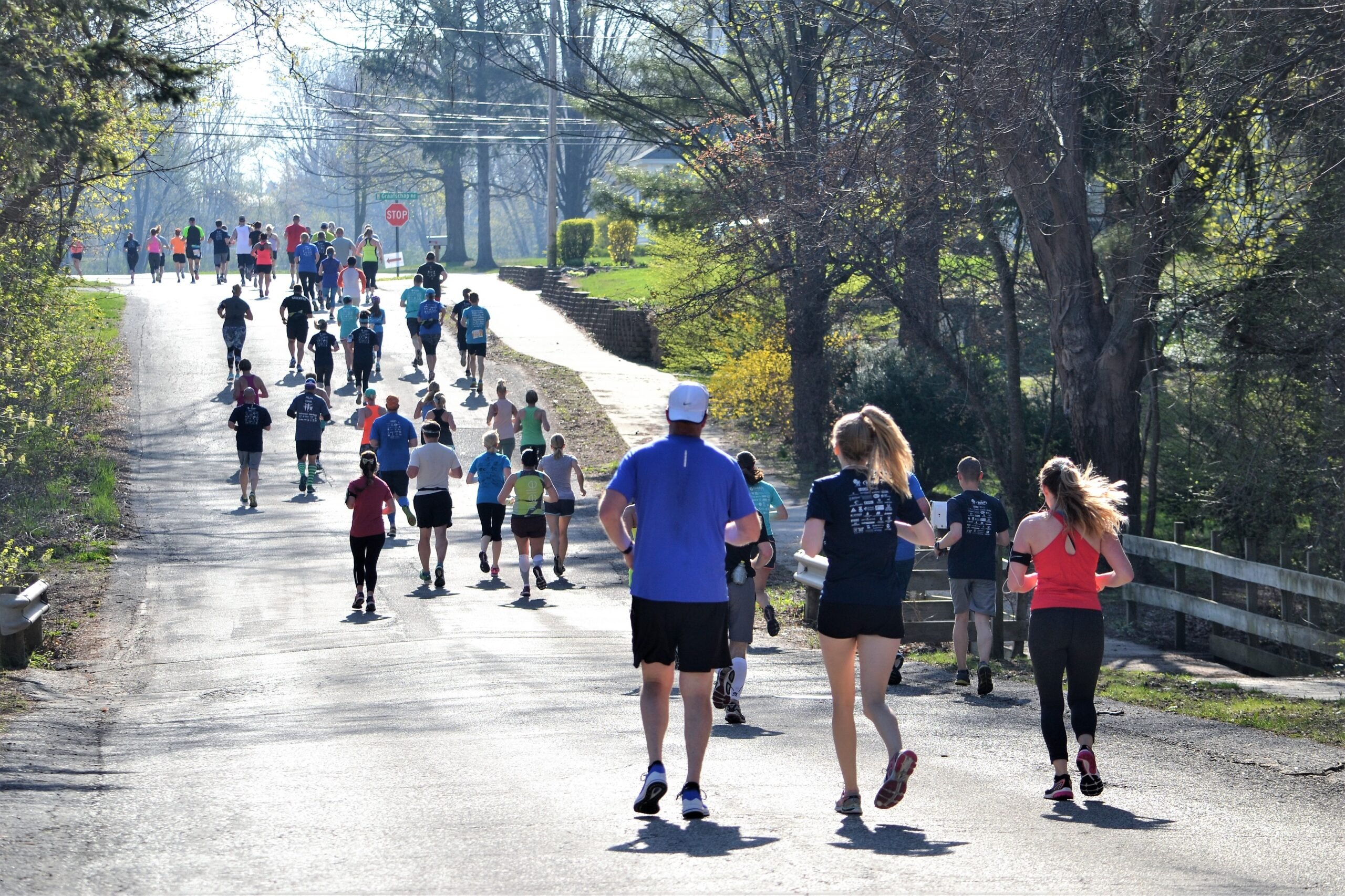
How Fast Should You Run a 5K If You Want to Improve

Let me be straight with you—most runners hit a wall with the 5K because they’re stuck in a cycle that looks like this: same run, same pace, every damn time.

They push hard every run, thinking that effort alone will make them faster.

But what actually happens?

They end up hovering in that no-man’s land of effort—too slow to build speed, too fast to recover.

Welcome to the gray zone.

I’ve seen this pattern a hundred times. Runners grind it out in every workout, thinking that intensity is the magic ingredient.

But what they really get is a nasty combo of fatigue and frustration. Race times don’t budge. Improvement stalls. Progress dies out.

Here’s the truth: You don’t get faster by going all-out every day. You get faster by training smarter.

I say this to my athletes all the time—easy runs matter. Actually, they’re non-negotiable.

Even elites do about 80% of their training at an easy pace.

It’s not because they’re lazy. It’s because they understand how the body adapts and gets stronger over time.

The real fix? Add variety.

Run slow when you’re supposed to. Inject some speed when it counts. And rest. Recovery isn’t slacking—it’s where the gains happen.

My own story? I used to live in the gray zone too. Every run was “comfortably hard,” and I stayed stuck for years.

Once I learned to slow down and structure my weeks better, everything changed. That rut? Gone. PRs? Started rolling in.

How Fast Should You Run a 5K?

So what counts as “fast enough” for a 5K?

The short answer: fast enough to challenge you without blowing up halfway through.

The longer answer? It depends on your fitness level.

If it’s your first 5K, aim for a steady pace you can actually hold for 3.1 miles without falling apart.

That means skipping the full-send sprint out of the gate.

You want to be pushing, sure, but not gasping like a fish by mile one.

Most beginners finish between 30 to 40 minutes—that’s somewhere around a 10 to 13-minute mile. And that’s totally fine.

According to data , the average newbie cruises at around 11–13 min/mile.

If that’s you? Focus on finishing strong. A steady, solid effort matters more than chasing some “ideal” finish time.

Now, if you’ve got a few races under your belt, it’s time to raise the bar.

Let’s say you ran your last 5K in 32 minutes. Set your sights on 30 or 31 next time. Small, realistic jumps.

I always tell my runners: “You don’t need to leap—just nudge that line forward.” That’s how progress sticks.

A “good” 5K pace isn’t about impressing anyone. It’s about showing up and giving what you’ve got.

To me, a great 5K effort lands around a 7 or 8 out of 10. You’re working, but you’re not falling apart.

You’re uncomfortable, but you’re in control. You finish knowing you pushed—but didn’t go over the edge. And that’s a win.

Training Pace Zones Table (Made Simple)

Let’s break down training pace zones using real-world numbers so you can train smarter—not just harder.

Find the 5K time that matches your current level (or your next goal), and use this as a loose compass for effort zones:

5K Time Easy Pace (Yellow Zone) Tempo Pace (Orange Zone) Interval Pace (Red Zone)
20:00 (~6:26/mile) 9:00–9:30/mile 7:30–7:45/mile 6:00–6:20/mile
25:00 (~8:03/mile) 10:30–11:00/mile 8:30–8:45/mile 7:45–8:00/mile
30:00 (~9:40/mile) 12:00–13:00/mile 10:00–10:20/mile 9:00–9:40/mile
35:00 (~11:16/mile) 13:30–14:30/mile 11:30–11:45/mile 10:30–11:00/mile

Coach Talk:

  • Yellow Zone: Super chill. You should be able to talk in full sentences.
  • Orange Zone: Working hard, but not all-out. Think “comfortably hard.”
  • Red Zone: This is where you sharpen your edge—fast repeats that burn a little.

I always tell my runners: the yellow zone does the heavy lifting.

You don’t need hero runs every day. Build the engine first.

Avoid the Gray Zone Trap: That in-between intensity where you’re not going slow enough to recover, but not fast enough to build speed.

It feels like work, but it doesn’t move the needle.

Run easy when it’s time to recover. Go hard when it’s time to push.

Let’s hear it—what’s your 5K pace right now? What are you chasing next?

Interval Workouts That Actually Work

Want to get faster over 5K? Speed work’s the ticket.

Intervals teach your body and brain to handle a faster rhythm. And they make race pace feel less scary.

Here are four workouts I’ve used myself and with runners I coach:

1. Classic 400s (Track Repeats)

Head to a standard track and run 400 meters fast—about your current mile pace or a bit quicker. Then jog or walk 400m to reset.

  • Start with 4–6 reps.
  • If you’re training for a 30-minute 5K (~9:40/mile), aim for each rep in 2:10–2:20.
  • As they feel easier, add a couple more reps or shave a few seconds off.

“Start with short stuff like 400s at goal pace. Then add reps. Then stretch the intervals.” – Reddit runner who built from 30 to sub-25

2. 800m or 1K Repeats

These teach your body to sit in that uncomfortable 5K pace for longer.

  • Warm up with 1 mile easy.
  • Try 5 x 800m at 5K pace with 2:30 recovery jogs.
  • Cool down after.

3. Fartlek Sessions (Speed Play)

No track? No problem. Pick it up during a regular run.

  • Go hard for 1 min, jog/walk for 1 min. Repeat for 20–25 mins.
  • Or sprint between landmarks—lamp post to sign, mailbox to mailbox.

4. Hill Repeats

Hills don’t lie. Short, steep sprints build strength like nothing else.

  • Find a hill 50–100 meters long.
  • Sprint up for 20–30 seconds. Walk down.
  • Do 6–10 repeats.

You’ll curse your legs—but they’ll thank you later.

Tempo, Endurance & Recovery 

Everyone loves talking about speedwork, but here’s the truth most runners learn the hard way: speed doesn’t mean much without a solid engine underneath it.

That’s where tempo runs, endurance-building easy runs, and—yeah, the one nobody wants to hear—recovery come in.

This is the real base. It’s what holds everything together. Without it, your speed workouts are like throwing nitro into a car with no wheels.

Tempo Runs

Tempo runs sit in that “comfortably hard” zone. Not all-out sprinting, but not chill either. You’re working. Breathing heavier, but not gasping.

A typical tempo effort is 20–30 minutes at about your 10K pace—or what you could hold for an hour. Some coaches call it the lactate threshold zone. I call it the “let’s get tough” zone.

These runs train your body to clear out fatigue more efficiently so you can run faster without crashing. That’s gold in a 5K.

Say 9:00/mile used to wipe you out—tempo training makes that pace feel easier over time because your threshold shifts up.

How to do it? Once a week or every other week, throw in a tempo session:

  • Try 3 miles steady after a warm-up.
  • Or break it into chunks: 2 x 10 minutes at tempo, 2-minute jog in between.

And over time, either stretch the time or nudge the pace up slightly. That steady grind? It toughens you up both physically and mentally.

I’ve had athletes tell me that the focus they build during tempo efforts ends up being their secret weapon on race day.

Easy Long Runs

Even for a 5K, your long runs matter.

You need that extra mileage to build the kind of strength that shows up when everyone else is fading. Long runs train your aerobic engine, strengthen muscles, and teach your brain to handle distance without quitting.

If your race is 3.1 miles, doing a weekly run of 4–6 miles at a comfortable pace is game-changing.

For beginners running 2–3 miles regularly, bumping one run to 4 or 5 miles once a week can work wonders—just go slow.

The secret? Keep it easy. These aren’t days to chase a fast pace. Yellow zone all the way.

You should be able to chat or sing a line of your favorite song without wheezing.

Recovery 

Here’s something I remind all my athletes: you don’t get faster during training, you get faster during recovery.

Training breaks you down. Rest is where you rebuild. Skip it, and you’re stuck in a cycle of fatigue.

I’ve seen so many runners plateau because they didn’t know how to chill.

So, build in 1–2 rest days a week—or do something gentle like walking, biking, or yoga.

And every 3–4 weeks? Cut your mileage or intensity a bit. Your body needs time to soak in the gains.

But recovery isn’t just sitting on the couch (though sometimes, yes, that’s exactly what you need). It’s:

  • Slow jogs on easy days
  • Getting good sleep
  • Eating to fuel recovery
  • Swapping a run for a swim or a nap when your legs are trashed

I always tell my athletes: “Easy days easy, hard days hard.” If you ignore recovery, you’re sabotaging your next big workout. You’re not being tough—you’re just making it harder to get better.

Adjusting Your Training Pace as You Improve

Improvement sneaks up on you.

One day, that pace you used to dread suddenly feels—dare I say—comfortable.

That’s your cue. Time to adjust your training zones.

As your fitness improves, your paces for easy runs, tempo sessions, intervals—all of them—should shift.

If they don’t, you risk falling into that dreaded plateau. You’re training at yesterday’s level, not today’s.

Use Recent Results to Recalibrate

The best way to reset your paces? Base them on a fresh result.

Ran a 5K recently and crushed a new PR? Plug that time into a pace calculator (or check the chart I shared earlier) and see where your new zones land.

Let’s say you shaved your 5K from 30:00 to 27:00. That’s huge.

Your easy pace probably drops from about 12:00/mile to closer to 11:00/mile. It doesn’t feel like much on paper, but it makes a real difference.

Here’s the deal—if you keep jogging at your old easy pace forever, you’re not asking your body to grow.

But if you try to hammer paces based on the old you, you’re asking for injury.

So check in with your fitness every couple of months. If you’ve leveled up, so should your training.

When Easy Starts Feeling Too Easy

Sometimes, it’s not a race that tells you you’ve improved—it’s how your body feels.

Maybe you used to breathe like a steam engine at 10:00/mile, and now you’re casually chatting at that pace.

That’s a clue.

Try easing into a slightly quicker pace during your next few easy runs—just 20–30 seconds per mile faster. If it still feels chill and your heart rate stays in check, congrats—you’ve officially outgrown your old “easy.”

Just remember: easy days should still feel easy. Don’t turn them into disguised tempo runs.

But if what once felt tough now feels boring, it’s okay to dial it up a touch.

Progress Your Workouts 

Remember when 4 x 400m intervals left you gasping on the floor?

Fast forward a few weeks and it’s just a Tuesday. That’s your sign—it’s time to evolve.

Up the ante. Try 6 x 400m. Or make them longer—maybe 4 x 600m.

Same goes for your long runs: if 5 miles feels like a warm-up now, bump it to 6 or 7.

The body thrives on challenge.
No challenge = no change.

You don’t need to overhaul your whole plan—just increase one variable (either pace or distance) when things start feeling too easy.

 So, How Fast Should You Start?

Just a little slower than your goal pace.

Get your rhythm, then settle into the plan. When to kick? Last stretch—when you know you can empty the tank.

A Few Pacing Tricks I Swear By:

  • Don’t chase the crowd: Let others fly off. Stick to your pace. You’ll pass them later.
  • Use your watch—but don’t be a slave to it: Glance every mile to stay on track, but don’t check it every 10 seconds. Trust your body too.
  • Mental games help mid-race: Break the pain into chunks. “Just get to that sign.” “Keep this pace to the next turn.” Shrinking the race helps you stay in it.
  • Know your kick point: Pick a landmark 400m out. When you hit it—go. No thinking, just fire.

Beginner vs. Advanced: What Pace Targets Actually Make Sense?

Running’s personal. Your “good pace” is yours, and no one else’s.

Still, I get the question all the time: “What’s a good 5K time for a beginner? What about an advanced runner?”

Here’s how I break it down.

For Beginners:

If you’re new to running, the 30-minute 5K is a classic first goal. That’s about 9:40/mile. A lot of Couch-to-5K plans aim for that within 8–12 weeks.

It’s not magic—it’s just a nice, round number that feels doable.

But beginners vary. Many first-timers run between 32–38 minutes (10–12 min/mile). Some need 40+ minutes with walk breaks—and that’s totally normal.

I always tell my athletes: “For your first 5K, just finishing is a win.”

That said, having a time goal can help. Once folks hit that 30-minute mark, they often eye sub-25 next—roughly 8:00/mile. It’s a stretch, but reachable with focused training.

Anywhere between 25–30 minutes is a strong recreational range.

For Advanced Runners:

If you’ve been training consistently for a while, sub-20 becomes the big goal. That’s 6:26/mile pace—fast, but not elite. Hitting 20:00 usually takes smart training and maybe a couple of years of work.

Really advanced runners aim for 17–19 minutes. An 18:xx time (around 5:45–6:00 pace) often wins or places in age group categories at local races.

Sub-17 or 16? That’s borderline semi-elite. Think fast amateurs or former college runners. To hit that, you need serious training and some natural ability—or just a lot of years grinding.

One Reddit breakdown I liked went like this:

  • 30:00 = beginner
  • 25:00 = intermediate
  • 20:00 = advanced
  • Sub-20 = high-level rec runner
  • 18:00 and faster = very competitive

By the time you’re hitting 18s, you’re ahead of 95% of people who show up to 5Ks for fitness.

Age and Gender Matter

A “good” 5K time depends on your age and sex too.

A 50-year-old guy will usually run slower than a 20-year-old. Women’s times average about 10% slower than men’s.

So a 27-minute 5K for a 45-year-old woman might be equivalent to a 24-minute time for a man of the same age.

But I’ve coached women in their 40s who run 20-flat. And I’ve seen 60-year-old guys post sub-23s.

So averages aren’t destiny.

Here’s how I use this info with my athletes:

  • New? Don’t set yourself up to fail by aiming for elite times.
  • Experienced? Don’t undershoot. Push your ceiling.

Want a reality check?

Look up local 5K results for your age group. If the middle of your age group runs 27:00 and you’re at 35:00, you’ve got room to grow—and a reason to train.

But above all: only compare yourself to past you. If your last race was 40:00 and this one is 38:45, that’s winning. That’s growth.

So, what’s your current mile time? What’s your next goal?

Let’s talk about it.

Setting Realistic 5K Pace Targets  

Let’s get one thing straight—what counts as a “good” 5K time is totally relative.

Where you are in your running journey matters more than any chart or stopwatch.

If You’re Just Starting:

Finishing the race is the win. Period.

After that? Aiming to hit that 30-minute barrier—or even trimming a minute or two off your last effort—is a solid next move.

When I first started, I remember running a 5K in just under 36 minutes and thinking, “Man, I did it!” And honestly? That was a big deal.

Small wins stack up.

If You’ve Got a Few Races Under Your Belt:

Now we’re talking about some structure.

Maybe you’re gunning for a sub-25. Or even eyeing 22:00.

With consistent training—intervals, tempo runs, dialing in your long runs—these are well within reach.

I’ve coached runners who went from 28:00 to 23:30 in just a few months because they stuck to the process.

If You’re in Deep:

You’ve been chasing finish lines for years. You might be shooting for sub-20, maybe even breaking 19:00.

This is where progress slows down. Gains get harder, but also more satisfying.

You’re playing the marginal gains game now—refining pacing, sleep, fueling, mindset.

It’s a grind. But it’s a beautiful one.

Key reminder: Consistency and smart training push pace targets in the right direction.

Your “good time” is whatever reflects your hustle.

Set a goal that makes you a little nervous—but one you can realistically hit after a good 8–12 week block.

If it turns out to be too ambitious or too easy? Adjust it. That’s the game.

Running’s not a test—it’s a long story you’re writing one mile at a time.

Final Thoughts: Your 5K Time Will Catch Up to Your Consistency

Let me tell you something I repeat to every runner I coach: Your 5K time will catch up to your consistency.

Every early morning run. Every hard interval you didn’t want to do. Every long run you dragged yourself through.

It’s all stacking up.

You won’t always see the results right away. But one day, you’ll cross the finish line, glance at your watch, and say:
“Damn. I just crushed that.”

I’ve coached runners who trained for months before they finally had that moment.

When it hits, it’s unforgettable.

➡️ Run smart. Rest harder. Train with purpose. Don’t just hope for results—earn them.

Keep showing up.
Keep believing.

And when you hit that breakthrough race, soak it in—and then go set a new goal.

Because that’s the runner’s way. 😉

Now go lace up. Let’s get that PR!

How Long Is a 5K? Distance and Average Finishing Times

When I first started running, the thought of completing a 5K race felt like a mountain I’d never climb.

I didn’t even understand the distance at first.

I was more worried about whether my knees would give out or if I’d even make it to the finish line.

My first 5K? Sure, the 3.1 miles sounded doable, but my legs were shaking by the time I crossed that line. And crossing that line? It was one of the most rewarding moments of my life.

Looking back now, finishing that race, no matter how slow my time was, made me realize something: the real victory isn’t in your time. It’s in the fact that you pushed yourself to show up and finish.

We’ll talk about the numbers and benchmarks in a bit, but for now, just remember this: when you run your first 5K, it’s not about being fast. It’s about finishing strong.

How Far is a 5K? (Spoiler: Just 3.1 Miles)

Let’s clear this up first: a 5K is 5 kilometers, which equals 3.1 miles.

That’s barely more than three miles! To help you picture it:

  • It’s about 50 city blocks. (Yep, 50! But don’t let that freak you out – it’s totally doable.)
  • It’s 12 and a half laps around a 400-meter track. Each lap is about a quarter-mile, so you’ll be done after just over 12 laps.
  • Or imagine walking at a 15-minute per mile pace. You’d finish the whole 5K in about 47 minutes. Even if you walk, you’re still finishing under an hour.

For runners, how long it takes to run 3.1 miles depends on your pace.

For example, at around 10-minute per mile pace, you’ll finish a 5K in about 30 minutes. If you’re running at 9 minutes per mile, you’re looking at roughly 28 minutes. And that’s a solid pace for most runners!

The important thing is to remember: it’s just 3.1 miles – not a marathon, not something that’s going to take forever.

Even if you walk or do a run/walk mix, you can totally crush it. One of my coach friends always says, “It’s like running your regular loop, but with just one extra lap.” And trust me, that extra lap is totally within reach, even for beginners with a little training.

How long is a 5K

Why Finishing Beats Fast Time (Especially for Beginners)

For all you first-timers, let me be straight with you: your goal is to finish, not race against the clock.

Let me tell you about my first 5K. I thought I was going to sprint the whole thing (I mean, I’d “sprinted” up my street a few times, right?).

Spoiler alert: I didn’t sprint.

By the time I hit mile 2, I was gasping for air and walking.

But when I crossed that finish line – completely wiped out, slower than I imagined – I felt like a champion. That finish line was more than just a line; it was a huge win for me.

If you’re out of breath at the end of your first 5K, then guess what? You’ve already won.

Don’t stress about how fast other people are going. !Remember, it’s just a 5K so don’t beat yourself up over your time; you can always try again if it doesn’t go well.

Average 5K Finish Times by Age & Gender

Alright, if you’re still wondering where you stand, let’s break down some real-world data. This comes from a 2018 race dataset, so it’s legit. Here’s a look at typical 5K finish times by age and gender:

average 5K time by age

Key Takeaways:

  • Women’s times tend to go up a bit as they age. For instance, younger women are around 39 minutes, while older women (60+) might hit 49 minutes.
  • Men’s times are faster across the board: younger guys finish around 31 minutes, and older men (60+) land around 41 minutes.
  • The gender gap is pretty consistent. Men are about 6-8 minutes faster on average. That’s because men tend to run about 10% faster than women on average.

How Age and Gender Affect Your 5K Times

Here’s something that comes up a lot: “Am I too old to get faster?” or “Why do my male friends crush my time?” Let’s break this down with some stats.

Gender:

Generally, men tend to run faster than women, with an average difference of around 10–11% in long-distance races (PMC.ncbi.nlm.nih.gov). For example, in the 20-29 age group, men typically finish a 5K in 33:19, while women average 38:44, which is about 14% slower.

Why?

Men typically have higher hemoglobin levels (helps transport oxygen), more muscle mass, and different hormones—all things that help with speed. But here’s the truth: women can and do narrow the gap with the right training. You’re not “less of a runner” because you’re not as fast as the guy next to you. Trust me on that.

Age:

We all know it’s true—your body will slow down as you age. But it’s not a major drop-off until you hit around 35. For most runners, speed declines about 1% per year after that.

So, if you’re 30 and running a 25-minute 5K, by age 50, you might be running around 27:30 if you keep up your training. After around age 65-70, the slowdown can speed up a little, around 1.5-2% per year.

A fun example:

If you ran a 25-minute 5K at 35, a 50-year-old in the same shape might hit around 28 minutes. By age 80, that 5K might be 33 minutes or more, depending on their shape. Of course, genetics, training, and overall health play a huge role, but you get the point.

Personally, I’m in my late 30s now, and I’ve noticed hill climbs and recovery take a little more effort than when I was 25. But with smart training, I’m still hitting some of my fastest times ever. Strength work has made a huge difference.

Realistic 5K Times for Beginners: It’s All About the Mindset

Alright, if you’re just starting out with running, it’s crucial to keep things real.

You can’t expect to run a 5K at some lightning-fast pace right away. Most beginners, honestly, will clock in anywhere between 30 and 60 minutes for that first 5K. And that’s totally fine.

Don’t sweat it. You’ll definitely see those times come down as you build strength and stamina.

Here’s an easy way to break it down: if you can jog or walk a mile in 12 minutes, your 5K time (around 3.1 miles) will likely land around 37 minutes.

If your mile is more like 15 minutes, you’re looking at about a 47-minute 5K. Many Couch-to-5K programs aim to get you to a point where you can run/walk for about 30 minutes straight. This roughly equals a sub-30-minute 5K if you keep it up.

Curious about competitive 5K finish times? Check out this chart:

Average 5K winning time by age

Source

Keep it Comfortable:

Ease into it. Don’t try to sprint the first mile and burn yourself out. You want to be able to chat while running, so don’t push it too hard in the beginning.

I’ve had my moments where I went out too fast, gasping for air with two miles left. No fun. Don’t go out too fast… nothing’s worse than gasping for air and realizing you still have 2 miles left.

Walk When You Need To:

Walking doesn’t mean you’re failing. It’s part of the game. Many beginners use a run-walk plan (like run 4 minutes, walk 1 minute). You’re still moving forward, and that’s what matters. There’s no shame in walking if you need to. Coaches even suggest walking breaks to help maintain form and avoid burnout.

Focus on the Effort, Not the Clock:

Forget about obsessing over times. If you finished in 50 minutes but didn’t stop, that’s a huge win. It’s not about the time, it’s about turning pain into purpose. Every step forward is progress.

Instead of worrying about what “average” runners are doing, focus on hitting small milestones. They’re what push you to the next level. If you’ve been walking, a 45-minute 5K is a solid result. If you’re more experienced and already run at 30 minutes, maybe try hitting 28 minutes as your next goal. But always remember—the goal is to finish strong and be ready to crush the next one faster!

Training Tips: How to Improve Your 5K Time

Ready to crush that 5K and see a faster time? Here’s the deal—it’s not about luck or magic. Improving your 5K boils down to one thing: consistent, structured training. Let’s dive into the coach-style tips I’ve picked up over the years. I’ll mix in my own experiences with some real runner wisdom.

Mix Up Your Workouts

If you’re running easy every single day, you’re not going to get faster. Change things up and add some variety:

  1. Speed Intervals: Once a week, try doing short, fast repeats. For example, 6×400 meters (that’s one lap around the track) with a 200-meter easy jog in between. Or, 3×1 km at your goal 5K pace with 2-3 minutes rest. These workouts teach your legs to pick up the pace and help your heart handle lactic buildup. I remember when I did my first 5×400 workout—it was tough, but by the end of the month, I had shaved a full minute off my 5K time.
  2. Tempo Runs: These are key for building endurance. Aim for 15–20 minutes at a “comfortably hard” pace, which is about 75-85% of your max effort. It’s challenging but sustainable. Try running at a pace you could hold for a solid 30-minute run. This trains your body to clear out fatigue faster, and you’ll notice it on race day.
  3. Easy Long Runs: Once a week, go longer than your race distance. If your 5K is 3 miles, shoot for 4–5 miles at a relaxed pace. It helps build that aerobic base that’ll let you keep going without running out of steam. Even if you need to walk a little, that’s okay. The key is to build that endurance gradually.
  4. Hill Work: Don’t skip the hills. Throw in a hill sprint workout or pick a hilly route to run. Running uphill strengthens your legs and boosts your speed on the flat. I learned this lesson after trying a race with zero hills, then running a course with a ton of elevation. I could feel the difference in my performance, especially towards the end of the race.

Pacing: Don’t Go Out Too Fast

Let me say it again: pacing is everything. If you’re shooting for a 30-minute 5K (that’s a 9:40/mile pace), it’s critical to practice running at that pace. I made the mistake early on of going too fast at the start, only to burn out halfway through. You don’t need fancy gadgets for pacing—just use a watch or pace chart. The trick is to resist the urge to sprint from the start.

To give you an idea on how pace impacts your 5K time, check out this chart:

Average 5K pace in miles

Consistency is Key

Look, you’re not going to get faster if you only run once in a while. Consistency is what really makes the difference. It’s better to run short distances 4 times a week than do one huge run and then rest for the next five days. Stick to 3–4 days of running, and you’ll see the payoff. I know that when I started running back-to-back days without skipping, I saw a noticeable improvement in strength and stamina. But don’t overdo it—listen to your body.

Here’s a schedule that worked for me: start the week easy, build up the intensity in the middle, then ease off before a long run or speed workout.

Recovery: Don’t Skip It

You can’t keep pushing yourself if you’re not recovering properly. I learned that the hard way. Your body gets faster and stronger when it has time to recover. Trust me, sleep is a game-changer. I’ve noticed firsthand that when I don’t sleep well, my workouts feel 30% harder. So get your rest.

Also, don’t forget to stretch and foam roll after runs. It only takes five minutes, but it makes a huge difference in preventing injuries. I learned this lesson after dealing with shin splints during college. Since then, I make sure to foam-roll and do some leg swings post-run. It’s saved me countless injuries over the years.

Nutrition & Hydration: Fuel Up

Eat to run. It’s that simple. You need a solid, balanced diet to fuel your runs. Hydration is just as important—running while even a little dehydrated can slow you down. On race day, don’t try anything new.

Stick with what you know works, like a small carb snack an hour before you race (banana or oatmeal, for example). Keep it simple.

One runner on a forum mentioned how eating more protein and veggies and actually getting 8 hours of sleep made a huge difference in their performance. No need for fancy supplements—just good food and rest.

Mental Training: Train Your Mind

Running a fast 5K isn’t just about the legs—it’s mental, too. When the going gets tough, it’s your mind that will push you through. I often picture myself crossing the finish line strong when I feel the urge to quit.

Mantras like “one step at a time” or counting breaths really help during tough moments. By mile 2.5 of a 5K, it’s all mental. Plan ahead—find a mantra that works for you or set little targets like “run to the next mailbox.”

And don’t forget to smile or wave to the crowd. It helps keep the energy up, and honestly, it makes the race more fun.

Weekly Training Plan Example

If you’re running 4 days a week, here’s a solid plan to follow:

  • Monday: Rest
  • Tuesday: Speed work (intervals)
  • Wednesday: Easy run (20 min)
  • Thursday: Tempo run (20 min)
  • Friday: Rest or cross-train
  • Saturday: Long run (4-5 miles easy)
  • Sunday: Easy jog or rest

Each week, add a minute to your intervals or a block to your long run. Small, steady progress is the key.

AQ: All About the 5K

Q1: How far is a 5K in miles?

A 5K is approximately 3.1 miles.

Q2: What is the average time to run a 5K?

For recreational runners, the average time to complete a 5K is between 25 and 35 minutes.

Q3: How long does it take to walk a 5K?

Walking a 5K usually takes between 45 and 60 minutes, depending on your pace.

Q4: How can I improve my 5K time?

Incorporate interval training, tempo runs, and consistent mileage into your routine to build speed and endurance.

Q5: What’s a good goal time for a beginner 5K?

Many beginners aim to finish a 5K in under 30 minutes, though any pace that’s challenging but achievable is great.

Q6: How often should I train for a 5K?

Most runners train 3 to 4 times per week, including a mix of easy runs, speed work, and rest days.

Q7: Do I need special shoes for a 5K?

Yes—running-specific shoes with proper support and cushioning help prevent injuries.

Q8: Can I walk part of a 5K?

Absolutely! Many beginners use run-walk intervals to build endurance safely.

Q9: What should I eat before a 5K?

Eat a light snack with carbohydrates, like a banana or toast with peanut butter, 30–60 minutes before running.

The Bottom Line

The secret to improving your 5K time isn’t about running harder—it’s about running smarter. Sure, improving by 10% doesn’t happen in one week, but if you keep at it—building your volume and adding faster efforts—you’ll see the time drop. It’s all about consistency, patience, and letting your body adapt to the training.

Before your next training week, ask yourself: What’s one thing I can improve?

Whether it’s shaving a few seconds off your pace or adding one more interval, focus on that and see how you progress.

You’re more advanced? Then Try the following 5k training plans

Two-Week 5K Training Plan: From Couch to Finish Line

Two weeks to a 5K? Sounds reckless, right?

But under the right conditions, it can be done.

Here’s the deal: this isn’t a PR-chasing plan.

You’re not breaking records.

You’re not transforming into Eliud Kipchoge in 14 days.

What you can do is survive, finish strong, and maybe even enjoy it—if you play it smart.

Most Couch to 5K programs take 6–8 weeks for a reason.

But if you’ve got some fitness in the tank—maybe you bike, hit the gym, or chase kids around—you’ve got a fighting chance. Fourteen days of focused, no-nonsense prep can get you from “kinda active” to crossing that finish line without crawling.

I’ll walk you through who this two-week sprint-to-race plan is actually for, how to train without blowing yourself up, and how to show up on race day ready to finish proud.

Can You Really Pull Off a 5K in Two Weeks?

Short answer: Yes… if your engine is already running.

If you’ve been glued to the couch for months, forget it—two weeks isn’t enough to build endurance from scratch. Running is a high-impact sport. Your heart might handle it, but your legs and joints will revolt.

But if you’ve been active—elliptical, spin class, hiking, sports—then you’ve got a cardio base to work with. You just need to teach your body the specific mechanics of running. That’s the gap we’ll close in 14 days.

Take it from running coach Christine Luff:

“If you exercise regularly and are in good cardiovascular shape, you should be able to pull it off… A 5K (3.1 miles) might even be doable for some people without dedicated run training, though if you don’t do any cardio, the prolonged effort will be a struggle.”

Translation: You need some fitness to survive the pounding.

Who Can Tackle a 5K in Just Two Weeks? 

This isn’t a couch-to-5K plan. It’s for “beginners” who are already active in life, even if you haven’t been logging miles lately. If that’s you, a 5K in two weeks is totally doable.

Here’s who fits the bill:

Daily Walkers & Weekend Warriors

If you walk briskly most days, hike trails, or play pickup sports like basketball or soccer, you’ve got a head start. Your legs and lungs already know how to work—running is just a new way to use that fitness.

Gym-Goers & Cross-Trainers

Cycle, swim, row, or crush the elliptical a few times a week? That cardio base translates well to running. If you can spin for 45 minutes or swim steady laps, you can likely handle the run/walk mix of a beginner 5K.

Former or Casual Runners

Maybe you’ve run a mile or two here and there, or you’re a lapsed runner making a comeback. Muscle memory is your secret weapon—you can ramp up safely in a short timeframe.

Generally Healthy

Minor aches or a few extra pounds are okay, but you should be orthopedically sound and free of major medical red flags.

If you’re nodding along, you can likely jog, walk, or run/walk a 5K in two weeks without wrecking yourself.

Who Should Skip the Two-Week Crash Plan

I’ll be honest—this isn’t for everyone. Trying to squeeze 5K prep into two weeks can be rough on your body if you’re starting from zero.

Here’s when to wait for a longer plan:

  • Totally Sedentary for Months or Years. Going from zero to running 3.1 miles is a recipe for soreness, injury, or worse. A classic Couch-to-5K (8+ weeks) is your safer bet.
  • Significantly Overweight. Extra weight means extra stress on your knees, hips, and feet. It’s 100% possible to run a 5K eventually, but start with walking and low-impact cardio first.
  • Injury-Prone or Currently Injured. Any history of stress fractures, IT band syndrome, or ankle issues? Rushing training can turn a little niggle into a full-blown injury. Heal first, then train.
  • Chronic Health Conditions. Uncontrolled blood pressure, heart concerns, or respiratory issues? Don’t risk it. You need a gradual plan and possibly a doctor’s approval before racing.

Bottom line: Don’t gamble with your body. There will always be another 5K. It’s better to arrive a little under-trained than to end up in the medical tent.

When to Get a Doctor’s Green Light 

Check in with a healthcare professional if any of these apply:

  • You have heart disease, diabetes, asthma, or another chronic condition.
  • You’ve been inactive for 6+ months and are over 40 (men) or 50 (women).
  • You’re significantly overweight or recently postpartum.
  • You’ve had past joint or orthopedic issues.

Even if your doctor clears you, consider walking most of the race or using a run/walk strategy. Many 5Ks are walker-friendly, and finishing healthy beats limping across the line.

2-Week 5K Training Plan – Beginner Friendly

So, you signed up for a 5K, or maybe you just want to prove to yourself that you can cover 3.1 miles without feeling like you’ve been hit by a truck. Good news: you can absolutely do this in two weeks—even if you’re brand-new or coming off a long break.

This plan uses run/walk intervals because they’re the safest and smartest way to build endurance quickly without beating your joints to a pulp. Trust me, this approach works—I’ve seen complete beginners cross the finish line smiling using exactly this method.

The goal? Finish the 5K feeling good. If you end up jogging the whole thing, that’s a bonus. But first, let’s nail the fundamentals.

Run Easy—Seriously Easy

All your runs should be at conversational pace. If you can’t talk in full sentences, slow down. Think RPE 4–5 out of 10 (0 = couch potato, 10 = all-out sprint). Easy running builds your base and keeps you injury-free.

Walk Before You Need To

Walk breaks work. Take them by plan, not by panic. If you wait until you’re dying to walk, it’s too late. Planned breaks let you cover more distance with less fatigue—and Jeff Galloway himself (the run/walk guru) has proven this can even make you faster overall.

Listen to Your Body

Mild soreness? Normal. Sharp pain in your shin or knee? Stop and adjust. Skipping or modifying a session is way smarter than pushing into an injury that ruins your race. Use rest days for real rest, or light mobility work only.

Don’t Be a Hero

Doubling up workouts or adding extra miles won’t make you fitter in two weeks—it’ll just make you sore. Stick to the plan and trust the process. We’re after consistency, not heroics.

Week 1 – Building Your Base

Day 1 – Baseline Run/Walk

  • Start with a 10-min gentle jog to see where you’re at. Cool down with a 5-min brisk walk.
  • Struggling with 10 min? Try 5 min jog / 5 min walk / 5 min jog. The only goal today: loosen up and establish a baseline.

Day 2 – Rest or Light Cross-Training

  • No running. Take a walk, do some gentle yoga, or spin an easy 20-min bike ride if you’re itching to move.
  • Let your legs recover.

Day 3 – Structured Run/Walk Intervals

  • Do 4 rounds of: 3 min run / 2 min walk.
  • Total: 20 min (12 min running, 8 walking).
  • Keep the runs conversational and the walks brisk but relaxed.

Day 4 – Active Recovery

  • No running, but keep the blood moving: 20–30 min easy walk, light cycling, or mobility work.
  • Soreness is normal here—foam rolling is your friend.

Day 5 – Long(er) Run

  • Jog 12 min easy, walk 1–2 min, then jog 5 more min.
  • Finish with 5-min walk.
  • Total: ~20 min with 17 min running.
  • This is your first confidence-builder.

Day 6 – Cross-Train (Low Impact)

  • Pick an easy cardio that gives your joints a break: cycling, swimming, elliptical, or even a fun dance class.
  • ~30 min. Boosts endurance without pounding.

Day 7 – Endurance Intervals

  • Do 3 rounds of: 5 min run / 3 min walk.
  • Total ~24 min, with 15 min of running.
  • Break it down mentally: “Just one more interval.” You’re already simulating most of the 5K distance.

Week 2: The Final Stretch

This week is all about sharpening, resting, and arriving at race day feeling strong and confident. Think of it as a taper week in miniature—you’ve done the prep, now it’s time to let your body recover while adding a few light touches to keep your legs sharp.

Day 8 – Full Rest Day

  • Focus: Deep recovery and flexibility
  • What to do:
    • No running or intense exercise
    • Spend 10–15 minutes on gentle stretches for calves, hamstrings, quads, and hips
    • Use a foam roller to release any tight spots
  • Coach’s Note: Your muscles repair and grow stronger on rest days. Think of this as depositing energy in the race day bank.

Day 9 – Sharpening Intervals

  • Workout: Jog 4 minutes, Walk 2 minutes → Repeat 3 times (18 minutes total, 12 min running)
  • Effort: Slightly faster than your normal easy pace (RPE ~6/10)
  • Purpose:
    • Improves leg turnover and efficiency
    • Makes your usual pace feel easier
  • Coach’s Tip: This is a gentle push, not a sprint. You should finish feeling energized, not exhausted.

Day 10 – Optional Rest or Easy Activity

  • Option 1: Full rest if you’re sore or tired
  • Option 2: 15–20 min fun run or light cross-training (bike, swim, brisk walk)
  • Goal: Stay loose but avoid fatigue
  • Mindset: Listen to your body—rest is never a step back during a short training cycle.

Day 11 – Race Simulation Jog

  • Workout: Jog 5 min, Walk 3 min → Repeat 2x (16 min). Optional: Add 5 extra minutes of jogging if feeling strong.
  • Target Distance: ~2 miles (3.2 km)
  • Purpose:
    • Mentally rehearse run/walk rhythm
    • Build confidence for the 5K distance
  • Finish with: 5-min cooldown walk + gentle stretching

Day 12 – Rest & Recharge

  • Plan: Full rest or a 10-min gentle walk
  • Focus: Hydration, light movement, and mental prep
  • Coach’s Note: Feeling “phantom soreness” or jittery energy is normal. Resist the urge to overdo it—your body is loading the spring for race day.

Day 13 – Shake-Out Jog

  • Workout: 10-min very easy jog. Optional: 2–3 × 30-sec gentle pickups mid-run to wake up your legs.
  • Purpose:
    • Keep muscles loose and primed
    • Calm pre-race nerves
  • Pro Tip: Stop before you’re tired—you want to feel fresh, not fatigued.

Day 14 – Pre-Race Prep (No Running)

  • Plan:
    • No running – trust your training
    • Focus on hydration (light yellow urine by evening)
    • Eat balanced meals with moderate carbs (no giant pasta binge needed)
    • Lay out race outfit, bib, and gear tonight
  • Mindset: Tomorrow is celebration day. Your work is done.

Final Coach’s Advice

Less is more this week—you can’t gain fitness in the last 48 hours, but you can lose it by overdoing things.

  • Adjust if needed: If a day feels too hard, repeat an easier session or add an extra rest day.
  • On race day: Start easy, stick to your run/walk rhythm, and remember the golden rule:

“No one wins a 5K in the first mile, but plenty of people lose it there.”

If you follow this plan, you’ll arrive rested, confident, and ready to finish strong. Even if you need to walk more than planned, you’ll cross that line with a smile—and that’s a win for your first 5K.

2-Week 5K Plan for Intermediate Runners

Couch? Nah. You’ve already been jogging. Now let’s get race-ready. Fast.

So, you signed up for a 5K… and the race is two weeks out. Maybe it was a last-minute decision. Maybe you’re feeling gutsy.

Good.

You’ve already got a bit of a base — you’re not starting from zero. You run a couple of times a week, maybe 15 miles total, give or take.

That means you’re in a good spot to sharpen up. No magic VO₂ max boost will happen in two weeks, but you can absolutely fine-tune your pace, build a little speed, and hit race day feeling ready.

Let’s get to work.

Week 1: Build & Sharpen

Day 1 – Easy Run + Strides

  • Run 2–3 miles easy (super chill, conversational pace).
  • Afterward, hit 4×100m strides. That’s 20 seconds of fast-but-smooth running, like 90% effort, walk back to recover.
  • Strides sharpen your form and prep your legs for speed without frying them.

Day 2 – Rest or Easy Cross-Train

  • Don’t push. Go for a light spin, a swim, or a core session if you need movement.
  • You want to feel fresh going into tomorrow’s speed session.

Day 3 – Speed Workout (Intervals)

  • Warm up (easy mile + dynamic stretches).
  • Then do 5 × 400m at your goal 5K pace (or ~2 min hard running if you’re not on a track).
  • Jog/walk 90 seconds between reps. These should feel hard but under control — about 8 out of 10 effort.
  • Finish with a cooldown jog.

Want to go longer? Do 3 × 800m with 2–3 min jog rest instead.

Day 4 – Easy Shakeout or Rest

  • Run 2 miles max, or just chill.
  • This day is about recovery. Sore from intervals? Take the day off.
  • Recovery isn’t slacking — it’s smart.

Day 5 – Tempo or Fartlek Run

  • Warm up.
  • Then do 15–20 minutes at “comfortably hard” pace — think tempo (RPE 6–7, breathing heavy but in control).
  • Not feeling a structured tempo? Try a fartlek: 4 rounds of 3 minutes fast, 2 minutes easy.
  • Cool down for 5–10 minutes.

Day 6 – Long Easy Run

  • Go longer than your usual weekday runs — 4 to 5 miles (6–8K).
  • Keep it easy. Zone 2. Enjoy it.
  • If you feel good at the end, toss in 2 strides to simulate a strong finish.

Day 7 – Full Rest

  • You earned it. Feet up. Chill. Let your body soak in the training.
  • No lifting, no “active recovery” nonsense.
  • Rest is part of the plan.

Week 2: Taper & Prime for Race Day

Day 8 – Easy Run + Drills

  • Run 2 miles at a relaxed pace.
  • Add a few form drills post-run: high knees, skips, butt kicks. Just enough to stay snappy.

Day 9 – Light Intervals (Tune-Up)

  • You’re not building fitness here. This is just a reminder to your body of what race pace feels like.
  • Try 3 × 2 minutes at 5K pace, 2-minute jog recoveries.
  • Or hit 4×200m strides with full recovery.
  • Keep it fun. No grind.

Day 10 – Rest or Short Jog

  • Feeling tight? Do an easy 1–2 miles.
  • Still sore? Rest.
  • At this point, fitness gains are done — it’s about staying sharp and avoiding burnout.

Day 11 – Optional Easy Jog + Strides

  • Optional: a 10–15 min jog with 2 or 3 easy strides.
  • Just enough to shake the cobwebs off and get blood flowing.
  • Skip this if rest works better for you — know your body.

Day 12 – Full Rest + Carb Focus

  • Eat smart. Hydrate consistently. Maybe up your carbs just a little — extra rice, pasta, fruit, whatever you digest well.
  • Don’t stuff yourself. Just fuel steady.
  • Avoid greasy takeout or mystery buffet food. Stick to what your stomach knows.

Day 13 – Priming Session

  • Morning jog: 15 minutes very easy.
  • Do 2 short bursts (60 seconds) at goal race pace with full rest.
  • That’s it. Check your gear, prep logistics, hydrate, and mentally rehearse.
  • Get sleep.

Day 14 – Race Day!

  • This is it. You tapered. You trained. You’re ready.
  • Stick to your pacing plan, hold steady, and finish hard.
  • That last half mile? Empty the tank.

Bonus Tip: Know Your Pacing

If you have a goal time, learn what that pace feels like in your legs and lungs.

Example target paces:

Goal Time Mile Pace Min/km
Sub-20:00 6:26/mile 4:00/km
Sub-25:00 8:00/mile 5:00/km
Sub-30:00 9:39/mile 6:00/km

Practice that rhythm. Lock it in. Let your body memorize it so race day isn’t a surprise.

Race Week Strategy: What to Do, Eat, and Wear (So You Don’t Blow It)

Alright, the hard work is done. The early mornings, the long runs, the “why am I doing this?” moments—you made it through. Now it’s race week.

But don’t zone out yet. What you do in the final 24–48 hours can make or break your race.

Think of this as your cool-down lap before the big effort.

Let me walk you through how to taper smart, fuel up, hydrate right, and avoid gear disasters.

The Day Before the Race: Chill Mode ON

Race tomorrow? Don’t be the runner who tries to “squeeze in one more hard effort” the day before. That’s not dedication—that’s sabotage.

Here’s what to do instead:

Keep It Easy – Like, Really Easy

  • No workouts. No basketball games. No CrossFit.
  • Take a walk or spin on the bike for 15–20 minutes max only if you’re feeling stiff or restless.
  • A couple short strides (not sprints!) are fine if that helps you feel dialed in. But otherwise? Rest.

Mantra of the day:
Nothing new. Nothing hard. Save it for the race.

Hydrate, Don’t Flood

  • Start sipping water throughout the day—not chugging.
  • Aim for pale yellow pee, not clear. That means you’re hydrated without overdoing it.

About 2–3 hours before the race, drink around 16–20 oz of water or a sports drink. Then just sip if you’re thirsty.

Pro tip: don’t slam fluids right before bed or race morning—you’ll just be sprinting to the porta potty mid-race.

Skip the Carb-Load Buffet

This ain’t a marathon, folks—it’s a 5K. You don’t need to stuff your face like you’re going into battle.

But you do want your glycogen tank topped off. That means a balanced dinner with carbs (pasta, rice, sweet potatoes, etc.), some protein, and light on the fat.

Avoid: heavy, greasy, or fiber-packed food bombs. Nobody wants to race with chili regrets.

Stick with what’s worked during training. Race week is no time to try your buddy’s high-protein “gut-busting” power bowl.

Lay It All Out – Night Before Checklist

Avoid the morning freak-out scramble. Prep your gear tonight:

✔ Running shoes you’ve trained in
✔ Socks you trust (no blisters today, thanks)
✔ Shorts/tights, tech shirt, sports bra
✔ Race bib + pins or belt
✔ Timing chip (if separate)
✔ Hat/sunglasses/headband if needed
✔ Throwaway layer if it’s cold at the start
✔ Bag for post-race dry shirt/snack

Weather check? Done. Layers ready? Good.

Sleep (Even If You’re Nervous)

You might not sleep like a rock—and that’s okay. Just get into bed at a decent time, avoid screens, and relax. Even if you’re just resting your eyes, your body benefits.

If your brain is racing? Visualize the course. Imagine how your first mile will feel. Picture that finish line and how strong you’ll feel crossing it.

And remember: It’s the sleep from two nights ago that matters more. So if you slept well the night before last, you’re golden.

Race Morning: Show Up Sharp, Not Scrambling

Time to put all that training to work. But first… let’s not screw it up with race-day panic.

Wake Up Early Enough

  • Give yourself 1.5 to 2 hours pre-race.
  • That’s enough to eat, get dressed, go to the bathroom (yes, that matters), and get to the start without stress.

No one wants to PR in the parking lot sprint.

Eat Something Light & Familiar

Even for a short race, you want fuel in the tank. Aim for 200–300 calories, mostly carbs, 1.5–2 hours before the gun.

Good options:

  • Half a bagel + peanut butter
  • Banana + granola bar
  • Small bowl of oatmeal + honey

Avoid: fiber bombs, greasy breakfasts, or “something new I saw on TikTok.” If it didn’t sit well in training, it’s not race fuel today.

And if you’re a coffee person? Go for it. Just don’t suddenly become a triple espresso runner if that’s not your usual game.

Hydrate Just Right

  • Drink 8–12 oz when you wake up, then sip up to 30–45 minutes before race time.
  • You want to be hydrated but not sloshing around like a water balloon.

If you use a sports drink, stick with your regular brand. Don’t gamble on the mystery electrolyte mix from the expo.

No new drinks. No new gels. Theme of the day.

Dress Like You’ve Done This Before

  • Wear gear you’ve trained in—nothing fresh off the rack.
  • Avoid cotton anything. It holds sweat, chafes, and makes life miserable. Stick with moisture-wicking fabrics.
  • Trust your go-to socks and shoes.

Dress for the race temp—but remember, you’ll warm up fast. Dress like it’s 10°F warmer than it actually is.

Cold? Gloves and earbands are clutch. You can always toss them.

“Comfort over fashion. But hey, running gear looks slick these days anyway.”

Get There Early. Seriously.

Plan to arrive 30–60 minutes before the start. You’ll need time to park, warm up, hit the restroom, and get in your zone.

Rushing = stress. Early = calm.

Do a Real Warm-Up

This is a short race. You need to get your body firing before the gun goes off.

Warm-up plan (about 20–30 minutes before):

  • Jog easy for 5–10 minutes
  • Dynamic stretches (leg swings, butt kicks, high knees)
  • 2–3 strides: short bursts (~20 seconds) near race pace to wake up the legs
  • Last porta-potty stop – trust me, just go

Final Pre-Race Checklist

  • Double-knot your laces
  • Start your watch (but don’t obsess over it)
  • Bib pinned tight
  • Headphones? One ear out for announcements (and be sure they’re race-legal)
  • Shake out the legs, take a deep breath
  • Remind yourself of the plan: start steady, stay relaxed, finish strong

Then line up where you belong (not at the front if you’re not racing with the elites), and own it.

Pacing Strategy: Start Easy, Finish Strong

Let me be real with you right out the gate: don’t blow up in the first 5 minutes.

I know the hype at the starting line is real. You hear the horn, adrenaline kicks in, and suddenly it feels like you could outrun a cheetah.

But trust me—going out too fast is the #1 rookie mistake, and it’ll make the back half of your race feel like a slow-motion car crash.

I’ve made that mistake. So has every runner I know. We all learn the hard way—once. The smart ones don’t do it again.

Here’s how to pace your 5K like a pro—even if it’s your first one.

Mile 1 / KM 1 – Start Slower Than You Want To

The gun goes off. The herd surges. Your legs want to fly. Don’t.

Hold back. If it feels way too easy, good—you’re doing it right. You’re aiming for an effort level around 5 out of 10 here. Cruise. Chat pace. You should be able to talk without gasping.

Ignore the folks sprinting past you like they stole something. You’ll pass half of them later when they’re dying in Mile 3. This is your race, your pace. Run smart.

If you’re targeting a time goal, run the first mile about 5–10 seconds slower than goal pace. It’ll pay off when you still have gas in the tank later.

One runner once told me, “You’ll never regret starting too slow in a 5K—but you’ll always regret going out like a rocket.” Amen to that.

Mile 2 / KM 2–3 – Find Your Groove

Okay, now the dust settles. The hype fades. This is where you settle into your rhythm.

You’re still not hammering. Effort should feel like a 6 out of 10—working, but not straining. Breathing’s faster, but under control. This is your sweet spot.

Start thinking about your form:

  • Shoulders relaxed
  • Arms swinging forward and back (not across your body)
  • Light foot strikes

Stick to your plan. If you’re using a run/walk strategy, take the breaks you scheduled—even if you feel good. Don’t get cocky. Walk briskly, shake out your legs, and get right back at it.

This is also where mental doubt creeps in: “Can I hold this?” “Am I going too slow?” “Why did I sign up for this again?”

Ignore that noise. You’re already halfway there. One step at a time, one breath at a time. You’ve got this.

I remember a runner saying, “By kilometer 3, I always feel it in my legs. But then I remind myself—I’m over halfway. I’m doing it.” That mindset shift? It’s gold.

Mile 3 / KM 4 – Here Comes the Grind

This is the part where your legs burn, your brain gets noisy, and the finish line still feels way too far away. Totally normal.

Effort level now? 7 to 8 out of 10. It should be uncomfortable—but not out-of-control.

If you’ve held back earlier, now’s the time to start turning the dial. Gradually push. This is where races are won—or at least where PRs are earned.

Need a reset? It’s okay to take a quick 15–30 second walk break here if you’re struggling. Just don’t let it become a stroll. Get moving again with purpose.

And this is where mental tricks come in clutch:

  • Pick a tree, sign, or spectator to run toward.
  • Break the rest of the race into chunks: “Just one more kilometer. Just 5 more minutes.”
  • Visualize that post-race feeling. That medal. That cold drink. That couch. Your reward.

One runner said it best: “By this point, I’m questioning my existence. But I just tell myself—‘One more damn kilometer. Let’s go.’”

That’s the attitude. Lean into the fight.

Final Stretch – Last 200m / 0.1 Mile – Leave It All Out There

You see the finish line? Let it rip.

This is your last burst. Effort: 9 or 10 out of 10. Pump your arms, pick up your knees, and go.

Even if you feel cooked, you’ve got a little more in the tank—everyone does. It’ll burn, but only for a few seconds. And crossing that line knowing you gave everything? That’s a feeling worth chasing.

If you’ve got someone ahead of you? Chase ‘em. Beat ‘em. Or just run that last stretch like a freight train and finish strong for you.

Coach’s Final Word

Anyone can start fast. But the runners who finish strong? Those are the ones who paced smart from the beginning.

So when race day comes:

  • Start easy.
  • Settle into your groove.
  • Push when it gets hard.
  • Kick it home like a beast.

Run your plan, trust your training, and remember: it’s supposed to hurt a little near the end. That’s the price of progress.

A Few More Pacing Pointers (So You Don’t Blow Up)

Look, pacing might sound boring compared to flashy gear or PR talk, but it’s the difference between finishing strong or crawling across the line like a busted robot.

If this is your first 5K, listen up—these tips can save your race.

Don’t “Fly and Die”

This is the #1 rookie mistake. Gun goes off, adrenaline surges, and suddenly you’re running like you stole something.

Feels amazing… for about 5 minutes. Then your lungs are toast, your legs feel like tree trunks, and you’re praying for a water station.

Don’t do it. Start slower than you think.

In fact, if your first mile feels “perfect,” you probably started too fast. It should feel easy, even boring. That’s a good sign. You’ll thank yourself later when you’re the one doing the passing in mile 3.

Use RPE or Talk Test

No watch? No problem. You’ve got a built-in pacing tool: your breath.

  • In the beginning, you should be able to speak in short sentences.
  • Midway through, a few words.
  • Final stretch? Grunts and gasps are fair game.

You don’t need fancy data to run smart. Just listen to your body.

Overcooked the Start? Adjust.

If you went out too hot, don’t panic—adjust.

Back off. Take a 30-second walk if you need to. Drop the ego, lower the heart rate, regroup.

It’s better to dial it back and finish strong than to crash and burn.

And if you’re feeling good late in the race? Pick it up. That’s how you negative split and feel like a damn rockstar crossing the line.

Walk Breaks? Totally Fine.

Doing run/walk intervals? Cool. That’s smart pacing, not weakness.

Try something like:

  • Run 5 minutes / Walk 1 minute
  • Or: Run to the next water station, walk through it, then run again

Plenty of beginners find that adding a short walk every mile actually helps them finish faster overall.

And if you need to walk more? That’s fine too. One coach said it best:

“If you walk part of it, don’t beat yourself up — 8 weeks ago you couldn’t run ANY of it.”

You’re still showing up. Still out there. Still moving forward. That’s what counts.

Respect the Hills

If your course has hills, don’t try to be a hero.

  • Shorten your stride, stay relaxed, and ease up the hill. Don’t sprint it — unless you like redlining your heart rate.
  • Once you crest the top, reboot your form and roll with the downhill. Let gravity do the work, but stay in control.

Think: float, don’t tumble.

Enjoy the Damn Race

Yeah, I said it. Enjoy it.

You signed up for this. So take it in. Smile when you see a funny sign. High-five a kid on the sidelines. Nod to the volunteers.

Even science says smiling lowers perceived effort—so if nothing else, fake it to trick your brain.

Races aren’t just about splits. They’re about moments. Memories. That finish line feeling.