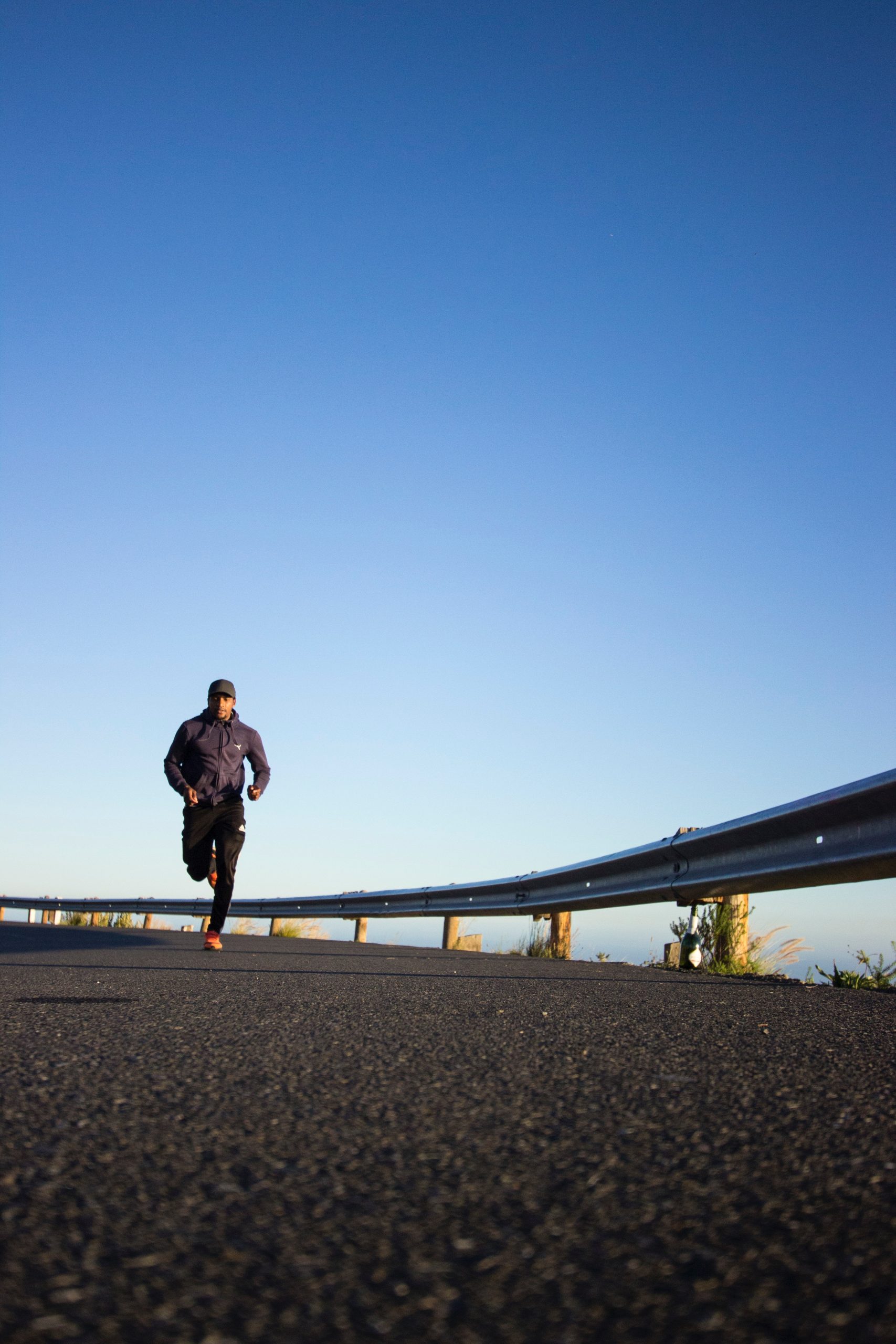
How to Save Money With Buying a Treadmill?

buy used treadmills

Everyone loves finding a great deal – and when it comes to buying a treadmill, that’s no different! While you don’t want to sacrifice quality for the sake of saving money, there are still surefire ways to get your hands on brand-name treadmills at discounted prices.

From using coupon codes online or during sales events in-store, all the way down through taking advantage of reward programs from manufacturers and modern fitness trends by investing in used models – these tried methods offer potential shoppers like yourself more bang for their buck without sacrificing stability or comfort.

So if you’re looking for high performance with wallet-friendly savings attached; look no further than discount shopping strategies made convenient just for gym buffs searching out an unbeatable bargain!

#1 Prefer online shopping

Whether you’re looking to tone up, gain endurance or just stay in shape from the comfort of your home, there’s never been a better time to buy a brand-name treadmill. Many online fitness stores now offer big savings – often hundreds of retail prices plus free shipping and tax exemption on some orders. This can result in substantial cost reductions for savvy shoppers! Just be sure that any store you purchase from is reputable with secure ordering systems and an industry-standard money-back guarantee so your investment remains safe no matter what happens.

#2 Opt out of extended warranty

When shopping for a treadmill, don’t be taken in by the marketing ploys of companies offering extended warranties – their original warranty offer is generally enough. Choose one that comes with excellent coverage on frame, parts, and labor/service provided it lasts long enough – no extensions required!

#3 Buy a used treadmill

If you’re looking to save a few extra bucks, purchasing a used treadmill may be an option. Make sure that the make and model of your potential investment is well-researched, as there’s no warranty to protect it from any malfunctions down the road. Additionally, use store prices for reference when bargaining so you don’t overpay! Keep in mind what kind of workout plan best fits your lifestyle before making such an important decision – this way you’ll get maximum value out of every step on your new (or should we say pre-used?) treadmill.

In case the belt need replacement, here’s how.

Replacing A Treadmill Belt

#4 Search abroad

If you need a cheap treadmill, then you can try to order a treadmill from a neighboring region. Quite often in a neighboring country, there is equipment at more affordable prices. All you have to do is install VPN and buy a treadmill from a local Chinese store, for example. Before using it you should know what does a VPN hide to know how to save your money. Even though the shipping cost is high, it can be an order of magnitude cheaper than buying from a local store. Just install VeePN and you can save a lot of money on many products using this shopping scheme.

#5 Reduce workout programs

Looking to save some cash on your next treadmill purchase? Consider a model with only one or two preset workout programs – enough for most people. Not only is it more cost-effective, but you won’t be overpaying for extra features that you don’t need!

#6 Buy directly from the manufacturer

Get a great deal on your treadmill when you purchase directly from its manufacturer! You’ll save not only on markups but also shipping costs, and can even avail of tax exemptions. Plus, make sure to pick one that offers secure ordering plus an unbeatable 30-60 day money-back guarantee – so buying direct will be well worth the investment.

#7 Smaller running belt

Did you know that the size and thickness of your treadmill’s running belt have a huge impact on its performance? Larger, thicker belts require more power from the motor to keep it going as well as generate excess heat. While this won’t be an issue for most hardcore runners, if your primary use is leisurely strolling around then opt for something more comfortable: a standard 20″x 60″. Not only will you get all the benefits of extra comfort but also save those valuable bucks!

#8 Rejection of heart rate straps

Did you know that the size and thickness of your treadmill’s running belt have a huge impact on its performance? Larger, thicker belts require more power from the motor to keep it going as well as generate excess heat. While this won’t be an issue for most hardcore runners, if your primary use is leisurely strolling around then opt for something more comfortable: a standard 20″x 60″. Not only will you get all the benefits of extra comfort but also save those valuable bucks!

#9 Folding feature

If clearing up extra space in your room is not a top priority, going for the non-foldable option could help lower the cost of your treadmill. Folding models do come with a higher price tag, but offer convenience and storage advantages if you need them – so make sure to weigh out which features are most important before making that purchase!

Conclusion

In summary, buying a treadmill doesn’t have to be difficult or expensive. You can find quality models within your budget that provide top-of-the-line features and capabilities. Just remember to take into consideration factors like running space, incline, durability, size, and price before you purchase.

With the right tips, anyone can save money on their investment by shopping around and considering various options so they can get what they need without breaking the bank. And while it may not be fun having to go through all of these steps, with some patience and research it’s certainly possible to find a great treadmill that fits within your budget and gets you back to fitness for less.

Is Walking a Cardio Exercise: All You Need to Know

Walking can be considered a cardiovascular exercise. Cardiovascular exercise, also known as aerobic exercise, is any physical activity that increases the heart and breathing rates for an extended time, thereby improving the body’s cardiovascular system. 

Walking briskly can increase your heart and breathing rates, making it an effective form of cardiovascular exercise. Regular walking can also help improve cardiovascular health by reducing the risk of heart disease, stroke, and other related conditions. 

Luckily, ask Lasta fasting app – and guide you and illuminate this matter! For example, walking can be a great form of cardiovascular exercise if you maintain a steady pace and gradually increase the intensity. Not only does walking help in burning calories, but it also promotes heart health, boosts your mood, and is gentle on joints – making it an ideal low-impact workout. 

So go ahead and make walking a part of your routine, assured that with the guidance of the Lasta fasting app, you’re on the right track to achieving your fitness goals!

Have you ever wondered if walking can be considered a cardio exercise? You’re not alone in this query, and it’s essential to be informed in the correct way to make the most of your fitness journey. 

What Are the Health Benefits of Walking?

Walking is an excellent form of exercise with many health benefits. Here are some ways that walking can benefit your health:

  • Improves cardiovascular health

Walking can help lower blood pressure, reduce the risk of heart disease and stroke, and improve overall cardiovascular health.

  • Helps with weight management

Walking can help you maintain a healthy weight by burning calories and increasing your metabolism.

  1. Improves joint health

Walking is a low-impact exercise that can help improve joint health, reduce inflammation, and prevent arthritis.

  • Reduces stress and anxiety

Walking can help reduce stress and anxiety by releasing endorphins are feel-good hormones.

  • Boosts immune function

Regular walking can boost the immune system and help the body fight infections and diseases.

  • Improves cognitive function 

Walking can help improve cognitive function, including memory, attention, and overall brain function.

  • Enhances mood

Walking can boost your mood and help alleviate symptoms of depression.

  • Promotes better sleep 

Regular walking can help you sleep better at night, as it can improve sleep quality and duration.

These are just a few of the many health benefits of walking. It’s a simple and accessible exercise that almost anyone can do, and it can positively impact your overall health and well-being.

The Longevity Benefit of Walking and How it Improves Your Heart & Lung Health

Walking is a great way to improve overall health and increase lifespan. Regular walking can positively impact your heart and lung health, which can help you live a longer and healthier life.

Walking helps to improve heart health by increasing the heart rate and improving blood circulation throughout the body. This helps strengthen the heart muscle and can reduce the risk of developing heart disease or heart attack. Walking can also help lower blood pressure, a significant risk factor for heart disease.

In addition to improving heart health, walking also has a positive impact on lung health. Walking helps to increase lung capacity, which means that your lungs can hold more air and deliver more oxygen to your body. This can improve overall physical performance and reduce the risk of lung-related diseases such as chronic obstructive pulmonary disease (COPD).

Walking can also help improve overall cardiovascular fitness, which is vital for maintaining a healthy weight and reducing the risk of obesity. Obesity is a significant risk factor for many chronic diseases, including heart disease, diabetes, and certain types of cancer.

Finally, walking can positively impact mental health, which is also essential to overall longevity. Walking can reduce stress and anxiety, improve mood, and even reduce the risk of depression. All of these factors can contribute to a longer, healthier life.

How Long Should You Walk Each Day For Maximum Effects?

The amount of walking you should do daily for maximum effects depends on your fitness level, age, and overall health. 

  • The American Heart Association recommends that adults aim for at least 150 minutes of moderate-intensity aerobic activity or 75 minutes of vigorous-intensity aerobic exercise per week. This can be achieved through a combination of different activities, including walking.

To get the most benefits from walking, it’s generally recommended to aim for at least 30 minutes of moderate-intensity walking daily, most days of the week. Moderate-intensity walking means you should be able to talk but not sing while walking. However, if you’re new to exercise or have health concerns, slowly and gradually building up to longer durations and higher intensities is essential.

If you find doing 30 minutes of continuous walking challenging, you can break it up into shorter bouts throughout the day. For example, you could do three 10-minute walks throughout the day.

It’s also essential to incorporate variety into your walking routine. This can include walking at different speeds, incorporating hills or inclines, or adding resistance training exercises such as squats or lunges.

Precautions to Take While Going For Walks and Other Workouts on Foot

While walking and other workouts on foot can be excellent for your health, taking certain precautions is essential to ensure your safety and prevent injury. Here are some precautions to keep in mind:

  1. Wear appropriate footwear: Make sure you have comfortable and supportive shoes that suit your activity well.
  2. Stretch before and after: Stretch your muscles before and after your workout to prevent injury and improve flexibility.
  3. Gradually increase intensity: If you’re new to exercise, gradually increase the intensity and duration of your workouts to avoid overuse injuries.
  4. Pay attention to your surroundings: Be aware of your surroundings and watch for hazards such as uneven surfaces or obstacles on the ground.
  5. Avoid extreme weather conditions: If it’s very hot or cold outside, consider exercising indoors or at a different time of day.

Taking these precautions can help prevent injury and ensure a safe and enjoyable workout experience.

Runners Diarrhea – Symptoms, Causes, Treatment & Prevention

runners stomach

Runners diarrhea.

Nature’s gift you didn’t ask for.

Few things can ruin a good run, like the fear of pooping your pants during a run.

To shed some light on this crappy situation (pun intended), I will share the full guide on runners’ diarrhea in today’s post.

By the end, you’ll learn more about:

  • What is Runner’s Diarrhea
  • The process behind Runner’s Diarrhea
  • The causes of Runners Diarrhea
  • Foods to avoid when you have runners trots
  • Is your clothing makes you want to poop your pants?
  • What kind of medication works for the runner’s diarrhea?
  • Imodium for runners’ diarrhea? Does it work?
  • And so much more.

Feel excited?

Let’s get started.

Runners’ Diarrhea Explained

Also known as runners colitis or runners trots, runners’ diarrhea refers to gastrointestinal issues during or following a run. The condition includes a wide range of symptoms: from bloating and nausea to painful cramping, flatulence, and actual loose stools.

For some runners, the urge to defecate might come about mid-run, and for others, it could happen immediately after running as the body is still experiencing the effects of the workout.

Surveys show that over a third of runners experience this.

This condition is also more common among endurance runners and tends to strike women more than men. If you run long distances, you can experience many symptoms during training. Unfortunately, the more miles you log in, the worse these symptoms could become.

Older runners are less likely to get than younger ones.

Some of the warning signs include:

  • Belly cramps
  • Heartburn
  • Bloating
  • Diarrhea
  • Urge to poop
  • Chest pain
  • Vomiting
  • Nausea
  • Bloody stool
  • Not being able to control bowel movements—or fecal incontinence

How Long Do Runners Trots Last?

Typical symptoms of runners’ diarrhea often kick off during your run and may persist in the hours post-run.

As a rule, the bout of diarrhea shouldn’t linger for more than 24 hours.

If you have diarrhea in the middle or cannot control your bowel movements, it might indicate another medical condition (more on later).

You’re Not Alone

Research reports that about y 60 percent of long-distance runners (those who log in 5 miles or more at a given time)  had to take a break during a run for a bowel movement.

Another study published in the British Journal of Sports Medicine claimed that about 30 percent of marathon runners suffer stomach issues during or after a race.

Infamous Incidents

If you’ve ever had to stop mid-run to answer nature’s call, know you’re not alone. Even world-class runners go through it. No one is immune.

Here’re a few infamous examples:

  • During the 2008 Göteborgsvarvethalf marathon, elite runner Mikael McKernan crossed the finish line in 21st place even though his lower body was covered with last night’s dinner.
  • Winner of the 1998 London Marathon, Catherina McKiernan, experienced chronic diarrhea during the race.
  • During the 2016 Summer Olympics, Yohann Diniz led the Men’s 50K walk race, but he fainted a few times due to stomach issues. But he kept going and finished in 8th place, only six minutes behind the winner, Matej Tóth.
  • The 2019 Perm internal Marathon winner, Alexander Novikov, completed the whole race suffering from a bad episode of diarrhea, which stained him with his own excrement.

Symptoms of Runners Diarrhea

Here are the telling signs of runners’ trots.

These can be experienced during or immediately after a run.

  • Nausea
  • Acid reflux
  • Flatulence
  • Cramping
  • Gas
  • Sudden urge to poop

The Causes of Running-Induced Diarrhea

So what’s causing you to poop during a run?

The answer remains unclear as it’s likely multi-factorial.

However, there are several theories about what triggers the runner’s diarrhea.

Let’s explain a few.

The Up & Down Motion

Running’s impact stirs the bowels and jostles the intestines.

This speeds up the flow of food, gas, and stool along the digestive tract, causing a sudden need for a bowel movement.

By the way, this is one of the reasons many doctors recommend regular exercise, especially the one focusing on abdominal work, to chronically constipated patients.

Limited Blood Flow

Often, running-induced diarrhea is caused by limited intestinal blood flow.

This blood gets diverted from the intestines and focuses on the legs and other body parts.

Our GI tract is sensitive. Once the blood flow is limited, the intestinal absorption of nutrients and water reabsorption in the colon will turn bad, causing loose stools.

Of course, don’t take my word for it.

Research reports that intense exercise may limit blood circulation to the colon and small bowels by as much as 80 percent.

Bad Food Choices Pre-Run

Diet is often cited as a leading trigger of runners’ diarrhea, especially when consuming high-fat or high-protein meals before a run.

Dehydration

Dehydration impacts not only your performance but your digestive function too.

Most people assume drinking too much water could contribute to diarrhea, but it’s not the case. Dehydration is a common cause of loose stools because lower blood volume can limit blood flow to the intestine. This, in turn, triggers a diarrhea episode.

In other words, when dehydrated, your intestine’s ability to absorb content dwindles. So they’re left with the only option: flush out the stomach content.

Other Causes

Many factors may contribute to the onset of diarrhea during or after a workout that could be unrelated to running.

These include:

  • Performance-enhancing drugs,
  • Some prescription medications,
  • Anxiety and stress.
  • Bowel issues like irritable bowel syndrome (IBS),
  • Hormonal changes,

What Should I do When I get runner’s Diarrhea?

When you start suffering from runner trots symptoms, your next step should be to locate the nearest restroom and head there as fast as possible. Slowing down may help you manage the urge sensation.

runners trots

How To Prevent Runner’s Trots

Now that you understand runners’ diarrhea, here are some tips for keeping running-induced diarrhea at bay.

You might not like it, but running-induced diarrhea is normal and often not a cause for concern.

Here’s more good news.

You can do many things right now to manage your symptoms and prevent runners’ trots in the future.

Eat The Right Things

The easiest way to manage runners’ trots is to consider your pre-run eating choice. I hate to state the obvious, but some food may trigger gas, nausea, and diarrhea during a run.

Analyze what you mostly eat before heading out, and always steer clear of trigger foods. As a rule, try to avoid anything that could upset your stomach in the hours before a run.

You may be left with nothing but a banana or a whole-wheat toast, but remember that you’re eating for performance, not pleasure. So have your meal once you’re done running.

Caffeine may work as a diuretic for some people, so test it out and see if it’s worth keeping. You should also cut on alcohol, artificial sweeteners, and sugars in the evening before a long morning run.

Be careful with energy gels and supplements that are “designed”’ to provide fast and portable fuel during training.

Unfortunately, most of these are loaded with artificial sweeteners and preservatives that could worsen your symptoms. And you don’t want that.

And most importantly, drink your water. It’s good for you.

So what should you eat?

Food that gets digested fast and doesn’t stress the GI track are ideal choices for what to eat before running. As long as you keep them simple—which means less waste is left over during digestion—the better off you’ll be.

Don’t Eat and Run

Timing is also important, though there’s no one-size-fits-all rule for it.

Generally, avoid eating an hour or two before a run. Space out your runs and meals longer if you’re prone to runners’ trots.

Having a meal two to three hours before a run?

Choose simple carbs and check back the list above.

Stay Well Hydrated

As I explained earlier, dehydration can contribute to loose stools while running.

As a general guideline, Stay well hydrated by drinking enough water. Shoot for at least 16 ounces of liquid roughly 60 to 90 minutes before you run and around 8 ounces of water every 20 to 30 minutes during your run.

During long runs, drink eight ounces of water every 15 to 20 minutes.

Just make sure to avoid warm liquids, as these may speed up the flow of food through the digestive tract.

What’s more?

Remember to keep track of your hydration levels.

Your pee should be a very light yellow.

If It’s dark, drink up.

Poop Before You Run

In an ideal world, you’d want to run just after caring for the nature business.

That way, you’ll ensure you’re running with an empty GI tract.

If you’re running first thing in the morning, give yourself at least 30 minutes to  “clear the pipes” before heading out.

Or simply plan your route the night before.

Use online maps or an app and choose the route with plenty of rest areas or public toilets.

For most runners, that’s 10 to 15 minutes into a run or about a mile.

You should also be prepared for emergencies.

Carry some spare toilet paper or wet wipes in a Ziplock baggie or your pocket, just in case.

Keep Track

Use a diet journal.

Inside it, keep tabs on everything you eat or drink and when it is ingested.

Then look for patterns that may contribute to the onset of the diarrhea episode mid-run, and assess what you did on the day your stomach misbehaved.

This will help you learn more about your unique food sensitivities and also help you find the most efficient ways of fueling your body.

You should also keep track of your bowel movements to schedule your runs immediately after your bowel movements.

Visit The Bathroom

If possible, empty your bowels immediately before a run or race. Consider taking a mild laxative a few hours before if you can.

Planning to race? Then at the very least, make it to the race venue early, so you don’t get stuck behind long lines.

Don’t worry. I’ve written a guide on making yourself poop before a run.

Wait on The Drugs

Avoid taking over-the-counter non-steroidal anti-inflammatory drugs like Aleve, Motrin, and Advice in the 24 hours before a run.

The International Journal of Pharmaceutical Sciences and Research reported that these drugs might cause side effects such as bloating, upset stomach, constipation, gas, and diarrhea.

In other words, if you’re already prone to runners trots, OTC drugs can only make your symptoms worse.

Wear Loose Clothing

Excessively tight clothing around the waist can constrict blood flow to the intestines, worsening diarrhea.

Everything from tight running shorts, compression garments, and running belts can be problematic, especially if you got a lot of content sloshing around your stomach.

This can make you feel you need a bowel movement or even cause diarrhea (and other stomach issues such as heartburn).

See a Doctor

It’s often the case that runners’ trots are a temporary annoyance that fades in a few days. But if you’re prone to it, you’ll want to consult your doctor to determine the cause, especially if you experience any of the following:

  • Suffering from diarrhea even when not running
  • Bloody stools
  • Sudden diarrhea onset
  • Fever
  • severe heart palpitations
  • Abdominal pain
  • acute headache that comes on suddenly
  • persistent diarrhea even after the exercise is over
  • Chronic nausea and ongoing abdominal pain.
  • Appetite change
  • diarrhea that lasts for 24 hours or more
  • fainting or loss of consciousness

If you experience a few of these symptoms, you could be dealing with a serious underlying condition that requires medical attention. Consulting with your doctor can help you better understand your unique situation. Sometimes, you may need medical help flushing out parasites or bacteria from your body.

They might recommend taking diarrhea pills or even undergoing a special examination on you, such endoscopy if the case seems worst. GI problems can recover well with early treatment.

You can also suffer from an underlying medical condition causing your workout trots. These include:

  • Ulcerative colitis
  • Crohn’s disease
  • Microscopic colitis
  • Celiac disease
  • Irritable bowel syndrome
  • Proctitis

Runners Diarrhea – The Conclusion

Runner’s diarrhea is not a welcome guest, whether before, after, or, worst of all, during a run.

Hopefully, with a little experimentation and a lot of paying attention to your body, you can manage your runner’s diarrhea on your own.

Why Running Can Improve Students’ Academic Performance

Physical activity is important for everyone, including students. It is important to have a balanced life to experience physical and mental well-being. Part of this is getting enough exercise. Running can provide an inexpensive and effective way to get some exercise. If you’re a student, you can experience some of the following benefits from running.

Reduce stress

University life can give you multiple reasons to experience stress. It can be difficult to attend classes, write assignments, study for exams and still find time to exercise. This is a mistake because an activity like running can help to reduce your stress levels. Too much stress has a negative impact on your academic performance.

Whenever you feel like you can’t handle the stress, you should consider exercising. If you think you don’t have the time for it, outsource some of your assignments to professionals. A simple ‘hey, can you write my dissertation‘ in EssayPro support chat can really save you.

If you develop a practice of running on a daily basis, it can help to relieve anxiety and decrease your stress levels. Levels of the stress hormone cortisol will drop. This makes you feel more relaxed and calm after a run. Your ability to focus and retain information will improve.

Improve cognitive function

When you start out on a run, your pulse speeds up as your heart begins to pump strongly. More oxygenated blood starts moving to your brain and your muscles. Some studies have found that the hippocampus increases in the brains of those who run regularly. This is the area of the brain associated with learning and memory. Regular cardiovascular exercise, such as running, can even cause new blood vessels and brain cells to grow. This can lead to an overall improvement in brain performance.

Get help from an essay writing service

Today there are many tools and services that can help you when you’re a student getting a college education. They can be beneficial if you want to find time to exercise. You can improve your academic performance if you get help from an essay writing service like EduBirdie. Professional writers at essay writing services can make your work excellent and free of errors. You will have more free time available for a physical activity like running.

Increase physical health

When you run on a regular basis, you become physically stronger. You have more staying power and more resistance to illness. Without this kind of stamina, it will be difficult to cope with all your responsibilities as a student.

When you are physically healthy, your energy levels are higher. Consistent running will lower your blood pressure and your resting heart rate. Your heart will be healthier, and your bones and muscles stronger. It will also improve your blood sugar levels and have many other health benefits.

Improve your mood

The “runner’s high” is a well-known phenomenon. Running can result in a rush of endorphins which can boost your mood. You will feel elated and ready to conquer what comes your way. If you suffer from depression, running can help to alleviate the symptoms.

When most of your life takes place indoors, running outdoors in nature can boost your mental health. Whether you find a local park or a peaceful trail through a forest, your mood will benefit from soaking up some vitamin D and getting out into the fresh air.

Boost confidence

Running will help you to stay in shape, which can make you feel more confident. But running won’t just keep your weight under control. As you become stronger mentally and physically, your self-esteem will grow.

Once you force yourself to run on a regular basis, you will know you have the ability to exercise self-discipline. You will learn that it’s possible to achieve your goals with some persistence and determination. This can transfer to your studies and help you to achieve your academic goals.

A way to socialize

You may prefer to run independently, but you can also choose to run with others. If you join a running group, you will meet new people and can enjoy socializing with them. Running with others may provide the kind of interaction you need that you don’t get when spending all your time focusing on academics. It can provide some balance in your life and give you more of a sense of well-being. When you feel happier as a person, your academic performance is likely to improve.

Conclusion

By making running a regular part of your daily routine, you will experience more than just physical benefits over time. It will help to reduce your stress levels and improve your cognitive function. Your energy levels will increase, and you will feel less anxiety or depression. These are just some of the many benefits that make running a great way to improve your academic performance.

Author’s Bio

Scott Roberts carries years of experience with him, and that’s something that makes him one of the best in this field. His essay samples and topic ideas online are something that students regularly frequent. It gives them the inspiration to write and serves as quality reference material. Seeing them happy makes Scott happy and inspires him to do better every time.

Conquer Runner’s Stomach: Expert Tips to Avoid Mid-Run GI Distress

runners stomach

Ever experienced a “Code Brown” situation mid-run?

You know, when your stomach stages a revolt against your running routine? Whether you call it “runner’s trots,” “the runs,” or “workout stomach,” we’ve all been there.

Runner’s stomach can be quite the unpleasant companion on your runs. But fear not! I’m here to share the ultimate guide to help you conquer those GI distress troubles.

In this article, we’re diving deep into the belly of the beast (pun intended), covering everything you need to know:

  • What exactly is a runner’s stomach?
  • How running can turn your tummy into a ticking time bomb.
  • The mechanical culprits behind runners’ diarrhea.
  • Tips and tricks to keep your stomach in check while you chase your running goals.

So, if you’re tired of making unexpected pit stops during your runs, keep reading. We’re about to drop some knowledge bombs to help you stay on course without unwanted detours.

Sounds great?

Let’s get started.

GI Distress When Running Is A Very Common Problem

If you’ve ever experienced the discomfort of GI distress during or after a run, rest assured that it’s a common problem among runners. Research has shown that many of us have faced this issue to varying degrees.

In fact, a study published in the academic journal Current Opinions in Clinical Nutrition and Metabolic Care found that approximately 50 percent of runners encounter GI distress problems during hard runs, especially during long, grueling ones.

And here’s an interesting tidbit: runners are twice as likely to experience GI issues compared to athletes in other endurance sports like swimming or cycling.

If you’re aiming for elite status, beware that GI distress seems to be even more common among top-tier athletes, with its frequency being 1.5 to 3 times higher than recreational runners, according to research published in a journal from Lippincott William and Wilkins

What is GI Distress

GI distress is like a grab bag of stomach-related issues that can strike runners at the most inconvenient times.

Most runners experience symptoms like abdominal cramping, excessive gas, belching, irritable bowel syndrome, indigestion or dyspepsia, vomiting, heartburn, constipation, nausea, diarrhea, and, in extreme cases, even gastrointestinal bleeding.

In other wrods, it’s a smorgasbord of digestive discomfort.

Research has shown that GI distress is one of the top reasons runners drop out or underperform in long-distance races, especially during the grueling half-marathons and marathons.

Why My Stomach Gets Upset From Running?

Running might be a fantastic way to keep your body in shape, but it can be a real troublemaker for your stomach.

The truth is, running is a high-impact sport that doesn’t just challenge your muscles and joints—it also takes a toll on your digestive system. This mechanical pressure can accelerate the movement of food and waste through your GI tract while diverting blood away from your intestines to fuel your hardworking muscles.

So, what does this mean for runners? Well, it makes practically all of us vulnerable to stomach issues. But here’s the silver lining: it’s not a life sentence! There are plenty of things you can do to ease or even avoid a runner’s stomach altogether, from managing your hydration and diet to controlling your running intensity and even calming those pre-run jitters.

Don’t think you’re immune, though—whether you’re male or female, a runner’s stomach doesn’t discriminate. The longer you run, the more likely you are to cross paths with this unwanted companion.

While the exact cause of these stomach woes isn’t fully understood, several factors can increase your risk. It’s crucial to keep an eye on these variables if you’re prone to stomach issues, including eating a meal within two to three hours of running, downing sugary fruit juices before hitting the road, and letting dehydration sneak up on you.

Can you treat or prevent Runners’ Stomachs while running?

Runner’s stomach might not be the most severe running-related issue, but it can certainly make your runs feel miserable. For some runners, chronic gastrointestinal distress can even lead to a reduction in training intensity or cause them to give up running altogether.

Before we dive into how to prevent this condition, it’s crucial to understand just how troublesome high GI (gastrointestinal) issues can be for runners.

How Does GI Distress Happen When Running

When you hit the pavement for a run, your body shifts its focus towards supplying maximum oxygenated blood to your working muscles. In doing so, it diverts blood away from your stomach and intestines, essentially putting digestion on the back burner while your body prioritizes delivering oxygen and nutrients to your muscles.

But that’s not all. The mechanical bouncing associated with running could also play a role in the relatively high occurrence of GI distress among runners, especially when compared to lower-impact sports like swimming or cycling. This theory suggests that the bouncing motion of running can jostle your digestive tract, irritating the GI tract and potentially leading to gastric distress issues..

Causes of GI Distress During A Run

Gastrointestinal (GI) distress during a run can be attributed to a variety of causes and conditions, often stemming from a combination of internal and external factors. These factors can set the stage for GI discomfort. Here’s a breakdown of common external and internal causes:

External Causes:

Consuming a heavy meal too close to your run or eating something that doesn’t agree with your stomach.

Insufficient hydration before or during your run can contribute to GI distress.

Internal Causes:

During exercise, blood flow is redirected away from the digestive tract to supply working muscles, which can hinder digestion.

The physical jostling and bouncing associated with running may irritate the GI tract.

Stress, anxiety, or pre-race nerves can affect digestion.

Pre-existing gastrointestinal issues such as viruses, stomach bugs, ulcers, or other ailments can exacerbate GI distress.

Additional resource –  Prevent Sunburn in runners

Physiological Changes From Running

During exercise, specially intense or prolonged running,  your gut hormone levels are impacted. These changes may affect digestion and lead to symptoms like nausea or changes in appetite.

Running diverts blood flow away from the digestive system and redirects it to the working muscles. This can slow down digestion and affect the absorption of nutrients.

What’s more?

Intense exercise, such as running, can reduce the rate of gut absorption. This can lead to feelings of fullness, bloating, or discomfort.

Lower Esophageal Sphincter Tone:

The lower esophageal sphincter (LES) is a muscular ring that separates the esophagus from the stomach. Running can sometimes weaken the tone of the LES, increasing the risk of gastric reflux or heartburn.

Running can slow down the movement of food from the stomach to the intestines. This delay in gastric emptying can cause feelings of fullness and discomfort.

It’s important to note that these physiological changes are part of the body’s response to intense physical activity, and they can vary from person to person. Some runners may experience minimal GI distress, while others may be more susceptible.

The Impact of Food On Runners Stomach

Consuming foods that are high in fiber, fat, or protein too close to a run can slow down digestion and increase the risk of GI symptoms. Foods that are spicy or contain a lot of spices can also be problematic for some runners.

Drugs & the Digestive Tract

NSAIDs, including ibuprofen, are commonly used to relieve pain and reduce inflammation. However, they can irritate the stomach lining and increase the risk of gastrointestinal issues, such as gastritis or stomach ulcers. Running while taking NSAIDs, especially on an empty stomach, can further exacerbate these risks.

How to Prevent Runner Trots When Running

Proper hydration is your first line of defense against stomach discomfort and unwanted pit stops during your runs. We all recognize the importance of staying hydrated for optimal running performance, but it’s equally crucial for preventing GI distress while running.

A study found that roughly 80 percent of runners who experienced fluid losses of 4 percent or more of their body weight reported suffering from GI distress issues. This suggests a strong link between dehydration and stomach problems in runners.

Several factors contribute to this connection. Dehydration can slow down gastric emptying, making it harder for your stomach to process food and fluids efficiently. Additionally, exposure to heat, especially during the summer, can exacerbate GI distress issues. When it’s hot, your body redirects more blood to the skin to cool down, which can further stress your digestive system.

Here are some hydration tips to help you combat GI distress:

  • Stay hydrated throughout the day, not just before your run. Consistently drinking water ensures you start your run well-hydrated.
  • Don’t wait until you’re thirsty to drink. By the time you feel thirsty, you may already be somewhat dehydrated.
  • Hydrate when you wake up in the morning, especially if you’re running in the early hours. After a night’s sleep, your body can be dehydrated even if you don’t feel thirsty.
  • If your run lasts longer than 45 minutes, consider bringing a water bottle and practicing the “one gulp every mile” strategy, even if you don’t feel an immediate need for fluids..

Additional resource – Prevent Acid Reflux In Runners

Go Easy With the Mileage

Running long and hard training sessions can increase the likelihood of experiencing GI problems, and this is due to several factors, including dehydration, elevated body temperature, increased blood flow to working muscles, and the mechanical impact of running. Essentially, the nature of running, with its repetitive and high-impact movements, makes runners more prone to GI distress.

The good news is that, similar to how your muscles and cardiovascular system adapt to training, your gastrointestinal system can also become more accustomed to the demands of running. Here’s how you can “train” your stomach to handle food more effectively:

  • Experiment with different foods and drinks during your training sessions. Pay attention to how your stomach reacts to various options. This experimentation allows you to find what works best for you.
  • Keep a food journal to track the foods and drinks you consume and their impact on your GI tract. This record will help you identify patterns and pinpoint which items may trigger discomfort.
  • Try different eating plans to see how they affect your stomach. With time and experimentation, you’ll likely discover a winning formula that minimizes GI distress during your runs.

Give It Time

Be Patient with Your Belly

Your stomach deserves some respect, so don’t rush it! Give it the time it needs to process your food, especially after a big meal. Here’s the lowdown:

Therefore, try to schedule your main meal a comfy two to three hours before your run. This gives your stomach the chance to work its magic without feeling rushed.

Need a Quick Fix?

If patience isn’t your strong suit, consider a light pre-run snack about an hour before your workout. Keep it easy on the tummy, though, so you don’t feel like you’ve swallowed a brick.

Everyone’s digestive system dances to its unique beat. So, get curious and experiment! Try different meal timings and foods to discover what your belly loves best. In the end, it’s all about finding your digestive groove for the long haul.

Keep your Diet Simple

Eating a meal loaded with fiber, fat, protein, or sugar bombs right before a run is like inviting GI distress to the party. No thanks!

Especially on those tough training days, opt for a straightforward diet. Look for these winning traits in your pre-run meal: not too huge, low on fiber, low-fat, a touch of protein, and not drowning in sugar.

If you’re gearing up for a marathon or a lengthy endurance mission, sports drinks can be your best bud. They give you the fuel to keep going. But, a word of caution: avoid those with over 10% carb concentration to dodge tummy troubles. Aim for 5% or less to play it safe.

Acidic foods and drinks can stir up trouble for your tummy. Before your run, dodge stuff like alcohol, super strong coffee, milk, eggs, gluten-heavy grains, nuts, and tomatoes. Instead, roll with low-acid champs like bananas, leafy greens, soy, lentils, and more.

Avoid Caffeine

Caffeine is like rocket fuel for your performance. It revs things up and can make you feel unstoppable on the track.

But caffeine is also a stimulant that can kickstart peristalsis—the fancy term for those gut muscles that push food through your digestive system.

If caffeine isn’t your gut’s best friend, swap it for water. Hydration is always a good idea, and it won’t send your stomach on a rollercoaster ride.

Craving that cup of joe?  Have it well before your run. Give your system some time to cozy up with caffeine, so it won’t interrupt your workout.

Additional resource – How to manage heart murmurs

Run Around Bathrooms

For those of us who are a tad more prone to GI distress during runs, planning our routes strategically can be a game-changer. Look for routes that have bathrooms along the way. Knowing you have a safe haven for emergency pit stops can provide tremendous peace of mind.

But, sometimes, emergencies strike when you least expect them. That’s where a little pocket-sized preparation comes in handy. Carry wet wipes or toilet paper with you during your runs, just in case a disaster decides to pay a visit.

And here’s a pro tip for extreme cases: consider having an over-the-counter anti-diarrhea medication like Imodium on hand. It’s like your emergency kit for those unexpected GI issues. But remember, don’t make it a habit without your doctor’s approval.

Manage Stress

According to a study, stress, anxiety, and other mental problems can take a toll on your stomach.

Research has linked these psychological problems with your GI tract’s ability to function optimally and adequately.

So it’s not just what you eat and drink before and during a run. What you think matters as well.

Consider incorporating practices like meditation and yoga into your routine. These activities can help you manage your physical, emotional, and intellectual energies, creating a harmonious balance.

Now, let’s talk about race day stress. Competitions can be nerve-wracking, especially if you’re putting immense pressure on yourself. If you’re racing in a new city, try arriving a few days earlier to acclimate to the unfamiliar surroundings.

Listen to Your Body

Ultimately, your body is the best judge of what works for you. But there’s a catch – you need to be ready to listen. Ignoring your body’s signals won’t get you anywhere.

Let’s face it: what you put into your body matters, affecting both your performance and your stomach’s well-being. So, it’s crucial to cultivate body awareness.

Pay attention to how your body feels before, during, and after a run concerning the foods and beverages you’ve consumed.

Maintain a diary to track your experiences. Note the symptoms and document what you ate or drank on days when GI issues reared their ugly head. This way, you can gradually decode your body’s unique language.

When to Consult A Doctor For Runners Stomach

Experiencing gastrointestinal distress as a runner is a common issue, but it’s crucial to recognize that if you frequently encounter a runner’s stomach, it may not be exclusively related to running. Conditions such as celiac disease and irritable bowel syndrome share similar symptoms with a runner’s stomach and can have diverse underlying causes.

In such cases, it’s advisable to seek guidance from a medical professional. They will conduct an assessment of your symptoms to determine whether they are primarily associated with running or if there might be an alternative diagnosis. Additionally, your doctor may recommend procedures like a colonoscopy to rule out any potential underlying issues.

It’s essential to be vigilant and attentive to certain warning signs that could indicate a more severe ailment, including:

  • Sustained diarrhea lasting more than 24 hours.
  • Sudden and severe headaches with no apparent cause.
  • Pronounced heart palpitations.
  • Presence of mucus or blood in your stool.
  • Persistent and intractable vomiting or nausea.
  • Feeling full more rapidly than usual.
  • Unexplained weight loss.
  • Experiencing loss of consciousness or fainting episodes.

If you experience any of these symptoms, it is crucial to promptly seek medical evaluation to ensure your health and well-being

GI Distress in Runners  – The Conclusion

In conclusion, mitigating the risk of experiencing runners’ stomach requires a proactive approach to your diet, hydration, and training habits. To minimize the likelihood of gastrointestinal distress during your runs, consider the following recommendations:

  • Be mindful of the foods you consume before running and the day prior, avoiding high-fat and high-fiber foods whenever possible
  • Allow ample time for digestion by refraining from running immediately after a meal, akin to swimming.
  • Maintain proper hydration throughout the day, ensuring you carry a water bottle during extended runs, particularly in hot weather conditions.
  • Engage in experimentation with various foods and beverages, maintaining a training journal to monitor their impact on your stomach.
  • Provide your body sufficient time to adapt to increased training intensity and volume.
  • Seek professional guidance from a physician if you have concerns or persistent issues related to gastrointestinal distress during your runs.

By implementing these strategies and staying attuned to your body’s signals, you can work towards a more comfortable and enjoyable running experience, minimizing the risk to runners’ stomach.

The Benefits of Running and Physical Exercise for Poker Players

As in other professions and other habits such as sports, poker is a discipline that requires a great deal of preparation to reach an optimal level as a professional player. The stars of this mental sport are aware that they need to maintain a healthy life in which both mind and body are in a comfort zone. Only in this way can good results be achieved.

How to take care of mind and body when you are a poker player?

Imagine you are playing at an online video poker on a reputable Australian casino, Joe Fortune. The game goes on longer than you would like, and with the fast-paced dynamic of the game, fatigue and demotivation start to set in. Your back and legs start to ache from the time you’ve been sitting down, even though the graphics are immersive, and the gameplay is straightforward and hassle-free. Sometimes, despite the motivation to keep playing, your body and mind revolt, as you find it hard to concentrate on the task.

Finally, it’s time for the river, and at that moment, the dealer turns over that card that can change the course of the game. Your brain is racing, your shoulders tense up, and adrenaline is pumping.

It is at that moment that you must understand the need to take care of yourself and avoid overloading your mind and body when playing poker so as not to damage your mood.

Here are ways to take care of your mind and body:

Good nutrition

Nutrition is a must if you want to be healthy. Poker players need to motivate their bodies to endure the long sessions of tournaments; for that, the diet is fundamental. Too much will be a problem, and too little will be also a problem.

Fruits, vegetables, and nuts are recommended since they will give the organism energy and mental agility that seems fundamental. But to abuse it is not good either; Players must vary their diet.

Why Physical Activity is Important for Poker Players

Of course, absorbing nutrients will not be the only thing we will consider in poker.

Poker is often associated with unhealthy behaviors: smoky environments, hard liquor in industrial quantities, and unhealthy food. However, with the advent of iGaming platforms, where anyone can open a poker platform and start playing it, there has been a realization that to play at one’s best, it is essential to be clear-headed to know how to self-control.

In competitive tournaments, for example, concentration must be through the roof; one wrong or risky move can lead to elimination in a flash.

As a sport on its right-included in the table by the International Olympic Committee-poker thus needs not only proper eating behaviors but also good mental and physical preparation.

Finally, poker involves many hours sitting in front of a monitor or at a table beside opponents. This makes it essential to do sports to leave behind toxins and elements the body does not need.

The Benefits of Running

Running, in particular, is something many poker players will enjoy. The phenomenon of the ‘runner’s high’ truly replicates the thrill of playing the classic card game – as you run for a long time, a sudden feeling of relaxation steeps in, which will imbue your body with a burst of happiness hormones.

To achieve the effect, you should get more sleep and strive to run longer – a run of two hours tends to produce the euphoric feeling. So, try to pursue lengthy exercises in order to lower your anxiety and reach the limits of your endurance. Besides, experts recommend that you keep the running pace a bit slower than the 10-K race pace, often referred to as tempo pace.

Elimination of vices

Another element is directly connected to both mental and physical health work: vices. Alcohol, tobacco, or added sugars are best left aside. The organism will suffer if we tolerate these things in addition to the efforts involved in playing poker and dedicating oneself professionally to it. Everyone needs to indulge, but with caution and without the indulgence becoming routine.

Try to disconnect

But not only the body needs to lead a good life in poker, but also the head. Disconnecting is a fundamental activity. Many poker players who have their work at home do not manage to have moments in which they do not think about it. That exhausts one’s brain and does not perform at 100% as needed. That’s why it is so important to combine poker with other activities.

Exercise the mind

And since we are focusing on the brain, it is good to perform mental exercises that put it to the test regularly. Specifically, it can be something on the margin that helps the memory, decision-making capacity, and how to support the pressure.

Research demonstrates a strong link between aerobic exercise like running and the enhancement of cognitive functions. This applies to basic tasks like problem-solving and active, short-term memory. Therefore, strive to prioritize running or other endurance-intensive activities to ensure that your mind operates on the maximum level.

Be consistent

Combine mental exercises with constant and daily training because no one is born learned in the process of learning to play poker, and we can always try something new that we were not aware of.

Manage your money properly

Even those who can already win good picks of money must consider the management of their stack, not only in poker as such but also in everyday life.

Define a good strategy

If you will participate in some tournaments, apply a personal strategy according to your goals. The way to be happy with yourself is to set realistic achievements and be able to reach them.

Conclusion

Poker is a mental sport, so most players need to pay more attention to the physical aspect. The truth is that taking care of your body makes a difference in controlling your mood, concentration, energy, and motivation in that tense moment of the game.

Remember that perseverance and hard work are the keys to poker. So, with discernment, calm, and good physical condition, you will be a few steps ahead of others.

How to increase the speed of running and not to get injured

Running speed is proportional to cadence and stride length. You need to raise at least one of these parameters to increase speed. In this article, the essay writer who provides essay help writing explains how they influence each other and what other factors you need to consider to increase your running speed safely.

Even in an amateur race, there are always two types of runners. Some run with the frequent shuffling of their feet. Others move with sprawling strides. The former has a higher cadence, but the latter has long strides. Both approaches should have a positive effect on speed. Who should we look up to?

Cadence is one of the quantitative characteristics of running, equal to the frequency of steps per minute. Most often, it’s the number of times both feet touches the ground – about 160-200 steps per minute.

To measure a basic cadence, you run at an average pace, count the number of steps with one foot in 30 seconds, and then multiply this by four.

Length of steps

With a longer stride length, you stay in the air longer, which is a plus. But when you land on an extended straight leg, the load on your joints and tendons is significantly increased compared to landing on a leg with a more relaxed knee. At the same time, even a tiny error in landing can lead to injury.

Long stride running is a particular exercise that helps improve muscle work while pushing off while running.

At the same time, it takes more work to maintain a high pace with long strides. If you drastically increase the stride length, the step frequency will decrease, and the speed gain will not be as significant.

Frequency of steps

You’ve probably heard of the ideal rate of 180 steps per minute. But if you increase your cadence by 20-25 steps per minute at once, there’s a good chance that your HR will jump. This is not good either. Keep your base cadence the same by 5% per week or two.

The “magic” number 180 was derived from an analysis of Olympic running. Amateur-level running does not have to be strictly within this value. A slight deviation is acceptable and depends on anatomical features (leg length, joint mobility) and running experience.

How to run faster

First, it is worth asking yourself the question: whether it is necessary at all. After all, we’re talking about running for health and pleasure. An amateur runner can and should focus more on feeling rather than numbers.

But if you’re not interested in running without increasing your numbers, it’s worth remembering that in addition to cadence and stride length, many factors affect your running speed:

  • Choosing the right shoes for your foot structure and treadmill surface;
  • Choosing clothing that wicks away moisture and is appropriate for the weather;
  • Regular exercise, including cross-training to help strengthen the cortex muscles and develop joint mobility;
  • Sufficient rest time, traditional massage or sauna;
  • A good quality warm-up before a run;
  • Adequate goals and patience.

How to run safer

Unprofessional runners often run at their natural stride rate, which differs from the ideal. Some are more prone to injury, and others less so. A pair of scientific papers investigating the difference between the two were presented in June at the annual meeting of the American College of Sports Medicine.

The first study involved 32 healthy and 93 injured runners. It showed that the average cadence of the runners in the two groups differed slightly: 164 and 161, respectively.

The scientists compared the load on foot, and the injured runners did have a higher gear. However, they could not correlate this parameter with the cadence of healthy and injured runners.

Another study involved 28 amateur runners who were training for a half marathon. In this case, there was a clear correlation between injury and cadence:

8 out of 12 runners with a cadence below 162 were injured, 67%;

5 out of 7 runners with a tempo of 163-168 were impaired – 71%;

only 2 out of 9 runners with a cadence above 169 were injured – 22%.

It is worth noting that this study did not consider the runners’ initial training. During the study, the average cadence of all participants increased from 165 to 173 due to race preparation. It is likely that runners with higher cadence were initially better prepared and were, therefore, less prone to injury.

The research evidence needs to be clarified. Of course, we cannot say that cadence is irrelevant for safe running. However, starting from this parameter alone does not make sense: it is too early to name the ideal number.

At the same time, less contact with the ground with a greater length of steps also does not guarantee less load on the leg.

Good news

With experience, cadence and stride length increase in parallel, and running become more efficient and enjoyable.

Running in long strides is very tiring and, therefore, unsafe. I was immediately comfortable running with a cadence close to 180. But most of the time, I run in the gym on the treadmill – this helps increase my tempo. When I run outside, the steps lengthen, but the speed stays the same as the steps become less frequent. Either way, I always run without too much fatigue.

Aqua Jogging: The Ultimate Guide for Runners

aqua jogging

I’ll be real with you—I used to think aqua jogging was a joke.

Running in water? Come on.

I pictured retirees in swim caps doing gentle pool aerobics, not something a serious runner would touch.

That was before shin splints nearly wrecked my marathon prep.

I was staring down a month or more of no running. Stress fracture looming. The panic of losing all that fitness I’d worked for? That hit hard.

Then a fellow runner said, “Try pool running.” I laughed. Then I did it.

And let me tell you—five minutes into my first deep-water jog, I was humbled.

I was sucking air, legs burning, core shaking. It was like running with a parachute in a gravity-free zone.

No impact, but somehow all the effort. I left that pool completely gassed—and totally convinced.

I stuck with aqua jogging for that whole injury block.

And when I got back to land? I hadn’t lost a step.

If anything, I came back stronger—especially in my hips and core.

I now use it with my athletes. I use it when I’m dinged up. And sometimes, even when I’m not—just to give my body a break from the pounding.

So yeah, consider this your guide to one of running’s best-kept recovery secrets.

Let’s get to it.

What Even Is Aqua Jogging?

Aqua jogging (or deep water running, pool running—call it what you want) is exactly what it sounds like: you run… in water.

But it’s not lazy laps or floaty fun. It’s work—done upright, in the deep end, with a running motion that mimics what you do on land.

You strap on a flotation belt (more on that below), stay vertical in shoulder-deep water, and drive your knees, pump your arms, and move like you’re out on the trail.

Except, instead of pounding your joints into the pavement, the water cushions every step. No impact. All resistance.

Here’s the kicker: water has about 12 times the resistance of air.

So every “stride” you take in the pool forces your muscles to work against constant drag.

That means you’re not just keeping your cardio sharp—you’re building strength at the same time.

No treadmill. No pounding. No excuses.

Talk about the perfect cross training option for runners.

Why Runners Shouldn’t Sleep on Aqua Jogging

Most runners only discover pool running after an injury.

But honestly? You don’t have to wait until your shins or knees revolt.

Here’s why this belongs in your toolbox:

1. It Saves Your Fitness When You Can’t Run

This is the big one. If you’re sidelined, aqua jogging can literally preserve your aerobic engine.

Don’t take my word for it. One study showed runners who swapped six weeks of running for aqua jogging had no loss in VO₂ max, 5K times, or lactate threshold.

That’s not just “maintained”—that’s holding peak performance while completely off land.

Another study? Injured athletes improved their 2-mile time trial after six weeks of pool running.

Read that again: they got faster without touching pavement.

I’ve seen it firsthand—athletes return from stress fractures or tendon flare-ups still sharp, because they aqua jogged like they meant it.

So if you’re injured or even flirting with overuse, deep water running is your get-out-of-jail-free card.

2. It’s Zero Impact, Not Zero Effort

This isn’t lazy cardio.

With proper form (and a solid effort), aqua jogging can be as brutal as any interval session.

You’re fighting resistance the entire time, and the water gives no free passes.

Want to make it hurt (in a good way)? Crank up the cadence. Try sprints. Do intervals. I’ve done workouts in the pool that left me more wiped than land sessions.

3. It Builds Core, Hips, and Stability

You don’t realize how much your stabilizers get involved until you’re running in water. Your abs fire like crazy to keep you upright. Your hips? They’re working overtime.

Especially for runners who’ve had issues with IT band, hip drop, or lower back tightness—this is gold.

I’ve had runners come back from pool-running blocks saying, “My stride feels more controlled now.”

That’s no accident. The water builds strength where runners tend to be weak.

What You’ll Need (Gear Basics)

  • Flotation belt: Non-negotiable if you’re new. Keeps you upright and lets you focus on form instead of treading water. Think of it as your training wheels.
  • Goggles: You’ll be staring underwater or at tiles. Might as well see clearly.
  • Patience: Yeah, it can get boring. But so does injury rehab. Choose your battle.

Pro tip: Add music (waterproof headphones), podcasts, or count intervals out loud. It helps keep your brain engaged.

Who Aqua Jogging’s Really For  

Let’s get this out of the way — aqua jogging isn’t just for runners on the injured list.

Yeah, it’s a go-to rehab move. But it’s also a damn smart tool for anyone who runs.

Period.

I’ve used it. I’ve coached runners who used it.

And I’ve seen it work for beginners, Boston qualifiers, post-op masters athletes, and even trail freaks stacking 100-milers.

If you run — and especially if you break down easily or want more mileage without breaking — water running should be on your radar.

Here’s who it really helps…

1. Injured Runners Who Can’t Run on Land 

This is the obvious one. Got shin splints, a stress fracture, cranky IT band, or post-op knees? Deep water running is your best friend.

I always tell my athletes:

“If you can’t run on land, run in water.”

Seriously — deep water mimics real running better than anything else.

The motion’s close enough that your brain and muscles stay in sync.

Unlike cycling or swimming, it actually keeps your running pattern firing. And there’s zero impact, so you’re not smashing already-inflamed tissues.

2. Older Runners & Folks With Joint Issues

If your knees or hips bark at every step, but your heart’s still in it — get in the pool.

Water takes a load off your joints. Literally. I have a 70-year-old client with two replaced knees who water runs 3x a week like clockwork.

She can’t handle the pavement grind anymore, but she can still chase that runner’s high in the pool.

Older runners, arthritis warriors, or anyone dealing with long-term joint wear — this is how you keep moving without wrecking yourself.

Even if you’re not injured — but you’re in that “gravel in the knees” stage of life — aqua jogging keeps the engine running.

3. Overweight or New Runners Starting From Scratch

Let’s be honest — starting to run when you’re carrying extra weight is tough.

It’s not just motivation — it’s physics.

More impact. Higher injury risk. More pain.

That’s where the water steps in.

The buoyancy supports your body so your joints aren’t getting crushed.

But your muscles and heart? They still get a workout.

You’ll burn calories, break a sweat, and move freely — even if land running isn’t doable yet.

In one study, obese adults aqua jogged twice a week for 6 weeks. They lost fat, shrank waistlines, boosted aerobic capacity, and felt better across the board — all without pounding their joints.

4. Healthy Runners Who Want Smart Cross-Training

No injury? Still run in the pool.

Aqua jogging is one of the best ways to build volume or intensity without upping injury risk.

Think:

  • Deload weeks
  • Recovery days after a hard race
  • Extra aerobic work without leg pounding
  • Keeping niggles from turning into layoffs

If you’re dealing with mild soreness or something that feels “on the edge,” a 45-minute aqua run is a smart sub for a land workout.

Pro runners do this all the time. They’re not lazy — they’re smart. You want to train hard and stay healthy? Add water miles.

5. Trail Runners & Ultrarunners Building Volume Without Breakdowns

If you’re doing big mileage — like 50K+, 100-milers, stage races — you know the grind. Long runs stack up.

The legs don’t always recover fast enough. That’s when aqua jogging becomes secret training sauce.

I’ve seen ultra folks double up:

  • AM land run
  • PM aqua jog

Or use pool days to replace one medium-long run a week. It keeps the aerobic engine roaring without trashing your legs.

Aqua Jogging vs. Land Running: Same Engine, Different Terrain

Let’s get one thing straight: aqua jogging isn’t a lesser version of running—it’s just a different thing.

If you go in expecting road-runner vibes, you’ll be frustrated.

But if you use it for what it is? It can be one of the smartest tools in your training toolbox.

Here’s how they stack up—no fluff, just straight talk:

Impact & Injury

Land running pounds your body with 2–3x your bodyweight every step.

That pounding’s great for building toughness—but it also wrecks you if you’re already hanging by a thread.

Aqua jogging = zero impact. You’re still moving like a runner, but without beating your bones and joints to death.

That’s why it’s a go-to for injured runners, and honestly? It saved my training cycle once when my shins went on strike.

But don’t get too comfy—you’re not building bone density or tendon strength in the pool.

So when you return to land, ramp back up slowly.

Your cardio might be ready to rock, but your lower legs and joints need time to catch up.

Cardio & Effort: Why It Feels Weird but Still Works

Here’s the mind-bender: you might be gasping like it’s tempo pace… but your heart rate monitor says “meh.”

That’s real. Studies show heart rates run 10–15 beats lower in water, even at the same oxygen demand.

It’s the water’s pressure helping circulate blood more efficiently. So your ticker doesn’t have to work as hard.

I tell my athletes: go by breathing, not by numbers.

If you’re breathing like it’s threshold pace, that’s the effort—even if your HR watch says “easy jog.”

The upside? Done right, deep water running can match land running in VO₂ max gains.

Yeah.

You’re not losing fitness in the pool—you’re just working through different feedback.

Pro tip: Ditch the pace obsession. Tune into RPE. If it feels like a solid tempo or interval on land, it counts—even if you’re treading water.

Mechanics & Speed: Drop the Pace Obsession

Speed? Distance? Forget about it. In the pool, you’re not racing the clock—you’re racing the resistance.

Unless you’ve got an underwater treadmill (hello, fancy), you’ll be jogging in place or inching down a lane like a snail.

And that’s fine.

Your stride will feel weird: higher knees, more arm swing, no toe-off.

But guess what? That forces good habits like a quick cadence and upright posture. You literally can’t overstride in water—it won’t let you.

Embrace it. You’re not training for GPS pace—you’re training your form and engine in a zero-impact zone.

Muscle Activation: Upper Body Surprise Party

Land running is leg day. Aqua jogging? Full-body grind.

That water resistance pulls your arms, shoulders, back, and core into the game.

It’s why your obliques and upper traps might feel roasted after your first session.

Even your feet and ankles are working to stay aligned and resist the flow.

But you won’t hit your calves and quads the same way, since there’s no ground to push off.

That’s why, when you come back to land, don’t expect to jump into a hard track workout on day one.

Your lungs might be ready. Your lower legs? Not yet.

Use it to build total-body durability—but don’t expect your calves to be race-ready unless you reintroduce impact gradually.

Boredom & Mental Toughness: Tiles Don’t Talk Back

Let’s not sugarcoat it—aqua jogging can be boring as hell.

No breeze. No scenery. Just water, lane lines, and your own thoughts. But that mental grind? It’s a feature, not a bug.

This is where you build grit. If you can crush 60 minutes of pool running with nothing but your breath and waterproof earbuds, you’re mentally tougher than half the field.

That said, gear helps. **Underwater headphones, a bungee tether, a good podcast—**these can save your sanity.

Honestly, if you survive the monotony of pool running, road racing starts to feel like a party.

Progress Tracking: Forget Pace—Track Time & Effort

Land runners love their splits. In the pool? It’s all about time, effort, and heart rate (loosely).

No GPS, no mile markers. Just raw effort.

Maybe the first week, 20 minutes fries you.

A few sessions later, you’re cruising at 45 and throwing in hard intervals.

You’ll feel progress through:

  • Better cadence
  • Longer durations
  • Less fatigue
  • Quicker recovery between efforts

Some folks use HR monitors—just remember, your “zone 3” in the pool may look like zone 2 on your watch. That’s normal.

You’re not logging miles—you’re logging commitment. And that counts.

Aqua Jogging Gear: What You Actually Need  

Let’s be real—one of the best parts of aqua jogging is that you don’t need a whole garage full of gear.

You’re not training for a triathlon. You’re just trying to stay in shape (or come back from injury) without wrecking your body.

That said, a couple key tools will make or break your experience in the pool.

Here’s what you need, why it matters, and when you can skip the extras.

The Flotation Belt: Don’t Get In the Pool Without It

If you’re only buying one thing for aqua jogging—make it the belt.

This isn’t about making things easier. It’s about doing the workout right.

A good flotation belt keeps you upright, lets you mimic a real running stride, and spares you from flailing like you’re drowning.

You’re here to run, not tread water for survival points.

Think of it as the pool version of a running shoe. Without it, your form goes to hell.

With it, you can focus on drive, turnover, posture—like you would on land.

What to Look For:

  • Comfortable foam that wraps around your waist
  • Adjustable strap (not too tight, not loose enough to ride into your armpits)
  • Popular brands: AquaJogger®, Speedo, TYR—they’re all solid

Aquatic Shoes: Nice to Have, Not Need-to-Have

Let’s talk footwear. Some folks use water running shoes—lightweight, designed to drain, sometimes with fins or resistance blades.

They add drag, increase resistance, and can fire up your legs in a good way.

But do you need them? If you’re doing deep water running where your feet never touch bottom—nope. I usually go barefoot. Feels cleaner, simpler, and just one less thing to fuss with.

That said, there are times shoes make sense:

✅ When to Wear Water Shoes:

  • Shallow water running: If your feet graze the floor, shoes help with grip and protection
  • Resistance training: Some shoes create drag to boost effort—great if you want more cardio burn
  • Foot support: A few options offer light arch support, which can be comforting if you’ve got foot issues (plantar fasciitis, flat feet, etc.)

I’ve used the Speedo Hybrid shoe—it’s basically a mesh sneaker that doesn’t soak like a sponge. I’ve also tried a finned version (name escapes me) that made my intervals feel like hill repeats. It was tough, but in a good way.

Aqua Jogging Gear & Safety: What You Actually Need  

Let’s be clear—you don’t need a high-tech setup to get a killer pool run.

Belt, water, and a little grit are the only must-haves.

But if you want to level up the comfort, safety, and maybe your enjoyment? These add-ons are worth knowing about.

Safety First: Grip the Deck or Risk the Fall

If you’re doing pool drills that have you hopping in and out (or maybe mixing in dryland work), water shoes with grip are a smart investment.

Not just for traction—some public pools actually require them for hygiene if you’re doing fitness work.

My best advice? Start with just the belt and your bare feet. No need to overcomplicate it.

If, down the line, you want more resistance or stability, grab a pair of aqua fitness shoes. But don’t stress about it out of the gate.

Other gear you might want to add to your list:

Swimsuit (Duh—but choose smart)

You’ll be moving a lot. Ladies—go for a one-piece that doesn’t need constant readjusting.

Men—ditch the big, drag-heavy board shorts. Trunks or jammers (those snug shorts that look like cycling gear) are ideal.

Unless you want to add resistance, leave the water parachute at home.

Goggles (Optional—but handy)

You’re not swimming laps, but if you like to dip your head or mix in a few strokes, bring them along. I like having them just in case.

Music = Mental Fuel

Let’s be real—pool running can feel like watching paint dry if your brain’s not entertained.

That’s where waterproof headphones come in. Whether you’re team pump-up music or podcast junkie, having audio turns your workout from a grind into a groove.

Tether (Optional—but awesome for small pools)

This is basically a bungee cord that clips to your belt and the pool ladder or lane line.

It keeps you in place so you’re not drifting all over like a pool noodle in a hurricane. Super handy if your pool is short or crowded.

Waterproof Heart Rate Monitor

This is for the data nerds (no shame). Just know: your HR will read lower in water than on land.

A steady effort might clock 10–15 bpm lower. Don’t let it throw you—just adjust zones accordingly.

How to Aqua Jog With Form That Actually Transfers to Running

This isn’t freestyle. You’re not here to dog paddle or float around like a tourist.

You’re here to run—with intention.

Do it right, and you’ll come out stronger, smoother, and maybe even faster on land.

Here’s how to nail deep water running like a pro:

1. Get Upright

Strap on that belt. Float in the deep end. Let your body settle vertical—head above water, chest up.

Imagine a string pulling the crown of your head to the ceiling.

Slight forward lean? Fine. But don’t slouch or lean back like you’re in a pool recliner.

Posture is everything. Engage your core like you’re bracing for a light gut punch.

2. Mimic Real Running (Don’t Pedal)

This is the meat of the movement:

  • High Knees: Bring each knee up toward your waist—higher than you would on land. Activate those hip flexors.
  • Drive Foot Down: Think “step on an invisible box.” Your foot pushes down and slightly back under your center—like you’re trying to shove the pool floor away.
  • Heel to Butt Recovery: At the bottom of your stride, your heel pulls up and back toward your butt. You’re firing glutes and hamstrings. It’s not just knee lift—it’s a full cycle.
  • Cadence: Fast strides, short stride length. Aim for a rhythm. You won’t hit 180 steps per minute like land running, but shoot for 150–170. No lazy flailing.

If your stride feels like you’re pedaling a bike—you’re doing it wrong. Fix it.

3. Don’t Forget Your Arms

Too many people forget their upper body. But in the pool, arms = effort.

  • Bend elbows ~90 degrees
  • Pump forward and back from the shoulders
  • Loose fists or flat hands, but no dog-paddling
  • Elbows should move like pistons—not sweeping out like you’re swatting flies

More arm movement = more cardio = more calorie burn. Simple math.

4. Lock In the Details

  • Head Forward: Pick a spot on the wall to look at. Don’t look down.
  • Shoulders Relaxed: No hunching. Keep ’em down.
  • Engage Core: Always. It keeps you balanced and protects your back.
  • Foot Position: Neutral or slight flex. Let them move naturally through the water.
  • No Wall Hugging: Rest if needed, but don’t live on the wall. Stay active.

5. Breathing: Match the Rhythm

One of the best parts about water running? Breathing feels easier. No dry air, no pounding steps.

You can breathe however feels natural—but syncing it to your arm swing helps:

  • Try: Inhale for 4 arm swings → Exhale for 4
  • When you do intervals, your breathing will automatically adjust. Let it.

Gauge Your Aqua Jogging Form  

One of the easiest ways to tell if your aqua jogging form is on point? Ask yourself how it feels.

After a solid session, you should have that even burn in your quads, hammies, glutes, and maybe even your core.

Not just your quads on fire, not just your hamstrings cramping—all systems engaged.

If your quads are gassed early, you’re probably just doing a high-knee march, not driving down with power.

On the flip side, if your hamstrings are seizing, you’re probably curling your leg too much like a butt-kick machine.

Aim for balance. After a few rounds, it should start to click—it’ll feel like real running, just in slow motion. You’ll catch the rhythm: arms and legs driving, steady breathing, smooth groove.

Don’t sweat it if you feel awkward at first—everyone does. I felt like I was flailing around in zero gravity the first few times.

But once I got the hang of it? Game changer.

In fact, some runners say aqua jogging improved their land form because the water stripped away all the extra junk movement. You’re forced to focus on the essentials.

If you’ve got a coach or friend who can watch and give feedback, great. If not, hop on YouTube—type in “aqua jogging form” and check out some demos.

But honestly, if you’re following the pointers here, you’re on the right track.

Warm-Up and Drills in the Pool: Don’t Skip ‘Em

Would you jump straight into mile repeats without a warm-up? Nope. Same deal here.

Start with 5–10 minutes of easy jogging in the water—keep it chill, maybe 50–60% effort.

Use this time to dial in your form, shake off any stiffness, and get your brain in the game.

I like to do what I call a “form check jog”—low effort, but focused on posture and rhythm.

Then throw in a few water-based dynamic drills:

  • High knees (drive them up strong)
  • Butt kicks (quick and snappy)
  • Straight-leg flutter kicks (grab the wall or a kickboard)

These warm up your hips, knees, and ankles—same as you’d do on land but with less pounding.

And hey—if you’re not a confident swimmer yet, it’s totally fine to spend your first couple sessions doing light swimming or water walking. Once you’re warm and comfy in the water, you’re ready to get to work.

Aqua Jogging Workouts for Every Level

Aqua jogging doesn’t have to be some endless, boring pool shuffle.

You can do intervals, tempos, fartleks—everything you’d do on land, just low-impact. Structured sessions keep your mind engaged and your heart rate honest.

Beginner Deep-Water Workout (30–35 min)

Goal: Build endurance, learn the motion, and get a solid cardio session—great if you’re injured or just new to the water.

Warm-Up (5–10 minutes)

  • Easy jogging
  • Stay upright, swing those arms like you’re running
  • Focus on steady breathing and smooth motion
  • Optional: a minute or two of water walking or gentle swimming

Do this cycle:

  • 3 minutes medium effort – About 75–80%. Think “steady run,” not sprint. You should be working, but still able to breathe in rhythm.
  • 1 minute hard effort – Push it! About 90–95%. Controlled power. Fast turnover. Visualize racing a rival down the home stretch.
  • 2 minutes easy – Light effort, like your warm-up. Let the heart rate come down, stay relaxed.

That’s one 6-minute cycle.

Repeat for 4 rounds. (2–3 if you’re just starting out.)

Tip: During the “hard” minute, crank your arms like pistons and drive those knees down. Don’t just move fast—move with power.

You won’t get that same breathless burn as land intervals, but trust your effort. You’ll feel it in your RPE (rate of perceived exertion) and breathing.

Cool Down (5 minutes)

  • Easy jogging or water walking
  • Let your effort taper down
  • Stretch your legs and arms gently in the water

This whole session clocks in around 35 minutes. Simple, effective, and beginner-friendly.

Once it starts to feel easy? Tweak the work intervals—try 4-minute steadies or 90-second surges.

Intermediate Pyramid Aqua Jogging Workout  

Goal: Break up the monotony, build real endurance, and challenge your mental grit.

This one’s a ladder-style beast—aka the pyramid—where we crank up the interval lengths, hit the top, then fight our way back down.

Mentally, this thing is gold. Just when you think it’s getting harder, it does… and then, thankfully, it starts letting up. A little.

But let’s be real—the work doesn’t end until the last rep is done.

The Warm-Up (10 Minutes)

You know the drill: no skipping warm-ups. Especially in the water, especially before intensity.

Do 10 minutes of easy aqua jogging. Add in some dynamic arm swings, butt kicks, high knees—anything that wakes up the whole system.

Main Set: Pyramid Intervals

Here’s what it looks like. Push at ~85–90% effort on each “hard” part—this is 5K effort or a touch stronger.

  • 1 min hard, 30 sec easy
  • 2 min hard, 30 sec easy
  • 3 min hard, 30 sec easy
  • 4 min hard, 30 sec easy
  • 4 min hard (yes, again), 30 sec easy
  • 3 min hard, 30 sec easy
  • 2 min hard, 30 sec easy
  • 1 min hard — finish strong

That’s 20 minutes of hard effort plus 3.5 minutes of recovery. Add your warm-up and a cooldown, and boom—you’re at ~45 minutes total.

Cool Down (5–10 Minutes)

Jog easy in the water. Or mix it up with light swimming, especially backstroke or freestyle to loosen your arms. Stretch your quads and hamstrings using the pool wall if you’ve got one.

Pro Tip: If 4-minute reps are a bit much, just peak at 3 and back down. Want more? Go all the way to 5. Just keep the recovery short to keep the challenge high.

Advanced Fartlek Pool Workout (45+ Minutes)

Purpose: Simulate a hard track session, minus the pounding. This one’s for runners who want a real aerobic punch in the pool.

Think of this as your water version of 800m repeats. But without the shin splints.

Warm-Up (10+ Minutes)

Do your standard 10-minute jog—but throw in 3×20-second fast builds with 40 seconds moderate. These primes the system and let your brain know something spicy is coming.

Main Set – Fartlek Mayhem

This isn’t your grandma’s water aerobics. You’re bouncing between sprints, steady efforts, and recoveries. The randomness? That’s the point.

Sample Round (about 10 minutes):

  • 1:00 sprint → 1:00 moderate
  • 0:30 sprint → 0:30 moderate
  • 0:30 sprint → 0:30 moderate
  • 1:00 sprint → 1:00 moderate
  • 2:00 steady-hard (like tempo pace) → 1:00 moderate
  • 0:30 sprint → 0:30 moderate
  • 1:00 sprint – finish strong

This round alone will leave you huffing. If you’re feeling fired up, repeat it twice (for 20 minutes of work), or three times if you’re out for blood. Rest for a minute or two between sets if needed.

Cool Down (10 Minutes)

Take your time here. You just lit the engine up—now cool it down gently. Try alternating 1 minute jog, 1 minute light swim. Focus on deep breathing. Stretch in the shallow end if you’ve got one.

Pro Reminder: Drink water. Just because you’re in a pool doesn’t mean you’re not sweating. Pool dehydration is sneaky.

How to Mix Pool Running Into Regular Training

You don’t need to be hurt to benefit. Here’s an example of how I might build it into a marathon week:

Sample Week

  • Mon: Rest or swim
  • Tue: Track session (land)
  • Wed: 40 min easy pool run (active recovery)
  • Thu: Medium-long run (land)
  • Fri: 45 min pool intervals (cross-train w/ intensity, save legs)
  • Sat: Easy run
  • Sun: Long run

Two days in the pool, no mileage sacrificed, body stays fresher. This structure works great for injury-prone runners, heavy trainers, or older athletes who can’t hammer high-impact work day after day.

Final Thoughts  

This might not be the most glorious part of your training journey. But it might be one of the most important.

“Training smart beats just training hard.”

Aqua jogging is the definition of that. It’s low-impact, high-return. Not everyone has the patience for it. But if you do? You’ll come out tougher, fitter, and sharper—mentally and physically.

So here’s your reminder:

  • Put in the effort.
  • Respect the work.
  • Stick with it.
  • And remember—you’re not starting over. You’re building forward.

How to Run a Faster Mile

How To Run A Sub 1.30 Half Marathon

Looking to run a faster mile? Then you have come to the right place.

Whether you’re a beginner runner or looking to run a faster 5K, improving your mile speed is a goal worth pursuing. In fact, for many runners, running a faster mile is a major goal. With some simple tweaks to your training plan, you’ll be set up to have your fastest mile yet.

In today’s post, I’ll share a few strategies to help you run a faster mile (almost overnight).

More specifically, I’ll cover the following:

  • What is the mile?
  • Why the mile Matters
  • How Long Should It Take To Run one Mile?
  • The Fastest Mile Ever Run
  • How To Run a Faster Mile
  • Interval Training For The mile
  • How to Know Your mile Pace
  • One-Mile Training Plan
  • And so much more

Sounds great?

Let’s lace up and dig in.

What is the Mile Anyway?

Before you start training for your fastest mile, it’ll be helpful to understand how long a mile is.

The word “mile” is derived from the Latin term “mille passes,” which means one thousand paces. This is because one mile was originally defined as one thousand Roman strides, each stride being two paces.

If you live in the U.S., where you always use miles when measuring distances, you might already know and understand how far a mile is.

But if you’re using the metric system, know that a mile is 1609.34 meters. So you’ll need to complete four loops (and a few steps) on a standard track to complete one mile.

For perspective, to cover the distance of a mile, you’ll need to;

  • Walk at a leisurely pace for 20 minutes
  • Cover 17 and a half football fields
  • Walk 20 New York city street blocks

Why the Mile Matters

A mile may sound short compared to classic race distances, but it’s a distance not to scoff at. Running a fast mile requires a lot of endurance, strength, physical fitness, and mental toughness.

What’s more?

Devoting time and effort to running a faster mile will help you build endurance and a solid base for your next training phase.

How Long Should It Take To Run 1 Mile?

I wish I had the exact answer, but it varies from runner to runner.

Overall, the time it takes to run a mile hinges on many variables, such as your current fitness level, Age, weight, height, gender, and running experience.

A beginner can likely complete a mile run in roughly 12 to 15 minutes. They can achieve this by running relatively slowly or following the run-walk method, during which the runner alternates between walking and jogging.

If you’re a beginner with no running experience, I will urge you to start with this method to ensure that you don’t push yourself too hard as you take your first few steps on your running journey. The average runner can cover a mile in 8 to 12 minutes. This pace is relatively fast but drastically slower than a 6-minute mile runner.

A good runner should be able to run a mile in less than 6 minutes. This pace is quite fast, but remember that Eliud Kipchoge completed the berlin marathon at 2:01:09. That’s an impressive 4:37 per mile. Here’s your guide to average mile times. And here’s how long it takes to walk a mile.

The Fastest Mile Ever Run

The fastest mile every run to date is a sonic 3:43.13 held by Hicham El Guerroum from  Morocco since July 1999. This standing world record for the imperial mile was achieved at the Stadio Olimpico in Rome during the world championship games.

As for women, the Ethiopian Sifan Hassan is the current female world record holder for the fastest mile of 4:12;33.

Fun fact – The mile has been the only non-metric distance recognized by the IAAF since 1976.

How To Run a Faster Mile

Here are the tips you need to improve your mile time as fast as possible

Start With A Baseline

Have no idea what your actual mile time is? Then perform a timed trial run. This should help you set a benchmark to measure your progress. It’s virtually impossible to reach a destination if you don’t know where you are and where you’re going.

Where? Of course, a standard track.

One lap on a standard track is precisely 400 meters long. This means that four laps roughly equal one mile.

Remember that some tracks may be shorter (or longer), so do your math first. If you’re unsure about the length of the track, just ask.

Following a 10-minute warm-up, run a mile at 9 out of 10 regarding exertion rate, then see where your current ability lies. I’d recommend performing this test every 8 to 12 weeks, depending on your training goals and personal preferences.

Interval Training For A Faster Mile

One of the best ways to improve your speed—and running confidence—is to do high-intensity interval training. Adding speed intervals to your training plan can help to improve your one-mile pace and overall conditioning.

How long and fast you go on each interval will depend on your fitness level, mile goals, and injury history.

The How? Simple.

Following a 10- to 15-minute warm-up, alternate between running fast for a given distance and then easy jogging or walking for the same distance to recover. I recommend starting with four to five repeats, then working to eight reps over a few months.

For example, you might run a few 200-meter sprints on a track – half a lap—or 400-meter sprints -full lap—with a short recovery between each effort. The session is pretty straightforward.

Performing 200-meter sprints? Then start with six reps and work it up to 8-10.

Performing 400-meters? Then start with fewer reps—let’s three to four—then try working your way to five or six. You can perform these reps on a track or any well-measured stretch of road. You can also do these sessions on the treadmill.

You should include at least one day per week to speedwork. Consider including two days per week if you’re super competitive—but don’t rush it out. Take your time.

Word of caution. If you’re a beginner, I’d advise you not to perform any speed work runs until you have a few months of steady-state training.

Find Your Target Lap Time

The second step is to define your goal time for running the mile.

If you have no idea, then the starting point test should help. Following a 10-minute warm-up, run a mile at full effort and see where your current speed lies.

Next, hit the track.

Remember that a lap around a standard track 400-meter so four laps (plus nine meters at the end) will get you a mile.

Next, divide your goal mile time by 4 to determine your target lap time.

For example, if you’re shooting for a 7-minute mile, you’ll have to run the equivalent of four laps at a pace of 1:45 minutes per lap. This is a pace of 4;20 minutes per kilometer.

A good starting pointing it completing a series of 8 to 10 reps of 200-meter at this goal pace of 1:45 minutes per 400-meter, then taking a 30-second recovery in between each repetition.

Additional resource – How to run at night

Build Endurance

Speed is just one piece of the puzzle. You’ll also need to improve your ability to run longer distances than the mile.

You might already run a few times longer than a mile, but you’ll want to add one run that’s drastically longer.

To build your running distance, start by slowly increasing your weekly mileage. Start with two to three miles, then add one mile a week until you cover six to eight-mile a session.

For example, if your longest run is 4 miles and your total weekly mileage is 12 mine, add roughly one mile per week until your longest run is over 8 miles.

This can be done by adding a mile to your longest run or increasing your total weekly load by up to 10 percent each week.

Planning to train for a half marathon or full marathon? Then keep building distance on that long training day. Completing one long run per week—as well as other runs on schedule—will improve your endurance and stamina, which will result in faster times.

run a faster mile

Improve your Leg Strength for a Faster Mile

Speed, endurance, what else?

Of course, strength.

Although running (more and faster) is the best way to improve your performance, what you do on your non-running days can drastically impact your mile time.

Strength training is key for optimal running performance. Your calves, hamstrings, quadriceps, glutes, and core all play an important role.

Stronger muscles set you up for healthy form and efficient performance, which allows you to run faster at a faster pace with less effort.

Lifting weights can also increase your stride length, which is key for faster running.

Some of the best exercises to improve your running speed include:

  • Squats
  • Squat-thrusters
  • Lunges
  • Burpees
  • One-legged squats
  • Calf raises

As a rule, shoot for 10 to 15 reps of each exercise. In addition, aim for two to three circuits.

Remember that you don’t need to become an Olympic weightlifter to see gains in speed. At a minimum, you’ll need two 30- to 45-minute sessions per week to see great results.

Run Hills To Improve Mile Speed

Looking for more?

One thing you can do to mix speedwork and strength training is to do hill reps. This is, in fact, one of the most effective ways to fire up your glutes and increase your leg strength.

Uphill running can also enhance your running efficiency and improve your lactate threshold—all of which help improve your mile speed.

Hills are a great addition to a mile training plan because they feel challenging, but put less stress on your body than running on a flat surface.

Hill training also requires more muscular engagement and calorie burn, making them harder sessions before speed is considered.

Hills are an ideal way to improve leg strength.

First, locate a hill that measures around 300 feet with a moderate gradient. Make sure the hill is steep enough that running up it feels like an 8-9 out of ten in terms of effort. Next, complete six to eight reps, with a jog back for recovery.

Run as fast as possible for 30 seconds, then walk down to recover. Once you’re done, finish your session with a 10-minute cool-down jog on a flat surface.

Keep your focus on good technique, and don’t try to force your way to the top. For more challenges, go for a steeper hill to work on power.

Start with five to six reps, and work to at least 10.

Stuck on the treadmill? Shoot for a 4 to 6 percent incline.

Improve Your Form

Running a faster mile isn’t just about running then more running. Technique also matters—and it matters a lot.

Proper form helps you move more efficiently, which increases not only your speed but also your endurance. You should aim to improve your form before speed, especially if you’re a beginner runner.

There are many things you can do to improve your running form.

  • Try to run as tall as possible, back straight, core engaged, and shoulders relaxed while striking the ground on your midfoot.
  • Keep your head up to keep good posture and balance. Avoid hunching over or tilting your neck down.
  • Bent your arms around a 90-degree angle with a little elbow bend. Make sure you have a nice comfortable arm swing.
  • Activate your core and use quick and short strides. Avoid overstriding, as taking giant leaps can only slow you down and put more pressure on your muscles and joints.

What’s more?

You can also perform dynamic warm-up drills focusing on different aspects of good running technique. This helps make sure that your movement is optimized during your workout. The efficiency of movement is key and all that.

To put this into practice, perform drills that accentuate various aspects of proper form. Do them as a part of your warm-up. Some of these drills include:

  • Butt kicks
  • Soldier walk
  • Fast feet drill
  • Backward running
  • Carioca

Improve Your Cadence

Also known as stride rate, running cadence is the rate at which your feet hit the ground while running.

Instead of trying to lengthen your stride to cover more ground when trying to pick u the pace, increase your cadence and focus on taking short and quick steps as you run faster. This increased cadence may also help prevent many common overuse injuries, research shows.

Most running experts preach a cadence of 170-180 strides per minute. But keep in mind that the research suggests that cadence is highly personalized.

Here’s how to determine your cadence and how to improve it.

First, know your current stride over.

On your next run, count the number of steps you take in one minute. Try counting just one foot and then double it to get your total cadence. Some running watches also can estimate cadence.

Next, if your current stride is too low, gradually improve it by adding 3 to 5 steps every few runs. The rest is just details. Just remember not to obsess over cadence when you’re a beginner runner. Instead, run in a comfortable way, letting your body find its natural rhythm.

Lose Extra Weight

Looking for extra motivation to lose weight? Then this should get you.

Weight is a compound measurement that depends on many variables such as diet, access to food, hormone, sleep, lifestyle, socioeconomic factors, etc. But, overall, expect to improve your speed by losing any excess weight you might be carrying.

The larger your body, the more energy you burn off since running is a weight-bearing exercise. This means that your weight influences the force and intensity of the activity.

Of course, don’t take my word for it.  Research has shown that runners can get 2 seconds per mile faster for every excess pound they lose. This means a 16-pound weight loss could shave 30 seconds off your mile price time. That’s a lot.

And it’s not just one research. This 1978 experiment looked into how a 12-minute run performance was impacted when adding 5 percent, 10 percent, and 15 percent extra weight compared to the subject’s normal body weight.

The researchers concluded that the running pace was slowed by roughly 1.4 seconds per mile for each extra pound added.

Another research looked at the same thing but used the reverse approach. Instead of adding weight, the researchers lightened runners by 5 to 10 percent of their normal body weight via ropes and pulleys while they ran on a treadmill.

In the end, it was reported that they were about 2.4 seconds faster per mile for every “lost pound.”

At a glance, this may not seem like much, but a 16-pound loss would equate to a roughly 20 to 30 seconds faster mile, with all equal.

Remember that these studies are conducted in a lab setting, so it’s quite different from real-world conditions.

What’s more?

And if you try to lose weight, you might also lose some muscle with the fat, which is not optimal. You might also be fueling while training for a hard race, which compromises training and can limit overall performance.

Recover Well

You can train hard seven days a week, but your efforts will be in vain without proper recovery. Though getting outside your comfort zone is key when working toward running a faster mile, your recovery time is just as crucial in your result.

For this reason, feel free to push yourself during training, but don’t forget to go all out when you recover. It’s a fine balance between stress and recovery. Don’t overtrain, nor should you undertrain. Find the sweet spot.

As a rule, you should schedule at least one full weekly rest day.

  • Avoid training hard two days in a row, such as an interval training or hill reps workout.
  • Get adequate sleep – shooting for 7 to 9 hours per night.
  • Balanced diet – your nutrition plan should include all three macronutrients and be composed of nutrient-dense foods.
  • Stretch often. Try these yoga poses.
  • Foam roll
  • Massage
  • Acupressure or acupressure mats
  • Recovery doesn’t mean a lazy day. Instead, feel free to perform cross-training activities like biking, walking, or swimming.

For the full guide to recovery for runners, check my post here.

Be Consistent

I hate to sound too cliché, but consistency is key – and that’s the case whether you’re trying to make a 7-figure income or run a sub-7-minute mile.

As a rule of thumb, I urge you to follow a training plan (one you find online or one designed by a coach) and include at least four to five days of running each week to improve your mile time.

Running on a whim isn’t the best way to improve performance. Instead, you must log the miles on a consistent base so the body can adapt to the high-impact stresses of running faster. And that doesn’t happen overnight.

Let’s see how to put this into practice.

One-Mile Training Plan

Just because it’s just a “mile,” it doesn’t mean you shouldn’t follow a running program to help you improve your time.

Depending on your running experience and starting point, training for the mile might sound like a little or a lot. But, regardless of your current goals, there’s always room for improvement when it comes to the mile.

A 1-mile training plan is useful for any serious runner craving more structure as they strive to improve their mile time and performance.

The good news is that there are many one-mile training plans available online. But before you go and pick one, I recommend you review any schedule with a running coach or someone with more running experience than you.

Don’t have access to a running coach? Then feel free to email me at [email protected] or, at the very least, ensure your chosen training plan is well-rounded.  An ideal running schedule for the mile should include short-distance sessions, long-distance sessions, cross-training workouts, and rest days—just like any other training plan would.

The main variable is the distance. For example, a long-distance marathon session might be 20 miles, but you won’t need to run that far to improve your mile time.

The exact training plan will depend on your fitness level, pace, running and experience, and most importantly, your goal pace.

What’s more?

Remember that you don’t need to train on specific days, but you might want to avoid running twice a row as a beginner. The fitter you get, the more load you can handle over time.

On your non-running days, feel free to cross-train or rest so your body can recover and adapt to training.

The below one-mile training plan is ideal for beginners, those returning from break, or runners looking to keep base training fitness during the off-season.

 Week One 

  • Monday – Three miles easy
  • Tuesday – Cross train or rest
  • Wednesday –Speedwork: 10 X 200-meter. 30 seconds rest.
  • Thursday – Cross train or rest
  • Friday – three miles moderate
  • Saturday – 45 to 60 minutes long run at an easy pace
  • Sunday – Cross train or rest

Week Two

  • Monday – four miles easy
  • Tuesday – Cross train or rest
  • Wednesday – Speedwork: 8 X 400-meter. One minute rest.
  • Thursday – Cross train or rest
  • Friday – Four miles moderate
  • Saturday – 60 minutes long run at an easy pace
  • Sunday – Cross train or rest

Week Three 

  • Monday – Three miles easy
  • Tuesday – Cross train or rest
  • Wednesday –Speedwork: 5 X 800-meter. One minute rest
  • Thursday– Cross train or rest
  • Friday –Three miles easy
  • Saturday – 80 minutes long run at an easy pace
  • Sunday – Cross train or rest

Week Four 

  • Monday – Four miles easy
  • Tuesday – Cross train or rest
  • Wednesday – Speedwork: 10 X 400-meter at target pace. 30-second rest
  • Thursday – Cross train or rest
  • Friday –Three miles moderate
  • Saturday – 80 minutes long run
  • Sunday – Rest

Week Five

Monday – Test Run or Race!

Race Day Advice For Running Your Fastest Mile

Feel like you’re ready to test your mettle? Then let’s see how fast you can run that mile.

Warm-up

I hate to sound like a broken record, but before you try to run your fastest mile, you should get your muscle set and ready first. A proper warm-up is key for injury prevention and sets the stage for optimal performance.

So what kind of warm-up I’d recommend?

Simple. Start by jogging for 10 to 15 minutes, then perform a series of dynamic stretches such as high knees, butt kicks, inchworms, and toy soldiers. Next, perform fast but short strides to get your body firing on all cylinders.

Get Your Mind Ready

The mile is no distance to scoff at, so you better approach it with the right mindset and respect. Although it’s only four laps around the track, it will hurt.

Mentally go through the four laps in your head. Know exactly what times you want at each lap, then picture yourself running the perfect mile. See yourself running strong, tall, and with good technique. Leave nothing for chance.

Stick to Your Target Lap Time

Have a mile goal? Great. Now break down your target mile time by 4 to determine your target lap time.

If you aim to run a 7-minute mile, you have to run the equivalent of four laps of a standard track at exactly 90 seconds per lap or a 3.45 minute per kilometer.

Have A Stopwatch

A useful tool to have during your mile training is a stopwatch.

When running at a measured distance, a stopwatch will help you accurately measure your lap times and ensure you’re running at the right pace in line with your mile training plan.

The First Lap

Run the first lap as fast as possible, even if it means kicking off the one-mile run faster than needed to get your goal time.

Mentally you’re likely to slow down as you run more laps, so make up for lost time during the first lap. But be careful not to spend all your energy.

The Second Lap

Run this lap at exactly your target time. For example, in the 7-minute mile I mentioned before, lap two is when you should be running exactly one minute 45 seconds, so your time by the halfway point should be around 3:25 to 3:29.

The Third Lap

Lap 3 is the critical part of the mile distance, where you must push yourself the hardest to ensure you don’t slow down. Focus to keep yourself on pace when every cell in your body is begging you to slow down.

To psych up, try devoting that third lap to someone important in your life and promise not to disappoint them.

The third lap is the toughest. This is, in fact, the lap that will determine whether you achieve your goal time or not. You’re more likely to slow down for your initial pace.

The Fourth Lap

The last lap is where you lay it all out. You’re at the final stretch of the mile. The hardest part is already over, and it’s time to run as fast as possible.

Chances you’ve already slowed down on your previous laps, so you need to dig deep and push yourself the hardest. Know that the end is nigh.

And during the last curve, perform the “kick” by sprinting the last 200 meters as fast as possible.

How To Run a Faster Mile –  The Conclusion

There you have it! Trying to run a faster mile shouldn’t be that complicated. All you need is the right mindset, strategies, and a bit of luck. Don’t forget to have enough rest and recovery, so your body will work effectively.

Please feel free to leave your comments and questions in the section below.

In the meantime, thank you for dropping by.

Keep training strong.

David D.

How to Prevent Running Injury

prevent running injuries

Looking for the best advice on what to do to prevent running injury? Then you’ve come to the right place.

Here’s the truth. Overuse injuries can throw a wrench in your running plans like nothing else. These are usually joint, ligament, and muscle issues that plague the lower extremities.

And no one is immune—both beginner and elite runners are prone to injury. This makes them quite common, especially among those not taking steps to prevent them.

In fact, research shows that over half of all runners get injured, with many of those occurring in the knee, shins, or Achilles tendon.

But there are a few precautions you can take to help stack the odds in your favor. That’s where today’s post comes in handy.

How to Prevent Running Injury

Whether you’re a beginner runner training for your 1st 5K or a pro runner aiming for a sub-3 hour marathon,  here are 9 nine things you can do to help reduce your risks of getting injured while running.

Know Your Limits

This is, by far, the cardinal rule for avoiding all kinds of sports injuries.

This is what’s commonly referred to as doing too much, too soon, too fast

Your body needs time to recover and adapt to increases in speed or mileage.

Push your body too much, and you will be flirting with disaster.

Action Steps

Take plenty of rest.

Make sure to add recovery days and weeks to your training plan by taking a complete break from training physically and mentally.

Take one day off a week, and space out those hard runs—think hill repeats and sprints—with some easier recovery runs.

During the off-time, cross-train with low-impact activities, such as swimming, low-intensity biking, or, my favorite, Yoga.

Especially Yin or Gentle yoga will help you decompress the stress inside your body, especially within the fascia tissue.

What’s more?

Use the 10 percent rule.

Don’t increase your running mileage by more than 10 percent from one week to the next.

Listen To Your Body

Overuse running injuries don’t happen overnight (falling flat on your face is the exception here, but we already discussed that).

Most running injuries come with early warning signs—discomfort, soreness, aches, and persistent pain—but it’s up to you to listen to them and take the right measures.

Action Steps

Have an early warning system for pain, and do your best to get to the root cause of what’s causing it.

At the first sign of onset, whether it’s a pain that gets worse during a run or forces you to change your running gait, take some days off and reevaluate your approach.

Don’t get me wrong, aches and running go hand in hand, but if the pain persists and/or it’s taking a toll on your body, you need to start paying attention.

In a nutshell, if your body hurts, do not run.

That’s it.

Strength Train

Regular strength training helps improve performance and protects against injury by improving your structural fitness.

This helps your muscles, tendons, ligaments, and bones to better endure the high-impact nature of running.

For instance, strengthening the hip muscles—mainly the adductors, abductors, and gluteus maximum—can boost leg stability to the ankles and prevent knee pain and injuries.

Action Steps

Strengthen your lower body muscles, especially your quads, glutes, and hip muscles.

Here are the runners-oriented strength routines you need:

Stretch Your Body

Just like strength training, stretching is another off-road thing you can do to protect your body against common running injuries.

Current research finds no link between stretching and injury prevention, but I will bet my money on this, and I strongly urge you to boost your range of motion.

When you improve the range of motion of your running muscles, your body will move more efficiently and have less risk of injury.

Runners tend to be tights in the hamstrings, calves, hip flexors, and glutes, so you are more likely to get injured in and around those areas.

Tight hamstrings can lead to knee pain and other trouble.

Tight calves are also bad since they have been linked to the plantar fascia and Achilles tendon injuries in research.

Action Steps

Lucky for you, I have written a lot about the subject, and here are three flexibility routines that can help stretch your running muscles and help you prevent injury in the process.

R.I.C.E

As previously stated, when you got aching or painful joints or muscles, look no further than R.I.C.E for immediate treatment.

You don’t have an E.M.T. course certificate to do these simple steps.

For example, if your knee hurts, take a few days off from running (Rest).

Ice the painful area for 10 to 15 minutes, three to four times a day.

Plus, elevate the injured knee to limit swelling.

For more, you can also use compression, an A.C.E. bandage or compression socks, which can help reduce inflammation and provide instant pain relief. Remember that how fast you treat running injury is key to your comeback. There’s no way around that.

how to prevent running injuries

Run on Proper Surfaces

Running on hard and/or uneven surfaces, like concrete or asphalt, puts undue stress on ligaments and joints.

And as a runner, the last thing you want is more impact.

Run often on hard surfaces, and you’ll be risking medial tibia stress syndrome, stress fractures, and other overuse injuries are very high.

Action Steps

Do the bulk of your running on softer surfaces, be it a path through the park, a dirt trail, a bike path, a grass road, and other similarly yielding surfaces.

You can also head to the local track for a more firm and flat surface.

Proper Running Shoes

I can’t emphasize this one enough.

Sure, running does not require a lot of equipment, but shoes are still a MUST.

So make sure to have the right pair on.

Action Steps

Head to a specialty-running store and have your gait and foot type analyzed by expert staff so they can help you pick the perfect pair.

It can be tricky for those with big feet or a big proportion of the front part.

Make sure to replace your running shoes at least every six months—that’s about 400 to 500 miles of running.

This, of course, depends on your weight, size, foot strike, shoe type, and weekly mileage.

The earliest warning of “wear and tear” shoes can take place on the heels part and big toe.

If you feel something not nice or sometimes you spot calluses in your heels, change.

Additional resource – How to treat black toenails from running

Proper Running Form

Poor form can limit your performance and lead to undue pain and injury, leading to shin splints, back pain, limited performance, and so on.

On the other hand, proper form will also help you run more efficiently, so you will run farther and faster with less fatigue.

Action Steps

Here are a few pointers to help you develop and keep good form:

  • Run in a relaxed manner with the least tension possible. As you run, do your best to keep your entire body relaxed, especially your neck, shoulder, arms, and hands. Avoid clenching your fists, as this can lead to tightness in the arms, shoulders, and neck.
  • Keep looking ahead. You should be gazing at the ground about 15 to 20 feet ahead of you. Never stare at your feet.
  • Land on your midfoot. I used to be a heel striker, which limited me in many ways. Nonetheless, things changed for the best when I started consciously working on landing on the middle of my foot, then rolling through to the front of the toes.
  • Point your feet straight head. Running with your feet pointed in or out could increase the risks of injuries, and it’s inefficient. So make sure to point your toes in the direction you want to go

Coping With A Running Injury

Already injured? Here’s how to make the most out of your recovery process.

Become a Student

Educating yourself about your injury and healing process is the ideal place to start your recovery journey.

Most running injuries are simple.

There are no big mysteries behind them; there’s always a reason why they happen.

By learning more about the symptoms, treatment, causes, and prevention of your condition, you’ll gain greater confidence and control over your current predicament, which helps ease any anxiety you’re going through.

Here are some of the questions you need to ask your healthcare professional.

  • What’s the full diagnosis? What type of injury do I have?
  • What made me injured in the first place?
  • How long will recovery typically take?
  • What are the red flags that the injury is getting worse?
  • What are my treatment options?
  • What’s the goal of treatments?
  • What should I expect during the recovery period?
  • What alternative exercises can I safely do during the rehab period?
  • What can I do to prevent or fight off the inevitable weakness, stiffness, and lack of coordination that increases the risks of relapse?

Set Realistic Goals

Just because an injury sidelines you doesn’t mean you should stop setting goals.

The truth is proper goal-setting post-injury can help instill motivation and foster diligence as you start your recovery journey.

What’s more?

Setting goals grants you an active role in the recovery process, helping you increase self-confidence.

This also cuts your fear and anxiety by helping you focus on what can be done.

Once you have discussed the ins and outs of your injury with your doctor, set SMART goals, an acronym for Specific, Measurable, Achievable, Result-focused, and Time-bound.

Here’s how to set SMART goals:

  • Specific. Focus on a specific area with a clear map of how and why you’ll improve it.
  • Be able to define clear and quantifiable outcomes, monitor progress, and set benchmarks.
  • Make sure your running goal is possible and that you believe in yourself that you can do it. Go for goals that stretch you slightly but do not hinder your healing process.
  • Result focused. Use your recovery targets to measure outcomes, not actions.
  • Time-based. Set a date for when you want to achieve your goal with a progressive and practical sense of urgency.

Maintain Your Fitness

Getting injured doesn’t inherently equal sitting on the couch the whole day and doing nothing.

Sure, there may be a few days of true rest when recovering from a serious injury, but be sure to consult with your doctor for a list of cross-training options you can do.

I know it’s hard to keep working out when you’re injured, but stopping all physical training may do you more harm than good.

Inactivity may slow down your recovery and drastically lower your feel-good hormones, such as serotonin, endorphins, and dopamine, and drastically—setting you up for more trouble down the road.

Low-impact exercises such as swimming, yoga, deep water running, walking, or moderate strength training can substitute for running and help maintain cardiovascular power and sanity.

Just remember to take it slow and get your doctor, therapist, or trainer’s green light before you establish a good alternative workout program.

Stay Positive

For a quick recovery, you need to heed your doctor’s instructions.

Show up for your treatments, rest, and keep track of your healing process.

But that’s not the whole story.

You also need to monitor your attitude—your emotional states and inner talk regarding your injury and the recovery process.

Work hard to keep a positive attitude to get the most out of your recovery process.

Stay focused on what you need (and can) do instead of what you’re missing out on.

I know it’s easier said than done, but keeping a positive attitude is key for a faster recovery.

What’s more?

Surround yourself with supportive people and encouraging items while repeating positive affirmations.

And keep in mind that things will eventually get better.

It’s just a question of time.

Here are more tips on how to increase your confidence.

How to Prevent Overuse Running Injuries – The Conclusion

The things I shared with you today should be enough to help you prevent running injuries. The key is to implement as many as possible. The rest is just details.

Now it’s up to you to take action and start training pain- and injury-free.

What’s not to like?

Do you have any favorite running tips?