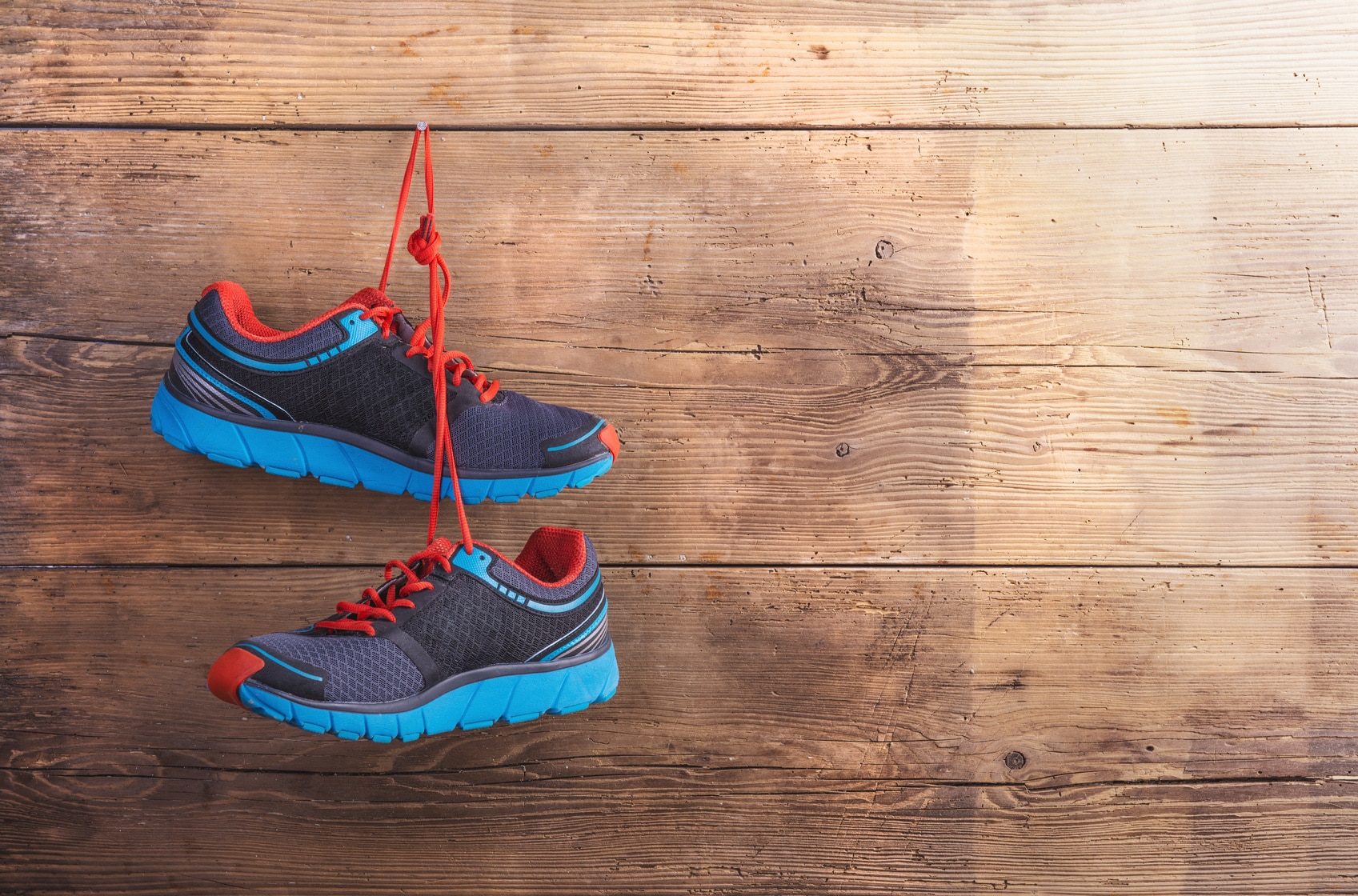
How to Clean Your Running Shoes Like a Pro

Affiliate Disclosure: runner’s Blueprint is reader-supported. If you buy through links on this page, I may earn a small commission at no extra cost to you.

A couple of weeks ago, I was trail running up Batur Mountain in Bali, just like any other day.

But that day? It was pouring rain, and the trail turned into a giant mud pit. My shoes were covered in so much mud, they could’ve been mistaken for clay sculptures.

The next day, I went to grab them for another run—and let’s just say, they could’ve been their own hazard zone.

They were a total wreck, and the smell?

Let’s just say it wasn’t anything I’d want to breathe in. I had to take them to a shoe repair guy to save them from the damage I caused.

Don’t let this happen to you. Let me show you how easy it is to clean your shoes and keep them lasting longer.

Quick Cleaning Kit — What You Actually Need

If you don’t feel like digging through the whole guide, here’s the short version.

These are the tools that make cleaning running shoes way easier.

Best Shoe Cleaning Tools for Runners

Best Shoe Cleaner
Nikwax Tech Wash
Gentle on shoe fabrics and adhesives.
👉 Check current price on Amazon

Best Shoe Brush
Soft Bristle Sneaker Cleaning Brush
Strong enough to remove mud without destroying the mesh.
👉 Compare brushes on Amazon

Best Deep Cleaning Solution
Jason Markk Shoe Cleaner
Popular among sneakerheads and runners alike.
👉 View current deals on Amazon

Best Shoe Dryer
Peet Shoe Dryer
Safely dries shoes overnight without heat damage.
👉 See available models on Amazon

If you trail run a lot, a simple cleaning brush and shoe cleaner will save your shoes from an early death.


Why Shoe Care is About More Than Looks

Clean shoes don’t just look good—they help you run better and feel more comfortable. Ever run in shoes full of mud? You’re basically asking for a slip and fall.

I ignored cleaning my shoes after a race, thinking they’d be okay, but trust me, they weren’t.

By mile 5, I felt like I was running on a beach. All that dirt wore down the soles, and I could feel my grip slipping.

Taking care of your shoes now can save you headaches later.

The truth is, dirt and mud slowly break down shoe materials.

Here’s what actually happens.

Mud Breaks Down Foam

Wet mud dries and hardens inside the midsole grooves.

That adds weight and slowly damages the foam structure.

Over time your cushioning starts feeling dead.

Sweat Creates Bacteria

Running shoes collect sweat every run.

Without cleaning, bacteria build up inside the shoe.

That’s what causes the legendary running shoe smell.

Dirt Wears Down Mesh

Tiny grit particles act like sandpaper.

Over time they weaken the upper material and cause tears.

Cleaning removes that abrasive layer.

Pros and Cons of Cleaning Running Shoes

Cleaning your shoes helps — but there’s a right way to do it.

Pros

✔ longer shoe lifespan
✔ better traction
✔ reduced odor
✔ improved comfort

Cons

✖ takes time
✖ improper cleaning can damage shoes

That’s why hand washing is usually better than throwing them in a machine.

Why You Can Trust This Advice

I’ve been trail running long enough to destroy more pairs of shoes than I’d like to admit.

Mud, sweat, volcanic dust, tropical humidity — you name it.

Over time you learn quickly which cleaning habits keep shoes alive and which ones ruin them.

The methods in this guide come from:

  • real trail running experience
    • years of running gear maintenance
    • trial and error with expensive shoes

Cleaning your shoes won’t magically make them new again.

But it will absolutely help them last longer.

How Often Should You Clean Your Shoes?

How often you clean your shoes depends on how much you run and the conditions you run in.

If you’re running often, try cleaning them every couple of weeks.

After a muddy trail run or a rainy race, clean them ASAP.

Pro Tip: I’ve skipped cleaning my shoes too often, and every time, it bites me back.


What You’ll Need for the Job

Let’s make this easy. Here’s what you need to clean your shoes the easy way:

  • Mesh laundry bag (for the laces)
  • Heavy-duty detergent (athletic shoe cleaner is key)
  • Baking soda (for those stinky insoles)
  • Scrub brush (old toothbrush works great)
  • White tissue paper or towels (to help dry and keep shape)
  • Bucket of warm water (avoid hot water, it can damage the shoes)

Gear List for Cleaning Like a Pro

Get the right tools, and you’ll see how much easier it is:

  • Soft Bristle Brush: Perfect for scrubbing the uppers without damaging the fabric. Think of it as your shoe’s gentle massage therapist.
  • Firm Bristle Brush: For those outsoles that’ve been caked with mud, grit, and who knows what else. This is the heavy-hitter you need to get into the nooks and crannies.
  • Dirt Pick: Ever have a rock stuck deep in your shoe tread, and it feels like it’s going to be there forever? Grab a toothpick or a specialized dirt pick to get those tiny stones out.
  •  Washing Soda: This stuff is like a secret weapon for shoe cleaning. When you mix it with warm water, it works wonders for breaking down dirt, stains, and that post-run funk.
  • Mesh Laundry Bag: If you’re putting laces and insoles through the wash, do yourself a favor and toss them in a mesh laundry bag. You’ll avoid the tangling mess and save your gear from any unnecessary damage. Invest in these basics, and you’ll be cleaning like a pro.

Quick Comparison — Shoe Cleaning Tools

Here’s a simple breakdown of the tools runners typically use.

Tool

Best For

Why It Helps

Soft brush

upper mesh

removes dirt gently

Firm brush

outsoles

clears mud and stones

Shoe cleaner

deep cleaning

removes sweat and odor

Shoe dryer

drying shoes

prevents mildew

👉 Compare shoe cleaning tools

Most runners only need two things


Step-by-Step: How to Clean Your Running Shoes

Forget the washing machine. I’ve been there, and it’s not worth it. Here’s how to do it by hand, the right way.

  • Remove Insoles and Laces. First thing’s first: take out the laces and insoles. This is the most basic step, but it makes a huge difference. Don’t let dirt hide in places you can’t reach. An old toothbrush works great for getting into the eyelets and cleaning out dirt.
  • Use the Right Detergent. When I first started cleaning my shoes, I used regular laundry detergent. Bad move. It’ll wear down the fabric and the glue that holds the shoes together. Get a cleaner specifically made for running shoes, like Nikwax Tech Wash or Sport Shoe Wash. These are designed to be gentle on the materials while still getting the job done.
  • Scrub the Insoles. Your insoles can get pretty funky if you don’t clean them. Scrub them gently with soapy water and a brush. Don’t soak them—they’re made of foam, and soaking them could ruin their shape. Once cleaned, let them air dry.
  • Wash the Shoes. Fill a bucket with warm water (not hot!) and add your detergent. Let the shoes soak for a while, then scrub the soles and uppers with a sponge. For any tough spots or stubborn mud, use the toothbrush to get into the nooks and crannies.
  • Dry the Shoes Properly. Don’t even think about throwing them in the dryer. The heat will melt the glue and shrink the materials. Instead, stuff your shoes with tissue paper or towels to absorb moisture and help keep their shape. Let them dry in a cool, dry place—away from direct sunlight.


Soaking Method: Deep Clean That Funk

Sometimes, regular cleaning just won’t cut it. For those shoes that have seen a little too much action—whether it’s mud, sweat, or a mix of both—it’s time for a deep clean.

Here’s a pro tip: if you’ve got shoes that need some serious TLC, it’s time to soak them.

Mix up a hydrogen peroxide, washing soda, and detergent solution. Here’s the breakdown:

  • 1/2 cup hydrogen peroxide (this stuff’s a miracle worker)
  • 1/2 cup washing soda
  • 2 tablespoons laundry detergent

Dump your shoes into a bucket or sink with this mixture and let them soak for at least an hour. If they’re really grimy, you can leave them soaking for up to 8 hours—this gives the grime time to break down.

After soaking, give them a good scrub with a stiff brush to get those tough stains out. Rinse them well, and don’t forget to air dry.

This deep-cleaning method will leave your shoes looking fresh and feeling like new, so you can hit the ground running—without the stank or stubborn stains.


Shoe Material Care

Now, if you’re rocking shoes with special materials—like Gore-Tex®—you’ve got to show them some extra care.

Gore-Tex® is great for keeping water out, but it needs to be treated carefully to maintain its performance.

Regular soap and harsh detergents? Nope, that can break down the water-resistant membrane.

Instead, grab a specialized shoe cleaner that’s designed for high-tech materials. A gentle clean will keep your shoes’ water resistance intact, and you won’t end up with soggy feet halfway through a run. Trust me, I’ve learned the hard way!


Drying Tips: Patience Is Key

Listen up: drying your shoes the wrong way is a rookie move. I get it—you want them ready for your next run ASAP, but no direct heat.

Don’t toss them in the dryer or leave them by the heater.

That intense heat will mess with the glue, shrink the fabric, and warp the shape.

What you want to do is air dry them in a mild-temperature spot.

Stuff the shoes with some paper towels or newspaper to help absorb the moisture and keep the shape intact.

Let them dry naturally—this isn’t a race. If you’re really in a pinch, using a fan can speed things up, but let’s be honest—giving your shoes time to dry properly will help them last longer. Patience, my friend.

The Products I Use 

Here’s a list of the products I use often to clean and dry my running shoes.

Quick Comparison

If you don’t want to read the whole cleaning guide, this table gives you a quick overview of the tools runners usually use to keep their shoes alive longer.

Tool Best For Why It Helps Typical Price
Soft Bristle Brush Mesh uppers Removes dirt without damaging fabric $8–$15
Firm Bristle Brush Outsoles Breaks up dried mud and gravel $10–$18
Shoe Cleaner (e.g., Nikwax or Jason Markk) Deep cleaning Removes sweat, dirt, and odor from shoe materials $12–$20
Shoe Dryer (e.g., Peet Dryer) Drying shoes overnight Dries shoes safely without heat damage $40–$60
Dirt Pick / Toothpick Tread cleaning Removes small rocks stuck in outsole grooves $3–$10

👉 Compare running shoe cleaning tools
 

A soft brush and a proper shoe cleaner are usually all most runners need for regular maintenance.

Soft brushes help remove dirt without damaging delicate mesh uppers.

Nikwax Tech Wash

Best for: Cleaning trail shoes and preserving fabric performance
Type: Gentle technical fabric cleaner
Works on: Mesh uppers, Gore-Tex shoes, trail running shoes

👉 Check price on Amazon

Pros

✔ Gentle on technical fabrics and adhesives
✔ Works well for muddy trail shoes
✔ Doesn’t damage waterproof membranes like Gore-Tex
✔ Easy to use in hand-wash cleaning

Cons

✖ Slightly more expensive than basic detergents
✖ Not as strong for extremely heavy stains
✖ Requires a separate brush for best results

Coach’s Take

If you run trails a lot, this cleaner is one of the safest options. It removes mud and sweat without wrecking the fabric or weakening the glue holding your shoes together.

Soft Bristle Sneaker Brush

Best for: Cleaning uppers without damaging mesh
Type: Soft bristle cleaning brush
Works on: Knit uppers, mesh fabrics, lightweight trainers

👉 Check price on Amazon

Pros

✔ Gentle on shoe fabric
✔ Removes surface dirt easily
✔ Works well with cleaning solution
✔ Great for regular maintenance

Cons

✖ Too soft for heavy mud on outsoles
✖ Needs stronger brush for deep tread cleaning
✖ Cheap brushes can shed bristles

Coach’s Take

Most runners make the mistake of scrubbing their shoes with something way too aggressive. A soft brush is perfect for uppers—it removes dirt without tearing up the mesh.


Jason Markk Shoe Cleaner

Best for: Deep cleaning dirty running shoes
Type: Concentrated shoe cleaning solution
Works on: Mesh, knit, suede, rubber

👉 Check price on Amazon 

Pros

✔ Very effective on stubborn stains
✔ Concentrated formula lasts a long time
✔ Popular with sneaker collectors and runners
✔ Works on multiple shoe materials

Cons

✖ Requires proper dilution
✖ More expensive than basic cleaners
✖ Overuse can fade colors if scrubbed too aggressively

Coach’s Take

If your shoes look like they just survived a mud wrestling match, this cleaner can bring them back to life. Just don’t go crazy with the scrubbing.


Peet Shoe Dryer

Best for: Safely drying running shoes overnight
Type: Electric shoe dryer (low heat)
Works on: Running shoes, trail shoes, boots

👉 Check price on Amazon

Pros

✔ Dries shoes safely without damaging glue
✔ Helps eliminate odor and bacteria
✔ Extends shoe lifespan
✔ Great for rainy runs or wet trails

Cons

✖ Higher upfront cost than air drying
✖ Requires electricity
✖ Not portable for travel

Coach’s Take

If you run in wet conditions a lot, a shoe dryer can be a game changer. Wet shoes that stay damp overnight are basically bacteria factories.

Alternative Ways to Clean Running Shoes

Not everyone wants to buy specialized cleaners.

A few simple household options can work too.

Common alternatives include:

  • mild dish soap
    • baking soda
    • vinegar solutions

They work fine for light cleaning.

But for deep cleaning, proper shoe cleaners are usually safer.

Where to Buy Shoe Cleaning Products

Running shoe cleaning gear is easy to find online, and prices vary depending on the brand and kit size.

The stores below usually have the best availability and runner reviews.

👉 Check prices on Amazon

You’ll usually find products like Nikwax Tech Wash and Jason Markk shoe cleaner, which are designed to clean technical footwear without damaging materials or adhesives.

My Best Advice?

One thing I always tell runners:

Don’t wait until your shoes look like they survived a mud wrestling match.

A quick cleaning every couple of weeks keeps dirt from grinding into the mesh and midsole foam.

Your shoes will last longer—and they won’t smell like a locker room crime scene.

Frequently Asked Questions About Cleaning Running Shoes

Can you wash running shoes in a washing machine?

Some runners do it, but it’s risky.

The agitation and heat can damage glue and foam.

Hand washing is usually safer.

How often should runners clean their shoes?

Every 2–3 weeks if you run frequently.

Immediately after muddy trail runs.

What’s the best way to remove running shoe odor?

Baking soda, proper cleaning, and letting shoes fully dry.

Moisture is what causes the smell.

Can heat damage running shoes?

Yes.

Dryers and heaters can weaken adhesives and warp foam.

Air drying is the safest method.

Do clean shoes last longer?

Usually yes.

Removing dirt and sweat helps protect the materials.

Helpful Running Gear Guides

If you want to keep your gear working longer, these guides might help.

Taking care of your gear is one of the easiest ways to save money as a runner.

Final Coaching Advice

Here’s the truth most runners learn the hard way.

Running shoes take a beating.

Mud, sweat, rain, dust — all of it adds up.

If you ignore cleaning them long enough, the shoes start falling apart faster than they should.

A quick cleaning every couple of weeks can add months to their lifespan.

And if you’ve ever spent $150 on a pair of shoes, you already know…

Keeping them alive a little longer is worth the effort.

Can You Run ON The Keto Diet?

keto running

So, you’re thinking about ditching carbs and going full keto… and you’re a runner? Bold move.

It’s a question I hear a lot: Can I still run well if I give up bread, pasta, and pre-run bananas?

Let’s be honest — most running advice for decades has screamed: Carbs = performance. But the keto crowd flips that on its head.

So what’s the deal? Can runners really thrive on high fat and low carbs? Or are you setting yourself up for a sluggish, miserable grind?

Let’s unpack it — real stories, real science, and what it actually feels like when you hit the road fueled by fat instead of gels.

What Is the Keto Diet (Runner’s Edition)

Quick breakdown: keto means your macros look something like this:

  • 70–80% fat
  • 5–10% carbs (under 50g/day, often 20–30g net)
  • Moderate protein

Instead of running on glycogen (stored carbs), you train your body to run on ketones, which come from fat. That’s ketosis.

Let me explain more…

It’s the Anti-Spaghetti Diet

If the traditional runner’s diet is all about carb-loading — bagels, bananas, sports drinks, spaghetti — keto is the complete opposite.

You’re swapping:

  • Pasta → Avocados
  • Toast → Bacon
  • Bananas → Nope (27g of carbs can blow your daily limit)

This flips the food pyramid upside down. Fat becomes your fuel.

And yes, even lean runners carry thousands of calories of stored fat — enough to fuel hours of steady running if your body knows how to access it.

But here’s the catch…

New Fuel, New Feel: What Running on Keto Feels Like

Think of carbs as race fuel — high-octane gas. Quick ignition. Fast burn.

Fat? That’s more like diesel — slow to light, but steady once it gets going.

That first mile on keto? Might feel like dragging bricks behind you.

That’s because burning fat takes longer to ramp up. You won’t have that quick pop in your step. Your sprint gear? Gone — at least at first.

But once your body adapts, it gets more efficient at tapping into fat stores. This can actually help during longer, lower-intensity runs, where steady energy beats sugar spikes.

Still — don’t expect it to feel like magic out of the gate.

Can You Run on Keto?

So you’re thinking about going keto and still keeping up your running? Cool.

But let’s be honest up front — it’s not going to feel great at first.

In fact, the early runs might feel downright awful. But that’s part of the process.

It’s called the fat-adaptation phase, and it’s where most runners either tough it out… or throw in the towel.

Let’s break down what you’re really in for.

It Takes Time (More Than You Think)

Most folks say it takes 3 to 4 weeks to start feeling semi-normal on keto.

In my case? Closer to 6 or even 8 before my legs didn’t feel like concrete.

And if you’re training regularly, research says full fat adaptation can take anywhere from 6 to 12 weeks. Yeah — months, not days.

And whatever you do, please don’t start keto the month of your race. That’s a recipe for misery.

If you’re going to do it, commit to the long haul, knowing the first few weeks are gonna test you.

Early Runs Will Suck (It’s Not Just You)

No sugar-coating this: the first couple weeks of running on keto are rough. You’ll feel slow, heavy, gassed out.

That 5-miler you used to cruise? Suddenly feels like a death march.

Why? Because your body’s basically confused — it’s low on carbs (your usual fuel), but hasn’t figured out how to burn fat fast enough. So you’re running on fumes. Empty tank, broken GPS.

Expect to feel off until week 3 or 4, maybe longer. This isn’t just you — it’s literally your metabolism re-learning how to fuel endurance.

Be patient. This is where runners either quit or dig in.

Signs You’re Getting Fat-Adapted

So how do you know you’re turning the corner?

  • You’re not bonking at the end of long runs anymore
  • You can do a fasted morning jog and feel okay
  • You’re not constantly hangry or craving sugar
  • Your pace starts climbing back toward “normal”
  • That foggy brain? Starts to clear
  • You wake up ready to go — even without that pre-run banana

That’s what fat adaptation feels like: steady energy, fewer crashes.

Early Weeks = Lower the Bar

This isn’t the time to chase PRs.

During the first few weeks of keto, cut your miles, slow your pace, walk if you need to.

Check the ego. You’re not losing fitness — you’re just reprogramming your engine.

In this window:

  • Load up on fats — that’s your new fuel
  • Keep protein moderate
  • Hydrate like a boss and get those electrolytes in (hello, keto flu)
  • Sleep, recover, repeat

Think of it like altitude training — you don’t expect to hit sea-level splits when you’re climbing high. Same thing here.

Some Get Lucky (Most Don’t)

Sure, there are a few unicorns out there who say, “Keto was easy. I felt great after two days.”

Cool for them.

For the rest of us? It’s work.

But if you stay consistent, give your body time, and train smart, you might just come out the other side with steady energy, better fat burn, and a whole new level of endurance.

But before we get into how keto affects different types of running (because yes, it matters), here’s the takeaway:

If you can suffer through a few brutal weeks, you just might find that running on fat isn’t just possible — it might even work better for some styles of running than you ever expected.

Low to Moderate Intensity Runs: Where Keto Shines

We’re talking slow and steady here. Easy miles. Long runs. That classic conversational pace where your breath and stride fall into rhythm.

These are your aerobic runs, sitting around 60–70% of your max heart rate. And this is where keto can be an absolute beast.

Why? Fat Becomes Your Best Friend.

Even if you’re not keto, your body burns a mix of carbs and fat at lower intensities.

But once you’re keto-adapted? You tap into fat more efficiently than ever before.

Here’s the math that blows people’s minds:

  • The average human stores about 2,000 calories of glycogen (carbs).
  • Even a lean runner with 10% body fat has 50,000+ calories in stored fat.

That’s not a typo. That’s enough fuel to run multiple marathons — without ever needing a gel or a banana.

Runners often talk about “bonking” at mile 18–20 in a marathon. That’s the glycogen wall. But when you’re keto-adapted, your body learns to skip that wall.

It pulls energy from your fat stores instead of waiting for your carb tank to dry up.

Real Talk from the Long-Haulers

Ultramarathoners in ketosis have logged 50, even 100-mile races fueled mostly by their own body fat and a bit of salt water.

They don’t mess with sugary gels every 30 minutes. And guess what? Fewer stomach issues too.

A well-known study found keto-adapted runners had extremely high rates of fat oxidation, meaning their muscles were straight-up thriving on fat.

For long-distance, even-pace efforts? Keto can make you bonk-proof.

You might feel like you’ve unlocked a cheat code.

But… It Ain’t Magic

Here’s what people get wrong:

  • You can’t just switch to keto and expect instant performance.
  • You need weeks of adaptation to get the real benefits.
  • You’d better stay on top of hydration and electrolytes — because keto depletes them fast.

But once you’re through the adaptation wall? For slow and steady runs, keto can be rock solid.

High-Intensity Running: When Keto Falls Flat

Now let’s talk speedwork.

Intervals. Hill repeats. Fast tempo sessions. That hard push to the finish line. This is where your body shifts from aerobic to anaerobic. And here’s the bad news:

You need carbs for that. Period.

At 85%+ of your max heart rate, your body can’t burn fat fast enough to keep up. It needs that quick-draw energy source — glycogen — to fire your muscles at full throttle. But if you’re deep in ketosis? Your glycogen tank is already running low.

So What Happens?

  • Your power drops.
  • Your legs feel heavy.
  • You lose that “pop.”

One study from Saint Louis University nailed it:

After just 4 days on keto, athletes’ performance on anaerobic sprint tasks dropped by up to 15%.

That’s not small. That’s the difference between holding pace and blowing up.

So What’s the Move?

If you’re a casual runner who loves slow runs, marathons, or trail miles, keto might be your jam — after you fully adapt.

But if your training includes:

  • Hard intervals
  • Speed sessions
  • Sprint races
  • CrossFit-style WODs

…then strict keto may blunt your top gear.

You can try a Targeted Ketogenic Diet (TKD) — basically, taking 15–30g of carbs before a hard workout to give you a short burst of glycogen without fully exiting ketosis.

But here’s the catch:

  • Too many carbs? You knock yourself out of keto.
  • Too few? You still gas out.

It’s a tightrope walk. But it works for some.


Final Take: Know the Storm Before the Calm

Yes, keto can work for some runners — especially those doing long, steady aerobic work.

But the adaptation phase is no joke, and if you ignore the signs or push too hard, you’ll crash before you convert.

The secret? Patience. Smart transitions. Electrolyte strategy.

Don’t expect to PR your 10K during week one. Expect to feel kind of awful. Then gradually, if you fuel right and stay the course, you’ll start to feel amazing.

The Real Talk on Muscle Loss with Keto

Look, I’m not here to trash keto — it’s a legit fat-loss tool, and I’ve seen it work. But let’s not ignore the elephant in the room: what happens to your muscle?

For runners — especially those of us who also lift or do strength work — this isn’t just about the number on the scale. It’s about keeping the power in your legs, the stability in your core, and the strength that keeps you upright when fatigue hits mile 10.

And yes, keto can put your muscle mass at risk if you don’t do it right.

Here’s the Problem

When you first jump into keto, your body dumps water and burns off stored glycogen. That’s expected.

But when glycogen’s gone, and you’re still low on fuel? Your body starts shopping for glucose elsewhere — and guess where it looks? Your muscle tissue.

Through a process called gluconeogenesis, your body breaks down amino acids (aka the building blocks of muscle) to make glucose. Not ideal, especially if your protein intake is low and you’re doing lots of endurance training.

“But I’m losing weight!” Sure. But is it fat… or muscle… or both?

What the Science Says

  • Studies show fast weight loss on keto — but not all of it is fat.
  • Some of it is lean mass, and some is just muscle glycogen and water shrinkage, which makes your muscles look flat.
  • BUT — other research shows that with solid protein intake + strength training, you can hang onto your muscle, even in ketosis.

Bottom line: It’s not keto that kills your muscle — it’s how you do keto.

Why Runners Should Care

You need muscle. Full stop.

  • It powers your stride.
  • It keeps your joints stable.
  • It burns calories even when you’re bingeing Netflix.

Lose muscle? Your metabolism tanks. You might drop pounds now, but regain fat later — and faster.

You’ve heard the story: someone drops 20 pounds on keto, quits the diet, and gains it all back — but now with more fat and less muscle. That’s a metabolic trap.

As one sports nutritionist told me:

“Lost muscle doesn’t just come back when you eat carbs again. You’ve got to earn it all over.”

How to Keep Your Muscle on Keto

Want the fat loss without the muscle melt? Here’s what works:

1. Eat Enough Protein (Seriously)

Keto isn’t low-protein — it’s moderate protein, and for athletes, that means more than you think. Shoot for 0.6 to 0.8 grams per pound of bodyweight.

If you’re 160 lbs, you want at least 100–130g per day.

Don’t fall into the trap of “chasing ketones” by dropping protein too low. You can stay in ketosis while still feeding your muscles.

2. Keep Lifting

No excuses here. Strength training sends a clear message: “Hey body, we still need this muscle — don’t burn it.”

Even if your gym performance dips a little (it might), the stimulus alone helps preserve lean mass.

3. Time Your Carbs Around Workouts (Strategically)

You don’t have to go zero-carb 24/7.

A little targeted carb intake around hard workouts — maybe 20–30g before or after — can help with muscle recovery and limit breakdown.

It’s not cheating. It’s smart fueling.

4. Don’t Slash Calories Too Hard

Keto already suppresses your appetite. That’s great for fat loss, but don’t starve yourself.

Combine severe calorie cuts with endurance workouts and low protein, and you’re basically inviting your body to eat itself.

Aim for a moderate deficit, not a crash diet.

Keto and High-Intensity Training: The Catch

We’ve got to talk about this. Keto might be fine for slow-and-steady endurance work.

But when it comes to sprints, hills, surges, or high gear? It gets rough.

Carbs are your rocket fuel. Without them, you’re running on diesel. That means:

  • Sprints feel slower
  • VO₂ max may drop
  • Explosive workouts fall flat

One study found a 15% performance drop in high-intensity cycling after just a few days on keto. Other research echoes it — fat-burning isn’t fast-burning.

If you’re trying to crush intervals or chase someone down in a race? That top-end gear might not be there.

A runner I coached tried racing a 5K during strict keto. Here’s what he said:

“I was a minute slower than usual and had zero finishing kick. Legs just wouldn’t turn over.”

A minute off your 5K? That’s not a small tradeoff.

So What’s the Play?

Keto can still work if you’re chasing fat loss and don’t need to sprint like a maniac.

It’s great for steady-state runners, trail plodders, or anyone building a base.

But if you need gear shifts, if you’re racing hard, or trying to PR? Keto might hold you back — unless you adjust.

You could:

  • Add carb refeeds once a week
  • Use targeted carbs around races or speed sessions
  • Shift back to moderate carbs during peak race season

It’s all about what phase you’re in and what your goals are.

So… Can You Run a Marathon on Keto?

Short answer? Yes.
Long answer? Only if you’re smart about it.

Adapt First. Race Later.

Don’t try keto two weeks before your marathon. That’s a terrible idea.

You need 8–12 weeks minimum to become fat-adapted. That means:

  • Your body runs clean on fat and ketones
  • You can do 2+ hour runs without bonking
  • You’ve trained with your race-day plan (fuel, hydration, pace)

Treat it like a long-term build. Off-season is the perfect time to switch and adapt.

If you do it right, race day will feel like just another long run.

Marathon Training on Keto

Mileage, tempo runs, long runs — it all stays the same. But your fueling plan? Totally different.

  • No carb gels every 30 mins
  • No sugary sports drinks
  • Likely just electrolytes, water, or a little MCT/nut butter

By week 4–6, a lot of keto runners can handle 18–20 milers this way.

If you’re still bonking? That’s a red flag — either you’re not adapted enough, or you need to tweak your plan.

Test everything.

If you’re going to eat a nut butter packet at mile 16 on race day? Try it on your long runs. Don’t gamble with your gut mid-race.

Fueling a Marathon on Keto: What Actually Works?

Let’s cut straight to it: yes, you can run a marathon on keto.

But no, it’s not for the unprepared or the blindly optimistic.

You need a plan, you need miles under your belt in a fat-adapted state, and most of all — you need to know your body.

The Purist Approach: Fasted & Fueled by Fat

Some hardcore keto runners go full beast mode and run the whole thing fasted — maybe some electrolytes, maybe some caffeine, but zero carbs.

If you’re deeply fat-adapted and running at a steady aerobic pace, this can work. You’ll feel steady, calm, and unshakable… until you’re not.

The danger? If your pace creeps up or you hit a hill and need an energy surge, you might not have one in the tank.

The “Train Low, Race High” Strategy

Here’s the hybrid approach more seasoned keto runners use:

“Train low (carbs), race high (just enough carbs).”

That means:

  • Do all your training keto
  • Get fat-adapted
  • But on race day? Bring in a little sugar for performance

One runner did this: Stayed strict keto all season, then did a small carb load the week before race day — basically filling his tank without kicking himself out of fat-burning mode.

On race day, he took carbs at aid stations and reported feeling unreal. The fat adaptation kept him from bonking, and the carbs gave him the extra edge.

But caution: If your gut isn’t used to carbs, that gel at mile 20 might backfire. If you want to try this? Practice it in training. Don’t make your stomach a test site on race day.

Keto-Compatible Race Fuel Options

Not into carbs? Here are a few options runners have used on race day:

  • UCAN Superstarch – slow-release carb that doesn’t spike insulin; kind of keto-light.
  • Nut butter packets – almond, macadamia, etc. Slow fuel, takes the edge off.
  • Coconut-oil based bars – good for ultras or slower marathons.
  • MCT oil – provides fast-converting fat, but careful: too much = bathroom breaks.

One guy tried macadamia nuts, salt tabs, and water only.
He bonked after 30K and couldn’t recover. He slammed an energy drink too late, and it didn’t help.

Lesson: Just because you can survive long runs on fat doesn’t mean your marathon pace won’t need more. Know your limit.

Timing Matters

Another runner? Strict keto for 7 months. Felt great in training.
On race day, hit the wall at mile 13. Tried to fix it with an energy drink at 18. Too little, too late.

Key takeaway:
If you’re going to use carbs, take them before you’re in the hole — not when you’re already crawling.

Try a small carb bump around mile 10–13, before things unravel. Even 20–30g/hr later in the race can help without blowing up your ketosis (especially if you’re burning it off immediately).

Mental & Physical Effects of a Keto Marathon

One big perk of keto? Stable energy.

  • You don’t crash.
  • You don’t panic if you forgot your gel.
  • You just grind.

It’s not a turbo-boost kind of run — it’s more like cruise control with no stress.

That said, you won’t get that sugar surge either. If you like blasting through the last 10K like a caffeinated cheetah, this diet might not give you that edge.

Instead, keto runners often report a calm, steady rhythm — and passing a bunch of fading carb-burners at mile 20.

Set the Right Expectations

If it’s your first keto marathon, focus on finishing strong, not chasing a PR (unless your training shows you’re truly faster on keto — rare but not impossible).

You might:

  • Run a touch slower up front
  • Hold strong in the back half
  • Finish feeling in control, not wrecked

That’s a win in my book.

Keto plays to endurance, not sprint finishes. So pace accordingly.

What About Post-Race Recovery?

Here’s where runners split.

Some say:

“I earned some carbs.”
…and refuel with potatoes, rice, or even pancakes post-race.

Others stick to their protein and fat routine, riding the fat-adapted wave right through recovery.

If you do eat carbs post-race:

  • Do it within 24 hours, when your body is insulin-sensitive
  • Start slow if your gut hasn’t seen carbs in a while

Either way, hydrate, salt up, and recover smart.

Final Word: Can You Run a Marathon on Keto?

Yes — you absolutely can.

But should you? That depends on your goals:

🟢 Want to finish strong, feel stable, and avoid carb crashes? Keto could work.
🔴 Chasing a PR or trying to win your age group? You might benefit from strategic carbs — even just a few.

Some runners go keto all season, then cycle back to moderate carbs for peak performance.

Others stay strict keto long-term, accepting a little slower pace for big-picture health and mental clarity.

There’s no one-size-fits-all here.

Thinking of Trying Keto? Time It Right

Here’s your blueprint:

  • Don’t test keto right before a race — you’ll crash.
  • Try it in the off-season, when you can afford to dial back volume and intensity.
  • Give it at least 6–8 weeks to see what happens — one or two weeks isn’t enough to judge.
  • Track how you feel — not just how you look.

And if you decide keto’s not for you? Cool.

You might come out of it with better metabolic flexibility — your body becomes more efficient at using both fat and carbs. That’s a win.

Know Your “Why”

Don’t jump into keto just because you saw a ripped ultrarunner on Instagram talking about it.

Be clear:

  • Want to lose weight? Keto might help.
  • Got blood sugar swings or insulin resistance? Keto might help.
  • Trying to break your 10K PR? Probably not the right fuel for that job.

Use the right tool for the job — and understand why you’re picking up that tool in the first place.

Don’t Get Married to Dogma

One of the biggest traps? Getting locked into a diet identity.

You don’t have to be 100% keto or nothing. There’s middle ground:

  • Low-carb, not no-carb
  • Keto for base building, carbs for racing
  • Cyclical keto or targeted carbs around workouts

These hybrid approaches let you bend the rules and still get results. Flexibility is strength, not weakness.

Measure What Matters

If you go keto, keep an eye on the right performance markers:

  • Are your easy runs easier?
  • Can you run longer without fuel?
  • Is your pace steady at a lower heart rate?

But also ask:

  • Is your top-end speed dropping?
  • Are you struggling to hit splits that used to feel automatic?

If you’re losing your edge, don’t ignore that. As I often say:

“Keto might lean you out — but it might also steal your sharpness.”

You’ve got to decide what matters more right now: body comp, base endurance, or raw performance.

Don’t Forget the Enjoyment Factor

Running is joy. Food should be too.

If going keto makes every meal feel like a punishment or sucks the fun out of your favorite pre-run rituals, that will wear you down over time.

Sure, some folks love the high-fat lifestyle. They thrive on avocados, eggs, steak, and black coffee.

But others? They miss their bananas, bread, and Friday night pizza.

And guess what? That’s okay.

You’ll only stick with a diet long-term if you actually like it.

No shame in trying keto and saying: “Yeah… I want my oatmeal back.”

Try something less rigid — maybe moderate carbs, or carb cycling. You’ve got options.

Final Call: Should You Run on Keto?

That’s your decision. There’s no universal answer.

Just one question: Does it support your running goals and quality of life?

  • If yes, run with it.
  • If no, pivot.

Simple. Either way, remember this:

Consistency beats trends.

Fuel matters, but so does fun.

Your finish line doesn’t care if you burned fat or carbs — only that you got there strong, healthy, and still loving the run.

What to Do With Your Old Running Shoes

I hate to state the obvious, but running shoes are built to last—for a while.

Eventually, even your best pair is going to hit the wall. Whether you’ve logged 400 miles or just went hard on the trails, those shoes are going to wear out.

But instead of chucking them into the trash (or worse, letting them rot in a landfill), how about giving them a second life?

I’ve thrown out more worn-out shoes than I care to admit.

But a few years ago, I realized—why waste them when you could recycle, repurpose, or donate those old kicks?

It’s a game-changer.

So let’s dive into some ways to put those old shoes to use, because they still have plenty of life left in ‘em.


Find A Cobbler (Yes, You Can Fix ‘Em)

Alright, I know what you’re thinking—“Are you telling me to repair my old running shoes?!” Yep, that’s exactly what I’m telling you.

Not every worn-out pair of shoes is worth repairing, but a good cobbler can work magic on minor fixes.

Loose stitching, cracked soles, or worn-out eyelets? A cobbler can give them a few more miles.

The Fix:

  • Look for a cobbler who specializes in athletic footwear. Some even do custom soles and repairs.
  • Consider turning those runners into casual shoes. They might not be fast anymore, but they’ll still get you to the store.

Donate Your Old Running Shoes 

Just because your shoes are “done” for you doesn’t mean they’re done for the world.

There are tons of people out there who need shoes more than you need your old pair. In fact, running shoes can do a lot of good, even when they’re no longer race-ready.

The Fix:

  • Clean your shoes before donating. It’s the right thing to do, and they’ll go to a good cause.
  • Consider programs like Soles4Souls, Sneakers4Funds, and One World Running. They’ll ensure your shoes are put to good use.

Repurpose Your Running Shoes for New Tasks

Alright, don’t roll your eyes at me. I know what you’re thinking: “Repurpose my running shoes? What, am I going to start wearing them to the grocery store?” But hear me out—if they’re done for running, they’re not done for everything else.

The Fix:

  • Use old shoes for yard work, DIY projects, or even as your new “muddy shoe” for hiking.
  • When the cushioning’s toast, they still work great for tasks where comfort isn’t as critical.

Find A Local Shoe Recycling Program (Save The Planet)

Okay, now we’re talking. If your shoes are really past the point of no return, it’s time to recycle them. Sure, recycling shoes isn’t as easy as tossing plastic bottles in a bin, but some programs are set up to break down your old shoes and repurpose the materials.

The Fix:

  • Check out Nike’s Reuse-A-Shoe program or Teracycle for shoe recycling.
  • Just make sure you’re aware that some programs (like Teracycle) may require a small fee to send in your shoes.


Quick Actionable Checklist: 

  • Fix ‘Em: Take them to a cobbler for minor repairs. If they’ve got life left in them, fix it.
  • Donate ‘Em: Find a charity like Soles4Souls and give your shoes to someone in need.
  • Repurpose ‘Em: Use them for dirty work around the house or in the yard. You’d be surprised how useful old shoes can be.
  • Recycle ‘Em: Look for recycling programs like Nike’s Reuse-A-Shoe and keep them out of landfills.

Conclusion

Listen, it’s easy to toss your shoes in the trash and forget about them.

But trust me, there’s so much more you can do with your old pair. Whether you’re donating them, recycling them, or using them for your next muddy project, don’t let them end up in a landfill.

Give them a second life, and you’ll feel better about your miles—and the planet.

Every mile builds the runner you’re becoming—and every shoe you recycle keeps the world a little cleaner.

David D.

The Different Types of Running Shoes (Updated Guide 2025)

Types of Running Shoes explained

Affiliate Disclosure: Runner’s Blueprint is reader-supported. If you buy through links on this page, I may earn a small commission at no extra cost to you.

If you’ve been running for a while—or even just thinking about it—you’ve probably heard how important it is to wear the “right” shoes.

I used to think that was just marketing fluff.

Back in my early days, I’d lace up whatever old sneakers I had lying around and hit the road.

Big mistake.

My knees and shins were screaming within a couple of weeks. Eventually, I got a gait analysis and found out I was running in the wrong shoe type.

Switched to a another pair , and it was like flipping a switch. No more daily pain. That one change made running feel less like punishment and more like freedom.

So yeah—this stuff matters.

A lot.

That’s why I put together this guide to help you cut through the noise and actually find a pair of running shoes that fits your body, your goals, and your training.

I’ll break down the types of shoes out there, who they’re for, and which models are crushing it in 2025 from brands like Nike, Brooks, Asics, Hoka, and Saucony.

I’ll also throw in some personal stories, real-runner insights from Reddit, and coaching notes from runners I’ve worked with.

The goal? Help you find something that actually works for you—not just what’s trending.

Quick Picks — Best Running Shoes by Category

If you just want the fast answer without reading the entire guide, here are some excellent options in each category.

Best Neutral Running Shoe – Brooks Ghost

The classic daily trainer. Comfortable, durable, and works for most runners.

👉 Check current price on official store

Best Stability Running Shoe – Brooks Adrenaline GTS   

A favorite among runners who overpronate. Smooth ride with reliable support.

👉 Check current price on official store

Best Trail Running Shoe – HOKA Speedgoat

Grippy, protective, and built for serious trail miles.

👉 Check current price on official store

Best Racing Shoe – Nike Vaporfly 

Lightweight carbon-plated rocket designed for race day.

👉 Check current price on official store

Best Minimalist Shoe – Merrell Vapor Glove

Barefoot-style shoe for runners who prefer natural movement.

👉 Check current price on official store

Main Types of Running Shoes (Broken Down, No BS)

Here’s the rundown:

  • Neutral Cushioned Shoes – Made for comfort and shock absorption. Great if your feet don’t roll too much or if you’ve got high arches.
  • Stability Shoes – If your feet roll in (overpronation), these help guide your stride and keep things aligned.
  • Motion Control Shoes – For runners with flat feet or serious overpronation. These are like tanks—built for max support.
  • Trail Running Shoes – Tough shoes with grip and protection for dirt, rocks, and whatever else the trails throw at you.
  • Lightweight/Racing Shoes – Stripped-down and speedy. Some even have carbon plates. Ideal for race day and tempo runs.
  • Minimalist Shoes – These try to mimic barefoot running. Super light, barely any cushion. Niche crowd, but some runners swear by them.

Each type has its place. Let’s dig into them, starting with the most forgiving: cushioned neutral shoes.

Cushioned (Neutral) Running Shoes

If comfort is what you’re after, cushioned shoes are where most runners start.

These are the classic daily trainers — the shoes designed to soak up impact while keeping your stride smooth and natural.

If your feet don’t roll inward too much (or if they roll slightly outward), neutral shoes are usually all you need. No extra stability tech, no rigid support systems — just foam underfoot doing its job.

I personally lean on cushioned trainers during long easy runs and recovery weeks. When your legs are cooked and the goal is simply to move, a soft ride can make the difference between finishing the run feeling decent or feeling destroyed.

Think of neutral shoes as the comfort food of running gear.

Nothing fancy. Just reliable cushioning that lets your body do its thing.

When I coach new runners, this is usually where we start. Neutral trainers give you room to run naturally while your body adapts to the mileage.


Who Neutral Running Shoes Are For

Neutral cushioned shoes typically work best for:

  • runners with neutral gait
  • runners with high arches
  • runners doing long easy miles or recovery runs
  • beginners building mileage

If you’re not dealing with obvious overpronation or instability, chances are a neutral trainer will work just fine.


Solid Neutral Running Shoe Picks (2025)

Below are some of the neutral trainers that consistently work well for runners.


Nike Air Zoom Pegasus 41

Best All-Around Neutral Trainer

Best for: runners who want one shoe that can do everything

The Pegasus has been Nike’s workhorse for decades, and the latest version keeps that reputation alive.

It’s cushioned without feeling mushy, responsive enough for faster runs, and durable enough for daily mileage. If someone tells me they want one shoe for everything, this is usually where I point them.

Key Specs

Weight: ~285 g
Stack height: ~37 / 27 mm
Drop: 10 mm
Category: neutral daily trainer
Terrain: road / pavement

Pros

✔ versatile for workouts and long runs
✔ balanced cushioning
✔ durable outsole

Cons

✖ not the softest shoe for recovery runs

Price range: $130–$150

👉 Check current price on Amazon
👉 Check official website


ASICS Gel-Nimbus 28

Best Max Cushion Neutral Shoe

Best for: long slow runs and maximum comfort

The Nimbus is built for runners who want a soft, protective ride.

ASICS really leaned into comfort here. The foam is plush and the platform is wide, which makes the shoe feel stable even though it’s heavily cushioned.

For slow long runs or recovery days, it’s like running on a padded surface.

Key Specs

Weight: ~305 g
Stack height: ~41 / 33 mm
Drop: 8 mm
Category: max-cushion neutral trainer
Terrain: road

Pros

✔ extremely comfortable cushioning
✔ excellent shock absorption
✔ great for long runs

Cons

✖ heavier than most trainers
✖ not ideal for speed workouts

Price range: $160–$180

👉 Compare prices on Amazon
👉 Check official website


Brooks Ghost 18

Best Everyday Neutral Trainer

Best for: consistent daily mileage

The Ghost is one of the safest recommendations in running.

It doesn’t try to be flashy. It just works.

Smooth ride, comfortable fit, durable outsole — it’s the shoe many runners keep coming back to year after year.

If someone says, “I just want something comfortable for everyday runs,” this is usually the answer.

Key Specs

Weight: ~286 g
Stack height: ~35 / 23 mm
Drop: 12 mm
Category: neutral daily trainer
Terrain: road

Pros

✔ smooth and predictable ride
✔ comfortable right out of the box
✔ durable

Cons

✖ not particularly exciting or fast

Price range: $130–$150

👉 View current deals on Amazon
👉 Check official website


HOKA Bondi 9

Best Cushion for Recovery Runs

Best for: runners who want maximum joint protection

If cushioning is your priority, the Bondi is hard to beat.

There’s a huge slab of foam underfoot, which means your legs take less impact during long runs or recovery days.

It’s not the lightest shoe in the world, but if your knees or hips get cranky during high mileage weeks, the Bondi can feel like a lifesaver.

Key Specs

Weight: ~307 g
Stack height: ~39 / 35 mm
Drop: 4 mm
Category: max-cushion neutral trainer
Terrain: road

Pros

✔ extremely protective cushioning
✔ great for recovery runs
✔ stable platform

Cons

✖ heavier than most trainers
✖ not built for speed

Price range: $160–$170

👉 See available deals on Amazon
👉 Check official website

Trail Running Shoes: Your Off-Road Lifeline

Let’s get one thing straight.

If you’re taking your runs off pavement and into the wild, trail shoes matter.

I learned that the hard way.

For a long time I thought trail shoes were just marketing hype. A shoe is a shoe, right?

Wrong.

Trail running shoes aren’t just “outdoor versions” of road shoes. They’re built for terrain that doesn’t play nice — mud, rocks, roots, loose gravel, wet leaves.

Instead of smooth road outsoles, trail shoes come with deep lugs that grip the ground like cleats. Most also include tougher uppers and a rock plate to protect your feet from sharp rocks.

Think of them as armor for your feet.

What Makes Trail Shoes Different?

Trail shoes are built for terrain that constantly changes.

You’ll usually see three key differences compared to road shoes:

  • Aggressive traction. Deep rubber lugs dig into dirt, mud, and loose gravel.
  • Protection. Most trail shoes include rock plates and reinforced uppers.
  • Stability. The platform is often wider and firmer so your foot doesn’t wobble on uneven ground.

Not every trail shoe is the same though.

Some are lightweight for fast runs. Others are built like tanks for long mountain days.

David’s Top Trail Picks

These are trail shoes I’ve used myself or seen runners consistently succeed with.

HOKA Speedgoat 7

Best for: technical trails and long mountain runs

The Speedgoat has become a trail running legend for a reason.

It combines big cushioning with serious traction, which makes it ideal for long, rocky trails. The Vibram outsole grips almost anything short of ice.

I’ve used these on Bali’s rocky mountain trails, and they handle volcanic terrain beautifully.

Key Specs

Weight: ~291 g
Stack height: ~33 / 29 mm
Drop: 4 mm
Lug depth: ~5 mm
Terrain: technical trails and mountains

Pros

✔ excellent traction
✔ comfortable for long runs
✔ strong rock protection

Cons

✖ bulky for short fast runs

Price range: $150–$170

👉 Check current price on Amazon
👉 Check official website

Brooks Cascadia 19

Best for: beginners getting into trail running

The Cascadia is one of the most dependable trail shoes around.

It’s not flashy. It’s not super light. But it’s stable, protective, and comfortable across a wide range of trails.

For runners new to trail running, this is one of the safest starting points.

Key Specs

Weight: ~298 g
Stack height: ~33 / 25 mm
Drop: 8 mm
Lug depth: ~4.5 mm
Terrain: mixed trails

Pros

✔ great stability
✔ durable construction
✔ excellent beginner trail shoe

Cons

✖ heavier than speed-focused trail shoes

Price range: $130–$150

👉 Compare prices on Amazon
👉 Check official website


Saucony Peregrine 16

Best for: fast trail runs and muddy conditions

The Peregrine is lighter and faster than many trail shoes but still offers strong grip and protection.

It’s a great choice for runners who want to feel the trail underfoot while still having enough protection for rocks and roots.

Key Specs

Weight: ~275 g
Stack height: ~28 / 24 mm
Drop: 4 mm
Lug depth: ~5 mm
Terrain: technical trails and mud

Pros

✔ lightweight and responsive
✔ excellent grip
✔ rock plate protection

Cons

✖ less cushioning for very long runs

Price range: $130–$150

👉 View current deals on Amazon
👉 Check official website


Nike Pegasus Trail 5

Best for: road-to-trail hybrid runs

This shoe exists for runners who start their run on pavement but eventually end up on dirt or gravel.

It’s smoother on the road than most trail shoes but still has enough grip for light trails.

It’s not built for deep mud or technical terrain, but for mixed routes it works well.

Key Specs

Weight: ~295 g
Stack height: ~33 / 23 mm
Drop: 9 mm
Lug depth: ~3 mm
Terrain: road-to-trail routes

Pros

✔ comfortable on pavement
✔ versatile hybrid design
✔ smooth ride

Cons

✖ limited traction on muddy trails

Price range: $140–$160

👉 See available deals on Amazon
👉 Check official website

Minimalist (Barefoot-Style) Running Shoes

Minimalist running shoes are basically the rebel cousins of cushioned trainers.

They strip things down to the essentials: almost no padding, very little structure, and often zero drop (meaning your heel and forefoot sit at the same level).

The goal is simple: get as close to barefoot running as possible without stepping on rocks, glass, or whatever else is hiding on the ground.

You’ll see this style in shoes like:

  • Vibram FiveFingers
  • Merrell’s Glove series
  • zero-drop shoes from Xero

These aren’t just “less shoe.” They’re more like a philosophy.

The idea is that by removing the support and cushioning, your feet and legs do more of the work. That can encourage a midfoot or forefoot landing, strengthen the small muscles in your feet, and sometimes improve running form.

But — and this is important — it’s not a shortcut.

What the Research Says

The research around minimalist shoes is mixed.

Some studies show that they can reduce joint impact and encourage softer landings. Others show higher injury rates when runners switch too quickly.

Common problems when people transition too fast include:

  • calf strains
  • shin pain
  • stress fractures

One study from The Running Clinic found that runners new to minimalist shoes reported more shin and calf pain compared to runners using traditional shoes.

The takeaway?

If you’re curious about minimalist running, transition slowly.

And by slowly, I mean really slowly.


Should You Try Minimalist Running Shoes?

Minimalist shoes work well for a specific type of runner.

They tend to work best for:

  • runners with efficient form
  • runners looking to strengthen foot muscles
  • runners who enjoy a very natural ground feel

But they’re not for everyone.

A lot of runners experiment with minimalist shoes for short runs or drills while keeping cushioned shoes for longer runs.

That hybrid approach often works better than going all-in immediately.

If you try minimalist shoes, start small.

Walk in them. Jog short distances.

Definitely don’t go from zero to a 10-mile run.

Minimalist Running Shoe Picks

Here are a few well-known minimalist options if you’re curious about trying them.

Vibram FiveFingers

Best for: runners who want the closest thing to barefoot running

These are the original minimalist shoes — the ones that look like rubber gloves for your feet.

They separate each toe and provide almost no cushioning, which gives you maximum ground feedback.

Fans love them because they force you to run lightly and naturally.

Key Specs

Weight: ~170 g
Drop: 0 mm
Stack height: ~6–8 mm
Terrain: road, light trails

Pros

✔ incredible ground feel
✔ extremely lightweight
✔ encourages natural running form

Cons

✖ steep learning curve
✖ unusual fit takes time to adjust

Price range: $90–$120

👉 Compare options on Amazon
👉 Check official website

Merrell Vapor Glove / Trail Glove

Best for: runners who want minimalist shoes that still look normal

The Vapor Glove feels almost like wearing socks with a thin rubber sole.

It’s extremely flexible and lightweight, making it popular with runners who want a barefoot feel without the toe-separation design.

The Trail Glove version adds a bit more protection for dirt and trail running.

Key Specs

Weight: ~180 g
Drop: 0 mm
Stack height: ~10 mm
Terrain: road (Vapor) / trail (Trail Glove)

Pros

✔ very flexible
✔ natural running feel
✔ more traditional look

Cons

✖ minimal protection on rocky terrain

Price range: $90–$120

👉 Check current price on Amazon
👉 Check official website

Xero Shoes HFS

Best for: runners who want minimalist shoes with a more traditional fit

Xero Shoes takes a slightly different approach.

Instead of toe pockets, they use a huarache-inspired design with a very flexible sole and wide toe box.

They’re lightweight and extremely simple — which is exactly what minimalist runners want.

Key Specs

Weight: ~235 g
Drop: 0 mm
Stack height: ~10 mm
Terrain: road and light trails

Pros

✔ wide natural toe box
✔ flexible minimalist design
✔ durable outsole

Cons

✖ little cushioning for long runs

Price range: $110–$130

👉 View current deals on Amazon
👉 Check official website

Stability Running Shoes

Stability shoes are built for runners who overpronate — when your foot rolls too far inward during your stride.

A little inward roll is normal. It’s part of your body’s shock absorption system.

But when that roll becomes excessive, problems start showing up:

  • knee pain
  • shin splints
  • plantar fasciitis
  • even hip issues over time

Stability shoes help guide your stride back into alignment.

Most brands do this using things like:

  • firmer foam on the inner side of the midsole
  • GuideRails systems that limit ankle collapse
  • structured sidewalls that keep the foot centered

I usually describe them to runners like bowling bumpers.

They’re not forcing your stride. They’re just there to keep things from drifting too far off track.


Why Stability Shoes Help

For the right runner, stability shoes can make a noticeable difference.

They can:

  • reduce stress on knees and ankles
  • support runners with flat feet or weak arches
  • help prevent overuse injuries caused by excessive pronation

They’re especially helpful for daily training runs when your legs are tired and your form starts falling apart.


Stability Running Shoe Picks

Here are a few reliable stability trainers that consistently work well for runners.


Brooks Adrenaline GTS 24

Best Overall Stability Trainer

The Adrenaline has been one of the most trusted stability shoes for years.

Instead of forcing your foot into position, Brooks uses their GuideRails system to gently keep your stride aligned.

The ride feels smooth and natural — which is why so many runners use it for everyday mileage.

Key Specs

Weight: ~283 g
Stack height: ~39 / 27 mm
Drop: 12 mm
Stability system: GuideRails
Terrain: road running

Pros

✔ smooth ride for daily runs
✔ reliable support without feeling stiff
✔ wide sizing options available

Cons

✖ higher drop may feel steep for some runners

Price range: $130–$150

👉 Compare prices on Amazon
👉 Check official website

ASICS GT-2000 14

Best Balanced Stability Shoe

The GT-2000 sits in a nice middle ground.

It’s supportive enough for runners who overpronate but lighter and more flexible than heavy stability shoes.

ASICS improved the cushioning in recent versions, making it feel smoother and less stiff than older models.

Key Specs

Weight: ~264 g
Stack height: ~39 / 31 mm
Drop: 8 mm
Stability system: internal support frame
Terrain: road running

Pros

✔ lightweight stability option
✔ smooth cushioning
✔ durable outsole

Cons

✖ not as cushioned as max-support shoes

Price range: $140–$150

👉 View current deals on Amazon
👉 Check official website

Saucony Guide 19

Best Lightweight Stability Shoe

The Saucony Guide is for runners who need moderate support but still want a lightweight trainer.

It blends cushioning with structure so the shoe feels natural rather than corrective.

For runners who only slightly overpronate, this is often the sweet spot.

Key Specs

Weight: ~272 g
Stack height: ~36 / 30 mm
Drop: 6 mm
Stability system: support frame
Terrain: road running

Pros

✔ lightweight for a stability shoe
✔ comfortable cushioning
✔ smooth transitions

Cons

✖ not ideal for severe overpronation

Price range: $140–$150

👉 See available options on Amazon
👉 Check official website

Motion Control Shoes: Built Like a Tank

Motion control shoes are the most supportive type of running shoe you can buy.

They’re built for runners with severe overpronation, flat feet, or major stability issues that need more than just mild guidance.

If neutral shoes feel like running freely and stability shoes act like gentle guardrails, motion control shoes are more like training wheels for your stride.

They use features like:

  • stiff medial posts
  • wide, stable platforms
  • structured uppers
  • extra arch support

All of that works together to keep your foot from collapsing inward with each step.

For runners who really need support, that extra structure can make a big difference.


Why Motion Control Shoes Help

For the right runner, motion control shoes can reduce stress on the body and make running feel far more stable.

They can:

  • reduce stress on knees and ankles caused by excessive pronation
  • provide strong arch support for flat feet
  • improve stability for heavier runners
  • help runners coming back from injury stay aligned

These shoes aren’t for everyone — but for runners who need them, they can be a lifesaver.


Who Motion Control Shoes Are For

Motion control shoes typically work best for:

  • runners with severe overpronation
  • runners with collapsed arches or flat feet
  • heavier runners who need extra stability
  • runners recovering from injury

If stability shoes still feel too soft or your foot still collapses inward, motion control shoes may be worth trying.

Motion Control Running Shoe Picks

These are some of the most reliable motion control options currently available.

Brooks Beast GTS 26

Best Overall Motion Control Shoe

The Brooks Beast (and the Ariel for women) is one of the most supportive running shoes ever made.

It’s big, structured, and extremely stable.

Runners who need serious support — especially heavier runners — often swear by this shoe because it keeps their stride aligned even during long runs.

Key Specs

Weight: ~340 g
Stack height: ~40 / 28 mm
Drop: 12 mm
Stability system: GuideRails + structured midsole
Terrain: road running

Pros

✔ extremely stable platform
✔ excellent cushioning for long runs
✔ wide sizing available

Cons

✖ heavier than most trainers
✖ bulky feel for faster runs

Price range: $150–$170

👉 Check current price on Amazon
👉 Check official website


ASICS Gel-Foundation 

Best Motion Control Shoe for Flat Feet

The Gel-Foundation is designed for runners who need maximum arch support but still want decent cushioning.

It has a wide base and strong support structure that helps prevent the foot from collapsing inward.

For runners with very flat feet, this shoe can feel much more stable than traditional trainers.

Key Specs

Weight: ~335 g
Stack height: ~38 / 26 mm
Drop: 12 mm
Stability system: medial support frame
Terrain: road running

Pros

✔ excellent arch support
✔ durable outsole
✔ very stable ride

Cons

✖ not the lightest shoe
✖ limited flexibility

Price range: $140–$160

👉 Compare prices on Amazon
👉 Check official website


New Balance 1540v3

Best Motion Control Shoe for Orthotic Users

The 1540v3 is one of the few shoes still officially classified as motion control.

It uses dual-density foam and a wide platform to provide maximum stability.

Because it has a roomy fit and removable insole, it’s also a popular choice for runners who use orthotics.

Key Specs

Weight: ~335 g
Stack height: ~34 / 24 mm
Drop: 10 mm
Stability system: dual-density medial post
Terrain: road running

Pros

✔ excellent support for flat feet
✔ roomy fit for orthotics
✔ very stable platform

Cons

✖ heavy compared to modern trainers
✖ limited responsiveness

Price range: $160–$180

👉 View current deals on Amazon
👉 Check official website

Running Shoe Decision Guide

Not every runner needs the same type of shoe.

Here’s a quick cheat sheet to help you narrow it down based on how you actually run.

If you want… Choose
everyday road running Brooks Ghost
extra support for overpronation Brooks Adrenaline GTS
maximum cushioning for long runs HOKA Bondi
technical trail running HOKA Speedgoat
race-day speed Nike Vaporfly
natural barefoot feel Merrell Vapor Glove

My rule of thumb

If your runs are mostly pavement, stick with road trainers.

If your routes include rocks, roots, mud, or steep terrain, trail shoes start making a lot more sense.


How Many Running Shoes Do You Actually Need?

A lot of runners assume they should only own one pair of shoes.

That works when you’re starting out. But once your mileage increases, rotating shoes can make training easier on your body.

Here’s the simple rotation I recommend to most runners.

Daily Trainer

This is your workhorse.

The shoe you wear for most easy runs and general mileage.

Examples:
Brooks Ghost
Nike Pegasus


Long-Run Shoe

For longer efforts, some runners prefer a shoe with extra cushioning to reduce impact.

Examples:
HOKA Bondi
ASICS Nimbus


Speed or Race Shoe

When you’re doing intervals, tempo runs, or racing, a lighter and more responsive shoe helps.

Examples:
Nike Vaporfly
Saucony Endorphin Pro


Trail Shoe

If you run off-road even occasionally, it’s worth having a trail-specific shoe.

Examples:
HOKA Speedgoat
Salomon Sense Ride

Rotating between two or three pairs can actually reduce injury risk and help shoes last longer.

Running Shoe FAQ

Choosing running shoes can feel confusing at first. These are some of the most common questions runners ask when they’re trying to figure out what works best for their feet.


What type of running shoe is best for beginners?

Most beginners do best with a neutral cushioned trainer.

Shoes like the Brooks Ghost, Nike Pegasus, or ASICS Nimbus offer good cushioning and a smooth ride without forcing your stride into a specific pattern.

They’re forgiving, comfortable, and work well while you’re building mileage.


How many types of running shoes are there?

The main categories include:

  • Neutral cushioned shoes – everyday road running
  • Stability shoes – for runners who overpronate
  • Motion control shoes – maximum support for severe overpronation
  • Trail running shoes – built for dirt, rocks, and uneven terrain
  • Racing shoes – lightweight carbon-plated shoes for speed
  • Minimalist shoes – very little cushioning for natural movement

Each type exists because runners move differently and run on different terrain.


Do I need stability shoes if I overpronate?

Not always.

Some runners with mild overpronation do perfectly fine in neutral shoes.

But if your ankles collapse inward a lot—or if you’ve dealt with injuries like shin splints, knee pain, or plantar fasciitis—stability shoes can help guide your stride and reduce stress on your joints.


Are minimalist shoes better for running?

Minimalist shoes work well for some runners, but they’re not automatically better.

They can strengthen your feet and encourage natural running form, but switching too quickly can lead to calf or shin injuries.

If you want to try them, start slowly and keep your mileage low at first.


Can I use trail running shoes on the road?

Yes — but they won’t feel ideal.

Trail shoes are usually heavier and have aggressive lugs that don’t interact smoothly with pavement.

They’ll work in a pinch, but if most of your running is on asphalt, road shoes will feel lighter and more efficient.


How long do running shoes last?

Most running shoes last 300–500 miles depending on your weight, running style, and terrain.

Signs it’s time to replace them include:

  • flattened cushioning
  • worn-out outsole tread
  • new aches or pains during runs

Once the foam loses its bounce, the shoe stops protecting your legs properly.


Should running shoes be bigger than regular shoes?

Usually, yes.

Many runners go half a size bigger than their everyday shoes.

Your feet swell during longer runs, and extra toe room helps prevent blisters and black toenails.

A good fit should feel snug around the midfoot but allow your toes to move freely.


Do I really need more than one pair of running shoes?

Not at first.

But once you start running regularly, many runners benefit from rotating two pairs:

  • a daily trainer for most runs
  • a second shoe for long runs, speed workouts, or trails

Rotation helps shoes last longer and can reduce repetitive stress on your legs.

Final Thought

Running shoes can look confusing.

Neutral. Stability. Motion control. Trail. Racing.

But once you understand what each type does, the choice gets much simpler.

The right shoe doesn’t just make running comfortable.

It makes running sustainable.

Your knees feel better. Your feet stay happy. Your training becomes consistent.

And consistency is what turns someone who runs…

into a runner.

How to Handle Heartburn and Acid Reflux While Running

If you’ve been dealing with acid reflux while running, you’re not alone.

I’ve had my share of gut-wrenching moments. (And no, I’m not talking about the miles. I mean actual gut problems.)

Here’s the deal: heartburn during a run can suck the life out of you.

You’re trying to hit that pace, feeling good, and suddenly—BOOM—your stomach turns on you.

That burning sensation in your chest, the regurgitation, the sudden halt in your stride because your body’s saying “Nope.” So, what’s the fix?

In this post, I’m going to show you how to prevent and treat heartburn while running—without giving up your favorite sport. By the end, you’ll know how to run hard without worrying about heartburn making you slow down.


What is Acid Reflux?

Heartburn is just a fancy term for that gnawing, fiery sensation that happens when stomach acid finds its way up into your esophagus. And no, it’s not a heart attack.

But it sure feels like one when you’re in the middle of a run, right?

This whole acid reflux thing usually happens when the valve that keeps stomach acid where it belongs gets a little too relaxed.

Running, with all its bouncing and core engagement, can be like an all-you-can-eat buffet for that pesky acid, pushing it right up where it shouldn’t be.


What’s Going On Inside Your Body?

When you’re running, especially those high-impact strides, the last thing your digestive system wants is a workout.

The muscles in your stomach that usually keep acid down are like, “Nah, I’m good,” and let that acid sneak up into your throat. Add some jostling and you’ve got a recipe for disaster.

Plus, if you’re still trying to digest food while running, you’re basically asking for trouble.


Why Does Running Make Heartburn Worse?

Here’s the kicker: running messes with digestion. You’re getting that blood flow to your muscles and away from your stomach, which is already working overtime to process whatever you ate.

Running also messes with your body’s position—especially when you’re hunched over or breathing hard—and all that can make the acid climb higher than it should.

It’s like your stomach’s trying to escape your body and make its way up to your chest.

Not exactly ideal, right?


How to Treat Heartburn While Running

First off, if you feel the burn creeping in, try not to panic. I know, easy for me to say, right?

But seriously, don’t stop running unless you have to.

You don’t need to call it quits just yet.

Instead, slow down, take deep breaths, and maybe try running at a less intense pace.

Keep some water on hand too, not too much though, or you’ll just slosh it around. 


The Real Trick: Prevention

So, how do you stop heartburn before it even starts? First, let’s talk food. You’ve gotta lay off the Four C’s—Citrus, Caffeine, Carbonated drinks, and Chocolate—before you run. Seriously, these are the big troublemakers.

And, if you’ve had a heavy meal, don’t even think about hitting the road right after. Give your stomach some time to settle . A light snack 30-60 minutes before your run should do the trick, but nothing too heavy.


Eat the Right Stuff

Now, I know we all love a good post-run snack (or pre-run, whatever). But if you’re serious about avoiding heartburn, eat something that’s not going to trigger the acid factory in your stomach.

A banana with peanut butter? Perfect. A small bowl of whole-grain cereal? Solid. Avoid the heavy, greasy stuff that will just sit in your stomach like a rock. Keep it light, and your stomach will thank you. Here’s your guide.


Time It Right

Listen, if you’re planning on running, give your stomach time to digest your meal.

That means no heavy meals 2-3 hours before a run. And don’t try to run on an empty stomach either—because guess what? That’s going to make your acid reflux way worse. So, balance it out, find what works for you, and stick with it.


Hydration is Key

Now, I’m not saying you should run a marathon with a dry throat. Drink water, but don’t overdo it. Too much water in your stomach before you run is just as bad as eating a huge meal. Aim for just enough to stay hydrated without feeling like you’re carrying a water balloon in your stomach.


Loose Clothes

Compression gear has its place, but if you’re prone to acid reflux, tight clothes around your stomach are the last thing you need. You want freedom for your gut to digest properly without getting squished.

Opt for loose-fitting gear that won’t make you feel like you’re wrapped in a tight plastic bag. Your stomach (and your running) will thank you.


Medications—When You Need Them

Alright, let’s get real. Sometimes, it’s not about mindset or timing—it’s about a little chemical help.

Antacids. If you’ve ever popped a Tums before a race, you know what I’m talking about.

Sometimes, you just need to give your stomach some relief so you can get through the run without feeling like you’ve swallowed a lava lamp. I’ve had my share of times where Tums were my best friend before heading out.

They’re quick, easy, and don’t take long to kick in. Gaviscon, though? That stuff’s a game-changer if you want a bit more of a buffer between you and the pain.

I used to keep a bottle in my bag for long races. Nothing beats that moment when you feel the burn creeping up, pop a little, and bam—relief.

But don’t go relying on them every run, okay? They’re for emergencies. If you find yourself popping Tums before every long run or race, you might want to talk to a doc about long-term solutions—because, spoiler alert, you don’t want to live on Tums.


Do Not Stop Running

Heartburn sucks. It really does.

But do NOT let it stop you from hitting your goals. Just because you get heartburn during a run doesn’t mean you need to stop running altogether. It is not a valid excuse.

Remember, exercise helps reduce GERD symptoms in the long run, so don’t give up on your fitness just because of a little acid. Stick with it, adjust your routine, and keep moving forward.


Final Thoughts

Heartburn while running isn’t the end of the world, but it can sure feel like it. Just like any injury or setback, you’ve got to learn how to work with it, not against it.

If you’re smart about what you eat, when you eat, and how you run, you can keep that heartburn at bay. Don’t let it take you down.

So, next time heartburn tries to crash your run, take a deep breath, adjust your game plan, and get back at it. You’ve got this.
Keep running strong,

David D.

Top 9 Diet Mistakes Runners Make (and How to Avoid Them)

Alright, let’s get one thing straight right off the bat: as a runner, what you eat matters just as much as how far you run!

Believe me, I’ve been there, and it wasn’t pretty. You can run all day, but if your diet’s off, you’re just wasting energy.

You can’t outrun a bad diet, and if you’re serious about your running goals, your nutrition needs to be on point.

I’ve messed up plenty along the way, trust me. But honestly? Those screw-ups were exactly what I needed to learn.


1. Not Eating Enough

When I started running, I thought skipping meals would help me lose weight faster.

Huge mistake.

Cutting calories too much was like running a marathon with a broken leg—you’re not going anywhere.

Your body’s just not going to cooperate. You need fuel to run, recover, and crush your next workout.

Not eating enough? You’re asking for a performance crash.

The Fix:

Eat to power up your runs, not to beat yourself down. Looking to shed some pounds? A 500-calorie deficit works, but don’t starve yourself.

Men: 1800 calories. Women: 1500. But it’s all about your training intensity—so listen to your body.

When you’re pushing hard in training, don’t skip meals. Your body’s gonna need that fuel.

Here’s a list of super foods for runners.


2. Eating Whatever You Want

We’ve all been there. Trust me, I’ve done it too. Thinking you can eat anything just because you ran? That’s a recipe for disaster.

The Fix:

Here’s a simple rule: 90% clean, 10% fun. Stick to healthy food 90% of the time, and let yourself indulge once in a while.

You’re human, not a robot. A little indulgence is okay, but don’t make it a habit. Use a GPS watch to track your calories burned, so you’re not guessing.


3. Skimping on Protein

I used to think protein was only for bodybuilders.

Boy, was I wrong. As a runner, protein is a must for muscle repair, recovery, and keeping you full. Skipping protein is like running in shoes that don’t fit—you’re just asking for trouble.

The Fix:

Aim for 1 to 1.5 grams of protein per pound of body weight.

Your muscles need it. Get your protein from lean meats, fish, eggs, yogurt, and nuts. These are your best friends.

Here’s a list of healthy high protein snacks.


4. Overdoing the Sports Nutrition

I get it, sports drinks and energy gels are easy—but don’t rely on them too much. They’re not the best choice for everyday fuel.
Sports nutrition is for performance, not for snacking all day long.

The Fix:

Use sports nutrition for longer runs—anything over an hour. For shorter runs, stick to real food. Whole foods like veggies, lean protein, and fruit should be your foundation.


5. Running Away From Fats

I know, I know. Fats get a bad rap. But here’s the deal: your body needs healthy fats to function properly. Fats help you absorb essential nutrients, regulate hunger, and keep your heart healthy.

Skipping them entirely is like trying to build a house without a foundation—it just won’t work.

The Fix:

Make healthy fats a regular part of your diet. Avocados, fish, nuts, olive oil—these should be your go-to sources. Avoid the processed stuff—trans fats are your enemy. Aim for 20–25% of your daily calories to come from fat. Your body will thank you.


6. Ignoring Post-run Fueling

This is one mistake I didn’t realize I was making for years. I’d finish a run, be starving, and reach for whatever was around—usually junk. That was a disaster for recovery.

The Fix:

Plan ahead. Have a post-run meal or snack ready to go.

You need carbs to refuel and protein to rebuild muscle.

A 3:1 or 4:1 ratio of carbs to protein works well for most runners. If solid food doesn’t sit well with you after a run, try a smoothie or chocolate milk—it’s simple, tasty, and it works.


7. Not Drinking Enough Water

You know this one. We all do it—forget to drink enough water. But dehydration will totally wreck your run, leaving you sluggish and weak. When you’re well-hydrated, you’ll run smoother, feel better, and recover faster.

The Fix:

Drink up. Aim for 100 to 120 ounces of water per day. And don’t forget to hydrate before and during your run—8 to 12 ounces of water before you head out, and 6 to 8 ounces every 15 minutes while running.

If you lose weight during your run, make sure to drink 16 ounces of water for every pound lost.


8. Rushing Results

This is where I see a lot of runners mess up. They expect big results too quickly. But nutrition is about long-term consistency, not quick fixes.

The Fix:

Start with the basics. Focus on getting a balanced diet, staying hydrated, and fueling right post-run. Make small, consistent changes. Don’t rush the process. It’s a marathon, not a sprint. And remember: progress takes time.


9. Skipping Breakfast

I used to skip breakfast, thinking I could just fuel up before my run.

Big mistake.

Breakfast is critical for kickstarting your metabolism and getting the energy you need for your run.

The Fix:

Eat a balanced breakfast with carbs, protein, and healthy fats. Think oats with fruit and nuts, or a smoothie with protein and greens. Fueling properly in the morning will set you up for success in your runs and your day.


Wrapping It Up

Alright, there you have it—nine diet mistakes I’ve made (and learned from) that you definitely don’t need to repeat. Nutrition is a huge part of running success, and it’s something you need to get right.

If you fix these mistakes and keep at it, you’ll see huge improvements.

Take it one step at a time, and don’t be too hard on yourself when things don’t go perfectly. You’ve got this.
Stay strong, stay smart, and keep running.

Understanding Vitamin Needs for Optimal Running Health

Do you run and consistently seek methods to boost your athletic performance?

A crucial factor that runners usually ignore is negatively affecting their athletic development. The aspect affecting your running performance is not related to your footwear or training regimen nor your overall diet plan.

It’s your vitamin intake.

Runners require specific vitamins that most people fail to consider. Proper nutrient intake determines whether you feel energized during runs or recover quickly between workouts.

  • Feeling energized during your runs
  • Recovering faster between workouts
  • Avoiding common running injuries

But here’s the problem:

Most runners remain unaware of the essential vitamins their bodies require to achieve peak performance. This guide exists to show you which vitamins you need to maintain good health while running.

Let’s jump in!

What You’ll Discover

  1. Why Runners Need Different Vitamin Levels
  2. The Key Vitamins Every Runner Should Focus On
  3. Warning Signs of Vitamin Deficiencies in Runners
  4. How to Optimize Your Vitamin Intake Naturally

Why Runners Need Different Vitamin Levels

Running causes your body to experience unique stress levels that non-runners don’t normally encounter. Your foot striking the pavement generates tiny muscle injuries every time which require repair.

The impact you experience during running creates damage which serves to enhance your muscle strength. To rebuild properly your body depends on having access to the appropriate foundational elements.

Research from the American Journal of Clinical Nutrition shows that 40% of endurance athletes in the United States suffer from inadequate vitamin D levels which may lead to serious muscle recovery and performance issues.

Think about it:

When you put in intense training without feeding your body essential nutrients it needs to recover you’re attempting to construct a building with inadequate materials. Your body will exert maximum effort but your outcomes will not meet your expectations.

Active people find that daily vitamins from GEM provide essential nutrients that traditional multivitamins fail to deliver.

Elite athletes gain their edge not only through training but also through superior body recovery and adaptation abilities between workouts compared to recreational runners. Adequate levels of vitamins significantly influence the recovery process.

The Key Vitamins Every Runner Should Focus On

Different vitamins impact running performance in diverse ways so they should not be considered equivalent. These vitamins have essential functions which directly affect your energy levels, endurance abilities and recovery capacity.

Vitamin D: The Runner’s Best Friend

Runners need vitamin D more than any other vitamin but many athletes lack sufficient levels of this essential nutrient.

Here’s why vitamin D matters so much:

  • Vitamin D helps your body to absorb calcium which strengthens your bones.
  • Reduces inflammation after hard workouts
  • Improves muscle function and strength
  • Vitamin D enhances immune system function which becomes vital during high-volume training programs.

The problem? Vitamin D production relies mostly on sun exposure but many runners choose training times during morning or evening when sunlight is weaker. Plus, sunscreen (which you should wear!) blocks vitamin D production.

B Vitamins: Your Energy Production Powerhouse

B vitamins play a vital role in energy metabolism because they transform your food into energy your body can use. Runners need B vitamins (especially B1, B2, niacin, and B12) because they play an essential role in their performance.

Scientists at the Linus Pauling Institute discovered that 10% of US adults have a deficiency in at least one B vitamin which leads to fatigue and decreases athletic performance.

When B vitamin levels drop your body experiences these effects:

  • Your energy production becomes less efficient
  • You fatigue more quickly during runs
  • Your recovery between workouts suffers
  • Mental focus and motivation decline

Magnesium: The Recovery Mineral

According to data from the National Institutes of Health (NIH) 48% of Americans fail to consume sufficient magnesium through their food which plays a crucial role in both muscle contractions and runner recovery processes.

A deficiency in magnesium can lead to various negative effects on your body.

  • Muscle cramps during or after runs
  • Delayed recovery between workouts
  • Increased fatigue and weakness
  • Poor sleep quality (which impacts recovery)

Antioxidant Vitamins: Your Recovery Accelerators

Running creates oxidative stress in your body. Running creates oxidative stress which is a normal response but your body requires antioxidants to neutralize the resulting damage.

Antioxidant vitamins C and E help protect your body by reducing muscle soreness after workouts and speeding up recovery between training sessions.

  • Reduce muscle soreness after tough workouts
  • Speed up recovery between training sessions
  • Support immune function during heavy training
  • Protect cells from excessive damage

Research cited by Runner’s World indicates that runners could benefit from increased antioxidant intake to aid both recovery and immune system support.

Warning Signs of Vitamin Deficiencies in Runners

Your body operates intelligently because it alerts you when there’s an issue. The key lies in understanding how to interpret these signals instead of ignoring them.

These indicators signal potential vitamin deficiencies in your body:

Unusual fatigue: Your normal easy running pace feels difficult because you might have low levels of iron, B vitamins, or vitamin D.

Frequent injuries: Breaking down more often than usual? A lack of vitamin D and calcium leads to weaker bones and insufficient vitamin C disrupts collagen production.

Slow recovery: Persistent soreness after a workout that is not typically challenging indicates your body may lack essential recovery nutrients.

Frequent illness: Catching every cold that goes around? Immune function requires essential nutrients such as vitamins D and C together with zinc.

The frightening thing about these symptoms is their gradual onset which leads to severe stages before you even realize they exist. Maintaining appropriate vitamin levels through proactive measures is essential because of their importance to overall health.

How to Optimize Your Vitamin Intake Naturally

After identifying the essential vitamins for runners you’ll need to learn the best methods to increase their intake within your body.

Taking a multivitamin can be your only action for the day. Whole foods provide superior nutritional absorption compared to pills.

Food First, Supplements Second

Runners should prioritize nutrient-rich foods that naturally contain the vitamins essential for their performance.

For Vitamin D:

  • Fatty fish like salmon and mackerel
  • Egg yolks (especially from pasture-raised chickens)
  • Mushrooms exposed to UV light
  • Fortified foods like some dairy products

For B Vitamins:

  • Lean meats and poultry
  • Fish and eggs
  • Whole grains
  • Leafy greens

For Magnesium:

  • Dark leafy greens
  • Nuts and seeds
  • Whole grains
  • Dark chocolate

For Antioxidants:

  • Brightly colored fruits and vegetables contain the most antioxidants.
  • Berries are especially powerful
  • Nuts and seeds
  • Dark chocolate (yes, really!)

A healthy diet requires including a range of various colored fruits and vegetables. Different phytonutrients and antioxidants that your body requires can be identified by their colors.

Smart Supplementation Strategies

Many runners discover advantages through specific supplementation despite maintaining an optimal diet. Here’s how to supplement intelligently:

  1. Get tested first: Consult with your doctor to get your levels checked before beginning any supplement regimen. Getting your levels checked by a doctor helps you avoid unnecessary supplementation.
  1. Focus on quality: Not all supplements are created equal. Choose reputable supplement brands that have received third-party testing.
  1. Timing matters: The absorption of certain vitamins improves when consumed alongside specific foods. To maximize absorption of fat-soluble vitamins (A, D, E, K), take them with meals that include healthy fats.

Running Toward Better Health

Let’s make this simple and actionable. Here’s what every runner should do:

  1. Track your diet: During one week track all your food intake to determine your vitamin consumption levels.
  1. Get tested: Request a full vitamin panel from your doctor if you experience fatigue.
  1. Make targeted food changes: Alter your diet to incorporate more foods packed with the vitamins you need according to your health assessment results.
  1. Consider smart supplementation: Consult a sports nutritionist to create a supplementation plan if food alone fails to meet your nutritional requirements.

Following these steps will not only enhance your running performance but also boost your energy levels and improve your mood and general well-being.

The elite runners you look up to follow a different training approach while simultaneously ensuring their bodies receive essential nutrients to adapt to their workouts. Now you can do the same.

Small regular modifications to your dietary habits will lead to significant health advancements over time. Consistent practice matters more than perfect performance in your training program.

Begin your journey today by assessing how much vitamins you consume on average. Your future PR is waiting!

Does Running Make You Better in Bed? Let’s Talk Sex, Stamina & Science

picture of sex

Most of us start running for the usual reasons: to lose a few pounds, feel fitter, or finally commit to a healthier version of ourselves.

I was the same. I didn’t lace up my shoes thinking, “This will make me a rock star in the bedroom.” But guess what? It kind of did.

As my endurance improved and my waistline shrank, I noticed something unexpected: I had more energy, more confidence, and a whole lot more staying power in bed.

Runs that used to leave me gasping eventually felt easier… and that stamina carried over into my sex life.

But here’s the twist nobody mentions: crank your training too high, and your libido might tap out.

When I pushed into 60–70 mile weeks training for an ultra (Bromo Desert, read about it here), I was too fried to care about anything except food, sleep, and foam rolling.

After back-to-back long runs, my brain wasn’t thinking romance—it was thinking recovery.

And yes, high-mileage runners know the unglamorous side: chafing in places you really, really don’t want to chafe.

Nothing kills the mood faster than raw skin where it matters.

So, does running make you better in bed? Absolutely—if you keep it in the sweet spot.

Moderate running ramps up your stamina, boosts blood flow, sharpens confidence, and keeps you energized.

Push into extreme mileage, and your hormones, mood, and desire can take a nosedive.

In this guide, I’ll break down:

  • How running rewires your body for better sex
  • Why runners often have higher stamina and confidence
  • How too much training can sabotage your libido
  • The science behind blood flow, hormones, and that runner’s high in the bedroom

Let’s get to it.

How Running Supercharges Your Sex Life

Running doesn’t just sculpt your legs and lungs—it reprograms your body in ways that directly impact your sex life.

Here’s how lacing up translates to better sex:

1. Better Heart Health = Better Blood Flow

Sex is basically a light cardio workout. Stronger cardiovascular health means more efficient blood flow everywhere, including the bedroom.

  • Men: Improved circulation can mean firmer, more reliable erections.
  • Women: Increased blood flow can heighten arousal and sensitivity.

No wonder doctors often say a healthy heart leads to a healthy sex life. Skip the little blue pill—your daily 5K might be the better prescription.

2. The Runner’s High = Bedroom High

That post-run euphoria isn’t just a mood boost—it’s your brain marinating in endorphins, dopamine, and serotonin. These are the same chemicals that:

  • Elevate your mood
  • Reduce stress
  • Increase sexual desire and pleasure

A Brooks Running survey found 41% of runners feel friskier after a run. And it makes sense: when your body’s buzzing with energy and confidence, intimacy feels a lot more appealing.

3. Confidence Is the Ultimate Aphrodisiac

Running reshapes your body and your self-image. Dropping pounds, toning up, and feeling your own strength builds confidence that follows you straight to the bedroom.

  • You walk taller.
  • You stop obsessing over “problem areas.”
  • You focus on pleasure instead of self-consciousness.

Research backs it up: fit individuals consistently rate themselves as more sexually desirable.

And when you feel good naked, you act like it.

4. Endurance That Actually Counts

Let’s be honest—sex can be a workout.

If you’ve ever been winded halfway through, you know how much aerobic stamina matters. Running trains your lungs, heart, and muscles to go the distance.

  • You won’t gas out as quickly during more, uh, “vigorous” sessions.
  • You’ll have the energy for round two instead of passing out after dinner.

Science-Backed Sexual Stamina

Treadmill Test to Bedroom Test

A landmark study in the American Journal of Cardiology found that every extra minute a person could last on a treadmill translated to roughly 2.3 more minutes of sexual activity on average. In other words, better aerobic endurance = better bedroom endurance.

Aerobic Training Boosts Performance

Another review showed that 160 minutes of cardio per week for 6 months led to significant improvements in erectile function and reduced premature ejaculation in men.

Breath & Rhythm

Running teaches you pacing and breath control – skills that translate directly to the bedroom.

Breathing = Staying Power

Runners learn how to manage oxygen efficiently during long efforts. Focusing on steady, deep breathing during intimacy can help delay climax and maintain rhythm.

Muscular Endurance for “Activities”

Stronger legs, core, and hips make it easier to:

  • Maintain positions
  • Generate power
  • Keep going without fatigue

One long-distance runner joked that after consistent training, “endurance isn’t something I even think about anymore.”

Mental Endurance Matters Too

Sex isn’t just physical—focus and mental stamina play a role.

Long-distance running builds mental toughness and teaches you how to stay calm under sustained effort. That same focus can help:

  • Reduce anxiety
  • Control arousal
  • Keep you present in the moment

All of which are key factors in lasting longer.

Endurance = Fewer Early Exits

Running builds cardiovascular stamina, which tackles the #1 bedroom killer: getting tired too soon.

  • You won’t be gasping for air halfway through.
  • Your legs and core can handle all the motion without cramping up.
  • Mentally, knowing you’re fit gives a huge confidence boost.

One candid runner put it perfectly:

“Running will keep you from getting out of breath during all the thrusting… but your timing still depends on your control.”

Translation: fitness stops fatigue from cutting the party short, but if you want full timing control, add pelvic floor work (think Kegels and core planks) to your running routine.

Runners & Orgasms: Stronger, Longer, More Frequent

Regular running can upgrade your orgasms—especially for women, but men benefit too.

Women:

  • A Finnish study of 5,500 women found those who exercised vigorously had stronger and more frequent orgasms.
  • Better blood flow + pelvic floor strength = more sensitivity and faster build-up.
  • Some even experience “coregasms” during ab or hip exercises—proof your body is more primed for pleasure.
  • Multiple orgasms? Easier when your fit body recovers fast between rounds.

Men:

  • Fit men often report more satisfying orgasms and stronger contractions (that’s the actual “O” wave).
  • Regular cardio supports healthy testosterone and better erectile function.
  • Pelvic floor training upgrades not just stamina, but power and control.

Hormones, Mood & The “Afterglow”

Sex isn’t just physical; it’s hormonal and emotional. Running helps here too:

  • Boosts dopamine & serotonin → more arousal & satisfaction
  • Supports prolactin balance → better post-orgasm contentment
  • Lowers stress & stabilizes energy → more desire, more often

In short:

  • Running removes the physical barriers to great sex.
  • Strength work (Kegels, planks, glutes) adds control and power.
  • A runner’s body recovers fast, making round two less of a dream and more of a reality.

The Compression Question: Don’t Cook the Swimmers

Let’s get real: runners love their compression shorts.

They keep things snug, prevent chafing, and make you feel aerodynamic. But guys, here’s the locker-room talk—tight shorts + heat = bad news for sperm production.

Your testicles like to hang out (literally) a few degrees cooler than your core body temp.

Squeeze them into spandex all day, and you could nudge that temp up. Studies show men who live in compression gear or tight underwear tend to have slightly lower sperm counts.

Is it a fertility death sentence? Not even close. For most runners, wearing compression shorts on a run won’t tank your manhood. But if you and your partner are trying to conceive, it might be smart to give the boys some breathing room:

  • Opt for looser shorts for daily wear.
  • Ditch the post-run hangout in sweaty compression gear—shower and change.
  • Avoid hot tubs or laptops on the lap for long stretches (those are proven sperm cookers).

Bottom line: compression shorts are fine for performance, but if your libido or fertility feels off, maybe give the troops some air.

Finding the Sweet Spot for Hormones & Health

Here’s my philosophy—and it’s echoed by many experienced coaches: your training should build you up, not break you down.

If your running is tanking your testosterone or flattening your sex drive, it’s a red flag—your recovery is in the gutter.

Quick fixes that work:

  • Eat enough—especially healthy fats (eggs, nuts, olive oil) to support hormone production.
  • Dial down extreme mileage or back-to-back hard runs. Recovery days aren’t optional—they’re performance enhancers.
  • Lift weights. Strength training is like free testosterone insurance for endurance athletes.

How Much Running Is Too Much for Libido?

You’re probably wondering, “Where’s the line between fit and fried?” Here’s what research and years of coaching say:

Bedroom Red Flags of Overtraining

  • Morning energy & libido have flatlined.
  • You’re always sore, cranky, or can’t sleep well.
  • For women: cycles become irregular or disappear.
  • For men: morning wood goes MIA—your T levels might be crying for help.

The 10-Hour / 60-Mile Rule

A UNC/UCLA study on male endurance athletes found:

  • Most low-libido guys were training 10+ hours/week or 60+ miles/week at high intensity.
  • Moderate runners (under 7 hours/week) had far fewer issues.

For non-elite women, the threshold might even be lower if your calories aren’t keeping up with the miles.

Elite runners often double those hours—but they treat recovery like a second job.

If you’re a weekend warrior juggling work, family, and life, your body has less bandwidth to bounce back.

When Running Messes With Your Mojo (and How to Fix It)

Let’s get real: running can mess with your sex drive—but usually only if you overdo it or ignore recovery.

Even if your weekly mileage is fine, the timing and intensity of your runs can create temporary dips.

Smash out a 20-miler or brutal interval session and, for a few hours, you’re probably more interested in chugging water and lying on the floor than anything in the bedroom.

That’s normal. Hard efforts spike cortisol, drop testosterone temporarily, and leave your body in “repair mode.” Give it a few hours (or a night’s sleep), and things usually bounce back.

The red flag is when low libido becomes your default, not just a post-workout phase.

If day after day you’re feeling flat, uninterested, and your partner notices before you do, your training might be tipping into “too much” territory.

Ask yourself:

  • Has my sex drive been low for weeks while my mileage or intensity is high?
  • Am I stacking other overtraining symptoms—crappy sleep, constant fatigue, random colds, nagging injuries?
  • Does intimacy feel like just another item on my to-do list?

If you’re nodding along, your body’s telling you to back off and recover.

Most recreational runners don’t need to sacrifice their personal life to chase a PR. Unless you’re pushing 10+ training hours a week consistently, libido dips usually recover fast with some smart tweaks.

Here are the keys you need to balance training and bedroom power:

1. Find Your Mileage Sweet Spot

For most recreational runners, 15–30 miles per week (25–50 km) is the sweet zone.

Enough to get fit and lean without crushing your hormones.

Once you start training for marathons or ultras, expect some temporary dips—especially in peak weeks.

The fix? Periodize your training. Cycle hard weeks with recovery weeks, and don’t be afraid to cut back if life (or your partner) is sending you signals.

Bonus tip: save that romantic getaway for post-race, not during your heaviest training block.

2. Prioritize Rest Like It’s a Workout

Recovery isn’t optional if you want to perform—on the road or in the bedroom.

  • Take 1–2 full rest days per week.
  • Sleep 7–9 hours per night.

Testosterone release peaks in deep sleep, and lack of it is a proven libido killer.

Morning sluggishness, irritability, and zero interest in sex are your body’s way of yelling, “Give me a break!”

A single extra rest day can sometimes do more for your mojo than any supplement on the market.

3. Fuel Like You Mean It

Under-eating is the fastest way to tank both your runs and your sex drive.

Endurance training chews through calories, and if you’re always in deficit, your body will start conserving energy—guess what it shuts down first? Reproductive hormones.

  • Eat enough carbs to keep glycogen (and energy) up.
  • Get healthy fats (avocado, nuts, olive oil, eggs) to support testosterone and estrogen.
  • Hydrate—even mild dehydration kills energy and mood.

Think of food as fuel for fun—on your run and after it. So please mind your macros.

4. Strength Train Twice a Week 

Here’s the deal: runners who never touch a weight are leaving performance—and bedroom stamina—on the table.

Strength training isn’t just about looking good in the mirror; it fires up your hormones and builds the engine you need for endurance and power.

Big moves like squats, deadlifts, and hip thrusts boost testosterone, improve core stability, and make your glutes and hips strong enough for both faster running and… ahem, better performances elsewhere.

Think of it this way:

  • Strong hips and glutes = more powerful thrusts and less chance of mid-action cramps.
  • Planks and push-ups = hold positions without trembling like Bambi on ice.
  • More muscle = higher metabolism and a better hormone balance for energy and libido.

Two short, focused sessions a week—20 to 30 minutes hitting the major muscle groups—is all it takes. Runners who add even this minimal strength work not only avoid injuries but often report more confidence and staying power in every sense.

5. Time Your Runs Smart – Don’t Bonk Before the Fun

Long runs and hard intervals can leave you feeling like a wet noodle—strong on paper, but useless when it’s date night. If you can, schedule your toughest runs away from prime intimacy hours.

  • Big Saturday long run? Do it in the morning, so you’re not cooked by dinner.
  • Evening intervals? Consider swapping to morning or afternoon if nighttime energy is a priority.

Moderate runs earlier in the day often leave you energized and in a great mood, which can make evenings a lot more interesting.

Pro tip: Taper weeks are prime time. When mileage drops, many runners experience a spike in restlessness and energy—aka “taper crazies.” Channel that extra vitality into your relationship.

6. Communicate With Your Partner – Don’t Let Miles Build Walls

This one’s huge. Training takes energy, and if your partner doesn’t understand why you’re dragging yourself to bed like a zombie after a 15-mile run, they might take it personally.

  • Talk about your training load and recovery needs.
  • Let them know when you’ll be gassed vs. when you’ll have energy to give.
  • Plan date nights and downtime just like you plan workouts.
  • Mix running and romance: an easy jog, hike, or walk can double as a low-key date.

7. Gear, Recovery, and Comfort – Eliminate Mood Killers

Nothing torpedoes post-run confidence like chafing or soreness. Be proactive:

  • Invest in anti-chafe shorts and balms—protect the sensitive zones.
  • Handle irritation fast—soothing balms or ointments prevent a small rub from becoming a big mood killer.
  • Recover smart—stretch, hot bath, foam roll. Feeling loose and limber sets the stage for… well, other workouts.

Coaching Confessions: What I Really Tell Runners About Sex

As a running coach, I’ve had just about every conversation you can imagine… including the ones whispered after group runs or sent as late-night DMs from nervous athletes.

“Coach, my libido’s tanking during marathon training.”
“Is running making me worse in bed?”
“Should I skip sex before race day?”

Yep, these questions come up — and I don’t shy away.

Here’s the real talk I give my runners when sex and training collide.

For the Guys: Relax, Running is Mostly Your Friend

Men usually worry about two things: ED and low testosterone.

Maybe they read that long-distance running “kills libido” and start panicking.

But by now, and after reading this far, you already know that: moderate running is your bedroom wingman.

But — and here’s where the panic headlines come from — crazy-high mileage without proper recovery can backfire.

If you’re logging 60+ miles a week, skimping on calories, and never sleeping, your testosterone can dip. Libido follows.

My go-to advice for the fellas:

  • Keep balance. Don’t live in that overtrained, underfed zone.
  • Lift some weights. Strength work helps your hormones.
  • Check bloodwork if things feel off for more than a few weeks.
  • And yes, I recommend Kegels for men. Don’t laugh. A stronger pelvic floor = stronger function and better control. Guys are always skeptical… until they come back grinning.

For the Ladies: Listen to Your Body, Not “No Pain, No Gain”

Female runners bring a different set of questions: cycles, libido dips, and fertility fears.

The big red flag I see way too often: losing your period from training.

It’s not a badge of honor. It’s your body waving a giant “I’m stressed and under-fueled” flag. Long-term, it can wreck bone density and your sex drive.

My coaching advice:

  • Eat enough. Especially carbs and healthy fats.
  • Ease up until your cycle normalizes.
  • Track your phases. Many women notice libido peaks around ovulation and drops pre-period—knowing your rhythm helps in both training and the bedroom.

And like the guys, pelvic floor work matters here too. Stronger muscles = better support, better sensation, and confidence after childbirth. Yoga, Pilates, or even a few daily Kegels can change the game.

“Too Tired for Sex” — The Runner’s Classic

I can’t tell you how many runners sigh, “Coach, I want to… but I just pass out at night.”

The fix? Schedule your energy like you schedule your runs.

  • Shift tough workouts earlier in the day.
  • Grab a power nap on hard training weeks.
  • Get creative with timing. Who says intimacy has to be at 10 p.m. when your legs are toast?

I’ve had couples reclaim Saturday afternoons and post-long-run naps as “quality time.” Less Netflix, more… active recovery.

Training for Better Sex is Real

Every once in a while, a client straight up asks me, “Can I train to be better in bed?”

Short answer: absolutely.

  • Core work, hip mobility, and a little flexibility = stamina and options.
  • Interval runs where you control breathing under fatigue? That can translate to lasting longer and staying calm when things heat up.
  • Squats, hip thrusts, kettlebell swings… your partner will notice.

One of my guys jokingly reported his wife noticed his “improved hip game” after a month of mobility and interval work. Functional fitness is called functional for a reason.

Addressing Fears & Myths About Running and Sex

When I coach runners, the topic of sex eventually comes up. Usually whispered. Sometimes blurted out mid-long run. And often wrapped in myths. Let’s clear the air:

Myth #1: “Sex the night before a race will ruin your legs.”

Reality: Nope. For 99% of runners, a normal encounter won’t cost you a PR. If anything, the relaxation and hormone boost can even help you sleep better. The only real risk? Staying up too late or going way too… enthusiastic. Save the marathon session for post-race.

Myth #2: “Running will make men less manly or cause impotence.”

Reality: Moderate running actually reduces ED risk by 30% or more. Only extreme, high-mileage training might cause temporary libido dips—and they bounce back once you recover.

Myth #3: “Lose weight, become a sex god/goddess automatically.”

Reality: Dropping pounds helps confidence and health, but good sex is still a mix of fitness, skills, and emotional connection. Don’t skip the mental and relational side of intimacy.

Myth #4: “Runners are always in the mood.”

Reality: Many runners do feel friskier thanks to endorphins and better blood flow—but finish a brutal 20-miler and you might want a nap, not romance. Your body still needs recovery.

Runner’s Sex Life FAQ: Real Questions, Real Answers

Q: Does running increase stamina in bed?

A: Absolutely. Better cardio = better endurance. One study even linked each extra minute on a treadmill to about two extra minutes in the bedroom. You’ll breathe easier, last longer, and recover faster between “intervals.”

Q: Can running help with erectile dysfunction?

A: Yes. Aerobic training improves blood flow, heart health, and nitric oxide production—all essential for strong erections. Harvard research shows regular runners often experience firmer, more reliable function without meds. Plus, it cuts ED risk factors like obesity, high blood pressure, and diabetes.

Q: Do male runners have better sex lives?

A: On average, yes. Surveys show men who run regularly report higher libido, stronger erections, and greater satisfaction. The only caution is extreme overtraining blocks can suppress desire temporarily—but it rebounds in recovery weeks.

Q: Is jogging good for sexual health (for both men and women)?

A: 100%. Moderate jogging boosts blood flow, hormone balance, and mood.

  • Women: often notice better arousal and lubrication.
  • Men: see improved stamina and reliability.

Just 20–30 minutes, a few times a week, is enough to make a difference.

Q: What about sex the night before a race?

A: Totally fine for most runners. Science shows no negative impact on performance as long as you sleep well and avoid extreme activities that might leave you sore or dehydrated.

Fun fact: some athletes even report better race focus after pre-race sex because it lowers anxiety.

Q: Can running make me more attractive?

A: Running shapes your body, improves posture, and gives you a healthy, confident vibe. Add the mood boost and energy, and yes—you’ll likely feel and appear more attractive. Just, uh, shower before date night.

Final Words + A Fun Challenge

Running and sex – who knew the two were so intertwined? When I first laced up my shoes, I never imagined my trail time would translate into confidence and stamina in the bedroom. And yet, it did.

I also learned that ultra training can turn you into a temporary celibate zombie. The lesson? Balance is everything.

A well-rounded running routine can truly spice up your intimate life, while an obsessive, overtrained one can put it on ice.

My Takeaway

  • Running can make you better in bed – as long as you don’t overdo it.
  • The endurance, confidence, and health perks are real and science-backed.
  • The pitfalls of overtraining are also real – but avoidable with smart training, recovery, and self-awareness.

4-Week “Better in Bed” Challenge

Here’s a little experiment for you—because every good coach gives homework:

If you’re new to running:

  • Jog or run 3–4 times per week for 20+ minutes for the next month.
  • Keep a private journal of changes in your mood, energy, and bedroom life.

If you’re already running:
Adjust your routine for one month:

  • Add a rest day if you feel burnt out, OR
  • Add one short, easy run if you’re only running once per week.
  • Dial in recovery: sleep, nutrition, and hydration.

Notice how small tweaks affect libido, energy, and confidence.

Treat yourself like a science experiment. Find your sweet spot where running energizes your life – inside and outside the bedroom.

Your Turn: Share the Fun

I’d love to hear from you:

  • Has running unexpectedly improved your love life?
  • Have a funny or surprising story about running and intimacy?
  • Or maybe running helped you connect better with a partner or recover from a tough patch?

If runners can openly discuss black toenails and port-a-potty disasters, we can talk honestly about this too. Your story might even inspire someone else to start running – or start smiling more.

The 7 Most Common Workout Mistakes & How To avoid Them

I know how it feels—you’re putting in the effort, but it still doesn’t seem to click. You’re out there logging miles, hitting the gym for strength training, and pushing yourself to the limit.

Then, you check your times or look in the mirror and wonder, “What’s going wrong here?”

It’s frustrating when that happens. I’ve been in your shoes before. But sometimes, it’s not about working harder—it’s about spotting and fixing the little mistakes holding you back.

And trust me, these mistakes aren’t just happening in the gym—they could be affecting your running too.

Cross-training, lifting weights, and strengthening those muscles are key for runners, but making these mistakes can limit your results. So, let’s dive in, call out those pesky workout traps, and get you back on track to seeing the results you deserve.

Doing Cardio Before Lifting

Here’s the truth: doing cardio before lifting is a mistake you want to avoid. If you’re like me (or that one friend who’s obsessed with cardio), you probably hop on the treadmill first, thinking you’re setting yourself up for success.

But by the time you’re ready to lift, your muscles are already worn out, and your form is off. I used to do this all the time, and it was a disaster. Ever tried doing a heavy squat when your legs feel like spaghetti? Yeah, not fun.

Static Stretching Before a Workout

Static stretching is great—just not before your workout. I know you want to stretch before lifting, but static stretches are like asking a lazy dog to race—it’s not going to work.

Instead, try dynamic stretches—think leg swings, butt kicks, high knees—stuff that gets your blood flowing and muscles ready. You’ll feel so much better when your muscles aren’t stiff and unresponsive during your sets.

Ignoring Weaknesses

Ignoring weak spots in your training is like pretending a flat tire isn’t a problem. Yeah, you might keep going, but it’s not going to take you as far as you think.

For me, it was always my core that I neglected. I hit a wall that could’ve been avoided.

Think about it—what parts of your training are you avoiding? Work on those weak areas, and you’ll notice big improvements. Don’t just pump the chest and legs and skip the rest. Balanced training is where it’s at.

Ignoring Recovery

Recovery isn’t a bonus, it’s essential. Don’t skip it. I know—rest days are boring. You’re itching to get back in the gym, but trust me, if you don’t let your body recover, you’re looking at burnout or, worse, injury.

Think of your body like a car—you wouldn’t drive it without an oil change, right?

Your body needs time to rebuild itself stronger after each hard session. Don’t skip your rest days. And no, sitting on the couch watching Netflix doesn’t count as recovery.

Unrealistic Expectations

The truth is: you won’t see major changes overnight, and that’s okay. I’ve had clients come to me saying they want to drop 25 pounds in two weeks.

And while I love their enthusiasm, I also know they’re setting themselves up for failure. Fitness is a journey, not a race. Focus on steady progress.

I once had a guy come to me, dead set on running a sub-4 marathon after only three months of training.

Spoiler alert: he didn’t hit that goal, but he ran a solid 4:30 without any injuries—that’s progress. Don’t rush things. Set small, achievable goals and crush them one by one.

Not Having a Plan

Ever walked into the gym, unsure of what you’re doing next? Been there.

If you don’t have a plan, you’re just wasting time. Aimless wandering will get you nowhere fast.

Create a plan before each workout. Decide what muscles you’re focusing on, what weight you’re lifting, and how many sets and reps you’re doing. With a plan, you’ll have direction, focus, and those gains will come much faster.

Bad Form

This one’s a killer. I’ve seen it a million times: people lifting heavy with terrible form. It’s like trying to build a house with a wobbly foundation. All you’re doing is asking for trouble.

And trust me, you’ll regret it when you can’t walk after your squat session. I deadlifted terrible form—back arched, knees bent weirdly—guess what? I ended up with a serious back issue that sidelined me for a long time – and more than one time.

Learn from me: don’t skip mastering your form. Start light, focus on your posture, and perfect it before you add weight. Your body will thank you in the long run.

Wrap-Up:

Remember, fitness is a marathon, not a sprint. Don’t expect overnight changes. Avoid these mistakes, take your time, and respect your body, and you’ll see those gains. Stick to it. Every run, every lift, every rep—it’s all part of building the stronger version of you.

The Beginner’s Guide To Hydration Running Vests

Affiliate Disclosure: Runner’s Blueprint is reader-supported. If you buy through links on this page, I may earn a small commission at no extra cost to you.

Picture this: You’re halfway through a steamy trail run on a hot day. The sun’s baking your back, your tongue feels like sandpaper, and your water bottle?

Bone dry.

Been there.

It’s the kind of run where every step turns into a mental grind—thirst dragging you down, distractions piling up.

Then came the game-changer. The first time I strapped on a hydration vest, it felt like I unlocked a cheat code. Suddenly, I could carry everything I needed—water, fuel, phone, jacket—without the bounce or bulk.

I ran freer. Smarter. Longer. This guide is my way of passing that freedom on to you.

Whether you’re eyeing your first trail race or just want to stop juggling bottles on every long run, I’ve got your back.

We’ll talk about why hydration vests matter, how to choose the right one, the biggest rookie mistakes to avoid, and even break down top picks for different distances.

Let’s get you geared up and ready to go.

Quick Picks — Best Hydration Vests for Runners

If you don’t feel like reading the whole guide, here’s the quick answer.

These are the hydration vests runners consistently trust.

Best Hydration Vests for Running

Best Overall Hydration Vest
Salomon ADV Skin 5
Comfortable, stable, and incredibly popular among trail runners.
👉 Check current price on official website

Best Lightweight Vest for Beginners
Nathan QuickStart 4L
Simple, affordable, and easy to use for long runs.
👉 Compare retailers on official store

Best Vest for Ultras
Ultimate Direction Ultra Vest
Designed for long mountain runs and big adventures.
👉 View current deals on Amazon

Best Budget Hydration Vest
Aonijie Running Vest
Surprisingly solid entry-level option for new runners.
👉 See available options on Amazon

If you’re unsure where to start, most runners find the Salomon ADV Skin 5 hits the sweet spot for comfort and capacity.

How to Choose a Trail Running Vest 

Let’s be real—picking a running hydration vest can feel like walking into a candy store with too many choices and zero clue where to start.

Different sizes, pockets, bottles, bladders—yeah, it can get overwhelming fast. But trust me, once you break it down, it’s not that complicated.

Let’s cut through the noise and figure out what you actually need from a vest.

1. Start with What You’re Carrying (Water + Gear)

This is the big one. Ask yourself: How much stuff do I need to haul on my run?

Everything else flows from that.

Vests usually show two numbers: how much water they hold (fluid capacity) and how much space you get for gear (like food, phone, jacket, etc.).

Fluid Capacity

Think about your longest stretch without a refill.

  • Just running an hour or less? You might skip water or toss in a single 500ml soft flask.
  • Going longer? You’ll want 1–2 liters with you.
  • Most setups give you front bottles (like two 500ml flasks = 1L) or a back bladder (1.5L to 2L). Some vests let you do both—front bottles plus a bladder—for those long slogs or hot weather runs.

But remember—water weighs a lot (1L = 1kg). Don’t carry extra “just in case” if you can loop back or refill along the way.

Gear Capacity

This is for all the extra stuff: snacks, keys, phone, headlamp, gloves, etc.

The numbers here (like 5L, 8L, 12L) include the main compartment and every pocket.

Let me break it down how I usually match gear capacity to run length:

  • Under 1 hour: No vest. Maybe a belt. If I carry anything, it’s just a gel or my phone.
  • 1–2 hours: ~2L pack is perfect. Usually holds a liter of water and a few snacks.
  • 2–3 hours: Go for a 4–6L vest. Now I’m packing maybe 1.5L of water, plus extra food and a windbreaker.
  • 3–6 hours: You’ll want 6–12L. That’s where I’m carrying 2L water, real food, and emergency gear.
  • 6+ hours / Ultras: 8–15L packs are your best friend. These carry everything: water, nutrition, layers, first aid, poles—you name it.

What the Experts Say

Even REI recommends about 2L of gear space for a 1–2 hour run, 4–6L for 3+ hours, and more than 6L for ultra distances.

Makes sense.

In winter? You’ll need room for extra clothes.

Running in Bali like me? You’ll want space for water and maybe a towel—humidity is a beast.

A Bit More Room is Better Than Not Enough

You don’t want to fight with zippers and overstuffed pockets every time you gear up.

A vest that’s slightly bigger is okay—you can cinch it down. But you can’t stretch a tiny vest mid-run to fit your rain jacket.

I’ve got one go-to vest that handles everything from 90-minute trail runs to 4-hour mountain sessions.

Around 5–8L seems like the sweet spot for a lot of runners.

Now, if you’re doing short jogs and big races, yeah—you might need two vests. One light, one for the long haul.

Weight Matters More Than You Think

This one snuck up on me. Empty vests can vary a lot:

  • Light ones (under 200g) feel like air on your back.
  • Ultra vests (300–400g) have more structure—good for big loads.

Does 100g seem like a small difference? Sure. But at hour 4 of a long trail run, you feel every gram. Choose wisely.

Quick Recap (Vest Size vs. Run Time)

Run Time Recommended Vest
Under 1 hour No vest / small belt
1–2 hours ~2L vest
2–3 hours 4–6L vest
3–6 hours 6–12L vest
6+ hours / ultras 8–15L full-kit vest

 2. Bottles vs. Bladder: How Do You Want to Hydrate?

Alright, let’s get real—this part trips up a lot of runners. Do you roll with bottles up front, a hydration bladder on your back, or carry both like a pack mule on a mission?

I’ve tried all three. Some runs feel like a science experiment with fluids. But let’s break it down.

Bottles / Soft Flasks: Quick Access, Visible Supply

Most modern vests come with those soft flasks you tuck into your chest pockets. Usually two—one on each side. Each holds about 500ml (17 oz), so you’re carrying around 1 liter total when full.

Here’s the upside: access is ridiculously easy. I like seeing exactly how much water I’ve got left.

No guessing. Just glance down, pull one out, drink, refill. Done.

It’s way faster at aid stations too—no digging into your pack like a bear raiding a cooler.

One trick I’ve used on long races: plain water in one flask, electrolytes or sports drink in the other.

Easy to switch depending on what I’m craving (or what my stomach isn’t rejecting at mile 40).

A lot of trail runners I coach love this setup for that exact reason—mix and match fluids depending on the weather or intensity.

Also, bottles up front help balance your weight. Feels more stable on technical trails.

Plus, soft flasks don’t slosh once you start sipping. They compress against your chest and shrink as you drink—less bounce, less noise, no drama.

But yeah, there’s a flip side:

  • If they’re not strapped in well, bottles jiggle. And half-full bottles? Ugh. Annoying unless you cinch the vest tight.
  • 1 liter might not cut it on big runs—think remote trails or high temps.
  • Some runners (especially those with tighter shoulders) just hate the motion of pulling bottles in and out.

Hydration Bladder 

Now if you want maximum water with minimal fuss, bladders are king.

These things hold 1.5 to 3 liters and sit in the back sleeve of your vest. You sip through a long hose that comes over your shoulder.

Simple. No need to stop or even break stride.

This setup is a lifesaver on long training runs—especially solo treks where aid stations are a fantasy. If I’m heading into the Bali hills for 4+ hours, I’ll fill up my 2L bladder, tuck in the hose, and just zone out while sipping slowly.

A neat trick? After you fill the bladder, flip it upside down and suck the air out through the tube—it seriously reduces that annoying water slosh.

But let’s be honest, bladders come with some baggage:

  • Refilling mid-run? Kinda a pain. You usually have to take the whole pack off, unzip, pull it out, fill, reseal. And during a race? That can cost you precious minutes.
  • You can’t see how much water is left unless you yank it out. I’ve misjudged and run dry more times than I care to admit.
  • Cleaning is another beast. Mold loves bladders if you don’t dry them right. I use cleaning tablets and wide-mouth models now, but bottles still win the easy-clean battle.
  • Bonus downside: sweat. That pack sits on your back and can get hot. I’ve felt the back panel getting toasty even on chilly mountain mornings.

Oh, and in winter? Watch out for the hose freezing. Insulated tubes or blowing the water back down after sipping can help, but it’s still something to watch. Here’s how much water runners need.

Combo Setup: Why Not Both?

Yeah, it sounds like overkill—but hear me out. Some long training days or crazy ultras demand flexibility.

On a gnarly 6-hour mountain run, I’ll start with a full 2L bladder and carry two bottles too. The bottles? Sometimes they’re just filled with electrolytes, or even empty at the start. It’s peace of mind.

I drain the bottles first, then tap into the bladder. Having backup water is a mental boost, especially when I’m deep in the jungle with no streams in sight.

You don’t need both for every run—but having that option is clutch.

So, What Should You Choose?

It’s all about your kind of running:

  • For races and fast efforts, I go with bottles. They’re quick to refill, easy to manage, and lighter.
  • For long, unsupported runs, the bladder wins. It holds more, keeps me sipping, and I don’t have to stop every hour to refill.

4. What to Look for in a Running Vest 

Look, the perfect running vest doesn’t exist. But the right one for you? That’s out there.

And it’s not just about fit or how much water it can hold — it’s the little things that make or break a vest during a 4-hour mountain slog.

Here’s what I always tell my runners to check for:

🔹 Pocket Setup: Your Lifeline Mid-Run

Pockets make or break a vest — no joke. I need my stuff right where I can grab it mid-stride without stopping.

You want front chest pockets for bottles (or gels/phone if the bottles live elsewhere), zippered ones for keys and ID, and side stretch pockets for the random crap we always end up carrying.

Rear stash pockets — especially the “kangaroo” style — are gold for gloves, buffs, or snacks.

My current vest has a stretchy back pocket I can reach without taking the whole thing off — I’ve pulled gloves out mid-stride when the wind turned nasty. That’s the magic I want in a vest.

When you try one on, pretend you’re out there mid-run: Reach for a gel. Fumble for your phone. Can you do it while moving?

Good. That vest gets a thumbs up.

Tip: The more pockets, the more weight — but on long runs, I’ll take convenience over looking fast.

“If I have to take my vest off just to grab a snack, that vest is dead to me.”

🔹 Zippers vs. Open Pouches: Secure and Fast

Zippers are your best friend when it comes to valuables. My car key always goes in a zipped pocket. Same with cash or cards.

But too many zippers? Now you’re wasting time fiddling.

The sweet spot: a mix of secure zips and open stretchy pockets.

Check if the zippers are glove-friendly. Some pull-tabs are worthless when your fingers are cold and sweaty.

My go-to? Zipper pulls that I can yank open even mid-downhill.

🔹 Trekking Pole Storage: If You’re Going Vertical

If you’re doing trail runs with serious elevation or ultras, pole holders are huge.

Most use bungees or loops to strap poles on the front or back. I don’t always use poles, but I was damn glad I had loops during a brutal mountain ultra.

Hands-free on the downhills? Game-changer.

Even if you’re not a pole runner yet, get a vest that can handle them.

You might change your mind — or your race — someday.

🔹 Reflectivity & Safety: Don’t Be Roadkill

I run early. I run late. I run near traffic. Reflective strips on a vest are a no-brainer.

Some vests go full neon or add reflective logos. The ones I like? Subtle but effective — just enough to catch a driver’s eye in the dark.

I always clip a blinking light to the back if I’m on the road.

Bonus: some vests come with a built-in whistle. It’s tiny, usually on the chest strap, but if you’re running solo in the wild? That whistle could matter. Some races even require it.


🏁 My Must-Haves (After Hundreds of Miles in These Things)

  • Pockets I can actually reach (gels + phone)
  • A safe place for keys
  • Pole loops
  • Reflectivity
  • Soft flasks with long straws (I hate tilting my head mid-run)
  • A clip for the hydration hose (bonus if it’s magnetic)

Trust me — these small touches make a big difference out there.

I’ve tested more than a few of of brands. Salomon nails pocket design. Nathan feels tougher. Ultimate Direction strikes a balance.

My Top Running Hydration Vest Picks

Look — hydration vests are one of those pieces of gear that seem unnecessary…

Right up until the day you run out of water halfway up a mountain trail.

Then suddenly they become the smartest thing you packed.

I’ve tested a bunch of these over the years — some on long trail days in the Bali heat, others during races where every ounce of water and every pocket mattered.

The vests below are the ones I see runners using the most and the ones I’d actually recommend to a friend.

Some are lightweight and simple for everyday long runs.

Others are built for serious adventures where you’re out for hours and need to carry half your kitchen with you.

There’s no perfect vest for everyone.

But there is a vest that fits your style of running.

Let’s break down a few solid options.

Hydration Vest Specs Comparison

If you want the quick side-by-side view, this table makes it easier to see how the most popular vests stack up.

Vest Capacity Hydration Setup Weight Best For Price
Salomon ADV Skin 5 5L Two 500ml soft flasks ~280g Long trail runs ~$140
Nathan QuickStart 4L 4L 1.5L hydration bladder ~300g Beginner trail runners ~$75
Ultimate Direction Ultra Vest 10–12L Flasks + bladder compatible ~320g Ultras and mountain runs ~$160
Aonijie Running Vest ~5L Soft flasks included ~260g Budget entry option ~$40

👉 Compare hydration vest prices
👉 Check runner reviews
👉 View available sizes

Salomon ADV Skin 5

Best for: Long trail runs and everyday training
Capacity: 5L
Hydration: Two 500ml soft flasks included
Weight: ~280g
Best run duration: 2–6 hours

👉 Check price on Amazon
👉 Check price on official website

Pros

✔ Extremely comfortable and stable fit
✔ Excellent pocket organization
✔ Soft flasks are easy to access while running
✔ Very popular among trail runners and ultrarunners

Cons

✖ Slightly expensive compared to beginner vests
✖ Takes time to learn where everything goes
✖ Front bottles can feel bulky until you get used to them


Coach’s Take

If you watch a trail race start line, you’ll see this vest everywhere. It fits well, carries enough gear for long runs, and just works.

Nathan QuickStart 4L

Best for: Runners trying hydration vests for the first time
Capacity: 4L
Hydration: 1.5L bladder included
Weight: ~300g
Best run duration: 1–3 hours

👉 Check price on Amazon
👉 Check price on official website

Pros

✔ Affordable entry point into hydration vests
✔ Simple design with easy storage
✔ Comfortable for moderate-distance runs
✔ Lightweight and beginner-friendly

Cons

✖ Less storage than larger trail vests
✖ Bladder refills take longer mid-run
✖ Fewer pockets than premium models


Coach’s Take

If you’re new to hydration vests and not sure you want to drop serious money yet, this one gets the job done without overcomplicating things.


Ultimate Direction Ultra Vest

Best for: Ultramarathons and all-day trail runs
Capacity: 10–12L depending on version
Hydration: Soft flasks + bladder compatible
Weight: ~300–350g
Best run duration: 4+ hours

👉 Check price on Amazon
👉 Check price on official website

Pros

✔ Large storage capacity for long races
✔ Comfortable even when fully loaded
✔ Balanced weight distribution
✔ Plenty of pockets for food and gear

Cons

✖ Overkill for short runs
✖ Slightly heavier than minimalist vests
✖ Easy to overpack if you’re not careful

Coach’s Take

When runs turn into full-day adventures, this vest shines. It’s built to carry everything you might need in the mountains.


Aonijie Running Vest

Best for: Budget-conscious runners trying hydration packs
Capacity: ~5L
Hydration: Soft flasks included
Weight: ~250–300g
Best run duration: 1–3 hours

👉 Check price on Amazon
👉 Check price on official website

Pros

✔ Very affordable compared to premium brands
✔ Lightweight and simple design
✔ Surprisingly comfortable for the price
✔ Good entry-level vest for beginners

Cons

✖ Lower durability than premium brands
✖ Pocket design is simpler
✖ Fit may vary between runners

Coach’s Take

If you’re just testing the waters with hydration vests, this one is a perfectly reasonable starting point. You don’t always need the most expensive gear to get the job done.

Frequently Asked Questions About Hydration Vests

Do beginners need a hydration vest?

Usually not.

Most beginners only need one when their runs exceed 90 minutes.

Are hydration vests comfortable?

Modern vests are designed to fit like clothing rather than backpacks.

When fitted correctly, they barely move.

How much water should a hydration vest carry?

Most runners carry 1–2 liters depending on weather and distance.

Are hydration vests allowed in races?

Yes.

Many trail races and ultras even require them.

Do hydration vests bounce while running?

A properly fitted vest should barely move.

Bounce usually means the vest is too loose.

Why You Can Trust This Guide

I’ve spent years trail running and training in hot conditions where hydration mistakes show up quickly.

Over time you learn which gear works and which gear ends up tossed in the closet.

The advice in this guide comes from:

  • real trail running experience
    • coaching runners preparing for long races
    • testing different hydration systems over hundreds of miles

Hydration vests aren’t magic.

But the right one makes long runs dramatically easier.

Helpful Guides for Runners

If you’re building your long-run gear setup, these guides might help.

Best Running Hydration Vests
How Much Water Runners Need
Best Trail Running Shoes
Best Running Headlamps

The right gear won’t make you faster overnight.

But it can make long runs a lot more enjoyable.

Final Coaching Advice

Here’s the truth most runners discover eventually.

A hydration vest feels unnecessary…

Right up until the day you run out of water halfway up a mountain trail.

Then suddenly it feels like the smartest piece of gear you own.

If your runs are short, skip it.

But if you’re heading into longer distances or remote trails, a good vest becomes one of those things you rely on every time you run.