Clean Keto Food List for Beginners

So you’ve decided to try keto?

Good call.

I’m a running coach based in Bali, and I’ve gone all-in on the keto lifestyle myself. It changed the game for my body, my energy, and even how I coach.

But I won’t lie—it’s not always easy, especially at first.

This guide will walk you through a real-world clean keto food list and a 7-day meal plan built to help you stay fired up and consistent.

Because here’s the deal: if your meals get boring or feel like punishment, you’ll quit. I’ve seen it happen. Heck, I almost did it myself.

Let me back up.

I’m David Dack, and like many runners, I packed on some weight one off-season. Decided to give keto a go, and within a few weeks, I dropped the extra pounds and felt sharper than I had in years.

Living in Bali, where rice and tropical fruit are everywhere, I had to get creative with local ingredients. Think coconuts, avocados, grilled fish. It worked.

But figuring out what to eat day in and day out? That was the tough part.

When I first started, meal boredom hit fast. The cravings, the same-old-same-old, the temptation to bail… I know the struggle.

Research even shows that 15% of people ditch diets because the food gets boring.

I get it. I’ve been there. And I’ve helped clients push through it too.

Here’s what we’ll cover today:

  • Keto basics: What is it, and how does “clean keto” differ from lazy keto?
  • The Clean Keto Food List: What to eat, what to skip, and how to keep things interesting.
  • 7-Day Meal Plan: Easy, tasty meals that won’t make you miss bread.
  • Tips to stay motivated: How to beat boredom and actually enjoy the process.

By the end, you’ll have a real plan you can stick to. Let’s go.

Keto Diet 101: What It Is and Why I Stick With Clean Keto

The ketogenic diet is simple in theory: low carb, high fat.

That combo shifts your metabolism into ketosis, where your body uses fat for energy instead of sugar.

The result?

You burn fat more efficiently, feel fewer energy crashes, and (for many of us) even think clearer.

To stay in ketosis, you usually need to keep carbs under 20–30 grams a day.

That’s tight.

One apple can blow your whole day. When I started tracking carbs, I realized even “healthy” foods like bananas or too many almonds were pushing me over.

Everyone’s carb limit is a little different.

Some people can stay in ketosis at 30–40 grams, but I have to stay under 20 grams or I’m out (source: runnersblueprint.com).

But hitting ketosis isn’t just about macros.

The quality of your food matters. That’s where clean keto comes in.

  • Clean keto means eating whole foods: real meat, fresh veggies, good fats. Think grass-fed beef, wild fish, eggs, olive oil, and greens.
  • Dirty keto? That’s low-carb junk. Bacon and cheese all day, with zero fiber and a mountain of sodium. Sure, you’ll hit ketosis—but long-term, that stuff messes with your energy, digestion, and overall health.

Research backs this up. A clean keto diet gives you more vitamins and minerals and supports better fat loss and wellness outcomes than a junk-heavy version.

I’ve lived it.

The more I cut processed “keto snacks,” the better I felt.

Cravings dropped.

My runs got stronger.

And my mid-afternoon slumps? Gone.

Others have seen this too. In one Reddit thread, a guy ditched dirty keto bars for real food and not only lost more weight but also felt better, had fewer stomach issues, and even said his seasonal allergies eased up. That lines up with what I’ve seen coaching runners and testing it out myself.

Don’t get me wrong—dirty keto might get you into ketosis.

But if you want to feel good, train hard, and stay in this for the long haul, clean keto is the better play.

And no, clean keto doesn’t mean bland food. We’re not talking boiled chicken and lettuce.

Think: bunless burgers with avocado and sugar-free ketchup, rich casseroles made with coconut cream, and spicy keto egg dishes.

Here’s how to keep it simple:

Quick & Dirty Clean Keto Rules (The Way I Coach It):

  • Keep carbs super low (~20g net carbs/day). Load up on leafy greens and go easy on berries.
  • Fat is your fuel (around 70% of your calories). Go big on olive oil, coconut oil, grass-fed butter, ghee, avocado, nuts.
  • Protein is moderate (~20%). Get it from clean meats, fish, eggs, cheese.
  • Whole foods only. If it has a barcode and 12 ingredients, skip it.
  • Stay hydrated. Keto flushes out water and minerals. Drink lots, and get your sodium, potassium, and magnesium in. (Broth or electrolyte tablets are gold. I swear by them, especially in Bali heat.)
  • Spice it up. Use herbs, garlic, chili, turmeric, rosemary—whatever it takes to keep things tasty. There’s no excuse for bland food.


Clean Keto Macros Made Simple (And What They Look Like on Your Plate)

Let’s break down the math without turning this into a nutrition lecture.

Keto is all about macros—your macronutrient ratios.

But here’s the truth: obsessing over every gram is a fast track to burnout.

You don’t need a spreadsheet. You just need to know your ballpark.

Here’s the typical clean keto ratio:

  • Fat: ~70% of your daily calories
  • Protein: ~20–25%
  • Carbs: ~5–10% (usually <20–30g net per day)

Think of it like this:

What 2,000 Calories Looks Like on Clean Keto:

  • Fat: ~155g
  • Protein: ~100g
  • Carbs: ~25g net

If you’re active, a runner, or just hate being hungry, you’ll probably want to lean toward the higher end of protein.

But still, fat is your fuel. That’s the biggest shift.

When I first started, I made the rookie mistake of under-eating fat. I was eating clean, tracking carbs… but I felt sluggish.

Why?

Because I wasn’t giving my body the fuel it needed to run on fat. Once I started adding more oil to my veggies, tossing avocado into everything, and not fearing the yolks—I finally felt that steady energy people rave about.

And no, this doesn’t mean you need to track every bite.

But for the first few weeks, I recommend using an app like Cronometer or Carb Manager just to get a feel for your real intake.

Most beginners overdo protein and sneak in too many hidden carbs. The app helps you spot where you’re off.


Clean Keto Food List for Beginners (No-Nonsense Edition)

Let’s get one thing straight—clean keto isn’t about fancy supplements or overpriced shakes.

It’s about eating real food.

Simple, whole, satisfying meals that help you cut carbs, torch fat, and actually feel good doing it.

When possible, go for the high-quality stuff—organic, grass-fed, wild-caught—but don’t let that become an excuse. If all you can afford is basic eggs and butter from the corner shop, that still works.

Clean keto is about better choices, not perfect ones.

First: What to Avoid on Keto (So You Don’t Sabotage Yourself)

Before we dive into what to pile on your plate, let’s tackle the traps that’ll knock you out of ketosis or just make you feel like crap. These are the foods I warn every beginner about—and yep, I’ve made some of these mistakes too.

High-Carb, High-Junk Offenders:

  • Sugar bombs: Candy, cookies, soda, ice cream, you name it. These are carb grenades. Even “natural” sweeteners like honey or agave? Still sugar. Still a problem. Your body doesn’t care if it came from bees or a corn syrup factory—it all spikes insulin.
  • Grains & starches: Bread, pasta, rice, cereal, oatmeal… gone. Even so-called “healthy” grains like quinoa and oats are too high-carb for keto. Same for starchy veggies—potatoes, corn, peas, sweet potatoes. Hate to break it to you, but peanuts too (they’re actually legumes).
  • Sugary fruit: Bananas, mangos, pineapple, apples—these are sugar bombs in disguise. Stick to small portions of berries if you want fruit. Juice and dried fruit? Basically candy.
  • Packaged junk: Crackers, chips, “low-carb” protein bars… Even if it says “keto” on the label, that doesn’t mean it’s clean. I’ve seen keto snacks stall progress because they sneak in hidden carbs or nasty additives. One guy on Reddit called out how some brands “fudge the fiber” to trick the net carb math. Don’t fall for it.
  • Crap fats: Margarine, shortening, and junky vegetable oils like soybean or canola? These are inflammatory and wreck your gut. Avoid them. And those greasy bacon-wrapped sausages filled with fillers and nitrates? Save ‘em for a cheat meal—don’t build your diet around them.
  • Booze bombs: Most beer, sweet cocktails, and sugary mixers are off the list. A glass of dry red wine or a shot of vodka with soda water is okay now and then—but alcohol can slow fat burning and destroy your willpower. If you’re serious about results, skip the drinks—especially in the first few weeks.

Okay, Now The Good Stuff – What You Can Eat

Here’s the heart of clean keto: fat is fuel. But not just any fat. We’re not guzzling mystery oil from deep fryers. We’re going for real, satisfying, body-loving fats. These are the ones I keep stocked at home—and recommend to every runner trying keto.

Healthy Fats and Oils (Your Main Fuel Source)

Fat isn’t the enemy. It’s your teammate—if you choose the right ones.

  • Extra Virgin Olive Oil: This one’s non-negotiable. Great for salads, low-heat cooking, and even drizzling over eggs or grilled meat. I use it every day, no exaggeration.
  • Avocado Oil: Clean taste, high smoke point—awesome for cooking. I also mix it into marinades and homemade mayo.
  • Coconut Oil: This is a keto staple. Packed with MCTs that your body quickly turns into ketones. I toss a spoonful in my coffee some mornings—turns it into a frothy, energizing fat-bomb latte that holds me over till lunch.
  • MCT Oil: Basically a concentrated shot of the good stuff from coconut. It gives quick energy and supports ketosis. But a word of advice—start small. Go overboard and you’ll regret it. Trust me.
  • Grass-fed Butter & Ghee: Butter is back, baby. Especially when it comes from grass-fed cows—it’s richer in omega-3s and vitamin K2. Ghee is butter’s cooler cousin—more stable for cooking, with a nutty flavor. I use it for eggs almost every morning.
  • Cocoa Butter: Yep, the same fat used in making chocolate. It’s got almost no carbs and smells like dessert. I melt it into keto coffee sometimes—tastes like a mocha dream.
  • Animal Fats (Lard, Tallow, Duck Fat): These get a bad rap, but they’re legit—if they come from clean sources. I was weirded out by lard at first, but roasting veggies in pastured pork fat? Total game changer.
  • Palm Oils (Sustainably Sourced): Red palm oil has a unique flavor and is rich in vitamins. Use it here and there, but it’s not a go-to for me.
  • Nut & Seed Oils (for Flavor, Not Frying): Sesame oil, macadamia, walnut oil—these are great for cold dishes. I splash toasted sesame oil into keto fried rice made with cauliflower, and it makes it taste like takeout.

But Why These Fats?

They’re mostly full of saturated and monounsaturated fats—clean-burning, steady-energy fats. None of that rancid, industrial junk.

For example:

  • A study in the Journal of Nutritional Biochemistry showed that extra virgin olive oil can help lower blood pressure and support weight loss.
  • MCTs from coconut oil have been linked to better metabolism and brain support.

But honestly? You don’t need a lab coat to know that real fat makes food taste better and keeps you satisfied longer.

Just remember—fat’s still dense in calories.

You don’t need to chug it. Eat till you’re full, not stuffed.

Clean Keto Proteins (Not Just a Carnivore Buffet)

Protein on keto is like your foundation.

You need enough to repair muscle, stay full, and fuel workouts—but too much and your body can convert some of it into glucose, which can kick you out of ketosis. It’s a balancing act.

Here’s what I go for and recommend to clients:

Best Clean Keto Protein Sources:

  • Eggs (pasture-raised if possible): Nature’s multivitamin. I eat 2–4 most mornings.
  • Grass-Fed Beef: Burgers, steaks, slow-cooked brisket—rich in nutrients and healthy fats.
  • Wild-Caught Salmon: Loaded with omega-3s. Grilled, pan-fried, or even canned works.
  • Chicken Thighs (Skin-On): More fat = more flavor = more keto win.
  • Pork Shoulder, Ribs, and Bacon (uncured, nitrate-free): Tasty, fatty, but don’t build every meal around bacon. It’s a sidekick, not the main character.
  • Lamb: Great for variety. Rich, fatty, and full of flavor.
  • Turkey (Dark Meat Preferred): Leaner, but still solid—especially for soups or meatballs.
  • Sardines & Mackerel: Cheap, clean, and surprisingly filling. I keep cans in my trail bag.
  • Organ Meats (Liver, Heart): Hardcore, but nutrient-packed. Worth trying at least once.
  • Whey Protein Isolate (Unsweetened): Good for a post-run shake. Watch the ingredients—no sketchy fillers or sugar alcohols.

💡 Pro tip:

Don’t fear fat in your protein cuts. Chicken breast is fine now and then, but it’s lean and can leave you hungry. You want that marbling, that skin, that richness. That’s keto fuel right there.

The Green Stuff: Low-Carb Veggies That Actually Work on Keto

Let’s be real—some folks treat keto like a meat-and-cheese-only diet.

That’s how you end up constipated, inflamed, and quitting by week two.

Fiber matters.

Micronutrients matter.

And that’s where low-carb veggies come in.

I tell every runner I coach on keto: Don’t skip your greens. You need them for digestion, hydration, recovery, and satiety.

Here’s the rule of thumb:

If it grows above ground and it’s green, it’s probably fair game.

If it’s starchy, sweet, or grows underground—proceed with caution.

My Go-To Low-Carb Veggies:

  • Spinach & Kale – Loaded with magnesium and iron. Great sautéed in butter or tossed in olive oil.
  • Arugula – Peppery and fresh. I throw it on everything—eggs, grilled meat, burgers.
  • Cauliflower – The MVP. Rice it, mash it, roast it. Keto pizza crust? Cauli saves the day.
  • Zucchini – Spiral it into noodles or slice it for stir-fry.
  • Cabbage – Super filling and dirt cheap. I love it with ghee and garlic.
  • Broccoli – Roasted in avocado oil = addicting. Pairs well with fatty cuts of beef.
  • Mushrooms – Sauté with thyme and butter. Boosts umami, low in carbs.
  • Asparagus – Fancy enough for a date night, easy enough for weeknights.
  • Cucumbers & Celery – Perfect for crunch. Great with guac or almond butter.
  • Bell Peppers (in moderation) – A little sweeter, but still manageable if you track.

Why these matter:

These veggies give you fiber to stay regular, antioxidants to fight inflammation, and potassium to avoid keto headaches and cramps.

💡 Personal tip:

When I first started keto, I got lazy with veggies. Big mistake.

Once I brought them back in—cooked in oil or paired with fatty meats—I felt fuller, recovered faster, and honestly, just felt human again.

Clean Keto Snacks (That Won’t Derail Your Progress)

Here’s the deal with snacking: it’s not mandatory on keto, but life happens.

Travel days, post-run munchies, long gaps between meals—it’s better to be prepared than end up raiding the pastry shelf at Circle K.

But the snack game’s tricky.

Most “keto snacks” on shelves are either packed with junk fillers or sweetened with mystery zero-carb chemicals that mess with your gut and stall progress.

So here’s what I actually keep on hand—and recommend to clients trying to stay clean, fueled, and sane.

Real Snacks That Pass the Clean Keto Test:

  • Boiled Eggs – The OG. Travel-friendly, filling, no BS.
  • Beef Jerky – Look for low-sugar, clean-ingredient versions. Some brands sneak in carbs—read the label.
  • Olives – Salty, fatty, and portable. Great for killing cravings.
  • Macadamia Nuts – The best keto nut: high fat, low carb. Just don’t pound the whole bag.
  • Coconut Chips (Unsweetened) – Crunchy and satisfying. I mix with almonds for a DIY trail mix.
  • Seaweed Snacks – Salty, crispy, and zero prep. Good iodine source too.
  • Tuna or Sardines (in olive oil) – Keep a can at work or in your gym bag. Add mustard or hot sauce—trust me.
  • Mini Guac Cups or Avocado Halves – Eat ‘em with celery or a spoon. Full stop.
  • Keto Fat Bombs (Homemade) – Mix coconut oil, cocoa powder, nut butter, and sea salt. Freeze. Perfect pick-me-up.

What I avoid:

Protein bars labeled “keto” but full of sugar alcohols and soy isolate. They spike my hunger instead of killing it. If it tastes like candy, treat it like candy.

💡 Runner hack:

On long training days, I’ll grab jerky, macadamias, and seaweed as my recovery snack—fat + salt + protein.

Way better than a sugary recovery drink.

Track Running for Beginners: From Intimidation to Inspiration

Thinking about giving track running a shot but feeling awkward just looking at that red oval? I’ve been there.

I still remember my first time stepping onto a track. I was a clueless newbie clutching a beat-up stopwatch, watching sprinters fly by in lane 1 like they were training for the Olympics.

My heart was racing, and not from running—I was terrified I’d screw something up. Wrong lane, wrong pace, maybe get lapped and humiliated. I felt like an outsider.

But here’s the truth no one tells you: everyone starts out feeling that way. Every seasoned runner you see today once stood where you are—unsure, slow, and trying to figure it out.

And the track? It’s not just for elites. It’s actually one of the best places to level up your running. It’s a space where every step teaches you something—about pace, grit, form, and pushing past your limits.

So let me walk you through the basics. By the end of this, you’ll see the track not as some intimidating arena, but your new secret weapon for speed and confidence.

So What Is a Running Track, Anyway?

Simple: it’s a 400-meter loop made for running. That red rubber surface? It’s not just for looks.

Most tracks are made of synthetic rubber or polyurethane, which gives a little bounce and cuts down the pounding on your joints. Way easier on the body than pavement.

Here’s the lowdown:

  • Lap Length: One full lap in the innermost lane is 400 meters. That’s roughly a quarter mile. So yeah, four laps = about a mile. Technically, it’s around 9 meters short of a true mile, but for training? Close enough.
  • Lane Math: The farther out you go, the longer each lap gets. Lane 8 can be 40–50 meters longer than lane 1. That’s why races use those funky staggered starts. So if you’re doing laps in lane 6, just know you’re running a little extra. It won’t ruin your training—but it’s good to be aware.
  • Consistent Surface: No hills. No curbs. No cars trying to murder you like they do on Bali roads. The track is smooth, flat, and predictable. That consistency is gold when you’re working on pace, intervals, or just trying to get a solid session in.
  • Helpful Markings: All those lines and arrows? They’re actually useful. The straight section (called the “straightaway”) is 100 meters. The curve? Another 100. So if you run one straight + one curve, that’s 200m. Boom. Now you can do short intervals without needing a GPS watch or fancy tech.

🏃‍♂️ Quick math: 4 laps = ~1 mile, 8 laps = ~2 miles, 12.5 laps = 5K. Write those numbers down and make the track your measuring tape.

“But Isn’t Running in Circles… Boring?”

I get it. On paper, it sounds dull.

But honestly? That repetition is what makes it powerful.

The track strips away distractions. No hills. No traffic. No weird terrain changes. Just you and your effort. It becomes a kind of mental dojo—a place where you can focus.

For me, the track became a training lab. I could test my speed, hold a steady pace, and measure exactly how I was improving. No more guessing. No more vague “felt good” runs. The numbers don’t lie.

Why Bother with Track Workouts?

I used to be a road-only guy. Track workouts sounded scary and intense. But after just a few weeks of doing intervals once a week, my endurance shot up, my pace dropped, and I felt faster and stronger.

Here’s why the track works:

1. You Know the Distance—Exactly

Forget GPS errors and guessing how far you’ve gone. On the track, one lap = 400 meters. No surprises.

That’s why it’s the perfect place for interval training. You can time your 200s, 400s, 800s, whatever—and know you’re running the right distance, every time.

Studies back this up. One research project found that runners who added interval sessions on the track (like 200m fast, 200m recovery) improved their VO₂ max, sprint times, and even dropped body fat—more than those doing just steady road runs.

I’ve seen it in my own coaching, too. Athletes who commit to a weekly track session make serious gains. It’s not magic—it’s consistency plus effort in a setting that gives you honest feedback.

2. Speed Happens Here

If your goal is to run faster, the track is your best friend.

That slight bounce in the track surface helps absorb impact and gives you a bit of return with each step. Add in the fact that you’re not dodging potholes or climbing hills, and you’ve got a space built for pure speed.

Even marathoners do track work. Why? Because pushing the pace on a flat surface teaches your legs and lungs how to move faster—and that strength translates to your long runs too.

Bonus: It’s easier on your joints than concrete or asphalt. And for those of us not blessed with 19-year-old knees? That matters.

Real Talk

I’ve had track days where I felt like a champ, and others where I was gasping for air after the warm-up. That’s part of the game.

You won’t always feel fast. But the track rewards grit. It rewards showing up.

If you’re nervous, that’s normal. If you think people will judge you, don’t worry—they’re too busy chasing their own goals.

And once you get into the rhythm? You’ll start to love it. Not because it’s easy, but because it works.

Why the Track Isn’t Just for Pros

The Motivation Boost You Didn’t Know You Needed

Ever dragged yourself out for a solo run and felt like your legs were made of concrete? Yeah, I’ve been there.

Sometimes all it takes is showing up at the local track to flip that switch. You step onto the oval, and there’s a quiet buzz—runners chasing splits, coaches with stopwatches, the soft rhythm of feet slapping rubber.

You don’t even need to talk to anyone. Just being around others pushing themselves can fire you up. That silent nod between runners in lane 1? That’s unspoken respect. That’s “we’re in this together.”

Some of my best training partners came from random shared workouts. We didn’t plan it. We just showed up at the same time often enough, and eventually, we were pushing each other through 800s like we’d been teammates for years.

But hey, if you’re more of a lone wolf, hit the track early in the morning or at night when it’s quiet. No distractions, no traffic. Just you, the clock, and that next rep. That kind of solitude? It’s not lonely—it’s freeing.

What about you—do you thrive off the group energy or prefer the solo grind?

Building Confidence, One Split at a Time

My first real track workout humbled the hell out of me. I thought, “400 meters? That’s one lap—how bad could it be?” Famous last words. By rep three, I was sucking wind and seriously questioning my life choices.

But week after week, something clicked. I hit my splits. I stopped dreading that burning lung feeling. I stopped panicking when lactic acid kicked in. And I started seeing progress—not just on paper, but in my head.

Track teaches you how to suffer smart. It forces you to face discomfort in a place where it’s safe to fail and grow. By the time race day rolls around, that pain zone won’t freak you out anymore. You’ve been there. You know it. You own it.

You ever shave a full 10 seconds off your 400 pace in a month? That’s the kind of win that makes you want to train harder. It’s not just about speed—it’s about proving to yourself that you’re stronger than you thought.

Remember your last big breakthrough? What triggered it—was it a track session?

A Change of Scenery (Even If It All Looks the Same)

Let’s be honest—all tracks kinda look alike. But the training stimulus they give? Totally different beast from your usual jog route.

Running on the track forces you to get intentional. You’re not just “going for a run.” You’re doing 6×400 at 5K pace. Or 12×200 with 100m jog.

That structure gives your training purpose. And that variety keeps your body guessing—and your brain from checking out.

I like to use the track for sharp, focused work. Then I save my easy miles and long runs for the road or trails. That balance? It keeps you healthy, motivated, and less likely to burn out.

And you know what else I love? The mental focus. No stoplights, no cars, no random hills. Just loops. Reps. Rhythm. It’s like meditation with spikes on.

Do you have a track day in your weekly plan? What’s your go-to session?

Track: The Ultimate Feedback Loop

Want to actually see your progress? Use the track.

It’s called a track for a reason—because everything’s measured, controlled, and repeatable. Four laps is a mile. No guessing. No Strava discrepancies.

If last month you were walking between intervals, and now you’re jogging your recoveries, that’s real growth. If your splits dropped from 2:10 to 2:00 per 400m, that’s proof you’re getting fitter.

I tell my runners to log every session. Even the ugly ones. Especially the ugly ones. It’s not about perfection—it’s about patterns. And the track shows those patterns better than any road loop ever will.

Timed miles. Repeat 800s. Pyramid workouts. It’s all right there. And every lap is a checkpoint that teaches you something.

What’s your current lap time? Are you tracking it—or just guessing?

Quick Track Etiquette: Don’t Be That Runner

Walking onto a track for the first time can feel like jumping onto a freeway. Everyone’s got their own pace, direction, and flow. But don’t stress—there are just a few simple things to keep in mind.

  • Go counter-clockwise—unless signs say otherwise. It’s the norm. Just follow the flow like you would traffic.
  • Lane 1 = Fast stuff. That’s where the intervals happen. If you’re doing a chill jog or walking, move to outer lanes (4–8). It’s not about who’s fast—it’s about staying out of each other’s way.
  • Don’t stop dead in Lane 1. Trust me, I’ve made this mistake. You finish a brutal rep and instinctively stop—but someone might be behind you flying through their own interval. Move to lane 3 or the grass before you collapse.
  • Check before you cross. I once saw a guy step right into the inside lane mid-rep and get nearly flattened. Be aware, look both ways, and don’t wear headphones blasting your tunes.

The track isn’t just for elite runners. It’s for anyone willing to show up and do the work. If you’re there putting in effort—you belong.

Track Etiquette 101 (Without Being That Guy)

Passing Rules: Stay Predictable. Stay Chill.

On most tracks, we run counter-clockwise. That means if someone’s faster than you, they’ll usually pass on your right, swinging into lane 2 or 3 to go around.

Your job? Hold your line. No zig-zagging, no sudden lane changes. Stay steady and let the speedster do the work.

Sometimes you’ll hear someone shout “Track!” as they approach. That’s runner speak for “Heads up, I’m passing!”

It’s not rude—it’s actually helpful. You don’t have to move; just be aware and maybe hug the inside of your lane a little tighter so they can cruise past without drama.

Some runners might say “on your right” or “lane 1,” depending on where you are, but the vibe is the same.

When I started, I thought I had to jump out of the way every time I heard “Track!”—like it was a fire drill.

Nope. You just stay in your lane and let them do their thing. Truth is, most experienced runners won’t even bother yelling. They’ll just quietly pass and vanish down the stretch like ninjas in short shorts.

If you’re the one passing someone and they haven’t noticed you, a calm “excuse me” or “coming on your right” goes a long way. And if you’re getting passed a lot—don’t sweat it.

We’ve all been there. It’s like skiing: the faster person has to avoid the slower one, not the other way around.

Walkers & Side-by-Side Joggers: Please Use the Outer Lanes

Walking is totally cool at the track. I walk there for warm-ups and cooldowns all the time. But if you’re walking, especially with friends, stay in the outer lanes—lane 6, 7, or 8.

Same goes for group jogs or recovery shuffles. Don’t turn lane 1 into a social lounge.

I’ve seen full-blown brunch conversations happening mid-track, blocking 3–4 lanes like it’s a sidewalk café. Don’t do that. If you need to chat or take a breather, just step off the track. It’s basic respect.

My go-to? I warm up in lane 8 if the track’s busy. Keeps me out of the way, and I can still shake out the legs without playing dodgeball.

Every Track Has Its Own Vibe

At your local high school track, you might see everything from bootcamps to barefoot kids to folks doing TikTok dances in lane 5.

The etiquette there is usually chill, but safety still matters. Keep your head up, don’t blast music so loud you miss a warning, and definitely don’t bring your dog for a poop jog.

Now, if you’re training on a college or elite-level track, expect more structure.

Athletes there are often locked into strict intervals, and they’re moving.

Give them space. Read the room. And always check the posted rules—some tracks don’t allow public use during school hours or team practice. Others ban spikes, bikes, skateboards, or even water bottles on the surface.

Bottom line: Be aware. Use common sense. And maybe keep one earbud out so you can hear what’s going on.

If There’s a Team Workout Happening… Respect It

You’ll know it’s a team session if there’s a coach on the side barking splits and a bunch of runners moving like clockwork. In that case, be smart.

Don’t hog lane 1. If they need space, either wait it out, run in an outer lane, or do what I’ve done before—start your workout on the opposite side of the track to stay out of their way.

Once, I showed up to a local track to find a junior club doing repeats. I shifted to lane 2 and started my intervals on the backstretch. Zero issues.

They got their workout done. I got mine in. That’s how you share space without stepping on anyone’s groove.

Be a Good Human Out There

Smile. Nod. Give a wave. Help someone if they look lost. I once gave a quick lane-use tip to a beginner who kept drifting into lane 1 mid-warm-up. Just a kind nudge, nothing preachy. They thanked me and adjusted right away.

And if you’re the one who accidentally cuts someone off or jogs into lane 1 during someone’s rep? No biggie. Give a little wave and carry on. Happens to the best of us.

The Golden Rule: Don’t Be a Jerk

Track etiquette isn’t about being perfect. It’s about being respectful and aware. After a few sessions, it becomes second nature. I learned most of it just by watching others and asking questions.

So don’t stress over it. You already win points just by caring enough to learn this stuff. That puts you ahead of half the people out there.

Quick gut check:

Ever been passed and panicked?
Blocked someone without realizing it?
Shouted “Track!” too aggressively?
Yeah, me too. It’s all part of learning.

Next up—we’ll talk about what to bring to the track and whether you actually need “track shoes” (spoiler: not really).

Track Running Shoes & Gear: What You Actually Need (No Hype, Just Facts)

When it comes to track workouts, people love to overcomplicate things. Flashy spikes, carbon plates, the whole works.

But here’s the truth: you don’t need high-tech gear to get faster. What you do need is consistency, effort, and shoes that don’t mess with your stride.

Your Regular Running Shoes Are Just Fine

Let’s get this out of the way—if you already own a pair of comfy, reliable running shoes, you’re good.

I did an entire year of weekly track workouts in my beat-up daily trainers and still knocked out personal bests.

Were they flashy? Nope.

But they worked. And that’s the point. Gear doesn’t fix bad form. Consistency does.

Spikes: Flashy, but Not Essential (Especially for Beginners)

Track spikes are great—for short-distance sprinters. We’re talking 100 to 400 meters. They’re super light and make you feel fast, but they hammer your calves and Achilles.

Most beginners? Not ready for that.

You’re better off building a solid base with regular shoes before even thinking about spikes. And heads up—not every track allows them, anyway. So, no need to rush.

Racing Flats or Lightweight Trainers: A Solid Middle Ground

Want something that feels faster but doesn’t wreck your legs?

Try a pair of racing flats. They’re light, responsive, and easier on the body than spikes. I’ve used mine for interval days when I want that “race day” feeling without going all-in on gear.

But honestly? Even this is optional. Your go-to trainers are still your best training partners.

Carbon-Plated Super Shoes: Cool Tech, But Tread Lightly

Super shoes like Vaporflys are built for straight-line speed, not tight curves. I’ve seen runners wobble like newborn deer trying to corner in them on the track. Plus, overusing them weakens your stabilizer muscles.

I tell my athletes: think of these shoes like espresso—great once in a while, but not something you want to depend on daily. Once a week, max.

Other Gear That’s Actually Useful:

  • Moisture-wicking clothes – Layers if it’s cold. Trust me, cotton turns into a wet sponge.
  • Water bottle – Most tracks don’t have fountains. Bring your own.
  • Watch or timer – For intervals, or just to get a sense of pace. Or run by feel. Either works.
  • Hat/sunglasses/sunscreen – Tracks can feel like frying pans under the sun.
  • Towel – You’ll need it. Enough said.

💡 Coach Tip: Rotate your shoes. Save your “race-day” shoes for special sessions. Use your daily trainers for most of your mileage. It’s like cars—don’t drive a Ferrari through traffic every day. Save it for the open road.

Don’t Stretch Your Recovery Too Far

Let’s get real.

If you’re taking 5-minute breaks between 400m repeats, chances are you went out too hot… or you’re just not ready for that many reps yet. It happens. No shame in dialing it back.

Now, if your form is falling apart mid-workout?

That’s your cue to stop. I always tell my athletes—it’s better to cut one rep short than limp through it and risk injury. This isn’t about punishing yourself. It’s about training smart.

That said, try to stick to the recovery plan. Whether it’s a 200-meter walk or 2-minute jog, the goal is to start the next interval with a little fatigue in your legs.

That’s how you train your body to push when it’s tired—because that’s exactly what racing feels like.

Over time, you can make your workouts harder without even touching the pace. How? By shaving down your rest. Going from a 400m walk to a 200m jog between reps is a sneaky way to level up without going all out.

Cool Down or You’ll Regret It Tomorrow

Once the hard work’s done, don’t just crash into the car and call it a day.

You need to cool down. I’m talking 5 to 10 minutes of easy jogging—either a few slow laps or a chill run around the block.

Why? Because your body needs help winding down. That cooldown jog helps flush out the junk in your legs and sets the tone for better recovery. Skip it, and you’ll likely feel like trash the next day.

Personally, I like stretching later in the evening—foam rolling the calves, quads, hammies. Nothing fancy, just a few minutes while watching Netflix. It’s those little habits that help you stay consistent long term.

And honestly, there’s something peaceful about jogging slowly around the track as the sun sets, feeling that mix of exhaustion and pride. That’s the stuff that keeps you coming back.

Don’t Let the Track Burn You Out

Let me be clear: track work is spicy. You don’t need to do it every other day to get faster.

For beginners, once a week is plenty. Maybe even once every two weeks if you’re just getting started or coming off an injury. More than that, and you’re asking for trouble—fatigue, burnout, injury, you name it.

And here’s a warning: don’t turn the track into your everyday route.

Easy runs and long runs should live on the roads or trails. Doing slow miles on a track isn’t just boring—it messes with your body. Tracks only curve one way, and running endless laps that direction can cause weird muscle imbalances over time.

Trust me, I’ve seen it happen.

Stick to using the track for what it’s good at—controlled, focused speedwork. That way, it stays fresh and exciting instead of becoming another mental drag.

Start Small, Build Slowly

You wouldn’t show up to the gym after months off and try to deadlift your bodyweight on Day One. Same rules apply here.

If it’s your first time on the track, keep it simple. Something like 4x200m strides or a few 1-minute pickups is more than enough. Feel it out.

One of the coaches I follow on Reddit put it best: don’t start with 8x400m. That’s a shortcut to fatigue and frustration. Begin with 3x400m and full rests. Nail that. Then build week by week—4 reps, then 5, and so on.

That’s progressive overload—adding just enough to challenge your body without wrecking it. Maybe you go from 8x200m with full rest to 8x200m with half the recovery. Small tweaks like that stack up over time.

Bottom line: listen to your body. Soreness in your calves and quads? That’s normal. Sharp pain or being totally wrecked the next day? Back off.

Beginner Track Workouts That Actually Work

When I first stepped onto a track, I felt like a complete impostor.

Everyone around me looked like they knew exactly what they were doing. Me?

I was just trying to survive the warm-up without gasping like a dying fish. But the track taught me some lessons real fast—one repeat at a time.

These workouts below are beginner-friendly, but that doesn’t mean easy. They’ll wake up your legs, push your lungs, and sharpen your form. Let’s dive in.

🔹 400m Repeats – A Solid Start

Try 4 to 6 × 400m at a strong, steady pace. Between each one, jog or walk 400m to catch your breath. Think of it like this: run one lap at about 80–90% effort, then take a full lap to recover—just don’t stop moving.

This was my first “real” interval workout. I remember doing just four reps and feeling like I’d conquered Everest. But it works. It teaches your body to handle pace without burning out. Over time, you can stack more reps or shave down the recovery.

🟢 Your move: How many 400s can you hit before your form starts falling apart?

🔹 200m Repeats – Speed That Doesn’t Break You

Not ready for full laps? Go half: 6 to 8 × 200m fast, with 200m walking or slow jogging between.

One turn, one straight—short and sharp. These are great for working on form: relaxed shoulders, fast feet. I like to tell runners to aim for around their 800m or mile race pace—hard but controlled.

They’re over in 40–60 seconds for most beginners. Honestly, they’re kind of fun. Like sprinting back in middle school before we started overthinking everything.

🟢 Coach’s tip: Run the straights, recover on the curve, or jog back to the start if you’re not on a full loop. Either way, don’t skip the recovery—speed without form is a recipe for pulled hamstrings.

🔹 100m Strides – Small But Mighty

Perfect for beginners or recovery days. On a standard track, run the straightaway (100m) at around 85–90% effort, then walk the curve. Do this 8 to 10 times.

This isn’t about going full send—it’s about quick turnover, clean form, and fluid movement. I like using strides at the end of an easy run or as a short, sharp standalone workout when time is tight.

🟢 Real talk: When I’m short on time or mentally fried, strides save the day. They’re just enough to feel like I’ve done something without wrecking myself.

🔹 Ladder Workout – Up & Down the Pain Scale

A ladder workout adds variety and keeps your brain engaged. Try this set:

200m – 400m – 800m – 400m – 200m, with a slow 200m or 400m jog after each.

That 800m in the middle? That’s your test. It’ll sting. But once you clear it, the rest feels like a victory lap.

If you’re new to track stuff, skip the 800m the first few times. Do a 200-400-400-200 setup instead.

🟢 Why it works: It builds both speed and endurance—and you’ll learn how to pace yourself, which matters more than hitting some magic number on your watch.

🔹 Mile Repeats – The Big League Session

This one’s for advanced beginners aiming at longer races (think 10K or half marathon). Classic workout:

2 or 3 × 1600m (4 laps) at a “comfortably hard” effort—roughly your 10K race pace or a pace you could hold for 30–40 minutes straight. Recover with 1–2 laps of easy jogging between.

I still use this workout during base building. It’s not sexy. But it works. It teaches you how to hold pace without falling apart.

🟢 Mental trick: I sometimes think of it as “4 × 400 without rest.” Helps break the mile into chunks. Try it.

🔹 Fartlek on the Track – No Watch Needed

Don’t want to stress about splits? Do a fartlek session.

Try this: alternate hard/easy every lap for 15–20 minutes. Or go:

1 lap fast, 1 lap easy, 2 laps fast, 1 lap easy, 1 lap fast.

No fancy math. No exact times. Just effort and movement. It’s a great way to get comfortable on the track without overthinking it.

🟢 My go-to on low motivation days: Just show up, run by feel, and leave feeling better than when you started.

Final Thoughts (aka the “Don’t Overdo It” Section)

Don’t get caught up chasing reps like a badge of honor. Five strong intervals > eight sloppy ones. Quality always wins.

And not every track session has to be a sufferfest. Sometimes I just jog a couple of miles on the track, float the straights with faster strides, and call it a day. That still counts. Movement is movement.

🟢 Flashback: My first workout? 6×200m. I was wrecked. A few months later, I hit 8×400m at a faster pace and felt strong. The progress was real—and addicting.

That’s the beauty of the track. You see your growth right there in the numbers. Just don’t let the numbers own you. Progress isn’t just speed—it’s smoother recovery, better form, and knowing when to ease off.

Cool down after every session. Jog it out. Stretch it out. And show up again tomorrow.

Coach David’s Real Talk: My Final Track Wisdom

Alright, runner. Before you head off and tackle the oval, here’s some real talk from a coach who’s spent years sweating it out in the Bali heat—and coaching others to do the same.

1. Show Up More Than You Show Off

I’ve seen this play out too many times: someone crushes one monster track session and then ghosts the oval for a month.

That’s not how progress works.

Want to get faster? Show up.

Even once a week. Even when you’re tired. Even when your reps are ugly. Because showing up—consistently—is how those tiny gains stack up into something big. I’ll take a year of “solid” over one day of “heroic” any time.

2. Make It Suck Less by Making It Fun

Track isn’t just about pain—it can be weirdly fun.

Some days, hitting your target time feels like hitting a jackpot. Other days, you’ll laugh at how slow your legs feel.

Either way, enjoy it. Try workouts that fire you up—maybe it’s the grind of 800s or the thrill of fast 200s. Celebrate small wins, even if it’s just feeling stronger on rep 6 than rep 2. That stuff matters.

3. Recover Like You Mean It

You don’t grow stronger from workouts—you grow from recovering after them.

Let that sink in.

So after you beat yourself up on the track, respect the rest.

Easy days? Actually make them easy. Fuel up, sleep well, and don’t skimp on water. Think of recovery not as skipping work, but as part of the work. That’s where the real fitness happens.

4. Park Your Ego at the Gate

Track workouts are not a competition unless you’re in a race.

If someone blows past you—good for them. Let them go. You’ve got your own mission.

And if you’re the one passing, don’t be a jerk about it. We’re all trying to get better.

I’ve had sessions where I was the slowest runner out there and others where I led every rep.

Neither meant much—what mattered was that I gave it my best that day. Stay humble. Be kind. Cheer for someone else between reps—you never know who needs it.

5. Adjust When You Need To

Not every track day will be magic. Some days your legs just don’t show up.

That’s fine. Modify. Cut a rep. Slow the pace. Come back next week.

The track doesn’t care—it’ll be waiting.

And if you’re feeling beast mode and everything’s clicking? Go ahead and push a little harder on your last rep. Just don’t overdo it. Learning when to push and when to pull back? That’s what separates smart runners from injured ones.

6. Build That Track Grit

The oval teaches a kind of toughness you can’t fake. When you’re gasping through rep 9 and still line up for 10? That’s character.

That grit carries into race day—and life.

The track is brutal, but it’s honest. It shows you exactly where you’re at, and if you keep showing up, it’ll show you how far you’ve come.

7. And Hey—If You’re Ever in Bali…

Imagine this: You’re hammering 400s on a humid afternoon, legs burning, and you glance up to see palm trees and a volcano in the distance.

That’s a real track session here in Bali.

It still hurts—don’t worry about that—but it makes you feel grateful. For movement. For sweat. For the chance to be alive and running.

Wherever you are, treat your local track like the goldmine it is. It’s not just a loop. It’s a tool that can reshape your entire running journey.

So What’s Next?

Tie those laces. Step onto that oval. Run a couple laps. Throw in a few strides. You don’t need to crush it today—just get started. With every visit, that track gets less scary. And with time, it might even become your secret weapon.

🟠 Now it’s your turn:

What’s your go-to track workout?

Have you ever had a breakthrough on the oval—or a meltdown?

Drop a comment and let’s talk track war stories.

The clock’s waiting. Let’s see what you’ve got.

Knee Pain When Running: Causes, Treatment, and Prevention

If you run long enough, your knees are going to complain. That’s just reality.

Almost half of runners get injured each year — and the knee is public enemy number one. Every stride slams force through your legs, so when something’s off (form, strength, shoes, mileage), your knees will let you know.

But here’s the good news: knee pain is usually fixable. And more importantly, it’s usually preventable.

Smart runners don’t ignore pain. They figure out what’s causing it and fix the weak links. You don’t get stronger by running through knee pain — you get injured.

So let’s break it all down. We’ll cover:

The most common knee injuries in runners

How to spot what’s going on

What actually helps you recover

When to DIY and when to call in a pro

Ready? Let’s bulletproof those knees.

Where Does It Hurt? (And What That Tells You)

Knee pain isn’t all the same. Where it hurts gives you big clues.

Use this cheat sheet to spot what might be going on:

Pain Location Likely Culprit
Front of knee Runner’s knee (PFPS), Patellar tendinitis
Outside of knee IT Band Syndrome (ITBS)
Behind knee Baker’s cyst (popliteal cyst)
Inside of knee Meniscus tear, MCL sprain
Under the kneecap Patellar tendinopathy (jumper’s knee)
Whole knee swollen General sprain or ligament tear (ACL/MCL)

If it’s front-of-the-knee pain, odds are high you’re dealing with runner’s knee — the most common running injury out there. Let’s start there.

Runner’s Knee (Patellofemoral Pain Syndrome)

What It Feels Like:

Dull ache or sharp pain around or behind your kneecap

Worse going downstairs or downhill

Knees get stiff after sitting too long (“theater sign”)

Might pop, click, or grind

Why It Happens:

It’s an overuse issue — usually tied to weak hips, poor movement patterns, or increasing mileage too fast. Your kneecap starts tracking wrong and rubs the wrong way, pissing off the cartilage.

Other triggers:

  • Weak glutes or quads
  • Collapsing knees when you run
  • Old shoes or bad form
  • Ramping up hills or mileage too fast

Studies say it hits up to 30% of runners. I’ve had it, coached runners through it, and seen it wreck training cycles when ignored.

How to Fix It:

Good news: you can usually fix this without surgery or injections — but only if you get on it early.

Step 1: Ease Off

Cut back on mileage, especially hills/downhill

Stop if it’s sharp or worsening

Ice the knee for 15–20 minutes a few times a day

Elevate and take anti-inflammatories if needed

Step 2: Support the Kneecap

Try patellar taping or a simple knee brace (a sports PT can show you how)

Some runners swear by this for stabilization and comfort during recovery runs

Step 3: Fix the Root Cause

This is where most runners fail: they don’t do the rehab. Pain goes away, they jump back into running hard, and bam — it’s back.

What actually works:

  • Glute bridges
  • Clamshells
  • Mini squats
  • Straight-leg raises
  • Hip abduction work
  • Light foam rolling (quads, IT band, calves)

Do this consistently, even after the pain fades. One runner I worked with had PFPS for months. What fixed it? Four months of disciplined strength work, mobility drills, and a smarter training plan.

How to Prevent Runners Knee

Here’s the deal — if you want to avoid runner’s knee, you’ve got to strengthen before you strain.

Most of the time, patellofemoral pain isn’t because your knee is weak — it’s because your hips and glutes aren’t pulling their weight.

Weak glute medius muscles = poor stabilization = your knee tracking all over the place like a busted shopping cart.

What to do about it:
  • Glute/hip strength = your best insurance. Get on the floor and knock out some:
  • Clamshells
  • Side leg lifts
  • Monster walks with a resistance band

Quad strength matters too — strong thighs help guide the patella. Think:

  • Wall sits
  • Step-ups
  • Eccentric squats
  • Also, stretch what’s tight:
  • Quads, hamstrings, calves

And yes, that grumpy IT band zone — foam roll the outer thigh to keep things loose. (Tip: don’t mash it to death. Be consistent but gentle.)

Form check:

Stop overstriding. If your foot’s landing way out in front, you’re asking for trouble.

Slight forward lean, ~170–180 steps per minute = smoother impact, less stress.

Gear check:

Running shoes matter. If you’re pounding miles on dead shoes, replace them. Most last 300–500 miles, tops.

Get shoes that fit your foot type — and don’t cheap out.

IT Band Syndrome 

You’re cruising through a run, and then BAM — a sharp, burning pain slices into the outside of your knee like a knife.

Sound familiar? That’s probably ITBS — Iliotibial Band Syndrome — and it’s one of the most common overuse injuries runners deal with.

How ITBS Feels:

Knife-like pain outside the knee, usually mid-run

Comes on at a specific point or mileage — like clockwork

Often worse going downhill or down stairs

May ease when you stop, but comes right back when you start again

May radiate up the side of your thigh, or feel like it’s “catching”

💬 “I could barely make it to mile 4 without it feeling like someone jabbed me with a screwdriver.”

Why It Happens:

The IT band is a thick strap of tissue running from your hip down to the outer knee. When you suddenly boost mileage (especially on hills or downhills) or run with poor mechanics, the band gets tight and irritated where it rubs the knee bone.

Common culprits:

  • Weak glutes (especially the glute medius)
  • Poor hip stability
  • Running on sloped roads or with bowed legs (genu varum)
  • Lack of stretching, strength work, or proper rest
  • Training error + tight tissue = pain train.

How to Treat IT Band Syndrome

You know what doesn’t help? Running through it. Trust me.

Step one: Stop the aggravation.

Take a break from running or switch to non-impact cardio (bike, swim, elliptical)

If it’s mild, cut back hard and skip hills and speed

Next, hit RICE hard:

Rest

Ice the outside of the knee (10–15 min post-run or when it flares)

Compression helps if it’s swollen (not common with ITBS but possible)

Elevate if needed

NSAIDs like ibuprofen can help settle inflammation short-term — but they’re not the cure.

Once the pain starts to fade… that’s when the real work begins:

Foam roll the outer thigh and hips daily (light pressure — don’t grind)

Stretch:

  • Cross one leg behind the other and lean sideways
  • Glute/hip stretches against a wall or doorway
  • Strengthen:
  • Clamshells
  • Lateral leg lifts
  • Hip bridges
  • Single-leg squats
  • Monster walks

Why? Because your hip stabilizers (especially glute medius) are what keep the IT band from doing all the work.

When to See a Pro:

If pain persists even after rest and rehab

If walking or stairs become painful

If the foam rolling and strength work aren’t helping after a couple of weeks

A PT can help with:

Gait analysis

Taping

Ultrasound, massage, or dry needling

A personalized strength and mobility plan

Cortisone shots? Rarely needed — but can help in severe cases. It’s a band-aid, not a fix. Don’t skip the strength work.

How to Prevent IT Band Syndrome 

If you’ve ever felt that stabbing pain on the outside of your knee mid-run, like someone jammed a knife into the side of your leg, you know what IT band syndrome feels like.

Once it hits, you’re not running through it—you’re limping home and Googling stretches in a haze of frustration.

So let’s talk prevention, because you don’t want that pain coming back.

The Fix: Strong Hips, Smart Training

Build strong hips and glutes. Most runners with ITBS have weak hip abductors and underused glutes. Add monster walks, clamshells, and single-leg bridges to your weekly routine—your IT band will thank you.

Stretch it out (yes, even just 2 minutes helps). Do a quick IT band stretch post-run. Doesn’t need to be a full yoga class—just 60–90 seconds each side to keep that lateral chain mobile.

Foam roll like it’s your job. Hit your quads, glutes, hamstrings, and yes—the side of your leg (IT band area). Don’t crush it if it’s super tender, but work around the tight spots to reduce tension.

Progress slowly. Sudden jumps in mileage or intensity? Recipe for breakdown. Follow the 10% rule, and ease into downhills and intervals.

Switch things up. Always run on the same side of the road? That sloped shoulder may be overloading one knee. Reverse direction now and then. Trail runner? Don’t overdose on steep descents. Mix in flat terrain and focus on downhill control—short strides, tight form.

Gait matters. If you’ve got a low cadence, overstride, or your knees collapse inward, ITBS may just be waiting to pounce. A running coach or physical therapist can help you tweak your form. Even something simple like bumping your cadence up to 170–180 can unload your knees big time.

Check your shoes. Worn out? Uneven wear? Toss them. Stick to neutral support unless you’ve got a good reason for something else. And always break in new shoes before going long.

Patellar Tendinitis (a.k.a. Jumper’s Knee)

If you’ve got pain right below your kneecap, especially when running downhill or going down stairs, listen up.

This is one of the top three knee injuries for runners—and one of the most stubborn if you ignore it.

What It Feels Like:

Tender, aching, or burning pain just under the kneecap

Stiff or tight at the start of your run

May improve mid-run, but comes back worse after

Going down stairs or squatting feels sketchy

Pressing on the tendon is ouch

Unlike runner’s knee (which is more diffuse), patellar tendinitis pain is localized and sharp.

What Causes It?

Repetitive overload of the patellar tendon. Too much pounding, not enough recovery.

Common Triggers:
  • Too much downhill running
  • Sudden spikes in mileage or intensity
  • Hill sprints, plyos, or jumping drills
  • Tight quads or hamstrings (which pull more stress onto the tendon)
  • Weak thighs or hips (more load on the tendon)
  • Poor landing mechanics or overpronation

Basically, if your quads aren’t strong or flexible enough to handle the load, your tendon takes the hit—and eventually says, “Enough.”

How to Treat

First rule: Don’t run through it. This isn’t a sore muscle. Keep pushing, and you’ll take a manageable issue and turn it into a months-long rehab project.

Here’s the smart way to fix it:

1. Back Off Running and Jumping

Skip hills, speed, and anything that makes it flare.

Switch to cycling, swimming, or pool running to stay in shape.

2. Ice the Area

10–15 minutes over the tendon, 2–3x/day, especially post-activity.

3. Short-Term NSAIDs (Optional)

Okay for a few days if pain is rough—but don’t rely on them.

Chronic tendinopathy = more about tendon damage than inflammation.

4. Strap It (Maybe)

A patellar tendon strap (those bands just under the kneecap) can help reduce pain by altering how force hits the tendon. Worth trying—but not a cure.

How to Prevent Jumper’s Knee

That deep ache right below your kneecap after a workout? That’s not just “tired legs.”

That might be patellar tendinitis—aka jumper’s knee—and if you don’t catch it early, it’ll catch you off guard later.

The good news? You can prevent it, and if it shows up, you can beat it. But only if you train smart.

Slow Down to Stay in the Game

Jumper’s knee isn’t usually a freak injury—it’s a build-up of overuse and poor mechanics. That’s why gradual progression is your #1 defense.

Follow the 10% rule: don’t add more than 10% mileage or intensity week to week.

If you’re training for a hilly race? Ease into those downhills. Descents load your quads and knees way more than you think.

And don’t forget your rest days. You’re not slacking—you’re rebuilding.

Get Strong, Stay Strong

Strong muscles = less stress on your knees. Focus on:

  • Quads (lunges, leg press, step-ups)
  • Glutes and hips (bridges, clamshells)
  • Calves (heel raises)

Especially the quads—they absorb the shock during downhill running. Weak quads = your tendon takes the hit.

Also, stay loose: stretch those quads and hamstrings regularly so they’re not yanking on your patellar tendon.

Eccentric Strength: Your Secret Weapon

Even if you’re healthy now, eccentric exercises like decline squats are money. They strengthen the tendon where it needs it most.

Start light and work them into your routine. Two or three times a week can help bulletproof your knees.

Run Smarter, Not Harder

Your form matters. A lot.

Keep an upright posture

Land under your body, not with your leg way out in front

Slightly shorten your stride and increase cadence, especially on downhills

This reduces the braking forces that shred your knees.

And yep—shoes matter too. Make sure you’ve got enough cushioning and support. Don’t run in dead shoes or pancake-thin racing flats unless your body’s ready for them.

Meniscus Tears

If you feel a sharp pain deep in the knee—especially on the inside—after a twist, bad step, or awkward pivot, you might be dealing with a meniscus tear.

It’s not super common in straight-line road runners, but trail runners, soccer players, and aging mileage monsters—pay attention.

What It Feels Like:

Pain along the inside (medial) or outside (lateral) of the knee

A “pop” when the injury happens

Swelling over a day or two

A feeling like your knee might catch, lock, or give out

Pain when twisting, squatting, or climbing stairs

You might even feel fine for a while—then suddenly, a step or twist causes a jab of pain. That’s often the sign of a loose cartilage flap moving around inside the joint.

Press around the edge of your kneecap—if the joint line’s tender to touch, that’s another red flag.

The Why: Traumatic vs. Degenerative

Traumatic tears happen fast—think pivot + twist + pop. Common in field sports and trail running.

Degenerative tears are sneaky. If you’re over 40, even something simple like a deep squat can trigger it after years of wear and tear.

One runner I know tweaked his knee sprinting uphill, stumbled, twisted on the way down—and just like that, he was out for months. MRI showed a meniscus tear. Just one misstep.

Years of mileage, plus a bad movement, and boom—cartilage says, “I’m done.”

Risk Factors:

Running on uneven trails

Abrupt changes in direction or speed

Aging cartilage (yes, your knees have a shelf life)

Weak hips or core = less control = more knee stress

This is why strength and neuromuscular work matter. If your stabilizers can’t react fast enough, your joints take the hit.

How to Treat Meniscus Tear 

Look, no one wants to hear “torn meniscus.”

But if you run long enough, especially on trails or uneven ground, it’s not out of the question. The good news? You can come back from it.

I’ve seen runners go from limping off a trail to crossing a marathon finish line — but only because they took it seriously early.

Here’s how to treat a meniscus tear smartly — and how to know when to rest, rehab, or call in the pros.

Treat It Like a Real Injury (Because It Is)

If your knee starts clicking, catching, or just hurts deep in the joint after a twist or awkward landing, don’t try to tough it out. Here’s your go-to playbook:

The RICE Protocol (Your Knee’s Best Friend):

Rest: No running. None. You’ve gotta unload that joint. Walk if it’s pain-free, but no pounding.

Ice: 15–20 minutes a few times a day. Helps control swelling and calm things down.

Compression: Use a snug knee sleeve or wrap to keep swelling in check.

Elevation: Put your leg up when you can — especially at night. Helps drain that inflammation.

Add some over-the-counter pain relievers if needed, and if walking is painful? Don’t be afraid to use crutches for a few days to take the load off.

Rehab Starts Early

Even while resting, keep your knee moving gently. We’re talking basic range-of-motion drills: straighten and bend your leg as far as is comfortable, a few times a day. This keeps things from getting stiff and locked up.

As pain starts to fade, begin strengthening the muscles that support the knee — quads, hamstrings, glutes, and hips. These guys are your shock absorbers.

Most small tears — especially on the outer edge of the meniscus (the “red zone” with better blood supply) — heal in 4–6 weeks with this kind of care.

When to See a Doctor

If after 3–4 weeks of rest and rehab your knee still:

Swells after activity

Feels like it’s catching or locking

Gives out on you mid-step
get it checked. You’re likely dealing with a bigger tear that won’t fix itself.

Doctors might order an MRI to confirm the damage. And in some cases, they’ll recommend arthroscopic surgery — either trimming the loose flap (meniscectomy) or stitching it back together (repair).

Prevention Tips for Meniscus Trouble

You can’t avoid every freak twist or bad step, but you can stack the odds in your favor:

✅ Strength train regularly — squats, lunges, bridges, leg press

✅ Train balance — wobble boards, single-leg work

✅ Wear good shoes with solid traction (especially on trails)

✅ Avoid rapid mileage jumps or sudden hard intervals

✅ Stay sharp on technical terrain — most meniscus tears happen from slips, trips, or pivots

ACL & MCL Tears

Most running injuries sneak up on you — dull aches, slow-burning pain, something you ignore too long.

This ain’t that.

An ACL or MCL tear? You know when it happens. It’s loud, violent, and instantly changes the game.

Let’s break it down: what it feels like, what causes it, and what it’s gonna take to get back.

What It Feels Like

Sudden, intense pain. A loud or internal “pop.” Maybe even audible. That’s the ACL tearing. And yeah — some runners hear it. The knee swells fast, especially with an ACL tear. It can balloon up in a couple of hours — blood in the joint, not just fluid.

ACL Tear: Knee buckles. You try to walk, it gives out. Total instability.

MCL Tear: Pain and tenderness on the inside of the knee. Might still be able to walk, but you’ll feel it when you push the knee inward or twist.

After the initial trauma, walking becomes awkward. Full bending or straightening? Forget it. Bruising often shows up after a couple days. But this isn’t a maybe-injury — you’ll know. Most people remember the exact moment it happened — twist, fall, bad landing, or weird slip.

What Causes It

This is not your average “I ran too much” overuse injury. ACL and MCL tears are trauma-driven — usually one gnarly move or accident.

ACL Tear Scenarios:

Hard pivot or sidestep (think soccer, trail running, basketball)

Jump + bad landing

Twisting fall or a hyperextended knee

Slipping with your foot planted — boom, twist + pop

ACL = center of the knee. Helps control forward shin movement and rotation. When it snaps, your knee becomes a floppy mess.

MCL Tear Scenarios:

Knee gets shoved inward (valgus force)

You catch your foot and your knee caves

Lateral pressure — common in football, skiing, even trail running wipeouts

MCL = inside of the knee. Supports side-to-side stability. Tears happen from side hits or inward buckling.

Heads-up for runners: These tears are less common in straight-line road running. But trail runners, cross-trainers, or anyone who plays rec sports on the side? You’re in the danger zone.

Also: fatigue is a factor. When your leg muscles are shot, they stop protecting the knee. That’s when things go snap.

How To Treat

First off: RICE right away (Rest, Ice, Compression, Elevation). Control that swelling and pain.

But if your knee’s unstable, ballooning, or gave out with a pop? See a doctor. MRI will tell you what you’re really dealing with.

ACL: Surgery or No Surgery?

Here’s the real deal:

Surgery: Most athletes — especially younger ones or anyone returning to pivot sports — go for ACL reconstruction. Graft from your hamstring, patellar tendon, or donor tissue. Rehab takes 6 to 9+ months. Full stop.

No Surgery: Some runners do fine without ACL surgery if they’re sticking to straight-line running. But it’s risky — your knee may still buckle without warning. Talk to a sports ortho before making that call.

MCL: Often No Surgery Needed

MCL has a decent blood supply — meaning it can heal on its own. Bracing + rehab usually does the job.

  • Grade I (mild sprain): 1–2 weeks
  • Grade II (partial tear): 3–4 weeks + brace
  • Grade III (full tear): 6+ weeks, brace, maybe more if it’s messy

Surgery for MCL? Only if it doesn’t heal right or if it’s part of a bigger combo injury (ACL/MCL/meniscus all gone).

Time Off: Don’t Rush This

ACL tear + surgery = months

MCL tear = weeks to a couple months, depending on severity

You need patience. Rush it, and you’re back to square one — or worse.

The good news? Lots of runners have come back from full ACL reconstructions to run marathons, race ultras, and get back to form. But they earned it through months of focused work.

“Torn ligaments don’t define you. What you do during rehab does.”

How to Make Your Knees Bulletproof (Well, Close Enough)

You can’t prevent every injury, but you can stack the odds in your favor with a little intentional training.

Neuromuscular Training = Smarter Movement

This is where ACL injury prevention really shines.

Research shows that neuromuscular training programs (fancy term for drills that build coordination, strength, and control) can dramatically cut down ACL injuries—especially for athletes who pivot, cut, or jump.

Here’s how to work it into your running life:

  • Plyometrics (jumping drills): Practice soft, controlled landings
  • Agility work: Ladder drills, cone hops, zig-zag strides
  • Balance: Single-leg hops, BOSU work, or standing on one leg with your eyes closed
  • Strength: Especially hamstrings and glutes—your posterior chain is ACL armor

If your hamstrings are weak, they can’t hold your tibia back. That means more stress on your ACL. Do your curls. Do your deadlifts. Throw in some Nordic hamstring curls if you’re brave.

Core & Hip Strength: Your Knee’s Best Friends

Your knee doesn’t work in isolation. If your core is mush or your hips aren’t firing, your knees take the hit.

Build that stability with:

  • Bridges
  • Bird-dogs
  • Side planks
  • Glute kickbacks

A strong, balanced body keeps your knees from getting weird when the terrain does.

Trail runners—listen up:

If you’re hammering singletrack, include lateral agility drills and trail-specific moves in your routine. That means hopping side to side, quick-feet drills, and working on reaction time. Slipping on mud with tired legs is how knees go snap.

Flexibility & Fatigue Awareness

Tight hips and ankles can cause your knees to overcompensate. That means you need decent mobility—not contortionist-level, but enough to move cleanly.

Oh—and don’t ignore fatigue. Most ACL injuries happen when form goes out the window in the final miles. If your body’s screaming “ease up,” don’t try to be a hero. Sloppy form = sketchy knees.

And a heads-up for the ladies: Female runners are more prone to ACL injuries (blame anatomy and hormones), so targeted strength work matters even more.

ACL Red Flag: Pop + Buckle = Big Problem

Feel a loud pop followed by your knee giving out? That’s a red-alert ACL sign. Add in swelling, pain, or inability to bear weight, and it’s time to see a doctor immediately. Waiting only makes it worse.

Knee Sprains 

Not every knee injury is dramatic. Sometimes you just “tweak” it. It hurts, swells a bit, and walking feels off—but you’re not totally out of commission.

Welcome to the world of knee sprains (Grade 1 or 2).

What It Feels Like

Mild to moderate pain

Swelling (not balloon-size, but noticeable)

Soreness with twisting or going downhill

Maybe a little instability

Location matters:

MCL = inner knee

LCL = outer knee

ACL/PCL = deeper pain in the center

You might even be able to jog. But it won’t feel 100%. And you’ll know something’s not right.

What Causes It?

Trail missteps (hello, hidden rocks)

Stepping off a curb wrong

Tripping but catching yourself weird

Running on slanted roads too often

Overstriding and heel-striking aggressively

Fatigue + bad form = ligament strain

Direct impact (yes, banging into something counts)

Basically, anything that forces your knee just a bit past its normal range can strain a ligament.

MCL and LCL sprains are common in runners because uneven terrain makes the knee wobble side-to-side. One wrong lateral shift and boom—you’ve got that telltale twinge.

What to Do If You Think You Sprained It

Rest it. Ice it. Compress it. Elevate it (yep, RICE still works).

Avoid running through it. Even if you can, it’ll take longer to heal if you don’t give it a break.

Try low-impact cross-training like cycling or swimming once the pain subsides.

Don’t jump back in until the knee feels strong, stable, and pain-free.

And if it still feels unstable after a few days? Go see a pro. A minor sprain can turn into a major setback if you mess around.

How To Treat

Let’s get one thing straight: a knee sprain isn’t always a season-ender, but it’s never something to ignore.

If you tweak a ligament or feel that deep ache post-run, treat it with the respect it deserves.

Start With the Basics: RICE

Right after the injury (or when pain first hits), get on the RICE protocol:

Rest – Pause your runs. Don’t try to “test it” every day. Give your body time to reset.

Ice – 15 minutes at a time, especially in the first 48 hours to fight swelling.

Compression – Use a bandage or knee sleeve to keep swelling in check and give your knee some support.

Elevation – Prop that leg up when you can to help fluid drain.

If walking hurts, don’t be a hero. Use crutches or stay off it. Letting your body unload weight early on can make a big difference.

Rebuild the Right Way

If it’s a mild sprain, you’ll usually feel better after 3–5 days of RICE. But don’t stop there.

As soon as it’s not painful to move? Start gentle mobility:

Straighten and bend the knee within a pain-free range.

Add isometric exercises like quad sets.

Try straight-leg raises for early strength work.

After about a week (if it’s healing well), move into more active rehab:

Mini-squats

Side steps with a resistance band

Balance drills on one leg

If it’s a moderate sprain, like an MCL tweak, a hinged knee brace can help protect the ligament during early rehab. And if swelling returns after exercises? Ice it down again. That’s not weakness—that’s being smart.

Take NSAIDs if you need to kill the pain and swelling, but don’t pop pills just to force a run. That’s asking for a setback.

When Can You Run Again?

Don’t rush it. No pain, no swelling, full range of motion—that’s your green light.

When you come back, start with short, flat runs. Use tape or a brace if it gives you confidence.

One runner I coached sprained her knee during a trail run. She took 2 weeks off, did daily rehab, and by week 3 she was jogging pain-free. By week 6, she was fully back to speed. That’s how you win the long game.

But if it’s not improving after 10–14 days, or if your knee feels unstable or keeps giving out? Get it checked.

You might be dealing with something more serious, like a ligament tear or cartilage injury.

How to Prevent

Want to avoid knee sprains in the first place? Strength training is your best friend.

Hit your quads, hamstrings, glutes, and hips at least 1–2 times a week.

Squats

Lunges

Deadlifts

Hamstring curls

Side leg lifts and band walks for hip stability

Strong legs = stable knees.

Balance Training = Injury Insurance

Don’t skip proprioception. Especially if you run trails or uneven ground, train your brain and muscles to respond fast.

Start with single-leg stands

Add in unstable surfaces (like a balance pad or BOSU ball)

Close your eyes to make it harder

This stuff works. It’s not flashy, but it keeps you running.

Smart Habits That Save Your Knees:

Watch your form. Keep a slight bend in your knees. Land soft, midfoot, under your center of mass.

Be extra cautious when fatigued. Most sprains happen when form gets sloppy in the last few miles.

Mix up your terrain. Running the same cambered road every day? That’s uneven stress on one knee. Switch directions or pick flatter routes.

Check your shoes. If they’re worn out or tilted from overpronation/supination, that messes with alignment. Swap them. Use orthotics if needed.

Listen to twinges. That small ache in your inner knee? Could be the start of an MCL strain. Take one day off and do some rehab, and you might avoid 6 weeks of limping.

Baker’s Cyst in Runners

You feel a weird bulge behind your knee. It’s tight. Maybe a little sore. You’re not sure if it’s serious, but it doesn’t feel right — especially after long runs or hilly sessions.

Yeah… you might be dealing with a Baker’s cyst.

It sounds like a bakery item, but it’s not nearly as fun. It’s a fluid-filled pouch that builds up in the back of your knee — and it’s your body’s way of waving a flag that says, “Hey, something’s going on in here.”

Let’s break it down, runner-style:

Why Baker’s Cysts Happen 

A Baker’s cyst doesn’t just show up out of nowhere. It’s secondary, meaning it forms because something else inside your knee is already messed up.

Here’s the short version:

Your knee joint makes synovial fluid (lube for your cartilage).

When there’s too much swelling — from injury or arthritis — that extra fluid gets pushed out and collects behind the knee.

Boom: cyst.

Most common causes?
  • Meniscus tears
  • ACL tears
  • Osteoarthritis
  • Rheumatoid arthritis

Even minor cartilage injuries you barely remember can do it.

One runner told me they didn’t even realize they had a meniscus tear — they just noticed a bulge behind the knee after speedwork. Turned out, the cyst was the clue.

Running itself doesn’t cause a Baker’s cyst, but it can flare up one if there’s already damage or inflammation inside. That’s why older runners or folks with arthritis often deal with this annoyance.

How to Treat It (Without Panicking)

If it’s small and not super painful, here’s your playbook:

Cut back mileage or intensity — especially downhill or hill repeats.

Ice the back of your knee after runs or if it’s irritated.

Compression sleeves can help with swelling and support.

NSAIDs (like ibuprofen) may shrink the cyst and reduce knee inflammation.

Avoid deep squats or lunges for now — keep the knee out of those big bend positions.

When things get worse:

If it’s big, painful, or limiting your motion, a doctor might drain it (aspiration) or give you a steroid shot into the joint to calm everything down.

But unless you fix the underlying cause — like that torn meniscus or arthritis — the cyst may come back.

Most docs would rather treat the knee issue than just chase the cyst around. Makes sense, right?

How to Prevent a Baker’s Cyst 

Here’s the truth — prevention = knee maintenance. There’s no magic stretch that stops cysts. But keeping your knee joint happy? That’s your best defense.

Do this:

  • Strengthen your quads, glutes, and hamstrings — strong muscles = less joint stress.
  • Manage your weight if needed — every extra pound adds pressure to the knee.
  • Cross-train with low-impact stuff (bike, elliptical, swim) if your knees are cranky.
  • Stretch your hamstrings and calves — sometimes it relieves tension in the back of the knee.

If you’ve had prior surgery or knee trauma, stay consistent with your “knee maintenance” routine (whatever your PT gave you — keep it up).

And most of all? Listen to swelling. That’s your body saying “ease off.”

Preventing Running-Related Knee Injuries: Stay Ahead of the Pain

Let’s flip the script. What if you could stop knee injuries before they start? That’s where prevention comes in — and it’s way less glamorous than race medals, but way more important.

Build Strength, Period

Strong legs = shock absorbers.

Do 1–2 strength sessions a week. No debate.

Hit:

Quads: Squats, lunges

Hamstrings: Deadlifts, bridges

Glutes: Clamshells, hip thrusts

Calves: Calf raises

Core: Planks, dead bugs, side bridges

You don’t need a barbell. Bodyweight and bands are enough — if you stay consistent.

📚 One study? Just 8 weeks of strength training = 30% fewer overuse injuries in runners. Don’t skip it.

Dial in Your Form

Ugly form wrecks knees.

Overstriding? Shorten your step. Shoot for 170–180 steps per minute.

Landing hard on your heel with a straight leg? That’s braking. Try to land closer to your center of mass.

Knees caving in? Glutes probably need work.

Slouched forward or back? Aim for a slight lean — from the ankles, not the waist.

Arms swinging across your body? Tighten it up. Keep ‘em swinging front to back.

🎥 Pro tip: Film yourself. One tweak in form — like a higher cadence or better downhill posture — can mean the difference between smooth miles and aching knees.

Don’t Let Knee Pain End Your Run

Let’s be real — knee pain is the nagging nemesis of a lot of runners. But here’s the good news: most of the time, it doesn’t “just happen.” It builds up from small mistakes. The kind you can fix.

If you want to stay in the game long-term, you’ve got to run smart. Here’s how:

Wear the Right Shoes — Period

Your shoes aren’t just gear — they’re your foundation. If they’re wrong, everything above the ankle suffers — including your knees.

Get fitted. If you overpronate, look at stability shoes. If you’re neutral, stay with neutral.

Don’t run in dead shoes. Replace every 300–500 miles.

Rotate shoes if you run a lot. It gives the foam time to decompress and your body a break from repetition.

Trails? Wear trail shoes. Roads? Stick with well-cushioned road trainers.

“There’s no ‘best shoe’ — just the one that works for your stride.”

If you’re dealing with recurring knee issues, get your gait analyzed at a specialty running shop or by a PT. You might need custom orthotics or even just a better insole.

Build Smart — Don’t Rush

The fastest way to get injured? Do too much, too soon.

Follow the 10% rule for weekly mileage increases.

Every 3–4 weeks, add a cut-back week to recover.

Add speedwork or hills gradually — not both in the same week.

Coming off an injury? Go slow. Slower than you want to. Then slower still.

Mix in different surfaces — tracks, trails, grass. Pavement every day? That’s hard on the knees.

A smart runner rests before they need to, not after they’re forced to.

Stretch and Recover  

Tight muscles = cranky knees. Especially around the quads, hamstrings, calves, IT band, and hip flexors.

Post-run? Stretch for 5–10 minutes. That’s all it takes.

Foam roll the big muscle groups a few times a week.

Add in yoga or Pilates once a week if possible.

Also don’t ignore the big three recovery pillars:

Sleep (this is when your body repairs)

Nutrition (eat enough protein, vitamins, minerals)

Hydration (yes, water matters for joint health too)

Hydrated cartilage = happy knees.

Some runners swear by anti-inflammatory foods — berries, turmeric, salmon, olive oil — and honestly, they’re great for overall recovery.

Cross-Train. Seriously.

Running is great — but doing only running? That’s how you end up with imbalances.

Cycling strengthens your glutes and quads.

Swimming gives your joints a break but keeps your engine revving.

Strength training, even 2x/week, will make you more resilient.

Walking on rest days helps blood flow and recovery.

Elite runners cross-train for a reason. It works. And it keeps them healthy.

Listen to Your Body — And Make Adjustments

You know that weird twinge in your knee? The one you “ran through” last week?

That’s your warning.

Add a rest day.

Cut that tempo into an easy jog.

Change your route if camber is aggravating your joint.

Log how your body feels — patterns show up fast when you start paying attention.

The runners who stay injury-free the longest? They’re the ones who make small changes before small problems become big ones.

Weight Matters — Even If It’s Hard to Hear

Here’s the truth: every extra pound multiplies the force on your knees.

But you don’t need to be stick-thin. Runners come in all shapes. Just aim for a bodyweight that lets you train comfortably and doesn’t put excess strain on your joints.

Even losing 5–10% of your body weight can significantly reduce knee stress.

If you’re starting running to lose weight, ease in with lower-impact days (bike, walk, elliptical).

Use good shoes, recover well, and let the process work over time.

Strong, healthy, and moving pain-free beats skinny and sidelined every time.

Running With Knee Pain: Real Talk and Smart Answers

Let’s cut through the noise. Knee pain is one of the most common complaints among runners — and one of the most misunderstood. Here’s what you need to know to stay smart, stay healthy, and keep logging those miles without wrecking your joints.

Q: Can I run through knee pain?

A: Depends. Mild stiffness that disappears after warming up? Probably okay. But sharp pain, limping, or anything that worsens as you go? That’s a hard stop.

If the pain’s above a 3 out of 10, or you’re changing your stride just to “push through,” you’re risking a bigger injury. That’s how a small flare-up turns into months off the road.

Rule of thumb: if it alters how you move, it’s time to stop and figure it out.

Q: Does running ruin your knees?

A: Nope. That old myth? Total junk.

In fact, studies show recreational runners have lower rates of arthritis than sedentary folks. Motion keeps joints healthy — it nourishes cartilage and builds strength in the muscles that protect your knees.

Yes, running with bad form, overtraining, or past injuries can lead to issues. But running done right? It’s actually good for your knees. Plenty of runners are still pounding pavement well into their 60s and 70s — pain-free.

Q: Is downhill running worse for knees?

A: Yes — and here’s why: when you run downhill, your quads act like brakes. That “eccentric load” increases force on the patellofemoral joint, which can stir up issues like runner’s knee or patellar tendinitis.

But it’s manageable.

Keep your steps light and quick

Don’t overstride — it just adds pounding

Slight forward lean = better control

Strengthen those quads and glutes

Walk steep downhills if needed

Downhills aren’t the enemy, but they are extra work for your knees. Respect them.

Q: What shoes help with knee pain?

A: The right ones for your feet. No one-size-fits-all magic shoe — but here’s what helps:

Good cushioning: Helps absorb shock, especially if you’re doing longer runs or running on concrete.

Stability shoes: Can help if you overpronate, but don’t over-correct — too much structure can backfire.

Neutral shoes: Best if you have high arches or supinate.

Moderate heel-to-toe drop (6–10mm): Often a sweet spot — too low may strain the Achilles, too high can load the knees more.

Also: don’t run in dead shoes. If your midsoles are packed out or the tread’s uneven, your knees will start to complain.

Q: Can I run with a torn meniscus or ACL?

A: Maybe… but only if you’ve been cleared by a doctor.

Minor meniscus tear? Some runners still run — if the knee’s stable, not locking, and pain is manageable. Rehab first, and ease back in slowly.

Torn ACL? Generally no running, especially not on trails or uneven terrain. The knee’s unstable and you could shred other structures.

After ACL surgery or meniscus surgery, running comes back — but only when you’re cleared. That could be 3–6 months depending on the injury and recovery.

Bottom line: Don’t self-clear on ligament injuries. One bad step could mean permanent damage.

Final Thoughts

Knees are built to handle running — if you train smart, listen to your body, and act early when things feel off. Don’t fear the miles. Just respect the process.

Take care of your knees, and they’ll take care of you — for years of strong, confident, pain-free running ahead.

Got knee questions, gear worries, or form frustrations? Drop them below — I’ve helped plenty of runners work through knee stuff, and I’m happy to help you too.

Can You Run After Knee Replacement? What Runners Need to Know

knee brace for knee pain

So you’ve traded in that Beat-Up, Creaky Knee for a Shiny New Joint.

And now you’re staring at your running shoes, wondering: “Can I actually do this again?”

It’s a tough spot. Your body’s whispering, “Be careful,” but your runner’s soul is screaming, “Let’s go.”

I’ve seen friends and family go through total knee replacements (TKRs), and trust me — you’re not alone in wanting to get back out there.

Let’s break this down like we would on a long run — steady, honest, and with plenty of water stops for facts and reality checks.

What the Heck Is a Knee Replacement, Anyway?

Knee replacement — aka knee arthroplasty — is exactly what it sounds like.

Surgeons go in, remove the busted-up cartilage and bone at the ends of your femur (thigh) and tibia (shin), then cap ‘em with high-grade metal implants.

A piece of plastic acts like fake cartilage between the metal parts so things glide smoothly.

The underside of your kneecap might also get a makeover with a plastic “button.”

Boom. New knee.

But here’s the thing: not all replacements are full swaps.

If your arthritis is only in one part of the knee, you might’ve gotten a partial replacement, which keeps more of your natural tissue intact.

That usually feels more natural and recovers faster — but it depends on your situation. Your doc’s call.

Why Do Runners End Up Here?

You’d think pounding out thousands of miles is what wrecks knees, right? Not exactly.

Yeah, wear and tear plays a role — especially with age — but it’s usually old injuries that speed up the damage.

ACL tears, meniscus removals, years of bad mechanics — that stuff can wear the joint down to the point where even walking feels like torture.

At that stage? A new knee starts sounding better than limping through life.

Knee replacements are no joke, but they’ve come a long way. Over 700,000 TKRs happen every year in the U.S., and implants these days are built to last.

We’re talking 15–20 years of use, easy — sometimes even longer if you take care of them. Some research even shows up to 90% of TKRs still going strong after two decades.

But how long yours lasts depends on what you do with it. That brings us to the big question: can you run on it?

Will Running Wreck My New Knee?

Let’s clear something up fast — running didn’t destroy your original knees.

Unless you were training like a maniac or ignoring every pain signal your body gave you, the actual act of running isn’t the villain.

And please take my word for it.

A 2023 review of long-term studies found no proof that running leads to arthritis.

In fact, runners in the studies often had less knee pain and fewer signs of joint damage than non-runners. One stat even showed that non-runners were twice as likely to end up needing a knee replacement compared to runners (4.6% vs. 2.6%).

So… Can You Run After Knee Replacement?

Here’s where it gets tricky — and real.

Most surgeons will tell you not to run after a TKR. The reasoning? That repetitive impact could wear out the implant faster, especially the plastic spacer. And sure, they’ve got a point. Replacements weren’t originally built for pounding the pavement.

Running could make that revision happen at 65 instead of 70. Is that worth it to you? That’s your call.

Should you? That depends on you, your goals, and your doctor.

Let’s dig a little deeper…

The Traditional View

For years, the playbook was crystal clear:

“No running. No jumping. Ever.”

Most orthopedic surgeons still stick to that. A survey by The Knee Society showed most surgeons won’t recommend high-impact sports after total knee replacement.

And honestly, that advice isn’t crazy. They’re trying to protect your investment — your new joint.

The New School Perspective

But things are changing. Some forward-thinking surgeons and patients are saying, “Let’s not be so rigid.”

They argue that with the right patient, modern implant, and smart rehab, running might be okay in moderation.

The key is personalization.

If you’re:

  • A former runner
  • Fit and strong
  • Have good balance and alignment
  • Willing to take it slow and listen to your body…

…then your doc might give you the go-ahead for short runs, light jogging, or occasional races.

How Long Do Knee Replacements Actually Last?

If you’ve had your knee replaced and you’re wondering, “Can I still run?” — this is the question that probably haunts you the most:

Will running trash my new knee?

Most modern knee replacements last 15 to 20 years.

That’s the average.

But some go even longer — one big analysis showed about 70% of implants were still going strong at 25 years.

Not bad for a joint made of metal alloys and plastic spacers.

That plastic part? It’s tough, but it’s also the weak link over time.

As you pound on it — running, jumping, whatever — it wears down. And once it wears enough or loosens from the bone? Boom. You’re looking at a revision surgery.

And here’s the part surgeons get nervous about: Running adds 3x your body weight in impact per stride.

Over time, that can speed up wear-and-tear.

It’s kind of like driving a car. You can drive it gently for 20 years. Or you can off-road it every weekend and need new tires (or suspension) in half that time.

Let’s Look at a Few Types of Runners

The Casual Exerciser

You didn’t run much before surgery. You just wanted to walk pain-free and play with your grandkids. Great — stick with the low-impact stuff. Walking, cycling, swimming, maybe light hiking. You’ll keep that implant happy for decades.

The Lifelong Runner

Running is part of your identity. The idea of giving it up feels like giving up yourself.

If that’s you, and your strength, balance, and form are solid — you might be a candidate for light, careful running.

You’ll want:

  • A sports-minded surgeon
  • A physical therapist who knows runners
  • The right implant
  • A gradual return plan

But you’ll also need to accept that revision surgery might come sooner than it would otherwise. If you’re good with that trade-off, it’s your call.

The Competitor

Still chasing marathons or trail ultras? Look — very few runners make it back to high-volume racing post-TKR. Doesn’t mean it’s impossible, but it’s rare for a reason.

Most surgeons will strongly advise against heavy mileage. If you do push boundaries, you’ll need:

  • A+ form
  • Top-tier gear
  • Cushioned shoes
  • Soft surfaces
  • Perfectly managed training loads

Even then, expect walk breaks, a slower pace, and tons of body maintenance. You’re in “exception” territory. Be ready to work for it.

As one HSS surgeon put it:

“If you were a marathoner before, you might get back. If you were a weekend walker, don’t expect to start doing triathlons.”

Honest expectations = better outcomes.

What the Research Actually Says (and Doesn’t)

Here’s where it gets frustrating: we don’t have great long-term data on how running affects implant lifespan. Not because no one cares, but because you can’t ethically test it.

You can’t randomize people into a “run marathons vs. don’t” group post-surgery and just see who breaks first.

So instead, we’ve got case studies, surveys, and some lab simulations. Here’s what we do know:

Most TKR Patients Return to Some Sport or Activity

  • A 2016 study found that 93% of patients who were active before TKR got back to some form of sport — though usually lower impact.
  • Another study showed 80%+ resumed daily activities and recreational stuff.

So no, a knee replacement doesn’t chain you to the couch.

But Running? Still Rare

Only 10–15% of runners return to regular running after surgery.
That means 85–90% don’t — either by choice or doctor’s orders.

Why?

  • Some are older and pivot to lower impact
  • Some try and decide it’s not worth it
  • Some never ask their doctor (or don’t mention they’re running)
  • Some docs forbid it completely

What Do the Biomechanics Say?

Running = high peak forces on the knee, no question.
But guess what? So does stair climbing, squatting, or lunging.

Some research even shows fast walking and slow jogging produce similar loads. That’s why some experts think a well-controlled, cushioned jog might not be as damaging as we once thought.

But the verdict’s still out. And clearly, the faster you go and the longer your stride, the more stress you apply.

Talk to Your Surgeon – No Secrets, No Surprises

Before you lace up — or even before surgery — you need a real, honest talk with your orthopedic surgeon.

Not every doc sees eye to eye on post-op running. Some will shut it down completely. Others — especially sports-focused ones — might be open to it.

Don’t walk in looking for a quick yes or no. Ask smart, specific questions:

  • “Is my knee implant designed for high activity?”
  • “Is it cemented or cementless? How does that change how it handles impact?”
  • “Have you had other runners return post-op? How did that go?”
  • “If I start running again, can we schedule more checkups to monitor wear and tear?”

Showing up for regular X-rays and follow-ups proves you’re serious — not reckless.

Also, don’t just stop with your surgeon. Loop in a physical therapist or running-savvy sports trainer. A PT can analyze your gait and see how your new knee handles motion.

You might find out a tweak — like a shorter step or higher cadence — makes a world of difference. Even switching to a midfoot or forefoot strike can reduce joint stress if you’re a heavy heel-striker.

And listen — if your surgeon gives you a hard no and that crushes you, don’t go rogue and run in secret. Get a second opinion, ideally from someone who understands runners. You deserve a plan — not guesswork.

But no matter what, remember: you’re the one living with that knee every day. You’ll deal with the outcome, not your doctor.

A good one will work with you, even if you’re pushing boundaries — as long as you’re smart.

Weigh the Alternatives – Can Something Else Scratch the Itch?

Look, I get it. If you’re a runner, nothing hits quite like running. But if your knee replacement makes you think twice about pounding the pavement, ask yourself:

“Is running the only way I feel alive and fit? Or can I find that same fire in something else?”

Good news? There’s a whole buffet of low-impact sports that still bring the sweat, the burn, and the endorphin kick.

Cycling

Road bike, spin class, gravel, you name it — cycling is the go-to for many ex-runners.

Your legs get a killer workout without smashing your joints. You can race, go long, climb hills, chase PRs. Plenty of marathoners turn into century riders post-surgery and never look back.

Swimming & Water Running

Zero impact. Full-body conditioning.

Plus, water running mimics real running movement — with none of the joint load. Throw on a flotation belt and grind out some intervals in the deep end. It’s weird at first, but weird works.

Elliptical or SkiErg

Simulates running, but smoother.

The elliptical is especially great for cardio with less pounding. Machines like the SkiErg or NordicTrack can work your whole body while keeping impact low. Great way to stay conditioned while staying kind to your knee.

Walking & Hiking

Don’t knock power walking.

Add an arm swing or trekking poles and you can elevate your heart rate into training zone territory. Hiking trails work all kinds of stabilizers and give you that outdoor fix with less jarring force.

It’s not a downgrade — it’s a pivot.

Run-Walk Intervals

Want a taste of running without going all-in? Use a run-walk approach.

Start with 1-minute jogs and 4-minute walks. That gives your knee time to recover between impacts.

Lots of runners (replacement or not) use the Jeff Galloway method to run entire marathons with fewer injuries.

Strength Training

You might roll your eyes now, but a lot of runners only discover weightlifting during rehab — and love it.

Set new goals: build up your squat, clean up your deadlift, protect your joints with muscle.

Stronger = more resilient. That applies to everything.

Other Sports

Got a competitive streak? Try cycling races, swimming meets, even pickleball or doubles tennis (if your surgeon OKs it).

Just skip the hardcore lateral-cutting sports like singles tennis or basketball — too risky for that new joint.

Listen to Other Runners in the Trenches

Still undecided? Tap into the community.

Hit up forums like r/running, Facebook groups, or support communities for runners with arthritis or replacements.

You’ll hear both sides:

  • Some who got back to running and felt unstoppable
  • Others who tried… and ended up with swelling or regrets

Use those stories to build your game plan. You don’t need to go it alone.

Recovery Timeline for Runners After Knee Replacement

If you’re dreaming of lacing up again after a knee replacement, let me be real with you: it’s gonna take time, grit, and a boatload of patience.

Rehabbing a knee isn’t about rushing — it’s about building. Step by step. Setback by setback. Win by win.

Here’s how the typical journey shakes out — from walker to running shoes.

Every body is different. Some move faster, some slower. This isn’t a race — it’s a rebuild.

Weeks 1–2: Baby Steps (Literally)

Right after surgery, you’ll likely be using a walker or crutches.

The goal here? Just get moving. Slowly. Carefully.

  • PT usually starts within 24–48 hours after the operation
  • You’ll work on bending, straightening, and getting to ~90° flexion
  • By the end of week 2, some folks are hobbling around the house with a cane or nothing at all

Win of the week? Taking your first pain-controlled steps.

Weeks 3–4: Getting Your Legs Back

Now the real grind begins. You’re walking more — maybe 5–10 minutes at a time.

  • Flexion goal: 120° or more by the end of week 4
  • Add in mini squats, straight leg raises, and gentle bike work (if you can pedal a full circle)
  • Pain is less about arthritis now and more about muscle soreness and stiffness

You’re still early in the game, but it’s progress. Keep showing up.

Week 6: Hello, Independence

By now, you might get cleared to drive again — especially if it’s your left leg and you’ve got an automatic.

  • Most are walking 10–15 minutes at a stretch, no cane
  • PT shifts to include balance drills and functional movements (stairs, light step-ups)
  • You might start easy cycling or even a few golf swings

Celebrate this one — it’s a mental boost.

Month 3: Back to “Normal Life”

This is a big milestone.

  • Done with most formal PT
  • Stairs? Manageable (even if going down still feels awkward)
  • Low-impact cross-training: pool running, rowing, elliptical

Some runners with fast recoveries get cleared to lightly jog in a straight line.

Keyword? Lightly.

If you test your legs with a few strides, do it on soft ground and listen to your knee like it’s your coach. If it swells or hurts the next day, you’re pushing too hard.

Month 6: A Glimmer of Running

By six months, you’re stronger. The knee feels less like a foreign object and more like your own again.

  • Walking 30+ minutes, possibly adding slow jog/walk intervals
  • Rubber track, grass, or treadmill = your best friend
  • A good start: 1-minute jog / 4-minute walk cycles for 20–30 minutes

You’re not back to training yet. But you’re starting to feel like a runner again. Don’t rush it.

1 Year: Ready for the Real Return

One year out, the knee is fully healed inside and out.

  • Daily activities? Easy
  • Longer hikes, careful skiing, dancing — all fair game
  • Running: modest miles, slow progression

By now, your quads, hamstrings, and glutes should be solid. Most surgeons will order follow-up X-rays.

If everything checks out and you feel good? You’re clear to start building a running routine — smart, slow, steady.

Beyond 1 Year: Now You’re Rolling

Some runners say year two is even better than year one. Why?

  • Confidence is up
  • Strength is back
  • Movement feels natural again

By now, you might be:

  • Jogging a few times a week
  • Doing short races
  • Smiling while running — not wincing

One rule: Never stop the strength work.

That knee doesn’t have built-in shock absorption anymore — your muscles pick up the slack. Lifelong glute, quad, and hamstring work isn’t optional. It’s maintenance for staying in the game.

Mental Recovery: The Other Battle

Physically, this process is slow. Mentally? It can be brutal.

My best advice? Every small win matters. Keep score. Celebrate them.

And remember: don’t compare timelines.

  • Some folks drop the cane at 2 weeks.
  • Others need it for 6.
  • Some cycle at 4 weeks.
  • Others? Not till 8.

Everyone’s path is different.

Should You Run Again? Let’s Get Real About It

Alright — so here you are. Maybe you’ve had knee surgery. Maybe you’re staring down recovery. Or maybe you’re just wondering if your running days are behind you.

Let’s not sugarcoat it: this is one of the toughest questions a runner can ask — and it’s not just physical, it’s emotional as hell.

Ask Yourself: Why Did You Run in the First Place?

Before you lace up again, get brutally honest with yourself.

  • Was it for health and fitness?
  • For stress relief?
  • To compete?
  • Or because running is just part of who you are?

If your answer is something like, “I just love to run” — that matters. That deserves respect.

Running isn’t just sweat and shoes. For a lot of us, it’s therapy, identity, freedom. It’s how we process life. That’s not easy to replace.

But Here’s the Flip Side… What Happens If the Knee Gives Out Again?

Knee replacements don’t come with an unlimited mileage warranty. There’s risk involved.

Some runners say, “If I wear it out, so be it. At least I lived the way I wanted.”

Others? The idea of going through another surgery and rehab scares the hell out of them — and rightly so.

No judgment here. Just know which camp you fall into. There’s no wrong answer — only your answer.

Find the Middle Ground — and Own It

You don’t have to go from TKR to tearing up marathons. Maybe your path forward looks like this:

  • Trade 26.2 for a happy, low-impact 5K
  • Hit the trail instead of the pavement (softer = kinder)
  • Run 2 days a week, cross-train the rest
  • Walk-run combos with zero shame

And yeah — you’ll probably be slower. You might need walk breaks. But who cares?

A finish line is still a finish line. A morning jog is still a victory. And every pain-free mile is something to be damn proud of.

So, Should You Run Again?

Here’s my take: If running calls to you, then yes — but do it smart.

Do this:

  • Move pain-free first.
  • Get the green light from your doc.
  • Heal, strengthen, then ease in with short, easy jogs.
  • Back off at the first sign of trouble.

Celebrate mobility. Celebrate that you’re still in the game.

Whether that’s running, walking, or something else entirely — you’re not done.

“You don’t need to run to be a runner — just move with purpose.”

You’re still in the tribe, no matter what pace you go.

FAQ: Running After a Knee Replacement — What You Need to Know

Q: Can I Jog After a Total Knee Replacement?

Short answer: maybe — but only if your surgeon clears it.

  • For most, jogging isn’t on the table until 4–6 months post-op, often closer to a year.
  • Start with soft surfaces (track, grass, treadmill) and walk breaks.
  • Some surgeons will allow light jogging. Others won’t. Trust your team.

Q: Will Running Wear Out My New Knee?

Yeah, it might.

  • Running = more force through the joint.
  • The more miles, the more risk of wearing the plastic spacer or loosening the implant.

Think of your knee like a car tire: the more rough miles you log, the sooner it needs attention.

👉 A few short jogs per week on soft ground? Maybe okay.
👉 Chasing sub-20 5Ks every weekend? Probably not.

Q: Are There Runners Who’ve Gone Back to Racing Post-TKR?

Yep.

  • Dick Beardsley runs ~50 miles a week on two artificial knees.
  • Some runners finish 5Ks, half marathons, even triathlons post-TKR.

But let’s be real — these are exceptions.

Most don’t return to racing. The ones who do? Lifelong athletes with rock-solid form and smart training.

Aim small. Think 5K, maybe 10K. Add walk breaks. Forget the clock. Finishing is the win.

Q: What Are the Safest Activities After Knee Replacement?

Stick with low-impact stuff:

  • Walking
  • Hiking
  • Cycling
  • Swimming
  • Rowing
  • Elliptical
  • Dancing
  • Golf

These keep you active without hammering the joint.

Intermediate activities like doubles tennis or light skiing? Maybe.

High-impact sports (running, basketball, singles tennis, soccer)? Usually off the list — unless your doc and your risk tolerance say otherwise.

Q: How Can I Protect My Knee Replacement If I Choose to Run?

Here’s your playbook:

  • Keep runs short and infrequent (2–3 per week, low mileage)
  • Use soft surfaces: tracks, trails, treadmills
  • Wear max-cushion, supportive shoes
  • Run clean: short stride, high cadence, no overstriding
  • Strength train: quads, glutes, hammies, core
  • Listen to your knee: swelling or sharp pain = stop
  • Use jog-walk intervals (1:4 ratios are a great start)
  • Consider a brace or tape if your doc approves
  • Get annual X-rays and checkups

Honestly? These are smart tips for any older runner — new knee or not.

Final Word: Run or Not, You’ve Got Options

At the end of the day, this isn’t about a single answer. It’s about your priorities.

  • If quality of life means running, and you’re okay with the trade-off? That’s valid.
  • If you’d rather protect the joint and thrive in hiking, biking, or swimming? That’s just as valid.

The win is staying active and owning your decision.

🦿 You’ve got a new knee. Treat it like an MVP — give it strength, rest, and respect. Do that, and it’ll give you years of movement and momentum in return.

Keep moving, however you do it. That’s what matters.

Refreshing Recovery with Botanical Boosters for Fitness Enthusiasts

That burning muscle sensation after a tough workout might feel like a badge of honor, but the recovery that follows is where the real magic happens.

As someone who’s cycled through ice baths, compression gear, and every recovery shake on the market, I’ve recently turned my attention to something our ancestors may have known all along: botanical solutions.

Among these, cannabis has emerged as a fascinating option for those looking to enhance their recovery routine naturally.

The Science Behind Post-Workout Recovery

When we push our bodies during exercise, we create microscopic tears in our muscle fibers. This damage triggers inflammation—your body’s natural response to injury—which begins the repair process.

While some inflammation is necessary, excessive or prolonged inflammation can delay recovery and increase soreness.

This is where botanical compounds enter the picture. Many plants contain natural anti-inflammatory and analgesic properties that work with our body’s systems rather than against them. Cannabis, in particular, interacts with our endocannabinoid system—a complex network of receptors throughout our body that helps regulate pain, mood, appetite, and yes, inflammation.

Your body actually produces endocannabinoids naturally during exercise (hello, runner’s high!), which is partly why movement feels so good. Supplementing with plant-based cannabinoids can potentially extend and enhance these natural effects.

Cannabis as a Recovery Aid

The cannabis plant contains over 100 different cannabinoids, but two have received the most attention for recovery benefits: CBD (cannabidiol) and THC (tetrahydrocannabinol).

CBD has gained popularity among athletes because it offers anti-inflammatory benefits without the psychoactive effects of THC. Products like Crescentcanna gummies make it easy to incorporate CBD into a recovery routine. Research suggests CBD may help:

  • Reduce exercise-induced inflammation
  • Alleviate muscle soreness
  • Improve sleep quality (crucial for recovery)
  • Lower anxiety and stress levels

THC, while known for its psychoactive properties, also offers potential recovery benefits including pain relief and relaxation. For many, a balanced approach with both compounds provides the most comprehensive relief.

Finding your sweet spot between activity and recovery is the key to sustainable fitness progress.

The connection between cannabis and yoga deserves special mention. Both practices have roots in ancient wellness traditions, and when thoughtfully combined, they create a powerful synergy. Cannabis can help deepen the mind-body connection during yoga practice, enhance focus on breath, and allow for deeper stretches—all beneficial for recovery.

Modern Consumption Methods for Active Lifestyles

Gone are the days when smoking was the primary consumption method. Modern technology has introduced cleaner, more precise options that better suit an active lifestyle.

Vaporizing cannabis stands out as a preferred method for fitness enthusiasts for several compelling reasons:

  • Temperature control: Modern vaporizers allow precise temperature settings to target specific cannabinoids and terpenes
  • Reduced respiratory irritation: Vaporizing produces fewer combustion byproducts than smoking
  • Fast-acting effects: Inhalation provides quick relief when you need it most
  • Precise dosing: Today’s devices offer consistent, measured doses

The latest vaporizing technology includes portable devices with smartphone app integration, allowing users to customize their experience, track usage, and find their optimal settings for recovery needs. These advances make it easier than ever to incorporate Crescentcanna CBD into a wellness routine without compromising respiratory health. If you prefer a tasty and convenient way to enhance recovery, try Mood gummies. They offer a simple, enjoyable method to incorporate relaxation into your routine.

Integrating Botanicals with Other Recovery Techniques

The most effective recovery approaches combine multiple modalities. Crescentcanna CBD works best as part of a comprehensive strategy:

  • Yoga + Cannabis: Try a gentle CBD-enhanced yoga session focusing on deep stretches and breathing to reduce muscle tension.
  • Meditation: Cannabis can help quiet the mind, making post-workout meditation more effective for stress reduction.
  • Nutrition: Time your cannabis consumption with protein-rich recovery meals to potentially enhance nutrient absorption and reduce gut inflammation.
  • Sleep: A small dose before bedtime may improve sleep quality—perhaps the most powerful recovery tool of all.

Timing matters too. Some prefer using cannabis immediately after workouts to address acute inflammation, while others find evening use helps with sleep and overnight recovery.

Mindful Consumption for Athletes

As with any recovery tool, responsible use is essential. For those interested in exploring Crescentcanna CBD for recovery:

  • Start low and go slow. Begin with low doses of CBD-dominant products before experimenting with THC.
  • Be aware of legal considerations in your area, especially if you’re a competitive athlete subject to drug testing. Many sports organizations still prohibit THC, though policies around CBD have relaxed in recent years.
  • Pay attention to how your body responds. Keep a recovery journal noting what works best for your unique chemistry.
  • Remember that recovery tools should enhance your athletic journey, not become the focus of it.

The Natural Path Forward

As we continue to rediscover ancient botanical wisdom and combine it with modern science, our approaches to fitness recovery become more sophisticated and personalized. Cannabis represents just one of many natural options that may help our bodies recover more efficiently from the demands we place on them.

The most powerful aspect of exploring botanical recovery is the mindfulness it brings to your fitness journey. By paying closer attention to how your body responds during recovery, you develop a deeper understanding of what it needs to perform at its best.

Whether you’re a dedicated yogi, weekend warrior, or competitive athlete, considering how botanical boosters might fit into your recovery toolkit could be the refresh your routine needs.

What natural recovery methods have you found most effective? The journey to optimal performance is deeply personal—and always evolving.

Mud Run Training Guide: What Is a Mud Run and How to Train for One

You haven’t really lived until you’ve belly-flopped into a freezing mud pit while total strangers cheer you on like you’re storming Normandy.

Mud runs are chaos, grit, and camaraderie rolled into one messy, adrenaline-fueled challenge.

You’re running trails, climbing walls, crawling under barbed wire, and face-planting into sludge… all while soaking wet and somehow smiling your ass off.

Iconic events like Tough Mudder, Spartan Race, and Warrior Dash have exploded for a reason. Whether you’re a weekend warrior or a diehard athlete, mud runs offer something regular races don’t:

In this guide, I’ll break down what a mud run actually is, how to train smart for one, what to wear, how to tackle obstacles, and how to survive the suck (and love it).

What Is a Mud Run, Anyway?

A mud run is basically a trail run mashed together with a military-style obstacle course, soaked in mud, and designed to push you physically and mentally.

We’re talking:

  • 3 to 10+ miles of off-road terrain
  • 10 to 25 obstacles
  • Mud, water, ropes, barbed wire, walls, carries, crawls—you name it

You’ll finish completely filthy, sore, and weirdly euphoric.

Unlike a road race, you’re using your entire body, not just your legs.

Some fitness pros call these events “large-muscle, whole-body endurance tests”—because you’re constantly shifting from cardio to strength to mobility.

You’ll conquer fears. You’ll probably cuss mid-course. And you’ll 100% earn that finish line photo.

Mud Run vs. Other Races

Mud runs aren’t about the stopwatch.

Events like Tough Mudder don’t even time you—it’s about finishing together, helping strangers over walls, and embracing the suck as a team. One first-time finisher said:

“It’s not a race, it’s a challenge. Everyone helps each other. No egos.”

That vibe? It’s what separates mud runs from road races or even trail races.

Now don’t get me wrong—some events are fun and friendly (think Warrior Dash or charity mud 5Ks). Others, like Spartan Race, come with timed heats and burpee penalties if you fail an obstacle.

Here’s the rundown:

Mud Run Type Distance Obstacles Vibe
Warrior Dash / Local 5K Mud Run ~3 miles Mild/fun obstacles Beginner-friendly, party vibe
Tough Mudder (Full) ~10–12 miles 15–20+ Hardcore but non-competitive
Tough Mudder Half ~5 miles ~13 Solid intro to OCR
Spartan Sprint / Super / Beast 5K to 13+ miles Timed, heavy obstacles Competitive, burpee penalties

⚠️ Tip: If you’re brand new, don’t start with Tough Mudder full or Spartan Beast. You’ll hate it unless you’re already fit. Start small, get a feel, then scale up.

Assess Your Fitness (Before You Dive In)

Here’s the deal: you don’t need to be a Navy SEAL to run a mud race.

But you can’t fake your way through it either.

You need a base level of endurance, strength, and mental grit—or you’ll be limping out before the finish.

1. Cardiovascular Endurance

Can you run 3 miles without stopping?

That’s the bare minimum. Mud runs space out the obstacles with running, so you’ll be jogging between climbs, carries, and mud crawls.

If you can’t jog a 5K yet, start with my couch to 5K plan.

2. Strength (Especially Upper Body + Core)

This isn’t just a leg game.

You’ll be:

  • Pulling yourself over 8-foot walls
  • Swinging across monkey bars
  • Dragging sandbags
  • Bear-crawling under wires

If you can’t do 5–10 push-ups or a couple pull-ups, you’re gonna struggle. Grip and pull strength matter more than speed here.

Core strength matters too—crawling, climbing, bracing through sludge… it all comes down to stability.

You don’t need to be jacked. You just need functional strength and the ability to move your body through space.

Quick Checklist: Are You Mud-Run Ready?

  • Can you jog 3 miles without stopping?
  • Can you hike hills for 30+ minutes without quitting?
  • Can you do 5+ push-ups and at least 1–2 pull-ups?
  • Are you okay getting cold, wet, scraped, and muddy?

If that’s a yes across the board, you’re ready to train for the real thing.

Agility, Balance & Flexibility: Don’t Just Power Through—Move Smart

Mud runs throw your body every which way. You’ll crawl, climb, slip, twist, and probably faceplant at least once.

That’s not a flaw—it’s the point.

If you want to move through mud and madness without wiping out or locking up, you need balance, coordination, and mobility. Strength helps, sure—but body control is what keeps you upright.

Here’s a quick reality check:

  • Can you balance on one foot for 30 seconds without wobbling like a drunk flamingo?
  • Can you squat low and duck-walk under an invisible wall without wincing?

If not, start working on your ankle stability, core control, and hip mobility. Balance drills, yoga flows, and dynamic stretching will go a long way.

And don’t neglect the small stuff—tight hips or locked-up shoulders can turn a simple crawl or climb into a full-on grind.

Train to move well, not just hard.

Mental Grit: The Unseen Superpower

No one really talks about this in training guides, but I will: Mud runs are a mental game.

At some point, you’re gonna:

  • Freeze at the edge of an ice bath
  • Slam into a wall that looks a little too tall
  • Question why you signed up in the first place

This is where your mindset matters more than your mile pace.

The best mud runners aren’t always the fastest—they’re the ones who smile through the suffering, embrace the chaos, and keep moving forward.

Mud Run Training Plan: The Essentials

Alright, you’re in. Let’s get to work. Here’s what your training should look like:

Run + Lift = Your Weekly Grind

You’ll want to train 5 days a week, mixing:

  • 2 running workouts
  • 2 strength training sessions
  • 1 obstacle-focused or cross-training day
  • 2 rest/recovery days

Here’s a sample training week:

Day Focus
Monday Full-body strength (pull, push, legs, core)
Tuesday Run – intervals, hills, or trail
Wednesday Combo circuit (run + bodyweight moves)
Thursday Active recovery, stretching, or rest
Friday Long run or trail run
Saturday Obstacle technique or second strength session
Sunday Rest (seriously, take it)

Don’t stack hard workouts back-to-back. Your body needs time to absorb the work and rebuild stronger.

Build Your Endurance – But Make It Specific

Yes, you’ll run—but this isn’t road racing. Mud runs are stop-and-go, broken up by climbs, crawls, and carrying awkward things.

So train for that:

  • Do steady-state runs to build your base
  • Add intervals or fartleks to mimic obstacle bursts
  • Hit hills to train your legs for climbing
  • Trail run as much as you can – rocks, roots, mud… get used to uneven ground

Tip: If your race is 5K, train up to 5–6 miles. Build a cushion. One guy told me he “only trained for 8K” ahead of a Spartan Beast (~21K). He cramped out at mile 9. Don’t be that guy.

Train for Function, Not the Mirror

This ain’t bodybuilding. You don’t need biceps for Instagram—you need grip, core, and full-body strength that works in the mud.

Your key moves:

  • Pull-ups (for ropes, walls, and monkey bars)
  • Push-ups/dips (for pushing out of obstacles)
  • Squats/lunges (for hill work and carries)
  • Planks + variations (core = control)

Grip training: Do it. It’s the difference between crushing the monkey bars or dropping into the mud like a rock.

  • Dead hangs from a pull-up bar
  • Towel pull-ups
  • Farmer’s carries with heavy dumbbells

Train to the point where obstacles become the fun part, not the fear.

One racer nailed it when he said:

“After I could do 10 pull-ups, the obstacles felt like breaks.”

That’s the vibe. Make the hard parts feel easy.

Obstacle Simulation: Train for the Chaos, Not Just the Miles

Let’s be real — running a mud race isn’t just about clocking miles or doing a few burpees in your backyard.

These events test everything: your grit, your grip, your lungs, and your ability to suffer a little and keep moving.

You don’t need a fancy obstacle course in your backyard, but if you want to actually be prepared, you’ve got to get creative and simulate what the race will throw at you.

Here’s how to make your training feel a little more like race day — and why it’ll pay off big when you’re knee-deep in mud.

Crawling: Low & Dirty

Add bear crawls (hands and feet) and army crawls (elbows and knees) into warm-ups or circuits.

Crawl 20–30 yards at a time. You’ll torch your core, shoulders, and hips — exactly what you need to slide under barbed wire or mud trenches without flailing like a beached fish.

Tip: Do a couple sets after hill sprints to mimic how it feels when you’re already gassed.

Monkey Bars = Don’t Skip Grip Day

Find a playground early morning and own those monkey bars. Don’t just hang — swing bar to bar using momentum. Focus on building rhythm, not just brute strength.

No monkey bars? Work on:

  • Pull-ups
  • Dead hangs
  • Rope pulls or towel hangs over a bar (great grip trainer)

If you can do pull-ups with a towel, you’re building Spartan-ready grip strength.

Wall Climbs: Get Up and Over

You don’t need a 9-foot wall at home. Work on explosive power instead:

  • Box jumps
  • Broad jumps
  • Tuck jumps

Have access to a sturdy fence or low wall? Practice getting over it. Better yet, train with a buddy and help each other climb — you’ll see that same teamwork on race day.

Bonus: It builds confidence. Knowing you can scale a wall, even when tired, is a mental edge.

Rope Climbs: Learn the Technique, Save Your Arms

If your race has a rope climb (Spartan-style), learn the foot lock. J-hook or S-hook — doesn’t matter, just pick one and practice.

  • If you’ve got a rope: hang it from a tree or garage rig and work on climbing with your legs, not just your arms.
  • No rope? Do towel pull-ups, bent-over rows, and build that upper-body pulling strength.

A strong rope technique = energy saved for later miles. Don’t be the person flailing halfway up, slipping, and doing 30 burpees for failure.

Heavy Carries: Train to Haul

Mud races love to throw in farmer’s carries, bucket carries, or sandbag slogs.

Mimic this by:

  • Carrying a sand-filled duffel bag
  • Doing farmer’s carries with heavy dumbbells
  • Walking with a weighted backpack (go 50–100 yards at a time)

You’ll work grip, core, and leg strength — and train your brain to handle awkward loads under fatigue.

The real flex on race day? Being the one who doesn’t drop the sandbag halfway up the hill.

“Dirty” Training = Mental Edge

Want to be race-ready? Train uncomfortable sometimes.

  • Run in the rain
  • Do burpees in the mud (safely)
  • Wear soggy socks on purpose

When the real race hits you with surprise ice water, mud pits, or cold wind? You’ll already know how to handle it.

Mobility & Recovery:  

Obstacle races demand range of motion — hips, ankles, shoulders. If you’re stiff, every crawl, climb, and jump is going to suck.

Here’s how to keep your body loose:

  • Before runs/workouts: Dynamic stretches like leg swings, hip openers, arm circles
  • After workouts/rest days: Foam rolling, yoga, pigeon pose, world’s greatest stretch

Also: respect recovery days. If you’re trashed, take an extra day off. Soreness isn’t weakness. Rest = rebuild.

Train Like It’s Race Day (Even When It’s Not)

Mud runs don’t reward specialists. They reward well-rounded fitness and mental toughness.

Be decent at running, decent at strength, decent at climbing, and good at suffering just a little when things aren’t perfect.

Train tired. Train when it’s cold. Train when you’d rather skip. That’s how you build race-day resilience.

On race day, when you’re freezing wet, ankle-deep in mud, staring at a wall you have to climb, you want your brain to say, “I’ve been here before. Let’s go.”

Don’t Neglect Fueling 

If your event lasts over an hour, you need a plan.

  • Test your energy gels or chews during long runs
  • Try electrolyte drinks or salt tabs if you know heat will be a factor
  • Practice eating or drinking on the move — don’t just wing it

One racer told me he cramped HARD at mile 9 and only got through it because he had a last-minute energy gel in his pocket. “Saved my day,” he said. Don’t leave your fueling to chance.

Getting Dirty with Purpose 

Let’s get one thing straight: if you’re doing a mud run, you’re getting on the ground—face, hands, knees, elbows, maybe even your back. It’s part of the deal.

Whether you’re wriggling under barbed wire, sliding through trenches, or belly-flopping into some freezing mud pit, how you crawl matters.

Do it smart, and you save time, energy, and skin. Do it sloppy, and you’re soaked, bleeding, and 5 minutes slower.

Here’s how to crawl like a savage—but one with a plan.

Army Crawl: When the Ceiling’s Inches from Your Head

If you’re under barbed wire or electrified cables that hang low enough to part your hair, go full army mode.

  • Stay flat—chest down, hips low, toes digging in, forearms pulling you forward.
  • Don’t try to lift your body. Slide, don’t scramble. Think land-swimming.
  • Turn your head to the side to breathe (and avoid snacking on mud).
  • Find a rhythm: pull with the left, kick with the right. Repeat.
  • Pace yourself—this will torch your upper body if you rush it.

Pro tip: If wires are electrified, there is no “kind of low”—there’s low or zapped. Stay down.

Bear Crawl: If You’ve Got Some Headroom

If the space gives you 3–4 feet of clearance (like under a cargo net or through a tunnel), go for a bear crawl.

  • Hands and feet, not knees.
  • Keep your butt low—no one wants to get it snagged.
  • Bend the knees and elbows and move like you’re chasing prey.
  • It’s faster and less taxing than belly crawling—use it when you can.

Protect Your Knees & Elbows (Don’t Leave Skin Behind)

Hard ground or rocky gravel? Crawling can chew you up if you’re not covered.

Options:

  • Wear long pants or compression tights.
  • Knee sleeves or volleyball pads help take the edge off.
  • No gear? Bear crawl lightly to keep knees off the ground. If on your belly, favor forearms over palms to save your hands.

One runner said wearing knee sleeves made crawling obstacles “a breeze.” Why? Because he didn’t dread it anymore.

Log Roll: Looks Dumb. Works Brilliantly.

Don’t knock it until you try it. If the ground’s muddy and space allows, roll under the wire like a log.

  • Stay flat, arms pinned, and roll sideways.
  • It gives your crawling muscles a break and saves energy.
  • Bonus: you’ll get evenly muddy on both sides (you’re welcome).

You’ll look ridiculous, but hey—you’re in a mud run. No one looks good.

On Your Back: Weird But Effective

If the wires are dangling or ropes are super low, some runners flip onto their back and scoot backward.

  • Feet first.
  • Push off with your heels and shoulders.
  • Bonus: keeps your face out of the mud, and your feet help feel and push wires out of the way.

One racer used this in a low-rope crawl and swore it was a game-changer. Does it feel weird? Yes. Does it work? Also yes.

Stay Calm. Keep Crawling.

Claustrophobic? Mud in your nose? Shirt snagged? Don’t panic.

  • Breathe slow and steady.
  • Focus on the next move, not the finish line.
  • If you get stuck on a wire or net, stop, untangle, then keep going. Ripping out a chunk of skin won’t help your time.

These obstacles might only last a minute or two, but they feel a lot longer. Pull, pull, kick, kick—repeat until daylight.

Mud & Water Obstacles: Embrace the Suck, Then Push Through

You signed up for a mud run, so yeah—mud’s happening. Whether it’s a waist-deep pit, a nasty pond, or a surprise plunge, here’s how to slog smart.

Mud Pits: When the Ground Wants to Steal Your Shoes

  • Watch the runners ahead—see where they sink. Pick a smarter line if you can.
  • Once in, don’t stop. The mud will glue your feet in place.
  • Use a high-knee march to break the suction: knee up, foot out, stomp forward.
  • Arms out = balance. You’ll look like a drunk Frankenstein, but you won’t fall.
  • If it’s really deep, consider crawling to distribute your weight (like on quicksand). But be warned—you’ll get

Lace your shoes tight. Double knot. Duct tape if you must. Lost shoes end races.

Water Trenches, Ponds & Ice Baths

  • Don’t dive—you don’t know what’s under there.
  • Step in carefully, feet first.
  • If it’s chest-deep, move slow. There might be mud or slick rocks on the bottom.
  • If you have to swim, use a stroke you can maintain—even a calm breaststroke or doggy paddle works.
  • Cold shock? Breathe OUT as you enter to control that gasp reflex. Then stay focused. You’ll adjust.

For icy plunges like Arctic Enema, it’s mind over matter. Go in calm, exhale, get through, and get warm ASAP. Don’t overthink it—just move.

And if you’re not a confident swimmer? Take the life vest. No shame in finishing safe.

 Water Obstacles: Move Efficiently, Not Heroically

Rule one: don’t waste energy.

  • Shallow water? Power walk through it. If you can touch the bottom and it’s not mud soup, just push forward.
  • Deeper water? Go with a basic breaststroke or even doggy paddle — whatever gets you across without gassing out. You’re not racing Michael Phelps, you’re just surviving to the next obstacle.

Some courses throw in wires or nets above the water — like Tough Mudder’s Electric Eel. For that:

  • Try a low float or “submarine” crawl — body flat, mouth just above water
  • One guy dove under the wires and swam the rest. Bold move. It worked.

Bottom line: Move smart, not flashy. Save your strength for what’s next.

Slides: Control + Chill = No Elbows to the Face

These are fun but can get sketchy if you’re flailing around like a cartoon character.

  • Cross your arms over your chest like you’re at a waterpark
  • Keep your head back, relax, and just ride it down
  • No hands down to brake — that’s how elbows get wrecked
  • At the bottom: close your mouth, maybe pinch your nose unless you enjoy drinking mud

Let go and enjoy it. This is one of the pure “just be a kid again” moments.

Balance Beams, Logs, & Tip-Toe Tricks

If it’s narrow, slippery, or wobbling over water — don’t rush.

  • Arms out like you’re walking a tightrope
  • Eyes forward, not on your feet
  • Step slow and deliberate — especially if you’ve got gaps between beams or rocks
  • If you fall? You’ll get wet. Who cares. Laugh it off and keep moving

Pro tip: If you’re running competitive, falling might mean a penalty. If you’re not? Fall with flair.

Muddy Teamwork = Faster Progress

Stuck in the swamp? Team up.

  • Link hands — front person pulls, back person anchors
  • Tall people up front in water — they break a path for shorter runners
  • Communicate: “Need a hand?” “Watch that dip!” “Push here!”

This isn’t just about individual grit — it’s about group hustle. And it feels awesome when you help someone else crush an obstacle.

Electroshock Obstacles: Just Get Through It

Yep, some races (looking at you, Tough Mudder) hit you with live wires.

  • Sprint through it — fast = less time to get zapped
  • Cover sensitive zones and keep your hands away from your face
  • Metal jewelry? Leave it at home
  • If the wires are high, you might crawl under. If they’re low, you’re gonna get tagged

It stings — like a bee or a bad static pop — but it’s short. 10–20 feet and it’s over. Yell, charge, and move on.

Got a pacemaker or health concern? Skip it. Seriously. No shame in choosing safety.

Ice Baths (aka “Arctic Enema”): Don’t Think — Just Go

These are brutal, but brief. The water’s freezing, your body will freak — and then it’s done.

  • Get in
  • Go under the dunk wall
  • Get out fast
  • Breathe out loud or yell to avoid gasping reflex
  • After: swing your arms, jog a little, get blood flowing

You’ll survive. You might even laugh. Eventually.

Fire Jumps: All Bark, Little Burn

These look intense but are usually low-risk.

  • Short controlled flames
  • Just commit and jump — don’t hesitate or stop right before
  • Watch your landing
  • Don’t wear loose or flammable gear (duh)

It’s a cool photo op. Treat it like one — and move on.

Smoke / Tear Gas Chambers: Hold Your Breath and Hustle

If your course throws this curveball at you (like “Cry Baby” from Tough Mudder), here’s the play:

  • Close your eyes
  • Hold your breath
  • Move quick through the tunnel or tent

One runner came out of it saying, “It wasn’t nearly as bad as I expected — my sinuses were clear though!” So yeah, unpleasant but manageable.

Wearing contacts? Maybe bring goggles or shut your eyes tight and rinse later.

Heavy Carries (or… Carrying Your Buddy?)

Sandbags, logs, partner carries — they’re tough, but doable.

  • Lift with your legs, not your back
  • Hold close to your body
  • Fireman carry or piggyback works for partner obstacles
  • Team up if the object’s massive — two is better than one

This is where strength meets strategy. No shame in sharing the load.

Know Your Limits. Push Smart. Race Safe.

This is supposed to be tough — but not dangerous.

If an obstacle feels genuinely unsafe or just isn’t for you, skip it. Most events won’t penalize you unless you’re racing competitively. Don’t let ego write a check your body can’t cash.

That said… don’t sell yourself short. Try things. Push outside your comfort zone. That’s the whole point.

You’ll surprise yourself. That wall you needed help with? One day you’ll boost someone else over it. That freezing dunk tank? Next time you won’t flinch.

Final Word: Mud Runs Hurt — And That’s Why They’re Worth It

Let’s not sugarcoat it — mud runs beat you up.

You’ll crawl through sludge, haul yourself over walls, maybe faceplant in a pit you didn’t see coming. You’ll be sore in places you forgot existed. And somewhere around mile 4, soaked and caked in mud, you’ll probably ask yourself, “Why did I sign up for this?”

But then… you’ll finish. And you’ll understand exactly why.

Mud Runs Are Mayhem — But They’re Your Kind of Mayhem

They’re not about pace. They’re not about perfect form or podiums. They’re about grit, laughs, and letting loose.

You’ll high-five strangers. You’ll help and get helped. You’ll laugh when you wipe out and cheer when your teammates make it through a beast of an obstacle.

Like I always say, mud runs strip away the ego and replace it with stories.

This is running unplugged. Wild. Messy. Real.

It’s Not Just About Finish Lines — It’s About What You Learn Along the Way

  • You’ll learn what you’re made of when your hands are too slippery to grip and you keep climbing anyway.
  • You’ll discover new gear tricks (like why cotton = regret).
  • You’ll come out stronger — not just physically, but mentally.

The cold water, the rope burns, the second wind — it’s all part of the process. And it’s something no ordinary race delivers.

The Shirt Means Something

That finisher shirt? That muddy headband? They’re more than merch.

They say: you showed up, you suffered, and you didn’t quit.

One racer nailed it: “You don’t just earn a T-shirt. You earn bragging rights.” Damn right.

So… Is a Mud Run for You?

There’s only one way to know: sign up and see what happens.

Train smart. Gear up right. Show up ready to suffer a little — and laugh a lot. And when you’re waist-deep in muck wondering what the hell you’re doing… just keep moving. The finish line’s coming. And when you cross it, you’ll never forget it.

“It’s the most fun you can have with your running clothes still on.”

They say that as a joke. But ask anyone who’s done it — they mean it.

Your Turn: Share the Dirt

Already tackled a mud run?

Tell us: What was your most ridiculous, hilarious, or hardest-earned moment?
Drop your story in the comments — the messier, the better.

First-timer? You’re about to enter a whole new world. Good luck. Have fun. And welcome to mud life — once you’ve done it, you’ll never look at a clean road race the same way again.

Want a beginner-friendly mud run plan? A gear checklist? Tips from a coach who’s survived a dozen of these? I’ve got you. Just ask. Let’s get dirty. 💪

How to Handle Bloating After Running: What’s Causing It & How to Fix It

runners stomach

Running can make you feel amazing — until it doesn’t.

That uncomfortable bloated, puffy, or gassy feeling after a hard run? It’s more common than you think.

And no, you’re not broken. You just need to understand what’s going on.

Let’s break down the top culprits of post-run bloating — and how to fix each one.

1. Air Swallowing (Aerophagia)

Quick test: Next time you’re deep into a hard run, pay attention to your breathing.

Are you gulping air, breathing fast and out of rhythm?

That’s aerophagia — the fancy term for swallowing air.

What happens: that air ends up trapped in your stomach or intestines, making you feel bloated and full (even if you haven’t eaten much).

It’s worse if you’re also taking in gels, chewing gum, or sipping drinks fast during the run.

What to do:

  • Practice rhythmic breathing (inhale for 3 steps, exhale for 2, or whatever cadence works for you).
  • Relax your jaw and face.
  • Slow down if your breathing feels panicked or erratic.
  • Stay upright post-run and give your body time to off-gas naturally.

2. Overhydration (Hyponatremia Risk)

Yes, hydration is critical — but too much plain water, especially without electrolytes, can backfire.

Drinking too much water too fast can lead to hyponatremia, where your blood sodium levels get diluted.

The first sign? Bloating and water retention.

What it looks like:

  • Puffy fingers
  • Sloshy, distended stomach
  • Clear urine (often mistaken as “great” hydration — it’s not if you feel awful)

What to do:

  • Don’t chug water before your run. Sip gradually. Here’s the full guide to proper hydration.
  • For runs over 60 minutes, include electrolytes (sodium, potassium, etc.) via sports drinks or tablets.
  • Drink to thirst, not on a rigid schedule unless racing in extreme heat.
  • Pay attention to how your stomach feels — sloshy = ease back or add electrolytes.

Pro tip: Studies show runners feel less bloated after drinking the same volume of electrolyte drink compared to plain water. Electrolytes help your body absorb fluid — not just store it.

3. Eating Too Soon Before Running

Ever gone out for a run and felt like your stomach just didn’t want to cooperate?

That’s what happens when you eat too close to a workout.

When you run, blood flow diverts from digestion to your muscles — and anything still hanging out in your gut gets stuck.

It just sits there.

And ferments.

What happens:

  • Food ferments → gas builds up
  • Digestion slows → bloating and discomfort
  • You feel sluggish, full, or nauseated

High-fat, high-fiber, high-protein, and large meals are the worst offenders.

❌ Cereal, salads, burgers, beans, dairy, protein shakes, spicy food — all solid choices in life, but not before a run.

What to do:

  • Eat your main meal 2–3 hours before running (some need 3–4).
  • If you need a snack closer to your run, stick with small, simple carbs:
    • A banana
    • Half a bagel
    • Toast with a little honey
  • Avoid fatty or fibrous foods 2–3 hours pre-run.

4. Artificial Sweeteners & Sports Drinks 

Sometimes it’s not your pre-run meal — it’s what’s hiding in your bottle or gel packet.

A lot of “healthy,” “zero sugar,” or “low-cal” endurance products are loaded with artificial sweeteners or sugar alcohols that your gut doesn’t know what to do with.

We’re talking sorbitol, xylitol, erythritol, mannitol, sucralose, aspartame.

These are sweeteners your body can’t fully digest. They sit in your gut, get fermented by bacteria, and produce gas.

What to do:

  • Read your labels. If you see anything ending in “-tol,” be cautious.
  • Test new products on short runs before race day.
  • Simplify your fuel: pick gels/drinks with fewer ingredients or make your own.
  • Experiment: some tolerate maltodextrin, others can’t. Find what works for you.

5. Medications and Supplements 

Bloating isn’t always about food or drink. Sometimes it’s your meds or supplements.

Meds that might cause issues:

  • NSAIDs (ibuprofen, etc.)can irritate your gut lining and cause bloating or fluid retention.
  • Antibiotics – may disrupt gut bacteria balance.
  • Antidepressants/anxiety meds – can slow digestion.
  • Liquid meds or chewables – some contain sorbitol or lactulose (gas-makers).

If you’ve recently started something new and notice bloating, talk to your doc. Don’t change meds without guidance.

Supplements can trigger it too:

  • Creatine pulls water into muscles, which can make you feel heavier/bloated.
  • Protein shakes (especially whey if lactose-intolerant) can cause cramps/gas.
  • Low-carb protein bars full of sugar alcohols are common gut offenders.

I had a runner start a “recovery shake” packed with sweeteners. He suddenly had bloating after every run. We cut it for a week, and like magic, his gut calmed down.

Quick Fix Checklist:

  • Check sports drink & gel ingredients
  • Rotate supplements to spot offenders
  • Watch how your body reacts to new meds
  • Don’t ignore small signs — mild bloat can snowball
  • Keep things simple when your gut’s acting up

Is It Normal to Feel Bloated After a Long Run?

Yes. It’s common. It’s frustrating. But it’s usually harmless.

If you’ve ever finished a long run or race and thought, Why do I feel like I swallowed a balloon?, you’re not alone.

Bloating is a frequent complaint among runners — and in most cases, it’s nothing to worry about.

It’s your body responding to stress, effort, and (sometimes) what you ate or didn’t eat.

Let’s break down when bloating tends to show up — and what’s actually happening under the hood.

1. Hard Effort = Water Retention

After a marathon or long run, your body goes into repair mode.

That means inflammation, muscle micro-damage, and fluid retention to support the healing process.

I heard some runners even reporting gaining 5–8 pounds of water weight the day after an all-out race.

It’s not fat—it’s your body trying to recover.

2. Hot and Humid Weather

Swollen fingers? Puffy face? That’s your blood vessels dilating and fluid shifting into tissues.

Plus, sweat = sodium loss, which throws off your fluid balance and can lead to bloating.

It usually clears once you cool down, rehydrate, and replace electrolytes.

3. You’re New to Running

Beginners tend to feel bloated more often.

Running shakes up your gut—literally—and your body’s still figuring out how to digest, absorb, and handle the motion.

I hate to state the obvious but your stomach is a muscle. It needs to be trained too.

Over time, your GI system will get better at handling it.

4. Fasted Running or Big Meals Beforehand

Running on an empty tank? Cortisol spikes, and so can bloating.

Run right after a giant meal? Your gut’s trying to digest while you’re bouncing up and down.

Neither end of the spectrum is ideal. Find the middle ground—not too full, not too empty.

5. Digestive Issues or Hormonal Shifts

IBS, GERD, celiac, or hormonal changes (like during your cycle) can amplify bloating—especially under exercise stress.

This doesn’t mean you can’t run—it just means you may need to pay more attention to what and when you eat, and how your body’s responding.

Post-Run Bloating: How Long It Lasts (And When to Worry)

So you finish your run, and instead of feeling light and energized, your stomach feels tight, puffy, and uncomfortable.

That “why do I feel like a balloon?” sensation? Totally normal — to a point.

If it’s just minor bloating from air or gas, it usually clears up fast. We’re talking a few hours, maybe by later that evening. In most cases, by the next run? You’re back to normal.

But if the bloating is more than a little puffed-out feeling — if you’re noticeably swollen, retaining water, or still feeling it 24–48 hours later — that’s a different deal.

Water retention can take longer to resolve, especially after hard runs in heat, or if you’re dehydrated, under-fueled, or low on electrolytes.

📌 The general rule: If it’s just gas? Gone by bedtime. If it’s water weight or inflammation? It might take a day or two. Either way, it shouldn’t linger much longer than that.

If you’re dealing with this every time you run, especially if it’s lasting two or three days, that’s your signal to dig deeper.

Could be gut issues, a food intolerance, or something else unrelated to training. That’s when I tell runners, “You might want to talk to your doc or a sports dietitian.”

Already Bloated After a Run? Here’s How to Fix It Fast

Okay, so you crushed your run… but now your stomach feels like a balloon animal.

Annoying? Yep. Unusual? Not at all.

Bloating after a hard run is common — but you don’t have to just sit there suffering.

Here are some quick, tried-and-true strategies I give to runners (and use myself) when the post-run puff hits.

1. Do an Abdominal Self-Massage

Simple and surprisingly effective. Lie down, knees bent, and gently rub your stomach in a clockwise circle — starting at your lower right side and working your way around.

That’s the direction your intestines move stuff, so this helps “nudge” gas out.

Go easy — you’re not kneading bread here. A few minutes of light massage can trigger a burp or fart that gives you instant relief.

2. Rehydrate Smart, Not Stupid

If you’re dehydrated and backed up? Sip water slowly. Add a pinch of salt or grab an electrolyte drink — it helps your body actually absorb and balance fluids.

But if you overhydrated during your run (i.e., peeing constantly, urine’s clear), don’t chug more.

Just take small sips and let your body catch up. Overdoing it just makes the bloat worse.

Rule of thumb:

  • No pee? You probably need water.
  • Peeing nonstop? You probably need electrolytes and time.

3. Drink Something Warm (And Calming)

  • Peppermint tea = magic. It relaxes the gut and helps gas escape.
  • Ginger tea is also great, especially if you feel that tight, sloshy stomach.
  • Chamomile can chill your system down too.

Avoid anything fizzy. No soda, no seltzer, no bubbly drinks — they just add to the air party going on in your gut.

4. Apply Heat

Grab a heating pad or hop in a warm shower.

Warmth relaxes your stomach muscles, helps reduce cramps, and just feels good. I’m a fan of the post-run Epsom salt bath — works for sore muscles and a grumpy gut.

5. Skip Gum and Bubbly Drinks

Chewing gum = swallowing air. Soda = drinking air. Don’t double down on gas. Stick to flat drinks and avoid gum until your stomach settles.

6. Stay Upright

Don’t lie flat right after a run or meal. That can trap gas and trigger reflux.

Sit up, walk around, stretch lightly. If you need to lie down, try your left side — gravity helps move gas that way. (Seriously, it’s science.)

7. Use an OTC Aid If Needed

If you’re really uncomfortable, something like simethicone (Gas-X) can help break up gas bubbles. Works for many people — fast and safe.

For constipation-related bloat, a gentle magnesium supplement can help get things moving (next-day solution, not immediate). Don’t overdo it, or you’ll be sprinting to the bathroom instead of running the trails.

8. Try Some Gentle Movement

A short yoga session (think deep breathing, seated twists, or child’s pose) can do wonders. Even just walking helps release trapped gas. Foam roll a little. Move, but keep it mellow.

9. Chill Out

Don’t let bloating ruin your post-run high. Stressing about it makes your body tenser — and tension literally makes it harder to pass gas or shed fluid.

So take a breath, laugh it off (you earned those farts!), and apply the tactics above. You’ll feel better soon — and you’ll know what to tweak for next time.

My go-to combo when I’m bloated post-run:

  • Light massage
  • Sip some peppermint tea
  • Foam roll + a few yoga poses
  • Warm shower
  • Let time (and gravity) do the rest

When to See a Doctor About Running Bloat

Because sometimes it’s more than just gas.

Let’s be clear: most post-run bloating is normal and harmless. You’ve just put your body through a lot, and it reacts with some puff, water retention, and maybe a gassy belly.

Annoying? Yes.

Dangerous? Usually not.

But sometimes? It’s worth getting checked out. Here’s how to know the difference.

1. Severe or Prolonged Bloating

If your stomach is painful to touch, bloated for more than 1–2 days, or feels sharp and stabbing, don’t wait it out.

That’s not your average runner’s gut grumble—it could be something more serious (like a blockage, GI inflammation, or even an ovarian issue for women).

When in doubt, trust your gut—literally.

2. Signs of GI Bleeding

If you ever see:

  • Red blood in stool
  • Black, tar-like poop (called melena)
  • Blood in vomit (hematemesis)

Go to a doctor immediately. Running doesn’t cause bleeding unless it’s triggering an underlying issue—like an ulcer. These aren’t “wait and see” symptoms.

3. Unexplained Weight Loss or Crushing Fatigue

If you’re losing weight without trying or feeling way more wiped than usual plus bloating, it might be something deeper—thyroid problems, malabsorption, or another metabolic issue.

Worth a check-up.

4. Bathroom Habits Get Weird

Suddenly peeing constantly or battling persistent constipation that coincides with bloating? Might be a hormonal, digestive, or medication issue.

Especially if it sticks around for more than a few days.

5. Fever, Vomiting, or Intense Nausea

A little stomach upset is one thing.

But if you’re throwing up after every long run, spiking a fever, or curled over with GI cramps, don’t chalk it up to “runner’s stomach.” That could be inflammation, gastritis, or something more serious.

6. Known Digestive Conditions

If you’ve been diagnosed with:

  • IBS
  • Crohn’s or ulcerative colitis
  • Celiac disease
  • Lactose intolerance or food sensitivities

Then yes—your bloat may need extra management. Talk to your doctor or a sports dietitian. You might benefit from a low-FODMAP diet, gut-calming strategies, or tweaks to your race-day fueling plan.

7. You’ve Tried Everything and Still Feel Like a Balloon

If you’ve adjusted your hydration, breathing, fueling—and you still bloat after every run? It’s time to call in the pros.

There could be something structural going on (like a hiatal hernia or delayed gastric emptying). It’s rare—but not impossible.

Even if it turns out to be “just” runner’s bloating, your doctor can help you manage it better. And that peace of mind? Priceless.

Coach’s Conclusion: It’s Annoying, But Fixable

Here’s the real talk: post-run bloating sucks. It’s not fun to feel puffy when you should feel powerful.

But here’s the good news: you’re not stuck with it.

Your body is talking to you. It’s saying something about your breathing, fueling, hydration, or gut health isn’t quite right. And just like you adjust your training plan when your hamstring starts barking, you can adjust your routine to ease the belly bloat.

The better news? Every runner I’ve coached who took this seriously got better.

For me personally, it was all about spacing my meals, switching gels, learning to breathe deeper, and respecting my sodium needs on long runs. I went from bloating like a water balloon post-race to feeling like a machine that just got recharged.

So here’s what I recommend:

  • Pick 1–2 small changes (nasal breathing, fuel swaps, hydration tweaks)
  • Track what helps
  • Be patient—your gut, like your fitness, needs time to adapt
  • And don’t be afraid to laugh about it—we’ve all been there

Got a Story?

Got a funny (or frustrating) post-run bloat experience? Drop it in the comments.

I promise—you’re not the only one who’s felt five months pregnant after a half marathon or had to “walk it out” after a long run gas attack. We’ve all got a gut story. Let’s trade ‘em.

Final reminder:

Run strong. Refuel smart.

And don’t let bloating steal your finish line glow. 💥

Why Humans Were Born to Run: The Science And History of Running

I live in Bali.

Most days, it’s hot enough to roast a peanut on the pavement.

There’s no breeze, no shade—just blazing sun, sweat pooling behind your neck, and motorbikes zipping past like you don’t exist. And yet… I still lace up and run.

Not because I need to burn calories.

Not because some app told me to hit my step goal.

I run because something in me has to move. Like it’s wired into my bones.

Over the years—through coaching, injury, ultras, and solo runs where I’ve questioned everything—I’ve come to realize that running isn’t just fitness. It’s memory.

Muscle memory, yes—but also ancestral memory.

It’s a ritual we’ve carried forward for millions of years, even if we no longer need it to chase down dinner.

Running makes me feel more human.

And it turns out? There’s a reason for that.

This article is the deep dive I’ve always wanted to write—the one that explains why running feels so right.

It’s not just about endorphins or mileage. It’s about evolution, history, culture, and the raw truth that our bodies were sculpted by the miles long before they were cushioned by shoes.

Table of Contents:

  • Why We’re Built to Run. How evolution shaped the runner’s body
  • The Ancient Art of Running Down Dinner. Persistence hunting and primal endurance
  • Running Through History. From pharaohs to foot messengers to Olympic legends
  • What Running Does to Your Brain. The real reason running makes you feel better
  • The Rise of Modern Running. Jogging clubs, marathon booms, and super shoes
  • The Debate: Were We Really Born to Run? Contrarian views and what still holds true
  • Running as Ritual, Therapy, and Identity. Why running means more than just fitness
  • How Endurance Works. The science behind what keeps you going
  • Why It Still Matters. Running as connection, clarity, and survival in modern life

From Two Feet to 5Ks: How Running Made Us Human

Way before the first marathon bib or Strava post, our ancestors figured out that moving on two legs had its perks.

This shift—what scientists call bipedalism—happened somewhere between 4 and 7 million years ago.

Walking upright freed our hands, helped us see farther, and made it easier to travel long distances. But walking was just the beginning.

Take Australopithecus, for example (that’s Lucy’s crew). These early hominins could walk, sure—but they weren’t built for miles of steady running.

Short legs, big bellies, and more of a tree-climbing vibe than a trail-running one.

The real running evolution kicked in when Homo showed up around 2 million years ago.

Think Homo erectus. According to fossil records, that’s when the human body started picking up traits like longer legs, shorter arms, and a better cooling system—aka sweating instead of panting like dogs.

That combo? It’s perfect for logging long miles under a hot sun.

And it wasn’t just for fun.

Our ancestors didn’t run because it felt good. They ran because it put meat on the fire.

Without fangs or claws, we weren’t winning any short sprints. But we had stamina. And that’s where things get interesting.

Endurance Running: The Old-School Hunting Strategy

There’s a powerful theory called the Endurance Running Hypothesis—first pitched by biologist David Carrier in the 1980s and later backed up by researchers like Bramble and Lieberman in their 2004 paper in Nature.

It says that around 2 million years ago, running long distances wasn’t just helpful—it was essential.

Not for sport. For survival.

This is where persistence hunting comes in.

Imagine this: A couple of early humans out on the savanna, jogging behind a deer or antelope.

Not sprinting. Just steady, patient, relentless.

While the animal sprints and rests, sprints and rests, the humans just keep going.

Thanks to sweating and a better cooling system, they don’t overheat. The animal eventually does.

It collapses from heat exhaustion—and the human doesn’t need a spear or a bow to win that battle. Just grit and lungs.

Daniel Lieberman—Harvard anthropologist and all-around running nerd—summed it up like this: “Humans were able to hunt large prey by outrunning them… it gets to the point where the animal is dying of heat exhaustion, and the human can kill it simply by using a rock.”

That’s brutal. And kind of beautiful. We weren’t born fast. We were born to outlast.

So… Running Made Us Human?

That’s the bold claim some researchers are making. That the act of running itself shaped our entire body design.

The glutes, the Achilles tendon, the arches in your feet, the way your head balances as you move forward—all of that may be a result of evolution favoring the runners.

Some scientists argue that running is the only behavior that can explain the physical difference between our species and earlier apes. It’s not just that we learned to run. It’s that running made us what we are.

And honestly, when you look at it that way—every time you lace up your shoes and head out for a jog, you’re not just training. You’re echoing millions of years of survival.

I know it sounds cliche and all but think about it for a second.

But let’s be real—it’s not all agreed upon.

Let me share with you what I found out from other – less agreeing – side.

The Great Debate: Was Persistence Hunting Really That Common?

Now, not everyone buys into this idea 100%.

Critics bring up a couple of fair points:

  1. Running is expensive… calorie-wise. Jogging across a savanna isn’t exactly the most fuel-efficient way to hunt. Our ancestors didn’t have energy gels or aid stations. So if you’re chasing something all day, you better make sure you can actually catch it—or you’re burning way more than you’re earning.
  2. It’s not common in modern tribes. Anthropologists looked at recent hunter-gatherer societies—like the San people of the Kalahari or some Native American tribes. They found a few examples of persistence hunting, but it’s rare. More like a last-resort move than an everyday strategy. That makes some folks wonder—was this really our default hunting style, or just something we could do when needed?

These doubts have led some researchers to step back and go, “Yeah, humans can run—but did we really need to run animals to death on the regular to survive?”

Fair question. But here’s where I land:

Even if it wasn’t something we did every day, the ability to do it—especially when the stakes were high—might’ve been enough to shape our evolution.

Think of it like having a superpower you don’t always use, but when you do, it’s game over for the antelope.

Real Talk from a Modern Runner

Let me tell you—there’s something primal about running in the heat.

I live in Bali. When I train midday, it’s brutal. Sweat pouring, feet burning, heart pounding. But weirdly, I love it. There’s something inside that clicks—like I’m doing what I was built to do.

And when I’m grinding through a long run, I sometimes picture those early humans, locked in their slow, steady pursuit. No watches, no playlists. Just grit and instincts.

Running didn’t start with medals or start lines. It started with survival. It started with hunger. That’s why even today, deep down, running still feels like home.

Enough with my tropical ramblings.

Let’s go back to the science.

Yeah, We Were Built for This

Let’s cut to it—there’s fresh evidence tipping the scale toward the idea that humans really were built to run long and hard.

I’m talking about endurance running, the kind where you don’t just chase a finish line—you chase down dinner.

A 2024 study in Nature Human Behaviour dropped a bombshell in the best way possible.

Anthropologists Eugène Morin and Bruce Winterhalder pulled together roughly 8,000 old-school documents—some dating back to the 1500s—to dig through global accounts of what’s called persistence hunting.

What they found?

Over 390 records of this exact practice, not just in the African heat but in jungles, rainforests, even icy taiga.

It turns out people all over the planet were doing it.

They found stories like native Hawaiians “jog-trotting” goats to exhaustion over rocky terrain, a lone Beothuk man in Newfoundland running down a fat deer, and Borneo’s Dayak hunters sprinting through brutal heat after prey.

In fact, a 1930s–40s survey in North America showed that 81% of 114 indigenous tribes in the Western U.S. had some version of this hunting style.

So no—it wasn’t just some rare tribal trick in the Kalahari.

This was nearly global in pre-agriculture cultures. People ran down animals because it worked.

And here’s the kicker—not only did it work, it made sense from an energy standpoint.

That same study ran the numbers and found that sprinting after prey, even if it eats up more calories per minute, ends the hunt faster.

That means less total time, less distance, and more food per hour of work.

Alex Hutchinson broke it down for Outside Magazine, saying “the time savings outweigh the extra cost of running.”

So yeah—running could actually be more efficient than walking if it meant snagging your meal faster.

And here’s where it gets even more savage: this strategy worked best when the conditions got tough.

Hot weather? Deep sand?

Thick snow?

That’s when prey starts to overheat or panic while we humans—sweaty, stubborn machines that we are—keep pushing forward.

With enough grit and good pacing, we outlasted them.

Literally.

So What’s This Got to Do With You and Me?

I’ve always believed we were meant to run. But this makes it feel less like a romantic notion and more like cold, hard evolutionary truth.

And if that’s true, then it makes sense we’re built like runners too.

Next, let’s dive a little deeper into the inner workings of what makes our body built to log the miles.

The Human Body: A Machine Made to Run

Take a look in the mirror before your next long run.

What you’re seeing isn’t random—it’s the result of millions of years of natural engineering.

We’re not just walkers who can run. We’re runners who were made to go the distance.

Let me break it down for you.

  1. Long Legs + Springy Tendons = Free Speed

We’ve got long legs for our size, especially compared to apes.

Longer legs = longer stride = better efficiency.

But that’s just part of the deal.

The magic comes from our tendons—especially the Achilles. That thick rope in your heel acts like a spring. Every time your foot hits the ground, it stores energy and then fires it back out. It’s like having a built-in pogo stick.

Our feet help too. The arch in your foot? Not just for looks—it’s another spring. Fossils show early humans had solid arches while apes have flat, floppy feet not built for running long.

  1. Toes That Work for You, Not Against You

Ever tried running with your toes curled or spread out? Doesn’t work.

Humans evolved shorter toes that act like a stable lever. Our big toe lines up with the rest—not sticking out like a thumb—which helps with push-off and stability. Evolution trimmed the fat so we could move faster and safer.

  1. The Nuchal Ligament = Built-In Head Stabilizer

Now this one’s wild. You know how your head doesn’t bounce all over the place when you run? That’s thanks to something called the nuchal ligament in your neck.

It holds your head steady while the rest of your body moves.

Most animals that don’t run don’t have this ligament.

But runners—like horses, dogs, and yep, humans—do. It keeps our eyes level and our balance sharp.

Add in our flatter faces and a skull that sits snug over the spine, and you’ve got a setup perfect for smooth forward motion.

  1. Sweating: The Underrated Superpower

Here’s what separates us from the pack: we don’t pant.

We sweat.

A lot.

Humans have a crazy number of sweat glands, and we’ve got barely any fur.

That means we can cool ourselves while running—without needing to stop and catch our breath.

While other animals have to slow down or risk overheating, we just drip and keep going.

One research review even pointed out how sweating from the head and face helps cool the brain. (Yeah, we sweat from our heads too—it’s not just gross, it’s smart.)

  1. Big Glutes: Not Just for Instagram

Let’s talk butt.

Your glutes—especially the glute max—are way bigger than those of other primates.

And they’re not just for show. They stabilize your trunk during running, keep your hips driving forward, and prevent your torso from collapsing every time your foot hits the ground.

Don’t take my word for it please.

EMG studies show these muscles fire hardest during fast running and climbing. So if your backside is sore after speedwork or hills—good. It’s doing its job.

  1. Arm Swing Mechanics: Smooth as Hell

You’ve probably never thought much about your shoulder blades, but they’re built differently than most animals’.

Ours are kind of “unhooked” from the head, which lets us swing our arms freely without jerking our whole torso.

Add in the counter-rotation of the upper and lower body—legs twist one way, torso the other—and it keeps our gait balanced.

Ever notice how your left arm swings forward with your right leg? That’s not random—it’s nature keeping you smooth and stable.

  1. Breathing on Our Terms

Unlike a galloping dog that breathes once per stride, we can breathe however we want.

Faster, slower—whatever the effort demands.

We’ve got a wide rib cage, strong diaphragm, and even slightly bigger nostrils to help with airflow. All of it makes us better at getting oxygen when the going gets tough.

  1. Balance and Brain Power

Even our inner ear is tuned for running.

The semicircular canals—tiny tubes that help with balance—are bigger in us than in chimps.

What does this mean?

Bigger canals = better stability when moving fast. And tiny things like eyebrows? Not just decoration—they help keep sweat out of our eyes so we can stay focused mid-chase.

All of these traits add up. We’ve got the bones, the springs, the stabilizers, the cooling system, and the brain to make running not just doable—but efficient.

A paper in the Journal of Anatomy said it best: “No animal walks or runs as we do.” We’re the only ones striking heel-first, over and over, mile after mile.

And guess what? Most of this stuff doesn’t help much for just walking. You don’t need an Achilles tendon or a giant glute to stroll to the store.

These are running tools. Pure and simple.

So, Were We Born to Run?

If you’ve ever felt like running made you feel more you—like something just clicked—it’s probably because your body is doing exactly what it was made to do.

The Endurance Running Hypothesis says we didn’t just get lucky with this gear. It was shaped by survival. It’s in our bones, our skin, our lungs, and our stride.

But what if…

Maybe We Weren’t Exactly Born to Run

Look, I love the “born to run” idea. Who doesn’t want to believe they’re part of some ancient tribe of endurance machines?

But if you’ve spent enough time in the running world—and I have—you learn that science rarely gives you a clean yes or no.

There’s always someone ready to say, “Well, hang on a second…”

Let’s talk about that.

Maybe We Just Got Good at Walking First

A lot of what makes us decent long-distance runners—arched feet, longer legs, better heat regulation—also helps with walking.

A 2017 fossil study looking at early human limbs suggested these features were already around by the time of Australopithecus or early Homo.

Not for ultra marathons… but just to be better walkers.

Running, it seems, was a nice side effect. Like, hey—this walking upgrade also lets you jog forever without collapsing.

It’s kind of like buying shoes for comfort and realizing they also help you shave seconds off your mile.

Accidental win.

The Glute Myth

Everyone loves to say we have big butts because of running.

I mean, I’ve got glutes that can power a hill sprint, sure—but when researchers actually measured gluteus maximus activation, it wasn’t firing much during steady runs. It lit up during sprints and hill climbs.

One study showed it kicked into high gear only when the body needed explosive movement.

So yeah, your butt is built for power—but maybe not just for endurance.

It’s like having a sports car engine in a hybrid: good for a burst, but not always running at full tilt.

Not Every Hunt Was a Marathon

Another research group tried to model how much of an advantage running gave early humans when scavenging.

Their conclusion?

Not much.

They argued that we probably weren’t out there logging 30K a day to beat hyenas to a carcass.

Instead, it was more like, “Let’s jog 5K to check out that smell.”

So the ability to run long distances probably helped us—but it wasn’t necessarily the only game in town.

Running may have been one of many tools in the early human toolbox—like persistence hunting, sure, but also ambushes, projectiles, and clever traps.

Kind of like how I cross-train with biking and lifting.

Running’s the go-to, but it’s not the only weapon I’ve got.

Persistence Hunting: Plan A, B, or Just… C?

Even with real-world evidence that humans can run animals to exhaustion (shoutout to the Kalahari hunters), not everyone agrees it was the main strategy.

Some anthropologists think persistence hunting was a backup plan—a Plan B when the spear toss missed or prey got spooked too early.

Let’s be real: if you could kill dinner without running 30K in the heat, you would. Just like I’ll always take a shady route if it avoids a mid-run sunburn.

So… Were We Born to Run?

Not quite. But running seems to be one of our superpowers, even if it wasn’t the single evolutionary reason we’re here.

More likely, we got a mix of adaptations—some for walking, some for cooling off, some for covering ground.

And when the moment called for it, we could run. Hard. Far. Long.

As Harvard’s Daniel Lieberman put it: “There is no doubt that running is part of being human and has served us extremely well over the course of our evolution.”

And you know what? If you’ve ever hit that sweet spot mid-run where time vanishes and your legs feel like they could go forever—that’s not just fitness.

That’s something ancient inside you lighting up.

That’s you, tapping into the same engine your ancestors used to survive.

So next time you’re sweating it out mid-run, remember—you’re not just training. You’re honoring a gift that’s been inside you for thousands of years.

2. Running in Ancient Civilizations

Running isn’t new. Long before GPS watches, carbon-plated shoes, or race medals, humans were running for survival, ritual, war, and communication. They didn’t have Strava segments—but they had purpose.

And honestly? That kind of running hits different.

Let’s take a jog through time and see how the ancients used their legs.

Running in Ancient Egypt 

You probably don’t think of Ancient Egypt as a runner’s playground—but it turns out the desert wasn’t just for pyramids.

These folks took running seriously—ceremonially, militarily, and even spiritually.

Take the Heb Sed festival, for example. This thing dates back to 3000 BC, and it was basically a public fitness test for the pharaoh.

At the 30-year mark of his reign, and every few years after that, the ruler had to run a set course to prove he still had the juice to lead.

Imagine being in your 50s, wearing heavy robes, and sprinting in front of your entire kingdom. That’s high-stakes cardio.

But it wasn’t just about showing off—it was symbolic.

Running meant vitality. Power. Alignment with the gods.

If the king could run, the land would thrive. That was the thinking.

One historian, Lauren Max, even said running back then was a rite of passage and a marker of leadership.

So yeah, running mattered—even back when sandals were made from papyrus.

Running as Ritual 

The Egyptians didn’t just run for war or fitness—they ran for the divine.

One ritual involved the king running on the roof of a temple, linked to the god Min, a fertility deity.

This wasn’t just some weird jog—it was part of maintaining Ma’at, the cosmic balance of the universe. Running was tied to seasons, life cycles, and the prosperity of the entire kingdom.

Talk about pressure on race day.

The Grit Back Then vs Now

Let’s be honest—running today is cushy compared to back then.

We’ve got plush shoes, running apps, and portable electrolytes.

Meanwhile, an Egyptian soldier was out there in sandals, running miles across sand and rock, carrying orders or leading an attack.

But you know what? The mindset’s still the same.

Whether it’s a pharaoh proving he can still lead, or you grinding through a tempo run to prove you’re getting stronger—there’s power in showing up and moving forward.

They weren’t chasing finish lines. They were chasing survival, legacy, and meaning. And that’s something every runner can relate to.

The Ancient Greeks 

If there’s one group that truly got the power of running, it was the ancient Greeks. These folks didn’t just jog for health—they ran for glory, war, and straight-up immortality.

Let me share with you some of my main findings:

Olympia: The First Running Track

Back in 776 BC, the first Olympic Games were held in Olympia. And guess what the only event was?

A footrace called the stadion—a 192-meter sprint down a dirt track.

That was it.

No medals.

No hurdles.

Just one gut-punch dash, and if you won, your name went down in history.

Literally.

Each Olympic Games was named after the winner of the stadion.

Eventually, they added more racing events. By 720 BC, there was the diaulos—a double-length sprint around 384 meters.

And then came the real test of grit: the dolichos, an early long-distance race.

Depending on the version, this one ranged anywhere from 7 to 24 laps, or about 1,500 to 5,000 meters.

The most common take? Around 5.4 km (or 3.4 miles).

At first, the dolichos was kind of ignored—spectators would use that time to grab a seat or snack before the exciting stuff like wrestling.

But that changed. Fast forward a few centuries, and endurance running gained serious street cred.

Take Leonidas of Rhodes, a total beast from the 2nd century BC—he won three running events (sprint, middle distance, and one while carrying a damn shield) in four consecutive Olympics. That’s 12 wins. Total legend status.

Running with Armor? Yep.

They didn’t stop at simple racing. The hoplitodromos was a race in full military gear—shields and all. It was like an ancient CrossFit workout mixed with battlefield prep.

The idea? If you can run fast while loaded, you’re ready for war. That’s probably the earliest version of what we’d now call a “ruck run.”

Pheidippides: The Original Ultramarathoner

Now here’s where it gets wild—and where the whole marathon thing began.

In 490 BC, when Persian forces landed near Marathon, the Athenians sent a guy named Pheidippides (a trained hemerodromos, or day-runner) to run to Sparta to beg for backup.

That’s roughly 150 miles, give or take, and according to Herodotus, he made the journey in two days. That’s a hardcore ultra, folks.

The modern Spartathlon—246 kilometers of pain—pays tribute to that run.

Every year, runners try to retrace his steps from Athens to Sparta. It’s brutal. But it’s history on foot.

And the famous bit? After the Athenians won the battle, another runner (some say Pheidippides again, though Herodotus doesn’t name him for this one) ran roughly 40 kilometers from the battlefield back to Athens to deliver the news of victory.

“Rejoice, we conquer!”—and then he dropped dead. That’s the myth that sparked the modern marathon when the Olympic Games came back in 1896.

Fun fact: the actual distance back then was about 25 miles. The official 26.2-mile distance didn’t come around until the 1908 London Olympics—thanks to Queen Alexandra wanting the race to start at Windsor Castle and end at the royal box.

Greeks Ran Everywhere, All the Time

Running wasn’t just sport.

It was daily life.

Greek boys (and many girls too) ran as part of their education.

Festivals like the Pythian, Isthmian, and Nemean games had races.

Winning a footrace meant your name was carved into poems, statues, and legends. Pindar even praised one dolichos winner for having the kind of stamina “no one can surpass.”

And then you’ve got the gods. Hermes, the messenger god, literally had wings on his feet.

Atalanta, the mythological badass, refused to marry any man who couldn’t beat her in a footrace—and spoiler: most didn’t.

Even in war, running meant survival. At the Battle of Marathon, Greek hoplites ran the final charge toward Persian archers to avoid getting turned into pincushions. Speed was life or death.

The Romans & Beyond

The Romans were more into chariot races and gladiators than footraces, but they still knew the value of a good set of legs.

They built relay systems across their empire—runners covering up to 50 miles a day, especially in rough terrain where horses couldn’t go.

Some emperors even had personal messengers who’d run next to their carriages like human Teslas.

Wild, right?

The Inca: Running Empires at Altitude

Now let’s talk real logistics: the Inca Empire had it figured out.

They created a network of chasqui runners stationed every few kilometers along the Qhapaq Ñan, a massive mountain highway system.

These guys could get a message 240 miles in a day via relay. That’s faster than some courier companies today.

They even ran fresh fish from the coast to the Andes so the emperor could eat it the same day.

That’s not luxury—that’s speed.

The fastest kids were scouted and trained from a young age.

For the Inca, running was sacred and practical. A full-body, full-soul act.

Native American Runners 

Over in North America, Native American cultures treated running like a way of life.

The Tarahumara (Rarámuri) in Mexico chased deer for miles until the animal dropped from exhaustion—no arrows, no traps, just pure endurance.

They’d play running games that could last days, kicking a wooden ball across mountain trails.

The Apache, Navajo, and Hopi also trained for long distances. Stories tell of Navajo runners covering 100 miles in a single day to deliver messages or trade.

Among the Hopi, running was—and still is—a form of prayer.

You ran for your people, for the sick, for the struggling.

Caroline Sekaquaptewa, a Hopi elder, said:

“You do not run for yourself. You run for everyone. You run for people who cannot run…”

If that doesn’t give you goosebumps, nothing will.

Persia: Couriers Tougher Than Most Modern Runners

The Persian Empire under Darius and Xerxes had a communication system that was next-level for its time.

They built a Royal Road and used relays of mounted messengers, but not every terrain was horse-friendly.

That’s where foot runners came in.

Historian Herodotus didn’t hold back when he praised them: “There is nothing in the world that travels faster than these Persian couriers.”

Sound familiar? That same idea—“neither snow nor rain nor heat nor gloom of night…”—got lifted centuries later and plastered on the U.S. Postal Service.

But it originally described these Persian badasses who didn’t stop for anything. Some had to run across nasty terrain where horses couldn’t go.

On top of that, Persian kings organized military fitness contests, which included—you guessed it—running in armor.

No GPS.

No gels.

Just grit.

Their relay system, the pirradaziš, is still considered a logistics marvel.

Europe: Footraces in the Time of Castles

In medieval Europe, horses ruled the roads—but runners still had their place.

In Ireland and Scotland, clans held running competitions. These events were part bragging rights, part festival.

Even castles had “King’s messengers”—fast-footed guys kept around in case the horses weren’t available.

And in the Alps, runners often beat wagons over mountain passes to deliver urgent news.

During the French invasion in the 1790s, Swiss villagers sprinted across snow-covered routes to warn others.

Think about that the next time you hesitate before heading out in a drizzle.

Ancient India: Messengers of Myth and Muscle

Ancient Indian texts, like the Ramayana, mention foot messengers (duta) running across kingdoms to deliver battle news.

While chariots and horses were the go-to for long travel, runners had their moments—especially in crowded cities or rugged zones.

Running also made appearances in religious and cultural festivals.

It was a sign of youthful strength—kind of like how many young runners today use local races to prove they’ve got fire in their legs.

Other Cultures: Running for Ritual, Identity, and Belief

Running purely for sport? Yeah, it happened, though often wrapped up in deeper meanings—festivals, warrior tests, or spiritual practices.

In pre-Islamic Iran, young men trained in Zurkhaneh gyms, doing stamina exercises that likely included running drills.

In North Africa, Berber communities passed down stories of tribal youth footraces during gatherings. And Japan? Let’s talk about the Marathon Monks of Mt. Hiei.

These Buddhist monks didn’t run for PRs. They ran as part of a spiritual journey—thousands of miles over 1,000 days, seeking enlightenment with every step. You want discipline? That’s next-level.

Threads from Then to Now

Here’s the wild part: every civilization—no matter how far apart or different—used running.

Not just to stay fit. But to live.

Some ran to deliver messages that could save a kingdom.

Some ran in ritual to honor their gods.

Some ran to prove they were the fastest or most loyal.

Running wasn’t some optional hobby. It was who you were.

Even in ancient Greece, runners were treated like celebrities.

Among Native American tribes like the Hopi and Navajo, running was spiritual.

It connected them to land, sky, and spirit. You can’t fake that kind of purpose.

To me, that’s the real beauty of running—it’s a shared human instinct. Even if you’ve never entered a race or worn a bib, when you run, you’re part of something ancient. You’re echoing footsteps from warriors, messengers, monks, and kings.

From Survival to Sport: The Running Boom & Rise of Tech

For most of human history, running was about survival. You ran to eat, to escape, or to deliver life-or-death messages.

But in the past 200 years? Things shifted. Running slowly morphed into sport, then into passion, and now—for a lot of us—it’s a full-blown lifestyle.

This section? It’s the story of how we got from “running because we had to” to “running because we love it.”

The First Marathons and the Wild World of Pedestrianism

Let’s rewind to the 1800s.

Before Strava and Boston Qualifiers, people were already doing crazy endurance feats.

They just called it something different.

In England and the U.S., there was this wild trend called pedestrianism.

Think of it as ultra-endurance walking/running competitions—sometimes indoors—where people would try to cover the most ground in a set time.

And get this: races often went on for six straight days, since racing on Sundays wasn’t cool back then.

These events packed in huge crowds. People bet money on their favorite walkers (who often mixed in slow running).

It was part sport, part circus, part sheer human grit.

One guy, Robert Barclay Allardice, once walked 1,000 miles in 1,000 hours back in 1809.

That’s no typo.

That’s one mile, every hour, for 42 days straight.

Try sleeping with that schedule.

Honestly? These old-school walkers were the first ultrarunners in spirit.

They showed the world there was something magnetic about pushing the body to its limits—and people couldn’t look away.

1896: The Marathon Goes Mainstream

The real spark for modern distance running? That came with the 1896 Olympic Games in Athens.

French historian Michel Bréal pushed to include a race honoring the legend of Pheidippides—the Greek soldier who supposedly ran from Marathon to Athens to report a military victory, then collapsed and died (whether or not that’s true, it’s iconic enough to inspire generations).

That first Olympic marathon? It was roughly 40K (a bit shorter than today’s 42.195K).

A water carrier named Spiridon Louis won it and became a national hero in Greece overnight.

From there, the fire spread. Cities started hosting marathons.

The Boston Marathon launched in 1897 and is still the world’s oldest annual marathon. London came later, in 1909.

Most of these early races were small—just a few dozen runners, and yep, they were all men. (Don’t worry, the women’s revolution is coming later.)

But the idea caught on: running long distances could be about more than just function—it could be about heart, pride, and guts.

The Rise of Organized Distance Running

Around this same time, track and field started taking shape as an actual sport.

The International Amateur Athletic Federation (IAAF)—now World Athletics—was founded in 1912 to lay down rules and set standards.

That’s when distances like the 5K, 10K, and cross-country became regular events.

But here’s the kicker: in those early decades, running wasn’t a thing most regular folks did for fun.

You trained at a club.

Or you were part of a school team.

You probably had a coach yelling splits at you on a cinder track.

Running was for competitors—not hobby joggers.

The idea of “going out for a run” to clear your head or get healthier?

That wasn’t on anyone’s radar yet. That shift—when running became a movement—is what I’ll dive into next.

The Birth Of Jogging

Back in the early 1960s, not many people thought of running unless it involved a stopwatch or a finish line.

But that started to change thanks to a coach from New Zealand—Arthur Lydiard.

This guy was way ahead of his time.

He was preaching long, easy runs way before it was cool, all to build what he called an “aerobic base.”

His athletes weren’t just fit—they were winning Olympic medals.

And get this—he didn’t just train elites.

Around 1961, he launched the first-ever jogging club in Auckland, opening the door for regular folks to lace up and go for a slow, steady run.

No pressure.

No racing.

Just movement.

That ripple reached the U.S. thanks to Bill Bowerman, the University of Oregon track coach (and yeah, the future Nike co-founder).

He traveled to New Zealand in 1962, met Lydiard, and was blown away—not by elite runners, but by everyday people out jogging for health.

That image stuck.

By 1963, Bowerman kicked off a community jogging group in Eugene, Oregon.

And by 1966, he co-wrote a book simply titled Jogging.

It laid out—plain and simple—how easy-paced running could boost your heart health.

No crazy lingo.

Just lace up and move.

That little book sold over a million copies.

And that… lit the fuse.

The First Running Boom: 1970s Takeoff

Suddenly, in the 1970s, running wasn’t just for athletes—it became a movement.

Let me tell you about some of the things that took place during that time:

  • Heroes Showed Up. In 1972, Frank Shorter took Olympic gold in the marathon. He was the first American man to win it since 1908. His win, made even wilder by an imposter who snuck into the stadium ahead of him, fired up a generation. Around the same time, you had Steve Prefontaine stealing the spotlight. These weren’t just runners; they were icons.
  • Health Took the Stage. By the late ’60s and early ’70s, people started realizing, “Hey, maybe moving your body is good for your heart.” Dr. Kenneth Cooper’s 1968 bestseller Aerobics kicked that off, assigning “aerobic points” to activities. Running? It scored high. And it didn’t require a gym—just a decent pair of shoes and the guts to start.
  • Races Popped Up Everywhere. Running events exploded. The New York City Marathon started in 1970 with 127 runners looping Central Park. But in 1976, it stretched through all five boroughs—and that changed everything. Suddenly, people saw the marathon as something anyone could try. Chicago followed in 1977. London joined the party in 1981.
  • Women Broke Barriers. For too long, women were told they couldn’t handle long-distance running. (Seriously.) But pioneers like Roberta Gibb and Kathrine Switzer said, “Watch me.” Gibb ran the 1966 Boston Marathon unofficially. Switzer signed up in 1967 as “K. Switzer,” and when an official tried to rip her bib off mid-race, she powered through. By 1972, women were finally allowed to race Boston officially.
  • The Business of Running Took Off. The late ’70s weren’t just about movement—they were about momentum. Magazines like Runner’s World went national. Jim Fixx’s Complete Book of Running was a bestseller. And companies like Nike, New Balance, and Adidas began cranking out shoes built specifically for runners. For the first time, running had a look—and a market.
  • The stats? Wild. In the ’60s, marathons were niche. By the late ’70s, millions were jogging. Around 25 million Americans picked up running in some form. Races like Atlanta’s Peachtree Road Race ballooned from 110 runners in 1970 to 12,000 by 1979.

And this wasn’t just an American thing. The U.K. joined the party in the ’80s, boosted by the London Marathon and stars like Sebastian Coe. Of course, every boom has a dip.

By the late ’80s, things cooled off. Some runners got hurt. Others got bored. New fitness trends like aerobics and cycling stole the spotlight.

But running? It wasn’t done yet.

The Second Boom: Running Reinvented (1990s–2020s)

By the mid-’90s, running made a comeback.

But this time, it looked different.

More people. More countries.

More styles.

This was the second running boom—and it hit hard.

Let me share with you a few important moments:

  • Races Went Big-Time. By 2013, over 15 million people crossed race finish lines in the U.S. alone. Globally, marathons in Berlin, Tokyo, Cape Town, and more blew up. Some events sold out in minutes. The Hong Kong Marathon website crashed in 15 minutes under a flood of 30,000 registrants. Races weren’t just races—they were festivals.
  • Running Got Weird. Suddenly, you didn’t need to sign up for a boring road 10K. You could run through mud, dodge paint bombs, or tackle 100 miles in the Rockies. Tough Mudder, Spartan, color runs, glow-in-the-dark night races—you name it. Running became personal. Choose your challenge. Go get it.
  • Fitness Got Fashionable. In the ’70s, joggers wore cotton sweatbands and split shorts. Now? Running became a lifestyle. Everyone from tech workers to moms to weekend warriors were striding through cities in high-tech shoes and GPS watches. If you weren’t running, you felt like you should be.
  • The World Caught On. This wasn’t just the U.S. and U.K. anymore. China, India, Brazil, South Africa—running fever spread worldwide. By the 2010s, China had dozens of marathons, with races like the Beijing Marathon pulling in over 30,000 runners. The boom was officially global.
  • Women Took the Lead. Female participation kept climbing. In many countries, more women than men sign up for recreational races now. That shifted the culture, the marketing, and the gear. It also gave us new heroes—Paula Radcliffe’s 2003 marathon world record still makes jaws drop. And names like Shalane Flanagan and Des Linden brought fire and pride to the U.S. running scene.

Shoes That Changed the Race

Running shoes didn’t just evolve—they morphed from glorified plimsolls into machines for your feet.

Back in the early 1900s, shoes were flat and simple.

Then Nike (before it was Nike—it was called Blue Ribbon Sports) slapped foam into their Cortez model in the 1970s.

Game on.

Fast forward to the 80s, and brands went nuts with air cushions, gel inserts, and stability posts.

Comfort and injury prevention were the big selling points—especially with more people pounding the pavement.

Then came the barefoot revolution around the late 2000s, thanks to Born to Run. Everyone was suddenly chasing that natural feel. I even gave it a go—let’s just say minimalist shoes and sharp volcanic rock don’t mix.

Of course, that didn’t last forever.

The pendulum swung back hard toward super-cushioned kicks—and now we’ve got carbon-fiber plated “super shoes.”

The Nike Vaporfly 4% literally got its name from the ~4% energy savings it offers.

That’s not just marketing fluff—studies backed it up.

By 2021, nearly every men’s and women’s marathon world record was broken by runners wearing these high-tech shoes.

Love it or hate it, running got faster—kinda like what Formula 1 did to driving.

Data at Your Fingertips (Or Wrist)

In the ‘70s, you’d time your runs with a clunky stopwatch and estimate distance by driving the route in your car.

That was normal.

These days? GPS watches track your every move, from cadence to elevation gain to heart rate variability.

The first GPS watches in the early 2000s were bricks.

First time I strapped on one felt like I was RoboCop.

Now, they’re sleek and accurate enough to track your intervals down to the second.

Then there’s Strava—launched in 2009. And wow, that changed everything.

Suddenly, your run wasn’t just your run. It was something you posted, compared, and got kudos for.

Segments became battlegrounds. I’ve seen folks practically race their morning loop just to reclaim that crown. It made running social, competitive, and, yeah, a little addictive.

Coaching in Your Pocket

Here’s something I love: coaching knowledge is everywhere now.

When I first started, you had to know someone, buy a book, or just wing it.

Now? You can find a full couch-to-5K plan in five seconds. Oh, no. In one second if you check my plan here.

Want to learn how to carb-load for your next half? There’s a podcast for that.

There’s a flip side though—too much info can be overwhelming, and not all of it’s good.

I call it paralysis by analysis.

But still, we’ve got access to expert tips that used to be locked behind elite coaches or expensive programs.

Even Reddit’s r/running has helped folks tweak form or avoid injury.

I’ve had clients tell me they learned about foam rolling from a thread—and it saved their shins.

Wearables and Recovery Toys

We’re not just tracking pace anymore.

Today’s gear spits out heart rate, VO₂ max estimates, running power in watts, and even your ground contact time.

(Don’t worry if that sounds confusing—it still does to me too.)

Some folks use smart insoles or footpods to see how their foot strikes the ground.

Others use gadgets like NormaTec boots or massage guns post-run.

I used to laugh at those until I tried them after a hilly ultra… and suddenly my quads didn’t hate me the next morning.

Even safety’s gotten an upgrade. GPS watches can now alert your emergency contacts if you fall or stop moving.

That’s peace of mind—especially for solo runners or night runners like me in unpredictable places.

When Racing Went Virtual

The 2020 pandemic knocked racing off its feet. No big events, no expos, nothing.

But runners don’t quit—we adapt. Virtual races popped up fast.

You ran solo, submitted your time, and still earned your medal.

Then came the crazy challenges—like “Run the Great Wall of China over a year.” Platforms tracked your progress, and for many runners, it kept the spark alive when the world shut down.

And let’s not forget Zwift. Treadmill running got a boost when people realized they could run with others virtually from their garage. Isolation turned into something kind of cool.

The Flip Side: What’s the Catch?

All that tech and growth? It came with a few issues.

Injuries Are Still a Thing

Running is beautiful—but it’s also high impact.

And when millions picked it up during the first running boom, the injury stats jumped too. Back then, people threw around the stat that 60% of runners get injured each year. Crazy, right?

Companies scrambled to fix that.

Better shoes, better training plans, prehab (that’s strength work and form drills to prevent injuries).

But guess what? Injuries are still part of the deal.

Whether you’re in super shoes or barefoot, running beats up the body if you’re not smart about it.

Is More Always Better?

Here’s where it gets controversial. Ultra races. 100-milers. Backyard ultras where you run 4.167 miles every hour until there’s only one person left.

Sounds badass—and it is—but is it healthy?

Some studies suggest going too far might mess with your heart over time.

It’s called a U-shaped curve—moderate running gives you tons of benefits, but running insane mileage every week for decades?

That might not help you live longer.

That said, I’ve trained with runners in their 60s crushing ultras. Ask Don Poncho – a famous runner out of Sanur (legend has it that he never hydrates during races lol).

So… jury’s still out. What matters most is listening to your body—not your ego.

Is It Still Running If Tech Does Half the Work?

Let’s talk about “technological doping.”

That’s what some folks call the carbon-plated shoes.

They make you faster.

Period.

So much so that World Athletics had to step in and limit shoe specs to keep the playing field fair.

Even Kipchoge’s sub-2 hour marathon had help—laser pace lights, wind-blocking pacer formations, a perfectly engineered course. Impressive?

Heck yes. But some runners feel the soul of the sport is getting too commercial, too controlled.

I get it. I still believe in the raw, solo run. Just you and the road.

So Where Does That Leave Us?

Honestly, the modern running world is incredible. We’ve gone from survival running to something that saves lives—literally.

One large study showed that runners have about a 30% lower risk of dying from any cause. Even running a little each week helps.

Harvard Health reported that runners live about three years longer than non-runners.

Wild stat? You bet.

They even said an hour of running adds about 7 hours to your life (within reason, of course—don’t go chasing immortality).

And it’s not just health.

Running connects people. Charity races raise millions.

Trail running helps folks reconnect with nature.

Some runners chase PRs. Others run to escape.

Some run to remember.

Some just run to feel like themselves again.

There’s a reason barefoot running made a comeback.

Some of us want to strip it all back—to feel the earth, dodge the tech, and remember why we started in the first place.

That primal urge to just move.

So yeah, running’s changed. But it’s also the same. You lace up. You run. You grow. That’s the magic.

Why We Keep Running

Let’s pull it all together. Why does running stick?

Why do so many of us lace up even when it hurts, even when nobody’s watching?

Because It’s In Us

We’re literally built for this. Evolution favored runners—our ancestors ran to survive. And that doesn’t just go away. Even in a world of air conditioning and Uber rides, our DNA still remembers the chase.

Running is part of being human. Every time we run, we tap into that old, primal energy—and it feels damn good.

Because It Wakes Us Up

That feeling when your lungs burn, your legs ache, and you still keep going? That’s being alive. It’s raw. Real. You can’t fake it. When life feels too easy, too padded, running reintroduces effort.

And that effort often turns into something incredible—joy, purpose, even peace. You earn your runner’s high the hard way, but oh, it’s worth it.

Because It Builds Grit

Running will humble you. Guaranteed. You’ll bonk in races. You’ll get dropped on group runs.

But you’ll come back smarter.

Stronger.

You’ll learn to respect the miles.

You’ll train better.

And more than anything, you’ll learn that growth doesn’t happen by accident. It comes from showing up when it’s uncomfortable.

Because It Connects Us

No matter who you are, where you’re from, or how fast you are—running gives you a place. You don’t need a fancy gym or team. Just a pair of shoes (or none) and some guts.

Marathons are melting pots—people from every walk of life chasing the same finish line. In a divided world, running is a shared language. We all understand sore quads and the joy of the final mile.

Because It Means Something

Some run for health. Others for mental peace.

Some run to remember.

Some to forget.

Running becomes whatever you need it to be.

I’ve seen cancer survivors reclaim their strength through a 5K. I’ve seen communities rally after tragedy with organized runs.

Every stride tells a story. Sometimes even a revolution. (Remember “Boston Strong”? That was running as resistance, resilience, and healing.)

Because It Sets Us Free

Running doesn’t just train your body.

It frees it.

Out there, you’re not defined by your job, your stress, your inbox.

You’re just you—moving, breathing, alive. I’ve had runs where I went out with a head full of stress and came back feeling 20 pounds lighter in the soul.

That’s the magic.

Let’s be real: the future might just depend on us moving more.

I know that sounds dramatic, but look around—modern life is turning into a sit-a-thon. We’ve got record levels of obesity, diabetes, and heart disease.

And yeah, that’s no accident. We sit in cars, at desks, on couches. So, what’s the antidote? Getting back to basics—like running.

Running isn’t just good for your waistline. It connects us to something deeper.

When you lace up and hit the streets, you start noticing things. Cracked sidewalks.

Smog in the air. That one corner with no crosswalk. Runners often turn into quiet activists—not because they planned to, but because they see what needs fixing. Cleaner air, safer streets, better public parks…

It starts with one foot in front of the other and ends with pushing for a better community.

I’ve seen this play out personally. I’ve coached folks who started running just to lose weight but ended up joining campaigns for green spaces or organizing local fun runs. Running opens your eyes to your environment in a way few other things do.

So why do we run?

We don’t need to chase down animals to eat anymore.

We’ve got cars, delivery apps, and remote jobs.

But deep down, the need to move hasn’t gone away.

Running connects your body, your heart, and your mind. It’s one of the few things left that taps into our full selves.

It’s raw, it’s real, and it’s hard. But that’s what makes it beautiful.

I’ve had solo runs that made me feel completely alone and completely connected all at once.

I’ve finished long races with tears in my eyes—not just from pain, but from realizing I was stronger than I thought.

I’ve seen friendships forged over sweaty miles. I’ve watched runners fall in love with the grind, the struggle, and the simple joy of moving forward.

Running’s been with us since the dawn of time—and even though we’ve got the latest gear and carbon-plated shoes now, it still comes down to this: one person, one path, one run.

So if you’re reading this, thinking about your next workout, maybe wondering if it’s worth it—remember this:

You’re not just running for a PR.

You’re carrying the torch passed down from persistence hunters, warriors, Olympians, and freedom fighters. You’re honoring every step that brought you here—from the savannahs of Africa to your neighborhood park.

Running isn’t just a workout. It’s a reminder of what it means to be human.

And yeah, we don’t technically need to run anymore. But maybe that’s exactly why we should. Because it gives us something we’ve lost in modern life—clarity, connection, challenge.

So go ahead. Take that first step. Or your hundredth. Or your thousandth.

Each one matters.

The Long Run: A Gritty Timeline of Running Through the Ages

Running didn’t start with Strava.

Or cushioned shoes.

Or medals. I

t started way before we even had language.

This isn’t just a sport—it’s in our DNA. So let’s rewind the clock and take a jog through history.

You’ll see how every step you take today is tied to millions of years of motion.

  • 3–4 million years ago – Standing Tall. We weren’t exactly runners yet, but early hominins like Australopithecus started walking upright. That’s the first big win. Two feet. Forward motion. The seed was planted.
  • 2 million years ago – Enter: Homo Erectus. Now we’re cooking. Longer legs, springy tendons, and sweat glands that let us go the distance without overheating. This is where endurance running really kicked off—likely as a hunting tactic. Chase the animal until it drops. No shoes. No water stations. Just grit.
  • 100,000+ years ago – Homo Sapiens Take Over. Our ancestors could run far and smart. Some scientists think we outlasted the Neanderthals partly because we ran better. Literally outran them in the survival game. Persistence hunting wasn’t just a skill—it was the edge.
  • ~2500–3000 BC – The Pharaoh’s Fitness Test. In Ancient Egypt, pharaohs had to prove they were still fit to rule. Every 30 years, they ran a ceremonial race (Heb Sed Festival). Even kings had to move their feet to keep the crown.
  • ~700–400 BC – Greeks Take the Stage. The Olympics weren’t about likes or sponsors—they were a test of pure ability. Events like the stadion (sprint), diaulos (double sprint), and dolichos (long run) were brutal. And let’s not forget Pheidippides, the guy who supposedly ran from Marathon to Athens—maybe 40K or more—to deliver the news of victory. No medal. Just collapsed and died. The OG marathon.
  • 146 BC–400 AD – Roman Empire, Less Glory, More Grind. Romans weren’t as into competitive running, but foot messengers—curatores and tabellarii—were everywhere. Running was a job. A duty. A lifeline for communication across a giant empire.
  • 600–1500 AD – The Long Quiet Grind. In the Middle Ages, running stuck around quietly. In the Americas, the Incas had the Chasqui runners—relay-style communication that could cover 240 miles a day. That’s not a typo. That’s raw legwork.
    Meanwhile, cultures like the Native North Americans and the Tarahumara in Mexico kept their running traditions alive—running wasn’t a sport. It was survival, ceremony, and connection.
  • 1700s–1800s – Betting on Blisters. In Europe and the U.S., running turned into a spectacle. They called it “pedestrianism”—crazy long-distance walk/run contests where crowds bet on who would stay on their feet the longest. Some covered 100+ miles. Some went for days. It was gritty, grimy, and the first taste of ultrarunning for the masses.
  • Early 1800s – Cross Country Gets Its Start. In English schools, kids chased each other in “hare and hounds” runs across fields and trails. This wasn’t organized sport—it was raw, muddy fun. But it laid the groundwork for the first true cross-country races.
  • 1896 – The Olympic Flame is Lit Again. The first modern Olympic Games in Athens featured a 40K marathon—won by Spyridon Louis. And in 1897, the Boston Marathon was born. The age of formal racing had arrived.
  • 1908 – Marathon Distance Set. Why is the marathon 26.2 miles? Blame the British royal family. The 1908 London Olympics changed the distance to let the race start at Windsor Castle and finish in front of the royal box. It stuck.
  • 1954 – The 4-Minute Barrier Crumbles. Roger Bannister ran the mile in 3:59.4. That wasn’t just a record—it shattered a mental block for runners everywhere. It proved we could go faster than what we thought was possible.
  • 1960 – Barefoot Brilliance. Abebe Bikila of Ethiopia ran and won the Olympic marathon barefoot. No gimmicks. Just heart and lungs. He showed the world what raw talent and toughness looked like.
  • 1967 – Kathrine Switzer Fights for the Finish. She snuck into the Boston Marathon when women weren’t allowed. Race officials tried to physically rip off her bib. She finished anyway. That one run helped kickstart women’s distance running around the world.
  • 1970s – The First Running Boom. Frank Shorter won Olympic gold in ’72 and lit a fire in the U.S. Millions took up jogging. Books like The Complete Book of Running hit shelves. NYC and Chicago launched big-city marathons. Running went mainstream.
  • 1984 – Women’s Marathon Joins the Olympics. Joan Benoit won the first official Olympic women’s marathon in L.A. It wasn’t just a race—it was a breakthrough moment that told the world: women can run far, and fast.
  • 1990s–2000s – Charity Marathons & Cushion Craze. Running turned high-tech. Shoes got thicker. Watches got smarter. Charity races exploded. Everyone from weekend warriors to first-timers had a bib number.
  • 2009 – Born to Run. Christopher McDougall’s book reignited the barefoot trend and told the world about the Tarahumara runners of Mexico. Suddenly everyone questioned their shoes—and started logging miles in sandals.
  • 2012 – The Ultra Becomes Popular. Scott Jurek’s Eat & Run, Dean Karnazes running 50 marathons in 50 days—suddenly, ultramarathons weren’t just for the fringe. Trail running and crazy distances started filling up fast.
  • 2017 – Nike’s Breaking2 Project. Kipchoge runs 2:00:25 in a lab-style marathon with pacers and lasers. Not record-eligible, but jaw-dropping. And carbon-plated shoes? Yeah, those were officially here.
  • 2019 – Sub-2 Marathon. In Vienna, Kipchoge runs 1:59:40. It wasn’t a legal world record, but it was the moon landing of marathons. Brigid Kosgei also crushes the women’s record at 2:14:04. The game had changed.
  • 2020 – Lockdowns = Solo Miles. Races shut down. Streets emptied. But runners kept moving. Virtual races boomed. Solo marathons became the norm. Running stayed alive—maybe even got stronger.
  • 2022 – Kipchoge Does It Again . He drops the official marathon world record to 2:01:09 in Berlin. Super shoes get better. Races come back. Global participation rebounds.

Why Your Body Was Built to Run – The Cheat Sheet

Ever wonder why your body can handle mile after mile—even when your brain’s screaming at you to quit? It’s not just mental toughness. It’s baked into our bones. Literally.

Here’s the down-and-dirty cheat sheet on how evolution shaped us to be long-distance machines. I keep this list in mind on those hot, nasty runs where everything hurts—because it reminds me I was made for this.

✅ We Started on Two Legs (A Long Time Ago)

We’ve been walking upright for over 4 million years. But those early upright walkers? More like slow hikers. Real running power didn’t show up until around 2 million years ago when Homo showed up. That’s when endurance got serious.

🔥 Persistence Hunting: Run Now, Eat Later

Before grocery stores and GoJek deliveries, our ancestors literally ran down dinner. It’s called persistence hunting—chasing animals in the midday heat until they overheated and dropped. And it wasn’t just a fluke. A recent ethnographic review found nearly 400 accounts of this across cultures. This wasn’t some random idea—this is likely how humans survived and evolved.

🧠 The Big Theory: Endurance Running Hypothesis (ERH)

This one comes from scientists like Carrier (1984) and Bramble & Lieberman (2004). They argue that we didn’t just walk long distances—we ran them. Our bodies adapted to run far, to track prey, and to survive heat and fatigue.

🧩 Built-In Running Features (You’ve Got These Right Now)

Let’s break down what makes us different from other animals:

  • Nuchal ligament: Keeps your head from flopping while you run. Apes don’t have it. Homo does.
  • Sweating & no fur: We dump heat better than any other mammal. While animals pant and overheat, we just sweat it out.
  • Long springy legs: Every stride saves energy thanks to tendons storing and releasing power like a rubber band.
  • Big glutes: Yep, your butt’s not just for sitting. It keeps your torso stable and powers you forward.
  • Short toes: Less energy lost on push-off, and lower injury risk.
  • Arched feet & Achilles tendon: Both act like springs—think better running economy.
  • Vestibular system: Better balance while moving fast. Fossils show early humans had inner ears tuned for motion.

🐒 Chimps Can’t Keep Up

Sure, chimps can sprint. But they overheat in minutes and have zero long-distance endurance. Early humans left them in the dust. Australopithecus? No real running tools. Homo? That’s when the runner’s body showed up.

💀 Fossils Back It Up

Look at Homo erectus fossils from 1.5 million years ago. Long legs. Big joints. Narrow hips. The works. By the time Homo sapiens came around (~100,000 years ago), bodies were built like long-distance race machines: lean, tall, heat-efficient.

⚡ Calories In, Calories Out

According to a recent study by Morin & Winterhalder (2024), running faster during hunts actually saved more calories overall because it ended the chase sooner. Plus, humans can tap into fat stores for fuel. That’s something sprint-only predators like cheetahs suck at once they overheat.

🐎 Why We Can Outrun Horses (Sort Of)

We’re not fast sprinters, but we win the long game. Why?

  • We sweat, they pant.
  • We’ve got no fur, they overheat.
  • Our upright stance exposes less body surface to the sun.
  • And we don’t need to stop to cool down. We just keep moving.

Try panting while sprinting—it doesn’t work. That’s why animals can’t hang in the heat like we can.

👣 Barefoot vs. Shoes: What Evolution Says

The ERH suggests we evolved to run barefoot—or at least close to it. That means a forefoot or midfoot strike, lighter landings, and lower impact. Modern shoes? They let us heel strike, which can increase collision forces.

That said, it’s not black and white. You can adapt to shoes. Or to barefoot. It’s all about gradual training and paying attention to your form.

🤔 Not Everyone Agrees—and That’s Okay

Not every scientist’s on board with the ERH. Some say certain traits—like long legs—might’ve been for walking and just happened to help with running. Others argue scavenging and ambush hunting played bigger roles.

But here’s the kicker—even the skeptics agree on this: Homo ran better than anything that came before. That’s not opinion. That’s fossil fact.

🌍 Why East Africans Dominate the Roads

Ever wonder why marathon podiums are full of Kenyans and Ethiopians? Genetics play a role—slim builds, long limbs, and high-altitude upbringing help. That’s known as “Nilotic morphology”—perfect for endurance in hot climates. Add altitude training and a running lifestyle from a young age, and you’ve got a recipe for speed.

🧬 The Bottom Line: You’re a Runner by Design

This isn’t just poetic fluff. From your feet to your head, your body was shaped by thousands of generations of runners. When you lace up and head out—even for a slow jog—you’re tapping into an ancient legacy.

You’re not just “trying to get fit.” You’re doing something your body was made to do.

So next time you’re on the trail or slogging through a tempo run, remember: you come from a long line of people who ran down antelope and made it out alive. You’ve got runner blood in you.

Now it’s your turn to use it.

Here’s the rewrite of Bonus Material 4: Curated Reading List in your authentic, coach-style voice—raw, motivating, and personal, with zero fluff or AI filler. Everything’s framed for runners who want real wisdom, not just shiny covers.

My No-BS Reading List for Runners Who Want More

If you’re like me, there comes a point when running isn’t just about logging miles. It’s about digging deeper—into the why, the how, and what it all means. This list is for those moments.

Whether you’re chasing PRs, trying to make sense of the pain, or just craving a good story about someone who’s suffered through the same crap you’re going through—I’ve got you.

These aren’t just books. They’re mindset shifters, page-turners, and truth bombs I’ve recommended to dozens of runners over the years. Some are science-heavy. Some are pure heart. All of them will teach you something real.

1. Born to Run by Christopher McDougall

The book that lit the barefoot fire.

You’ve probably heard of this one. McDougall follows the Tarahumara—ultra-distance legends running wild in sandals—and explores the idea that we’re built to run. It’s part adventure, part manifesto, part romantic chaos.

Real talk: It inspired thousands of runners… and also sparked a wave of injuries from people ditching their shoes too fast. Read it with curiosity and caution.
Best for: A shot of freedom and barefoot fever (but keep your coach’s brain on).

2. Endure by Alex Hutchinson

Your brain is the biggest limiter. Not your legs.

This one dives into the science behind endurance—how far you can go, and why your mind tries to stop you before your body needs to quit. Hutchinson covers Kipchoge, Bannister, and even the controversial central governor theory.

Why I love it: It puts science behind those moments when you feel like giving up… but don’t.
Best for: Athletes obsessed with mental toughness and breaking barriers.

3. Exercised by Daniel E. Lieberman

The guy who co-founded the Endurance Running Hypothesis drops some truth.

Lieberman is the Harvard guy who basically wrote the book on how our bodies evolved to run. He tackles everything from “Is running bad for your knees?” to “Why do modern humans hate exercise so much?”

It’s funny, sharp, and packed with gold.
Best for: Anyone who wants motivation backed by fossil records.

4. Why We Run by Bernd Heinrich

A biologist, a runner, and one of the most thoughtful books you’ll ever read.

Heinrich blends animal biology and ultramarathon lessons, all wrapped in personal storytelling. This guy once set a 100K American record—in his 40s.

It’s part science, part soul-searching.
Best for: Deep thinkers who love nature, endurance, and poetic pain.

5. Lore of Running by Tim Noakes

The bible of running science—900 pages of everything.

Physiology, training, injuries, nutrition, history—you name it, it’s in here. Noakes doesn’t shy away from controversy either (central governor, salt myths, and more).

Caution: It’s thick, dense, and a bit outdated in spots. But if you’re serious about coaching or long-term training, you need this in your library.
Best for: Nerdy runners, coaches, and anyone training for the long haul.

6. North by Scott Jurek

Trail legend vs. 2,189 miles of brutal terrain.

Jurek recounts his record-breaking run on the Appalachian Trail. It’s not just about miles—it’s about finding meaning when your body is toast and your soul is hanging by a thread.

This book made me want to run into the mountains barefoot.
Best for: Trail runners, dreamers, and anyone chasing something bigger than medals.

7. Running & Being by Dr. George Sheehan

More philosophy than splits. But hits just as hard.

A doctor who turned into a poet of the running life. Sheehan explores play, aging, competition, and identity. It’s not about how to run—it’s about why you run at all.

Timeless stuff. I still quote it to myself on hard runs.
Best for: Runners in need of perspective, soul, and a slap of truth.

8. Runner’s World Big Book of Marathon and Half-Marathon Training

Solid plans. No fluff. Beginner goldmine.

If you’re just starting out and want a roadmap, this book delivers. Training plans, nutrition basics, injury prevention—it covers the essentials without overwhelming you.

This was my go-to recommendation for my first-time clients for years.
Best for: Newer runners training for their first big race.

9. “Endurance Running and the Evolution of Homo” by Bramble & Lieberman (Nature, 2004)

The academic beast that started it all.

If you want to nerd out on fossil evidence and biomechanics, this is your holy grail. It’s dense, but explains why we’re different from every other animal when it comes to distance.

Best for: Science junkies and runners who want proof that we’re built to go far.

10. “Running as a Key Lifestyle Medicine for Longevity” by Lee et al., 2017

Want to outlive your couch potato friends? This study’s for you.

This review lays out how even short bouts of running improve your health and lifespan. According to the data, running just 5 minutes a day can slash your risk of death by 30%.

Print it out and hand it to your excuse-making uncle.
Best for: Runners who want the cold, hard medical data to back up why they lace up.

Need Some Balance? Here Are the Counterpoints:

  • Barefoot backlash? After Born to Run, check out articles like the 2010 Vibram study or biomechanist Irene Davis’s breakdowns. Barefoot ain’t for everyone.
  • Overtraining truth bomb: Matt Fitzgerald’s 80/20 Running preaches slow, controlled training. Not everything has to hurt to work.
  • Inclusivity matters: Running While Black by Alison Mariella Désir reminds us not every runner’s story starts from the same place. If you care about community, this one’s a must-read.

Final Word

Running isn’t just something you do—it’s something you live. And the more you understand it, the more power you have to grow through it.

These books won’t give you a shortcut. But they will sharpen your mindset, fuel your curiosity, and help you feel like you’re part of something bigger.

Got a favorite book that shaped your running journey? Drop it below—I’m always hunting for the next good one.

Let me know if you want this turned into a printable PDF or expanded into a full blog post for your audience. Happy to shape it around your personal training or coaching story.

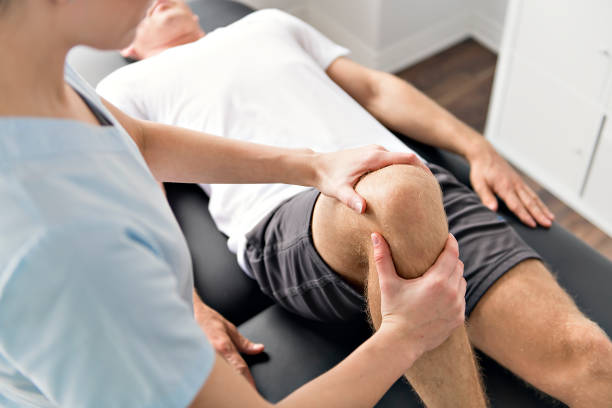
Macros for Runners: The Ultimate Guide to Fueling Your Runs

runner eating

You could be logging 40+ miles a week, grinding through speed workouts, hill repeats, the whole nine… but if you’re not fueling right, you’re leaving results on the table.

Or worse — you’re setting yourself up for burnout, injury, and fatigue that just won’t quit.

I cannot emphasize this enough.

I’ve seen it too many times: runners dragging through workouts, constantly sore, wondering why they’re not improving — when the real problem’s not in their shoes, it’s on their plate.

The truth? If you want to train strong, recover faster, and feel good on the run — you’ve gotta get your macros dialed in.

I’m talking carbs, protein, and fat. The big three. The stuff that powers every mile and rebuilds your body brick by brick.

As I always say: you can’t train like a beast and eat like a raccoon digging through a dumpster.

Eventually, the wheels fall off.

But here’s the good news — once you figure out the right macro balance for your body and goals, things change.

You feel more energized, your legs stop feeling like concrete halfway through long runs, and recovery doesn’t take days. Fueling right turns good training into great results.

This guide is your no-BS breakdown of how macros work for runners.

I’ll show you what matters, how to balance your intake for your training load, and how real runners (not just elites) have made massive gains just by fixing their food.

Sounds like a good idea?

Let’s get to it.

Why Macros Actually Matter for Your Running

Your training isn’t just about what you do on the roads — it’s also what you put in your body.

That post-run burrito? It matters. That skipped breakfast before a tempo run?

Also matters. Running burns a ton of energy, and if you’re not refueling with the right stuff, your performance will suffer — period.

Here’s the breakdown of what each macro does for your running game:

  • Carbs = Energy + Endurance. They’re your primary fuel source. When you run, your body taps into glycogen (stored carbs) for power. Run out, and boom — you hit the wall. I’ve bonked on long runs before, and trust me, it’s not fun. Want to go longer and faster? Fuel the tank.
  • Protein = Recovery + Resilience. Training beats you up. Protein builds you back stronger. You’re not a bodybuilder, but you still need more protein than the average couch potato. It’s how you repair muscle and adapt to training — not just survive it.
  • Fat = Long-Term Energy + Hormone Health. Don’t fear fat. Healthy fats keep your joints moving, your hormones balanced, and your energy steady over the long haul. Slash fat too low, and you’ll start dragging… hard.

Here’s the kicker: the right balance of macros depends on your goals.

Running 10 miles a week? You don’t need to carb-load like a marathoner.

Doing high mileage or adding strength work? You’ll need more protein to rebuild muscle and more carbs to keep your legs from dying mid-run.

And no, keto isn’t magic for runners. If you’re going low-carb and wondering why your speed workouts feel like death, now you know why — fast running runs on carbs.

There’s a time and place for tweaking macros, but most runners feel better (and run better) with a solid mix.

Macro Basics: Start With This

You don’t need to count every gram to make this work — but knowing the general balance helps.

Here’s a solid starting point for most runners:

Macronutrient % of Daily Calories Why It Matters
Carbs 55–65% Main fuel for runs – keeps glycogen stocked and energy high
Protein 15–20% Repairs muscle, boosts recovery, helps keep you lean
Fats 20–25% Long-term fuel, hormone support, reduces inflammation

That’s the general playbook — but your mileage may vary (literally). Some runners thrive on 50% carbs. Some need closer to 70%, especially during marathon training.

Research on endurance athletes shows that protein needs might be higher than the old-school low-protein plans suggested — some coaches now recommend 20–25% protein for runners, especially if you’re doing strength work too.

Use these ranges as a baseline, then adjust based on how you feel.

  • Dragging on tempo days? Might need more carbs.
  • Feeling sore for days? Bump up the protein.
  • Feeling low-energy and hungry all the time? Check your fats.

Quick Macro Tip: Calories Still Matter

Each macro brings calories with it:

  • Carbs = 4 calories/gram
  • Protein = 4 calories/gram
  • Fat = 9 calories/gram

If you’re trying to lose weight while running, you’ll need a slight calorie deficit — but don’t starve yourself. Runners who cut too hard end up under-recovered, injured, and cranky.

And if you’re trying to build strength or muscle, you need a calorie surplus, but again — that doesn’t mean pounding pizza all day. It’s about smart fueling.

Carbs for Runners – How Much You Really Need (and Why It Matters)

Let’s cut to it: you need carbs to run well. Period.

I know there’s a ton of diet noise out there—keto this, low-carb that—but when you’re clocking miles and chasing goals, carbs are your fuel.

Whether you’re running 10 miles a week or gearing up for a marathon, the amount of carbs you need depends on how much you’re training, how hard you’re pushing, and what your goals are.

And yes, body weight matters too—sports nutritionists often break it down by grams of carbs per pound of body weight.

Here’s the no-BS rundown:

Runner Type vs. Carbs Needed

Runner Type Carbs/Day (Approx.) Grams per Pound of Body Weight
Beginner (light training) 250–350 g (100–140 lb person) ~2.5–3.5 g/lb
Marathoner/High Mileage 400–600+ g (150+ lb runner) ~4–6 g/lb
Strength + Running Combo 300–500 g (varies by workout load) ~3–4 g/lb
Low-Carb/Keto (not ideal for speed) <150 g/day (some under 50g) ~0.5–1.5 g/lb

If you’re running 50 miles a week, 600 grams of carbs a day is not crazy—it’s necessary.

That’s how you keep your glycogen stores full and your legs from feeling like cement. Some endurance guides recommend even more during marathon peak weeks—up to 12 g/kg (around 5 g/lb).

Yeah, that’s a lot of carbs. And it should be.

Now, if you’re more of a casual runner—say 15 miles per week—you’re probably fine with around 2.5 to 3 grams per pound.

Just don’t fall into the trap of underfueling. Happens all the time.

Best Carbs for Runners (aka What to Eat)

Not all carbs are built the same.

Some give you slow, steady fuel. Others hit fast and keep you from bonking mid-run.

Here’s the breakdown:

Complex Carbs (for Everyday Energy)

  • Whole Grains: oats, brown rice, quinoa, whole grain bread/pasta
  • Why: slow-digesting = longer-lasting energy + nutrients
  • When: use them in your regular meals—especially dinner the night before a long run

Starchy Veggies (Underrated Power Carbs)

  • Sweet potatoes, white potatoes, squash, corn, peas
  • Why: nutrient-dense, potassium-rich, great for muscle recovery
  • When: recovery meals, lunch or dinner

Fruits (Quick & Easy)

  • Bananas, apples, oranges, berries, dates, raisins
  • Why: natural sugars + hydration + antioxidants
  • When: pre-run snack, mid-run fuel (bananas or dates are clutch)

Legumes (Fuel + Fiber)

  • Lentils, beans, chickpeas
  • Why: high in carbs and protein
  • Heads up: high fiber—don’t overdo right before a run unless you want tummy trouble

Fast Carbs (During Workouts)

  • Gels, chews, sports drinks, pretzels, gummy bears
  • Why: easy-digesting sugar = mid-run fuel
  • When: long runs or races—aim for 30–60g of carbs per hour

Carb Timing = Performance Timing

Here’s how to think about it:

  • Before a run: Stick with simple carbs. Think toast, banana, or a bagel—low fiber, easy to digest, high energy.
  • During a long run: Fast sugar. Gels, chews, dates, sports drink. Your body wants quick fuel here.
  • Post-run/recovery: Go back to complex carbs + protein. A meal like brown rice, veggies, and chicken works wonders.

One marathoner I coached swore by half a bagel with honey at mile 10 on long runs. She called it her wall-buster. Every week, same routine. It worked. Sometimes performance is as simple as what snack keeps you moving.

Thinking of Going Low-Carb?

Look, some ultra runners can pull it off. They go low-carb, burn fat, and move slow and steady for hours. That’s a different game.

But for most runners—especially if you want to run fast or feel good while training—carbs are essential.

Dropping carbs too low wrecks your energy, your recovery, and your motivation. Not worth it unless you’re testing a specific diet for medical reasons or under supervision.

If you’re dragging on runs, before you blame your shoes, check your plate. Sometimes the simplest fix is to eat more carbs.

Don’t get me wrong. I go keto a couple of times per year but I always do it during my off season. Trying to Pr a half marathon on low carb is never a good idea.

Protein: Your Recovery Insurance Policy 

Let’s talk about the most overlooked macro in the running world—protein.

Yeah, we all hear about carbs.

Carb-loading before the long run, pasta parties before race day… that’s old news.

But protein? That’s your after-the-run main player.

It’s what repairs the damage, rebuilds the muscle, and keeps your body from falling apart when the miles add up.

I call it recovery insurance. Without enough protein, your body’s stuck running on empty when it comes to muscle repair.

You’ll feel it, too—extra sore, dragging during your next run, or worse, breaking down muscle just to keep you moving. That’s a one-way ticket to burnout.

Why Runners NEED More Protein (Yes, Even You)

Let’s break this down like I would after a long run debrief:

1. Muscle Repair and Rebuild

Every time your feet hit the ground, you’re doing micro-damage to your muscles. That’s normal. That’s training. But you need protein—amino acids—to stitch those fibers back together, stronger than before.

And we’re not just talking biceps here. We’re talking quads, hamstrings, glutes, calves, core—the real running engine room.

2. Prevent Muscle Loss

If you’re running a lot and not eating enough (which happens a lot), your body can start breaking down your own muscle for fuel—especially if your carb stores are low. That’s a brutal combo. Enough protein helps stop that.

It tells your body: “Hey, we’ve got building blocks—no need to start eating ourselves alive.”

3. Strong Bones & Connective Tissue

Protein isn’t just about muscle—it’s about bones, tendons, and even immune function. Skip the protein, and you’re flirting with stress fractures, tendon issues, and never-ending colds.

Your body needs those amino acids to rebuild—not just after workouts, but constantly.

4. Energy Backup (in a pinch)

You don’t want to burn protein for fuel—it’s not efficient.

But during super long runs or fasted efforts, your body will tap into it. Having a solid protein base helps keep you stable when your glycogen tank starts flashing empty.

Truth: Most Runners Feel Better on More Protein

Less soreness. Faster recovery. More consistent energy.

There’s legit research backing this up: athletes who eat more protein recover better, get fewer injuries, and can handle more training volume. Period.

Why So Many Runners Fall Short

Because the running world still lives in the carb era.

Look, carbs are fuel—no argument there. But recovery needs protein, and most folks aren’t getting enough.

And let’s be real: high-protein foods can be filling. If you’re not intentional about it, you’ll fall short.

The fix? Learn your target, spread it out, and hit it consistently.

So, How Much Protein Do You Really Need?

Let’s skip the science jargon. Here’s what matters—base it on your body weight, and match it to your training.

Training Level Daily Protein Target
Light Running 0.6–0.8g per lb (1.3–1.7 g/kg)
Intense/High Mileage 0.8–1.0g per lb
Muscle Gain / Strength Focus 1.0–1.2+g per lb

Example: If You Weigh 150 lbs

  • Casual running? Aim for 90–120g/day
  • Marathon training? Shoot for 120–150g
  • Strength + running? Push closer to 150–180g

That’s not just a coach’s opinion. World Athletics, top sports dietitians, and the research all land in that 0.6 to 1.1 g/lb range for endurance athletes.

Pro tip: You don’t need to be exact. Just listen to your body.

  • Always sore?
  • Tired all the time?
  • Struggling to bounce back after workouts?

That’s your cue to bump your protein.

One easy fix? Add one extra protein-rich snack a day for a week—see how you feel. Most runners notice a difference fast.

Spread It Out—Don’t Cram It In

Here’s a mistake I see a lot: folks eating one massive steak at dinner and calling it a day.

Doesn’t work that way.

Your muscles can only take in so much protein at once (roughly 20–30g per meal). The rest? You’re not absorbing it efficiently.

Better to spread it across the day—like this:

  • Breakfast: Eggs, Greek yogurt, or a protein smoothie
  • Snack: Nuts, jerky, or a protein bar
  • Lunch: Chicken, tofu, beans—whatever works
  • Dinner: Fish, lentils, cottage cheese—you name it

You don’t need to count grams obsessively. Just make protein a regular guest at every meal and snack, not just the guest of honor at dinner.

Best Protein Sources for Runners

Let’s get one thing straight—if you’re training hard and not eating enough protein, you’re shortchanging your progress.

Protein isn’t just for bodybuilders. It’s your muscle repair crew, your post-run recovery fuel, and the key to not feeling wrecked after back-to-back training days.

So where should you get it? Keep it simple, keep it smart. Aim for complete proteins—those with all the essential amino acids, especially leucine, which flips the switch for muscle recovery.

Here’s where to load up:

Lean Meats

Chicken breast, turkey, lean beef, pork tenderloin—they’re all complete protein powerhouses.

3 ounces of chicken? You’re looking at ~25g of protein for just 150 calories. That’s a solid return.

Easy to cook. Easy to track. Easy on the wallet. Throw some grilled chicken in a wrap, and boom—recovery fuel.

Fish & Seafood

Salmon, tuna, tilapia, sardines, mackerel—great protein, plus bonus points for omega-3s.

You get 20–30g of protein per serving, plus inflammation-fighting fats that keep your joints happy. Alongside these benefits, it’s worth checking resources like https://northcenturypharmacy.com/blogs/news/how-bergamot-can-help-to-reduce-cholesterol to see how other natural options may support overall heart health.

If you’re putting in serious miles, omega-3s are recovery gold. Salmon for dinner once or twice a week? Your knees will thank you.

Eggs

Simple, cheap, and incredibly effective.

One egg = 6g of protein, plus nutrients like B12 and choline.

Egg whites? ~3.5g protein each—basically pure protein with zero fat.

I used to slam hard-boiled eggs after tempo runs. Grab, peel, done. If you’re hungry post-run, toss a few eggs in an omelet with veggies—easy win.

Dairy

Greek yogurt, milk, cottage cheese—don’t sleep on these.

Greek yogurt has 15–20g protein per cup.

Cottage cheese? Slow-digesting casein, great before bed.

Want recovery in a bowl? Greek yogurt + berries + a drizzle of honey = perfect post-run snack.

Plant Proteins

Beans, lentils, tofu, tempeh, edamame, quinoa—plenty of plant-based options out there.

A cup of lentils: ~18g protein.

Tofu: ~15g per serving.

Quinoa’s got ~8g per cup—and gives you carbs too.

Pro tip: Mix and match your plant proteins. Rice + beans = a complete amino acid profile. Plenty of vegetarian runners crush their protein goals with smart combos—and a scoop of plant-based protein powder here and there helps too.

Protein Powders

Let’s not overcomplicate it.

One scoop of whey protein = 20–25g of clean, quick-digesting protein.

Plant-based blends (like pea, rice, or soy) also work, especially for vegans.

Perfect for smoothies, oatmeal, or just shaking it up with water on the go. Don’t rely on powders alone—whole food still wins—but they’re clutch when time’s tight.

When to Eat It?

Post-run, your muscles are screaming for nutrients. Try to get 15–30g of protein within 30–60 minutes of finishing your workout.

That could be:

  • A chocolate milk
  • A turkey wrap
  • A smoothie with whey and banana
  • Greek yogurt + granola

Get the protein in. The sooner, the better. But even if you miss that magic window, don’t panic—your total daily intake matters most.

The Macro Runners Forget: Fats (And Why You Need Them)

Let’s talk about fat—the most misunderstood fuel in a runner’s diet.

For years, people thought eating fat = gaining fat.

Runners especially used to avoid it, thinking it would slow them down. Wrong. Fat is fuel, and if you train a lot, it’s non-negotiable.

Here’s why you need to stop fearing fat and start using it to your advantage:

Fat = Long-Distance Fuel

When you’re cruising below 60–65% of your max intensity (aka easy runs, long runs), your body burns a bigger chunk of fat for energy.

You’ve only got limited glycogen (carb stores), but fat? Even lean runners have enough fat on them to fuel hours of low-intensity work.

Your body actually gets better at using fat the more you train—but only if you’re eating enough of it. Want to avoid bonking in the late miles? Train your fat-burning engine.

Hormones Need Fat

Your body makes hormones (like testosterone and estrogen) from cholesterol and fat. Cut your fat too low, and guess what crashes? Hormones.

For female runners, that often means disrupted periods.

For guys, low testosterone. Both lead to poor recovery, weak bones, and just feeling flat. That’s called RED-S (Relative Energy Deficiency in Sport), and it’s no joke.

I’ve seen athletes hit walls, stall their progress, and feel “off” for months—all because they weren’t eating enough fat.

Fat Helps You Absorb Vitamins

You’ve heard of vitamins A, D, E, and K, right? They’re fat-soluble, which means if there’s no fat in your meal, you’re not absorbing them properly.

These vitamins support your bones, immune system, and energy metabolism—all critical for training and staying uninjured.

So that fat in your salad dressing or avocado on toast? Not just delicious—it’s helping your body actually use those nutrients.

Joint Support & Recovery

Omega-3s (from fatty fish, chia seeds, flax, walnuts) are like natural anti-inflammatories. They help reduce soreness, support joints, and improve recovery.

I’ve had runners tell me they felt less creaky after just two weeks of adding salmon or fish oil to their diet. Real results.

Fat = Satiety & Calorie Density

If you’re always hungry, low on energy, or “snacky” after runs, you might be missing fat. It slows digestion, keeps you full longer, and helps stabilize blood sugar.

Plus, it’s calorie-dense—9 calories per gram—so it’s a great way to sneak in more fuel without stuffing yourself.

Example: a couple spoonfuls of peanut butter = ~200 calories. That adds up quick when you’re training hard.

How Much Fat Do Runners Really Need?

For endurance athletes, the target’s pretty much the same as for general health: about 20% to 30% of your daily calories should come from fat.

Most runners I coach end up landing around 20–25%, which is that sweet spot—not too low to screw with performance, not so high that it pushes out carbs.

The official AMDR (Acceptable Macronutrient Distribution Range) for fat is 20–35%. Studies show endurance athletes naturally end up in the 25–30% range without even thinking too hard about it.

If you consistently drop below 20%, that’s when stuff starts breaking down—your energy, your recovery, your hormones.

How to Ballpark It

You don’t need to track every gram unless you’re into that sort of thing. But if you’re the numbers type:

  • A 2,500-calorie runner eating 25% fat = 625 calories from fat, or about 70g of fat per day.
  • Another method: 0.5 to 1 gram of fat per pound of bodyweight. So a 140-pound runner might shoot for 70–140g/day. Most will hang near the low end unless doing a higher-fat diet.

Again—don’t stress exact grams. Just aim to include some healthy fats in a couple of meals a day, and you’ll be good.

What Kind of Fat?

Not all fat is created equal. Stick with unsaturated fats—they’re the ones that help your heart, joints, and immune system.

Here’s what you want more of:

  • Avocados. Loaded with monounsaturated fat, potassium, and fiber. Smash it on toast, blend it into smoothies, or throw slices in a salad. It’s runner fuel.
  • Nuts & Nut Butters. Almonds, peanuts, walnuts, cashews. Natural nut butters too (not the sugary junk). Great for snacks, oatmeal, or pre-run toast.
    Fun fact: walnuts and chia are rich in omega-3 ALA fats. That’s good stuff for your brain and joints.
  • Seeds. Chia, flax, pumpkin, sunflower—all fat-packed with bonus minerals. Aztec warriors ran on chia, and if it worked for them…
    Pro tip: Soak chia in water to make a gel (chia pudding, anyone?). Ground flax is great in smoothies or cereal.
  • Olive Oil & Friends. Extra virgin olive oil is basically liquid gold for your heart. Use it for salads, veggies, or light cooking.
    Other decent oils: canola, avocado oil, nut oils. Coconut oil? Okay in small amounts—but it’s high in saturated fat, so don’t go guzzling it.
  • Fatty Fish. Salmon, sardines, trout, mackerel. These are loaded with EPA/DHA omega-3s, which reduce inflammation and might even help with muscle repair. Aim for 1–2 servings a week.
    Not into fish? A fish oil supplement can help.
  • Eggs (Yolk Included). Don’t fear the yolk. That’s where the fat—and the vitamins—are. One or two yolks a day is totally fine, especially if you’re active.
  • Full-Fat Dairy (In Moderation). If you digest dairy well, 2% or whole milk, yogurt, or cheese can be great sources of fat + protein.
    Chocolate milk post-run? Not a myth—it works.
  • Dark Chocolate. Yes, really. Go for 70%+ cacao, a few squares after dinner. Cocoa butter contains oleic acid (same fat as olive oil). Plus, you get antioxidants and a mood boost.

What to Limit

  • Saturated fat (butter, heavy meat, fast food) → fine in small amounts, but too much can slow you down.
  • Trans fats → avoid completely. If the label says “partially hydrogenated,” toss it in the trash.

Timing Matters

Don’t load up on fat right before a run. It digests slow—like, really slow—and can leave your stomach sloshing mid-mile.

That bacon cheeseburger an hour before your tempo? Bad idea.

Keep higher-fat meals for post-run or several hours before you hit the road. Pre-run should be light and carb-focused.

The Biggest Mistake I See?

Cutting fat too low when trying to lose weight. Runners get scared of fat and start eating dry chicken and plain rice five days a week.

Result? They’re hungry, moody, and their recovery tanks.

Instead, keep the healthy fats, and cut back on the junk carbs or extra sugar. Fat keeps you full and helps your body run smoothly—literally and figuratively.

Coach’s Rule of Thumb

  • 20–30% fat of total calories is your range.
  • Include fat in 2–3 meals per day.
  • Focus on quality, not quantity.
  • Don’t fear fat—fuel with it.

Macros for Marathon Training: Fuel Like You Mean It

Let’s not sugarcoat it—marathon training will eat you alive if you’re not eating enough to keep up.

Logging serious mileage? Burning 600 to 1,200+ calories in one session? That means your nutrition game better match the workload, or you’ll be running straight into the wall… and it ain’t pretty.

Here’s how I break it down with the runners I coach (and in my own training): Macros matter. A lot.

You’re not just eating to stay alive—you’re eating to run strong, recover faster, and not fall apart halfway through your long runs.

Carbs: Your Ride-or-Die Fuel (~60–65% of Calories)

You’ve heard it before, but I’ll say it again louder for the folks in the back: carbs are your best friend when you’re marathon training.

Why? Because your muscles run on glycogen, and that’s just your body’s fancy name for stored carbs. When you’re doing back-to-back workouts or long runs, your tanks are already running low. You gotta top ‘em off constantly.

Real-world math: If you’re eating ~3,000 calories in peak weeks, you’ll want ~450 grams of carbs (about 1,800 calories). Yeah, that’s a lot of oatmeal, rice, bananas, and bagels—but your legs will thank you.

Pro tip: In the 2–3 days before your longest run of the week, boost those carbs even higher (~4–5g per pound of body weight). That means if you’re 150 lbs, you’re looking at 600–750g over those days. It’s carb-loading, but training-style.

Protein: Repair the Machine (0.8–1.0g per lb)

Marathon training isn’t just a cardio grind—it’s muscle breakdown central. Especially after hill runs, long runs, and intervals.

You need protein to rebuild what your runs are tearing down.

Target range: 0.8–1.0g per pound of body weight. So if you’re 160 lbs, that’s 130–160g protein daily. No need to chug four shakes, but don’t skip it—especially after a long run when your appetite might be MIA.

I’ve had days where I couldn’t stomach a meal right away, so I slammed a quick shake and called it a win. Something’s better than nothing when recovery’s on the clock.

Fat: The Slow-Burner (Keep It ~20% of Calories)

Fat still belongs in your diet. But during peak mileage, you’ll want to keep it on the lighter side to make more room for carbs.

For a 3,500-calorie training day, 20% fat = ~78g. That’s plenty for your hormones, energy, and overall health—but skip the greasy gut bombs before a long run unless you like mid-race pit stops.

Stick with healthy fats (avocados, nuts, olive oil) and avoid turning your pre-run meals into a burger joint.

Carb Loading Before Race Day: Do It Right

Race week? Now’s the time to carb up smartly, not stupidly.

2–3 days out from the marathon, dial up your carbs to 8–12g per kg (around 4–5g per pound) while tapering your mileage. You’re basically stocking your muscles with fuel—packing glycogen into every fiber so you don’t hit the wall on mile 18.

✅ 70%+ of your calories should come from carbs
✅ Spread it out over days—not one giant pasta plate the night before
✅ Keep some protein and a bit of fat in there to stay satisfied and balanced

Think rice, pasta, bread, oatmeal, bananas, low-fiber snacks. This is the time to enjoy carbs without guilt.

Sample Daily Meal Plan for Runners (Real Fuel for Real Training)

Look, I get it. Figuring out what to eat as a runner can feel like guesswork—especially when you’re juggling training, life, and not wanting to crash mid-run.

So let’s make this simple: here’s a sample day of eating that keeps your tank full, your recovery smooth, and your body actually feeling good while you train. This one’s geared toward an active runner burning around 2500–2800 calories—so feel free to tweak the portions up or down depending on your size, goals, and how hard you’re training that week.

The rough macro breakdown?
➡️ ~55% carbs, 20% protein, 25% fat.

In plain terms: fuel, repair, and feel human.

Breakfast (Pre-run Fuel if You’re a Morning Runner)

  • 1 cup cooked oatmeal
  • 1 banana, sliced
  • 1 tablespoon almond butter
  • Drizzle of honey
  • 1 boiled egg on the side
  • Water or coffee (add a pinch of salt if it’s a sweatfest outside)

Why it works: You’re loading up on quick and slow carbs (banana + oats + honey) to refill glycogen from the overnight fast. The almond butter and egg bring just enough fat and protein to hold you over and feed your muscles. It’s light, quick, and perfect pre-run fuel.

“I’ve run thousands of miles on this kind of breakfast. You don’t need anything fancy—just solid fuel.”

Macros (estimates):

  • Carbs: ~45g
  • Protein: ~12g
  • Fat: ~15g
  • Calories: ~350–400

Mid-Morning (Post-Run Recovery Snack)

If you did a solid morning session (like 45–60+ mins), don’t skip this.

Option A (ideal):
Smoothie with:

  • 1 scoop whey protein or 1 cup Greek yogurt
  • 1 banana
  • 1 cup frozen berries
  • 1 cup almond milk
  • Handful of spinach
  • Ice

Option B (Grab-and-Go)

16 oz chocolate milk
1 banana

Why it works:
You want 3:1 carbs to protein post-run to kickstart muscle repair and refill the tank. The smoothie nails it. Plus, it hydrates and cools you down. If you’re on the move? Chocolate milk + banana does the trick in a pinch.

“This is when the real gains happen. You recover right, you show up stronger tomorrow.”

Macros:

  • Carbs: ~45–60g
  • Protein: ~20–25g
  • Fat: ~5g
  • Calories: ~300–400

Lunch: The Refuel Bowl

Runner bowl checklist:

  • 4–6 oz grilled chicken (or tofu)
  • 1 cup cooked quinoa
  • Spinach or greens
  • Cherry tomatoes, cucumbers, shredded carrots
  • ½ avocado
  • Olive oil + balsamic vinegar
  • Side: Apple or orange
  • Drink: Water (or electrolytes if you sweat buckets)

Why it works:
This is your repair + recharge meal. You’ve got lean protein, complex carbs, healthy fats, and a pile of micronutrients from the veggies. Quinoa even gives you bonus protein.

“Lunch is where a lot of runners crash and burn. Don’t skimp. Fuel like you mean it.”

Macros:

  • Carbs: ~55–60g
  • Protein: ~30–35g
  • Fat: ~15g
  • Calories: ~550–650

Afternoon Snack (Pre-run for PM Runners)

If you’re lacing up for an evening run, eat this 1–2 hours before.

Go-to:

  • 1 slice whole-grain toast
  • 1–2 tbsp natural peanut butter
  • Thin apple slices on top + cinnamon

Swap idea: Half a bagel with jam or a small energy bar.

Why it works:
Quick carbs from the toast + apple = energy. PB adds staying power without slowing you down. It’s the pre-run snack that won’t weigh you down.

“This is the ‘I don’t want to bonk at mile 2’ snack.”

Macros:

  • Carbs: ~30g
  • Protein: ~6–8g
  • Fat: ~8–10g
  • Calories: ~250–300

Dinner (Your Main Recovery Meal)

What’s on the plate:

  • 5 oz baked salmon
  • 1 medium sweet potato (roasted)
  • Steamed or sautéed broccoli or veggies (1–2 cups)
  • Side salad (greens + cherry tomatoes + olive oil + seeds or nuts)

Why it works:
Salmon = protein + omega-3s, which are like natural anti-inflammatories. Sweet potatoes give you complex carbs + potassium. Olive oil and nuts add healthy fat for recovery and satiety.

“If I had a big day on the roads, this is the dinner that gets me ready to do it again tomorrow.”

Macros:

  • Carbs: ~40g
  • Protein: ~30g
  • Fat: ~20g
  • Calories: ~600–700

Evening Snack (If You’re Still Hungry)

Option:

  • ½ cup cottage cheese
  • Handful of berries
  • Sprinkle of chia seeds or teaspoon of honey

Why it works:
Cottage cheese has casein, a slow-digesting protein perfect for overnight muscle repair. If you’re hungry, listen to your body—it’s trying to tell you something.

“I’ve had nights where I wake up starving at 3am. This solves that problem.”

Macros:

  • Protein: ~12g
  • Carbs: ~10g
  • Fat: ~2g
  • Calories: ~150–200

FAQ – Macros for Runners

Real Questions. Real Talk. Real Fuel.

Q: How the heck do I start tracking macros?

A: Keep it simple. Download a food tracking app like MyFitnessPal or Cronometer and just log everything you eat for a week or two. That’s it.

You’re not tracking forever. You’re just learning. Most runners have no clue how little protein they’re getting—or how fast fat can creep up. I’ve coached folks who thought they were eating “healthy” but were running on 10% protein and 40% fat. No wonder they felt sluggish.

Start with a baseline:

  • ~60% carbs
  • ~20% protein
  • ~20% fat

Then tweak from there. Plan ahead if you need to—prep high-protein snacks or carb-heavy pre-run meals. After a few weeks, you’ll be able to eyeball your meals like a pro.

Q: What about keto? Can I still run well on a low-carb diet?

A: Look, keto can work for some runners—mostly ultra folks grinding out hours at a slow pace. But for most runners, especially if you’re chasing speed or PRs? It’s a tough road.

Keto drops your carbs to under 50g a day. That’s less than what you’d find in one banana and a piece of toast. Your body starts burning fat for fuel, which sounds cool until you try to rip a tempo run and realize… you can’t.

Research shows keto-adapted runners lose about 5% off their VO₂max speed. You’ve basically taken your top gear and thrown it out the window.

If your goal is just slow distance and you’re okay with running slower, keto might work. But if you want to run hard, recover well, and hit your best times, you need carbs. Period.

If you do test keto, do it off-season, and watch your electrolytes. And know this—it might take weeks to adapt, and you’ll probably feel like trash during that stretch (“keto flu” is real).

Q: Should I eat differently depending on when I run?

A: Absolutely.

Morning runners are starting in a hole—low blood sugar, partially drained glycogen. A little fuel goes a long way.

  • Can’t handle food? Try a few sips of sports drink or half a banana.
  • No time? Make dinner the night before carb-heavy (think pasta or rice) and add a bedtime snack.

Evening runners have eaten all day—use that to your advantage.

  • Have a solid carb-rich meal 2–4 hours before (like a good lunch or solid snack).
  • Don’t go into a 6 PM run on an empty tank.
  • Watch out for huge, greasy lunches before workouts—your stomach won’t thank you.

Recovery still matters. Evening runners—your post-run dinner is key. That meal fuels your sleep, your muscle repair, your tomorrow.

Q: I’m trying to lose weight and still run strong. How do macros fit in?

A: Don’t starve yourself. That’s rule one.

Create a small deficit—300 to 500 calories below maintenance—and you’ll lose fat without wrecking your runs.

  • Keep protein high (0.8–1g per pound of bodyweight). That keeps muscle loss at bay.
  • Carbs? Keep ‘em high enough to fuel your workouts—maybe 50–55% of calories instead of 60%.
  • Trim a bit of fat, but don’t go below 20% of your calories.

Focus on cutting junk, not fuel.
Skip the sugar bombs, greasy extras, or empty-calorie snacks—but keep your rice, oats, fruit, and protein intact.

Pro tip: Try losing weight in the off-season. During peak training? Eat to perform. Your body will thank you.

Go too low on calories and you’ll feel flat, cranky, injured, and slow. Trust me—been there, coached that.

Q: Do I need to use supplements like protein shakes?

A: You don’t need them. But they can help.

If you’re running out the door after training and don’t have time to whip up an omelet, a protein shake is gold.

20–30g of quick protein post-run can help with recovery. And some runners just aren’t hungry after workouts—liquid calories are easier to get down.

You don’t need carb supplements unless you’re fueling mid-run. In that case, gels, drinks, chews—they’re almost necessary. Try eating brown rice while racing… yeah, not happening.

For everyday nutrition? Stick with real food first.
Use supplements as a backup plan, not your main strategy.

Check labels—some “protein bars” are glorified candy. Make sure what you’re eating matches your goals.

Q: What if I’m not hungry after a hard run?

A: That’s normal. Intense runs kill appetite. But skipping food kills recovery.

Start small:

  • Hydrate. Sip water or a light electrolyte drink.
  • Then try something easy to stomach: chocolate milk, smoothie, recovery shake.
  • Still not into it? Go with cold fruit (watermelon, oranges) and a couple bites of a protein bar. Even yogurt works.

Give it 30–60 minutes, and your appetite should come back. But you’ve gotta get something in that first hour post-run. Set a reminder if you have to.

One runner I coached used to skip lunch after long runs because of no appetite. By dinner? Toast. She was wrecked. We added a recovery shake within 15 minutes of finishing—and her energy turned around fast.

Don’t wait. Rebuild ASAP.

Final Thoughts: Your Fuel = Your Performance

Let’s cut to it: you can’t outrun a crap diet.

You can put in the miles, do all the right workouts, but if you’re fueling like garbage, your results are gonna show it. That’s just how it is. Your body can’t build strength, go long, or recover well if you’re constantly underfed or mis-fueled.

Getting your macros dialed in — carbs, protein, fats — isn’t about counting every crumb or obsessing over numbers. It’s about feeding your engine what it needs to perform.

  • Carbs fuel the work.
  • Protein builds you back.
  • Fat keeps the whole machine running smoothly.

When you get those in check, everything gets easier — your runs feel better, your soreness fades faster, and you start stacking wins again.

Ignore it? You might skate by for a little while — but it’ll catch up. Fast.

Fatigue. Injuries. Soreness that won’t quit. Hormone issues. That low gear you can’t seem to shift out of? That’s your body begging for fuel.

Even elite runners have learned this lesson the hard way. Look at Tina Muir — a pro who lost her period and hit rock bottom because she was underfueling while training hard. It’s a wake-up call: you can’t train like a pro and eat like a bird.

The flip side? Once you fix your fueling, things turn around fast. I’ve seen runners go from dragging through 10Ks to feeling strong start to finish — just by upping their carbs the day before. I’ve seen sore, sluggish athletes bounce back in 24 hours after finally hitting their protein goals.

So here’s what I tell the runners I coach:

  • Treat nutrition like training.
  • Experiment. Adjust. Pay attention.

This isn’t just science — it’s self-awareness.

Maybe you run better with a little extra fat. Maybe you need more snacks at night. Maybe your long runs only click if you carb up two days before. That’s the process. Learn your body and fuel it accordingly.

And just like your training has phases, so should your nutrition. Off-season? You’ve got more flexibility. Peak training or race week? Tighten it up. More carbs, less alcohol, better sleep. It’s called fueling for the work required — and it works.

One more thing: this isn’t about restriction. It’s about fueling with purpose. Runners eat big, hearty, satisfying meals — because that’s what the work demands. Honestly, there’s nothing better than feeling strong and steady on a run, knowing it came from how you fueled the day before.

Your body’s a machine — and you don’t put cheap gas in a race car.

So next time you think nutrition is “extra,” remember:

The real work starts in the kitchen.

Eat like a runner, train like a runner — and the results will come. Now go eat something solid, then hit that next run like you mean it.

Fuel smart. Run strong. You’ve got this.

How To Choose Compression Pants for Running

Compression Pants for Running

I’ll be honest: back in the day, I used to side-eye guys in compression tights.

I figured they were either trying to look like superheroes or just copying elite runners they saw on TV.

I remember thinking,

“Why would anyone squeeze into those things unless they were racing Kipchoge?”

But like a lot of things in running, experience changes you.

Over the years — especially coaching newer runners and getting humbled on trails — I’ve come to see compression gear differently.

I’ve watched beginners finally enjoy pain-free runs, trail runners stay protected from the elements, and marathoners bounce back faster post-race… all thanks to a good pair of tights.

So here’s the truth — from someone who used to laugh and now owns more pairs than he wants to admit.

Let’s break it down.

So, Do Compression Pants Actually Help?

Look — they won’t make you a speed demon overnight.

But they can make the miles feel smoother.

The science backs it up: compression helps reduce muscle vibration and can delay that deep ache that creeps in during longer runs (source: VU.edu.au).

They’re also help fight off thigh chafing (if you know, you know), and they’re surprisingly good at keeping you warm when the temperature drops .

But maybe the biggest perk?

Recovery.

According to VU research, wearing compression gear after a hard run can speed up muscle recovery, reduce soreness, and improve blood flow.

That’s not hype — that’s data. One 2023 study showed that runners who wore compression for four hours post-run recovered faster and believed in the gear more after feeling the results.

I’ve had days when I finished a long run, showered, and immediately slipped into my compression pants. Sometimes, I even sleep in them after races — not sexy, but hey, it works.

Let me dive a little deeper into the benefits of compression gear for runners…

Why Runners Actually Wear Compression Tights 

Let’s go beyond the ads and break down what these things really do for runners:

🔹 Chafing Prevention

This is the big one.

Compression fabric hugs your skin like a second layer, so there’s no thigh-on-thigh crime mid-run.

I’ve coached beginners who ditched cotton shorts and finally made it through long runs rash-free. That alone makes compression gear worth trying.

🔹 Muscle Support & Less Jiggle

Compression pants hold everything in — which means less bounce, less wasted energy, and more stability.

There’s a fancy term for it: muscle oscillation. But all you need to know is this: your legs feel more “together,” especially when you’re tired.

Some runners even describe it like wearing a hug or weighted blanket on your legs. I’ve felt it on trails — especially on rocky terrain — where the tightness gives me better balance and awareness of each step.

🔹 Better Blood Flow = Longer Lasting Legs

Good compression gear helps push blood back up to your heart.

That means more oxygen to your muscles and less build-up of the junk that causes soreness.

It’s not some miracle drug — but the benefits show up on those back-to-back training days, when your legs aren’t totally trashed.

🔹 Warm When It’s Cold (And Cool Enough When It’s Not)

In cold or windy weather, compression pants trap just enough heat to keep your legs warm without turning into a sweat swamp.

I’ve done some long chilly runs in the mountains, and my compression tights were the only reason I didn’t turn into an ice sculpture.

Even better, some fabrics breathe enough that you can wear them in warm-ish weather without overheating. They’re like a smart shell: warm when needed, cool when it counts.

🔹 Recovery Game-Changer

This one’s personal.

I’ve had marathon days where every muscle in my legs screamed “retire.” I’d pull on compression tights after the race, and by the next morning, I was moving like a human again — not a zombie.

Multiple studies agree: compression tights used after a tough session can improve circulation and reduce muscle soreness. It’s not magic — it’s smart blood flow.

🔹 Mental Edge

Don’t underestimate this part.

When I slide into compression gear before a big run, I feel ready.

It’s the same reason some people have “lucky” race socks — it’s not just about performance, it’s about mindset— and honestly, if something makes you feel good before a run, that’s a win.

Trail Running in Compression Tights: 

Now, if you’re hitting the trails, compression tights go from helpful to hell yes territory.

I’ve run enough jungle races in south east Asia to know that one bad scratch can mess with your whole stride.

But when I wear compression tights, they act like a barrier—like trail armor. No more bloody scratches, itchy skin, or bug bites all over my calves.

Support-wise? They’ve got your back there too.

When I’m bombing down technical descents or grinding out a long ultra, my legs take a beating.

Compression tights help reduce that muscle shake—especially in the quads and calves. Less vibration = less damage = faster recovery.

Simple math.

Personally, I double up: compression leggings and compression socks. That combo helps my legs feel steady, especially on gnarly descents and river crossings.

And let’s talk weather.

Out on exposed ridges or up in the mountains, the sun and wind can mess you up.

Instead of constantly reapplying sunscreen that sweats off in five minutes, I’ll sometimes throw on a pair of UV-protective compression tights. Some of the better brands advertise UPF 50+—basically sunblock in fabric form.

I’ve also been caught in monsoon-level downpours during trail races. While everything else was soaked and freezing, my tights at least kept my legs from going numb.

Quick tip: If you’re running through bug-heavy zones or poison ivy territory, tuck those tights into your socks. Might look goofy, but it works.

Do Compression Tights Help Prevent Injuries?

Short answer: They won’t fix bad form—but they can help support your stride when things get rough.

Some compression tights, like the ones from CW-X, have built-in support bands that act like a gentle brace for your knees.

I’ve coached a few runners with IT band issues who swear by these on tough trail runs. They say it’s like someone’s holding their knees together on every downhill.

Even basic compression gear can help you stay more aware of your form when you’re dead tired. That little squeeze around the legs is a reminder to engage your muscles and stay sharp.

If you’re new to trail running—or just want to stay out there longer without wrecking your legs—compression tights are worth a shot.

Just don’t cheap out.

Flimsy pairs will rip the second they meet a thorn bush. I’ve torn more than one cheap pair before I learned to invest in gear that can take a beating.

Fit & Sizing: The Muscular Runner’s Struggle is Real

If you’ve got tree-trunk quads or calves that don’t fit into skinny jeans, welcome to the club.

One thing I’ve learned after coaching hundreds of runners—especially the more muscular ones—is that compression tights are hit or miss if the sizing’s off.

Too loose and you lose the point. Too tight and it feels like you’re being vacuum-sealed.

I’ve had runners come to me frustrated—“How do I find tights that actually fit both my thighs and my waist?”

Totally fair.

Most brands size based on some imaginary runner with noodle legs and a flat butt. That’s not all of us.

Here’s what I tell runners with bulk: Look for brands that label their gear “athletic fit” or use 4-way stretch.

That extra give can save you from feeling like you’re stuffing a Thanksgiving turkey into lycra. Brands like CW-X actually recommend measuring both your waist and the thickest part of your thigh—finally, someone gets it.

Should You Size Up?

Tempting, I know.

But here’s the catch: size up too far and the gear loses its compression power. Then it’s just tight pajama pants.

A good pair of tights should hug your body, not strangle it.

Try squatting, high-knees, even a few strides in place when trying them on. If the waistband rolls down or the seams dig into your skin? Nope. Try again.

I once bought a pair that felt great until I ran in them—halfway through my tempo run, they were halfway down my butt.

Lesson learned.

Fit Hacks for Muscular Runners

  • Drawstring waistbands help if you need to size up for your thighs but still want the tights to stay up.
  • Stick with running brands like Nike, 2XU, or Under Armour—they usually leave more room in the legs.
  • Avoid cheap knock-offs. I’ve seen runners get chafed raw from low-quality seams. One guy told me every off-brand tight he tried gave him thigh burn, but his Nike ones? No issues, ever.
  • Flat seams and smooth materials make a huge difference—especially for runners with thick legs that rub together.

What About Length?

Tall runners often get the short end (literally). I’ve had to go up a size just to avoid the ankle peekaboo.

Some brands offer “tall” lengths—worth hunting down. If not, try ¾-length tights—they hit below the knee and dodge that awkward mid-calf look.

On the flip side, shorter runners may find tights bunching at the ankle. No shame in rocking calf sleeves or even trimming them if needed.

Quick PSA: Ditch the Underwear

Please.

Compression tights are made to be worn commando.

That’s why they have that gusset built in—it’s there to reduce seams and prevent chafing. I’ve seen folks complain about discomfort, only to find out they were wearing boxer briefs underneath.

Just don’t.

If modesty’s a thing, throw a pair of shorts on top like most guys do.

Look, if your first pair of tights feels like medieval torture gear, don’t panic.

It’s trial and error.

Use sizing charts, read reviews, and listen to other runners built like you. When you find that perfect pair, you’ll know it. You’ll move better, feel supported—not squeezed—and most importantly, you won’t be thinking about your pants mid-run.

Do Compression Tights Really Work? Let’s Keep it Honest

I’ve been asked this a dozen times: “Do compression tights actually do anything, or are they just expensive yoga pants for runners?”

Let’s cut through the hype. I looked at the science, tested it myself, and here’s what really matters.

🔹 They Won’t Make You Faster… But They Might Keep You Running Stronger

Studies—including one from the Journal of Strength & Conditioning Research—show that compression tights won’t improve your VO₂ max, top-end speed, or race time.

So no, wearing tights won’t turn you into Kipchoge overnight. But—and this is key—they reduce muscle vibration when your foot strikes. That bounce your muscles take with every step? Compression limits it.

I notice it most on long runs. Less wobble = less post-run soreness. When I wear tights on 20K+ runs, I feel fresher the next day. That’s a win in my book.

🔹 Recovery is Where They Really Earn Their Keep

This is the sweet spot. Compression helps increase blood flow and reduce swelling, according to multiple studies. One even found runners who wore them for 4 hours post-run had less soreness and faster strength recovery.

I’ve done this after hill repeats, and the next morning, I’m not limping like a zombie. That recovery boost makes it easier to stay consistent—and that’s how you actually get better.

🔹 They Sharpen Your Awareness

There’s some science suggesting compression might improve proprioception—that fancy word for “knowing where your limbs are.” Basically, that snug squeeze helps you stay in tune with your form when you’re tired.

Late in a long run, when my mechanics start to wobble, the tight wrap on my thighs reminds me to straighten up and not shuffle.

🔹 And Yeah, They Boost Your Mindset Too

Let’s be real—half of running is mental. If tights make you feel like a serious athlete, that’s not placebo—it’s focus.

Wearing mine post-workout signals to my brain, “I’m in recovery mode now. Let’s bounce back stronger.” That kind of mindset keeps me sharp even when the legs are toast.

Features That Actually Matter (From a Runner Who’s Been There)

Not all compression tights are created equal—and trust me, I’ve had enough pairs ride down mid-run to know the difference.

So when you’re shopping for a new pair of compression jogging pants or tights, don’t just go by the brand or looks.

Here’s what actually matters, from one runner to another:

Compression Level: The Squeeze That Works With You

This is what you’re paying for. Some brands slap a number on it—like 15-25 mmHg—and others just call it “medium” or “firm.”

For running, that sweet spot is usually somewhere in that 15–25 mmHg range: snug enough to support, but not so tight it feels like your legs are in a blood pressure cuff.

Bonus if the tights are graduated compression (tighter near the ankle, looser as it goes up). That helps with blood flow. Most quality running tights do this by default, but it’s worth double-checking.

Fabric & Breathability: Don’t Let Sweat Win

You want fabrics that work as hard as you do. Think moisture-wicking and quick-drying.

Most solid pairs are a nylon-spandex blend. If you train in heat like I do here in Bali, lightweight, breathable materials are your best friend—especially around sweat zones like behind the knees and lower back.

Running in the cold? Go for thermal tights with a brushed interior.

Also, high-quality fabric = durability.

Cheap tights thin out fast or tear on trails. Look for anti-odor or antimicrobial treatments too—because nobody wants to smell like a gym sock by mile five.

I used to buy whatever was on sale… until I ripped a hole sliding over a rock during a trail run.

Pay for durability upfront—it’s cheaper than a busted run and bloodied knees.

Waistband & Fit: The War Against Sag

A tight that fits well stays up, period. I swear by a wide waistband that hugs the midsection without cutting into it.

And a drawstring?

Absolute game-changer. Without it, you’re one sprint away from mooning traffic.

Check for flatlock seams, too—they cut down on chafing.

I had a pricey pair from 2XU with a drawstring that still slipped mid-run. The waistband looked great but didn’t hold. I spent most of the run yanking them back up.

Not fun. Always check reviews for fit complaints—if people mention “constant adjusting,” skip ‘em.

Pockets: Because We’ve All Got Stuff

These days, pockets are non-negotiable—especially if you run without a vest.

Some tights give you a tiny zipper pocket in the back waistband (barely fits a key), others add side thigh pockets that hold phones, gels, and even a soft flask if you jam it just right.

What I look for?

If I’m trail running, I want easy-access side pockets for snacks or my phone. I’ve even tried some women’s compression tights just because the pockets are better designed. No shame—go with what works.

If you’re the minimalist type, you might be okay with a key pocket. But if you’re logging long miles or hate running with a belt, aim for a pair with real storage.

Length & Cut: Know Your Preferences

You’ve got options: full-length, ¾ capris, and shorts.

Full-length gives you the most coverage and muscle support.

Capris free up the lower leg—great for warmer days or gym work.

Shorts are all about anti-chafe and thigh support, with less bulk.

Some folks even layer tights under running shorts for modesty or to get extra pockets. Totally fair game.

Also, pay attention to the cut—men’s, women’s, or unisex. Women’s tights often have higher waists and more shape in the hips; men’s might offer more room up front. Try different ones and don’t worry about the label—just find what fits you best.

Other Little Features That Make a Big Difference

  • Reflective strips: If you run at dawn or dusk, you need to be seen. Reflective logos or 360° detailing can save your life.
  • Ankle zippers: Old-school, but still awesome if you hate wrestling sweaty tights off post-run.
  • Reinforced panels: Extra knee or rear fabric? Great for trail runners or folks who want durability.
  • Crotch lining or dual-layer panels: Avoids the dreaded see-through squat test. (Please. We’ve all seen it happen.)
  • UV protection: If you run under strong sun, fabrics with a UPF rating are a great bonus.
  • Style and color: Black is classic, but if a loud pattern gets you fired up to run—go for it. I’ve got a neon pair I save for weekend group runs. They always start conversations, and honestly, they make me smile.

Bottom Line: Know What You Need

Before you buy, ask yourself:

  • Do I need pockets or not?
  • Is sliding down a dealbreaker?
  • What’s my climate like?
  • Will I use these mostly for trails or road?

A trail runner in rainy Oregon needs something different than a Florida road racer.

Once you find the pair that hits your sweet spot—stays up, supports well, fits your needs, doesn’t annoy you mid-run—don’t let go.