How To Run A 5K in 30 Minutes

To Run A 5K in 30 Minutes

If you’re serious about running a 5K in 30 minutes (or faster), then you have come to the right place.

I’ve been where you are at, and I know what it’s like to set running goals then go after them.

Being able to to run 5Km in 30 minutes is a common running goal among runners who are serious about reaching their full performance potential.

It’s also a fantastic benchmark to smash through in your running journey.

How To Run A 5K in 30 Minutes – A sub 30 5k Training Plan

In today’s article, I’m going to show you exactly how to do run 5K in 30 minutes whether you’re a beginner runner or have been around the block for quite some time.

Build Your Foundation

Before trying to improve your 5K speed, can you already run the whole distance without stopping?

Not yet there? Then first, build your cardio base. You cannot skip stages.

How?

Follow the walk/run method.

This method is all about building your cardio power and endurance while following a work/rest/repeat pattern.

How long it will take depends on many factors, such as your conditioning level and your commitment, but eventually, you’ll get there.

It’s also simple. After a 5-minute warm-up, alternate between one-minute jogs and one-minute walks for 20 to 30 minutes.

As you progress, you’ll gradually spend more time running until you’re mainly running the entire 3.1 miles distance. (Here’s the full couch to 5K plan)

A beginner runner? Try this couch to 5K plan. You can also try this sub 60 minutes 10K training plan.

Establish Your Baseline

Now you can run for 30 to 45 minutes non-stop at a comfortable pace?

Good.

The next thing you need to do is to establish a baseline, or a starting point, to which you compare your progress or lack thereof.

The best way to do so is by doing a time trial.

Here’s how.

Warm-up for 10 minutes, then run one mile as fast as possible. Next, multiply that by 3.1 to guess your 5K time.

Of course, you might not be able to keep the fast pace three times over, but, at the very least, you’ll have an idea of your current capability.

Here’s what’s a good 5K time.

Get The Right Sub 30 5K Pace

The key to running a 5K in 30 minutes comes down to pace.

To cover 3.1 miles in 30 minutes or less, you’ll have to run at a pace of around 9:39 min per mile or 6:00 minute per kilometer pace.

In other words, to run a sub-30 minute 5K, you’ll need to keep the constant 6.2 miles per hour—or 10 kilometers per hour—throughout the race.

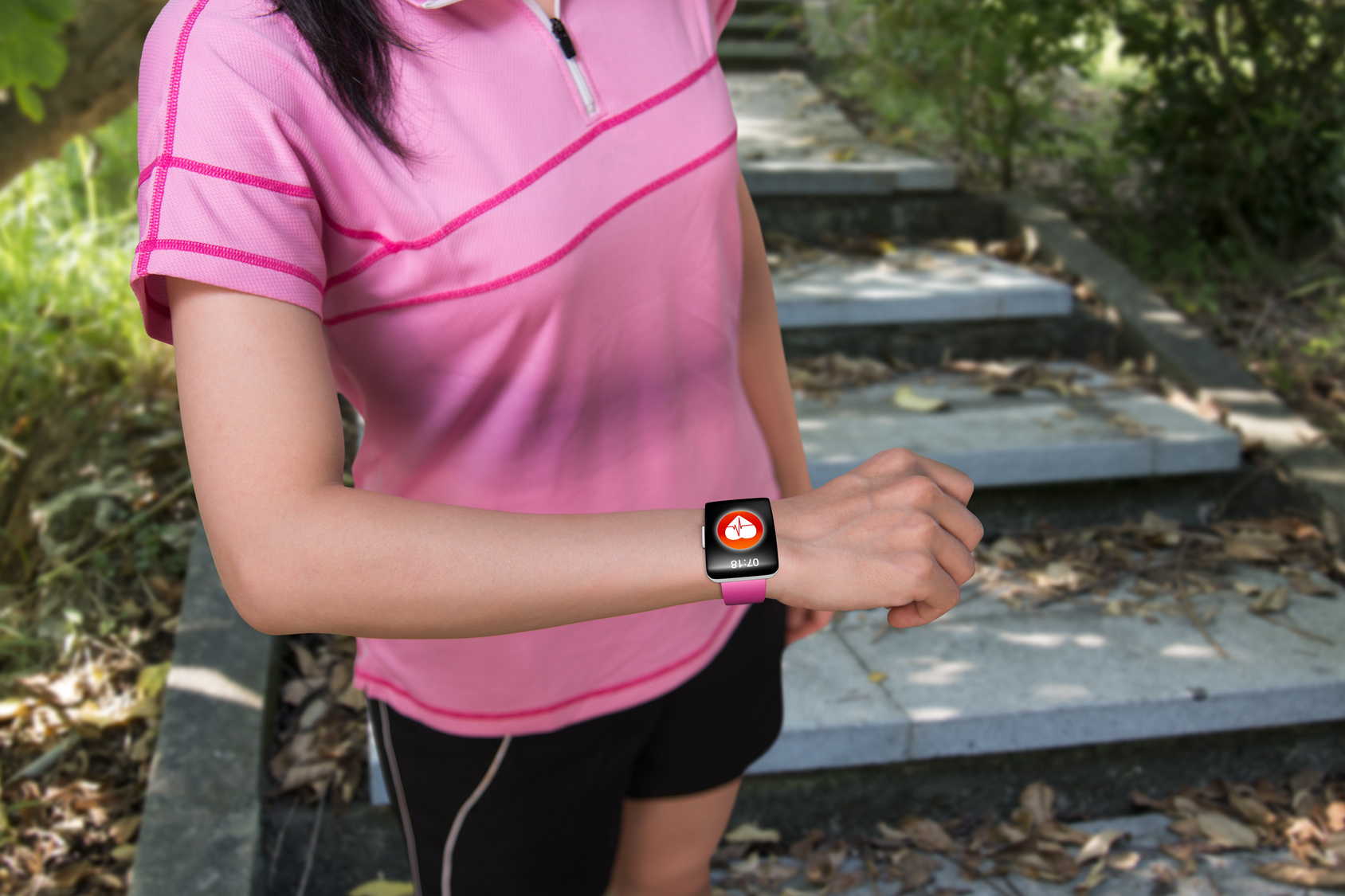
This is why having a good GPS watch—or using any decent running app—is crucial for continually tracking your pace as you train for a sub-30 minute 5K.

Follow A Sub 30 5K Training Plan

Depending on your starting point, the average training plan for a sub-30 minute 5K is about 8 to 12 weeks.

As a prerequisite, you should be already able to maintain the 9:40 per mile pace for five minutes before you give this plan a shot.

This is why I recommend that beginners may start this training plan after completing my couch to 5K training plan and have been training consistently for the past three months.

As a general rule, your training plan should include three to four sessions per week: one interval session, one tempo run, one long run, and one easy run.

Want more challenge? Try my 8K training plan.  Or The Sub 20 5K Training Plan

Speed Work

The best way to improve your running speed is to actually do some dedicated speedwork.

Interval training is the ideal way to introduce speed work to your training program.  This method involves running fast for short periods, then taking a break to recover before going hard again.

You can perform the fast-paced intervals at your goal 5k pace or faster, depending on your goals and other factors, with rest periods in between.

Here’s how to proceed

  • Start with a 10-minute dynamic warm-up
  • Run at goal 5Km pace for one lap around the track.
  • Recovery with one minute of gentle jogging.
  • Repeat the cycle five to six times.
  • Finish with a 5-minute slow jog as a cool down.

As you get fitter, you’ll need to increase the number of intervals you perform.

For example

  • Week One – 4 X 400-meter
  • Week Two – 4 X 400-meter
  • Week Three – 5 X 400-meter
  • Week Four – 5 X 400-meter
  • Week Five – 6 X 400-meter
  • Week Six – 6 X 400-meter
  • Week Seven – 7 X 400-meter
  • Week Eight – 8 X 400-meter

Tempo Training 

Another useful running strategy to help you improve your 5K speed is to do tempo training.

Also known as threshold workout, tempo runs are performed at a comfortably hard pace, roughly 20 to 30 seconds per mile than your current 5K pace.

The aim of tempo training is to get you used to be comfortably uncomfortable.

As a rule, you should be pushing the pace compared to your regular runs but not past the point in which you’re completely worn out by the end.

Tempo training has a lot to offer. More specifically, it improves your metabolic fitness, which is a key physiological variable for running success.

More specifically, tempo training increases your lactate threshold (LT), which is the point at which your body fatigues at a certain pace.

Here’s an example of a tempo workout.

Following a 10-minute warm-up jog, run three miles at a tempo pace, with a one-minute surge at 5K goal pace every three minutes. Cool down with a 5-minute jog. And that’s all.

5km in 30 minutes
marathon runners legs running on city road

Cross Train

Logging the miles alone is not enough to help you run a 5K in 30 minutes or less.

In fact, cross-training can also help improve your running times, especially resistance training.

By performing strength exercises, you can quickly strengthen your major running muscles, such as the core, glutes, hamstrings, quadriceps, and calves—all of which help you to become a more efficient and powerful runner.

No idea where to start? Don’t worry.

My beginner’s guide to strength training for runners provides virtually all the answers you need if you’re new to strength training.

Other than that, here are some of the exercises you should be doing.

  • Squats
  • Bodyweight Lunges
  • weighted lunges,
  • Push-ups
  • Hip bridges
  • Planks
  • Deadlifts
  • kettlebell swings.

Shoot for 8 to 12 reps of each exercise with 30 to 60 seconds of rest in between. Repeat these three times.

Tips For Running 5Km In 30 Minutes

Once you feel ready for your sub 30 5K, take the following measures to help improve your odds of success.

Here are a few.

Warm-Up Properly

You might feel tempted to run fast out of the gate, but you cannot neglect the importance of proper warm-up.

The warm-up not only helps fire up your muscles the right way but can also prevent injury.

Before you attempt to run a 5Km in 30 minutes, invest at least 10 minutes to perform some gentle jogging and a few dynamic movements, such as inchworms, leg swings, and air squats.

Here’s my favorite warm-up routine.

Recover Well

Recovery is key. In fact, recovery is as important as the training itself.

That’s why you should be well-rested before you try running a 5K under 30 minutes.

How?

Simple. Take it easy for the few days before your test—or race—by scaling back on your training routine and getting plenty of sleep. Diet is also key.

On race day, top up your energy level with a nutritious but light breakfast, then have a healthy snack in the hour before your run.

Additional Resource – What’s A Good 5K Time For A Beginner.

Remember Your Pace

Once you know your sub-30 minute 5K pace, it’s helpful to get to know your time splits for each mile of the race. Just keep in mind that times are based on the condition that each lap split is run at the same pace.

Of course, it’s not always possible to keep the same pace, but you’ll know whether you’re ahead or lagging at each mile.

Here are mile splits for a 9.39 per mile 5K.

  • Mile One – Split Time: 9:39 – Lap Time: 9:39
  • Mile Two– Split Time: 19:18 – Lap Time: 9:39
  • Mile Three– Split Time: 28:57– Lap Time: 9:39
  • 11– Split Time: 30:00– Lap Time: 9:39

Negative Splits

As you can already tell, sticking to the same pace throughout a race is tricky when you consider variables such as fatigue, terrain, and wind.

That’s I’d recommend that you plan a flexible pacing strategy as a better tactic to run a sub-30 minute 5K.

A good pacing strategy to help you run a 5K within 30 minutes or faster is to perform a negative split, which refers to running the second half of your race faster than the first half.

More specifically, your last mile should faster than the first couple of miles.

In other words, getting faster as you go on.

The best way to build the skill of negative splitting is to actually incorporate negative splits into your training workouts.

If you’re doing intervals, try running the final two to three repetitions at your fastest. Or you can also do progressive long runs—in which you run the last couple of miles faster on long runs.

Here’s an example of negative time splits for a sub-30 minute 5K.

  • Mile One – Split Time: 10:05– Lap Time: 10:05
  • Mile Two– Split Time: 19:52 – Lap Time: 9:47
  • Mile Three– Split Time: 29:04– Lap Time: 9:17
  • 11– Split Time: 30:00– Lap Time: 0:56

Additional resource – How to train for an 8K

Running A 5K in 30 minutes – The Conclusion

That’s all. If you’re aiming to run a 5Km in 30 minutes then today’s article will get you started on the right foot. But it’s up to you to take the first step. The rest is just details.

Please feel free to leave your comments and questions in the section below.

In the meantime thank you for dropping by.

Keep Training Strong.

David D.

The 5 Best Colleges for Runners in the US

race warm-up

**This is A Guest Post By my Friend Mila Bravo**

When choosing between learning institutions, future students are guided by various preferences. Some consider the location first of all, others try to find a place where they won’t have to complete so many written assignments that only an essay service will be able to help them. Sometimes, it’s the available scholarship the final choice depends on. Yet, what does a really good college comprise?

While some students will look for the school with the best academic track record, others take very seriously the best college track and field programs before they apply. Running isn’t just for keeping fit for them, but also a chance at scholarships to help them manage the ever-rising college fee.

But in addition to physical skills, students should also be able to articulate their thoughts well for writing admissions essays or understand where you can get help for example in writing a persuasive essay, these are important skills that will be useful to the student in the future.

The US is a haven for talented students that want to get serious at field and track. Schools have allocations for those who want to explore their talents while pursuing academic accreditation. Students under a sports scholarship do not get to sail through simply for their achievements in the field. They are expected to be all-around, thereby somehow working even harder than those not in such programs. However, US colleges provide countless opportunities for those who love running to never give it up. Let’s take a look at the best colleges for runners in the US.

University of Wisconsin

You would be doing yourself an injustice if you overlooked one of the biggest assets this campus has – a 200-mile trail for bikes and running. At the Memorial Union Terrace is the Lakeshore Path that students can pick right after lessons, which typically means you can get off class into the track when pressed for time. It’s a perfect choice for those who’d never give up running while struggling to find time for assignments. Plus, you won’t need to think “how can I do my homework?” as Edubirdie is here to help. Listening to lectures on the run is a great way to memorize information and study while leaving tedious writing and research for professional academic help.

The shores of Lake Mendota offer 19 miles of glorious running trail, while Picnic Point is just but 5 miles of scenic views. You are spoilt for choice, even more, when you look to Devil’s Lake State Park with its wooded parks and grassy trails. The UW running club was started in 1986 and organizes marathons as well as all running events. All this is only made better by the numerous coffee shops that line the streets where you can stop for a cup of Joe to fuel your runs.

University of Washington

Running being an outdoor activity is best experienced when you don’t have to worry about the rain, which is why Washington is as ideal as it can get. The rainy seasons are few and far between and nothing makes you appreciate nature more than the surrounding Puget Sound and Lake Washington.

There are trails – UW Waterfront and Burke-Gilman – that will make it so much fun since you will hardly ever be doing the same trail twice a week. The Huskies runners club allows anyone that wants to join in the fun where you interact with like-minded peers to plan runs together. The club is run by elected officials who map the route for five runs a week with different distance options. Now you see why this college is top of the list?

Harvard University

Harvard is known for its academic prowess, but little is said of it as one of the country’s top sports colleges. Now, the paths along Charles River form exciting routes that athletes can choose to take every day so that it feels like a different path now and again. The 50-acre area that was formerly a landfill is also available for exploration as are Fresh Pond and Danehy Park.

The school’s club that is mostly made up of undergraduates welcomes staff and postgraduates students as well, and has six practices a week. And if you forgot, the school is based in the Boston Marathon’s home, so there’s an annual event to train for after class.

Creighton University

There is more to Omaha, Nebraska, than Midwestern living and steaks. The 140-acre facility has lots of history that you can soak in as you run the many trails along with St. John’s Church and Creighton Hall. Get out of campus and run through the Omaha Riverfront Trail that gives you the best views of the Omaha skyline and Missouri River. This trail is a 20 miles course, so think of it as your practice for long runs as you appreciate all that the state has to offer.

There is a club for runners with organized group activities four times a week. Anyone can join whether they are in it for fun or competitively. They also organize local running events.

Northwestern University – Evanston III

Northwestern may be known for being a hub for academic research, but that is not to say students are always writing papers. With Lake Michigan as your backdrop, you will enjoy a breezy run through Sheridan Road. Green Bay Trail that is nine miles long is off-campus when you want to mingle with other users, cyclists included.

The Northwestern Track Club meets four times a season and organizes track and long-distance runs. It is quite active with activities most days of the week.

Running is a Lifestyle

There is more to education than attending classes, which is why schools running is being promoted regularly among students and staff. This list only makes up the best of the US institutions that place lots of emphasis on extracurricular activities both in architectural design and history. There are many more schools but we couldn’t fit them all here.

Author Bio – Mila Bravo is a freelance writer and running enthusiast. Her articles focus on an active lifestyle, education, and work-life balance.

How To Choose A Running Watch For Beginners

Affiliate Disclosure: Runner’s Blueprint is reader-supported. If you buy through links on this page, I may earn a small commission at no extra cost to you.

Looking to buy a running watch but not sure how to choose the right one?

You’re not alone.

One of the most common questions I get as a running coach and blogger is:

“What running watch should I use?”

And honestly, there isn’t a perfect one-size-fits-all answer.

The best watch depends on your training goals, your budget, and how much data you actually want to track.

Right now the fitness market is flooded with options—different brands, designs, features, and price ranges. Some watches focus on basic tracking, while others offer advanced training metrics, coaching features, and multi-sport capabilities.

All of that choice can make buying a running watch feel more confusing than it should be.

So let’s simplify things.

In this guide, I’ll walk you through the key features that actually matter, explain what different types of running watches do, and help you figure out which kind of device fits your training style.

By the end, you should have a clear idea of what to look for—and what you can safely ignore.


What Is a Running Watch?

A running watch is essentially a fitness tracker designed specifically for runners.

It uses sensors like GPS and heart-rate monitoring to track your runs and give you data such as:

  • pace
  • distance
  • time
  • heart rate
  • calories burned

More advanced watches can also measure things like cadence, recovery time, training load, and VO₂ max.

The goal isn’t just collecting numbers—it’s helping you understand your training and improve your performance.

The watch you choose should match your goals.

A beginner runner might only need something that tracks pace and distance. A marathoner or triathlete may want deeper training insights and multi-sport features.

And remember:

The most expensive watch isn’t automatically the best one for you.

The best watch is the one that actually supports your training.


Do You Actually Need a Running Watch?

Short answer: No.

A running watch isn’t mandatory.

There are plenty of free smartphone apps that can track your distance, pace, and time.

But if you want more consistent training data—and easier access to your stats during a run—a dedicated watch can be incredibly useful.

A good running watch can help you:

  • track progress over time
  • monitor pacing during workouts
  • follow structured training plans
  • understand recovery and workload

Whether you’re just starting out or training for your tenth marathon, the right watch can make your training simpler, more consistent, and more effective.

How To Choose A Running Watch For Beginners

How To Choose A Running Watch For Beginners

Now let’s get into the specifics.

Choosing the right running watch really comes down to two things:

  1. What data you want to track

  2. How much you’re willing to spend

Let’s break both of those down.


1. Decide What Data You Actually Need

The first thing to consider is the type of information you want from your watch.

Most running watches track the basics:

  • time
  • pace or speed
  • distance

For many runners, that’s more than enough.

But if you’re training more seriously, you may want additional metrics like heart rate, cadence, or recovery data.

Your running goals should guide your decision.

Here’s a simple way to think about it:

Basic training goals

If you just want to track time, distance, and pace, a basic or mid-level running watch will work perfectly.

Heart rate training

If you follow structured workouts or want to monitor effort levels, look for a watch with a built-in heart rate monitor.

Advanced performance data

If you want deeper insights like cadence, VO₂ max estimates, or training load, you’ll need a mid-level or advanced running watch.

Multi-sport training

If you run, bike, swim, or train for triathlons, choose a multisport watch designed to track multiple activities.

The key point is this:

Don’t pay for data you’ll never use.


2. Understand Running Watch Price Ranges

Once you know what features you want, the next step is setting your budget.

Running watches typically fall into three main price categories.


Under $100 — Basic Running Watches

These are entry-level devices designed for simple tracking.

If you only want to record distance, pace, and time, a basic watch may be all you need.

Just keep in mind that some models in this range:

  • rely on your phone for GPS
  • offer fewer training features
  • have simpler displays

That said, many still include useful extras like:

  • activity tracking
  • auto-pause
  • smartphone connectivity

$100–$300 — Mid-Level Running Watches

This is where most runners end up.

Watches in this range offer significantly more training features without jumping into premium pricing.

Common features include:

  • built-in GPS
  • heart rate monitoring
  • interval training support
  • run/walk alerts
  • accelerometers for indoor tracking
  • longer battery life

For beginner and intermediate runners, this category usually offers the best balance of price and functionality.


$300+ — Advanced Running Watches

Higher-end watches are designed for runners who want deeper performance insights.

These devices often include advanced metrics such as:

  • VO₂ max estimates
  • vertical oscillation
  • recovery and training load tracking
  • real-time coaching features
  • multi-sport tracking
  • triathlon modes
  • extended GPS battery life

These watches are ideal for serious runners, endurance athletes, and triathletes who want detailed training data.

But for many recreational runners, they may offer more features than you actually need.


A Simple Rule to Follow

Start with the data you want, not the most expensive watch.

Once you know what metrics actually help your training, choosing the right running watch becomes much easier.

Running Watch Decision Guide

Choosing a running watch doesn’t need to be complicated.

Most runners just want something that tracks their runs reliably without getting lost in a million features.

Here’s a simple cheat sheet.

Which Running Watch Should You Buy?

If you want… Choose
cheapest reliable watch Garmin Forerunner 55
best value overall COROS Pace 3
advanced training metrics Garmin Forerunner 265
smartwatch + fitness tracking Apple Watch Series 9
ultimate endurance watch Garmin Fenix 7

The Best Running Watches on the Market

Here are a few of the best running watches worth checking out right now. These models cover different budgets and training needs—from beginner runners to serious endurance athletes.


Garmin Forerunner 55

The Garmin Forerunner 55 is one of the best entry-level running watches available today. It’s simple, reliable, and packed with just enough features to help beginners train smarter.

It tracks core metrics like distance, pace, time, and heart rate, while also offering helpful features like cadence tracking, recovery time suggestions, and basic training guidance.

What’s more, the battery life lasts up to 20 hours in GPS mode, which is excellent for a watch in this price range.

Best for: beginner runners who want reliable GPS tracking without complicated features.

Weight: ~37 g
Battery: ~20 hrs GPS
Display: MIP screen
Price: ~$200

Pros

✔ simple and beginner-friendly
✔ strong battery life
✔ accurate GPS tracking

Cons

✖ basic display
✖ limited smartwatch features

👉 Check current price on Amazon
👉 Check official store


Apple Watch Series 9

If you want a watch that does more than track runs, the Apple Watch Series 9 is one of the most versatile options available.

It tracks running metrics like pace, distance, and heart rate while also offering a wide range of smartwatch features.

The always-on display makes it easy to check your stats mid-run, and features like blood oxygen monitoring, ECG tracking, and smartphone connectivity make it useful beyond running.

Battery life is roughly 18 hours, which is shorter than dedicated running watches but acceptable for most daily workouts.

Best for: runners who want a smartwatch that also tracks workouts.

Key Specs

Weight: ~39 g
Battery: ~18 hrs
Display: always-on Retina
Price: ~$399

Why runners like it

The Apple Watch combines fitness tracking with a full smartwatch experience.

Pros

✔ beautiful display
✔ strong health tracking features
✔ excellent app ecosystem

Cons

✖ shorter battery life
✖ fewer advanced running metrics

👉 Check current price
👉 Check official store


COROS Pace 3

The COROS Pace 3 has become one of the most popular running watches among serious runners—and for good reason.

It offers incredibly strong battery life, accurate GPS tracking, and advanced running metrics at a very competitive price.

The watch can last up to 38 hours in full GPS mode, which makes it ideal for marathon training and long endurance runs.

It’s also extremely lightweight, which means you barely notice it on your wrist.

Best for: runners who want strong performance metrics without paying premium prices.

Key Specs

Weight: ~30 g
Battery: ~38 hrs GPS
Display: always-on memory LCD
Price: ~$230

Why runners like it

The Pace 3 delivers excellent battery life and advanced training metrics at a price that undercuts most competitors.

Pros

✔ incredible battery life
✔ lightweight
✔ strong training metrics

Cons

✖ smaller ecosystem than Garmin

👉 Check official store


Garmin Forerunner 265

If you want a more advanced running watch with deeper training insights, the Garmin Forerunner 265 is one of the best all-around options on the market.

It includes advanced training features such as:

  • VO₂ max estimates
  • training load tracking
  • recovery time suggestions
  • race predictions

The bright AMOLED display also makes it easier to read stats while running.

Battery life reaches about 20 hours in GPS mode and around two weeks in smartwatch mode.

Best for: serious runners who want detailed training insights.

Best for: serious runners

Key Specs

Weight: ~47 g
Battery: ~20 hrs GPS
Display: AMOLED touchscreen
Price: ~$450

Why runners like it

The Forerunner 265 gives runners deeper training insights like recovery time, training load, and race predictions.

Pros

✔ advanced running metrics
✔ bright AMOLED screen
✔ strong Garmin ecosystem

Cons

✖ more expensive than beginner models

👉 View current deals on Amazon
👉 Check official store


Garmin Fenix 7

For runners who want a premium watch that can handle almost any sport, the Garmin Fenix 7 is a powerhouse.

It’s built for endurance athletes and outdoor adventurers, offering features like:

  • multi-band GPS
  • advanced mapping
  • multi-sport tracking
  • ultra-long battery life

In GPS mode, the battery can last up to 57 hours depending on settings, making it ideal for ultramarathons or long adventures.

Best for: advanced athletes and multi-sport training.

Key Specs

Weight: ~79 g
Battery: up to ~57 hrs GPS
Display: MIP screen
Price: ~$700+

Why runners like it

The Fenix 7 is designed for endurance athletes who want long battery life and deep training insights.

Pros

✔ extremely long battery life
✔ rugged build
✔ advanced navigation features

Cons

✖ expensive
✖ heavier than most running watches

👉 Compare models on Amazon
👉 Check official store

Running Watch Battery Life Comparison

Battery life becomes really important once your runs start getting longer.

Especially if you’re training for races like marathons, ultras, or triathlons.

Here’s how some of the most popular running watches compare.

Watch GPS Battery Life
Garmin Forerunner 55 ~20 hours
COROS Pace 3 ~38 hours
Apple Watch Series 9 ~18 hours
Garmin Forerunner 265 ~20 hours
Garmin Fenix 7 ~57 hours

Quick takeaway

If battery life matters most, COROS Pace 3 and Garmin Fenix are the clear winners.


Where to Find a Cheap Running Watch

If you want to buy a running watch at a better price, it pays to shop around.

Major sales events like Black Friday, Cyber Monday, and New Year sales are often the best times to find discounts.

You can also save money by buying last year’s model, which usually performs almost as well as the newest release.

Another option is purchasing a lightly used watch from reputable resale sites, which can significantly reduce the price.

Running Watch FAQ

Here are a few questions runners ask all the time when they’re thinking about buying their first running watch.


Do beginners actually need a running watch?

Not necessarily.

Many beginners use smartphone apps like Strava or Nike Run Club.

But a dedicated running watch makes tracking pace and distance much easier during workouts, and it’s usually more accurate than a phone.


Are Garmin watches better than Apple Watch for running?

For serious training, yes.

Garmin watches focus heavily on performance metrics like training load, recovery time, and VO₂ max.

Apple Watches are excellent smartwatches, but their battery life and advanced running features aren’t as strong.


How accurate are GPS running watches?

Most modern running watches are very accurate.

However, GPS accuracy can vary depending on factors like buildings, trees, or weather conditions.

High-end watches with multi-band GPS tend to perform best in difficult environments.


How long do running watches usually last?

Most running watches last 3–5 years before the battery begins to noticeably degrade.

Durability also depends on how often the watch is used and whether it’s exposed to harsh conditions.


Is a running watch worth the money?

For many runners, yes.

A good running watch can help you pace workouts, track progress over time, and stay consistent with your training.

But it’s still just a tool.

The real improvements come from the work you put into your running.

The Conclusion

When looking for a new GPS running watch, it’s key to consider exactly what features you need as well as your future needs. The rest is just detail, really.

Please feel free to leave your comments and questions in the section below.

In the meantime, thank you for dropping by.

Keep running strong.

David D.

How To Start Running 2 Miles a Day & How Long Should It Take

What is A Good Running Pace For Beginners

Looking for a simple fitness goal that can help you lose weight, improve endurance, and improve overall health (without pain or injury)? Then you should give running 2 miles a day a try.

Here’s the truth: Running a relatively short distance every day is an awesome way to build the exercise habit and get all the major benefits of running without the downsides.

It’s actually the ideal dose of running to keep you going every day without getting injured or burned out.

In today’s post, I’m going to share with you some of my best advice on how to start a running streak.

In this article, you’ll learn more about:

  • The benefits of running two miles a day
  • How to get started
  • How to stay safe
  • And so much more

Sound great?

Let’s get started

Running Streak Explained

Two miles, or 3.1 km, is a relatively and achievable distance that can lead to plenty of health benefits.

Let’s dive a little deeper into the reasons you should consider setting a goal of running every day.

Lose Weight

It goes without saying, but the reason number one most people take up running is to lose weight.

And you can certainly shed a lot of pounds by just running two miles every day.

Of course, how many calories you burn during a two-mile run will depend on your weight, speed, and fitness experience, but it’s still going to be a significant number.

Here are a few examples of caloric burn while running a 9-minute mile for a 160-pound runner.

  • 120-pound person – 180 calories running two miles.
  • 130-pound person – 190 calories running two miles.
  • 140-pound person – 210 calories running two miles.
  • 150-pound person – 225 calories running two miles.
  • 160-pound person – 240 calories running two miles.
  • 170-pound person – 255 calories running two miles.
  • 180-pound person – 270 calories running two miles.
  • 200-pound person – 300 calories running two miles.
  • 220-pound person – 330 calories running two miles.
  • 240-pound person – 360 calories running two miles.

Just keep in mind that running and exercise, in general, is not a silver bullet for weight loss.

It’s only one half of the battle—the other being your diet.

Stay More Consistent

Research shows that the best way to build a habit to turn your goal activity into a ritual that you do every for at least 30 days.

Doing a running streak is all about exercising every day.

Even though you’re only running for a relatively short distance, the consistency gains are real.

Improves Your Outlook

The other common reason people decide to become runners is the natural mood boost that comes with it.

With all the stress that life throws at us, it can be tricky to keep a positive outlook.

Maybe you feel burned out at work.

Maybe your partner is not as supportive as you’d like them to be.

Maybe the universe doesn’t feel like a friendly place anymore.

Whatever.

But by lacing up those shoes and logging your two miles, you’re telling the rest of the world that you’re strong and can do anything you set your mind to.

Protect You Against Cardiovascular Disease

Research shows that running and cardiovascular exercise in general, can improve heart health like nothing else.

For example, a meta-analysis reported that running regularly was correlated with a:

  • 30 percent reduced risk of cardiovascular mortality
  • 23 percent reduced risk of cancer mortality
  • 27 percent reduced risk of all-cause mortality

No Excuses

Anytime you think that you are not fit enough or don’t have enough time to exercise, remember it’s just two miles.

Not even a 5K.

Let alone a marathon.

To Conclude

I can go on and on about the benefits of running two miles a day.

But by now, I hope you’re in.

Now let’s try and see if there’s any downside to the practice.

Additional resource – How to start running with your dog

The Dark Side of Running Two Miles A Day

Running two miles is a realistic training goal that virtually everyone can achieve, but, depending on your fitness level, it might cause overtraining if you push yourself too hard.

Clearly, running every day has a lot to offer.

But like almost any exercise plan, it has drawbacks.

If you’re trying to run two miles every, it’s best to skip your session if:

  • Feel enough pain to alter the way you move.
  • Pain gets progressively worse the longer you run
  • The pain is severe and refuses to fade away even after finishing the run.

There are a few things you can do to help protect yourself against injury and overtraining.

I’m sharing a few of them with you later on.

Keep on reading.

Will I lose Weight Running Two Miles a Day?

If you run two miles every day and are watching out for what you eat, you’ll more than likely lose weight.

The general rule is that you’ll burn about 100 to 120 calories per mile.

That means if you run two miles seven days a week, you’ll shed about 1400 to 1600 calories a week.

That might seem like much but keep doing the same workouts for three months, and you’ll end up burning off roughly 20,000 calories—which is the equivalent of five pounds!

Yes, five pounds without making any change to your lifestyle.

Want more challenge? Check my guide to running five miles everyday.

how long does it take to run 2 miles a day

How to Get Started Running 2 Miles A Day

Without further ado, here’s how to get on the two-mile-a-day path.

Go Slow

Are you a complete beginner runner?

If you have never run before, it’s probably going to challenging trying to run two miles straight—maybe you won’t even be able to run one mile without doubling over in pain.

If you have never run before, your first step is to start with a walk/run routine.

This is a method in which you alternate between intervals of running and walking—what’s known as the walk/run method.

That’s how you get fit without getting hurt.

I’d recommend to try jogging for one minute and walking for one to two minutes to get started.

Repeat the cycle until you’ve completed your two-mile workout.

As you get fitter, increase the time spent running and take less and less for recovery until you can run the two miles without breaks.

It might take you a few sessions to get there, or a couple of weeks.

It’s up to you.

Train at your own pace and stay within your fitness level.

Here’s the full guide to how long does it take to run a mile.

How Long Should It Take To Run 2 Miles?

The answer depends on the individual.

For example, if you just took up running and are following the run/walk strategy, it could take about 30 minutes to complete the 2-mile run.

But if you can already run two miles non-stop, expect to finish the workout in 15 to 20 minutes—depending on how fast you can go.

As the weeks progress, you’ll get faster and get massive perks.

It’s just a matter of practice and time.

Additional resource – Here’s your guide to running three miles a day.

Running Two Miles A Day – The Pace

As I explained earlier, as a beginner, you’ll do a mix of running and walking at an easy pace to help you meet that goal.

Just remember to start each workout with a 5-minute brisk walk as a warm-up, then finish it up with another 5-minute walk for cooldown.

Keep all of your two-mile runs at around 80 percent of your maximum, especially during the first few weeks and/or if you’re a complete beginner.

Do not run your body into the ground by the end of the session.

You should leave enough fuel in the tank to be able to do more.

Plan Your Sessions

Take sometime on the weekend to assess the week ahead, then carve out the times you want to run the two-miles.

By analyzing your daily schedule, you can choose the best time to fit in your runs.

I’d recommend getting up early and knocking it out right away, as research shows that people who work out in the morning are more likely to stay consistent.

Just whatever you do, choose a time based on your schedule.

Do what works for you.

Schedule your sessions just like you’d schedule work meetings or family events.

You wouldn’t skip either of those unless you want to lose your job or have trouble in your household.

Once you schedule your runs, stick to them—no matter what.

It’s only two miles, after all.

Additional resource – How To Run An 8-Minute Mile?

Pay Attention

Although running two miles a day is a great goal to have, remember to keep a keen eye on your body.

If you’re experiencing pain or just feel like you need to rest more, that’s completely fine.

Don’t do more than your body can handle—or else, you’ll get injured or burned out.


How To Start Running 2 Miles a Day – The Conclusion

There you have it!

If you’re looking to start a two-mile run streak, then today’s article is the perfect guide for you.

I have covered all the essentials, but if you still need more beginner runner advice, make sure to check my page here.

Please feel free to leave your comments and questions in the section below.

In the meantime, thank you for dropping by.

Keep Running Strong

David D.

The Beginner’s Guide to Tempo Run Training

If you’ve ever heard the term ‘tempo running’ tossed around by seasoned runners or coaches and wondered what the buzz is all about, you’re in for a treat.

A tempo run is a specific type of workout that helps runners build speed and endurance. It’s often referred to as a “threshold run,” where you maintain a steady, challenging pace for a set duration or distance.

I was once skeptical about the benefits of tempo training. However, after integrating it into my running plan following a particularly tough marathon, I experienced a significant improvement in my ability to maintain a strong pace throughout long races.

The change was dramatic—no more hitting the wall at mile 18, and no more struggling to keep my pace.

Would you like to reap similar benefits? Then you’re in it for a treat.

In today’s post, I will spill all the beans on what tempo runs are, why they’re important, and how to use them in your training.

What is a Tempo Run

Also known as lactate threshold runs, tempo runs are a type of speed workout designed to boost your endurance and overall performance.

A tempo run falls somewhere between a casual jog and an all-out sprint—at the line between aerobic and anaerobic exercise. The main purpose of tempo training is to increase your lactate threshold—that’s where your body can’t deliver oxygen to your muscles fast enough, and lactic acid starts to build up, causing that burning feeling and fatigue.

When I first heard about tempo runs, I thought it was just another buzzword coaches threw around. It wasn’t until I started training for my second marathon that I realized how important they were. In my first marathon, I hit the wall hard at mile 18—my legs were burning, my pace dropped, and I barely reached the finish line.

That’s when a friend suggested adding tempo runs to my training. At first, I didn’t quite get it—why would running at a “comfortably hard” pace help me? But after a few sessions, I could feel the difference.

My endurance improved, and I could hold a steady pace without burning out. When race day came around, I felt stronger and more in control.

Thanks to tempo runs, not only that I finished my second marathon strong but also with a smile on my face.

What’s not to like, really!

What is the Ideal Tempo Running Pace?

Now that you know what a tempo run is, how do you start?

Let me explain.

Tempo runs typically last 20 to 30 minutes at a pace that feels “comfortably hard.” It’s not easy, but it’s not a sprint either. This pace is your lactate threshold pace—the speed you can sustain for a long period without feeling completely wiped out.

To find your ideal tempo pace, aim for a speed that makes you look forward to ending the run but that you can still keep for the entire workout. If you’re an experienced runner, this pace might be close to your 10K race pace.

Heart Rate And Tempo Pace

Another way to measure your tempo pace is by heart rate. Aim for 80-90% of your maximum heart rate during a tempo run.

This is, of course, easier said than done.

I remember going out way too fast during my early tempo sessions.

About halfway through, I was struggling to breathe and had to slow down. I thought I was supposed to push hard the whole time, but that wasn’t the point.

It took a few weeks of experimenting, but I finally found that “comfortably hard” pace. It was the pace where I could keep going, but I was also ready for it to be over by the end.

I like to describe it as the speed where you’re working hard enough that you could talk, but you’d rather not.

That’s the sweet spot of tempo running, balancing between aerobic comfort and anaerobic challenge, which helps raise your lactate threshold

For more on tempo training, check out the following pages:

How long Should A tempo Run be?

How long should your tempo run be? It largely depends on your current fitness and goals.

Let me break down this for you:

  • For Beginners: Start with 10 to 15 minutes at your “comfortably hard” pace.
  • Training for a 5K: Keep your tempo runs between 3 and 4 kilometers.
  • Training for a 10K: Aim for 4 to 7 kilometers at tempo pace.
  • Half Marathon: Shoot for 8 to 12 kilometers.
  • Marathon: Tempo runs should be between 16 and 24 kilometers.

I used to think running for 20 to 30 minutes at a hard pace was impossible. The first few times I tried tempo training, I could barely get through 10 minutes.

My heart was pounding, and my legs were on fire. But I stuck with it, starting small and gradually building up. The first time I kept my tempo pace for more than 30 minutes—I felt invincible.

Nowadays, tempo runs are a staple in my training, and I’ve even started to enjoy pushing myself for longer stretches.

Note – Faster runners should aim for the higher end of the mileage range.

How Often To Do A Tempo Runs?

According to my experience, making the most out of tempo runs is all about finding the right balance. Do too much and you’re setting yourself up for burnout or injury, while too few won’t give you the benefits you’re after.

I recommend doing one tempo run per week. If you feel strong and want to push more, try two sessions within ten days.

Tempo Running vs. Interval Running: What’s the Difference?

Both tempo running and interval running have their place in a training plan but have different goals.

Let me explain:

  • Tempo Runs: These are designed to increase your lactate threshold, helping you run faster for longer. There are no breaks in a tempo run—you maintain a steady, challenging pace throughout.
  • Interval Runs: These focus on improving your VO2 max, which is your body’s maximum oxygen uptake. Intervals involve short bursts of intense running, followed by periods of recovery.

Both methods improve performance, but tempo runs help you build endurance, while intervals are better for boosting speed.

Can you Do a Tempo Run on the Treadmill?

Absolutely! The treadmill is a great place to practice tempo runs, especially if you’re trying it for the first time. The treadmill makes it easy to set and maintain your target pace, so there’s no guesswork involved.

How to Perform a Tempo Run

Here are a few tempo workouts to get you started. Mix them up to keep your training fun and challenging.

The Sustained Tempo Run For Beginners

For those new to tempo runs, remember everyone starts somewhere. My first few attempts were far from perfect, but with persistence, I saw significant improvements. Start small, celebrate your progress, and don’t be too hard on yourself as you adjust

Here’s how to get started:

  • Start with a 10-minute warm-up. Lightly jog for 5 minutes, then perform a set of dynamic stretches while on the move for another 5 minutes.
  • Run at a comfortably hard pace for 10 to 15 minutes. Remember: You can’t stop anytime during the effort, so pick your pace wisely (check the previous tips on how to do it).
  • Finish with a 5-minute slow jog as a cool down. Stretch your body afterward.

The Treadmill Pace Run

The simplest tempo routines out there.

Here’s how to proceed.

  • Start with a 10-minute warm-up.
  • Set your tempo pace, then stick with it for 20-30 minutes.
  • Slow down and cool down for five minutes.

Lactate-Threshold Run

Feel confident in your running ability and want to push a little more? Try this more challenging variation.

Here’s how to proceed.

  • Start with a 10-minute slow jog as a warm-up.
  • Run for 30 minutes at your comfortably hard pace.
  • Finish the run with a 10-minute jog as a cool-down.

The Tempo Repetition

This variation looks a lot like interval-style runs, but it’s more challenging (since you don’t take any breaks throughout the workout).

This session shares many similarities to classic intervals, but they’re performed at your tempo pose.

During the recovery, you never stop but keep jogging until the next rep.

Here’s how to proceed.

  • Start with a 10-minute dynamic warm-up.
  • Run at about a pace slightly faster than your tempo pace for three minutes, then slow it down to your warm-up pace for another three.
  • Repeat the cycle three times, making sure not to stop during any point of the run.
  • Finish with a 10-minute slow jog as a cool down.

Hilly Tempo Runs

Another way to take your training to the next level is to do it on a hill.

This helps improve not only your endurance and speed but also your strength.

Find a long hill or trail that climbs at roughly five to 10 percent grade on average and will take at least 20 to 30 minutes to run up to.

Start with an easy warm-up jog of 10 to 15 minutes, then go up the hill at a tempo run effort for 20 to 30 minutes.

Aim for 85 to 90 percent of your maximum heart rate—or roughly 8.5 out of ten on the RPE.

It’s key to properly pace yourself and keep your intensity under control early on so that you train with good technique and do not build too much lactic acid in your muscles.

Marathon Pace Tempo Run – The Hanson method

Preparing for a race?

Then this variation is for you.

Think of this as a dress rehearsal for your event.

Please keep in mind that this option is only for advanced runners.

Beginner runners don’t even dare.

  • Warm-up for 15 minutes at a slow and steady pace
  • Run at your goal race pace for 60 to 90 minutes.
  • Cool down for 10 minutes.

Interactive Q&A Section

I know that you have more questions about tempo training. Let try to address some of the most common ones.

How can I determine my tempo pace?

A good starting point for finding your tempo pace is to run at a speed that feels challenging but sustainable for about 20 minutes. If you’re preparing for a 5K, this pace is usually about 20-30 seconds slower than your 5K race pace.

What if I struggle to maintain my tempo pace?

It’s okay! Start with a pace that feels manageable and gradually build up to your desired tempo pace. Consistency is key, so focus on incorporating tempo runs into your weekly routine.

How often should I do tempo runs?

For beginners, aim to include one tempo run per week in your training plan. This frequency allows your body to adapt to the increased intensity while preventing burnout. As you progress, you might consider adding a second tempo session every few weeks, depending on how your body responds.

Can tempo runs help me in a marathon?

Absolutely! Tempo runs are particularly beneficial for marathon training as they improve your lactate threshold, which helps you sustain a faster pace over longer distances. By incorporating tempo workouts into your training routine, you’ll not only enhance your speed but also build the endurance needed to tackle the marathon distance effectively.

Got more questions?

I want to hear from you! If you have more questions about tempo runs or specific challenges you’re facing, please drop them in the comments below. I’ll do my best to answer them and help you on your running journey!

Further Reading

For more insights into the benefits of tempo runs and training strategies, check out these resources:

Join the Conversation!

I’d love to hear from you! Sharing your experiences with tempo runs can not only help you reflect on your training but also inspire others in the community.

What tempo workout has worked best for you?

Have you faced any challenges along the way?

Drop your thoughts in the comments below, and let’s support each other in our running.

The 5 Most Common Causes of Top of Foot Pain When Running

How To Clean Running Shoes

Are you experiencing top of foot pain when running? Then you have come to the right place.

Here’s the truth. Running is a high impact sport per excellence—it can take a toll on your body, especially your feet, your first point of contact with the ground.

This foot pain is a common complaint among runners of all backgrounds and training levels.

However, unlike notorious conditions such as runners knee and plantar fasciitis, diagnosing top-of-foot pain in runners is tricky.

There are many conditions that cause pain in the region, which makes determining which one is which easier said than done.

But fret no more.

In this article, I’ll outline some of the most common causes on top of foot pain in runners as well as how to prevent foot pain so you can get the most out of your training.

Sounds great?

Let’s lace up and dig in.

Anatomy 101

The human foot is a complex set of 26 bones, 33 joints, and more than 100 muscles, ligaments, and tendons.

When you log the miles, every one of these structures fulfills a specific function, and if any is deficient, not only will you come down with discomfort or pain, you also experience alignment issues elsewhere.

The human body is, after all, one connected chain—only as strong as the weakest link.

You may feel an ache, inflammation or tenderness, burning sensation, or a sharp pain that may come and go, depending on the cause and your activity.

The 5 Most Common Causes of Top of Foot Pain When Running

Here are the main conditions that can cause pain on top of your foot while running:

  • Extensor Tendonitis
  • Metatarsal Stress Fracture
  • Bone Spur
  • Vamp Disease
  • Arthritis

Let’s briefly discuss each one of these, then share a few ways to prevent the top of the foot pain while running.

  1. Extensor Tendonitis

One of the most common causes of pain on the top of the foot is a condition known as extensor tendonitis.

As the name implies, extensor tendonitis is an inflammation of the extensor tendons—a set of tendons that run along the top of the foot and are in charge of pulling it upward as well as straightening the toes.

When coming down with extensor tendonitis, you’ll feel pain on top of the foot, especially in the middle between your ankle and the ball of your foot.

The main symptoms include:

  • Swelling, bruising, or redness on the top of the foot
  • Pain in the center of the foot, especially in the middle of the foot and off to the instep, near the big toe.
  • The development of a large bump somewhere along the tendon

Some of the main factors that contribute to the condition include:

  • Running too much too soon
  • Standing for long periods of time
  • Wearing improper shoes that are too tight or too small
  • Running on on uneven surfaces
  • Biomechanics deficiencies, such as fallen foot arch or tight calf muscles

How To Treat Extensor Tendonitis

The most effective way to manage mild extensor tendonitis is to soothe inflammation with rest, ice, and stretching the calf muscles. You should also perform a few grip exercises to reduce stress on the tendon, along with flexing your foot up toward the shin.

What’s more?

Consider using custom orthotics if you have a high-arch foot type as well as changing your shoe lacing pattern and loosen your laces a bit (more on this later).

Consult a doctor for serious cases.

Additional resource – Common cause of lower leg pain while running

2. Metatarsal Stress Fracture

Another common cause of top of the foot pain in runners is a stress fracture.

Logging the miles too hard or too fast can take a toll on your weight-bearing bones and, over time, lead to stress fractures. These consist of a tiny break in the bone caused by repetitive shock rather than an acute injury, such as a fall or accident.

Again, overuse is the main cause of stress fractures, but factors that can contribute to it include:

  • Bad running technique
  • Running on hard surfaces
  • Improper running shoes
  • Vitamin D deficiencies
  • And so much more.

(Check my full guide to stress fracture for more).

As I mentioned before, there are 26 bones in the foot, and any one of them can be prone to a stress fracture from running.

More specifically, the center of your foot houses five metatarsal bones, and any one of them can fall victim to a stress fracture if you run too hard too fast, too soon, especially in the second through fourth metatarsal bones.

This notorious condition starts off as mild pain and then slowly worsens over time. You may experience pain only while running, but as it progresses, you’ll also feel the pain when at rest, even when sleeping.

As the condition worsens, the pain on top of the foot will come on faster and will last longer.

Main symptoms include:

  • Pain and swelling focused on the top of the foot over the bones
  • Tenderness on top of the foot where the stress fracture is located
  • Mild to severe swelling in the affected foot.

How to Treat A Stress Fracture

If you suspect a stress fracture, consult a doctor immediately as it requires a more aggressive treatment plan. Plus, it can only be confirmed by getting an X-ray.

More than likely, you’ll need to wear a boot or some other form of device.

Once your fracture heals, it’s key to go back and assess your running habits to determine why you got hurt.

Or else, you may risk exacerbating your condition, like creating a full-on fracture or another stress fracture.

Top of Foot Pain When Running

3. Bone Spur

What’s known as osteophyte, a bone spur is a bony growth formed on a normal bone. This extra growth can cause wear and tear or pain if it rubs on other tissue such as tendons, ligaments, or nerves in the body.

These usually develop when the body grows extra bone as it tries to repair damage caused by shock or pressure placed on the bone for a long period of time.

Many things can contribute to the formation of a bone spur, such as improper shoes, injury, and age.

Additional Resource – A Tibial Posterior Tendonitis Guide in Runners

How To Treat A Bone Spur

To treat a bone spur, consider changing your running shoes and trying an orthotic to cushion the top of your foot and see if it helps relieve symptoms. As a rule, run in proper shoes—a pair that’s not too tight or too loose and that fits well with your foot type and running style.

Unless they’re causing serious pain, usually bone spurs don’t call for aggressive treatment.

Measures that can help manage bone spurts include weight loss to reduce some of the pressures on the joints. This is especially the case if plantar fasciitis or osteoarthritis is the cause. Stretching the affected limb can also help with pain relief and healing.

For starters, try alternating between cold and heat therapy to ease the pain associated with a bone spur. Ice works very well for soothing swelling and inflammation, while the heat can improve pain and stiffness.

In some cases, you might need cortisone injected administered by your doctor, which helps limit inflammation.

Additional Resource – Here’s how to use KT Tape for runners knee.

4. Vamp Disease

Vamp disease refers to irritation over the top of the foot that often occurs when you tie up your running shoes too tightly. It’s more specifically an inflammatory swelling on the top aspect of the foot corresponding to the vamp of the shoe—hence the name.

How to Treat Vamp Disease

Easy. Choose well-fitting running shoes and replace them as they wear out. You should also try out different lacing techniques and see which one works the best for you.

As a rule, loosen up your laces or switch to sneakers that fit better so you don’t have to cinch up so tightly.

You should have enough to be able to put your finger under the top laces—or else, you might be lacing your shoes too tightly.

If your symptoms don’t fade away after changing up your shoes, your pain could be caused by something else.

Expect the pain to fade within two to three weeks as the inflammation subsides.

5. Arthritis

Arthritis refers to the deterioration of the cartilage that cushions the bones in your joints, and it’s a common source of pain on the top of the foot.

There are 30 joints in the foot—any of these joints can fall victim to arthritis, hence, lead to pain on the top of the foot.

Midfoot arthritis manifests as pain and swelling in the midfoot and is made worst by high-impact exercises such as running.

According to my research, the most prone spot on top of the foot is the area situated at the base of each toe in the metatarsophalangeal joints. (See Image).

Typically, the symptoms develop slowly over time, but it can also be the result of a major midfoot injury, such as a Lisfranc injury.

Symptoms include:

  • Tenderness pain in the injured area
  • Loss of flexibility in the affected foot.

Here’s the full guide to arch support for running

How to Treat Arthritis

Book a doctor visit if you’re coming down with any of the above symptoms that refuse to fade away with rest and ice. A physician can help you determine the right treatment plan that will work best for you.

Don’t try to heal arthritis on your own—you might end up making things worse, and you don’t want that.

Depending on the the type and severity of your arthritis, your doctor may recommend any of these treatment options:

  • Steroid medications injected into your joints
  • Anti-inflammatory drugs to soothe swelling
  • Pain relievers
  • Pads or arch supports in your running shoes
  • Canes or braces for added support
  • Physical therapy
  • Custom-fitted shoes

How To Prevent Top of The Foot Pain When Running

Here are five measures that should work the best for keeping your top-of-the-foot pain at bay while running.

Proper Running Shoes

I hate to sound like a broken record, but wearing improper running shoes can cause all sorts of pains—foot pain is not an exception.

First, examine your shoes right now and see if:

  • Your shoes are too small
  • Your shoes are too tight
  • You have been tying your shoes too tightly

If any of these apply, you’re setting yourself for foot pain.

Shoes too tight? Time to get a new pair.

Head to the nearest, especially running store and ask the staff there for advice.

They should be able to match you up with the right pair according to your size, foot shape, and level of support you need.

This is especially the case if you have any foot anatomical challenges and/or a history of foot pain.

Additional guide – How to prevent Foot pain while running

Replace Your Shoes

As in good things in life, running shoes also have a lifespan—try to run in past their prime, and you’ll be setting yourself for misery.

As a guideline, replace your running shoes every 400 to 500 miles. For example, if you run 30 miles a week, you should be looking for a new pair every four to five months.

Additional Resource – Here’s your guide to Anterior Tibial Tendonitis 

Lace Properly

Another measure to help you prevent pain on the top of the foot while running is to check your lacing technique.

For example, experiment with tying your laces at the side or miss the eyeholes over the affected area.

But all in all, the best tying method for soothing pressure on top of the foot is the two-laced technique.

This YouTube tutorial shows you how:

Consider Orthotics

If you overpronate and/or have a history of injuries in the lower leg, consider using supportive inserts or custom-made orthotics. Consult with a physical therapist or podiatrist to help you with options.

Additional Resource – Here’s your guide to calf pain while running

When to See A Doctor For Runners Foot Pain

If symptoms don’t fade away despite the above options, it’s time to get professional help.

You might be dealing with a different condition or injury and need more help.

Even relatively foot pain while running can be quite debilitating.  For chronic pain that refers to fade away with simple home remedies, you should seek medical treatment.

Especially if you’ve:

  • Pain persists for more than a week
  • Stubborn numbness in the foot
  • Signs of infection, such as warmth, redness, and tenderness in the affected limb.
  • Complete inability to walk or weight bears on the foot.

A doctor will help you rule out the cause of your pain and determine the seriousness of your conditions. From there, they can examine your situation and recommend the right course of treatment and prevention. The rest is just details.

Foot pain can progress to more severe foot issues and may leave cause damage in your lower legs, knees, even your back.

Additional Resource -Your guide to jaw pain while running

Top of Foot Pain When Running – The Conclusion

There you have it. If you’re experiencing top of foot pain while running, then today’s post most likely has the solution to what’s ailing you.

If not, then you should consult a doctor as soon as possible to rule out any other conditions that might be the culprit behind your pain. The rest is just details.

Please feel free to leave your comments and questions in the section below.

In the meantime, thank you for dropping by.

Keep training strong.

David.

Top 4 Supplements for Runners

woman running

This post was Sponsored By Naked Nutrition. Thank you for this amazing opportunity.

As a runner, you already know the benefits of running are immense. It can work wonders for both your physical as well as mental health.

Running can improve your cardiovascular health, help you maintain an optimal weight, build stronger bones and muscles, and reduce stress.

Not to mention, it’s a lot of fun and a great way to connect with others. Or perhaps you run races and enjoy the competitive element.

Regardless of the reasons why you love running, it is a great sport, and runners are naturally looking for ways to improve performance and longevity.

There are many things you can do to improve your running performance.

For example, you can use the right running shoes based on the structure of your feet. You can strength train and do yoga to improve posture, balance, and coordination, all of which will make you a better runner.

You can optimize your sleep for the best recovery and stay hydrated consistently.

Another thing you can do is take supplements to improve running. And in this article, we’ll list four top supplements that are beneficial to runners.

Glutamine

Glutamine is an amino acid that has various functions in your body including building of tissues, proper metabolism, balancing hormones, and regulating nutrients. Glutamine can also play a role in how well your immune system functions.

During prolonged or intense workouts sessions, there can be a natural decrease in the glutamine levels in your body.

If that happens, some athletes may experience excessive fatigue, an inability to improve performance, or they may be more susceptible to getting sick.

Supplementing with glutamine can help ensure that you maintain optimal levels so you can stay healthy, recover quickly after intense workouts, and avoid excessive fatigue when running longer distances.

Naked Nutrition’s premium glutamine powder contains only one ingredient –  L-Glutamine naturally fermented from plant sources. It is free of any artificial additives and their supplements are independent third-party tested for heavy metals.

Coffee

mainstream of strong espresso coffee from a espresso machine to translucent glass cups

You may not think of coffee as a “supplement”, but many runners swear by a cup of joe before going on a run.

It can provide you with a boost in energy, both physically and mentally. If you’re feeling a bit sluggish and unmotivated to hit the trail, a cup of coffee could be exactly what would do the trick.

They don’t call it a quick pick-me-up for nothing.

But don’t overdo it. Try and stick to high-quality, preferably organic, sources of coffee. And skip the cream and sugar.

About half a cup of black coffee should do the trick without making you jittery.

If you don’t drink coffee, a cup of black tea or matcha green tea should be good enough as well.

Beta-alanine

man athlete running on the nature at sunset outdoors

Beta alanine is another amino acid that helps reduce fatigue and improves your ability to perform high intensity workouts.

As a runner, you may benefit from beta-alanine more if you’re more of a sprinter rather than a long-distance runner.

But regardless of how you compete or practice your running, you can take beta-alanine if speed or sprints are a part of your workout routine.

You can take beta-alanine on sprint days and glutamine on long-distance days, for example. Or you can take both if that fits your training plan, but be sure to talk to your trainer or nutritionist before you start.

Beta-alanine is totally competition legal, and is deemed to be safe in healthy adults in recommended doses.

Glucosamine and chondroitin

Muscle injury. Man with sprain thigh muscles. Athlete in sports shorts clutching his thigh muscles after pulling or straining them while jogging on the beach.

Glucosamine and chondroitin are found in your cartilage. You can think of your cartilage as the cushion between bones in your joints.

You may get glucosamine from shellfish. Chondroitin can be found in animal sources like shark or bovine cartilage.

But these compounds are also available in supplement form. Your body absorbs both glucosamine and chondroitin well as a supplement.

People typically take them to prevent or manage osteoarthritis, but the evidence is still mixed when it comes to the effectiveness of these supplements.

For runners, it’s about protecting the joints. Runnin is obviously a sport that heavily involves the joints, and many runners report that supplementing with glucosamine and chondroitin helps them avoid pain, and maintain better joint health.

But once again, the evidence is mixed, and there isn’t conclusive research to suggest that these supplements are effective beyond doubt.

If you’re considering glucosamine and chondroitin, be sure to consult with your doctor about it first to see if it makes sense for you.

Finally, don’t neglect your diet

Supplements are just that. They’re supplements.

You’ll only get the most out of your supplements if you’re taking them in addition to a well-balanced diet.

What that well-balanced diet looks like for you will depend on a variety of factors, and you should speak to a licensed nutritionist to learn what’s right specifically for you.

But in general, your diet should consist of a balance between the various macros – protein, fat, and carbohydrates.

You should also try to get as many micronutrients as possible by eating plenty of fruits, vegetables, whole grains, healthy fats, and high-quality sources of protein.

And then, depending on your goals and what you prefer as a runner, consider taking some of the supplements listed above to take your running performance to the next level.

How to Plan a Running Route: 6 Tools + Tips for Smarter Miles

how to plan a running route

Wanna know the difference between a smooth, motivating run and a “why am I even out here?” death march?

One word: planning.

You don’t have to obsess over every turn, but having a solid route in your back pocket can make or break your run — especially if you’re training for something big.

Whether you’re logging serious miles or just trying not to get lost three blocks from your house, knowing where you’re going is half the battle.

Let’s break it down.

Why You Should Actually Plan Your Run

Sure, there’s a time and place for spontaneous jogs.

But if you’re training with intent — or just want to avoid bonking 6 miles from home — a little route planning can go a long way.

Here’s why it matters:

1. Hit Your Mileage Right

You ever meant to run 5 miles and ended up doing 7.5 because you took a wrong turn?

That’s how overtraining — and injuries — start creeping in.

Flip side: underestimating a route might have you short-changing your workouts without even realizing it.

If you’re following a race plan, especially for something like a half or full marathon, you need to know your miles.

Mapping your run ahead of time ensures you actually hit your distance goal, not just hope for the best.

2. Avoid Dumb Mistakes

I once knew a guy who went for a “quick trail run” through a big forest.

No map.

No water.

No signal.

He showed up 3 hours later — dehydrated, 10 miles over what he planned, and lucky he didn’t need a rescue crew.

By the way, that guy is me.

Moral of the story? Know your route. Especially if it’s somewhere new or remote.

Planning ahead helps you dodge stuff like:

  • Getting lost
  • Ending up on a highway shoulder
  • Accidentally winding through a sketchy part of town
  • Missing bathroom or water spots when you really need them

You can avoid 90% of runner disasters by planning smarter.

3. Safety First — Always

Your route isn’t just about pace or mileage — it’s also about staying safe.

Know your terrain please and that includes:

  • Are there sidewalks or safe shoulders?
  • Will it be dark? Is the area lit and low-crime?
  • Are there lots of traffic crossings or blind turns?

For early morning or solo runners, especially women, having a route planned (and letting someone know where you’re going) adds an extra layer of protection.

4. It Builds Momentum

You know what kills motivation fast? Standing in your driveway wondering, “Where should I go today?”

Having a route already mapped clears the mental clutter.

You just lace up and go — no decision fatigue.

Plus, switching up your routes keeps things fresh. New scenery = less boredom = more consistency.

5. Avoid Runner Nightmares

We’ve all been there — mid-run with a cramp, full bladder, or totally out of water. It sucks.

Planned routes help you:

  • Loop past your house for easy water bottle swaps
  • Hit parks or gas stations for bathroom breaks
  • Bail out if something goes sideways mid-run

A simple 3-mile loop repeated twice beats getting stranded 9 miles from home with zero options. Trust me.

6 Tools to Help Plan Your Route (No Guesswork Needed)

Let’s talk tools. Here’s what I (and many seasoned runners) actually use to map smarter miles:

1. Strava Route Builder

📍 Best for: custom routes with elevation and safety view

Draw your route manually, see elevation gain, and find popular roads other runners are using.

Bonus: sync it to your GPS watch.

2. Garmin Connect or Your Watch App

📍 Best for: GPS runners with data OCD

Use Garmin (or your device’s app) to map, track, and analyze. You can create routes based on distance and sync them to your watch for turn-by-turn prompts.

3. MapMyRun

📍 Best for: simple drag-and-drop mapping

Easy to use. Lets you track mileage, elevation, and save routes. Plus, you can check out routes from local runners near you.

4. AllTrails (for Trail Runners)

📍 Best for: trail or off-road adventures

Amazing for hiking and running trails. User reviews, GPS tracking, and route difficulty all in one place. If you’re going off-road, use this.

5. Google Maps (with Terrain View)

📍 Best for: visualizing road runs or testing sidewalks

Use it to check sidewalks, traffic, and landmarks. Try “Terrain” view to see elevation changes, and use Street View to scope out sketchy crossings or blind corners.

6. Running Club Recommendations or Word of Mouth

📍 Best for: local wisdom

Sometimes, nothing beats asking your local running group, coach, or even posting in a Reddit thread. They’ll know the best quiet loops, water fountain spots, or hill workouts nearby.

Stay Safe: Route Planning Checklist

Safety should always come first. No run is worth risking a bad situation. Here’s how to plan with safety in mind:

Research Before You Run

Don’t wing it. Pull up Google Maps. Use Street View. Zoom in and check for sidewalks, shoulders, and sketchy sections. If a road looks narrow with no place to run and cars zooming by? Reroute now—not mid-run when it’s too late.

Try tools like Plotaroute to map out your run and preview terrain and turns ahead of time.

Steer Clear of Heavy Traffic and Crowds

Cars and stoplights kill your rhythm—and potentially worse.

Stick to quieter residential streets, bike paths, parks—anywhere you can just run without interruptions.

Every crosswalk and intersection is an opportunity for trouble or lost momentum.

And while you’re at it, avoid super-crowded sidewalks too. Nothing saps the fun like weaving through strollers, dogs, and distracted pedestrians.

🧠 Pro tip: Run early or during off-hours if you live in a busy area. Less traffic = smoother, safer run.

Think Visibility and Light

Running before sunrise or after sunset? Light is non-negotiable.

Pick routes with streetlights or bring your own (headlamp, knuckle light, vest with LEDs).

Reflective gear isn’t optional—it’s essential. You want drivers to see you before it’s too late. And let’s be honest—tripping on a hidden pothole in the dark is not how you want to end your run.

🗣 Rule of thumb: If it’s too dark to see where your next step lands, save that route for daylight.

Run Smart: How to Stay Safe While You’re Out There

Running should feel freeing — but that doesn’t mean you skip the safety checklist.

Whether you’re hitting the trails, looping your neighborhood, or exploring a new city, smart runners plan ahead.

It’s not about being paranoid. It’s about being prepared.

Here’s how to run safe without overthinking it:

1. Tell Someone Where You’re Going (Seriously, Just Do It)

This one’s easy and super important.

Before you head out, tell a friend or family member where you’re running and how long you’ll be gone.

Bonus points if you share your route.

Apps like Garmin, Strava, or Road iD let you send live tracking links. It’s like filing a “runner’s flight plan.”

That two-minute habit? Could be a lifesaver if you get injured, lost, or stuck somewhere.

You’ll probably be fine. But if you’re not? Someone knows where to look.

2. Know Your Trail — And What Might Be Waiting

Trail running is awesome, but it’s a whole different beast than road running.

  • A mountain trail mile = way more time and energy than a flat sidewalk mile.
  • Trail conditions change fast — mud, closures, downed trees, even wildlife.

Yup, wildlife. Runners have tangled with unleashed dogs, snakes, bears, and even a rogue owl in Maryland that started dive-bombing people after dark. True story. Scratches were minor.

The lesson? Nature plays by its own rules.

If you’re heading into remote areas:

  • Run with a buddy
  • Carry a phone
  • Bring pepper spray or a whistle, especially in areas known for off-leash dogs or weird animal activity
  • Know the trail before you run it — check park updates or local forums

No shame in choosing a different route if something feels sketchy. You’re not out to prove anything to a goose.

3. Don’t Be Predictable

Training plans love consistency. But safety doesn’t — especially when you’re running solo.

If you run the same route at the same time every day, someone watching you could pick up your routine.

That’s not usually a big deal… but it could be.

Switch it up:

  • Rotate a few different routes
  • Run them in reverse
  • Vary your start times if you can

One runner I know changes routes weekly just for this reason. You don’t need to live in fear — just avoid being clockwork.

4. Pack Like a Pro

Don’t leave home empty-handed. Even if you’re “just running 5 miles.”

Here’s what to bring:

  • ID or road ID band
  • Phone (not just for selfies)
  • Water (especially if it’s hot or a longer run)
  • Cash or a transit card (in case you need a ride home)
  • Small first aid item like a blister bandage or band-aid

Bring the basics. Worst case? You don’t need them. Best case? You’re ready for anything.

5. Trust Your Gut – It’s Usually Right

The most important safety tool? Your instincts.

If you turn onto a street and your spidey sense goes off—turn around.

If someone makes you uncomfortable or something feels “off,” detour. Don’t argue with your gut. You’re not being dramatic. You’re being smart.

Your plan is flexible. Safety always comes first.

Route Planning Tools That Actually Work for Runners 

Let’s face it — running the same route over and over gets old.

Whether you’re training for a race or just trying to keep things fresh, having a solid route planning tool on your phone can save your run and your motivation.

Here’s a breakdown of the ones I actually recommend — based on what works out in the real world when you’re sweaty, tired, and just want to know how far that side street loop will add

Strava  

You probably already know Strava as the app for tracking runs and stalking your friends’ splits.

But did you know it can help you build routes too?

If you’ve got the paid version, Strava’s Route Builder tool is super slick.

Just tell it how far you want to run, whether you want hills or flat, trails or pavement — and boom, it’ll suggest some solid routes based on where other runners have been.

It pulls from the heatmap, so you’re seeing real routes used by real runners in your area. That means more scenic paths, fewer cars, and fewer sketchy detours.

Don’t have the paid version? No problem. You can still check out the heatmaps for free and eyeball the most popular running areas in your city.

MapMyRun 

MapMyRun’s been around forever, and it’s still one of the best tools if you want to skip the planning and just run something that’s already been mapped.

Here’s what makes it great:

  • Search by location, distance, or rating
  • Filter routes in your area — even while traveling
  • Grab a ready-to-go route that fits your time and mood

For example, if you’re out of town and want a 5-miler near your hotel, just search MapMyRun and you might find “Downtown River Loop – 5.2 miles.” Boom. Done.

You can also build your own routes on their website by clicking along the map — it gives you turn-by-turn distance as you go, just like Google Maps for runners.

AllTrails

If you’re the type who prefers dirt over pavement, or if you’re just trail-curious, AllTrails is the ultimate tool for getting off the grid without getting lost.

Why it rocks:

  • Search by location, distance, elevation, or difficulty
  • Read reviews from other runners/hikers
  • See photos, trail conditions, and “watch out” notes (like “trail floods after rain” or “bear tracks spotted last week”)

AllTrails is perfect if you’re heading somewhere new or exploring a big park.

You’ll get trail maps with GPS support, so even if the signs suck or you lose cell signal, you won’t end up wandering around lost in the woods.

On The Go Map 

Want something simple, free, and desktop-friendly? OnTheGoMap.com is your jam.

Here’s how it works:

  • Click to create your route, and it snaps to actual roads and paths
  • Set it to “running” mode to avoid plotting yourself on the freeway by accident
  • See the distance in real time as you go
  • Preview elevation changes, switch to satellite view for terrain

Best part? No account needed, no nonsense. Just drop a pin and start plotting. You can even export your route to your watch or phone using a GPX file.

How to Map Your Run Using Google Maps (Desktop Style)

Let’s face it — sometimes you just wanna know how far you’re gonna run before you’re gasping for breath 3 miles from home. That’s where Google Maps comes in clutch.

Here’s how I (and a lot of runners I know) use it to map out runs the smart way — no fancy apps required, just your laptop and a little clicking.

1. Open Google Maps on Desktop

Skip the app — the desktop version gives you more control. Pull it up in your browser and zoom in on your starting spot (your house, favorite park, wherever).

2. Optional: Use Walking Directions First

You can start by typing in your start and end points like you’re getting directions. That’ll give you a base route to tweak.
But if you want full control? The Measure Distance tool is where it’s at.

3. Right-Click & Select “Measure Distance”

Right-click on your starting point (or just click it) and hit “Measure distance”. Boom — that little white dot? That’s point #1 of your route.

(Yeah, it works on mobile too, but desktop is easier for detail work.)

4. Click Along Your Route

Now start clicking your way down the roads or trails you plan to run. Every click adds a point and updates your total distance in the pop-up box.

  • Made a mistake? Click and drag to move points, or right-click to remove them.
  • Zoom in to stick to sidewalks or trail lines.
  • Zoom out to plan longer loops.

Google will auto-calculate distance as you go. It’s surprisingly satisfying.

5. Finish Tracing Your Route

Whether it’s an out-and-back, a loop, or a complicated neighborhood weave — just keep clicking until you’ve got the whole thing mapped.

💡 Pro tip: Only doing the “out” part? Double that distance if you’re running the same path back.

6. Tweak It to Hit Your Target Mileage

Say your loop came out to 4.8 miles and you need 5. Easy fix:

  • Add a lap around the block
  • Toss in a cul-de-sac
  • Drag a point down a longer street

Every move updates the distance live. This is why runners love this tool — you can fine-tune the route before you ever step out the door.

7. Want Elevation Info?

Google Maps won’t show you hills for custom routes, but:

  • You can switch to terrain view to get a rough sense of elevation.
  • Or use tools like OnTheGoMap or MapMyRun if you want full elevation profiles.

Some runners even preview steep runs using Street View — a genius way to scout hills before your calves regret it.

8. Save or Screenshot It

Here’s the catch: Google Maps won’t let you save a measured-distance path directly. So:

  • Take a screenshot
  • Drop pins at key turns
  • Write down turn-by-turn notes
  • Or recreate the route in a running app if you want to store it permanently

You can also use Google My Maps (a separate tool) to build and save custom routes, but it’s a bit more of a project.

9. Send to Your Phone (Optional)

If you built your route using regular walking directions (instead of the measure tool), you can click “Send to your phone.”

Just a heads-up: your phone might try to re-route you mid-run if it thinks a shortcut’s better. So use it more as a backup — not gospel.

Conclusion: Take Control of the Run

Let’s land the plane: Choosing your routes on purpose is how you level up. You’re not just following sidewalks — you’re crafting your run experience.

When you plan a smart route, you:

  • Avoid safety risks
  • Match the run to your goals
  • Keep your training interesting
  • Set yourself up to actually enjoy the miles

That route where you hit flow state? That wasn’t luck — it was good planning.

And here’s the cool part — the more you run, the more you learn.

You’ll start to know how a 7-mile hilly route feels vs. a flat 5-miler. You’ll have options in your back pocket.

You might even be the one your friends turn to when they need a scenic 10K loop with shade.

Anterior Tibialis Tendonitis in Runners: Causes, Symptoms, and Solutions

runner suffering from shin splints

Are you tired of dealing with that nagging pain in your tibialis anterior? Well, you’ve come to the right place!

We all know how frustrating it can be to have that pesky pain in the front of your shin, hindering your running performance and leaving you feeling frustrated. But fear not! I’ve got your back (or rather, your shins) with all the tips, tricks, and strategies you need to kick tibialis anterior pain to the curb and get back to doing what you love most—running like the wind.

In this comprehensive guide, we’ll delve into the ins and outs of tibialis anterior tendonitis, exploring its causes, symptoms, and, most importantly, the best ways to treat and prevent it. No more guesswork or endless internet searches. I’ve got all the information you need right here, in one convenient spot.

So, are you ready to say goodbye to that annoying shin pain once and for all? I bet you are! Let’s dive into this guide and arm you with the knowledge and strategies to conquer tibialis anterior tendonitis.

What is Tibialis Anterior Tendinopathy

Alright, let’s dive into the fascinating world of tibialis anterior pain and get our anatomy lesson on! Picture this: your lower leg is like a city divided into four distinct neighborhoods, each with its own set of muscles.

In one of these neighborhoods, the Anterior District, lies the mighty tibialis anterior tendon. This tendon is responsible for flexing your foot upward, allowing you to lift your toes towards your shin. It’s like the hardworking construction crew that helps you take each confident step as you conquer the roads and trails.

But sometimes, this bustling neighborhood can face some trouble. Tibialis anterior pain can occur when the tendon becomes inflamed and swollen, putting a damper on your running adventures. This can happen due to overuse, where repetitive movements strain the tendon, or as a result of a traumatic ankle injury that throws everything off balance.

Now, let’s zoom in a bit closer. The boundaries of this Anterior District are formed by the sturdy tibia and fibula, the bones that give structure to your lower leg. Think of them as the protective walls that enclose this vibrant neighborhood. And to keep things organized, the anterior intermuscular septum and the interosseous membrane act as reliable border guards, ensuring that everything stays in its rightful place.

Understanding the intricate anatomy of our lower leg is key to unraveling the mysteries of tibialis anterior pain. So, put on your explorer hats and get ready to navigate through the remarkable world within your own body. By delving deeper into this knowledge, we’ll arm ourselves with the understanding necessary to conquer tibialis anterior pain and regain our running freedom.

What is The Anterior Tibialis?

Imagine the anterior tibialis as a trusty guide, accompanying you on every step of your running journey. This muscle-tendon duo takes its place on the outside of the tibia, marching alongside the shin bone with unwavering dedication.

As you move forward, this dynamic duo crosses the ankle and continues its mission, reaching its final destination along the inside of your foot. It’s like a well-choreographed dance routine, with the tendon connecting to the bone just behind the big toe, ensuring stability and strength.

But what exactly does this muscle-tendon duo do? Well, let’s break it down. During your gait, they have not one, but two important roles to play. Think of them as the dynamic duo with a double mission.

First, during the swing phase of your stride, the anterior tibialis goes into action, concentrically dorsiflexing your ankle.

In simpler terms, it pulls your foot upwards to help with precise foot placement.

But the journey doesn’t end there. As your foot makes initial contact with the ground, the anterior tibialis shifts gears. It now switches to an eccentric contraction, acting as a regulator for the transition from heel strike to mid-stance. It’s like a vigilant traffic controller, ensuring a smooth flow of movement as your foot hits the ground and prepares to carry you forward.

The Dire Consequences

Ignoring this problem is like poking a sleeping dragon with a stick—it can quickly escalate into a full-blown disaster. We’re talking about dire consequences that we definitely want to avoid.

Picture this: if left untreated, that innocent-looking anterior tibialis injury can turn into a full-blown tendon rupture. It’s like a ticking time bomb, waiting to go off and throw your running routine into complete chaos. Trust me, you don’t want to go down that road. Recovering from such an injury is no walk in the park; it’s a long and winding road to recovery that tests your patience and resolve.

But wait, there’s more. Brace yourselves for a term that sounds like something straight out of a sci-fi movie: “drop foot.” It’s not as fun as it sounds, believe me.

When the anterior tibialis muscle becomes alarmingly weak, it can lead to this unfortunate condition.

Imagine trying to walk with your foot seemingly dragging along, lacking the strength to lift it properly. It’s like having an invisible anchor weighing you down, making every step feel like an uphill battle.

running shoes for overpronators

Causes of Tibialis Anterior Pain

Picture this: our poor tendon, trying to keep up with our relentless training regimen, is pushed beyond its limits. It’s like squeezing a lemon until every last drop is extracted. The result? Micro-tears in the tendon, causing damage that sets off an inflammatory response within our bodies.

It’s the body’s way of saying, “Hey, we’ve got some repair work to do!”

Now, here’s where things get interesting. Tendinopathy is the culprit behind the swelling within the tendon. It’s like a sneaky intruder that sets up camp, causing discomfort and hindering our running adventures. But guess what? It’s not just our intense training sessions that can trigger this condition. Oh no, there are other factors at play too.

Let’s talk about tight footwear and tight shoelaces—those sneaky saboteurs that compress our poor anterior tibialis tendon. It’s like putting our foot in a vise grip, squeezing the life out of it and leaving our tendon crying out for freedom. So, let’s give our feet some breathing room, shall we?

And last but not least, poor foot or ankle biomechanics can add fuel to the fire. It’s like trying to run with a wonky wheel on a shopping cart—it throws our entire stride out of whack, putting undue stress on our precious anterior tibialis tendon.

The Symptoms

You’re out there pounding the pavement, feeling the wind in your hair, when suddenly, discomfort or pain strikes from your knee all the way down to your big toe.

Ouch! That’s the signal that something’s not right within the intricate web of tendons and muscles in your lower leg.

Now, let’s zoom in on the main troublemaker—the tibialis anterior tendon. It’s like a mischievous troublemaker that decides to cause a ruckus right in front of your ankle joint.

Gradually, you’ll start feeling pain in that specific area. Sometimes it creeps up on you, coming and going like a mischievous phantom.

Other times, it becomes a constant companion, reminding you of its presence with every step you take. And guess what? The intensity of your exercise can make those symptoms worse. It’s like poking a sleeping dragon with a stick—expect some fiery discomfort.

But wait, there’s more to the story. As the condition progresses, any extra miles you tack on to your run will bring about even more pain. It’s like adding fuel to the fire, intensifying the discomfort.

And it doesn’t stop there. Even non-running activities can become a pain in the ankle—literally. Imagine climbing stairs or flexing your foot—each movement can be met with a surge of unwelcome pain. You may even feel it while navigating the pedals in your car, as if the road itself is conspiring against you.

So, how do you know if you’re dealing with tibialis anterior muscle strain? Well, there are some telltale signs to watch out for.

Keep an eye out for swelling at the affected area—your body’s way of signaling that trouble is brewing. And then there’s the pain itself, which can manifest as cramping, aching, or that delightful burning sensation.

You may also notice weakness in the affected leg, as if it’s lost some of its power. It’s like trying to run a race with a limp—you’re not at your full potential.

How To Treat

Alright, my fellow runners, let’s tackle the elephant in the room—tibialis anterior tendinopathy.

You’ve been hit with this nagging injury, and let me tell you, it’s not going to magically disappear if you continue running like nothing happened. It’s time to face the music and take action. So, what’s the game plan? Let me break it down for you.

Step one: Seek professional help. Yup, that’s right. Schedule a visit with a doctor or therapist who can give you an accurate diagnosis and rule out any other possible culprits.  You need to make sure you’re addressing the right problem here. They’ll be like the detectives of your lower leg, investigating every nook and cranny to uncover the truth behind your discomfort.

Once you have your diagnosis, it’s time to embark on a personalized treatment plan. Your doctor or therapist will be your guiding light on this journey. They may recommend a variety of strategies based on your specific situation. Brace yourself—I’m about to drop some knowledge on you:

First up, let’s talk about building strength. We need to give some love to those weakened or dysfunctional muscles, especially our troublemaker, the tibialis anterior. It’s time to pump some iron, or maybe just work with resistance bands, to strengthen those muscles and restore their functionality. We want them firing on all cylinders once again.

Next on the agenda: loosen up those tight muscles. We’re talking about those sneaky troublemakers that might be causing abnormal movement within your limb. By stretching and mobilizing them, we can restore the full range of motion in your joint and create a more harmonious symphony of movement.

Now, let’s talk about some cool therapy—literally. Cold therapy is our secret weapon against inflammation and pain. Applying cold packs or ice to the affected area can help soothe those fiery sensations and speed up the recovery process. It’s like a refreshing ice bath for your muscles, calming them down and giving them a chance to heal.

Oh, and we can’t forget about orthotics. These nifty devices bring some extra support to the tendon and can address any abnormal foot biomechanics that might have contributed to the overuse of the tendon in the first place. They’re like the trusty sidekicks that provide stability and keep everything aligned, just like a superhero duo.

Prefer to Treat it On Your Own?

Alright, my fellow injured warriors, it’s time to take charge and bring that tibialis anterior tendinopathy under control. Get ready to unleash the power of the RICE method—our secret weapon for tackling swelling and pain head-on. Let’s dive in and learn how to do it like a pro.

First up, we have the letter “R” for Rest. This is your golden ticket to recovery. When you feel pain during weight-bearing, it’s crucial to give that affected limb some well-deserved rest.

Think of it as a timeout for your injury. Movement and weight-bearing can aggravate the situation, leading to more inflammation and swelling. And trust me, I don’t want to feed the fire.

Next, let’s move on to the letter “I” for Ice. Grab yourself a bag of frozen peas or some crushed ice, but hold up—don’t apply it directly to your skin. That would be a chilly mistake. Wrap it up in a damp cloth to protect your precious skin.

For a glorious 10 to 15 minutes, let the ice work its magic on the affected area. Cold therapy is like a cool breeze on a scorching summer day—it soothes inflammation, numbs the pain, and helps kickstart the healing process. Ah, refreshing relief!

Now, let’s tackle the letter “C” for Compression. Wrap that injured foot up like a present, but don’t go overboard and turn it into a tourniquet.

I’m talking about using an elastic bandage, like those trusty ACE wraps, to provide some gentle compression and support. Think of it as a cozy embrace for your injury—it stabilizes the area, minimizes irritation, and gives you that extra layer of protection. Just remember, snug but not suffocating. You want proper circulation flowing through your veins.

Last but not least, we have the letter “E” for Elevation. It’s time to give your injured foot a well-deserved lift. When you’re lying down or catching some Z’s, prop that foot up above heart level.

Why? Well, gravity becomes our ally here. By elevating your foot, we create a downhill path for those pesky fluids to escape. It’s like a grand escape plan for pain and swelling. For optimal results, aim to elevate the entire foot around eight to ten inches above your heart. Let gravity work its magic.

Additional Resource – How To Prevent Ankle Pain For Runners

Conclusion

There you have it

The above tips are all you need to know about treating (and why not prevent) this injury for good.

Please feel free to leave your comments and questions in the section below.

In the meantime, thank you for dropping by.

Keep training strong.

David D.

Achilles Tendonitis in Runners: Causes, Symptoms, and Solutions

black toenail from running

Have you ever experienced that dreaded pain in your Achilles tendon while out on a run? Or maybe it strikes just as you’re catching your breath after a satisfying workout? Well, brace yourself, because you might be dealing with a formidable foe known as Achilles tendinitis.

Now, let me tell you, Achilles tendinitis is no joke. It’s like that unwelcome guest who crashes your running party and refuses to leave. But fear not because I’ve got your back. I’ve put together the ultimate guide to Achilles tendonitis in runners, and trust me, it’s going to be a game-changer for you.

By the time we’re done here, you’ll be armed with knowledge that will help you tackle this relentless injury head-on. I’m going to dive into everything you need to know, from understanding the ins and outs of Achilles tendonitis to learning why us runners seem to be particularly susceptible to it. Oh, and I’ll explore the fascinating anatomy of the Achilles tendon too, just to give you a complete picture.

But that’s not all. I’ll also unveil the secret sauce of treating Achilles tendonitis, providing you with practical tips and strategies to get you back on your feet in no time. And hey, prevention is key, right? So I’ll equip you with the tools you need to protect yourself from future bouts of Achilles tendinitis, ensuring you can keep pounding the pavement without worry.

Sounds like a lot to digest? Well, let’s get started.

Basic Anatomy & Functions

The Achilles tendon is a strong and resilient that takes the spotlight as the heavyweight champion of your body’s tendons. It sits right behind and above your heel, connecting the powerhouse duo of calf muscles—the gastrocnemius and soleus—to the back of your heel bone, also known as the calcaneum.

Think of the Achilles tendon as the power conduit, the trusty bridge that transfers all that force and energy from your calf muscles to your ankle during the magnificent acts of walking and running.

What’s more?

The Achilles tendon is so incredibly robust that it can withstand the mind-boggling pressure of over 1,000 pounds! Yes, you heard that right. It’s as if it possesses Herculean strength, ready to take on whatever challenges come its way.

But here’s the catch: Even with its impressive fortitude, the Achilles tendon isn’t impervious to injury. In fact, it can still succumb to the forces of strain and stress. Just like any formidable hero, Achilles tendonitis can sneak up on you when you least expect it, ready to put a dent in your running aspirations.

Risk Factors For Achilles Tendon

When it comes to Achilles tendinitis, knowledge is power. Understanding the factors that may raise your risk of falling victim to this nagging condition can help you take proactive steps to protect your Achilles tendon fortress..

First on the list is the unavoidable ticking clock of age. As the years go by, the risk of Achilles tendinitis tends to creep up, especially from the age of 30 onwards. The “elasticity” of the tendon takes a hit, making it more vulnerable to micro-tears.

But wait, there’s more. Gender also plays a role in this tendon tale. Sorry, gentlemen, but studies have shown that male runners are more prone to Achilles tendinitis. It’s like the tendons are playing favorites, leaving you with an extra hurdle to overcome.

Next up, let’s talk about biomechanical challenges. If you have flat feet, consider them a double-edged sword. While they might make you an ace at limbo competitions, they also put extra pressure on your Achilles tendon, paving the way for tendinopathy to march in uninvited.

Now, let’s lace up our detective shoes and investigate the case of the culprits known as bad running shoes. Picture this: you’re out on the road, putting in the miles, but your worn-out or ill-fitting sneakers are secretly plotting against you. They’re like the villains of the running world, increasing your risk of Achilles tendinitis. Time to invest in a trusty pair of running shoes, my friend!

Speaking of running surfaces, let’s navigate the treacherous terrains that can leave your Achilles tendon vulnerable. Think of asphalt and concrete as the foes of your footwork, offering little forgiveness and amplifying the strain on your tendon. It’s like running through a minefield, risking injury with each step.

But wait, there’s a twist in the story. Certain medical conditions can also act as accomplices to Achilles tendinitis. If you have high blood pressure, diabetes, or immunological issues, consider them as potential red flags that warrant extra caution. It’s like Achilles tendinitis has a knack for targeting those already facing health challenges.

Last but not least, let’s stretch our focus to the importance of flexibility. Tight calf muscles, akin to a clenched fist, put additional strain on the Achilles tendon.

It’s like pulling on a rubber band that’s already taut, increasing the tension and leaving the tendon susceptible to tendinopathy.

The Early Signs of Achilles Tendinitis

You’ve just finished a run, feeling that post-workout glow, when suddenly a mild ache starts to creep in. It’s like a warning sign from your Achilles tendon, located either above the heel or in the back of your leg. It’s a subtle message, but one that shouldn’t be ignored.

As the hours pass, you may notice stiffness or tenderness, almost like a mischievous cramp playing hide-and-seek around your affected foot. But fear not, as these sensations often subside with mild activity, leaving you with a sense of relief.

But wait, there’s more. Your Achilles tendonitis might have a few additional tricks up its sleeve. You might experience a redness or sweltering sensation in the Achilles area, as if the fire of inflammation is dancing beneath your skin.

What’s more?

Heel pain can strike during your run or ambush you right after, like a relentless opponent determined to throw you off your feet.

Swelling becomes another player in the Achilles tendonitis game, lurking in the back of your heel or even within the tendon itself, causing discomfort and pain.

And let’s not forget the morning rituals. As you rise from your slumber, you may encounter pain and stiffness in your Achilles.

Your ankle may also become a key player in this Achilles tendonitis drama. Poor flexibility and tightness during plantar or dorso flexion, like a stiff gatekeeper, can hinder your ankle’s full range of motion..

Lastly, prepare yourself for the unexpected soundtrack of cracking sounds during ankle movement. It’s like a tiny orchestra of pops and clicks accompanying your every step, reminding you that your Achilles tendon is in a state of unrest.

Additional resource – How to run in deep water

Achilles Tendonitis – The pain scale

At the milder end of the spectrum, you may experience pain while running or shortly after. It’s like a gentle reminder from your Achilles tendon, a whisper rather than a shout. However, the pain is not overly disruptive and tends to subside during rest. You might feel this discomfort along the Achilles tendon as you continue your run, a nagging companion that doesn’t want to steal the spotlight.

Moving up the scale, the pain becomes more assertive. Not only does it accompany your activities, but you also notice swelling in the Achilles region. This swelling can be tender to the touch, as if the area has become sensitized and responsive to even the slightest contact. In some cases, you might even detect the formation of a lump within the tendon, a small intruder that adds to the complexity of the situation.

Now, brace yourself for the higher end of the pain scale. Weight-bearing activities become a battleground for your Achilles tendon. Each step brings a surge of pain in the Achilles region. The swelling along the tendon may intensify, accompanied by sharp points of pain that catch you off guard. It’s as if your Achilles tendon is protesting vehemently, demanding your attention. In extreme cases, the Achilles tendon may even tear completely, causing a level of pain that is nothing short of severe.

Remember, this pain scale is a guide to help you understand the progression of Achilles tendonitis and the potential severity of your symptoms. If you find yourself higher on the scale, it’s crucial to seek professional medical advice to ensure proper diagnosis and treatment.

Complications of Achilles Tendonitis

When Achilles tendonitis is ignored or left untreated, scar tissue starts to make its presence known. Picture it like a stubborn invader, setting up camp in the delicate balance of your tendon. This scar tissue hampers the healthy flow of blood to the tendon, obstructing the crucial process of healing. While some remodeling may still occur, it takes a detour into fibrosis territory.

Now, fibrosis is no friend to your Achilles tendon. It’s like a mischievous character that brings trouble wherever it goes. The fibrotic tissue tends to be weaker and less elastic than the healthy tendon, posing a higher risk of tears. And we’re not talking about a minor hiccup here; we’re talking about a tear that demands serious attention, potentially even surgical intervention. It’s a scenario that no runner wants to face.

Over time, if left unaddressed, the complications can progress further. The Achilles tendon itself may succumb to a degenerative tear, forming a lump that serves as a painful reminder of the neglected tendonitis. This is a sign that things have taken a turn for the worse, and action needs to be taken promptly.

As if that weren’t enough, Achilles tendinosis  can rear its head. It’s like a stubborn foe that limits your ability to even engage in a slow jog. It puts a damper on your running aspirations, leaving you longing for the freedom and joy that once accompanied your strides.

Surveys and studies have shown that roughly 66 percent of Achilles tendonitis cases strike the midpoint of the tendon, a few inches above the heel. So, this isn’t just a rare occurrence—it’s a prevalent problem that demands our attention and proactive measures to prevent its progression.

How to Treat Achilles Tendonitis In Runners

So, you’ve found yourself caught in the grips of Achilles tendonitis. But fear not for there is a road to recovery that leads to renewed strength and pain-free running. Let’s explore the steps that will guide us along the way.

Stop Running

Giving your Achilles tendon a well-deserved break from the repetitive impact is crucial for its recovery. Take a step back, lacing up those running shoes can wait for now. But fear not, for rest doesn’t mean you have to stay idle. Embrace cross-training, engaging in activities that are gentle on your Achilles tendon.

Picture yourself gliding through the water, the pool becoming your sanctuary as you swim with grace. Or imagine the rhythm of your pedaling as you conquer the miles on a bike ride, feeling the wind against your face. You might even find solace in the strength training arena, sculpting your body while giving your tendon the respite it needs. And why not explore the benefits of yoga, where stretching and mindful movements can nourish both body and soul?

During this rest period, it’s essential to listen to your body and respect its limits. Non-weight-bearing exercises are your allies during this time. Allow yourself at least three weeks of dedicated recovery, refraining from pushing through the pain. Remember, healing takes time, and patience is your greatest companion on this road to recovery.

Studies have shown that it may take at least three months or more for the pain to fully dissipate, according to The American Academy of Orthopedic Surgeons.

Ice Therapy

Imagine your Achilles tendon as a fiery battleground, with inflammation and discomfort raging within. Ice therapy swoops in as a hero, armed with its icy touch to calm the flames. Applying ice to the Achilles tendon can provide much-needed relief, reducing swelling and numbing the pain.

But here’s the catch: timing is everything. Remember not to overstay your welcome with the ice pack. Keep it to a maximum of 15 minutes per session, several times a day. Studies have shown that applying ice for less than 10 minutes has minimal effect, while over-icing for more than 30 minutes may damage the skin. So, aim for that sweet spot and let the cooling sensation work its magic.

Take Meds

Intense pain can be a formidable adversary, but fear not, for there are allies that can lend a helping hand. Nonsteroidal anti-inflammatory drugs (NSAIDs) like ibuprofen can be your go-to companions in combating both pain and swelling. However, it’s crucial to approach medication with caution.

Remember that while NSAIDs can provide temporary relief, they merely address the symptoms and don’t tackle the underlying issue. So, be mindful of using them as a short-term solution and seek comprehensive treatment for long-lasting results.

But hey, why stop there? Let’s explore some other techniques that can aid in your Achilles tendonitis recovery.

When To See A Doctor

If pain around your Achilles tendon persists despite rest and proactive measures, it’s time to bring in the experts. Consulting a doctor becomes essential when symptoms fail to improve.

Resist the temptation to reach for painkillers before your appointment, as they can mask the true extent of your condition, potentially leading to misdiagnosis. Instead, opt for an open discussion with your doctor, addressing your concerns and exploring the best course of action.

While surgery may be necessary in some cases to remove scar tissue around the tendon, my research indicates that it is not always the optimal solution, as it can stimulate further scar tissue formation.

Instead, experts recommend focusing on the root causes of the problem, rather than solely treating the symptoms. Improving flexibility and mobility in your calf muscles becomes paramount, and one tool that has shown promise in achieving this is the mighty foam roller.

Achilles Tendonitis in Runners – The Conclusion

Here’s the bad news.

We are not robots, and there’s no spare part for our bodies.

No real cure for an overuse injury.

Achilles tendonitis occurs because of damage to the tendon, and if if you run, you’re bound to cause some damage.

Healing damaged tendons requires recovery time and acute attention.

Understanding the injury and incorporating the tips above into the recovery plan is a good place to start.

If symptoms don’t improve, seek out a physical therapist to help you with your recovery.

Feel free to ask for second opinion if you’re still in doubt about surgical issues.