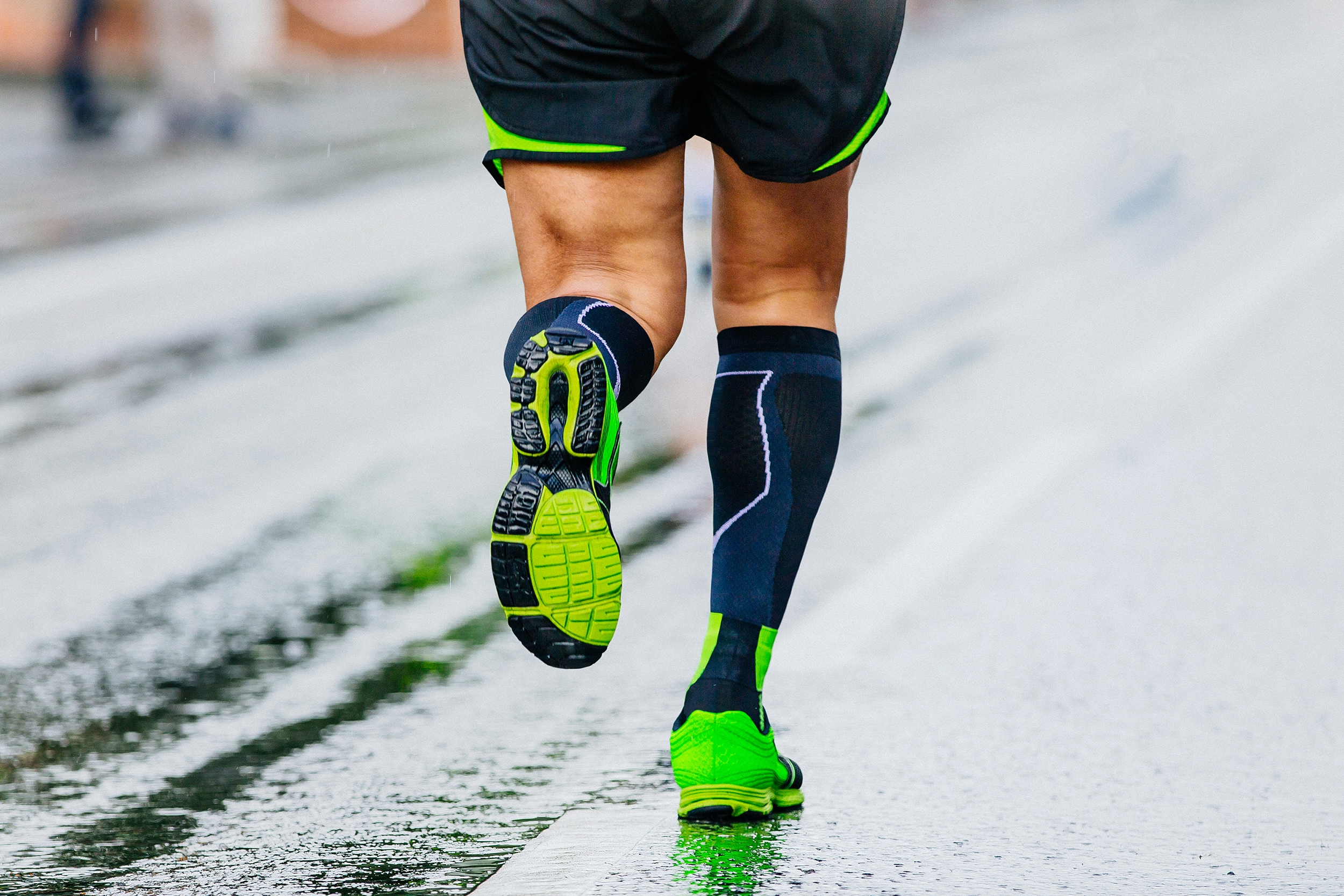
Let me paint a picture.
Bali. 10 a.m. Sky like a blowtorch. I lace up for a long run, feeling strong. Fit. Confident. Maybe a little cocky.
10 miles later, I’m weaving across the road like a drunk, seeing spots, skin pale as milk.
A scooter driver pulled over — not to offer a ride, but because I looked like I was seconds from collapsing.
That day didn’t end in a medal. It ended with a heat scare that left me shaky, humbled, and smarter.
Next, I took a Gojek (Bali Uber) home, and collapsed the whole day.
Here’s what I learned: the sun doesn’t care how fit you are.
Your PRs, your VO₂max, your mileage logs — none of that matters if you overheat.
The sun is an unrelenting training partner, and if you don’t respect it, it’ll bury you.
Let me share with you my full guide to running in the sun…
Is Running in the Sun “Good” or “Bad”? Yes.
The sun isn’t your enemy — but it’s no casual buddy, either. Think of it like altitude or hills: powerful if used right, dangerous if you’re careless.
Let’s break it down.
The Rewards: Sunlight Can Be Your Ally
- Vitamin D Boost: Just 10–30 minutes of sunlight helps your body produce vitamin D — crucial for mood, bones, immunity, and even sleep regulation. (Low D = low energy.)
- Mental Lift: Sunlight triggers serotonin — the “feel-good” hormone. That’s why a sunny run often feels more energizing than a gray-day slog.
- Circadian Sync: Morning sun exposure helps suppress melatonin and reset your body clock, improving sleep quality.
- Possible Endurance Perk: Some studies suggest that UVA rays can stimulate nitric oxide release — dilating blood vessels and slightly improving blood flow and endurance. Think of it as a micro “boost.”
- Grit Training: Running in the heat builds mental toughness. If you can push through a sun-scorched tempo, you can handle just about anything race day throws at you.
So yeah — sunshine isn’t all bad. Done right, it can actually help you become a stronger, tougher, more resilient runner.
The Risks: The Sun Hits Harder Than You Think
But here’s the reality check: running under that giant UV lamp in the sky comes with serious downsides, especially if you wing it.
1. Dehydration & Heat Illness
Your body heats up faster in direct sun.
Add in humidity, and your internal cooling system struggles to keep up. That’s when heat exhaustion (or worse, heat stroke) starts knocking.
- Dizzy at mile 8?
- Nausea after a short run?
- Stumbling, seeing spots?
You’re not “just tired.” You’re overheating — and the margin between “fine” and “medical tent” is razor-thin on hot days.
2. UV Exposure = Skin Damage
This one sneaks up on you. You don’t “feel” UV damage right away, but it builds over time — and runners are uniquely exposed.
- 1 in 5 Americans will get skin cancer.
- Skin cancer is more common in endurance athletes than the general population.
- Marathoners show higher rates of abnormal moles and sun spots — even in their 30s and 40s.
I used to skip sunscreen on runs. “It’s only an hour.” “It’s cloudy.” “I don’t want it to sting my eyes.” Sound familiar?
I stopped making excuses after watching a teammate get a biopsy on his cheek — and it wasn’t a sunburn that caused it.
3. Performance Suffers in Heat
Even before danger sets in, heat drags your pace down. Your heart works harder. Your perceived effort spikes. You might be doing “easy pace” but your body thinks it’s threshold.
And here’s the kicker: it’s not weakness. It’s physiology.
Heat increases core temperature → blood shifts toward skin to cool you → less oxygen-rich blood goes to your muscles → pace drops, fatigue rises.
It’s not mental. It’s science.
Why the Sun Slows You Down
Ever feel like your easy pace turns into a slog under the hot sun? That’s not mental weakness — it’s biology doing its best to keep you from overheating.
Heat = Internal Traffic Jam
When your core temp rises, your body sends blood to the skin to dump heat (this is why you flush red).
That’s great for cooling — but bad news for your muscles, because now less oxygen-rich blood is going to your legs.
You’re suddenly underpowered at the same pace that felt easy in cooler temps.
- Heart rate spikes
- Breathing gets heavier
- Perceived effort climbs
You’re not suddenly out of shape — you’re just fighting biology.
The Numbers Don’t Lie
- Every 10°F over 55°F slows marathon times by 1.5–3%
- Just 2% dehydration = 4–6% drop in performance
- Each 1°C (1.8°F) rise in internal temp = ~10 bpm increase in heart rate
That’s why your effort level feels way higher even if you’re running slower than usual.
Dehydration = Thicker Blood + Less Power
You sweat to cool off. But sweating means fluid loss. That means less blood volume, which forces your heart to work harder to pump what’s left.
Add in electrolyte loss and you’ve got a recipe for cramps, dizziness, and decline.
And in humid weather? It gets worse. Sweat can’t evaporate, so you overheat even faster. Your body pours out more sweat, and dehydration snowballs.
Vicious Cycle in the Sun
- Body tries to cool itself → sends blood to skin
- Muscles get less oxygen → pace feels harder
- You sweat more → lose fluids and electrolytes
- Blood thickens → heart pumps harder
- Heart rate soars → effort spikes
- You slow down or bonk
Sound familiar? That’s the sun beating you down.
Everything I Wish I Knew Sooner
Running under the sun doesn’t have to fry your skin or wreck your training.
I learned most of this the hard way (sunburns, overheating, brutal post-run headaches).
Save yourself the pain and follow this proven, step-by-step checklist for safe and smart sun running.
1. Use Sunscreen Like a Pro (Not an Afterthought)
If you ignore everything else, don’t skip sunscreen. It’s simple, fast, and could literally save your skin (and your life).
Here’s what I drill into all my runners:
- Use SPF 30 or higher – Go for broad-spectrum, which blocks both UVA and UVB. I use SPF 50 on bright days.
- Sports/water-resistant formula – Regular face lotion with SPF 15 won’t cut it for a long, sweaty run.
- Apply 20–30 minutes BEFORE heading out – Not as you’re stepping out the door. Give it time to bind.
- Don’t skimp – Use at least 1 oz (a shot glass) for full body.
Commonly missed spots:
- Ears
- Back of neck
- Tops of shoulders
- Hairline/scalp
- Tops of feet (if wearing sandals or open shoes)
- Reapply on long runs – After 90–120 minutes, it’s breaking down.
- Carry a mini stick
- Plan your route to loop by your car/house
Check expiration dates, and don’t store sunscreen in a hot car—it degrades faster.
Quick stat: Regular SPF 15+ use can lower your melanoma risk by 50%. If you remember to charge your GPS watch, you can remember sunscreen.
2. Cover Up with UPF Gear (Yes, Even in Heat)
I used to think running shirtless or in a tank was “cooler.” That worked—until the sun toasted my shoulders and I peeled like an onion for a week.
Now I swear by UPF clothing.
UPF = Ultraviolet Protection Factor. It’s like SPF for fabric.
A UPF 50 shirt blocks 98% of UV rays—no reapplying needed.
Here’s what works:
- Lightweight long-sleeve UPF shirts
- Moisture-wicking, loose fit, reflective
- I run in Columbia and Patagonia UPF 50 shirts—cooler than a tank in blazing sun.
- Sun sleeves
- Like arm warmers but UV-blocking. Great for races that start cool but heat up.
- Hats are non-negotiable
- Pick one with a dark underbill to reduce glare
- Desert-style caps with neck drapes? Dorky but effective.
- Neck gaiters or Buffs
- Protects neck, can be soaked with cold water too
- Visors (if you hate full hats)
- At least shade your face—but sunscreen your scalp.
Fabric tips:
- Look for UPF, “UV protection,” or brand tags like “Omni-Shade”
- Synthetic > cotton, tight weave = better sun block
- Light colors reflect heat (my go-to is a loose white long sleeve)
Remember: UPF clothing is your first armor layer. Sunscreen covers what your clothes don’t. Don’t skip either.
3. Shield Your Eyes – Polarized Sunglasses Are Non-Negotiable
Running in the sun without sunglasses? Rookie move. Your eyes take a beating out there—UV exposure isn’t just annoying, it’s damaging long-term.
We’re talking cataracts, macular issues, and that relentless squinting that turns every run into a headache.
Here’s what you need in real running sunglasses:
- 100% UV Protection: This is the bare minimum. Lenses must block 100% of UVA and UVB rays. If they don’t, you’re making things worse—dark lenses without UV protection dilate your pupils and invite more UV in. Always check for certified UV protection.
- Polarized Lenses: Cuts glare from pavement, cars, water—any horizontal light that makes you squint and lose focus. On the roads, they’re a game-changer. (Note: can distort watch screens and terrain slightly.)
- Wrap or Full Coverage Frames: Light leaks kill comfort. Wide lenses or wraparound frames block from sides and top, while also keeping dust, wind, and bugs out.
- Non-Slip Fit: Lightweight, sweat-proof, rubber nose pads and arms. No bounce, no constant adjusting.
I wear goodr shades—cheap, polarized, stay in place. No bounce, no fuss.
4. Hydration & Electrolytes
Hot day? Sunny run? You better have a hydration plan. This isn’t optional—it’s survival.
In the heat, you’re bleeding fluids and salts. Ignore that and you’ll crash hard: fatigue, cramps, heat exhaustion.
Here’s how I handle hydration when the sun’s blazing:
I sip water steadily for hours before any run in the heat.
- Not gallons—just steady intake.
- Afternoon run? Drink all morning.
- Morning run? Full glass right when I wake up.
No pounding water. Just topping off.
Running dry is like showing up to the track meet in flip-flops. Don’t be that runner.
When to Drink: Don’t Wait for Thirst
If you’re waiting until you’re parched, you’re already late.
- Small sip every 15–20 minutes on hot runs
- Nothing crazy, just consistent
Pro Tip: Pair fluids with electrolytes if you’re out for more than an hour or sweating buckets. Look for sodium, potassium, and magnesium—not just sugar water. I use tabs or mix-ins like Nuun or LMNT.
5. Don’t Just Drink – Replenish Electrolytes Too
If you’re sweating buckets on a long or hot run, you’re not just losing water—you’re leaking out crucial electrolytes like sodium, potassium, and magnesium.
Ever finish a summer run with white streaks on your shirt or face? That’s salt, not just sweat.
Ignoring this can leave your muscles cramping and your brain foggy.
In extreme cases, you risk hyponatremia—dangerously low sodium levels, especially if you’re only drinking water.
My rule? For any run over an hour in heat, I add electrolytes to the mix:
- Drop a tablet (Nuun, GU Hydration, LMNT, etc.) into your bottle
- Use a low-sugar sports drink
- On really long or hot efforts? Keep salt capsules handy and pop one if cramping kicks in
Bonus: Electrolyte drinks often taste better than plain water—which helps you drink more. Just watch the sugar content if your stomach gets touchy during intense efforts.
And don’t stop hydrating after your run. That’s when real recovery happens.
Simple trick: Weigh yourself pre- and post-run. For every pound lost, drink 16–20 oz of fluid. Lost 2 lbs? That’s about a quart of water to sip over the next hour or two—ideally with some sodium included.
Post-run hydration = fewer headaches, faster recovery, and no “heat hangover” later.
6. Run Early or Late – Never at High Noon
This one’s simple but powerful: avoid the sun’s peak hours whenever possible. Between 10 a.m. and 4 p.m., the UV index and temps are at their worst.
If you can’t avoid it, be smart—but ideally, just shift your run.
Morning = Best
Most summer days, I’m out the door before 6:00 a.m.
- Temps are cooler
- Air is cleaner
- The world’s quieter
- You finish before the sun scorches the pavement
- Plus, you get a small mental win before the day even starts
Evening = Second Best
If mornings aren’t an option, aim for after 6 p.m. when the sun is lower.
- Still warm, but less direct UV
- Shaded routes or breezy spots make it tolerable
Midday = High Risk
Sometimes work or travel forces a midday run. If that’s you:
- Pick shaded paths or trails (tree canopy = nature’s air conditioner)
- Stay hydrated
- Consider splitting your session: 5 miles now, 5 later
It’s not ideal for training stimulus, but it keeps you from frying.
7. Mid-Run Adjustments – Stay Ahead of the Heat
When the sun’s up and the temps climb, you’ve got to stay sharp mid-run.
No sweating? Chills? Nausea? Red flags. If they hit, I stop immediately, find shade, and reassess.
Thankfully, since tightening up my prep game, it hasn’t come to that.
That said, I don’t wait for problems. On hot days, I’ll make quick pit stops at water fountains or sprinklers to splash cold water on my face or neck.
- Dunking my hat under a faucet or in a river = instant cooling for head and neck.
- Soaking a hat or gaiter with cold water works like DIY air conditioning.
Mindset: You Won’t “Beat” the Sun – But You Can Handle It
The mental game matters just as much as sunscreen and hydration.
Hot runs won’t feel comfortable—stop expecting them to. Instead, train your brain to expect discomfort… and to handle it.
I tell my runners: “Don’t aim for easy—aim to manage the hard stuff better.”
I no longer obsess over pace on hot days. My goal is effort and stamina, not speed.
Over time, I’ve started to take pride in running strong through brutal conditions.
It’s like forging steel in fire—ugly, but effective. Sure, I still curse the sun mid-run sometimes. But I know I’m out there facing what most avoid.
And when race day rolls around on a cool, crisp morning?
You’ll be grateful for every sweaty mile you gutted out in the heat. You’ll be prepared. You’ll be heat-trained.
Coach’s Corner: My Go-To Sunny Run System (Steal This Playbook)
Running in the sun isn’t just a sweat-fest—it’s a battle against dehydration, sunburn, and total energy drain.
After years of trial, error, and the occasional hose-chugging desperation, I’ve landed on a system that works. It’s not fancy, but it keeps me cool, protected, and running strong.
Here’s exactly how I handle sunny runs. Take what works. Leave what doesn’t. Just don’t wing it when it’s 85°F and rising.
1. Gear Up (Cover More, Burn Less)
Forget going shirtless to stay cool. That’s how you get cooked. I wear:
- White UPF 50 long-sleeve (Columbia or similar): Reflects sun, weighs nothing, and keeps me cooler than bare skin.
- Sun sleeves if I go with a t-shirt—slide them on once the sun’s high.
- Hat: Brooks cap for short runs, wide-brim Sunday Afternoons hat for long hauls. I look like I’m hiking the Sahara, but I’d rather look goofy than fried.
- Polarized goodr sunglasses: No glare, no slipping, no headaches.
- Optional gaiters: Covers the sock-shoe gap. No sunburnt ankles or weird tan lines. Bonus: keeps trail dust out.
Bottom line: Cover more, sweat smarter. Sun protection is performance gear.
2. Sunscreen Protocol (Apply, Wait, Win)
Sunscreen isn’t optional. It’s gear.
- I use SPF 50 across the board.
- Body: Neutrogena Ultra Sheer.
- Face: EltaMD UV Sport – doesn’t sting when I sweat.
- Lips: SPF balm. Don’t skip this unless you like cracked, bleeding lips.
Routine:
- Apply 30 minutes before go-time.
- Hit all the key spots: ears, neck, behind knees, shoulders, even armpits if they’re exposed.
- Let it soak in while I prep fluids or do my dynamic warm-up.
- For long runs: carry a mini sunscreen stick for touch-ups.
Missed spots = regrets. Trust me, I’ve been the crispy guy once. Never again.
3. Hydration Plan (Don’t Be a Hero)
I plan hydration based on duration + heat:
- <60 mins & mild: I might go dry, but I always drink a full glass before heading out.
- 60–90 mins: I carry a 500 ml handheld, cold water + salt or electrolyte tab.
- 2+ hours / high heat: I wear my hydration vest (1.5L bladder), no shame.
Pro move: Freeze half the bottle/bladder overnight, then top it off. I stash a couple electrolyte caps in case cramps creep up.
4. Timing & Route: Outsmart the Sun
- Morning runs win: I aim to start within 30 minutes of sunrise. Cooler, quieter, less UV intensity.
- Evening runs: If it’s evening, I wait until 6–7 p.m. when the sun starts to drop.
- Mid-day (if forced):
- Shaded loops—parks, tree-lined paths
- Or drive to a higher trailhead where it’s cooler
If you’re running in direct sun, you’re running uphill in every way. Choose routes that work for you, not against you.
Final Words
Running in the sun is no joke. It can either lift you up or burn you down — sometimes both in the same run.
You get the mood boost, the vitamin D, the mental edge from pushing through heat. But if you’re not careful, you’re flirting with dehydration, sunburn, and heat exhaustion that can sideline your training or worse.
So yeah, soak in the sunshine — just don’t let it cook you alive.
Keep Training strong
David D.