How to lose 25 Pounds As Fast As Possible

Let’s cut the fluff: losing 25 pounds isn’t magic—it’s execution.

Not a 30-day cleanse, not a “one weird trick.” It’s you, stacking simple habits until the scale has to move.

I’ve coached runners and busy parents through this exact number, and the pattern is always the same: dial in protein, create a steady calorie gap, train with intent, sleep like it matters, and keep your head from sabotaging your work.

The scale will wobble.

Fine.

We chase trends, not tantrums.

Weekly weigh-ins, same conditions.

Pair that with waist measurements, progress pics, and performance wins—faster miles, stronger lifts, steadier energy. That’s the truth behind the number.

You’ll have messy days. We don’t fold—we adjust. Be stubborn about the goal, flexible about the path. Celebrate the small wins (skipped seconds, hit your workout, closed the kitchen at 8). String enough of those together and 25 pounds stops being a mountain and becomes a checklist.

This plan isn’t punishment—it’s a system. Two or three strength sessions, smart cardio, more daily movement, protein on every plate, and recovery that actually recovers. Give me consistent, boring excellence for a few months and you’ll look back wondering why you waited. Ready? Let’s make 25 pounds a before-and-after, not a forever-goal.

Let’s get to it.


10 Smart Diet Hacks That Don’t Feel Like Dieting

Let’s be honest—cutting calories is never “easy,” but there are ways to do it without feeling like you’re starving or stuck eating air. These are your toolbox tricks to drop weight without losing your mind.

1. Load Up on Volume (Eat Big, Weigh Less)

Want to feel full without tanking your calories? Focus on volume foods—big portions, low calories. We’re talking veggies, broth-based soups, big salads, fruit, air-popped popcorn.

Example: A giant bowl of veggies might set you back 150 calories.

That same amount of calories? Maybe 15 chips. Not even the fun kind.

Start meals with a salad or veggie soup—it fills your gut so you eat less of the heavy stuff after.

Snack on crunchy veggies with hummus or salsa. Eat fruit instead of cookies when the sweet tooth hits.

There’s actual science here: studies show eating a soup or salad before a meal helps you eat fewer total calories without even trying.

That’s a win.

And if you’re hungry between meals? First rule: reach for produce. If that doesn’t cut it, go for a protein snack (see tip #2).

Eating a lot and still losing weight? That’s not a fantasy—it’s just smart food choices.

2. Put Protein on Every Plate

Protein’s your best friend when dropping weight.

It keeps you full, helps preserve muscle, and even boosts your metabolism a bit.

Your body burns more calories digesting protein than carbs or fat. No joke.)

Here’s the move: make sure every meal and snack has protein.

  • Breakfast? Eggs, Greek yogurt, or a protein shake.
  • Lunch? Chicken, beans, or tofu.
  • Snacks? Cottage cheese, jerky, edamame, even a scoop of protein powder in almond milk.
  • Dinner? Fish, lean beef, lentils—whatever fits.

Shoot for 20–30 grams per meal.

That’s around 3–4 oz meat or 1 cup Greek yogurt or a scoop of whey.

Need help hitting that number? Use a shake post-workout—but skip the sugary “gainer” nonsense. Stick to straight protein. Water or almond milk. Done.

The bottom line? Protein = full, strong, and lean. Don’t skimp.

3. Plan Your Food Like a Boss

This right here is a game-changer. You can’t wing fat loss.

The ones who succeed? They plan.

Meal prep is your lifeline when life gets busy.

Cook in bulk. Bake a few chicken breasts, roast a tray of veggies, make some rice or quinoa, boil eggs.

Portion it all out in containers. Grab-and-go. No excuses.

Even snack prep matters—single-serving bags of trail mix, fruit, or sliced veggies.

When hunger hits, you’ve got a plan. Otherwise, the vending machine wins.

Also, prep for life’s curveballs.

Got a party Saturday? Eat lighter that day, then enjoy a small plate guilt-free.

Know you’ll work late Wednesday? Pack an extra snack so you don’t hit the drive-thru at 9pm.

No plan = panic mode = poor choices.
A little effort ahead of time saves a ton of calories later.

Even writing out your meals for the week helps.

It makes grocery shopping easier and reduces “what do I eat?” stress. And if cooking ain’t your thing? Find a few healthy go-tos from the store—rotisserie chicken, steamable veggies, pre-washed salad kits. Done and done.

Planning gives you control. Control gives you results.

4. Downsize Your Plates = Downsize Your Waistline

Ever pour cereal into a mixing bowl and think, “That doesn’t look like much…”? Yeah. Our eyes are liars.

Here’s the deal: we don’t just eat with our stomachs — we eat with our eyes.

Big plate? You’ll serve more.

Big bowl? You’ll scoop more.

And you won’t even notice.

Don’t take my word for it.

Brian Wansink’s Cornell study nailed it: nutrition experts ate 31% more ice cream just because they had a bigger bowl and spoon. Not amateurs — experts.

So if they get duped, you better believe we do too.

Here’s what to do:

  • Use 8-9 inch plates for meals instead of dinner platters.
  • Swap teacups or salad bowls for high-calorie stuff (like ice cream or nuts).
  • Use tall skinny glasses for caloric drinks instead of wide tumblers.
  • Even eat dessert with a teaspoon or chopsticks — it slows you down without you realizing.

The flip side? Go big on low-cal stuff. Giant salad bowl? Hell yeah. Massive water bottle? Bring it.

5. Cut the Crap Carbs — Keep the Good Stuff

No, you don’t have to go zero-carb.

But let’s not pretend that white bread and Frosted Flakes are doing you any favors.

Refined carbs are sneaky. They spike blood sugar, crash your energy, and leave you hungry an hour later.

And somehow, five pretzels turns into half the bag.

Instead, lean into high-fiber, slow-burning carbs that fill you up and keep you steady.

Here’s how to play it smart:

  • Swap white rice for cauliflower rice, or go half-and-half with brown rice and broccoli rice.
  • Go whole grain or sprouted bread over white.
  • Trade chips for air-popped popcorn — way more volume for fewer cals.
  • Use beans or lentils instead of a full rice/pasta serving.
  • Try zoodles or spaghetti squash instead of pasta. More volume, fewer carbs, just as satisfying.

Also: add in healthy fats like avocado, olive oil, and nuts — they keep you full, and make veggies taste great. Just don’t pour half a bottle of EVOO on everything.

And yeah, the Glycemic Index matters. Go for low-GI carbs like steel-cut oats, sweet potatoes, quinoa. Skip the sugar bombs that spike and crash your system.

Side note – GLP-1 therapy aids slimming by helping reduce appetite and improve blood sugar control, giving you an extra edge when managing cravings and energy levels throughout the day. It basically supports the same goal as portion control: helping your brain and body agree on what “enough” actually feels like.

6. Eat Like You Give a Damn – Slow Down, Pay Attention

You ever wolf down a meal so fast you forgot you ate? Guilty.

And guess what? You’re usually hungry again in 20 minutes.

Mindless eating is a killer. Not just for calories — but for satisfaction. If you don’t even taste the food, what’s the point?

Let’s fix it:

  • Chew slower. Like, actually chew. Aim for 15–20 chews per bite. You’ll eat less and digest better.
  • Put the fork down between bites. Sip water. Breathe.
  • Use smaller utensils — baby spoon, salad fork. Makes you slow down whether you want to or not.
  • Check in with your hunger. 1 = starving, 10 = stuffed. Eat when you’re around a 3, stop around 6 or 7.

That last 10% of your meal? You probably don’t need it. But if you’re zoned out in front of the TV, you’ll eat it anyway.

7. Smart Snacking (or Cut It Completely)

Snacks can be a life-saver — or a total sabotage.

Done right, they stop you from crashing or overeating later. Done wrong, they’re just mini meals that add up fast.

Here’s what works:

Good snacks under ~200 calories:

  • A small handful of nuts (almonds/walnuts — 1 oz = ~160 cal)
  • Fruit + string cheese
  • Carrot sticks + 2 tbsp hummus
  • Nonfat Greek yogurt (~100 cal, 15g protein)
  • Protein bar (150–200 cal, 15–20g protein)
  • Jerky
  • Hard-boiled egg

The trick? Pre-portion. Don’t snack from the bag unless you want to see the bottom.

If you’re just snacking out of boredom, skip it. Try herbal tea.

Chew gum. Do 20 squats.

Seriously — movement blunts hunger for some folks better than food.

Also — cut night snacking if you can. That “I need a treat after dinner” habit?

That’s one of the biggest fat-loss killers I’ve seen in clients (and myself). Replace it with tea, or a little protein if you’re legit hungry.

8. Ditch the Liquid Calories – Even the “Healthy” Ones

Let’s be real—sipping calories is one of the fastest ways to stall fat loss.

You don’t chew them. You don’t feel full. And most of the time, they’re just sugar bombs wearing a healthy disguise.

Yeah, soda and booze are the obvious culprits.

But what about that green juice from the fancy market?

Still 200+ calories if it’s mostly fruit. A protein smoothie?

Great as a meal, but if you’re pairing it with a full plate of eggs and toast… that’s just dessert in disguise.

Even lattes—those cozy caramel mochas? 300–400 calories, easy.

You just drank a cheeseburger.

And sports drinks like Gatorade? Unless you’re crushing 90-minute trail runs in the heat, you probably don’t need ‘em. Water wins. Always.

Here’s to what to actually drink:

  • Plain water (flavored with lemon, mint, cucumber? Bonus.)
  • Black coffee or with a splash of milk (ditch the sugar bombs)
  • Tea – herbal, green, black – just don’t drown it in honey
  • Unsweetened sparkling water (fizzy, fun, zero regret)

Pro trick: When a craving hits, slam a full glass of water and wait 10 minutes. Most of the time, it’s thirst wearing a hunger costume.

I’ve coached folks who dropped 10–15 pounds just by switching to water. You’d be amazed how fast things shift when you stop drinking your calories.

What’s your go-to drink? If it’s got calories, try swapping it for something lean this week.

Let your food do the fueling.

9. Flavor Without the Fat: Spice It Up, Don’t Weigh It Down

You don’t need to drown your chicken in butter or smother your veggies in ranch to make them taste good.

You just need to season like you mean it.

I’m talkin’ garlic, onion powder, paprika, chili flakes, rosemary, thyme—throw that stuff on like a chef with something to prove.

Want tang? Hit it with vinegar or lemon juice.

Want heat? Grab some hot sauce or mustard.

Craving something sweet? Cinnamon, vanilla, or stevia can trick your brain without the calories.

Swaps I’d recommend:

  • Greek yogurt > Sour cream
  • Cauliflower rice > Regular rice
  • Zucchini or shirataki noodles > Pasta
  • Lettuce wraps > Tortillas

Even simple stuff like using Dijon and vinegar instead of ranch saves you 150+ calories per meal—and your taste buds won’t miss a thing.

Hate “diet food”? Then stop eating bland. Season smart, swap smart, and eat like you enjoy it.

10. Treats Are Allowed (Yes, Seriously)

Here’s the deal: trying to be perfect 24/7 is a trap.

I’ve seen runners white-knuckle their diet for weeks, then faceplant into a pizza buffet and wonder what went wrong.

The truth? You need flexibility, not prison food.

Use the 80/20 rule: eat smart and goal-oriented 80% of the time, and leave 20% for foods that just make you smile.

Maybe that’s a scoop of ice cream. Maybe it’s pizza on Saturday night. Either way—it’s not “cheating,” it’s planning.

Here’s the smart way to indulge:

The Smart Way to Indulge:

  • Work it into your day (fit it in your calorie range)
  • Keep it to one meal or treat, not a full-on binge weekend
  • Enjoy it. Guilt-free. Then move on.

There’s even science behind this: occasional higher-calorie meals can bump up leptin, a hormone that keeps your metabolism humming while dieting.

More importantly, it keeps your brain from feeling deprived.

My tip? Plan your treat. Make it something you look forward to. Eat it slowly. Then get back to the grind. No guilt. No spiral.

10 Must-Do Exercise & Movement Habits

(Because you can’t out-diet the couch)

1. Schedule Your Sweat – Make It a Non-Negotiable

You know how brushing your teeth isn’t optional? That’s how I want your workouts to be.

“I’ll work out when I have time” = never.

Instead, book it. Block it off on your calendar like a damn meeting with your boss.

Monday-Wednesday-Friday at 7am? Locked in. Sunday hike with the dog? It counts. Pick your days and make ‘em sacred.

Build a trigger: Maybe it’s right after coffee. Maybe it’s after dropping the kids at school. The point is—remove the debate. Create the habit.

Research shows that people who work out at the same time each day are more consistent. I’m not saying it has to be 5am. Just make it regular. Soon it becomes automatic. And when you skip it, you’ll feel off—like you forgot deodorant.

2. Cardio + Strength = The Fat Loss Dream Team

Want to torch fat and look strong? Don’t just run. And don’t just lift. Do both.

Cardio burns serious calories and builds stamina.

Think running, biking, brisk walking, swimming—whatever gets your heart pumping.

Shoot for 150 minutes a week or 75 if you’re going hard.

Strength training is where the magic happens.

Muscle is your metabolic engine.

More muscle = more calories burned at rest.

That’s free fat loss, baby.

Hit strength 2-3 times a week. All major muscle groups. And don’t worry if you’re new—start with bodyweight stuff:

  • Squats
  • Push-ups (knees if needed)
  • Lunges
  • Planks

Then move into dumbbells or bands. Circuit-style training? Even better—you get your lift and a mini cardio blast at the same time.

Best part? You’ll get strong fast in the first couple of months. That confidence spills into everything.

3. Move More Without “Exercising” (The NEAT Hack)

Here’s something most people don’t realize: even if you hit a 30-minute workout every day, you can still be way too sedentary.

It’s called NEAT—non-exercise activity thermogenesis—and it’s a fancy way of saying all the calories you burn doing life stuff.

Walking around.

Cleaning.

Pacing during phone calls.

Fidgeting. You get the idea.

And it adds up. Big time.

One of the sneakiest things that happens when folks start dieting? They move less without noticing.

Your body’s like, “Oh, we’re eating less? Cool, let’s save energy by turning you into a statue.”

Don’t let that happen.

Here’s how to fight back:

  • Set a timer: stand up every 30 minutes
  • Do squats while brushing your teeth (seriously)
  • Pace on phone calls
  • Take the stairs, always
  • Park far. Walk more.
  • Play with your kids or dog—they’ve got more energy than a spin class
  • Use a standing desk (even part-time)

You might only burn 10–20 extra calories per movement… but do that 20–30 times a day, and boom—200–300 calories burned without ever lacing up your shoes.

Fitbit or step counter helps too. If it’s 5 PM and you’re at 3K steps, guess what? You’re going for an after-dinner walk.

4. Throw In Some Intervals (Your Fat-Burning Accelerator)

Look, I love a good steady-state jog.

But if you really want to fire up your metabolism and torch fat fast, you’ve got to push the pace sometimes.

I’m talking intervalsshort bursts of hard work followed by recovery.

You don’t have to go full beast mode. Just a couple of days a week of this stuff will light a fire.

Try this:

  • Warm-up: 5-min jog
  • 1 min fast / 1 min slow — repeat 6–8x
  • Cool down

Or Tabata style:

  • 30 sec all-out / 30 sec rest — 10+ rounds

These workouts:

  • Burn fat faster
  • Improve conditioning
  • Trigger “afterburn” (your body keeps burning calories long after you’re done)

But don’t go overboard. HIIT is tough. Twice a week max is enough, especially if you’re doing strength and steady cardio too.

Even beginners can get into it with “speed play”—walk 3 minutes, jog 1 minute, repeat. Or alternate hard and easy bike intervals. No gym required.

Here’s a sample weekly flow:

  • 2 days moderate cardio
  • 2 days intervals
  • 2–3 days strength
  • 1 day full rest or active recovery

Keep your body guessing, and it’ll keep burning.

5. Do What You Actually Like (Because Consistency Wins)

Let’s get one thing straight: you don’t have to run. Or go to the gym. Or do burpees ‘til you puke.

If you hate your workouts, you won’t stick with them. Period.

The real trick? Find something you actually enjoy—or at least don’t dread.

That’s how you build consistency, which matters way more than intensity.

Some ideas:

  • Hate lifting? Try bootcamp or CrossFit. Group energy helps.
  • Hate treadmills? Hit the trails or join a rec sports league.
  • Like music? Dance. Zumba. Hip-hop. Move to the beat.
  • Outdoorsy? Hike, climb, rollerblade.
  • Love competition? Try pickup basketball or martial arts.

Mix it up if you’re getting bored. One week it’s spinning and tennis. The next it’s lifting and hikes. Doesn’t matter. Just move.

For me? I stuck with running because I loved it. It cleared my head and got me results. That’s why it lasted.

6. Get an Accountability Buddy (Even a Virtual One)

Solo workouts are fine… until the snooze button wins.

Having someone else in the mix changes the game.

When someone’s waiting for you at the park, you show up.

When you’re in a challenge group, you keep grinding.

That little push? Gold.

I joined a beginner running group early on. We weren’t fast, but we showed up. And that consistency built the habit.

Your options:

  • Partner up with a friend—text each other workout updates
  • Join a fitness class (you’ll miss the vibe when you skip)
  • Find an online community (forums, Discord, Facebook)
  • Try an app that tracks streaks or puts money on the line
  • Use social pressure: post your weekly plan and tell someone to check on you

Even just telling someone your plan makes you more likely to stick to it. Don’t go at this alone if you don’t have to.

7. Don’t Get Hurt (Progress Slowly, Recover Hard)

Nothing kills momentum like an injury. You’re doing great, pushing hard—and then bam, something tweaks and you’re sidelined.

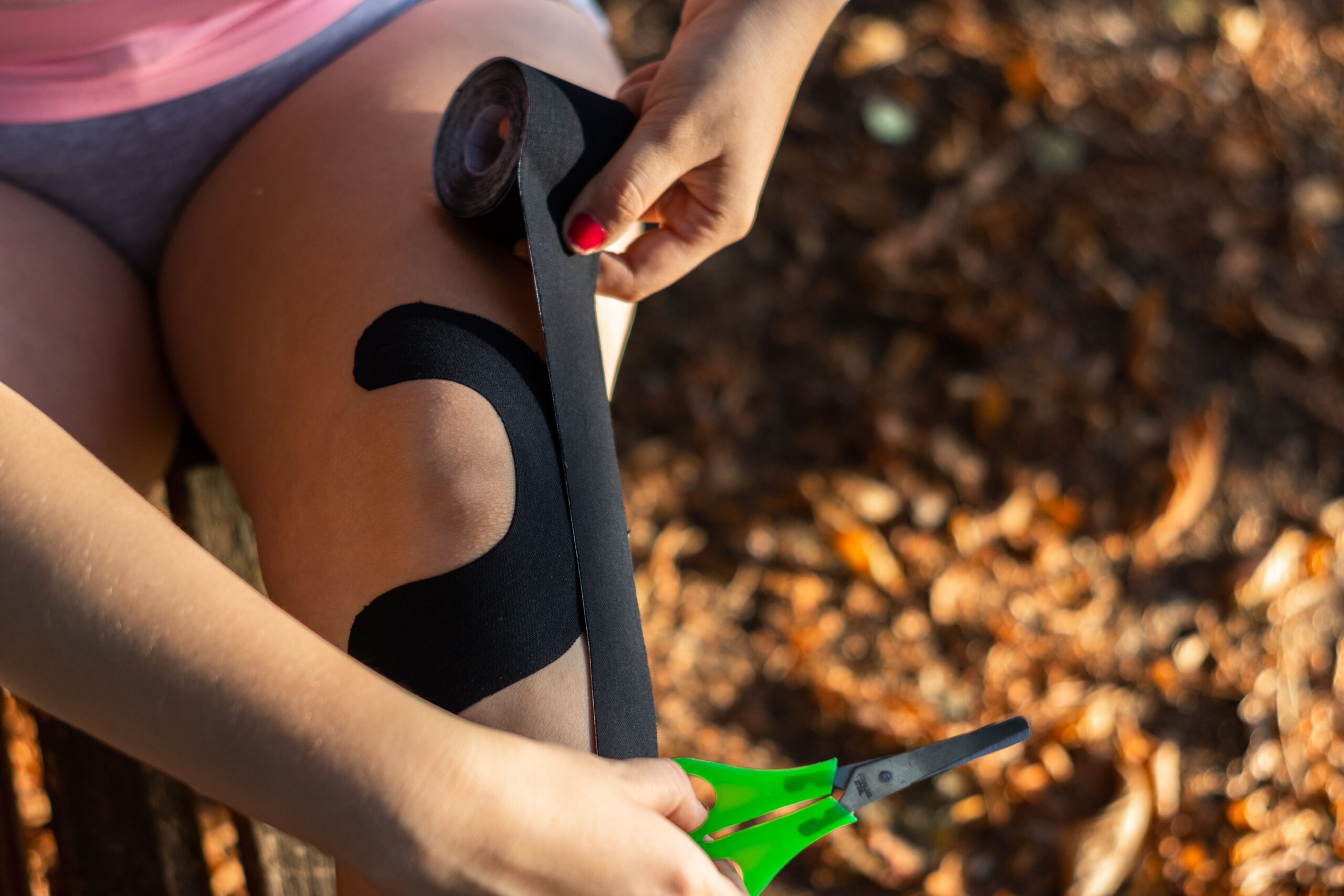
I’ve been there. When I got runner’s knee from ramping mileage too fast and skipping recovery? That set me back weeks.

And it was totally preventable.

Here’s what I’ve learned along the way:

  • Follow the 10% rule: Don’t increase volume/intensity by more than 10% a week
  • Warm up: 5–10 min light movement + dynamic stretches
  • Cool down: Don’t just stop—move, then stretch
  • Take rest days seriously: Recovery is when muscles rebuild
  • Listen to your body: Soreness? Okay. Sharp pain? Stop.
  • Form first: Always. Bad form leads to bad outcomes.

Even just stretching 5 minutes post-workout helps.

Yoga once a week is a game-changer too.

If you’re feeling beat down? Take a rest day.

You won’t lose gains in one day—but you will if you get sidelined for weeks.

Bonus tip: If you’re unsure about strength form, book a session with a trainer or use legit tutorials.

Lifting wrong is like running in bad shoes—eventually something snaps.

8. Move More in Your Free Time (Yes, Even Netflix Counts)

Look—gym time is great. But what you do the rest of the day matters just as much, maybe more.

Most folks clock an hour at the gym, then sit for the other 15. Not a winning formula.

So here’s the mindset shift: make movement part of your life, not just your “workout routine.”

Go for a walk after dinner instead of scrolling. Kick a soccer ball with your kid. Mow the lawn instead of paying someone else to. It’s all movement, and it all counts.

And yeah, if you’re a TV junkie (no judgment), get creative:

  • Hop on a stationary bike while watching
  • Foam roll or stretch through an episode
  • Do push-ups during commercials

I used to make a rule for myself—every time a show went to break, I knocked out 10 squats or sit-ups. Sounds goofy, but it added up fast.

9. Use Music, Shows, or Games to Power Up Your Workouts

Let’s be honest—some days you don’t want to work out. It happens to all of us.

But you can trick yourself into looking forward to it.

How? Entertainment.

Studies back it: Music can help you push harder and go longer without feeling as drained.

It literally dials down how hard you think you’re working.

So throw together a playlist that hypes you up. Save your favorite podcast or audiobook for workouts only.

That way you actually look forward to getting your heart rate up.

I used to reserve one specific TV show only for treadmill runs.

No run? No episode.

That little hack turned my workouts into something I looked forward to—even on tough days.

Also, don’t sleep on the competitive side of things. Use your fitness tracker. Join a virtual step challenge. Try to beat your mile time. Gamify it.

Sometimes external motivation is what gets you moving until your internal engine kicks in. Use whatever works.

10. Move More… Even When You’re Not “Exercising”

This is where a lot of people miss the mark: they crush their workouts but then sit for 8 hours straight.

Not good.

Staying active throughout the day—not just during “gym time”—is huge for weight loss and long-term health.

It’s called NEAT (Non-Exercise Activity Thermogenesis), but don’t get caught up in the name.

Just think: move more, sit less.

Try this:

  • Stretch every hour at your desk
  • March in place during TV shows
  • Do 10 squats after every bathroom break
  • Park farther away on purpose
  • Take stairs instead of the elevator

Get one of those fitness watches that nags you to move—thank it later.

I’ve had clients lose serious weight just by walking an extra mile a day and breaking up their sitting.

Not every calorie needs to be burned by burpees.

These small moves add up. And they rewire your brain too—movement becomes your default, not sitting.

That’s the kind of person who keeps the weight off for good.

10 Recovery & Lifestyle Tactics

(Support Fat Loss with Smart Living)

1. Sleep Like It’s Your Job

Want a “secret weapon” for losing fat? It’s not a supplement. It’s not cardio. It’s sleep.

Seriously—if you’re not sleeping 7 to 9 hours a night, you’re shooting yourself in the foot.

Here’s what happens when you shortchange sleep:

  • Your hunger hormones go nuts
  • Your cravings spike
  • Your energy tanks
  • Your workouts suck
  • You hold onto fat and burn muscle

Yeah… no thanks.

Fix your sleep like this:

  • Go to bed and wake up at the same time—even weekends
  • Cut off screens an hour before bed
  • Dim the lights, stretch, maybe journal
  • Make your room cool, dark, and quiet
  • No caffeine after 2pm
  • No big meals or workouts right before bed

If you’re getting only 5–6 hours now, try bumping it by 30 minutes this week.

Then 30 more next week.

Bonus tip: Some folks do great with magnesium or herbal teas like chamomile or valerian root.

And tracking your sleep (Fitbit, Oura, etc.) can give you real data to improve.

2. Stress Is a Sneaky Saboteur—Don’t Let It Win

Here’s something most people don’t think about when trying to lose weight: stress.

But it’s a big deal.

When you’re constantly stressed, your body cranks out cortisol—a hormone that not only jacks up your appetite (hello, late-night snack raids), but also tells your body to store fat, especially around your belly.

It doesn’t stop there. When stress hits, you might skip workouts, sleep like garbage, or emotionally eat stuff you swore off yesterday.

So yeah—managing stress isn’t a luxury. It’s part of the grind.

Here’s what helps:

  • Breathing drills (like 4-7-8 breathing—look it up, it works)
  • Mindfulness (apps like Calm or Headspace can guide you, even if you suck at meditating)
  • Journaling (get the stress out of your head and onto paper)
  • Unwind hobbies (walk, stretch, draw, crank music, take a hot shower)

You don’t need a weeklong spa retreat—just carve out 5–15 minutes a day to unplug your brain.

And do a quick life audit: Can you cut back on stuff draining you? Say no more often? Ask for help? Small changes, big difference.

Also, let’s be honest: sometimes dieting itself becomes a stressor.

If your plan is so strict you’re miserable, it’s time to loosen the reins a bit. The goal is sustainable—not suffer-til-you-crack.

Stress eating? Figure out your triggers—are you bored, anxious, mad? Replace that habit with something better. Call a friend. Go for a walk. Do pushups.

Just don’t let food be the default escape hatch.

Some people swear by stuff like chamomile tea or ashwagandha to take the edge off (talk to your doc first, obviously).

But honestly, the basics—sleep, breathwork, movement—go further than you think.

3. Water: The Most Overlooked Fat Loss Hack

Drinking enough water might sound basic, but it’s low-key one of the biggest needle-movers.

A lot of times when you think you’re hungry? You’re actually just thirsty.

Aim for 8 cups (64 oz) a day minimum. More if you’re sweating a lot or it’s hot out.

✅ Start your day with a tall glass—rehydrate after sleep.
✅ Carry a water bottle with you and sip all day.
✅ Feeling an afternoon slump? Down a cold glass of water before reaching for snacks.
✅ Drinking 1–2 cups before meals can help you eat less without trying.

There’s even research on this: one study showed folks who drank water before meals lost more weight over 12 weeks than those who didn’t. Easy win.

And don’t forget water-rich foods. Stuff like watermelon, cucumber, oranges, and lettuce keep you hydrated and help fill you up.

Pro tip: urine check. Pale yellow = hydrated. Dark yellow = drink more.

Sick of plain water? Add lemon, try herbal teas, or go bubbly with some seltzer.

Just spread your intake through the day—chugging 2 liters at once doesn’t count.

Stay hydrated, and everything works better—your energy, your workouts, your metabolism. Don’t overthink it. Just drink up.

4. Alcohol: Your Silent Progress Killer

Look, I’m not gonna tell you to never touch a drink again. But if weight loss is the mission, alcohol needs to take a backseat.

Here’s why:

  • It’s sneaky calories (7 cal per gram—and that’s before mixers)
  • It screws with your sleep (and sleep matters for fat loss)
  • It lowers your willpower (suddenly pizza sounds amazing at 11 p.m.)
  • It slows down fat burning (your body prioritizes clearing alcohol first)

If you drink regularly—even a couple glasses of wine at night—you could be blowing a few hundred calories daily without realizing it.

Try cutting back:

  • Stick to one drink max on occasion
  • Choose lower-calorie options like vodka-soda or dry wine
  • Skip sugary mixers (bye, margaritas and piña coladas)
  • Never drink on an empty stomach—eat protein and fiber first
  • Use the “water chaser” rule: 1 drink, 1 glass of water
  • Set limits: maybe no drinks during the week, or only at special events

Want a reset? Try a 30-day sobriety sprint. A lot of people feel so good they don’t go back (or go back very lightly).

It’s not about being perfect. It’s about giving yourself every edge. And cutting out liquid calories you don’t need? That’s a smart move.

5. Log It or Lose Sight

Here’s a tip most people ignore: start a food + mood journal. And no, it doesn’t have to be fancy.

Just jot down:

  • What you ate
  • When you ate it
  • How you felt before/during/after
  • How you slept
  • Your workout
  • Anything else that stands out

Why? Because patterns are powerful. You’ll start to notice stuff like:

“Every Tuesday at 4pm I binge snack. Why? Oh… meetings stress me out.”

Boom—now you can fix it.

Or maybe:

“Slept 5 hours = skipped workout and ate like crap.”

See? It’s not about obsessing over every bite—it’s about building awareness.

When you track your choices and your mindset, you stop running blind. You start making smarter moves.

And journaling wins matters too. “I ran for 20 minutes straight today.” “I passed on dessert.” “I meal prepped this week.” Those small wins add up—and looking back on them fuels momentum.

Over time, your journal becomes your playbook. When you stall out, you’ve got data to review. It’s like being your own coach.

Start with 5 bullet points a day. Keep it simple. You’re not writing a novel—you’re collecting clues.

6. Personalize the Damn Thing (It’s YOUR Body, After All)

Here’s something folks screw up all the time: they copy someone else’s diet or workout plan like it’s gospel. Don’t do that.

You’re not a robot. You’ve got your own body, schedule, cravings, preferences, and history.

So your plan? It better fit you like a custom pair of running shoes—because if it doesn’t, you’ll toss it by next week.

Hate morning workouts? Cool—train at lunch or after work.

Don’t like broccoli? Nobody said you had to choke it down. Pick veggies you’ll actually eat.

Bad knees from running? Try cycling or swimming instead.

Nothing wrong with that.

And meals? Some folks do great with 6 small ones. Others do better with 3 solid meals. You gotta test what keeps you from turning into a snack monster by 8pm.

Same goes for your lifestyle—travel a lot? Learn hotel workouts. Find healthy takeout spots on the road. Got a family? Cook stuff everyone will eat. You don’t need to be a short-order cook to stay lean.

Bottom line: you’re the CEO of your own body. Build a plan you’d actually follow for life—not just for a quick fix.

And yeah, it takes some trial and error.

Maybe you go low-carb for two weeks and feel like you’re dying—okay, bring carbs back in, cut back on fat instead.

Maybe you burn out on five gym days a week—switch to four and stay active with more walking or biking.

Tailor. Adjust. Iterate. That’s how you build something that actually sticks.

7. Don’t Let the Scale Be Your Boss

Repeat after me: the scale is a tool—not the truth.

If you only track your weight, you’re missing the big picture.

Progress isn’t just pounds lost. It’s pants fitting better, strength going up, runs getting faster.

Here’s what I tell my clients to track:

  • Waist measurement: every couple of weeks. Even when weight stalls, inches can drop.
  • Progress photos: same clothes, same lighting. You’ll see what the mirror hides.
  • Performance gains: more push-ups? Faster mile? That’s fat loss talking too.
  • Health signs: better sleep, lower resting heart rate, BP improving—those count.

And let’s talk jeans.

Everyone’s got that one pair they secretly want to fit into again.

Try them on once a month. It’s way more motivating than watching the scale wobble up and down 0.7 lbs.

Yes, use the scale. But don’t obsess. Check it weekly, not daily, and always in the same conditions.

If it’s going down over time, you’re golden. But if it doesn’t move for two weeks while everything else is improving? You’re still winning.

8. Recalculate As You Shrink

Here’s a truth nobody talks about: as you lose weight, your body burns fewer calories.

Why? Simple—smaller body = less fuel needed.

So if you started at 250 lbs and dropped to 225, your old calorie deficit might be gone.

At first you were eating 2,000 calories and dropping weight like crazy. Now? Maybe you’re maintaining without realizing it.

No shame. This is normal. But now it’s time to adjust. Maybe shave off 150–200 calories a day. Or tack on an extra 20-minute walk. Doesn’t have to be drastic—just enough to reopen that gap.

Also, if you’ve been strength training (and you should), your metabolism might stay higher thanks to added muscle. That’s a bonus. But it doesn’t mean you’re exempt from checking in on your numbers.

And hey, if you’re dragging energy-wise, constantly hungry, or craving everything in sight? You might be eating too little. It’s better to slow your weight loss than burn out completely. Long game always wins.

9. Plan for Plateaus (Because They’re Coming)

Plateaus are like potholes on a long road trip—you don’t quit the drive, you steer around them.

Here’s the deal: after weeks of progress, your body gets comfy.

It adapts.

You’re lighter, moving more efficiently, maybe even fidgeting less.

Suddenly? The scale stalls. Inches freeze. You’re stuck.

That’s not the time to panic. It’s time to pivot.

Here’s how to bust through:

  • Double-check your tracking: Are your portions creeping up? Logging sloppy? Measure everything for one week, dead accurate.
  • Cut 10–15% more calories: If you’re at 1800, drop to 1600–1650 for 2 weeks. See what happens.
  • Add intensity: Extra cardio day? Swap one steady run for some HIIT? Even just 10 more minutes per session helps.
  • Change it up: Been lifting only? Add swimming. Always do treadmill? Try trails.
  • Rest & recover: Stress and sleep mess with hormones. Cortisol is no joke. Get your 7–8 hours.
  • Refeed smart: A higher-carb day once a week (controlled, not a free-for-all) can reset your energy and hormones.
  • Diet break (yes, really): 1–2 weeks at maintenance helps some people reset mentally and physically. You won’t balloon. You’ll recharge.

The trick is to see plateaus as feedback—not failure. They’re your body saying, “Hey, I’ve caught up. Now what?”

Don’t let a plateau be your stop sign. Make it a speed bump.

Remember: the last 5 pounds will take longer than the first 15. That’s normal. Stay patient. Keep tweaking. You’re not stuck—you’re just in the fine-tuning phase.

10. What Comes After the Finish Line? Build Your Maintenance Game Plan

Look—I’ve seen it time and time again. You crush it. Drop the 25 pounds. Feel like a badass. Then… three months later, the weight’s creeping back in.

That’s not failure. That’s what happens when you don’t have a plan for what comes next.

Let’s make sure that’s not your story.

Don’t Just Lose It—Keep It Lost.

Maintenance ain’t sexy. It’s not flashy. But it’s the real prize. Anyone can go hard for a few weeks. What matters is whether you can live the lifestyle that keeps the weight off without feeling like you’re on a prison diet forever.

So let’s make it real.

Here’s how to lock it in:

Keep What Worked (The Stuff That Didn’t Suck)

You don’t have to stay in a calorie deficit forever—hallelujah—but don’t go sprinting back to your old habits either.

Think of it this way:

  • You might not need to meal prep like a Tupperware robot every Sunday anymore, but maybe you still batch-cook some lunches.
  • You might not work out six days a week, but maybe four keeps you strong and sane.
  • Maybe you can enjoy pizza again… just not the whole damn thing.

Maintenance is about balancing out—eating at your new calorie needs (a little more than during weight loss, but not “old you” levels). You’ve got a new engine now. Keep it fueled smart.

Set New Goals (Because “Goal Weight” Is a Terrible Finish Line)

This one’s big. People freak out when they “hit their number” because suddenly… there’s no goal left.

So create one:

  • Want to run your first 10K? Awesome.
  • Get 10 unassisted pull-ups? Let’s go.
  • Hike that mountain you always avoided? Do it.

Keep chasing something. Don’t let the finish line become a dead end.

Plan for the Real World (Because Life Happens)

Vacations, birthdays, holidays—they’re not diet destroyers. But they can be if you don’t plan ahead.

Try this:

  • Go in with a plan: “I’m having dessert tonight, but I’m skipping seconds.”
  • Use tricks like mindful indulging—savor it, don’t binge it.
  • Balance out before or after. Move a little more. Eat a little lighter. Simple.

Some folks like weighing themselves once a week just to stay honest. Not to obsess—just as a maintenance checkpoint. If you’re creeping up 2–3 lbs? Rein it in before it becomes 10.

Make a “Stay Lean Contract” With Yourself

Yeah, I’m serious. Write it down:

  • “I’ll keep lifting 3x a week.”
  • “I’ll weigh in on Sundays.”
  • “I’ll walk 10k steps on weekdays.”

Whatever worked for you during the cut—keep the parts that felt doable. Let it become your new normal.

Because here’s the truth: crash diets always fail. But if you lost weight with steady, realistic changes? Maintenance feels like coasting downhill.

Be proud. And protect it. You earned this.

Bonus: Weird Little Tricks That Actually Work (Yup, These Help)

Alright, we’ve covered the heavy-hitters. Now here are some weird-but-effective hacks that help you dodge mindless eating:

1. Tape Off the Kitchen

Sounds nuts, but it works: after dinner, put a piece of tape across the pantry or fridge like it’s closed for the night. That physical barrier messes with your brain—makes you pause before that 10pm snack raid.

2. Brush Your Teeth After Dinner

Minty fresh = “kitchen’s closed.” Nothing tastes good after toothpaste anyway. It also acts like a reset for your cravings. I’ve even done a mouthwash rinse to kill late-night temptation. Weird? Maybe. Effective? Yup.

3. Eat With Your Non-Dominant Hand

This slows you down fast. Less shovel, more chew. Studies back this one—it makes you more mindful, and you’ll probably eat less without even noticing.

4. Hide the Junk

Put treats in opaque containers, top shelves, or in the garage if you have to. Out of sight, out of mind. Keep fruit or protein snacks at eye level instead. What you see, you eat. Make that work for you.

5. Give Junk Food Gross Nicknames

This one’s mental judo. That donut? Call it a “fried sugar sponge.” Ice cream? “Frozen syrup fat.” It sounds silly, but it rewires how you think about those foods. Makes them a little less craveable.

These hacks won’t melt 25 pounds off by themselves—but they help you win the daily battles. And those add up.


The 2-Week Extreme Plan (For the “Tell Me Anyway” Crowd)

Let’s be real—this is NOT the path I’d recommend. But if you’re trying to make weight for a sport or need to drop pounds fast for a short-term goal, here’s what it actually takes.

Warning: This is not sustainable, healthy, or smart for long-term fat loss. It’s educational—and maybe eye-opening enough to convince you not to do it.

The Reality of a 2-Week Extreme Cut

To drop the most weight possible in 14 days, you need to:

  • Eat very, very little (800–1000 calories/day max)
  • Move a lot
  • Drop water weight (via low carbs and sodium)
  • Deal with hunger, fatigue, and mood swings

This is survival mode.

Sample “Menu” (Not Endorsed, Just Explained)

Here’s what an ~800-cal day might look like:

  • Breakfast: Black coffee, 2 boiled egg whites, half a grapefruit
  • Lunch: Protein shake (30g protein)
  • Snack: 100g chicken breast on a green salad (with vinegar)
  • Dinner: 150g white fish + steamed broccoli
  • + Supplements: Multivitamin, maybe fish oil, potassium

That’s it. That’s the day.

This is essentially a Protein-Sparing Modified Fast (PSMF). You eat just enough protein to protect your muscle, and almost nothing else.

It’ll put you in ketosis. You’ll drop water. You’ll lose scale weight fast—but a chunk of that will be water and lean mass, not pure fat.

Training During This? Minimal.

You’ll be too depleted for hard sessions. Stick to walking, maybe light strength to signal your body to hold onto muscle.

Recovery? Rough. Energy? Low. You might feel cold, cranky, and weak.

You’ll survive—but it’s not fun, and you will likely rebound after unless you transition very carefully back to normal intake.

Final Word

Rapid loss is tempting. But sustainable change beats fast tricks every time.

Want to see real, lasting change? Stick to the fundamentals:

  • Moderate deficit
  • Regular movement
  • Good sleep
  • Reasonable expectations

You’ll feel better. Perform better. And actually keep the results.

But if you’re still curious about aggressive approaches (for fight weight, photoshoot, etc.), I can help you do it smarter and minimize the damage.

Extreme Weight Loss in 2 Weeks – What It Takes (and Why It’s Not Worth It)

If you’ve ever wondered how people lose 10, 15, even 25 lbs in two weeks, here’s a no-BS breakdown of what’s happening under the hood—and why most people shouldn’t even try.

Hydration & Water Manipulation

  • What happens: You chug 2–3 liters of water daily while cutting sodium to flush retained water. Some use herbal diuretics (e.g. dandelion tea) to accelerate the drop.
  • Extreme version: Water loading then cutting (e.g., drink 2 gallons/day then stop water before weigh-in).
  • Reality check: Can drop 5–10 lbs of water weight fast—but risky if unsupervised. Not sustainable or safe long-term.

Exercise Output

  • What it takes: High daily calorie burn—maybe 800–1,000+ burned through:
    • Fasted morning cardio (e.g., 45-min brisk walk)
    • PM session: strength training + HIIT or spin
    • Moving all day (standing, walking)
  • Goal: Create a huge calorie deficit (~1,500/day), deplete glycogen, and sweat out fluid.
  • Risk: Fatigue, injury, burnout. Needs tight control to avoid muscle loss.

Calorie Intake (Ultra-Low)

  • What’s eaten: Lean proteins (egg whites, chicken, white fish), low-carb veggies (zucchini, spinach), water and tea. Maybe a shake or plain Greek yogurt for protein.
  • Target intake: ~600–800 calories/day
  • Outcome: Forces body into fat burn (and water/glycogen depletion)… but sacrifices muscle if not careful.

Lifestyle Side Effects

  • What you’ll feel:
    • Low energy
    • Cranky or emotionally flat
    • Cold all the time
    • Potential sleep issues (common on very low-carb)
  • Social cost: Forget going out or being at your best—this is survival mode.
  • Support advised: Supervision by a coach or doctor is ideal (if not essential).

Weight Loss Expectations

  • Obese individuals: Might lose 15–20 lbs in 2 weeks (mostly water + some fat).
  • Others: Typically 8–15 lbs; hitting 25 likely requires extreme starting weight plus dehydration at the end.
  • Important: Most of what’s lost is not fat—it’s water, glycogen, and some muscle.

Risks & Rebound

  • Health risks:
    • Dizziness
    • Gallstones
    • Electrolyte imbalances
    • Nutrient deficiencies
    • Slowed metabolism
  • Rebound weight gain: High likelihood. Deprivation leads to binge eating, cravings, and rapid regain.
  • Quote worth remembering: “Your body remembers the famine. And it will make you pay.”

Real Talk: Is It Ever Worth Doing?

  • Maybe for: Fighters making weight. Bodybuilders pre-show. Certain medical cases.
  • Not worth it for: Weddings, reunions, photos, or ego. You’ll likely feel worse, not better—and may not even look the way you hoped.

Better bet?
Aim for 5–10 lbs over a month and show up energized, healthier, and with your glow intact.

Sample Day (For Educational Purposes Only – Not a Recommendation)

Morning: Fasted cardio + water, multivitamin
Breakfast: Egg white + spinach omelet, black coffee
Lunch: 100g chicken + leafy greens + vinegar
PM Workout: Full body circuit + HIIT
Post-Workout: Protein shake or 0% yogurt
Dinner: White fish + steamed veggies
Evening: Dandelion tea, early bed
Calories: ~600–700 net (with 1000+ burned via training)

This routine gets you into ketosis, dehydrates you slightly, and burns hard. But you’ll feel it—low energy, sore, foggy, and not built to last.

Final Note: Crash Weight Loss is a Tradeoff

You can push your body hard for 2 weeks. But it’ll push back.

Want to look and feel good in a short time?

  • Clean up your eating
  • Train consistently
  • Prioritize sleep
  • Drop a few real pounds safely
  • Use clothes, confidence, and posture for presentation—not starvation

Your “Lose 25 Pounds” Checklist (AKA Your Daily Playbook)

Print it. Save it. Stick it on your fridge. Use it like your playbook. This is how you stack wins day by day:

Daily Checklist

  • Calorie Deficit: Ate within goal (____ cals), logged everything.
  • Protein at Every Meal: Eggs, chicken, fish, Greek yogurt, tofu, etc.
  • Veggie Power: Half your plate was greens or colorful veg.
  • No Sugary Drinks: Water, black coffee, or tea only.
  • Hydration: At least 8 cups (____ water bottle refills).
  • Moved Today: Got 30+ mins of activity (type: ______).
  • Steps/NEAT: Hit step goal (_____) or stayed active throughout the day.
  • Mindful Eating: No screens, ate slow, stopped when satisfied.
  • Sleep: Got ____ hours (7–8 is the sweet spot).
  • Stress Check: Did something for your brain—breathwork, walk, hobby.
  • Accountability: Tracked progress or checked in with your group.
  • Kitchen Closed: No unplanned snacks after ___ pm.

Weekly Wins Checklist

  • Meal-prepped on: ____
  • Grocery haul done (no junk in the cart)?
  • Weighed in: ____
  • Measured waist/hips (if tracking): ____
  • Adjusted plan as needed?
  • Non-scale win: __________________
  • Gave yourself a reward for sticking to the plan?

💡 Tip: Turn it digital if you want—put it in your Notes app or a habit tracker. Review it daily. Use it like a coach on paper.

If you miss a box or two? No big deal. Just aim to get better week to week.

Real Talk: 6 Months of Focus Can Change Everything

Yes, it takes effort. But it’s a finite effort. Give it 4–6 months of real focus and you’ll look back wondering why you didn’t start sooner.

Think about this:
In 6 months, would you rather be 25 pounds lighter and full of energy—or still stuck in the same place, wishing you’d started?

This isn’t about gimmicks. You’ve seen the truth—it’s protein, movement, sleep, mindset, and patience. Nothing sexy, but it works. Always has.

Ride the Waves

There will be days you feel like a beast. Ride that wave hard. Crush your workout. Meal prep like a machine.

There will be days where motivation ghosts you. That’s where habits and discipline take over. You don’t have to want to do it—you just have to do it.

Write a letter to your future self. Remind yourself why you’re doing this. Keep that “why” close, especially on the hard days.

And don’t do this alone.
Join a fitness group. Get a buddy. Hop in an online challenge. There’s a whole world of people grinding through the same fight. Tap into that. Lean on them when you need to.

Final Picture: You. 25 Pounds Down. Stronger. Sharper. Happier.

Visualize that version of you. Not just the smaller waistline—but the energy, the confidence, the “I freaking did it” grin on your face. That’s not a fantasy. That’s just the result of showing up again and again.

You’re not just aiming for a number—you’re building a body and life you feel proud to live in.

So be relentless. Be patient. Be kind.

You’ve got this. Step by step. Habit by habit. Choice by choice. You’re writing your success story. And trust me—future you? They’re already proud.

Let’s go get it. One day at a time. You in?

How to Breathe While Running

woman running

You know that first mile where you sound like you’re auditioning for a freight train? Been there. Truth is, most runners think breathlessness means they’re “out of shape.” Nope. It means your breathing game’s untrained.

Breathing while running isn’t just “inhale, exhale.” It’s rhythm, posture, muscle coordination, and mental control — all working together (or not) to keep your legs moving and your brain from panicking.

I’ve coached runners who couldn’t get past 400 meters without gasping… and six weeks later, they were breezing through 5Ks without thinking about their breathing. The difference? They learned how to train their breath like they train their legs.

This guide is your blueprint. No fluff. No magic gadgets. Just science, experience, and proven drills to make your breathing smoother, your runs faster, and your recovery quicker.

I’ll break it down so you know exactly how to breathe on easy runs, hill climbs, and race-day sprints — and how to fix things mid-run when it all goes sideways.

By the end, you’ll know how to use your breath as a tool — to control pace, calm your mind, and push harder without falling apart. Does it like a good idea? Then let’s get to it.


Table of Contents

  1. Why Breathing Feels So Hard When You Start Running
    • The “first-mile wall” and what’s really going on in your body
    • Anxiety, posture, and breath-holding traps
  2. Breathing Mechanics 101
    • Diaphragm function and posture alignment
    • Why upper-chest breathing kills your endurance
  3. Nose vs. Mouth Breathing: When to Use Each
    • Benefits of nasal breathing
    • The power of mouth breathing in high effort
    • Combo breathing for versatility
  4. Rhythmic Breathing: Syncing Breath with Stride
    • 3:2, 2:2, and other patterns explained
    • How to prevent side stitches with foot-switching exhales
  5. Breathing by Effort Zones
    • Zone-based breathing cues for training and racing
  6. Breathing Drills for Runners
    • Diaphragm training (crocodile, balloon breathing)
    • CO₂ tolerance drills
    • Resisted breathing techniques
  7. Breathing Strategies for Tough Conditions
    • Cold weather
    • Heat and humidity
    • Altitude
    • Trail running
  8. Mid-Run Rescue Techniques
    • Cue words and mantras
    • Quick resets for panic breathing
    • Smart walk breaks
  9. Race-Day Breathing Plan
    • Pre-race breath priming
    • First-mile effort gating
    • Mid-race breathing control
    • Final push strategies
  10. Post-Run Breathing for Recovery
    • Calming the nervous system
    • CO₂ dump and relaxation drills
  11. Mindset: Coaching Yourself Through Breath Fatigue
    • Treating breath as feedback, not failure
  12. Final Takeaways
    • Breath as a skill you can train
    • Building calm, focus, and power

You’re Not Broken. You’re Just New.

I want to be clear from the get-go: feeling breathless when you start doesn’t mean you suck. It means your body’s learning. You’re not “out of shape” — you’re just untrained to breathe under pressure. And breathing under load? It’s a skill. Just like pacing. Just like cadence. Just like any part of running.

You don’t need special gadgets or a fancy VO₂ max score. You need reps. You need patience. You need to breathe, shake it off, and keep moving. Over time, that wild, out-of-control breathing turns into a rhythm — one you can ride like a wave.

Nose vs. Mouth Breathing While Running – What Really Works?

Alright, real talk—there’s been a lot of buzz lately in running circles about whether you should breathe through your nose or your mouth while pounding the pavement. You’ll hear diehards on both sides preaching like it’s religion. But here’s the truth from a coach who’s been in the trenches:

It depends. Yeah, I know, that’s not a sexy answer. But stay with me.

There’s a time and place for each breathing style. Sometimes you’re better off pulling air through your nose like a Zen monk. Other times, you’re gasping like a freight train through your mouth—and that’s totally okay. Lemme explain what mean a little more:


Nose Breathing – The Calm Beast

Breathing through your nose has some killer benefits—especially on easy runs or warm-ups.

  • Air gets filtered and warmed up by the little hairs and mucus in your nostrils. That’s good news for your lungs, especially on cold days.
  • It chills you out. Nose breathing switches on your parasympathetic nervous system—that’s the “rest and digest” mode. Translation: slower heart rate, less stress, more control.
  • Better CO₂ tolerance. When you breathe slower through your nose, your body gets used to having more carbon dioxide in the system. That may sound scary, but it actually helps you push harder before hitting that “I-can’t-breathe” wall.
  • Oh, and nitric oxide. It’s made in your sinuses when you breathe through your nose, and it helps widen your blood vessels so oxygen moves more efficiently. Cool, right?

But here’s the rub: at higher speeds or on hills, your nose just can’t keep up. The airflow isn’t enough. You’ll feel like you’re suffocating if you try to stay strictly nasal during a hard sprint. I’ve nearly passed out a few times because I was stubborn about nose breathing during intervals. Don’t make my mistake.

Also, if you’ve got allergies, congestion, or just tight nasal passages—it’s gonna be a tough sell. But the good news? You can train it.


Mouth Breathing – The Power Move

Let’s not demonize mouth breathing. It’s not lazy. It’s not cheating. Sometimes it’s just what your body needs—especially when things get spicy.

  • You can pull in way more air. The airway through your mouth is bigger, so at high effort, this becomes essential.
  • Great for hard exhaling. Ever notice that “whoosh” when you’re pushing through a tempo? That’s your body dumping carbon dioxide fast. It’s a relief valve.
  • Crucial for intense stuff—think hills, sprints, races. This is when you need all the oxygen you can get, as fast as possible.

Downside? Mouth breathing lets in cold, dry, unfiltered air—straight to the lungs. That can irritate your airways and trigger coughing fits or even bronchospasm if you’re sensitive. Also, your mouth dries out like the Sahara, which nobody loves.

And there’s the panic factor. Ever notice how mouth breathing can feel a little frantic? It’s the same kind of fast breathing you do during a stress spiral. So yeah, it’s effective—but it can send mixed signals to your brain.


Nose + Mouth Combo – The Smart Play

Now this is where things get interesting. You don’t have to choose sides. The smartest runners I coach (and I try to be one myself) use a combo approach.

  • Inhale through the nose, exhale through the mouth. It calms you down, keeps your breathing steady, and still lets you dump CO₂ easily.
  • Mix and match depending on the terrain. Downhill? Stay nasal. Flat? Try to nose-breathe if you can. Uphill sprint? Let the mouth take over.

Think of it like shifting gears in a car.

One of my go-to moves is starting my long run with nasal breathing, then letting the mouth come in as I pick up pace. It’s a smooth transition, not a flip-the-switch kind of thing.

But here’s the deal: this takes practice. At first, you’ll probably forget, or feel like you’re overthinking it. That’s normal. But give it a few weeks, and you’ll start switching back and forth naturally—like second nature.

Rhythmic Breathing: How to Sync Your Breath with Your Stride

Ever find yourself out on a run and notice your breathing syncing up with your footsteps? Like, left-right-inhale, left-right-exhale—it’s not just some happy accident. That’s called rhythmic breathing, and dialing it in can change the way you run. It helps your effort feel smoother, keeps your pacing steady, and believe it or not, might even save you from those nasty side stitches or overuse injuries.

Let’s break this down in plain English—no lab coats, just stuff that actually helps when your lungs are on fire halfway up a hill.

2:2 — The Go-To for Getting After It

This one’s a classic. Inhale for 2 steps, exhale for 2 steps. So, you’re breathing in on left-right, then out on left-right again. It’s quick, tight, and a lot of runners naturally fall into this during tempo runs or solid effort runs—not quite race-pace, but definitely working.

But here’s the kicker: because it’s even (2+2=4), you always start your inhale and exhale on the same foot. That matters—hang tight, we’ll get to why.

3:2 — The Sweet Spot for Most of Us

This one’s my favorite, especially on steady runs. Inhale for 3 steps, exhale for 2. So you’re pulling in air on left-right-left, then letting it out on right-left. Total of 5 steps per breath cycle, which means your exhale lands on a different foot each time. That’s huge.

A ton of coaches love this pattern—it gives you a little longer inhale, which can help get more air in, and by flipping sides each cycle, you’re not hammering one side of your body with all the impact.

4:4 — Chill Mode

Four steps in, four steps out. You’re cruising here—think recovery jog or warm-up shuffle. This pattern’s too slow for anything serious, and if you try it at a faster pace, you might feel like your lungs are suffocating from the inside. A coach I worked with once said never go slower than 3:3 unless you’re basically walking. And they were right—CO₂ builds up fast if you’re holding your breath too long.

Other Patterns (aka What Sprinters Do)

You’ve got 3:3 (inhale 3, exhale 3), 2:1, 1:2, and even 1:1. These short, fast rhythms are for when you’re redlining—like last 400 meters of a race, or sprint intervals. Not something you want for your 10-miler, unless you’re looking to hit the wall by mile 1.


Why Bother With Breathing Patterns?

Here’s the part most people don’t realize: exhaling is when your core is at its weakest. Your diaphragm relaxes, your body’s a little looser. So if you always exhale when your right foot hits the ground, that side’s taking more of the pounding when you’re least braced. That’s a recipe for side stitches—or worse, long-term imbalance and injury. And that’s why I briefly mentioned this before.

A pattern like 3:2 (odd number of steps) switches the foot you exhale on every cycle. It’s like giving each side of your body a turn under pressure. Smart, right? Research backs this up: exhaling on alternating feet distributes the impact more evenly.

So yeah, breathing rhythm isn’t just about getting air in—it’s about how you carry that air and use it to keep your body balanced over the long haul. Aside injury, here are more reasons breathing this way rocks:

Helps You Hold Pace Without Thinking

Ever notice how music with a steady beat can help you keep pace? Rhythmic breathing does the same. It becomes like a built-in metronome. Once you find your flow, it’s easier to stay steady without checking your watch every 30 seconds.

I know if I switch from a 3:2 to a 2:2 without meaning to, I’ve probably sped up or hit a hill. That rhythm shift becomes an early warning system—“Hey dummy, you’re working harder than you think.” From there, you can either ease up or lean in, depending on the goal for that run.

Plus, it helps clear your head. There’s something almost meditative about syncing your breath to your stride. It keeps you present. In the zone. Especially on long solo runs, this trick alone has saved me from mentally checking out and slogging through the miles.

Say Goodbye to Side Stitches

Those brutal, sharp pains under your ribcage? Often they show up when your breathing is erratic—or when you’re always exhaling on the same foot. That strain on one side of your diaphragm builds up until it screams at you.

Switching up your breathing rhythm is one of the best mid-run fixes. Try this: if you feel a stitch coming on, switch to a deeper rhythm like 3:3 or even 4:4 temporarily, and make sure you’re exhaling on the other foot than you have been. It won’t always fix it instantly, but in my experience, it helps more often than not.


Breathe Smarter by Effort Zone (Not Just Vibes)

Breathing isn’t just “inhale, exhale, repeat.” It changes with effort — and learning how to read your breath is one of the most powerful tools you’ve got.

Let’s break it down into 5 effort zones, runner-style:


Zone 1 – Super Easy / Recovery

How it feels: Like you’re just floating. Barely breathing hard, full conversation possible, probably nose-breathing the whole time.

Breathe like: 4:4 or 3:3 (inhale 4 steps, exhale 4). Deep belly breaths, all through the nose if you can.

Pro tip: If you’re mouth-breathing here, you’re going too fast for recovery. Use these runs to train your diaphragm — better CO₂ tolerance, better breath control later.


Zone 2 – Easy Aerobic

How it feels: You’re working, but could still chat in short sentences. It’s your bread-and-butter pace — your “go-to” cruise mode.

Breathe like: Nose in, mouth out works great. 3:2 or 3:3 step rhythm. Think “easy in, easy out.” Deep, steady, no rush.

Coach’s note: Master breathing in Zone 2, and your endurance skyrockets. This is where running economy gets built.


Zone 3 – Tempo / Threshold

How it feels: “Comfortably hard.” You can talk… barely. Breathing starts to get heavier, more noticeable, but not wild.

Breathe like: Mouth in, mouth out. 2:2 rhythm is solid here. Still deep and full, not panting.

Reality check: This is the highest zone where you can still control your breath on purpose. Past this? Your body takes over. So keep the rhythm here — or risk spiraling into the gasping zone.


Zone 4 – Hard (VO₂ Max)

How it feels: Legs burning, lungs pumping like bellows. You’re not talking. You’re surviving.

Breathe like: Mouth only, and probably unpatterned. Could be 2:1, 1:2, whatever your body demands. Focus on deep, not shallow — fight the panic pant.

One trick: Pursed-lip exhales can help slow the out-breath and keep you from hyperventilating. Blow out like you’re puffing through a straw.


Zone 5 – Max Effort / Sprint

How it feels: Like you’re breathing through a straw while sprinting from a bear. Total gasping, max effort, everything burns.

Breathe like: Whatever keeps you going. This isn’t about patterns anymore. Just don’t hold your breath — that’s a fast ticket to burnout.

Pro tip: Sprinters often do one big inhale pre-race, then hammer out powerful exhales with each stride. For mid-distance stuff (200m to 800m), it’s all about quick, explosive air exchange.


Your Breath Doesn’t Lie: Learn to Read It

Want to know one of the simplest but most underrated tools to gauge effort? Your breathing.

Forget the fancy heart rate straps and techy graphs for a second—your breath is the OG training partner. It tells you the truth in real-time, no lag, no nonsense.

I coach runners to use something called the “talk test” or even better, the “nose test.” Here’s how it plays out:

  • Nose-breathing and chill? You’re cruising in Zone 1 or 2—easy running. This is the zone where you’re relaxed, conversation flows, and you could run forever.
  • Mouth starts opening up but you can still chat in short bursts? That’s Zone 3. Tempo pace. It’s work, but manageable. I call it “comfortably uncomfortable.”
  • Can’t speak more than one or two words without gasping? Now you’re in Zone 4. That’s threshold territory—hard, gut-check stuff.
  • Straight-up gasping like a fish out of water? Zone 5. All-out. That’s your VO₂ max party—if you can call it that.

These shifts line up exactly with your physiological thresholds. Around Zone 2-3, you cross into that aerobic threshold zone—breathing ramps up and that chill conversation? Gone. Once you’re in Zone 4, lactate builds, and your breathing turns sharp and loud. Zone 5? That’s a full-blown lung brawl.


How This Plays Out on a Real Run

Let me walk you through a run I’ve done—and probably tortured a few clients with too.

  • Warm-Up (Zone 1): Easy jog. I’m nasal breathing with a 3:3 pattern. Barely hear myself breathe. Just loosening up.
  • Steady-State (Zone 2): Breathing gets a bit louder, I’m at 3:2 now. Still comfy, maybe exhaling through the mouth. Can talk if I want.
  • Tempo Block (Zone 3): Things heat up. I’m now 2:2, breathing fully through my mouth. It’s sustainable—but it’s work. Legs ticking, brain focused.
  • Hill Repeats (Zone 4): Just 1-minute efforts, but holy hell. Within seconds, my breath flips to 2:1 or worse. By the top, I’m huffing. On the jog down? I track recovery—3:3 comes back, that tells me I’m bouncing back well.
  • Final Sprint (Zone 5): 100 meters all-out. I don’t even notice my breathing pattern—it’s just rapid-fire inhale-exhale. Pure grit.

And that’s the beauty of it—your breath adjusts with the effort. If you’re aiming for a Zone 2 recovery run but you’re breathing like you’re in Zone 3? You’re going too hard. Ease off. On the flip side, if you’re doing intervals and not hitting that ragged-breathing Zone 4/5 territory? You’re sandbagging it, my friend. Time to push.


Wanna Race Smarter? Use Your Breath

Here’s a solid trick I teach before races: Mentally walk through your “breathing plan.”

For example, first 5 miles of a half? Stay in that steady 2:2 or 3:2 range. If you feel yourself creeping toward 2:1 breathing too early—back off. Save that pain cave for mile 11+. Having a breathing cue like this keeps you honest when adrenaline tempts you to go out hot.


Fitness = Better Breathing, Faster Recovery

Here’s where it gets cool: as you get fitter, your breathing changes.

  1. You’ll stay in lower zones at faster paces. A beginner might be huffing (Zone 3) at 7 min/km. But give it a few months of smart training? That same pace will feel like Zone 2—easy breathing, all day long.
  2. You recover faster. A seasoned runner can hammer a Zone 4 interval and bounce back to Zone 2 breathing within a minute. Newer runners? Might stay in that heavy Zone 3 zone for 3-5 minutes trying to catch up.

Your breathing becomes a sign of progress—like your personal race report card.


How to Breathe Better When You Run  

Here’s the truth: breathing while running isn’t some magical thing you’re either good at or not. It’s a skill. Like hill repeats or lifting weights — it gets better when you train for it.

And no, trying to “breathe harder” on your runs doesn’t do the trick. If anything, that just makes you feel more gassed and stressed. Instead, you gotta train your breathing system the smart way. Build stronger breathing muscles. Increase your lung capacity. Improve how well you handle CO₂.

Sound fancy? It’s not. You just need the right drills — simple stuff you can mix into your weekly routine a few times. Stick with it, and in a few weeks you’ll probably notice you’re not sucking wind as much mid-run.

Let’s break it down.


1. Train Your Diaphragm 

Think of your diaphragm as your running engine’s core. It’s the muscle that drives your breathing — and yep, you can actually make it stronger and more efficient.

A stronger diaphragm = easier breathing, better posture, less fatigue on long runs.

Here are two killer drills I use and recommend to every runner I coach:


Crocodile Breathing – Belly Breathing, The Right Way

This one’s dead simple and weirdly calming.

Lie face down, hands under your forehead like you’re taking a nap on the trail. Now breathe into your stomach — not your chest. You’ll feel your belly pushing into the floor if you’re doing it right.

How to do it:

  • Inhale through your nose for about 3–4 seconds
  • Let your belly expand into the ground
  • Exhale through your mouth for 4–6 seconds
  • Keep your shoulders and chest relaxed

Do this for 5–10 minutes. That’s it.

It retrains your body to lead with the diaphragm — not the upper chest. And it’s great before a run to calm your nerves, or on off days as a little breath work + core reset. I’ve had runners tell me they actually start breathing better without thinking about it after a couple weeks of this. Their posture improves too — because guess what? A working diaphragm supports your spine and keeps your form tight.

Bonus: It’s great for calming down pre-race jitters and even helps ease lower back tension.


Balloon Breathing – Don’t Laugh, This One’s Legit

I know — it sounds like a kid’s birthday party move. But trust me, balloon breathing is no joke.

Blowing up a balloon makes your abs and diaphragm work hard — especially when you control the exhale. It teaches you to breathe out completely, which most runners suck at. And when you empty the lungs fully, you make more space for your next breath. More oxygen in = better performance.

How to do it:

  • Lie on your back, knees bent — or get fancy and do the “90/90” position (feet on a wall, hips and knees at 90°)
  • Inhale deep through your nose into your belly
  • Exhale slowly into the balloon
  • Fight the urge to rush it — make it a smooth, steady blow
  • When your lungs are empty, pull the balloon out (don’t breathe back in from it)
  • Repeat 5 times

You’ll feel your abs tremble a bit. That’s a good sign — they’re working.

This move also fires up your deep core muscles (hello, transverse abdominis), which means better posture and less sloppy form on the back half of long runs.

Physical therapists even use this one for back pain and breath rehab. I use it on recovery days or during strength sessions. Start with an easy balloon (those cheap party ones work fine). Once you get stronger, you can do more rounds or graduate to tougher balloons. I’ve shared more drills here.


Functional Respiratory Capacity (FRC) Drills

Alright, here’s the deal. Most runners train their legs, their heart, their pace. But how many of us actually train our lungs? Yeah, that’s right — your breathing muscles are muscles. You’ve got to work them too if you want to unlock that next gear.

“FRC” basically means making your lungs work better — pulling in more air when you need it, and pushing it out strong and steady. There are two types of drills I swear by: resisted breathing and breath holds.


Resisted Breathing  

You’ve probably seen those funky-looking gadgets like the PowerBreathe or TrainingMask. They make it harder to breathe in — kinda like sucking air through a coffee stirrer. That resistance? It forces your lungs and diaphragm to work harder, and that makes them stronger.

But hey, if you don’t want to drop cash on gear, you’ve got options:

  • Pursed-Lip Breathing – It’s simple. Breathe in through your nose, then exhale slowly through tight lips — like you’re trying to blow out a candle in slow motion. That back-pressure makes your muscles work for it. It’s not just a runner hack — they use this in pulmonary rehab to help folks with real lung issues.
  • Straw Breathing – Grab a regular straw (thin ones work best) and breathe through it for a minute or two. That’s it. Just normal breathing — but harder. Don’t push it to the point of feeling lightheaded. A minute or two is enough. I use this as a warm-up sometimes before harder sessions. Gets the diaphragm fired up.

And it’s not just feel-good fluff. Research shows that resisted breathing — especially done daily at high resistance — can boost VO₂ max and reduce breathlessness during training. Basically, your lungs stop tapping out so soon. You become harder to fatigue. Like giving your lungs their own strength workout.

Want to keep it simple? Try:

  • 10 slow pursed-lip exhales
  • 10 straw inhales
  • Rest with regular breathing in between so you don’t hyperventilate
  • Repeat for a few rounds

That’s lung training, DIY style.


Breath Holds – Build CO₂ Tolerance and Stay Calm Under Pressure

Now this one’s a bit weird — but stick with me.

Holding your breath helps your running. Yeah, you read that right.

It’s not about turning blue or passing out (please don’t). It’s about training your body to handle more carbon dioxide (CO₂) and use oxygen more efficiently. That’s big-time for runners, especially when the effort cranks up and breathing gets heavy.

Here’s one I love:

Exhale-Hold Drill

  • Breathe in normally
  • Breathe out normally (don’t force it all out)
  • Once your lungs are about halfway empty, hold your breath
  • Stay there until it feels “strongly uncomfortable” — not panic mode, just a solid urge to breathe
  • Then go back to calm nose breathing for a couple minutes

Do this for 3-5 rounds. Lemme explain why does this seem to work.

During the hold, CO₂ builds up. That forces your diaphragm to contract, even without breathing. That twitchy “gotta breathe” feeling? That’s your diaphragm flexing. Over time, this builds strength and endurance, and also retrains your chemoreceptors (those little sensors that freak out when CO₂ rises) to chill out. That means you’ll stay calmer, longer, even when things get hard mid-run.

A bonus? Runners have used a “walk-and-hold” trick — walk while holding your breath after an exhale. Track how many steps you can go. Over time, it increases. More steps = better tolerance.

Another one I dig: Box Breathing – 4 seconds in, 4 hold, 4 out, 4 hold. It’s like breathing meditation. Helps with lung control and mental focus. Elite athletes and freedivers swear by it — and if it helps them dive 100 feet deep on one breath, it can sure as hell help us on hill repeats.

3. CO₂ Tolerance – Stop Gasping, Start Breathing Smarter

We already dipped into this with breath holds. But let’s take it a step further.

You know what changed the game for me? Nasal-only training.

That’s right — close your mouth. Literally.

When you breathe only through your nose during a run, you automatically start building CO₂ tolerance. Why? Because you’re breathing slower. You can’t blow off CO₂ as fast, which means you’re forcing your body to work with slightly higher levels of it. It feels tough at first — almost like you’re suffocating. But that’s the point.

Start small:

  • 5–10 minutes nasal-only in an easy run
  • Or try alternating: 5 min nasal, 2 min normal
  • Build from there

Over time, you’ll notice something wild: your breathing rate drops, you feel less frantic on hills, and you stop hyperventilating. Plus, nasal breathing boosts nitric oxide — that’s a natural blood vessel opener, which means better oxygen delivery to your muscles.

For me, I started with nasal breathing on recovery runs. It sucked for the first week. But after a while? I could cruise at a solid pace without feeling like I was dying. It’s low-key one of the most underrated breathing drills in the game.


CO₂ Tolerance: Train It Like You Train Your Legs

Alright, if you’ve ever felt like you’re sucking wind on every run—even the easy ones—this part’s for you. A lot of runners don’t realize that their problem isn’t lungs that aren’t strong enough… it’s lungs that aren’t trained to deal with rising CO₂ levels.

That “air hunger” feeling? It’s usually not about low oxygen. It’s your body panicking because CO₂ is building up in your system—and you haven’t taught it that it’s okay. That’s where CO₂ tolerance drills come in.

Breath-Hold Workouts (A.K.A. What Freedivers Do… That Runners Should Too)

Some folks use what are called CO₂ tables—these are common in freediving circles, but they’re gold for runners too. Here’s how it works: you hold your breath for a set time (say, 30 seconds), then breathe normally for a minute. Then hold for 40 seconds. Breathe again. Then 50 seconds. And so on. You’re either making the hold longer or the rest shorter.

Apps like Breathwrk, Oxygen Advantage, or even freediving apps can guide you through these safely. But honestly, you don’t need to overthink it. A simple version? Hold your breath after an exhale until you feel moderately uncomfortable, then breathe normal for a minute. Repeat five times. Each week, try to go a bit longer or shorten that recovery time.

Important: Always do this stuff sitting or lying down. Don’t be the guy who passes out mid-run trying to prove something.

Long Exhales = CO₂ Tolerance + Mental Calm

Ever find yourself panting through your mouth on a run, like a dog in July? Chances are, you’re not exhaling fully. That’s a sneaky sign of low CO₂ tolerance.

Here’s the fix: focus on the exhale. I’m talking about pushing the air out—three-second exhale at an easy pace, maybe even longer if you’re just jogging. This helps your body get used to that slightly uncomfortable CO₂ rise… and it chills your nervous system at the same time.

There’s science here too: long exhales fire up your vagus nerve, which tells your body to calm the heck down. That’s why some coaches (especially those who work with runners training at altitude) really hammer this. At elevation, you’re naturally breathing faster, and CO₂ can tank—so exhaling well becomes even more important. But guess what? It matters just as much at sea level.

I tell my runners: when in doubt, sigh it out. A good, strong exhale mid-run can reset your breath and your brain.


4. Breathing Drills: Where They Fit In Your Training

Knowing the drills is one thing. Actually doing them? That’s the work. Here’s how to slide these into your week without turning it into some massive project.

Before You Run (Warm-Up the Right Way)

Your legs aren’t the only thing that need warming up. If you go from couch to running in five minutes without getting your breath ready, don’t be surprised when you’re panting before the end of your block.

Try this: do 2–5 minutes of breath-focused warm-up. A couple favorites:

  • Crocodile breathing or belly breathing to get the diaphragm in play.
  • If you’re nervous or tend to go out like a maniac, do a few rounds of 4-7-8 breathing: inhale 4 seconds, hold 7, exhale 8. Calms the nervous system and slows the heart rate.

I’ve even started this while I’m lacing up my shoes—deep inhale, big yawn, a few stretches to open the chest. You’re not just prepping muscles. You’re flipping the switch in your breathing system, so it’s ready when your feet hit the pavement.

During Your Run (Turn Runs Into Practice Sessions)

You don’t need to make every run a breathing drill, but sprinkle ‘em in. For example:

  • Use Zone 2 runs as nasal-only training time.
  • Every 20 minutes of a long run, throw in 2 minutes of nose-only breathing.
  • During strides, try a 2:1 inhale:exhale pattern—get used to fast, controlled breathing.
  • Running to a beat? Try syncing your breath to the music. It’s weirdly effective.

Even just picking a hill and saying, “Okay, I’m locking into 2:2 breathing here,” can train your system to stay calm under pressure. Do this enough, and breathing becomes automatic—like shifting gears.

After You Run (Breathe Your Way to Recovery)

Hard run done? Don’t just stop and scroll Instagram. Give your breath two minutes.

Here’s what I use for recovery:

  • Breathe in through your nose for 3 seconds.
  • Exhale for 6+ seconds, slowly.
  • Do that for 2–5 minutes as you walk or stretch.

Or go with box breathing—inhale 4, hold 4, exhale 4, hold 4.

Even better: lie on your back, feet up on a wall, and do deep belly breaths. That drains your legs and sends your nervous system into chill mode. Feels amazing. Faster recovery, lower heart rate, better digestion… all from a few mindful breaths.

Make It a Game. Make It Yours.

Breathing doesn’t have to be boring. You can test and track your progress:

  • Try the BOLT score (Body Oxygen Level Test): see how long you can hold your breath after a normal exhale until you feel the first real urge to breathe.
  • Try “breath holds while running”—see how many steps you can go after an exhale (safely!).
  • Or just track your real-world wins: “When I started, I could only nose-breathe at 7:00/km. Now I can do it at 6:15/km.” That’s progress.

Some runners love using gadgets—there are devices and apps that gamify breath control. Not necessary, but hey, if it keeps you consistent, go for it.


Breathing Drills You Can Actually Use

Alright, time to get hands-on. This isn’t theory anymore — this is your breathing toolbox. These drills? They’re your pre-run warm-up, mid-run reset, and post-run breath control. Think of them like strength work for your lungs and a mental reset button rolled into one.

You don’t need to do all of ’em every time — just pick what fits your day. Feeling jittery before a race? Try the calming ones. Breathing like a steam engine halfway through your long run? Pull out the mid-run tricks. Let’s break it down.


Pre-Run: Get Your Breath Right Before You Even Start

A calm start = a stronger run. If your lungs and mind are chilled out at mile zero, you’re already winning. Here’s what to try:

Crocodile Breathing (aka Wake Up That Diaphragm)

This one’s a classic — and weirdly awesome.

Lie on your belly, hands stacked under your forehead, and just breathe. Feel your stomach press into the ground on every inhale. That’s your diaphragm getting to work.

Can’t lie down in public (been there)? No problem. Bend over like you’re catching your breath, hands on knees, and focus on sending your breath to your belly. Your hands should feel that rise.

Do this for 1–2 minutes. Boom — your body’s like, “Oh yeah, let’s use the diaphragm today.”

4–7–8 Breathing (Kill Pre-Run Anxiety)

If you’re the type that gets revved up before runs — like your heart’s sprinting before your legs even move — this one’s gold.

  • Breathe in through your nose for 4 counts
  • Hold it for 7
  • Exhale through your mouth for 8
  • Do 4–5 rounds

This slows your breathing, your heart rate, and your racing brain. I’ve had runners go from borderline panic to totally composed with just a minute of this. If 7 and 8 feel too long? Adjust it — maybe do 3-5-6. The goal is to extend the exhale and chill your system.

Great before races, workouts, or even stressful group runs.

Box Breathing (Center Yourself Like a SEAL)

Used by Navy SEALs. Yep. It’s that good.

Inhale 4 Hold 4 Exhale 4 Hold 4 Repeat.

Feels like meditation, but with more edge. Even just a minute of this can help you feel focused and grounded. If you do this while doing some light stretching or drills? You’re basically unlocking a calm, sharp version of yourself before the run even starts.

Bonus tip: Heading out into freezing weather? Do a few rounds of slow nasal breathing indoors first. It preps your airways for that cold slap of air.


Mid-Run: Drills to Help You Breathe Better While You’re Moving

You don’t need to wait for something to go wrong mid-run to use these — but they’re especially clutch when things start to feel off.

2-Minute Nasal-Only Drill

Pick a stretch in your run (early miles are best), close your mouth, and breathe only through your nose for 2 minutes.

Yeah, it’ll probably slow you down. That’s the point.

It trains diaphragmatic breathing and shows you if your “easy pace” is actually easy. If nasal breathing feels impossible? You’re going too hard.

Stick with this once or twice a week, and by the end of a training block, you’ll notice: “Dang, I can do this for 10 minutes now.” That’s your aerobic system leveling up. Plus, it trains your CO₂ tolerance (remember, that’s what actually makes you feel breathless).

Don’t tough it out if it gets super uncomfortable — switch back to normal breathing when needed. This is training, not punishment.

Stride Cadence Breath Match (aka Breath-Music for Your Legs)

This is where breathing meets rhythm.

Try matching your breath to your footsteps. On an easy run, go with a 3:2 pattern — inhale for 3 steps, exhale for 2. Say it in your head: “Inhale, two, three. Exhale, two.”

If you’re working harder, maybe shift to 2:2. It’s not about being perfect — it’s about syncing your breath with your stride and feeling connected.

I’ve coached runners who used this to break through mid-race panic. Others say it helps fix form issues — like realizing they’re leaning weird or slamming one foot harder than the other.

So yeah, it’s a breathing drill… but also a sneaky form check.


Terrain-Based Breathing Drill (Shift Your Gears)

This one’s actually kinda fun—like breathing with intention instead of just “getting air.”

As you hit different terrain, consciously change your breathing pattern to match. You’re teaching your body to handle shifts in effort without flipping out. Here’s how I do it:

  • Flat road? Try 3:3 (inhale for 3 steps, exhale for 3).
  • Climbing a hill? Drop to 2:2 or 3:2. Time to bring in more oxygen.
  • Going downhill? Smooth it out—maybe 4:4 or back to 3:3.

If you’re doing fartlek runs (you know, speed play), match your faster breathing pattern to the surge, then slow it down during the float. It keeps you present, helps with pacing, and honestly, just makes you feel like you’re in control. It’s also a great mental check-in. Are you panicking on hills? Holding too much tension? This kind of “breathing play” keeps your brain in the run, not wandering off to your to-do list.

You don’t have to breathe like this all the time—just sprinkle it in. Like a rehearsal for when you really need to control your breath in a race, or when things get tough and panic creeps in.


Mid-Run Reset When Anxiety Hits

Ever had one of those runs where your heart rate spikes for no reason? Or you trip, get startled, and suddenly feel your brain spiraling?

Yeah, I’ve been there.

Here’s what I tell my runners: Don’t try to tough it out. Reset.

Try this:

  • Belly breathing: 10 slow, deep breaths. Count the inhale and exhale. All in through the nose if you can.
  • Or do cadence breathing: Count steps to 30 while breathing slow and steady, then do it again. It anchors your brain.
  • Some runners literally name their breath cycles—“Breathing in strength… breathing out stress.” Sounds cheesy, but when your thoughts are racing, even a simple mantra can work like magic.


Post-Run Breathing Drills – Because Recovery Starts With Breath

The run’s done. You’re sweaty, heart’s thumping, maybe feeling a bit dizzy or just “off.” Now’s the time to flip the switch—bring your body out of “go” mode and into recovery.

These post-run breathing drills? Absolute gold.


Parasympathetic Reset (Long Exhale Drill)

This one’s simple and super effective:

  • Inhale through your nose for 3 seconds
  • Exhale slowly for 6 or more (mouth or nose, doesn’t matter)

Do that for a minute or two. Feel that heart rate settle? That’s your vagus nerve doing its thing. Want to crank the effect up? Exhale with a soft “Haaa” or try humming—both are known to stimulate that calm-down switch in your nervous system.

And make sure you’re breathing with your belly, not your chest. That deep, low breath helps with nausea or post-run cramps by restoring the CO₂/O₂ balance in your system.


Nose Inhale, Big Mouth Sigh (CO₂ Dump)

Sometimes after a hard effort, your lungs feel like they’re still holding onto the run. Try this:

  • Big breath in through your nose
  • Long, exaggerated sigh out the mouth (think tired sigh, not sharp exhale)
  • You can even bend forward as you breathe out to help push the air out of your gut

Do this 3–5 times. It helps dump trapped CO₂, clears out the heavy feeling, and mentally signals “effort’s over.” Swimmers use this all the time post-race. Works just as well for runners.


Legs-Up Breathing (Gravity-Assisted Recovery)

Got a wall nearby? Lie down, kick your legs up, and just chill.

  • Do slow belly breaths—whatever pattern feels calming
  • Even 2–3 minutes here gets the blood moving out of your legs, which helps flush waste and reduce soreness

I do this after every long run. Sometimes I close my eyes, breathe deep, and let the day melt off me. Cheap, easy, and wildly effective. It’s also the best cool-down pose if you’re prone to post-run headaches or that drained-zombie vibe.


5-Minute Breath Meditation (Guided Reset)

If you’ve got a little more time and want to go deeper, try this DIY 5-minute breath meditation:

  1. 1 min of slow belly breathing
  2. 1 min of box breathing (inhale-hold-exhale-hold, 4 seconds each)
  3. 1 min of exhale + relax (tense and relax muscle groups with each breath)
  4. 1 min of gratitude breathing (think of something positive with each inhale)
  5. 1 min back to natural breathing, eyes closed, just let it settle

Yeah, it sounds a little crunchy, but I swear it works. And if you’re a headcase like me after a race or workout, it gets you grounded fast.


Breathing Tips for Tough Running Conditions

Running doesn’t always happen on a breezy spring morning. Sometimes it’s cold, windy, or at altitude—and that can mess with your lungs. But if you prep for it, you’ll suffer less and recover faster.

Let’s go scenario by scenario.


Cold Weather Running: When the Air Bites Back

Cold air feels like glass in your lungs, right? That burn? That’s the cold, dry air irritating your airways. In some folks, it can even trigger a mild bronchospasm (hello, mid-run cough attack).

Here’s how to handle it like a pro:

  • Nasal breathing is your best friend. Your nose warms and moistens the air before it hits your lungs. Even just inhaling through the nose and exhaling through the mouth helps.
  • Cover your face. A buff, scarf, or mask traps some of your warm exhale and turns it into a mini greenhouse. Doesn’t have to be thick—even a light layer helps. Sure, it gets damp. That’s just free humidity for your lungs.
  • Warm up longer. Start slow and stay nasal for the first 10 minutes. Once your core temp rises, the burn backs off. No one wins trying to crush the first mile in 10-degree weather.
  • Sip something warm before heading out. Some runners swear by hot tea before a cold run. Even breathing some warm air indoors before heading out helps take the edge off.
  • Cool down smart. Don’t go from sprinting to standing still in the cold. Ease into a walk, or get inside and do a few slow breaths there. Trust me—cooling down properly matters.

And one last thing: don’t let the visible breath freak you out. That fog is just condensation. You’re not dying—you’re just exhaling like a dragon.

In brutal cold (think sub-zero), shorten your run or go indoors. Your lungs aren’t made of iron.


Running in the Heat: Breathe Smart or Suffer

Running in the heat sucks. There’s no sugarcoating it. You’re drenched before mile two, your heart rate’s jacked, and your breathing feels like you’re trying to inhale soup. Welcome to summer miles.

Here’s how to breathe through the madness.

Mouth Breathing = Totally Fine

In hot, humid air, forget the nose-only purists. Mouth breathing isn’t just okay—it’s necessary. Humid air feels thick and sticky, like trying to breathe through a wet towel. You need to get volume in, and the mouth gets the job done.

When the air’s that heavy, don’t fight it. Open up and get the oxygen however you can.

Focus on the Exhale

You’re already sweating buckets, but here’s something most folks don’t realize—your breath helps cool you too.

Especially in humidity, when sweat doesn’t evaporate as well, exhaling fully helps dump heat. You’re literally blowing out steam. Try slowing down your exhale, maybe even pursing your lips a bit like you’re blowing out candles. It won’t chill your core temp magically, but it can help take the edge off.

And mentally? A long exhale calms the panic. Trust me—I’ve been there.

Hydration = Better Breathing

Hot days suck water out of you faster than you think. Every breath, every drop of sweat—it’s fluid leaving your body.

Get dehydrated, and your airways dry out. Your lungs get sticky. Breathing feels like dragging air through molasses.

Solution? Hydrate like it’s your job. Water, electrolytes, maybe even a splash of sports drink mid-run. I’ve had moments where one swig of cold water mid-workout made my breathing feel instantly smoother. It’s not magic—it’s biology.

Heat-Induced Anxiety? Breathe Through It.

Ever feel like you’re suffocating on a hot day, even if you’re running easy? Yeah, that’s heat messing with your brain. Heart rate’s up, breath is fast, and suddenly your body’s like “we’re in danger!”

Don’t freak. Slow your breath intentionally. Use deep inhales and long, steady exhales—same trick I use when I feel race-day nerves kick in. You’ll feel your brain chill out a bit once your breathing settles.

Don’t Try to Pant Like a Dog (During the Run)

Panting might cool you down at rest—short, fast breaths during a walk break can blow off some heat. But if you try to run while panting like that? You’ll hyperventilate and feel worse.

Instead, use external cooling tricks:

  • Dump water on your head.
  • Run through sprinklers.
  • Hit shaded routes or earlier hours.

Let your breathing stay natural and controlled.

Watch Out for Air Pollution

Hot days often come with ozone or smog—especially if you’re near cities. And that stuff is brutal on your lungs.

If it’s smoggy out:

  • Run early or later when it’s cooler.
  • Use nasal breathing for filtering (if pace allows).
  • Stick to trails, parks, or near water where air’s cleaner.


Running at Altitude: Thin Air, Big Breaths

Running at elevation is humbling. You think you’re fit… until you’re gasping like you’re breathing through a straw and your legs are jelly.

The air’s thinner. Oxygen per breath? Less. Your lungs? Working overtime.

Let’s talk survival tactics.

Pressure Breathing: Blow It Out Hard

At altitude, some runners weirdly don’t breathe enough. Sounds crazy, but it’s true. Your brain isn’t used to the thin air, and it can shortchange your breathing.

So breathe on purpose. Try the mountaineer move: big inhale, then blow out hard through pursed lips like you’re putting out birthday candles. It helps clear CO₂ and makes room for that next deep breath.

I’ll do a few normal breaths, then one “power breath” like that—especially grinding up a climb. It keeps me out of panic mode.

Don’t Go Out Too Hard

Don’t be a hero at elevation. If you start like it’s sea-level pace, you’ll spike your heart rate fast and risk nausea, dizziness, or even altitude sickness.

Instead, use your breath as a throttle. If it starts racing and you’re breathing like a freight train, ease up. Find a rhythm—maybe 2:2 or 3:2—that you can keep without gasping.

Accept the slower pace. You’re still working just as hard.

Exhale Like You Mean It

At altitude, it’s tempting to take tons of little inhales—trying to “get more oxygen.” But if you’re not emptying the lungs fully, you’re just stacking up CO₂.

Blow it out. Then breathe in. Rinse and repeat.

Climbers have a saying: “Empty lungs = room for air that matters.”

Same goes for runners.

Rhythmic Breathing on Climbs

Doing trail or mountain races? You might end up breathing fast—like 2:1 fast (inhale 2 steps, exhale 1). That’s fine.

Think of it like shifting into low gear in a car—shorter cycles, more control, steady effort. Keep it rhythmic to avoid slipping into panic-breath mode.

Altitude at Rest: Freaky Sleep? Calm It Down

Ever wake up gasping when sleeping high up? That’s called periodic breathing, and it’s real.

If it hits you, do a few rounds of box breathing or just slow, deep breaths before bed. Calms your nervous system and reassures your brain everything’s fine.

Hydrate & Fuel Right

Hydration matters even more up high. Dehydration messes with blood flow and breathing. Keep fluids and electrolytes steady.

And eat some carbs—seriously. Your body uses less oxygen to burn carbs than fat. That makes a difference at 8,000 feet.

Trail Breathing Ain’t Textbook—And That’s the Point

I hate to state the obvious but trail running isn’t like clicking off miles on a flat road. One second you’re grinding up a hill, the next you’re bombing down a rocky slope, dodging roots, catching views, and maybe even sucking wind at 7,000 feet. It’s wild. It’s beautiful. It’s also not the place for rigid breathing rules.

So, what’s the move when the trail throws chaos at you? Flexibility. Adaptability. Awareness. Let’s break it down.

1. Be Fluid, Not Rigid

If you try to keep one perfect breathing pattern the whole time—like some 3:2 gospel—you’re setting yourself up for frustration. On a steep climb, that rhythm’s probably gonna fall apart. And that’s okay. Let it adjust. Maybe you shift into 2:2, or even start panting like a Labrador. What matters most is keeping oxygen flowing, not clinging to a strict pattern when your body’s working overtime.

2. Let the Terrain Guide You

Here’s a simple cheat sheet I give my runners:

  • Flats? Settle into a smooth rhythm like 3:2. Think “cruise control.”
  • Uphills? Power breathing. Strong exhales, maybe even a good ol’ grunt to push you through.
  • Downhills? This is your breathing recovery zone. Downhills aren’t as aerobically intense (unless you’re sprinting), so dial it back. Maybe go back to nasal breathing here to calm things down.

Got a sketchy technical section? Like hopping over boulders or balancing on a ridge? A lot of folks instinctively hold their breath while focusing. Don’t. That’s how you drain your brain and tighten up. Keep a soft inhale-exhale going—even while dancing over rocks. Oxygen = better balance and focus.

3. Dealing with Altitude?

If your trail climbs into thinner air, don’t wait until your lungs are burning to change gears. Start breathing deeper and slower early on. The higher you go, the more deliberate you need to be. Controlled breathing helps offset that gasping feeling you get in thin air.

4. Find Your Own Flow

Some trail runners breathe like cyclists—short bursts uphill, big resets on the flats. It’s not a mistake. It’s just real-life adaptation. You might power-hike a ridge and nose-breathe to recover, then hammer the descent with deep, steady exhales. Whatever works for you—as long as you’re aware and not just holding your breath out of habit.

5. Don’t Forget to Look Up (And Breathe It In)

Yeah, the views can take your breath away—literally. But if you gasp at a sunrise over the valley, just follow it with a deep, calm exhale. There’s actual science behind nature relaxing the body and slowing your breathing rate. So don’t be afraid to let that scenery work its magic on your nervous system.

Trail Tip Recap:

  • Cold air? Breathe through your nose or use a buff/scarf to warm the air.
  • Heat? Expect faster breathing. Stay loose, hydrate, and don’t panic if your breath rate is up.
  • High altitude? Focus on long exhales and slower, deeper breathing.
  • Trail chaos? Be loose, adjust on the fly, and keep breath awareness sharp.

Bottom line: The trail doesn’t follow rules—and neither should your breathing. Learn to roll with the terrain and your lungs will learn to keep up.

Coaching Yourself Through Breath Fatigue 

Let’s be real—no matter how dialed your training is, there’s gonna be a point in a hard run or race where your breathing turns ugly. You’re gasping, your brain’s begging you to stop, and you’re wondering why you ever signed up for this nonsense.

This is where most runners crack.

But you? You’ve got tools. You can coach yourself through it.

Let’s break it down. Here’s how to self-rescue when the breath goes sideways.


Cue Words: Short, Simple, Lifesaving

When things get rough, you don’t need a pep talk—you need a lifeline. That’s where cue words come in. Just a few choice words that hit like mental reset buttons.

Here are a few I swear by (and have used mid-sufferfest more times than I care to admit):

  • “Soft jaw.” Weird? Maybe. Effective? Hell yes. Most of us tense our face when we’re hurting—clenched jaw, tight shoulders. Saying this chills you out instantly. Loose face = loose breath.
  • “Belly.” If your chest is doing all the work, you’re shallow breathing and making things worse. Say “belly” to yourself and shift that breath lower. More oxygen, less panic.
  • “Out… out…” Most runners panic and suck in air like they’re drowning. But what you really need? A solid exhale. Blow off that CO₂. Make room. I’ll literally think “out… out…” on repeat when I’m wheezing. It slows me down—in a good way.
  • “Rhythm.” When your breathing’s all over the place, this cue helps get things back on beat. Aim for a 2:2 or whatever feels doable. Doesn’t matter the exact ratio—just find your breath again.
  • “Relax” on inhale, “Release” on exhale. Or use whatever mantra works for you—“Calm / Power” or “I am / Strong.” Yeah, it might sound cheesy reading this now. But mid-race? These mantras slap.

Practice these in workouts so they’re second nature. When race day comes and things start unraveling, you’ll have a script ready to go. Inner chaos needs a counterpunch—and cue words are just that.


Walk Breaks: Not Quitting—Resetting

Let’s kill the ego talk: walk breaks aren’t weak. Sometimes, they’re your best move.

If your breathing is totally shot and your form’s falling apart, a 15- to 30-second walk—done with intention—can reset the whole system.

Here’s what I coach runners to do:

  • Shoulders back.
  • Big nose inhale, belly expands.
  • Mouth exhale like a sigh—force it out.
  • Maybe shake out your arms, get loose.

This is active recovery, not defeat. You’re choosing to walk. That mindset shift matters. And you bring that calm, controlled breath right back into your run.

I know runners who crush half-marathons by walking through every aid station to reset breathing. They finish faster than folks who try to “tough it out” and crash at mile 9.

So take the walk. Use it. Then rally.


Breath Isn’t Failure. It’s Feedback.

Here’s a mindset shift that’ll change how you handle the tough stuff:

Heavy breathing doesn’t mean you suck.

It means you’re working.

Even elite runners are breathing like freight trains at race pace. That’s not weakness—that’s just how effort shows up.

So when your breath gets gnarly, don’t spiral. Get curious. Think:

“Okay, I’m redlining. Do I hold this or back off slightly and regroup?”

That one second of decision-making gives you power. You’re not just surviving—you’re coaching yourself in real time.

You’ll start to read your breath like a dashboard gauge. “Lungs burning? Good. Training effect is happening. I’m leveling up.”

Of course, if you’re dizzy or seeing stars? Back off. Don’t be a hero. But 90% of the time? It’s just discomfort. You can handle it.


Know When to Push… and When to Pull Back

This is the art of self-coaching.

Let’s say you’re in mile 5 of a 10K and your breathing’s getting ragged. What do you do?

  • Check your form. Are you collapsing forward, shoulders up to your ears? If yes—reset. Cue that soft jaw. Loosen up.
  • Check your brain. Are you panicking? If yes—get back to rhythm. Mantra up.
  • Still holding decent form, and you’re near the finish? Push through.
  • Still got miles to go, and you’re unraveling? Ease back 10 seconds per mile. Catch your breath. Regroup. Rally.

Another trick I use: give yourself a mini checkpoint.

“Hold this effort for 1 more minute. Then reassess.”

Often, you’ll stabilize. Or at the very least, you’ll delay the panic spiral. And by the time that minute’s up, your brain’s clearer and you’re in control again.


You’ve Got More Tools Than You Think

Being your own coach doesn’t mean ignoring warning signs or going full Navy SEAL on every hill. It means managing the chaos.

Try nasal breathing. Didn’t help? Walk it out. Still struggling? Try cue words. Or rhythm. Or focus on form. You’re not stuck. You’ve got options.

There’s power in that.


Your Breathing Coach Checklist (That’s You)

To coach yourself well, here’s what you need in your back pocket:

  • ✅ A solid set of breathing cues and drills (like crocodile breathing or balloon work)
  • ✅ A clear head — don’t freak out mid-run, ask: “What can I adjust right now?”
  • ✅ The guts to slow down strategically so you can finish stronger
  • ✅ Positive self-talk — not “I suck,” but “Let’s reset and find that rhythm again”

You master this, and boom — you’ve got a personal coach with you every run. One who knows you better than anyone.

Pair that mindset with the physical breath work? You’re building one heck of a resilient runner.

Race-Day Breathing Strategy 

The gun goes off. Nerves kick in. Adrenaline’s pumping. And guess what? This is where having a breathing strategy gives you an edge.

You plan your pace. You plan your gels. Why not plan your breathing too?

Here’s how to stay in control from the first step to the finish line.


Pre-Race: Prime the Engine

Warming up your legs is obvious. But your lungs? They need love too.

About 10–15 minutes before go-time, after your jog and drills, throw in a few deep breaths — maybe even a breathing drill or two. This helps shake off those shallow “nervous” breaths.

I like tossing in a few 60-meter strides at race pace to get the breath moving — then walking for 30 seconds, taking deep, steady breaths. Feels weird, but it helps big-time. You won’t be shocked by that first surge when the race starts.

Too jittery? Try box breathing or 4-7-8 for a minute. Works wonders. Excitement is great — use it — but don’t let it run the show. You’re in charge.


First Mile / 1–2K: Use Breathing as Your “Effort Gate”

Here’s a lesson I learned the hard way — run the first part of your race by breathing, not by pace.

Seriously. That start line hype makes everyone fly, and unless you’re careful, you’ll redline before the race even begins.

Check your breathing. Are you gasping already? That’s a red flag. Ease off.

In a 5K, you might hit 2:2 breathing early on. That’s okay. But if you’re at 1:1 right out the gate? Yikes. Back it down.

For longer races — half or full — you should still be in that comfy zone. Nasal breathing or light mouth breathing. Zone 2 or low Zone 3. If you can mutter “good luck” or whisper your mantra, you’re golden. If not? You’re going too hard, too soon.

Pro tip: Do breath checkpoints early. At 400m, do a form + breath scan:

  • Am I breathing through my nose or mouth?
  • Is my breathing smooth or ragged?

At 1K or 1 mile — check again. Still under control? Great. Getting panicky? Slow just a touch. Sacrificing 10 seconds now can save you 3 minutes later when everyone else is falling apart.

Breathing gives you a read on effort, especially around threshold pace. That’s the sweet spot in halves and early in longer races. Nail that, and you’ll be set up for a strong second half.

Mid-Race Breathing – Regroup, Reset, Keep Charging

Alright, this is where the race gets real. You’re deep in the middle miles — too far from the start to still feel fresh, but not close enough to smell the finish yet. That’s when fatigue sneaks in, your breath starts getting heavier, and your brain starts whispering trash like, “You’re already tired? Yikes.”

Here’s the fix: use your breath to fight back.

Reset on the Fly

First sign of spiraling? Take control. I’ve been in races where I felt like I was unraveling at mile 4 of a 10K. What helped? A quick breathing reset. Try this:

  • Two or three deep, focused inhales
  • Forceful exhales (like blowing out a birthday candle that just won’t quit)
  • Bonus: do one of those breaths through your nose — it’s calming and settles the chaos

It’s like hitting a mental “refresh” button.

Tip: Try this on a downhill or flat section where you can afford to focus on breath for a few seconds without losing momentum.


Downshift, Then Rebuild

You ever grind up a gear too long in a car and it just screams? Same with your breath mid-race. If you’re wheezing like a busted accordion, it’s time to downshift:

  • Ease your pace just slightly for 10–20 seconds
  • Lock into a 2:2 breathing rhythm (inhale for 2 steps, exhale for 2)
  • Shake out your arms, drop your shoulders — get loose
  • Once you feel your breath return to “manageable,” step back on the gas

That little adjustment can save your race. It’s a small price to pay now to avoid a big crash later.


Play the Terrain

Hills? Time to shorten that breath pattern and focus on exhaling during the hard pushes.

Downhill? That’s your recovery lane. Keep moving fast, but use it to catch your breath — deep, rhythmic inhales, full exhales. Let gravity help you reset.

Make the course work for you, not against you.


Break the Race into Breathing Zones

This one’s a game-changer. Don’t think of the race as one giant block of suffering. Slice it up and assign a breathing plan to each part.

For example, in a half marathon:

  • Miles 0–5: Easy nasal or 3:3 pattern. Chill mode.
  • Miles 6–10: Shift to 2:2. Strong but steady.
  • Final 3.1: Let it rip. No rules, just grind.

Having this plan means you expect the breathing to get harder — and when it does, you’re not panicking, you’re saying “Yep, I’m in phase two. Game on.”


The Final Push – Breathing in the Pain Cave

Alright, final 4–5 minutes. This is the do-or-die stretch. You’re not trying to stay smooth here — you’re trying to finish strong.

Let It All Out

This isn’t the time to be dainty. Mouth wide open. Chin slightly up if needed. No shame in sounding like a winded gorilla here — you’re giving it everything.

Focus on big, full exhales — don’t hold anything back. Every drop of stale air out means more room for fresh oxygen in. You might grunt. You might growl. That’s fine. You’re racing.


Use Mental Tricks

If your breath feels like it’s going off the rails from adrenaline or the crowd screaming, fire off a sharp “HAH!” exhale — martial arts-style. It resets your rhythm and focus instantly.

Then count your breaths. “Ten more big breaths. Then I’m done.” Totally arbitrary, but it works. It gives your brain something to grab onto when everything else is chaos.


Cross the Line with Intent

As soon as you finish, don’t just crumple and pant. Get some control back:

  • Long exhale
  • Hands on head or bend over — whatever lets your diaphragm move freely
  • Try nasal breathing as soon as you can — even if it’s just a sip through your nose to start calming the system

Keep walking. Keep breathing. You’re not done till you’re back in control.


Post-Race Breathing – The Recovery You Forgot You Needed

Most folks think the race ends at the finish line. But how you breathe in those first 60 seconds after stopping? It can make or break your recovery.

If you’re gasping:

  • Keep moving — slow walk
  • Deep inhale through your nose
  • Long, steady exhale through the mouth
  • Do a round or two of box breathing (4-4-4-4) if your nerves are buzzing

Avoid shallow, fast panting — it’ll just make you feel lightheaded or sick. Slow it down, one breath at a time.


Recap – Your Breath is the Real Pacer

Forget all the splits and fancy watches for a second. On race day, your breath is your dashboard.

Start breathing too hard, too soon? That’s your warning light. Ignore it, and you might blow up. But if you respect your breath — if you listen to it, adjust, and use it like the tool it is — you’ll stay in control.

Flip the Script

Contrary to what most people do, don’t fixate on pace or the runner in front of you. Lock in on your breathing — especially early. If you stay calm, you’ll pass them when it counts.

Negative split runners always say the same thing: “I kept my breathing steady early on, and I had gas left at the end.” That’s not luck — that’s breathing discipline.


Race Breathing Plan — Keep It Simple, Keep It Strong

Here’s one you can use (or tweak your own):

  • First mile: Nasal and easy — just settle in
  • Middle miles: Dial in rhythm — monitor, adjust, don’t panic
  • Final stretch: Let go — push hard, breathe harder, leave nothing behind

The point is to take out the guesswork. If you’ve got a breathing plan, you don’t have to make decisions when your brain is cooked. You just run the script. And that edge? It’s real.


Final Words – Breathe Like It Matters (Because It Does)

Take a second. Yeah—right now. Inhale deep through your nose… now exhale slow through your mouth.

Feel that? That’s not just air. That’s power. That’s calm. That’s you taking charge.

We’ve covered a lot in this guide. Drills, mechanics, science, apps, mindset… all the tools. But here’s the bottom line:

Your breath is not background noise. It’s one of the most underrated tools in your running toolbox—and it’s always with you, free and ready to go.


Breath = Power

Oxygen is your fuel. And how you breathe decides how much of it gets delivered to your working muscles. If your breath is choppy, shallow, or rushed, you’re basically feeding your engine through a straw. But when you breathe right—using your diaphragm, settling into a rhythm—you’re pumping high-grade fuel straight to the legs.

And here’s the kicker: with drills like CO₂ tolerance work, you’re actually raising your threshold. You’ll be able to go harder, longer, and not freak out when your lungs start screaming. That’s real power.

I’ve coached runners who cut 30 seconds per mile just by getting smarter about their breathing. Not by training harder. Just by training wiser.

So yeah, breathwork might not look as tough as hill sprints or track reps, but don’t sleep on it. This is strength training for your respiratory system. Take it seriously, and it’ll pay you back with faster paces and smoother runs.


Breath = Calm

Let’s be honest—running can mess with your head. You get anxious before races, overwhelmed on long runs, or just plain stressed by life. But your breath? That’s your anchor.

It’s the switch that flips your nervous system from fight-or-flight to chill and focused. You saw how anxiety and poor breathing feed each other in a vicious cycle. But when you slow the breath—especially those long exhales—you break that loop.

I’ve had runners turn around an entire workout just by stopping mid-run, taking 3 deep breaths, and starting fresh. That’s the kind of tool you want in your back pocket.

And let’s not forget the magic of a peaceful solo trail run, early morning, nobody around. Slow your breath and really feel the run. It becomes something more than exercise. It becomes therapy.


Breath = Focus

Ever zoned out mid-run and lost your form? Or spiraled into negative thoughts—“I can’t do this, I’m done”?

Your breath can pull you back.

Use it like a metronome. Inhale 1-2, exhale 1-2. Lock into a rhythm and let it guide your steps. In a race, this can be the difference between staying strong or falling apart.

And when your mind starts whining? Drown it out with breath count. No room for “I’m tired” when you’re focused on “Inhale… Exhale… Inhale…”

That’s what I call breathing with purpose. It keeps your brain from quitting when your legs still have more to give.


Train It. Use It. Own It.

Mastering your breath isn’t just about getting better at running—it’s about mastering yourself. Turning something automatic into something powerful.

So what now?

  • Make breath training a habit. Put a sticky note on your mirror that says “Breathe deep.” I’ve got one on my fridge.
  • Pick one drill and try it this week. Nasal breathing during your easy run. A long-exhale cool-down. Breath holds on the couch.
  • Have fun with it. Try “Mouth Tape Monday” or “Nasal-Only Wednesdays.” Make it a game.
  • Track your wins. Notice when you recover quicker, nail a hill you used to dread, or feel calmer pre-race. These moments matter.

This stuff compounds. One day, you’ll realize you just crushed a route that used to leave you gasping—and your breathing never went sideways. That’s progress.

So remember this: your breath is your training partner. It’s with you on every run. Treat it like an ally, not an afterthought.

Train it. Trust it. And let it unlock a new gear in your running.

Now… take one last deep breath.

Inhale.

Exhale.

Time to run with power, calm, and focus.

Let’s go.

Healthy Aging: Habits for Long-Term Well-being

Aging is a natural part of life, and everyone experiences it differently. Some people stay active and engaged well into their later years, while others notice changes in their daily routines. The key to feeling good over time isn’t about reversing the aging process—it’s about maintaining daily habits that support overall well-being.

Many people think about wellness only when they start noticing differences in how they feel. But small, consistent choices can help maintain a sense of balance as the years go by. Whether it’s through daily movement, nourishing meals, or staying connected with others, taking a proactive approach can make a difference.

This article explores simple habits that can support long-term well-being, helping you feel your best at any stage of life.

1. Supporting Your Body with Balanced Choices

One of the most effective ways to maintain overall well-being is to focus on a well-rounded approach to daily habits. This includes a combination of movement, mindful eating, hydration, and relaxation. The way we take care of our bodies today plays a role in how we feel in the future.

Eating a variety of nutrient-dense foods is a great way to support overall wellness. A well-balanced meal plan includes sources of protein, fibre, and essential fats, along with colourful fruits and vegetables. Whole foods can provide important nutrients that contribute to maintaining daily functions.

Hydration is another important part of a balanced lifestyle. Water supports various processes in the body and can be included through a variety of sources, such as herbal teas and hydrating foods like cucumbers and oranges.

For those who may not always get enough nutrients from dietary choices alone, some people consider adding supplements as part of their wellness routine. Companies like USANA Health Sciences focus on research-backed approaches to nutritional support. While a balanced diet should be the foundation, supplements can be an option for those looking to complement their daily intake. Choosing high-quality, well-researched wellness products can be one part of a well-rounded approach.

2. Staying Active in a Way That Feels Good

Movement plays an important role in maintaining overall well-being, and there’s no one-size-fits-all approach. The key is to find enjoyable activities that fit your lifestyle. Whether it’s a daily walk, stretching, or a favourite hobby like swimming or dancing, movement helps keep the body engaged.

Flexibility and mobility are also important aspects of staying active. Gentle stretching or simple exercises can help maintain range of motion and allow for ease in daily activities. Strength-based movements using body weight or light resistance can also be a useful addition to a routine.

It’s not necessary to follow an intense workout plan to maintain an active lifestyle. The focus should be on consistency and enjoyment rather than specific numbers or achievements. Small efforts, like choosing to take the stairs or stretching before bed, can be valuable ways to keep the body moving.

3. Making Rest and Recovery a Priority

Well-being isn’t just about staying active—it’s also about finding time to rest. The body needs downtime to support its daily functions, which is why relaxation and sleep play such a key role in maintaining overall balance.

Quality rest starts with simple routines. Creating a calming environment before bed can help support a restful night. This may include dimming the lights, limiting screen time, or engaging in relaxing activities like reading or listening to calming music.

Mindful relaxation throughout the day is just as important. Taking breaks, practising deep breathing, or setting aside time for personal hobbies can contribute to a balanced routine. Prioritising rest doesn’t mean slowing down—it means allowing the body and mind to recharge.

4. Staying Socially Connected

Social interactions contribute to a sense of well-being. Whether it’s catching up with family, joining a community group, or simply having a conversation with a friend, staying engaged with others can make daily life more fulfilling.

There are many ways to maintain social connections. For some, it may be through regular phone calls or video chats. For others, it could be joining a club, attending local events, or finding a shared activity with a group. Even small interactions, like greeting a neighbour or participating in a group hobby, can add a sense of connection.

Spending time with others doesn’t have to be limited to personal relationships. Getting involved in volunteer work, taking a class, or even attending casual social gatherings can all be ways to stay engaged. The goal is to find meaningful interactions that bring joy and connection.

5. Adapting to Change with a Positive Mindset

Life is always changing, and adjusting to new routines can help maintain balance. Whether it’s changes in lifestyle, environment, or personal interests, being open to new experiences can keep life engaging.

One way to adapt is by embracing lifelong learning. Picking up a new hobby, exploring different activities, or even trying new recipes can add variety to daily life. Staying curious and open to new experiences helps keep things interesting.

A flexible mindset also plays a role in how we approach wellness. Instead of focusing on perfection, it’s helpful to focus on consistency. Some days may look different than others, and that’s okay. The key is to maintain habits that feel supportive over time.

Adjusting to life’s changes doesn’t mean giving up what’s familiar. It’s about finding a balance between routines that feel comfortable and new experiences that add to personal growth.

Healthy aging isn’t about following strict rules—it’s about maintaining a lifestyle that feels supportive. The small habits practised daily add up over time, helping to maintain overall well-being.

Whether it’s through movement, mindful eating, quality rest, or staying connected with others, every choice contributes to a sense of balance. The key is to focus on what feels good and sustainable in the long run.

By creating a routine that includes supportive habits, aging can be approached with confidence and ease. The goal isn’t to stop the clock—it’s to enjoy each stage of life while maintaining a sense of wellness and fulfilment.

Average Human Sprint Speed: How Fast Can You Really Run?

Ever wondered what it’d feel like to swap your steady half marathon pace for the raw thrill of a 100-meter sprint?

I did. And trust me, it sent me on a wild ride that taught me why sprint speed matters, both on and off the track.

I’ve always been into distance running, keeping a steady rhythm over miles. But sprinting?

That’s a whole different beast.

In this post, I’ll share my journey, mixed with some sprinting science (like just how fast the human body can actually go).

Spoiler alert: It’s been a fun and eye-opening adventure.

Let’s get real for a second: The world’s fastest man, Usain Bolt, hit nearly 28 mph during his 100m world record. Some studies suggest humans could reach 40 mph under perfect conditions (check out livescience.com).

Now, I’m not even close to Bolt’s level, but I was curious to see how fast I could push myself.

Why? Because as runners, it’s not just about how far we can go – sometimes, it’s about how fast we can move.

And unlocking that top-end speed feels just as good as crossing the marathon finish line.

So, lace up, folks. In this post, I’ll dive into what sparked my interest in sprinting, the ups and downs of learning to sprint, and how genetics, training, strength, technique, and mental focus all come together to affect speed.

It’s going to be a long read so let’s get to it.

What Sparked My Interest in Sprinting and Sprint Speed

You might be wondering, why sprinting? After all those 5Ks, 10Ks, and half marathons what made me jump into sprinting?

Honestly, it was a mix of boredom, curiosity, and a bit of “let’s shake things up.”

After another routine long slow run, I realized I hadn’t really tested my top speed since my high school track days.

I loved long-distance running, but I couldn’t help but think, “How fast could I really go if I just let loose?”

What really sparked my interest was a few things.

First, I started noticing more talk in running groups on Reddit and Facebook (I’m guilty of spending a lot of time here lol) about adding short sprints or HIIT sessions to regular training.

People were saying that sprinting helped break plateaus, recruited different muscle fibers, and even boosted running economy for longer races.

As a distance runner, that caught my attention – could sprinting actually make me a better all-around runner?

But the real spark? It came from a challenge.

One weekend, I hit the local track with a buddy – a puffed CrossFitter who never run longer than a 5K.

He bet me I couldn’t beat him in a 100-meter race.

Let’s just say, I log 40-mile weeks for fun, and he’s the guy who practices turkey get-ups and block starts.

Spoiler: He destroyed me. I was gasping for air while he finished like it was no big deal.

But even though I lost, something clicked inside me.

I thought, “Okay, I lost – but how much faster could I get if I trained for this?” That moment sparked something inside me.

How Much is Genetics vs. Training?

As I got more into sprinting, one big question kept popping up: How much is just my genes, and how much is good ol’ hard work? It’s that age-old “nature vs. nurture” question, and I figured I’d put myself to the test to find out.

I knew I wasn’t exactly built like the usual sprinter—more like a lean gazelle than a powerful cheetah. Was I just stuck with mediocre times because of my genetics? Or was there a way training could unleash some hidden speed in me?

The Muscle Fiber Breakdown

I started by diving into the science of sprinting, and here’s what I found.

Sprinters usually have more fast-twitch muscle fibers. These fast-twitch fibers fire up quickly, giving sprinters that burst of power.

Endurance runners like me? We’re built with more slow-twitch fibers, designed for long, steady runs.

Turns out, that fast-twitch vs slow-twitch thing is mostly down to genetics.

Uh-oh, was I stuck with slow-twitch fibers, doomed to an average 100m?

Nope! Sure, your muscle makeup is inherited, but here’s the kicker—you can still train your way to faster times. Even if you’re mostly slow-twitch, with the right sprints, you can still improve big time.

I found some hope when I heard even distance runners—who will probably never break 10 seconds in a 100m—can still make huge strides. I wasn’t doomed to be average. With the right approach, I could definitely get faster than I was when I started.

The Talent vs. Hard Work Debate

I also came across stories from other runners who’d made the same shift.

One guy, just a little older than me, who switched from marathons to racing in master’s track meets.

He said sprinting is more about talent, while distance running is all about putting in the effort and pushing through.

Some coaches say sprinting is all about talent. Even a coach I had a while ago said that “Sprinting is way more about genetic gifts than distance running.” That made me stop and think.

Let’s dive a little deeper.

Genetics in the Mix

Genetically speaking, stuff like muscle fiber type, limb length, and tendon stiffness can definitely affect your sprinting ability.

Ever notice how sprinters tend to have that muscular build, long legs, and a specific foot shape?

There’s definitely a “sprinter’s body” type, and yeah, I didn’t exactly hit that jackpot. I joked with a buddy that I totally missed the genetic lottery for sprinting—definitely more suited for the 1500m.

But instead of worrying about what I didn’t have, I focused on what I could do. If I couldn’t change my genetic blueprint, I’d focus on training smarter and maximizing what I’ve got.

Training: The Real Game-Changer

And optimize I did.

I set up my weekly schedule to include sprint workouts, strength training, and technique drills, giving my body every possible stimulus to become more explosive.

I was essentially telling my slow-twitch fibers, “Alright guys, I know you love that long, slow grind, but we’re flipping the switch today!”

Over weeks and months, I saw improvements—faster times, more power, better form. I wasn’t just getting faster—I was pushing my limits higher and higher.

A Bit of Natural Speed?

One of the most surprising things I learned along the way was that maybe I had more natural speed than I thought.

Back in school, I was the average kid in the 100m dash—never the fastest, but not dead last.

But now, with the right training, I found myself running times I couldn’t even dream of back then.

Was I finally tapping into some potential I never trained for in my younger years?

Or maybe I just learned how to sprint properly as an adult, something my younger self didn’t quite get.

Either way, it reinforced the idea that we all have untapped potential—it’s just about finding it and working for it.

The Final Verdict: Genetics vs. Training

So here’s how I see the genetics vs. training debate now: Genetics is the foundation.

It’s like the raw ingredients you’ve got. If you’re built for speed, awesome. But if not, don’t stress.

Training is the chef—it’s what takes those ingredients and turns them into something way better.

I may never be a world-class sprinter, but I can tell you this: through consistent effort, I’ve definitely become the fastest version of myself. And that’s the key to this whole journey—competing against your former self and seeing progress.

So, if you’re wondering whether you’re built for sprinting or not, don’t let it hold you back.

With smart training, you might just surprise yourself. I sure did!

Now that we settled the score on the old genetics vs talent debate, let’s get to the next thing:

What Really Affects Sprint Speed: Strength, Technique, or Mental Focus?

When it comes to sprinting, there’s always talk about what really makes you fast.

Is it all about raw muscle?

The perfect form?

Or maybe it’s the mental toughness to push through the pain?

I’ve learned over time that it’s not just one thing—it’s all three.

They work like a three-legged stool: take one away, and everything starts to wobble.

Let me tell you how each one played a part in my sprinting journey, with a few stories (and misadventures) along the way.

Strength & Power: The Engine Behind the Speed

Sprinting is often called a “strength sport in disguise,” and trust me, it’s true.

Early on, I quickly realized my speed was held back by how much force I could push into the ground.

More muscle = more power = faster sprints, right?

So, I hit the gym hard. Squats, deadlifts, lunges—anything that would build up my legs and glutes.

But the real eye-opener for me? Hill sprints.

Talk about tough love.

The first time I tried them, I thought I might throw up—but after a few weeks, I noticed a big difference in how quickly I could get up to speed.

One of my proudest moments came after a month of plyometric training (think jump squats and box jumps). I timed a 50-meter sprint, and for a second, I thought the stopwatch was broken. Nope—my time had actually dropped.

All that fast-twitch fiber training paid off.

The big lesson here: without strength, you’re not going anywhere fast.

Technique is important, sure, but if your engine is weak, you’ll never get the horsepower you need to reach top speed.

Technique: The Key to Efficiency

If strength is the engine, sprint technique is the transmission—it turns that raw power into efficient motion.

When I first started, my form was… let’s say, not pretty.

I was overstriding (foot reaching way too far out), flailing my arms, and honestly, it looked like I was trying to outrun a bear, not sprint.

I started digging into sprinting technique—stuff like staying on the balls of your feet, driving your knees, and leaning slightly forward. And that arm drive?

Huge deal—hands from chin to back pocket, no wild flapping. I even had a buddy film me running so I could see for myself (yeah, I was awkward, but it was worth it).

Here’s something I didn’t expect: relaxing my face and shoulders made a huge difference.

I used to scrunch up my face like I was in pain.

But when I forced myself to chill and relax my upper body, things started to click.

The takeaway: you’ve got to make technique a priority. It’ll make you faster, prevent injuries, and, trust me, it’s worth every second you spend on those drills. Do them, get feedback (maybe from a coach or a video), and get your form dialed in.

Mental Focus: Your Secret Weapon

Here’s the kicker—sprinting is way more mental than I ever realized.

At first, I thought it was just about physical effort, but it’s so much more than that.

Sprinting is intense, and I had to learn how to focus like a laser.

Just blinking at the start can cost you a few milliseconds. But it wasn’t just about concentration—it was about overcoming fear.

Yup, I had a bit of a fear of pushing too hard and pulling something.

At first, I found myself holding back a little. I had to push past that mental barrier.

So, I started a little routine before each sprint: deep breath, visualize myself exploding off the line, and psych myself up like I’m in the Olympics (cue the imaginary crowd!).

It might sound a little cheesy, but it worked. I felt faster, more focused, and way more in the zone.

One day, I was too distracted—work was stressing me out, and it totally messed with my performance. I remember a 100-meter sprint where I actually false-started on my own (who does that?!).

I stumbled halfway through, and it was a mess. It taught me that being mentally prepared is just as important as being physically ready.

So, Which Factor Really Matters?

If I had to rank them from my own experience, technique was the game-changer that unlocked my full potential, strength gave me the raw power to boost my speed, and mental focus was the glue that kept everything together when it counted.

They all work in tandem. Strength gives you the muscle, technique lets you use it, and mental focus makes it all come together. Leave out one of these, and you’re not getting the full effect.

I balanced my training by making sure I hit the gym for strength (building that engine), the track for technique drills (high knees, A-skips), and I even worked on mental focus (visualizing races or doing mindfulness to handle pressure).

That combo made me a faster, more confident sprinter. And guess what? It even helped with my distance running. Better form and mental toughness help you in any race.

How My Sprinting Performance Changed with Training

When I first jumped into sprinting, I had no idea what kind of improvements I could actually make.

I thought I’d spend months training and maybe shave off a fraction of a second.

But, man, the body is an incredible thing. With consistent training, my sprinting performance improved way more than I expected—not just in speed, but in how I felt during those sprints, too.

Let’s talk numbers (because we all love a good PR, right?).

My first 100m sprint time was around 16.0 seconds.

After 10 weeks of focused sprint training, I managed to drop it down to 14.8 seconds in a self-timed trial.

That’s 1.2 seconds faster, and trust me, that’s a huge jump for a short distance like 100 meters.

To give you some perspective, that’s going from around 14.5 mph to over 16 mph in average speed.

I had to double-check the timing because I honestly couldn’t believe I was finally in the 14-second range.

It felt amazing.

The weightlifting, plyos, and intense intervals were working.

Getting that kind of improvement was as satisfying as any 5K PR I’ve ever had—maybe even more so because I didn’t think I could make such big gains at this stage in my running career.

Let tell about how did my training look like to get there…

Speed Workouts

I committed to two sprint sessions a week.

At the start, I focused on short accelerations—like 4x30m sprints to work on explosive starts.

Later, I added longer sprints, like 4x60m “fly-ins” where I’d get up to speed before the sprint.

I kept it low-volume—never more than 300m of sprinting per workout—and made sure to rest well between sprints (3-5 minutes of rest).

Coming from distance running, I remember the first time I had to rest a full 5 minutes after a 60m sprint. It felt so strange to just sit there and chill for that long. But it was essential. Sprinting is all about going all-out every time, so the rest was key.

Strength Training

I was hitting the gym three to four times a week.

My focus was on compound lifts and Olympic lifts, like power cleans.

Let’s say I was a stealing a few pages from CrossFit training.

At first, I was lifting lighter weights, but I made progress and could literally feel my legs getting stronger.

Climbing stairs two at a time became easier, and I could see more muscle definition (hello, quad sweep!). This strength translated directly into faster sprints.

My sluggish starts off the line turned into snappier, more explosive ones.

Technique Drills

I never skipped my technique drills during warm-ups: high knees, butt kicks, A-skips, B-skips, bounding.

At first, I felt ridiculous doing them (and yes, I got some strange looks at the park), but I stuck with it. These drills helped me ingrain better form.

Over time, those movements started to feel natural. There was this one moment where it clicked—I realized I was actually pawing the ground back with my foot during a sprint. This technique, where you claw your foot back instead of just stomping down, had always been tough to get right. But once I felt it, my sprinting became more fluid and powerful.

Consistency & Rest

Sprint training is intense, and the risk of injury is high. I learned that the hard way when I felt a small hamstring tweak after a cold morning sprint. (Note to self: always warm up well, even when you feel invincible.) So I made sure to incorporate rest days, along with easy running or cycling for recovery.

This way, I could keep training consistently without risking any serious injuries. Resting was just as important as training, and it helped me keep making steady progress.

How I Felt

Beyond the stopwatch, I felt changes in my body. My top-speed phase lasted longer—I could hold that near-peak speed before slowing down. I also started recovering between sprints a lot quicker.

Where I used to gasp for breath for 5 minutes after a sprint, it got easier to recover in a shorter time.

That’s a sign of improved anaerobic conditioning, and it was a huge win. Sprinting wasn’t just about speed—it was about building sprint-specific endurance, too.

The other change? My mindset. In the beginning, I felt like a total newbie on the track. By the end of the 10 weeks, I felt like a sprinter.

There’s something about knowing you can sprint down the straightaway without feeling like you’re about to collapse afterward. It boosts your confidence. And that confidence? It definitely helped me perform better.

The Surprise Benefit

One thing I didn’t expect: after doing all that sprinting, my 5K training got a boost.

My legs turned over quicker, and hills that used to feel brutal were easier.

I didn’t expect sprint training to help my distance running, but it did.

One day, I was cruising up a hill on my regular route, and I realized I’d made it up the hill faster than usual—without even trying harder. Sprint training made me a more well-rounded athlete.

Average Sprint Speed: What’s the Deal?

Alright, let’s talk about sprinting. How fast can the average adult really go in a 100-meter sprint? For most of us, 15 to 20 km/h (about 9.3 to 12.4 mph) is where we land. This is what you can expect when you’re pushing hard on a short distance.

But here’s the kicker: gender definitely plays a role. Men generally have an advantage when it comes to sprinting. More muscle, higher testosterone, and a body that’s built for speed. But elite male sprinters can hit over 37 km/h (23 mph). Women sprinters are close behind, reaching 33 km/h (20.5 mph).

Now, let me break it down and show you how different groups measure up:

Key Sprint Facts:

Based on some solid stats from Athletic.net, Wikipedia, and the 2018 World Masters Athletics Championships, here’s how the top 10 sprinters in different age groups perform in the 100m sprint:

  • High School Sprinters:
    • Male: 10.23 seconds
    • Female: 11.28 seconds
  • College Sprinters:
    • Male: 9.99 seconds
    • Female: 11.02 seconds
  • Olympic Sprinters:
    • Male: 9.76 seconds
    • Female: 10.70 seconds
  • 40-49 Sprinters:
    • Male: 11.26 seconds
    • Female: 12.77 seconds
  • 50-59 Sprinters:
    • Male: 11.88 seconds
    • Female: 13.44 seconds
  • 60-69 Sprinters:
    • Male: 12.76 seconds
    • Female: 14.70 seconds
  • 70-79 Sprinters:
    • Male: 14.34 seconds
    • Female: 17.61 seconds

On average, sprinters hit about 18.23 mph (29.33 km/h). To put that into perspective, that’s like running a mile in 3 minutes and 17.5 seconds or smashing a kilometer in 2 minutes and 5 seconds.

Breaking It Down by Gender

  • Men are running at about 19.52 mph (31.4 km/h). They’ll crush a mile in 3 minutes and 4.4 seconds, or run a kilometer in about 1 minute and 54 seconds.
  • Women are clocking in at 17.12 mph (27.55 km/h), with a mile in 3 minutes and 30 seconds, or a kilometer in about 2 minutes and 17 seconds.

And of course, we all know Olympic sprinters are the best of the best. The guys finish in 9.76 seconds, and the women in 10.70 seconds. But college sprinters are right there with them. Men in college hit 9.99 seconds, and the women come in at 11.02 seconds. That’s impressive all around.

Fastest Human Sprint Speed: Who’s the King of Speed?

Now let’s talk about the real game-changers. Usain Bolt is the name you think of when you talk about fastest sprint times. He broke the 100m world record at an average speed of 37.57 km/h (23.35 mph). And get this—he hit 44 km/h (27.8 mph) between meters 60 and 80 of his 2009 World Championships run. That’s still the fastest we’ve seen.

And don’t sleep on the women either. Florence Griffith-Joyner (Flo-Jo) held the fastest 100-meter dash for women for over 30 years. Back in 1988, she ran it in 10.49 seconds, with an average speed of 21.3 mph. She didn’t just set a record—she set a standard that still stands today.

Human Sprint Speed vs. Animal Sprint Speed: Who Wins?

Let’s compare humans to some of the fastest animals out there:

  • Cheetah: The king of speed, 70 mph. Nothing even comes close.
  • Lion: Around 50 mph. Built for power and agility.
  • Kangaroo: They’re no slouches, sprinting at 44 mph.
  • Horse: They can gallop at 40 mph.
  • Giraffe: Shockingly fast at 37 mph.
  • Bear: Not exactly a sprinter, but they can hit 30 mph when they need to.
  • Cat: Your household cat can zoom at 30 mph.
  • Dog: Many dogs break 20 mph when sprinting.
  • African Elephant: Surprisingly fast at 15.5 mph.

Conclusion: The Future of Sprinting and My Journey

So, where am I headed from here? The future of sprinting looks bright—for both me and the sport. I’m not aiming for a world record or anything, but I’m still pushing my limits. I want to keep improving my technique, build more strength, and refine my mental game.

And the sport itself? It’s growing and evolving. With better tech, improved recovery methods, and smarter training techniques, sprinting’s future looks exciting.

For now, I’m just enjoying every sprint, every improvement, and all the lessons learned along the way.

So what about you? Ever wondered how fast you could run a 100m sprint or if sprinting could level up your training? Honestly, I’d say give it a shot. It’s been a wild challenge for me, and I can’t wait to keep pushing myself.

Your Turn: What’s Your Sprint Time? What’s your sprinting goal? Drop a comment, and let’s chat about what’s realistic for you!

How Many Laps Is a Mile on a Standard Track? Explained

track running

Running a track might seem simple—just 4 laps to a mile, right?

Wrong.

I’ve spent more than enough time on the track to know that lane choice, pacing, and even the way you think about the run can totally change how your workout goes.

Let’s break down how many laps really make a mile—and trust me, knowing this can seriously up your running game.

Quick Quiz: Are You Track Savvy?

Alright, before we get into the nitty-gritty, here’s a quick quiz to see how track-savvy you really are:

  1. Does running three laps around a 400-meter track equal one mile?
  2. Does running seven laps in lane 3 equal two miles?
  3. Is a straightaway 100 meters long?
  4. Are all lanes on a track the same distance?
  5. Is a “metric mile” 1500 meters?

Here are the answers:

  1. No
  2. No
  3. Yes
  4. No
  5. Yes

How’d you do? If you got them all right, high-five! If not, no worries—I’m about to drop all the track distance knowledge you’ll need.

How Many Laps Is a Mile?

On a standard 400-meter track, 4 laps should equal a mile. But here’s the kicker: it all depends on the lane you’re running in.

  • Lane 1: 400.0 meters
  • Lane 2: 407.7 meters
  • Lane 3: 415.3 meters
  • Lane 4: 423.0 meters
  • Lane 5: 430.7 meters
  • Lane 6: 438.3 meters
  • Lane 7: 446.0 meters
  • Lane 8: 453.7 meters

Trust me, I’ve learned this the hard way—the outer lanes? Yeah, they add more distance. I used to always run in them to dodge the crowd, but that was a total rookie mistake. Once I figured that out, I started paying closer attention to which lane I was in—and it made a huge difference.

Curious about track rules? Here are a few places to dig deeper:

My First Big Track Mistake

Back when I first started track workouts, I had no clue how much the lanes affected my distance. I used to crush my intervals in Lane 8, thinking I was getting more space, but later realized I was running way more than I bargained for. Finding out all that extra distance was messing with my pacing? Super frustrating.

When I switched to Lane 1 for more accuracy, I instantly noticed how much more dialed-in I was to hitting my target times.

So, if you’re anything like I was and you prefer running in those outer lanes, just know you’re adding extra meters without even realizing it!

track training

Why Track Workouts Are Essential

Not everyone’s a fan of the track. I get it—some runners would rather hit the road or trails. But for me? The track’s become a secret weapon. It’s one of my favorite tools in training—and here’s why:

  1. Precision: The track is measured to the meter, and that’s something I’ve come to rely on. Whether you’re tackling intervals, tempo runs, or pacing yourself for a race, you always know exactly how far you’ve gone.
  2. Consistency: The track is the one place you know you’re going to get a flat, consistent surface every time. There’s no worrying about traffic, potholes, or hills. It lets you focus on form and speed without distractions.
  3. Speed Work: The track is the place for speed work. It’s where I go when I’m ready to test my limits and sharpen my pacing. When I first started, my times started improving within weeks—no joke.

Track Workouts That Transformed My Training

Here are a few of my go-to track workouts that I swear by:

  • 400-Meter Repeats: This is my bread and butter for speed work. I run 1 lap at 85-90% effort, followed by a 200-meter jog or walk for recovery. I repeat this 6-8 times. It builds speed and stamina, and for me, it’s one of the best workouts to lock in pacing on race day.
  • 800-Meter Intervals: Two laps at a tough pace, then 2 minutes rest. I usually crank this out 4-6 times. It’s tough, but it’s great for endurance and mental toughness—especially for longer races like the half marathon and 10K. It taught me to sustain my effort over longer periods without fading. Training for a marathon? Try the Yasso 800s.
  • Mile Time Trials: Every few weeks, I’ll rip through a mile (4 laps) at max effort. It’s my personal fitness check. It’s always brutal, but the best part? Seeing how much I’ve improved each time. I still remember the first time I ran a sub-7-minute mile on the track. Felt like I’d just won a race.

Note – If you want to make the most out of your track workouts, remember the respect its etiquette. 

The Tech That Keeps Me On Track

I can’t talk about track workouts without mentioning tech. When I first started, keeping track of my laps was a mental challenge. I would sometimes lose count, especially on long intervals. That’s where the right gear comes in handy.

Best Fitness Watches for Track Running

If you’re really into track running, having the right GPS watch is a total lifesaver. These watches do more than count steps—they’ve got modes that lock onto your laps like they’re reading your mind.

Say goodbye to those annoying zig-zag errors when you’re cutting corners. And evolving tech, these watches are way ahead of what we had before.

Here are some of my favorites:

Garmin Forerunner Series (265/965 and Newer)

Garmin’s track mode is the real deal—and I’m not just saying that. These watches lock onto the track and keep your lap splits super accurate. What’s even cooler?

It connects to a community database to figure out the track layout, so your distance is dead-on—even on curves. I’ve had plenty of laps where the GPS went haywire, but with Garmin, your 400m splits are spot on.

The Forerunner 970 and Fenix 8 (Garmin’s premium models) take it to the next level, giving you all those fancy training metrics to track your progress like a pro.

Apple Watch (Series 9 / Ultra 2)

I know, I know—Apple’s not just for the casual runners out there. The Series 9 and Ultra 2 introduced a game-changer with their automatic Track Detection mode.

As soon as you hit that 400m track, your Apple Watch locks onto the distance, no questions asked. It’s smooth, intuitive, and just works. And if you’re serious about running, the Ultra 2 has extra battery life, plus a new Action Button that’s perfect for quickly marking laps.

COROS Pace 3 (and Apex Series)

COROS was onto something with their track mode, and the Pace 3 (2023) still nails it. This lightweight, budget-friendly watch knows when you’re on the track and makes sure your splits are right on point. I’ve used it during interval training, and it never misses a beat. Plus, the battery life is solid, and you’re not breaking the bank.

Polar and Others

Polar’s newer models, like the Pacer Pro and Vantage, don’t have a dedicated track mode, but they’re still pretty reliable. You can set your lap splits yourself, like every 400m, or just tap the lap button when you cross the line.

The GPS is decent, but it’s not quite as dialed in as Garmin or Apple when it comes to track accuracy. Still, if you’re using Polar or a Wahoo ELEMNT RIVAL (which recently got a track mode update), you’ll still get pretty good splits, especially if you’re more into general training rather than race-level precision.

Apps to Keep Track of Laps

Even if you’re not using one of these fancy GPS watches, don’t sweat it! There are plenty of apps that can keep your laps in check and help you track your progress. I use these apps all the time, and they’ve never let me down.

Strava

Strava’s my app of choice. It tracks my laps and splits without fail, and I love looking back at my workouts to see how I’m improving. And I get to see how I compare to other runners around here—keeps that competitive fire burning. If you’re not using Strava, what are you even doing?

Nike Run Club (NRC)

Nike Run Club is awesome for track workouts, especially if you like audio cues to help keep your pace in check. It’s like having a coach right there with you—super helpful during those grueling intervals.

MapMyRun

MapMyRun’s great when you just need to keep it simple. It’s a straight-up app that tracks your distance, time, and pace, no distractions.

Staying Focused During Track Workouts

The track can be a real head game, especially when you’re cranking out lap after lap. Here’s what keeps me focused during my workouts:

  1. Breaking It Down: I treat every lap like its own little challenge. If I’m doing intervals, I’m constantly thinking about pacing and form. This keeps me engaged and prevents me from getting bored.
  2. Tracking My Pace: I’m always aware of my pace, especially during intervals. I track my lap times using my watch or phone, and that instant feedback helps me adjust my pace on the fly.
  3. Staying Mentally Engaged: For long workouts, I always picture that finish line to keep me locked in. Whether it’s finishing a brutal workout or chasing a PR, I always picture that finish line to keep me locked in.

FAQ: Running on a Track

Q1: How many laps equal a mile on a track?

On a standard 400-meter track, 4 laps equal approximately 1 mile (1,609 meters).

Q2: Why does lap distance vary by lane?

Because outer lanes are longer than inner lanes, runners in outer lanes cover more distance per lap due to the track’s curvature.

Q3: How to measure distance when running on a track?

Use the inside lane for consistent measurements—400 meters per lap. For other lanes, add about 7–8 extra meters per lane beyond lane one.

Q4: How many laps to run for a 5K on a track?

A 5K is 12.5 laps on a standard 400-meter track, usually starting at the 200-meter mark for proper distance.

Q5: Does running in different lanes affect your pace?

Yes—outer lanes are longer per lap, so your pace may appear slower unless you adjust for the extra distance.

Q6: How do staggered starts work in track races?

Staggered starts compensate for the extra distance in outer lanes, ensuring all runners cover the same distance by the finish line.

Q7: Is the inside lane always 400 meters?

Generally yes—lane one is 400 meters, though slight measurement differences can exist between tracks.

Q8: How should I pace myself on a track?

Use even splits for each lap—aim for a steady pace per 400 meters, then adjust as needed for your goal time.

Q9: Is it better to train on a track or the road?

Both have benefits—tracks are predictable and great for speed work, while roads mimic real-world race conditions.

Final Thoughts

The track has become an essential part of my training. It’s not just about hitting the mile mark or completing laps—it’s about pushing your limits and tracking your progress. Whether you’re working on speed, endurance, or race-day pacing, the track offers precision and consistency that you can’t get on the road or trails.

Call to Action:

What’s your track routine like? Do you prefer using the track for speed work, or do you mix it up with other routes? Drop your thoughts or favorite track workouts in the comments below.

Let’s keep grinding and push each other to new heights!

Transform Your Fitness Journey with the Smart Choices and Confidence

Embarking on a fitness journey is more than just committing to regular workouts. Success comes from combining the right resources—nutrition, effective training, and the right mindset. With the right tools in place, you can elevate your fitness routine, enhance your performance, and gain the confidence to achieve your goals. This article explores how nutrition supplements, personalized training software, and fashion can all play a role in helping you succeed in your fitness endeavors.

Nutrition: The Foundation of Performance

Every fitness journey starts with nutrition. Fueling your body with the right nutrients is essential for maximizing your performance and recovery. AKARALI offers a supplement based on centuries-old traditions, enhanced by modern scientific advancements. Its Tongkat Ali supplement, sourced from the best plants in Malaysia, is formulated using US-patented Physta® technology. This extract has undergone clinical testing, and research shows it can support energy, endurance, and muscle recovery.

Tongkat Ali has long been used in traditional medicine, and its benefits for athletic performance are now backed by modern science. AKARALI’s formula helps boost physical stamina, increase energy levels, and enhance mental focus—all key factors when pushing your body to perform at its peak. By incorporating this supplement into your routine, you provide your body with the support it needs to train harder, recover faster, and get stronger.

Key Features:

  • High-Quality Sourcing: Uses the finest Tongkat Ali plants from Malaysia.
  • Clinically Tested: Developed with decades of research and real-world athlete testing.
  • Physta® Technology: Utilizes a US-patented, standardized extract that optimizes benefits for performance and recovery.
  • Athlete-Approved: Performance-tested by athletes globally to ensure efficacy and results.

Confidence-Boosting Fashion

While nutrition and training are crucial, fitness is not just about physical strength—it’s also about mental strength. Confidence plays a huge role in how you approach your workouts and how motivated you feel to reach your goals. That’s where Kapow Meggings comes in. This brand encourages men to express themselves through their fashion choices, breaking free from the confines of traditional activewear. Kapow’s bold, vibrant men’s leggings designs allow you to stand out and embrace individuality, making workouts more fun and empowering.

When you feel good about what you’re wearing, it can improve your self-esteem, enhance your motivation, and boost your confidence. Kapow Meggings promotes this idea by offering creative, expressive designs for men who are confident in their own skin. Their collection of leggings and activewear makes a statement, allowing you to embrace your uniqueness and express yourself freely.

Key Features:

  • Bold and Unique Designs: Vibrant, creative, and eye-catching activewear that promotes individuality.
  • Breaking Stereotypes: Encourages self-expression and confidence without conforming to traditional norms.
  • Versatile Activewear: Suitable for workouts, lounging, or casual outings.
  • Community-Centered: Focuses on building a community that supports self-confidence and empowerment.

The benefits of feeling confident in your workout gear go beyond aesthetics. Confidence can influence how you approach your training sessions. When you wear something that makes you feel great, you’re more likely to push yourself harder, stay committed, and enjoy the process. Kapow’s mission to empower men to wear what they want challenges societal norms and reinforces the importance of self-expression, both in and out of the gym.

Bringing It All Together: Nutrition, Training, and Confidence

When you combine optimal nutrition, efficient training tools, and confidence-boosting fashion, you create the perfect environment for success. Each of these elements plays a unique role in helping you achieve your fitness goals:

  • Nutrition provides the energy your body needs to power through workouts and recover afterward. AKARALI’s scientifically backed Tongkat Ali helps boost endurance, stamina, and recovery, supporting your body’s needs on your fitness journey.
  • Training becomes more effective with the help of personalized software like PT Distinction. This platform allows you to design custom workouts, track progress, and automate scheduling, all of which help you stay consistent and on track with your fitness goals.
  • Fashion influences your mindset. Wearing gear that makes you feel confident can give you the mental boost you need to crush your workouts. Kapow Meggings encourages creative expression and self-confidence, allowing you to feel empowered every time you step into the gym or hit the track.

Conclusion

Your fitness journey is more than just about lifting weights or running miles; it’s about fueling your body properly, training smartly, and maintaining the confidence to keep going. By integrating AKARALI’s Tongkat Ali supplement, PT Distinction’s personalized training software, and Kapow Meggings’ expressive fashion into your routine, you have all the tools needed to elevate your fitness experience.

With the right combination of nutrition, training, and mindset, you can achieve your fitness goals and feel confident along the way. Don’t settle for the ordinary—transform your fitness journey today and unlock your full potential.

How to Use KT Tape for Runners Knee While Running

kt tape for knee pain

One morning a few years ago, I found myself limping home, sweaty, pissed off, and walking like a penguin. My right knee had flared up again, just weeks before a race. Backing off wasn’t even on my radar.

If you’ve ever had runner’s knee, you know the deal. It’s frustrating, stubborn, and always shows up when you least need it.

A friend handed me a roll of bright KT tape and said, “Give this a shot.” I rolled my eyes—it looked like something from a CrossFit influencer’s gym bag. But I was desperate, so I slapped it on.

Shockingly, it helped.

Years later, I’ve seen the same thing play out with runners I coach. KT tape isn’t magic, but used right—and combined with proper strength work and better form—it can actually make a difference.

Let me walk you through how I use it for runner’s knee, when it works, and why it’s not just a fancy sticker for your leg.

What the Heck Is Runner’s Knee?

Let’s keep it simple.

Runner’s knee—officially called patellofemoral pain syndrome—is that annoying pain you feel at the front of your knee, usually around or just behind the kneecap.

If you’ve ever felt a deep ache or sudden jab while going up stairs, jogging downhill, or sitting with bent knees for too long, you’ve met the beast.

It happens when your kneecap (patella) stops tracking properly. Usually, it’s a mix of muscle imbalances—weak glutes, tight quads, lazy hips—and bad mechanics.

You throw in a jump in mileage, worn-out shoes, or poor running form, and your knee says, “Nope.”

I ignored my first signs during marathon training. That slight twinge under my patella? I ran through it until it felt like someone stabbed me in the knee at mile 15.

That DNF taught me a lesson: listen early, or pay later.

Runner’s knee doesn’t have to be forever. Strengthen the right muscles. Fix your stride. Ease off when needed. And yes, tools like KT tape can help you manage the pain while doing the real work underneath.

What It Is and Why Runners Swear By It

You’ve probably seen KT tape before—those stretchy strips on runners’ knees, shoulders, and backs at races.

I used to think it was just flashy gear until I started using it myself.

KT stands for kinesiology tape. It’s cotton-based, super stretchy (about 40–60% longer than resting length), and designed to move with your skin.

Unlike old-school white athletic tape that locks joints in place, KT tape supports your movement—not restricts it.

What’s cool is how it works. When you apply it right, the tape gently lifts the skin, giving space for blood and lymph flow. That helps reduce swelling and inflammation.

Plus, it interacts with the nerves in your skin, which can tone down the pain signals coming from that angry knee.

The first time I used it on a run, I expected it to feel like a bulky brace. Nope. It was light—almost like a second skin.

But I could feel a shift. My knee felt supported, and the sharp pain wasn’t screaming with every step.

It wasn’t a miracle, but it was enough to finish my workout without limping.

A Bit of History 

KT tape has been around since the 1970s, thanks to Dr. Kenzo Kase, a Japanese chiropractor .

It stayed mostly behind the scenes in therapy clinics until the 2008 Beijing Olympics. That’s when athletes started showing up with colorful strips on national TV, and everyone suddenly wanted in.

Now it’s everywhere—and for good reason. It’s easy to carry, easy to apply (once you learn how), and gives just enough support to keep you moving.

But let’s not get it twisted: KT tape isn’t just for knees. You can use it on shoulders, backs, ankles—whatever needs help.

For us runners, though, knees are where it gets real.

How KT Tape Actually Helps Runner’s Knee 

So let’s cut the fluff—what does a few stretchy strips of tape really do for that stabbing ache under your kneecap?

I asked the same thing before I started using KT tape. And after countless long runs, coaching sessions, and post-run limp-hobble-repeats, here’s what I’ve learned—both from the science and from the trail.

1. It Helps Dial Down the Pain

When taped right, kinesiology tape works a little like magic for your brain’s pain sensors. It gently lifts the skin, which lowers the pressure on those screaming nerve endings beneath. This tiny lift can ease inflammation and reduce discomfort.

I’ve personally felt the difference. On days when my knee’s acting up, that tape makes the burn bearable.

That’s the catch. KT tape doesn’t “fix” the issue—it just helps you get through your run without wincing every step.

2. It Adds Support 

KT tape isn’t some miracle brace, but it does give your knee just enough backup to move better.

Think of it like giving your knee a gentle hug.

I’ve used it before long trail runs, and that taped-up leg always feels tighter, more stable—like someone spot-welded the joint in place (in a good way).

Some runners use taping techniques to guide their kneecap back into better alignment.

3. It Improves Blood Flow & Swelling  

That same skin-lift action that helps with pain also encourages better blood flow and lymph drainage.

Basically, you’re giving your knee’s recovery crew a faster highway to get in and clean things up.

One study even showed that taping improved blood circulation in the area.

When I leave the tape on for a day post-run, I notice less puffiness and tightness. Maybe it’s placebo. Maybe it’s real. But my knee feels better—so I keep doing it.

4. It Boosts Body Awareness (AKA Proprioception)

Here’s the woo-woo part that actually works.

KT tape gives your brain extra feedback from your knee. That makes you more aware of how you’re moving—like a reminder buzzing on your leg that says, “Hey, tighten up that form.”

On sketchy trails, this awareness helps. I feel more stable and less likely to plant my foot wrong.

It’s probably part mental, part physical, but if it gets you to run with better form, that’s a win in my book.

So… Does KT Tape Actually Work?

Now let’s put the tape under the microscope.

I’m the kind of guy who likes to feel results—but I also want to know what the research says.

Spoiler: It’s not black and white.

Let’s check the science:

  • One study found KT tape gave temporary pain relief and better knee function in folks with runner’s knee. It even boosted quad muscle activation.
  • Another review showed it might help with circulation and swelling, which fits with that lifting effect we talked about (com).
  • The Journal of Sports Rehabilitation said KT tape could help with muscle activation and proprioception—which, again, makes sense based on what I feel out on the trail.

BUT—and here’s the honest truth—other research says it’s not much better than placebo.

  • A big 2015 meta-analysis found that KT tape wasn’t significantly more helpful than sham taping.
  • A systematic review on PFPS (patellofemoral pain) agreed: Taping works best when paired with rehab exercises, not alone.
  • And a 2022 paper in the Medicine journal said that KT tape might relieve pain short term, but doesn’t fix knee function or long-term issues.

👉 Bottom line: KT tape helps some runners—especially short term—but don’t expect it to heal you.

How to Tape Your Knee for Running 

Alright, let’s roll up that pant leg and get into it.

If you’ve been dealing with knee pain—or just want extra support around the patella—kinesiology taping can make a difference.

It might feel tricky the first couple of times, but once you get the hang of it, it’s a 2-minute routine before your run.

This taping method? I call it the “criss-cross setup.” It’s often used for patellofemoral pain and is solid for keeping the kneecap in check during your miles.

Here’s What You’ll Need:

  • KT tape (2 strips): Use a decent brand. The cheap stuff peels off the second you start sweating.
  • Scissors: Round those corners unless you want the tape catching on your shorts.
  • Clean, dry skin: Wipe off any lotion or sweat. If your knees are extra hairy, trim them. You don’t need to go full shave mode—just enough to help the tape stick.
  • Optional: Adhesive spray if you’re heading into a sweat-fest or water, and maybe a mirror to help with positioning.

Here’s the quick breakdown:

  1. Bend the Knee Slightly. Sit or stand with a soft bend—about 30 degrees. This mimics how your knee behaves when you’re running. Don’t tape with a locked leg or it’ll feel off when you move.
  2. Cut & Prep the Tape. Two strips, each around 10 to 12 inches—enough to stretch from your mid-thigh, across the kneecap, to your shin. Round the corners so they don’t peel mid-run.
  3. First Strip – The Diagonal. Tear the backing in the center of your first strip. That middle part gets anchored right below the kneecap (just above the shinbone). Give it a light pull—around 50% stretch—and angle it diagonally up across the inside of the kneecap. The ends should land on your outer thigh. No stretch on the last 1–2 inches. That part should just lay flat.
  4. Second Strip – Cross the Opposite Way. Repeat the move, but reverse it. Start on the outside of the lower knee this time, then pull up and across diagonally toward the inner thigh. You’re making an “X” over the kneecap.
    Moderate stretch through the middle, no stretch on the ends. Simple.
  5. Activate the Adhesive. Rub the tape gently from center out. That friction warms up the adhesive and helps it bond. Your knee should feel snug—not squeezed. Bend and straighten it a few times. If it’s pinching or feels like it’s pulling your skin too hard, take it off and try again with less tension.
  6. Optional: Add a Small Horizontal Strip. If that area right under your kneecap is super sensitive (patellar tendon), cut a 4–5 inch strip. Give it a little stretch and lay it straight across that tender spot while your knee’s bent. It can help take some pressure off.
  7. Test Drive. Stand up. Walk around. Do a squat. It should feel like a soft brace—not a vice. If anything’s tingling, going numb, or you notice a cold spot—rip it off. That’s a sign something’s not right.

Let me dig a little deeper.

1. Figure Out What’s Really Going On

Most of the time, runner’s knee isn’t about the knee itself. It’s a symptom. Weak hips, lazy glutes, tight quads, poor form — these are the real culprits.

Taping your knee might help with pain, but it won’t fix muscle imbalances or bad mechanics.

So don’t just ask, “How do I tape this?” Ask, “Why is this happening in the first place?”

When I got runner’s knee, it smacked me in the face with the reality that I’d been skipping strength work.

Now, I don’t miss my twice-a-week glute and core sessions. My knees are happier for it.

2. Do the Boring Work (It Works)

If your physio gave you exercises, do them like it’s your job.

Think clamshells, bridges, monster walks, step-downs. None of it’s sexy. You won’t get Instagram likes for it. But this stuff works.

I’ve spent countless nights band-walking across my living room like a crab. It’s awkward, but it got my kneecap tracking right again.

3. Tape Isn’t a Free Pass

Tape can help. But don’t treat it like a hall pass to ignore pain.

Think of it like support, not a solution. RICE still matters. Sleep still matters.

And if you slap on some tape then try to hammer a tempo run every day, you’re asking for trouble.

When my knee pain drops from a 7 to a 3 with tape, I know I can train a bit. But I don’t go hard.

Smart runners use tape as a tool, not as an excuse to bulldoze through warning signs.

4. Mix in Other Tools

Cross-training is your friend.

Cycling, swimming, rowing – all great ways to keep up fitness without pounding your knees. Foam roll the tight spots. Do balance drills. Try a yoga class.

I started doing Bosu ball balance work and my knee stability improved way more than I expected.

Rehab isn’t one-size-fits-all. Stack up the tools.

5. Train Your Brain Too

KT tape isn’t just physical – it can give you confidence. And that’s a big deal.

But don’t become dependent.

One of my athletes forgot her tape on race day, freaked out, and still ran a PR. That taught her the strength was already there.

Sometimes I purposely go for short runs without tape just to prove to myself I’m okay. Like mental strength training.

6. Count the Wins

Recovery is a mess. Some days feel amazing, others suck.

Celebrate the small stuff.

Ran two miles with no pain over a 2/10? Huge win. Finished all your rehab sessions this week? You’re crushing it.

One time I ran downhill pain-free with tape on and actually shouted out loud mid-run. That moment stuck with me.

Keep stacking those little wins.

7. Know When to Move On

Eventually, your knee should be good enough to try running without tape.

Test it. Ease into it.

Save tape for the big efforts or occasional flare-ups.

I still keep a roll in my gym bag, but most days, I don’t need it anymore.

That’s the goal: to run freely without that extra layer.

Final Thoughts from Coach

KT tape? It’s a solid sidekick.

But the real magic comes from the work you put in.

Rehab, patience, consistency – that’s how you fix runner’s knee for good.

Tape might nudge you forward when you’re struggling, but it shouldn’t be the reason you keep running.

Injuries can teach you so much.

Taping reminded me to respect pain signals, hit the gym, and stop skipping the basics.

If you’re in the thick of it right now, don’t give up. Tape if you need to. But be doing the work too.

You’re not stuck. You’re adapting. And that’s what strong runners do.

The Psychology of Mental Resilience: How Running Can Enhance Your Essay Writing Endurance

When we think of endurance, we immediately consider physical achievements—finishing marathons, cycling for miles, or exercising tirelessly in training for competition. But endurance is not just physical; it is also mental competition. This is particularly relevant to students who must struggle through long writing and scholarly work. Remarkably, running and writing have a great deal in common, and an understanding of the science of mental endurance can enhance students’ concentration and productivity in both activities.

For students juggling over one academic assignment, writing can feel like a marathon. The psychological stamina to get through long stretches is crucial to getting assignments done well. But not all students possess the time and energy to do more than one essay at a time. When this is the situation, using an assignment completer may be a workable solution, making it possible to get academic work done quickly without compromising on quality.

The Connection Between Running and Mental Resilience

Running is more than a cardiovascular workout—it’s a scientifically proven way to boost brainpower, memory, and mental resilience. Science reveals that aerobic exercise increases neuroplasticity, the brain’s ability to adapt and improve. Harvard Health experts propose that consistent aerobic exercise hardens executive functions like problem-solving, concentration, and working memory.

For students with several assignments, these cognitive benefits can mean improved focus and the ability to sustain attention for long writing sessions. As runners build endurance by adding mileage gradually, students can train their minds to deal with long writing tasks without fatigue.

Endorphins and the Mental Boost

Perhaps the hardest part of writing an essay is combating mental tiredness. After a few hours of working on an assignment, students often hit a “wall” that marathon runners feel. The best part? Running releases endorphins, which are generally known as “feel-good” hormones, that help combat anxiety, stress, and mental tiredness.

The same endorphins can be used to boost writing endurance. A brief 20-30 minute jog before a study session can clear one’s mind, improve mood, and increase concentration, making it easier to stay concentrated on an assignment for longer periods.

Moreover, research shows that exercise at moderate levels avoids burnout, a common occurrence among students. Mind.org and other organizations highlight that body exercise is the most efficient way to combat stress and maintain sustained mental well-being.

The Role of Discipline in Running and Writing

Running and writing both require discipline and regularity. Experienced runners follow regular training schedules to build endurance, improve speed, and prepare for races. Similarly, good essay writing requires a systematic process—creating outlines of ideas, drafting sections, and editing content for clarity and coherence.

For those students who are struggling to maintain their focus, breaking up the writing assignment into small “laps” will be a godsend. Instead of trying to write an entire essay all at once, tackling it in contained segments—similar to how a race competitor runs individual race intervals—can make it seem less daunting. This can not only prevent mental fatigue from creeping in, but it improves the quality of writing as the clock ticks on.

Running as Stress Relief for Study Pressure

Study deadlines are frightening, causing pressure and stress that negatively impact writing performance. Running is one of the most effective ways to alleviate stress. Researchers at WebMD observe that physical exercise reduces the level of cortisol—the stress hormone—while enhancing mood and thinking simultaneously.

Through incorporating running into their routine, students are able to create a harmonious life with physical and mental endurance. This, in its turn, facilitates it to write difficult essays without feeling mentally fatigued.

How Running Helps Increase Creativity in Writing

Writer’s block is an issue experienced by the majority of students, especially when handling research-based or thought-provoking assignments. Physical exercise, including running, has been found to trigger creative thinking. Psychology Today states that walking and running significantly improve creative output, enabling individuals to come up with new ideas and solutions at a faster rate.

For students struggling to find the right words or ideas for their essays, going for a run can be a game-changer. The rhythmic motion of running stimulates brain activity, allowing thoughts to flow more freely. This makes it easier to return to an assignment with fresh perspectives and renewed focus.

Applying Running Strategies to Essay Writing

As running endurance, focus, and discipline are commensurate to writing requirements, students can learn running strategies for improvement in their writing. The following are possible methods to translate running techniques in writing:

Pre-Run  Warm-Up – In the same manner a runner does warm-up for an exercise regimen, students should prepare themselves to write through reading, brainstorming, and determining concrete goals of assignments.

Use the Interval Training Method – Instead of writing continuously for hours, employ the Pomodoro technique (25-minute focused writing in bursts with 5-minute pauses) to maintain mental endurance.

Create Writing Goals – Marathoners break races into manageable goals. Similarly, students can break goals, for instance, completing an introduction within a specific time frame or writing 500 words at a time.

Fuel Your Brain Appropriately – Nutrition is important for both writers and runners. Hydration, consuming brain-boosting food, and limiting too much caffeine may sustain energy levels during writing marathons. Sites such as EatRight.org provide useful information on brain-boosting nutrition for students.

Be Regular – Just as runners practice regularly, students must adopt a writing routine. Allocating specific time for writing every day guarantees uniform progress and avoids the cramming at the last minute.

Conclusion: Conditioning Mind and Body for University Success

Running and writing may seem like two quite different activities, but they do share a common origin—both require mental toughness, discipline, and resilience. By incorporating running into their daily routine, students can enhance cognitive functioning, reduce stress, and build the focus needed to tackle academic work successfully.

For those with writing endurance issues, adopting a runner’s mentality—dividing tasks into smaller pieces, being consistent, and asking for assistance when necessary—can be the difference between success and failure. Whether running down the road or typing on the keyboard, endurance is the ticket to success.

Intermittent Fasting and Running – Can You Do Both (Safely and Effectively)?

intermittent fasting and running

Let me get started by getting real for a second — can runners train on an empty stomach?

Short answer: yes — but only if you’re smart about it.

Plenty of runners (I’m a big fan) have paired intermittent fasting (IF) with their training and lived to tell the tale — some even swear by it.

You might burn fat more efficiently, simplify your eating routine, or even drop a few pounds.

But listen, it’s not magic, and it’s definitely not a free pass to grind through every hard session on an empty tank.

As I always say:

“Fasting isn’t starvation — it’s structure.”

You’re not trying to punish yourself or earn some hardcore badge of honor. You’re simply giving your body a break from round-the-clock eating — and maybe breaking out of that mindless snack-every-hour trap.

But here’s the deal: like any good training method, context matters. If you fast the wrong way — or expect to crush hill sprints after skipping two meals — don’t be surprised when your energy tanks or your legs rebel.

Let me share with you my best insights and tips so you can do this right.

What Is Intermittent Fasting (IF), Really?

IF isn’t a diet. It’s a pattern — a rhythm. You cycle between periods of eating and not eating. What you eat still matters, but IF is mostly about when you eat.

During your fasting window, you don’t eat calories. Water, black coffee, unsweetened tea? Fine.

During your feeding window, you eat like a normal human — ideally balanced, whole foods — not garbage.

Here are the most common types of fasting schedules:

16:8 Method (Leangains)

  • Fast for 16 hours, eat in an 8-hour window (say, noon to 8 p.m.)
  • Popular among lifters trying to build lean muscle while dropping fat
  • Great starting point for runners who want to dip their toe into fasting

20:4 Method (The Warrior Diet)

  • Fast ~20 hours, eat in a 4-hour window (usually at night)
  • Based on the “train like a warrior, feast like a warrior” idea
  • Tough to combine with high-volume training unless you’re very fat-adapted

24-Hour Fast (Once or Twice a Week)

  • No calories for a full 24 hours — like dinner to dinner
  • Some folks do this as a “reset” or for the mental challenge
  • If you try this, avoid doing it right after a long run or hard session

Alternate-Day Fasting (ADF)

  • Every other day is a fast day — either full fasting or limited to 500 calories
  • Backed by research for weight loss and heart health
  • Might work for runners in base training or recovery blocks, but be careful with hard workouts on fast days

Why Do Runners Even Try This?

Here’s what gets people curious:

  • Improved fat metabolism – train your body to burn fat better, which can be huge for endurance
  • More mental clarity – less brain fog, more focus (yes, really)
  • Better insulin sensitivity & cellular repair – potential health perks
  • Simple structure – fewer meals to prep, less mental clutter around food
  • Body composition – many runners lean out a bit on IF without counting every calorie

Historically, fasting isn’t some new diet trend. It’s been around forever — literally.

Religions have used it for spiritual reasons for centuries. Philosophers, monks, even healers talked about fasting as a way to reset the body and mind.

Now, modern science is catching up.

Studies have shown IF may help reduce inflammation, support metabolic health, and in some cases, boost endurance by teaching your body to run on fat instead of sugar.

That’s why some athletes — and especially long-distance runners — have started testing it out.

Don’t worry. I’ll be diving deeper into the benefits of this practice later on.

Now just keep on reading.

Should You Run While Fasting?

Short answer? Sometimes. But only under the right conditions.

If you’re thinking about heading out for a run on an empty stomach — maybe early in the morning or as part of a fasting routine — here’s the deal: easy runs while fasted are usually fine.

Anything more intense? You better know what you’re doing.

Let’s break it down.

When Fasted Running Can Work

  • Short, easy runs (30–60 minutes max)
  • Done at a relaxed, conversational pace
  • Early mornings when you’re naturally fasted

This is when your body can cruise on fat stores without crashing. Think recovery jogs, base mileage days, or those low-effort wake-up runs.

Plenty of runners prefer it this way. No sloshing stomach, no GI distress, just lace up and go.

And yeah — research backs that up. You burn more fat during a fasted run than a fed one. It’s a legit tool for building metabolic efficiency.

When Fasted Running Isn’t Smart

  • Hard workouts (speed, tempo, intervals)
  • Long runs over 90 minutes
  • Days when you feel sluggish, lightheaded, or off

Why? Because carbs are your high-octane fuel. Push the intensity and your body needs quick energy — not slow-burning fat.

Run hard while fasted, and you risk bonking, poor performance, and burning muscle.

Even experienced runners can struggle here. Low blood sugar = brain fog, weak legs, dizzy miles. Not a good look halfway through a tempo session.

The Real Benefits of Fasted Running (When Used Right)

So why do some endurance runners mess with fasted workouts at all? Here’s why:

1. Improved Fat Adaptation

You’ve only got about 2,000 calories of carbs stored. But even lean runners carry 40,000+ calories of fat. The more your body learns to use fat for fuel, the longer you can go before bonking.

Fasted runs teach your body to burn more fat — especially at lower intensities. Over time, this can improve endurance, metabolic flexibility, and glycogen sparing.

2. Endurance Adaptations

Some research shows that training in a low-carb state upregulates endurance-enhancing pathways — more mitochondria, better fuel efficiency, etc.

That’s why some pros use strategies like:

  • “Train low, sleep low” (deplete glycogen with PM session, then do fasted AM run)
  • Occasional glycogen-depletion workouts to stimulate aerobic gains

These aren’t everyday tools. But done right? They can build a stronger aerobic engine.

Here’s what the science says:

Translation: If the goal is fat-burning or metabolic efficiency — fasted easy runs can help. If the goal is peak performance — fuel up and go.

Simplified Eating Schedule – Why Runners Love Fasting (Besides Fat Burn)

Let’s be honest — runners already juggle a lot: early miles, work, life, foam rolling guilt, the works.

The last thing you need is some overly complicated “6 meals a day” nutrition plan that turns your life into a Tupperware convention.

That’s where intermittent fasting (IF) can shine. One of the best parts? It simplifies everything.

One Window. Fewer Decisions. More Control.

Instead of stressing over constant snacks or second breakfasts, you eat inside a specific window — say 8 hours a day. Two solid meals. Done.

Morning runner? Here’s how a lot of folks make it work:

  • Wake up
  • Run fasted (yep, before eating)
  • Shower
  • Eat first meal around 11–12PM

One runner put it best: “I’d rather use my run as my breakfast than eat first and wait around to digest.” Same here.

Fasting in the morning means no early meal stress, no pre-run stomach knots, and you turn your post-run meal into a proper recovery feast.

Fewer Meals = Fewer Food Head Games

IF also cuts down on decision fatigue. When you know “I don’t eat until noon,” you’re not wasting mental bandwidth asking yourself if it’s snack time… again.

You just:

  • Hydrate
  • Run
  • Then eat
  • Repeat

People say they feel more focused, more in control, and even more productive during those fasting hours.

Mindset Shift: Hunger Isn’t an Emergency

Fasting helps break the cycle of reacting to cravings and mindless grazing. You start seeing hunger as a signal, not an emergency.

That structure builds mental toughness, which, let’s be honest, helps you when mile 10 feels like a fistfight.

If you’ve trained through controlled hunger, pushing through the last stretch of a long run feels a little less dramatic.

Better Food Choices — No Diet Plan Needed

Funny thing about fasting: when you’ve only got 8 hours to eat, you naturally start choosing better food. Junk food just doesn’t hit the same after a long fast.

One runner doing alternate-day fasting noticed, “I started craving fresh stuff. Like salads, fruit — without trying.”

You eat more on purpose. Less out of boredom. And when it’s finally time to eat, that first bite of real food? Next-level satisfying.

TL;DR – Why Runners Use IF

  • You eat less often, but more intentionally
  • You recover your meals around your runs
  • You reduce mindless snacking and feel more in control
  • You stop chasing perfection and just stick to a simple rhythm

Hormonal Benefits of Intermittent Fasting for Runners

Let’s get into the real meat — what’s happening inside your body when you fast. This isn’t just about skipping breakfast. It’s about triggering hormonal shifts that can help with fat metabolism, muscle preservation, and recovery — if done right.

HGH (The Muscle Saver)

Fasting naturally spikes human growth hormone (HGH) — especially in the 16–24 hour range.

  • One study showed HGH jumped 5x in men, 14x in women after a 24-hour fast.
  • Even short fasts like 16:8 show elevated HGH levels above baseline.

What does that mean for you?

  • Preserves lean muscle (key when running a lot)
  • Increases fat usage for fuel
  • Promotes tissue repair post-run

Basically, your body goes into “protect and adapt” mode, not “waste away” mode.

That post-run meal? HGH makes it more effective at rebuilding muscle. You’re primed for recovery.

Cortisol, Insulin & Friends

Let’s talk cortisol, your built-in stress hormone.

Cortisol is naturally highest in the morning (helps you wake up).

If you run fasted, it spikes a little more, mobilizing fat for fuel.

That’s not bad — unless you’re under-eating chronically, which can keep cortisol too high, too long.

  • Small cortisol bump = fuel access
  • Chronic cortisol elevation = fatigue, poor sleep, muscle loss

Also in the mix: lower insulin and improved adiponectin levels (a hormone that helps with glucose and fat metabolism).

Translation: You become a more efficient fat-burning machine, especially during low to moderate intensity runs.

What About IGF-1?

Fasting lowers IGF-1 (insulin-like growth factor). That might sound like a bad thing for muscle, but it’s actually part of the longevity and repair response your body kicks into.

  • Lower IGF-1 = less growth, more repair and protection.

For endurance runners, this might help your body handle oxidative stress and inflammation over time.

Growth Hormone, Recovery & Fasting: The Sneaky Bonus of Skipping Breakfast?

Let’s get into one of the surprising upsides of intermittent fasting — especially for runners looking to lean out without burning out.

Turns out, fasting doesn’t just lower insulin and burn fat. It also causes a surge in growth hormone (HGH) — which might just be one of the body’s best-kept secrets when it comes to recovery.

A Nature piece broke it down: fasting triggers HGH, which helps preserve muscle, boosts fat metabolism, and even activates cellular repair pathways. Think of it like your body flipping into “recovery mode” — mobilizing stored energy and fixing what’s broken, especially once you re-feed after training.

Some researchers believe that fasted-state HGH may actually amplify training adaptations — helping your body recover microdamage from tough workouts, and potentially improving stress resilience and mitochondrial health.

It’s early research, but it’s a pretty cool thought: that not eating for a stretch might actually prime your body to bounce back stronger.

The Risks of Running While Fasting

Alright, time for the real talk — because intermittent fasting isn’t some magic bullet, and for runners, it can backfire hard if you’re not smart about it.

Let me explain to you what could go wrong.

1. Hypoglycemia: Bonking 101

This one’s the big red flag: running fasted puts you at risk for low blood sugar (hypoglycemia) — especially if you go too long or too hard without fuel.

You might feel fine at first, then suddenly:

  • Legs go dead
  • Head gets woozy
  • Your pace crashes
  • You start dreaming about pancakes mid-run

Here’s what’s happening: your blood sugar is already low from fasting. Add effort — even a moderate run — and your body runs out of quick fuel. Your muscles sputter. Your brain says, “I’m out.” And it’s game over.

2. Perceived Effort Goes Up

Even if you don’t fully bonk, running fasted can feel way harder. Research backs this up: your perceived effort goes up at a given pace when you’re low on fuel.

Sports dietitian Meghann Featherstone notes that fasted running increases the strain on your body, even if your pace stays the same. You might hit the same numbers, but it’ll feel like a grind.

If you’re trying to build speed, hit splits, or survive a long run — you’ll likely come up short if you’re under-fueled.

3. Obsessive Hunger & Overeating Later

Another real danger? The mental and behavioral crash after a fasted run.

  • You finish your workout ravenous
  • You crush everything in the kitchen
  • You end up eating more than you would’ve with a pre-run snack

Now you’re in a weird binge cycle, and whatever fat-burning benefit you got just got wiped out by the rebound.

Plus, let’s be honest — running while starving kind of sucks. If all you can think about during the last mile is your next meal, that’s not training. That’s torture.

4. Reduced Training Output Over Time

This is the sneaky long-term risk. You might feel fine doing fasted runs for a while — especially at easy paces — but if you’re consistently under-fueled?

  • You won’t run as far
  • You won’t run as fast
  • You won’t recover as well

Meta-analyses show that carb-fed endurance athletes perform better — they last longer, maintain speed better, and recover quicker.

That’s the stuff you need if you’re building for a PR or stepping up to longer distances.

5. Muscle Breakdown: Your Body Needs Fuel — Or It Starts Stealing It

When you’re running on empty — literally — your body starts looking for backup fuel. First it burns through glycogen. Then? It comes for your muscles.

Fasted state = catabolic state.

Translation: you’re breaking down more than you’re building.

This process — gluconeogenesis — converts amino acids (a.k.a. your muscle tissue) into glucose. Useful for survival, awful for performance.

Several studies back this up:

  • More protein breakdown in fasted vs fed workouts (Strength & Conditioning Journal review)
  • Increased muscle catabolism when calories are restricted (2020 metabolic research)
  • Even Runner’s World warned: fasted training might reduce your strength over time

You’re trying to build strength — not burn it for fuel.

And if you keep doing fasted runs without adequate recovery fuel? You’re not just losing power — you’re slowing your metabolism.

Less muscle = fewer calories burned at rest = harder to keep the fat off long term.

That’s the ironic twist — fasting might help short-term fat loss but backfires by making you weaker and slowing your engine.

Poor Recovery = Plateau (Or Worse, Burnout)

After a hard run, your muscles are beat up. Torn down. Hungry. They need protein to rebuild and carbs to restock glycogen.

Skip that post-run refuel window, and you stay in breakdown mode longer. One study showed that not eating after exercise keeps you catabolic, while feeding flips you to anabolic — aka rebuilding.

Anecdotally? Runners who skip recovery fuel often report:

  • More soreness the next day
  • Dead legs midweek
  • Diminished performance on key sessions

It’s not just a meal. It’s your ticket to faster, stronger running. Delay it, and your body pays the price.

If your recovery sucks, so will your next workout.

Fasting + Hard Training = Injury Cocktail

Now here’s where it gets dangerous.

Running on fumes doesn’t just slow gains — it increases injury risk.

Why?

  • Fatigue = sloppy form = bad landings, low cadence, dragging feet
  • Poor focus = more stumbles, twists, and missteps
  • No recovery = tight muscles, stiff joints, and fragile tendons

Think about it: if you’re 10 miles into a long run and your fueling’s off, those last few miles turn into a survival shuffle. That’s when knees collapse, Achilles twinges start, and stress builds up in the wrong places.

And long-term fasting without enough fuel? That’s a recipe for overuse injuries — tendonitis, shin splints, or worse — stress fractures.

Low energy availability (LEA) is a known risk factor for:

  • Decreased bone density
  • Fatigue and hormonal imbalances
  • Injuries and burnout
  • Slowed metabolism (yep, again)

For female runners, this falls under RED-S (Relative Energy Deficiency in Sport) or the Female Athlete Triad.

But guys aren’t off the hook — one study found within-day energy deficits in male athletes led to worse muscle protein balance and hormonal issues too.

The Cortisol Factor

Fasted runs spike cortisol — your stress hormone. Too much for too long? It breaks down collagen (your tendons’ support system), weakens tissue repair, and increases injury risk.

One sports physio even said fasted runs are like “mini RED-S episodes” — nothing wrong with them occasionally, but not a habit you want if you’re training with intent.

Final Word: Use It, Don’t Abuse It

Fasted runs aren’t evil. They might work fine for easy morning jogs or light base miles.

But if you’re:

  • Doing them every day
  • Skipping recovery fuel
  • Running long or hard while underfed

…you’re walking a fine line.

“Fasted running can help you burn fat — but not if it burns you out first.”

If you’re gonna fast, do it smart:

  • Keep it low-intensity
  • Don’t skimp on post-run recovery
  • Make sure your total daily calories still support your training

And if you’re chasing performance? Fuel it like it matters — because it does.

When to Skip the Fasted Runs: 4 Big Red Flags

I know fasted runs sound cool. They’re hyped as fat-burning magic or a shortcut to endurance gains. But here’s the truth: fasting isn’t a magic bullet, and it’s definitely not for everyone, or every run.

You’ve got to know when it’s smart — and when it’s downright dumb. Let’s break down the real-world signs that say: “Eat first.”

1. If You’re Feeling Weak, Dizzy, or Off — Stop Right There

This should be obvious, but it still needs to be said: if your body is screaming for fuel, listen to it.

Lightheaded?
Shaky?
Moving like a zombie mid-run?

Don’t try to tough it out. That’s not mental strength — that’s burning yourself into a hole. Walk. Eat something. Cut the run short if you need to.

One athlete I coached told me: “If I wake up and feel like garbage, I’ll eat a banana or push the run to later. No more forcing it fasted.” That’s the kind of decision that keeps you running long term.

Also — no fasted runs the morning after a hard session. Your body’s already broken down and needs fuel to recover. Don’t stack muscle damage + zero fuel + high cortisol and expect to bounce back. That’s how runners crash.

2. If It’s a Speed Day or Long Grinder — Fuel Up First

You don’t do track repeats or tempo runs on an empty tank. Want to nail your workout? You need glucose — for power, for brain clarity, and for pushing your limits.

  • Speed work? Fuel.
  • Hills? Fuel.
  • Tempo pace? Definitely fuel.
  • Long runs >75–90 minutes? Don’t even think about doing those fully fasted unless you’re training for a death march (and even then, be careful).

Coach Antonucci nailed it: “Not fueling beforehand just shortchanges your energy and ability to work hard.”

Running hard on empty just means your workout quality tanks. So why bother?

Here’s what I recommend: if you’ve got a 2-hour run planned, try something light before — a banana, some sports drink, or toast with nut butter. Then bring a gel or two. That’s plenty low-fuel for metabolic benefit, without risking a total bonk.

3. If You’re Already Dieting or Feeling Wiped Out

Trying to cut weight and run fasted? You’re doubling down on depletion. That’s not discipline — that’s danger.

Calorie deficits already stress your body. Add fasted runs on top and you might end up:

  • Fatigued all the time
  • Struggling to recover
  • Irritable, foggy, losing sleep
  • Or even messing with your hormones (especially for women)

If you’re feeling burnt out or under-recovered, ditch the fasted runs first. They’re easy to cut and the risk-to-reward ratio isn’t in your favor when energy’s already low.

And if you’ve got a rocky history with food or body image? Don’t touch fasted training. It’s a slippery slope.

Fuel your goals — not your insecurities.

4. During Peak Training — Performance Comes First

When you’re in the final 6–8 weeks before a race, it’s time to think like a racer — not a metabolic experiment.

That means:

  • Eat before every key workout
  • Practice your fueling plan for race day
  • Focus on recovery, not restriction

Elites might do the occasional fasted shakeout run during peak mileage, but you know what else they have? Nutritionists, recovery tools, and elite genetics.

For the rest of us? Keep it simple. Fuel smart. Hit your paces. Recover like a pro.

No one gets a PR from training hungry.

Intermittent Fasting for Runners: What Actually Works

Fasting’s a hot trend — but when you’re logging miles, it’s a little more complicated than “just skip breakfast.” Your body’s got work to do. Fuel matters.

That said, fasting can work for runners — if you pick the right protocol for your training, goals, and lifestyle.

Here’s the straight talk on the most popular fasting setups — how they play with running, when to use them, and when to back off.

16:8 — The Leangains Setup

  • Fasting: 16 hours (e.g. 9pm–1pm)
  • Eating: 8 hours (e.g. 1pm–9pm)
  • Best For: General fitness, strength work, base training, body comp goals

This is the sweet spot for most runners.

You skip breakfast, run easy in the morning (fasted), and eat your first meal around lunch. Or shift the window earlier/later depending on when you train. It’s flexible.

Why it works:

  • Still lets you hit daily protein and calories
  • Works around a 9–5 schedule
  • Lets you train fasted or fed depending on the time of day

“I’ve had athletes cut body fat while still hitting workouts using 16:8. The key? Eat enough when you’re allowed to.”

Pro tips:

  • Hit protein hard in your eating window (aim for 0.8–1g/lb bodyweight).
  • If you train in the evening, shift your window earlier (e.g. 10am–6pm).
  • Don’t underfuel. IF only works if you’re still recovering and eating smart.

20:4 — The Warrior Diet

  • Fasting: 20 hours
  • Eating: 4-hour window (usually one big meal)
  • Best For: Weight loss phases, time-crunched life, low-volume running

This one’s more extreme. You eat one giant meal a day — maybe with a tiny snack during the fast. That’s it.

Can it work? Sure. But it’s not for high mileage runners.

  • Running fasted for 18+ hours? That’s rough.
  • Eating all your daily fuel in one sitting? Hard to do clean.
  • Easy to under-recover and spiral into fatigue.

Use it during low-mileage phases or a short-term fat-loss push.

“If you’re trying Warrior + 40 miles/week, your body’s going to revolt.”

Pro tips:

  • Train at the end of the fast so you can eat right after.
  • Load that one meal with whole foods, carbs, and protein.
  • Don’t make your only meal a pizza just because “you earned it.”

24-Hour Fast (1–2x/week)

  • Fasting: 24 hours straight (e.g. Sunday 6pm to Monday 6pm)
  • Best For: Off-days, base training, metabolic reset

This one’s sneaky effective — you fast once a week, then eat normally the rest of the time. You don’t live in a calorie deficit every day, just strategically.

For runners, this is one of the most manageable setups.

  • Ideal on rest or recovery days
  • Doesn’t mess with your week-long fueling
  • No daily stress, just a periodic “reset”

“It builds discipline. Helps fat-adaptation. Doesn’t tank performance if timed right.”

Pro tips:

  • Hydrate and consider electrolytes during the fast.
  • Don’t schedule a hard run the next day — ease back in.
  • Plan your biggest meal right after breaking the fast to refuel smart.

Alternate-Day Fasting

  • Fasting: Every other day (36-hour fasts if strict)
  • Best For: Aggressive weight loss during off-season or injury blocks

This one’s tough for runners to handle. You’re going full days without food — not great when your legs are logging miles.

Could you make it work with modified alternate-day fasting (like 500–600 calories on fast days)? Maybe. But hard efforts are off the table on those days.

Use this only in off-season, or if you’re barely running.

“Think of it like a crash reset — not something to pair with speedwork or marathon prep.”

Choosing the Right Fast

Protocol Best For Runners Should…
16:8 General fat loss + performance Time eating window around your workouts
20:4 (Warrior) Simplicity + fast loss Keep training light, short-term only
24-hour Metabolic reset + flexibility Use on rest/recovery days, fuel the next day
Alternate Day Off-season cuts Avoid high mileage, limit to easy work


Alternate-Day Fasting for Runners: Should You Even Try It?

Let’s not sugarcoat this — Alternate-Day Fasting (ADF) is not easy, especially if you’re running regularly. We’re talking about eating very little (or nothing) every other day. That’s a bold strategy when you’re also logging miles.

The strict version? No food at all for 36 hours — dinner one night, then nothing until breakfast the day after next. Brutal.
The more common version in the real world (and in research)? Modified ADF, like the 5:2 diet, where you eat around 500–600 calories on two non-consecutive days per week, and eat normally on the others.

For most runners — especially those training daily — strict ADF is a tough fit. But a modified version can work if you plan it right.

Example Approach for Runners

  • Keep your low-calorie days (~500–800 cal) on your easy run or rest days
  • Stack your quality runs or workouts on your feed days
  • Focus on protein-rich meals on fasting days to protect muscle mass and keep hunger in check

Plenty of runners have used this off-season to lean out or reset body comp without wrecking training. One example: Paul White ran an ADF-style diet, eating ~500 calories every other day. He trained by adjusting intensity around his intake, and it worked — because he planned it smart.

When to Use It:

  • Weight loss focus
  • Off-season or low-intensity training blocks
  • Experienced athletes with solid fueling awareness

Not ideal during race build-up or peak training weeks. You don’t want to be chasing PRs with an empty tank.

Bonus Protocol: “Sleep Low, Train Low”

If you’re a seasoned runner chasing adaptations, here’s one more tactic:
Train in the evening > skip carbs > sleep > train fasted in the morning.

It’s called the “Sleep Low, Train Low” approach. The goal? Drain your glycogen tank and hit back-to-back workouts in a low-carb state to boost mitochondrial gains.

Some endurance athletes do this once or twice a week, never back-to-back. You do still eat — usually protein and some fat — just not many carbs post-evening workout.

Advanced stuff. Worth experimenting with — carefully.

The Takeaway on Fasting and Running

Match the method to your goal.

  • Everyday fitness or light weight loss? 16:8 is a great entry point.
  • Want to experiment with more aggressive protocols? Try 5:2 or modified ADF on your own terms.
  • Running hard daily or prepping for a race? Stick to fueling.

And don’t treat fasting like an all-or-nothing deal. Many runners do hybrid approaches: maybe 16:8 on weekdays, no fasting on weekends when long runs and brunch hit.

Track how you feel. Be flexible. Fasting should support your running, not sabotage it.

Final Thoughts from Coach Dack: Should You Fast and Run?

Look, intermittent fasting can work — for some runners, some of the time. But it’s not some secret weapon. It’s just one more tool in the training toolbox.

Here’s my no-BS take after years of running, coaching, experimenting, and watching countless athletes try to “hack” performance through food timing:

Fasting Is a Tool — Not a Rulebook

If you feel great doing early morning runs without breakfast? Cool. Plenty of runners do it and never look back.

But if it leaves you dizzy, weak, or counting the seconds ‘til your next meal, don’t force it. You’re not less of a runner for eating toast before a run. In fact, for most people, fueling right means you train better and recover stronger. Simple.

Don’t Copy Instagram Runners

You’ll see shredded elites or influencers pushing extreme diets, talking about OMAD or keto and running sub-6s fasted. Don’t take it at face value.

Context matters. Genetics, training history, lifestyle — it all counts.

What I tell my athletes:

“Most people don’t need a new diet — they need a better rhythm.”

Fasting gives structure, yeah. But so can just closing the kitchen after 8 p.m. or delaying breakfast by 30 minutes.

Find what works for you. Copy no one blindly.

Be Flexible — Not Dogmatic

Fasted runs shouldn’t become your identity.

If you planned a fasted session but wake up feeling off, adjust. Fuel a little. Push the run later. Your body isn’t a spreadsheet — it gives feedback. Pay attention.

I’ve seen runners get so locked into rules that they stop listening to common sense. That’s when breakdowns happen.

“Use fasted running as a tool — not a rule. You run the plan, not the other way around.”

Never Use Fasting to “Punish” Yourself

If your reason for fasting is to undo a binge, skip calories, or “earn” a meal — that’s a red flag. That’s not training. That’s disordered.

You fuel to perform. You recover so you can grow stronger.
Fasting should support your training, not replace it or punish your body.

Trust Evidence, Not Hype

We backed this up with studies, real-life stories, and experience. The science says fasting doesn’t magically boost performance. But if done right, it can support fat loss, metabolic efficiency, and mental discipline.

So keep your eye on the big picture:

  • Solid training
  • Smart fueling
  • Quality sleep
  • Real recovery

Those matter more than when your first bite of food hits your mouth.

Your Story > Their Story

Yes, we shared runner stories — the ones who thrived on fasting and the ones who crashed hard. Use them as guideposts, not gospel.

Keep a log. Note how you feel on fasted vs. fueled runs. Learn your patterns. Your story is what counts.

One runner might love that “light and clear” feeling during a dawn jog. Another might bonk at mile two every time. Both are valid.

Compare Less, Share More

If you’re experimenting with fasted running, talk about it. Ask questions. Share what’s working. Get feedback. Sometimes one small tweak — a splash of BCAAs, a shorter fast, or a time shift — can change everything.

But remember: your goal isn’t to win at fasting — your goal is to train well, feel strong, and stay consistent.

Play the Long Game

Don’t expect life-changing results in two weeks.

The real benefit of fasting — if it works for you — is learning to respect your hunger, fuel with intention, and build structure into your day.

“Fasting won’t just change your body — it can change your relationship with food.”

But only if you approach it with patience and self-awareness.

So take the long view. Train smart. Fuel smart. And if fasting fits your lifestyle and helps you run strong? Great. If not? Skip it.

There’s more than one way to run your best.

Choosing the Right Running Shoes for Your Foot Type

foot types for runners

I’ve coached a lot of miles on a lot of feet—high arches that snap like springs, flat arches that melt into the floor, and everything in between.

If there’s one lesson the road keeps teaching, it’s this: your arch is the steering wheel of your stride.

Get it working with you, and running feels smooth and effortless.

Get it working against you, and every step turns into friction.

Forget the marketing buzzwords for a second.

Foot type isn’t about labels—it’s about load.

Neutral feet usually spread impact like a well-tuned suspension.

Low arches tend to roll in more and ask your ankles and knees to pick up the slack.

High arches don’t roll enough and send a jolt upstairs to your shins and hips.

None of these are “bad.” They’re just mechanics—and mechanics we can manage.

So let’s make this simple. Know your arch. Read your wear pattern. Choose gear that supports—not fights—your natural motion.

Do that, and you’ll spend less time troubleshooting pain and more time stacking miles.

Ready to figure out what your feet are telling you? Let’s dive in.

The 3 Main Foot Types

Most runners fall into one of three arch categories:

  • Neutral (Medium Arch)
  • Flat (Low Arch) / Overpronator
  • High Arch / Underpronator

Each type affects how your foot moves on impact (pronation) and how forces are distributed.

Understanding where you fall on this spectrum helps you choose shoes that support—not fight—your natural motion.

1. Neutral Arch (Medium)

On a wet footprint test, you’ll see a visible arch — not too high, not fully filled in. Think of a soft curve inward in the middle of the print.

How it works:

Neutral runners have a balanced gait. Your heel strikes, and the foot rolls inward just enough to absorb shock.

This is ideal pronation — your foot is doing what it’s supposed to do. Most impact stays centered, and your arch helps distribute forces naturally.

Shoe wear pattern:

Look for an “S” shaped wear pattern from the heel to the ball of the foot, centered along the sole.

Common issues:

Neutral feet are efficient, but they’re not injury-proof. Poorly fitting shoes or overtraining can still cause problems.

I’ve seen neutral runners sidelined because they picked the wrong shoe just because it was “popular” or “highly rated.” Comfort always wins.

Best shoes:

Stick with neutral running shoes — well-cushioned, flexible, and without aggressive stability features. Great examples include:

  • Brooks Ghost
  • Nike Pegasus
  • Saucony Ride
  • ASICS Cumulus

Coaching tip:

If what you’re doing is working, don’t overthink it. If it ain’t broke, don’t fix it.

Neutral runners don’t need added support unless they’re dealing with a specific issue.

Focus on feel, fit, and updating your shoes regularly (every ~300–500 miles).

2. Flat Feet (Low Arch / Overpronation)

Your wet footprint shows almost the full foot — minimal to no inward curve. The arch is low or completely collapsed. Shoes placed on a table may lean inward.

How it works:

Flat feet often overpronate, meaning the foot rolls inward more than it should during each step.

The arch collapses fully, letting your ankle rotate inward and throwing off alignment up the leg.

Think of your arch like a spring — and in this case, the spring compresses completely.

Shoe wear pattern:

You’ll see heavy wear on the inner edge of the shoe, especially under the ball of the foot and heel.

Common issues:

That sounds like a lot — but flat feet are not a deal-breaker.

Plenty of runners (including elite ones like Haile Gebrselassie) have flat feet and still perform at world-class levels.

The key is managing that inward roll so it doesn’t lead to chronic injury.

Best shoes:

Look for stability or motion-control shoes — these offer medial support to prevent overpronation.

Look for features like firm arch support, dual-density midsoles, or guiderails.

Popular options include:

  • Brooks Adrenaline GTS
  • ASICS Gel-Kayano
  • Saucony Guide
  • Mizuno Wave Inspire
  • HOKA Arahi

Coaching tip:

If you’re flat-footed and getting frequent injuries, don’t just slap in an arch support and hope for the best. Visit a specialty running store or see a podiatrist who understands biomechanics. A small shoe change can mean the difference between sidelined and strong.

Best Running Shoes for Flat Feet

If you’ve got flat feet or overpronate, chances are someone’s told you to grab a “stability” or “motion-control” shoe and call it a day. And to be fair, that advice can work—for some runners.

These shoes are designed with firmer materials along the arch (called medial posts or guide rails) to limit excessive inward roll.

Think Brooks Adrenaline GTS, ASICS Gel-Kayano, or heavy-duty motion-control models like the Brooks Beast.

Plenty of flat-footed runners do great in these shoes.

I’ve coached runners who saw shin splints disappear once they got into something more supportive that “locked” their arch in place.

But here’s the twist: not everyone with flat feet needs that much structure.

Let’s Clear the Air: Stability Isn’t a Cure-All

Recent studies (including one year-long trial on new runners) found that moderate pronators had no greater injury risk when wearing neutral shoes versus stability shoes.

And in a military study, giving recruits shoes based on arch type didn’t reduce injury rates at all.

Translation? Pronation alone isn’t always the enemy. Overcorrecting it with stiff shoes might do more harm than good.

What Should You Do?

  • Try stability or motion-control models if you’ve had issues like knee pain, arch collapse, or chronic shin splints.
  • But if those shoes feel too stiff, clunky, or cause outer foot pain, they might be overcorrecting.
  • Some runners with flat feet actually feel better in a neutral shoe plus an orthotic insert (which gives arch support without locking your foot into an unnatural motion).

Orthotics: Helpful Tool, Not a Crutch

If you’ve had multiple injuries or very flat feet, custom or over-the-counter orthotics can give you that extra support.

Just don’t become dependent. Use them to get strong—not to compensate forever.

And no, flat feet don’t make you a bad runner. Plenty of elite athletes—including Olympic Moroccan champ Said Aouita—ran on flat arches.

It’s about finding what works and pairing it with smart training and foot-strengthening work.

High Arches (Cavus Foot): When Cushion is King

Now, let’s flip the script.

If you’ve got high arches, you’re dealing with the opposite problem: underpronation (aka supination). Instead of collapsing inward, your foot stays rigid and doesn’t absorb shock well.

On a footprint test, you’ll see almost no connection between your heel and forefoot—just two blobs with little in between.

What Happens When You Underpronate?

The outer edge of your heel hits first. Your foot stays stiff through the stride and doesn’t roll in to absorb impact.

That means more jarring forces go straight up your leg, stressing bones and joints.

This leads to issues like:

  • Stress fractures (especially in the shin)
  • Ankle instability and sprains
  • Heel and ball-of-foot pain
  • Achilles tightness and plantar fasciitis
  • Shin splints or tibial pain

What to Look For in a Shoe (If You Have High Arches)

  • Neutral cushioning: Skip the motion-control. You need give, not stiffness.
  • Soft, flexible midsoles: Look for models like the ASICS Nimbus, Brooks Glycerin, or HOKA Clifton.
  • Room for foot expansion: High arches can make shoes feel tight. A flexible upper and roomy toe box help.
  • Extra forefoot cushion: Supinators often feel pressure under the ball of the foot—cushion helps.

And yes, just like with flat feet, strengthening your feet matters.

A rigid arch won’t magically become flexible, but you can improve control and stability with targeted exercises.

Best Running Shoes for High Arches: Cushion, Flexibility & Smart Support

If you’ve got high arches, the name of the game is shock absorption and flexibility.

Your foot’s natural suspension system isn’t doing much to soften the blow—so your shoes need to pick up the slack.

What You Need:

  • Neutral shoes with serious cushioning. Think soft midsoles that soak up impact your foot won’t. Look for descriptions like “maximal cushioning” or “plush ride.”
  • Flexibility matters. A stiff shoe won’t help. You want the sole to bend with you, not fight your stride. Look for models with flex grooves or split outsoles that allow a bit more foot movement.
  • Avoid stability shoes. That rigid support is great for flat feet—but it’ll make a high-arched foot feel like you’re running on plywood. Let your foot move.

Coach-Approved Picks:

  • Brooks Glycerin – Plush, soft ride with a forgiving feel.
  • ASICS Gel-Nimbus – Cushioned yet durable, solid for long miles.
  • Nike Zoom Vomero – Well-cushioned and slightly bouncy.
  • HOKA Clifton or Bondi – Max cushion kings. Shock absorption for days.

If your arches feel sore, or your foot feels like it’s collapsing at the ball and heel, consider adding a cushioned insole made for high arches.

It’s not about adding arch support to stop pronation—it’s about filling the gap so pressure is distributed more evenly.

And remember: Soft shoes are not your enemy.

There’s an old myth that plush shoes make you sloppy. Not true—especially if your alternative is nagging injuries.

In fact, studies show cushioned shoes can reduce muscle fatigue and improve performance by minimizing impact stress.

Understand Pronation: It’s Your Body’s Built-In Shock Absorber

Let’s break this down, no fluff.

Pronation = natural inward roll of the foot when it hits the ground. You need it. It’s how your body absorbs shock.

Supination = underpronation → your foot doesn’t roll in enough. Rigid, high-arched feet usually fall here.

Overpronation = too much inward roll. Often tied to flat feet.

Neutral = just the right amount of roll. Smooth shock absorption, efficient push-off.

Here’s how it plays out in real life:

Foot Type Pronation Style Common Problems Shoe Type
Flat Feet Overpronation Shin splints, plantar fasciitis, runner’s knee Stability / Motion Control (e.g. Brooks Adrenaline)
Neutral Arch Neutral Pronation Minimal biomechanical issues Neutral Cushioned (e.g. Saucony Ride)
High Arch Underpronation (Supination) Stress fractures, IT band pain, ankle sprains Cushioned Neutral (e.g. HOKA Clifton, Nimbus)

Pro tip: Some supinators do well with a midfoot strike to reduce heel impact. It’s worth experimenting with technique and shoes.

Don’t Just Rely on Shoes—Strengthen Your Feet

High arches often mean underused foot muscles, especially in the midfoot and ankles. That rigidity can make you more prone to stress injuries.

Here’s your simple strength checklist:

  • Toe curls (pick up a towel with your toes)
  • Calf raises (single-leg is even better)
  • Balance drills (barefoot on one leg, or on a wobble board)

Stronger feet = better impact control = fewer injuries.

3 Easy Ways to Test Your Foot Type (No Fancy Gear Needed)

Knowing your foot type can save you from injuries and help you pick the right shoe type without wasting money on the wrong pair.

You don’t need a sports lab or a Ph.D. in biomechanics—just a few simple tests, some observation, and a little curiosity.

Here’s how to figure out what your feet are really doing:

1. The Wet Test (a.k.a. the Footprint Test)

This is the old-school classic. It’s not perfect, but it gives you a decent snapshot of your arch height.

How to do it:

  • Wet the sole of your foot
  • Step onto a dry surface—brown paper bag, cardboard, or dry concrete
  • Step off and check the print

What it shows:

  • Flat Foot (Low Arch): The whole foot shows up with little to no curve on the inner side. Looks wide and solid.
  • Neutral Foot (Medium Arch): There’s a visible curve on the inside. The print connects heel to toe with a solid but not full strip.
  • High Arch (Supinated): Heel and forefoot are there, but the middle is barely visible or even disconnected. That arch is staying high off the ground.

Coach’s note: This is a quick test—but not the full story. If you’re somewhere between flat and neutral (most people are), it might not be crystal clear. My own wet test looks “neutral,” but a gait analysis showed I mildly overpronate. So yeah, it’s helpful—but don’t stop here.

2. The Shoe Wear Test (Read Your Soles)

Your old running shoes are talking. You just have to know how to listen.

Grab the most beat-up pair you’ve got. Flip them over. Look at where the rubber’s worn down.

Patterns to watch for:

  • Neutral Pronation: Wear forms an “S” curve—from the outer heel to the ball of your foot (center forefoot). Even, balanced wear.
  • Overpronation: More wear on the inner edge, especially near the big toe and inner heel. Your foot rolls in too far.
  • Supination (Underpronation): Heavy wear on the outer edge—both heel and little toe area. Foot doesn’t roll inward enough.

Want to double-check? Set your shoes on a flat surface and get eye-level with the heel.

  • Tilt inward? Likely overpronation
  • Tilt outward? Supination
  • Straight? You’re probably neutral

Also check the midsole. Foam compressed on one side = that’s where your weight’s going.

Quick warning: Shoe wear isn’t 100% reliable. If you scuff your heels or run a lot of hills, the wear could be misleading. Use this test alongside others, not in isolation.

3. Pro Gait Analysis (or DIY It)

Want the most accurate picture? Get a gait analysis.

Many specialty running stores offer it for free. Some use slow-mo treadmill video, others just have you run while someone watches your mechanics.

They’ll look at:

  • How your ankle and arch behave with each stride
  • Whether your knee tracks straight or collapses
  • How your foot lands and rolls
  • Whether you overpronate, supinate, or run neutral

High-tech versions might use pressure sensors or force plates—but honestly, a trained eye and a basic video can tell you what you need to know.

Can’t get to a store? Film yourself.

Have a friend record you running on a treadmill or on pavement from behind.

Slow the footage down.

Watch your heel and ankle:

  • Is it wobbling side to side?
  • Does the ankle cave inward?
  • Does it stay stable and straight?

Bonus: The One-Leg Balance Test

This one isn’t for diagnosing foot type directly—but it’s great for checking foot strength and stability.

How to do it:

  • Stand barefoot on one foot
  • Do a mini squat—watch your ankle and arch

If your arch collapses or your ankle wobbles like crazy? That’s a sign of weakness and instability, often tied to flat feet or overpronation.

If you’ve got a high, rigid arch, you might struggle to balance because your foot doesn’t absorb shock well.

Use this test to figure out if you need foot strengthening work—like arch exercises, balance drills, or short foot workouts.

After the Tests: What Now?

Once you’ve done 2–3 of these tests, you should have a good idea of your foot mechanics:

  • Neutral = most cushioned or neutral shoes work
  • Overpronator (Flat Feet) = you might need stability or motion-control shoes
  • Underpronator (High Arch) = go with neutral shoes with extra cushioning and flexibility

Remember, no test is perfect in isolation—but together, they can tell you a lot.

Shoe Types Based on Your Foot Type

Alright, so you know your foot type — now what? Time to match it to the right kind of running shoe.

This isn’t about marketing jargon — it’s about support, comfort, and staying injury-free.

Here’s the breakdown:

If You Have Neutral Arches (a.k.a. Normal Feet)

Stick with neutral running shoes.

You don’t need heavy-duty support. Your foot mechanics are doing just fine, and neutral shoes let your foot move naturally. These are the bread-and-butter trainers for runners who pronate normally (or just a little).

What to look for:

  • No medial posts or stability rails
  • Foam that’s consistent across the midsole
  • Smooth, natural ride

Solid options:

  • Nike Pegasus
  • Brooks Ghost
  • Saucony Ride
  • ASICS Cumulus
  • New Balance 1080

If you’re a heavier runner or clocking serious weekly mileage, look into max-cushion models like the HOKA Clifton or Brooks Glycerin.

Want something lighter for speedwork? Try Nike Free or New Balance Beacon — but only if your legs are ready for less shoe.

If You Have Flat Feet or Overpronate

Look at stability or motion control shoes.

These are built to limit excessive inward roll (aka overpronation) and keep your stride aligned.

Stability Shoes – for mild to moderate overpronation

These give you guidance without locking your foot in place.

Look for:

  • Medial posts (firmer foam on the inner arch side)
  • Guide rails or J-frames
  • Slightly structured but still flexible

Great examples:

  • Brooks Adrenaline GTS
  • ASICS GT-2000
  • Saucony Guide
  • Mizuno Wave Inspire
  • Nike Structure

You’ll feel that solid arch support underfoot — that’s the control feature doing its job.

Motion Control Shoes – for severe overpronation or bigger bodies

These are the tanks. Built stiffer, bulkier, and with max correction. They’re not for everyone, but if your ankles collapse or you’ve battled injuries, these might be the ticket.

Examples:

  • Brooks Beast (men) / Ariel (women)
  • New Balance 1540

Heads up: These can feel pretty rigid. Try them before you buy, and only go this route if you truly need that much structure.

New Wave: Stability Meets Comfort

Shoes like the Saucony Tempus or ASICS Kayano Lite blend lightweight feel with subtle stability.

They’re great for runners who want support without the brick-foot feel.

I’ve had flat-footed runners who hated traditional stability shoes fall in love with these.

Fit Matters More Than Labels
Flat-footed? Don’t get stuck in a shoe that chokes your midfoot. Too tight around the arch = rubbing, blood flow issues, and all kinds of problems.

Make sure:

  • There’s no pressure on your arch
  • Your forefoot isn’t cramped
  • Toes have room to move

Also: Just because you overpronate doesn’t mean you need stability forever. Some runners strengthen their feet and transition to neutral shoes with orthotics — or no support at all.

As one Reddit runner put it: “Stability shoes don’t fix your stride — they just accommodate it.” Spot on.

If You Have High Arche

If you’ve got high arches or you tend to underpronate (a.k.a. supinate), your feet aren’t doing much shock absorption naturally.

That means you need your shoes to do the heavy lifting.

So forget what your buddy wears or what the trendiest shoes on Instagram are — you need cushion, flexibility, and the right fit for your foot.

Here’s what to look for:

1. Maximum Cushioning

Go for soft, plush shoes. You want foam that actually absorbs shock, not just looks cool.

Try:

  • HOKA One One (especially Bondi, Clifton) – weird-looking, but buttery soft
  • Nike Invincible Run – ZoomX foam = trampoline for your feet
  • Brooks Glycerin 20, New Balance More, Saucony Triumph

If a shoe says “responsive” but feels like concrete, it’s not for you.

2. Flexibility Up Front

Your high-arched foot is already stiff. Don’t add a shoe that’s rigid as a brick.

Quick test:

  • Grab the heel and toe and bend the shoe. It should flex at the forefoot.
  • Try to twist it a bit. A little give is good.

Some shoes have “flex grooves” under the forefoot to help here. Take advantage of that.

3. Arch Contour – Not Flat Inside

Ironically, high arches like some support inside the shoe. A gentle arch shape helps cradle your foot instead of leaving it hanging.

If the insole feels flat, try swapping in a high-arch insert.

Most neutral shoes let you do this. And if you don’t like the feel right away, walk in them before tossing them aside. Your feet might just need a few miles to adjust.

Best Shoes for High Arches (Tried and Tested)

  • ASICS Gel-Nimbus / Cumulus – nice arch curve, good cushioning
  • Brooks Ghost – neutral, semi-curved last
  • Nike Vomero – a plush, neutral tank
  • Saucony Triumph – soft and smooth
  • Nike Pegasus (with extra insole) – for faster runs with a firmer ride

Bottom line: You don’t need a stability shoe. Your foot doesn’t need controlling — it needs cushion and freedom to move.

What If You’re In-Between Foot Types?

Let’s be honest—not everyone fits perfectly into the “neutral,” “overpronator,” or “supinator” boxes.

A lot of runners fall somewhere in between. Maybe your arch is low, but not flat.

Or you have one foot that pronates more than the other. Or your foot looks neutral but behaves differently once you start moving.

That’s normal. It just means your gear needs a little more strategy.

Combo Arches or Semi-Flexible Feet

You’ve got a decent-looking arch when standing, but it collapses under load when running?

That’s a flexible arch—and you’re probably overpronating a bit even if your shoes don’t show it.

A full-blown motion control shoe might be overkill. But a true neutral shoe might not give enough support either.

Coach’s Tip:

  • Try a light stability shoe, like the Mizuno Wave Inspire or Brooks Launch GTS. They give subtle support without turning your shoe into a tank.
  • Or run in a neutral shoe with a support insole (like SuperFeet or PowerStep).

Don’t underestimate how much difference a $30 insole can make. I’ve seen runners eliminate inner ankle pain just by dropping one into their favorite trainers.

One Foot Overpronates More?

Totally common. We’re not symmetrical robots.

One foot can pronate, the other stays neutral. It can come from leg length differences, past injuries, or just how you’re built.

What to do:

  • Fit your shoes to the more problematic foot. Better to over-support the neutral foot than under-support the one that needs help. Most feet can adapt to a little extra structure.
  • Some runners add extra padding or an extra insole on just one side. One athlete I know uses a thin arch wedge under the sockliner in just his right shoe to balance out his gait.
  • Tighten laces differently per side if needed. You’d be surprised how much that can tweak feel and support.
  • If nothing works? Custom orthotics with asymmetric support are your best bet.

Medium-High Arches with Light Supination?

You’re not flat-footed, but not rigid-high either. And you roll slightly to the outside (supinate), but not dramatically. What now?

You might hate the ultra-soft, high-arch shoes made for pure supinators. And you might find you like a little structure to keep things centered.

Try this:

  • Look at firm-neutral shoes like the ASICS Gel-Cumulus or Brooks Ghost.
  • Trail shoes also work surprisingly well for borderline feet—their low stack height and stable base handle uneven terrain, which benefits mild pronators or supinators alike.

Not Sure What’s Best? Start Somewhere Comfortable

Here’s my rule: start with a moderate-support shoe (light stability or firm neutral).

Run a few times. See how it feels.

  • If it feels clunky, restrictive, or causes weird aches (like outer knee or Achilles pain)? Step back toward neutral.
  • If your foot still feels unsupported or you get that ankle-rolling-in sensation? Step up the support.

Use a running log to note how your feet, ankles, and knees feel in each setup. Don’t just guess—track and adjust.

Final Advice: It’s Not Just About Your Feet

Congrats—you now know more about feet and shoes than 95% of runners. But here’s the thing: running injury-free isn’t just about shoes or foot type. Those are important, sure. But they’re just one piece of the bigger picture.

Shoes Help. Form Matters More.

No shoe can fix poor running mechanics.

If you’re overstriding—landing with your foot way out in front of you—no amount of cushion or stability is going to save your knees.

Focus on:

  • Shorter, quicker strides
  • Landing with your foot roughly under your hips
  • Cadence in the ballpark of 170–180 steps per minute
  • Soft, quiet landings

I tell my athletes all the time: “Run light, run tall, run smooth.” That alone will take pressure off your feet and make your shoes more effective.

Final Word: Know Your Foot, Know Your Stride, Then Run Free

Strong feet, smart shoes, solid form. That’s the foundation.

But running is more than mechanics. It’s the freedom of the open road. It’s the head-clearing rhythm of footfalls. It’s chasing goals—and sometimes just chasing the sunrise.

So yes, know your feet. Choose wisely. Train smart.

Then get out there and enjoy the ride.

Happy running—and here’s to many strong, pain-free miles. 👟💪