Frequently Asked Questions (FAQs) : How Running Burns Calories?

Got questions about how running burns calories?

You’re not alone.

I hear this stuff all the time from new runners.

Let’s tackle the biggest ones in plain English.

(And yes, I’ve made every mistake in this department.)

Q1: Does running faster burn more calories?

Short answer? Yep. The faster you go, the more your body’s working—and the more calories it torches.

When you pick up the pace, your muscles demand more oxygen, your heart rate climbs, and everything inside you is fighting to keep up.

So that mile you run at 7:30 pace is going to burn more than one run at 10:00.

The research from UC Davis backs this up—it’s not just “bro science”, bro.

But here’s the catch: faster also means more exhausting.

If you’re gassed out after one quick mile, but can jog five slow ones, guess which one burns more total calories? Probably the five.

My approach? Mix it up. Some days I run slow and long. Other days I toss in intervals and run like I stole something.

Both strategies help crank up the burn—you just have to train smart and build gradually. Don’t go from couch to sprint.

Q2: Treadmill vs. outdoor runs – which burns more?

Truth bomb: Running outdoors generally burns slightly more calories.

That’s because you’ve got wind resistance, uneven roads, and sometimes hills. Your body’s doing more balancing and stabilizing.

But if you’re on the treadmill, just bump the incline up to 1%—that makes it pretty much equal.

Research says so. I do this when I’m stuck inside and want to mimic road conditions.

That said, I’ve noticed my heart rate often runs a bit higher outside. Must be the Bali humidity, the traffic dodging, and the chaos of it all. Plus, outdoors feels more alive—it pulls more effort out of you without realizing.

Q3: How do I burn more calories when I run?

Here’s what I tell my runners:

  • Go harder — Add speed bursts. You don’t need to sprint the whole time. Even short pick-ups spike your burn.
  • Go longer — Time adds up. A 30-minute run beats a 15-minute one. Simple math.
  • Climb hills — Gravity is a free coach. Uphills demand more from every step.
  • Run more often — If you’re doing 2 days a week, try bumping it to 3 or 4. Just don’t run yourself into the ground.
  • Use your arms — Drive them. They’re calorie burners too. Plus, you’ll look badass.
  • Change it up — Fartleks, trail runs, terrain changes—they all keep the body guessing.

Oh, and here’s a trap: Don’t undo all that effort by face-planting into a 600-calorie muffin post-run. I’ve been there—finish a run, feel amazing, then slam a sugary latte and pastry combo that wipes it all out.

Now, I stick to something simple: protein shake, banana with peanut butter, or a good egg breakfast. Refuel smart.

Q4: Do you burn fewer calories jogging than running?

Technically, yeah. Jogging—think 10 to 13 min/mile pace—burns fewer calories per mile than hammering out sub-8-minute splits.

But jogging’s easier to recover from, so you might be able to go longer or more often.

That evens things out.

A 150-pound person jogging a 12-minute mile might burn 90–100 calories. That same person sprinting an 8-minute mile? Maybe 120–130.

When I first started, I was proud of my 11:30 mile. And I wasn’t burning huge numbers—but I was consistent.

And that consistency got me leaner, faster, and stronger.

Also, don’t let anyone shame you for “just jogging.” You’re out there. You’re moving. That’s more than most people do.

Q5: Will running get rid of belly fat?

Here’s the deal: You can’t pick where your body burns fat from. Trust me, I’ve tried.

Fat loss is global, not local. Your body decides where to take it from, and usually, the belly is one of the last places to shrink (which is frustrating as hell).

But yes—running helps. Big time. It torches calories, boosts metabolism, and can trim your waistline over time. It worked for me. My face leaned out. My legs got cut. My belly? Took time, but it did follow.

Also, running reduces visceral fat—the deep stuff around your organs. That’s the dangerous kind. Getting rid of that is a win for your health and your jeans.

Mix in core work too—not because it melts belly fat directly, but because it strengthens and tightens what’s underneath. Planks, leg raises, even basic sit-ups help.

And watch the sugar and junk food. You can’t outrun a garbage diet.

Q6: Is it better to run longer and slower or shorter and harder?

Honestly? Both work. The trick is knowing when to use each.

Long, easy miles build endurance and rack up calories over time. They’re safer for most people and great for mental clarity. I love my weekend long runs for that.

But short, high-intensity runs spike calorie burn fast—and they light up your metabolism for hours afterward. The “afterburn” effect is real.

If you only do long runs, your body adapts and becomes super efficient (which is kind of the opposite of what you want if weight loss is the goal). If you only go hard, you risk burnout or injury.

My winning combo when I was leaning down? One or two long runs a week, one interval or hill workout, and a couple of recovery days with strength or cross-training.

Final thought

Running for weight loss isn’t about being perfect. It’s about stacking small wins.

Run a little farther. Go a little faster. Make smarter choices after your run. And most of all—stick with it.

This game rewards consistency more than anything.

Now it’s your turn:

What’s been your biggest running win so far? And what’s your next milestone? Let’s hear it. Drop a comment.

Tips to Maximize Your Calorie Burn While Running

If your main goal is to torch more calories on your runs (and maybe drop some stubborn fat in the process), here’s what I’ve seen work—both in my own training and with the runners I coach.

These are no-fluff strategies that help you crank up the burn without blowing up your body.

Mix in Some Intervals

Running the same pace every day? You’re leaving results on the table.

Try adding intervals once or twice a week. Nothing fancy—start with 1 minute fast, 2 minutes easy. Even 20–30 seconds hard is a solid start if you’re just getting into it.

The real benefit? That spike in heart rate carries over.

You’ll keep burning calories long after the run, thanks to something called the afterburn effect (yeah, it’s a real thing—check out the Cleveland Clinic if you want the science).

Intervals work. They’re fast, brutal, and efficient. Just don’t overdo it too soon. Recovery matters just as much.

Coach’s Tip: Start small. One or two rounds. Focus on effort, not perfection.

Hit the Hills (Yeah, They Suck—But They Work)

Hills are like burpees for runners—nobody likes them, but they get results. Running uphill fires up your glutes, hamstrings, calves… and your heart rate will shoot up fast.

More effort = more calories burned. This, in turn, leads to weight loss.

  • If you’ve got a local hill, try running up for 30–60 seconds hard, then walk back down. Repeat.
  • On a treadmill? Crank that incline to 4–6%, run for a minute, then flatten it out. Rinse and repeat.

Over time, you’ll feel stronger. And your usual runs? They’ll start feeling way easier.

Stretch That Distance (But Don’t Go Crazy)

If you’re running 2 miles now, see if you can stretch one run a week to 3… then 4.

Doesn’t have to be a huge jump—just adding 5–10 minutes to one run can boost your weekly burn.

Just be smart about it. No need to double your mileage overnight. Stick to that old-school 10% rule: don’t increase your total weekly distance by more than 10% per week.

Don’t Let Your Body Get Lazy – Switch It Up

Here’s the truth: your body gets comfortable. Same loop, same pace, same everything—and boom, you stop seeing progress.

So mix things up:

  • Try trails.
  • Do a track session.
  • Run a beach route.
  • Toss in a Fartlek (that’s just a fancy Swedish word for “speed play,” by the way).

Varying terrain challenges new muscles, and changing pace breaks up efficiency plateaus.

Coach Moment: One week, I’ll hit the trails. The next, I’m hammering 400s at the track. Keeps it fresh, keeps you progressing.

Tighten Up Your Form

I know what you’re thinking—“Wait, better form means less effort… doesn’t that burn fewer calories?”

Sure, maybe per mile. But good form keeps you healthy. That means more miles, more intensity, and fewer days on the couch nursing an injury.

Here’s what I focus on: upright posture, relaxed arms, midfoot strike.

And cadence. If you’re plodding along at 150 steps per minute, try bumping it up closer to 170–180.

According to Runners World, that range encourages smoother form and less overstriding, which helps keep you injury-free and efficient.

Use Music or a Buddy to Push Further

Not everything is about biomechanics and heart rate.

Sometimes, it’s just about what gets your butt out the door—and what keeps you going an extra mile.

Your favorite pump-up playlist or a running partner who won’t let you quit can make all the difference.

I’ve run further just because the right song hit at the perfect time. I’ve sprinted the last 200 meters of a run I wanted to quit—just because a buddy dared me.

No Science Needed: It works. Use what motivates you. That’s the point.

Want a Real Challenge? Try a Weighted Vest (Carefully)

This one isn’t for beginners, and definitely not if you’ve got any joint issues.

But if you’re already consistent and injury-free, adding a small weighted vest on hikes or easy runs can crank up the intensity.

I’m talking 5–10% of your body weight. Nothing crazy. It makes your body work harder and burns more calories.

But here’s the deal—don’t overdo it. I rarely use it, and when I do, it’s for short incline hikes or walks.

Fair Warning: Respect your joints. This is a tool, not a shortcut.

And Don’t Forget the Food Side of the Equation

Look, you can run all you want, but if you reward every 300-calorie run with a 500-calorie cookie, you’re spinning your wheels.

That post-run hunger (“rungry,” as we say) is real—so plan ahead.

Eat smart. Focus on protein and fiber to stay full. Don’t eat like a monk, but don’t eat like it’s Thanksgiving every time you finish a run either.

My Rule: Enjoy food. Celebrate after races or long runs. Just don’t celebrate every Tuesday jog like it’s your birthday.

Now, I want to hear from you.

What’s your current run routine? Are you mixing it up? Trying hills? Intervals?

Drop a comment or question—let’s dial in your plan and get you burning more with every mile.

Ready to push it?

Let’s go.

Frequently Asked Questions (FAQ) on Running and Abs

Here are some of most common questions runners have about core training and getting abs.

I hope you find the answer you seek. If no, please leave a comment or shoot me an email.

Enjoy

Q1: How long does it take to see abs from running?

Honestly? It depends. If you’re starting with a higher body fat percentage, you’re looking at a longer road—maybe several months or even a year.

But if you stay consistent with running, clean up your eating, and throw in some core training, change will come.

Before you see a full six-pack, you’ll probably notice looser clothes and a flatter stomach.

That’s progress too. I’ve coached people who started seeing definition in three months, and others who took a year. It all boils down to consistency, not magic.

Runner tip: Forget the mirror at first. Track your runs. Track how your clothes fit. Track how you feel. That’s where the real progress shows up first.

Q2: Can I get abs just by running?

If you’re running regularly and eating well, you’ll burn fat. And yes, that’s a huge part of revealing abs. But if you’re not doing any core work, your abs might show up kind of flat or undefined.

It’s like chiseling a statue—fat loss uncovers it, but strength training adds the detail.

I’ve seen runners who dropped serious fat and had faint abs—decent, but not carved. Add a couple of 10-minute ab circuits a week, and those muscles pop way faster.

Plus, stronger abs help you run better. Win-win.

Q3: Will jogging give me abs, or do I need to run hard?

Jogging can absolutely help burn fat—especially if it gets you into a calorie deficit.

But it’s not the fastest route. Think of it like walking toward your abs instead of sprinting there.

I love a good jog. But I mix in hill sprints, strides, and threshold runs when I want to speed things up—literally and physically. If you enjoy jogging and it helps you stay consistent, stick with it.

Just know it works better when paired with a few tougher efforts and a strong diet.

Q4: Do I need to run long distances to get abs?

Nope. You don’t have to log marathon mileage to shred belly fat. In fact, too much long, slow running without strength work can eat away at muscle.

I’ve been there—training for ultras and wondering why I looked more tired than toned. Shorter runs with intensity—like tempo runs, intervals, or fartleks—are calorie-burning machines.

A solid 25–40 minute session, done right, does more for fat loss than plodding for hours. Mix both if you enjoy long runs, but don’t force it. Train smart, not long.

Q5: What kinds of runs burn the most belly fat?

Intervals, hill sprints, tempo runs—those are the heavy hitters. They rev your heart rate, torch calories, and even keep burning fat after your workout. Research backs this up too: high-intensity efforts boost fat-burning hormones and metabolism way more than slow jogging.

That said, steady runs still matter. They’re easier on the body and let you log more total time.

My personal formula? Two hard runs a week (like intervals or hills) plus a couple of chill, moderate runs.

That combo keeps the fat burn going without frying your legs.

Q6: How often should I train abs if I’m running a lot?

Two to three times a week is plenty. You don’t need to hit abs every day—abs are muscles, and muscles need recovery too.

I like to tack on a 10-minute circuit after easy runs or on cross-training days. It doesn’t have to be fancy—planks, bicycles, leg raises, mountain climbers. What matters most is consistency.

Go slow, feel the squeeze, and don’t forget your lower back. A balanced core keeps your form strong, especially late in a race when fatigue hits.

Q7: Diet or exercise—what matters more for visible abs?

Tough question, but here’s the raw truth: if your diet sucks, your abs will stay buried—no matter how many miles you run. I’ve seen strong runners with zero ab definition because their nutrition wasn’t dialed in.

Most coaches say abs are “70% diet,” and I agree. That doesn’t mean running isn’t important—it builds the muscle, cranks up calorie burn, and boosts metabolism.

But if you want to see those abs? Clean up your eating first. Then train hard. That combo’s unbeatable.

Q8: Can I get abs if I only run 2–3 days a week?

Yes—if you’re smart about it. I’ve coached runners who trained just three days a week and still got visible abs. The trick? Make those runs count. Don’t just jog around the block.

Do one hard run (intervals, tempo, or hills), one longer run, and one moderate run.

On your off days, stay active—lift weights, walk, swim, whatever keeps your body moving.

And as always, the food part makes or breaks it. If you’re eating clean and maintaining a slight calorie deficit, you’ll lose fat.

A few high-quality runs + smart eating = results.

Q9: What should I eat to help uncover six-pack abs?

Here’s what’s worked for me and my clients:

  • Protein every meal. Chicken, eggs, tofu, fish—whatever fits your style. It helps with recovery and keeps you full. I shoot for 0.8 to 1 gram of protein per pound of bodyweight.
  • Veggies and fruits. Load up your plate. Fiber, volume, nutrients—they’re the real fat-loss MVPs. Leafy greens, berries, peppers—don’t overthink it, just eat more plants.
  • Clean carbs. Oats, brown rice, sweet potatoes, whole wheat pasta. These fuel your runs and don’t spike your blood sugar like refined carbs do.
  • Healthy fats. Avocados, nuts, olive oil, fatty fish. Good for hormones, good for satiety. Just watch the portions—fats are calorie-dense.
  • You’re not hungry—you’re probably just dehydrated. Drink more. Green tea is great too.
  • Prepped meals. Keep healthy food on hand. If your fridge is full of junk, you’ll eat junk. Plan ahead.
  • 80/20 rule. Eat clean 80% of the time. Leave 20% for life’s pleasures. One ice cream cone won’t kill your abs—but five a week will.

Final Words 

I’ve seen people run 60 miles a week and still not see abs. I’ve also seen weekend warriors with sharp six-packs because their nutrition and training plan were on point.

Abs aren’t magic. They’re just muscle under fat. Run smart. Eat clean. Lift a little. Be consistent. And when the mirror finally shows those lines? That’s proof of your grind.

Your turn:

What’s your biggest roadblock to getting visible abs?

Drop a comment or send me a DM—I want to hear where you’re at.

Is Running in the Morning Better for Weight Loss?

I used to dread the sound of my 5 AM alarm. Back when I was stuck in a 9-to-5 job and carrying a few extra kilos, dragging myself out of bed for a jog felt like punishment.

But those early runs? They kept me sane. And slowly, they started to change my body—and my mindset.

You’re probably here wondering: “Does running early actually help you burn more fat?” I’ve asked that too.

I’ve tested it on myself, on clients, and I’ve kept an eye on what the science says.

So let’s break it down. No fluff. Just real talk, real research, and a challenge at the end if you want to try it yourself.

Does the Time of Day Actually Matter?

You’ve probably seen headlines claiming morning workouts “burn more fat.” But the truth? It’s not that simple.

A 2023 study in Obesity looked at overweight adults following the same 12-week workout plan—half trained in the morning, half in the evening.

Both groups lost weight (around 2.7 to 3.1 kg), and there wasn’t a big difference between them.

So no, running at sunrise doesn’t magically melt fat faster just because it’s early.

That said, big surveys like NHANES do show that morning exercisers tend to have lower BMI and smaller waistlines than evening folks.

But let’s be honest: morning runners usually have more structured lives. They’re often not shift workers. They might have better sleep, eat cleaner, and have more regular routines.

That skews the numbers.

And yeah, biology plays a role too. Your body clock (circadian rhythm) affects hormones like cortisol and insulin, which in turn impact fat storage and energy use.

Exercise in the morning can help “reset” this rhythm.

There’s also research showing that running before breakfast taps into fat stores more easily.

A 2025 study found men burned more fat when they trained fasted in the morning than after dinner—but total calorie burn didn’t change much.

So what’s the takeaway?

Running early might nudge your metabolism, but the real advantage isn’t magic—it’s that you’re actually showing up and getting the run done.

7 Reasons Morning Running Can Support Weight Loss

According to my experience and research, here are some of the main mechanisms that early morning runs can be conducive to weight loss:

1. It Builds Ruthless Consistency

Here’s what I love about early runs: they cut through the noise. No meetings. No errands. No “I’ll go later” excuses. If I run at 6 AM, it’s locked in. Done before the world even wakes up.

Don’t take my word for it.

A review backed it up: people who stick to a morning routine were more likely to stay consistent and lose weight.

When you build that streak, something shifts. You stop seeing yourself as someone who’s trying to lose weight—and start seeing yourself as a runner.

That mindset change? It’s powerful. You choose better snacks, wear proper running shoes, and carry yourself with quiet pride.

2. You Tap Into Fasted-State Fat Burn

After sleeping all night, your body’s low on carbs. That means when you run before eating, you MIGHT be pulling more from fat stores for fuel.

A few studies say it outright—fasted cardio burns more fat during the workout.

I notice this most on humid Bali mornings. Short, fasted jogs feel like I’m wringing out the fat. But let me be clear—I don’t fast for long runs. I’m not trying to pass out mid-jog. If I go over 30 minutes, I’ll grab a banana or sip coconut water.

One study in China compared fasted vs. fed morning runs for six weeks. Both groups lost weight and fat, but the fed group also improved insulin and cholesterol markers—and nobody suffered side effects.

So listen to your body. If you feel strong fasted, go for it. If you need fuel, no shame. The key is to run, not crash.

3. It Curbs Mindless Eating Later

After a solid run, I don’t crave donuts—I want eggs, fruit, something clean.

That’s no accident.

A morning workout sets the tone for the day. You’ve already put in work. You’re less likely to throw it away on empty junk.

One small study on overweight women found that the morning workout group ate fewer calories than the evening group over six weeks. They lost more belly fat too.

Personally, I’ve found that if I run at 5 AM, I rarely snack mindlessly later. My hunger cues are clearer. I eat when I’m actually hungry—not bored, not stressed.

Exercise also messes with hunger hormones in a good way. It quiets the ones that scream “EAT NOW” and makes room for discipline. That’s the real win.

4. It Wakes Up Your Brain & Metabolism

Running in the morning gives me more than just calorie burn—it gives me clarity.

I think faster.

I’m less reactive.

I’m more me.

Scientists call it improved executive function. One study showed people who worked out in the morning had better focus and memory for the next two hours.

For me, that’s when I write, plan routes, or edit content. I’m locked in. And because I’m sharper, I’m less likely to cope with stress by raiding the fridge.

Morning exercise also aligns your cortisol rhythm.

Cortisol gets a bad rap, but when it spikes naturally in the morning (thanks to movement + sunlight), it actually helps you feel calm and alert throughout the day.

Running at dawn has helped me stay grounded in Bali’s chaos. The mood lift is real, and the discipline bleeds into the rest of the day.

5. Morning Runs Help You Sleep Like a Baby

It might sound backwards, but getting up early to run can actually help you sleep better at night.

I’ve noticed it in my own routine—when I’m consistent with morning jogs, I crash hard by 10 PM, no problem.

But if I skip and run late, say around 8 PM? I’m lying in bed wide awake, feeling wired.

There’s real science behind it too. Early daylight exposure helps reset your body’s internal clock.

A study in the Advances in Preventive Medicine found that folks—especially older adults—who exercised in the morning fell asleep faster and slept deeper.

On the flip side, hard workouts at night tend to mess with your sleep. Not surprising when you think about it—your system’s still buzzing with adrenaline and cortisol come bedtime.

6. Builds Your “Runner Identity” – Fast

There’s something powerful about doing something hard first thing in the morning.

Every time you run at dawn, you’re casting a vote for the kind of person you want to be.

Not just “someone who works out”—but “I’m a runner.”

I’ve seen this play out with dozens of clients. Their self-talk shifts. It goes from “I should exercise” to “Of course I run.” That’s not small.

That shift makes it easier to say no to late-night drinks, yes to meal prep, and squeeze in that strength workout after work.

Habit researchers back this up too. Psychology Today shared how sticking with one healthy habit helps you stack others more naturally.

In my case, once I nailed down my morning runs, other stuff clicked into place: I’d shower right away instead of lounging around sweaty.

I’d prep lunches at night, stop procrastinating, and just generally feel more in control.

And for weight loss? That mindset shift is gold. When you see yourself as a fit person, it gets way harder to slide back into old habits.

7. Preps You for Race Day (Without Even Trying)

Want to run a race someday? Then start training when races actually happen—early.

Most 5Ks, 10Ks, half marathons, and full marathons kick off in the morning, not mid-afternoon. If your body’s used to rolling out of bed and running, race day won’t feel like a shock.

The more you train your body to perform at its best early in the day, the easier it will be to run well on race day.

And even if you’re not chasing a PR, this idea holds up. The way you start your day sets the tone for the rest of it—whether that’s finishing a hard workout or just staying focused at work.

When Morning Runs Don’t Work — And That’s Okay

Let’s be real: not everyone’s wired for sunrise training. And that’s totally fine.

I’ve had phases in life where morning runs made things worse, not better.

Here’s when you might want to rethink early workouts:

  • You’re a Night Owl or Work Shifts: If your job or biology keeps you up late, dragging yourself out of bed at 4 AM isn’t heroic—it’s dumb. Chronic sleep debt will tank your recovery and mess with your hormones.
  • You’re a New Parent or Running on No Sleep: Been there. If you’re waking up every hour with a newborn or fighting off insomnia, forget early miles. You need sleep, not stress. Better to nap, then run when your body’s actually ready.
  • Hormones Are Out of Whack: Especially for women—some phases of the cycle make morning cardio brutal. After ovulation, body temps go up, and fasted hard runs might spike cortisol or make you feel weak. One Healthline review even suggests syncing your workouts to your cycle. Smart move.
  • You Feel Like Crap Every Time: Dizzy, shaky, exhausted? That’s not a badge of honor. That’s your body waving a red flag. You probably need more fuel, sleep, or downtime.
  • Life Just Gets in the Way: Travel, family stuff, rainstorms at 6 AM (hello from Bali)… they all happen. Don’t throw away your whole training plan just because one morning fell through. Shift it. Run later. Stay consistent.

Bottom line: don’t guilt-trip yourself if mornings don’t work. The point isn’t to run at sunrise—it’s to keep showing up. Whether that’s morning, noon, or night, build a rhythm that fits your life.

Morning vs. Midday vs. Evening — What Actually Changes?

Let’s break it down runner-to-runner. I’ve tested all these time slots over the years — from sweaty Bali heat to sleepy sunrise slogs — and here’s the real talk on what each window gives you (and what it might take away).

Time of Day Pros Cons
Morning (5–9 AM)
  • Fewer distractions. Great for consistency.
  • Fasted runs tap into fat stores — especially helpful if you’re aiming to lean out
  • Morning mood boost is legit: clearer head, better focus
  • Helps reset your sleep cycle — earlier runs = earlier bedtime = better sleep
  • Your body’s colder and stiffer. You’ll need a real warm-up to avoid pulling something.
  • If you’re not used to fasted running, it can feel like running through sludge.
  • Roads are darker — wear a headlamp and stay alert
  • Requires shifting your schedule — 5 AM wake-up means 9 PM bedtime. It’s a trade.
Afternoon/Midday (12–3 PM)
  • You’re at your physical peak. Strength, body temp, coordination — all firing.
  • You’ve had time to fuel up and hydrate properly.
  • Can be a perfect stress-buster halfway through the grind.
  • Brutal heat — especially here in Bali. Unless you’ve got shade or a treadmill, good luck.
  • Most of us have jobs or classes during this time.
  • That post-lunch slump is real. Running when your energy dips can feel like dragging a tire.
Evening (6–9 PM)
  • Muscles are primed. A lot of runners (and lifters) hit their top effort late in the day.
  • Stress relief — nothing clears a crap day like a good sweat.
  • You’re fueled and hydrated from the day.
  • Life gets in the way: meetings, dinner plans, Netflix calling your name.
  • Evening runs can spike your energy and mess with sleep if you don’t cool down properly.
  • Bugs, safety, or just plain darkness — depending where you live, evenings can be a wild card.
  • If your day goes sideways, the run is usually what gets sacrificed.

There’s no best time.

A 2025 study found that fasted morning runs burn fat right away, while evening runs shifted fat burning to later in the day.

Translation: the science is cool, but real life wins.

If you’re trying to build habits, mornings are golden. You own your time before the world wakes up.

If you’re more of a late starter, afternoons give you power — especially if you’ve fueled well.

And evenings? They’re great… if you don’t let the day eat your willpower first.

My Go-To Morning Running Routine

Here’s a simple step-by-step plan I use myself—and recommend to anyone who wants to start running in the morning without making it a whole production:

5:00 AM – Wake Up & Hydrate

Alarm goes off. I chug a glass of water the second my feet hit the floor. If it’s chilly out, I go for hot tea or black coffee. Something warm helps wake the body without upsetting an empty stomach. Clothes are already laid out from the night before—no decision fatigue.

5:15 AM – Warm-Up Time

Out the door, walk a block or two to loosen up. Then some light drills: high knees, butt kicks, leg swings. I don’t overthink it—I just get the blood moving and shake off the sleep.

5:30 AM – Let’s Run

Easy jog to start. If you’re just starting out, try run/walk intervals. The goal is to move, not set records. I like to keep the first few minutes super easy, especially if I didn’t sleep great.

5:45 to 6:00 AM – Settle In

Once my legs wake up, I find my rhythm. If the body feels good, I might push a bit. If I’m dragging, I slow it down and just enjoy the sunrise. Sometimes I throw in 20-second pickups to shake things up. But I always keep it honest.

6:45 to 7:00 AM – Cool Down Like a Pro

I finish with a slow jog or walk, then stretch the tight spots—hips, calves, quads. Nothing fancy. Just enough to help recovery kick in. That post-run calm? It’s addictive.

7:00 AM – Breakfast and Back to Life

Eat. My go-to? Eggs + oats with fruit or Greek yogurt and nuts. Prepping it the night before makes the whole morning smoother. I try not to rush this moment—it’s the reward for getting out there.

Everyone’s version will look a little different. Some of my clients throw in pushups, meditation, even a podcast. That’s cool.

The important thing is the signal it sends: This is how I start my day. It builds momentum before most people even hit snooze.

FAQ – Let’s Set the Record Straight

Q: Can walking in the morning help me lose weight?
Absolutely. Brisk walking 30+ minutes a day can move the needle if you do it consistently and clean up your diet. Don’t overthink the calorie burn—focus on showing up. One study even confirmed that any regular aerobic activity helps with weight loss in overweight adults.

Q: Will fasted running eat up my muscles?
Not unless you’re doing long or intense runs on fumes every day. For short to moderate morning jogs, your body mostly burns fat.
Studies show that fasted cardio can improve body composition in many cases. Just make sure you’re eating enough protein and not underfueling across the day.

Q: Is 4 AM too early to run?
Only if you’re not sleeping enough. Waking up at 4 is fine if you’re going to bed at 8.
If your sleep suffers, so will your recovery—and your mood.
There’s no prize for being a zombie. Get 7–8 hours. That’s the real foundation.

Q: What if I miss a day? Am I screwed?
Nope. One missed day won’t ruin anything.
Progress isn’t about being perfect—it’s about being consistent over time.
I tell my clients: “One run doesn’t make you fit, and one skip doesn’t make you lazy.”

Q: Will morning runs mess with my hormones?
Most of the time, they help balance things out. Moving early aligns well with your body clock.
Where people get into trouble is when they combine super intense training with extreme dieting. That kind of stress can raise cortisol and mess with hormones—especially in women.
Fuel smart, rest enough, and don’t be afraid to eat. If you have hormonal issues, talk to your doc. Otherwise, you’re probably fine.

Final Thoughts – Morning Running Won’t Do the Work For You, But It Makes It Easier

Morning runs aren’t magic.
They don’t melt fat on contact or give you superpowers.
What they do is help you build the kind of life where healthy choices are easier to make.

That was the biggest shift for me.
I didn’t lose weight because of some mystical sunrise effect.
I lost weight because I started sleeping better, eating smarter, and feeling proud of myself before 7 AM.
One habit lit the fuse.

If I could go back and talk to my old self—the guy who hit snooze ten times—I’d say this:
Just try it for two weeks. Suffer through the early alarms. Give it a shot.

Once you find your rhythm, morning runs stop feeling like punishment. They become the best part of your day.

What about you?
Ever tried running first thing? Still fighting the alarm clock?
Drop a comment below and tell me your story.
Your win—or your struggle—might be the exact push someone else needs.

And if this helped you, share it with a running buddy or repost it.
Running’s always better with friends.

Is Running 3 Miles a Day Enough to Lose Weight? The Honest Truth

Here’s the brutal truth—just running three miles a day doesn’t guarantee the scale will move.

I’ve seen it happen a hundred times: you’re drenched in sweat after every session, but the weight won’t budge.

What gives?

It’s usually not the run. It’s everything else orbiting around it.

Let’s break it down.

1. You’re Burning… Then Overeating

Here’s a classic mistake: “I just burned 400 calories—I earned this latte and muffin.”

Yeah, I’ve been there too. But that little ‘reward’ can easily wipe out the entire calorie burn.

Even Runner’s World called this out—most runners overspend their deficit with mindless snacking post-run.

I’ve watched clients train hard all week, only to undo it in the kitchen.

My advice? Plan your snacks and meals ahead.

If you finish a run ravenous, don’t leave it to chance—have something healthy ready or you’ll eat whatever’s in sight.

And please repeat with me – I CANNOT OUTRUN A CRAPPY DIET.

2. Running on Fumes

Some runners try to “hack” fat loss by running fasted. They skip breakfast thinking they’ll tap straight into fat stores.

But your body still reaches for stored carbs first.

If you feel sluggish, you’ll slow down, and end up burning fewer total calories.

Personally, I do some fasted runs, but only short and easy ones.

If I’m going longer or harder, I grab a small bite—banana, toast with peanut butter—something light but steady.

It makes a world of difference in both effort and recovery.

3. Ignoring Recovery

Running every day sounds badass—but without rest, it’ll catch up to you fast.

I recommends at least one recovery day a week to avoid injury and burnout.

I’ve learned this the hard way.

When my legs feel heavy, or I’m irritated for no reason, that’s my sign to back off.

No shame in taking a rest day.

Sometimes I swap a run for a walk or an easy swim—keeps me sane and injury-free.

4. Sleep & Stress: The Silent Killers

You can’t out-run crappy sleep or a high-stress life.

Sleep keeps your hormones in check. Mess with it, and hunger signals go wild.

The Sleep Foundation says poor sleep slows metabolism and messes with your appetite hormones.

Add chronic stress into the mix, and cortisol kicks in—hello belly fat and junk cravings.

Cleveland Clinic backs this up, and I’ve felt it firsthand during high-stress weeks.

I sleep poorly, snack more, and run slower.

Running does help with stress—but only if you’re not using it as your only coping tool.

Aim for 7–8 hours of sleep and take breaks that calm your system, not just exhaust it.

5. The Dreaded Plateau

Even if you’re doing everything “right,” your body eventually adapts.

That’s normal.

The Mayo Clinic explains how your metabolism slows down as you lose weight—less mass, fewer calories burned.

Plus, water retention can hide real fat loss on the scale.

When I hit a plateau, I tweak things. Maybe I cut 100 daily calories, or swap a run day for cross-training.

I don’t panic—I just adjust.

If you’re stuck, it doesn’t mean you’re failing.

It means your body’s leveled up and it’s time to switch gears.

Diet Still Matters — What to Eat When Running 3 Miles a Day

Running is the spark. Diet is the fuel. You can’t light a fire with junk.

According to Livestrong, if you want to lose weight while running 3 miles a day, your food choices still matter big time.

You need a steady calorie deficit—not starvation mode.

Here’s my real-world breakdown:

Protein is King

Lean protein (chicken, fish, eggs, tofu) keeps you full and helps repair muscles. It also triggers those fullness hormones, so you don’t raid the fridge an hour later.

✅ Load Up on Veggies & Fruits

Low in calories, high in fiber, and super filling.

I make at least half my plate vegetables.

Livestrong recommends variety—colorful veggies and fruits give your body what it needs without blowing your calorie bank.

✅ Don’t Fear Fat

I used to go ultra-low fat… and it backfired. Hunger went through the roof.

I’ve discovered that too little fat messes with hunger hormones.

Avocados, nuts, olive oil—these are your allies, not enemies.

✅ Carbs Aren’t the Enemy

Yes, you need carbs—especially if you’re running.

Whole grains, sweet potatoes, brown rice, bananas—these fuel your workouts and keep energy steady.

  • Pre-run? I’ll often grab toast with nut butter.
  • Post-run? Something with protein and carbs, like yogurt with berries or eggs and rice.

✅ Hydrate Like You Mean It

Living in Bali, I’m sweating buckets even on short runs.

I carry water everywhere.

Hydration helps your body perform and keeps false hunger in check.

Sometimes we think we’re hungry when we’re really just thirsty.

And yep—portion size still matters.
You can’t out-run an overeating habit.

The Sustainable Way to Run 3 Miles a Day Without Burning Out

Running 3 miles a day sounds great—until it grinds you down.

To keep it up long-term, you’ve got to train smarter, not harder.

Rest Days Aren’t Lazy—They’re Smart

Most people need at least one rest or active recovery day a week.

I take at least one day a week where I walk, stretch, or bike casually.

That little break helps my muscles rebuild and keeps my motivation from tanking.

Mix Up the Intensity

You don’t have to crush every run. Actually, you shouldn’t.

I make most of my runs easy.

One or two days a week, I’ll go harder—a tempo run, some hill sprints, or intervals.

The rest of the time? Slow and steady.

It’s not about showing off—it’s about showing up smart.

Add Strength Work

Just 10–15 minutes of bodyweight exercises after a run can do wonders.

Push-ups, squats, glute bridges, planks.

It builds strength, protects your joints, and improves form.

I’d also recommends cross-training —bike, swim, elliptical.

I swim on hot Bali afternoons and love the mental reset.
These help you stay fit without more pounding on the legs.

Know the Warning Signs

Here’s what burnout looks like:

  • Lingering soreness
  • Poor sleep
  • Zero appetite
  • Crankiness
  • Dragging through every run

If you feel any of those? Back off.

Rest isn’t weakness—it’s a weapon.

How Long Before You Actually See Results?

Let’s be honest—waiting sucks. You’re running daily, maybe cleaning up your meals, and the scale barely budges.

But here’s the thing: fat loss doesn’t happen overnight.

It moves in waves. Here’s how it usually plays out:

Phase 1 (Weeks 1–2): Flushing Water, Not Fat

You might notice the number on the scale drop a bit early on, but don’t get too excited—it’s mostly water weight.

When your body burns through stored carbs (aka glycogen), it lets go of water, too.

So yeah, your pants might feel a bit looser, but your belly won’t magically shrink in a week.

Still, something important is already happening under the hood:

  • Energy? Up.
  • Sleep? Better.
  • Mood? Way more stable.

Women’s Health highlighted the same thing in their 3-week challenge.

Even before major fat loss kicks in, your whole system starts firing better.

Phase 2 (Weeks 3–6): Visible Wins Kick In

Now we’re talking real changes. Your face looks leaner. Your shirts fit differently.

I usually tell runners: give it 4–5 weeks of consistent effort (say, 3 miles a day and not eating like a teenager), and you’ll start to notice that stubborn lower belly shifting.

One client dropped over 10 pounds by day 30 just by staying consistent—no tricks, no fads.

Even if the scale doesn’t scream victory, your mirror and your jeans will.

Trust the process. Photos and how your clothes fit are way better indicators than your daily weigh-in.

Phase 3 (3 Months+): Compound Gains

This is where it adds up.

Stick to the plan—3 miles a day plus solid nutrition—and you’re looking at 10–15+ pounds lost in three months for most folks.

That said, don’t expect the same speed forever. Your body gets smarter and more efficient, so progress slows.

That’s normal. And it doesn’t mean you’re failing.

Shift your focus to the wins the scale can’t show:

  • Maybe your resting heart rate dropped
  • Maybe you powered up that brutal hill without gasping
  • Maybe you just feel more in control

Is 3 Miles Enough—Or Should You Crank It Up?

Honestly? Three miles a day is a damn solid plan—especially if you’re new or getting back in the game.

It’s not overwhelming, but it gets the job done.

That said, there are moments where you might want to level up.

When to Add More:

You hit a plateau:

If you’re not seeing progress after 6–8 weeks, shake things up. Try adding hill sprints or intervals twice a week. HIIT workouts torch fat, especially around the waist.

Try this: mid-run, do 5 sets of 1-minute hard, 1-minute easy. You’ll feel it.

You’ve got time and energy:

Add a weekend long run—maybe 4 or 5 miles. That extra push revs up fat burn and builds stamina.

Just don’t go overboard. One long run a week is enough.

You’re lifting:

Strength training gives you the muscle to handle more miles.

If you’re doing squats and lunges regularly, sure—add another half mile or two.

Your body’s ready for it.

You periodize:

I like a “2 weeks on, 1 week easier” rhythm.

So after grinding out two weeks of daily 3s, I’ll cut back to 4–5 runs the next week.

You stay fresh, and your body responds better next cycle.

But let’s be clear: more miles doesn’t always mean better results.

I’ve coached runners who thought, “If I double my miles, I’ll lose double the fat.”

Spoiler alert: they burned out.

If 3 miles a day fits your life and keeps you moving—own it.

Build that streak. Consistency will always beat random big efforts.

Best Time of Day to Run for Fat Loss?

Let’s kill the myth: there’s no magic hour.

The best time to run? The time you’ll actually do it.

But yeah—science has some interesting takes.

Morning Runs = Slight Edge

A Harvard study found that folks who exercised between 7–9 a.m. had lower BMIs and smaller waistlines.

Why? Probably because they were more consistent.

Personally, I run early here in Bali—sun rising, streets quiet—and I swear it sets the tone.

When I run before breakfast, I eat better all day.
Win the morning, win the day.

Fasted vs. Fed?

  • For a short run? Doesn’t matter much.
    If it’s 30 minutes at an easy pace, your body burns fat either way.
  • But if you’re going hard or long? Grab something small—a banana or toast.
    Your engine needs fuel.

But… don’t force it.

If mornings stress you out or wreck your sleep, skip ‘em. Running at night is better than skipping entirely.

Cortisol spikes from stress can actually mess with fat loss, so don’t force a schedule that doesn’t fit.

Lifestyle > Schedule

Running is a trigger.

After a morning run, I drink more water, eat cleaner, and stay focused.

But for others, an evening jog unwinds the day and helps them sleep better.

Whatever helps you stick with it—that’s your sweet spot.

Common Mistakes Runners Make With the 3-Mile-a-Day Habit

Even the most committed runners can trip themselves up. I’ve made most of these mistakes myself—and coached plenty of people through them. Here’s how to dodge the usual traps:

1. Burning 300 Calories and Eating 600

Let’s be real: it’s easy to overestimate how much you’re burning and underestimate how much you’re eating.

A 3-mile run burns somewhere around 300–400 calories, according to Runner’s World. That’s like… two handfuls of chips. If you treat every run like a ticket to snack heaven, you’ll spin your wheels.

Track your snacks. Be honest. The run doesn’t erase the fridge raid.

2. Running on Empty

I get it—you want to “burn fat,” so you skip food. But if your run lasts over 30 minutes, going in with zero fuel can backfire.

A small snack beforehand and something with carbs and protein afterward helps keep your energy steady and stops that late-night binge. I’ve been there—starved post-run and inhaling whatever’s in sight.

Fuel smart, not desperate.

3. Too Much, Too Soon

This is the classic beginner move: go from zero to 3 miles a day, fast pace, no breaks. Recipe for burnout or injury.

You’re better off keeping things at an easy pace—where you can hold a conversation—and easing into the routine. Intensity can wait. Consistency first.

4. Skipping Rest Like It’s a Flex

Listen, rest days aren’t weakness—they’re insurance.

Running daily without breaks might sound hardcore, but it’s a fast track to nagging pain and losing motivation.

Take at least one easy day a week. Sometimes I swap my run for a walk or just stretch and call it a win.

5. Letting the Scale Define You

Your weight will fluctuate. That’s just biology.

If you’re only watching the number on the scale, you’ll miss the real progress.

I’ve seen runners frustrated with no weight drop—but their clothes fit better, sleep improved, and they crushed their runs.

That stuff matters. That’s growth.

6. Skipping Strength Work

Big mistake. If all you do is run, you’re missing a key part of the puzzle.

A strong body handles running better and burns more fat, even at rest. I’ve coached folks who couldn’t break past their plateau until they started strength training.

Even bodyweight moves like squats, planks, and push-ups go a long way.

7. No Tracking = No Progress

Guessing doesn’t cut it. If you don’t track your runs, your calories, or your pace, you’ll plateau.

Use a notebook, a free app—whatever works. I love seeing my streak stack up on a calendar or watching progress graphs.

Data builds momentum. Even if it’s not perfect, track something.

Quick Fix Checklist 🧠

Let’s recap the self-sabotage traps:

  • Eating more than you burn
  • Running on fumes
  • Skipping rest days
  • Ignoring strength training
  • Obsessing over the scale
  • Failing to track progress

Avoid those, and you’re on the winning side of the game. (Sources: Runner’s World, Livestrong)

Sample Weekly Plan – Run Smart, Not Just Hard

Here’s a schedule I often recommend to clients who want to run 3 miles a day and actually make progress:

Monday:

Easy 3-miler (think chill, conversation pace)

Tuesday:

3 miles + 4×100m strides (short bursts to wake up the legs)

Wednesday:

Active recovery – easy walk, yoga, or just skip the run

Thursday:

3 miles at tempo (breathing harder, but not gasping)

Friday:

Easy run + 10 mins of core work (planks, push-ups)

Saturday:

3 miles at your own pace – just enjoy it

Sunday:

Long run (4–5 miles if you feel good) or total recovery

This isn’t set in stone. Some weeks you swap Thursday’s tempo for a hill workout. Other times, you rest on Sunday and run Wednesday instead.

The key? Listen to your body. Mix effort and ease. Build without burning out.

On your easy days, call a friend, queue up a podcast, or just enjoy the silence.

On the harder days, lean into the work—but follow it with stretching or foam rolling.

Recovery is part of training, not extra credit.

It’s Not Just About Losing Weight—It’s About Gaining Control

Look—I’ve seen runners chase the scale for months, thinking every run should drop a pound.

But the real win? That moment you lace up even when you don’t feel like it. That moment when the run becomes your daily anchor.

Livestrong says it best: weight isn’t the full picture. You’ll notice better sleep, better mood, more confidence, and a little extra pride every time you show up.

In the hills of Bali, I’ve watched people change—not just slimmer, but stronger, sharper, happier.

So yeah, chase fat loss if that’s your goal. But remember—you’re building something deeper. A new identity. A new level of grit.

You’re not just a person trying to lose weight. You’re a runner now. And that sticks.

FAQ — Real Talk Edition

Can I run 3 miles every day?

Sure—if you work your way up to it. Start with 3–4 days a week and see how your body handles it. If you’re feeling good, add more. Most runners thrive with one rest or active recovery day a week (Livestrong backs that up). There’s no shame in run-walking, either.

Will I lose belly fat from running 3 miles?

Yes—eventually. Running burns fat all over, not just from your stomach. But belly fat is stubborn, especially if diet’s off. A 180-lb runner might burn 500+ calories in 30 minutes. But without eating smart, that burn goes nowhere. Be patient. Stay consistent.

Do I need to change my diet?

Most likely, yes. If your eating doesn’t shift, the scale probably won’t either. Don’t crash diet. Just eat more whole foods, fewer sugary snacks, more protein and fiber. Livestrong suggests loading up on fruits, veggies, and lean meats. Small changes go far.

Is fast or slow running better for weight loss?

Both. Easy runs build your base and rack up calorie burn. Hard runs (like hills or intervals) spike your metabolism. ASICS points out that HIIT-style efforts are fat burners too. Mix it up. Don’t run yourself into the ground every day.

What if I miss a day?

No sweat. Life happens. Don’t panic and double up the next day. Just pick back up where you left off. The magic is in the long game, not perfection.

Should I do strength training too?

Absolutely. Running alone burns calories, but strength work builds a body that can handle more running. Add 1–2 strength days per week. Bodyweight is fine. You’ll recover faster and burn more fat over time (Livestrong and real-world coaching say it’s a must).

Ready to Commit? Let’s Go.

I challenge you to 30 days of 3-mile runs. Track each one. Print a calendar or grab our free tracker (link in sidebar). Tag your runs with #3MilesForMe or drop a comment to share your wins.

Big or small, every run counts.

This isn’t about perfection. It’s about becoming someone who shows up—even when it’s hard.

That’s how transformation happens. Not in one run—but in the choice to run again tomorrow.

So let’s do this. One mile at a time.

How Much Weight You Can Lose Running 30 Minutes a Day

Hey, I’m David Dack – a running coach and trail runner.

I’ve learned a lot along the way, and today I’m diving into something a lot of beginners ask: Can running 30 minutes a day really help you lose weight?

I wasn’t always a runner. I started out as a guy who thought I could just lace up my sneakers, run for 30 minutes daily, and boom, the pounds would melt off.

Spoiler alert: that didn’t happen overnight.

Through a lot of trial and error – and, yes, a few injuries – I figured out that weight loss with running isn’t about shortcuts. It’s about smart running, eating right, and staying consistent.

In this guide, I’ll walk you through how to make 30 minutes a day work for you.

I’ll share my own journey (the setbacks and triumphs), bust some myths, and lay out the real benefits of a daily run. So, if you’re ready to lace up, let’s get into it.

How Much Weight Can You Really Lose Running 30 Minutes a Day?

Alright, the big question: Can running for 30 minutes a day actually help you lose weight?

The simple answer is: Yes.

But let’s be real, the amount of weight you’ll lose depends on a few factors like your current weight, how fast you’re running, and – perhaps most importantly – your diet.

Weight loss comes down to this basic concept: burn more calories than you consume (that’s the calorie deficit). And running for 30 minutes can burn a pretty solid chunk of calories, which over time adds up.

But let’s break it down with some numbers:

Calorie burn:

When you run for 30 minutes, you might burn anywhere from 200 to 500 calories, depending on your speed and body size.

For example, a 150-pound runner burns about 240–300 calories in half an hour of moderate jogging. Someone heavier or running faster can hit the higher end of that range – up to 400-500 calories in 30 minutes. (Check out marathonhandbook.com for more on this.)

Here’s the full guide calorie burn while running.

The 3,500 calorie rule:

Here’s the deal – most experts say that burning an extra 3,500 calories is roughly equal to losing a pound of fat. So, if you can create a 500-calorie deficit each day, you’ll lose about 1 pound per week.

A 30-minute run that burns 300 calories is a solid chunk of that deficit. In fact, adding a daily 30-minute run can help you drop about 1 pound every 7–10 days – that’s around 3-4 pounds a month. Extend it for more than two months, and you might lose around 10 pounds.

Not bad, right?

Individual differences:

Now, let’s be real – everyone’s body responds differently.

Some beginners might actually gain muscle when they start running, which can mask the fat loss on the scale. Plus, running makes you hungry! Some runners find their appetite goes up, and if they’re not careful, they end up eating more than they’re burning.

Real-World Example:

When I started running 30 minutes a day, I expected the scale to drop right away. But after a few weeks of consistent effort, nothing changed on the scale. I was frustrated!

But a few months in, things started to click.

The takeaway here? Consistency matters, and patience is key. Stick with it, and you’ll see the results.

So, how much weight can you lose running 30 minutes a day? Well, if you’re also paying attention to your food, it’s realistic to lose around a pound a week. Over a couple of months, that adds up to some serious weight loss.

One of my past clients dropped 25 pounds in three months just by sticking to 30-minute daily runs and eating a little smarter.

But even if your results are more modest, every pound lost is progress. And don’t forget, beyond the pounds, you’re getting fitter, stronger, and building healthy habits – things that go far beyond the scale.

You Can’t Outrun a Bad Diet  

Alright, here’s the tough love—brace yourself. If you think running alone is gonna get you that lean body, think again. You can’t outrun a bad diet. Trust me, I learned that the hard way.

When I first started running, I thought, “Hey, I just ran for 30 minutes. That means I can treat myself to a burger and fries, right?” So, I’d crush a huge post-run meal, thinking I earned it.

But guess what? The scale didn’t budge—or worse, it went up. I was logging miles but still gorging on junk, and it totally cancelled out all that hard work.

Here’s the deal: Weight loss comes down to calories in vs. calories out. Simple as that. It’s way too easy to eat back everything you burn in a run.

For example, a 30-minute jog might burn about 300 calories, but one snack or sugary drink can put those 300 calories (or more) right back.

No matter how much you run, if you’re stuffing your face with extra calories, you won’t see the results you’re after. Abs are made in the kitchen, not just on the road.

Key Points on Diet and Running for Weight Loss:

Here are some of the things I try to emphasize on with my clients:

Track or be mindful of what you eat:

When you first start running, your appetite will likely ramp up. That’s normal. But it’s super important to stay on top of your food choices. You don’t have to count calories forever, but get an idea of what’s going in your body.

When I was struggling with my weight, I started using a food tracking app (MyFitnessPal) just to get a reality check. It was eye-opening.

Avoid the “I earned this” trap:

After a run, it’s tempting to think, “I worked hard, I deserve a treat.” But that’s where you go wrong.

Sure, refuel—but do it right. Skip the donut or chips and go for a protein-packed snack or something like a banana with peanut butter.

I’ve heard plenty of runners joke about how they used to treat themselves to a double cheeseburger, fries, and a milkshake after a run—and then wonder why the weight didn’t budge.

That’s a surefire way to cancel out the calories you just burned. Instead, prep a healthy post-run meal, like a smoothie or eggs with veggies. Satisfying and balanced.

Quality of food matters for hunger:

Here’s the kicker—if you eat whole, nutrient-dense foods, you’ll feel fuller longer. That’s how you win the hunger game.

Think about it: 300 calories of chicken breast and veggies will keep you satisfied way longer than 300 calories of cookies. I’m all about fueling my runs with lean proteins, fruits, veggies, whole grains, and healthy fats.

This not only fills you up but also helps your body recover from your runs. When you start seeing food as fuel, making better choices becomes second nature.

Hydration and liquid calories:

Don’t forget, what you drink counts too. Soda, fancy coffee drinks, and alcohol can sneak in a ton of calories. Stick to water as your main hydrator.

If you need something with flavor, go for unsweetened tea, black coffee (minimal sugar), or water infusions. Be cautious with sports drinks: unless you’re really pushing it with a long or intense workout, water should be your go-to. A 30-minute run doesn’t need Gatorade—just drink water.

Bottom Line:

Your 30-minute runs are great for burning calories, boosting your metabolism, and building strength. But make sure your diet is your ally, not your enemy.

When you pair running with a clean diet, you’ll hit your weight loss goals faster and feel way better during your runs (trust me, running after a junk-food meal is no fun).

Quick Win:

This week, keep a simple food journal. Write down everything you eat and drink, even roughly. You might notice you’re snacking out of habit or drinking more sugary drinks than you thought.

Little changes—like swapping fries for a salad or cutting sugary drinks—combined with your daily runs, can shift you into a calorie deficit. And that’s what’s going to help you lose the weight.

Remember: You lose weight in the kitchen AND the gym—never just one or the other.

How Much Should I Run to Lose Weight?

lose fat

One of the questions I hear all the time as a running coach is: “How much should I run if I want to drop weight?”

I get it.

I was that guy in his early 20s pushing 200 pounds, wheezing through short jogs, and hoping running would be the magic fix.

Back then, I had no clue what I was doing. Just tied my shoes and hoped for the best.

But here’s what I learned: running can absolutely help you lose weight, but it’s not just about piling on the miles. It’s about being consistent, eating smart, and trusting the process.

Fast-forward 14+ years, and I’ve lost over 50 pounds.

It didn’t happen overnight, but I picked up a lot of hard-earned lessons along the way. If you want to lose weight through running, I’ll walk (or run) you through what actually works—without the BS.

Why Running Helps With Weight Loss

Let’s break it down: You lose weight when you burn more calories than you eat.

Simple.

That’s called a calorie deficit.

Running just happens to be a great way to create one.

On average, you burn around 100 calories per mile if you’re a mid-weight person (shoutout to VeryWellFit).

So a 3-mile run? That’s 300 calories down.

If you weigh more, like I did when I started at around 200 lbs, you’ll burn even more. Your body’s working harder to move the extra weight. Built-in bonus.

But here’s the catch: you might also get extra hungry. That muffin you eat post-run might cancel out the calories you just burned.

I’ve seen it happen. Hell, I’ve done it.

I believe that it takes an hour to burn what takes two minutes to eat.

Truth bomb.

A lot of folks actually gain weight when they start running because they overcompensate with food.

Bottom line?

Running can burn fat, but it won’t fix your diet. You gotta do both. Think of running as your fat-burning engine and food as your fuel. The right mix matters.

So, How Much Should You Run?

Let’s be real: it depends.

But if you’re new and want a starting point, go for 3 days a week.

That’s what worked for me early on. It gave my body time to rest, recover, and still burn a decent amount of calories.

Even 2 days is fine to start.

Just build the habit.

Each session?

Shoot for 20–30 minutes.

Walk/run intervals totally count.

I used to do 3 minutes jogging, 2 minutes walking, and repeat.

That added up to 2 or 3 miles. And yeah, I took breaks.

Nobody cares how fast you go.

What matters is you showed up.

Once you’re consistent, you can add more time or days.

A good long-term target is 150–250 minutes of moderate cardio each week. That might look like 4 or 5 days of 30 to 50 minutes.

The American College of Sports Medicine even says more than 250 minutes a week can lead to bigger weight loss.

But don’t get overwhelmed. That includes everything—running, walking, biking, even dancing around your kitchen.

Mix it up.

In terms of mileage?

15–20 miles a week is a solid range for fat loss.

Just don’t jump into that right away. Add a mile or two per week, max.

Time or Distance—Which One Should You Track?

Both work.

Early on, I say go by time.

It feels less intimidating.

Promise yourself 20 minutes of movement. Doesn’t matter how far you go. Later, you can aim for distances.

Calories burned = time spent being active. That’s what matters. Over time, your pace will naturally get faster, and you’ll go farther in the same amount of time.

Consistency Wins

You want results?

Run consistently.

Running for 30 minutes, 3–4 times a week beats a single monster run every Sunday.

Your body adapts to repetition so please  build the habit first. Run short, run easy, but run often. That’s how you avoid injuries and stay in the game.

Eventually, you’ll stack those runs into real mileage. And that’s when the magic starts to happen.


A Realistic Running Plan for Weight Loss

So what does a smart plan look like?

Start small:

Run 2–3 times a week, even if it’s just 15–20 minutes of run/walk intervals.

That’s how I started, wheezing through jogs and catching my breath on lamp posts.

The trick is to build the habit, not win a medal on Day One.

Once you feel comfortable, bump it up to 3–4 runs per week, around 20–30 minutes each.

That’s when momentum kicks in. You’ll start seeing changes in your endurance, your mood, and the scale—slowly but surely.

The American College of Sports Medicine recommends 150–250 minutes of moderate activity per week to help with modest weight loss. That might sound like a lot, but it adds up quick—like 4 runs a week plus a long weekend walk.

In terms of mileage, a good target is 15–20 miles per week once you’re fully rolling. That might take a couple of months to build toward—and that’s okay.

I still remember the first time I hit 15 miles in a week. I was gassed, my legs were toast, but I felt unstoppable. That week lit a fire under me.

Minutes or Miles?

This one’s common: Should you focus on time or distance?

Honestly, both work.

Early on, I suggest going by minutes—say, a 20-minute jog. T

hat way, you’re not stressing about pace. You just show up, move, and put in the time. As your fitness improves, distance naturally increases.

Eventually, you’ll start caring about miles too—but don’t obsess. Whether you run 1 mile or 3 miles in 30 minutes, you’re building momentum. And that’s what matters.

Build the Habit First

Don’t overdo it.

Don’t aim for 10 miles a day right out of the gate.

That’s how you burn out or get injured. Instead, build consistency.

One runner on Reddit nailed it: “Run 4–5 times a week, even if it’s short and easy. Just show up.” And that’s what I tell my athletes too. It’s not about perfection—it’s about getting your feet moving again and again.

Walk when you need to. Breathe. Build slowly. The results will come.

Training Smart

Running is simple: one foot in front of the other.

But if you want to lose weight and stay injury-free, there are a few smart moves that can make a huge difference.

These are the same strategies I used when I started from zero.

Trust me, I made all the rookie mistakes so you don’t have to.

Start Slow with Run/Walk

If you’re just getting into running (or coming back after a long break), start with a run/walk combo. I used to think walk breaks were cheating.

Now? I swear by them.

Back when I was starting out, I’d jog for 1 minute and walk for 1 minute.

That was it. No shame in that.

Over time, I built it up to 2 minutes running, then 5, then 10. Eventually, I could run 30 minutes straight—something that once felt impossible.

Run/walk training helps you go longer, stay injury-free, and actually enjoy the process. More time on your feet usually means more calories burned. Doesn’t matter if you walk some of it.

You can also check out my couch to 5K plan for more details.

Build Mileage Gradually

The temptation to go all in is real.

I once jumped from 0 to running 6 days a week and ended up sidelined with shin splints. Learn from my mistake.

Stick to the 10% rule: don’t increase your weekly mileage by more than 10%. If you ran 10 miles last week, do 11 next week—not 15.

Soreness is normal at first, but if it turns into sharp pain, back off. Rest, cross-train, or just take the day off.

So please don’t get injured chasing progress. You can’t burn calories if you’re stuck on the couch nursing an overuse injury.

Mix Up Your Intensity 

Once you’ve got a few weeks of consistent running under your belt, it’s time to spice things up. Intervals and hill runs are calorie-burning gold.

A simple interval workout: run hard for 30 seconds, jog or walk for 1 minute.

Do that 8 times. Done right, this will skyrocket your heart rate and keep your body burning calories even after you stop.

Hill sprints? Brutal. But effective.

Find a hill, charge up it, walk back down, and repeat. These workouts build strength and torch calories. I used to dread them, but they made me a better runner, no question.

Studies back this up: short bursts of intense effort improve metabolism and break plateaus.

Limit these hard sessions to once or twice a week max. Too many and you’ll burn out or get hurt. Easy runs still matter.

Add Strength Training and Cross-Training

This one changed everything for me.

I used to only run. But once I added two 20-minute strength sessions per week—squats, lunges, push-ups, that sort of thing—I noticed big changes.

More muscle = more calories burned at rest.

Plus, strength training helped fix my form and ease joint pain. Some experts even argue that strength workouts and HIIT can be more effective for fat loss than running alone.

Cross-training counts too.

I’d go for long walks, bike rides, even jump rope sessions on my off days. It’s all about staying active without constantly pounding your joints.

Respect Rest Days and Sleep

I used to feel guilty about rest days.

Now, I treat them like gold.

You don’t get fitter while running. You get fitter while recovering.

At least 1–2 full rest days per week, no exceptions.

And sleep? If you’re skimping on it, your body pays the price. I noticed that when I slept poorly, I craved junk and my runs felt like crap.

Getting 7–8 hours of sleep a night helped me train harder, eat better, and lose weight steadily. Don’t skip this part.

Hydrate and Cut the Liquid Calories

Water matters more than you think. I used to crush sugary drinks all day. Once I cut those and stuck with water, tea, and black coffee, the scale started moving.

Hydration keeps your energy up and your performance steady. And it keeps you from mistaking thirst for hunger. That alone can save you hundreds of calories a day.

Final Thoughts

Weight loss through running isn’t about smashing every workout.

It’s about stacking wins over time. I dropped 1–2 pounds per week by sticking to the basics: run/walk, strength train, rest smart, eat right. A few months later and you already lost 25 pounds or even more.

And don’t do it alone.

In my early days, I had a friend who ran with me twice a week. We were both beginners, but we kept each other going. Accountability changes everything.

So… what’s your goal?

What’s your current mile time?

What’s your next step?

Drop it in the comments or tell a friend. This journey’s better when we do it together.


How to Find Your Ideal Fat-Burning Heart Rate for Maximum Fat Loss

You’ve probably heard of the “fat-burning heart rate” zone, but what does it really mean?

Is running slow the secret to losing fat, or is there more to it?

Here’s the deal: your heart rate tells you how hard you’re working, but it’s not some magic number.

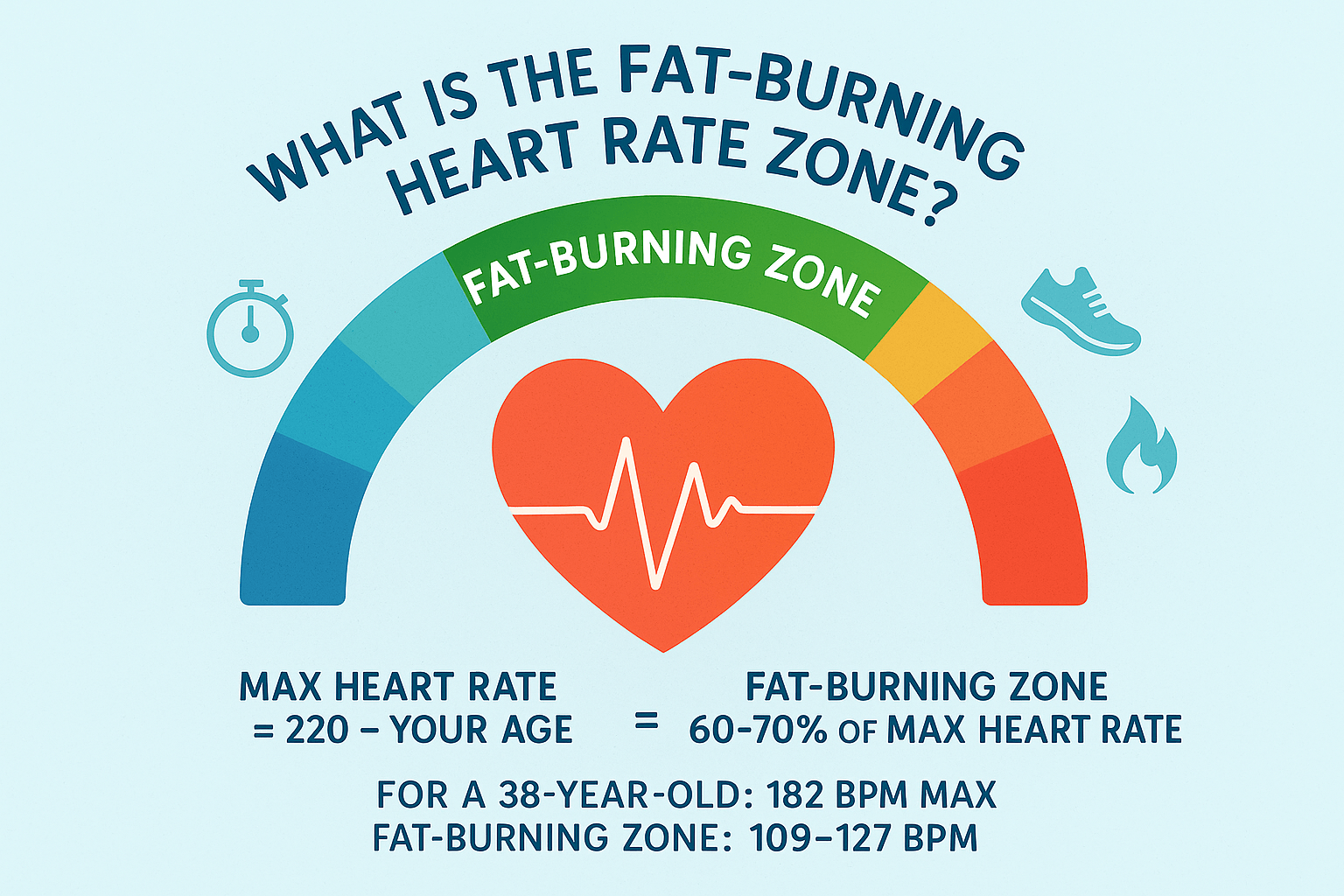
The fat-burning zone is where your body burns fat most efficiently—usually around 60-70% of your max heart rate.

But things are not that simple.

In this article, I’ll break down how to find your fat-burning zone, why mixing up your workouts matters, and how to use your heart rate to run smarter and burn more fat.

Ready to stop guessing and start training smarter?

Let’s get to it.


What’s the Fat-Burning Heart Rate Zone?

Alright, here’s what you need to know. You’ve probably heard the term “fat-burning heart rate” tossed around, but what does it actually mean?

When I first heard about it—I thought there was some magic formula to lose fat without effort!

Here’s the real deal: the ‘fat-burning heart rate’ is just the point where your body starts burning fat more efficiently during exercise.

It’s not about just jogging at a snail’s pace—it’s a sweet spot where you’re working, but still able to keep going.

For most folks, this zone is somewhere around 60-70% of your max heart rate. Now, you might be wondering, “How do I find that out?”

Don’t stress, it’s really simple.

Here’s how you do it: 220 minus your age = your max heart rate.

For example, I’m 38, and my max heart rate is 182. To find my fat-burning zone, I aim for 60-70% of that, which puts me between 109-127 beats per minute.

I remember when I figured this out for the first time. I was out on a run, and honestly, I had no clue if I was in the “fat-burning zone” or not. But once I figured out the numbers, it gave me a target to aim for.

I know I know. This formula might be an oversimplification and might not work for everyone. But overall, it’s a good reference point.

Fat-Burning vs. Cardio: What’s the Difference?

You know about the fat-burning zone, but let’s talk about what happens when you push harder into the cardio zone.

In the fat-burning zone, you’re burning a higher percentage of fat while exercising at lower intensities.

But when you hit the cardio zone, you’re working harder and burning more calories. It sounds a little backwards, doesn’t it?

When you hit the cardio zone, you’re working harder, burning more total calories—and even though you burn a smaller percentage of fat, you end up burning WAY more fat overall.

Here’s the kicker: high-intensity workouts burn through your body’s quick energy stores (glycogen).

And once that runs out? You guessed it—your body switches to burning fat for fuel.

Here’s my best tip for you: Don’t get too hung up on the exact numbers.

Your body is burning fat all the time, whether you’re in the fat-burning zone or pushing hard in the cardio zone.

You just have to challenge it properly. Switch things up! Try some faster runs or intervals now and then. That’s how you get your body to really adapt.


How to Find Your Sweet Spot: Fat-Burning Heart Rate Training

Now that you’ve got the math down, let’s talk strategy.

If fat loss is your goal, aim to spend at least 30 minutes in that fat-burning heart rate zone.

Not sure if you’re there? Use the talk test.

If you can hold a conversation without gasping for air, you’re probably in the sweet spot.

If you’re gasping for breath and can’t string more than a word or two together—you’re definitely in the cardio zone. And that’s fine too! It’s great for overall fitness.

Don’t stress if you’re not always in the fat-burning zone. Mix in some higher-intensity work (like intervals) to burn fat in different ways. Your body loves variety, and it’ll keep adapting.


What’s Better: Fat-Burning or Cardio?

Fat burning is important, but cardio has its place, too. When I first started running, I was obsessed with staying in the fat-burning zone.

I thought the only way to shed fat was through those slow, long runs.

But then I started adding in some sprint intervals.

And guess what? My legs got leaner, my stamina shot up, and I felt faster.

That’s when I realized: you don’t have to live in the fat-burning zone to see results.

Over time, I realized I was holding myself back. High-intensity workouts, like sprints or hill repeats, burn more calories overall—and help you get leaner faster—even if you’re not in the fat-burning zone the whole time.

So, mix it up. Use both fat-burning and high-intensity cardio for the best results.


How to Track Your Heart Rate While Running

You don’t need some fancy monitor to track your heart rate, but it sure helps. The simplest way? Grab your phone, pause mid-run, and use an app to check your pulse.

Easy, right? But if you want something a bit more accurate, I’d recommend investing in a heart rate monitor. There are wristband monitors out there that track your heart rate, steps, calories burned, and more.

Here’s my best tip for you: If you’re serious about consistency,  use a chest strap monitor. It gives  you the most reliable readings and lets you keep pushing without constantly stopping to check your phone.


Conclusion

Bottom line? Consistency and variety. Find your fat-burning zone, but don’t be afraid to step out of it every now and then.

You’re not just training your body to burn fat—you’re getting stronger, faster, and more efficient.

Stick to your training, mix in some intervals, and remember: progress isn’t just about your heart rate.

“Every run, every sweat session, you’re building the runner you want to become.

Keep showing up—and trust me, those results? They’ll come.”


Summary / Key Takeaways

  • Running alone isn’t a magic fix for weight loss.
  • Strength training helps build muscle and burns more fat.
  • Consistency is the key to seeing real results.

FAQ:

How do I calculate my fat-burning heart rate? Subtract your age from 220 to get your max heart rate. Then aim for 60-70% of that number to hit the fat-burning zone.

How many calories do I burn per mile running? On average, you burn about 100-150 calories per mile, depending on your speed and body type.

Can I still burn fat if I’m not in the fat-burning zone? Yes, you can! High-intensity workouts burn more calories overall, even if you’re not in the fat-burning zone.

How long should I stay in the fat-burning zone? Aim for at least 30 minutes in the fat-burning zone for optimal fat loss.

Is it better to run at a slow pace for longer or run faster for shorter times? Both have their benefits! Slow runs burn fat efficiently, while fast runs burn more calories overall.

How to lose 25 Pounds As Fast As Possible

Let’s cut the fluff: losing 25 pounds isn’t magic—it’s execution.

Not a 30-day cleanse, not a “one weird trick.” It’s you, stacking simple habits until the scale has to move.

I’ve coached runners and busy parents through this exact number, and the pattern is always the same: dial in protein, create a steady calorie gap, train with intent, sleep like it matters, and keep your head from sabotaging your work.

The scale will wobble.

Fine.

We chase trends, not tantrums.

Weekly weigh-ins, same conditions.

Pair that with waist measurements, progress pics, and performance wins—faster miles, stronger lifts, steadier energy. That’s the truth behind the number.

You’ll have messy days. We don’t fold—we adjust. Be stubborn about the goal, flexible about the path. Celebrate the small wins (skipped seconds, hit your workout, closed the kitchen at 8). String enough of those together and 25 pounds stops being a mountain and becomes a checklist.

This plan isn’t punishment—it’s a system. Two or three strength sessions, smart cardio, more daily movement, protein on every plate, and recovery that actually recovers. Give me consistent, boring excellence for a few months and you’ll look back wondering why you waited. Ready? Let’s make 25 pounds a before-and-after, not a forever-goal.

Let’s get to it.


10 Smart Diet Hacks That Don’t Feel Like Dieting

Let’s be honest—cutting calories is never “easy,” but there are ways to do it without feeling like you’re starving or stuck eating air. These are your toolbox tricks to drop weight without losing your mind.

1. Load Up on Volume (Eat Big, Weigh Less)

Want to feel full without tanking your calories? Focus on volume foods—big portions, low calories. We’re talking veggies, broth-based soups, big salads, fruit, air-popped popcorn.

Example: A giant bowl of veggies might set you back 150 calories.

That same amount of calories? Maybe 15 chips. Not even the fun kind.

Start meals with a salad or veggie soup—it fills your gut so you eat less of the heavy stuff after.

Snack on crunchy veggies with hummus or salsa. Eat fruit instead of cookies when the sweet tooth hits.

There’s actual science here: studies show eating a soup or salad before a meal helps you eat fewer total calories without even trying.

That’s a win.

And if you’re hungry between meals? First rule: reach for produce. If that doesn’t cut it, go for a protein snack (see tip #2).

Eating a lot and still losing weight? That’s not a fantasy—it’s just smart food choices.

2. Put Protein on Every Plate

Protein’s your best friend when dropping weight.

It keeps you full, helps preserve muscle, and even boosts your metabolism a bit.

Your body burns more calories digesting protein than carbs or fat. No joke.)

Here’s the move: make sure every meal and snack has protein.

  • Breakfast? Eggs, Greek yogurt, or a protein shake.
  • Lunch? Chicken, beans, or tofu.
  • Snacks? Cottage cheese, jerky, edamame, even a scoop of protein powder in almond milk.
  • Dinner? Fish, lean beef, lentils—whatever fits.

Shoot for 20–30 grams per meal.

That’s around 3–4 oz meat or 1 cup Greek yogurt or a scoop of whey.

Need help hitting that number? Use a shake post-workout—but skip the sugary “gainer” nonsense. Stick to straight protein. Water or almond milk. Done.

The bottom line? Protein = full, strong, and lean. Don’t skimp.

3. Plan Your Food Like a Boss

This right here is a game-changer. You can’t wing fat loss.

The ones who succeed? They plan.

Meal prep is your lifeline when life gets busy.

Cook in bulk. Bake a few chicken breasts, roast a tray of veggies, make some rice or quinoa, boil eggs.

Portion it all out in containers. Grab-and-go. No excuses.

Even snack prep matters—single-serving bags of trail mix, fruit, or sliced veggies.

When hunger hits, you’ve got a plan. Otherwise, the vending machine wins.

Also, prep for life’s curveballs.

Got a party Saturday? Eat lighter that day, then enjoy a small plate guilt-free.

Know you’ll work late Wednesday? Pack an extra snack so you don’t hit the drive-thru at 9pm.

No plan = panic mode = poor choices.
A little effort ahead of time saves a ton of calories later.

Even writing out your meals for the week helps.

It makes grocery shopping easier and reduces “what do I eat?” stress. And if cooking ain’t your thing? Find a few healthy go-tos from the store—rotisserie chicken, steamable veggies, pre-washed salad kits. Done and done.

Planning gives you control. Control gives you results.

4. Downsize Your Plates = Downsize Your Waistline

Ever pour cereal into a mixing bowl and think, “That doesn’t look like much…”? Yeah. Our eyes are liars.

Here’s the deal: we don’t just eat with our stomachs — we eat with our eyes.

Big plate? You’ll serve more.

Big bowl? You’ll scoop more.

And you won’t even notice.

Don’t take my word for it.

Brian Wansink’s Cornell study nailed it: nutrition experts ate 31% more ice cream just because they had a bigger bowl and spoon. Not amateurs — experts.

So if they get duped, you better believe we do too.

Here’s what to do:

  • Use 8-9 inch plates for meals instead of dinner platters.
  • Swap teacups or salad bowls for high-calorie stuff (like ice cream or nuts).
  • Use tall skinny glasses for caloric drinks instead of wide tumblers.
  • Even eat dessert with a teaspoon or chopsticks — it slows you down without you realizing.

The flip side? Go big on low-cal stuff. Giant salad bowl? Hell yeah. Massive water bottle? Bring it.

5. Cut the Crap Carbs — Keep the Good Stuff

No, you don’t have to go zero-carb.

But let’s not pretend that white bread and Frosted Flakes are doing you any favors.

Refined carbs are sneaky. They spike blood sugar, crash your energy, and leave you hungry an hour later.

And somehow, five pretzels turns into half the bag.

Instead, lean into high-fiber, slow-burning carbs that fill you up and keep you steady.

Here’s how to play it smart:

  • Swap white rice for cauliflower rice, or go half-and-half with brown rice and broccoli rice.
  • Go whole grain or sprouted bread over white.
  • Trade chips for air-popped popcorn — way more volume for fewer cals.
  • Use beans or lentils instead of a full rice/pasta serving.
  • Try zoodles or spaghetti squash instead of pasta. More volume, fewer carbs, just as satisfying.

Also: add in healthy fats like avocado, olive oil, and nuts — they keep you full, and make veggies taste great. Just don’t pour half a bottle of EVOO on everything.

And yeah, the Glycemic Index matters. Go for low-GI carbs like steel-cut oats, sweet potatoes, quinoa. Skip the sugar bombs that spike and crash your system.

Side note – GLP-1 therapy aids slimming by helping reduce appetite and improve blood sugar control, giving you an extra edge when managing cravings and energy levels throughout the day. It basically supports the same goal as portion control: helping your brain and body agree on what “enough” actually feels like.

6. Eat Like You Give a Damn – Slow Down, Pay Attention

You ever wolf down a meal so fast you forgot you ate? Guilty.

And guess what? You’re usually hungry again in 20 minutes.

Mindless eating is a killer. Not just for calories — but for satisfaction. If you don’t even taste the food, what’s the point?

Let’s fix it:

  • Chew slower. Like, actually chew. Aim for 15–20 chews per bite. You’ll eat less and digest better.
  • Put the fork down between bites. Sip water. Breathe.
  • Use smaller utensils — baby spoon, salad fork. Makes you slow down whether you want to or not.
  • Check in with your hunger. 1 = starving, 10 = stuffed. Eat when you’re around a 3, stop around 6 or 7.

That last 10% of your meal? You probably don’t need it. But if you’re zoned out in front of the TV, you’ll eat it anyway.

7. Smart Snacking (or Cut It Completely)

Snacks can be a life-saver — or a total sabotage.

Done right, they stop you from crashing or overeating later. Done wrong, they’re just mini meals that add up fast.

Here’s what works:

Good snacks under ~200 calories:

  • A small handful of nuts (almonds/walnuts — 1 oz = ~160 cal)
  • Fruit + string cheese
  • Carrot sticks + 2 tbsp hummus
  • Nonfat Greek yogurt (~100 cal, 15g protein)
  • Protein bar (150–200 cal, 15–20g protein)
  • Jerky
  • Hard-boiled egg

The trick? Pre-portion. Don’t snack from the bag unless you want to see the bottom.

If you’re just snacking out of boredom, skip it. Try herbal tea.

Chew gum. Do 20 squats.

Seriously — movement blunts hunger for some folks better than food.

Also — cut night snacking if you can. That “I need a treat after dinner” habit?

That’s one of the biggest fat-loss killers I’ve seen in clients (and myself). Replace it with tea, or a little protein if you’re legit hungry.

8. Ditch the Liquid Calories – Even the “Healthy” Ones

Let’s be real—sipping calories is one of the fastest ways to stall fat loss.

You don’t chew them. You don’t feel full. And most of the time, they’re just sugar bombs wearing a healthy disguise.

Yeah, soda and booze are the obvious culprits.

But what about that green juice from the fancy market?

Still 200+ calories if it’s mostly fruit. A protein smoothie?

Great as a meal, but if you’re pairing it with a full plate of eggs and toast… that’s just dessert in disguise.

Even lattes—those cozy caramel mochas? 300–400 calories, easy.

You just drank a cheeseburger.

And sports drinks like Gatorade? Unless you’re crushing 90-minute trail runs in the heat, you probably don’t need ‘em. Water wins. Always.

Here’s to what to actually drink:

  • Plain water (flavored with lemon, mint, cucumber? Bonus.)
  • Black coffee or with a splash of milk (ditch the sugar bombs)
  • Tea – herbal, green, black – just don’t drown it in honey
  • Unsweetened sparkling water (fizzy, fun, zero regret)

Pro trick: When a craving hits, slam a full glass of water and wait 10 minutes. Most of the time, it’s thirst wearing a hunger costume.

I’ve coached folks who dropped 10–15 pounds just by switching to water. You’d be amazed how fast things shift when you stop drinking your calories.

What’s your go-to drink? If it’s got calories, try swapping it for something lean this week.

Let your food do the fueling.

9. Flavor Without the Fat: Spice It Up, Don’t Weigh It Down

You don’t need to drown your chicken in butter or smother your veggies in ranch to make them taste good.

You just need to season like you mean it.

I’m talkin’ garlic, onion powder, paprika, chili flakes, rosemary, thyme—throw that stuff on like a chef with something to prove.

Want tang? Hit it with vinegar or lemon juice.

Want heat? Grab some hot sauce or mustard.

Craving something sweet? Cinnamon, vanilla, or stevia can trick your brain without the calories.

Swaps I’d recommend:

  • Greek yogurt > Sour cream
  • Cauliflower rice > Regular rice
  • Zucchini or shirataki noodles > Pasta
  • Lettuce wraps > Tortillas

Even simple stuff like using Dijon and vinegar instead of ranch saves you 150+ calories per meal—and your taste buds won’t miss a thing.

Hate “diet food”? Then stop eating bland. Season smart, swap smart, and eat like you enjoy it.

10. Treats Are Allowed (Yes, Seriously)

Here’s the deal: trying to be perfect 24/7 is a trap.

I’ve seen runners white-knuckle their diet for weeks, then faceplant into a pizza buffet and wonder what went wrong.

The truth? You need flexibility, not prison food.

Use the 80/20 rule: eat smart and goal-oriented 80% of the time, and leave 20% for foods that just make you smile.

Maybe that’s a scoop of ice cream. Maybe it’s pizza on Saturday night. Either way—it’s not “cheating,” it’s planning.

Here’s the smart way to indulge:

The Smart Way to Indulge:

  • Work it into your day (fit it in your calorie range)
  • Keep it to one meal or treat, not a full-on binge weekend
  • Enjoy it. Guilt-free. Then move on.

There’s even science behind this: occasional higher-calorie meals can bump up leptin, a hormone that keeps your metabolism humming while dieting.

More importantly, it keeps your brain from feeling deprived.

My tip? Plan your treat. Make it something you look forward to. Eat it slowly. Then get back to the grind. No guilt. No spiral.

10 Must-Do Exercise & Movement Habits

(Because you can’t out-diet the couch)

1. Schedule Your Sweat – Make It a Non-Negotiable

You know how brushing your teeth isn’t optional? That’s how I want your workouts to be.

“I’ll work out when I have time” = never.

Instead, book it. Block it off on your calendar like a damn meeting with your boss.

Monday-Wednesday-Friday at 7am? Locked in. Sunday hike with the dog? It counts. Pick your days and make ‘em sacred.

Build a trigger: Maybe it’s right after coffee. Maybe it’s after dropping the kids at school. The point is—remove the debate. Create the habit.

Research shows that people who work out at the same time each day are more consistent. I’m not saying it has to be 5am. Just make it regular. Soon it becomes automatic. And when you skip it, you’ll feel off—like you forgot deodorant.

2. Cardio + Strength = The Fat Loss Dream Team

Want to torch fat and look strong? Don’t just run. And don’t just lift. Do both.

Cardio burns serious calories and builds stamina.

Think running, biking, brisk walking, swimming—whatever gets your heart pumping.

Shoot for 150 minutes a week or 75 if you’re going hard.

Strength training is where the magic happens.

Muscle is your metabolic engine.

More muscle = more calories burned at rest.

That’s free fat loss, baby.

Hit strength 2-3 times a week. All major muscle groups. And don’t worry if you’re new—start with bodyweight stuff:

  • Squats
  • Push-ups (knees if needed)
  • Lunges
  • Planks

Then move into dumbbells or bands. Circuit-style training? Even better—you get your lift and a mini cardio blast at the same time.

Best part? You’ll get strong fast in the first couple of months. That confidence spills into everything.

3. Move More Without “Exercising” (The NEAT Hack)

Here’s something most people don’t realize: even if you hit a 30-minute workout every day, you can still be way too sedentary.

It’s called NEAT—non-exercise activity thermogenesis—and it’s a fancy way of saying all the calories you burn doing life stuff.

Walking around.

Cleaning.

Pacing during phone calls.

Fidgeting. You get the idea.

And it adds up. Big time.

One of the sneakiest things that happens when folks start dieting? They move less without noticing.

Your body’s like, “Oh, we’re eating less? Cool, let’s save energy by turning you into a statue.”

Don’t let that happen.

Here’s how to fight back:

  • Set a timer: stand up every 30 minutes
  • Do squats while brushing your teeth (seriously)
  • Pace on phone calls
  • Take the stairs, always
  • Park far. Walk more.
  • Play with your kids or dog—they’ve got more energy than a spin class
  • Use a standing desk (even part-time)

You might only burn 10–20 extra calories per movement… but do that 20–30 times a day, and boom—200–300 calories burned without ever lacing up your shoes.

Fitbit or step counter helps too. If it’s 5 PM and you’re at 3K steps, guess what? You’re going for an after-dinner walk.

4. Throw In Some Intervals (Your Fat-Burning Accelerator)

Look, I love a good steady-state jog.

But if you really want to fire up your metabolism and torch fat fast, you’ve got to push the pace sometimes.

I’m talking intervalsshort bursts of hard work followed by recovery.

You don’t have to go full beast mode. Just a couple of days a week of this stuff will light a fire.

Try this:

  • Warm-up: 5-min jog
  • 1 min fast / 1 min slow — repeat 6–8x
  • Cool down

Or Tabata style:

  • 30 sec all-out / 30 sec rest — 10+ rounds

These workouts:

  • Burn fat faster
  • Improve conditioning
  • Trigger “afterburn” (your body keeps burning calories long after you’re done)

But don’t go overboard. HIIT is tough. Twice a week max is enough, especially if you’re doing strength and steady cardio too.

Even beginners can get into it with “speed play”—walk 3 minutes, jog 1 minute, repeat. Or alternate hard and easy bike intervals. No gym required.

Here’s a sample weekly flow:

  • 2 days moderate cardio
  • 2 days intervals
  • 2–3 days strength
  • 1 day full rest or active recovery

Keep your body guessing, and it’ll keep burning.

5. Do What You Actually Like (Because Consistency Wins)

Let’s get one thing straight: you don’t have to run. Or go to the gym. Or do burpees ‘til you puke.

If you hate your workouts, you won’t stick with them. Period.

The real trick? Find something you actually enjoy—or at least don’t dread.

That’s how you build consistency, which matters way more than intensity.

Some ideas:

  • Hate lifting? Try bootcamp or CrossFit. Group energy helps.
  • Hate treadmills? Hit the trails or join a rec sports league.
  • Like music? Dance. Zumba. Hip-hop. Move to the beat.
  • Outdoorsy? Hike, climb, rollerblade.
  • Love competition? Try pickup basketball or martial arts.

Mix it up if you’re getting bored. One week it’s spinning and tennis. The next it’s lifting and hikes. Doesn’t matter. Just move.

For me? I stuck with running because I loved it. It cleared my head and got me results. That’s why it lasted.

6. Get an Accountability Buddy (Even a Virtual One)

Solo workouts are fine… until the snooze button wins.

Having someone else in the mix changes the game.

When someone’s waiting for you at the park, you show up.

When you’re in a challenge group, you keep grinding.

That little push? Gold.

I joined a beginner running group early on. We weren’t fast, but we showed up. And that consistency built the habit.

Your options:

  • Partner up with a friend—text each other workout updates
  • Join a fitness class (you’ll miss the vibe when you skip)
  • Find an online community (forums, Discord, Facebook)
  • Try an app that tracks streaks or puts money on the line
  • Use social pressure: post your weekly plan and tell someone to check on you

Even just telling someone your plan makes you more likely to stick to it. Don’t go at this alone if you don’t have to.

7. Don’t Get Hurt (Progress Slowly, Recover Hard)

Nothing kills momentum like an injury. You’re doing great, pushing hard—and then bam, something tweaks and you’re sidelined.

I’ve been there. When I got runner’s knee from ramping mileage too fast and skipping recovery? That set me back weeks.

And it was totally preventable.

Here’s what I’ve learned along the way:

  • Follow the 10% rule: Don’t increase volume/intensity by more than 10% a week
  • Warm up: 5–10 min light movement + dynamic stretches
  • Cool down: Don’t just stop—move, then stretch
  • Take rest days seriously: Recovery is when muscles rebuild
  • Listen to your body: Soreness? Okay. Sharp pain? Stop.
  • Form first: Always. Bad form leads to bad outcomes.

Even just stretching 5 minutes post-workout helps.

Yoga once a week is a game-changer too.

If you’re feeling beat down? Take a rest day.

You won’t lose gains in one day—but you will if you get sidelined for weeks.

Bonus tip: If you’re unsure about strength form, book a session with a trainer or use legit tutorials.

Lifting wrong is like running in bad shoes—eventually something snaps.

8. Move More in Your Free Time (Yes, Even Netflix Counts)

Look—gym time is great. But what you do the rest of the day matters just as much, maybe more.

Most folks clock an hour at the gym, then sit for the other 15. Not a winning formula.

So here’s the mindset shift: make movement part of your life, not just your “workout routine.”

Go for a walk after dinner instead of scrolling. Kick a soccer ball with your kid. Mow the lawn instead of paying someone else to. It’s all movement, and it all counts.

And yeah, if you’re a TV junkie (no judgment), get creative:

  • Hop on a stationary bike while watching
  • Foam roll or stretch through an episode
  • Do push-ups during commercials

I used to make a rule for myself—every time a show went to break, I knocked out 10 squats or sit-ups. Sounds goofy, but it added up fast.

9. Use Music, Shows, or Games to Power Up Your Workouts

Let’s be honest—some days you don’t want to work out. It happens to all of us.

But you can trick yourself into looking forward to it.

How? Entertainment.

Studies back it: Music can help you push harder and go longer without feeling as drained.

It literally dials down how hard you think you’re working.

So throw together a playlist that hypes you up. Save your favorite podcast or audiobook for workouts only.

That way you actually look forward to getting your heart rate up.

I used to reserve one specific TV show only for treadmill runs.

No run? No episode.

That little hack turned my workouts into something I looked forward to—even on tough days.

Also, don’t sleep on the competitive side of things. Use your fitness tracker. Join a virtual step challenge. Try to beat your mile time. Gamify it.

Sometimes external motivation is what gets you moving until your internal engine kicks in. Use whatever works.

10. Move More… Even When You’re Not “Exercising”

This is where a lot of people miss the mark: they crush their workouts but then sit for 8 hours straight.

Not good.

Staying active throughout the day—not just during “gym time”—is huge for weight loss and long-term health.

It’s called NEAT (Non-Exercise Activity Thermogenesis), but don’t get caught up in the name.

Just think: move more, sit less.

Try this:

  • Stretch every hour at your desk
  • March in place during TV shows
  • Do 10 squats after every bathroom break
  • Park farther away on purpose
  • Take stairs instead of the elevator

Get one of those fitness watches that nags you to move—thank it later.

I’ve had clients lose serious weight just by walking an extra mile a day and breaking up their sitting.

Not every calorie needs to be burned by burpees.

These small moves add up. And they rewire your brain too—movement becomes your default, not sitting.

That’s the kind of person who keeps the weight off for good.

10 Recovery & Lifestyle Tactics

(Support Fat Loss with Smart Living)

1. Sleep Like It’s Your Job

Want a “secret weapon” for losing fat? It’s not a supplement. It’s not cardio. It’s sleep.

Seriously—if you’re not sleeping 7 to 9 hours a night, you’re shooting yourself in the foot.

Here’s what happens when you shortchange sleep:

  • Your hunger hormones go nuts
  • Your cravings spike
  • Your energy tanks
  • Your workouts suck
  • You hold onto fat and burn muscle

Yeah… no thanks.

Fix your sleep like this:

  • Go to bed and wake up at the same time—even weekends
  • Cut off screens an hour before bed
  • Dim the lights, stretch, maybe journal
  • Make your room cool, dark, and quiet
  • No caffeine after 2pm
  • No big meals or workouts right before bed

If you’re getting only 5–6 hours now, try bumping it by 30 minutes this week.

Then 30 more next week.

Bonus tip: Some folks do great with magnesium or herbal teas like chamomile or valerian root.

And tracking your sleep (Fitbit, Oura, etc.) can give you real data to improve.

2. Stress Is a Sneaky Saboteur—Don’t Let It Win

Here’s something most people don’t think about when trying to lose weight: stress.

But it’s a big deal.

When you’re constantly stressed, your body cranks out cortisol—a hormone that not only jacks up your appetite (hello, late-night snack raids), but also tells your body to store fat, especially around your belly.

It doesn’t stop there. When stress hits, you might skip workouts, sleep like garbage, or emotionally eat stuff you swore off yesterday.

So yeah—managing stress isn’t a luxury. It’s part of the grind.

Here’s what helps:

  • Breathing drills (like 4-7-8 breathing—look it up, it works)
  • Mindfulness (apps like Calm or Headspace can guide you, even if you suck at meditating)
  • Journaling (get the stress out of your head and onto paper)
  • Unwind hobbies (walk, stretch, draw, crank music, take a hot shower)

You don’t need a weeklong spa retreat—just carve out 5–15 minutes a day to unplug your brain.

And do a quick life audit: Can you cut back on stuff draining you? Say no more often? Ask for help? Small changes, big difference.

Also, let’s be honest: sometimes dieting itself becomes a stressor.

If your plan is so strict you’re miserable, it’s time to loosen the reins a bit. The goal is sustainable—not suffer-til-you-crack.

Stress eating? Figure out your triggers—are you bored, anxious, mad? Replace that habit with something better. Call a friend. Go for a walk. Do pushups.

Just don’t let food be the default escape hatch.

Some people swear by stuff like chamomile tea or ashwagandha to take the edge off (talk to your doc first, obviously).

But honestly, the basics—sleep, breathwork, movement—go further than you think.

3. Water: The Most Overlooked Fat Loss Hack

Drinking enough water might sound basic, but it’s low-key one of the biggest needle-movers.

A lot of times when you think you’re hungry? You’re actually just thirsty.

Aim for 8 cups (64 oz) a day minimum. More if you’re sweating a lot or it’s hot out.

✅ Start your day with a tall glass—rehydrate after sleep.
✅ Carry a water bottle with you and sip all day.
✅ Feeling an afternoon slump? Down a cold glass of water before reaching for snacks.
✅ Drinking 1–2 cups before meals can help you eat less without trying.

There’s even research on this: one study showed folks who drank water before meals lost more weight over 12 weeks than those who didn’t. Easy win.

And don’t forget water-rich foods. Stuff like watermelon, cucumber, oranges, and lettuce keep you hydrated and help fill you up.

Pro tip: urine check. Pale yellow = hydrated. Dark yellow = drink more.

Sick of plain water? Add lemon, try herbal teas, or go bubbly with some seltzer.

Just spread your intake through the day—chugging 2 liters at once doesn’t count.

Stay hydrated, and everything works better—your energy, your workouts, your metabolism. Don’t overthink it. Just drink up.

4. Alcohol: Your Silent Progress Killer

Look, I’m not gonna tell you to never touch a drink again. But if weight loss is the mission, alcohol needs to take a backseat.

Here’s why:

  • It’s sneaky calories (7 cal per gram—and that’s before mixers)
  • It screws with your sleep (and sleep matters for fat loss)
  • It lowers your willpower (suddenly pizza sounds amazing at 11 p.m.)
  • It slows down fat burning (your body prioritizes clearing alcohol first)

If you drink regularly—even a couple glasses of wine at night—you could be blowing a few hundred calories daily without realizing it.

Try cutting back:

  • Stick to one drink max on occasion
  • Choose lower-calorie options like vodka-soda or dry wine
  • Skip sugary mixers (bye, margaritas and piña coladas)
  • Never drink on an empty stomach—eat protein and fiber first
  • Use the “water chaser” rule: 1 drink, 1 glass of water
  • Set limits: maybe no drinks during the week, or only at special events

Want a reset? Try a 30-day sobriety sprint. A lot of people feel so good they don’t go back (or go back very lightly).

It’s not about being perfect. It’s about giving yourself every edge. And cutting out liquid calories you don’t need? That’s a smart move.

5. Log It or Lose Sight

Here’s a tip most people ignore: start a food + mood journal. And no, it doesn’t have to be fancy.

Just jot down:

  • What you ate
  • When you ate it
  • How you felt before/during/after
  • How you slept
  • Your workout
  • Anything else that stands out

Why? Because patterns are powerful. You’ll start to notice stuff like:

“Every Tuesday at 4pm I binge snack. Why? Oh… meetings stress me out.”

Boom—now you can fix it.

Or maybe:

“Slept 5 hours = skipped workout and ate like crap.”

See? It’s not about obsessing over every bite—it’s about building awareness.

When you track your choices and your mindset, you stop running blind. You start making smarter moves.

And journaling wins matters too. “I ran for 20 minutes straight today.” “I passed on dessert.” “I meal prepped this week.” Those small wins add up—and looking back on them fuels momentum.

Over time, your journal becomes your playbook. When you stall out, you’ve got data to review. It’s like being your own coach.

Start with 5 bullet points a day. Keep it simple. You’re not writing a novel—you’re collecting clues.

6. Personalize the Damn Thing (It’s YOUR Body, After All)

Here’s something folks screw up all the time: they copy someone else’s diet or workout plan like it’s gospel. Don’t do that.

You’re not a robot. You’ve got your own body, schedule, cravings, preferences, and history.

So your plan? It better fit you like a custom pair of running shoes—because if it doesn’t, you’ll toss it by next week.

Hate morning workouts? Cool—train at lunch or after work.

Don’t like broccoli? Nobody said you had to choke it down. Pick veggies you’ll actually eat.

Bad knees from running? Try cycling or swimming instead.

Nothing wrong with that.

And meals? Some folks do great with 6 small ones. Others do better with 3 solid meals. You gotta test what keeps you from turning into a snack monster by 8pm.

Same goes for your lifestyle—travel a lot? Learn hotel workouts. Find healthy takeout spots on the road. Got a family? Cook stuff everyone will eat. You don’t need to be a short-order cook to stay lean.

Bottom line: you’re the CEO of your own body. Build a plan you’d actually follow for life—not just for a quick fix.

And yeah, it takes some trial and error.

Maybe you go low-carb for two weeks and feel like you’re dying—okay, bring carbs back in, cut back on fat instead.

Maybe you burn out on five gym days a week—switch to four and stay active with more walking or biking.

Tailor. Adjust. Iterate. That’s how you build something that actually sticks.

7. Don’t Let the Scale Be Your Boss

Repeat after me: the scale is a tool—not the truth.

If you only track your weight, you’re missing the big picture.

Progress isn’t just pounds lost. It’s pants fitting better, strength going up, runs getting faster.

Here’s what I tell my clients to track:

  • Waist measurement: every couple of weeks. Even when weight stalls, inches can drop.
  • Progress photos: same clothes, same lighting. You’ll see what the mirror hides.
  • Performance gains: more push-ups? Faster mile? That’s fat loss talking too.
  • Health signs: better sleep, lower resting heart rate, BP improving—those count.

And let’s talk jeans.

Everyone’s got that one pair they secretly want to fit into again.

Try them on once a month. It’s way more motivating than watching the scale wobble up and down 0.7 lbs.

Yes, use the scale. But don’t obsess. Check it weekly, not daily, and always in the same conditions.

If it’s going down over time, you’re golden. But if it doesn’t move for two weeks while everything else is improving? You’re still winning.

8. Recalculate As You Shrink

Here’s a truth nobody talks about: as you lose weight, your body burns fewer calories.

Why? Simple—smaller body = less fuel needed.

So if you started at 250 lbs and dropped to 225, your old calorie deficit might be gone.

At first you were eating 2,000 calories and dropping weight like crazy. Now? Maybe you’re maintaining without realizing it.

No shame. This is normal. But now it’s time to adjust. Maybe shave off 150–200 calories a day. Or tack on an extra 20-minute walk. Doesn’t have to be drastic—just enough to reopen that gap.

Also, if you’ve been strength training (and you should), your metabolism might stay higher thanks to added muscle. That’s a bonus. But it doesn’t mean you’re exempt from checking in on your numbers.

And hey, if you’re dragging energy-wise, constantly hungry, or craving everything in sight? You might be eating too little. It’s better to slow your weight loss than burn out completely. Long game always wins.

9. Plan for Plateaus (Because They’re Coming)

Plateaus are like potholes on a long road trip—you don’t quit the drive, you steer around them.

Here’s the deal: after weeks of progress, your body gets comfy.

It adapts.

You’re lighter, moving more efficiently, maybe even fidgeting less.

Suddenly? The scale stalls. Inches freeze. You’re stuck.

That’s not the time to panic. It’s time to pivot.

Here’s how to bust through:

  • Double-check your tracking: Are your portions creeping up? Logging sloppy? Measure everything for one week, dead accurate.
  • Cut 10–15% more calories: If you’re at 1800, drop to 1600–1650 for 2 weeks. See what happens.
  • Add intensity: Extra cardio day? Swap one steady run for some HIIT? Even just 10 more minutes per session helps.
  • Change it up: Been lifting only? Add swimming. Always do treadmill? Try trails.
  • Rest & recover: Stress and sleep mess with hormones. Cortisol is no joke. Get your 7–8 hours.
  • Refeed smart: A higher-carb day once a week (controlled, not a free-for-all) can reset your energy and hormones.
  • Diet break (yes, really): 1–2 weeks at maintenance helps some people reset mentally and physically. You won’t balloon. You’ll recharge.

The trick is to see plateaus as feedback—not failure. They’re your body saying, “Hey, I’ve caught up. Now what?”

Don’t let a plateau be your stop sign. Make it a speed bump.

Remember: the last 5 pounds will take longer than the first 15. That’s normal. Stay patient. Keep tweaking. You’re not stuck—you’re just in the fine-tuning phase.

10. What Comes After the Finish Line? Build Your Maintenance Game Plan

Look—I’ve seen it time and time again. You crush it. Drop the 25 pounds. Feel like a badass. Then… three months later, the weight’s creeping back in.

That’s not failure. That’s what happens when you don’t have a plan for what comes next.

Let’s make sure that’s not your story.

Don’t Just Lose It—Keep It Lost.

Maintenance ain’t sexy. It’s not flashy. But it’s the real prize. Anyone can go hard for a few weeks. What matters is whether you can live the lifestyle that keeps the weight off without feeling like you’re on a prison diet forever.

So let’s make it real.

Here’s how to lock it in:

Keep What Worked (The Stuff That Didn’t Suck)

You don’t have to stay in a calorie deficit forever—hallelujah—but don’t go sprinting back to your old habits either.

Think of it this way:

  • You might not need to meal prep like a Tupperware robot every Sunday anymore, but maybe you still batch-cook some lunches.
  • You might not work out six days a week, but maybe four keeps you strong and sane.
  • Maybe you can enjoy pizza again… just not the whole damn thing.

Maintenance is about balancing out—eating at your new calorie needs (a little more than during weight loss, but not “old you” levels). You’ve got a new engine now. Keep it fueled smart.

Set New Goals (Because “Goal Weight” Is a Terrible Finish Line)

This one’s big. People freak out when they “hit their number” because suddenly… there’s no goal left.

So create one:

  • Want to run your first 10K? Awesome.
  • Get 10 unassisted pull-ups? Let’s go.
  • Hike that mountain you always avoided? Do it.

Keep chasing something. Don’t let the finish line become a dead end.

Plan for the Real World (Because Life Happens)

Vacations, birthdays, holidays—they’re not diet destroyers. But they can be if you don’t plan ahead.

Try this:

  • Go in with a plan: “I’m having dessert tonight, but I’m skipping seconds.”
  • Use tricks like mindful indulging—savor it, don’t binge it.
  • Balance out before or after. Move a little more. Eat a little lighter. Simple.

Some folks like weighing themselves once a week just to stay honest. Not to obsess—just as a maintenance checkpoint. If you’re creeping up 2–3 lbs? Rein it in before it becomes 10.

Make a “Stay Lean Contract” With Yourself

Yeah, I’m serious. Write it down:

  • “I’ll keep lifting 3x a week.”
  • “I’ll weigh in on Sundays.”
  • “I’ll walk 10k steps on weekdays.”

Whatever worked for you during the cut—keep the parts that felt doable. Let it become your new normal.

Because here’s the truth: crash diets always fail. But if you lost weight with steady, realistic changes? Maintenance feels like coasting downhill.

Be proud. And protect it. You earned this.

Bonus: Weird Little Tricks That Actually Work (Yup, These Help)

Alright, we’ve covered the heavy-hitters. Now here are some weird-but-effective hacks that help you dodge mindless eating:

1. Tape Off the Kitchen

Sounds nuts, but it works: after dinner, put a piece of tape across the pantry or fridge like it’s closed for the night. That physical barrier messes with your brain—makes you pause before that 10pm snack raid.

2. Brush Your Teeth After Dinner

Minty fresh = “kitchen’s closed.” Nothing tastes good after toothpaste anyway. It also acts like a reset for your cravings. I’ve even done a mouthwash rinse to kill late-night temptation. Weird? Maybe. Effective? Yup.

3. Eat With Your Non-Dominant Hand

This slows you down fast. Less shovel, more chew. Studies back this one—it makes you more mindful, and you’ll probably eat less without even noticing.

4. Hide the Junk

Put treats in opaque containers, top shelves, or in the garage if you have to. Out of sight, out of mind. Keep fruit or protein snacks at eye level instead. What you see, you eat. Make that work for you.

5. Give Junk Food Gross Nicknames

This one’s mental judo. That donut? Call it a “fried sugar sponge.” Ice cream? “Frozen syrup fat.” It sounds silly, but it rewires how you think about those foods. Makes them a little less craveable.

These hacks won’t melt 25 pounds off by themselves—but they help you win the daily battles. And those add up.


The 2-Week Extreme Plan (For the “Tell Me Anyway” Crowd)

Let’s be real—this is NOT the path I’d recommend. But if you’re trying to make weight for a sport or need to drop pounds fast for a short-term goal, here’s what it actually takes.

Warning: This is not sustainable, healthy, or smart for long-term fat loss. It’s educational—and maybe eye-opening enough to convince you not to do it.

The Reality of a 2-Week Extreme Cut

To drop the most weight possible in 14 days, you need to:

  • Eat very, very little (800–1000 calories/day max)
  • Move a lot
  • Drop water weight (via low carbs and sodium)
  • Deal with hunger, fatigue, and mood swings

This is survival mode.

Sample “Menu” (Not Endorsed, Just Explained)

Here’s what an ~800-cal day might look like:

  • Breakfast: Black coffee, 2 boiled egg whites, half a grapefruit
  • Lunch: Protein shake (30g protein)
  • Snack: 100g chicken breast on a green salad (with vinegar)
  • Dinner: 150g white fish + steamed broccoli
  • + Supplements: Multivitamin, maybe fish oil, potassium

That’s it. That’s the day.

This is essentially a Protein-Sparing Modified Fast (PSMF). You eat just enough protein to protect your muscle, and almost nothing else.

It’ll put you in ketosis. You’ll drop water. You’ll lose scale weight fast—but a chunk of that will be water and lean mass, not pure fat.

Training During This? Minimal.

You’ll be too depleted for hard sessions. Stick to walking, maybe light strength to signal your body to hold onto muscle.

Recovery? Rough. Energy? Low. You might feel cold, cranky, and weak.

You’ll survive—but it’s not fun, and you will likely rebound after unless you transition very carefully back to normal intake.

Final Word

Rapid loss is tempting. But sustainable change beats fast tricks every time.

Want to see real, lasting change? Stick to the fundamentals:

  • Moderate deficit
  • Regular movement
  • Good sleep
  • Reasonable expectations

You’ll feel better. Perform better. And actually keep the results.

But if you’re still curious about aggressive approaches (for fight weight, photoshoot, etc.), I can help you do it smarter and minimize the damage.

Extreme Weight Loss in 2 Weeks – What It Takes (and Why It’s Not Worth It)

If you’ve ever wondered how people lose 10, 15, even 25 lbs in two weeks, here’s a no-BS breakdown of what’s happening under the hood—and why most people shouldn’t even try.

Hydration & Water Manipulation

  • What happens: You chug 2–3 liters of water daily while cutting sodium to flush retained water. Some use herbal diuretics (e.g. dandelion tea) to accelerate the drop.
  • Extreme version: Water loading then cutting (e.g., drink 2 gallons/day then stop water before weigh-in).
  • Reality check: Can drop 5–10 lbs of water weight fast—but risky if unsupervised. Not sustainable or safe long-term.

Exercise Output

  • What it takes: High daily calorie burn—maybe 800–1,000+ burned through:
    • Fasted morning cardio (e.g., 45-min brisk walk)
    • PM session: strength training + HIIT or spin
    • Moving all day (standing, walking)
  • Goal: Create a huge calorie deficit (~1,500/day), deplete glycogen, and sweat out fluid.
  • Risk: Fatigue, injury, burnout. Needs tight control to avoid muscle loss.

Calorie Intake (Ultra-Low)

  • What’s eaten: Lean proteins (egg whites, chicken, white fish), low-carb veggies (zucchini, spinach), water and tea. Maybe a shake or plain Greek yogurt for protein.
  • Target intake: ~600–800 calories/day
  • Outcome: Forces body into fat burn (and water/glycogen depletion)… but sacrifices muscle if not careful.

Lifestyle Side Effects

  • What you’ll feel:
    • Low energy
    • Cranky or emotionally flat
    • Cold all the time
    • Potential sleep issues (common on very low-carb)
  • Social cost: Forget going out or being at your best—this is survival mode.
  • Support advised: Supervision by a coach or doctor is ideal (if not essential).

Weight Loss Expectations

  • Obese individuals: Might lose 15–20 lbs in 2 weeks (mostly water + some fat).
  • Others: Typically 8–15 lbs; hitting 25 likely requires extreme starting weight plus dehydration at the end.
  • Important: Most of what’s lost is not fat—it’s water, glycogen, and some muscle.

Risks & Rebound

  • Health risks:
    • Dizziness
    • Gallstones
    • Electrolyte imbalances
    • Nutrient deficiencies
    • Slowed metabolism
  • Rebound weight gain: High likelihood. Deprivation leads to binge eating, cravings, and rapid regain.
  • Quote worth remembering: “Your body remembers the famine. And it will make you pay.”

Real Talk: Is It Ever Worth Doing?

  • Maybe for: Fighters making weight. Bodybuilders pre-show. Certain medical cases.
  • Not worth it for: Weddings, reunions, photos, or ego. You’ll likely feel worse, not better—and may not even look the way you hoped.

Better bet?
Aim for 5–10 lbs over a month and show up energized, healthier, and with your glow intact.

Sample Day (For Educational Purposes Only – Not a Recommendation)

Morning: Fasted cardio + water, multivitamin
Breakfast: Egg white + spinach omelet, black coffee
Lunch: 100g chicken + leafy greens + vinegar
PM Workout: Full body circuit + HIIT
Post-Workout: Protein shake or 0% yogurt
Dinner: White fish + steamed veggies
Evening: Dandelion tea, early bed
Calories: ~600–700 net (with 1000+ burned via training)

This routine gets you into ketosis, dehydrates you slightly, and burns hard. But you’ll feel it—low energy, sore, foggy, and not built to last.

Final Note: Crash Weight Loss is a Tradeoff

You can push your body hard for 2 weeks. But it’ll push back.

Want to look and feel good in a short time?

  • Clean up your eating
  • Train consistently
  • Prioritize sleep
  • Drop a few real pounds safely
  • Use clothes, confidence, and posture for presentation—not starvation

Your “Lose 25 Pounds” Checklist (AKA Your Daily Playbook)

Print it. Save it. Stick it on your fridge. Use it like your playbook. This is how you stack wins day by day:

Daily Checklist

  • Calorie Deficit: Ate within goal (____ cals), logged everything.
  • Protein at Every Meal: Eggs, chicken, fish, Greek yogurt, tofu, etc.
  • Veggie Power: Half your plate was greens or colorful veg.
  • No Sugary Drinks: Water, black coffee, or tea only.
  • Hydration: At least 8 cups (____ water bottle refills).
  • Moved Today: Got 30+ mins of activity (type: ______).
  • Steps/NEAT: Hit step goal (_____) or stayed active throughout the day.
  • Mindful Eating: No screens, ate slow, stopped when satisfied.
  • Sleep: Got ____ hours (7–8 is the sweet spot).
  • Stress Check: Did something for your brain—breathwork, walk, hobby.
  • Accountability: Tracked progress or checked in with your group.
  • Kitchen Closed: No unplanned snacks after ___ pm.

Weekly Wins Checklist

  • Meal-prepped on: ____
  • Grocery haul done (no junk in the cart)?
  • Weighed in: ____
  • Measured waist/hips (if tracking): ____
  • Adjusted plan as needed?
  • Non-scale win: __________________
  • Gave yourself a reward for sticking to the plan?

💡 Tip: Turn it digital if you want—put it in your Notes app or a habit tracker. Review it daily. Use it like a coach on paper.

If you miss a box or two? No big deal. Just aim to get better week to week.

Real Talk: 6 Months of Focus Can Change Everything

Yes, it takes effort. But it’s a finite effort. Give it 4–6 months of real focus and you’ll look back wondering why you didn’t start sooner.

Think about this:
In 6 months, would you rather be 25 pounds lighter and full of energy—or still stuck in the same place, wishing you’d started?

This isn’t about gimmicks. You’ve seen the truth—it’s protein, movement, sleep, mindset, and patience. Nothing sexy, but it works. Always has.

Ride the Waves

There will be days you feel like a beast. Ride that wave hard. Crush your workout. Meal prep like a machine.

There will be days where motivation ghosts you. That’s where habits and discipline take over. You don’t have to want to do it—you just have to do it.

Write a letter to your future self. Remind yourself why you’re doing this. Keep that “why” close, especially on the hard days.

And don’t do this alone.
Join a fitness group. Get a buddy. Hop in an online challenge. There’s a whole world of people grinding through the same fight. Tap into that. Lean on them when you need to.

Final Picture: You. 25 Pounds Down. Stronger. Sharper. Happier.

Visualize that version of you. Not just the smaller waistline—but the energy, the confidence, the “I freaking did it” grin on your face. That’s not a fantasy. That’s just the result of showing up again and again.

You’re not just aiming for a number—you’re building a body and life you feel proud to live in.

So be relentless. Be patient. Be kind.

You’ve got this. Step by step. Habit by habit. Choice by choice. You’re writing your success story. And trust me—future you? They’re already proud.

Let’s go get it. One day at a time. You in?

Lose 100 Pounds Safely – The Fast Track Guide That Works

Picture stepping on the scale and seeing a number that’s 100 pounds lighter. Yeah, that might feel like looking up at a mountain summit when you’re still at the bottom.

But here’s the truth—I’ve been there. I got into running in my 20s because I needed to drop weight, not to win medals.

How much I needed to lose weight? Around 40 pounds – not 100 pounds – but the process is relatively the same.

And over the past few years, I’ve coached folks who’ve lost 100+ pounds without starving themselves or living in the gym.

So let me be straight with you: This isn’t going to be quick. And it sure as hell won’t be easy.

Anyone promising some 6-week miracle plan? They’re selling you hot air.

But with a solid plan, the right headspace, and some grit—you can absolutely do this.

In this guide, I’ll lay out the exact game plan: realistic timelines, no-nonsense nutrition, how to move your body without breaking it, and the mindset shifts that carry you through the rough patches. I’ll also share real stories from people who made it happen.

This isn’t theory. It’s road-tested stuff.

By the end, you’ll have a clear roadmap. And more importantly, you’ll believe you can take that first real step.

How to Drop 100 Pounds (Safely)

Want the short version? Here it is:

You’re shooting to lose 1–2 pounds a week, which is the steady pace backed by experts (yep, even Healthline says so). That’s about a year or more to hit the 100-pound mark.

No crash diets. No punishing bootcamps. Just real changes that stick.

Here’s your checklist:

  • Create a Calorie Deficit. Eat fewer calories than you burn. Period. No magic. Track your food with an app or notebook—whatever works. You’d be shocked how much junk sneaks in. Cut soda. Ditch mindless snacking. It adds up fast.

  • Eat Like You Want to Feel Good. Go heavy on protein, fiber, and real food. Chicken, fish, veggies, eggs, oats. Keep treats around, but treat them like, well, treats—not a food group. You don’t have to starve. You just need to fuel like you give a damn.

  • Move More (But Start Small). You don’t need to run marathons on Day One. Just walk. Ten minutes. Then 20. Build up to 150 minutes of cardio a week (brisk walks, cycling, whatever). Toss in strength training twice a week so you keep your muscle. And do stuff you actually like—or you won’t stick with it.

  • Set Up Your Environment. Stock your kitchen with stuff that helps you, not sabotages you. Prep meals. Keep protein snacks handy. Log your wins—how your clothes fit, how you feel—not just your weight.

  • Stay Accountable (Even When It Sucks). Track progress in 10-pound chunks. Celebrate wins. Join a group, find a coach, text a friend. You will hit plateaus. You will screw up. The ones who make it? They keep showing up.

Bottom line? Losing 100 pounds the “right” way is the fast way. Fad diets just bounce you around. This plan helps you build habits that stick—so when the weight’s gone, it stays gone.

What’s more?

Weight loss isn’t a straight line. You might drop 8 pounds in one month, then just 2 the next. That’s fine. The key is to zoom out. Trends matter more than weeks.

Let’s get to the practical stuff.

1. Start With a Goal and a Mindset That Doesn’t Suck

Here’s where it all starts—not in the gym, not in your fridge—in your head.

You want to lose 100 pounds? Great. Now accept that it’s gonna take time. That’s not defeat—it’s strategy.

You’re not trying to win a 6-week contest. You’re building a new life.

So set a goal. And then break it down. 100 pounds? That’s a big number.

Start with 5. Then 10. That first 10 might take 4–6 weeks. And before you know it, you’ve already lost 25 pounds.

When I first started, I remember hitting 12 pounds down and thinking, “I can actually do this.” That belief is rocket fuel.

Also—don’t underestimate visualizing. Imagine the wins: walking without pain, playing with your kids without needing to sit down, not sweating through your shirt during errands. It’s not about a number on a scale—it’s how your life changes.

Expect slip-ups. Expect setbacks. One of my clients, Jason, lost 120 pounds—but it took him 3 years. He gained back 10 once during the holidays. But instead of quitting, he dusted himself off and kept going.

That’s what separates success from start-overs: not giving up when it’s hard.

And here’s your tough-love dose: If you’re still hoping for a shortcut, you’re not ready. But if you’re willing to change—day by day—you can get there.

You’re not broken. You don’t need perfect. You just need consistent.

2. Clean Up Your Diet

Let’s be honest—if you want to lose 100 pounds, the food side of the equation is everything.

You can’t outrun a bad diet, no matter how many miles you put in.

But here’s the thing: you don’t need to go on some miserable crash diet or ban every food you love to get there.

I’ve coached people who tried cutting entire food groups, living off shakes, or going “zero carbs.”

Sure, the weight comes off fast… but so does your sanity.

On keto? Check out this clean ketogenic food list.

Start with a Calorie Deficit — But Be Smart About It

Yeah, the science is simple: to lose weight, you’ve got to eat fewer calories than you burn.

But don’t get tunnel vision chasing some trendy “magic diet.” Focus on real food and reasonable portions. That’s where the win is.

Portion Awareness Is a Game-Changer

You don’t need to count every crumb for the rest of your life—but for a few weeks? Absolutely. I’ve been there myself—thinking I was “eating healthy” until I logged it. Surprise: I was eating way more than I thought.

Use a free app or just write stuff down in a notebook. Doesn’t matter how—just track it. Research backs this up: folks who log their meals tend to lose more weight . Aim for a steady calorie deficit—usually 500 to 1000 calories under your maintenance. That’s about 1–2 pounds per week.

Make Protein Your Wingman

Want to stay full, protect your muscle, and burn more fat? Then protein has to be a priority.

Add some to every meal—chicken, eggs, fish, Greek yogurt, beans, tofu, protein shakes—whatever works. High-protein diets are proven to cut hunger and help with fat loss, especially around the belly.

Plus, it helps preserve muscle while you’re dropping pounds, which keeps your metabolism from crashing.

Pile On the Veggies (and a Bit of Fruit)

Veggies matter for fat loss—low in calories, high in volume, packed with fiber. That’s the trifecta. They fill you up without weighing you down.

Try making half your plate non-starchy veggies—spinach, broccoli, peppers, cauliflower. Roast ’em with garlic and olive oil, throw in herbs. Seriously—this can convert even the veggie haters.

Fruit’s great too. Whole fruit has fiber, so it won’t spike your blood sugar the way juice or candy does. Just don’t go overboard.

Fiber = Your Secret Weapon

Fiber slows digestion, keeps you full, and stabilizes blood sugar. That means fewer cravings and less overeating. Whole grains, beans, nuts, veggies—they all work.

Instead of white bread or rice, swap in oatmeal, quinoa, or whole grain options.

And healthy fats? Don’t fear them. A bit of avocado, olive oil, or nuts goes a long way in keeping you satisfied.

A solid meal = protein + fiber + healthy fat. That combo destroys cravings better than any diet book ever could.

Cut Back the Junk (Without Going Cold Turkey)

Refined carbs—white bread, sugary cereal, soda—they’re calorie bombs with zero staying power. They’re the classic diet mistake.

You eat, and you’re hungry again 20 minutes later. They mess with your blood sugar and make it harder to burn fat.

Benji’s turning point was ditching liquid calories. He stopped drinking soda, started drinking water, and made smarter drink choices. That shift alone carved out a big calorie deficit over time.

You don’t need to swear off sweets forever. Just save them for when they’re really worth it.

Want something sweet? Try a square of dark chocolate instead of a whole donut. Small swaps = big wins.

Moderation > Deprivation

Here’s a truth bomb: if you say you’ll never eat pizza or ice cream again until you lose 100 pounds, guess what’s going to be on your mind all day?

Deprivation leads to obsession, and obsession leads to quitting.

Instead, learn to work your favorites into the plan. Love pizza? Have two slices and a big salad, not the whole pie. Burgers? Go with turkey or lean beef, skip the cheese, ditch the fries—or just eat half and enjoy it.

That’s the point: you need a diet you can live with. Otherwise, it won’t last.

Plan Ahead

If your plan is “I’ll just eat something later,” then later usually means pizza or chips.

Don’t wing it—build a weekly plan.

On Sundays, I prep a few basics: grilled chicken, hard-boiled eggs, chopped veggies. That way, when I’m hungry, the healthy stuff is ready.

You don’t have to be a kitchen wizard. If you find a few go-to meals that you like, repeat them.

My personal staples? Oatmeal and berries in the morning. Chicken, rice, and veggies for lunch. I don’t get bored—I get results.

Audit Your Pantry

If your kitchen’s loaded with chips, cookies, and soda, you’re not weak for grabbing them—you’re human. So set yourself up to win. Clean out the junk.

If it’s not there, you won’t eat it. That simple.

I’ve told clients to donate unopened snacks, toss the old candy, and start over. Then stock up with foods that help you stay on track—Greek yogurt, cut-up veggies, nuts (just a handful, not the whole bag), whole grain crackers.

Easy swaps, big difference.

3. Start Moving: Make Exercise Your Sidekick 

Let’s get one thing straight—nutrition does most of the heavy lifting when it comes to dropping serious pounds.

But if you want to speed things up, feel better, and actually like the body you’re building? You’ve gotta move.

That doesn’t mean signing up for a military-style bootcamp or running 10Ks tomorrow. I’m not about that punishment mentality.

You don’t need to destroy yourself to get results. In fact, the best exercise plan is one that feels doable and keeps you coming back.

Start with Low-Impact Cardio

If your joints are grumpy or your fitness is at ground zero, forget about HIIT. Just walk.

I’ve coached folks who started by walking to the end of their driveway and back—and that was enough at first. One of my clients was over 300 lbs when she started. Her first “workouts” were walking around the block and doing dishes.

A few months later, she was down over 30 pounds—no 400-meter sprints required.

Start with 10 minutes if that’s all you can handle. Add a few minutes each week. Work toward 30 minutes a day, and if you can, shoot for 45–60 minutes as you get fitter.

You can break it into chunks—two 20-minute walks count. Don’t overthink it. Just keep it consistent.

If walking hurts, try water workouts or hop on a stationary bike. The goal isn’t to crush yourself—it’s to move regularly.

Hit the 150-Minute Mark 

According to general health guidelines, aiming for 150 minutes of moderate activity per week is a solid goal. That’s 30 minutes a day, 5 days a week.

Totally doable.

And if you ever work your way up to 300 minutes a week? Even better.

What counts? Anything that gets your heart rate up but still lets you talk in short sentences: brisk walks, dancing, swimming, even yard work.

I always say this to new clients: A 20-minute walk five days a week beats a one-time, all-out 2-hour session that leaves you too sore to move for a week.

Don’t chase hero workouts. Build a habit.

Do What You Like 

Hate the treadmill? Skip it. There’s no rule saying you have to suffer to lose weight. Try stuff until you find what sticks.

One reader told me she dropped 50+ pounds after falling in love with Zumba and yoga. Before that, exercise felt like punishment. Now it’s her therapy.

Like nature? Go hike. Like music? Dance around your kitchen. Even if you’re flailing like a newborn deer, you’re still burning calories.

The key is finding movement that makes you smile. That joy keeps you going when motivation fades.

Step It Up Gradually

As you lose weight and get fitter, what once felt like Everest will feel like a warm-up. That’s your sign to push a bit more. Maybe you jog for a few minutes during your walk. Maybe you ride a little faster.

Progress isn’t about perfection—it’s about effort over time.

But don’t be a hero. If you feel pain—not soreness, but sharp pain—or if you’re gasping like a fish out of water, ease off. This is a long game. Your body needs time to adjust. You’re building strength, lung power, and endurance, and that takes time.

I’ve seen so many people go too hard too fast, get injured, and quit. That’s not your story. Take it slow, and you’ll go far.

Add Strength Training When You’re Ready

Cardio’s great—but if you want a turbo boost? Strength training. It helps you keep muscle while you lose fat, and that means your metabolism stays higher.

Translation: you’ll burn more calories even when you’re watching Netflix.

No need to lift like a bodybuilder. Start with bodyweight stuff—chair squats, wall push-ups, resistance bands. Aim for 2–3 sessions a week. Once you feel confident, bump up the weight or reps.

And no—lifting won’t make you bulky. That’s a myth. Especially if you’re in a calorie deficit, you’ll just get leaner and tighter.

Promise.

If you’re unsure where to begin, a session or two with a trainer can help. Or follow beginner-friendly workouts from trustworthy sites. Just make sure you’re working all your major muscle groups each week—legs, core, chest, back, and arms.

Move More All Day 

Not every movement needs to be a “workout.”

There’s something called NEAT—Non-Exercise Activity Thermogenesis.

Fancy term, but all it means is the calories you burn doing normal stuff: walking, fidgeting, cleaning, climbing stairs.

These little actions stack up. Walk instead of drive. Pace while you’re on the phone. Play with your dog. March in place during commercials. Set a timer and stand up every hour. Here’s your guide to walking 10,000 steps a day.

It’s not about burning 1,000 calories at once—it’s about never going hours stuck in one position.

I tell clients: being consistently active throughout the day matters just as much as your gym time.

Movement is movement. Use it.

Progress Takes Time

You might feel clumsy and breathless at first. That’s okay. Everyone starts somewhere.

Give it a few weeks and you’ll notice things getting easier. Your body is way more adaptable than you think. Treat it right and it’ll surprise you.

4. Track Your Progress (Beyond Just the Scale)

Let’s get one thing straight: if you don’t track it, you can’t fix it.

That’s not just some cheesy quote—it’s a truth I’ve seen play out with every client I’ve coached, and in my own journey too.

Now, I’m not saying you need to obsess over every single number, but if you’re gunning for something big—like dropping 100 pounds—then you need feedback. Real feedback. Not just “I feel kinda lighter today.”

Let’s talk about how to actually track progress in ways that matter—not just what the scale tells you.

Step on the Scale—But Don’t Let It Own You

Some folks swear by daily weigh-ins. Others check once a week. My advice? Do what keeps your head in the game without messing with it.

If you weigh in daily, cool—just understand that your weight is going to swing a bit.

Sodium, hormones, water retention… even a big meal the night before can throw things off.

That doesn’t mean you failed. What matters is the trend over time. If the line is generally headed down, you’re doing the work.

Research backs this up too—frequent weighing has been shown to help people stay aware and consistent with their efforts (Healthline even reported this based on several studies).

But if the scale ruins your mood, step back. Weigh once a week instead.

Just don’t ignore it out of fear—because that number is information, not judgment.

Measure the Body That’s Changing

You ever feel like the scale’s frozen—but your pants suddenly fit better? That’s why measurements matter.

I tell my clients to break out the measuring tape once a month. Hit the key spots—waist, hips, chest, arms, thighs, neck.

Trust me, you’ll be shocked by the changes that don’t show up on the scale. You might only lose 2 pounds in a month, but drop 2 inches off your waist.

That’s fat loss, baby. That’s progress.

So write it down. Celebrate that smaller belt notch like it’s a gold medal.

Take the Dang Photos

Look, I hated this one at first too. I didn’t want to see myself shirtless when I was out of shape. But now? I wish I had more of those early pics.

Take photos. Front, side, back. Every 4 weeks or so. Wear something that shows your shape. No need to share it with anyone—just keep it for you.

Because the mirror lies when change is slow. But photos? They tell the truth. One day you’ll look back and go, “Whoa. I did that.”

Track Health Wins—Not Just Weight

The scale’s just one piece. There’s stuff happening under the hood, too. Blood pressure dropping. Blood sugar getting better. Cholesterol improving.

I had one client who didn’t care much about the number on the scale—but the day he got off his meds? That was a celebration.

And don’t sleep on the smaller wins. You feel more energetic. You sleep better. You can jog up stairs without gasping like a fish. That’s real progress.

If you’re having a rough week, remind yourself: “Okay, I didn’t lose weight—but I walked the dog without needing a break. A month ago that would’ve wrecked me.” Write that stuff down.

Use a Journal or an App (Your Choice)

Whether it’s pen-and-paper or an app like MyFitnessPal, LoseIt, or Cronometer—log your journey.

Even just jotting your weight, meals, and mood each day builds awareness.

I can’t tell you how many people start eating better just because they don’t want to log those three donuts. It’s a sneaky accountability trick that works.

Celebrate the Non-Scale Wins (NSVs)

Let’s be real—some of the best milestones don’t show up in numbers.

You fit in that airplane seat comfortably. You ran your first nonstop mile. Your kid said, “Wow, you’re faster than me now!”

That’s the kind of stuff you hold onto when the scale’s being stubborn.

One of my clients kept their old pair of 4XL pants just to step into once in a while and laugh at how far they’d come. Another taped an old photo to the fridge—not to shame themselves, but to say, “Never again.”

Whatever works for you—do it. Celebrate those wins like they’re trophies, because they are.

Quick Warning: Don’t Obsess Over Every Hour

Here’s where people go sideways—checking their weight three times a day, wrapping measuring tape around their wrist at midnight…

Don’t do that. Stick to a routine: daily or weekly weigh-ins, monthly measurements, and maybe a photo check-in once a month. Then move on with your day.

Live the plan. Let the data catch up.

Here’s a guide on how to measure your body fat.

5. Build a Support System and Stay Accountable

Let’s be real—dropping 100 pounds isn’t something you should try to tackle alone.

This isn’t just about food and workouts. This is about having people in your corner when your brain’s screaming, “Screw it, let’s quit.”

Having support is like wearing good running shoes—on the hard days, it can be the only thing keeping you from breaking down.

Tell Your People (Even If It Feels Weird)

I know, it can feel awkward to say, “Hey, I’m trying to lose 100 pounds.” Especially if you’ve tried before.

But telling close friends or family can turn them into your personal hype squad.

When I first told my girlfriend I was cutting out soda—she didn’t laugh or roll her eyes. She stopped stocking the fridge with it and joined me for walks instead.

That made a difference.

If you’ve got someone like that in your life—hold onto them. Tell them what you need: maybe it’s not bringing junk food home, maybe it’s checking in once a week.

Don’t expect everyone to jump in, though. Some folks won’t get it. That’s okay. Focus on the ones who do.

Get a Buddy or Group

There’s something powerful about knowing someone else is grinding with you. Maybe it’s a coworker, someone from your gym, or a new friend you meet on a Reddit thread.

If they’re trying to lose weight too, you can keep each other in check.

You can swap progress updates, complain about cravings, celebrate wins. Even a quick text—“I hit my step goal today”—can fire up motivation.

No in-person buddy? No problem.

Online communities like /r/loseit on Reddit are full of people who’ve lost 100+ pounds and share both the highs and the screw-ups. I’ve lurked there for years—it’s raw, honest, and helpful.

And sometimes, strangers on the internet are more supportive than people we know. Use what works.

Structured Programs (If That’s Your Jam)

Some people thrive with rules and routine. If that’s you, look into things like Weight Watchers or TOPS. They’re not magic pills, but the regular check-ins and built-in community can give you a serious boost.

Hiring a coach is another solid move—someone to design a plan and keep you on it. It’s not cheap, but if you’ve got the cash, having a coach who gets your body and your mindset can make a massive difference.

I’ve coached folks through massive weight loss before, and having that weekly accountability? Game-changer.

 Use Your Tech as Backup

Even if you don’t have a buddy or coach, you’ve got a secret weapon in your pocket: your phone.

Apps like MyFitnessPal or HabitShare let you track streaks—steps, meals, workouts. Seeing a 30-day streak is oddly satisfying.

Fitness watches, smart scales, step counters—they all help you visualize progress.

And yeah, some apps let you bet real money on your goals. If betting $20 means you’ll stay out of the cookie jar, why not?

Think of your phone as your digital coach. No judgment, just gentle nudges.

Watch Out for Saboteurs

Now for the hard truth: not everyone wants to see you succeed.

Sometimes it’s subtle—“C’mon, just skip the gym tonight” or “You’ve been so good, treat yourself.” Other times, it’s straight-up jealousy.

I’ve seen this in real life. A friend loses 40 pounds, and suddenly her coworkers act distant. People project their insecurities.

You’ve got to hold your ground.

It’s okay to say, “This is important to me. Please don’t push me to eat stuff I’m trying to avoid.”

And yeah, you might need to take space from certain people for a while—especially if they’re constantly dragging you off course.

One guy told me after his 100-pound loss, “There are people I just can’t be around if I want to stay healthy.” That’s real.

Social Media: Use It, Don’t Let It Use You

Creating an anonymous Instagram or TikTok just to document your journey? Do it.

I’ve seen people post daily check-ins, progress pics, even short workout clips—and the encouragement they get back is wild.

But don’t fall into the trap of comparing your Day 3 to someone’s Day 300. Social media’s a highlight reel.

Use it as fuel, not as proof you’re not doing enough.

Celebrate the Small Wins

5 pounds down? Celebrate it.

New PR on your walk pace? Hell yes.

Pants feel looser? Do a little dance.

Tell your crew. Post about it. Treat yourself—just not with food. Buy new shoes. Go for a massage.

I’ve seen folks make jars with 100 beads—one for every pound they plan to lose. Every time they drop a pound, they move one bead to a second jar.

It’s visual. It’s satisfying. It works.

You’re building something big, and every step matters.

6. How to Power Through Plateaus Without Quitting on Yourself

Let’s not sugarcoat it—losing 100 pounds isn’t some straight, easy trail. It’s full of potholes. You’ll hit plateaus. You’ll slip up. You’ll question everything.

But that doesn’t mean you’re failing. It just means you’re on the path.

Plateaus Happen. Don’t Panic.

Here’s the deal: even when you’re doing everything right—eating clean, moving more, staying on track—your weight might still stall.

That’s called a plateau. It’s not a sign you’re broken. It’s biology.

Your body’s smart. Drop a bunch of weight, and your metabolism naturally slows down a bit because there’s less of you to carry around. It’s like your body goes, “Alright, let’s conserve energy.”

I’ve coached folks who hit a wall halfway through their journey. Sometimes it’s 3 weeks with no change. Then out of nowhere—bam—five pounds gone. It’s what some call a “whoosh.” Your body holds water, adjusts, then finally lets go.

So, if the scale’s frozen, here’s your play:

  • Check your habits. Have your portions crept up?
  • Getting enough protein?
  • Maybe toss in 10 more minutes of movement or try something new.

Sometimes you don’t need to overhaul everything. A small shift can restart progress.

Just don’t jump to crash diets out of fear. That’s panic, not progress.

“Trust the process. Stay consistent. Make one smart tweak. Keep going.”

When You Slip, Bounce Back Like a Pro

Look, life’s gonna throw you curveballs—holidays, stress, birthdays, random Netflix-and-pizza nights. You might overeat. Skip workouts. Gain a few pounds back.

The danger isn’t the slip-up. It’s the reaction.

Most people spiral. They say, “Screw it, I blew it,” and fall completely off the wagon. That’s what you can’t afford.

Here’s what you do instead: you catch yourself. Right away.

Had a blowout dinner? Cool. Acknowledge it. Chug a big glass of water. Maybe go for a walk to clear your head.

And then? Next meal—clean slate. No starvation. No punishment workouts. Just normal, sane choices.

That’s what real long-term success looks like. You recover fast and don’t let shame steer the wheel.

Stop With the All-Or-Nothing BS

You ate a donut. So what? Doesn’t mean you now need to eat the whole box.

This kind of perfectionist thinking—“I ruined the day”—kills more progress than the donut ever will. Eat it. Enjoy it. Move on.

Progress is about patterns, not perfection. Some days, you’re gonna nail your goals. Other days, 50% is the best you can do.

That’s still better than zero. Keep stacking good days, and you’ll get there.

Celebrate the Wins You Can’t Weigh

When the scale isn’t moving, you’ve got to zoom out. Look at other victories:

  • Are your clothes looser?
  • Can you walk longer without gasping?
  • Are you sleeping better? Less joint pain? More energy?

One of my clients hit a plateau and decided to train for a 5K just to stay focused. Guess what? The weight started dropping again—and she got addicted to running in the process.

Weight loss isn’t just physical. It’s mental, emotional, even spiritual. Recognize all the growth, not just what the scale tells you.

Reconnect With Your “Why” When Doubt Creeps In

It’ll happen. You’ll think, “Why am I even doing this? It’s taking forever.”

Those thoughts are normal—but they’re not facts.

When that self-doubt hits, you’ve got to anchor yourself.

Why did you start this journey?

  • Is it to live longer for your kids?
  • Fit in plane seats comfortably?
  • Feel strong in your own skin?

Write it down. Stick it on your fridge. Keep it in your phone notes. Whatever it takes—make your why visible and unshakable.

Personally, I’ve pulled strength from others’ stories more times than I can count. Reading about someone who lost 80, 100, 150 pounds—it reminds you this is possible.

You just need to keep showing up.

Every Setback Is a Lesson—If You’re Willing to Learn

Let’s say you went on vacation, hit the buffet too hard, and came home 5 pounds up. That’s not failure—it’s feedback.

Lesson? Maybe next time plan a hike, pack some protein snacks, or decide in advance how many desserts you’ll actually enjoy without going off the rails.

Or maybe you stress-ate a tub of ice cream after a rough workday. That tells you food is your coping tool. Cool—now what’s another tool you can use? Walks, music, journaling, venting to a friend?

If you treat setbacks like teachers, not enemies, you’ll get stronger every time.

Don’t Be Afraid to Ask for Backup

Sometimes willpower isn’t enough—and that’s okay.

If emotional eating or mental health is getting in the way, a good therapist can work wonders. Same with a dietitian if you’re stuck and unsure what’s going wrong.

There’s no shame in needing help. Your weight loss journey is part of your health journey.

And health is a team sport.

“I’ve sent runners to PTs, nutritionists, therapists. Why? Because getting help is a sign of strength, not weakness.”

7. Stay Fired Up with Milestones, Rewards & Real Growth

Let’s be real — staying motivated for a journey this big? It’s not about being pumped 24/7. No one is.

That kind of fire fades if you don’t keep stoking it. What you need is a system that keeps lighting the match — day after day, mile after mile.

This part isn’t just about dropping weight. It’s about building mental muscle too.

Break It Down & Celebrate the Wins

You’re not just losing 100 pounds. You’re stacking small victories until they add up to something massive.

Set milestones that feel real to you. Maybe every 10 pounds. Maybe hitting a weight that starts with a “1” instead of a “2”. Whatever gives you that little extra push.

And when you hit one? Don’t just say “cool” and move on. Reward yourself.

Not with food — with something that reminds you you’re crushing it.

  • A new pair of shoes at 20 pounds down
  • A solo getaway or spa day at 50
  • A new bike or a badass photoshoot at 80

Even the little things count — a new book, a bubble bath, a movie night with a healthier snack stashed in your bag.

Doesn’t have to cost much. It just has to say: “Look how far I’ve come.”

Momentum is built on celebration. Don’t wait until the finish line to feel proud.

Write It Out 

Grab a notebook, a doc, anything. Journaling your struggles, wins, and everything in between gives your brain proof that you’re making moves.

Write letters to your future self. Or from your future self.

Sounds weird? Maybe. But it works. I’ve done it with clients — they come back weeks later saying that letter snapped them out of a slump.

Borrow Fire from Others

Don’t isolate.

Go watch a weight loss doc, scroll through some transformation stories, join a community.

You’ll find people who’ve lost 100, 150, 200 pounds. They’ve been where you are. And they found their way out.

I read about a guy who lost 100 pounds by hiking. First summit he reached? He broke down in tears. I still think about that story. Grit like that is contagious.

Ask yourself: What’s your version of that summit moment?

See It, Feel It, Own It

Picture you — not the old version, not the “trying” version — but the one who made it.

  • What do you look like?
  • How do you move?
  • What can you do that you couldn’t before?

Can you chase your kids around the park without gasping for air? Walk into any store and grab whatever fits — not just what hides?

Maybe it’s the moment you cross the finish line of your first 5K.

Visualize that version of you every damn day.

Not just reaching the goal, but living in that new reality. The one where this isn’t some temporary challenge — it’s just who you are now.

Ride the Emotional Rollercoaster

This isn’t just about body fat. You’re shedding old habits, old mindsets, sometimes even old identities.

You’ve been “the big guy” or “the big girl” for years. What happens when that label doesn’t fit anymore?

That’s not always easy.

There will be emotional highs — the day someone compliments you, the day your jeans fall off your hips — and there will be low points too.

That’s all part of the process.

Therapy helps some people. Talking to a friend. Journaling. Meditating. Do what helps you feel the feels without getting stuck in them.

Losing weight might change your body. But growing through it? That’s what changes your life.

Switch It Up, Keep It Fresh

What fires you up in month one might bore you to death in month ten.

Stay flexible. Get curious. Sign up for a 5K. Join a walking challenge. Try a recipe you’d never normally cook. Track your steps and aim for new highs.

If things feel stale, shake them up.

I once had a client who hated the gym. So we swapped in trail hiking — and that lit her up like nothing else. Boom, consistency unlocked.

Keep looking for what makes this lifestyle feel alive, not like a grind.

Don’t Just Praise the Scale

Maybe you didn’t drop a pound this week.

But…

  • You walked instead of stress eating
  • You cut your soda habit in half
  • You ran up the stairs without gasping

Those wins matter. That’s real growth.

Start thinking of yourself differently:

I’m someone who takes care of my body. I’m active. I don’t give up.

That shift in identity? That’s the engine that gets you to your goal — and helps you stay there.

Go Back to the Start

Why did you start this?

Maybe it was a scary doctor visit. Maybe an embarrassing photo. Or a moment when you realized, “I don’t want to feel like this anymore.”

Keep that moment close. Not to shame yourself, but to remind you what you’re walking away from.

Some folks tape a “before” photo on their fridge. Others keep a list of reasons and reread it every time the drive starts to dip.

Use what hits you hardest.

Progress Fuels Progress

Once the pounds start dropping… once your jeans fit better… once someone says, “You look different,” — that’s when motivation stops being something you chase.

It becomes something you ride.

But those first few weeks? That’s the battle zone. You might not see much progress. You’re tired. Sore. Maybe cranky.

Push through that fog. That’s when your brain starts rewiring itself to believe: “I can actually do this.”

I’ve seen it over and over as a coach. Someone loses 20 or 30 pounds and suddenly? They walk different. They speak different. They know they’ll hit -100. That belief is gold.


Final Words

Look — you’re not just dropping 100 pounds.

You’re gaining confidence, discipline, strength, and clarity.

You’re becoming someone who doesn’t quit.

That person you imagined? They’re waiting for you up the mountain. They’re waving. Telling you, “Come on — the view’s worth it.”

So keep moving. Keep climbing.

Every healthy meal, every workout, every hard decision — it’s a step closer.